


Reviving Tradition: The Emotional, Rational, And Ethical Appeal Of Classic Tractors
By Tom Seest
At ClassicTractorNews, we help tractor lovers keep up with the latest news for classic and vintage tractors.
Please share this post with your friends, family, or business associates who may like old classic or vintage tractors.
Why Are Classic Tractors Making a Comeback In Modern Farming
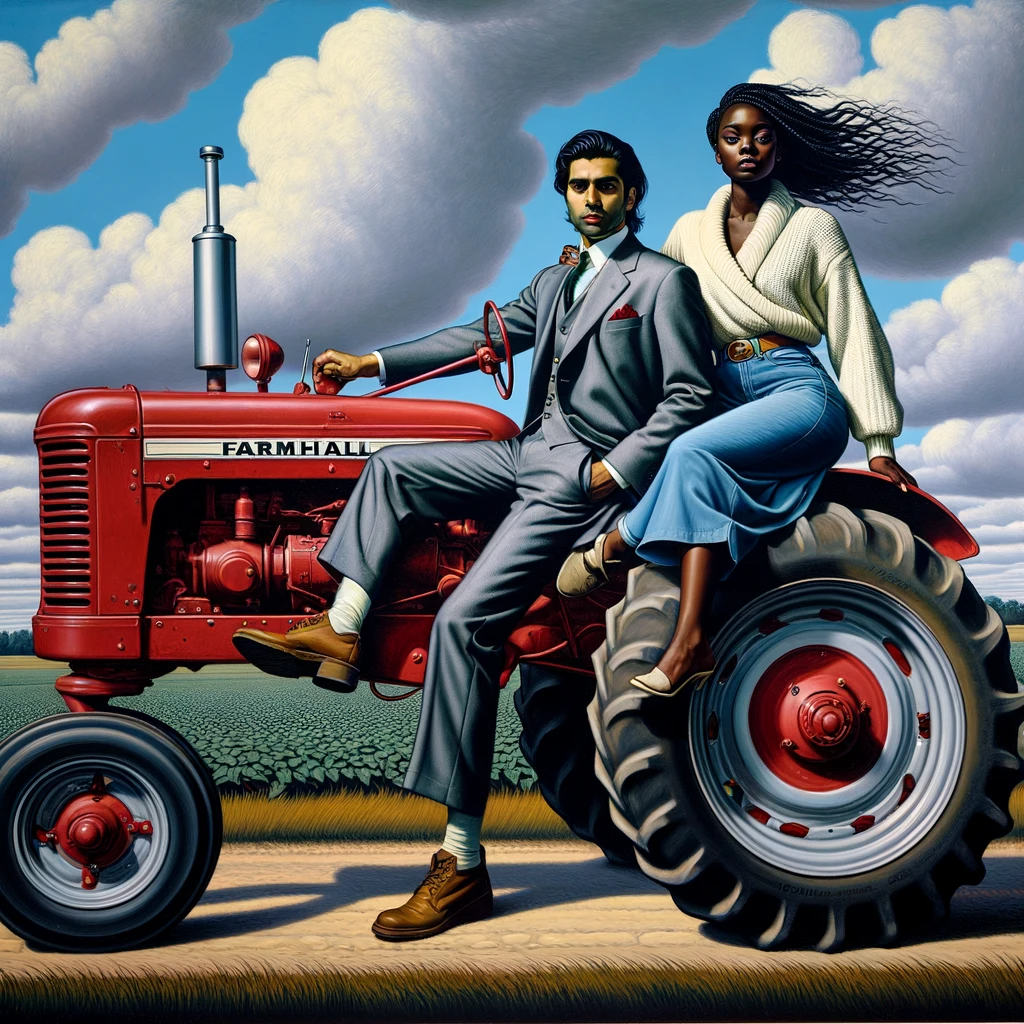
In an age where technology reigns supreme and ultra-modern gadgets swirl around us like leaves in the wind, classic tractors are making a surprising resurgence in modern farming practices. But why? Why are these aging workhorses, with their rusty exteriors and uncompromising simplicity, reclaiming their place in the fields? The answer strikes a chord deep within the soul of agriculture, evoking pride, nostalgia, and a profound sense of connection to the land.
Picture this: a classic tractor chugging along the earth, its gears grinding with a reassuring howl, each turn of the wheel echoing decades of hardworking history. For many farmers, these machines are not just tools; they’re the embodiment of family legacies, passed down through generations. Imagine the stories shared over cups of coffee, where fathers and sons reminisce about the summers spent tending fields—those are powerful, passionate narratives spun around the very tractor that plowed the family’s fields through trials and triumphs.
From a rational perspective, classic tractors offer a straightforward solution in an increasingly complicated world. With fewer electronic components and simpler mechanics, they often require less maintenance than their modern counterparts. Farmers can take matters into their own hands, fixing mishaps with a wrench and a bit of common sense rather than an expensive trip to the dealership. This accessibility gives farmers the autonomy to reclaim their time and resources, operating under principles of sustainability and stewardship.
Ethically speaking, the return of classic tractors aligns with a growing movement toward regenerative agriculture. Rural communities are recognizing that reviving these machines signifies a dedication to preserving traditional farming practices. It’s about more than just nostalgia; it’s about respecting the Earth and the roots of farming while facing the challenges of today.
And let’s not forget the social aspect. Farmers are connecting over shared passions: vintage tractor shows, local gatherings, and online forums buzzing with excitement. There’s a camaraderie in the community, where advice is freely exchanged, and tales are relived—all sparked by a love for these classic machines that once ruled the fields and still capture the heart.
So, whether you’re a seasoned farmer or just drawing inspiration from the land, consider the allure of a classic tractor. It’s more than just a piece of machinery; it’s a bridge between our past and our future—solid, timeless, and robust, just like the very spirit of agriculture itself.

Why Are Classic Tractors Making a Comeback In Modern Farming
Why Are Classic Tractors Making a Comeback In Modern Farming
- Classic tractors are making a resurgence in modern farming practices, despite the dominance of technology.
- These tractors evoke pride and nostalgia, representing family legacies and traditions in farming.
- They offer simple mechanics, requiring less maintenance and allowing farmers to perform repairs independently.
- The return of classic tractors aligns with a movement toward regenerative agriculture and sustainable practices.
- Reviving these machines signifies a commitment to preserving traditional farming practices and respecting the Earth.
- Farmers are forming connections through vintage tractor shows, local gatherings, and online communities.
- Classic tractors serve as a bridge between farming’s past and future, embodying the spirit of agriculture.

Why Are Classic Tractors Making a Comeback In Modern Farming
Table Of Contents
- Why Are Classic Tractors Making a Comeback In Modern Farming
- Why Do Classic Tractors Evoke Nostalgia For Many Farmers?
- How Efficient Are Classic Tractors Compared To Modern Ones?
- Are Classic Tractors More Environmentally Friendly?
- What Stories Do Classic Tractors Tell About Our Farming Heritage?
- How Do Community Values Drive The Interest In Vintage Machinery?
- Can Classic Tractors Inspire A New Generation Of Farmers?
- Conclusion
- Other Resources
- Glossary Of Terms
- Other Questions
- Haiku
- Poem
- Checklist
Why Do Classic Tractors Evoke Nostalgia For Many Farmers?
Why Do Classic Tractors Evoke Nostalgia for Many Farmers?
There’s something about classic tractors that stirs a deep, lasting sense of nostalgia in the hearts of farmers. It’s not just the gleaming paint or the meticulous craftsmanship; it’s the stories woven into every bolt and the memories encapsulated within every rusted panel. For many, these machines are not merely equipment; they symbolize a way of life that is fast fading into the rearview mirror.
Picture a sun-drenched field, the gentle hum of an old tractor purring at work, dust swirling in its wake. This tractor, perhaps a Ford 8N or a John Deere Model B, is more than iron and steel. It’s the embodiment of long hours spent under the sprawling sky, the satisfaction of a day’s labor etched into the landscape of one’s youth. Each turn of the wheel and each pull of the lever carries the weight of family traditions and generations of hard work. When farmers see these classic models, they don’t just recall the mechanics; they feel the pulse of their lineage.
Rationally, it’s easy to recognize the advances in technology that make today’s tractors more efficient, reliable, and user-friendly. But nothing quite replaces the soul of those simpler times. Ethical farming practices encourage a connection to the land—a sense that we are caretakers of something greater than ourselves. Classic tractors cultivate that connection. They remind us of the essential values of hard work, perseverance, and community, where neighbors helped neighbors, and a simple cup of coffee could turn into a labor of love at sunrise.
Then there’s the authority of the past. Tractors have helped shape countless lives and economies; they represent the backbone of modern agriculture. What better way to acknowledge that history than by preserving these classic pieces of machinery? The act of restoration isn’t just about nostalgia; it’s about honoring the sacrifices and triumphs of those who came before us.
In today’s fast-paced world, where everything seems to be disposable and fleeting, classic tractors provide a tangible reminder of simpler times and enduring values. They bridge generations, fostering a connection between the old and the new. When farmers gather at local shows or swap meet events, they aren’t just talking tractors; they’re sharing stories, forging friendships, and binding the fabric of community tighter.
So the next time you stumble across a classic tractor, don’t just see metal and machinery; remember the heart, history, and hope that lives on through each engine’s roar. Embrace it, for within that nostalgia lies not just the past, but the seeds of the future.

Why Do Classic Tractors Evoke Nostalgia For Many Farmers?
Why Do Classic Tractors Evoke Nostalgia For Many Farmers?
- Classic tractors evoke nostalgia for farmers by representing a fading way of life beyond their mechanical function.
- These machines carry memories of hard work, tradition, and family lineage, embodying the essence of farmers’ labor.
- While modern tractors offer technological advancements, classic tractors retain an emotional and historical significance.
- They foster a connection to ethical farming practices, emphasizing stewardship of the land and community values.
- Restoring classic tractors honors the legacy of past generations, recognizing their contributions to agriculture.
- Classic tractors serve as a bridge between generations, fostering community and shared experiences among farmers.
- They are reminders of enduring values amidst today’s fast-paced and disposable culture, linking the past to the future.

Why Do Classic Tractors Evoke Nostalgia For Many Farmers?
How Efficient Are Classic Tractors Compared To Modern Ones?
When you picture a classic tractor—perhaps those hulking, painted metal giants with more character than they can handle—you can’t help but feel a kind of reverent awe. They stand as testaments to a time when farming was synonymous with muscle, grit, and unyielding dedication. Classic tractors weren’t just machines; they were partners in a daily struggle, built to last, with stories etched into their frames from working long hours in unforgiving fields. But how do these vintage tractors stack up against their modern counterparts in terms of efficiency?
Let’s break it down. Classic tractors were often designed for simplicity, with straightforward engines and manual controls that demanded a farmer’s full attention. This hands-on approach cultivated a deep relationship between the operator and the land. You didn’t just hop on; you connected with the soil, the machinery, and the rhythms of nature. It’s a connection that some feel is lost in today’s state-of-the-art models, equipped with advanced technology that does much of the work for you. As efficient as modern tractors may be, can they replicate that visceral human experience?
On one hand, modern tractors offer unprecedented fuel efficiency, advanced technology, and increased power, allowing farmers to cover more ground with less fuel. They’re honed for precision and effectiveness, making them practically indispensable for those who manage larger operations. Yet, this kind of efficiency comes at a cost—one that goes beyond dollars and cents. The charm of consistent, hands-on work is overshadowed by screens that dully flicker in the cab, distancing us from the very essence of farming.
On the other hand, look at that rugged classic tractor. Sure, it might chug along with a bit less efficiency, but there’s an intrinsic value in knowing that every hour spent tending to a field fosters resilience and dedication. These machines remind us of our roots and the craftsmanship that built an industry. Farming brings a community together; whether it’s gathering for an annual tractor show or swapping tales of the past over coffee, that connection is as fundamental as the work itself.
So, as we stand at this crossroads of nostalgia and progress, we must ask ourselves what efficiency truly means. In our rush to embrace modernity, let’s not forget the stories, the heritage, and the simple thrill of working side by side with a trusty tractor—old or new. Because at the end of the day, it’s not just about how efficiently we can plow the fields; it’s about the legacy we cultivate along the way.

How Efficient Are Classic Tractors Compared To Modern Ones?
How Efficient Are Classic Tractors Compared To Modern Ones?
- Classic tractors evoke a sense of reverence and nostalgia, symbolizing a time of hard work and dedication in farming.
- Designed for simplicity, classic tractors foster a deep connection between the operator, machinery, and land.
- Modern tractors boast advanced technology, superior fuel efficiency, and increased power, making them essential for larger operations.
- While modern tractors enhance efficiency, they can diminish the visceral human experience of farming.
- Classic tractors, though less efficient, embody resilience and craftsmanship, reminding us of farming roots and community bonds.
- The choice between classic and modern tractors raises questions about what efficiency truly means in farming.
- Ultimately, farming is about legacy and the stories we create alongside our machines, regardless of their age.

How Efficient Are Classic Tractors Compared To Modern Ones?
Are Classic Tractors More Environmentally Friendly?
When you think about the world of tractors, what often comes to mind are the powerful machines that forged the backbone of rural America. Yet, when we look deeper at classic tractors, we uncover a surprising narrative that intertwines environmental consciousness with our heritage. So, are classic tractors more environmentally friendly? The answer isn’t as straightforward as one might think, but it speaks volumes to the values we hold dear.
Let’s pause for a moment and consider the head and heart of the matter. These vintage giants, built with metal, grease, and grit, represent a time when things were made to last. Unlike their modern counterparts, which can be riddled with complex electronics and consumer-grade plastics, classic tractors were designed with simplicity in mind. This simplicity often translates into fewer parts that can break down or be replaced, reducing waste over time. Imagine a farmer in the 1950s, tending to his fields with a machine that would stand the test of time—the kind of durability we seem to be craving in a disposable age.
Now, let’s dig deeper into the ethical considerations. Many classic tractors run on less fuel than today’s sophisticated models, not because they were designed to be sustainable but due to the sheer efficiency of less complexity. There’s a certain charm in knowing that a tractor can be maintained with little more than a wrench, making it accessible to anyone willing to get their hands dirty. Call it rugged individualism or the spirit of self-reliance—these machines foster a connection to our land and each other.
Moreover, there’s a social aspect to these tractors that can’t be overlooked. Picture a community harvest or a local tractor show where folks gather, share stories, and celebrate their love for these machines. Classic tractors don’t just serve a purpose; they build bonds. They evoke nostalgia and pride, uniting generations who respect not only the machinery but the labor and love behind it. In this way, operating a classic tractor is less about the engine and more about the story, the values, and the community behind it.
So, as we consider the role of classic tractors in our evolving conversations about environmental responsibility, let’s embrace their lessons: durability, simplicity, and connection. In a world racing headlong into the latest and greatest, perhaps it’s time we look back to those timeless machines that remind us of what truly matters—trust in our tools, confidence in our choices, and the courage to keep our feet firmly planted on the land we love.

Are Classic Tractors More Environmentally Friendly?
Are Classic Tractors More Environmentally Friendly?
- Classic tractors embody the values of durability and simplicity, contrasting with modern machines.
- Designed to last, classic tractors have fewer parts, reducing waste over time.
- Many vintage tractors operate on less fuel due to their efficient, uncomplicated design.
- They promote a sense of self-reliance and accessibility, allowing owners to maintain them easily.
- Classic tractors foster community bonds through shared experiences like harvests and tractor shows.
- Operating these tractors evokes nostalgia, uniting generations through shared respect for heritage.
- In discussions of environmental responsibility, classic tractors illustrate the importance of lasting values.

Are Classic Tractors More Environmentally Friendly?
What Stories Do Classic Tractors Tell About Our Farming Heritage?
When you stand in the presence of a classic tractor, you’re not merely gazing at iron and paint; you’re gazing at history. Each tractor has a story etched into its body, one that speaks volumes about the endurance of our farming heritage. These machines, often faded and rusting, are the remnants of a time when the heart of rural America pulsed with hard work, innovation, and history. They tell tales of families waking before dawn, rising with the sun to tend to the land they loved.
But let’s think beyond the nostalgia. What do these tractors symbolize in our modern world? They represent the marriage of man and machine, a partnership forged in sweat and resilience. The farmers who relied on these mechanical beasts weren’t just trying to get the job done; they were caring for the very soil that supports us all. That connection is palpable—you can almost feel the dirt beneath your fingernails when you think about it. It’s a reminder that farming is a noble profession, deserving of our respect.
Ethically, these classic tractors compel us to acknowledge our roots. In an age of instant gratification, it’s refreshing to remember the value of hard work and patience. Every scratch on the hood and dent in the fender tells a story of struggle and victory, reminding us that progress isn’t merely about new technology but also about honoring the past. It’s about the generations that cultivated fields with nothing but grit, determination, and sometimes, a trusty old tractor.
Rationally, these machines were born from necessity. As farming practices evolved, so did our machinery. The farmers who operated these tractors became innovators in their own right, adapting their techniques and tools to push forward in a constantly changing environment. It’s a testament to human ingenuity and a call to foster that same innovative spirit today.
Collectively, as we gather to celebrate these tractors—whether at a county fair or a restoration show—we’re reminded of our shared heritage. We’re encouraged to connect through stories and memories passed down through the years. By honoring these classic machines, we honor the farmers who lived, toiled, and dreamt of a better tomorrow. So, the next time you see one, take a moment to appreciate its story. After all, it’s more than a tractor; it’s a piece of our legacy, wrapped in steel and history, inviting us into the heart of our agricultural story.

What Stories Do Classic Tractors Tell About Our Farming Heritage?
What Stories Do Classic Tractors Tell About Our Farming Heritage?
- Classic tractors symbolize the rich history and endurance of farming heritage.
- They represent the partnership of man and machine, showcasing resilience and hard work.
- These machines evoke a deep connection to the soil and the noble profession of farming.
- Each scratch and dent tells a story of struggle, victory, and the importance of hard work.
- Tractors evolved out of necessity, demonstrating innovation in farming practices.
- Celebrating classic tractors helps preserve and connect us to our shared agricultural heritage.
- Overall, these tractors invite us to honor the farmers and their legacy in our agricultural story.

What Stories Do Classic Tractors Tell About Our Farming Heritage?
How Do Community Values Drive The Interest In Vintage Machinery?
When you think about a tractor, what do you envision? Maybe it’s a rusted piece of iron sitting peacefully in a field under the wide, blue sky, or perhaps it’s the heart of a local farm, surrounded by family and tradition. For many communities, vintage machinery isn’t just about nostalgia; it’s a tangible piece of their shared heritage and identity. The appeal of these sturdy machines runs deep—roots planted firmly in the values of hard work, craftsmanship, and connection to the land.
At its core, the interest in vintage tractors speaks to our collective desire to embrace what truly matters. In a world of rapid technological change and fleeting trends, these machines remind us of slower, simpler times. They represent the sweat of our ancestors, the grit of generations before us, and the enduring spirit of those who tilled the land with their bare hands and trusty machines. Quite simply, they symbolize dedication—a quality that resonates deeply within our communities.
Communities thrive on shared stories, and vintage machinery lends itself to an endless well of narratives. Picture the annual community tractor show, where families gather to reminisce about their first harvest or how they fixed a stubborn engine with nothing more than ingenuity and elbow grease. Those stories foster connection and camaraderie, reminding us that we are part of something bigger. They invite us to celebrate the past while encouraging us to forge new memories, an intergenerational relay that fortifies our social fabric.
But it’s more than just the emotional pull of nostalgia; it’s ethical too. By valuing vintage machinery, we advocate for sustainability and the preservation of resources. Why discard an old tractor when it can be restored and repurposed, ultimately leading to less waste and a more sustainable future? Enthusiasts stand up for quality over quantity, teaching the next generation the importance of craftsmanship—lessons that are becoming increasingly rare in our fast-paced world.
In every dent and scratch of a vintage tractor lies a story worth telling. It’s an artifact that embodies resilience and ingenuity, igniting a passion that stretches beyond the mechanics. This interest isn’t just a hobby; it’s a movement—a rallying cry for community values centered around respect, heritage, and connectedness. So, the next time you see a vintage tractor, take a moment to appreciate not just the machine, but the rich tapestry of people, stories, and values that drive our love for these incredible pieces of history. Together, let’s keep that spirit alive.

How Do Community Values Drive The Interest In Vintage Machinery?
How Do Community Values Drive The Interest In Vintage Machinery?
- Vintage tractors symbolize shared heritage and identity within communities.
- They represent values of hard work, craftsmanship, and connection to the land.
- Interest in vintage machinery fosters a desire for simpler times amidst technological change.
- Community events, like tractor shows, encourage storytelling and strengthen social bonds.
- Valuing vintage tractors promotes sustainability and resource preservation.
- Enthusiasts advocate for quality craftsmanship, teaching valuable lessons to future generations.
- Each vintage tractor carries a history of resilience and represents community values.

How Do Community Values Drive The Interest In Vintage Machinery?
Can Classic Tractors Inspire A New Generation Of Farmers?
Imagine a young person standing in a field, jaw agape, staring at a gleaming classic tractor that’s been lovingly restored to its former glory. The vibrant paint, the rumbling engine, and the soulful clanking of well-worn gears tell stories that are often lost in our high-tech world. That rusted piece of machinery isn’t just a tractor; it’s a bridge to the past, a connection to generations of farmers who plowed the land before us, persevering through droughts, floods, and everything in between.
In a time when so many young minds are pulled toward screens and the allure of urban life, classic tractors can reignite a passion for farming. They embody the grit and determination of those who came before. The tactile experience of turning a wrench or the smell of freshly turned earth can awaken a visceral connection to the land and a respect for those who labor upon it. Stationed behind the steering wheel of a vintage tractor, a sense of responsibility takes root—responsibility for the environment, for sustainable practices, and for honoring the legacy of those who paved the way.
Rationally, it’s undeniable that as the global population continues to grow, the need for sustainable food sources becomes more urgent. Technology has its place, but there’s something timeless and effective about fundamental farming practices, and classic tractors exemplify that spirit. They bring to mind a simpler time when community supported community. Learning to operate, maintain, and cherish these machines instills skills that are not just relevant in farming, but life itself—teamwork, persistence, and resourcefulness.
On an ethical front, understanding our food system and its roots can inspire young farmers to take charge, championing both tradition and innovation. This fusion of the old and new—where classic machines meet modern techniques—offers a hopeful pathway. The narrative woven here goes beyond tractors; it’s about cultivating a robust future grounded in respect for the land, our farmers, and the livelihoods they support.
By banding together and honoring the heritage of classic agriculture, we foster a sense of belonging. Local farm clubs, community workshops, and hands-on experiences can bridge generational gaps, inviting the curious and passionate to step inside the world of farming. So, let’s invite those who cherish the smells, the sights, and the sounds of classic tractors to become the stewards of the land. Because in the story of farming, there’s always room for new chapters—and the pen may very well belong to a new generation of farmers ready to write their own legacy.

Can Classic Tractors Inspire A New Generation Of Farmers?
Can Classic Tractors Inspire A New Generation Of Farmers?
- Young people captivated by the beauty and history of classic tractors.
- Classic tractors symbolize a connection to past generations of farmers.
- They inspire a passion for farming amidst a technology-driven world.
- Operating vintage tractors fosters responsibility for the environment and sustainable practices.
- Classic farming techniques highlight the importance of community and essential life skills.
- Understanding the food system motivates young farmers to blend tradition with innovation.
- Community initiatives can bridge generations and invite new enthusiasts into farming.

Can Classic Tractors Inspire A New Generation Of Farmers?
Conclusion
Conclusion: The Heart of Farming
Alright folks, let’s take a step back and reflect on what we’ve unpacked here about the resurrection of classic tractors in modern agriculture. In a world that tends to chase after the shiny and the new, there’s something profoundly grounding about dusting off those vintage machines and putting them back to work in the fields. It’s about rekindling a connection to our roots—those very roots that have nurtured generations of farmers and their families.
Imagine that iconic Ford 8N or John Deere Model B chugging through a field, its engine humming an old tune that speaks volumes about history, craftsmanship, and a way of life forged through labor and love. Each rusted bolt carries memories, and each faded color wraps layers of stories—a heartfelt narrative linking fathers, sons, and daughters. These machines aren’t just steel and rubber; they symbolize family legacies, whispers of who we are and where we came from.
Now, let’s reason it out. These classic tractors come with fewer bells and whistles, offering farmers the simplicity of hands-on maintenance and the joy of direct engagement with their work. In today’s fast-paced world, that’s a rare gem. They’re not just machines; they’re tools of empowerment. With a wrench and a little know-how, farmers can fix them without breaking the bank—a rational reminder that sometimes the simplest solutions remain the most effective.
Ethically, the revival of these tractors speaks to a larger movement toward sustainable farming. As we revive these aging workhorses, we aren’t just preserving a relic of the past; we’re committing to practices that honor the earth and acknowledge our responsibility as stewards of the land. Think of the conversations at local tractor shows; they’re filled with advice, laughter, and community—a celebration of shared values binding generations together.
So, whether you’re a seasoned farmer or someone still exploring the joys of the land, consider the classic tractor as not just a piece of machinery but a powerful bridge connecting the past to our future. As we navigate contemporary challenges, let’s harness the wisdom of yesterday while driving toward a sustainable tomorrow. Those old tractors carry within them the spirit of agriculture—resilient and robust, reminding us that farming is not just a profession; it’s a way of life worth cherishing. Let’s steer this nostalgia-driven comeback into new fields of possibility, cultivating not just crops, but community, legacy, and a future that appreciates the heart and soul behind every turn of the wheel.

Conclusion
Conclusion:
- Classic tractors represent a reconnection to farming roots and heritage.
- Machines like the Ford 8N and John Deere Model B symbolize family legacies and shared stories.
- These vintage tractors offer simplicity, hands-on maintenance, and direct engagement for farmers.
- Reviving classic tractors promotes sustainable farming practices and earth stewardship.
- Local tractor shows foster community and celebrate shared values across generations.
- Classic tractors serve as a bridge between past wisdom and future agricultural challenges.
- Embracing old tractors nurtures community, legacy, and the spirit of agriculture as a cherished way of life.

Conclusion
Other Resources

Other Resources
Here is a list of other resources you can review online to learn more:
Use This Prompt To Get More Resources With Your Favorite Online AI Tool: Please provide me with a list of online articles with their URLs in a bulleted list that I can read regarding Why Are Classic Tractors Making a Comeback In Modern Farming
Other Resources
Glossary Terms
Why Are Classic Tractors Making a Comeback In Modern Farming – Glossary Of Terms
1. Classic Tractors
: Vintage farming machinery typically produced before the mid-1980s, known for their simple design and robust construction.
2. Sustainability
: Practices that promote environmental health and resource conservation, which classic tractors can support due to their durability and longevity.
3. Restoration
: The process of repairing and refurbishing classic tractors to bring them back to working condition, often emphasizing original features.
4. Heritage Farming
: Agricultural practices that emphasize traditional methods and equipment, including the use of classic tractors.
5. Nostalgia
: A sentimental longing for the past, which drives interest in classic tractors among farmers and collectors.
6. Efficiency
: The ability to use resources effectively, which some classic tractors can achieve through simplicity and ease of repair.
7. Community
: The social aspect of farming where sharing knowledge and resources among like-minded individuals leads to initiatives like tractor shows and swap meets.
8. Modifications
: Changes made to classic tractors to improve performance or adapt them for modern farming needs, including enhancing power or efficiency.
9. Tractor Shows
: Events where enthusiasts display restored or vintage tractors, celebrating agricultural heritage and fostering community engagement.
10. Local Farming
: Small-scale agricultural operations that may prefer classic tractors for their suitability to diverse terrains and farming methods.
11. Simplicity
: The straightforward mechanics of classic tractors, making them easier to maintain and repair compared to modern machines laden with technology.
12. Cost-effectiveness
: The financial advantage of purchasing and maintaining older tractors, which can be less expensive than modern alternatives.
13. Agricultural History
: The study and appreciation of farming practices and tools through the ages, highlighting the significance of classic tractors in this legacy.
14. Retrofitting
: Adding modern technology or components to classic tractors to enhance their functionality while maintaining their original charm.
15. Collectibles
: Items that are valued for their rarity and historical significance, including classic tractors that are sought after by collectors.
16. DIY Maintenance
: The practice of farmers performing their own repairs and maintenance on classic tractors, which fosters a deeper hands-on knowledge.
17. Mobility
: The ability of classic tractors to operate in diverse farming environments, often preferred by farmers with varied types of land.
18. Reliability
: The dependable performance of classic tractors, which are often built to last and require less frequent replacement.
19. Cross-Generational Appeal
: The interest in classic tractors that spans across different age groups, fostering connections between experienced farmers and younger generations.
20. Utility
: The practical benefits of classic tractors, such as their versatility for various farming tasks, from plowing to hauling.
21. Eco-Friendly
: Farming practices that minimize harm to the environment, which can be supported by the use of older, mechanically-driven machinery.
22. Customization
: The personal touch farmers add to classic tractors, often resulting in unique machines that reflect the owner’s personality and needs.
23. Agricultural Shows
: Events that showcase modern and vintage farming equipment, providing insight into both current and historical farming techniques.
24. Cultural Identity
: The reflection of regional and familial agricultural practices in the choice to use classic tractors, enhancing a sense of belonging and tradition.
25. Mechanical Skills
: The knowledge and abilities required to repair and maintain classic tractors, often honed out of necessity by many farmers.
26. Resourcefulness
: The capacity to creatively use existing tools and equipment, exemplified by the revival of classic tractors in modern farming.
27. Environmental Stewardship
: The responsible use and protection of the natural environment through methods like sustainable farming with classic tractors.
28. Education and Workshops
: Programs designed to teach new and old farming techniques, including the use of classic tractors, to preserve agricultural knowledge.
29. Grassroots Movements
: Community initiatives aimed at promoting the use of vintage farming equipment, often driven by the desire to support small-scale farmers.
30. Tradition
: The customs and practices passed down through generations in farming, including the use of classic tractors which symbolize a bygone era.

Glossary Of Terms
Other Questions
Why Are Classic Tractors Making a Comeback In Modern Farming – Other Questions
If you wish to explore and discover more, consider looking for answers to these questions:
- What specific models of classic tractors are most popular among farmers today?
- What are some examples of traditional farming practices being used alongside classic tractors?
- How does the maintenance of classic tractors compare to modern tractors?
- What challenges do farmers face when using classic tractors in today’s agricultural landscape?
- Are there any financial benefits to using classic tractors over modern tractors?
- What role do communities play in preserving the history of classic tractors?
- How do vintage tractor shows contribute to farming culture?
- What are the key skills needed to operate and maintain a classic tractor?
- Can classic tractors be adapted for modern farming techniques?
- What impact does using classic tractors have on farm productivity?
- How does the interest in classic tractors reflect broader trends in sustainable agriculture?
- What resources are available for farmers interested in restoring classic tractors?
- How do social media and online communities influence the interest in classic tractors?
- What are the environmental implications of using classic tractors vs. modern tractors?
- How can classic tractors serve as educational tools for young farmers?

Other Questions
Haiku
Why Are Classic Tractors Making a Comeback In Modern Farming – A Haiku
Classic iron whispers,
Through rust and reminiscence—
Legacies alive.

Haiku
Poem
Why Are Classic Tractors Making a Comeback In Modern Farming – A Poem
In the Fields of Heritage: A Poem of Classic Tractors
In the twilight glow of field and sky,
Where echoes of laughter and labor still lie,
Rusty giants stand, with stories to tell,
Of ancestors’ toil, their triumphs as well.
With each turn of wheel, a heartbeat resounds,
A symphony of past, where pride knows no bounds,
These classic machines, clad in weathered grace,
Whisper of love that no time can erase.
Oh, nostalgia awakens, as gears gently grind,
Connecting the past to the lives intertwined,
Fathers and sons, in shared tales enshrined,
Underneath the vast heavens, their spirits aligned.
In a world rushing onward, with screens that confound,
We find solace in simplicity, sturdy and sound,
No complex contraptions, just honesty’s gleam,
With every tool’s touch, we’re reclaiming a dream.
Ethics whisper softly: respect what is ours,
To nurture the earth and embrace its sweet scars,
Restoring those tractors, we honor the fight,
For sustainable farming, a future that’s bright.
Communities gather, in fellowship tight,
Where coffee fuels stories in soft morning light,
Vintage shows light the way, bringing warmth to the cold—
In each scratch, a history, in each dent, value bold.
So, let’s gather the youth, let them witness and feel,
The weight of tradition, the strength of each wheel,
For in that connection, we cultivate more,
New chapters of farming, a legacy sore.
To cherish the past, while we forge on ahead,
With classic tractors, our hearts intertwined,
Let’s honor the journey, the grit of the grind,
Together we harvest what’s truly divine.

Poem
Checklist
Why Are Classic Tractors Making a Comeback In Modern Farming – A Checklist
Checklist for Embracing Classic Tractors in Modern Farming
Heart: Emotional Appeals
1. Reflect on Your Heritage
_____ Consider the stories of ancestors and their relationships with classic machinery. What memories do they evoke for you?
2. Share Your Own Stories
_____ Gather with friends or family to reminisce about experiences related to tractors and farming. Write them down for future generations.
3. Visit a Vintage Tractor Show
_____ Engage in local events to see classic tractors and feel the sense of community they foster.
4. Connect with the Land
_____ Spend time on a farm, working with or around classic tractors to reignite your passion for agriculture.
5. Create a Family Tradition
_____ Establish an annual event to celebrate classic farming practices, like a ‘tractor Day’ where family and friends gather.
Head: Rational Appeals
6. Understand Maintenance Benefits
_____ Research how classic tractors’ simpler mechanics lead to lower maintenance costs and self-sufficiency.
7. Explore Efficiency Comparisons
_____ Compare fuel consumption and operational costs between classic and modern tractors. Identify which fits your farming goals better.
8. Learn About Sustainable Practices
_____ Investigate how using classic tractors can contribute to sustainable farming and resource conservation.
9. Study Tractor Restoration Techniques
_____ Educate yourself on how to restore classic tractors. This knowledge can save costs and empower you as a farmer.
10. Consider Agriculture Trends
_____ Stay informed about the rising trend of regenerative agriculture and how vintage practices align with modern sustainability initiatives.
Gut: Ethical Appeals
11. Honor Traditional Practices
_____ Pledge to support and preserve methods that prioritize respect for the Earth and community.
12. Advocate for Quality and Durability
_____ Promote a culture that values craftsmanship over consumerism by choosing classic over disposable.
13. Engage in Community Initiatives
_____ Participate in local efforts to restore and maintain classic tractors as a community service project.
14. Share Resources for New Farmers
_____ Offer mentorship or resources to young individuals interested in traditional farming practices, fostering a sense of responsibility.
15. Value Agriculture’s Role in Society
_____ Reflect on the social implications of farming heritage and advocate for local produce and farming practices within your community.
Authority: Community and Social Appeals
16. Join Farming Groups
_____ Connect with local or online farming communities that focus on vintage machinery and share ideas, tips, and experiences.
17. Attend Educational Workshops
_____ Participate in workshops about vintage tractors, where you can learn from experts and veteran farmers.
18. Highlight Local Farmers’ Stories
_____ Gather and publish narratives from local farmers about their experiences with classic tractors to inspire others.
19. Engage with Local Schools
_____ Collaborate with educational institutions to introduce programs that teach the importance of farming heritage and tractor mechanics.
20. Use Social Media to Connect
_____ Share your passion for classic tractors and traditional farming on social platforms, joining conversations that celebrate agricultural history.
This checklist combines emotional connections, rational understanding, ethical considerations, and social engagement, aiming to foster a deeper appreciation for the resurgence of classic tractors in modern farming.

Checklist
At ClassicTractorNews, we help tractor lovers keep up with the latest news for classic and vintage tractors.
Please share this post with your friends, family, or business associates who may like old classic or vintage tractors.