


Transforming Classics: Elevate Your Experience With Smart Sensors
By Tom Seest
At ClassicTractorNews, we help tractor lovers keep up with the latest news for classic and vintage tractors.
Please share this post with your friends, family, or business associates who may like old classic or vintage tractors.
Why Adding Sensors Is the Smartest Classic Upgrade
When it comes to upgrading our classic tractors, adding sensors isn’t just a modern twist; it’s a bridge between our roots and the future of farming. Many of us have spent countless hours tending to the land, forming a bond with our trusty machines that embody hard work and heritage. A classic tractor, worn yet dependable, has been more than a tool; it’s been a part of the family. But as times change, so must our approach to agriculture.
Imagine driving your old tractor across the fields—its engine humming in harmony with the land. Now picture that same experience enhanced by cutting-edge sensors, transforming the way you interact with your fields. These sensors provide real-time data about soil health, moisture levels, and crop conditions, turning a simple ride into a sophisticated journey of insight. This is where the heart lies—bringing together the tried-and-true mechanisms of the past with the innovative solutions of today.
From a practical standpoint, these upgrades can significantly boost your yield and save on resources. A well-placed sensor can tell you just how much water your crops need, leading to wiser decisions and less waste. It’s not just about efficiency; it’s about respecting the land that feeds us. Ethically, we owe it to ourselves and future generations to use technology that enhances our stewardship of nature.
Think of it this way: when we add sensors to our tractors, we’re not just embracing technology—we’re expanding our ability to care for the earth. These devices become partners in our quest for sustainability. They equip us with knowledge, making the farmer’s instinct intertwined with data-driven decisions.
Let’s not forget the power of connection. When we share our stories of innovation, we inspire others to reconsider their approaches. Picture a community of farmers gathered, talking about their classic models, each having made the leap into the future with sensors. They don’t abandon their roots; instead, they cultivate them in new soil.
This isn’t just an upgrade; it’s a movement. By embracing technology, we honor the generations that came before us while paving the way for those who will follow. So, let’s celebrate our history by making our future smarter. Adding sensors to our classic tractors is not just wise; it’s the most heartfelt tribute we can make to our shared commitment to the land and to each other.

Why Adding Sensors Is the Smartest Classic Upgrade
Why Adding Sensors Is the Smartest Classic Upgrade
- Upgrading classic tractors with sensors connects traditional farming methods to modern technology.
- Sensors enhance the farming experience by providing real-time data on soil health, moisture levels, and crop conditions.
- Practical upgrades can improve yields and resource efficiency, reducing waste in agricultural practices.
- Utilizing technology respects land stewardship for future generations.
- Sensors enable a blend of instinctual farming knowledge and data-driven decision-making.
- Sharing innovations fosters community among farmers, preserving heritage while embracing the future.
- Adding sensors represents a movement towards smarter, sustainable farming and honors past generations.

Why Adding Sensors Is the Smartest Classic Upgrade
Table Of Contents
- Why Adding Sensors Is the Smartest Classic Upgrade
- Why Might Sensors Transform Our Classic Car Experience?
- How Do Sensors Enhance Vehicle Safety and Reliability?
- In What Ways Do Sensors Contribute to Fuel Efficiency?
- What Ethical Implications Arise From Upgrading with Sensors?
- How Can Upgrading with Sensors Affect Car Resale Value?
- Why Do Industry Experts Advocate for Sensor Technology In Classics?
- Conclusion
- Other Resources
- Glossary Of Terms
- Other Questions
- Haiku
- Poem
- Checklist
Why Might Sensors Transform Our Classic Car Experience?
Imagine a sunny afternoon, the roar of an engine stirring something deep within you. Classic cars bring to life stories of adventure, nostalgia, and craftsmanship. Each vehicle is like a time capsule, carrying with it the echoes of the past—faded memories clinging to the leather seats and the unmistakable scent of gasoline wafting through the air. But what if I told you that sensors could amplify that experience, transforming our relationship with these mechanical marvels?
Consider the pride of owning a vintage vehicle, a standout in a world dominated by sameness. Those who restore or drive these beauties might feel like modern-day blacksmiths, shaping metal and motor into art. But like all great things, you want to know they are in working order, and that’s where the magic of sensors comes in. By embedding technology that monitors engine temperatures, tire pressures, and fuel efficiency, these vehicles can extend their lifetimes and keep their engines roaring like new. Imagine receiving real-time updates about your engine’s performance while you’re cruising down a scenic highway, merging the old with the new, and enhancing the thrill of the ride.
This isn’t just about convenience—it’s about trust. We entrust these iconic machines with our memories, and by integrating sensors, we infuse our passion for classic cars with an added sense of security. It’s like having a loyal companion—your trusty tractor in the fields of your childhood—keeping you informed, ensuring smooth operation, and connecting you to the grit and grind of the journey ahead.
Let’s not forget the ethical dimension. As we revamp our classic automotive legends by making them safer and more efficient, we honor the original craftsmanship and history embedded in every line of those vehicles. The argument for environmental stewardship starts here; sensors can help optimize fuel usage, reducing the carbon footprint while keeping the spirit of the ride intact.
As you gather with fellow enthusiasts at local car shows or in online forums, the conversation naturally drifts to these advancements. It’s in these shared moments of passion that community thrives. Your car, laden with history, is now intertwined with technology that paves the way for future generations. Who would have thought that the marriage of a beloved classic and modern tech could foster deeper connections among enthusiasts?
The blend of sensors with classic cars will change the game, turning everyday drives into extraordinary experiences. You’ll not only feel the thrill of the road but a deep-seated connection to your vehicle, the community, and the wider world. Embrace the future, and let your classic car story thrive.
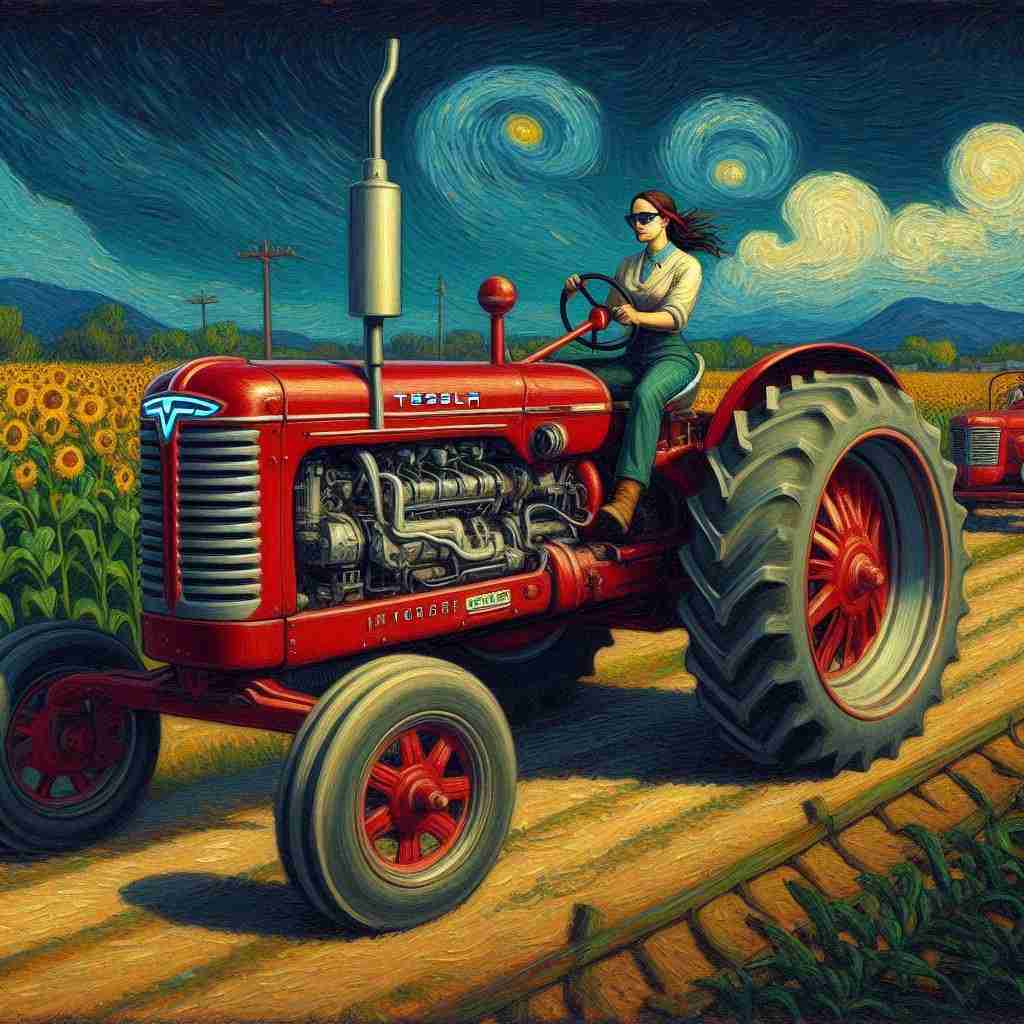
Why Might Sensors Transform Our Classic Car Experience?
Why Might Sensors Transform Our Classic Car Experience?
- Classic cars evoke nostalgia, adventure, and craftsmanship.
- Sensors can enhance the driving experience by monitoring vehicle performance.
- Technology can provide real-time updates on engine status, ensuring smooth operations.
- Integrating sensors instills trust and a sense of security for vintage vehicle owners.
- Environmental benefits include optimized fuel usage, reducing carbon footprints.
- The marriage of classic cars and modern technology fosters community among enthusiasts.
- The combination of sensors with classic cars transforms everyday drives into extraordinary experiences.

Why Might Sensors Transform Our Classic Car Experience?
How Do Sensors Enhance Vehicle Safety and Reliability?
Imagine a world where every vehicle is as reliable as your trusted old tractor, the one that never let you down during the harvest. Just as those rugged machines are equipped with simple yet effective technology that keeps them running smoothly, modern vehicles rely on an array of sensors that significantly enhance safety and reliability.
Driving isn’t just about getting from point A to point B; it’s about the journey, the connection we forge with the road, and the people we carry with us. That’s where sensors come into play, serving as your car’s eyes and ears, vigilant watchmen that keep both driver and passengers safe. These tiny, intricate devices continually collect data, processing the whir of tires on pavement, the distance to the vehicle ahead, or even the variations in weather. Picture this: a rainy day, the kind where the roads turn slick and visibility diminishes. The car’s sensors come alive, detecting hydroplaning risks and automatically adjusting the brakes. It’s the vehicle’s way of saying, “I’ve got your back,” just like that sturdy old tractor, ensuring you reach home safely.
Rationally speaking, the statistics are undeniable. Advanced driver-assistance systems (ADAS), powered by sensory technology, have drastically reduced accident rates. Studies show a consistent decline in crashes involving vehicles equipped with these systems. This is not just math; it’s lives saved. Ethically, we have a responsibility to embrace this technology—not just for ourselves but for our loved ones sharing the road.
But let’s think deeper. When we allow sensors to enhance our driving experiences, we embrace innovation that mirrors the perseverance embodied in every hardworking farmer who has ever depended on their tractor. These vehicles are not merely machines; they are partners in our lives. This is where the heart meets the head. The sensors speak a language of security, urging us to trust in their capability while we focus on what truly matters—the memories we create on every journey.
Now, consider a moment in your own life, perhaps when you had to make a split-second decision while driving. Imagine if an unseen ally, in the form of a sensor, could have aided that choice. With the advancements in sensor technology, this assistance is becoming a reality. It’s a step into a future where vehicles are proactive rather than reactive.
In embracing these innovations, we step toward a harmonious relationship between man and machine, fostering a culture that prioritizes safety while nurturing the very human spirit that drives us. Like a tractor tirelessly working the fields, our vehicles, equipped with sensors, are here to make our roads safer, reinforcing the bond we share with our families and communities.

How Do Sensors Enhance Vehicle Safety and Reliability?
How Do Sensors Enhance Vehicle Safety and Reliability?
- Modern vehicles rely on advanced sensors that enhance safety and reliability, similar to trusted old tractors.
- Sensors act as the vehicle’s eyes and ears, ensuring the safety of drivers and passengers.
- During adverse weather conditions, sensors can detect risks and automatically adjust vehicle functions.
- Advanced driver-assistance systems (ADAS) have significantly reduced accident rates, saving lives.
- Embracing sensor technology reflects a responsibility to protect ourselves and our loved ones on the road.
- Sensors enhance driving experiences, positioning vehicles as partners rather than mere machines.
- Advancements in sensor technology foster a proactive approach to driving, promoting a culture of safety.

How Do Sensors Enhance Vehicle Safety and Reliability?
In What Ways Do Sensors Contribute to Fuel Efficiency?
When we think about fuel efficiency, we often imagine sleek cars or hybrid engines cutting through the air with precision. Yet, there’s something deeply fundamental at play, something as unassuming as a sensory system embedded in a tractor. Yes, tractors. These rugged machines exemplify an increasingly sophisticated approach to fuel efficiency, one that harnesses the power of technology to enhance performance while nurturing the earth.
Consider the last time you felt your heart race as you navigated a tricky backroad, your senses heightened, aware of every bump and contour. That’s how modern sensors function within machinery like tractors, fine-tuning performance by constantly collecting data. Just as your body reads the environment to react, sensors monitor engine parameters, soil conditions, and weather patterns, making instantaneous adjustments that optimize fuel consumption. Imagine, for a moment, that the tractor is your loyal companion. Each data point it gathers—be it engine temperature or fuel flow—assembles a narrative of efficiency.
Now, think about how that efficiency translates into something bigger. It’s a story of sustainability, where farmers across the globe seek not just to maximize their yield but to do so with integrity, preserving our land for future generations. Each drop of fuel saved signifies not just a cost reduction but a pledge to minimize carbon footprints. This isn’t merely about economics but rather an ethical obligation to our communities and our planet.
Picture a family farm, the sun rising over golden fields, the laughter of children long after the harvest. This is the heart of farming, where families invest everything into the land. With sensor technology, they can reap better harvests while consuming less fuel. Imagine how empowering it feels knowing that with every mile, every rotation of the tractor’s tires, they’re actively participating in a broader mission of environmental stewardship.
This isn’t just technology at work; it’s a movement—a shift toward responsible agriculture. As these technological advancements become more accessible, they foster a sense of community among farmers. Sharing stories of success and challenges becomes a powerful way to advocate for fuel-efficient practices. Each time a tractor rolls onto the field, it isn’t merely an engine working. It’s a testament to innovation and resilience, echoing the commitment of those behind the wheel to do more with less.
We’re at a crossroads where technology and tradition intersect. The more we integrate sensors into our farming practices, the more we empower ourselves and others to embrace a sustainable future. It’s a call to action for all of us, inviting every farmer to engage not only with their land but with the vision of a brighter, greener tomorrow, powered by the tractors that embody this change.

In What Ways Do Sensors Contribute to Fuel Efficiency?
In What Ways Do Sensors Contribute to Fuel Efficiency?
- Fuel efficiency is enhanced by modern technology embedded in tractors.
- Sensors collect data on engine performance, soil conditions, and weather to optimize fuel consumption.
- Efficiency in farming promotes sustainability and reduces carbon footprints.
- Each saved drop of fuel represents a commitment to environmental stewardship.
- Sensor technology allows farmers to achieve better harvests with less fuel consumption.
- Technological advancements foster a sense of community among farmers advocating for fuel-efficient practices.
- The integration of technology in farming empowers a shift towards a sustainable future.
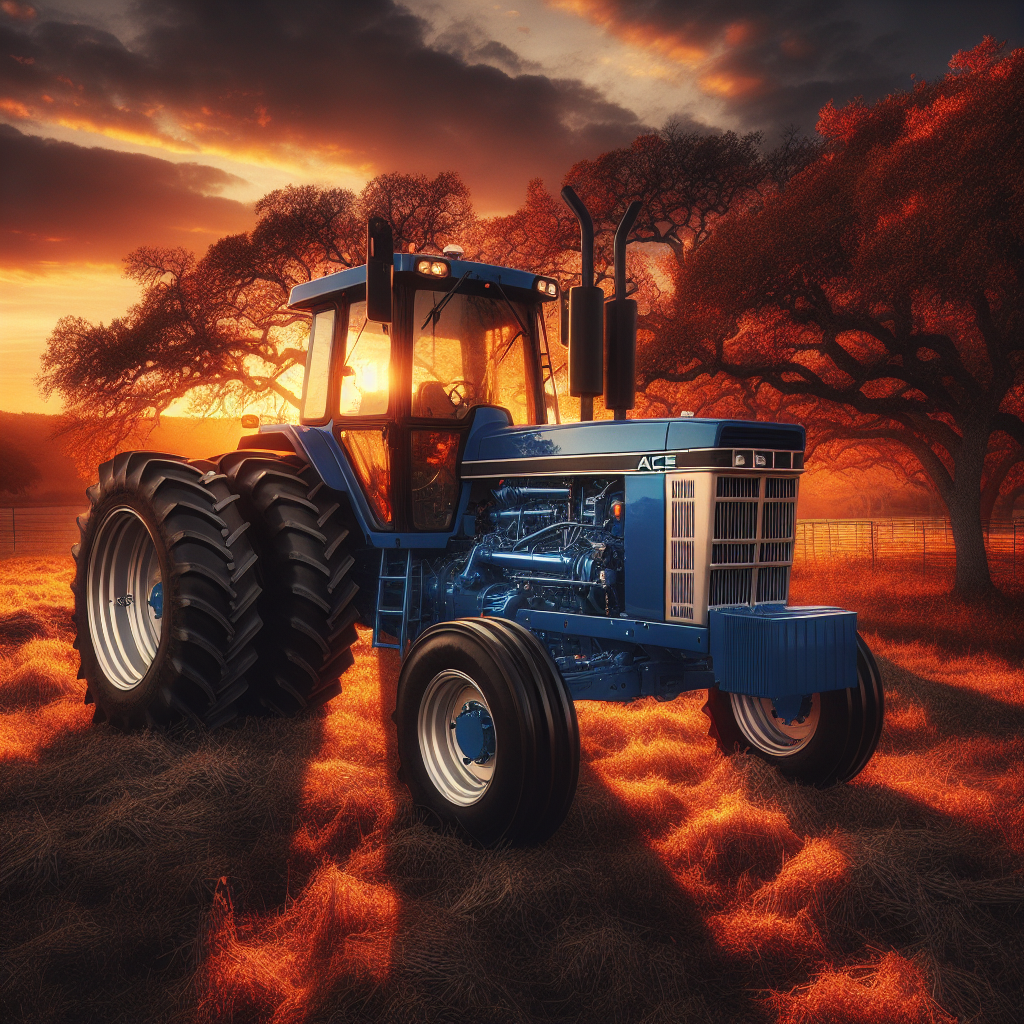
In What Ways Do Sensors Contribute to Fuel Efficiency?
What Ethical Implications Arise From Upgrading with Sensors?
When we think about upgrading our lives with sensors—whether on tractors rumbling across endless fields or in our homes—it’s easy to get swept away by the allure of technological advancement. We envision efficiency, productivity, and convenience. Yet, amidst this digital renaissance, ethical implications simmer beneath the surface, begging us to examine how such upgrades affect our humanity.
Consider the humble tractor, a symbol of agricultural innovation. It’s not just a machine; it’s a lifeline for farmers who depend on it for their livelihood. Upgrading to a smart tractor equipped with sensors can revolutionize farming practices by optimizing resource use and enhancing crop yields. However, we must ponder the unseen cost—how does the data collected from these sensors shape the relationship between farmers and their land? Do they become mere operators of technology rather than stewards of the earth? As we integrate sensors, we risk sacrificing our deep connection to nature in favor of algorithm-driven decisions that could detach us from our roots.
Then there’s the concern of privacy. Sensor technology turns personal lives into data points, and while convenience knocks on our door, it may also invite unwanted guests—corporate entities eager to capitalize on our information. This isn’t just about comfort; it’s a matter of control and autonomy. When we hand over our data to tech giants, we’re not just upgrading; we’re negotiating the terms of our existence. It’s imperative to ask ourselves: are we comfortable with the trade-offs? We must advocate for transparency and accountability, ensuring that our data serves us, not the other way around.
On a more personal level, I’ve experienced firsthand the impact of these decisions. A friend, an innovative farmer, proudly showcased his new tractor’s capabilities. Yet, when discussing how much reliance he placed on the sensors, I noticed a flicker of concern in his eyes—a realization that, while the technology made him efficient, it also rendered him vulnerable to disruptions beyond his control. That moment underscored a universal truth: with every convenience we embrace, there’s a responsibility to maintain our humanity, our ethics, and our connections to one another and the world around us.
As we navigate this complex landscape, let’s remember that upgrading with sensors should enhance—not erase—the essence of our lives. Embracing technology must go hand-in-hand with ethical considerations, ensuring we remain the authors of our narratives rather than passive characters in someone else’s story.

What Ethical Implications Arise From Upgrading with Sensors?
What Ethical Implications Arise From Upgrading with Sensors?
- Upgrading with sensors offers efficiency, productivity, and convenience, but raises ethical concerns about human impact.
- Smart tractors symbolize agricultural innovation but may alter farmers’ relationships with the land.
- Data collected from sensors risks reducing farmers to mere operators instead of stewards of nature.
- Sensor technology invades privacy, transforming personal lives into data points for corporate exploitation.
- Handing over data to tech companies involves trade-offs affecting control and autonomy over our lives.
- Personal experiences reveal vulnerabilities associated with reliance on technology, highlighting a need for balance.
- Embracing sensors should enhance life while maintaining ethical considerations and human connections.

What Ethical Implications Arise From Upgrading with Sensors?
How Can Upgrading with Sensors Affect Car Resale Value?
Upgrading your car with sensors can significantly impact its resale value, acting as a beacon of modernity in a marketplace saturated with choices. Picture this: you’re standing by your car, talking to a potential buyer. They see the sleek lines and polished paint, but what truly catches their eye are the cutting-edge features—automatic braking, lane-keeping assist, and parking sensors. These enhancements tell a story, one of innovation and foresight, transforming an everyday vehicle into a high-tech marvel.
From the moment you drive off the lot, you invest not just in a car, but in the experience it provides. Consider a farmer upgrading his trusty tractor. Each addition of tech makes that machine not just a tool, but a reliable partner in productivity. Similarly, when you equip your car with sensors, you enhance its functionality, improving safety and convenience. Buyers today prioritize these upgrades, understanding they reflect a commitment to not only maintaining a vehicle but elevating it—an investment in peace of mind.
Emotionally, the allure of owning a car equipped with advanced technology resonates deeply. It evokes a sense of pride, much like holding onto a cherished family heirloom. You want that connection when you pass it on. Every beep of a back-up sensor and every alert from a lane departure warning intertwines with memories of road trips, daily commutes, and every little adventure. That legacy becomes appealing to buyers who want a taste of that journey.
Rationally, the numbers tell the tale. Cars equipped with modern sensors often command higher resale prices. According to recent studies, vehicles with enhanced safety features can retain up to 20% more of their value compared to those without. It’s not just a trend; it’s a shift in consumer expectations driven by an industry that demands responsibility alongside technology. The ethical consideration here, too, is irrefutable—investing in advanced safety technologies means prioritizing the well-being of your family and future owners.
Finally, when you communicate these benefits to potential buyers, tell your story. Share the moments of confidence that came from knowing your car has your back. Foster that connection. Make them feel secure that they’ve found a car that doesn’t just get them from A to B but keeps them safe along the journey. In this era of mobility, upgrading with sensors isn’t just about technology; it’s about cultivating trust, enhancing experience, and ultimately, sculpting a vehicle that holds its value long after it leaves your driveway.

How Can Upgrading with Sensors Affect Car Resale Value?
How Can Upgrading with Sensors Affect Car Resale Value?
- Upgrading cars with sensors enhances resale value, showcasing modernity and advanced features.
- Features like automatic braking, lane-keeping assist, and parking sensors increase appeal to potential buyers.
- Investing in a car means investing in the overall driving experience and functionality.
- Buyers prioritize cars with advanced sensors for improved safety and convenience, reflecting investment in peace of mind.
- Emotionally, advanced technology evokes pride and a connection to the vehicle’s journey and memories.
- Statistically, cars with modern sensors retain up to 20% more value compared to those without.
- Communicating these benefits fosters trust and secures buyers’ confidence in their investment.

How Can Upgrading with Sensors Affect Car Resale Value?
Why Do Industry Experts Advocate for Sensor Technology In Classics?
When you think of classic machinery—those tractors that have carved their way across endless fields—you might picture a simpler time of grit and hard work. Yet, today, there’s a compelling case for modern technologies, specifically sensor technology, to join their ranks. Why? Because integrating sensors into these time-honored machines is not just about upgrading; it’s about preserving the legacy of craftsmanship while enhancing functionality.
Consider the old tractor, a symbol of industrious days gone by. It sits in the barn, a testament to human innovation, yet many rest in disrepair because their mechanical hearts have failed. This is where sensor technology shines. By embedding sensors into these classics, we empower them to communicate their needs—indicating when parts are wearing down or if there’s a need for maintenance. Imagine a tractor rumbling to life after decades, not just as a nostalgic relic but as a reliable workhorse, informed by real-time data. This blend of past and present honors tradition while embracing the future.
Experts advocate for this integration not merely for practicality; it’s an ethical embrace of stewardship towards our agricultural heritage. By utilizing sensor technology, we’re not replacing these classics but augmenting their capabilities. We’re ensuring that these mechanical marvels continue to enrich our lives, fostering connections to our roots and reminding us of the values of hard work and tenacity.
From a rational perspective, think about the efficiency gains. A tractor equipped with sensors can optimize its fuel consumption, saving money and reducing environmental impact. It’s a win-win that helps us act responsibly toward our planet while keeping our operations viable. The financial argument here is as solid as the steel of those tractors—maintaining the classic while embracing innovation doesn’t just pay off in nostalgia; it pays off in dollars and sense.
The narrative around restoring classic machines resonates on a personal level. Picture yourself stepping into a sunlit field, feeling the earth beneath your boots. There’s the smell of freshly turned soil, the sound of an engine sparking to life, and the warmth of community gathered around a beloved piece of machinery. This isn’t just about technology; it’s about people—farmers, collectors, enthusiasts—coming together, sharing stories, and ensuring that the tractors of our past don’t just fade into memory.
Advocating for sensor technology in classics isn’t just a call to action; it’s a heartfelt invitation to keep our histories alive, making them accessible for generations to come. Let’s not just preserve; let’s innovate, combining the essence of our past with the promise of technology, all while keeping that beloved tractor rolling strong.

Why Do Industry Experts Advocate for Sensor Technology In Classics?
Why Do Industry Experts Advocate for Sensor Technology In Classics?
- Integration of sensor technology in classic tractors preserves craftsmanship while enhancing functionality.
- Sensors enable old tractors to communicate maintenance needs, preventing disrepair.
- Combining tradition and technology honors agricultural heritage and promotes stewardship.
- Equipped tractors improve fuel efficiency, reducing costs and environmental impact.
- This approach fosters community connections among farmers, collectors, and enthusiasts.
- Restoration and innovation keep historical machines relevant for future generations.
- The narrative emphasizes not just nostalgia, but maintaining valuable connections to our roots.

Why Do Industry Experts Advocate for Sensor Technology In Classics?
Conclusion
Upgrading classic tractors and cars with sensors marks a pivotal moment in blending tradition with modernity. This shift isn’t merely cosmetic; it’s a way of revitalizing our deep-rooted relationship with these machines—tools that have carried our stories, labor, and heritage through generations. Adding sensors breathes new life into these timeless pieces, transforming them into dynamic partners that offer real-time insights about their performance and the environment they operate within.
Consider the classic tractor, once a symbol of grit and hard work. Integrating smart technology like sensors enriches this legacy while enhancing functionality. By monitoring key metrics such as soil health, moisture levels, and engine performance, farmers can optimize resources, ultimately making wiser and more sustainable decisions for future generations. This fusion of old and new exemplifies true stewardship—ensuring that we respect the land and improve our level of care for it.
The impact goes beyond efficiency; it’s about connection. Farmers sharing their experiences with these upgraded classics foster a sense of community, where storytelling and innovation intersect. This isn’t just a mechanical upgrade; it’s a movement that honors our past and embraces the technological future, creating a powerful narrative that resonates deeply.
In the world of classic cars, sensors elevate the driving experience, enhancing safety and reliability without overshadowing the craftsmanship of these vehicles. Imagine the thrill of taking a nostalgic drive, now punctuated with modern sensibilities—real-time updates on engine health and performance, enabling drivers to trust their vehicles even more. As we prioritize safety through advanced technologies, we also deepen our emotional connection to these cars as we share pivotal moments on the road.
Yet, as we embrace these upgrades, we must navigate the ethical landscape shaping our interactions with technology. The allure of sensors must be matched with a commitment to transparency regarding data privacy and the essence of our human experience. Only then can we ensure these improvements enhance our lives rather than diminish our bonds with nature and each other.
As we look to the future, it’s clear that integrating sensors into our classic machinery is not just a wise decision; it’s a heartfelt tribute to our shared commitment to the land and to connecting with one another. Let’s celebrate our history and cultivate a future that stays true to our roots while harnessing the promise of technology.

Conclusion
Conclusion:
- Upgrading classic tractors and cars with sensors blends tradition with modernity.
- This revitalization enhances our relationship with these machines, preserving heritage.
- Smart technology integration allows monitoring of key metrics, optimizing resource use for sustainability.
- Community connections are fostered through shared experiences and storytelling about upgraded classics.
- Sensors in classic cars enhance safety and reliability while maintaining craftsmanship.
- Ethical considerations regarding data privacy are essential as we embrace technological upgrades.
- Integrating sensors serves as a tribute to our commitment to the land and each other.

Conclusion
Other Resources

Other Resources
Here is a list of other resources you can review online to learn more:
- RK Tractors
- AgTrac
- Hurlimann
- YTO
- Kartar Tractors
- Buhler Versatile
- CBT
- GBT
- Classic Tractor Fever
- Woods Equipment
- Zanello
- Farm Collector Show Directory
- Sears
- Montgomery Ward
- Mahindra Gujarat
- Minsk Tractor Works
- Mmaine Antique Tractor Club
- The National Farm Machinery Show
- Solis
- SOMECA
Use This Prompt To Get More Resources With Your Favorite Online AI Tool: Please provide me with a list of online articles with their URLs in a bulleted list that I can read regarding Why Adding Sensors Is the Smartest Classic Upgrade

Other Resources
Glossary Terms
Why Adding Sensors Is the Smartest Classic Upgrade – Glossary Of Terms
1. Sensor retrofit — Installing modern sensors on a classic vehicle to monitor performance, condition, or environment without irreversible modification.
2. Telematics — Remote collection and transmission of vehicle data (location, diagnostics, sensor streams) for monitoring and analysis.
3. OBD-II adapter — Interface that reads vehicle diagnostic data from an OBD-II port or translates legacy signals into standard diagnostic output.
4. CAN bus — Controller Area Network: a vehicle communication protocol used to share sensor and control data among electronic modules.
5. Gateway/bridge — Hardware or firmware that translates legacy analog signals or proprietary buses into digital/standard telemetry formats.
6. ADC (analog-to-digital converter) — Component that converts analog sensor voltages into digital values the controller can process.
7. Microcontroller (MCU) — Embedded processor that reads sensors, processes data, and communicates with displays or networks.
8. Bluetooth Low Energy (BLE) — Short-range, low-power wireless protocol commonly used for smartphone telemetry and local diagnostics.
9. LoRa/LoRaWAN — Long-range, low-power wireless protocol suited for remote telemetry and low-bandwidth sensor data.
10. GPS tracker — Satellite-based positioning sensor for location logging, route history, and theft recovery.
11. Accelerometer — Sensor that measures linear acceleration and impacts; used for driving dynamics, crash detection, and vibration analysis.
12. Gyroscope — Sensor that measures rotational rate; used for detecting yaw, roll, and steering dynamics.
13. IMU (inertial measurement unit) — Combined accelerometer and gyroscope (often with magnetometer) for robust motion sensing.
14. Magnetometer — Measures magnetic field direction and strength; used for heading, orientation, and detecting ferromagnetic disturbances.
15. Hall effect sensor — Non-contact sensor for detecting rotational speed or position (wheel speed, cam/crank position).
16. Tire Pressure Monitoring System (TPMS) — Sensors that report tire inflation to improve safety, fuel efficiency, and handling.
17. Oil pressure sensor — Monitors engine oil pressure to detect lubrication problems and prevent engine damage.
18. Temperature sensor — Device (thermistor/thermocouple/RTD) that monitors engine, coolant, ambient, or component temperatures.
19. Fuel level sensor — Measures fuel quantity in the tank; modern sensors can provide more accurate, reliable readings than aging float units.
20. Oxygen (lambda) sensor — Measures exhaust oxygen content to assess combustion efficiency and support fuel system tuning.
21. Knock sensor — Detects engine detonation (pinging) so timing and fueling can be adjusted to prevent damage.
22. Vibration (piezoelectric) sensor — Detects high-frequency vibration signatures for structural health, drivetrain issues, and early fault detection.
23. Ultrasonic/proximity sensor — Short-range distance sensor ideal for parking aids and obstacle detection with minimal modification.
24. Data logger — Device or system that records timestamped sensor data for diagnostics, performance tuning, or archival.
25. Sensor fusion — Software technique that combines multiple sensor inputs to produce a more accurate, robust estimate of vehicle state.
26. Calibration — Process of mapping raw sensor outputs to accurate physical units through scaling, offset, and compensation.
27. Sampling rate — Frequency at which a sensor is read; affects temporal resolution, responsiveness, and data volume.
28. Accuracy vs. precision — Accuracy: closeness to true value; precision: repeatability of measurements; both matter for useful sensor data.
29. Power budget — Calculation of energy consumption and battery/alternator impact when adding electronics and sensors.
30. Non‑invasive mounting — Installation methods (adhesives, clamps, magnetic mounts, existing fasteners) that preserve original vehicle integrity. Glossary Of Terms
Other Questions
Why Adding Sensors Is the Smartest Classic Upgrade – Other Questions
If you wish to explore and discover more, consider looking for answers to these questions:
- What types of sensors are most useful for classic tractors and cars?
- How difficult is it to retrofit sensors into a vintage vehicle?
- Can sensors be installed without altering the vehicle’s original appearance?
- Will adding sensors damage the classic electrical system or wiring?
- Are sensors compatible with specific makes and models of classic tractors and cars?
- How much does sensor hardware and installation typically cost?
- What is the expected return on investment (ROI) from adding sensors?
- How do sensors connect and transmit data in remote or rural areas?
- Do sensors require cellular service, Wi‑Fi, or local storage?
- How is sensor data stored, and who owns that data?
- What privacy and data‑security risks come with sensor upgrades?
- Are there subscription or ongoing fees for sensor platforms or cloud services?
- How long do sensor units typically last in harsh agricultural environments?
- What maintenance and calibration do sensors require?
- How accurate and reliable are the sensors under real‑world conditions?
- Can sensors be integrated with existing farm management or vehicle diagnostic software?
- Is professional installation recommended or can it be a DIY project?
- How do sensors affect warranty, insurance, or certifications for the vehicle?
- Do sensors require modifications to mechanical components like fuel or brake systems?
- How are alerts and warnings delivered to the operator (app, display, audible)?
- What power sources do sensors use and do they impact battery life?
- Are there standardized protocols (e.g., CAN bus, OBD) used by these sensors?
- Can sensors support predictive maintenance and how accurate are those predictions?
- How do sensors help optimize fuel consumption in practice?
- Which sensor placements yield the most actionable data for farming or driving?
- How do sensors perform in extreme weather, dust, vibration, and moisture?
- What are the ethical concerns about data sharing with manufacturers or third parties?
- How does adding sensors affect the vehicle’s resale value for collectors?
- Will sensor modifications affect the vehicle’s authenticity or collector desirability?
- Are there case studies or real examples of classic vehicles improved by sensors?
- What legal or regulatory issues should owners consider when retrofitting sensors?
- Are there grants, subsidies, or incentives for farmers to adopt sensor technology?
- How do sensors interact with driver‑assistance systems on modified classics?
- What happens when a sensor fails—are there safe fallback modes?
- How are firmware updates managed and are they secure and reliable?
- Which vendors or products are recommended for classic vehicle sensor retrofits?
- How can owners interpret sensor data and turn it into actionable decisions?
- Can sensors be removed in the future without leaving permanent changes?
- How do sensor upgrades support sustainability and reduced environmental impact?

Other Questions
Haiku
Why Adding Sensors Is the Smartest Classic Upgrade – A Haiku
Old tractors whisper
Of roots, past, future entwined—
Sensors hum with life.

Haiku
Poem
Why Adding Sensors Is the Smartest Classic Upgrade – A Poem
In fields where engines hum and hearts reside,
Classic machines stand, with history as their guide.
Worn yet loyal, with memories entwined,
Sensors now join, a future redefined.
They whisper secrets of soil and of skies,
Forecasting moisture as nature replies.
Harvests grow richer, efficiency’s gain,
Respecting the earth, as farmers remain.
With each gentle beep, a vintage roar stays,
Trust in the technology enhances our ways.
A narrative shared, where community thrives,
Together embracing where tradition survives.
Ethics entwined in this dance with the tech,
A pledge to the planet, no room for neglect.
In every upgrade, a heart beats anew,
Preserving our roots, yet looking askew.
Pride in ownership, nostalgia on the road,
Every turn, every journey, our stories bestowed.
As engines perform with sensors as guides,
We celebrate the past, where innovation abides.
So honor the legacy, let innovation unfold,
In classic machines, let their stories be told.
For in each revolution, every future we sow,
We cherish the journey, together we grow.

Poem
Checklist
Why Adding Sensors Is the Smartest Classic Upgrade – A Checklist
Emotional Appeals
✅______ Reflect on the bond you share with your classic machine; how can sensors deepen that connection?
✅______ Consider the stories and memories tied to your vehicle—how might technology enhance those experiences?
✅______ Visualize your vehicle as a reliable companion, equipped with sensors that act as guardians of your cherished memories.
Rational Appeals
✅______ Research potential yield enhancements and resource savings through sensor integration.
✅______ Evaluate the statistics on safety improvements and accident reduction associated with advanced sensor technology.
✅______ Assess fuel efficiency gains through real-time data monitoring and adjustments.
Ethical Appeals
✅______ Contemplate your responsibility to future generations regarding sustainable practices enabled by sensor technology.
✅______ Explore how utilizing sensors can enhance your stewardship of the land or community resources.
✅______ Advocate for transparent data practices and consider the implications of sharing your vehicle’s information.
Authority Appeals
✅______ Seek out expert opinions on the benefits of integrating sensors into classic tractors and cars.
✅______ Look for case studies or testimonials from other classic vehicle owners who have successfully adopted this technology.
✅______ Follow industry trends that showcase sensor technology as a standard in modern classic upgrades.
Narrative Appeals
✅______ Share personal anecdotes or stories about your experiences with classic machines and how they have evolved.
✅______ Create a narrative around the journey of blending tradition with modern technology—how can sensors tell this story?
✅______ Encourage others in your community to share their stories of innovation and the transformation of their classic vehicles.
Social Appeals
✅______ Engage with local farming or classic car communities to discuss the merits of upgrading with sensors.
✅______ Organize gatherings or online forums where enthusiasts can share their experiences and inspire others to embrace technology.
✅______ Promote collective action towards sustainability and ethical considerations within the community.

Checklist
At ClassicTractorNews, we help tractor lovers keep up with the latest news for classic and vintage tractors.
Please share this post with your friends, family, or business associates who may like old classic or vintage tractors.