


Discover The Tractors That Maximize Efficiency And Minimize Waste
By Tom Seest
At ClassicTractorNews, we help tractor lovers keep up with the latest news for classic and vintage tractors.
Please share this post with your friends, family, or business associates who may like old classic or vintage tractors.
Which Tractors Have the Most Interchangeable Parts?
When it comes to tractors, a machine that embodies hard work and resilience, the question of interchangeable parts strikes a chord with farmers, hobbyists, and mechanics alike. Choosing a tractor isn’t merely about brand reputation; it’s about understanding which models offer the flexibility to adapt, repair, and thrive.
Tractors like the John Deere and International Harvester have cultivated legacies rooted in reliability and practicality. These brands stand tall not just for their performance but for how easily their parts can be swapped out—an essential attribute when a hard day’s work waits for no one. For those who rely on their tractors to plow fields and tow heavy loads, knowing that components like filters, belts, and even whole assemblies can be exchanged with minimal hassle brings peace of mind.
Think of it: the farmer out in the field on a hot July day, sweat dripping down their brow. They don’t just want a tractor; they want a trusty ally that won’t leave them stranded. The stories shared in local coffee shops and tractor shows resonate with anyone who’s ever faced down a malfunction. “I had to swap out that old part, but you know what? I had the right piece ready on hand,” they might say, fostering a sense of community and shared experience among those who rely on these machines daily.
The emotional weight of a dependable tractor transforms not just a working day but a way of life. Behind every well-oiled connection and every interchangeable part lies the foundation of trust. Farmers want a machine that doesn’t just perform; they want one that they can repair and maintain without chasing down obscure components or waiting weeks for shipments. The practicality of interchangeable parts translates to time saved, profits protected, and the satisfaction of getting the job done right.
Beyond the mechanics, there’s an ethical dimension: sustainability. Choosing tractors known for their interchangeable parts isn’t just about machinery—it’s about reducing waste. It’s a conscious choice to maintain and repair rather than discard. When you take the time to invest in tractors that allow for easy repairs, you’re not only helping your farm but also contributing to a culture of stewardship and responsibility.
In a world where machinery runs our lives, having a tractor built for interchangeability isn’t just smart; it’s essential. It speaks to who we are—dedicated, resourceful, and always ready to face the challenge ahead, one interchangeable part at a time.

Which Tractors Have the Most Interchangeable Parts?
Which Tractors Have the Most Interchangeable Parts?
- Interchangeable parts are crucial for tractors, appealing to farmers, hobbyists, and mechanics.
- Brands like John Deere and International Harvester are valued for reliability and easy part swapping.
- Farmers rely on quick access to components to avoid delays during crucial working hours.
- Shared experiences among users highlight the importance of having readily available parts.
- Dependable tractors foster trust and significantly impact daily operations and lifestyle.
- Interchangeable parts lead to time savings, profit protection, and job satisfaction.
- Choosing such tractors supports sustainability by promoting maintenance and repair over waste.

Which Tractors Have the Most Interchangeable Parts?
Table Of Contents
- Which Tractors Have the Most Interchangeable Parts?
- Which Tractors Are Known for Their Parts Compatibility?
- How Do Interchangeable Parts Enhance Tractor Longevity?
- What Factors Influence Tractor Parts Interchangeability?
- Are There Specific Brands That Excel In Part Interchangeability?
- How Do Interchangeable Parts Save Money for Farmers?
- What Role Does Tractor Design Play In Parts Compatibility?
- Conclusion
- Other Resources
- Glossary Of Terms
- Other Questions
- Haiku
- Poem
- Checklist
Which Tractors Are Known for Their Parts Compatibility?
When it comes to tractors, the heart of farming beats strongest with machines that don’t just work hard but are built to last. They are the steadfast companions of farmers, standing ready to tackle any challenge that arises in the fields. A reliable tractor with strong parts compatibility can mean the difference between a good harvest and a great one. It’s about more than metal and machinery—it’s about trust, the kind that grows from knowing that your equipment won’t let you down when the stakes are high.
Consider the legendary John Deere, a name synonymous with durability and efficiency. The green and yellow machines are not just spare parts on wheels; they are crafted for seamless compatibility. Farmers can find a range of aftermarket parts that fit like a glove, providing peace of mind on long workdays. It’s not just a mechanical choice; it’s an emotional bond forged in the soil of shared experiences and hard-earned wisdom. When you head into the field, knowing your tractor is reliable allows you to focus on what truly matters—the fruits of your labor.
Then there’s Case IH, a powerhouse in the industry known for its innovative engineering. These tractors come equipped with components that encourage compatibility across models. This means farmers can easily upgrade or replace parts without breaking the bank. In a world where every dollar counts, the ability to interchange parts fosters a sense of economic security. It reassures you that you’re not just buying machinery; you’re investing in a legacy of reliability that ensures your hard work is supported by solid equipment.
Let’s not forget about New Holland, renowned for its commitment to sustainability and efficiency. Their tractors are designed with a focus on the future, incorporating adaptable parts that promote longevity. This isn’t just smart; it’s ethical. Choosing a tractor with robust parts compatibility means less waste and a smaller carbon footprint. You’re not only nurturing your own fields but also doing your part to care for this planet we all share.
In this world of uncertainty, having a trustworthy tractor is like having a dependable partner. It speaks to the spirit of hard work, the ethics of doing right by the land and its resources, and the understanding that we are all in this together. When you invest in a tractor known for its parts compatibility, you’re not just cultivating crops; you’re cultivating a relationship of respect, reliability, and resilience that runs deep, much like the roots of the plants you nurture.

Which Tractors Are Known for Their Parts Compatibility?
Which Tractors Are Known for Their Parts Compatibility?
- Tractors are essential for farming, built for durability and reliability.
- A reliable tractor with strong parts compatibility enhances harvest quality.
- John Deere is known for its durable, efficient machines with seamless parts compatibility.
- Case IH offers innovative tractors that allow easy part upgrades, promoting economic security.
- New Holland focuses on sustainability, providing adaptable parts to reduce waste.
- A trustworthy tractor fosters a bond of trust and support for farmers in challenging conditions.
- Investing in reliable tractors cultivates a relationship of respect and resilience with the land.

Which Tractors Are Known for Their Parts Compatibility?
How Do Interchangeable Parts Enhance Tractor Longevity?
Picture a farm at dawn, the golden light spilling over fields that stretch as far as the eye can see. In the midst of this beauty stands a tractor, a steadfast workhorse designed to tackle the toughest tasks. But what truly keeps it running, season after season? The answer lies in the clever design of interchangeable parts, a game-changing innovation that resonates deeply with the very essence of agricultural life.
Interchangeable parts are a testament to human ingenuity, making repairs simpler and less costly. When a specific component wears out, you don’t need to replace the whole machine. Armed with a wrench and a little know-how, a farmer can swap out a worn-out gear or a tired hydraulic line. This not only saves time but also keeps farmers in control of their operations, fundamentally enhancing tractor longevity. It’s a practical, rational approach to maintenance that reflects a larger commitment to sustainability—mending rather than replacing, conserving resources rather than discarding them.
Beyond the mechanics, there’s something profoundly uplifting about knowing that we can sustain and revive something that plays a vital role in our lives. Each time we replace a part, we’re not just fixing a machine; we’re preserving a lifeline to tradition, hard work, and resilience. This relationship between farmer and tractor is built on trust; their bond is nurtured through years of shared challenges—harsh winters, long harvest days, and everything in between.
Ethically, embracing interchangeable parts signifies a commitment to the land and future generations. When we choose to maintain machinery instead of opting for new models, we’re reinforcing a culture of responsibility. We recognize that every piece of equipment we care for is a part of our legacy, contributing to the health of our farms and communities. This sense of stewardship fosters a connection that transcends mere functionality—it’s about respect for the land that offers us so much and the machinery that helps us tend it.
Moreover, in a world dominated by rapid advancements, interchangeable parts forge a sense of community and shared knowledge. Farmers, mechanics, and engineers come together, exchanging tips and stories that span generations. This network not only empowers individuals but also fortifies the agricultural community as a whole, inspiring confidence that we can tackle whatever challenges come our way.
Interchangeable parts do more than simplify repairs. They embody a philosophy that speaks to every farmer’s heart, head, and gut—a reminder that with each fix, we’re not just enhancing longevity; we’re enriching a way of life.

How Do Interchangeable Parts Enhance Tractor Longevity?
How Do Interchangeable Parts Enhance Tractor Longevity?
- A farm at dawn, with a tractor symbolizing strength and durability.
- Interchangeable parts simplify repairs and reduce costs, enhancing tractor longevity.
- Farmers can easily replace worn-out components, promoting sustainability through repair over replacement.
- The bond between farmers and tractors reflects trust and resilience built over years of challenges.
- Maintaining machinery signifies a commitment to land stewardship for future generations.
- Interchangeable parts foster community and shared knowledge among farmers, mechanics, and engineers.
- This approach enriches both agricultural practices and the way of life for farmers.

How Do Interchangeable Parts Enhance Tractor Longevity?
What Factors Influence Tractor Parts Interchangeability?
When we think about tractors, we often envision vast fields, hard work, and the connection between man and machine. This connection hinges on one critical factor: the interchangeability of tractor parts. Just like a well-oiled team, the components of a tractor must work in harmony. Understanding the factors that influence parts interchangeability can mean the difference between a smooth operation and an expensive setback.
First, let’s dive into the emotional aspect. Picture a farmer, tirelessly tending to their land, reliant on a trusty tractor. When a vital part fails, it’s not just an inconvenience; it can represent lost time, money, and even hope. That raw emotional weight is underscored by trust—the trust that parts will fit seamlessly, allowing the operation to continue. This connection to the land and the machines that serve it creates an urgency to understand what makes parts compatible.
From a rational standpoint, the technical specifications of tractor parts dictate interchangeability. Different manufacturers often design parts with unique dimensions and materials, which can complicate compatibility. Knowing the technical details–like the size, shape, and function of parts–can help operators make informed decisions. This understanding fosters a sense of authority over one’s machinery, empowering owners to maintain and repair their tractors effectively.
Ethically, it’s crucial to consider the sustainability of using interchangeable parts. As we navigate an age where sustainability matters, using parts designed for compatibility can reduce waste and promote efficient use of resources. This responsibility enhances the connection between the operator and the environment, reinforcing the belief that every component plays a role in a larger ecosystem.
Narratives surrounding tractor parts also shape their interchangeability. Take the story of two farmers sharing parts between their machines; it’s not simply a transaction but a testament to community and collaboration. This social aspect reinforces the idea that interchangeability isn’t just practical—it’s deeply human.
Lastly, the influence of technological advancements cannot be overlooked. Modern innovations, like 3D printing and improved manufacturing methods, have revolutionized how parts are designed and produced, increasing interchangeability. This evolution resonates with the gut feeling that we’re moving forward, embracing the future of farming.
In this intricate dance of machinery and humanity, the factors influencing tractor parts interchangeability are woven into the very fabric of agricultural life. Understanding them invites an appreciation for both the machine and the people behind it.
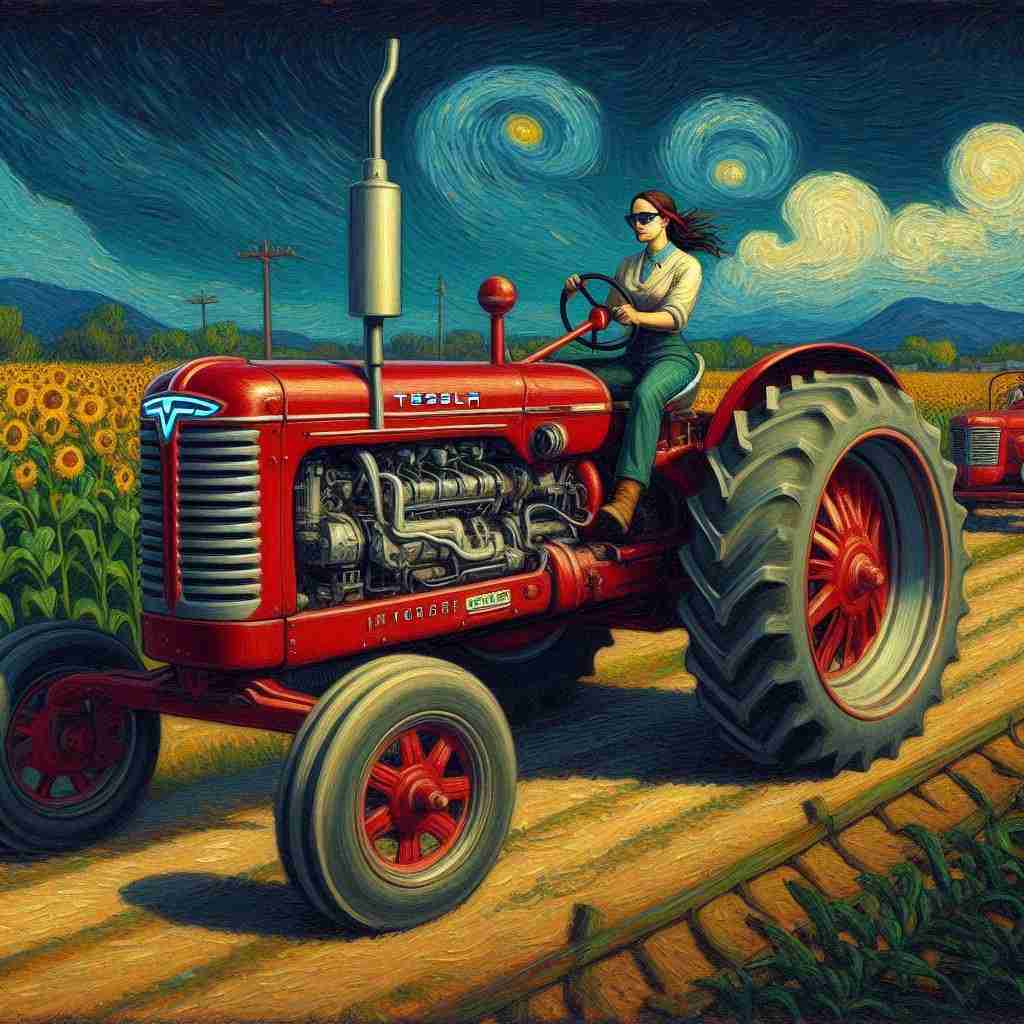
What Factors Influence Tractor Parts Interchangeability?
What Factors Influence Tractor Parts Interchangeability?
- The connection between man and machine in agriculture relies on tractor parts interchangeability.
- Emotional aspects include the farmer’s reliance on their tractor, with part failures impacting time, money, and hope.
- Technical specifications of parts, like size and material, influence compatibility among different manufacturers.
- Sustainable use of interchangeable parts reduces waste and fosters a connection with the environment.
- Community narratives, such as farmers sharing parts, emphasize the human aspect of interchangeability.
- Technological advancements like 3D printing enhance part design and production, improving interchangeability.
- Understanding interchangeability factors deepens appreciation for agricultural machinery and its operators.

What Factors Influence Tractor Parts Interchangeability?
Are There Specific Brands That Excel In Part Interchangeability?
In the world of machinery, a well-functioning tractor can be both a farmer’s best friend and a lifeline. It’s not just about brute strength; it’s about reliability and the ability to adapt to challenges. Some brands stand out in the realm of part interchangeability, and they do so for good reason. Behind every brand, there’s a story, a commitment to excellence, and a promise echoed in every piece of equipment rolling through the fields.
Consider the legacy of brands like Deere & Company, Case IH, and Kubota. These names carry weight in the hearts of those who depend on their machines. It’s not merely about exchanging one part for another; it’s about keeping operations smooth and effective. The ability to interchange parts not only saves time but also money, which resonates deeply in a farmer’s budget. The practical nature of having easily interchangeable parts is a boon, providing peace of mind when the pressure mounts during the harvest season.
Rationally, a farmer needs more than just loyalty to a brand; they need a system that works seamlessly in the field. When parts fit well together, they enhance tractor performance and operational efficiency. It’s a beautiful relationship that speaks to the ethos of these companies, built on a foundation of trust and innovation. Each time a farmer picks up a replacement part, they’re not just making a purchase—they’re choosing reliability, choosing a solution that empowers them to tackle the toughest challenges nature throws their way.
Emotionally, there’s an intimate connection between farmers and their equipment. A tractor becomes part of the family, a symbol of hard work and resilience. The right brand knows this and fosters that relationship by ensuring their equipment remains compatible through various models and years. It honors the legacy of farmers while addressing the present-day needs; it fosters not just dependency but loyalty rooted in shared values.
From an ethical standpoint, the commitment these brands demonstrate toward providing interchangeable parts reflects a larger responsibility—a respect for the environment and the communities they serve. By creating machines that endure, they contribute to sustainability, keeping farms productive and well-equipped for generations.
Ultimately, the choice of a tractor brand involves a decision that impacts not just daily operations but legacies. Opting for brands recognized for their part interchangeability is an investment in both prosperity and peace of mind, reinforcing a farmer’s connection to the land they cherish.

Are There Specific Brands That Excel In Part Interchangeability?
Are There Specific Brands That Excel In Part Interchangeability?
- A well-functioning tractor is essential for farmers, representing reliability and adaptability.
- Brands like Deere & Company, Case IH, and Kubota are renowned for their part interchangeability.
- Interchangeable parts save time and money, crucial for farmers managing budgets.
- Effective part compatibility enhances tractor performance and operational efficiency.
- A strong emotional bond exists between farmers and their tractors, seen as part of the family.
- Brands’ commitment to interchangeable parts reflects a responsibility to the environment and communities.
- Choosing a reputable tractor brand is an investment in legacy, prosperity, and connection to the land.

Are There Specific Brands That Excel In Part Interchangeability?
How Do Interchangeable Parts Save Money for Farmers?
In the heart of the American landscape, where the dust of farm fields mixes with determination, farmers are the backbone of our nation. They rise before dawn, fueled by passion and the promise of a new harvest. But for many, the challenge of maintaining their essential machinery, like the trusty tractor, can be more than just an inconvenience; it can strain the pocketbook and the spirit. This is where interchangeable parts step in, revolutionizing farming and creating harmony between man, machine, and land.
Interchangeable parts offer a simple yet profound solution to the often-complex machinery farmers rely on. Imagine a farmer in a tight spot, a critical tractor breakdown threatening the day’s work. Instead of waiting days for specialized parts, often at exorbitant prices, the farmer can access standard components readily available at the local supply store. This not only saves precious time but also cuts costs, allowing farmers to redirect funds where they’re truly needed—whether it’s seeds to sow or feed for livestock.
The emotional weight of this practicality cannot be overstated. Farmers invest not just money but their dreams into their land. When machinery is out of commission, it can feel like a wrench in the gears of their aspirations. The certainty that interchangeable parts are accessible provides peace of mind, a reassuring embrace in an industry marked by unpredictability.
From a rational standpoint, the efficiencies gained from interchangeable parts lead to lower repair costs, which resonate across the industry. With less downtime, crops can be harvested at optimal times, maximizing yield and minimizing waste. This synergy between reliability and efficiency creates a ripple effect that fuels local economies. Winning at this level builds community trust—a farmer’s ability to sustain their livelihood boosts everyone around them.
Ethically, supporting manufacturers that prioritize interchangeable parts fosters a responsible agricultural ecosystem. It champions innovation and sustainability, ensuring that farmers can maintain their tools without unnecessary financial worry. It reflects a commitment to resilience in an industry often buffeted by economic storms.
The narrative around interchangeable parts isn’t just about nuts and bolts; it’s about relationships. It’s farmers rallying together, sharing tips on repairs, and building a network of assistance. In a world increasingly disconnected, fostering such bonds reminds us of our shared journey.
Interchangeable parts serve as a testament to what can be achieved when farmers are equipped with the right tools. They stand as symbols of hope, community, and the relentless pursuit of prosperity, ensuring that the vital work of feeding the nation continues without interruption.

How Do Interchangeable Parts Save Money for Farmers?
How Do Interchangeable Parts Save Money for Farmers?
- Farmers are critical to America, rising before dawn with dedication to their work.
- Interchangeable parts simplify the maintenance of essential machinery, reducing time and financial strain.
- Farmers can obtain standard components quickly, avoiding long waits for specialized parts.
- Efficiencies from interchangeable parts lower repair costs and minimize downtime, enhancing crop yields.
- Supporting interchangeable parts promotes a sustainable agricultural ecosystem and fosters innovation.
- The use of interchangeable parts strengthens community bonds among farmers, emphasizing collaboration.
- They symbolize hope and resilience in agriculture, ensuring consistent food production for the nation.

How Do Interchangeable Parts Save Money for Farmers?
What Role Does Tractor Design Play In Parts Compatibility?
When you think of a tractor, images of rolling fields and hard work come to mind. It’s not just a machine; it’s a cornerstone of agriculture, a real workhorse that embodies the tireless spirit of farmers everywhere. The design of these tractors isn’t merely about aesthetics or advanced engineering; it’s crucial for ensuring parts compatibility, which ultimately empowers the very people who depend on them.
Imagine a farmer early in the morning, grease-stained hands reaching for a tool, ready to tackle another day. That moment hinges on trust—trust in the machinery that carries their livelihood. Good tractor design simplifies maintenance and repairs, making it easier for farmers to swap out parts without cumbersome modifications. When a tractor is well-designed, each component seamlessly fits together, creating a reliable fusion of power and efficiency. This isn’t just about functionality; it resonates on a deeper level, emphasizing how thoughtful design can lead to remarkable productivity.
From a rational perspective, understanding the correlation between tractor design and parts compatibility can save time and money. When farmers invest in reliable tractors, they’re not just purchasing equipment; they’re making a commitment to their ambitions and the land they cultivate. The more compatible parts are, the less downtime they face, allowing them to focus on the essential tasks—the planting, the harvesting—while navigating the unpredictable whims of weather and market demands.
Ethically speaking, the implications of design extend far beyond individual farms. A tractor that is easy to maintain and repair sets a standard within the community, fostering a spirit of sustainability. When parts compatibility is a priority, it reduces waste and promotes a culture of care for resources, which is vital for our planet and future generations. This isn’t just about machinery; it’s about paving the way for responsible stewardship of our earth.
And there’s a social dimension, too. Farmers share their stories—successes and failures—in their communities. They bond over the tried-and-true designs that have stood the test of time, building trust in brands that prioritize parts compatibility. When they recommend a tractor to a neighbor, it’s not just a recommendation; it’s a signal that they believe in the reliability and durability this machine offers.
In this intricate dance between design and functionality, tractors are more than mere machines—they’re lifelines, connecting people to their aspirations, their land, and ultimately, to a shared legacy of hard work and innovation.

What Role Does Tractor Design Play In Parts Compatibility?
What Role Does Tractor Design Play In Parts Compatibility?
- Tractors are essential to agriculture, representing hard work and the spirit of farmers.
- Good tractor design ensures parts compatibility, crucial for farmers who rely on them.
- Efficient design simplifies maintenance, allowing easy part swaps without modifications.
- Reliable tractors save time and resources, enabling farmers to focus on planting and harvesting.
- Easy maintenance promotes sustainability and responsible resource stewardship.
- Farmers build community trust through shared experiences with reliable tractor designs.
- Tractors connect farmers to their goals, land, and legacy of innovation.

What Role Does Tractor Design Play In Parts Compatibility?
Conclusion
In the world of agriculture, tractors serve as the unsung heroes, embodying both the strength and the resilience of those who wield them. When we delve into the importance of interchangeable parts, it becomes clear that these components do much more than merely function; they weave a narrative of trust, efficiency, and sustainability.
Brands like John Deere and Case IH have earned their reputations by not just delivering reliable machinery but by ensuring that maintenance and repairs can be performed with ease. This interconnectivity within their design means that a farmer can swap out a part on a demanding August afternoon without the panic of lengthy waits for obscure components. In this line of work, where time is money, knowing that you can keep your machine running is vital—it’s a lifeline that fosters peace of mind.
The heartfelt stories shared among farmers over coffee or during community gatherings highlight a profound bond built over shared challenges and triumphs. Each replacement part swapped becomes a symbolic act of nurturing—a commitment to maintaining not just a machine but also the legacy of hard work and dedication ingrained in agricultural life. It’s about knowing that the old tractor can still stand strong with a simple fix, literally pulling its weight right alongside the farmer.
From a practical standpoint, embracing interchangeable parts reflects a savvy business decision. The ability to easily repair and maintain equipment not only leads to cost savings but also maximizes productivity, ensuring that vital tasks like planting and harvesting are not derailed. It’s a straightforward equation: less downtime means higher yields and healthier bottom lines.
Ethically, choosing brands that champion compatibility resonates deeply in today’s environmentally conscious world. Investing in machinery designed for sustainability shows a commitment to reducing waste and caring for the land. It reaffirms the farmer’s role as a steward of their environment, ensuring that their practices contribute positively to the ecosystem.
Lastly, the camaraderie fostered through shared experiences and knowledge within farming communities stands testament to the power of interchangeable parts. They are not just physical components but also the glue that strengthens social ties among those who passionately toil to nourish our world. Choosing tractors with interchangeable parts is about more than just equipment; it’s about preserving a way of life grounded in perseverance, innovation, and community, ensuring that the heart of agriculture continues to beat strong amidst the challenges ahead.

Conclusion
Conclusion:
- Tractors are essential in agriculture, showcasing strength and resilience.
- Interchangeable parts symbolize trust, efficiency, and sustainability in farming.
- Brands like John Deere and Case IH offer reliable machinery that simplifies maintenance and repairs.
- Easy part replacement minimizes downtime, vital for maximizing productivity and profits.
- Emphasizing interchangeable parts aligns with environmentally conscious practices, reducing waste.
- Shared experiences among farmers reinforce community bonds and the legacy of agricultural life.
- Choosing compatible equipment supports perseverance, innovation, and the agricultural way of life.

Conclusion
Other Resources

Other Resources
Here is a list of other resources you can review online to learn more:
- McCormick
- New Holland
- First State Antique Tractor Club
- Memo
- GBT
- Pioneer Farm Days
- Lanz
- GMS Tractor Museum
- VST
- Huber
- McConnell-Marc
- Fiber Max Center for Discovery
- IMT
- Bombardier
- Argo Tractors
- Newark Vintage Tractor & Heritage Show
- Waterloo Farm Museum
- Valpadana
- Waltanna
Use This Prompt To Get More Resources With Your Favorite Online AI Tool: Please provide me with a list of online articles with their URLs in a bulleted list that I can read regarding Which Tractors Have the Most Interchangeable Parts?

Other Resources
Glossary Terms
Which Tractors Have the Most Interchangeable Parts? – Glossary Of Terms
1. Interchangeable Parts: Components that can be swapped between different machines without modification.
2. Modularity: The design principle enabling different parts or modules to be used interchangeably across different tractor models.
3. Universal Fit: Parts designed to fit multiple tractor brands or models, promoting compatibility.
4. OEM (Original Equipment Manufacturer): Parts made by the tractor manufacturer, ensuring the best fit and performance.
5. Aftermarket Parts: Components produced by third-party manufacturers that may be compatible with various tractor models.
6. Compatibility: The ability for parts to function correctly when used with different tractor models or brands.
7. Standardization: The process of defining uniform specifications for tractor parts across manufacturers.
8. Cross-Compatible: Parts that can be used in multiple models from different brands due to standardized designs.
9. Attachment: Add-on components such as loaders or plows that may share compatibility across various tractors.
10. Hydraulic System: A system using fluid power that many tractors share, allowing for interchangeable hydraulic components.
11. Power Take-Off (PTO): A device that allows power from the tractor’s engine to be used for external implements, often standardized across models.
12. Chassis: The frame of the tractor, which can have common dimensions allowing for shared parts.
13. Engine Block: The main structure of an engine, sometimes found in different models from the same manufacturer.
14. Drivetrain: The system responsible for delivering power from the engine to the wheels, with many standard components.
15. Transmission: Components that control the speed and torque of the tractor, often having overlaps between models.
16. Tires: Many tractor models can utilize the same tire sizes and types, ensuring interchangeability.
17. Cab: Enclosed operator areas that may be interchangeable among certain brands due to standard dimensions.
18. Fenders: Protective components over the wheels that can be replicated across different tractor models.
19. Fuel System: Includes parts such as injectors and filters that may be compatible among different tractors.
20. Electrical System: Wiring and components (like batteries and starters) that often have standardized connections.
21. Cooling System: Radiators and hoses that may be used interchangeably in various tractor models.
22. Brake System: Components designed for stopping that can be similar or shared among various brands.
23. Implement: Equipment used with tractors that may have standard connections or fittings.
24. Linkage: Components that connect various working parts of the tractor, often designed for compatibility.
25. Shaft: A rotating component which can be standardized to fit different models.
26. Clutch: A mechanism that may share designs across different tractor models, allowing for interchangeability.
27. Steering Cylinder: A component of the steering system that can often be used across several tractor types.
28. Axles: Structures that support the wheels, sometimes with interchangeable designs between models.
29. Compact Tractors: Smaller tractors that often share parts with larger models due to standardization.
30. Service Manual: Documentation that provides specifications for interchangeable parts between various models.

Glossary Of Terms
Other Questions
Which Tractors Have the Most Interchangeable Parts? – Other Questions
If you wish to explore and discover more, consider looking for answers to these questions:
- Which specific tractor models have the most interchangeable parts?
- Which years or serial ranges are parts interchangeable within a model line?
- How can I verify if a particular part will fit my tractor using part numbers or diagrams?
- Which components are most commonly interchangeable (filters, belts, hydraulics, etc.)?
- Which components are least likely to be interchangeable (transmissions, ECUs, axles)?
- Can parts be shared between different brands (for example, John Deere and Case IH)?
- How interchangeable are parts between tractors of different sizes or horsepower classes?
- Are aftermarket parts as reliable and compatible as OEM parts?
- How does 3D printing affect availability and quality of replacement parts?
- Where can I source interchangeable parts (dealers, salvage yards, online marketplaces)?
- How do I identify correct part numbers and cross‑reference catalogs?
- Are there adapters or retrofit kits to make non‑matching parts compatible?
- What tools and skills are required to replace common interchangeable parts?
- How does parts interchangeability affect maintenance schedules and equipment downtime?
- What cost savings can be expected from using interchangeable parts versus OEM‑only parts?
- How does using interchangeable or aftermarket parts affect warranties and service agreements?
- Does parts interchangeability influence a tractor’s resale value?
- What measurable environmental benefits result from choosing tractors with interchangeable parts?
- How do manufacturers document parts compatibility across models and years?
- Are there official compatibility charts, databases, or apps I can consult?
- How do serial numbers and model codes factor into parts compatibility?
- What are best practices for storing and cataloging spare parts on the farm?
- How can I inspect used parts for wear and suitability before installation?
- Are there safety or performance risks associated with installing interchangeable parts?
- How common is parts cannibalization or parts‑sharing among local farming communities?
- Which brands have the largest aftermarket ecosystems and third‑party support?
- How do modern electronic systems and software updates affect parts interchangeability?
- Can implements and attachments share parts with tractor drivetrain or hydraulic components?
- What legal, patent, or licensing issues could limit producing or selling interchangeable parts?
- Where can I find repair manuals, exploded parts diagrams, and step‑by‑step guides?

Other Questions
Haiku
Which Tractors Have the Most Interchangeable Parts? – A Haiku
Tractors built to last,
Parts interchangeable, strong—
Hope in every field.

Haiku
Poem
Which Tractors Have the Most Interchangeable Parts? – A Poem
In fields where sunrise greets the toil,
A tractor moves with faithful loyalty,
Its parts interchangeable, a farmers foil,
Where trust and time work in harmony.
John Deere, Case IH, names that resonate,
Machines built to last, enduring drought and rain,
In every swap, a moment to celebrate,
The life of toil, mitigated strain.
Beneath the sun’s watchful gaze and heat,
Farmers share stories over cups of brew,
With each repair, a chance to repeat,
An act of love for the land, tried and true.
In a world where waste looms ever near,
Choosing parts that fit reflects a mindful heart,
Each piece swapped, a commitment clear,
To mend, to sustain—a vital part.
Rational choices echo through the land,
Saving money, time, reducing fear,
Community bonds forged by a helping hand,
With every fix, the vision remains clear.
Ethics entwined with every gear that turns,
A legacy of stewardship grounded deep,
For every machine, a heart that yearns,
To thrive, to nurture, to sow, to reap.
So when uncertainty shadows the dawn,
Remember the tractors, steadfast and wise,
Their systems designed, upon trust they’re drawn,
A farmer’s best ally beneath broadening skies.

Poem
Checklist
Which Tractors Have the Most Interchangeable Parts? – A Checklist
Checklist for Choosing Tractors with Interchangeable Parts
✅______ Connect with your tractor: Ensure it feels like a reliable partner that won’t let you down.
✅______ Reflect on your experiences: Consider the stories you’ll share about your relationship with your equipment.
Rational Appeal
✅______ Verify part compatibility: Research specifications and dimensions for seamless repairs.
✅______ Assess brand reputation: Choose trusted brands known for durable and interchangeable parts.
Ethical Appeal
✅______ Prioritize sustainability: Select tractors that allow for easy repairs, reducing waste.
✅______ Think long-term: Invest in machines that contribute to environmental stewardship.
Authority Appeal
✅______ Seek expert opinions: Consult reviews and testimonials from seasoned farmers and mechanics.
✅______ Rely on reputable sources: Utilize guides that compare different brands’ parts interchangeability.
Narrative Appeal
✅______ Share community stories: Listen to experiences of fellow farmers regarding their tractors and parts interchangeability.
✅______ Contribute to the farming legacy: Understand how your choice impacts the agricultural community.
Social Appeal
✅______ Connect with other farmers: Discuss parts compatibility and repair tips with peers.
✅______ Build a support network: Participate in local tractor shows or coffee shops to exchange insights and experiences.

Checklist
At ClassicTractorNews, we help tractor lovers keep up with the latest news for classic and vintage tractors.
Please share this post with your friends, family, or business associates who may like old classic or vintage tractors.