


Unearthing The Stories Behind Models’ Most Beloved Nicknames
By Tom Seest
At ClassicTractorNews, we help tractor lovers keep up with the latest news for classic and vintage tractors.
Please share this post with your friends, family, or business associates who may like old classic or vintage tractors.
Which Models Have the Most Nicknames?
In the world of tractors, the machinery that drives farms and fields often carries more than just a model number; it comes with a legacy, a personality, and—most importantly—a nickname. These monikers connect us to the earth and to the hands that work it. It’s fascinating how a simple machine can embody stories passed down through generations, each nickname reflecting a unique bond between the tractor and its operator.
Take, for example, the iconic Ford 8N. Known affectionately as “The Workhorse,” this model has earned its nickname by proving itself indispensable on countless farms. It’s not just about horsepower; it’s about reliability and the trust bestowed by farmers who depend on it day in and day out. The connection deepens when you consider the friendships forged in dust and sweat, where family stories are intertwined with tales of tasks accomplished with this very tractor.
Then there’s the John Deere Model B, often dubbed “Green Giant.” The nickname captures its robust nature and bright color, making it a beacon on a sprawling landscape. It’s not merely a piece of equipment; it stands as a testament to innovation and durability. The pride that comes from seeing this machine hum along a field resonates through communities, binding farmers together in shared experiences. With each sunrise, the tractors roar to life, and behind the wheel, there’s often a father or grandfather whose legacy the next generation strives to honor.
Consider the beloved International Harvester Farmall H, known in many circles as “Old Reliable.” This stalwart has weathered storms—both literal and metaphorical—while standing as a symbol of steadfastness. Its nickname speaks to the respect it has earned over decades, becoming a trusted companion that embodies resilience. Farmers often recount how “Old Reliable” has been by their side during pivotal moments, forging deep emotional ties that transcend the machinery itself.
These nicknames aren’t just whimsical titles; they are narratives reflecting the bond shared between a farmer and their tractor, instances of sweat equity leading to unwavering trust. Each name holds weight, inviting us to see the human experience behind the machines. Whether you’re a seasoned operator or a newcomer, the allure of a tractor with a nickname is undeniable. It reminds us that these machines are not mere tools—they are part of our collective story, transcending time and connecting us through the heart of agriculture.

Which Models Have the Most Nicknames?
Which Models Have the Most Nicknames?
- Tractors have legacies and personalities, often associated with nicknames that reflect their bond with operators.
- The Ford 8N, known as “The Workhorse,” symbolizes reliability and the trust of farmers who depend on it.
- The John Deere Model B, nicknamed “Green Giant,” represents innovation and community pride on farms.
- The International Harvester Farmall H, referred to as “Old Reliable,” embodies steadfastness and resilience.
- Nicknames serve as narratives reflecting the deep emotional ties between farmers and their machines.
- These machines are seen not just as tools but as integral parts of agricultural stories and heritage.
- The allure of nicknamed tractors transcends generations, connecting people through shared experiences in farming.

Which Models Have the Most Nicknames?
Table Of Contents
- Which Models Have the Most Nicknames?
- Which Models Resonate Most with Our Emotions and Ideals?
- How Do Nicknames Shape Our Perception Of Models?
- Are We More Drawn to Models with Relatable Stories and Names?
- How Do Nicknames Influence Our Trust In Models and Brands?
- What Emotional Connections Do We Form with Nicknamed Models?
- Why Do Some Models Gain More Nicknames Than Others?
- Conclusion
- Other Resources
- Glossary Of Terms
- Other Questions
- Haiku
- Poem
- Checklist
Which Models Resonate Most with Our Emotions and Ideals?
In a world buzzing with noise and digital distraction, certain models capture our hearts and ideals, resonating like the steady hum of a well-tuned tractor, plowing through the hills of daily life. These models echo the values we hold dear: hard work, authenticity, and community. They remind us that success isn’t measured solely by profit margins or social media likes but by the genuine connections we forge with each other.
Think about it. A good model doesn’t just sell a product; it tells a story. It has to stir something deep inside us, a yearning for reliability that echoes the sound of a farmer starting his trusty tractor at dawn. That image evokes feelings of perseverance and tradition, painting a picture of enduring values in an ever-changing landscape. We admire those who embody dedication, who sweat under the sun to harvest not only crops but dreams—their own and ours.
Rationality plays a role too. The best models showcase their benefits with clarity, appealing to our sense of logic while aligning with our ethical compass. Take a moment to reflect: we gravitate toward brands that champion sustainability, pushing back against the tide of waste and excess. We trust the companies that not only innovate but also care for the world we live in, echoing the roots of our community and the importance of stewardship. This trust is not built overnight; it’s cultivated through transparency and consistency, much like the way farmers nurture their fields.
Narratives draw us in. Stories of resilience and triumph over adversity resonate deeply, reminding us of our own journeys. We connect with brands that share their struggles and successes, evoking empathy and camaraderie. A well-crafted story isn’t just a tale; it becomes part of our collective experience, shaping how we perceive the world and our role in it.
Finally, there’s the social aspect. We often gravitate toward brands that foster a sense of community and belonging. The image of neighbors gathering around, talking about their favorite tractor, reinforces the idea that we’re all in this together—sharing successes, setbacks, and the occasional laugh. When a model reflects our shared ideals and emotions, it invites us to engage on a deeper level, urging us to take action, whether it’s through purchasing a product or spreading the word.
The models that resonate most deeply are those that echo the authenticity of our lives and ideals, reminding us of who we are and what we value. They lift us up, urging us to participate actively in a world that craves connection, purpose, and trust.

Which Models Resonate Most with Our Emotions and Ideals?
Which Models Resonate Most with Our Emotions and Ideals?
- Models resonate by embodying values of hard work, authenticity, and community.
- Success is defined by genuine connections rather than profit margins or social media metrics.
- A good model tells a story, evoking feelings of reliability and tradition.
- Effective models appeal to logic and align with ethical standards, especially sustainability.
- Trust in brands is built through transparency and consistency over time.
- Narratives of resilience and triumph foster empathy and camaraderie among consumers.
- Community engagement is essential, inviting deeper involvement and shared experiences.

Which Models Resonate Most with Our Emotions and Ideals?
How Do Nicknames Shape Our Perception Of Models?
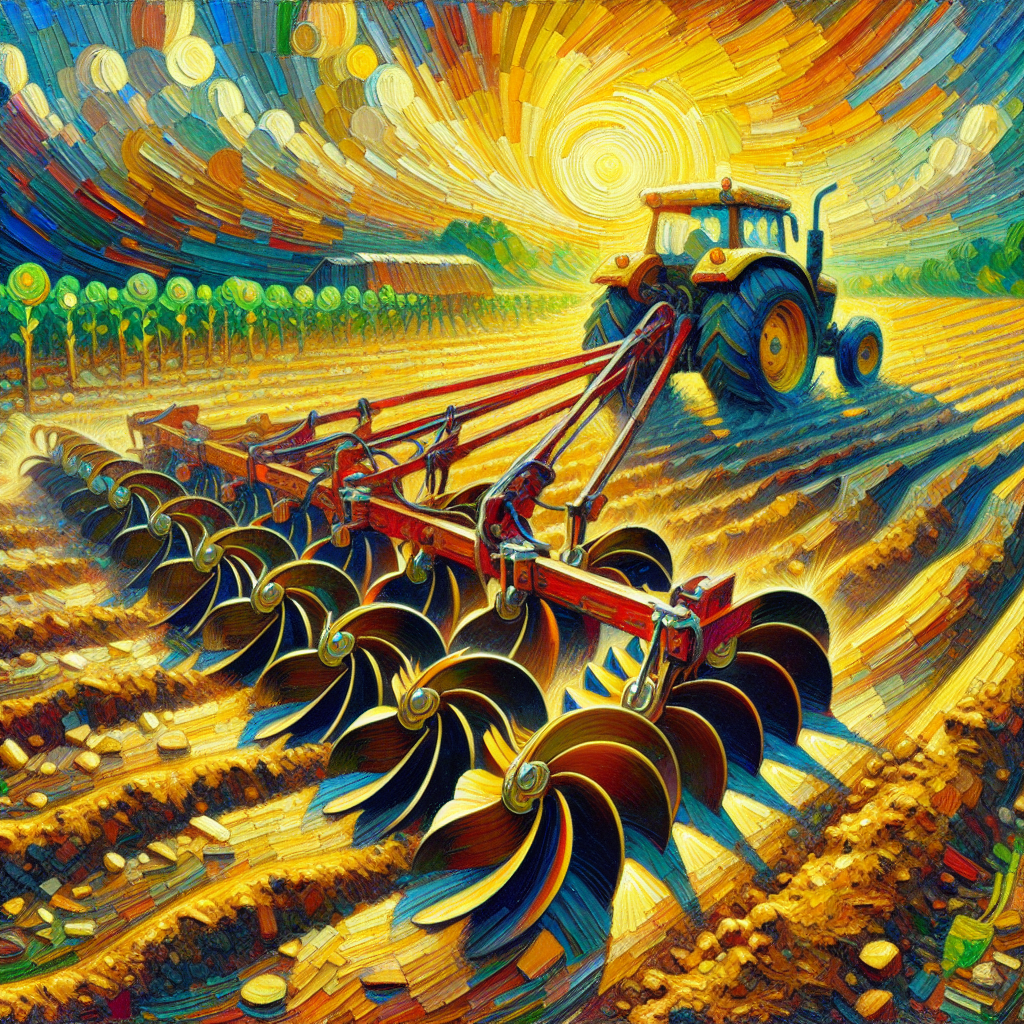
Nicknames, those small yet powerful words, shape our perception of models in ways that go far beyond mere labels. Think about it: a nickname can evoke memories, feelings, and connections, much like the sound of a tractor rumbling in the distance, stirring nostalgia for simpler times. They can signify familiarity and affection, creating an emotional tapestry that links us to the person behind the public image.
When a model is bestowed with a nickname, it often highlights a unique trait or personality that resonates with the audience. This transformation from a name to a memorable moniker invites us to see the individual not just as a face but as a story, a character in a larger narrative. For example, when the world calls a model “The Titan,” it invokes images of strength, resilience, and determination—qualities that inspire confidence. In our minds, the nickname transcends the superficiality of the modeling world and touches something deeply human: our aspiration to recognize strength in ourselves and others.
Rationally, nicknames can also influence public perception. They often encapsulate the essence of what a model represents in society: their values, aspirations, or even the trends they help shape. This can bolster their authority in the fashion realm, giving them a platform to inspire or critique larger conversations around beauty standards, body positivity, and inclusivity. Just as a well-maintained tractor is a backbone to a farm, so too can a harmonious nickname become the backbone of a model’s identity, offering them credibility and grounding their persona in real, relatable experiences.
Socially, nicknames forge connections that are vital for engagement. They create a sense of belonging and community—taking something as distant as a fashion icon and bringing them closer to the everyday experience of fans and admirers. A nickname acts as a bridge, transforming the observer into a participant in a shared cultural moment. It’s like gathering around the engine of that tractor, sharing stories and experiences, building relationships and bonds that are often more meaningful than the model’s runway appearances.
In a world saturated with fleeting trends and instant fame, nicknames serve as a lasting reminder of the humanity behind the glamour. They invite us not only to observe but to engage, reflect, and perhaps, redefine our understanding of beauty and self-worth. When we embrace the nicknames that models carry, we’re participating in a larger conversation about identity, values, and what it means to be seen in a world that often forgets to look beyond the surface.
How Do Nicknames Shape Our Perception Of Models?
How Do Nicknames Shape Our Perception Of Models?
- Nicknames shape perceptions of models, evoking memories and creating emotional connections.
- They highlight unique traits or personalities, transforming names into memorable monikers.
- Examples like “The Titan” convey strength, resilience, and inspire confidence.
- Nicknames influence public perception by encapsulating models’ values and contributions to society.
- They establish authority in fashion, facilitating discussions on beauty standards and inclusivity.
- Nicknames forge community connections, bringing models closer to fans and everyday experiences.
- In a world of fleeting trends, nicknames remind us of the humanity behind glamour and identity.

How Do Nicknames Shape Our Perception Of Models?
Are We More Drawn to Models with Relatable Stories and Names?
When you think about the models we admire, a pattern emerges. They often come equipped with stories that resonate with us on a deeply personal level, like the sound of a tractor revving up in a quiet field, promising hard work and resilience. These relatable tales elevate them from mere faces on a billboard to figures we genuinely connect with. It’s not just about their looks; it’s about their journey—from humble beginnings to stardom, demonstrating that success is not exclusively for the privileged few.
Consider the way these individuals articulate their experiences. They speak of struggles, setbacks, and triumphs that echo our own. This humanizing element cultivates trust; we see ourselves in their narratives. When they share their stories of overcoming adversity or the everyday challenges they face, it strikes a chord. It’s that sense of belonging, knowing that they, too, have encountered bumps in the road—a bit like the rough terrain an old tractor has to navigate to plow a field. Each obstacle becomes a new layer of authenticity, making their roles as models not just aspirational but attainable.
The appeal goes further than just empathy; there’s a rational foundation here. We are wired to respond to stories. When a model shares how their upbringing shaped their values—whether it was a farmer’s daughter or a city dweller—they evoke ethical considerations. These narratives challenge us to reflect on our values, encouraging a deeper connection with the brand or product they represent. It’s not simply about aesthetics; it’s about the ethics behind what they stand for.
Moreover, these figures often wield authority rooted in their experiences. Authenticity breeds credibility. When a model advocates for an issue, their voice carries weight. We trust them because they’ve walked the path, unlike a distant celebrity whose life seems disconnected from our reality.
Finally, in a world increasingly dominated by social media, the power of relatability cannot be overstated. We seek connection, and models who share tangible, gritty stories foster that bond. This desire for familiarity brings us closer to them, creating a community of shared aspirations and experiences.
Ultimately, as we navigate the landscape of admiration and influence, it’s clear: the models we cherish are often those who remind us of our own struggles, dreams, and triumphs. They are the tractors in our field, steadfast and real, guiding us through the ever-shifting terrain of life.

Are We More Drawn to Models with Relatable Stories and Names?
Are We More Drawn to Models with Relatable Stories and Names?
- Models admired often share relatable stories that resonate personally.
- Their journeys from humble beginnings to success demonstrate that achievement is attainable.
- Articulating struggles and triumphs creates a sense of belonging and trust.
- Narratives evoke ethical reflections, deepening connections with brands or products.
- Authentic experiences enhance credibility, making their voices impactful.
- Relatable models foster community through shared aspirations and experiences.
- Those we cherish remind us of our own challenges and dreams, guiding us through life.

Are We More Drawn to Models with Relatable Stories and Names?
How Do Nicknames Influence Our Trust In Models and Brands?
Nicknames have a way of cutting through the noise, creating intimacy where none existed. Picture this: a farmer in the fields, riding his trusty tractor, affectionately named “Bessie.” It’s not just a machine; Bessie is a partner, a reliable friend who knows the rhythm of the land. When a brand bestows a nickname on its model—be it a rugged truck dubbed “The Beast” or a sleek phone called “The Titan”—it humanizes the product, fostering a bond that transcends mere transactions. This connection makes us feel like we’re part of something bigger.
On a rational level, a nickname can evoke reasoned trust. Names like “Workhorse” for machinery suggest reliability, promising that the product can handle the load without faltering. This appeals to our heads, reassuring consumers that the choice they’re making is grounded in practicality and performance. When a brand effectively communicates its ethos through these names, it establishes authority in the marketplace, showcasing that it understands the needs and desires of its consumers.
But trust isn’t merely a matter of logic; it’s deeply rooted in ethics and social dynamics. When we hear a nickname resonating with our experiences—like calling a family car “The Cruiser”—it nurtures a sense of community. We share stories and recommend these life-enhancing products because they represent values we hold dear: reliability, loyalty, and determination. It’s in the stories we tell around the dinner table, the shared laughter when something goes wrong, and the collective nods of understanding that build connection and trust.
Emotionally, nicknames can stir nostalgia and forge identity. Think of how a brand named its flagship tractor after a beloved historical figure. It tugs at heartstrings, reminding us of tradition and hard work. Those that remember their grandparents trusting the same red tractor to plow fields know the weight that comes with that legacy. It evokes a visceral reaction, urging customers to align themselves with these models—not just because of their features, but because they represent a part of who we are.
A well-chosen nickname is more than just a label. It’s an invitation to connect, a promise wrapped in familiarity and warmth. It encourages consumers to take action, to trust in what they’re choosing. So next time you hear a name that resonates, remember: it’s not just about the product; it’s about the story, the relationship, and the trust it cultivates.

How Do Nicknames Influence Our Trust In Models and Brands?
How Do Nicknames Influence Our Trust In Models and Brands?
- Nicknames create intimacy and connection, humanizing products like tractors and trucks.
- They evoke trust through names suggesting reliability, enhancing consumer confidence.
- Brand nicknames reflect their understanding of consumer needs and values.
- Shared experiences related to nicknames foster a sense of community among consumers.
- Emotionally charged nicknames can evoke nostalgia and reinforce identity.
- A well-chosen nickname serves as an invitation for connection and trust.
- Nicknames emphasize the importance of stories and relationships in consumer choices.

How Do Nicknames Influence Our Trust In Models and Brands?
What Emotional Connections Do We Form with Nicknamed Models?
In the world of machinery and models, few things forge a bond quite like a nickname. Think about it: when we give a tractor a name, we breathe life into a cold metal beast, transforming it from an inanimate object into a trusted companion. It’s like giving a name to a friend; suddenly, that machine has a story, a personality, and a place in our lives.
Consider your own experience in the field. When you hop into your tractor to till the soil, you’re not merely driving a vehicle; you’re connecting with the memories of past harvests and the promise of fresh beginnings. Maybe your tractor is affectionately dubbed “Grit” because it never shies away from hard work. You’ve faced challenges together—rain-soaked days when the mud threatened to swallow you whole, yet together you pushed through. The emotional connection runs deep, as these machines often symbolize resilience and determination.
Rationally, these nicknamed models serve a critical role. They help us differentiate between the various functions of our tools, making it easier to convey thoughts and priorities. “Can you bring Grit out for the planting season?” doesn’t just ask for a task; it implies trust and camaraderie. This clarity fosters a smoother workflow, reinforcing relationships between operators and equipment, making the whole process more efficient.
Ethically, naming a machine fosters respect for the work it does. It’s not just a cog in the agricultural wheel; it’s an entity deserving acknowledgment for its contributions. This perspective can trickle down to younger generations who learn not just to operate machinery but to appreciate the value of hard work, persistence, and collaboration between man and machine.
There’s also a profound social element at play. When you share tales of your trusty “Tornado” or wallow over a breakdown with fellow farmers, you’re not just swapping stories—you’re building a network of shared experiences and mutual respect. That’s where trust is cultivated, where your peers become more than colleagues; they become a part of your journey, just like the tractor you rely on day in and day out.
These connections, forged in the fires of sweat, toil, and triumph, represent more than mere affection for machines. It’s about recognizing them as integral threads in the tapestry of our lives, inviting a sense of purpose and belonging that resonates far beyond the fields.

What Emotional Connections Do We Form with Nicknamed Models?
What Emotional Connections Do We Form with Nicknamed Models?
- Nicknaming machinery, like tractors, transforms them into trusted companions.
- Names provide machines with a story, personality, and emotional connection.
- Nicknamed models symbolize resilience and determination through shared experiences.
- They facilitate communication regarding tasks, fostering workflow efficiency.
- Naming fosters respect for machinery and emphasizes its contributions.
- Sharing stories about machines builds a network of mutual respect among farmers.
- These connections highlight the integral role of machines in our lives, fostering purpose and belonging.

What Emotional Connections Do We Form with Nicknamed Models?
Why Do Some Models Gain More Nicknames Than Others?
In the realm of automobile culture, nicknames can be as essential to a model as its horsepower or aesthetic. Think about it: a tractor isn’t just a machine; it’s a lifeline for farmers, a symbol of hard work and resilience. Just like those sturdy beasts of burden, some car models charm their way into our hearts, earning nicknames that tell stories. Why is that?
First, consider the emotional resonance. When a model embodies a particular ethos—like tough dependability or spirited adventure—it fosters a connection with consumers. Take the iconic Ford Mustang, often called “Stang.” It captures the spirit of freedom and rebellion, igniting a passionate community. The nickname provides an identity beyond specifications, planting it firmly in the cultural landscape. This taps into our innate need for connection, and as we rally behind these names, we feel part of something larger.
Then we have the rational appeal. The practicality of a model can lend itself to a nickname that highlights its strengths. A fuel-efficient sedan may earn the moniker “Econobox,” but there’s a reason behind it. The practicality resonates with those who prioritize value over flash, while also acting as a badge of honor. This draws consumers in, giving them a sense of belonging in a tribe that values sensibility and thrift.
Ethically, models that represent values—like sustainability—often gather names that reflect hope and progress. A hybrid vehicle might be dubbed “Green Machine” or “Eco Warrior,” turning a simple mode of transport into a statement about responsibility. This shift is not just about what we drive; it’s about who we aspire to be.
Building on authority, some brands have legacies that themselves could rival those of legendary heroes. Names like “The Beast” for powerful off-road SUVs evoke a sense of awe and respect, underscoring the maker’s history and capabilities.
Finally, let’s not overlook the social element. A model that gains traction in communities often acquires affectionate nicknames from shared experiences—joy rides, family trips, or even challenging moments. These memories bind us together and cement a model’s status, ensuring that it transcends mere transportation.
Ultimately, nicknames embody what we value, celebrate, and aspire to be as a society. They’re not just words; they’re symbols, fostering trust and connection. Just like that trusty tractor in the field, models that resonate with our heart, head, and gut become legends on the road, waiting to be named and celebrated.

Why Do Some Models Gain More Nicknames Than Others?
Why Do Some Models Gain More Nicknames Than Others?
- Nicknames in automobile culture enhance emotional resonance and connection with consumers.
- The Ford Mustang, known as “Stang,” symbolizes freedom and rebellion, fostering community identity.
- Rational appeal of nicknames highlights practical attributes, such as “Econobox” for fuel-efficient sedans.
- Ethically named vehicles, like “Green Machine,” reflect values of sustainability and responsibility.
- Brands with legacy names, such as “The Beast,” evoke awe and respect for their history and capabilities.
- Social elements contribute to affectionate nicknames through shared experiences and memories.
- Overall, nicknames symbolize societal values, fostering trust and connection beyond mere transportation.

Why Do Some Models Gain More Nicknames Than Others?
Conclusion
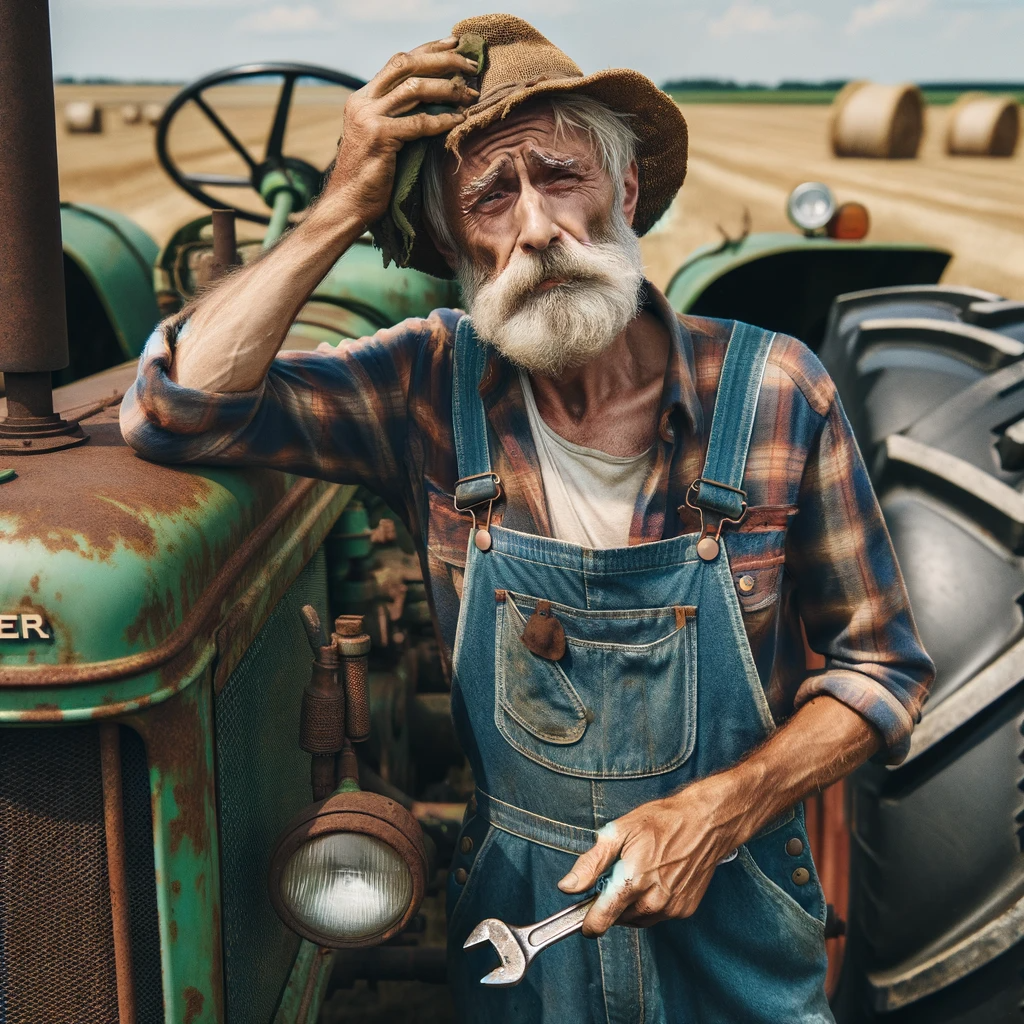
In the realm of agriculture and machinery, nicknames play a crucial role, transforming ordinary tractors into storied companions. These machines, embodiments of resilience and hard work, are more than metal and gears; they carry legacies that echo the lives of the farmers who operate them. Take the Ford 8N, dubbed “The Workhorse,” which signifies reliability and trust built over years of partnership in the fields. The affection for “Old Reliable,” the International Harvester Farmall H, reflects a deep-seated respect, highlighting not just a functional relationship but an emotional one—an unwavering bond formed through shared challenges and triumphs.
These nicknames transcend mere identification; they encapsulate the spirit of community, stirring memories and invoking feelings of nostalgia. When we hear a name like “Green Giant” for the John Deere Model B, it resonates with pride and symbolizes innovation that has united farmers through generations. Each name creates a narrative, inviting us to delve into the story that connects generations, intertwining personal histories with the collective experience of agriculture.
Similarly, models that resonate emotionally often do so because their stories reflect our values of hard work, authenticity, and community. This emotional connection drives us to admire not just the glamorous facade of a model but the grit behind their success stories, reminding us that with every dawn comes the promise of another day’s labor.
On a rational plane, nicknames serve to highlight the traits that define a model’s reputation. They communicate reliability and performance, instilling trust that fosters consumer loyalty. In an age of ephemeral connections, the enduring power of a nickname implies a level of commitment that brands should strive for—not just through transactions, but through authentic engagement grounded in shared values and experiences.
As we navigate through a landscape filled with fleeting trends and digital distractions, it becomes clear: the models that earn the most affection are those that tell stories reflective of our own—stories that provoke thought, evoke empathy, and invite resilience. In essence, these nicknames are more than labels; they are invitations to look deeper, to connect with what we truly value, and to celebrate the rich tapestry of life that binds us together. Each name not only honors the machine but also the culture, the community, and the heart of agriculture itself.
Conclusion
Conclusion:
- Nicknames in agriculture transform tractors into storied companions, embodying resilience and hard work.
- The Ford 8N, known as “The Workhorse,” symbolizes reliability built through years of partnership with farmers.
- “Old Reliable,” the International Harvester Farmall H, reflects an emotional bond formed through shared challenges.
- Nicknames evoke nostalgia and stir community spirit, creating narratives that connect generations of farmers.
- Models like the John Deere Model B, dubbed “Green Giant,” represent pride and innovation in the agricultural community.
- Nicknames highlight a model’s reputation and traits, fostering consumer loyalty through trust and engagement.
- Ultimately, these names invite deeper connections to the culture and community of agriculture, celebrating shared values.

Conclusion
Other Resources

Other Resources
Here is a list of other resources you can review online to learn more:
- Louisville Tractor Pull
- Hill Country Antique Tractor & Engine Club Show
- Bolens
- Square Turn
- Acremaster
- The AgriCultural Museum & Arts Center
- Mahindra Gujarat
- Wisconsin Tractor
- Ursus
- Wagner
- Deutz
- David Brown
- McCormick-Deering
- Valmet
- IMT
- Fieldking
- Fox River Tractor Company
- Samson
- Simpson Jumbo
- Wallis
Use This Prompt To Get More Resources With Your Favorite Online AI Tool: Please provide me with a list of online articles with their URLs in a bulleted list that I can read regarding Which Models Have the Most Nicknames?
Other Resources
Glossary Terms
Which Models Have the Most Nicknames? – Glossary Of Terms
1. Nicknames: Informal or affectionate names given to individuals or things, often reflecting personality or characteristics.
2. Alias: A name that a person uses instead of their real name; often associated with a hidden identity.
3. Moniker: A familiar or cartoonish name for someone, typically used to convey an aspect of their personality.
4. Pet Name: A term of endearment, often used to convey affection towards a loved one.
5. Handle: A username or online pseudonym, particularly in gaming or social media contexts.
6. Sobriquet: A humorous or affectionate nickname; usually reflects a particular trait or quality.
7. Cognomen: A name, especially a nickname, that can indicate a person’s profession or social status.
8. Epithet: A descriptive term or phrase expressing a quality or characteristic associated with a person.
9. Brand Name: A nickname used within a commercial context to identify and differentiate a model or product.
10. Stage Name: A professional alias used by performers and entertainers instead of their given names.
11. Code Name: A name used internally within an organization or project to conceal the identity of a person or thing.
12. Nomenclature: A system of names or naming conventions in a particular field, such as gaming or pop culture.
13. Title: A formal designation that indicates rank or status, often used with nicknames.
14. Pseudonym: A fictitious name used by authors or artists to conceal their identity.
15. Tag: A keyword or phrase added to a name for identification or organizational purposes.
16. Character Name: The name given to a fictional persona in literature, gaming, or film.
17. Hero Name: A nickname used by a superhero or a character that embodies heroic qualities.
18. Clan Name: A designation used by groups in gaming to identify their collective identity.
19. Avatar: A representation of a user in digital environments, often using a customized nickname.
20. Nickname Culture: The social practice of creating and using nicknames, particularly within specific communities.
21. Cultural Reference: A nickname derived from popular culture, often referring to media characters or celebrities.
22. Personification: The attribution of a personal nature or human characteristics to something non-human, often leading to nicknames.
23. Fan Name: A nickname given to characters or models by the fanbase, often reflecting admiration or affection.
24. Slogan: A catchy phrase associated with a model, often used to enhance its identity.
25. Initialism: An abbreviation formed from the initial letters of a series of words, sometimes creating a nickname.
26. Signature: A unique identifier that may take the form of a nickname and reflects personal style.
27. Alter Ego: A secondary personality or persona of an individual, often used in artistic contexts.
28. Slang: Informal language that may produce unique nicknames within specific subcultures.
29. Online Persona: The identity a person assumes in digital spaces, often incorporating various nicknames.
30. Legacy Name: A nickname that carries historical significance or is passed down through generations, reflecting past models or achievements.

Glossary Of Terms
Other Questions
Which Models Have the Most Nicknames? – Other Questions
If you wish to explore and discover more, consider looking for answers to these questions:
- Which specific models actually have the most nicknames (by count)?
- Are we discussing agricultural tractors, fashion models, or both?
- What are the origin stories behind the most famous nicknames (e.g., “The Workhorse,” “Green Giant,” “Old Reliable”)?
- How are nicknames coined—by owners, dealers, media, or manufacturers?
- Is there documented data or research that tracks nickname usage over time?
- Do nicknames vary regionally or culturally, and can the same model have different nicknames in different countries?
- How quickly do nicknames spread, and what role do social media and online forums play?
- Are nicknames generally affectionate, practical, ironic, or derogatory—and how does that affect perception?
- How do manufacturer actions (official naming, marketing) influence or respond to organic nicknames?
- Can nicknames become official or trademarked by brands?
- Do nicknamed models command higher resale values or greater loyalty among buyers?
- How do nicknames influence trust and credibility for a model or brand?
- Which demographic groups are most likely to assign and propagate nicknames?
- How do nicknames interact with model features like color, design, or performance?
- Are there notable examples where a nickname changed public perception or sales of a model?
- How do nicknames differ between product categories (tractors vs. cars vs. electronics)?
- What ethical or cultural considerations arise from using personifying nicknames for machines?
- How are nickname traditions passed down through families or communities?
- How might a reader research or verify the authenticity and history of a model’s nickname?
- What are lesser-known nicknames with interesting backstories worth highlighting?
- How do nicknames evolve over a model’s lifecycle (introduction, peak popularity, retirement)?
- Do nicknames ever harm a model’s reputation or create unintended associations?
- Which communities or clubs actively maintain nickname registries or oral histories?
- How can brands ethically engage with fan-created nicknames without co-opting them?
- What psychological factors make a nickname stick and become part of shared culture?

Other Questions
Haiku
Which Models Have the Most Nicknames? – A Haiku
Tractors of the field,
Trust, legacy, we connect,
Names tell our stories.

Haiku
Poem
Which Models Have the Most Nicknames? – A Poem
In fields where sturdy engines roar,
Machines become more than tools we adore.
Names like “The Workhorse” and “Green Giant” resound,
Stories of labor, where deep roots are found.
“Old Reliable,” a comfort through strife,
Embodies a bond in the farmer’s life.
With sweat and with trust, the past intertwines,
Every nickname a memory, like sun-drenched lines.
Our hearts embrace tales of struggle and grace,
Models are mirrors reflecting our place.
Nicknames evoke warmth, a sense of community,
In shared struggles, we find unity.
These stories inspire, our spirits ignite,
As tractors plow through both day and night.
With every tale woven, a legacy grows,
In trusted companions, our deep gratitude shows.
So let’s honor the machines and the lives that they touch,
For in every nickname, there’s so very much.
A narrative rich with emotion and pride,
Where the pulse of hard work forever will bide.

Poem
Checklist
Which Models Have the Most Nicknames? – A Checklist
Emotional Appeals
✅______ Reflect on a memorable moment spent with your tractor.
✅______ Share the story behind your tractor’s nickname with friends or family.
✅______ Connect with local farming communities to discuss shared experiences and nicknames.
Rational Appeals
✅______ Evaluate the practical benefits of your tractor model (e.g., efficiency, reliability).
✅______ Research the history and specifications of tractors that resonate with you.
Ethical Appeals
✅______ Consider the impact of agricultural practices and sustainability linked to your tractor.
✅______ Advocate for brands or models that embody ethical farming values.
Authority Appeals
✅______ Look into expert testimonials or reviews about different tractor models and their nicknames.
✅______ Attend farming expos or events to gain insights from seasoned operators.
Narrative Appeals
✅______ Create a narrative of your tractor’s journey through the seasons—trials and triumphs.
✅______ Collect stories from fellow farmers about their nicknamed machines and the experiences tied to them.
Social Appeals
✅______ Form or join a local farming group focusing on sharing stories about tractors and their nicknames.
✅______ Organize events or gatherings for tractor enthusiasts to celebrate their machines and the legacies they carry.

Checklist
At ClassicTractorNews, we help tractor lovers keep up with the latest news for classic and vintage tractors.
Please share this post with your friends, family, or business associates who may like old classic or vintage tractors.