

Explore Iconic Models Shaping Stories In Cinema’s Most Memorable Films
By Tom Seest
At ClassicTractorNews, we help tractor lovers keep up with the latest news for classic and vintage tractors.
Please share this post with your friends, family, or business associates who may like old classic or vintage tractors.
Which Models Are Featured In Famous Movies?
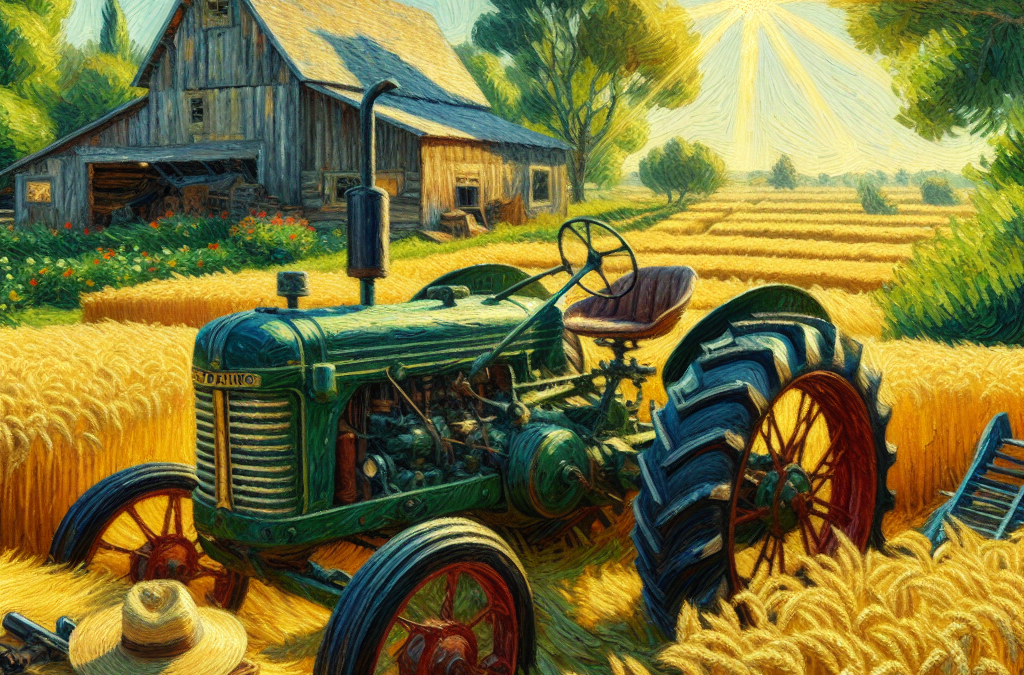
Movies have an unparalleled ability to feature machines and vehicles that not only drive the story forward but also evoke powerful emotions. Take, for instance, the iconic image of a rugged tractor, a symbol of tireless labor and the grit of the working class. This isn’t just a piece of machinery; it represents generations of hard work, resilience, and the close connection to the land. When you see that tractor churning through the soil on the big screen, it’s a reminder of the sweat and toil that agricultural communities invest daily—each furrow plowed inspired by their sweat and dreams.
Consider how this appliance transforms mere landscapes into characters of their own. In film, it can symbolize hope, renewal, or even conflict. It’s often the backdrop of personal stories—struggles, triumphs, and the unwavering bonds of family and community. This narrative power captivates audiences, tugging at their heartstrings while grounding them in reality. You watch it work, and suddenly you’re reminded of your own childhood—perhaps on your grandfather’s farm, where lessons were learned amidst the roar of an engine and the scent of fresh earth.
Ethically, the portrayal of such machines invites viewers to reflect on the balance between innovation and tradition. With tractors becoming more advanced, films often juxtapose the simplicity of the past against the backdrop of technological progress. This invites a wider conversation about sustainability, the preservation of jobs, and the ethics of agricultural practices that resonate deeply with us all. As we watch, we are encouraged to think critically about the choices we make, both in our personal lives and in our communities.
Authority figures—like farmers or mechanics in these films—often emerge as heroes, showcasing their expertise and their struggles. Their know-how becomes crucial in problem-solving, instilling a sense of respect and admiration in the audience. We root for them because we relate to their challenges, understanding that hard work and authenticity are values we respect and aspire to uphold ourselves.
Ultimately, the tractor serves as more than just a model—it stands as a testament to human determination and ingenuity. It’s a reminder that whether we’re in the field or in our own lives, we each carry the weight of our roots, working tirelessly towards our goals. In a world bustling with complexity, these symbols connect us, forging bonds and inspiring action in ways that resonate through every frame of the film.
Which Models Are Featured In Famous Movies?
Which Models Are Featured In Famous Movies?
- Movies effectively highlight machines and vehicles that drive narratives and evoke emotions.
- The rugged tractor symbolizes labor, resilience, and a connection to the land.
- Tractors in film transform landscapes into characters and symbolize hope, renewal, and conflict.
- They serve as backdrops for personal stories, emphasizing struggles and community bonds.
- The portrayal of machines invites reflection on the balance between tradition and innovation.
- Authority figures like farmers showcase expertise and struggles, gaining audience respect and admiration.
- The tractor represents human determination and connects individuals, inspiring action in complex worlds.
Which Models Are Featured In Famous Movies?
Table Of Contents
- Which Models Are Featured In Famous Movies?
- Which Iconic Models Defined Cinematic History?
- How Do Models Influence Film Culture?
- What Narratives Do Models Bring to the Big Screen?
- Which Characters Are Inspired By Real-Life Models?
- How Have Fashion Models Shaped Cinematic Storytelling?
- What Ethical Dilemmas Arise with Modeling In Films?
- Conclusion
- Other Resources
- Glossary Of Terms
- Other Questions
- Haiku
- Poem
- Checklist
Which Iconic Models Defined Cinematic History?
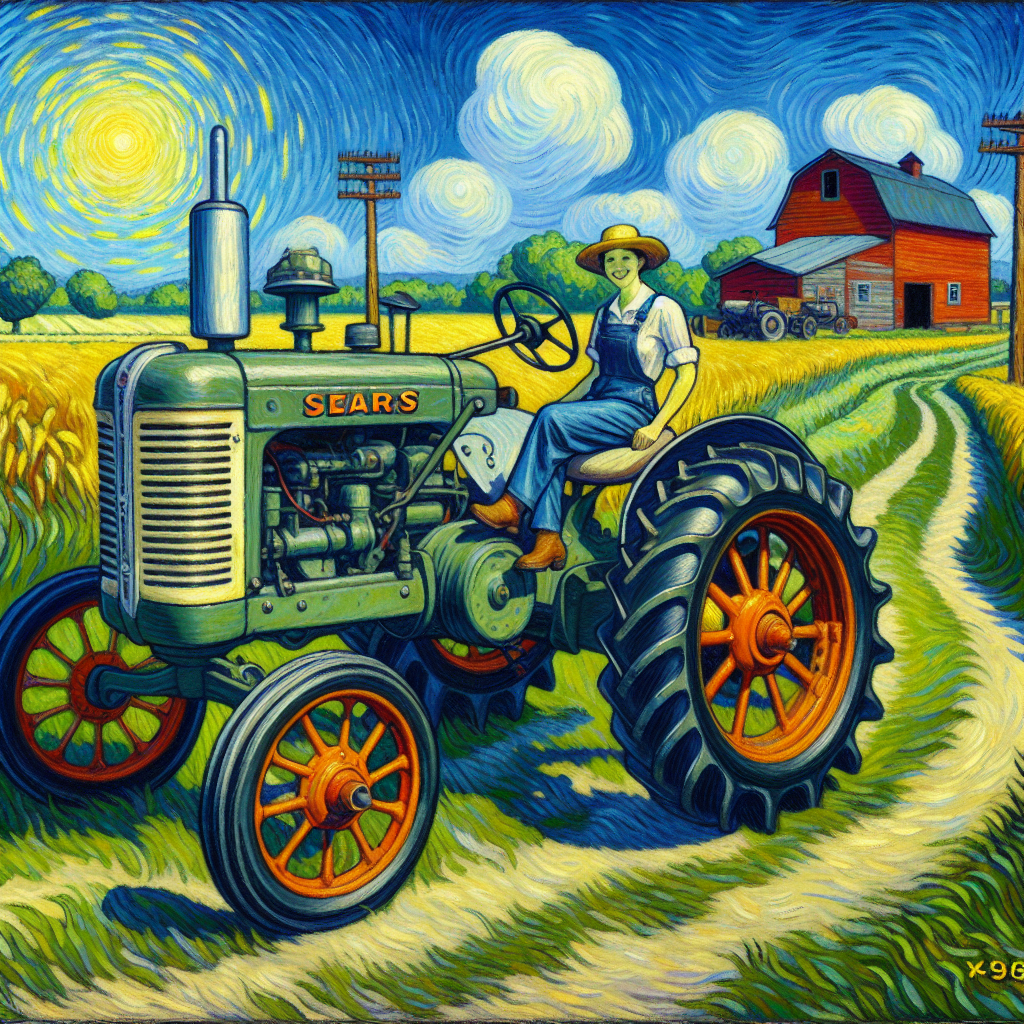
Cinematic history is a sprawling landscape, much like an untouched field ready for the pull of a tractor. Within this realm, certain iconic models have carved out their legendary status, pulling at our heartstrings and shaping our collective narrative. These models aren’t just figures but characters that resonate deeply, each embodying a spirit that transcends time.
Take, for instance, the rugged farmer in a sun-drenched field, clutching his hat as he squints against the horizon. It’s not just the story of resilience; it represents an unyielding connection to the land. Films like “The Grapes of Wrath” remind us of the struggles faced by many, embedding an ethical appeal within our societal fabric. The images linger, evoking a sense of duty and empathy for every soul who tirelessly works to sow seeds of hope against life’s relentless challenges.
Yet, history teaches us to appreciate the complexities of these models, much like the mechanics behind a well-oiled machine. The hero’s journey, as seen in classics like “Star Wars,” illustrates that it’s not just about battling evil; it’s about self-discovery. These narratives prompt us to think deeply—an invitation to engage our minds and challenge our perspectives. The droids, the lightsabers, the epic spaceships—they aren’t mere spectacles but symbols that stir our imaginations, encourage dreams, and push us to strive for more.
And who can forget the allure of the antiheroes, those morally ambiguous figures who grapple with their conscience? Movies like “The Godfather” showcase the battle between loyalty and ambition, inviting us to reflect on our own values as we witness the unraveling of a powerful dynasty. These characters, painted in shades of gray, speak to our gut, keeping us on the edge of our seats while forging a connection rooted in our shared human experience.
Ultimately, cinematic models are not just stationary images on a screen; they embody stories that resonate with our own. They remind us of our struggles, triumphs, and the enduring nature of the human spirit. So, as we revisit the films that have defined our history, let us remember the iconic models, much like a trusty tractor in a vast field, not just as representations, but as mirrors reflecting our own lives, values, and aspirations. These films beckon us to connect, to reflect, and to act—driving us forward into the ever-evolving narrative of life.
Which Iconic Models Defined Cinematic History?
Which Iconic Models Defined Cinematic History?
- Cinematic history is vast, filled with iconic models that shape narratives and resonate with audiences.
- The rugged farmer symbolizes resilience and connection to the land, as depicted in films like “The Grapes of Wrath..
- Hero’s journeys, as seen in “Star Wars,” emphasize self-discovery rather than just battles against evil.
- Antiheroes in films like “The Godfather” explore loyalty and ambition, prompting reflection on personal values.
- Cinematic models embody relatable stories, reminding viewers of human struggles and triumphs.
- These films serve as mirrors reflecting lives, values, and aspirations, encouraging connection and reflection.
- Cinematic experiences drive audiences forward into the evolving narrative of life.
Which Iconic Models Defined Cinematic History?
How Do Models Influence Film Culture?
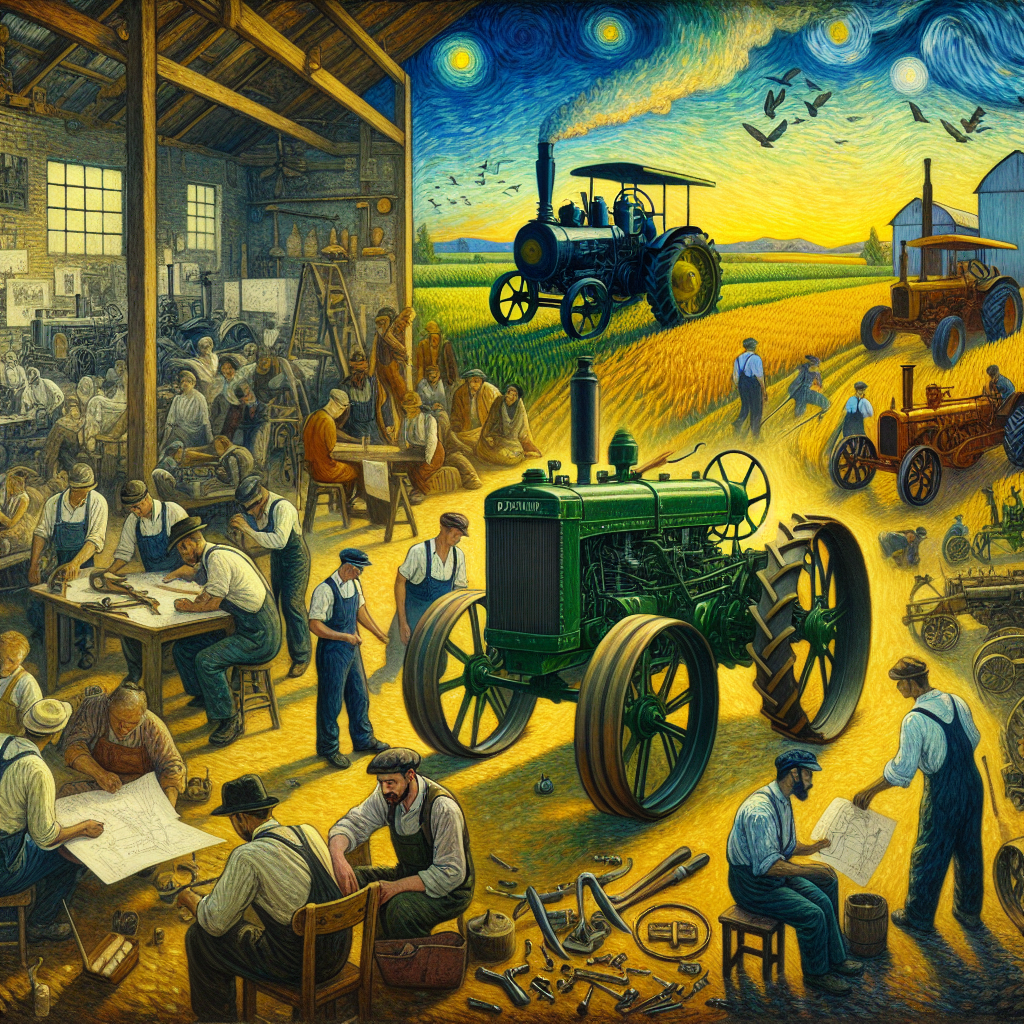
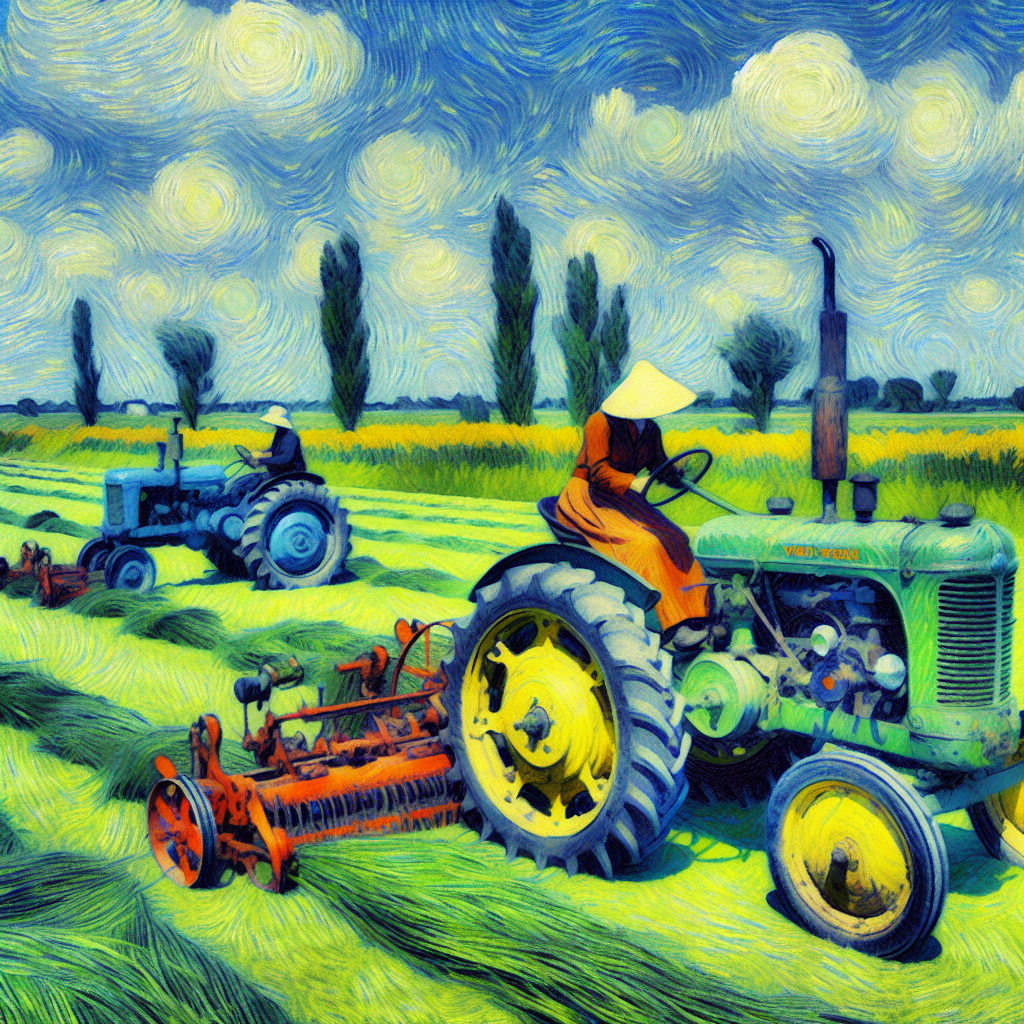
Models influence film culture in ways that resonate deeply, akin to the sound of a tractor plowing through a field, carving paths that shape our understanding of beauty, identity, and aspiration. Within the frames of our favorite films, models serve not just as eye-catching features, but as pivotal players in a larger narrative that speaks to our values and societal norms.
When we observe a film’s heroines and heroes, their portrayal often reflects our ideals and desires. These characters—mirrored in the captivating images of models—offer more than just a glimpse into glamour; they present a reality we may yearn for. Their stories echo our own struggles and triumphs, inviting us to engage with the very essence of humanity. This connection is powerful. It pulls at our heartstrings, evoking emotions that linger long after the credits roll, much like the warm sun on a chilly morning after a long night.
But there is also a rational element to this influence. The fashion seen on-screen isn’t just about aesthetics; it’s a lens through which we analyze contemporary culture. Models embody trends that speak about our society’s shifting attitudes—who we are and who we aspire to be. Each outfit, every pose, is a narrative thread that connects our daily lives to broader movements, shaping public perception and social discourse. This creates a tapestry of cultural implications, where filmmakers can champion ideologies through the lenses of these figures.
Ethically, models often stand as representatives of larger conversations—body positivity, diversity, and inclusion. Films that showcase a range of shapes, sizes, and backgrounds challenge outdated norms, prompting discussions that reverberate within communities. By embracing diversity, filmmakers and models together foster a culture of acceptance and redefine standards of beauty that resonate ethically with audiences, pushing boundaries in a way that demands reflection and action.
In a world increasingly driven by social media imagery, the collaboration between models and film culture forms a potent societal commentary. Each image serves as a collective mirror, reflecting our desires and fears alike. As we watch these stories unfold on-screen, we’re invited to not only see ourselves in those narratives but to participate in the ongoing dialogue about who we are—inviting trust that it can evolve into something more meaningful, that it can inspire change.
Models mold the dreams we chase, helping us build a rich cultural dialogue and inspiring us to embrace our stories while acknowledging the vast, interconnected landscape of humanity. In this shared journey, film becomes a vehicle for greater understanding, a tractor cultivating the fields of our collective imagination, pushing us to reflect on who we are and who we can be.
How Do Models Influence Film Culture?
How Do Models Influence Film Culture?
- Models shape film culture, influencing perceptions of beauty, identity, and aspiration.
- Characters in films often reflect societal ideals, providing narratives that resonate with personal struggles and triumphs.
- The fashion portrayed in films serves as a lens for analyzing contemporary culture and societal attitudes.
- Models represent larger conversations around body positivity, diversity, and inclusion.
- Films that embrace diversity challenge outdated norms and promote acceptance, reshaping standards of beauty.
- The collaboration between models and film creates a societal commentary, reflecting collective desires and fears.
- This relationship fosters a rich cultural dialogue and invites reflection on individual and collective identities.
How Do Models Influence Film Culture?
What Narratives Do Models Bring to the Big Screen?
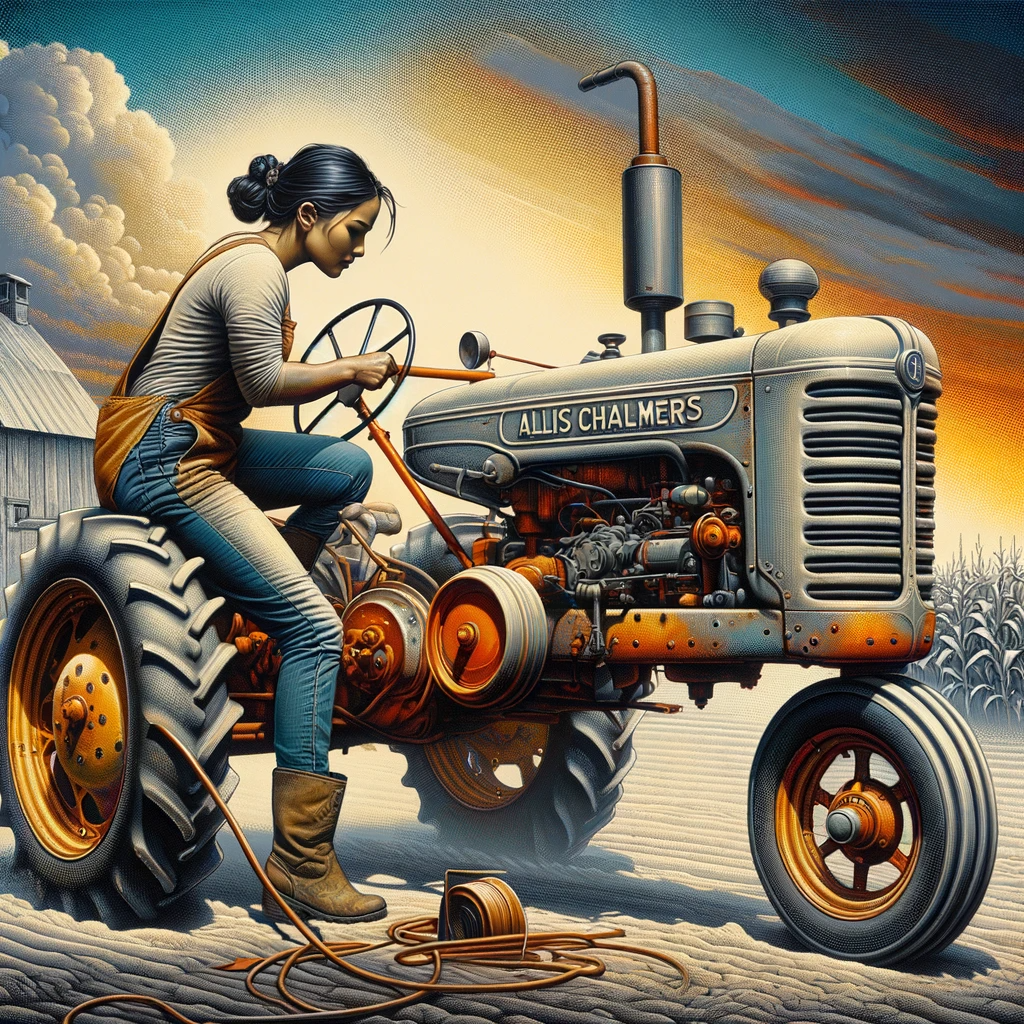
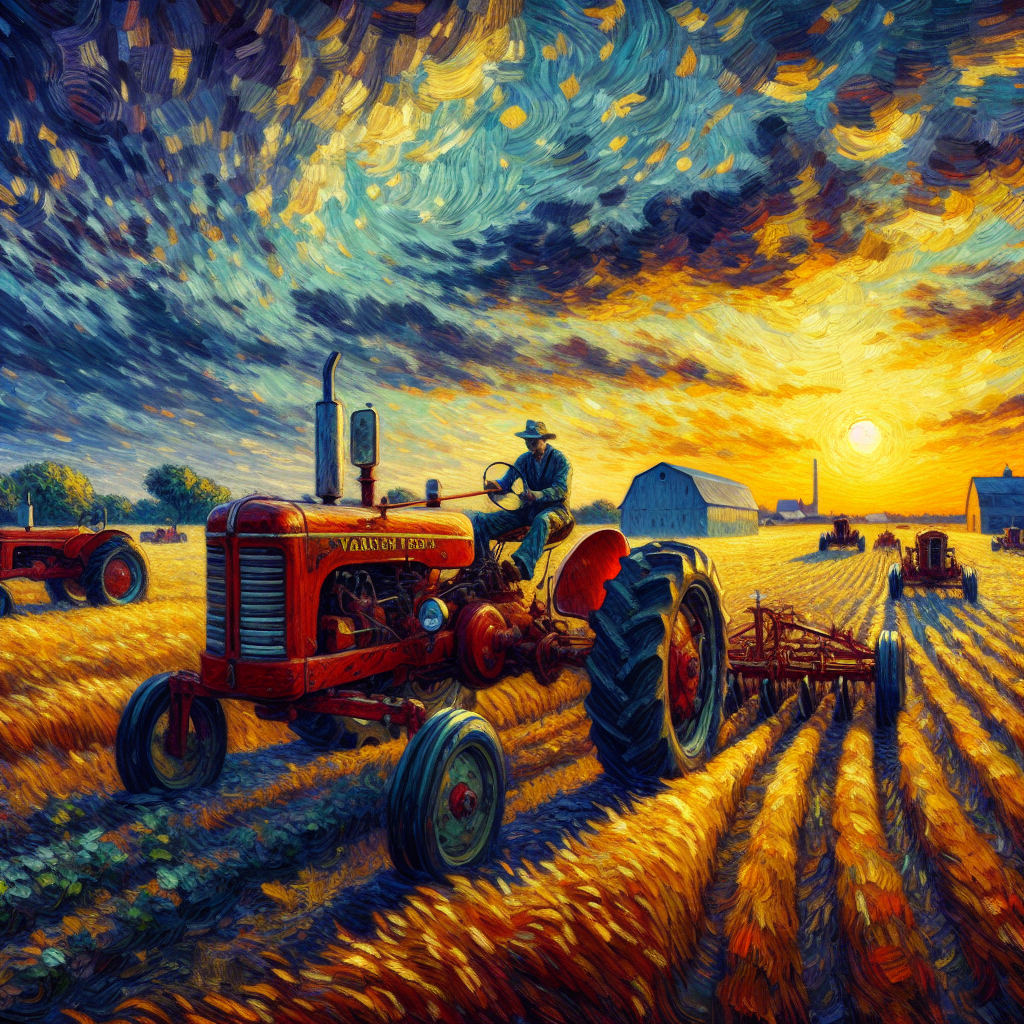
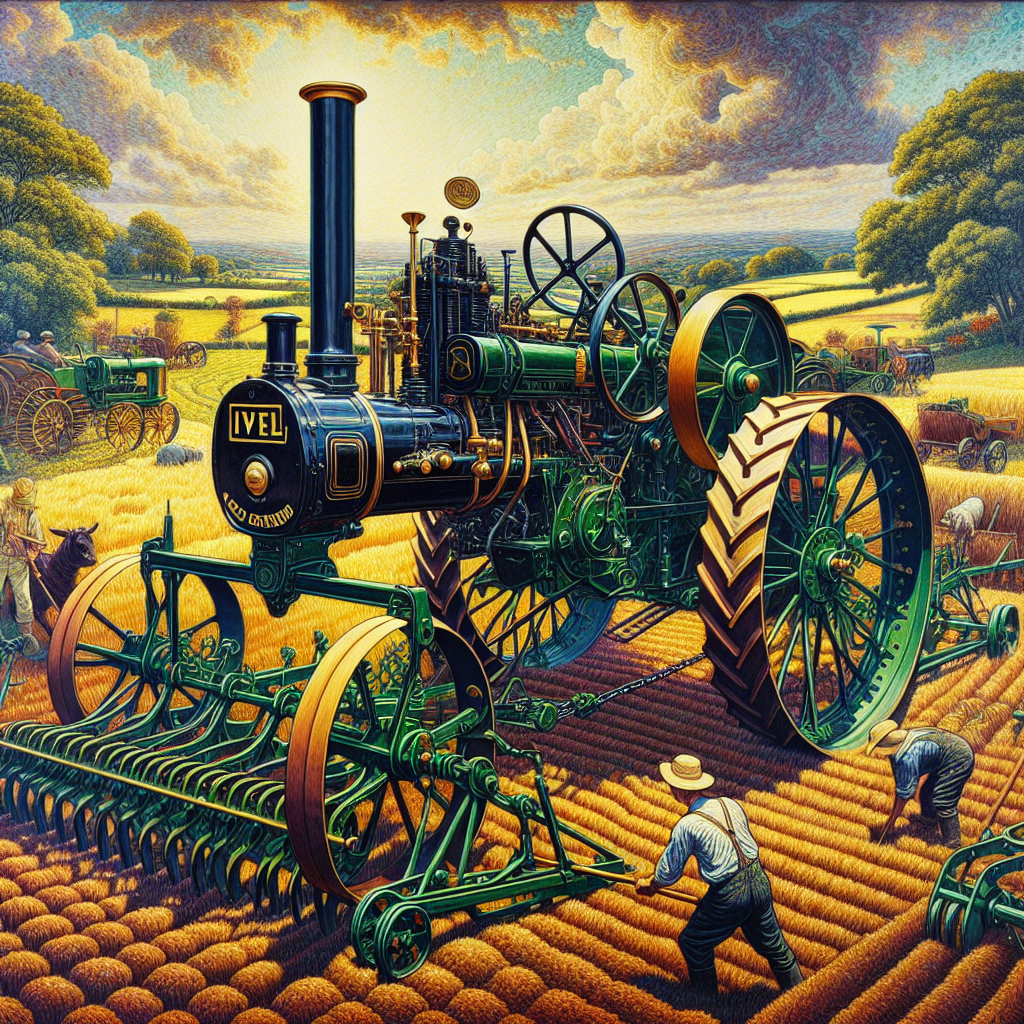
In the ever-evolving landscape of storytelling, the models we see on the big screen don’t just showcase the latest fashion; they embody narratives that resonate deeply with our very human experiences. Imagine a model stepping off a tractor, her hands stained with earth, yet her spirit unfurling like a flag raised high in the air. This image doesn’t merely represent an aesthetic; it tells a story of hard work, perseverance, and the connection we have to our roots. It’s a narrative woven into the fabric of our society, reminding us that beauty isn’t just skin deep—it’s born from grit and authenticity.
These narratives often go beyond surface-level glamour, inviting viewers to examine their own lives and aspirations. When we see models portrayed as individuals who have wrestled with adversity—whether it’s overcoming personal struggles or breaking through societal barriers—we gain a sense of hope and empowerment. Such stories engage the heart; they echo our own trials and tribulations, making us relate to the models not just as figures of admiration but as fellow human beings navigating this complex world.
Moreover, the portrayal of models can challenge ethical and cultural norms. When a model proudly displays her unique identity—whether through body type, ethnicity, or personal style—she not only claims her space on the screen but champions diversity and inclusion. This aspect of storytelling fosters a sense of community. It encourages us to embrace our differences and appreciate the myriad of experiences that define us. In this way, narratives become a bridge, connecting various audiences through shared values of acceptance and understanding.
The authority of these narratives stems from the authenticity with which they are delivered. A model who’s portrayed as sincere and relatable—who laughs, struggles, and dreams—commands respect not for her mere appearance but for her journey. This, in turn, inspires confidence in those who watch. It becomes easy to trust portrayals that reflect real issues and triumphs.
In embracing these narratives, the film industry holds the power to catalyze change, not just in the way we perceive beauty but in how we recognize the stories that shape our society. Each narrative fosters our collective consciousness, inviting us to reflect, engage, and, ultimately, act.
What Narratives Do Models Bring to the Big Screen?
What Narratives Do Models Bring to the Big Screen?
- Models on screen represent deeper narratives reflecting human experiences.
- Imagery of hard work and perseverance highlights beauty rooted in authenticity.
- Portrayals of models overcoming adversity provide hope and empowerment.
- Models challenge ethical and cultural norms by showcasing diversity and inclusion.
- Storytelling fosters community by embracing differences and shared experiences.
- Authentic portrayals command respect and inspire confidence in viewers.
- The film industry can catalyze change in perceptions of beauty and societal narratives.
What Narratives Do Models Bring to the Big Screen?
Which Characters Are Inspired By Real-Life Models?
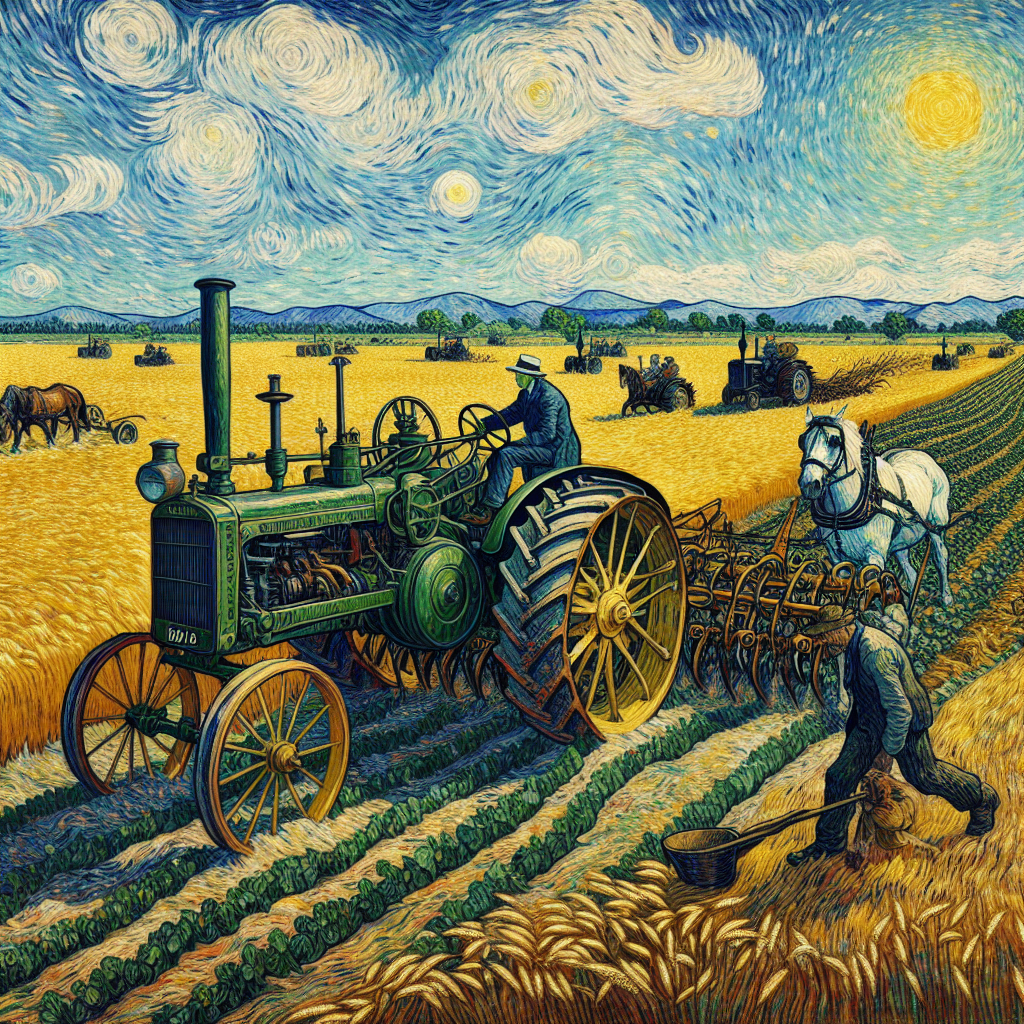
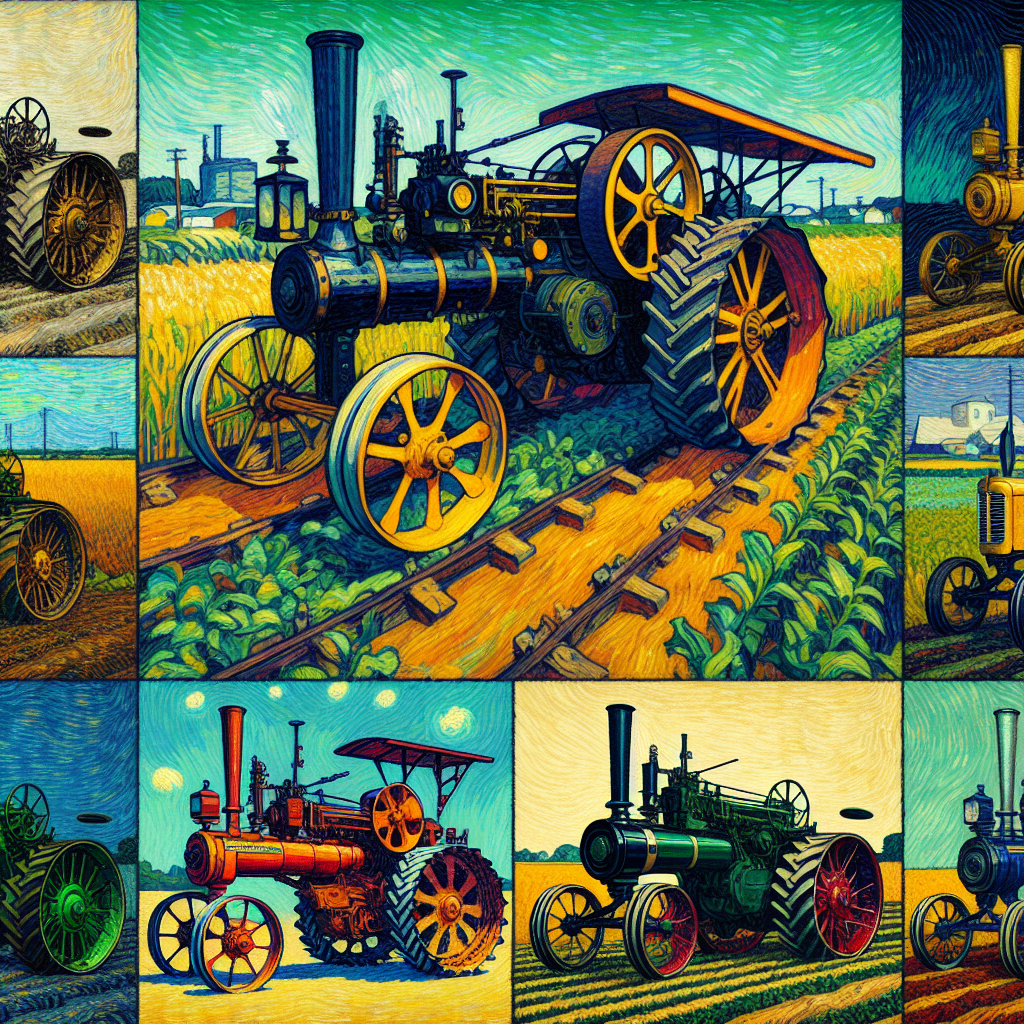
In the world of storytelling, some characters are birthed from the flames of reality, forged from the lives of those who walk among us. Take a moment to consider the impact of these real-life inspirations; they breathe life into fiction, enticing us with stories that resonate deeply within our hearts and minds. This intricate tapestry of narrative is woven with threads drawn from the grit and determination of folks who embody the spirit of resilience—just like the steadfast tractor that plows through difficult terrain.
Imagine a farmer, rising before dawn, her hands calloused from years of labor, her eyes reflecting the sun’s first rays. This figure serves not just as a backdrop but as a beacon of perseverance. Characters who echo her tenacity remind us that courage often lies not in the battlefield but in the quiet moments of everyday struggle. When we see a protagonist grappling with life’s challenges, it speaks directly to our own experiences. We find ourselves in their journeys, feeling the weight of their burdens and the triumph of their victories.
These characters embody various facets of humanity, from the visionary genius who turns dreams into reality to the unsung hero who tirelessly supports their community. Much like how a tractor represents hard work and unyielding dedication in agriculture, so too do these figures symbolize broader ethical themes—duty, sacrifice, and the pursuit of justice. They compel us to reflect on our values and the ethical implications of our choices.
Through careful narrative crafting, authors illuminate how these inspirations transform the mundane into the extraordinary. We learn that every individual possesses a story worth telling, deserving of recognition. This realization fosters a profound connection between the reader and the narrative. Sharing experiences through well-rounded characters not only entertains but encourages empathy and understanding in a world often divided by differences.
As we engage with stories featuring real-life models, we cultivate a sense of community. We recognize our shared humanity and gain insight into the diverse experiences that shape us all. Each character, reflective of real individuals, serves as a reminder of the resolve embedded within us. They encourage us to embrace our own authenticity, inviting us to take action—to step out into our own lives ready to cultivate, to nurture, and to drive forward, just like that resilient tractor that symbolizes progress on both personal and societal levels.
Which Characters Are Inspired By Real-Life Models?
Which Characters Are Inspired By Real-Life Models?
- Characters in storytelling are often inspired by real-life individuals, enriching fiction with relatable experiences.
- These figures, like a dedicated farmer, symbolize perseverance and the courage found in everyday challenges.
- Protagonists reflect our struggles and triumphs, fostering connections with readers.
- Characters showcase various human traits, from visionary leaders to community heroes, embodying themes of duty and justice.
- Narrative crafting transforms mundane experiences into extraordinary stories deserving recognition.
- Engaging with these stories cultivates a sense of community and shared humanity, promoting empathy and understanding.
- Real-life inspired characters encourage authenticity and action, symbolizing progress on personal and societal levels.
Which Characters Are Inspired By Real-Life Models?
How Have Fashion Models Shaped Cinematic Storytelling?
Fashion models have long cast a significant shadow over the silver screen, their influence echoing in the very fabric of cinematic storytelling. The artistry of film often mirrors the meticulous craft of the fashion runway, where each garment tells a story, much like a character within a film. Models, serving as the living embodiment of these designs, carry that narrative weight, shaping perceptions and feelings that transcend the screen.
Consider the symbolism of a model walking the runway, poised like a tractor plowing through the soil, preparing the ground for new ideas to take root. Each step is intentional, echoing the journey of a character who influences the world around them. Models have become more than mere adornments; they are vessels of aspiration and identity, challenging societal norms and embracing diversity. They connect us to our own experiences and struggles, making cinematic narratives more relatable.
Films featuring iconic models or inspired by the world of fashion often evoke powerful emotions, drawing viewers into a tapestry of personal stories that resonate on a deeper level. The intersection of fashion and film is a dance of authority and artistry; models possess the confidence and charisma that can elevate a scene from mundane to mesmerizing. Such authority encourages audiences not just to observe, but to feel—engaging their heads and hearts.
Ethically, representation in fashion can spark conversations about inclusivity and authenticity. As models defy traditional standards of beauty, they inspire filmmakers to craft narratives that reflect the spectrum of human experience. This evolution fosters a greater understanding of identity and belonging, weaving social commentary into the storytelling fabric of cinema. The stories on screen begin to echo those shared in living rooms, parks, and workplaces, reminding us all of our interconnectedness.
As cinematic storytellers harness the spirit of fashion, they invigorate their narratives with a pulse that resonates with viewers. The audience becomes not just spectators, but co-creators in the dialogue sparked by these visual narratives. Every model that graces a screen reminds us that our stories, shaped by our experiences, are worth telling. When the lights dim and the curtain falls, those stories linger—rooted in the trust we build with the characters, the emotion of the moments captured, and the shared journey we traverse together, much like the fields tended by a skilled tractor, cultivating growth in unexpected places.
How Have Fashion Models Shaped Cinematic Storytelling?
How Have Fashion Models Shaped Cinematic Storytelling?
- Fashion models significantly influence cinematic storytelling, mirroring the artistry of the fashion runway.
- Models embody narratives, shaping perceptions that extend beyond the screen.
- Each model’s runway movement symbolizes intentionality, akin to a character’s journey.
- Models challenge societal norms and embrace diversity, making stories more relatable.
- Films inspired by fashion evoke deep emotions, drawing viewers into personal narratives.
- The intersection of fashion and film fosters inclusivity and reflects diverse human experiences.
- Models remind audiences that their own stories matter, enriching the emotional landscape of cinema.
How Have Fashion Models Shaped Cinematic Storytelling?
What Ethical Dilemmas Arise with Modeling In Films?
What Ethical Dilemmas Arise with Modeling in Films?
Modeling in films isn’t just about lights, camera, and action; it’s a complex landscape where artistry intersects with ethics. Films have the power to shape perceptions, influence societal norms, and reflect our values. Yet, with this capacity comes a weighty responsibility and ethical dilemmas that can rattle the very foundation of our cultural narrative.
Consider a film featuring a model driving a tractor—a powerful symbol of hard work and rugged independence. This image can resonate deeply, drawing viewers into a world where dedication and perseverance flourish. But how do we ensure that this portrayal respects the hard-won realities of those who work the land? When a model glamorizes or stereotypes a role, we risk perpetuating myths that obscure the truth about the lives of genuine workers, who toil under the sun for their livelihoods. Authentic representation matters—it’s not just a narrative choice; it’s an ethical obligation.
Moreover, think about the power dynamics at play. Models often occupy a space elevated by society’s ideals of beauty and success. When filmmakers cast a model instead of an actor for a character requiring depth, they may inadvertently sideline voices that have experiences richer and more varied than any script can convey. This disconnect can alienate audiences who yearn for genuine representation. Ethical storytelling compels us to ask: Is this the best choice for our audience, or are we simply opting for what looks good on a promotional billboard?
The role of authority looms large here. Directors, producers, and casting agents wield immense power, and with it comes the responsibility to ensure their decisions align with ethical practices. As we navigate these dilemmas, it’s vital to foster an environment of dialogue and inclusion. Creative collaborations that embrace voices from diverse backgrounds enrich the narrative tapestry, leading to films that resonate on levels that matter deeply to us all.
On a visceral level, these choices evoke a gut response. An audience that feels an ethical disconnect will disengage, and that’s the last thing anyone desires in our shared cinematic experience. When films honor the complexities of their narratives and the humanity behind their characters, they don’t just sell tickets; they build a bridge of trust between the creator and the viewer.
In a world continually shaped by visuals, invoking empathy and authenticity is our greatest challenge—and our biggest opportunity. Let’s commit to modeling not just what we want to see on screen but what we aspire to embrace in society. Through ethical practices, we can light the way for films that reflect our best selves, reminding us that every story matters.
What Ethical Dilemmas Arise with Modeling In Films?
What Ethical Dilemmas Arise with Modeling In Films?
- Modeling in films intertwines artistry and ethics, influencing societal norms and values.
- Portrayals must respect the realities of hard-working individuals to avoid glamorizing stereotypes.
- Choosing models over actors can sideline diverse voices and genuine representation.
- Directors and producers hold the responsibility to ensure ethical practices in casting and storytelling.
- Dialogue and inclusion are essential for enriching film narratives and enhancing audience connection.
- Ethical disconnect in films can lead to audience disengagement, impacting their overall experience.
- Commitment to empathy and authenticity can foster films that reflect societal aspirations and values.
What Ethical Dilemmas Arise with Modeling In Films?
Conclusion
Movies hold a unique power to shape our emotions, embodying both machines like tractors and the characters tied to them. These symbols reflect our collective struggles, aspirations, and the unbreakable bond we have with our roots. When we see a rugged tractor on screen, it’s not merely a vehicle; it embodies hard work, persistence, and a deep connection to the land. This imagery captures the essence of those who toil in fields, tapping into narratives of resilience that resonate with viewers. These machines transform landscapes into stories of hope and renewal, reminding us of personal experiences—like childhood memories of working alongside family.
As we explore the portrayal of models in film, it becomes evident that they carry significant narrative weight. The characters inspired by real people resonate deeply, reminding us of the everyday heroism reflected in their lives. Whether it’s the farmer rising at dawn or the visionary breaking through barriers, each story aligns with our own challenges, prompting introspection and empathy. These portrayals compel us to reflect on our choices, the ethics of representation, and what it means to live authentically in a modern society that often pressures conformity.
Ethical questions arise, particularly regarding representation and authenticity. When filmmakers opt for glamorous portrayals without honoring the real struggles behind a model’s beauty, they risk perpetuating harmful stereotypes. There is a fine balancing act required: models can inspire narratives that champion diversity and challenge outdated norms while also representing the complex realities of life. Authentic storytelling requires engagement with the lived experiences of those represented, fostering a community of understanding and growth.
Cinematically, models serve as vessels for aspirations, and their influence extends beyond aesthetics, shaping how we perceive beauty and identity. The narratives they embody invite us to participate in a broader conversation about who we are as a society. These characters—while often glamorized—can inspire conversations about perseverance and inclusivity, illustrating the rich tapestry of human experience.
As we reflect on the connection between models and the films they inhabit, we recognize the opportunity to cultivate narratives that engage, unite, and inspire action. The blend of heart, head, and gut appeals in storytelling serves to not only entertain but to challenge and expand our understanding of the world. Movies invite us to embrace our stories and celebrate the diverse landscapes of humanity—a tractor plowing the path for a future filled with hope and real connection.
Conclusion
Conclusion:
- Movies have the power to shape emotions and reflect collective struggles and aspirations.
- Symbols like tractors represent hard work, persistence, and a connection to the land.
- The portrayal of models in film carries significant narrative weight and highlights everyday heroism.
- Authenticity in representation is essential to avoid perpetuating harmful stereotypes.
- Models can inspire narratives that champion diversity while representing complex realities.
- Films invite conversations about beauty, identity, and societal understanding.
- Storytelling in cinema can inspire action and foster connection among diverse narratives.
Conclusion
Other Resources
Other Resources
Here is a list of other resources you can review online to learn more:
- Force Motors
- FTMTA
- Ageless Iron
- Barn Finds
- David Brown
- Hinomoto
- Legacy of the Plains Museum
- Classic Farm Tractors
- Cub Cadet
- Agriculture Heritage Center & Museum
- Hello Tractor
- Orange County Farmers Museum
- Billings Farm
- Fiber Max Center for Discovery
- Louisville Tractor Pull
- Farmtrac
- Allis Chalmers
- Hart-Parr
- Zetor
Use This Prompt To Get More Resources With Your Favorite Online AI Tool: Please provide me with a list of online articles with their URLs in a bulleted list that I can read regarding Which Models Are Featured In Famous Movies?
Other Resources
Glossary Terms
Which Models Are Featured In Famous Movies? – Glossary Of Terms
1. DeLorean: The iconic car from “Back to the Future,” capable of time travel when it reaches 88 mph.
2. Ecto-1: The modified Cadillac ambulance used by the Ghostbusters in their paranormal investigations.
3. Batmobile: Batman’s technologically advanced vehicle, known for its speed and defensive capabilities.
4. Millennium Falcon: A fast and heavily modified starship from the “Star Wars” franchise, piloted by Han Solo.
5. Aston Martin DB5: The classic car famously used by James Bond in “Goldfinger” and other films, equipped with various gadgets.
6. Black Beauty: The modified Chrysler Imperial used by the Green Hornet, equipped with various weapons and surveillance tools.
7. TARDIS: The time-traveling spaceship from “Doctor Who,” which appears as a British police box on the outside.
8. The Iron Giant: A massive, sentient robot from the animated film of the same name, known for its ability to fly and protect.
9. Herbie: The anthropomorphic Volkswagen Beetle from Disney’s “The Love Bug,” known for its racing skills and personality.
10. Optimus Prime: The leader of the Autobots in the “Transformers” films, able to transform from a truck into a robot.
11. K. I. T. T.: The intelligent, self-aware car from the TV show “Knight Rider,” featuring advanced AI and various gadgets.
12. Fastback Mustang: Seen in various car chase scenes, especially in movies like “Bullitt,” known for its high-speed performance.
13. M567: A fictional flying car featured in “The Jetsons: The Movie,” representing futuristic transportation.
14. Chitty Chitty Bang Bang: The magical car from the film of the same name, capable of flight and transformation.
15. The Mystery Machine: The van used by the Scooby-Doo gang in their adventures solving mysteries.
16. Nissan Skyline GT-R: Featured in “The Fast and the Furious” franchise, known for its performance and tuning potential.
17. Transformers: A series of alien robots from the film series known for transforming into vehicles, including cars and trucks.
18. General Lee: The famous Dodge Charger from “The Dukes of Hazzard,” known for its jumps and stunts.
19. James Bond’s Lotus Esprit: The underwater car from “The Spy Who Loved Me,” which can transform into a submarine.
20. Sandspeeder: A vehicle seen in “Star Wars,” known for its speed and use in desert environments.
21. The A-Team Van: The black and red GMC Vandura used by the group in “The A-Team,” known for its ruggedness.
22. The Tumbler: The vehicle used by Batman in “The Dark Knight,” known for its military design and off-road abilities.
23. Pony Car: A class of American automobiles characterized by sporty design and performance, popularized in films.
24. Scooby-Doo: The talking Great Dane from the animated series, often featured in various movies and spin-offs.
25. Caddyshack Golf Cart: Featured in the film “Caddyshack,” known for its comedic role and shenanigans on the golf course.
26. A-Wing Fighter: A fast starfighter from the “Star Wars” franchise, known for its agility in battle.
27. Ghostbusters Proton Pack: Not a vehicle, but an iconic piece of equipment that defines the Ghostbusters’ operations.
28. Route 66 Hot Rod: A fictional car featured in numerous road trip movies, symbolizing freedom and adventure.
29. The T-Rex: The animatronic dinosaur from “Jurassic Park,” known for its presence and iconic chase scenes.
30. Hoverboards: Featured in “Back to the Future Part II,” these fictional devices represent futuristic modes of transportation.
Glossary Of Terms
Other Questions
Which Models Are Featured In Famous Movies? – Other Questions
If you wish to explore and discover more, consider looking for answers to these questions:
- Which specific models (vehicles, machines, or fashion models) are featured in each film mentioned?
- What are the exact makes and models of the tractors or vehicles shown on screen?
- Are the machines shown in films functional props or non-working replicas?
- How accurate are cinematic portrayals of agricultural equipment and farming practices?
- Which films used real farmers, mechanics, or non-actors to portray authenticity?
- How were the models sourced, prepared, and maintained for shooting?
- Who is credited with designing or selecting the iconic looks and models in these movies?
- Which real-life people or historical figures inspired the characters described as “models” in the article?
- What research or consulting was done to ensure characters based on real people were represented fairly?
- How have fashion models influenced costume and production design in specific films?
- Which famous fashion models have appeared as themselves or as characters in major films?
- How do casting decisions that favor models over trained actors affect a film’s authenticity and reception?
- What ethical concerns arise when films glamorize or stereotype labor-intensive professions?
- How do filmmakers balance aesthetic appeal with responsible representation of marginalized communities?
- Have any films faced backlash for inaccurate or exploitative portrayals of workers or cultures?
- How have depictions of models (fashion or mechanical) in film changed over time?
- What role do brand partnerships and product placement play in featuring specific models on screen?
- Do appearances in films affect the market value or cultural status of particular machines or fashion items?
- How do audiences typically respond emotionally to machines or models portrayed as symbolic characters?
- Which iconic on-screen models have become museum pieces, collectibles, or preserved props?
- How do directors and cinematographers film machines to make them feel like characters?
- What legal or licensing issues arise when featuring real brands, models, or patented designs in movies?
- How common is it for films to consult subject-matter experts (agronomists, designers, historians) when depicting models?
- Which scenes or films best illustrate the ethical tensions between tradition and technological progress?
- How have portrayals of body image, diversity, and inclusion among models impacted film narratives?
- Are there measurable box-office or critical benefits when a film features well-known models or authentic machinery?
- Where can readers find verified sources or further reading about the specific models referenced in the article?
- Which filmmakers or costume designers are renowned for integrating models into storytelling most effectively?
- How do international films portray models and machines differently from Hollywood productions?
- What behind-the-scenes stories exist about sourcing or building the iconic models used in notable films?
- How can viewers distinguish between symbolic use of a model and literal, documentary-style representation?
- Which awards or recognitions exist for production design and the use of models in film?
- How do social media and contemporary marketing amplify the cultural impact of models featured in movies?
- What are examples of films that changed public perception or policy related to agriculture, labor, or fashion after release?
Other Questions
Haiku
Which Models Are Featured In Famous Movies? – A Haiku
Tractors plow the earth,
Stories of grit and resolve,
Roots of hope take hold.
Haiku
Poem
Which Models Are Featured In Famous Movies? – A Poem
In films, the models take their stance,
More than just figures, they shape the dance.
A tractor churns, its wheels in the dirt,
Echoing hard work, where lives often hurt.
With every scene, they weave our lore,
Stories of struggle, of hope, and much more.
The farmers grit and mothers embrace,
They unveil the heart, reflect our own place.
Characters rise from lives lived so real,
Courage in quiet, resilience we feel.
Ethical dilemmas linger in view,
Representation matters, it’s a path we pursue.
Glamour can deceive, yet truth lies beneath,
In every models journey, we find common breath.
Navigating visions, from fashion’s grand stage,
To profound narratives that shape every age.
Diversity called forth, from shadows to light,
Inviting connection, a collective insight.
In stories they nurture, our spirits take flight,
Models inspire us, guiding through night.
Together we gather, as stories unfold,
In each cinematic thread, a future retold.
So let us remember, as we watch and engage,
The heart of each model, the truth on the stage.
Poem
Checklist
Which Models Are Featured In Famous Movies? – A Checklist
Heart Appeals
✅______ Reflect on personal stories connected to the characters and models portrayed in films.
✅______ Consider the emotional symbolism of models as representatives of hard work and resilience.
✅______ Identify characters or models that resonate with your own life experiences.
Head Appeals
✅______ Analyze the narrative structures and themes presented through the models in films.
✅______ Examine the influence of fashion and models on societal values and norms.
✅______ Evaluate the ethical implications of how models are portrayed in cinematic narratives.
Gut Appeals
✅______ Recognize the authentic representation of struggles and triumphs displayed by characters.
✅______ Trust your instincts about the accuracy and depth of character portrayals.
✅______ Reflect on the power dynamics and authenticity of the models as central figures in the stories.
Emotional Engagement
✅______ Connect with the narratives that stem from real-life inspirations and experiences.
✅______ Explore how films evoke empathy through diverse representations in modeling.
✅______ Share how specific portrayals impact your understanding of beauty and identity.
Ethical Reflection
✅______ Question the responsibility filmmakers have in depicting models realistically.
✅______ Discuss the implications of glamorization versus authentic representation in film.
✅______ Encourage conversations about inclusivity and diversity within film narratives.
Authority and Social Impact
✅______ Identify authority figures in films who embody expertise and resilience.
✅______ Explore the role of models as influencers of cultural and social change.
✅______ Consider how your viewership can support films that promote ethical storytelling.
Action Steps
✅______ Engage in discussions about the impact of models in film culture in your community.
✅______ Advocate for projects that reflect diverse narratives and authentic representation.
✅______ Share your reflections on social media or in personal writings to broaden the conversation.
Checklist
At ClassicTractorNews, we help tractor lovers keep up with the latest news for classic and vintage tractors.
Please share this post with your friends, family, or business associates who may like old classic or vintage tractors.