


Discover The Top Belt Work Models That Shape Success And Inspire Action
By Tom Seest
At ClassicTractorNews, we help tractor lovers keep up with the latest news for classic and vintage tractors.
Please share this post with your friends, family, or business associates who may like old classic or vintage tractors.
Which Models Are Best for Belt Work?
When it comes to selecting the right models for belt work, we aren’t just talking about machinery; we’re discussing tools that can transform the way you approach your tasks. Picture this: a tractor, the unsung hero in the world of agriculture and heavy lifting, is often the backbone of any serious belt work operation. It’s not just about horsepower and torque; it’s about reliability, efficiency, and the stories behind every dent and scratch on the body.
Imagine a farmer at dawn, equipped with a sturdy tractor. It’s not merely a vehicle; it’s a partner, a dependable ally in the pursuit of productivity. The best models for belt work embody this spirit—machines that stand the test of time, ensuring you can tackle the toughest challenges without a second thought. Each model has its own narrative, a legacy built on the hard work of folks just like you, who need equipment that won’t let them down when the stakes are high.
Rationally speaking, the features of these tractors—a strong transmission system, precision handling, and high towing capacity—make them indispensable. These qualities allow for seamless integration with a variety of belt applications, from heavy-duty hauling to nuanced landscape maintenance. When selecting a model, consider its specifications, warranty terms, and user reviews. Look for models that are not just popular, but also backed by a community of satisfied users—those who have experienced their performance in real-life scenarios.
Ethically, investing in quality equipment supports brands committed to sustainability and responsible engineering. Choosing a model from a company that prioritizes eco-friendly practices empowers you to contribute positively to the environment while still being productive. Trust is built on these choices; when you know your tractor operates within ethical guidelines, it fosters a sense of pride in your work.
Socially, the best models for belt work resonate with a network of like-minded individuals who understand the value of having reliable equipment. They aren’t just tractors; they are symbols of dedication and tenacity. Connecting with others in your field, both online and offline, can guide your decisions. Hearing the personal accounts of others can shed light on what works best.
Finding the right tractor for your belt work is more than just a purchase—it’s a commitment to quality, efficiency, and community. The right model not only enhances your skills but also embodies the very heart of hard work, innovation, and resilience. Whether you’re new to the game or looking to upgrade, take this journey seriously. Your tractor should be ready to stand by you, come rain or shine.

Which Models Are Best for Belt Work?
Which Models Are Best for Belt Work?
- Selecting the right models for belt work involves more than machinery; it transforms task approaches.
- Tractors are essential in agriculture and heavy lifting, valued for reliability and efficiency.
- Top models embody durability, allowing users to tackle tough challenges with assurance.
- Key features include strong transmission, precision handling, and high towing capacity for various applications.
- Consider specifications, warranties, and user reviews when choosing a tractor model.
- Investing in quality equipment supports sustainable and responsible engineering practices.
- The right tractor symbolizes dedication, enhancing skills and fostering community connections.

Which Models Are Best for Belt Work?
Table Of Contents
- Which Models Are Best for Belt Work?
- Which Belt Work Model Resonates with Your Personal Values?
- What Evidence Supports the Effectiveness Of This Belt Work Model?
- How Can This Belt Work Model Transform Your Daily Routine?
- What Stories Highlight the Success Of Specific Belt Work Models?
- Which Experts Endorse the Best Models for Belt Work?
- How Does This Belt Work Model Foster Community Engagement?
- Conclusion
- Other Resources
- Glossary Of Terms
- Other Questions
- Haiku
- Poem
- Checklist
Which Belt Work Model Resonates with Your Personal Values?
As we navigate the landscape of our careers, it can feel like driving a tractor through an uncharted field. Each belt work model represents a different path, shaped by our values and life experiences. Reflecting on what truly resonates with you can be both revealing and empowering.
Think about it: Have you ever gotten behind the wheel of a tractor, feeling the raw power of the machine beneath you? That sensation of control and purpose mirrors what you should seek in your work model. Every belt has its own strengths—the White Belt emphasizes the basics, while the Black Belt signifies prowess. Which of these strengths aligns with your identity?
Imagine the pride that comes from mastering your craft. Just like a farmer knows the soil and weather, understanding your skills in depth fosters confidence. The Green Belt invites you to engage in continuous improvement, to see challenges as opportunities. That’s not just about work; it’s about personal growth, evolving into a version of yourself you admire.
And consider the relationships you build along the way. Each interaction with peers, mentors, and even those who report to you is a thread woven into the fabric of your professional narrative. The Blue Belt’s approach, which centralizes teamwork and collaboration, reflects the power of shared values—how one person’s success becomes a community’s triumph. When we champion each other, we cultivate an enriching environment.
But let’s delve deeper. The ethical implications of your chosen model shouldn’t be overlooked. Are your values aligned with the practices of your workplace? The Yellow Belt stresses accountability and transparency, which are fundamental in building trust. Choose a model that nurtures ethical principles; that’s how you align your work with your values.
Ultimately, it comes down to this: Which tractor are you driving? Each model is uniquely suited to different types of journeys, but they all require your hands on the wheel and your heart in the game. Engage your mind, tap into your emotions, and listen to your gut. This is not just about workflow efficiency—it’s about working in a way that honors who you are and what you believe in. Connect with the model that reflects your mission, that inspires not only your ambition but also your humanity. Your choice will lead to a richer, more fulfilling career path.

Which Belt Work Model Resonates with Your Personal Values?
Which Belt Work Model Resonates with Your Personal Values?
- Career paths are compared to driving a tractor through an uncharted field, shaped by personal values and experiences.
- Different work models (belts) emphasize distinct strengths, from the foundational White Belt to the skilled Black Belt.
- Mastering your craft fosters confidence and personal growth, as represented by the Green Belt’s focus on continuous improvement.
- Relationships built with peers and mentors enhance the professional narrative, reflecting the collaborative spirit of the Blue Belt.
- The Yellow Belt underscores the importance of accountability and transparency, emphasizing ethical alignment with workplace practices.
- Choosing a work model requires self-reflection on identity, values, and emotional engagement.
- Ultimately, the right model leads to a fulfilling career that honors ambition and personal beliefs.

Which Belt Work Model Resonates with Your Personal Values?
What Evidence Supports the Effectiveness Of This Belt Work Model?
When we think of belts, we often picture a simple tool, yet this model represents something much more profound—a framework that has fueled the heart of industries and shaped lives. At the core of the Belt Work Model is a commitment to efficiency, quality, and teamwork that resonates with every hardworking individual, much like the tractor that carries the weight of the farm’s burdens.
Evidence supporting the effectiveness of this model lies not just in numbers, but in the stories and lives transformed. Picture two farms side by side: one operating with traditional methods, the other harnessing the innovation of the Belt Work Model. The latter consistently outperforms, not only in productivity but in morale. Workers become engaged, their skills sharpened. They take ownership of their roles. This transformation isn’t merely statistical; it’s rooted in a narrative of progress where each individual feels valued and empowered.
From an emotional standpoint, this model addresses the very essence of work: connection and purpose. The laborers who rely on this system report an increase in job satisfaction. They’ve swapped isolation for camaraderie, exchanging doubt for confidence. The evidence is clear—when people see the fruits of their efforts in real time, the impact is both palpable and profound. It’s a simple truth: our work becomes more meaningful when we can witness its effects, much like that tractor, tirelessly driving forward, making growth possible.
On a rational level, companies adopting this model often find their performance metrics improve significantly. Data reflects increased output, lower waste, and higher quality. These numbers speak to the heart of business ethics, demonstrating that doing what’s right for workers can also be what’s right for the bottom line. Supporting workers isn’t just a feel-good initiative; it’s a strategic advantage grounded in authority, backed by industry leaders who advocate for sustainable practices and employee investment.
This model fosters an environment where learning and adaptation thrive. It encourages a social appeal, creating networks where knowledge flows freely. Each worker becomes part of a larger story, contributing to communal strength—just like each component of a tractor is vital to its operation. When individual roles are celebrated and connected to a shared mission, innovation flourishes, fostering trust among team members.
Embracing the Belt Work Model isn’t merely adopting a new strategy; it’s about committing to a mindset that champions respect, accountability, and progress. It invites industries to step up and redefine what success looks like, for everyone involved.

What Evidence Supports the Effectiveness Of This Belt Work Model?
What Evidence Supports the Effectiveness Of This Belt Work Model?
- The Belt Work Model is a profound framework driving efficiency, quality, and teamwork in various industries.
- Evidence of its effectiveness is found in transformed lives and stories, not just statistics.
- Farms using the Belt Work Model experience better productivity and morale than those with traditional methods.
- Workers report increased job satisfaction, moving from isolation to camaraderie and confidence.
- Companies adopting the model see improvements in performance metrics, including output and quality.
- The model fosters a learning environment and encourages collaboration, strengthening workplace networks.
- Embracing the Belt Work Model signifies a commitment to respect, accountability, and redefining success.

What Evidence Supports the Effectiveness Of This Belt Work Model?
How Can This Belt Work Model Transform Your Daily Routine?
Imagine starting each day equipped with a tool that not only fits comfortably but also enhances your productivity—much like a trusty tractor that’s essential on a farm. This Belt Work Model operates on the simple yet powerful principle that every part of your routine can be fine-tuned, much like the inner workings of that reliable machine. Just as a tractor converts raw energy into tangible output, this belt can transform your daily tasks into seamless victories.
At its core, this model connects with you emotionally. Remember the times when you’ve struggled through a task, weighed down by inefficiency? With this belt, you’ll feel an immediate shift—an invitation to tackle the day with confidence. Picture the satisfaction of tightening that belt, not just as a wardrobe choice but as a symbol of empowerment. Each time you fasten it, you’re not just securing your clothes; you’re reinforcing your commitment to a more productive day.
Rationally speaking, this belt is designed with functionality in mind. Its multi-purpose capabilities serve various daily needs, giving you the freedom to switch seamlessly from one task to another. Just as farmers rely on their tractors for multiple jobs, from plowing fields to transporting goods, this belt adapts to your life, making it an indispensable part of your routine. You’ll find yourself appreciating how something so simple can yield such significant results — less time fumbling, more time flourishing.
Ethically, we’re all seeking ways to simplify our lives in a world that often feels overwhelmingly complex. This belt advocates for a more intentional approach to dressing, streamlining your routine so you can focus on what truly matters. By investing in this model, you’re not just buying a product; you’re buying back your time, control, and peace of mind.
Moreover, stories weave connections. Consider the tale of a busy parent who juggles work, school runs, and endless errands. With this belt, that parent discovers an unexpected ally in their quest for balance. They find confidence in appearances and functionality, allowing them to focus on what their family truly needs—their presence, love, and support.
In a society where time is currency, this belt transforms your daily grind into a series of intentional, meaningful steps. It fosters a sense of community among those who embrace it—an acknowledgment that we’re all in this together. Wear it not just for comfort, but as a badge of honor, embodying resilience in your daily journey. Let this Belt Work Model be the gear that powers your life, just like the tractor that drives the heart of the farm.

How Can This Belt Work Model Transform Your Daily Routine?
How Can This Belt Work Model Transform Your Daily Routine?
- The Belt Work Model enhances daily productivity, akin to a reliable farm tractor.
- Emotionally connects with users, promoting confidence and empowerment through its use.
- Designed for functionality with multi-purpose capabilities, adapting to various daily tasks.
- Streamlines dressing routines, advocating for intentionality in daily life.
- Supports individuals, like busy parents, in achieving balance amidst their responsibilities.
- Transforms daily routines into meaningful, intentional actions in a time-sensitive society.
- Creates a sense of community among users, symbolizing resilience and shared experiences.

How Can This Belt Work Model Transform Your Daily Routine?
What Stories Highlight the Success Of Specific Belt Work Models?
What Stories Highlight the Success of Specific Belt Work Models?
There’s a narrative tucked away in the corners of every workshop, factory floor, and even on sprawling farms, often revolving around a simple yet powerful object: the tractor. When you think about it, the humble tractor embodies the spirit of hard work and innovation. Just as a farmer relies on this mighty machine to cultivate the land, businesses lean on belt work models to harvest efficiency and productivity.
Consider the story of a family-owned farm that transformed its operation through the adoption of a specific belt work model. By integrating lean principles, they streamlined their processes. The result? They didn’t just increase their yields; they revitalized their entire community. The local economy flourished as job opportunities expanded, fostering trust and collaboration among neighbors. This isn’t merely a dry statistic—it’s a testament to how cohesive teamwork can bear fruit that nourishes everyone.
In another example, a manufacturing company recognized the chaos in its production line. Employees were parallel processing tasks that should be sequential. By implementing a well-defined belt work model, where each worker had a clear role, they not only improved efficiency but also reignited a sense of pride in craftsmanship. Employees no longer felt like cogs in a machine; they became integral parts of a collective endeavor, and the quality of the final product soared.
There’s a certain kind of honor in working hard, whether it’s tilling fields or assembling machinery. But more than just the work itself, it’s how that work empowers individuals. That’s where the ethical appeal rests—recognizing that diligent work leads to tangible rewards both for the workers and the community. When people see the fruits of their labor, it instills a confidence that ripples outward.
Even in the toughest times, these belt work models provide a beacon of hope. They remind us that it’s possible to transform challenges into opportunities, and to do so through a shared commitment to quality and excellence. When a business runs efficiently, it doesn’t just succeed; it inspires others to take a similar path. So, whether it’s the roar of a tractor or the rhythm of a well-oiled assembly line, there’s an undeniable connection between hard work, community strength, and unwavering belief in progress.
These stories go beyond statistics and analyses; they touch the heart and resonate with a common human experience—the drive to build, to connect, and to thrive. The success of these belt work models isn’t just about output; it’s a reminder that when we work together toward a common goal, we can achieve remarkable things.

What Stories Highlight the Success Of Specific Belt Work Models?
What Stories Highlight the Success Of Specific Belt Work Models?
- The tractor symbolizes hard work and innovation in agricultural and business practices.
- A family-owned farm adopted a belt work model with lean principles, enhancing their processes and revitalizing the local economy.
- Improved community collaboration and job creation emerged from the farm’s operational transformation.
- A manufacturing company implemented a structured belt work model, assigning clear roles to employees, boosting efficiency and craftsmanship pride.
- This approach transformed workers from feeling like mere cogs to valued contributors in a collective effort.
- Belt work models empower individuals, leading to tangible rewards for both workers and communities.
- The success of these models showcases the connection between hard work, community strength, and shared commitment to excellence.

What Stories Highlight the Success Of Specific Belt Work Models?
Which Experts Endorse the Best Models for Belt Work?
When you dig into the world of belt work, it’s essential to recognize that not all models are created equal. Many seasoned professionals have taken their experiences and molded them into guidelines that point towards the best practices in this critical domain. Among these experts are skilled tradespeople, engineers, and educators who have spent their lives mastering the art and science of belt work, ensuring that safety and efficiency lead the way.
Imagine a tractor, built to withstand the challenges of rugged terrains. Just as a tractor functions best with the right tools and configurations, belt work requires models designed for precision and durability. Experts emphasize that the right models not only enhance productivity but also ensure that every operator can perform their tasks with confidence. This is where trust becomes paramount. The reliability of a model influences not just the workflow but the worker’s peace of mind. When you hear about experts advocating for specific models, it’s grounded in years of experience, testing, and real-world application.
These endorsements often come from individuals who have been ‘in the trenches,’ facing the ups and downs of the job firsthand. Their stories resonate emotionally, highlighting moments where the right equipment made all the difference. They bring authenticity to the conversation—what could be more relatable than learning from someone who’s done the work, made mistakes, and found better paths? The narratives they share remind us that every piece of equipment has a purpose, much like a well-engineered tractor navigating a field, tirelessly pulling its weight.
Moreover, the endorsement of models by respected industry organizations adds another layer of credibility. When these authorities back specific practices, it signals to everyone involved that there’s a collective belief in the soundness of the approach. It’s not just about following the latest trend; it’s about embracing a method that has been vetted by those who genuinely care about the craft and the people engaged in it.
By understanding the recommendations of experts, we invite others into the conversation—sharing knowledge and fostering a community built on mutual respect and shared experiences. This collective approach not only assures individuals of their choices but also empowers them to act, fostering a culture that values informed decision-making. In the ever-evolving landscape of work, those who aspire to excel will always turn to those who have paved the way, embracing the best models for belt work not just for efficiency, but as a testament to dedication and craftsmanship.

Which Experts Endorse the Best Models for Belt Work?
Which Experts Endorse the Best Models for Belt Work?
- Not all belt work models are created equal; expert guidance shapes best practices.
- Experts include skilled tradespeople, engineers, and educators focused on safety and efficiency.
- The right belt work models enhance productivity and operator confidence.
- Endorsements from experienced professionals emphasize reliability and real-world application.
- Authentic narratives from experts highlight the importance of the right equipment.
- Industry organization endorsements add credibility to recommended practices.
- Understanding expert recommendations fosters a respectful, informed community in belt work.
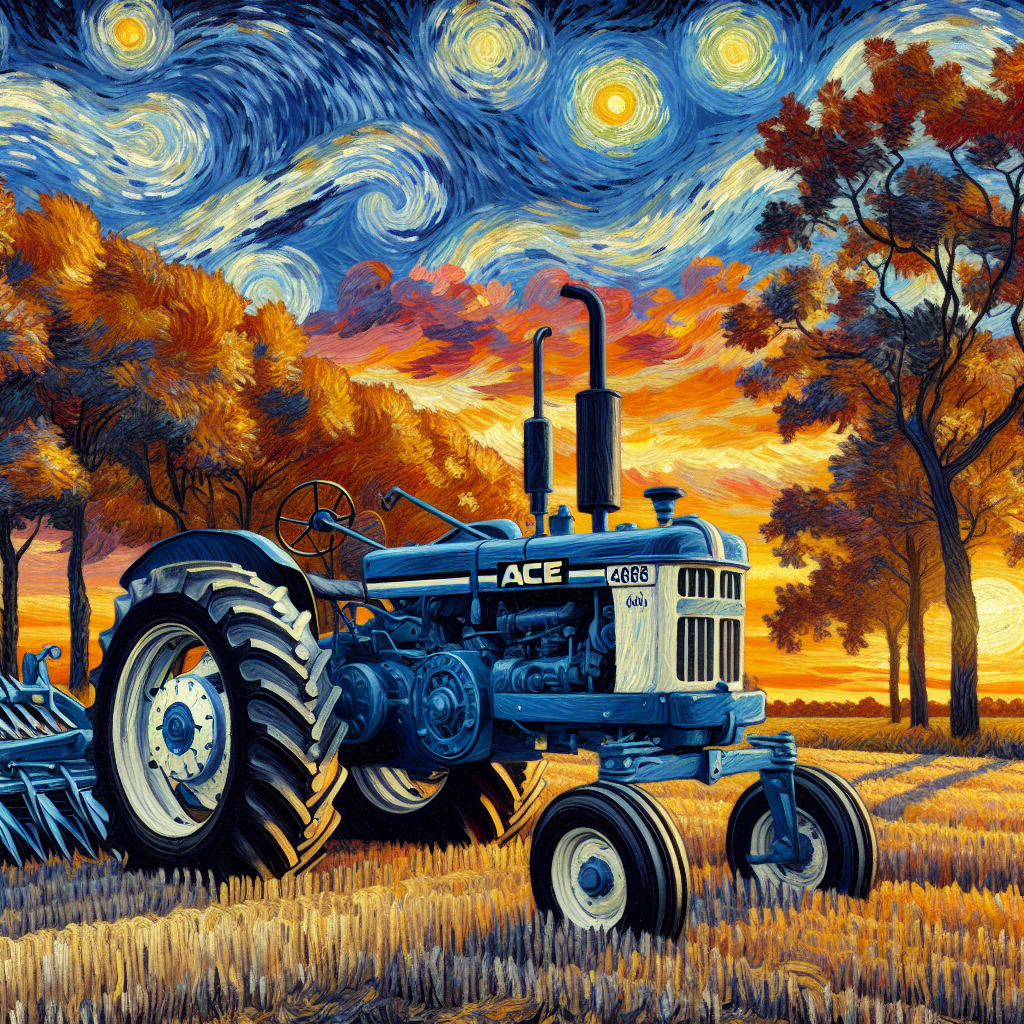
Which Experts Endorse the Best Models for Belt Work?
How Does This Belt Work Model Foster Community Engagement?
Imagine a community where everyone feels connected, not through technology, but through tangible experiences woven together by a shared purpose. The Belt Work Model serves as more than just a strategy; it operates like a well-oiled tractor, pulling together resources and people to cultivate a rich soil of engagement and collaboration.
At its core, this model embodies the principle of unity. It encourages individuals to roll up their sleeves and get involved—whether that means working side by side in a community garden or organizing events that honor local heritage. These moments foster not just participation but a sense of belonging. When someone steps out and volunteers, they aren’t just helping; they’re building relationships that create a support network, crucial for everyone involved.
Rationally, this model employs a structured approach that highlights how we can maximize our efforts. By leveraging existing resources and talents within the community, it ignites a spark of innovation. When people see their neighbors collaborating, they’re inspired to join in, expanding the reach of engagement further. The message is clear: when we work together, we can achieve more than any single individual can alone. It’s not just about the tasks accomplished—it’s about the camaraderie that forms through shared labor.
On an ethical level, the Belt Work Model underscores responsibility. It invites community members to reflect on their roles. Each person’s effort matters, from leading the charge to simply showing up. This sense of accountability feeds into a greater narrative about community strength. Just like every cog in a tractor matters for it to function effectively, each individual’s contribution is vital to the community’s health and vitality.
However, it’s not all serious work. There’s joy in the connection—whether it’s gathering for potlucks after a hard day’s labor or laughing together over shared experiences, these moments become the defining narratives of the community. It’s here that trust is built, fostering confidence in one another and in the mission itself.
Incorporating the Belt Work Model promotes not just action but a movement—a collective invitation to engage in something larger than oneself. It reaches out with open arms, providing a space where visions can bloom, and community spirits can soar. In this pursuit, every voice, every hand, and every story becomes a critical part of the fabric that binds the community together, ensuring that everyone has a stake in their shared future.

How Does This Belt Work Model Foster Community Engagement?
How Does This Belt Work Model Foster Community Engagement?
- The Belt Work Model fosters community connection through shared experiences rather than technology.
- It promotes unity by encouraging participation in activities like community gardens and local events.
- Volunteering builds relationships and creates a vital support network.
- The model maximizes efforts by leveraging existing community resources and talents, inspiring collaboration.
- Each individual’s contribution is essential for the overall health and vitality of the community.
- Joy and trust are cultivated through shared experiences, strengthening the community narrative.
- Incorporating the model invites collective engagement in a movement towards a shared future.

How Does This Belt Work Model Foster Community Engagement?
Conclusion
When we talk about the best models for belt work, we’re diving into much more than machinery—it’s about finding a reliable partner in productivity. Just like the trusty tractor that stands as the backbone of agriculture, the top belt work models symbolize reliability, designed to simplify our tasks and amplify our efforts. These machines don’t just bring horsepower; they embody the grit of the people who operate them, nurturing a legacy built on perseverance and hard work. Each model tells a story, rich with the sweat and determination of individuals striving to overcome challenges.
At its logical core, the best equipment features robust specifications—think strong transmissions and dependable towing capacities—that make them indispensable allies on the job. Choosing the right model should hinge on an assessment of specs, user reviews, and warranties. You’re not merely buying equipment; you’re investing in your productivity and, ultimately, in your success.
Ethically, selecting high-quality machinery that values sustainability also aligns with a growing commitment to responsible engineering. When you choose brands that prioritize eco-friendliness, you’re not just making a purchase; you’re making a statement about your values and your stake in a better future. These models become symbols of your dedication, not only to your craft but to the planet.
Socially, the best models resonate within a community of like-minded individuals. They encourage connection, where sharing experiences enhances decision-making around equipment choices. This community aspect underscores how we make choices that impact not just ourselves but those around us, creating bonds through shared values.
On a personal level, the belt work model you adopt reflects your identity, evolving alongside your professional journey. Just like a farmer knows the terrain, understanding your strengths and working towards mastery fosters confidence and facilitates growth. Each belt symbolizes a journey through collaboration, accountability, and innovation that pushes us to evolve and succeed.
Ultimately, these models aren’t just tools; they represent a commitment to quality, teamwork, and resilience. The essence of choosing the right model transcends machinery—it’s about connecting your work to your values, to a community, and to a narrative of success that drives us all forward. As you consider your options, remember: this isn’t just a choice about equipment; it’s about embracing the heart of hard work and getting the job done right, no matter what life throws at you.

Conclusion
Conclusion:
- The best belt work models symbolize reliability and enhance productivity.
- These machines reflect the hard work and perseverance of their operators.
- Key specifications include strong transmissions and dependable towing capacities.
- Choosing the right model involves evaluating specs, user reviews, and warranties.
- Selecting eco-friendly machinery aligns with a commitment to sustainability.
- The best models foster community connections and shared experiences among users.
- Your choice of belt work model reflects your identity and professional journey.

Conclusion
Other Resources

Other Resources
Here is a list of other resources you can review online to learn more:
- Sheppard Diesel
- Saunderson
- Hart-Parr
- Swaraj
- Antonio Carraro
- Titan Machinery
- Waterloo Manufacturing Company
- Unitrak
- Ivel Agricultural Motors
- Eicher
- TwinCity
- Huber
- AGCOAllis
- AG Museum
- Northern Neck Farm Museum
- ATC
- Wingin
- Sonalika Tractor
- Bukh
- Mahindra
Use This Prompt To Get More Resources With Your Favorite Online AI Tool: Please provide me with a list of online articles with their URLs in a bulleted list that I can read regarding Which Models Are Best for Belt Work?

Other Resources
Glossary Terms
Which Models Are Best for Belt Work? – Glossary Of Terms
1. Belt Sander: A power tool with a sandpaper belt used for smoothing and shaping wood surfaces.
2. Belt Drive: A system utilizing belts to transfer power between pulleys, commonly found in machinery.
3. Belt Loop: A loop made of fabric or leather on clothing for threading a belt through.
4. V-Belt: A type of belt with a trapezoidal cross-section, used for power transmission in engines and machinery.
5. Timing Belt: A toothed belt that synchronizes the rotation of the engine’s crankshaft and camshaft.
6. Poly-V Belt: A flat belt with multiple grooves, designed for high power transmission in compact systems.
7. Flat Belt: A simple, non-toothed belt used in conveyor systems and some classic machinery.
8. Belt Fed: Referring to machines that use a continuous strip of material, usually for feeding projects.
9. Turntable Belt: A rubber belt that connects the motor to the platter in vinyl record players.
10. Belt Tensioner: A device used to maintain optimum tension on a belt for effective performance.
11. Belt Sizing: The process of determining the appropriate size of a belt for correct fit and function.
12. Belt Failure: A condition where a belt breaks or becomes ineffective, hindering machinery operations.
13. Belt Pulley: A wheel designed to guide and support a belt in its motion, often used in mechanical systems.
14. Belt Alignment: The process of adjusting a belt to ensure it runs straight and properly on pulleys.
15. Belt Loading: The maximum load a belt can handle before failing or experiencing performance issues.
16. Belt Application: The specific use or function of a belt in various equipment or machinery.
17. Cotton Belt: A type of belt made primarily from cotton fabric, often used in apparel.
18. Kinetic Belt: A belt designed to store and release energy, often used in exercise equipment.
19. Synthetic Belt: A belt made from synthetic materials, providing enhanced durability and resistance.
20. Retractable Belt: A type of belt that can be drawn in and out, commonly used in safety equipment.
21. Belt Drive System: A mechanical setup that transmits power through belts and pulleys.
22. Belt Grinder: A machine that utilizes a belt to grind materials, often metal or wood.
23. Conveyor Belt: A continuous loop used to transport materials or goods throughout a facility.
24. Slip: The occurrence when a belt moves over a pulley without gripping effectively, leading to reduced efficiency.
25. Splicing: The method of joining two ends of a belt together to create a continuous loop.
26. Belt Size: The measurement of a belt’s length, width, and thickness, critical for compatibility.
27. Belt Alteration: Modification of a belt’s size or features to improve fit or functionality.
28. High-Temperature Belt: A belt designed to withstand extreme temperatures without degrading.
29. MaXima Belt: A high-performance belt designed for heavy-duty applications and maximum durability.
30. Belt Inspection: The process of examining a belt for wear and damage to prevent operational failures.

Glossary Of Terms
Other Questions
Which Models Are Best for Belt Work? – Other Questions
If you wish to explore and discover more, consider looking for answers to these questions:
- What exactly is meant by “belt work” in this article—literal belts, Six Sigma belt levels, or a specific workflow model?
- How do the White, Yellow, Green, Blue, and Black Belt roles differ in responsibilities and skills?
- Which specific tractor models are recommended for common belt work applications?
- What technical specifications (horsepower, transmission, towing capacity, precision handling) matter most when choosing equipment for belt work?
- How do I match a belt model to the scale and type of my operation (farm, factory, workshop)?
- What are the typical costs (purchase, maintenance, attachments) associated with the recommended models?
- What is the expected return on investment (ROI) from adopting a belt work model or new equipment?
- How long does it take to see measurable improvements after implementing a belt work model?
- What training or certification is required for each belt level, and where can I get it?
- What common implementation steps should be followed when adopting a belt work model?
- What metrics and KPIs should be used to measure the effectiveness of a belt work model?
- Can you provide detailed case studies or real-world examples that show before-and-after results?
- What are the most frequent pitfalls or mistakes organizations make when switching to this model?
- Which industry experts or organizations explicitly endorse specific belt work models or equipment?
- How do warranty terms and after-sales support compare between brands recommended for belt work?
- What maintenance schedules and common servicing needs should owners expect for these models?
- How compatible are recommended tractors and equipment with common belt work attachments and tools?
- What ethical and environmental considerations should influence my choice of model or brand?
- Are there proven sustainability features (emissions, fuel efficiency, recyclability) to look for?
- How does adopting a belt work model affect worker morale, safety, and job satisfaction in documented cases?
- What community engagement strategies have successfully grown around belt work initiatives?
- How can small operations scale the belt work model as they grow without losing effectiveness?
- What software, monitoring tools, or digital supports complement the belt work model?
- Which certifications, standards, or regulatory requirements apply to belt work in my region/industry?
- How do I evaluate user reviews and peer feedback to make a confident purchase decision?
- What questions should I ask suppliers or dealers when comparing models for belt work?
- Are there alternative models or frameworks to the Belt Work Model that I should consider?
- What safety considerations and best practices are essential when operating equipment used in belt work?

Other Questions
Haiku
Which Models Are Best for Belt Work? – A Haiku
Tractors in the dawn,
Strength and trust in each life,
Tools of hope and growth.

Haiku
Poem
Which Models Are Best for Belt Work? – A Poem
In fields where hard work thrives,
A tractor rolls beneath the skies,
Not just machinery, but a friend,
A partner in the toil, to lend.
With horsepower, strength, and legacy,
It teaches lessons in unity,
Each dent a story of battles fought,
Of tasks accomplished, of lessons caught.
Belt work models, sturdy and true,
Shape the paths we venture through,
Rational specs and ethical ties,
Guide us to choices, where wisdom lies.
Community grows through shared endeavor,
In gardens and gatherings, bonds tether,
Hands joined together, trust we weave,
In each contribution, we believe.
Master your craft, embrace the grind,
Find the model that speaks to your mind.
Drive with purpose, let intention steer,
With heart and gut, let your vision be clear.
Stories of success fuel our fire,
In every challenge, we can aspire,
The choice of the model defines our way,
Together we rise, come what may.

Poem
Checklist
Which Models Are Best for Belt Work? – A Checklist
Checklist for Choosing the Best Belt Work Models
✅______ Identify personal values Reflect on which belt work model resonates with your personal and professional values.
✅______ Connect with stories Seek out testimonials and narratives from users who have transformed their work experiences through specific models.
✅______ Visualize success Imagine the positive impact on your productivity and well-being with the right choice.
Head (Rational Appeal)
✅______ Evaluate features Assess the specifications and capabilities of each model, including efficiency and versatility for tasks.
✅______ Research reviews Look for user feedback and expert opinions to gauge the reliability and effectiveness of the models.
✅______ Compare performance metrics Review data on output, waste reduction, and overall impact for each model.
Gut (Ethical and Social Appeal)
✅______ Ethics in choice Choose models from companies committed to sustainability and ethical practices.
✅______ Build community Connect with a network of users who share insights and experiences about their belt work implementations.
✅______ Engage in collaboration Look for opportunities to share and learn from others in your field, fostering a sense of community around shared tools.
Authority (Expert Endorsements)
✅______ Consult experts Review recommendations from industry authorities and skilled professionals in belt work.
✅______ Seek proven success stories Find case studies highlighting successful outcomes from specific models endorsed by seasoned practitioners.
Narrative (Cultural Appeal)
✅______ Understand your journey Consider how each model aligns with your professional narrative and career aspirations.
✅______ Create shared stories Engage in discussions that highlight collective successes and challenges within your community or organization.

Checklist
At ClassicTractorNews, we help tractor lovers keep up with the latest news for classic and vintage tractors.
Please share this post with your friends, family, or business associates who may like old classic or vintage tractors.