

Discover The Classic Tractors That Defy Winter’s Chill With Ease
By Tom Seest
At ClassicTractorNews, we help tractor lovers keep up with the latest news for classic and vintage tractors.
Please share this post with your friends, family, or business associates who may like old classic or vintage tractors.
Which Classic Tractors Are Easiest to Start In Cold Weather?
When the winter chill sweeps across the fields, farmers know all too well that starting a tractor can become a battle against the elements. Yet some classic tractors rise to the occasion, ready to roar to life when the air is crisp and the ground is frosty. These machines hold not just metal and mechanics but a whole heritage of resilience and grit.
Among the most reliable are the 1940s Ford 8N and the timeless John Deere A. These tractors, well-loved by generations, have proven their mettle through freezing temperatures. Embracing the rich history behind these classics, you quickly understand that they represent more than just equipment—they are symbols of hard work, commitment, and the spirit of agriculture.
Consider the farmers who have relied on these tractors in their toughest hours. The Ford 8N, with its dependable starting system, showcases engineering that thrives in the cold. It’s a reminder of the countless mornings spent working the fields when most would still be curled up in warmth. There’s an authentic connection, a bond forged through years of labor and sweat. It’s as if these tractors are an extension of the farmer himself, braving the elements together.
Then there’s the John Deere A, known for its simplicity and ease of maintenance. Its straightforward design means fewer complications when the frost attempts to thwart your progress. The no-nonsense nature of this tractor speaks to both the head and the gut: a rational choice backed by a legacy. You don’t have to be a mechanic to appreciate the beauty in straightforward technology that allows you to focus on what truly matters—getting the job done.
In the world of classic tractors, reliability in cold weather fosters trust. When a farmer sits in the seat of a familiar, dependable machine, there’s a sense of confidence that transcends logos and models. It’s the knowledge that no matter how harsh the winter, you have the right tool to tackle the challenges ahead.
And let’s not forget the stories—the gatherings at the old barn, the laughter shared over hot coffee between neighbors who know that a good start in the morning can make all the difference. The camaraderie built around these classics cultivates a community bound by a shared love for the land and the machines that help nourish it.
Ultimately, the classic tractors that thrive in cold weather embody the very essence of tenacity. They remind us that even in the most unforgiving of seasons, you can always find a way to start anew.
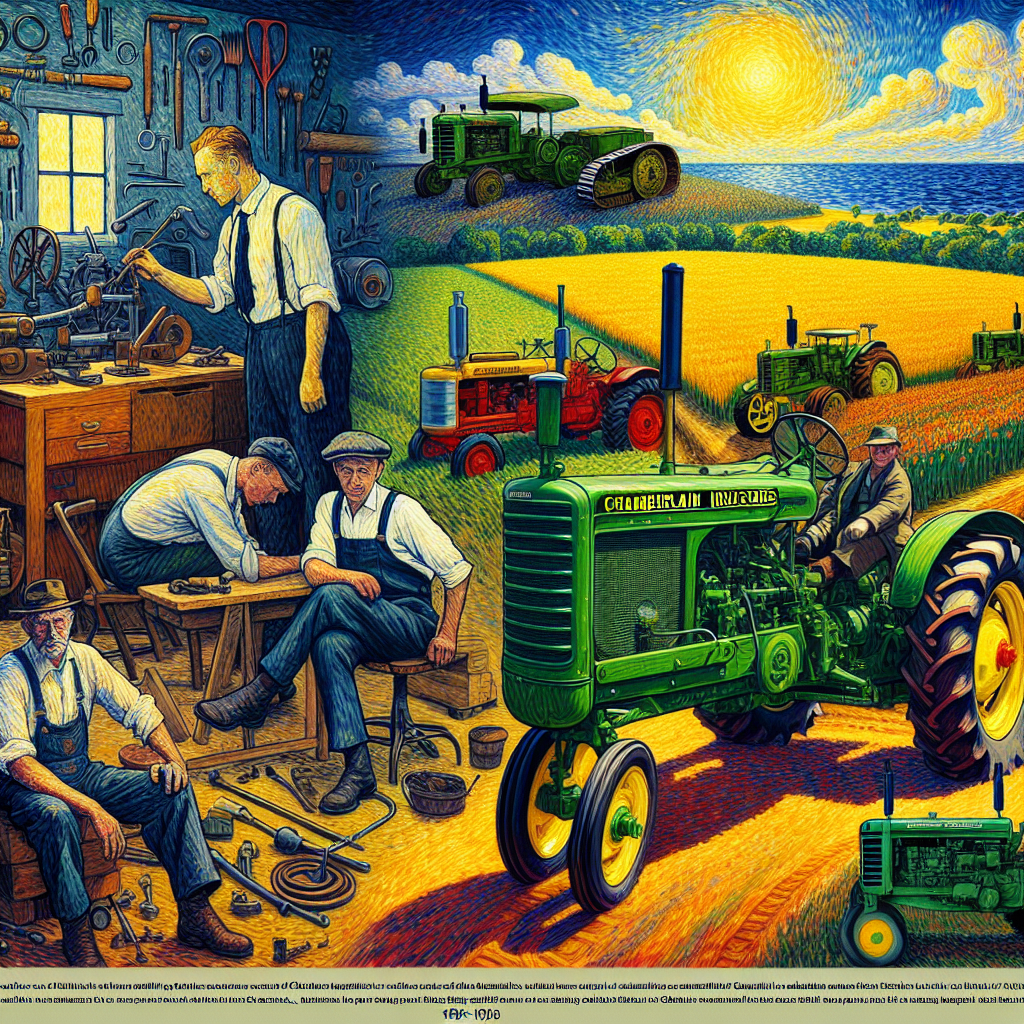
Which Classic Tractors Are Easiest to Start In Cold Weather?
Which Classic Tractors Are Easiest to Start In Cold Weather?
- Classic tractors, like the 1940s Ford 8N and John Deere A, demonstrate resilience in cold weather.
- These machines symbolize hard work, commitment, and the spirit of agriculture.
- The Ford 8N features a dependable starting system, proving reliable in freezing temperatures.
- The John Deere A is known for its simplicity and ease of maintenance, allowing for efficient operation.
- Reliability fosters trust between farmers and their machinery during harsh winter conditions.
- Classic tractors create a sense of community among farmers, sharing stories and experiences.
- They embody tenacity, reminding us that challenges can be overcome, even in the toughest seasons.
Which Classic Tractors Are Easiest to Start In Cold Weather?
Table Of Contents
- Which Classic Tractors Are Easiest to Start In Cold Weather?
- Which Classic Tractors Warm Up Quickly In Freezing Temperatures?
- How Do You Maintain Classic Tractors for Optimal Cold Starts?
- What Makes a Tractor Reliable In Harsh Winter Conditions?
- Are There Classic Tractors Known for Their Winter Engine Efficiency?
- How Do Classic Tractors Compare on Fuel Consumption In Cold Weather?
- What Are the Most Trusted Brands for Winter-Ready Classic Tractors?
- Conclusion
- Other Resources
- Glossary Of Terms
- Other Questions
- Haiku
- Poem
- Checklist
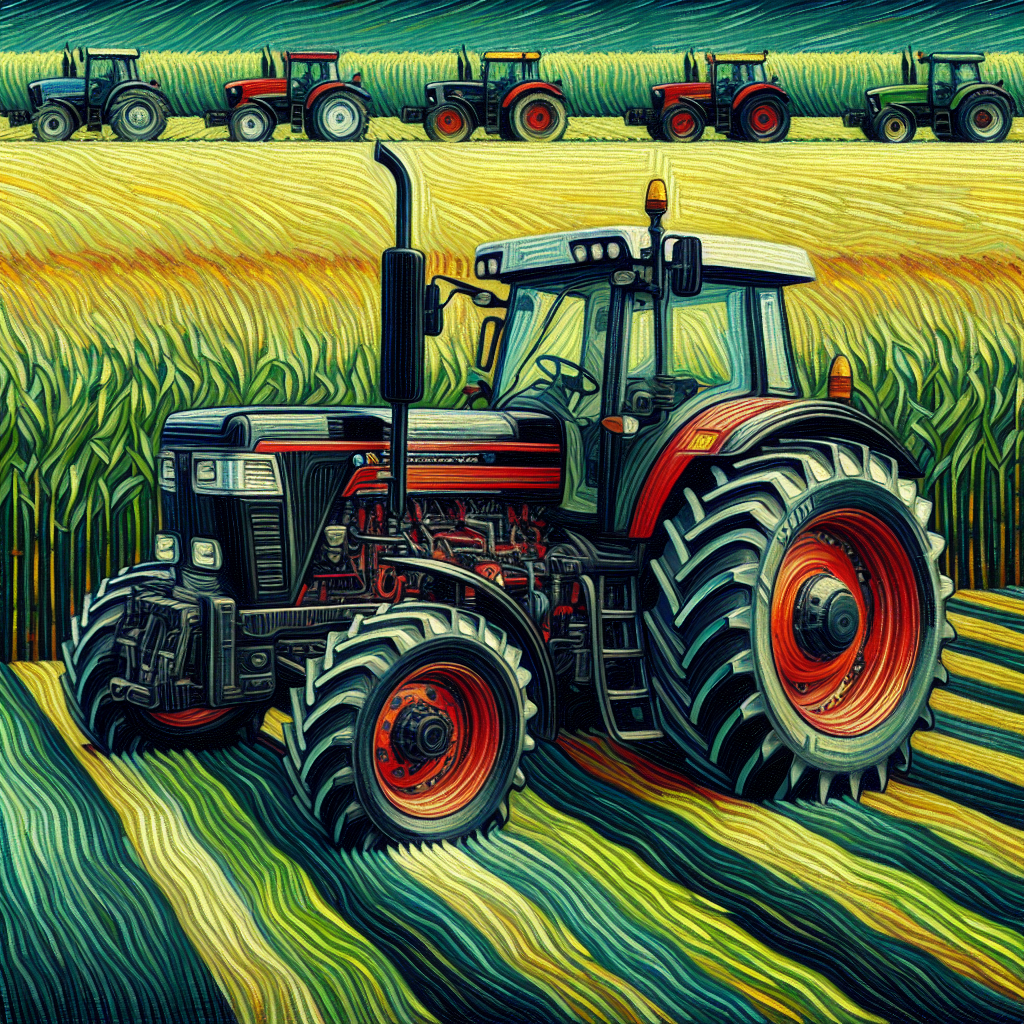
Which Classic Tractors Warm Up Quickly In Freezing Temperatures?
When the frost settles in and the air crispens, farmers face the relentless challenge of getting their tractors up and running in freezing temperatures. It’s a rite of passage, one that calls for machinery designed not just for work, but for resilience in nature’s harshest moments. Some classic tractors have earned their stripes, proving time and again that they can warm up quickly, bringing life back to the fields despite the chill.
The iconic Ford 8N stands out—not just in the field, but in the hearts of those who’ve relied on its simplicity and reliability. This tractor features a dependable hydraulic system and a robust engine that warms up effectively, allowing farmers to jump into action without wasting precious time. It’s not merely about getting the job done; it’s about the connection, the legacy of generations who have felt the familiar rumble beneath them as they faced winter’s bite.
Then there’s the John Deere Model A, a classic adored for its fine craftsmanship and engineering. Farmers know that this is not just a machine; it’s part of the family. You can feel that connection in every turn of the wheel. Its ability to heat up swiftly in frigid temperatures translates to efficiency on the farm, providing reassurance that when the sun rises, so too can the day’s work begin.
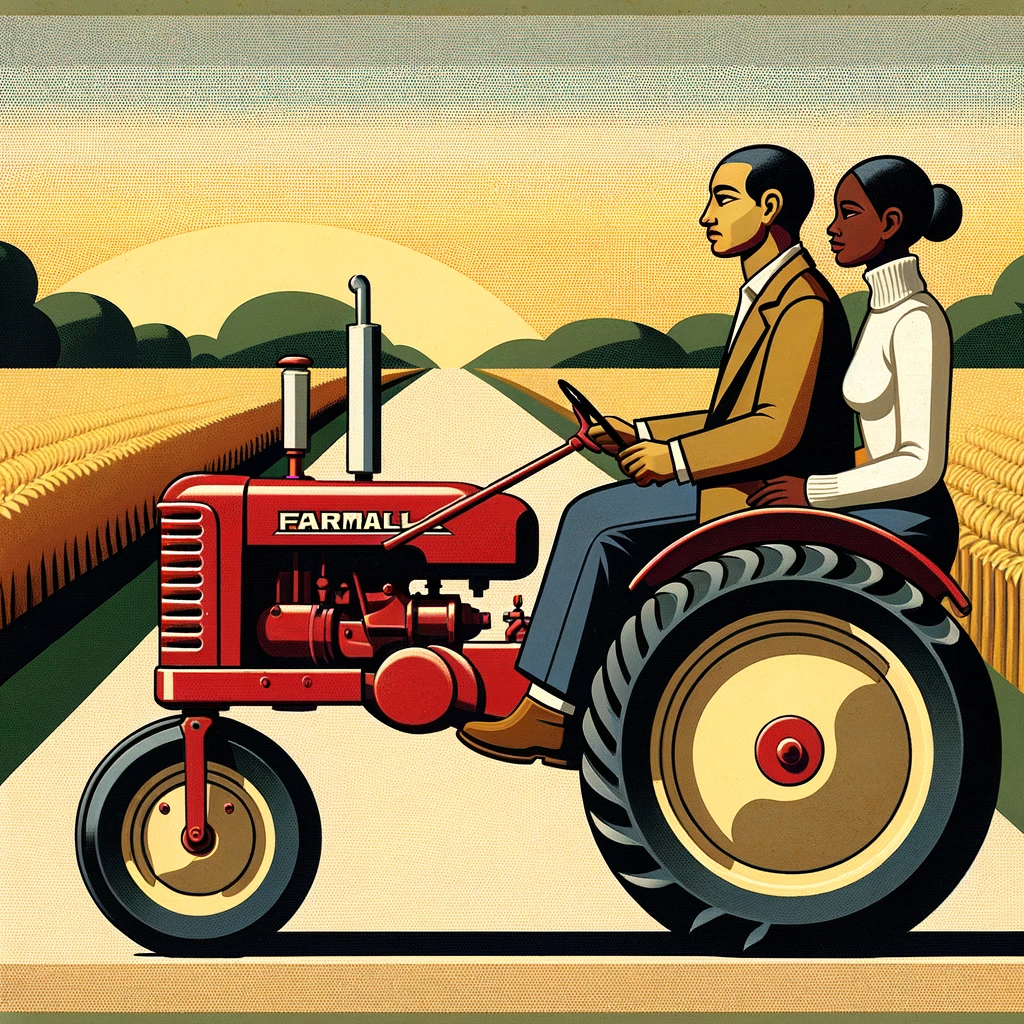
Of course, we can’t overlook the venerable Farmall H. This tractor has become synonymous with hard work and perseverance. Its unique design promotes an efficient warm-up, making it a trusted ally for those who brave the early morning chill. There’s something inherently comforting about watching the exhaust puff out, knowing that this piece of machinery is ready to tackle the day’s demands.
Choosing the right tractor to withstand freezing temperatures is not just a matter of function; it’s a testament to the values of determination and reliability. Farmers share stories of long nights and harder days, driven by their commitment to a livelihood dependent on these remarkable machines. Each cold morning becomes a reminder of their grit, their bond to the land, and the tractors that faithfully help them forge ahead.
In this world of relentless winter, the classic tractor embodies warmth—not just in how they start on a dull, frosty morning, but in the hearts of those who operate them. It’s not just metal and mechanics; it’s tradition, trust, and the determination to keep moving forward, whatever the weather may throw their way.
Which Classic Tractors Warm Up Quickly In Freezing Temperatures?
Which Classic Tractors Warm Up Quickly In Freezing Temperatures?
- Farmers face challenges in starting tractors in freezing temperatures during winter.
- Classic tractors, like the Ford 8N, are known for their reliability and ease of warm-up.
- The Ford 8N features a dependable hydraulic system and a robust engine, ensuring efficiency.
- John Deere Model A is cherished for its craftsmanship, heating up quickly for operational readiness.
- Farmall H is recognized for hard work, promoting efficient warm-up for early morning tasks.
- Choosing the right tractor reflects values of determination and reliability among farmers.
- Classic tractors symbolize tradition and commitment, providing warmth and connection despite harsh conditions.
Which Classic Tractors Warm Up Quickly In Freezing Temperatures?
How Do You Maintain Classic Tractors for Optimal Cold Starts?
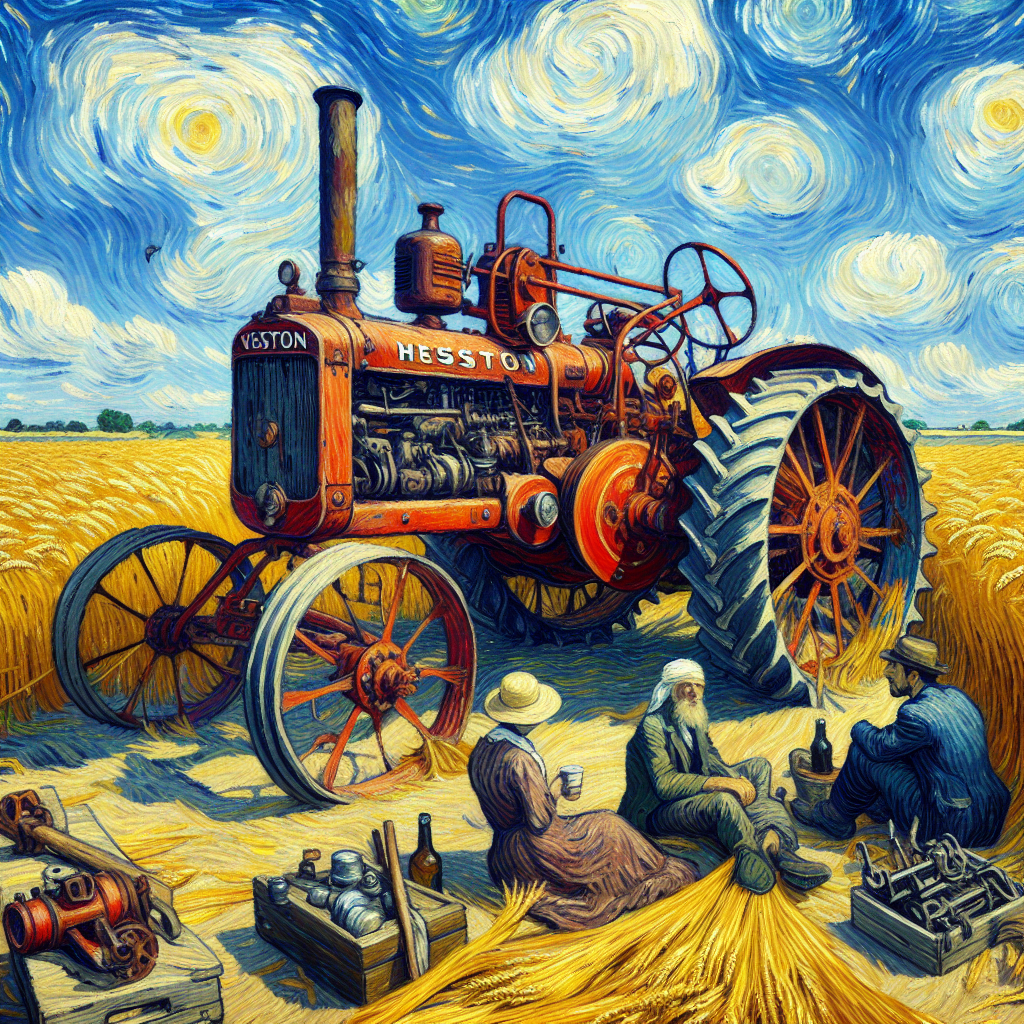
When it comes to owning a classic tractor, it’s more than just a piece of machinery; it’s a part of the family, a tangible link to the land, and a testament to hard work and resilience. But just like the farmers who rely on them, these iron giants need a little extra care, especially when the cold winds start to blow. That’s where proper maintenance comes into play, turning a daunting start into a reliable roar.
Before the first frost grips the ground, invest time in your tractor’s engine. This is the heart of the machine, and it deserves attention. Ensure that the engine oil is fresh, tailored for the season. Using the right viscosity can make all the difference on those brisk mornings. Old oil thickens, creating friction that can be tougher on your engine than a winter storm on unyielding farmland.
Inspect your fuel system, too. Fuel lines can freeze or become gelled in cold weather, leading to frustrating, unforeseen delays. Add a winter fuel additive to ensure that your classic tractor doesn’t just run, but runs like a proud stallion ready to tackle the day. Remember, there’s a certain pride in seeing your tractor start with ease, and it’s not just about the machine; it’s about keeping tradition alive and honoring the legacy of those who worked the land before you.
Batteries in cold climates can be trickier than a stubborn mule. Ensure connections are clean and tight, and consider investing in a battery warmer. It may sound simple, but when that engine turns over without hesitation, you’ll feel an immeasurable joy, knowing you’ve done right by your equipment.
Let’s talk about the fuel tank. Keep it full and clean. Why? Condensation forms in empty tanks, and you don’t want water creeping into your fuel system. It’s a lesson learned from generations of farmers. Keep the tank clean and full—a small action that carries significant weight, ensuring you can count on your tractor when the time comes to plow or harvest.
Lastly, the social connection with fellow tractor enthusiasts can’t be undervalued. Share stories, swap advice, and celebrate successes with others who understand the beauty of these machines. This community reinforces the knowledge that your cold-start rituals are not just maintenance; they are an homage to craftsmanship, sustainability, and the grit it takes to keep these classic machines roaring through the seasons. So gear up, get out there, and nurture that connection, both with your tractor and your fellow enthusiasts. Your heart—and your engine—will thank you.
How Do You Maintain Classic Tractors for Optimal Cold Starts?
How Do You Maintain Classic Tractors for Optimal Cold Starts?
- Classic tractors are treasured family pieces, embodying hard work and resilience.
- Proper maintenance is crucial, especially in cold weather, to ensure reliable operation.
- Invest time in the engine; use fresh oil with the right viscosity to prevent friction.
- Inspect the fuel system and add winter fuel additives to prevent freezing and gelling.
- Keep battery connections clean and consider using a battery warmer for cold climates.
- Maintain a full and clean fuel tank to avoid condensation and water in the fuel system.
- Engage with fellow tractor enthusiasts to share knowledge and celebrate the craft.

How Do You Maintain Classic Tractors for Optimal Cold Starts?
What Makes a Tractor Reliable In Harsh Winter Conditions?
What Makes a Tractor Reliable in Harsh Winter Conditions?
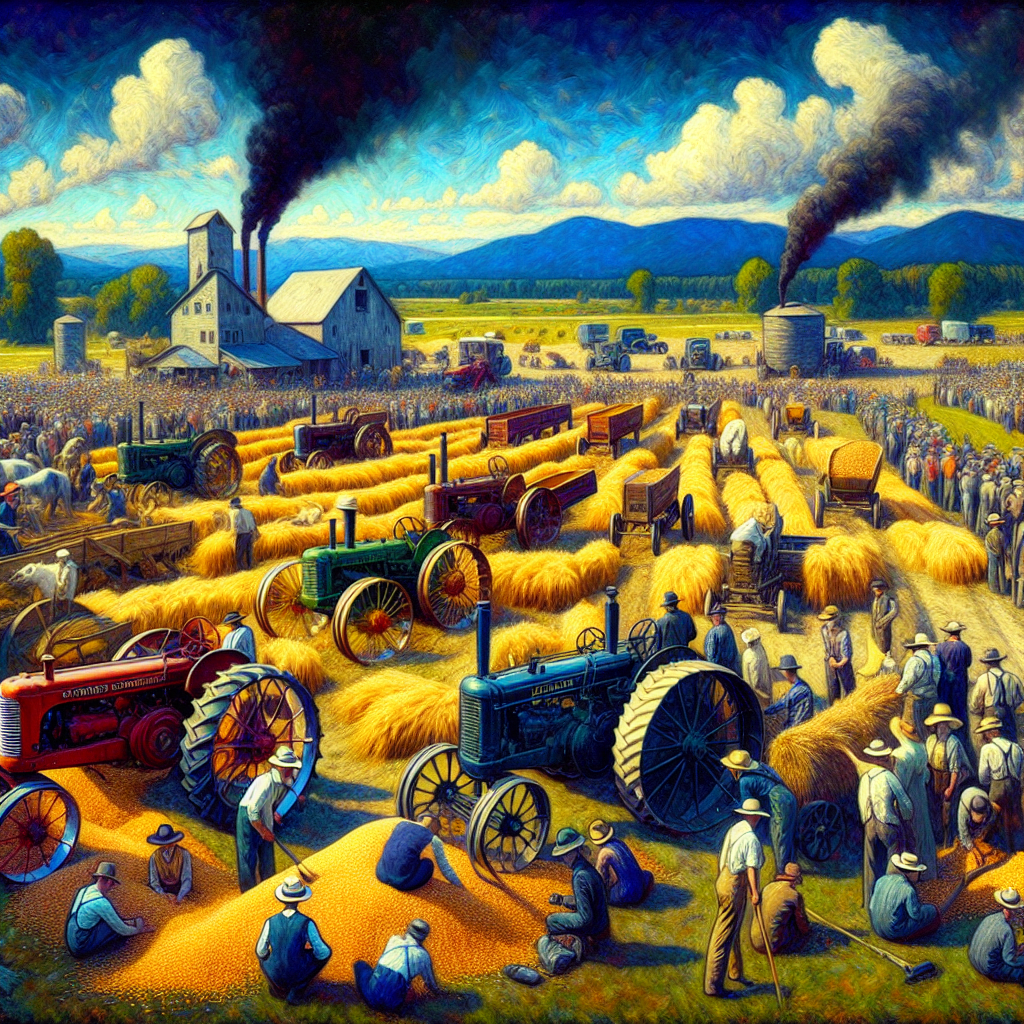
When the snow begins to fall and temperatures plunge, the reliability of a tractor isn’t just a matter of machinery; it becomes a lifeline. In those frigid mornings, as frost bites at your fingertips, there’s a certain comfort in knowing that your tractor will start with the turn of a key, ready to face whatever Mother Nature throws its way. This isn’t just about steel and horsepower; it’s about trust. You invest in a machine that must endure the harshest conditions, responding accurately when the stakes are high—be it clearing a driveway or breaking ground for next season’s crops.
The heart of reliability lies in the design and features that weather the winter’s fury. A robust engine, fortified against freezing temperatures, ensures dependable starts, while excellent insulation protects sensitive components from the icy chill. Beyond the specs, the craftsmanship tells a story—a message to operators that this tractor is built with integrity, encouraging them to press on against the harsh elements. It’s an unspoken pact: you nurture the equipment, and it, in turn, supports you when the going gets tough.
However, it’s not just the tractor’s mechanical prowess that ignites confidence. It’s the knowledge that others have relied on this very machine through blizzards and blights. When fellow farmers cite real experiences—how their tractor braved the winter months, plowing fields even when conditions seemed insurmountable—it fosters a community bond. These narratives illustrate the collective resolve shared among those who understand the grit needed for the job, assuring you that you’re not alone in the pursuit of productivity against the odds.
Moreover, winter demands an ethical consideration. The environment can be unforgiving, and a reliable tractor minimizes unnecessary disruptions to the land. An efficient machine respects the earth, ensuring that you can cultivate it responsibly, honoring both your livelihood and the responsibilities we hold to future generations. That’s the trust you find when a tractor not only performs but does so efficiently in the worst of times.
So, make no mistake—when searching for reliability in harsh winter conditions, it’s essential to consider more than just specifications. It’s about finding a trusty companion in your agricultural journey, one that signifies strength, resilience, and a commitment to overcoming challenges together. When luck runs thin and temperatures drop, the right tractor doesn’t just get the job done; it inspires you to rise to the occasion, instilling confidence in every rev and rumble through the snow.

What Makes a Tractor Reliable In Harsh Winter Conditions?
What Makes a Tractor Reliable In Harsh Winter Conditions?
- Reliability of a tractor in winter is crucial for agricultural activities, serving as a lifeline in harsh conditions.
- A dependable start in freezing temperatures is essential, supported by a robust engine and excellent insulation.
- Craftsmanship and integrity in design foster trust and encourage operators to persist through difficult weather.
- Community bonding occurs through shared experiences of farmers relying on the same tractor models in severe winter conditions.
- A reliable tractor minimizes environmental disruption, enabling responsible cultivation practices.
- Choosing the right tractor involves more than specifications; it’s about finding a true companion in the agricultural journey.
- The ideal tractor not only functions effectively but also inspires confidence and resilience under challenging conditions.
What Makes a Tractor Reliable In Harsh Winter Conditions?
Are There Classic Tractors Known for Their Winter Engine Efficiency?
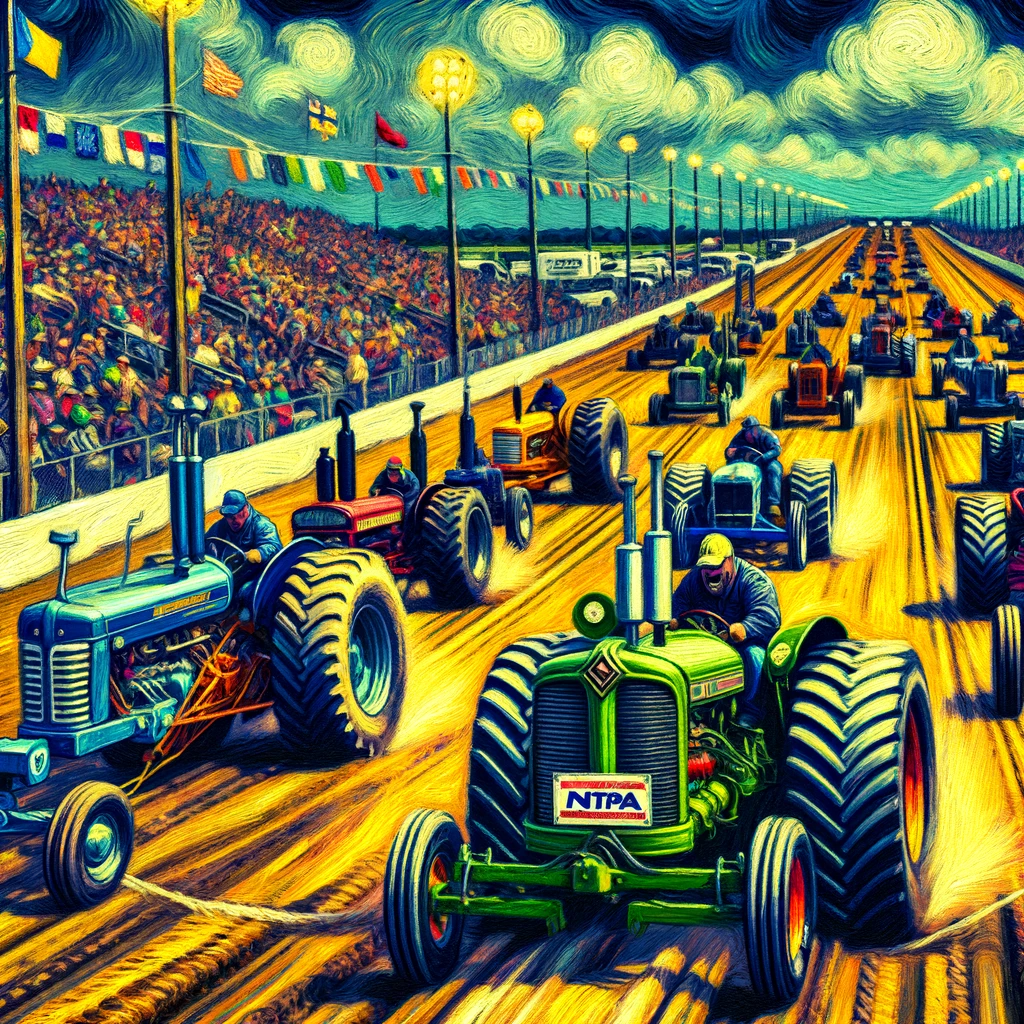
When the frost bites and blankets the fields, a classic tractor stands as a timeless ally for those in agriculture. It’s not just machinery; it’s the heartbeat of a farm, a steadfast partner in the dance between man and nature. Classic tractors, with their rugged designs and simplicity, have earned their place in the hearts of farmers, especially when it comes to winter engine efficiency.
Consider the iconic Ford 8N, a tractor that has powered generations through snow-laden fields. This trusty machine is famed not only for its resilience but for its straightforward mechanics that make winter-starting a nearly effortless task. Farmers often recount stories of those cold mornings, of coupling their breath with the roar of the engine, and how the Ford 8N’s robust build meant reliability when other equipment faltered. It’s a narrative that resonates with anyone who understands the sleepless nights and back-breaking days we pour into the land.
The emotional connection between farmers and these classic tractors runs deep. These machines symbolize hard work, tradition, and a connection to the past. There’s a certain pride that swells when they see their tractor start up with ease, cutting through the winter chill like a beacon of hope. It’s a testament to not only their machine’s efficiency but to the legacy they represent—an enduring symbol of perseverance in the face of nature’s harshness.
But efficiency in winter isn’t merely romantic; it’s practical. Tractors designed with larger engines, like the Oliver 88, are celebrated for their ability to maintain high torque, which is crucial when powering through drifts or clearing snow. Pioneering engine designs and heating systems have been crafted over decades, showcasing the ingenuity that protects livelihoods during the toughest months.
The ethical appeal is clear: maintaining these classic tractors isn’t just about nostalgia; it’s about sustainability and respect for the farming tradition. Each part and repair tells a story, connecting us to a lineage of craftsmanship. Farmers carry forth this legacy, ensuring future generations can rely on the same models that carried them.
As the snow settles and the frost envelops the landscape, classic tractors are there, ready and waiting. They challenge us to embrace humility, to respect the land, and to honor an industry that has shaped our communities. So when you consider your options in harsh winter conditions, think of the classic tractors and the steadfast reliability they offer. They’re more than machines—they’re a testament to human tenacity and ingenuity, beckoning us to trust in tradition as we face whatever winter throws our way.
Are There Classic Tractors Known for Their Winter Engine Efficiency?
Are There Classic Tractors Known for Their Winter Engine Efficiency?
- Classic tractors serve as essential allies for farmers during winter.
- The Ford 8N is celebrated for its resilience and ease of winter starting.
- Farmers share stories of reliance on these tractors during harsh conditions.
- These machines symbolize hard work, tradition, and a connection to the past.
- The Oliver 88 showcases high torque capabilities, crucial for winter tasks.
- Maintaining classic tractors supports sustainability and respects farming traditions.
- Classic tractors embody human tenacity and ingenuity, reinforcing trust in tradition.
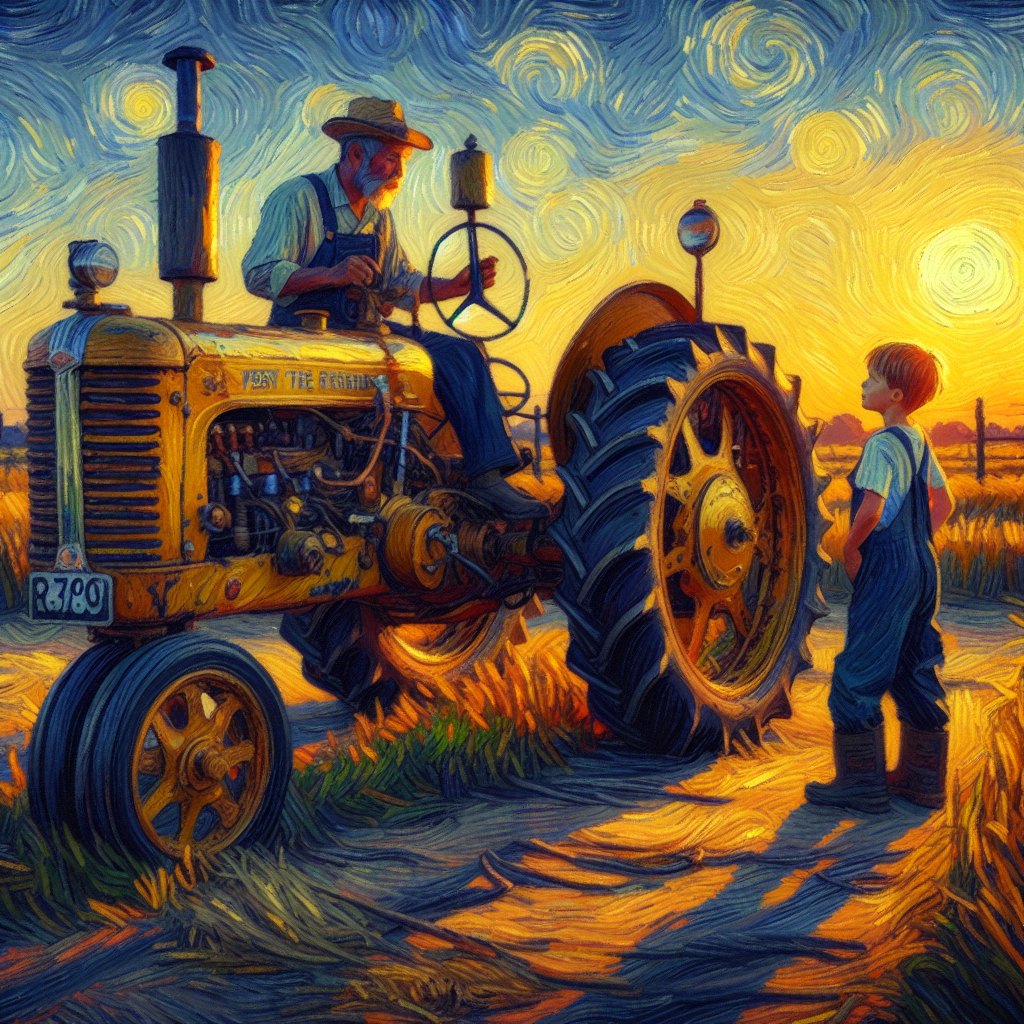
Are There Classic Tractors Known for Their Winter Engine Efficiency?
How Do Classic Tractors Compare on Fuel Consumption In Cold Weather?
When you think of a classic tractor, images of sprawling fields and hardworking farmers come to mind. These steadfast machines played a pivotal role in transforming agriculture, and their performance, particularly in cold weather, offers a peek into their rugged reliability. Yet, how do they stack up when the mercury plummets?
Fuel consumption is a vital measure for any tractor, especially when frigid temperatures threaten to compromise efficiency. Classic tractors, built from sturdy materials and designed with enduring principles, often require more energy to function in cold weather. The heart of any tractor lies in its engine, and during winter months, that engine works overtime to maintain the necessary operating temperature. This can lead to increased fuel consumption, as the engine struggles against the chill, drawing on more gas or diesel than it would in milder conditions.
But let’s engage not just the mind, but the heart, too. Picture the farmer, bundled up against the biting cold, navigating through the frost-laden fields. Each turn of the wheel and rev of the engine embodies a connection to a way of life that values endurance. Understanding how your tractor works in these conditions isn’t just about bottom lines. It’s about ensuring you can continue your heritage, to keep the family legacy alive on that historical farmland.
Consider the ethical angle: maintaining these classic tractors helps preserve a piece of agricultural history. These machines symbolize a rugged work ethic, a commitment to labor and the land that transcends generations. They are not just tools; they are a testament to the values of hard work, sustainability, and respect for nature.
There’s also an authority to be found in this discussion. Those who have witnessed a classic tractor’s performance in cold weather can testify to its strengths and weaknesses. Their experiences foster a community, sharing knowledge that informs better practices for managing fuel consumption in less-than-ideal conditions.
When we bring all these elements together, we foster a narrative that is both relatable and inspiring. To properly maintain your classic tractor in cold weather, consider methods like using high-quality fuel additives designed to combat cold weather impacts. These simple yet impactful steps not only enhance fuel efficiency but also safeguard the integrity of a machine that has stood the test of time. By honoring these practices, you ensure that your tractor continues to serve not just as a vehicle of production, but as a steadfast companion in the challenging landscapes of winter farming.
How Do Classic Tractors Compare on Fuel Consumption In Cold Weather?
How Do Classic Tractors Compare on Fuel Consumption In Cold Weather?
- Classic tractors have transformed agriculture and demonstrate rugged reliability, especially in cold weather.
- Fuel consumption increases in frigid temperatures, requiring more energy from classic tractors to maintain operational efficiency.
- The engine of classic tractors works harder during winter, leading to higher fuel usage compared to milder conditions.
- Maintaining these tractors preserves agricultural history and embodies values of hard work and sustainability.
- Experiences of tractor users contribute to a community that shares knowledge on better fuel management practices in cold weather.
- Using high-quality fuel additives can enhance efficiency and protect the integrity of classic tractors in winter.
- Classic tractors are not just equipment but also symbolize a connection to heritage and enduring agricultural traditions.
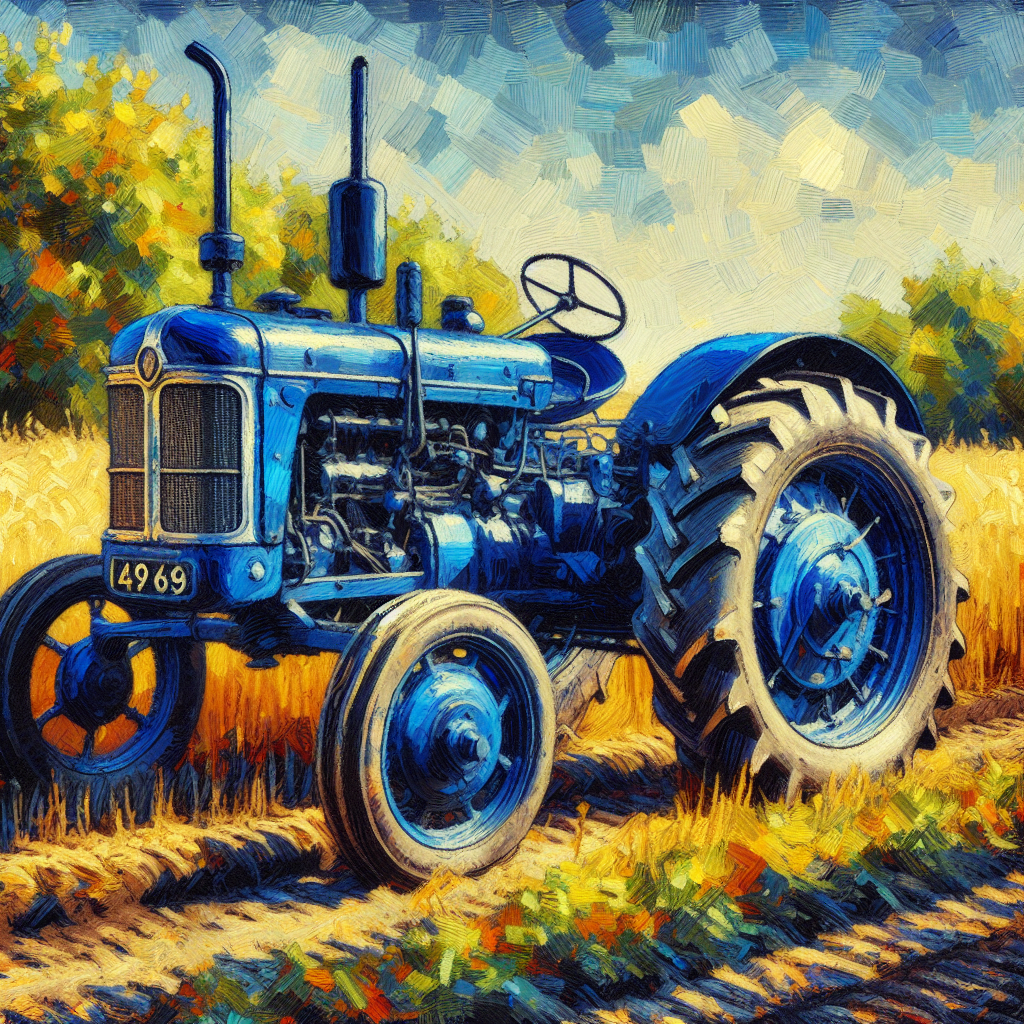
How Do Classic Tractors Compare on Fuel Consumption In Cold Weather?
What Are the Most Trusted Brands for Winter-Ready Classic Tractors?
When the snow begins to blanket the fields and the chill settles into your bones, a reliable winter-ready classic tractor stands as more than just a machine; it becomes a trusted partner. For generations, farmers and hobbyists have turned to brands that embody resilience, heritage, and respect for the land. Among these, a few names rise above the rest, earning respect not just for their function but for their stories.
Consider the heart of this matter: brands like John Deere and International Harvester have woven themselves into the very fabric of agriculture. Their tractors are not mere metal and rubber but storied machines that have helped families cultivate land, raise livestock, and build legacies. This connection goes beyond mere functionality; it taps into our emotional attachments, memories of generations before us, and the sweat equity that keeps the farm alive.
Rationally, some might ask: what makes these tractors trustworthy? The longevity speaks volumes. A classic John Deere from decades past can still be found in operational condition, a testament to the engineering that went into its design. For those who value performance in the harshest conditions, brands like Case IH and Kubota are respected for their innovation. They equip their tractors with advanced technologies that ensure optimal performance even in frigid temperatures, allowing users to get the job done with reliability and efficiency.
Ethically, these brands have made commitments to sustainability, embodying a respect for farming practices and land stewardship. Your choice of a tractor goes beyond just functionality; it reflects a commitment to a way of life that honors the environment and future generations of farmers.
Then there’s the power of narratives—each scratch and dent on a classic tractor tells a story of hard work, struggle, and triumph. Our connection to these machines is mirrored in the stories we share with family and friends, bonding us over shared experiences in the field.
When choosing a winter-ready classic tractor, you aren’t just picking a piece of equipment; you’re fostering a relationship with a brand that understands your needs and honors your work. The most trusted names in the market give you that peace of mind, confidence, and ready support when the snow falls. Investing in a time-tested tractor means investing in a piece of history, a reliable companion ready to help you tackle even the harshest winters.
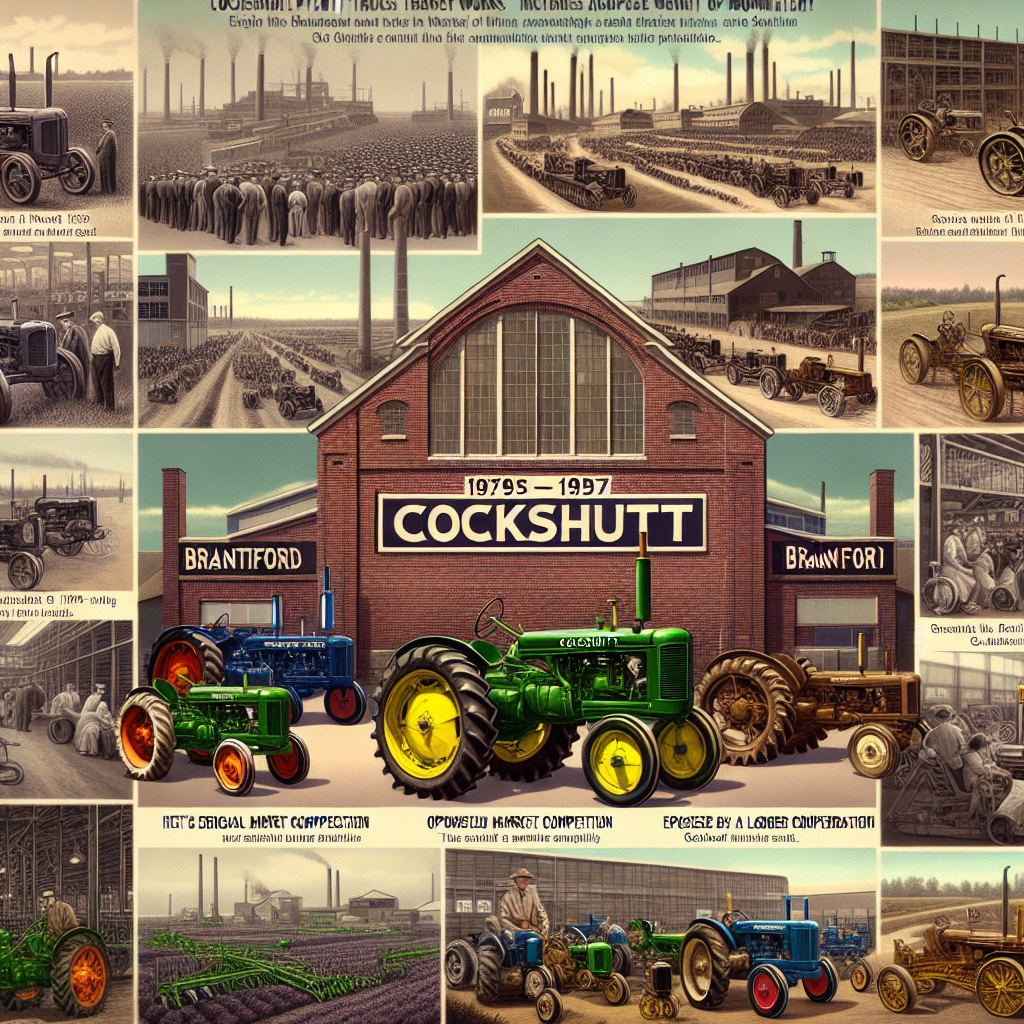
What Are the Most Trusted Brands for Winter-Ready Classic Tractors?
What Are the Most Trusted Brands for Winter-Ready Classic Tractors?
- A winter-ready classic tractor serves as a reliable partner for farmers and hobbyists during harsh conditions.
- Brands like John Deere and International Harvester are celebrated for their resilience, heritage, and agricultural impact.
- These tractors are valued not only for functionality but also for the emotional connections and legacies they represent.
- The longevity of classic models, such as John Deere, demonstrates their engineering excellence and trustworthiness.
- Companies like Case IH and Kubota focus on innovation, providing advanced technologies for optimal performance in winter.
- Commitments to sustainability reflect respect for land stewardship and future farming practices.
- Each classic tractor carries its own narrative, fostering connections and shared experiences among users.

What Are the Most Trusted Brands for Winter-Ready Classic Tractors?
Conclusion
In the relentless embrace of winter, classic tractors become not just machines, but symbols of resilience, history, and community. When frosty mornings greet farmers, it’s not merely the mechanics that matter; it’s the profound connection developed over years of shared labor. The 1940s Ford 8N and the historic John Deere A are more than reliable equipment; they represent a legacy of hard work and determination. Each rumble of these tractors resonates with the toil of countless farmers who have leaned on them through the harshest conditions, turning the act of starting an engine into a ritual steeped in tradition and camaraderie.
The Ford 8N, famed for its reliable starting system, epitomizes the bond between man and machine. It embodies the countless mornings spent facing the biting cold, reminding us of the raw grit required to keep our agricultural roots alive. Similarly, the straightforward design of the John Deere A reassures farmers through its simplicity and mechanical reliability, allowing them to tackle the day’s tasks without wrestling with complications. These tractors foster a trust that transcends brand loyalty; they represent a deep-seated assurance that, come what may, farmers can rely on their machines to rise to the challenge.
Fuel efficiency and maintenance are also critical when winter hits. Classic tractors demand care and understanding to ensure they can navigate the cold with ease. Employers of dedicated farmers nurture these engines, which are not just tools but integral parts of their identity and work life. Each successful start on a chilly morning builds upon the legacy of craftsmanship, sustainability, and respect ingrained in the farming culture.
Stories of neighbors gathering in barns, sharing coffee, laughter, and troubleshooting together reflect the social fabric around these machines. It’s this spirit of community that fortifies the resolve to rise no matter the weather, urging a commitment to the land and the history that comes with it. Moreover, the powerful narratives associated with different models enrich the emotional appeal—each scratch and dent carries a tale of perseverance.
In essence, the classic tractors that stand ready in winter serve as a testament to human tenacity, ingenuity, and the enduring spirit of agriculture. When faced with the cold, they remind us that we can start anew with determination, tradition, and the companionship of those who understand our journey. They are not just vehicles; they are partners in the timeless dance of farming, commanding the respect and love of all who engage with them.

Conclusion
Conclusion:
- Classic tractors symbolize resilience, history, and community in winter.
- The Ford 8N and John Deere A represent a legacy of hard work and determination.
- These tractors foster a strong bond between farmers and their machines.
- Fuel efficiency and maintenance are crucial for navigating winter conditions.
- Stories of neighborly gatherings around these tractors reflect community spirit.
- Each crack and dent tells a tale of perseverance and commitment to agriculture.
- Classic tractors embody the enduring spirit of farming and human tenacity.
Conclusion
Other Resources
Other Resources
Here is a list of other resources you can review online to learn more:
- Benye
- Stihl
- Oklahoma City Farm Show
- Bobcat
- IMT
- Deutz
- Woods & Copeland
- Toy Farmer
- CLAAS
- Argo Tractors
- Agrinar
- Hello Tractor
- Mastodon
- Antique Engine & Tractor Association
- McKee
- Hefty
- Century
- Waltanna
- Schilter
- Best
Use This Prompt To Get More Resources With Your Favorite Online AI Tool: Please provide me with a list of online articles with their URLs in a bulleted list that I can read regarding Which Classic Tractors Are Easiest to Start In Cold Weather?
Other Resources
Glossary Terms
Which Classic Tractors Are Easiest to Start In Cold Weather? – Glossary Of Terms
1. Cold Start: The ability of an engine to start and run properly in low-temperature conditions.
2. Glow Plug: A heating device in diesel engines that preheats the combustion chamber to aid with starting in cold weather.
3. Battery Capacity: The measurement of a battery’s ability to hold a charge, crucial for starting engines in cold temperatures.
4. Fuel Type: The kind of fuel used (e. g. , diesel, gasoline); some are more conducive to cold starts than others.
5. Antifreeze: A liquid added to an engine’s cooling system to lower the freezing point, preventing engine block damage in cold weather.
6. Oil Viscosity: The thickness of oil; lower viscosity oils perform better in cold temperatures, aiding engine startups.
7. Choke: A component that restricts air intake to enrich the fuel mixture, improving cold starts in carbureted engines.
8. Pre-heat: The process of warming engine components before starting to improve the likelihood of a successful cold start.
9. Starter Motor: An electric motor that turns the engine over; reliable starters are essential for cold weather performance.
10. Fuel Pump: A device that delivers fuel to the engine; efficiency can decrease in low temperatures, affecting starting.
11. Compression Ratio: The degree to which fuel and air are compressed before ignition; higher ratios may aid cold starts, particularly in diesel engines.
12. Cold Weather Kit: Accessories such as engine heaters or cooling system additives designed to assist tractors in cold climates.
13. Ignition System: The mechanism that ignites the fuel-air mixture in an engine; reliable systems ensure easier starts in cold conditions.
14. Chassis Ground: The connection point of the battery’s negative terminal, essential for proper electrical function and starter operation in cold weather.
15. Inline Fuel Heater: A device that warms the fuel before it reaches the engine, improving cold weather performance.
16. Battery Warmer: A heating element placed around a battery to maintain optimal temperature for starting.
17. Fuel Additive: Chemical compounds added to fuel to improve performance, particularly in preventing gelling of diesel in cold temperatures.
18. Manual Fuel Shut-off: A lever controlling fuel flow; easier to operate in freezing conditions for older tractors.
19. Block Heater: An electric heater designed to warm the engine block, making cold starts easier.
20. Throttle Position Sensor: A device that monitors the position of the throttle, affecting engine response on startup.
21. Radiator Cap: A component that maintains pressure in the cooling system, essential for preventing freezing.
22. Oil Heater: A device that warms the engine oil, reducing viscosity and improving lubrication during cold starts.
23. Cold Cranking Amps (CCA): A rating that measures a battery’s ability to start an engine in cold temperatures.
24. Fuel Filter: A component that removes impurities from fuel; clean filters improve fuel flow in cold weather.
25. Diesel Fuel Gelling: A phenomenon where diesel fuel thickens in low temperatures, making it harder to start the engine.
26. Ignition Timing: The timing of the spark that ignites the fuel-air mixture, crucial for effective starting, especially in cold conditions.
27. Bringing Up Oil Pressure: The action of circulating engine oil before starting to ensure lubrication, particularly important in cold weather.
28. Thermostat: A device regulating coolant flow; it can influence engine operating temperature and startup performance in cold weather.
29. Cooling System: The components that manage engine temperature; optimal function is essential for cold weather operation.
30. Positive Crankcase Ventilation (PCV): A system that recycles gases from the engine, which can impact overall engine performance, including cold starts.
Glossary Of Terms
Other Questions
Which Classic Tractors Are Easiest to Start In Cold Weather? – Other Questions
If you wish to explore and discover more, consider looking for answers to these questions:
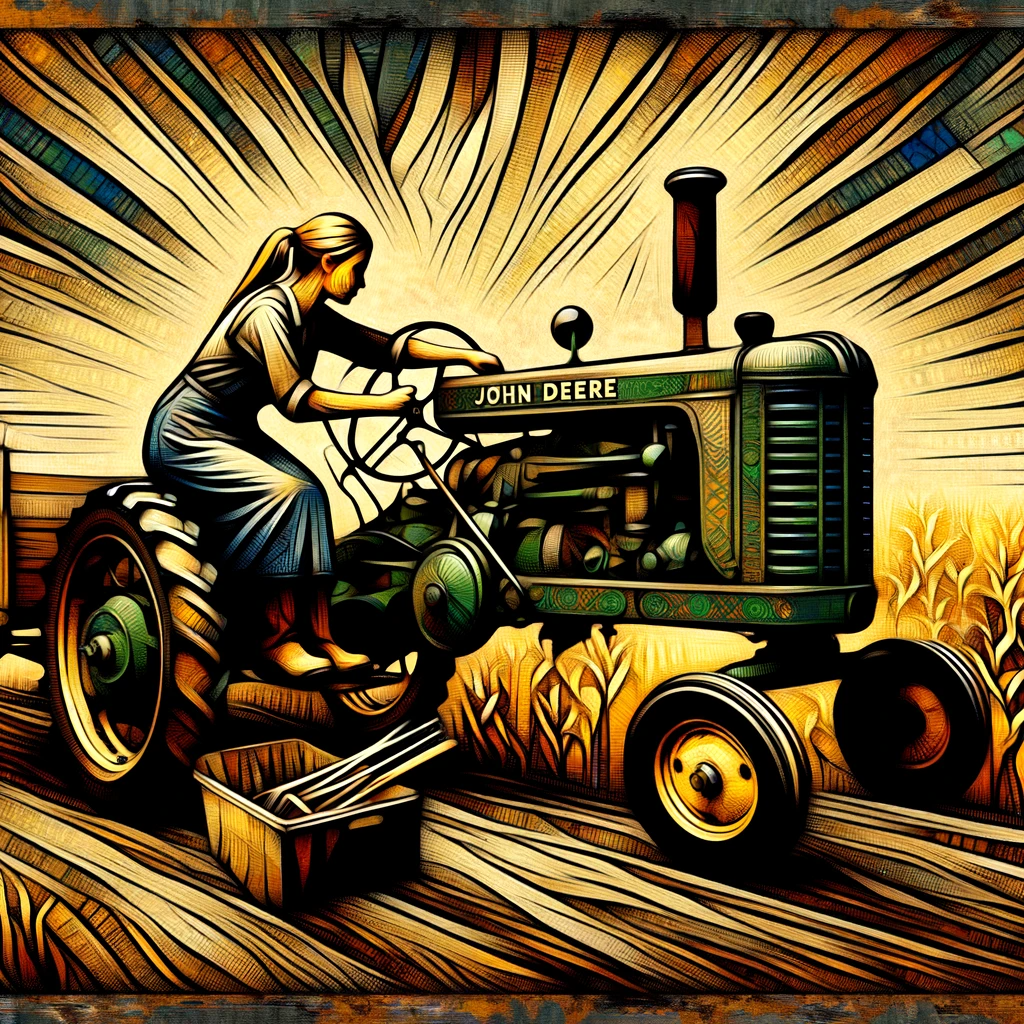
- Which specific starting procedures work best for the Ford 8N, John Deere A, and Farmall H in subzero temperatures?
- How do diesel classic tractors differ from gasoline models when starting in cold weather?
- What oil viscosity grades are recommended for classic tractor engines in winter?
- How should battery maintenance and charging be handled to ensure reliable cold starts?
- Do glow plugs or intake heaters help on older diesel tractors, and which models use them?
- Are block heaters or oil pan heaters effective on classic tractors, and how are they installed?
- What fuel additives prevent gelling or icing in diesel and gasoline for classic tractors?
- How does carburetor choke use differ between classic models when starting cold?
- What winter fuel storage practices reduce condensation and contamination risk?
- How long should a classic tractor be warmed up before working in freezing conditions?
- Which aftermarket upgrades most improve winter starting reliability without altering originality?
- How does compression and engine condition affect cold-weather starting, and how is it tested?
- What are common winter-related starting failures and how are they diagnosed on classic tractors?
- How can owners adapt ignition timing or fuel mixture for cold-weather performance?
- What role do spark plugs and ignition components play in cold starts, and how often should they be replaced?
- How can one safely use starting fluid or ether with classic tractors, and when is it appropriate?
- Are there model-specific recalls, bulletins, or known weak points for winter starting on popular classics?
- How do tire choice, ballast, and weight distribution affect winter operation (traction, not starting)?
- What cab heaters or operator comfort upgrades are compatible with classic tractors for winter work?
- How does altitude or extreme cold (well below freezing) change recommended winter procedures?
- What maintenance checklist should be done before the first frost to ensure winter readiness?
- Where can owners source hard-to-find OEM parts or modern replacement components for winterization?
- How do electrical system upgrades (alternator, starter) impact authenticity and winter reliability?
- What are best practices for long-term winter storage versus frequent winter use?
- How will converting to modern fuels (bio-diesel blends, ethanol gasoline) affect cold starts on classics?
- What budget-friendly winterization options provide the greatest improvement in cold starts?
- How do restoration choices (keeping original vs. updating) influence winter starting performance?
- Can classic tractors be safely modified for snow removal tasks without compromising reliability?
- What community resources, manuals, and clubs specialize in cold-weather tips for specific classic tractor models?
Other Questions
Haiku
Which Classic Tractors Are Easiest to Start In Cold Weather? – A Haiku
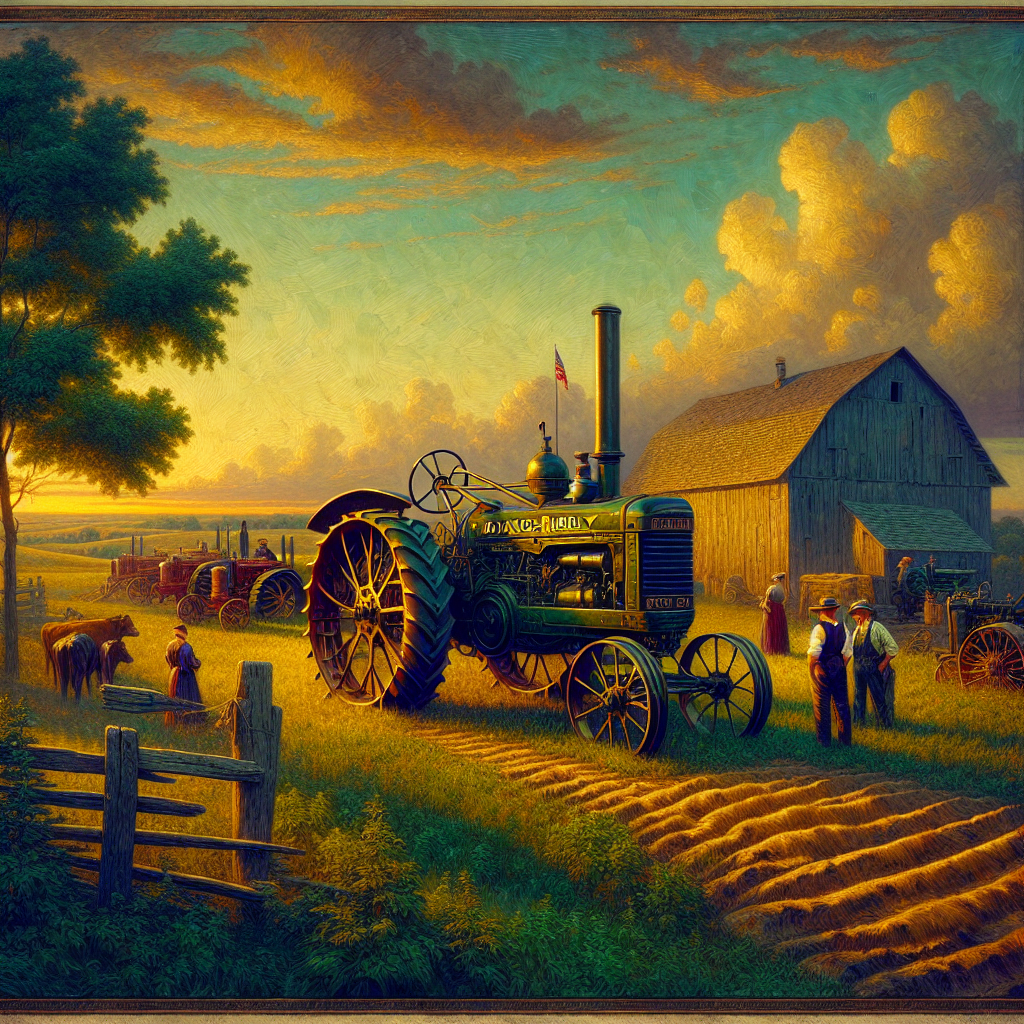
Classic steel beasts hum,
Winter’s chill can’t quell their beat—
Trust forged in the fields.
Haiku
Poem
Which Classic Tractors Are Easiest to Start In Cold Weather? – A Poem
In winters grasp, the fields lie cold,
Yet classic tractors, steadfast and bold,
Rise to life with an engines roar,
Carrying legacies through frosty lore.
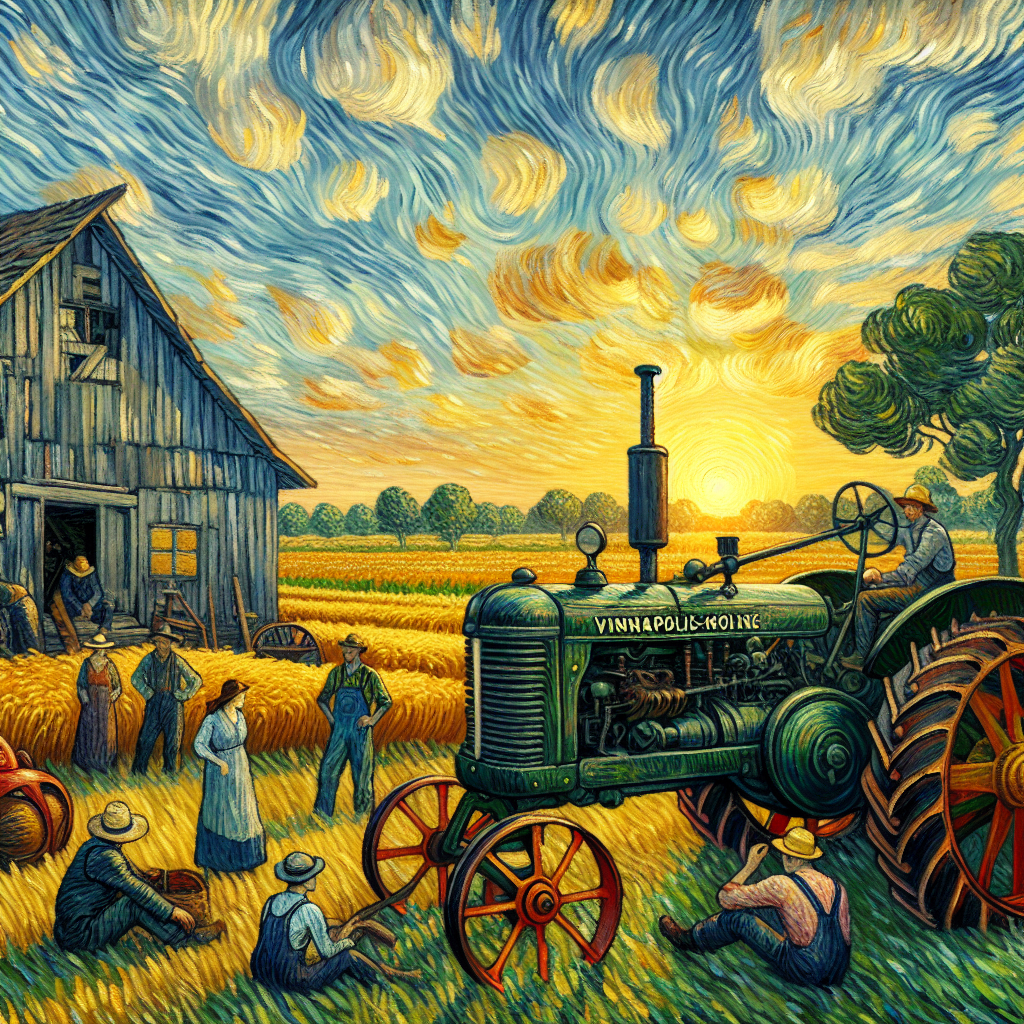
The Ford 8N, with heart and might,
Starts with ease in the morning light,
A bond of trust between man and machine,
Fueling hopes where crops once dreamed.
The John Deere A, in simplicity shines,
Efficient and strong in wintry signs,
A reminder of labor, commitment, and pride,
A family treasure, history as guide.
With every start, a story unfolds,
Of mornings spent in a frigid hold,
Farmers connect over engines aglow,
In a community forged through frost and snow.
Proper care keeps these giants alive,
With oil and warmth, their spirits thrive,
Sustainability woven into each turn,
A promise to honor the lessons we learn.
Through harsh winters, their grit defines,
A tribute to those who tend the lines,
These tractors embody resilience and grace,
The heart of farming in every trace.
In embracing tradition, we find our way,
Trusting machines that help us stay,
Bound to the land in an enduring dance,
We find our strength in each winters chance.
Poem
Checklist
Which Classic Tractors Are Easiest to Start In Cold Weather? – A Checklist
Emotional Appeals
✅______ Reflect on the heritage and stories behind your classic tractor.
✅______ Consider the emotional connection between you and your tractor; it represents your hard work and dedication.
Rational Appeals
✅______ Check engine oil viscosity appropriate for cold weather.
✅______ Ensure fuel lines are insulated and use winter fuel additives.
✅______ Inspect battery connections; consider a battery warmer.
Ethical Appeals
✅______ Maintain your tractor as a commitment to sustainable farming practices.
✅______ Respect the history and craftsmanship of your classic tractor.
Authority Appeals
✅______ Research trusted brands known for reliability in cold weather (e.g., John Deere, Ford, International Harvester).
✅______ Leverage community insights about best practices for maintaining tractors in winter.
Narrative Appeals
✅______ Share stories of past successful cold starts and how those moments shaped your farming experience.
✅______ Document any improvements over time in cold-weather performance.
Social Appeals
✅______ Connect with fellow tractor enthusiasts for maintenance tips and to share experiences.
✅______ Attend local events or online forums that celebrate classic tractors and their winter readiness.
Checklist
At ClassicTractorNews, we help tractor lovers keep up with the latest news for classic and vintage tractors.
Please share this post with your friends, family, or business associates who may like old classic or vintage tractors.