


Unveiling The Drawbar: A Deep Dive Into Design, Innovation, And Impact
By Tom Seest
At ClassicTractorNews, we help tractor lovers keep up with the latest news for classic and vintage tractors.
Please share this post with your friends, family, or business associates who may like old classic or vintage tractors.
Which Brand Had the Best Drawbar Design?
When it comes to tractors, the drawbar design can make or break the machine’s performance, but it’s also about much more than just mechanics. It’s about the stories woven into fields, farms, and the families that rely on these workhorses every day. Imagine a dawn breaking over your land, the sun rising as you prepare to plow or haul. This moment isn’t simply business; it’s a connection to the earth, a vital part of your legacy.
In dissecting the best drawbar designs, we first consider the heavyweights—brands that have earned their stripes not just with innovations but with reliability. A well-designed drawbar can translate horsepower into efficiency, transforming raw muscle into productivity. It’s the heart of the tractor, the beating rhythm that connects power to purpose. Think of it as the backbone of your farming operations—if it’s sturdy and reliable, every piece of work becomes smoother and more effective, letting you focus on what truly matters.
The strength of a drawbar extends beyond the metal and welds; it speaks volumes about a manufacturer’s dedication to craftsmanship. Brands that prioritize high-quality materials and thoughtful engineering resonate with users who have spent years evaluating performance under the harshest conditions. Safety is paramount. A drawbar that can withstand the strain fosters not just trust in the machine, but also peace of mind for the operator. When you hitch up a load, it’s more than just a job—it’s your livelihood, your family’s future.
But there’s more to the story. Every brand has its advocates—communities built around shared experiences and values. Social proof plays a significant role; it’s the farmer down the road or the neighbor’s testimony that sways decisions. When a drawbar consistently performs under pressure, word spreads like wildfire. Enthusiasts rally around brands that have proven their worth, forming a network of support that feels like family. These connections are powerful, fueling a sense of belonging that goes beyond transactional relationships.
Ultimately, the best drawbar design is the one that resonates most deeply with individuals’ needs—combining emotional assurances, rational capabilities, and ethical standards. It should inspire confidence not only in what a tractor can accomplish today but what it can help achieve in the seasons to come. After all, every farmer understands that they are not just operating a machine; they are investing in their dreams with every field they cultivate, ensuring that legacy remains as rich as the soil they till.

Which Brand Had the Best Drawbar Design?
Which Brand Had the Best Drawbar Design?
- The drawbar design significantly impacts tractor performance and embodies the connection between farming families and their land.
- Effective drawbar designs enhance efficiency by translating horsepower into productivity, serving as the backbone of farming operations.
- The quality and craftsmanship of a drawbar reflect the manufacturer’s commitment to reliability and performance under tough conditions.
- Safety is crucial; a robust drawbar ensures both operator trust and peace of mind during heavy loads.
- Community and social proof are important in brand advocacy, as shared experiences influence purchasing decisions among farmers.
- The ideal drawbar design aligns with individual farmer needs, balancing emotional reassurance with rational performance.
- Farmers view their equipment as investments in their futures, fostering a legacy tied to their agricultural work.

Which Brand Had the Best Drawbar Design?
Table Of Contents
- Which Brand Had the Best Drawbar Design?
- Which Brand Inspires Trust In Their Drawbar Design?
- What Factors Should We Consider In Drawbar Design?
- How Do Different Drawbar Designs Affect Performance?
- Which Drawbar Design Has Received the Most Positive Reviews?
- What Safety Features Should Be In a Top Drawbar Design?
- How Do User Experiences Shape Perceptions Of Drawbar Quality?
- Conclusion
- Other Resources
- Glossary Of Terms
- Other Questions
- Haiku
- Poem
- Checklist
Which Brand Inspires Trust In Their Drawbar Design?
When contemplating the brands that inspire trust in their drawbar design, one must consider the true workhorses of the land: tractors. It’s a relationship forged in the fields, where reliability is paramount. Imagine the long hours spent under a relentless sun, the endless rows of crops, and behind it all, the hum of machinery that has earned its keep. This is where trust in a brand is cultivated—not just through marketing, but through performance.
Let’s face it—the choice of a tractor isn’t merely about horsepower and convenience; it’s about knowing that each part, especially the drawbar, is engineered to withstand the rigors of daily labor. Strong drawbars don’t just lift heavy loads; they elevate the entire farming experience. The right design can withstand the demands of challenging terrains, and that’s a promise any farmer takes seriously. The brand that delivers on that promise becomes a partner in success.
Now, it’s not just about metal and mechanics; it’s about the stories behind the machines. Picture farmers sharing their experiences—around a fire or at a local diner—speaking passionately about the reliability of their tractors. The brand that frames these tractors as trustworthy members of their family isn’t just marketing machinery; it’s creating a narrative that resonates. It’s a commitment to understanding the daily trials that farmers face. When a brand showcases testimonials or highlights real-life applications, it builds credibility and trust.
Ethics play a significant role as well. A company that prioritizes quality over cost-saving shortcuts earns respect. When a manufacturer is transparent about their process and sources their materials responsibly, those values are woven into the fabric of their drawbar designs. It’s not just a sell; it’s a shared ethos. Farmers want equipment that stands for something, that reflects their own dedication to the earth and sustainability.
Moreover, think of the camaraderie within farming communities. A brand that’s recognized and respected becomes a part of social fabric. Conversations buzz with the names of those who’ve proven their worth. When peers rally around a particular brand, it fosters a collective trust, making the decision less daunting.
Ultimately, the drawbar design is more than just a mechanical element; it’s a lifeline for those who toil tirelessly. The brand that gets it right doesn’t just produce tractors; it cultivates trust in the field, inspiring confidence in every connection. Choose wisely, because in that choice lies the assurance of progress, productivity, and partnership.
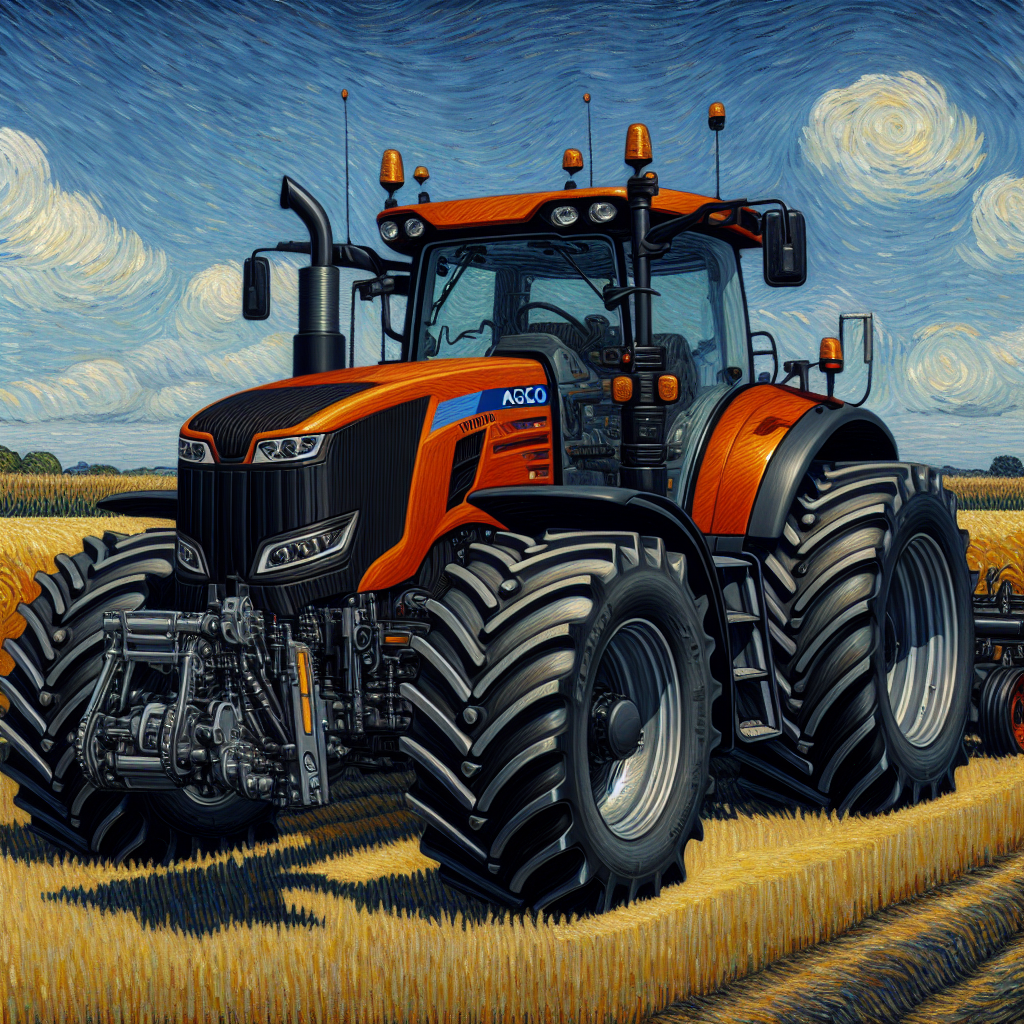
Which Brand Inspires Trust In Their Drawbar Design?
Which Brand Inspires Trust In Their Drawbar Design?
- Trust in brands is built through performance in demanding agricultural settings.
- The drawbar’s engineering is essential for enduring heavy loads and challenging terrains.
- Farmers value brands that tell relatable stories and create a sense of community.
- Testimonials and real-life applications increase brand credibility and trust.
- Ethical manufacturing practices contribute to a brand’s respect and quality perception.
- Reputation within farming communities influences brand selection and trust.
- A well-designed drawbar is crucial for successful farming and overall productivity.

Which Brand Inspires Trust In Their Drawbar Design?
What Factors Should We Consider In Drawbar Design?
When it comes to the drawbar that connects a tractor to the work it’s meant to do, we’re not just talking about a metal bar. We’re discussing a lifeline—a vital link between power and purpose. The drawbar has an essential role in ensuring that your tractor can pull, push, or carry whatever weight we ask it to, whether it’s a plow slicing through the earth or a trailer laden with harvest.
First and foremost, consider the load capacity. How much weight can the drawbar handle without straining? This isn’t just a technical specification; it’s about safety and efficacy. The materials used in its construction—high-strength steel or alloys—are crucial. A robust drawbar designed to meet or exceed the required capacities can withstand the demanding conditions of agricultural life, providing farmers with peace of mind.
Next, think about the design’s adaptability. Life on the farm is never static. Conditions change, and tasks vary from season to season. A well-designed drawbar should accommodate various attachments, making it versatile. It should speak to a farmer’s need for efficiency and flexibility, allowing them to switch from tilling the soil to transporting crops without delay.
Let’s not forget the ethical obligation we have as designers or manufacturers. Crafting a drawbar that stands the test of time supports not just the operator’s livelihood but also sustains the very land we cultivate. A durable product means less waste and fewer replacements, aligning with a growing commitment to sustainability in farming practices.
Real stories resonate. Picture a hard-working farmer, up before dawn, entrusting their day’s work to a dependable tractor and drawbar. The confidence they feel isn’t just about machinery; it’s about tradition, family, and the love for the land. When the drawbar performs flawlessly, it fosters that connection to heritage—centuries of toil and triumph.
Lastly, consider the social importance of the drawbar. This humble component links not just machinery but generations of farmers and their communities. Each time a tractor rolls out to the field, it’s a testament to innovation and commitment. By designing a drawbar that reflects these principles, we’re not just creating a product; we are building trust and resilience in our agricultural systems.
In drawing all these threads together—load capacity, adaptability, ethical responsibility, and the narrative that encompasses farming life—it’s clear: the drawbar isn’t merely a point of connection; it’s a vital cog in the wheel of agriculture that carries us toward the future.

What Factors Should We Consider In Drawbar Design?
What Factors Should We Consider In Drawbar Design?
- The drawbar is a crucial component linking a tractor to its tasks, enabling it to pull, push, or carry various weights.
- Load capacity is essential; the drawbar must handle significant weight without straining, ensuring safety and efficacy.
- Materials used, such as high-strength steel or alloys, contribute to the drawbar’s durability under demanding agricultural conditions.
- Adaptability is key; a well-designed drawbar accommodates various attachments for different farming tasks throughout the seasons.
- Ethical obligations include creating durable products that reduce waste and support sustainability in farming practices.
- The drawbar connects farmers to their heritage, symbolizing tradition, family, and a deep love for the land.
- Socially, the drawbar represents a link between generations of farmers and communities, fostering trust and resilience in agricultural systems.
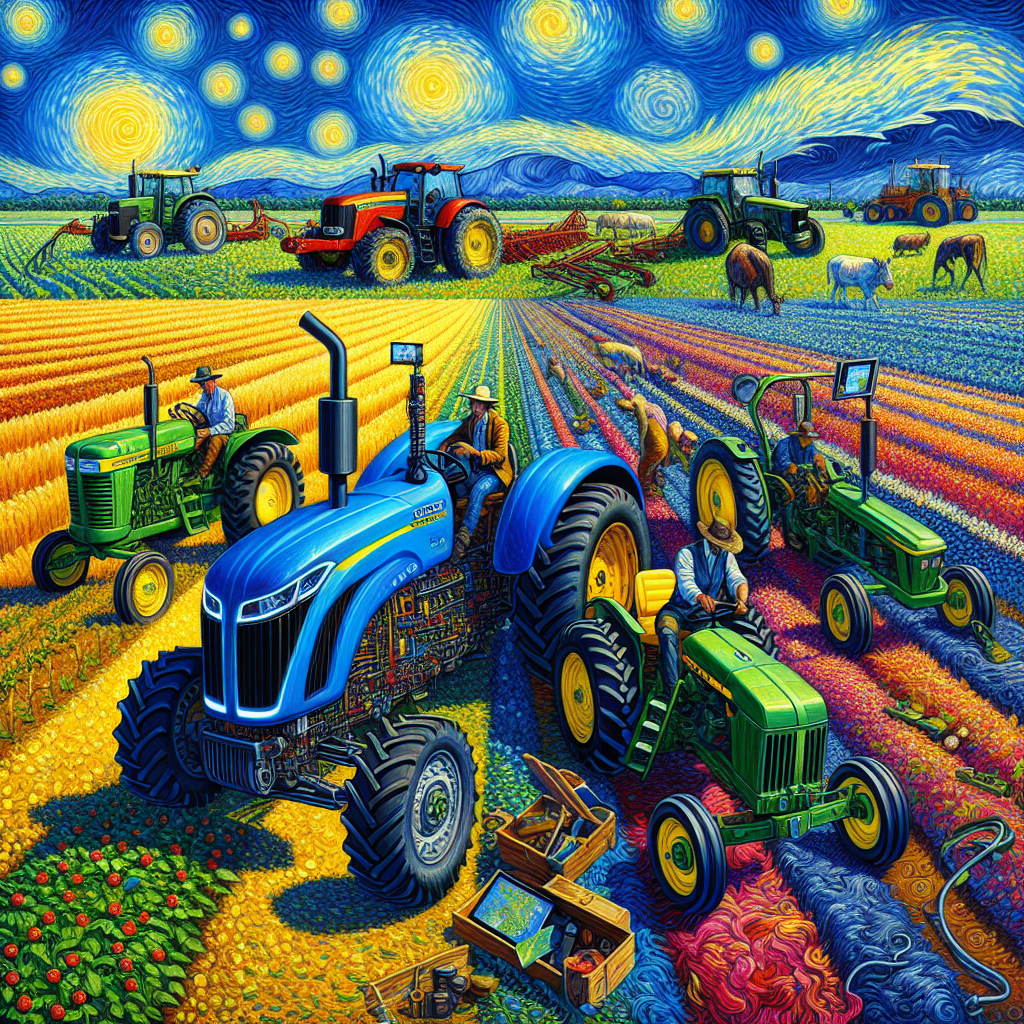
What Factors Should We Consider In Drawbar Design?
How Do Different Drawbar Designs Affect Performance?
When it comes to the muscle of a tractor, the drawbar is the unsung hero, often overlooked but vital to its performance. Imagine a farmer standing in the field, a vision of determination and hard work, gripping the sturdy drawbar of their tractor. This simple yet critical component directly impacts how effectively that tractor can pull its load, shaping the entire farming experience, and ultimately the success of that operation.
Different drawbar designs come into play here, each offering its unique advantages and challenges. A fixed drawbar may provide stability and strength but can limit maneuverability. In contrast, an adjustable drawbar offers versatility, allowing operators to customize their towing capabilities based on the task at hand. This adaptability reflects a fundamental truth in agriculture: efficiency is key. The right drawbar design can mean the difference between a hard day’s work and a seamless operation.
Think about the night-long symphonies of crickets and rustling leaves as the farmer prepares for the next day’s labor. There’s a sense of intimacy here—the relationship between a farmer and their tractor forged through shared hours in the field. Each pull of the drawbar tells a story of perseverance. There’s safety involved, too; a well-designed drawbar can reduce the risk of accidents, promoting peace of mind as farmers tow heavy loads without fear of failures.
But let’s not forget about the ethical dimension. Choosing the right drawbar design isn’t just about individual performance; it also has broader implications. A strong, reliable drawbar supports sustainable practices by enabling efficient towing that helps reduce fuel consumption and emissions, addressing concerns for our planet’s future. This balance between functionality and responsibility speaks volumes about the relationship between humanity and the environment.
Moreover, consider the community aspect. In farming towns, experiences and wisdom are shared—stories of what worked, what didn’t, and why. This social tapestry reinforces the idea that the right choice of drawbar design isn’t just a personal preference; it’s part of a collective knowledge that builds trust within the agricultural community.
So, when grappling with the question of drawbar designs, remember that it extends beyond mere mechanics. It’s about embracing a design that resonates with the ethos of resilience, sustainability, and community—fostering not just better performance but a deeper connection to the land and each other. In the heart of every farmer lies the determination to harness their tractor, with the right drawbar design guiding them through each harvest with power and purpose.

How Do Different Drawbar Designs Affect Performance?
How Do Different Drawbar Designs Affect Performance?
- The drawbar is a critical component of tractor performance, influencing its ability to pull loads.
- Different designs, such as fixed and adjustable drawbars, offer varying levels of stability, strength, and maneuverability.
- Choosing the right drawbar design enhances efficiency in farming operations.
- A well-designed drawbar improves safety by reducing the risk of accidents while towing heavy loads.
- Ethically, a strong drawbar supports sustainable practices by minimizing fuel consumption and emissions.
- Community knowledge and shared experiences play a vital role in selecting effective drawbar designs.
- The right drawbar design fosters resilience, sustainability, and a deeper connection to the agricultural community and land.

How Do Different Drawbar Designs Affect Performance?
Which Drawbar Design Has Received the Most Positive Reviews?
When it comes to tractor drawbars, the design that has consistently received the most positive reviews combines robust engineering with thoughtful functionality. Picture a farmer, fatigued from long days in the fields, leaning on a tractor sporting a well-designed drawbar. It’s not just a piece of equipment; it’s a lifeline, a trusted companion that can make or break a day’s work.
The drawbar crafted from high-strength materials stands as a testament to quality. It offers durability that withstands the rigors of heavy loads and rough terrain. Users rave about its ability to distribute forces evenly, reducing stress on both the tractor and the attachment. This isn’t just about strength; it’s about smart design that reflects a profound understanding of what those who depend on these machines really need. The combination of solid construction and agility makes this drawbar a favorite among operators, serving as a bridge between man and machine.
But it isn’t solely the technical specifications that earn this drawbar accolades. Stories abound from farmers who’ve trusted it to pull their first heavy load after years of struggling with inferior designs. These narratives evoke a sense of pride and connection, resonating deeply with anyone who has faced adversity on the job. You can almost feel the sweat and toil, the hopes tied to bountiful harvests. When a drawbar performs seamlessly, it embodies reliability—the kind that can inspire confidence on the toughest days.
Ethical considerations also play a significant role in its acclaim. Manufacturers that prioritize sustainable materials and responsible sourcing not only create a better product but also contribute to a healthier environment. This adds another layer of appeal—the knowledge that each drawbar has a less toxic impact on the earth cultivates a sense of responsibility among users.
Moreover, in an era dominated by social media reviews and word-of-mouth testimonials, the drawbar’s reputation is bolstered by a community that values genuine experiences. Farmers, mechanics, and enthusiasts alike share their stories, forming bonds over the shared challenges of agriculture. This collective wisdom builds trust, leading prospective buyers to feel not only informed but part of a larger conversation.
In short, the drawbar that garners the most positive reviews is not just a tool; it’s a symbol of hard work, innovation, and community. It represents all the grit and determination woven into the fabric of farming life, inspiring those who rely on tractors to keep pushing forward, no matter the obstacles ahead.

Which Drawbar Design Has Received the Most Positive Reviews?
Which Drawbar Design Has Received the Most Positive Reviews?
- Well-designed tractor drawbars combine robust engineering and functionality.
- High-strength materials ensure durability for heavy loads and rough terrain.
- Effective force distribution reduces stress on tractors and attachments.
- User experiences highlight the drawbar’s reliability and its role in overcoming adversity.
- Sustainable materials and responsible sourcing enhance the product’s appeal.
- A strong community and shared narratives bolster the drawbar’s reputation.
- This drawbar symbolizes hard work, innovation, and the farming community’s resilience.

Which Drawbar Design Has Received the Most Positive Reviews?
What Safety Features Should Be In a Top Drawbar Design?
When you think about the tools that empower farmers and heavy-duty operators, the drawbar might not spring to mind. Yet, this unassuming yet essential component is the backbone of many tractors, connecting power to productivity. A safe, reliable drawbar is not just a preference; it’s a necessity. Imagine the weight of responsibility riding on that piece of machinery, carrying loads critical to feed our families and fuel our economies. Safety features in a drawbar design are paramount, reflecting a commitment not just to function, but to the people who rely on them.
First and foremost, consider the materials used. A drawbar must be constructed from high-quality, durable materials that withstand the rigors of heavy use. It’s about more than engineering; it’s about the lives that depend on those decisions. High-strength steel or composite materials can offer a robust solution, ensuring that when you’re maneuvering that tractor at full load, you’re not left second-guessing the integrity of your equipment.
Next comes design, pivoting from simple physics to the nuances of safety. A properly designed drawbar includes features such as integrated safety chains and breakaway systems. These aren’t just add-ons; they’re lifelines, preventing accidents that could endanger operators or bystanders. When farmers are out in the field, they need to know that their equipment isn’t just adequate; it’s exceptional in the face of potential crises. A drawbar with intuitive safety features tells the operator, “I’ve got your back.”
We must also address adjustability. A drawbar that can be easily modified for different implements is not only practical; it’s smart. It reflects a thoughtful understanding of the varied tasks a tractor can handle, promoting adaptability while maintaining safety. Operators can work confidently, knowing they can optimize their setup for any job without compromising on security.
Finally, there’s the social aspect—community trust. The manufacturers of these drawbars must not only adhere to stringent safety regulations but also engage with users to understand real-world challenges. This collaboration fosters a sense of belonging among operators, creating a culture where safety isn’t just a feature, but a shared value.
The strength of a drawbar lies not just in its construction, but in the trust it builds with those who use it. By prioritizing these crucial safety features, we honor the hard work of farmers and ensure they can focus on what they do best: feeding the world. These aren’t just machines; they are partners in the journey. And that journey deserves nothing less than the highest standard of safety.

What Safety Features Should Be In a Top Drawbar Design?
What Safety Features Should Be In a Top Drawbar Design?
- The drawbar is a vital component in tractors, connecting power to productivity.
- Constructed from high-quality, durable materials, essential for safety and reliability.
- A well-designed drawbar includes safety features like integrated safety chains and breakaway systems.
- Adjustability allows for modification with different implements, enhancing practicality and safety.
- Community engagement and understanding real-world challenges foster trust between manufacturers and operators.
- Prioritizing safety features honors the work of farmers and supports efficient food production.
- Drawbars are not just tools; they are partners in the agricultural journey, demanding high safety standards.

What Safety Features Should Be In a Top Drawbar Design?
How Do User Experiences Shape Perceptions Of Drawbar Quality?
User experiences play a pivotal role in shaping perceptions of drawbar quality, intertwining emotion, logic, and trust. Picture this: you’re out in the field, with the sun beating down and the engine of your tractor roaring to life. You need to rely on every component to perform flawlessly, especially the drawbar—this unassuming steel piece is the backbone of your operation. A robust drawbar doesn’t just hold equipment; it holds the weight of your livelihood.
When users share their stories—whether it’s the neighbor who swears by their trusty tractor or the farmer who had to make last-minute repairs on a critical day—they do more than just recite facts; they weave a narrative that resonates deeply with others. This shared experience builds a community, a sense of camaraderie among those who understand the stakes. The neighbor’s pride when towing heavy loads with confidence or the relief felt after a dependable drawbar endures another grueling season stirs emotions. These stories evoke visceral reactions that far surpass mere specifications or features.
But beyond the emotional outreach, there’s the rational side. Users dissect their drawbar performance against clear metrics—load-bearing capabilities, ease of attachment, and durability under pressure. When users articulate these experiences, they form connections between quality and reliability. It’s not just about lifting heavy weights; it’s about peace of mind, knowing that when the sun comes up and the day begins, everything is in place and ready to go.
Ethically, reliability isn’t just a luxury; it’s an obligation. Users expect their equipment to perform under the toughest conditions. When they trust a brand’s drawbar, they invest not only in a product but in a promise of quality. This trust builds through repeated performance and authentic engagement, assuring users that they’re part of a larger conversation—a network where their voices matter.
In today’s world, where choices are abundant, the personal touch of shared experiences elevates certain products above the rest. Social proof becomes a compass guiding decision-makers as they sift through options. Watch how testimonials and community endorsements transform mere features into compelling arguments for choice.
Ultimately, the blend of heartfelt narratives, rational arguments, and ethical commitments crystallizes perceptions of drawbar quality. When users champion a drawbar’s performance, it’s not just about steel and welds; it’s about the stories, connections, and shared trust that drive the entire industry forward.

How Do User Experiences Shape Perceptions Of Drawbar Quality?
How Do User Experiences Shape Perceptions Of Drawbar Quality?
- User experiences significantly influence perceptions of drawbar quality, integrating emotion, logic, and trust.
- A robust drawbar supports not just equipment but the livelihood of operators.
- Stories shared by users foster community and camaraderie among peers.
- Emotional narratives evoke strong reactions that exceed technical specifications.
- Users evaluate drawbar performance based on metrics like load-bearing capacity and durability.
- Trust in a brand’s drawbar stems from consistent performance and engagement.
- Shared experiences and social proof elevate certain products, making them more appealing to decision-makers.

How Do User Experiences Shape Perceptions Of Drawbar Quality?
Conclusion
The drawbar isn’t just a piece of equipment; it’s the connective tissue that binds farmers to their work, embodying their dreams and dedication. As tractors ply the fields, these vital components translate raw power into productivity, enabling generational traditions to flourish with each harvest. When farmers awaken at dawn, facing the unyielding demands of the land, it’s that drawbar—reliable and robust—that instills confidence.
Brands that excel in drawbar design don’t merely focus on technical specifications; they understand the emotional weight behind farming. Farmers share their stories—whether gathered around a fire or in bustling diners—about the trust they place in their machinery. The drawbar’s ability to endure the hardships of daily toil builds a narrative of endurance and camaraderie; it becomes a part of their family. The trust formed between farmers and brands cultivates a community where shared values and experiences matter.
Moreover, the best designs prioritize safety, durability, and adaptability, allowing farmers to navigate the changing demands of their land. Sturdy materials and innovative engineering ensure that each drawbar can withstand heavy loads and rough terrains, safeguarding the operator’s peace of mind. When a drawbar performs exceptionally, it not only meets the daily grind but does so in a manner that resonates with a farmer’s ethical stance towards sustainability and environmental responsibility.
In this landscape, every decision made about drawbar design goes beyond mere functionality. It reflects a collective identity among farmers, who seek to invest wisely in tools that uphold their legacy. The flow of information extends beyond specifications; it’s about trust built over time, through community testimonials and shared victories. When farmers endorse a brand, they do so out of respect for its commitment to quality and reliability, promoting not just products, but a shared ethos.
Ultimately, the drawbar is a testament to resilience, innovation, and heritage. It serves as a critical link not just in mechanics but in the broader narrative of agriculture. It’s not merely about what a drawbar can do today, but the belief that it enables farmers to cultivate the future, safeguarding their legacy and nurturing the relationship between people and the land. As we reflect on the power of design, let’s honor the shared journeys that these reliable components facilitate—carrying forth the hopes and dreams embedded in every field they traverse.

Conclusion
Conclusion:
- The drawbar connects farmers to their work, embodying dreams and dedication.
- It translates raw power into productivity, supporting generational traditions.
- Farmers’ trust in their drawbars fosters a sense of community and shared values.
- Quality drawbar designs prioritize safety, durability, and adaptability for changing demands.
- Innovative engineering ensures drawbars can withstand heavy loads and rough terrains.
- Decisions about drawbar design reflect a collective identity and investment in legacy.
- The drawbar symbolizes resilience, innovation, and the relationship between people and the land.

Conclusion
Other Resources

Other Resources
Here is a list of other resources you can review online to learn more:
- Hart-Parr
- Valmet
- Avery
- Farm Collector
- Ford
- Zetor
- Farm Pro
- White
- Know Your Classic Tractors
- Ursus
- Keystone Tractor Museum
- Big Iron Farm Show
- Schluter
- Eagle
- Idaho Farmand Ranch Museum
- Samson
- Gibson
- Florida Farm Days and Tractor Show
- Antique Tractor Supply
Use This Prompt To Get More Resources With Your Favorite Online AI Tool: Please provide me with a list of online articles with their URLs in a bulleted list that I can read regarding Which Brand Had the Best Drawbar Design?

Other Resources
Glossary Terms
Which Brand Had the Best Drawbar Design? – Glossary Of Terms
1. Drawbar: A component used to connect a vehicle to a trailer or implement.
2. Design: The process of creating a plan or model for a product or system.
3. Brand: A name, term, design, symbol, or other feature that distinguishes one seller’s product from those of others.
4. Durability: The ability of a product to withstand wear, pressure, or damage.
5. Material: The substance or substances from which a product is made, crucial for performance and longevity.
6. Weight Capacity: The maximum load that a drawbar can safely support.
7. Attachment Point: The specific location on the drawbar designed for connecting to other equipment.
8. Compatibility: The ability of a drawbar to function properly with different types of vehicles or trailers.
9. Adjustment Mechanism: Features that allow for changing the height or angle of the drawbar to achieve optimal performance.
10. Safety Features: Design elements intended to minimize the risk of accidents during towing or hauling.
11. Ease of Use: The simplicity with which a drawbar can be attached, detached, or adjusted by an operator.
12. Corrosion Resistance: The ability of a drawbar to withstand chemical or environmental degradation.
13. Testing Standards: Criteria established to assess the performance and safety of drawbars during manufacturing.
14. Manufacturer: A company that produces drawbars and related towing components.
15. Feedback: Opinions or reviews from users regarding the performance of specific drawbar designs.
16. Innovations: New features or improvements in drawbar technology that enhance functionality.
17. Design Flaws: Deficiencies or issues in a drawbar’s design that may lead to operational failures.
18. User Manual: Documentation providing guidance on the correct installation and use of a drawbar.
19. Market Comparison: An analysis of different brands and their drawbar designs against each other.
20. Functionality: The practical use of a drawbar in real-world towing scenarios.
21. Brand Reputation: The public perception regarding the reliability and quality of a brand’s products.
22. Warranty: A guarantee from the manufacturer covering defects and issues for a specified period.
23. Performance Evaluation: An assessment of how well a drawbar design performs under various conditions.
24. Installation Process: The steps required to properly set up a drawbar for use with a vehicle.
25. Towing Capacity: The maximum weight that can be safely towed using a drawbar.
26. Ergonomic Design: Features that enhance user comfort and ease of handling during attachment and adjustment.
27. Cost-effectiveness: A measure of how a drawbar’s price relates to its quality and performance.
28. Maintenance Requirements: The necessary actions to ensure continued functionality and longevity of a drawbar.
29. Market Leader: A brand recognized for its dominance and innovation in drawbar design.
30. Consumer Choice: The selection process by buyers based on preferences for specific features and designs.

Glossary Of Terms
Other Questions
Which Brand Had the Best Drawbar Design? – Other Questions
If you wish to explore and discover more, consider looking for answers to these questions:
- Which specific brands were evaluated and how do they rank by drawbar design?
- What methodology was used to compare drawbar designs (tests, metrics, sample size)?
- What are the exact load capacities and safety factors for each drawbar design?
- What materials and manufacturing processes are used by top drawbar makers?
- How do different drawbar geometries affect towing stability and maneuverability?
- Which hitch types (clevis, ball, pintle, pin) are supported by each drawbar?
- How easy is it to adjust height, offset, and angle on the various drawbar designs?
- How do drawbar designs perform across different tractor sizes and horsepower classes?
- What real-world field tests or user case studies back up the claims?
- How do drawbar designs impact fuel consumption and overall efficiency?
- What safety features are standard vs optional on top drawbar models?
- Are there industry safety certifications or standards that these drawbars meet?
- How does corrosion resistance and coating vary between manufacturers?
- What is the expected service life and typical failure modes for each design?
- What routine inspection and maintenance steps should owners follow?
- How easily can a drawbar be replaced or retrofitted on an older tractor?
- What are the common aftermarket upgrades or accessories for drawbars?
- How do warranty terms, parts availability, and dealer support compare by brand?
- What are the purchase costs and lifecycle cost comparisons (ROI) for different designs?
- How do user reviews and community feedback differ from lab/test results?
- What troubleshooting tips exist for common drawbar issues in the field?
- Are there adjustable or shock-absorbing drawbars and how well do they work?
- How compatible are drawbars with common farm implements and trailers?
- What tools and skills are required for installation and repairs?
- Are there safety best practices for hitching, un-hitching, and towing with these drawbars?
- How do ethical sourcing and sustainable materials factor into manufacturer choices?
- What innovations or emerging technologies are appearing in drawbar design?
- Are there known recalls, defects, or legal issues associated with any designs?
- How should a buyer select the best drawbar for specific farm tasks and terrain?

Other Questions
Haiku
Which Brand Had the Best Drawbar Design? – A Haiku
Drawbar strong and true,
Linking trust between the fields,
Workhorse of our dreams.

Haiku
Poem
Which Brand Had the Best Drawbar Design? – A Poem
In fields where sunbeams rise,
A drawbar holds the farmers prize.
A link of strength, through toil and sweat,
Its sturdy form, a safe bet.
Each pull and push, a rhythm divine,
Timeworn dreams in the soil entwined.
Families gather as engines hum,
In trust, together, their labors come.
Iron forged with care and might,
Crafted with purpose, built for the fight.
Neighbors share tales, the bond they trace,
In every harvest, their shared embrace.
Performance hailed from land to land,
A legacy nurtured by skilled hands.
With every load, a story we find,
Of resilience and hope, humanity entwined.
But heed the call of ethical ground,
Sustainability’s echo, their voices sound.
A brand that listens, a partner true,
Guides the way for all they do.
So lift the drawbar, feel its strength,
In each design, there lies the length,
Of lives entwined, through care and trust,
In this journey, its more than rust.
Investing in dreams, from dawn ‘til dusk,
The heart, the head, the guts full thrust.
For in every field, beneath the suns glow,
The drawbars legacy continues to grow.

Poem
Checklist
Which Brand Had the Best Drawbar Design? – A Checklist
Emotional Appeals
✅______ Connection to heritage: Reflect on how the drawbar represents your farming legacy and values.
✅______ Stories of reliability: Share personal experiences of fieldwork and the trust built over years with your drawbar.
Rational Appeals
✅______ Load capacity: Verify that the drawbar meets or exceeds necessary load specifications for safety and efficacy.
✅______ Materials quality: Check for high-strength materials (e.g., steel, alloys) ensuring durability.
Ethical Appeals
✅______ Sustainability practices: Investigate whether the manufacturer prioritizes eco-friendly materials and processes.
✅______ Transparency: Look for brands openly sharing their sourcing and manufacturing practices.
Authority Appeals
✅______ Expert testimonials: Seek out recommendations and reviews from agricultural experts and seasoned farmers.
✅______ Brand reputation: Evaluate how long the brand has been recognized for quality drawbar designs.
Narrative Appeals
✅______ User experiences: Collect stories from other users about their drawbar’s performance and reliability.
✅______ Community engagement: Consider how the brand interacts with farming communities and listens to their needs.
Social Appeals
✅______ Peer recommendations: Discuss choices with peers to gather insights and build confidence in your decision.
✅______ Community trust: Engage in local discussions about trusted drawbar brands and their impacts.
Additional Considerations
✅______ Adjustability features: Ensure the drawbar can accommodate various attachments for versatility.
✅______ Safety mechanisms: Include safety chains and breakaway systems in your evaluation of the design.

Checklist
At ClassicTractorNews, we help tractor lovers keep up with the latest news for classic and vintage tractors.
Please share this post with your friends, family, or business associates who may like old classic or vintage tractors.