

Uncover The True Worth: Gas Vs. Diesel In Your Next Ride
By Tom Seest
At ClassicTractorNews, we help tractor lovers keep up with the latest news for classic and vintage tractors.
Please share this post with your friends, family, or business associates who may like old classic or vintage tractors.
What’s the Value Difference Between Gas and Diesel Versions Of the Same Model?
When choosing between gas and diesel versions of the same model, you’ll find yourself standing at a crossroads, much like a farmer eyeing a worn tractor after a long day in the field. The decision isn’t merely about fuel types; it’s a reflection of values, priorities, and the kind of work you want to accomplish.
Gas engines often call to the heart; they rev up with immediate responsiveness, providing a sense of excitement. They’re typically lighter, making them perfect for those everyday tasks and weekend adventures. But that thrill comes with a catch—gas engines can guzzle fuel, leaving both your wallet and your conscience a little lighter after each fill-up. If you’re looking for cost-effectiveness in the short term, they have their charm, but consider what they truly offer in the long run.
On the other hand, the diesel version stands as a testament to grit and durability. Engineered for power, they often last longer and provide superior towing capabilities. Picture a robust tractor pulling a heavy load across a muddy field, each rev of the engine feeling like a declaration of strength. While diesel fuel might cost a touch more upfront, the efficiency and longevity can mean savings over time, something both the heart and head can appreciate. There’s a solid reasoning behind this choice, aimed at those who value longevity and dependability in hard work.
Ethically, choosing diesel might also resonate with those committed to sustainability. Diesel engines often emit more nitrogen oxides but less carbon dioxide—a balancing act that reflects modern values of environmental consciousness. This isn’t just about horsepower; it’s about making responsible choices, thinking about the generations that will inherit our roads and fields.
Beyond the mechanics lies the narrative of connection. Many families have passed down diesel tractors, the sound of their engines a beloved memory of shared labor. Choosing the right engine is a decision wrapped in stories of hard work, late nights, and triumph over challenges—the kind of stories that forge bonds between friends and neighbors.
Whether it’s the spirited gas engine or the powerhouse diesel, the decision should resonate with who you are and what you strive to accomplish. Both options tell a story; the key is finding the one that aligns with your own.
What’s the Value Difference Between Gas and Diesel Versions Of the Same Model?
What’s the Value Difference Between Gas and Diesel Versions Of the Same Model?
- The choice between gas and diesel engines reflects personal values and work priorities.
- Gas engines offer immediate responsiveness and are lighter, suitable for everyday tasks.
- Gas engines can be less fuel-efficient, potentially increasing long-term costs.
- Diesel engines are durable, provide superior towing capacities, and often have a longer lifespan.
- Diesel may have higher upfront costs but can lead to savings through efficiency and longevity.
- Choosing diesel aligns with sustainability, as it emits more nitrogen oxides but less carbon dioxide.
- The decision about engine type includes a narrative of shared labor and connection within families.
What’s the Value Difference Between Gas and Diesel Versions Of the Same Model?
Table Of Contents
- What’s the Value Difference Between Gas and Diesel Versions Of the Same Model?
- How Does the Gas Vs. Diesel Debate Impact Environmental Concerns?
- Which Fuel Type Aligns More with Your Values As a Consumer?
- What Narratives Influence Your Perception Of Gas Vs. Diesel Engines?
- How Do Societal Trends Affect Your Choice Between Gas and Diesel?
- What Role Does Fuel Efficiency Play In Your Decision-Making Process?
- What Ethical Considerations Arise When Choosing Between Fuel Types?
- Conclusion
- Other Resources
- Glossary Of Terms
- Other Questions
- Haiku
- Poem
- Checklist
How Does the Gas Vs. Diesel Debate Impact Environmental Concerns?
The debate between gas and diesel isn’t just about performance and fuel efficiency; it dives deep into the very fabric of our lives and the world we inhabit. Picture this: a farmer out in the field, gripping the wheel of a sturdy tractor, harvesting crops that feed families across the nation. Every turn of the wheel speaks to a connection between the land and the people, with diesel’s robust power driving productivity. But lurking behind that power lies a question that tugs at the heartstrings of every conscious citizen: what’s the true cost to our environment?
Gasoline engines, often viewed as the cleaner alternative, still emit greenhouse gases that contribute to climate change. The numbers are staggering: millions of tons of carbon dioxide released into the atmosphere, inching us closer to a tipping point. Yet, diesel boasts greater fuel economy and reduced carbon dioxide emissions per mile compared to gasoline. As we navigate this landscape, it’s crucial to weigh the pros and cons, not only for our pockets but for the planet as well.
This debate reaches beyond technical specifications; it’s an ethical discussion about stewardship. Every time we choose a fuel source, we are casting a vote for the kind of world we want to leave behind. For instance, consider the families in communities living near freight corridors, where diesel trucks rumble day and night, impacting air quality and health. These are real people, breathing in pollutants—children playing outside, parents worried about asthma rates rising. The impact of our choices ripples through this social fabric, reminding us that every decision carries weight.
We also need to talk about innovation. Advances in technology are giving rise to cleaner diesel engines, and alternative fuels are emerging that challenge the status quo. From electric tractors silently plowing fields to biodiesel made from waste, the future holds promise. It’s this kind of ingenuity that inspires confidence and action. We have tools at our disposal to forge a new path—one where both economic and environmental needs are met.
As this conversation continues, let’s hold ourselves accountable. We can champion for policies that prioritize sustainability in agriculture and transportation. Let’s educate ourselves and each other, bridging the gap between heart, head, and gut to drive home the message: our choices matter. The debate on gas versus diesel is not merely academic; it’s a chance to shape a sustainable legacy for future generations, making sure that every tractor on that field is part of a healthier world.

How Does the Gas Vs. Diesel Debate Impact Environmental Concerns?
How Does the Gas Vs. Diesel Debate Impact Environmental Concerns?
- The debate between gas and diesel involves performance, fuel efficiency, and environmental impact.
- Diesel engines provide robust power and productivity for agriculture but raise environmental concerns.
- Gasoline engines, seen as cleaner, still contribute significantly to greenhouse gas emissions.
- Diesel offers better fuel economy and lower carbon dioxide emissions per mile compared to gasoline.
- Fuel choices impact health and air quality in communities near heavy freight traffic.
- Innovation in technology is leading to cleaner diesel engines and alternative fuels, like electric tractors and biodiesel.
- The discussion is essential for shaping a sustainable future and responsible agricultural policies.
How Does the Gas Vs. Diesel Debate Impact Environmental Concerns?
Which Fuel Type Aligns More with Your Values As a Consumer?
When you think about the fuel you put into your tractor, it’s not just a matter of efficiency or price—it’s a reflection of who you are as a consumer. Fuel is more than a resource; it’s a channel through which our values flow. Every gallon you choose taps into bigger conversations about our environment, our economy, and our future.
Consider the tractor you rely on day in and day out. It’s an emblem of hard work and dedication, whether you’re tilling the soil or hauling goods. But that machine requires energy to perform its duties, and the type of fuel you select shapes not just your workday but the legacy you’re building. If you select traditional fossil fuels, you’re part of a long-standing tradition of practicality and, yes, sometimes convenience. But alongside that comes a hefty environmental price tag that weighs on the conscience of many modern consumers.
Now, pivot to renewable options—something like biodiesel or even electric solutions. These alternatives promise a cleaner, greener future. By fueling your tractor with renewables, you’re not just making a choice for today, but for future generations. You’re aligning your decisions with a sense of responsibility that resonates deeply in a world grappling with climate change. It’s about taking tangible action, making a stand in a market that desperately needs thought leaders who prioritize sustainability alongside performance.
There’s authority behind the choices we make, too. Farmers and experts in agriculture increasingly advocate for these greener options, sharing success stories that prove sustainability doesn’t sacrifice performance. They’re leading the charge, inspiring confidence that you can meet your operational needs without compromising your values.
Choosing your fuel can also spark conversations. When you chat with fellow consumers, friends, or family about your choice, you strengthen community ties. You share values and pave the way for others to consider their impact. Each discussion you engage in has the potential to ripple out far beyond your immediate circle, influencing others to think critically about fuel types and their implications.
At the end of the day, choosing the right fuel isn’t just a decision—it’s a commitment to the kind of world you want to help build. Clarity in your choices can cultivate a sense of pride, knowing that the energy propelling your tractor is also nurturing the future of our planet. Trust that your voice, and your choice, carries weight.
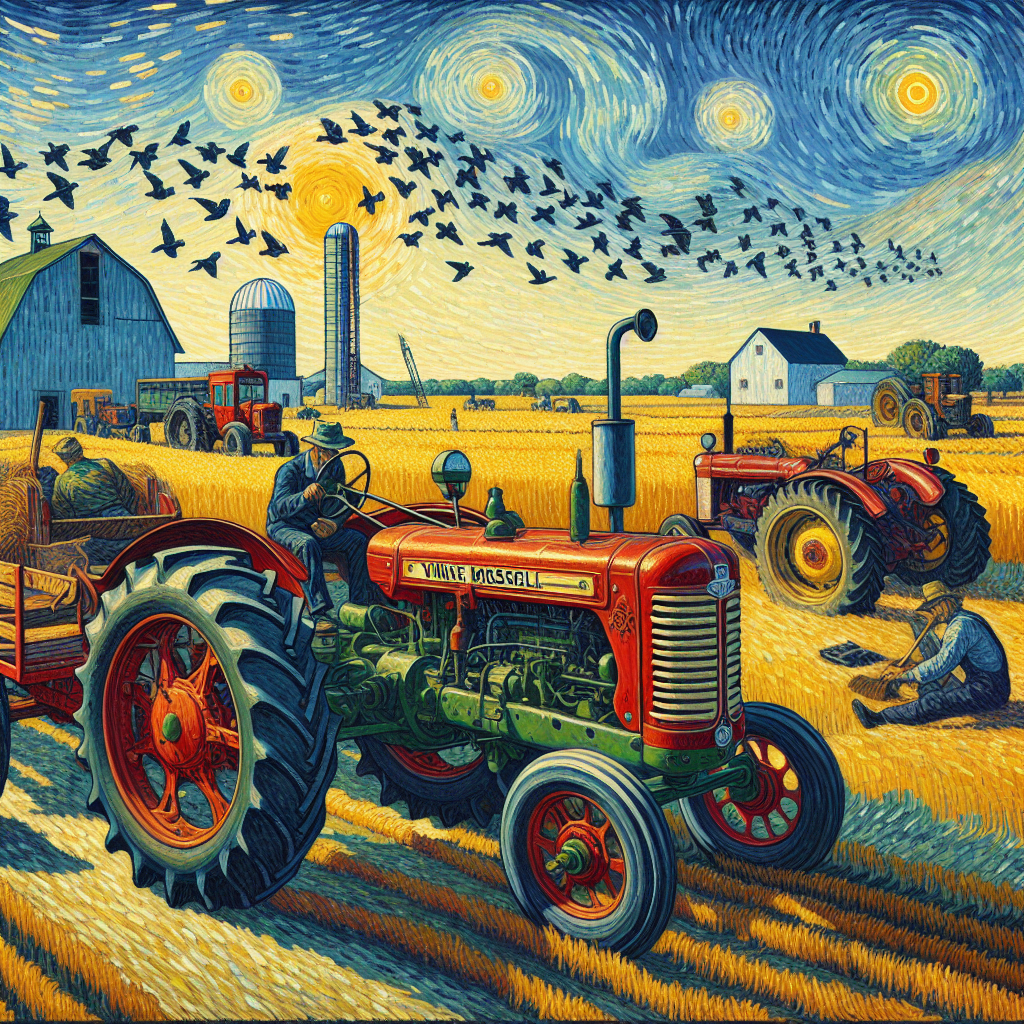
Which Fuel Type Aligns More with Your Values As a Consumer?
Which Fuel Type Aligns More with Your Values As a Consumer?
- Fuel selection reflects consumer values beyond efficiency and cost.
- Choosing fuel impacts the legacy built through farming practices.
- Traditional fossil fuels may offer convenience but have significant environmental consequences.
- Renewable fuels like biodiesel and electric options promote a sustainable future.
- Farmers and experts advocate for greener choices, proving sustainability can coexist with performance.
- Fuel choices encourage community conversations and shared values among consumers.
- Choosing the right fuel embodies a commitment to environmental responsibility and future generations.
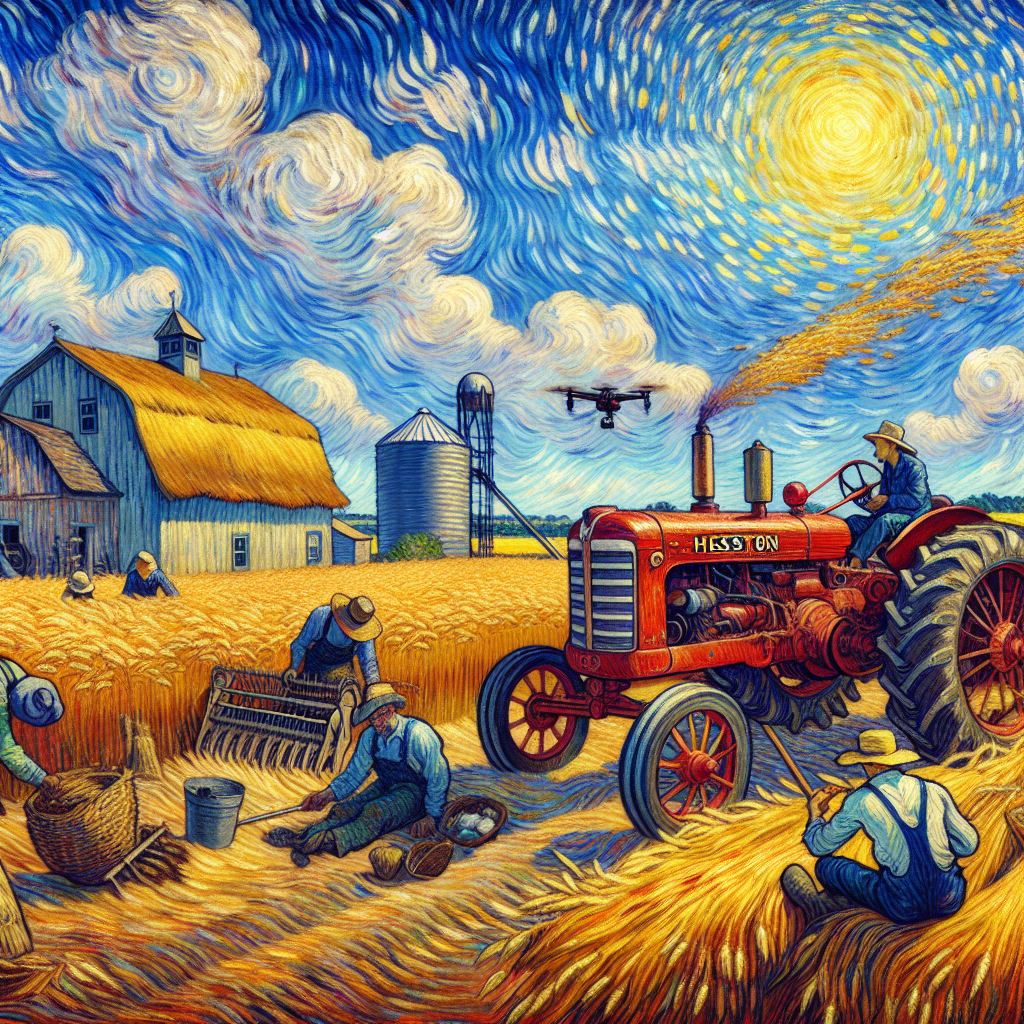
Which Fuel Type Aligns More with Your Values As a Consumer?
What Narratives Influence Your Perception Of Gas Vs. Diesel Engines?
When we hear the roar of a tractor, a machine designed for power and efficiency, it evokes more than just a sound. It’s the heartbeat of agriculture, embodying a tradition that feeds our families and fuels our ambitions. The narratives surrounding gas and diesel engines mirror a deeper story—one of choice, responsibility, and resilience.
At first glance, gas engines often appeal to the everyday driver with their perceived simplicity and lower upfront costs. They promise that exhilarating rush on an open road, painting a picture of freedom that resonates with our desire for adventure. However, the deeper narrative of diesel engines tells a contrasting yet compelling story. These engines are often viewed as the heavyweights, designed for endurance, efficiency, and long-term value. They have been the workhorses of industries, trusted to haul heavy loads and withstand the test of time.
Consider the emotional pull of driving a diesel engine tractor across a vast field, the sun setting behind you, the ground rumbling beneath your feet. It’s about more than just moving dirt; it’s about cultivating land, nurturing crops, and ensuring a future. This connects to the ethic of sustainability. Diesel engines, with their ability to provide better fuel efficiency over long distances, offer an ethical choice for those who prioritize reducing their carbon footprint while maintaining productivity.
The gut instinct often draws us toward familiar narratives. Gas engines have been marketed as quick and user-friendly, appealing to our sense of immediacy in a fast-paced world. Yet, when we delve deeper, we realize that diesel technology has evolved, incorporating advanced emissions systems that make them cleaner and more efficient than ever. This evolution invites a rational assessment that counters preconceived notions and encourages an open-minded exploration of what modern diesel engines can offer.
As we sit behind the wheel of either a gas or diesel tractor, it’s essential to consider the narratives we’ve built around them. Those narratives shape not only our choices but also our values as consumers and stewards of the land. It’s time to engage in a conversation that transcends marketing and delves into the truth of what these machines represent—a commitment to hard work, durability, and a better future. Understanding these influences invites trust in our choices and inspires action toward a path that aligns with our lifestyle and values.
What Narratives Influence Your Perception Of Gas Vs. Diesel Engines?
What Narratives Influence Your Perception Of Gas Vs. Diesel Engines?
- The roar of tractors symbolizes agriculture’s heartbeat, representing power and efficiency.
- Gas engines attract everyday drivers with simplicity and lower costs, promising adventure.
- Diesel engines are seen as durable, efficient workhorses, ideal for heavy loads and longevity.
- Driving a diesel tractor evokes an emotional connection to land cultivation and sustainability.
- Diesel engines offer better fuel efficiency, appealing to those focused on reducing their carbon footprint.
- Despite gas engines being marketed for immediacy, modern diesel technology has significantly improved efficiency and emissions.
- Understanding the narratives around these engines influences consumer choices and values related to hard work and sustainability.

What Narratives Influence Your Perception Of Gas Vs. Diesel Engines?
How Do Societal Trends Affect Your Choice Between Gas and Diesel?
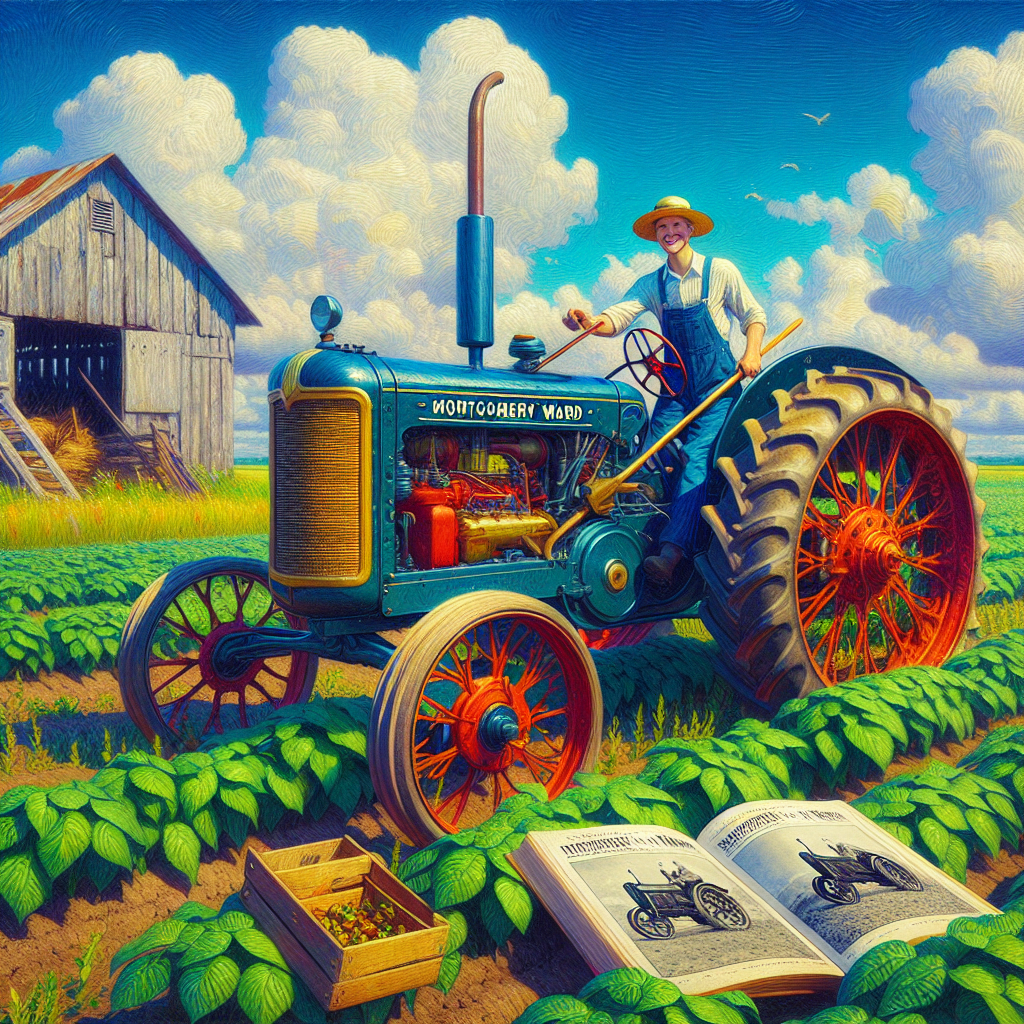
Choosing between gas and diesel isn’t just a matter of horsepower; it’s a reflection of who we are and the world around us. Imagine a tractor standing proudly in a sunlit field, a symbol of hard work and resilience. This isn’t merely a machine; it’s part of a legacy, a way of life that connects farmers and families to their land and traditions.
As societal trends shift, so do our preferences and decisions. The push for sustainability and green initiatives resonates deeply in the current landscape. Diesel engines have long been revered for their efficiency and torque, perfect for heavy-duty tasks. Yet, in an age where environmental impact weighs heavily on our consciousness, gas alternatives are gaining traction, often seen as the cleaner option. It’s a complex balancing act, weighing the immediate needs against a more sustainable future.
For many, the choice often aligns with personal values and their ethical compass. Making a decision about fuel isn’t just a transactional act; it embodies a commitment to our environment and community. The rise of electric and hybrid technologies reflects a growing desire not only for progress but for responsible stewardship. As we look to the horizon, the sight of a farmer opting for a hybrid tractor, knowing they’re nurturing the earth for future generations, stirs a sense of purpose.
Rational evaluations play a significant role too. Diesel engines may offer better fuel economy over long distances, but the upfront costs and maintenance differ markedly. Families and businesses must assess what makes sense not only for their wallets but for their lifestyle. Economic viability is paramount; it’s about finding that sweet spot where practicality meets responsibility.
Social dynamics also influence this decision. As more people advocate for cleaner practices, the stigmatization of traditional fossil fuels grows. Communities increasingly celebrate those who embrace innovative technology. You’re not just choosing fuel; you’re choosing to be part of a larger conversation, a movement toward innovation and sustainability.
The tractor represents much more than a means of operation; it’s a testament to our hard work, our dedication to the land, and our collective journey toward a more responsible future. Each choice we make contributes to a narrative rooted in authenticity, building a bridge between our past and a more sustainable tomorrow. Embrace the moment to drive change when selecting between gas and diesel; it’s not just about engines; it’s about legacy and the path forward.
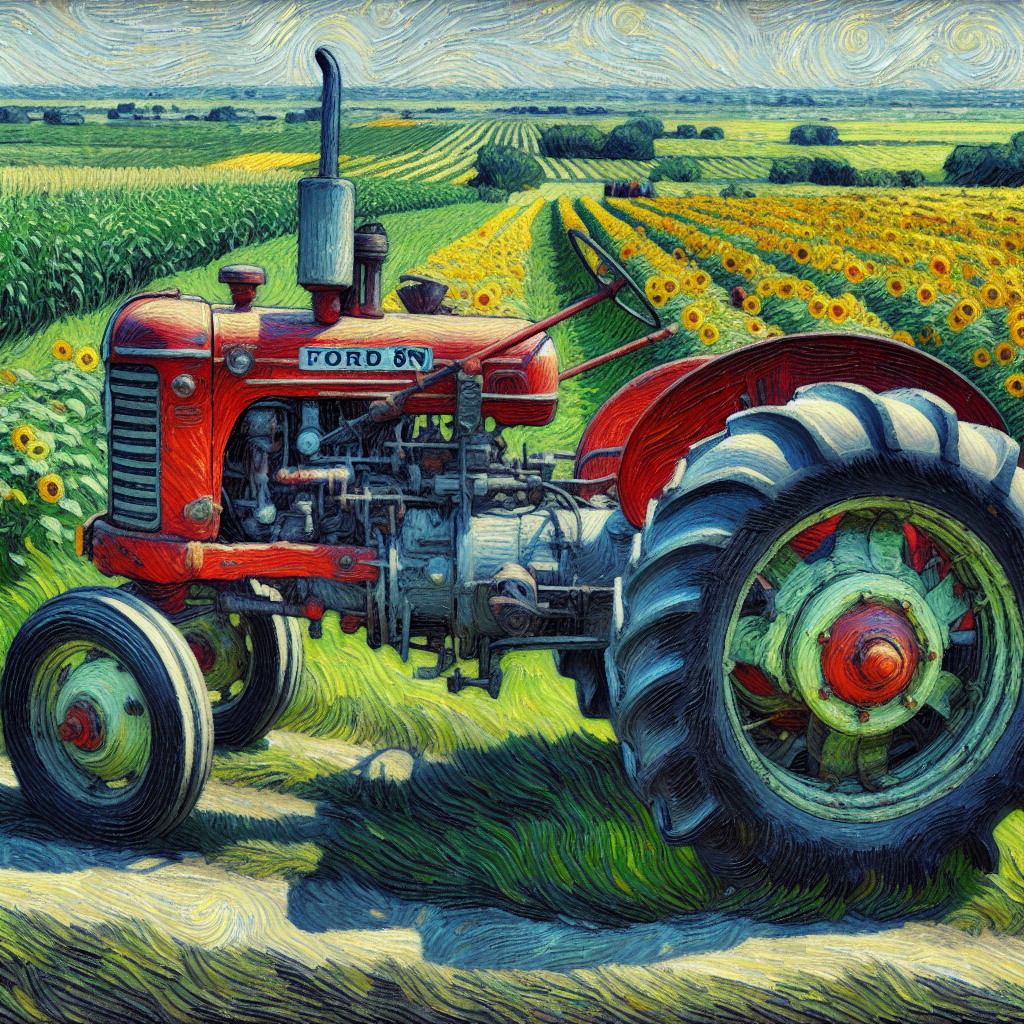
How Do Societal Trends Affect Your Choice Between Gas and Diesel?
How Do Societal Trends Affect Your Choice Between Gas and Diesel?
- Choosing between gas and diesel reflects personal values and societal trends.
- Tractors symbolize hard work and resilience, connecting families to their land.
- Sustainability and green initiatives influence fuel preferences.
- Diesel engines are efficient for heavy-duty tasks, while gas alternatives are viewed as cleaner.
- Decisions about fuel embody a commitment to environment and community.
- Economic viability and lifestyle play significant roles in the choice of fuel.
- The choice of fuel is part of a larger movement towards innovation and sustainability.
How Do Societal Trends Affect Your Choice Between Gas and Diesel?
What Role Does Fuel Efficiency Play In Your Decision-Making Process?
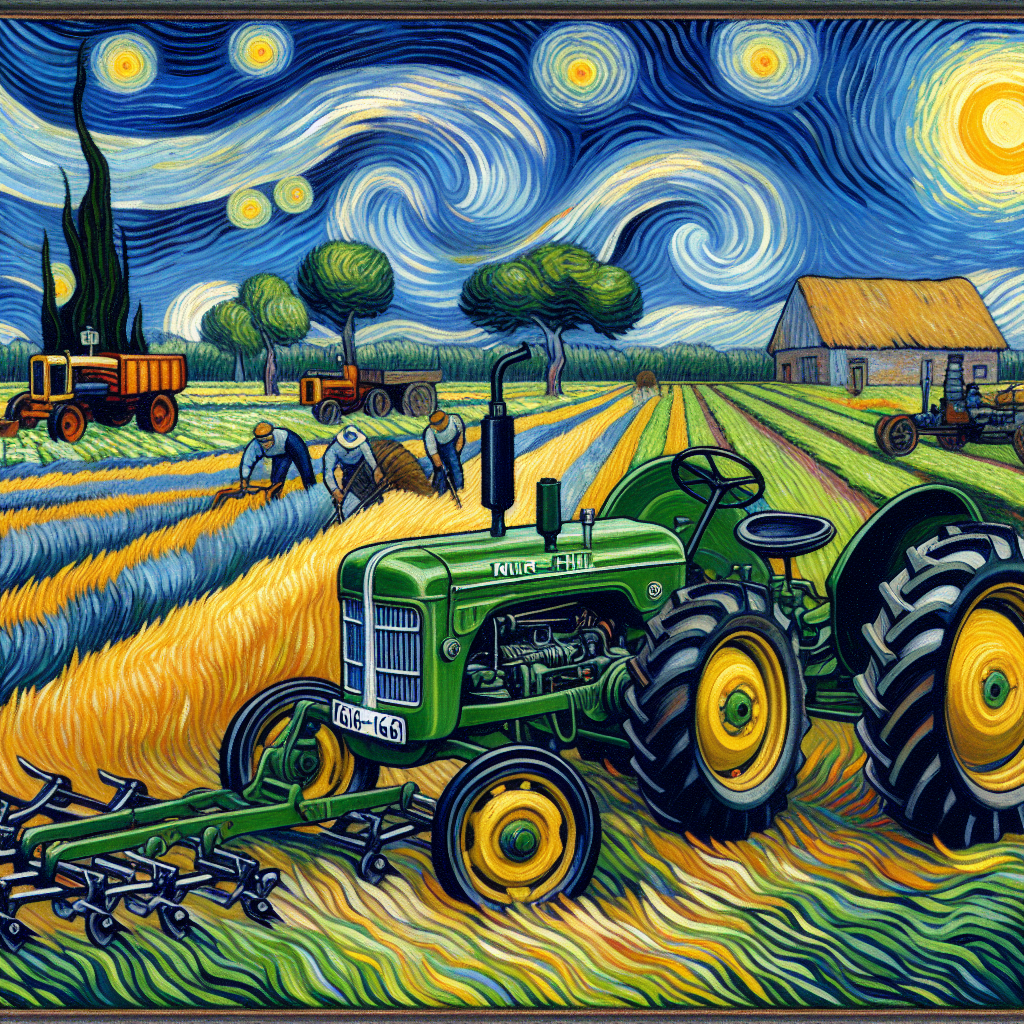
When it comes to making decisions about vehicles, especially tractors, fuel efficiency isn’t just a number on a spec sheet; it’s a compass guiding you through a significant investment. Imagine a farmer, standing in the early morning light, contemplating the rows of corn, each stalk a testament to hard work. The choice of machinery—specifically a tractor that offers exceptional fuel efficiency—can make all the difference. It’s not just about the immediate cost; it’s about the long-term impact on the land, the family, and even the community.
Fuel efficiency is like a quiet partner in your operations, helping you stretch every dollar further while reducing your carbon footprint. It’s an ethical responsibility, a way to honor the environment while ensuring you can continue to cultivate and provide for generations to come. As you ponder over options, consider the narrative that efficiency weaves into your life story. Each drops of fuel saved contributes to a greener future, allowing you to turn the soil for another season without being beholden to fluctuating oil prices.
Think rationally: the economic benefits are substantial. A tractor that consumes less fuel means more profits in your pocket. This isn’t just smart; it’s a way to ensure that your business stands resilient against unpredictable market shifts. Every hour spent in the field operates on a budget of resources, and fuel is a critical part of that equation. Balancing efficiency with power creates a workhorse that doesn’t just perform; it sustains.
Socially, we’re part of a community that’s increasingly aware of our environmental responsibility. Opting for fuel-efficient equipment can inspire those around you to do the same, creating a ripple effect of awareness and positive change. As you collaborate with fellow farmers, sharing the stories of your successes—economically and environmentally—you position yourself as a leader in a crucial movement.
Fuel efficiency speaks directly to the gut—it’s about trust. Trust in a machine that powers your livelihood, trust in a choice that resonates with your values, and trust that your decision is sound. Embracing this element when choosing your tractor not only reflects wisdom but fosters a legacy of stewardship. It’s not just machinery; it’s a commitment to doing what’s right—both for today and tomorrow.
What Role Does Fuel Efficiency Play In Your Decision-Making Process?
What Role Does Fuel Efficiency Play In Your Decision-Making Process?
- Fuel efficiency is essential for making informed vehicle decisions, particularly with tractors.
- Choosing a fuel-efficient tractor impacts not just costs but also long-term effects on land, family, and community.
- Fuel efficiency aids in economic sustainability by reducing expenditure on fuel, leading to higher profits.
- Investing in fuel efficiency supports environmental stewardship and contributes to a greener future.
- Enhanced fuel efficiency encourages community awareness and can inspire others to adopt sustainable practices.
- Trust in fuel-efficient machinery is crucial for ensuring reliable performance that aligns with personal and ethical values.
- Selecting a fuel-efficient tractor fosters a commitment to environmental responsibility and cultivates a legacy of stewardship.
What Role Does Fuel Efficiency Play In Your Decision-Making Process?
What Ethical Considerations Arise When Choosing Between Fuel Types?
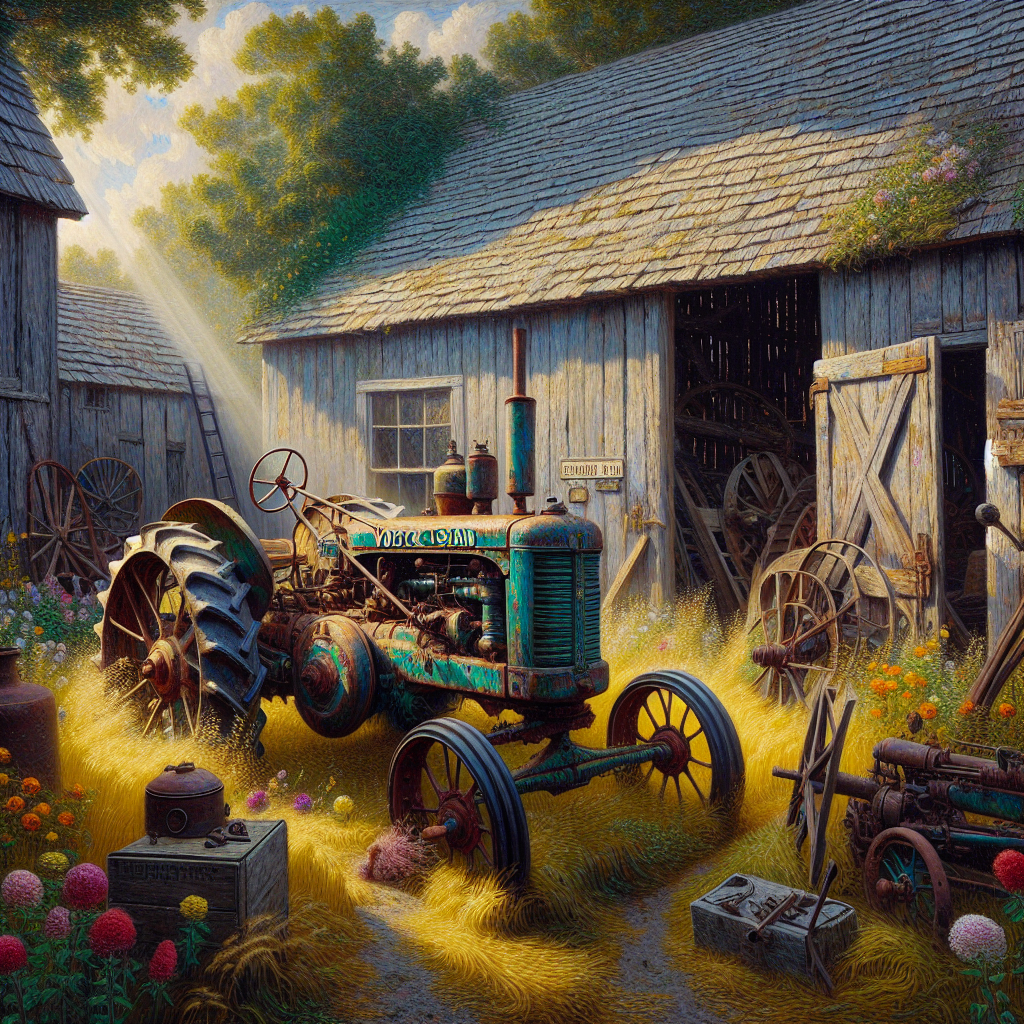
When we pull into the parking lot of a fuel station, we often think about convenience, price, or miles per gallon. But what happens when we take a moment to ponder the underlying ethical considerations that come with our choice of fuel type? Choosing the right fuel is more than just a decision—it’s a reflection of our values and priorities. Imagine a farmer, standing over his tractor, contemplating what he’s fueling it with. His choice isn’t merely about performance; it involves the land he tends, the water he uses, and the legacy he leaves for the next generation. That connection to the soil, to his community, and to the very planet we all share brings depth to what might seem like a simple decision.
Choosing between fuel types can evoke a sense of responsibility. The environmental toll of fossil fuels looms like a shadow over our daily lives. With each drop of gasoline, we contribute to a complex web of consequences that affect air quality, wildlife, and climate change. On the flip side, alternative fuels may promise a cleaner burn, but what’s the bigger picture? Are we considering where these fuels come from and the communities they impact? The promise of renewable energy sources, while appealing, requires careful examination of resource extraction and production processes. Here, the gut reaction often conflicts with a rational understanding. The convenience of fossil fuel faces off against the long-term health of our planet.
Narratively, these choices weave into a larger story that speaks to our values. It’s about the ethical legacy we wish to uphold—not just for ourselves but for future generations. When discussing fuel types, it becomes essential to acknowledge who benefits and who pays the price. Authorities in environmental science and economics make compelling arguments for sustainable practices that align with community well-being. Engaging in these discussions fosters connection, allowing us to relate not only to the choices we make but to our neighbors and the people who produce our energy.
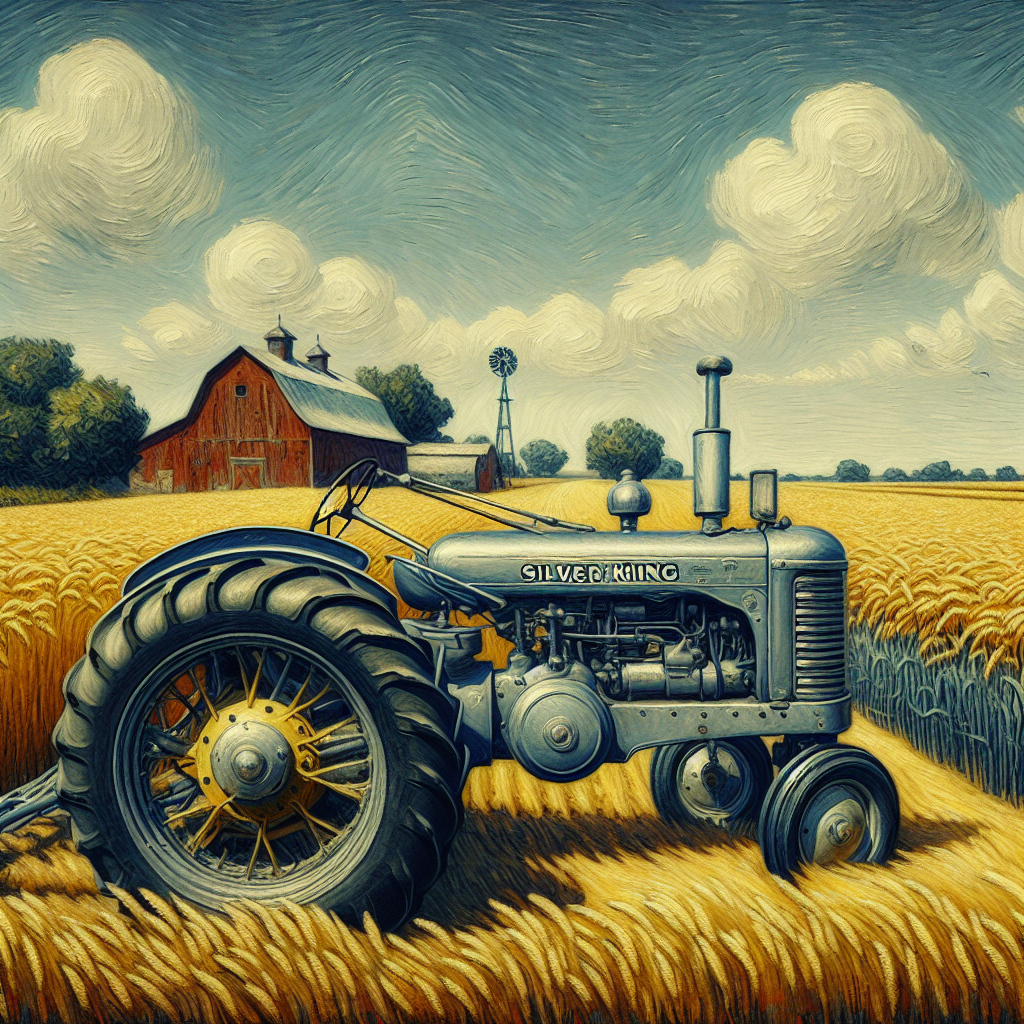
As we wrestle with these ethical considerations, let’s remember that driving a tractor isn’t merely about getting from point A to B. It’s about the choices we make along the way and the kind of world we want to help create. Let’s fuel our hearts, our heads, and our guts with a commitment to understanding the impact of our choices. In doing so, we can champion solutions that inspire trust and action towards a sustainable future.

What Ethical Considerations Arise When Choosing Between Fuel Types?
What Ethical Considerations Arise When Choosing Between Fuel Types?
- Fuel choice reflects personal values and priorities.
- A farmer’s fuel choice impacts his land, water usage, and legacy.
- Environmental consequences of fossil fuels affect air quality and climate change.
- Alternative fuels require scrutiny regarding their sources and community impacts.
- Choices around fuel types represent a larger ethical narrative for future generations.
- Engaging in discussions about fuel fosters community connections and sustainable practices.
- Understanding the impact of our choices can lead to trust and actions towards sustainability.
What Ethical Considerations Arise When Choosing Between Fuel Types?
Conclusion
When weighing the value difference between gas and diesel versions of the same vehicle model, you’re not just choosing between fuel types; you’re reflecting on your values and priorities. The gas engine might tug at your heart―it’s lively and responsive, making the everyday ride feel exhilarating. Yet, this comes with a cost; gas engines can drain your wallet with their thirst for fuel. At a glance, they may seem cost-effective short-term, but their long-term implications deserve consideration.
Contrast this with diesel, a powerhouse exemplifying durability and strength. Diesel engines, often designed for superior towing and longevity, evoke images of hard work and resilience on the farm. While the fuel itself might cost more upfront, it can translate into savings over time through better efficiency and extended vehicle life. This choice reflects a commitment to dependable performance and responsible resource management.
Ethically, diesel engines present a complex narrative. While they emit more nitrogen oxides, they typically produce less carbon dioxide than their gasoline counterparts, tapping into today’s concerns about environmental sustainability. As stewards of our planet, our fuel choices reflect what kind of world we envision for future generations.
Connecting with the shared stories of our communities adds depth to this decision. Many families have heirlooms in the form of diesel engines, with each purr reminding us of collective labor and perseverance. Thus, selecting between gas and diesel is entwined with our personal journey, beliefs, and the legacy we want to craft.
Broader societal trends further influence these choices. Growing awareness of environmental impacts pushes many toward gas as the “cleaner” alternative, while others recognize diesel’s efficiency despite its drawbacks. It’s a delicate balancing act, where personal ethics and practical needs intertwine.
So, as you ponder which fuel aligns with your values, consider the ripple effect of your choice. Embrace the chance to be part of a narrative that prioritizes progress while respecting tradition. Each decision not only impacts your life but also resonates within your community and beyond, leading the way toward a more sustainable future. Ultimately, whether you favor the spirited gas engine or the reliable diesel, the choice should echo who you are and what aspirations drive you forward.

Conclusion
Conclusion:
- Choosing between gas and diesel engines reflects values and priorities beyond just fuel types.
- Gas engines offer a lively and exhilarating ride but can be costly due to their fuel consumption.
- Diesel engines are known for durability and efficiency, often leading to long-term savings.
- Diesel emits more nitrogen oxides but less carbon dioxide, complicating the environmental narrative.
- Fuel choices connect to personal stories and community heritage, influencing decisions.
- Broader societal trends highlight the tension between gas as a “cleaner” option and diesel’s efficiency.
- Your fuel choice impacts not just personal outcomes but also community narratives and sustainability efforts.
Conclusion
Other Resources
Other Resources
Here is a list of other resources you can review online to learn more:
- Ageless Iron
- IH
- Arma Trac
- Avery
- Hill Country Antique Tractor & Engine Club Show
- White
- Farm Collector Show Directory
- Ursus
- Komatsu
- Bima
- Renault
- Samson
- Fordson
- Sonalika Tractor
- SE Indiana F.A.R.M. Club’s Antique Machinery Show
- Arma Trac Tractors
- Ferguson
- Jinma
Use This Prompt To Get More Resources With Your Favorite Online AI Tool: Please provide me with a list of online articles with their URLs in a bulleted list that I can read regarding What’s the Value Difference Between Gas and Diesel Versions Of the Same Model?
Other Resources
Glossary Terms
What’s the Value Difference Between Gas and Diesel Versions Of the Same Model? – Glossary Of Terms
1. Diesel: A type of fuel derived from crude oil, heavier than gasoline, used in diesel engines known for better fuel economy and torque.
2. Gasoline: A lighter fuel derived from crude oil, commonly used in gasoline engines, typically offering higher RPMs but lower torque than diesel.
3. Torque: A measure of rotational force in an engine, diesel engines generally produce higher torque at lower RPMs compared to gasoline engines.
4. Horsepower: A unit of measurement for engine power output, gasoline engines usually generate higher horsepower figures.
5. Fuel Economy: A measure of how efficiently a vehicle uses fuel, often expressed in miles per gallon (MPG). Diesel engines tend to have superior fuel economy.
6. Emissions: Pollutants released into the atmosphere from vehicles, diesel engines often produce nitrogen oxides and particulate matter, while gasoline engines emit carbon monoxide and hydrocarbons.
7. Reliability: The likelihood of a vehicle operating without failures; diesel engines are often considered more durable for heavy-duty use.
8. Initial Cost: The purchase price of a vehicle; diesel versions typically have a higher upfront cost compared to their gasoline counterparts.
9. Maintenance Costs: Ongoing expenses required to keep a vehicle operational; diesel engines may have higher maintenance costs due to complexity.
10. Longevity: Refers to the lifespan of an engine or vehicle; diesel engines generally have a longer lifespan than gasoline engines.
11. Towing Capacity: The maximum weight a vehicle can safely tow; diesel engines often provide greater towing capabilities.
12. Fuel Tank Capacity: The amount of fuel a vehicle’s tank can hold; diesel vehicles may feature larger tanks for extended range.
13. Weight: The overall mass of the vehicle; diesel engines are usually heavier due to their robust construction.
14. Performance: How well a vehicle accelerates, handles, and responds; gasoline engines typically excel in high-speed performance.
15. Driving Range: The distance a vehicle can travel on a full tank of fuel; diesel vehicles usually offer a longer driving range.
16. Noise Level: The sound produced by an engine during operation; diesel engines can be noisier compared to gasoline engines.
17. Kickdown: The function in automatic transmissions that allows downshifting for acceleration; drag response may differ between gasoline and diesel models.
18. Fuel Type: The specific kind of fuel an engine is designed to use; diesel and gasoline are different fuel types with distinct properties.
19. Injector System: The method by which fuel is injected into the engine; diesel engines have more complex injector systems for optimal combustion.
20. Combustion Process: The method by which fuel is converted into energy; diesel engines use compression ignition, while gasoline engines use spark ignition.
21. Diesel Particulate Filter: A device that captures particulate matter from diesel exhaust to reduce emissions.
22. Consumption Rate: The quantity of fuel used over a specific distance; diesel engines generally consume less fuel than gasoline engines.
23. Cold Start: The method of starting an engine at low temperatures; diesel engines may require glow plugs for better performance in cold weather.
24. Powertrain: The components that generate power and deliver it to the vehicle’s wheels; differences exist between diesel and gasoline configurations.
25. Fuel Additives: Chemicals added to fuel to enhance performance and efficiency, which can differ between diesel and gasoline formulations.
26. Re-tuning: Adjusting engine parameters to optimize performance; potential differences exist for diesel and gasoline engines.
27. Biofuel Compatibility: The ability of an engine to safely use biofuels; diesel engines often have better compatibility with biofuels.
28. Engine Compression: The ratio of fuel and air in the combustion chamber at the beginning of the power stroke; diesel engines operate at higher compression ratios.
29. Aftertreatment Systems: Technologies used to reduce emissions from an engine; differences may be present between systems designed for diesel and gasoline engines.
30. Regenerative Braking: A technology that recovers energy during braking; typically more featured in gasoline vehicles, particularly hybrids.
Glossary Of Terms
Other Questions
What’s the Value Difference Between Gas and Diesel Versions Of the Same Model? – Other Questions
If you wish to explore and discover more, consider looking for answers to these questions:
- What’s the upfront purchase price difference between the gas and diesel versions of the same model?
- How do maintenance and repair costs compare over the vehicle’s lifetime?
- What is the total cost of ownership (TCO) over 5, 10, and 15 years for each option?
- How does fuel price volatility affect long-term ownership costs for gas versus diesel?
- Which version holds its resale value better and why?
- How do real-world fuel economy figures compare (mpg or L/100 km) under typical use?
- What is the payback period for choosing diesel based on fuel savings and usage patterns?
- How do torque and towing capacity differ between the gas and diesel variants?
- Which engine type typically has a longer service life and higher mileage potential?
- How do emissions profiles compare in practice—CO2, NOx, and particulate matter?
- What emissions-control hardware do modern diesel engines require (DPF, SCR, DEF) and what are the maintenance implications?
- What are the most common reliability issues or failure points for each engine type?
- How does cold-weather starting and performance compare between gas and diesel?
- Are there noticeable differences in noise, vibration, and ride comfort?
- How does local fuel availability (rural vs urban) influence the practical choice?
- Can the diesel or gas versions run on biodiesel, ethanol blends, or other alternative fuels?
- What infrastructure or charging requirements are needed if considering electric or hybrid alternatives instead?
- Are there government incentives, tax credits, or regulations that favor one fuel type over the other?
- How do insurance, registration, or road tax costs differ between gas and diesel models?
- What are the full lifecycle environmental impacts—including extraction, refining, and disposal—for each fuel pathway?
- How do local air-quality and public-health impacts vary with widespread use of diesel versus gasoline vehicles?
- What specific maintenance practices are unique to diesel engines (e.g., fuel system, DPF regeneration) and their costs?
- Is it feasible or economical to retrofit or convert between fuel types or to alternative powertrains?
- Which fuel type is better suited to farm/field work versus long-distance hauling or mixed-use applications?
- How do driving habits, duty cycle, and load profiles change the recommendation for gas versus diesel?
- What are the differences in fuel tank capacity and operational range between the two versions?
- How do manufacturer warranties, service intervals, and dealer support compare for gas and diesel models?
- What independent tests, benchmarks, or case studies compare the exact same model in gas and diesel forms?
- What resale market and regulatory trends should buyers expect over the next 5–10 years that might affect value?
Other Questions
Haiku
What’s the Value Difference Between Gas and Diesel Versions Of the Same Model? – A Haiku
Powerful engines roar,
Choices made for earth and kin,
Future’s path unfolds.

Haiku
Poem
What’s the Value Difference Between Gas and Diesel Versions Of the Same Model? – A Poem
At the crossroads of torque and fuel,
Where choices twist like vines,
Gas engines whisper of speed and thrill,
But diesels strength, oh, it shines.
In fields where tractors grind the earth,
Every rev tells tales of toil,
Gas may promise a quick rebirth,
But diesel anchors in the soil.
Fuel the heart with fleeting joy,
Yet weigh the costs of every mile,
For every drop that you employ,
Echoes futures fragile smile.
As farmers bend beneath the sun,
The engines roar, connecting past,
With choices made, the works begun,
In every haul, a shadow cast.
Consider what the fuel ignites,
Integrity, health, community,
In each decision, values light,
A legacy and harmony.
So choose with courage, heart, and mind,
Beyond the numbers, feel the weight,
In every drop, a bond youll find,
Crafting futures, shaping fate.
Poem
Checklist
What’s the Value Difference Between Gas and Diesel Versions Of the Same Model? – A Checklist
Emotional Appeals
✅______ Reflect on personal experiences with gas or diesel engines. How do they make you feel?
✅______ Consider the stories associated with each engine type. What emotions do they evoke?
Rational Appeals
✅______ Analyze fuel efficiency data for gas and diesel options. Which offers better long-term savings?
✅______ Examine maintenance costs and durability. How do they compare over time?
Ethical Appeals
✅______ Evaluate the environmental impact of both fuel types. Which aligns more closely with your values on sustainability?
✅______ Consider the long-term consequences of your fuel choice for future generations. What legacy do you want to leave?
Authority Appeals
✅______ Research expert opinions and recommendations on gas vs. diesel engines. What do industry leaders suggest?
✅______ Investigate innovations in fuel technology. How are they changing the landscape?
Narrative Appeals
✅______ Reflect on the narratives that resonate with you regarding gas and diesel. What stories shape your perception?
✅______ Think about how your choice can impact your community and contribute to collective narratives around sustainability.
Social Appeals
✅______ Discuss your fuel choice with friends and family. How do societal trends influence your decision?
✅______ Consider how choosing one type of fuel over another positions you within your community and contributes to broader conversations about environmental responsibility.
At ClassicTractorNews, we help tractor lovers keep up with the latest news for classic and vintage tractors.
Please share this post with your friends, family, or business associates who may like old classic or vintage tractors.