

Unearthing The Legacy: The Fordson Tractor’s Impact On Farming And Community
By Tom Seest
At ClassicTractorNews, we help tractor lovers keep up with the latest news for classic and vintage tractors.
Please share this post with your friends, family, or business associates who may like old classic or vintage tractors.
What’s the Story Behind the Fordson Tractor?
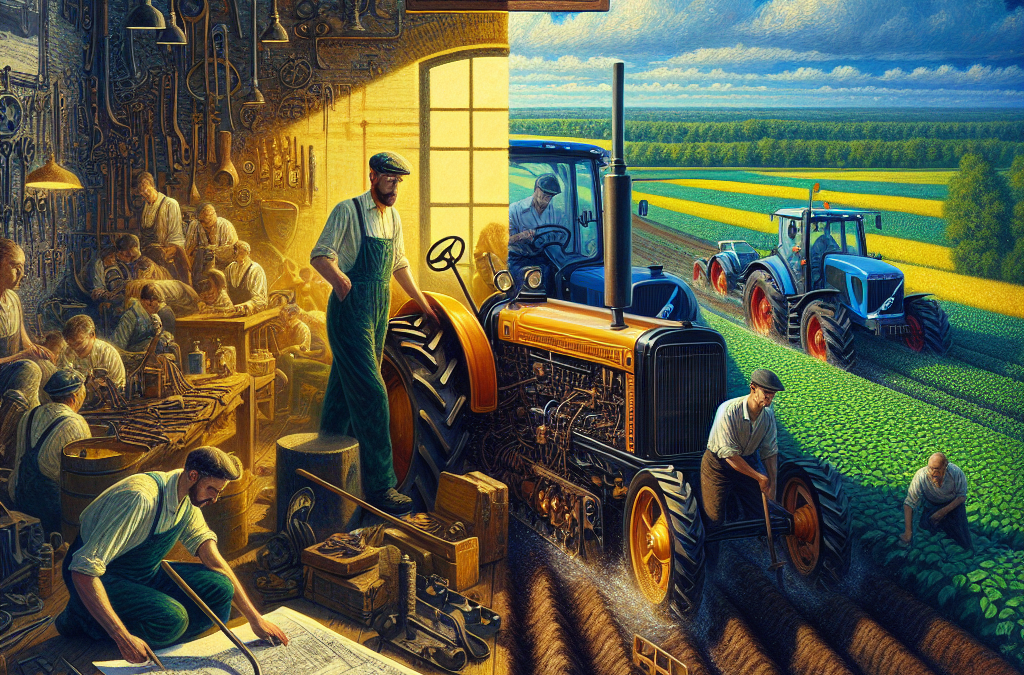
The story behind the Fordson Tractor is more than just a tale of metal and mechanics; it’s a narrative woven into the very fabric of agricultural history. Picture a time in the early 20th century, when farming was a gritty, labor-intensive job. The soil was rich, but farmers struggled against the elements and the exhausting drudgery of plowing fields by hand or with horses. The introduction of the Fordson Tractor revolutionized this landscape, symbolizing hope and progress. This was not merely a machine; it became a lifeline, empowering hard-working individuals and entire families to work smarter, not harder.
From its inception in 1917, the Fordson Tractor was designed with the everyday farmer in mind. Henry Ford set out to create an affordable and reliable machine, embodying egalitarian principles that resonate even today. This tractor, powered by ingenuity and innovation, was approachable—not just accessible to the affluent but also to the farmers who toiled in the fields. The Fordson brought efficiency, dramatically increasing productivity and allowing farmers to cultivate greater acreage, which in turn meant feeding more families. Here lies the heart of the matter: this was about more than profitability; it was about sustaining love, labor, and life itself.
Now, imagine standing in a field of golden wheat, feeling the vibrations of the land beneath your feet as a Fordson tirelessly whirs nearby. It’s a moment that evokes the spirit and unity of countless farmers who have shared these experiences. There’s a sense of camaraderie among those who recognize the power of this historic tractor. It’s a reminder of the commitment that farmers have to their work and communities.
Moreover, consider the ethical implications of technological advancements in agriculture. The Fordson Tractor brought a shift in how we view farming—making it more about stewardship of the land than sheer brute force. This machine paved the way for sustainable practices that we are still striving to perfect in today’s modern age.
As we reminisce on the legacy of the Fordson Tractor, we see a symbol of resilience and determination. It has become part of our social fabric, an iconic representation of innovation meeting necessity. So, whether you’re a seasoned farmer or just someone who appreciates the role of agriculture in our lives, the Fordson story beckons us to trust in the transformative power of practical ingenuity—a call to embrace progress while honoring the roots that keep us grounded.
What’s the Story Behind the Fordson Tractor?
What’s the Story Behind the Fordson Tractor?
- The Fordson Tractor is a significant part of agricultural history, introduced in the early 20th century when farming was labor-intensive.
- It revolutionized farming, symbolizing hope and progress by allowing farmers to work smarter rather than harder.
- Designed by Henry Ford in 1917, it aimed to be affordable and reliable for everyday farmers.
- The tractor increased productivity, enabling farmers to cultivate more land and feed more families.
- It represents a shift towards sustainable agricultural practices and stewardship of the land.
- The Fordson fosters a sense of community and camaraderie among farmers, emphasizing their commitment to work and community.
- Overall, it symbolizes resilience and innovation, urging society to embrace progress while honoring agricultural roots.
What’s the Story Behind the Fordson Tractor?
Table Of Contents
- What’s the Story Behind the Fordson Tractor?
- What Motivated Ford to Create the Fordson Tractor?
- How Did the Fordson Tractor Change Farming?
- What Impact Did the Fordson Tractor Have on Society?
- Why Was the Fordson Tractor Revolutionary for Its Time?
- How Did the Fordson Tractor Influence Agricultural Practices?
- What Challenges Did Frank Ford Face When Developing the Fordson?
- Conclusion
- Other Resources
- Glossary Of Terms
- Other Questions
- Haiku
- Poem
- Checklist
What Motivated Ford to Create the Fordson Tractor?
In the early 20th century, the American landscape was transforming under the weight of innovation and ambition. Among the titans of this era stood Henry Ford, a man fixated not just on building cars but on revolutionizing agriculture. Enter the Fordson tractor—a remarkable machine born out of necessity, practicality, and a deep-rooted respect for the hardworking farmer.
Farmers in the rural heartlands were struggling. They faced daunting challenges: the back-breaking labor of tilling fields, the relentless unpredictability of nature, and the ever-growing demands to feed a nation. Henry Ford understood these struggles on a fundamental level. He saw farmers as the backbone of America, tirelessly working the land with little recognition. He believed they deserved better tools—tools that would free them from the shackles of strenuous labor and empower them to operate more efficiently.
This tractor wasn’t just another product; it was a lifeline. With its robust engine, the Fordson was designed to plow through the toughest soil, turning long days into manageable hours. Each innovation, from its lightweight frame to its easy steering, represented a personal commitment to those who grew our food. It wasn’t just about selling tractors; it was about enhancing lives and ensuring farmers could withstand the shifting tides of economic adversity.
Moreover, the Fordson wasn’t merely a means to an end; it became a symbol of progress and hope. In a time when the country longed for resilience after tumultuous years, Ford offered a tangible solution. The tractor bridged a gap—between one generation of struggling farmers and the next era of agricultural prosperity. It fostered a sense of community, bringing farmers together, sharing what they learned with neighbors, and inspiring trust in the power of modern technology.
Imagine standing in a field, dust swirling around your boots, a Fordson tractor humming as it breaks new ground. This machine symbolized the spirit of innovation, and it ignited trust in a changing world. Farmers weren’t just operating machinery; they were steering the future. They were part of a greater narrative—an evolution of agriculture that connected them not only to their land but to each other.
The Fordson tractor was more than mechanization; it was a testament to a shared ethos: working hard, believing in progress, and honoring the dignity of labor. In understanding that heart, head, and gut connection, Ford crafted not just a product, but the very future of farming itself.
What Motivated Ford to Create the Fordson Tractor?
What Motivated Ford to Create the Fordson Tractor?
- In the early 20th century, Henry Ford aimed to revolutionize agriculture with the Fordson tractor.
- The tractor was designed to address farmers’ struggles, such as labor intensity and unpredictable nature.
- Ford viewed farmers as the backbone of America and sought to provide better tools for efficiency.
- The Fordson tractor was more than machinery; it represented hope and progress for farmers.
- It helped bridge the gap between struggling farmers and a new era of agricultural prosperity.
- The tractor fostered community by encouraging farmers to share knowledge and trust in modern technology.
- The Fordson tractor symbolized innovation and the dignity of labor, contributing to the future of farming.
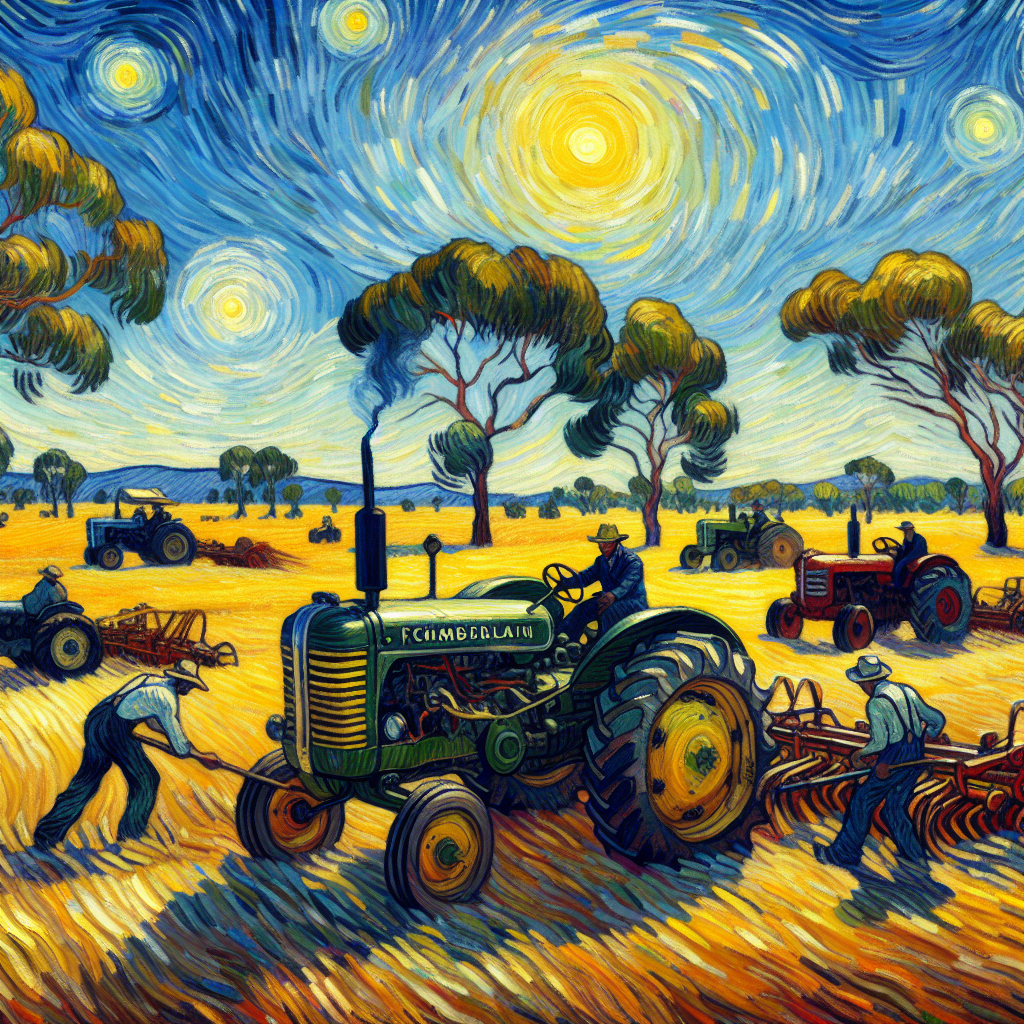
What Motivated Ford to Create the Fordson Tractor?
How Did the Fordson Tractor Change Farming?
The Fordson Tractor represents a pivotal moment in the evolution of farming, reshaping the vast landscapes of agriculture in ways that few could have imagined. Before its introduction, countless farmers spent their days battling the elements, plowing fields with sheer muscle and determination. The Fordson made an indelible mark, bringing a sense of hope and possibility to their hardships.
Imagine standing in a field, your hands calloused from years of labor, the sun beating down relentlessly. You’re surrounded by the echoes of past methods — horses and plows, a rhythm as old as time. Then, with the roar of a piston and the scent of gasoline, a machine emerges. It’s not just a tractor; it’s a promise. A promise that burdens can be lifted, that productivity can soar, and that the very essence of farming can evolve.
The emotional weight of that transformation resonates deeply. The Fordson Tractor didn’t just mechanize farming; it democratized it. It empowered farmers with the ability to cultivate larger areas in less time, reinforcing the idea that hard work could yield more than just sweat. It brought families together, allowing them to spend less time laboring in the field and more time at the dinner table, sharing stories of the day’s triumphs.
Rationally speaking, the efficiency of the Fordson changed agricultural economics. No longer was it solely about the number of hands on the farm; it became a game of capacity and efficiency. With a Fordson, the same piece of land that once required a small army to till could be worked by a single operator, ultimately leading to increased yields and improved quality of life for farming families. The financial implications were immense, generating new opportunities and allowing farms to expand or diversify.
Ethically, the Fordson Tractor signified progress and innovation in a world that often clung to outdated practices. It represented a shift towards sustainable practices, where farms could produce more food without the corresponding increase in labor intensity. This machine was a catalyst for societal change, contributing to a growing recognition of agriculture as a vital, progressive sector rather than just a manual labor endeavor.
As we reflect on the legacy of the Fordson Tractor, we see more than just iron and steel; we see the spirit of resilience. It’s a story of farming families who embraced change, transformed their livelihoods, and inspired future generations to dream bigger. Trust in innovation, and let that same boldness guide today’s farmers as they navigate the challenges of the future, reminding us all that sometimes, progress rolls in on wheels.
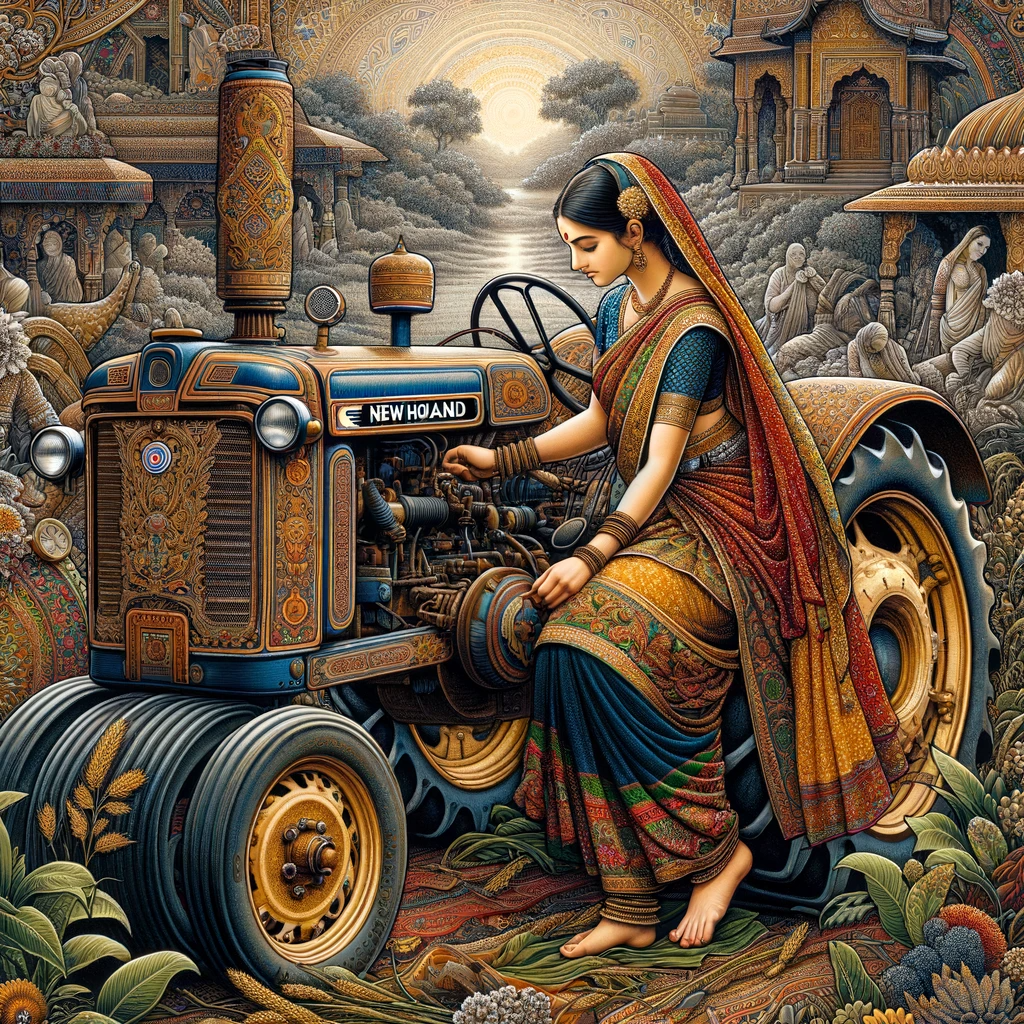
How Did the Fordson Tractor Change Farming?
How Did the Fordson Tractor Change Farming?
- The Fordson Tractor marked a significant evolution in farming, transforming agricultural landscapes.
- It alleviated the burdens of farmers who previously relied solely on manual labor and traditional methods.
- The introduction of the Fordson democratized farming, enabling more efficient land cultivation.
- It allowed families to spend less time in the fields and more time together, enhancing their quality of life.
- The tractor shifted agricultural economics towards capacity and efficiency, increasing yields.
- It represented progress towards sustainable practices, producing more without greater labor intensity.
- The legacy of the Fordson embodies resilience and inspires future generations to trust in innovation.
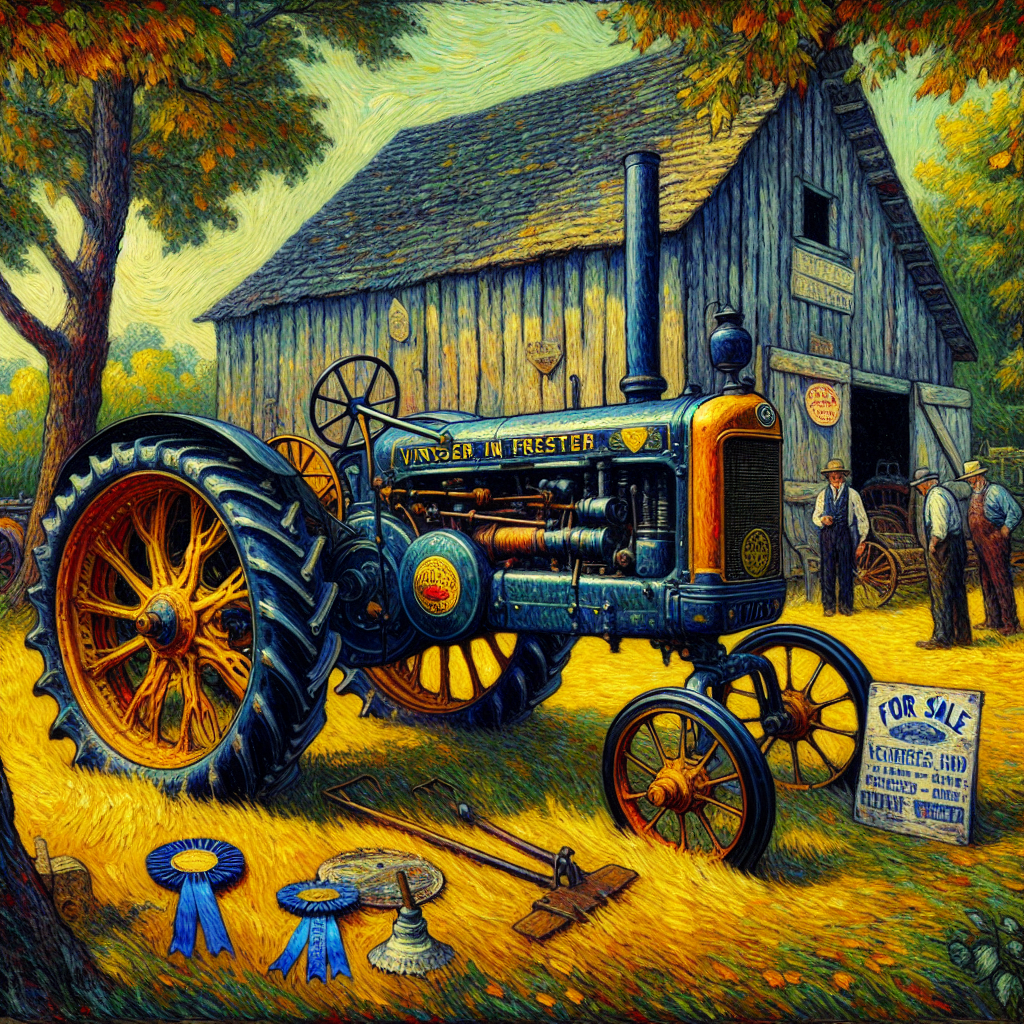
How Did the Fordson Tractor Change Farming?
What Impact Did the Fordson Tractor Have on Society?
The Fordson Tractor, more than a machine, became a symbol of progress and ingenuity in the early 20th century, sparking a transformation that reshaped agriculture and rural life. Picture a small farmer, once reliant on horse power, faced with the daunting task of increasing food production. Enter the Fordson, powered by the innovation of the assembly line. Its arrival wasn’t just about mechanization; it was a lifeline. It lifted the burdens of manual labor, allowing families to cultivate larger fields and achieve greater yields.
Imagine the heart of a community that began to thrive as farmers gained efficiency. With every furrow turned by the Fordson Tractor, the promise of a better life sprouted. It reduced the backbreaking toil of planting and harvesting, enabling farmers to devote time to their families and other pursuits. The tractor became a trusted partner in the fields, turning long, exhausting hours into productive days, fostering a bond between man and machine, each complementing the other in this timeless dance of cultivation.
Yet, the appeal of the Fordson went beyond personal gain. On a broader scale, it altered the very fabric of society. As farming efficiency soared, it led to the establishment of rural economies, drawing communities closer and encouraging cooperative farming practices. Farmers shared insights, pooled resources, and formed bonds that transcended the individual. The Fordson Tractor was the catalyst for a shift towards communal resilience, providing not just a way to plow the fields but a means to forge connections with neighbors.
Rationally, consider the economic implications. The productivity boost contributed to a surplus of food, making nourishment more accessible. This facilitated urban migration, fueling the growth of cities and changing the dynamics of the workforce. The Fordson was not merely a tractor; it represented the promise of modernity and a new way of life, leading to improved standards of living and changing society forever.
Ethically, the Fordson Tractor sparked crucial discussions about agricultural sustainability. Its impact is seen in how it revolutionized practices, balancing the needs of an expanding population with the responsibility of caring for the land. It paved the way for innovations that continue to drive agricultural advancements today.
The Fordson Tractor is a story of people—not just those who operated it but communities that grew around it, united by shared struggles and victories, making it a genuine symbol of hope and progress.
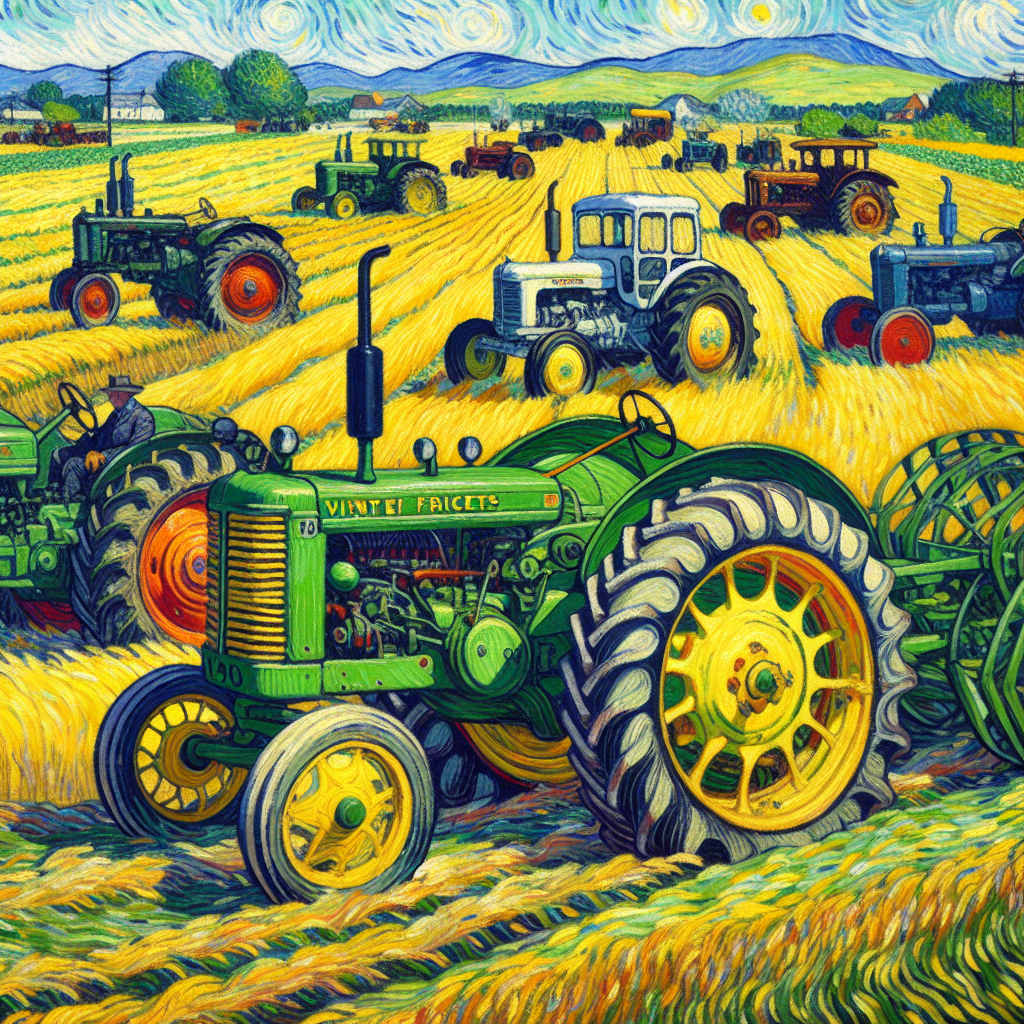
What Impact Did the Fordson Tractor Have on Society?
What Impact Did the Fordson Tractor Have on Society?
- The Fordson Tractor symbolized progress and ingenuity in early 20th-century agriculture.
- It transformed farming by lifting the burdens of manual labor and increasing food production.
- The introduction of the Fordson improved community life, allowing farmers to cultivate larger fields and enhance family time.
- It fostered cooperative farming practices, drawing communities closer and promoting shared resources.
- The productivity boost from the Fordson contributed to food surpluses and urban migration, impacting workforce dynamics.
- It sparked discussions on agricultural sustainability, balancing population growth with land care.
- The Fordson Tractor represented a communal journey, symbolizing hope and collective progress in rural society.
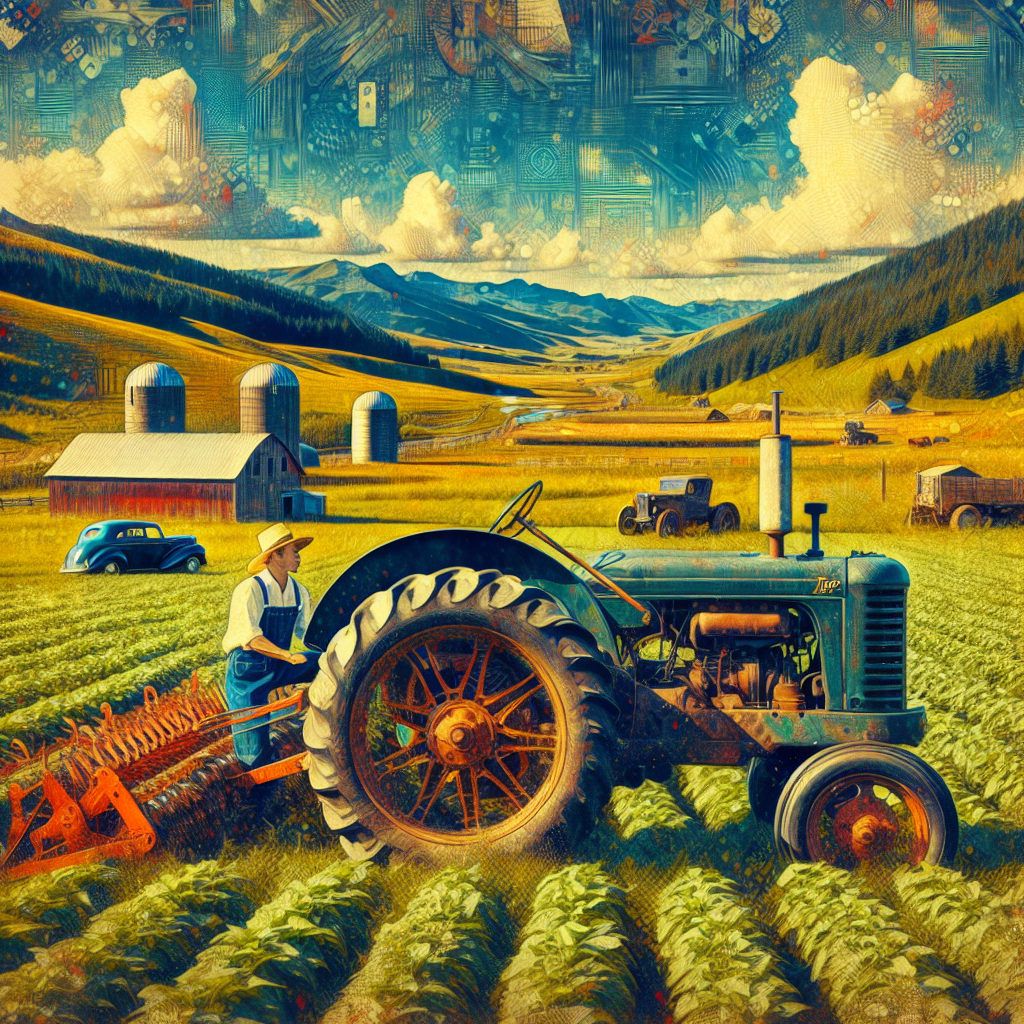
What Impact Did the Fordson Tractor Have on Society?
Why Was the Fordson Tractor Revolutionary for Its Time?
The Fordson tractor wasn’t just a machine; it was a lifeline for farmers in the early 20th century, reshaping agriculture in ways that still resonate today. Imagine a time when most farmers relied on laborious methods to plow their fields, often leading to exhaustion and frustration. The introduction of the Fordson was like a gust of fresh air, shaking loose the chains of tradition and ushering in an era of mechanization.
Rationally, the numbers speak volumes. The Fordson could do the work of multiple horses, completing tasks faster and more efficiently. This capability significantly boosted productivity, allowing farmers to cultivate larger plots with less strain. And let’s face it: when you’re out in the field from dawn till dusk, battling the elements and endless chores, finding a way to lighten that load is a game-changer. The Fordson made the dream of abundant harvests not only conceivable but achievable.
Ethically, this tractor represented a shift toward progress that was hard to ignore. It democratized farming, making it accessible for small farmers and not just the wealthy landowners. With its affordability and ease of use, the Fordson was a testament to the belief that hard work should be rewarded with the tools necessary to succeed. It became a symbol of hope, embodying the American spirit of innovation and resilience.
Narratively, every farmer who climbed onto a Fordson felt a connection to this revolutionary achievement. Picture a father teaching his son the ropes, the two of them bonding over the hum of the engine and the promise of a new day. With every turn of the wheel, they weren’t just farming the land; they were shaping their legacy. Stories of triumph echoed through rural communities as harvests improved and lives transformed.
Socially, the Fordson tractor created a community dynamic that hadn’t been seen before. Farmers exchanged techniques, shared repairs, and celebrated successes together. This created a network of support, where one farmer’s victory inspired another’s ambition.
In essence, the Fordson tractor wasn’t just about horsepower; it was about heart. It was about giving farmers the confidence to dream bigger, work smarter, and reclaim control over their livelihoods. The Fordson changed agriculture forever, providing a foundation on which modern farming still stands.
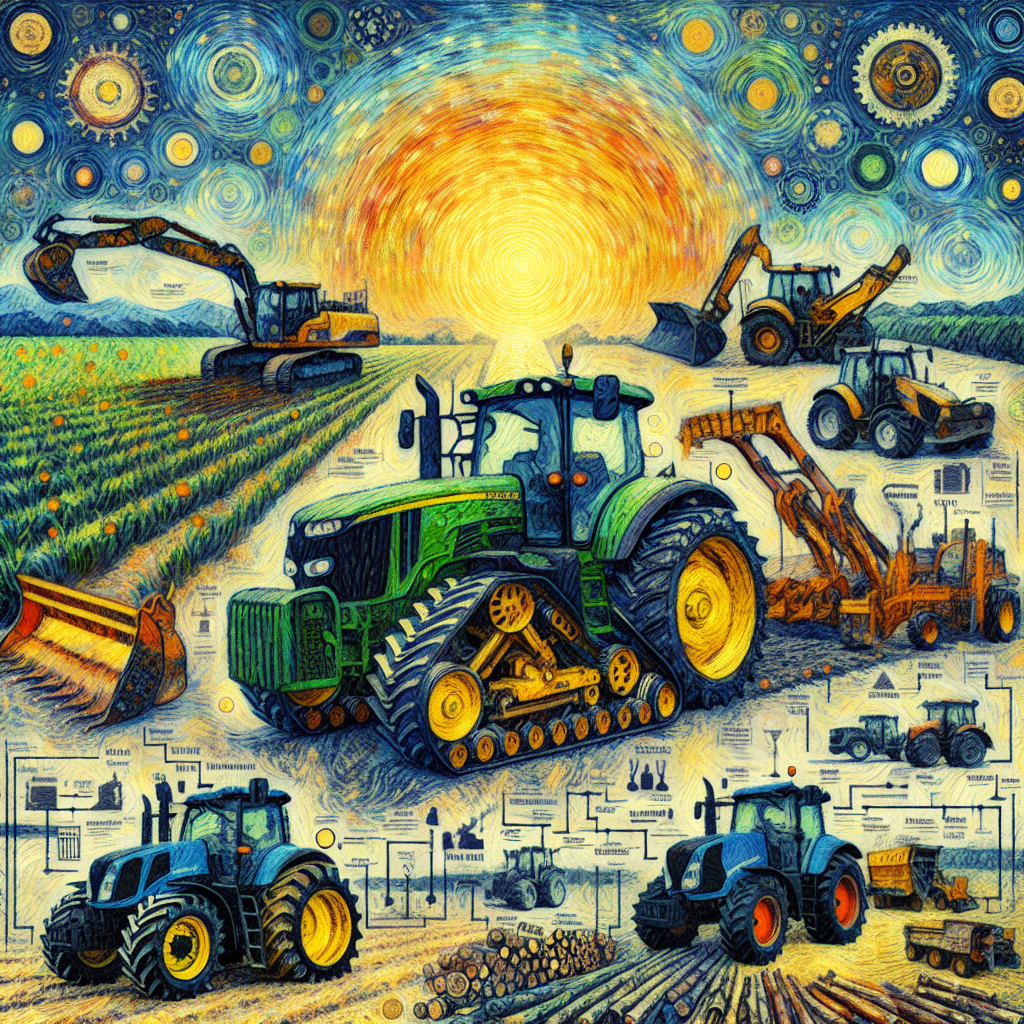
Why Was the Fordson Tractor Revolutionary for Its Time?
Why Was the Fordson Tractor Revolutionary for Its Time?
- The Fordson tractor was a transformative machine for early 20th-century farmers, significantly reshaping agriculture.
- It replaced laborious methods with mechanization, boosting productivity and allowing the cultivation of larger plots with less effort.
- The tractor democratized farming, making it affordable and accessible to small farmers, thus promoting equity in agriculture.
- The Fordson symbolized the American spirit of innovation, embodying hope and resilience for those in agriculture.
- It fostered connections between farmers, encouraging technique exchanges, repairs, and communal celebrations of success.
- The Fordson’s impact extended beyond equipment; it inspired familial bonding and the shaping of legacies in farming communities.
- Overall, the Fordson represented a shift in agriculture that provided farmers the confidence to dream bigger and take control of their livelihoods.
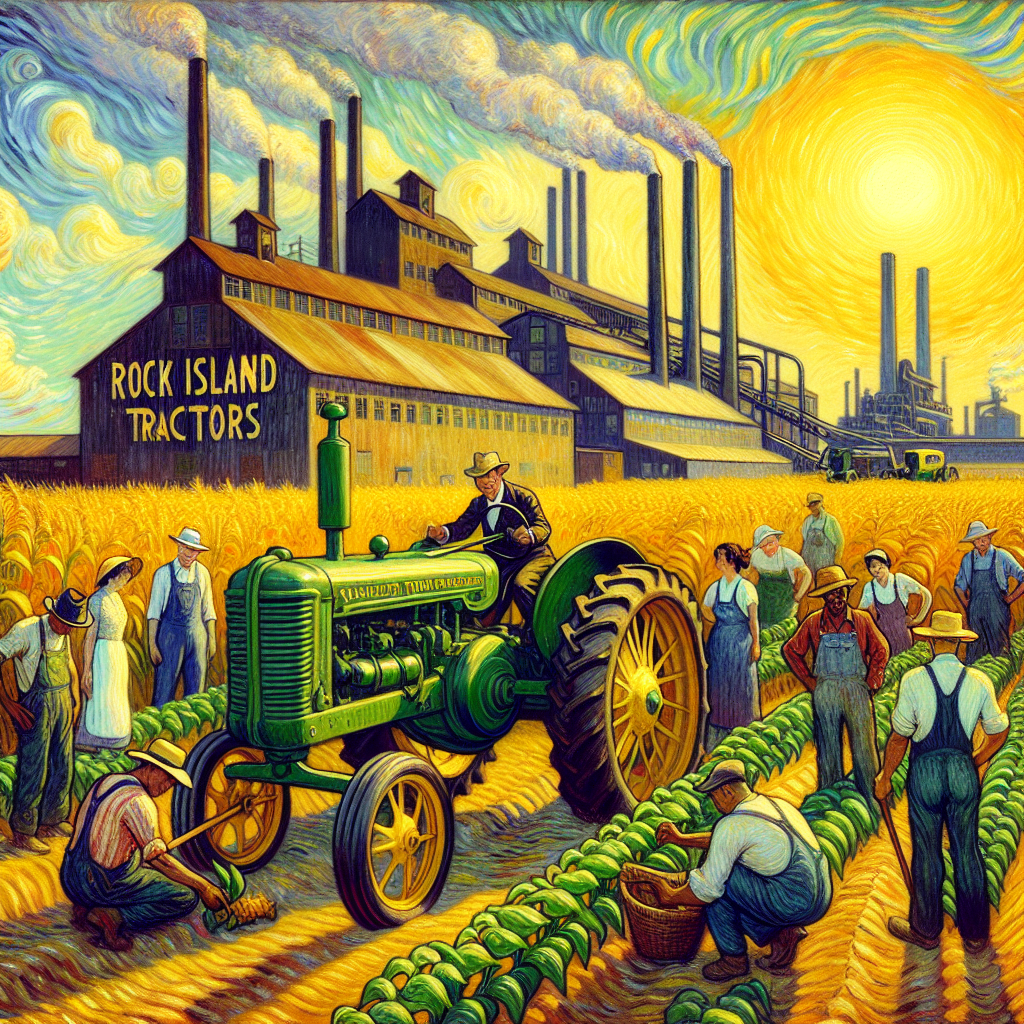
Why Was the Fordson Tractor Revolutionary for Its Time?
How Did the Fordson Tractor Influence Agricultural Practices?
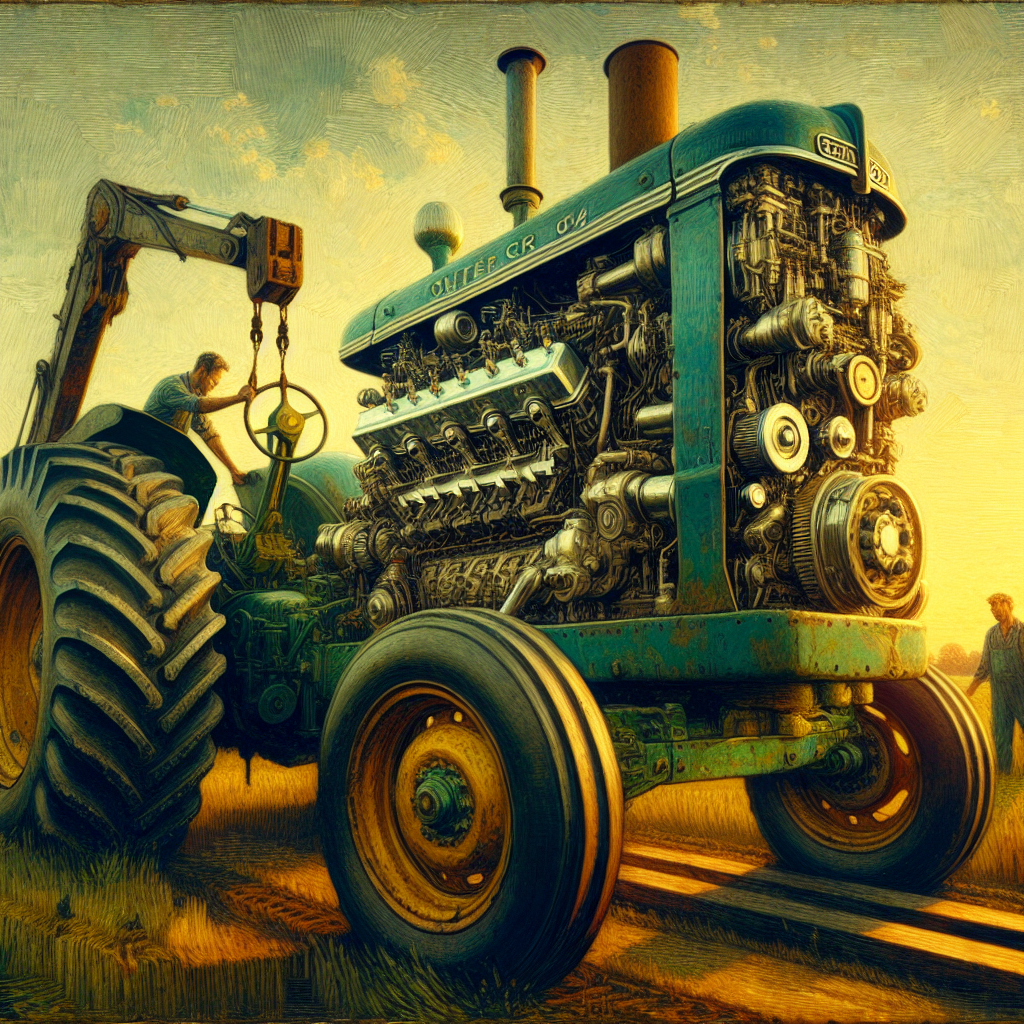
The Fordson tractor emerged as a game-changer in the agricultural landscape, transforming farming practices and reshaping rural life. Before its introduction, the image of a farmer was often one of toil and labor, battling the elements with little more than a plow and a team of horses. This scene, while noble, was marked by limitations—farming could only progress as fast as nature allowed. Enter the Fordson tractor, the embodiment of innovation, rolling into the fields and heralding a new era for agriculture.
Imagine standing in a vast field, the soil rich and dark, and watching as a powerful tractor efficiently plows through the earth. The engine hums with purpose, and for the first time, farmers realized a machine could lighten their load, increase efficiency, and multiply their output. This wasn’t just about saving time; it was about fostering a whole new relationship with the land. The Fordson tractor became a symbol of progress, proving that mechanical ingenuity could serve humanity, turning back-breaking work into manageable tasks.
Rationally, the tractor vastly improved productivity. With more power at their fingertips, farmers could cultivate larger areas and produce more crops. This escalation of agricultural output was not only a personal victory; it was a shift in food security for entire communities. The efficiency of the Fordson didn’t merely yield more produce; it laid the groundwork for sustainable farming practices, ushering in the potential for economic growth in rural areas and beyond.
Ethically, the advent of the tractor also mattered. It allowed farming to evolve toward more humane methods. Farmers no longer had to rely solely on animal power, sparing many horses the fatigue of endless work in the fields. Instead, they could harness mechanical strength that enabled them to farm smarter and with greater respect for both their land and livestock.
As farmers gathered in towns to share success stories, the Fordson became a reliable friend in the community. It was more than just a machine; it represented a shared commitment to innovation and resilience. Families could send their children to school instead of the fields, empowering the next generation with opportunities that once seemed unattainable.
The Fordson tractor didn’t just influence agricultural practices; it fostered a fundamental shift in the way communities engaged with farming, infused with hope and promise for a better tomorrow. It helped cultivate not only crops but also aspirations, making farming not just a way of life, but a pathway toward progress.
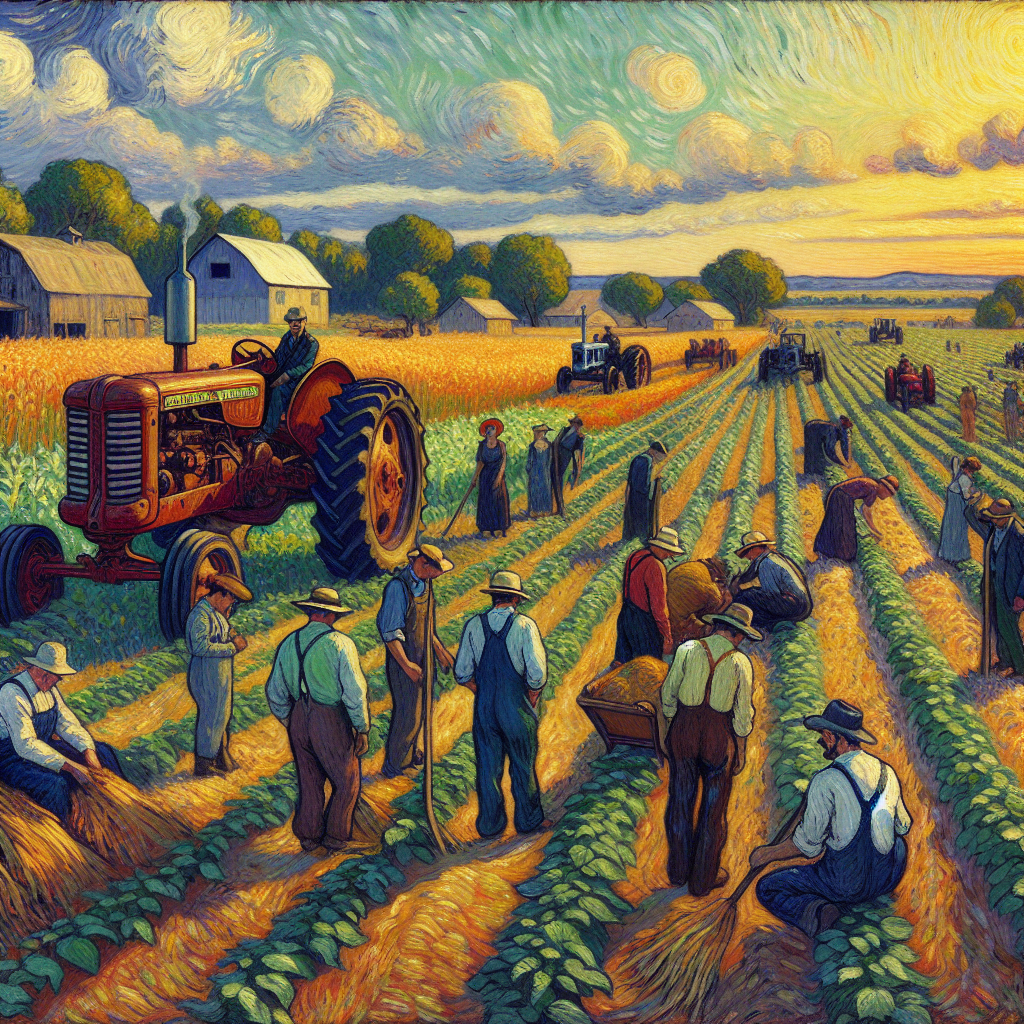
How Did the Fordson Tractor Influence Agricultural Practices?
How Did the Fordson Tractor Influence Agricultural Practices?
- The Fordson tractor revolutionized agriculture, transforming farming practices and rural life.
- It replaced traditional labor methods, allowing farmers to work more efficiently and increase productivity.
- The usage of the tractor led to greater food security and sustainable farming practices.
- It enabled farmers to reduce reliance on animal power, promoting more humane farming methods.
- The tractor fostered community engagement and shared success among farmers.
- It provided families with opportunities, allowing children to pursue education instead of farming.
- The Fordson tractor symbolized progress, making agriculture a pathway toward a better future.
How Did the Fordson Tractor Influence Agricultural Practices?
What Challenges Did Frank Ford Face When Developing the Fordson?
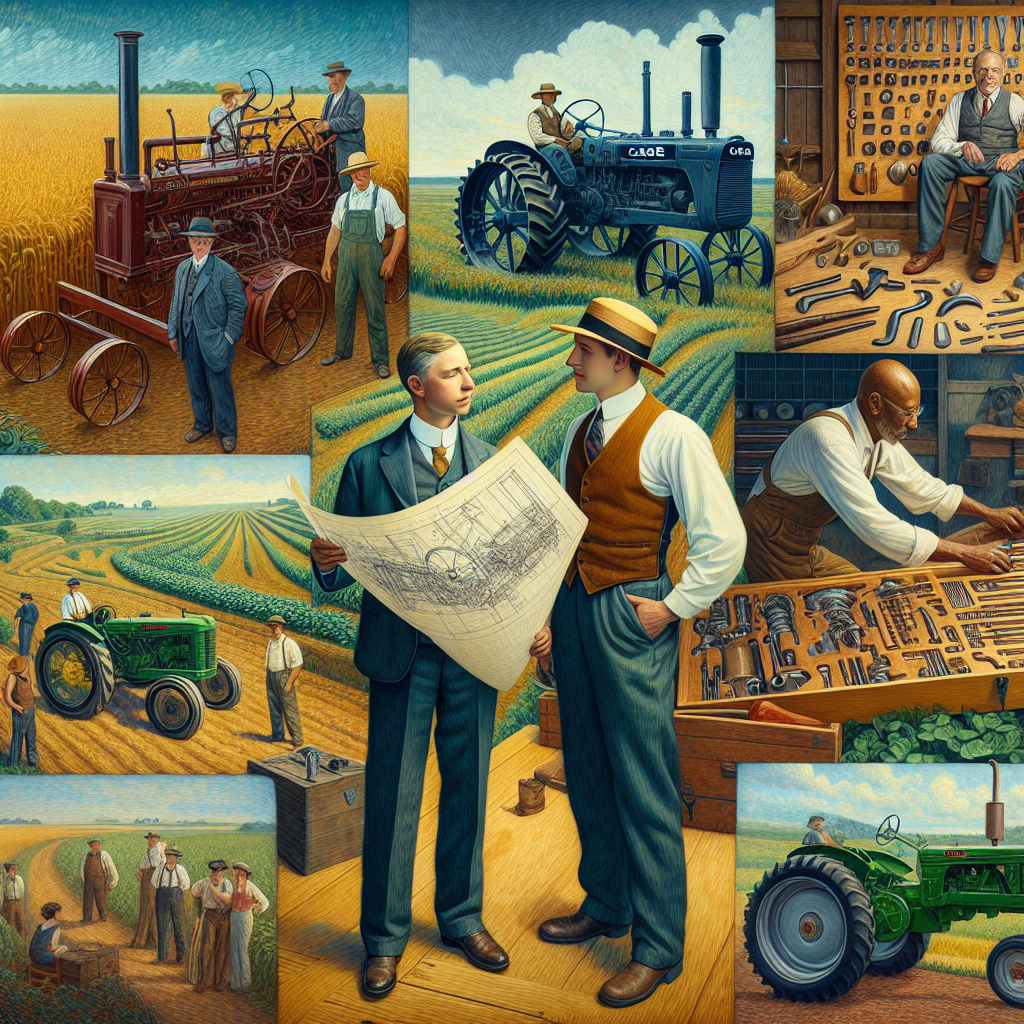
Frank Ford’s journey in developing the Fordson tractor was not just a tale of invention; it was a testament to resilience and grit. In the early 20th century, the agricultural landscape was changing rapidly. Farmers grappled with the relentless demands of larger fields and fewer hands to work them. Ford saw this need, but transforming an idea into a working prototype was a winding road filled with obstacles.
The first hurdle was the prevailing skepticism around mechanization. Many viewed tractors with suspicion, believing they were unreliable compared to traditional horse-drawn plows. Ford needed to convince farmers that a tractor could not only match but surpass the efficiency of their faithful steeds. This required not only innovation but a narrative that highlighted the benefits—a story of agricultural empowerment rather than mechanical coldness.
Navigating production challenges was another momentous task. Early prototypes often faced technical issues. The reliability of the tractor was paramount; any failure in the field could spell disaster for the farmers depending on it. Ford’s commitment to quality drove the team through countless nights of testing and improving the engine and design. Each setback transformed into a lesson, fostering an ethic of perseverance that shaped the Fordson’s development.
Economic factors, too, loomed large, with World War I impacting material availability and labor. Ford had to be not only innovative but also shrewd in sourcing resources. He pioneered methods to streamline production, emphasizing efficiency that would ultimately allow the Fordson to be a tool of prosperity accessible to more than just the wealthiest farmers.
On the ethical front, Ford recognized the important role his tractors could play in alleviating the strenuous toil of farm life. With the Fordson, he wasn’t simply selling a product; he was offering a solution to poverty in rural communities. His vision inspired many, allowing individuals to reclaim time that could be spent with families rather than in the fields from dawn until dusk.
Through it all, Ford’s tenacity and vision forged a bond with those he aimed to serve. The Fordson tractor became more than machinery; it symbolized hope and progress in an era yearning for change. Connecting with farmers meant understanding their struggles, breathing life into a machine that resonated with their dreams and aspirations. FFrank Ford didn’t just create a tractor; he cultivated a legacy built on trust, determination, and a belief that innovation could bridge the gap between aspiration and reality.
What Challenges Did Frank Ford Face When Developing the Fordson?
What Challenges Did Frank Ford Face When Developing the Fordson?
- Frank Ford’s development of the Fordson tractor exemplified resilience and innovation in a rapidly changing agricultural landscape.
- Initial skepticism from farmers about mechanization posed significant challenges, requiring Ford to demonstrate the tractor’s efficiency.
- Production challenges included technical issues with early prototypes, necessitating a commitment to quality and reliability.
- Economic factors from World War I affected material and labor availability, prompting Ford to streamline production methods.
- Ford aimed to alleviate the strenuous toil of farm life, positioning the Fordson as a means to combat rural poverty.
- The Fordson tractor became a symbol of hope and progress, resonating with farmers’ aspirations and struggles.
- Ford cultivated a legacy of trust and determination, illustrating how innovation can bridge the gap between aspiration and reality.
What Challenges Did Frank Ford Face When Developing the Fordson?
Conclusion
The Fordson Tractor story transcends simple mechanics; it embodies the spirit of innovation that reshaped agriculture and rural communities. In the early 20th century, farmers battled backbreaking labor, limited means, and unpredictable conditions. The Fordson Tractor emerged not just as a machine, but as a beacon of hope, enabling farmers to labor smarter rather than harder. Henry Ford designed it with everyday farmers in mind, ensuring it was affordable and accessible. This democratization of farm equipment meant that even those in modest circumstances could harness efficiency, cultivate more land, and feed more families, breathing new life into rural economies.
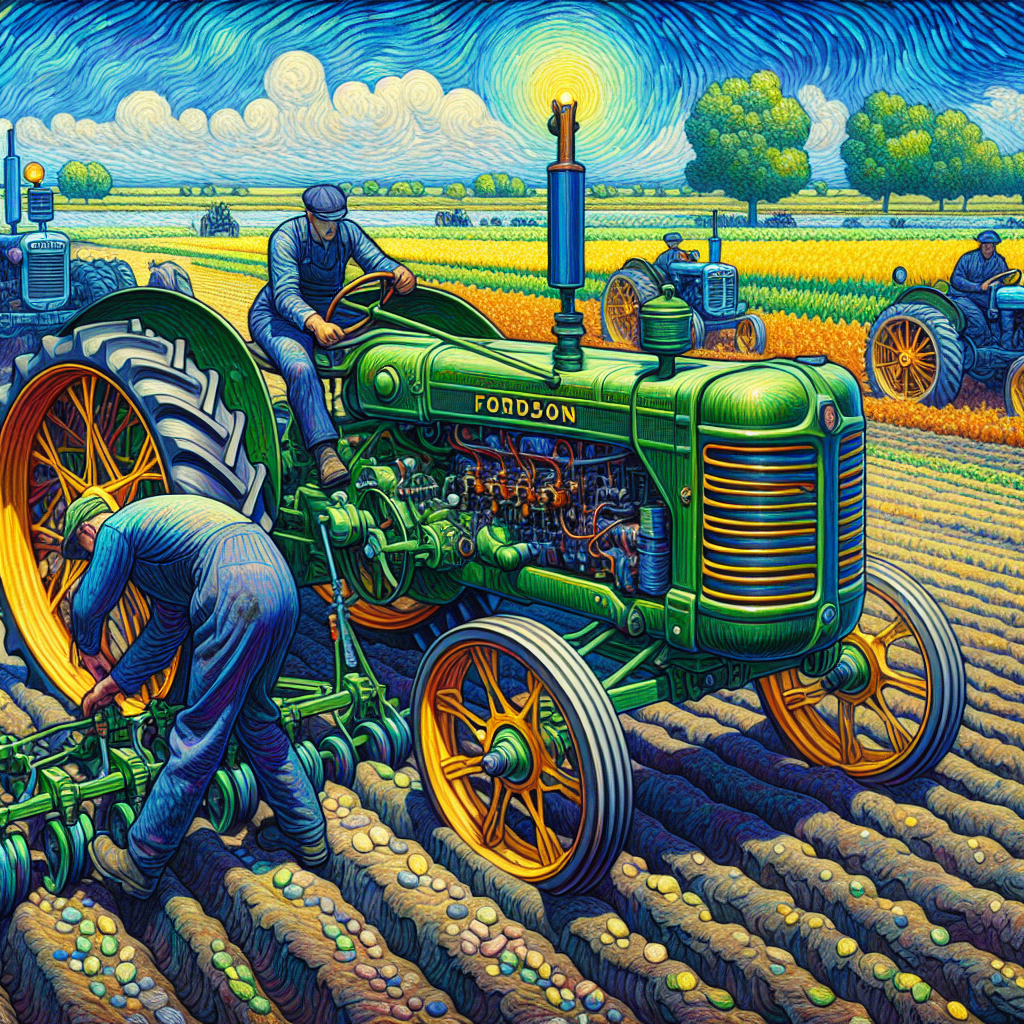
Imagine that moment in the fields—the sounds of a Fordson whirring to life, a symbol of shared resilience and collaboration among farmers. It marked a shift from mere survival to thriving alongside the land. The Fordson wasn’t solely about mechanization; it encouraged a sustainable, respectful approach to farming that prioritized stewardship over brute force. As farmers adapted to their new ally, community ties strengthened. They began sharing knowledge and resources, building a network that fostered collective growth and trust.
The Fordson’s influence extended beyond soil and crops. It facilitated economic growth and urban migration, reshaping societal dynamics as rural communities flourished. The tractor’s capacity to increase yields and improve quality of life represented not just progress in farming methods but a fundamental change in how society viewed agriculture. The conversations it sparked about sustainability remain relevant today, connecting past innovations to present challenges.
As we reflect on the legacy of the Fordson Tractor, it’s clear it’s more than just a piece of equipment. It’s a narrative of determination, innovation, and ethical evolution. Every farmer who embraced this technology invoked change, championing the belief that with smarter tools and shared progress, the future could be brighter. In a world that relentlessly pushes forward, the Fordson reminds us of the undeniable bond between tradition and innovation—a legacy that continues to inspire those who till the earth.
Conclusion
Conclusion:
- The Fordson Tractor symbolizes innovation that transformed agriculture and rural communities.
- Emerging in the early 20th century, it alleviated the backbreaking labor of farmers.
- Designed by Henry Ford, it was affordable and accessible for everyday farmers.
- The tractor democratized farming equipment, enabling modest farmers to cultivate more land.
- It fostered community collaboration, strengthening ties through shared knowledge and resources.
- The Fordson’s impact extended to economic growth and societal changes in rural areas.
- Its legacy is one of determination and innovation, bridging the gap between tradition and modernity.
Conclusion
Other Resources
Other Resources
Here is a list of other resources you can review online to learn more:
- First State Antique Tractor Club
- Sears
- Caterpillar
- GMS Tractor Museum
- Zetor Zebra
- Century
- Long
- Chery
- Ford-New Holland
- Mahindra Gujarat
- Branson Auto & Farm Museum
- Bolens
- McCormick Intl
- Valmet
- Fox River Tractor Company
- Waterloo Farm Museum
- Know Your Classic Tractors
- Avery
- Valtra
- Summit Tractors
Use This Prompt To Get More Resources With Your Favorite Online AI Tool: Please provide me with a list of online articles with their URLs in a bulleted list that I can read regarding What’s the Story Behind the Fordson Tractor?
Other Resources
Glossary Terms
What’s the Story Behind the Fordson Tractor? – Glossary Of Terms
1. Fordson: A brand of farm tractors produced by Ford Motor Company, significant for its role in modernizing agricultural practices.
2. Tractor: A powerful motor vehicle with large rear wheels, used on farms for plowing, cultivating, and transporting.
3. Agriculture: The science or practice of farming, including cultivation of soil for growing crops and raising animals for food.
4. Manufacturing: The process of producing goods in large quantities, often using machinery, as exemplified by Ford’s production methods.
5. Assembly Line: A production process where items are moved from station to station, significantly improving efficiency in manufacturing.
6. Mass Production: The manufacturing of large quantities of standardized products, enabling the Fordson tractor to be made affordable.
7. Innovation: The introduction of new ideas or methods, important in the development of the Fordson tractor to meet farmers’ needs.
8. Internal Combustion Engine: An engine that converts fuel into mechanical energy, powering the Fordson tractor.
9. Four-Wheel Drive: A vehicle system that allows all four wheels to receive power from the engine, enhancing traction in challenging terrain.
10. PTO (Power Take-Off): A device that draws power from the tractor’s engine to operate external equipment, increasing versatility.
11. Agricultural Revolution: A period of significant agricultural development that allowed for increased productivity and efficiency in farming.
12. Tractor Ratio: The comparison of horsepower to the weight of the tractor, critical for performance in different agricultural tasks.
13. Cultivation: The act of preparing and working on the land to grow crops, facilitated by tractors.
14. Soil Tillage: The agricultural preparation of soil by mechanical agitation, often performed with tractors.
15. Horsepower: A unit of measurement for power, indicating the engine capacity of tractors like the Fordson.
16. Rural Electrification: The process of providing electricity to rural areas, enhancing farming operations and tractor efficiency.
17. Equipment Attachments: Implements that can be added to tractors for specific tasks, such as plows or harrows.
18. Land Lease: An agreement for the rental of land for agricultural use, crucial for many farmers using Fordson tractors.
19. Farming Equipment: Tools and machinery used in agriculture to assist with planting, cultivating, and harvesting crops.
20. Tractor Restoration: The process of returning an old or vintage tractor, such as the Fordson, to its original condition.
21. Farm Mechanization: The use of machinery in agriculture to improve efficiency and productivity, largely attributed to innovations like the Fordson.
22. Field Work: The various tasks performed on agricultural land, significantly aided by tractor technology.
23. Land Use Efficiency: The effectiveness of land in producing agricultural outputs, improved through mechanization.
24. Green Revolution: A period of agricultural transformation marked by new technologies, leading to increased food production globally.
25. Brand Loyalty: The tendency of customers to continue buying a specific brand, vital for Fordson’s market success.
26. Marketing Strategy: Plans and tactics used to promote and sell Fordson tractors, contributing to their widespread adoption.
27. Supply Chain: The network of production, processing, and distribution involved in getting tractors from manufacturer to consumer.
28. Farm Subsidies: Government financial support aimed at stabilizing farmers’ income, affecting tractor sales and usage.
29. Sustainability: Practices that reduce environmental impact while maintaining productivity, a growing concern in modern agriculture.
30. Historical Significance: The importance of the Fordson tractor in transforming agricultural practices and rural economies.
Glossary Of Terms
Other Questions
What’s the Story Behind the Fordson Tractor? – Other Questions
If you wish to explore and discover more, consider looking for answers to these questions:
- When was the Fordson tractor first produced and when did production end?
- Which exact models of Fordson were made and what were the key differences between them?
- Who specifically led the design and engineering of the Fordson—Henry Ford alone or a team?
- How many Fordson tractors were manufactured in total?
- Where were Fordson tractors built (which factories and countries)?
- What were the engine specifications, horsepower, weight, and dimensions for major Fordson models?
- What type of fuel and lubrication did Fordson tractors use?
- How much did a Fordson cost when new, and how affordable was it for average farmers?
- What attachments and implements were available for the Fordson and how versatile was it?
- How did Fordson tractors compare to contemporary competitors (e.g., International Harvester, Farmall)?
- What common mechanical problems or maintenance issues did Fordson owners face?
- How difficult was it for farmers to learn to operate and maintain a Fordson?
- Did Fordson production or sales play any role in World War I or World War II?
- What patents or technical innovations did the Fordson introduce to agricultural machinery?
- How did the Fordson affect farm labor—did it displace workers or change labor needs?
- What was the economic impact of Fordson adoption on farm income, yields, and local rural economies?
- Did Fordson tractors contribute to farm consolidation or changes in land ownership patterns?
- What social and cultural effects did the tractor have on rural communities and family life?
- Were there controversies, protests, or criticisms associated with Fordson production or business practices?
- How did the Fordson influence later tractor design and the broader agricultural machinery industry?
- What environmental impacts—positive or negative—resulted from widespread mechanization with Fordson tractors?
- Are Fordson tractors still in use today, and where can surviving examples be seen?
- What is the market value for restored or unrestored Fordson tractors today?
- Are there active restoration communities, clubs, museums, or online resources dedicated to Fordson tractors?
- Where can original manuals, parts lists, and drawings be found for repair and restoration?
- How reliable were Fordson tractors over decades of use—what was their typical service life?
- Were there regional or international variants and adaptations of the Fordson for different climates or farming systems?
- How did Fordson adoption influence food prices, availability, and urban migration patterns?
- What safety issues or accidents were associated with early tractors like the Fordson, and did that lead to regulations?
- How did the arrival of the Fordson affect the roles of women and children on family farms?
- What manufacturing methods and materials were used to produce Fordson tractors?
- What lessons from the Fordson’s introduction are relevant to modern debates about agricultural technology and sustainability?
- Who is “Frank Ford” referenced in the article—typo for Henry Ford or a different individual involved in development?
Other Questions
Haiku
What’s the Story Behind the Fordson Tractor? – A Haiku
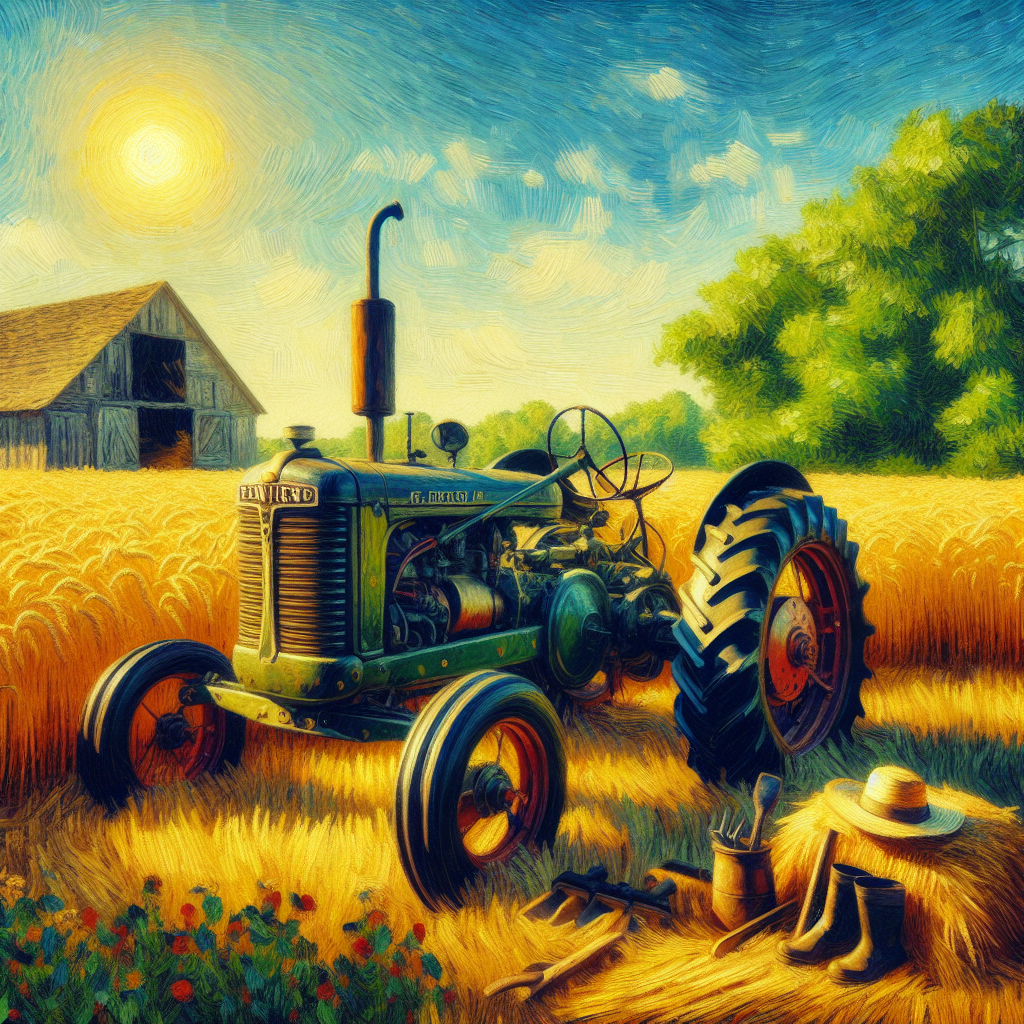
Steel wheels on soil,
Hope rises in the fields bright—
Farming’s heart reborn.
Haiku
Poem
What’s the Story Behind the Fordson Tractor? – A Poem
In fields where sweat and toil once reigned,
A vision sparked, where hope was gained.
Henry Ford, with purpose clear,
Crafted a machine to inspire cheer.
The Fordson Tractor, sturdy and bright,
Turned heavy labor into sheer delight.
It rolled on wheels, a lifeline sent,
Transforming lives, as it was meant.
No longer bound to horse or hand,
Farmers embraced this new command.
Fields expanded, harvests bloomed,
In every heart, a new life assumed.
Together they gathered, neighbors in kin,
Sharing the bounty, letting hope in.
From dawn until dusk, their burdens eased,
With Fordson’s hum, their spirits pleased.
Yet deeper still lay its legacy spun,
A shift from the old, a battle begun.
Ethics of land, sustainability’s call,
In this metal frame, a promise for all.
So echo the stories of progress embraced,
Of trust and community, dreams interlaced.
Through gritty hands and farmers pride,
The Fordson lives on—progress as guide.
Poem
Checklist
What’s the Story Behind the Fordson Tractor? – A Checklist
Emotional Appeals
✅______ Reflect on the personal stories of farmers who have benefited from the Fordson Tractor.
✅______ Share moments of triumph and connection experienced while using the tractor in family farming.
✅______ Engage in community events that celebrate agricultural heritage and collective memories.
Rational Appeals
✅______ Understand the technical advancements introduced by the Fordson Tractor that increased efficiency.
✅______ Evaluate the economic impact of mechanization on farming productivity and rural economies.
✅______ Analyze data on crop yields before and after the introduction of the Fordson Tractor.
Ethical Appeals
✅______ Consider the implications of sustainable farming practices inspired by the Fordson Tractor’s introduction.
✅______ Discuss the importance of providing accessible farming tools to empower small-scale farmers.
✅______ Reinforce the commitment to stewardship of the land through responsible agricultural practices.
Authority Appeals
✅______ Reference testimonials from agricultural experts on the Fordson Tractor’s role in transforming farming.
✅______ Utilize case studies showcasing successful implementation of the Fordson Tractor in various farming contexts.
✅______ Include insights from historians on the broader impact of the Fordson Tractor on agricultural practices.
Narrative Appeals
✅______ Share personal stories or anecdotes from individuals whose lives were changed by the Fordson Tractor.
✅______ Create a timeline of key events in the Fordson Tractor’s history and its effects on farming.
✅______ Promote storytelling sessions where farmers recount their experiences with the Fordson Tractor.
Social Appeals
✅______ Foster discussions within community farming groups about the shared challenges and victories associated with the Fordson Tractor.
✅______ Organize cooperative events to highlight communal support and innovation in modern farming.
✅______ Encourage social media engagement using hashtags that connect stories of farming heritage linked to the Fordson legacy.
Checklist
At ClassicTractorNews, we help tractor lovers keep up with the latest news for classic and vintage tractors.
Please share this post with your friends, family, or business associates who may like old classic or vintage tractors.