

Discover The True Value Of Massey-Harris 44 & 55: A Legacy Worth Knowing
By Tom Seest
At ClassicTractorNews, we help tractor lovers keep up with the latest news for classic and vintage tractors.
Please share this post with your friends, family, or business associates who may like old classic or vintage tractors.
What’s the Price Trend for Massey-Harris 44 Or 55 Models?
What’s the Price Trend for Massey-Harris 44 or 55 Models?
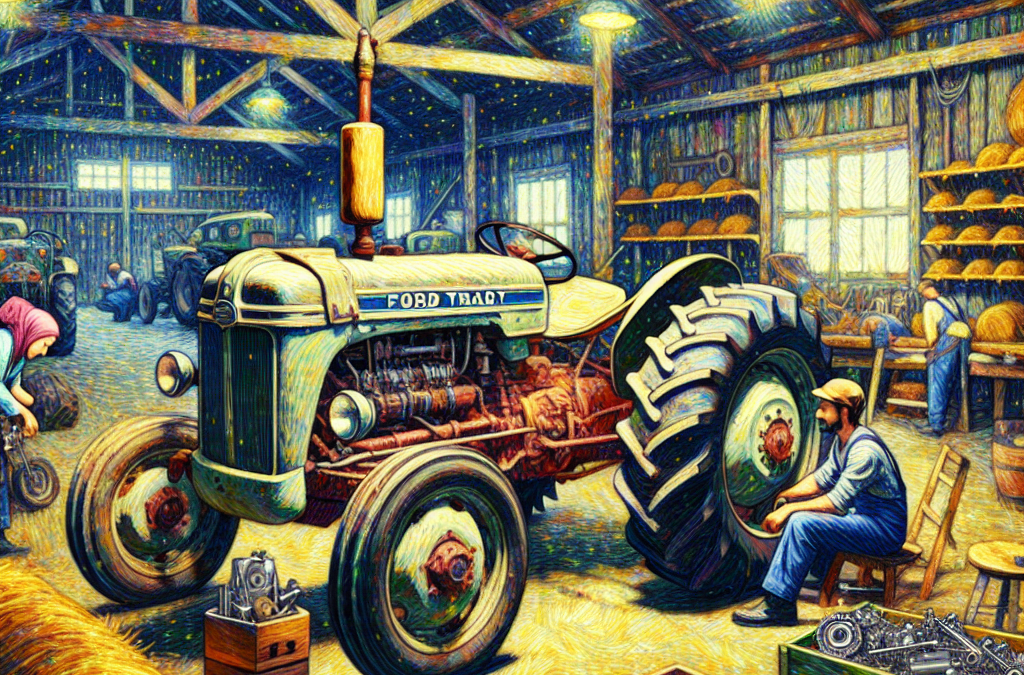
When you think of classic tractors, the Massey-Harris 44 and 55 models stand out—not just as machines, but as symbols of a time when farming wasn’t just a job; it was a way of life. These tractors have weathered decades, and their price trends tell a story that resonates with farmers and collectors alike.
From a financial perspective, the market for Massey-Harris tractors has shown a steady increase in value over recent years. Buyers searching for reliable used machinery are often attracted to the robust design and durability these models offer. A fully restored Massey-Harris 44 can fetch a price reflecting not just its mechanical condition but also its rich history and beloved status among farming families. The 55, with its slightly more powerful engine and advanced features, appeals to those wanting a blend of nostalgia and function.
But it’s more than just dollars and cents. These tractors evoke emotions—memories of working alongside family, the smell of freshly turned soil, and the pride that comes from hard work. Each scratch and dent tells a story of seasons gone by, of toil, triumph, and sometimes, heartbreak. As these models become increasingly rare, their value underscores the connection many feel to their past.
From an ethical standpoint, investing in a Massey-Harris tractor isn’t just about acquiring equipment; it’s about preserving a piece of agricultural history. It’s a commitment to sustainability, maintaining machines that have proved their worth over generations. The fact that these tractors can be maintained and repaired, rather than replaced, fosters a sense of responsibility toward the environment and the history of farming itself.
In terms of authority, enthusiasts often turn to vintage tractor shows and forums where experts share insights into maintenance and restoration. These community-driven spaces reinforce trust and build a network of support encompassing both seasoned farmers and newcomers eager to learn.
Socially, owning a Massey-Harris is an invitation to connect. Joining local clubs or online groups allows individuals to share stories, advice, and experiences, creating a sense of camaraderie. The pride of ownership goes beyond the tractor itself; it’s about being part of a legacy—one that future generations can inherit.
As the price trends for these models continue to trend upwards, it’s worth considering what they represent. They are not just tractors; they are reminders of resilience, hard work, and the unwavering spirit of agriculture that binds us all.
What’s the Price Trend for Massey-Harris 44 Or 55 Models?
What’s the Price Trend for Massey-Harris 44 Or 55 Models?
- Massey-Harris 44 and 55 models symbolize a significant era in farming history.
- The market for these tractors has steadily increased in value over recent years.
- Fully restored Massey-Harris 44s and upgraded 55s attract buyers due to their durability and nostalgic appeal.
- These tractors evoke emotional connections to farming experiences and heritage.
- Investing in them supports sustainability and the preservation of agricultural history.
- Vintage tractor shows and online forums provide community support and expert insights on maintenance.
- Owning a Massey-Harris fosters social connections and a legacy for future generations.
What’s the Price Trend for Massey-Harris 44 Or 55 Models?
Table Of Contents
- What’s the Price Trend for Massey-Harris 44 Or 55 Models?
- What Factors Influence the Value Of Vintage Tractors?
- How Does the Massey-Harris 44 Compare In Performance?
- What Stories Do Collectors Share About the Massey-Harris 55?
- Why Do Vintage Tractors Hold Sentimental Value for Owners?
- How Has the Market Demand Changed for Massey-Harris Models?
- What Ethical Considerations Arise In Vintage Tractor Restoration?
- Conclusion
- Other Resources
- Glossary Of Terms
- Other Questions
- Haiku
- Poem
- Checklist
What Factors Influence the Value Of Vintage Tractors?
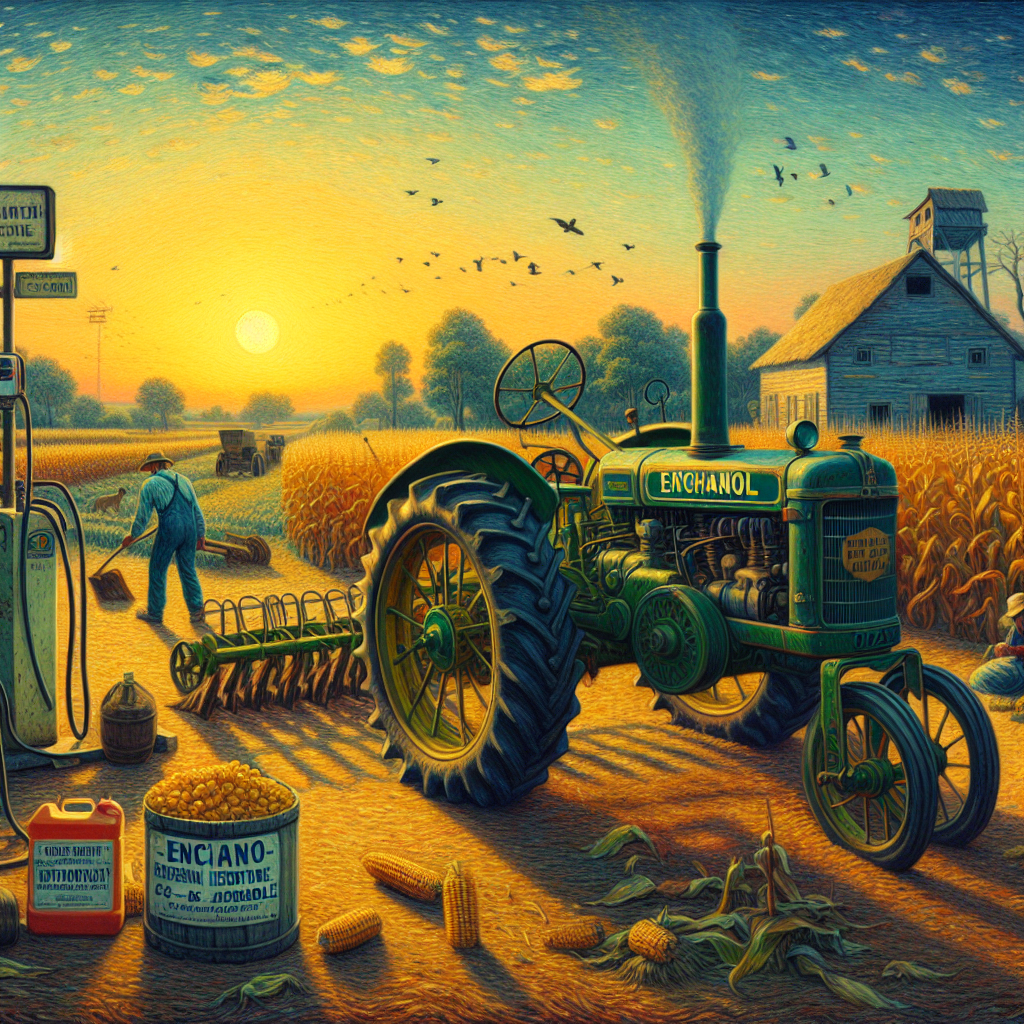
In the world of vintage tractors, every machine tells a story, a tale of toil and triumph that resonates deeply with those who have walked the fields. The value of these machines is not merely determined by their age or brand; it’s a complex tapestry woven from history, nostalgia, and the craftsmanship that went into their creation.
First, consider the emotional appeal. For many, vintage tractors are more than just farming equipment; they represent a connection to heritage. Each dent and scratch is a testament to years of labor on the land, a symbol of simpler times. When you see that faded paint and rusted metal, you can almost hear the laughter of families gathered around the farm, the scent of fresh soil, and the promise of a bountiful harvest. This emotional bond elevates not just their personal value but also the communal respect for these titans of agriculture.
Rationally, it’s essential to look at the condition and rarity of the tractor. Well-preserved machines or those that are limited in number often fetch higher prices. Collectors and enthusiasts relentlessly seek models that are hard to find, valuing them for their historical significance as much as their functional capabilities. Resources such as restoration guides or documentation of ownership add authority, providing buyers with evidence of authenticity, enhancing trust in their investment.
Ethically, we must also acknowledge the responsibility that comes with ownership. Preserving a vintage tractor means safeguarding a piece of agricultural history for future generations. This preservation fosters a sense of duty among collectors to maintain these machines not just as personal possessions but as communal treasures that connect us to our past.
The narrative surrounding vintage tractors extends beyond individual farms to entire communities. Engaging in local tractor shows or parades unites people, sharing stories and experiences that create an everlasting bond. This sense of belonging reflects the social value of these machines, bringing generations together, revitalizing shared memories, and reigniting passions for farming traditions.
The valuation of a vintage tractor isn’t just a matter of numbers; it’s about legacy, connection, and pride. Whether you’re a collector looking to invest or a farmer reminiscing about days gone by, understanding the myriad factors that influence value enriches your appreciation. Each vintage tractor is an embodiment of the hard work and dedication that has shaped agriculture, inviting us all to reflect on our roots and the journey that brought us here.
What Factors Influence the Value Of Vintage Tractors?
What Factors Influence the Value Of Vintage Tractors?
- Every vintage tractor tells a story of toil and triumph, reflecting its history and craftsmanship.
- Emotional appeal connects these machines to heritage, with their wear and tear symbolizing legacy and simpler times.
- The condition and rarity significantly influence the value, with well-preserved models fetching higher prices.
- Documented ownership and restoration guides enhance authenticity and trust in investments.
- Preserving vintage tractors is an ethical responsibility, safeguarding agricultural history for future generations.
- Local events like tractor shows foster community engagement, bringing people together and reigniting farming traditions.
- The valuation encompasses legacy, connection, and pride, enriching the appreciation for these agricultural icons.
What Factors Influence the Value Of Vintage Tractors?
How Does the Massey-Harris 44 Compare In Performance?
How Does the Massey-Harris 44 Compare in Performance?
When you think of a tractor, what comes to mind? For many, it’s the embodiment of hard work, the unsung hero of the fields, the symbol of agriculture’s relentless spirit. The Massey-Harris 44 stands tall in this narrative, showcasing not just mechanics, but a legacy of reliable performance that resonates deeply with farmers and enthusiasts alike.
This robust machine, introduced in the mid-20th century, was designed for the tough terrains and demanding tasks that characterize rural life. Its clear performance benefits make it a compelling choice, offering both emotional and rational reasons to trust this model. From the moment you start the engine, you can feel the power beneath your fingertips. The 44’s reliable horsepower is not just a number; it is the promise of productivity, the assurance that you can finish your day’s work without a hitch. Whether you’re plowing fields, hauling loads, or performing precision tasks, the Massey-Harris 44 delivers, instilling confidence that you are equipped to tackle any challenge ahead.
But performance isn’t solely about power and durability—it’s about connection. Many who have thrived in agriculture share stories of their first encounter with the Massey-Harris line and how it transformed their farming experience. These narratives foster a sense of community among users, linking generations through shared successes and lessons learned in the field. It’s more than a piece of machinery; it’s a trusted companion in the toil of tilling the earth, resonating long after the last row is cultivated.
From an ethical standpoint, this tractor reflects the essence of American ingenuity. It is a testament to the tireless work ethic and determination of those who built it and those who utilize it. With every turn of the wheel, you honor the sacrifice and dedication embedded in its design. The Massey-Harris 44 doesn’t just perform; it tells a story that champions resilience and hard work, inspiring trust in its capability.
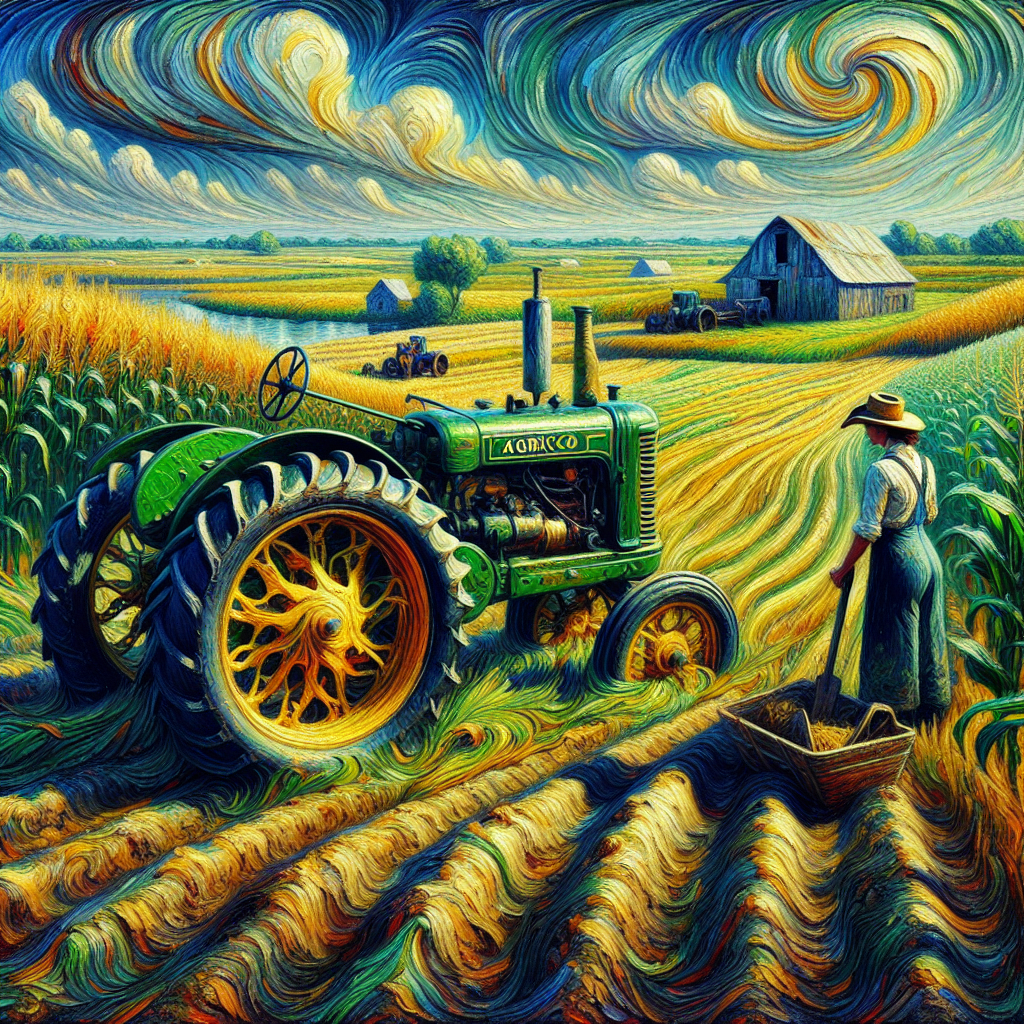
Finally, stand back and look at the Massey-Harris 44 in action, amidst the sprawling fields and vivid sunsets. Each day, it becomes a part of the fabric that binds farmers to their land, a symbol of tradition and innovation. This tractor leads not just through its technical specifications, but through the triumphs it helps create, echoing a legacy of performance that compels action and solidifies its place in the hearts of those who rely on it. The Massey-Harris 44 isn’t just a machine; it’s a relentless partner in the journey of agriculture.
How Does the Massey-Harris 44 Compare In Performance?
How Does the Massey-Harris 44 Compare In Performance?
- The Massey-Harris 44 embodies hard work and represents a legacy of reliable performance in agriculture.
- Introduced in the mid-20th century, it was designed for tough terrains and demanding rural tasks.
- The tractor offers powerful horsepower, ensuring productivity and confidence in various agricultural tasks.
- Performance includes a sense of connection, fostering community among users and shared agricultural experiences.
- It reflects American ingenuity and the work ethic of those who built and use it.
- The 44 symbolizes tradition and innovation, transcending mere mechanics to resonate with farmers.
- It serves as a reliable partner in agriculture, contributing to the fabric of rural life and shared successes.

How Does the Massey-Harris 44 Compare In Performance?
What Stories Do Collectors Share About the Massey-Harris 55?
The Massey-Harris 55 isn’t just a tractor; it’s a chapter in a much larger story woven through the fields and farms of countless hardworking families. For many collectors, these machines are more than rusted metal and faded paint; they encapsulate memories and legacies, evoking a sense of nostalgia that resonates deeply with those who share tender tales of early mornings and long hours in the fields.
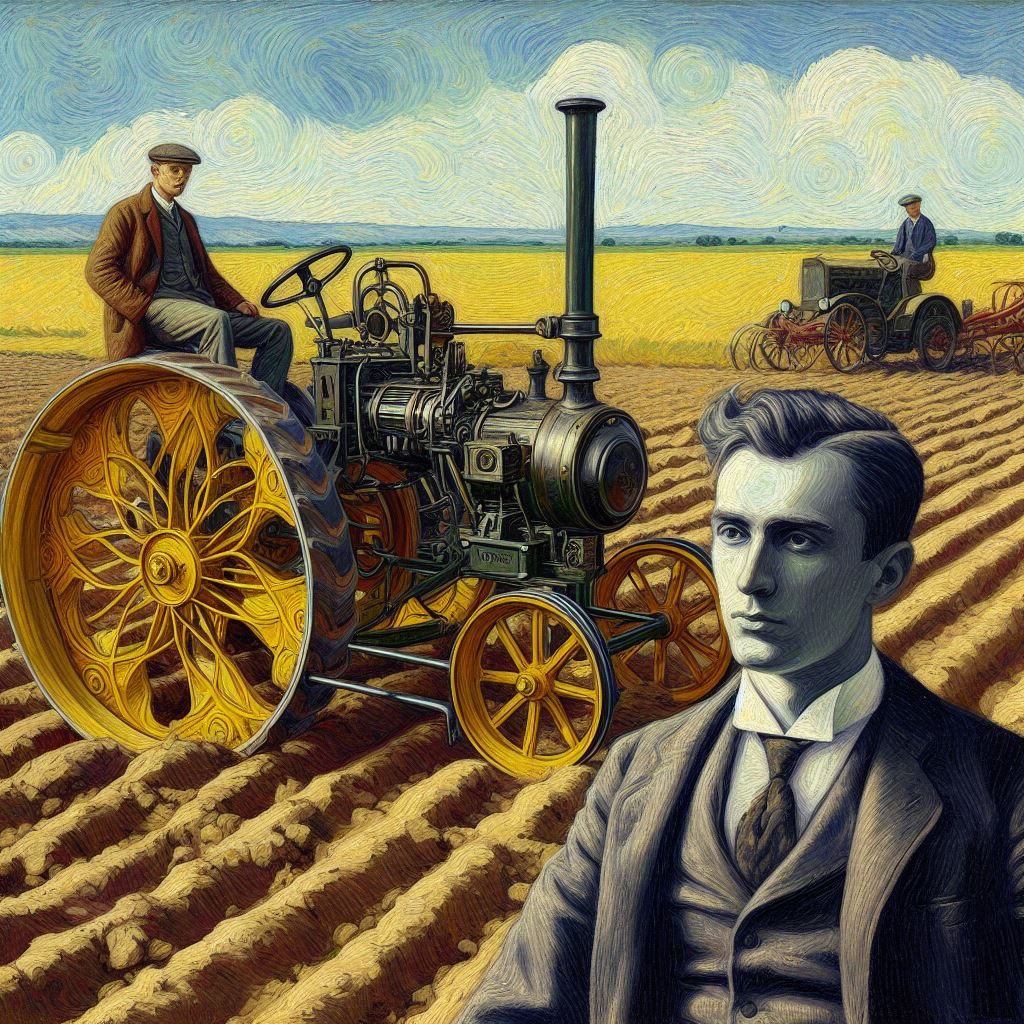
Take a step back in time with Jane, who recalls her father teaching her to drive the 55 when she was just a girl. “That tractor was our lifeline,” she says, her eyes lighting up. “It was the heartbeat of our family farm.” This sentiment is echoed by enthusiasts who collect these tractors, each boasting their own unique stories intertwined with the history of agriculture. The grizzled veterans and enthusiastic newcomers alike share anecdotes where the Massey-Harris 55 transformed their struggles into triumphs.
Collectors often emphasize the ethical responsibility that comes with preserving these iconic tractors. By restoring a Massey-Harris 55, they aren’t just reviving machinery; they’re honoring the agricultural pioneers who depended on it. This drive to maintain their legacy builds a community steeped in respect for hard work and resilience, tying each collector to one another.
Rational, yet deeply emotional, these stories highlight the authority this tractor holds in the farming world. It’s a symbol of progress, embodying a time when farming was about grit and determination, not mere mechanization. For many, sharing these experiences creates a social fabric that binds them together, fostering connection through a shared love of agriculture and equipment. It’s as if every rusted part of the 55 tells a tale of perseverance and pride.
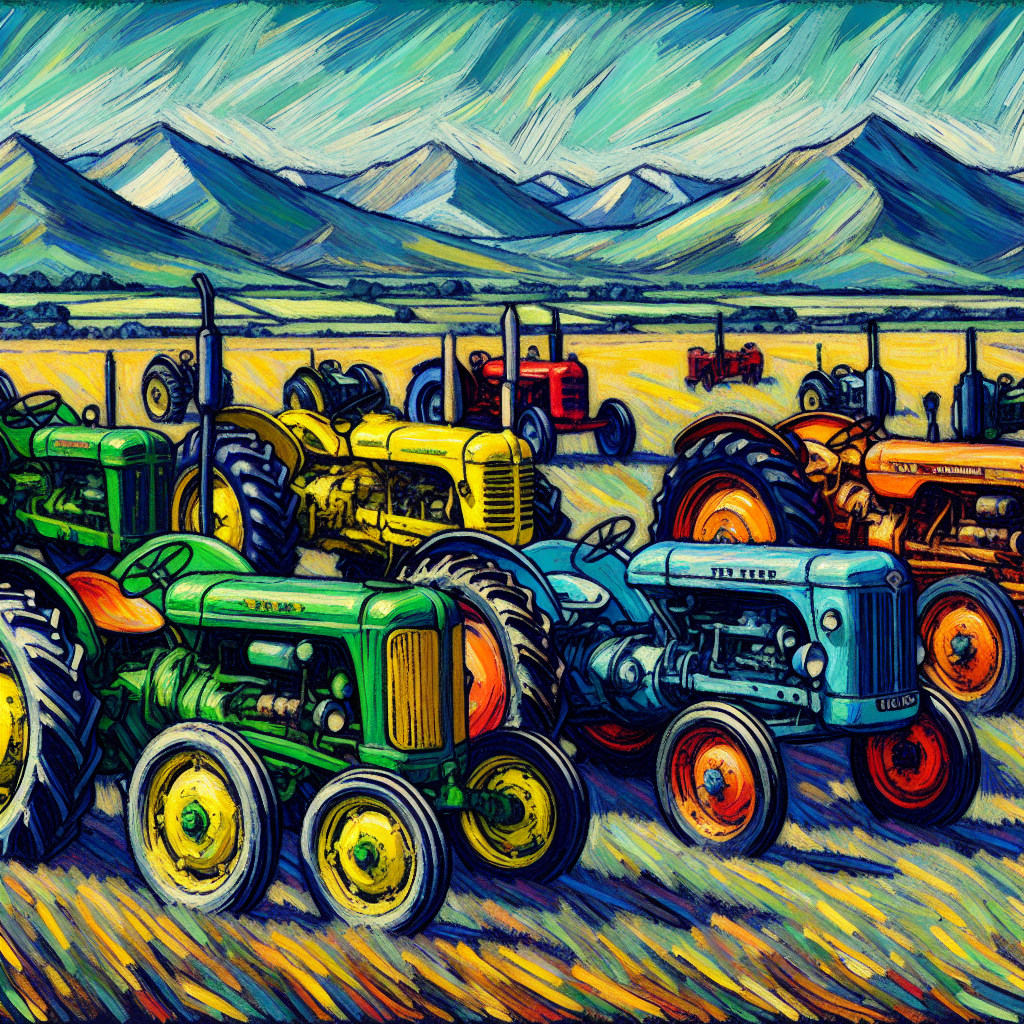
The Massey-Harris 55 calls to us, inviting conversations about who we are and where we come from. It epitomizes the triumph over adversity, serving as a reminder of the hard-fought battles that farmers face daily. Each tractor on the row represents not just a machine, but an heirloom, a bridge between generations. As collectors lovingly restore and display these tractors, they inspire trust in a legacy that refuses to fade amidst the march of modern innovation. The Massey-Harris 55 isn’t merely a piece of machinery; it’s a testament to the stories that continue to be told, whispered through the winds of the fields they once toiled.
What Stories Do Collectors Share About the Massey-Harris 55?
What Stories Do Collectors Share About the Massey-Harris 55?
- The Massey-Harris 55 symbolizes the legacy of hardworking families and evokes nostalgia for many collectors.
- Personal stories, like Jane’s about learning to drive, highlight the emotional connection to the tractor.
- Collecting and restoring these tractors honors agricultural pioneers and fosters a community of shared values.
- The tractor represents a symbol of progress, emphasizing grit and determination in farming history.
- Every collector’s story adds to the social fabric and connection within the agricultural community.
- The Massey-Harris 55 invites discussions about heritage and resilience in farming practices.
- It serves as a testament to enduring legacies, bridging generations and inspiring trust amid modern advances.
What Stories Do Collectors Share About the Massey-Harris 55?
Why Do Vintage Tractors Hold Sentimental Value for Owners?
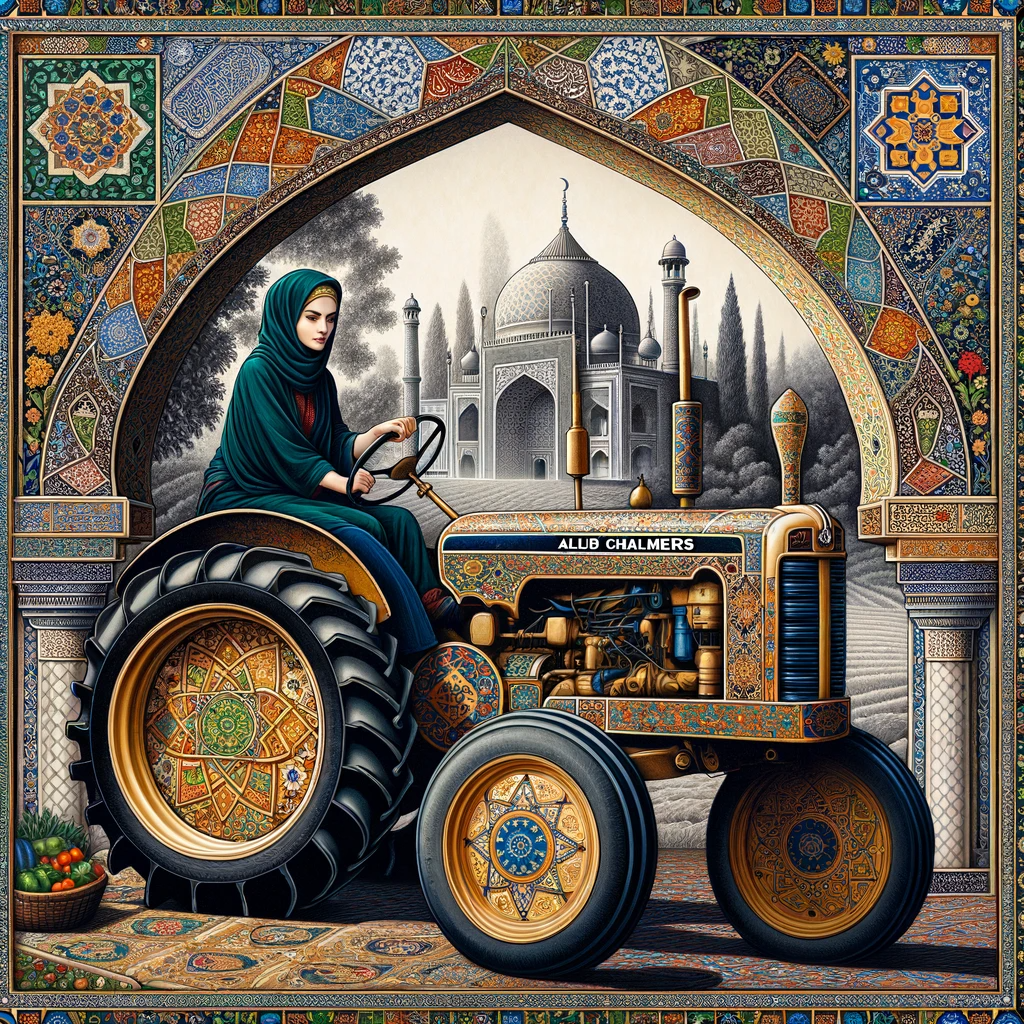
Vintage tractors carry a weight of sentimental value that resonates deeply with their owners. For many, these machines symbolize not just a bygone era of agriculture but also a connection to family legacy and hard work. Each rusted bolt and weathered paint job tells a story—a chapter in the narrative of rural life, where grit and perseverance were the order of the day. When you see an old tractor, it’s not just iron and steel; it’s a bridge to memories of childhood, where the hum of the engine and the rhythm of the wheels on the soil became the soundtrack of life.
Emotionally, vintage tractors evoke nostalgia, bringing to mind visions of sun-drenched fields and the laughter of family gatherings. For those who grew up on farms, these tractors served not only as tools for tilling the land but also as landmarks of their youth. They remember the pride in their parents’ eyes as the family worked together, cultivating crops and building a life from the earth. This emotional tie sends ripples of appreciation through generations, as owners often preserve and restore these machines to honor their family’s history.
On a rational level, vintage tractors can serve as wise investments. As farming practices shift and modern machinery evolves, these tractors gain collectible status and often appreciate in value. Their simplicity can be alluring; owners can maintain them more easily, understanding how every component works, making them appealing to both collectors and practical users alike. This balance of practicality and nostalgia creates a unique intersection where the heart meets the mind.
Ethically, preserving vintage tractors aligns with a broader movement of sustainability. In an age of rapid production and disposability, many find value in heritage and the notion of repairing rather than discarding. Vintage tractors are emblems of resilience and sustainability, underlining the importance of maintaining traditions that honor the past while facing an uncertain future.
Socially, owning a vintage tractor can foster a sense of community, uniting enthusiasts who share stories, advice, and restoration tips. Clubs and meetups dedicated to these classic machines celebrate their value and history, creating bonds among diverse groups of people, transcending age and background.
Vintage tractors are more than just machinery. They embody a poignant connection to our roots, a celebration of resilience, and a call to honor the craftsmanship of those who came before us. Whether for pride, nostalgia, or community, these trusted machines hold a unique place in the hearts of their owners.

Why Do Vintage Tractors Hold Sentimental Value for Owners?
Why Do Vintage Tractors Hold Sentimental Value for Owners?
- Vintage tractors symbolize a bygone era of agriculture and family legacy.
- They evoke nostalgia through memories of childhood and family gatherings.
- These machines serve as wise investments, gaining collectible status and value over time.
- Preserving vintage tractors supports sustainability and the tradition of repairing over discarding.
- Owning vintage tractors fosters a sense of community among enthusiasts.
- They represent a connection to roots and craftsmanship, celebrating resilience.
- Vintage tractors hold emotional significance for their owners, linking them to their heritage.
Why Do Vintage Tractors Hold Sentimental Value for Owners?
How Has the Market Demand Changed for Massey-Harris Models?
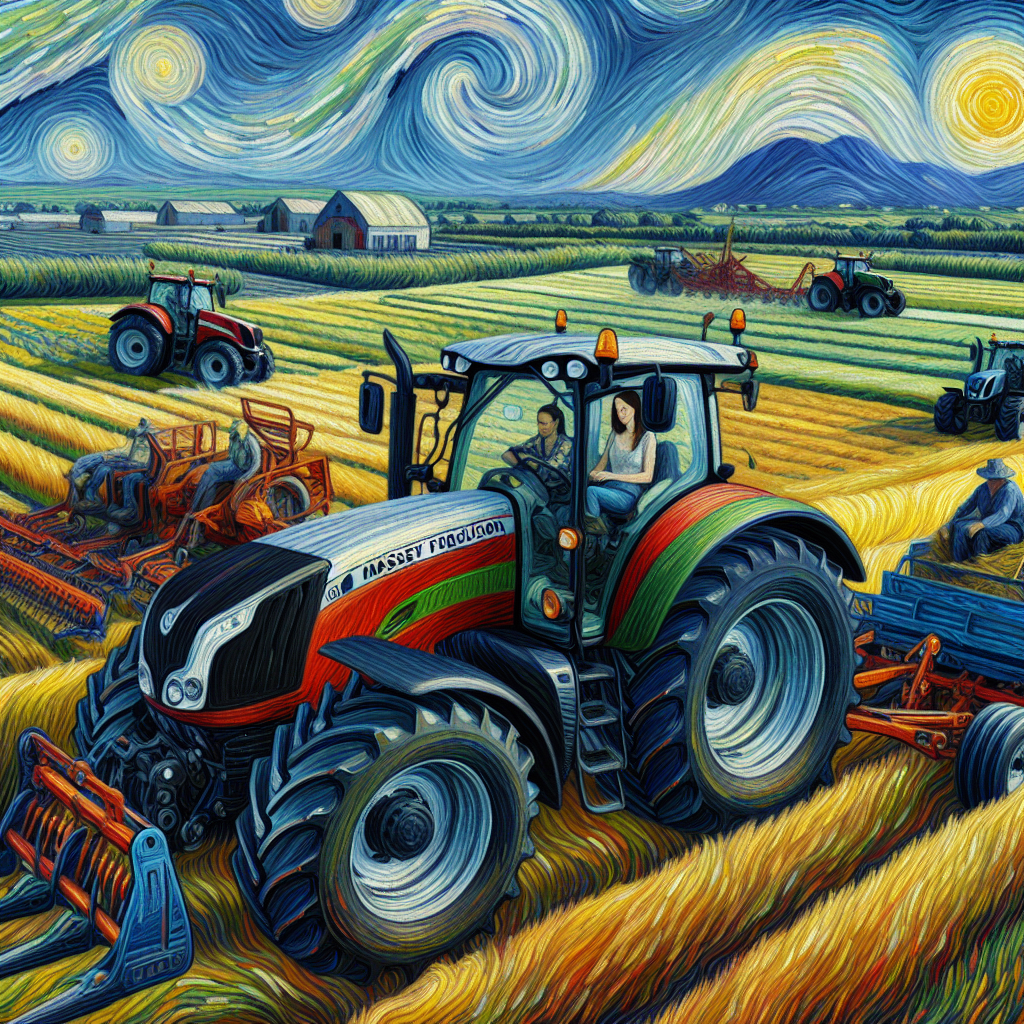
The evolution of market demand for Massey-Harris models tells a story that resonates deeply with anyone who appreciates the rich tapestry of agricultural heritage. Once a staple on farms across the nation, these tractors embody not just machinery but a connection to generations of hard work and perseverance. As we reflect on how demand has shifted over the years, it’s essential to consider the heart, head, and gut of this transformation.
From the perspective of the heart, many farmers grew up watching their fathers and grandfathers maneuver Massey-Harris tractors through fields, planting seeds of hope with every turn of the wheel. Today, that legacy battles against modern advancements, leaving some traditionalists yearning for the simplicity and reliability these machines provided. The emotional bond with these tractors is palpable; they are a symbol of trust and resilience, capable of weathering storms and carrying families through tough harvests.
Intellectually, it’s impossible to ignore the market trends that show a pivot towards advanced technology in farming equipment. As demands for efficiency and precision agriculture rise, newer models equipped with GPS, automation, and data analysis tempt growers looking for competitive edges. However, the allure of Massey-Harris remains significant. Their models, though decades old, still represent durability and straightforward operation—qualities that many modern farmers value amidst a sea of complexity. This blend of nostalgia and practicality feeds the ongoing demand for these classic tractors, proving that sometimes the old ways are indeed the best ways.
Ethically, there’s a strong argument for preserving the legacy of these machines. Supporting the production and maintenance of Massey-Harris tractors not only sustains jobs within communities but also champions sustainable farming practices rooted in tradition. Farmers are not merely consumers; they are stewards of the land, and their choices reflect a commitment to heritage over fleeting trends.
Socially, there’s a growing tribe of enthusiasts—from restorers to collectors—who keep the spirit of Massey-Harris alive today. Their stories flood forums and social media, inviting newcomers to appreciate the craftsmanship and history behind these wonderful machines. This community connection fosters relationships that transcend mere ownership; it nurtures a shared passion for the agricultural way of life.
Whether it’s the timeless charm of a Massey-Harris tractor or the relentless march of innovation on today’s farms, the market demand reflects deeper values. It’s about trust in traditions, the headspace of modern efficiency, and the gut feeling that sometimes, the old ways still hold the key to success in our ever-evolving landscape.
How Has the Market Demand Changed for Massey-Harris Models?
How Has the Market Demand Changed for Massey-Harris Models?
- The evolution of market demand for Massey-Harris tractors reflects a deep connection to agricultural heritage.
- Many farmers have emotional ties to these tractors, symbolizing trust and resilience through generations.
- Market trends show a shift towards technologically advanced farming equipment, yet Massey-Harris remains appealing for its durability and simplicity.
- Supporting Massey-Harris production sustains local jobs and promotes sustainable farming practices.
- A community of enthusiasts, including restorers and collectors, keeps the legacy of Massey-Harris alive.
- The demand for Massey-Harris reflects a balance of tradition and modern efficiency in farming.
- Ultimately, the allure of these classic tractors highlights the enduring value of time-tested practices in agriculture.
How Has the Market Demand Changed for Massey-Harris Models?
What Ethical Considerations Arise In Vintage Tractor Restoration?
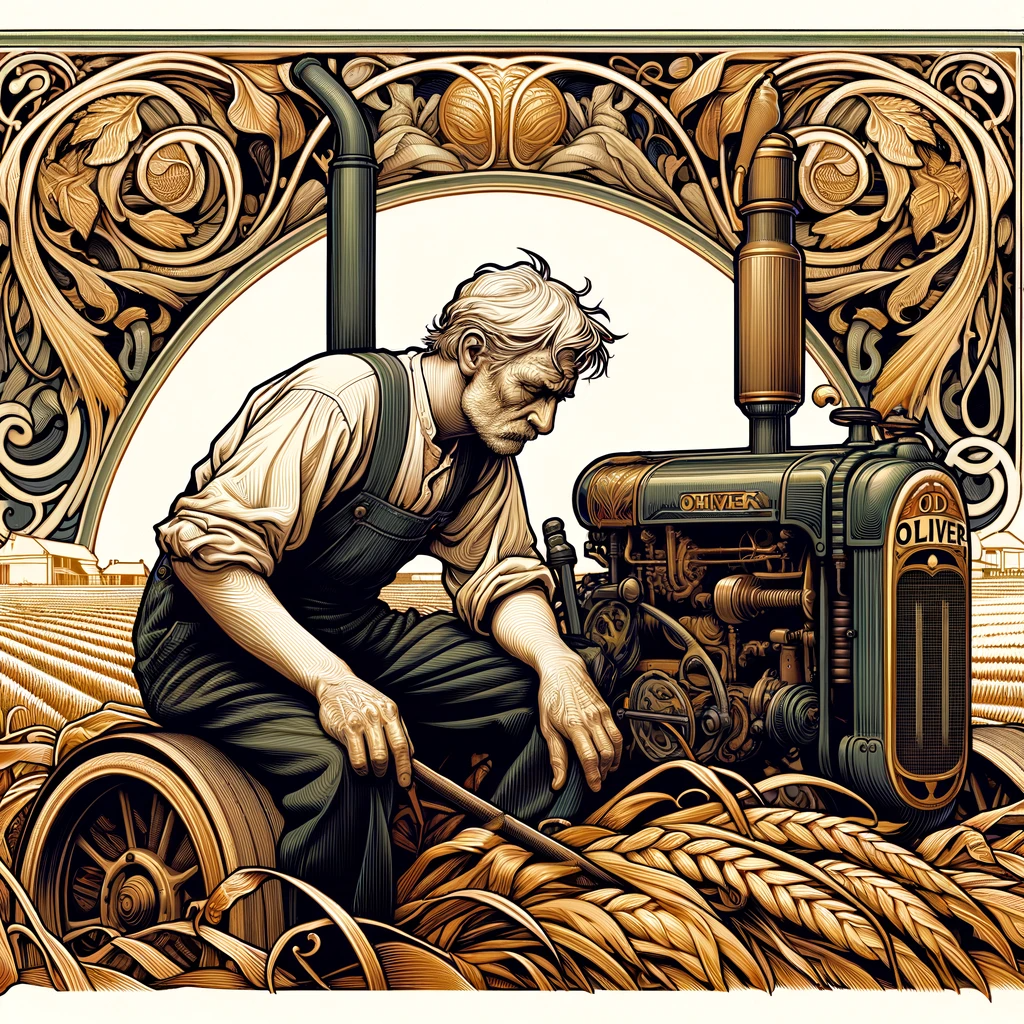
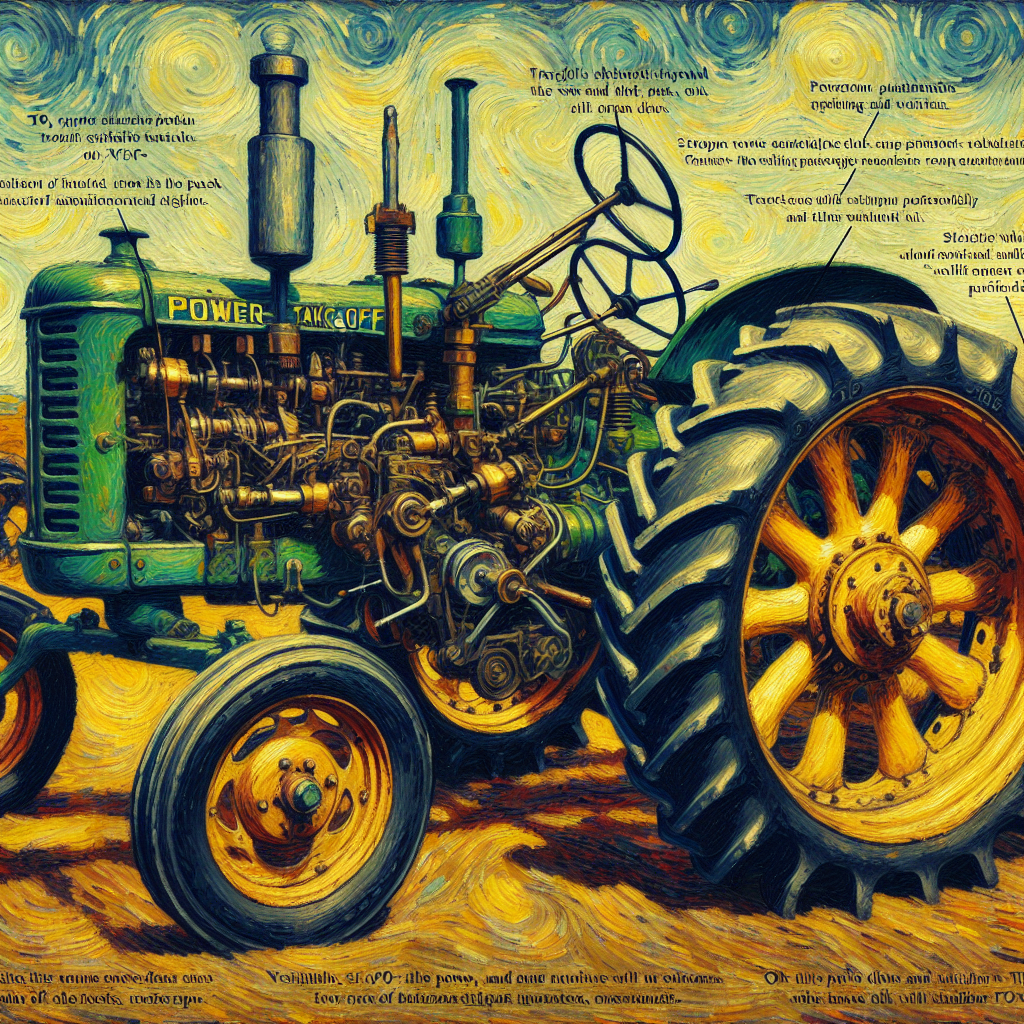
When you fire up a vintage tractor, you’re not just engaging machinery; you’re breathing life into history. These machines represent decades, if not centuries, of labor, craftsmanship, and passion. Restoring them goes beyond bolts and paint; it’s about honoring the stories they carry and the hands that built them. We stand at a crossroads of enthusiasm and ethics in this vibrant community of restorers, where the ambition to preserve often grapples with the responsibility we hold as custodians of the past.
Every dent tells a story, and every scratch reveals a chapter. But what happens when restoration veers into alteration? There’s an emotional connection to the original that shouldn’t be overlooked. It’s tempting to modernize for efficiency or aesthetics, but in doing so, we risk diluting what made that vintage tractor special in the first place. Authenticity is key, and those who choose to restore should do so with respect for the design and intention behind each machine. It’s about recognizing that these tractors were once the lifeblood of farms and families, vital to livelihoods and legacies.
From a rational standpoint, the resources involved in restoring a vintage tractor are substantial. Time, money, and materials are all at play, demanding consideration of their environmental impact. Is the pursuit of an ideal restoration worth the ecological cost? It’s essential to weigh the benefits against the footprint left on our planet, fostering a balance between restoration and sustainability.
Ethically, we have a duty to honor those who came before us. The vintage tractor community thrives on knowledge and skill passed down through generations. Every expert who teaches restoration techniques is preserving a piece of culture. Beyond that, there is the social responsibility to ensure that this knowledge doesn’t fade away. By promoting workshops and community events, we create spaces for enthusiasts to connect, learn, and share, reinforcing the community’s fabric that keeps these histories alive.
For those considering diving into restoration, remember that it’s more than a hobby; it’s a commitment. It’s a pledge to respect the past, to maintain integrity, and to ensure that the roar of antique engines continues to echo down the ages. Stand firm in knowing that each bolt you turn and every paint coat you apply not only revives a machine but also reaffirms a bond with history, quality craftsmanship, and the spirit of those who came before. Embrace this journey thoughtfully, because restoring a vintage tractor is about so much more than the tractor itself; it’s about honoring a legacy.
What Ethical Considerations Arise In Vintage Tractor Restoration?
What Ethical Considerations Arise In Vintage Tractor Restoration?
- Restoring vintage tractors connects enthusiasts to history, craftsmanship, and stories from the past.
- Each machine carries emotional significance; authenticity in restoration is crucial to preserving its original character.
- Modernizing tractors risks diluting their unique qualities; respect for design intentions is essential.
- Restoration involves substantial resources, raising concerns about the ecological impact and sustainability.
- The vintage tractor community promotes the preservation of skills and knowledge across generations.
- Workshops and community events foster connections among enthusiasts and reinforce cultural heritage.
- Restoration is a commitment to honoring legacy, integrity, and the craftsmanship of those who built these machines.
What Ethical Considerations Arise In Vintage Tractor Restoration?
Conclusion
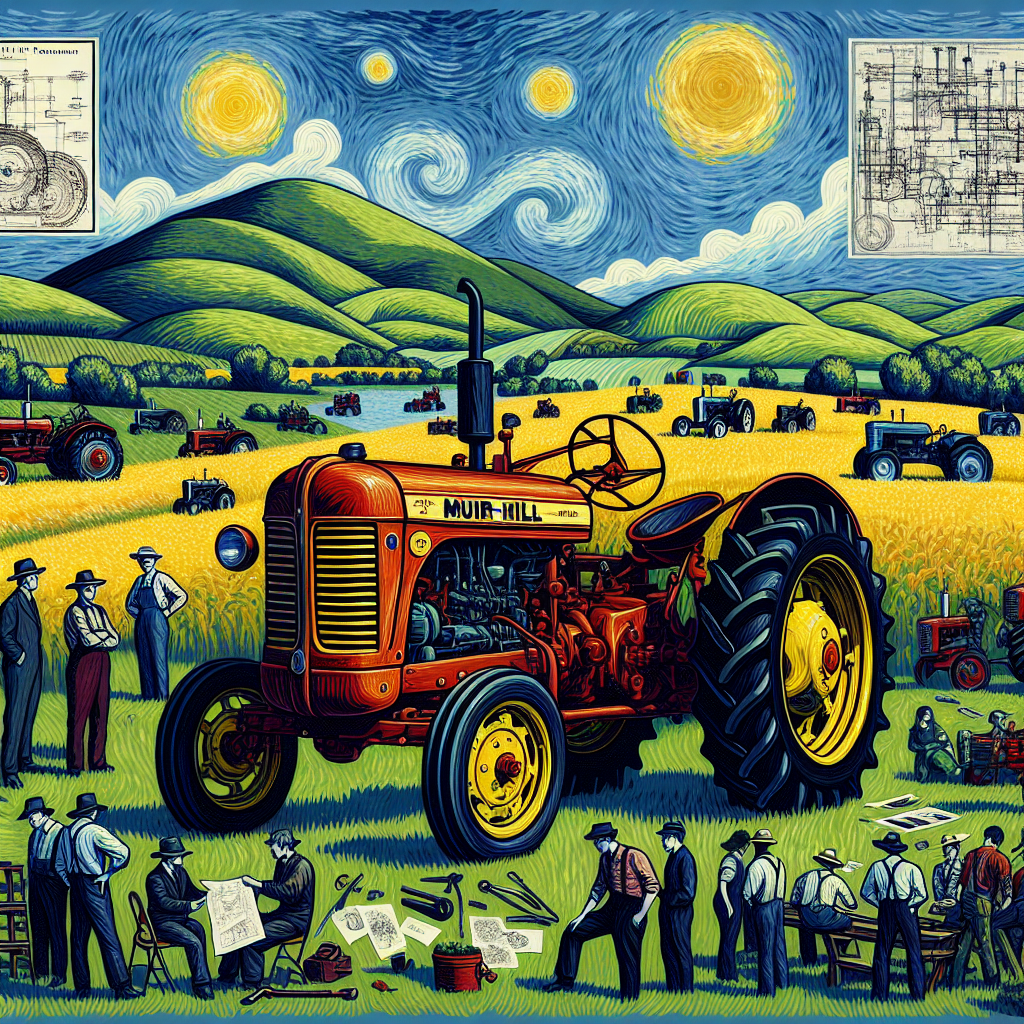
The Massey-Harris 44 and 55 tractors embody more than just mechanical engineering; they represent a cherished legacy of agricultural resilience and familial connections. As we delve into their price trends and market dynamics, it becomes clear that these models have stood the test of time, not merely surviving but thriving in the hearts of collectors and farmers alike. The rising value of these tractors signals not just their mechanical worth but the intangible nostalgia and emotional bonds they evoke. Each dent and scratch narrates a tale of toil, triumph, and deep-rooted tradition, connecting past and present.
From an ethical perspective, the appreciation for Massey-Harris tractors goes beyond financial investment. It advocates for sustainability and preservation of agricultural history. By maintaining these machines, we actively participate in cherishing our heritage while demonstrating a commitment to environmentally responsible practices. This dedication resonates with the growing public consciousness around sustainability, reaffirming the value of old-world craftsmanship over the disposable nature of modern technology.
As we navigate the evolving marketplace, it’s impossible to ignore the authority of the communities that have formed around these tractors. Knowledge shared at vintage tractor shows fosters camaraderie and support, bridging the gap between seasoned restorers and newcomers eager to learn. This collaborative spirit enriches the narrative surrounding these machines, reinforcing their importance as symbols of unity and shared experiences.
The social implications of owning a Massey-Harris extend beyond individual pride. Joining clubs or online communities cultivates a rich tapestry of relationships that celebrate agriculture’s legacy. These platforms facilitate the exchange of stories and tips, generating a collective identity that unites enthusiasts across generations. Each interaction is a testament to a shared passion that transcends mere machinery.
Ultimately, the enduring appeal of Massey-Harris tractors lies in what they represent: hard work, family ties, and a commitment to honoring the past while embracing the future. The upward trend in pricing reflects not just the desire for functional equipment but a deep-rooted respect for the stories these tractors carry. Investing in a Massey-Harris isn’t just a financial transaction; it’s a heartfelt acknowledgment of the relentless spirit of agriculture—a spirit that continues to inspire and unite us, ensuring that this legacy endures through the ages.
Conclusion
Conclusion:
- The Massey-Harris 44 and 55 tractors symbolize agricultural resilience and familial connections.
- These tractors have maintained their value, appealing to collectors and farmers alike due to the nostalgia they evoke.
- Owning a Massey-Harris reflects a commitment to sustainability and preservation of agricultural history.
- Communities formed around these tractors enhance the narrative of camaraderie and support among enthusiasts.
- Joining clubs or online communities fosters relationships that celebrate agricultural legacy and shared experiences.
- The rising prices of Massey-Harris tractors reflect respect for their rich history and craftsmanship.
- Investment in these tractors signifies acknowledgment of agriculture’s past and a commitment to its future.
Conclusion
Other Resources
Other Resources
Here is a list of other resources you can review online to learn more:
- IH
- Swaraj
- FARMSHOW Magazine
- Eastern Carolina Vintage Farm Equipment Club
- Farmtrac
- International Harvestor
- CO-OP
- CAAntique Farm Equipment Show
- John Deere Tractor & Engine Museum
- Valpadana
- South Dakota Tractor Museum
- Woods Equipment
- SE Indiana F.A.R.M. Club’s Antique Machinery Show
- Acremaster
- McCormick
- Oliver
- Minnesota’s Machinery Museum
- Central Washington Agricultural Museum
- Rumely
- IMR Rakovica
Use This Prompt To Get More Resources With Your Favorite Online AI Tool: Please provide me with a list of online articles with their URLs in a bulleted list that I can read regarding What’s the Price Trend for Massey-Harris 44 Or 55 Models?
Other Resources
Glossary Terms
What’s the Price Trend for Massey-Harris 44 Or 55 Models? – Glossary Of Terms
1. Massey-Harris: A Canadian agricultural equipment manufacturer known for its tractors and farm machinery.
2. Massey-Harris 44: A model produced by Massey-Harris, typically featuring a 4-cylinder engine and designed for various agricultural tasks.
3. Massey-Harris 55: Another popular model from Massey-Harris offering more power than the 44, often equipped with a 6-cylinder engine.
4. Tractor Market: The sector involving the buying and selling of tractors, influenced by various economic factors and trends.
5. Price Trend: The general direction in which the price of a model moves over time, indicating whether it is increasing, decreasing, or stable.
6. Vintage Tractors: Old tractors, often collectible, that are appreciated for their historical value and design.
7. Collector’s Item: A product sought after by enthusiasts, often due to rarity and nostalgic value, such as classic tractors.
8. Depreciation: The decrease in value of a tractor over time, particularly relevant in the first few years after purchase.
9. Market Demand: The level of interest and desire among consumers to purchase a particular model, influencing its price.
10. Condition: The state of a tractor regarding its mechanical performance and physical appearance, which significantly impacts its market value.
11. Restoration: The process of repairing and refurbishing tractors to return them to their original condition, often increasing their price.
12. Auction: A public sale in which items, including vintage tractors, are sold to the highest bidder, often reflecting current market trends.
13. Supply Chain: The network through which tractors are produced, distributed, and sold, affecting availability and pricing.
14. Maintenance Costs: Expenses incurred to keep the tractor in good working condition, influencing ownership decisions and secondary market values.
15. Brand Loyalty: Consumer preference for a specific brand based on past experiences, impacting demand and pricing for Massey-Harris models.
16. Regional Variations: Differences in pricing and demand for models based on geographic location and local farming practices.
17. Sales Data: Historical information regarding the sales of specific tractor models, helpful in analyzing price trends.
18. Economic Factors: External conditions like inflation, interest rates, and fuel prices that can affect tractor pricing.
19. Tractor Shows: Events where collectors and enthusiasts gather to showcase and sell tractors, impacting community awareness and pricing trends.
20. Local Market Conditions: Specific economic and environmental factors that affect the buying and selling of tractors in a certain area.
21. Online Marketplaces: Digital platforms where tractors and equipment are bought and sold, providing broader access to buyers and sellers.
22. Appraisal: A professional assessment of a tractor’s value, useful for potential buyers and sellers in setting price expectations.
23. Warranty: A guarantee provided at purchase that may affect resale value and pricing of used tractors.
24. Seasonal Trends: Fluctuations in tractor prices and demand based on farming cycles, often peaking during planting or harvest seasons.
25. Aftermarket Parts: Replacement components available for older tractor models, influencing maintenance costs and resale value.
26. Fetching Price: The market price achieved through selling a tractor, influenced by its condition, rarity, and demand.
27. Investment: The potential for tractor models like the Massey-Harris 44 or 55 to appreciate in value over time, appealing to collectors.
28. Market Analysis: Evaluating current and historical data to understand pricing and demand trends for specific tractor models.
29. Trade-in Value: The amount offered by dealerships in exchange for a used tractor when purchasing a new model, reflecting current market trends.
30. Ecosystem: The interconnected market of manufacturers, dealers, collectors, and consumers involved in the buying and selling of tractors.
Glossary Of Terms
Other Questions
What’s the Price Trend for Massey-Harris 44 Or 55 Models? – Other Questions
If you wish to explore and discover more, consider looking for answers to these questions:
- What is the current market price range for a Massey‑Harris 44 in fair, good, and fully restored condition?
- What is the current market price range for a Massey‑Harris 55 in fair, good, and fully restored condition?
- How have auction prices for Massey‑Harris 44 and 55 models changed over the last 5–10 years?
- How do values differ by geographic region or country?
- What specific serial numbers or production years are most desirable and why?
- How many Massey‑Harris 44 and 55 units were produced, and how many are estimated to survive?
- What are the key mechanical differences between the 44 and 55 models (engine, transmission, horsepower)?
- Which model is better for practical farm work today and which is more sought after by collectors?
- What are the most common mechanical problems and failure points for each model?
- How difficult and expensive is it to source replacement parts for the 44 and 55?
- Where can one buy authentic parts, manuals, and reproduction pieces?
- How can a buyer authenticate an original Massey‑Harris 44 or 55 (VIN, tags, documentation)?
- What documentation or provenance most increases a tractor’s resale value?
- What is the typical cost to fully restore a Massey‑Harris 44 or 55?
- Should a restorer aim for period‑correct authenticity or accept modern upgrades—and how does each choice affect value?
- Which restoration shops or specialists are recommended for Massey‑Harris restorations?
- How do restoration costs compare with potential resale value after restoration?
- Are there known reproduction or counterfeit parts to watch out for?
- How do Massey‑Harris 44/55 tractors compare to contemporary models from Ford, International, or John Deere in performance and collectibility?
- What implements and attachments are compatible, and how available are them today?
- What insurance, registration, or titling issues affect ownership of vintage tractors?
- How should one store and maintain a vintage Massey‑Harris to preserve value?
- What are the ongoing maintenance costs and intervals for these tractors?
- Where can buyers sell or consign a Massey‑Harris 44 or 55 (auctions, online marketplaces, dealers)?
- How do shipping and transport costs typically affect overall purchase price?
- What clubs, forums, and events are best for connecting with Massey‑Harris owners and experts?
- Are there tax implications or incentives for restoring or using vintage agricultural machinery?
- Which resources (books, manuals, online archives) provide the most reliable technical and historical information?
Other Questions
Haiku
What’s the Price Trend for Massey-Harris 44 Or 55 Models? – A Haiku
Steel and earth unite,
Legacy of hard-fought trust,
Stories breathe through wheels.
Haiku
Poem
What’s the Price Trend for Massey-Harris 44 Or 55 Models? – A Poem
In fields of rust and memories old,
Massey-Harris tales of courage unfold.
A legacy crafted from sweat and toil,
Machines that embraced the rich, earthy soil.
Whispers of laughter and stories of yore,
Each dent, each scratch, speaks of hearts that bore.
Nostalgia dances where engines once roared,
In families’ histories, these tractors adored.
Beyond mere machinery, they symbolize trust,
Pledges to heritage, resilience robust.
In the hands of collectors, their value ascends,
Preserving the past as each story blends.
From fields of grain to community ties,
Through gatherings and clubs, the spirit flies.
A commitment to nature, a path to sustain,
Restoring the old to honor the grain.
So heed the call of the Massey-Harris might,
In their engines, a legacy ignites.
These tractors embody a timeless embrace,
Binding generations in life’s sacred space.
Poem
Checklist
What’s the Price Trend for Massey-Harris 44 Or 55 Models? – A Checklist
Emotional Appeals
✅______ Reflect on your early memories with tractors and the shared experiences they represent.
✅______ Consider the nostalgia these models evoke regarding family and agricultural traditions.
✅______ Identify the personal stories that connect you to these machines, enhancing their sentimental value.
Rational Appeals
✅______ Assess the condition and rarity of the Massey-Harris models you encounter.
✅______ Research market trends indicating price appreciation and investment potential.
✅______ Review maintenance guides and restoration resources to understand their operational integrity.
Ethical Appeals
✅______ Embrace the responsibility of preserving agricultural history through vintage tractor ownership.
✅______ Commit to sustainable practices by choosing to restore rather than replace older machinery.
✅______ Recognize the cultural significance and craftsmanship inherent in these models.
Authority Appeals
✅______ Connect with experts through vintage tractor shows and online forums for trusted advice and insights.
✅______ Utilize authenticated resources, including restoration documentation and community knowledge.
✅______ Attend workshops to build skills and understand the historical context of these models.
Narrative Appeals
✅______ Share or record personal stories highlighting the transformative impact of using a Massey-Harris tractor.
✅______ Capture community narratives that intertwine with these machines, enriching the collective memory.
✅______ Explore the broader legacy of agriculture embodied in each tractor’s design and function.
Social Appeals
✅______ Join local community clubs or online groups dedicated to Massey-Harris models.
✅______ Engage in discussions sharing restoration tips, tricks, and personal anecdotes with fellow enthusiasts.
✅______ Attend meetups or shows to celebrate these machines, fostering camaraderie and connection among collectors.
Checklist
At ClassicTractorNews, we help tractor lovers keep up with the latest news for classic and vintage tractors.
Please share this post with your friends, family, or business associates who may like old classic or vintage tractors.