

Uncovering The Hidden Gems Of Classic Tractors: Timeless Power Revealed
By Tom Seest
At ClassicTractorNews, we help tractor lovers keep up with the latest news for classic and vintage tractors.
Please share this post with your friends, family, or business associates who may like old classic or vintage tractors.
What’s the Most Underrated Classic Tractor?
When it comes to classic tractors, many enthusiasts tout the blue or red machines that dominate the conversation. Yet, lurking in the shadows of these giants lies a true gem—the Oliver 77. This tractor might not flaunt the same glossy paint or iconic status as its counterparts, but its legacy resonates with those who know the rigors and joys of farm life.
The Oliver 77 isn’t just a piece of machinery; it’s a testament to hard work, innovation, and community bonds forged on the fields. Imagine the scene: a wide-open expanse, sun rising over golden fields, and this sturdy tractor chugging along, plowing the very earth that feeds us. For farmers, the Oliver 77 is not just a tool; it’s an extension of their grit, a companion through long hours of labor, embodying resilience and tradition. Its dependable engine whispers stories of generations, linking past and present in a vibrant, living narrative.
From a rational standpoint, the Oliver 77 boasts a robust design and efficient performance that rivals any popular model. Its ease of maintenance and fuel efficiency make it a practical choice for those who understand the economics of farming. The tractor also features a captivating stylistic elegance, with a distinctive curved hood that sets it apart. It’s a machine that asks for respect and offers reliability in return—something every farmer can appreciate in a world that often leans towards the superficial.
Ethically, supporting brands like Oliver means valuing the craftsmanship and heritage that shaped agriculture. Choosing an Oliver 77 fosters a connection to the hands that built these machines, honoring the labor of those who tilled the soil and nurtured crops for our communities. It strikes a chord with a sense of responsibility toward preserving agricultural history while nurturing a future grounded in sustainable practices.
This classic tractor also inspires action. For budding collectors or farming enthusiasts, exploring the Oliver 77 opens up discussions of how tractors have influenced rural life. It ignites curiosity and a desire to restore, maintain, and celebrate these historic machines, fostering a community that cherishes the roots of agriculture.
So, as you ponder the most underrated classic tractor, consider the Oliver 77—not merely an engine on wheels but a symbol of perseverance, practicality, and pride. It’s a machine that deserves its moment in the sun, bridging hearts, minds, and communities across generations.
What’s the Most Underrated Classic Tractor?
What’s the Most Underrated Classic Tractor?
- The Oliver 77 is an underrated classic tractor, overshadowed by more popular blue and red models.
- It symbolizes hard work, innovation, and community bonds in agriculture.
- The tractor serves as a reliable companion for farmers, embodying resilience and tradition.
- With a robust design and fuel efficiency, the Oliver 77 stands out in performance and maintenance.
- Its distinctive curved hood gives it a stylistic elegance that commands respect.
- Supporting Oliver tractors honors agricultural craftsmanship and heritage, promoting sustainability.
- The Oliver 77 fosters community discussions among collectors and enthusiasts, celebrating agricultural history.
What’s the Most Underrated Classic Tractor?
Table Of Contents
- What’s the Most Underrated Classic Tractor?
- How Does a Tractor Inspire Nostalgia for You?
- What Features Define the Charm Of an Underrated Classic Tractor?
- How Do Classic Tractors Reflect Sustainable Farming Practices?
- What Hidden Benefits Do Underrated Tractors Offer to Collectors?
- How Can Restoring a Classic Tractor Impact Community Connection?
- Why Do You Think Certain Tractors Remain Underappreciated?
- Conclusion
- Other Resources
- Glossary Of Terms
- Other Questions
- Haiku
- Poem
- Checklist
How Does a Tractor Inspire Nostalgia for You?
There’s something about a tractor that stirs the soul, a metal beast that embodies hard work, tradition, and a simpler way of life. Picture the farmer gripping the wheel, the sun setting behind them, casting a warm glow over the fields, the rhythmic hum of the engine harmonizing with the rustle of crops. This machine isn’t just about plowing land; it’s a bridge to our past, rooted deep in the collective memory of those who’ve toiled in the soil.
For many, the sight of a tractor evokes memories of childhood—days spent in the countryside, where the air was rich with the scent of freshly turned earth and hay. It’s a reminder of the valuable lessons learned about perseverance, responsibility, and the cycles of life. The roar of the engine is a call to the heart, awakening a deep appreciation for the labor that goes into our food and the hands that feed us. It’s a tangible connection to our ancestors, who relied on these machines to build their livelihoods and communities.
But the emotional pull of a tractor goes beyond mere nostalgia. It represents our ethical obligation to honor those who came before us. When we acknowledge the hard work that feeds our families and fuels our economies, we tap into a sense of gratitude that connects us with our roots. We cherish these machines because they symbolize more than just agriculture; they stand as monuments to the values of diligence and respect for the land.
The narrative woven around tractors is powerful and relatable. Remember the warmth of sitting beside a parent or grandparent, feeling the vibrations of the engine as they shared stories of their own youth, learning about life’s challenges and victories? Those stories foster a sense of belonging, reminding us of our position within a larger tapestry of history.
As we look to the future, the importance of the tractor cannot be overstated. While technology evolves, the essence of what these machines provide—a means to cultivate, to nurture, and to sustain—remains steadfast. They serve as a reminder that no matter how advanced we become, the core values of hard work, community, and respect for the land should never fade.
So, the next time you see a tractor, let it inspire you. Embrace the emotions it conjures, recognize the wisdom it carries, and honor the legacy it represents. It’s not just a machine; it’s a piece of our shared story, one that continues to shape us all.
How Does a Tractor Inspire Nostalgia for You?
How Does a Tractor Inspire Nostalgia for You?
- A tractor embodies hard work, tradition, and a simpler way of life.
- Evokes childhood memories and life lessons about perseverance and responsibility.
- Represents a connection to ancestors who built communities through agriculture.
- Celebrates the ethical obligation to honor the labor that feeds families and fuels economies.
- Encapsulates powerful narratives that foster a sense of belonging and history.
- Reminds us that core values of hard work and community should remain vital despite technological advances.
- Symbolizes a shared story that continues to shape culture and identity.
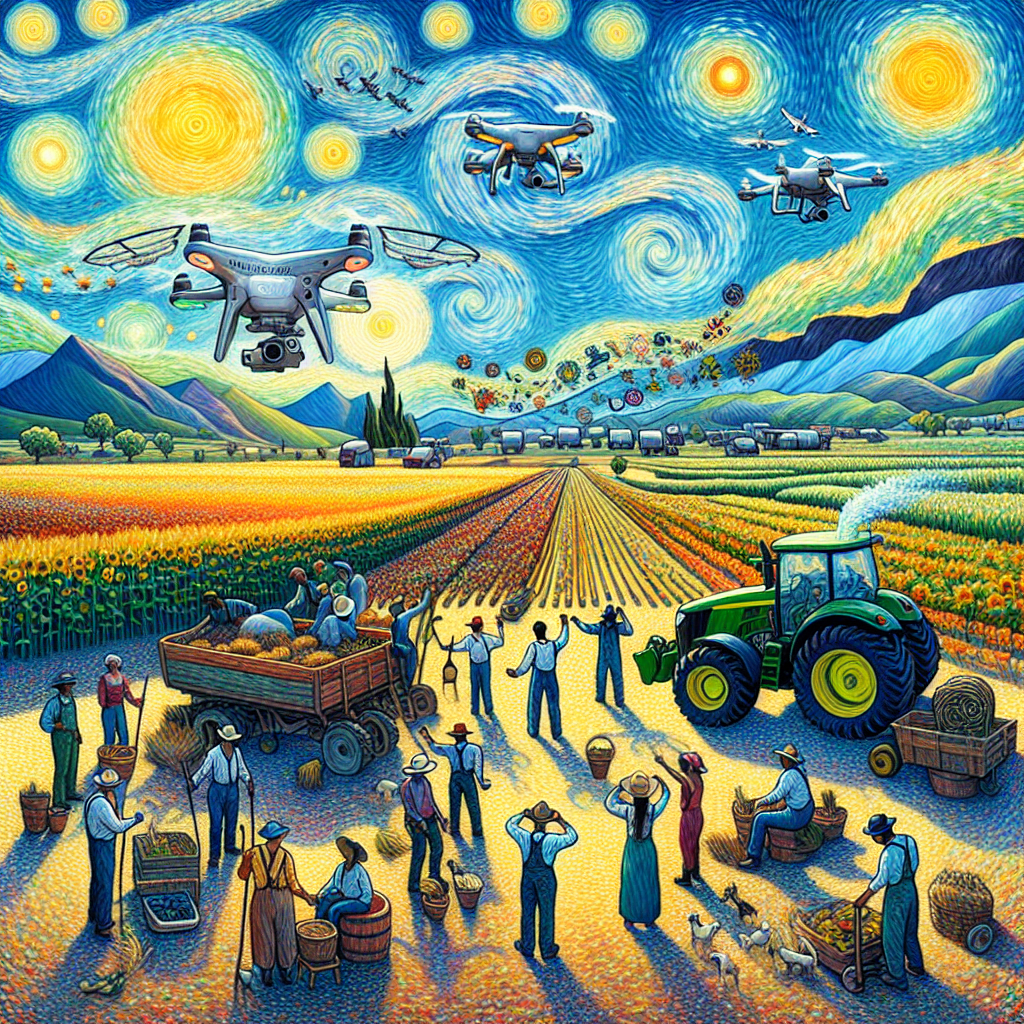
How Does a Tractor Inspire Nostalgia for You?
What Features Define the Charm Of an Underrated Classic Tractor?
When we think of tractors, many envision the latest models, gleaming with technology and sparkling with innovation. But amidst the bright new machines, there lies an underrated classic tractor that beckons with a certain charm, almost like an old friend who has been through thick and thin. It stirs a deep sense of nostalgia and connection, not just to farming, but to the very essence of hard work that binds generations together.
At the heart of this charm is the tractor’s remarkable simplicity. Unlike today’s complex machinery, the classic tractor thrives on straightforward designs that reflect a time when farming required grit and ingenuity. Each piece tells a story, from the rusted metal that carries the weight of experience to the unmistakable roar of the engine that evokes memories of long days spent in sunlit fields. It’s a connection to our roots—literally and figuratively—that resonates with anyone who has ever navigated a dirt road.
From a rational standpoint, the classic tractor boasts resilience and reliability. Built to last, many of these machines have powered farms for decades, proving their worth with each harvest. They are a testament to ethical craftsmanship, designed not just for function but also with respect for the tools that serve our soils. Investing in such a tractor means supporting a legacy of durability over disposability—an approach that feels more relevant than ever as we seek sustainability in our lives.
There’s a narrative woven into every classic tractor. Picture a young farmer, hand-me-down keys jingling in their pocket, as they climb onto the worn seat of a machine that has seen trials and triumphs. Each start of the engine is an emotional reminder of their parent’s hard work, a symbol of the dreams they inherited. In each turn of the wheel, there are hopes for the future—they aren’t just farming; they’re honoring history.
Socially, these classic tractors unite communities. Enthusiasts gather at fairs and auctions, sharing stories and knowledge, reinforcing bonds over a shared appreciation for what these machines represent. From the restored models gracing showcase fields to their humble counterparts still farming, these tractors embody a collective spirit—a reminder that we are all part of something larger than ourselves.
The charm of an underrated classic tractor is timeless, echoing through our hearts and reminding us of the values—hard work, resilience, and community—that have shaped our agricultural landscape. It invites us to reconnect with those ideals, beckoning every new generation to rediscover the joy and pride that comes from embracing the past while steering towards the future.
What Features Define the Charm Of an Underrated Classic Tractor?
What Features Define the Charm Of an Underrated Classic Tractor?
- Classic tractors evoke nostalgia and a deep connection to farming and hard work.
- Their simplicity highlights a time when farming required grit and ingenuity.
- Classic tractors are known for their resilience and reliability, often lasting for decades.
- These machines represent ethical craftsmanship and a legacy of durability over disposability.
- Every classic tractor holds personal stories and memories for farmers, symbolizing inherited dreams.
- Classic tractors foster community engagement through fairs and auctions, reinforcing shared bonds.
- The charm of classic tractors underscores values of hard work, resilience, and community, inviting renewed appreciation.
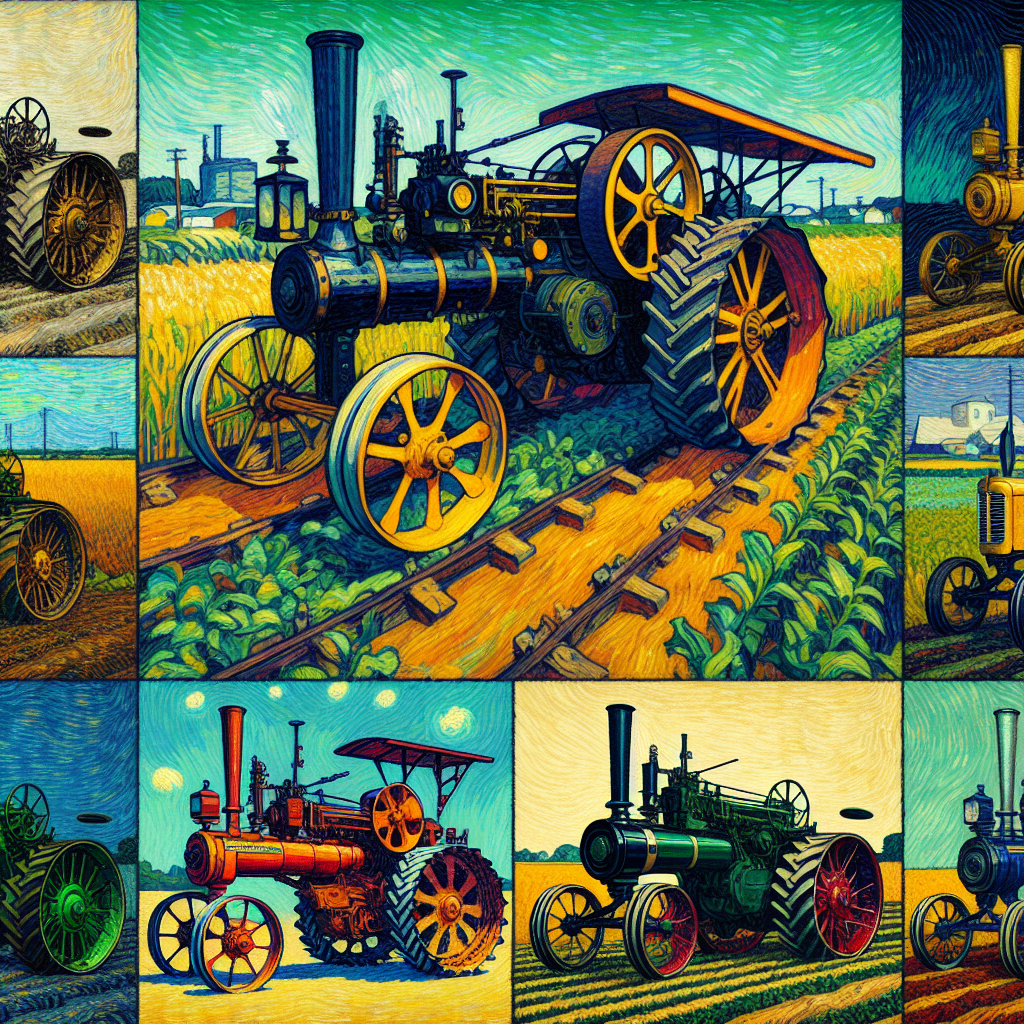
What Features Define the Charm Of an Underrated Classic Tractor?
How Do Classic Tractors Reflect Sustainable Farming Practices?
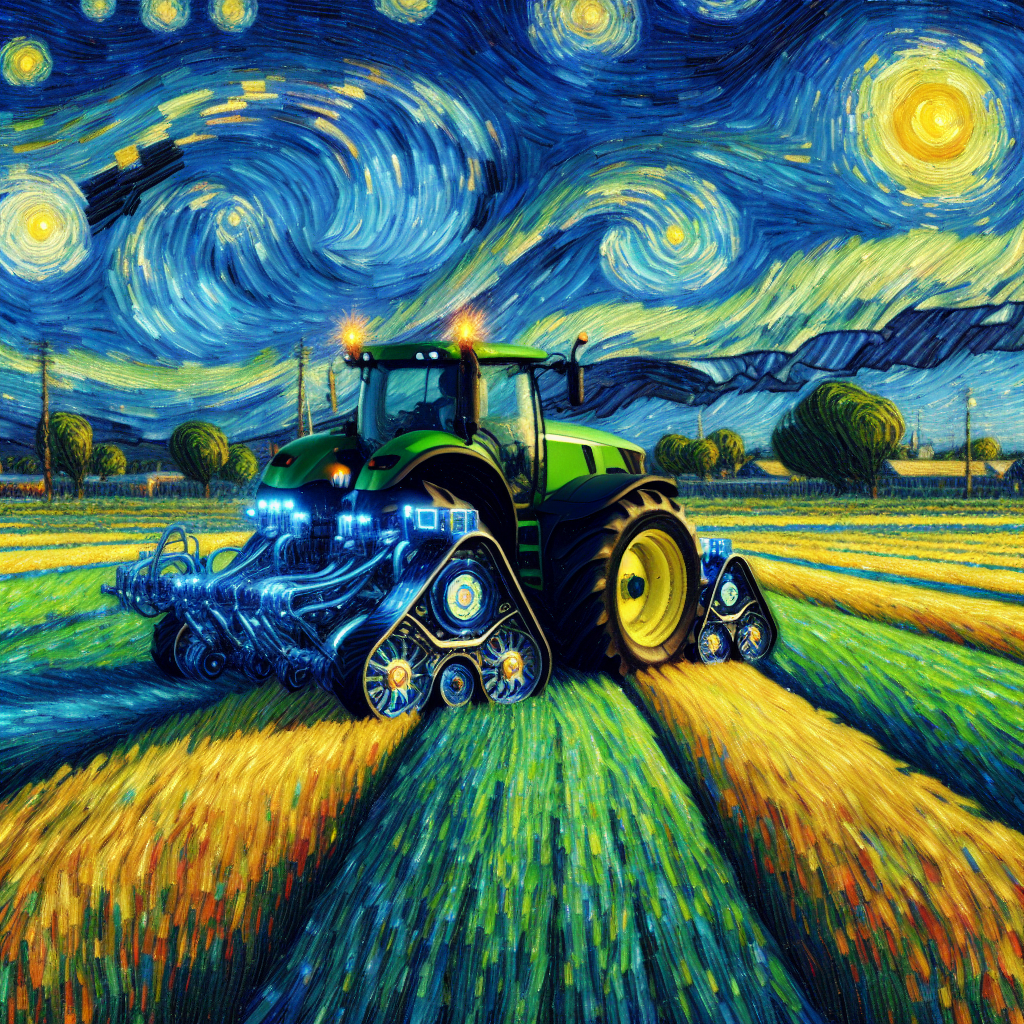
Classic tractors are more than just hulking machines of metal; they embody a deep, abiding respect for the land and the virtues of sustainable farming practices. These robust vehicles, with their weathered surfaces and timeworn engines, represent a bridge between generations of farmers who have relied on them to cultivate the earth in a responsible, eco-conscious manner.
Every scratch and dent on a classic tractor tells a story—not just of toil, but of commitment. Farming has always been about nurturing the land, and these tractors, often seen plowing fields or hauling loads, are symbols of a philosophy rooted in environmental stewardship. They remind us that sustainable farming isn’t a fleeting trend; it’s a long-standing tradition that honors our connection to nature.
Consider the way farmers used classic tractors to cultivate their crops. These machines often employed simpler, more efficient designs, reducing fuel consumption and emissions compared to modern counterparts. The act of tilling soil with a classic tractor means less wear on both the land and the machine itself, promoting healthier ecosystems. This rational approach appeals to our ethical responsibility to leave the earth in better shape for future generations.
The narrative of classic tractors is also one of community. These machines were often passed down from parent to child, each one a relic of family pride and hard work. They evoke nostalgia and a sense of belonging, drawing farmers together to share stories and techniques, fostering a culture of mutual support and shared values. The tractors stand not only as tools but as beacons of trust; their reliability speaks volumes about the farmers’ dedication to conscientious practices.
In today’s fast-paced world, where technology often overshadows tradition, classic tractors serve as a reminder to slow down, to appreciate the craftsmanship and the hard-won lessons that come from years of experience. They invite us to reflect on what it means to farm sustainably: to work with nature, not against it, ensuring the health of the soil, water, and air.
Ultimately, classic tractors are more than machines. They represent a way of life—one steeped in integrity, hard work, and sustainability. Emulating their legacy could inspire a renewed commitment to farming practices that honor the earth, offering a path not just for those who till the soil, but for all of us who depend on it.
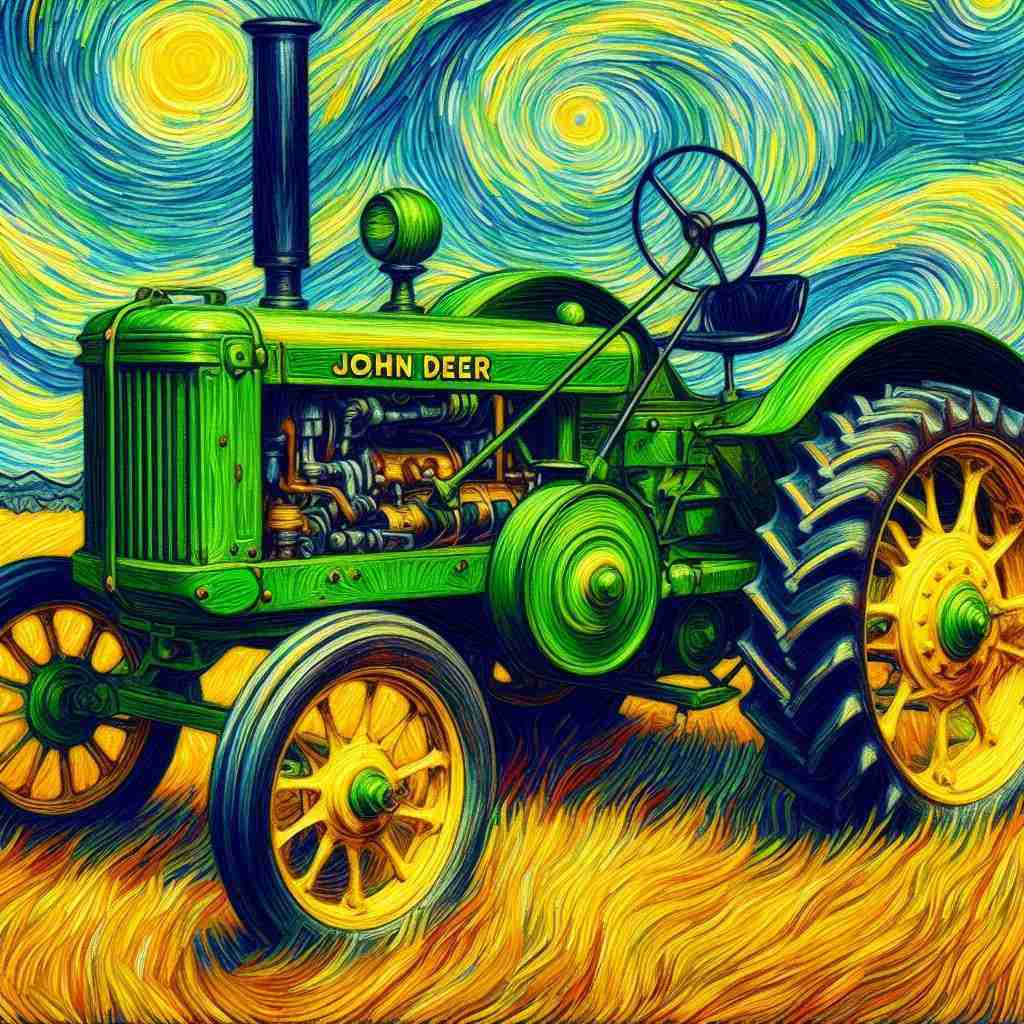
How Do Classic Tractors Reflect Sustainable Farming Practices?
How Do Classic Tractors Reflect Sustainable Farming Practices?
- Classic tractors symbolize respect for the land and sustainable farming practices.
- Each tractor features unique scratches and dents that tell stories of farmer commitment and toil.
- These machines promote environmental stewardship, reflecting a philosophy of sustainable farming.
- Simpler designs of classic tractors lead to reduced fuel consumption and emissions.
- Classic tractors foster community through family connections and shared farming experiences.
- They encourage appreciation for craftsmanship and lessons learned over generations in farming.
- Classic tractors represent a sustainable way of life, inspiring a commitment to conscientious agricultural practices.
How Do Classic Tractors Reflect Sustainable Farming Practices?
What Hidden Benefits Do Underrated Tractors Offer to Collectors?
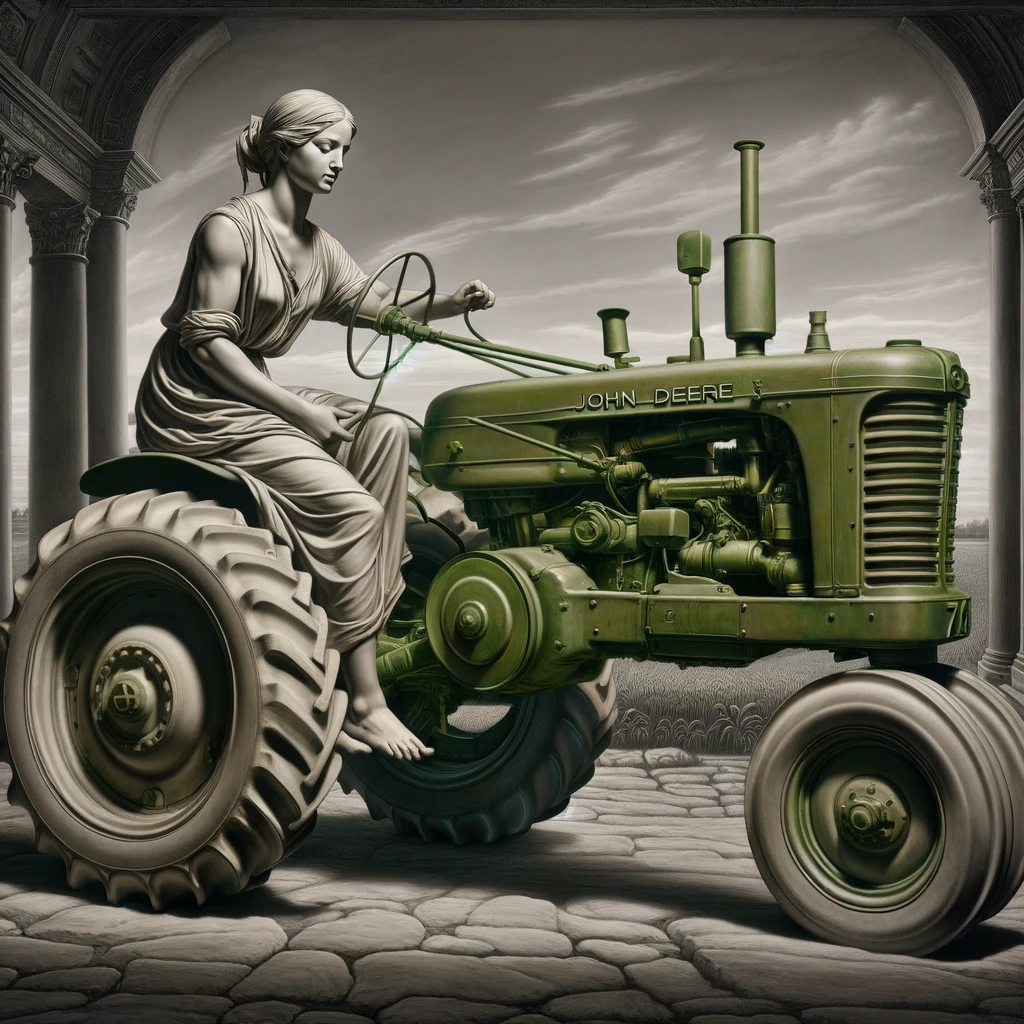
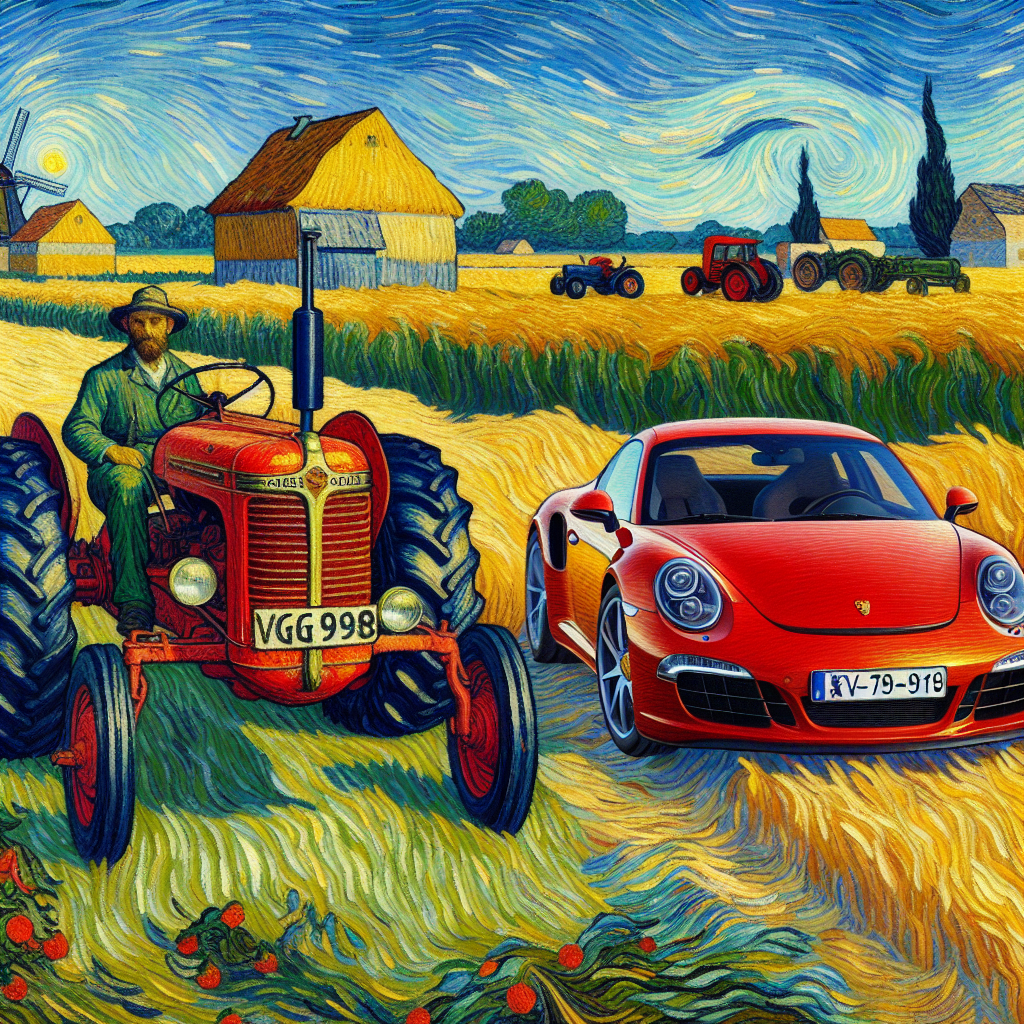
When we think of collecting, most of us envision gleaming machines, eye-catching displays, or iconic brand names that command attention. Yet, there’s a whole world of underrated tractors quietly waiting in the wings, offering hidden benefits that are as rewarding as they are surprising. These tractors may not have the glamour factor, but they embody stories and a rich history that resonate deeply with those who take the time to dig beneath the surface.
Consider the emotional connection one can forge with a vintage tractor. Each scratch and dent tells a story—a testament to the years it spent plowing fields or hauling loads. Collectors who embrace these less celebrated models often feel a profound respect for the craftsmanship and practicality that defined an era. This isn’t just about owning a piece of machinery; it’s about preserving a fragment of history, honoring the legacy of those who operated them, and fostering a tangible link to a simpler time.
From a rational perspective, underrated tractors often come with advantages that outperform their more famous counterparts. They tend to be more affordable, which means collectors can expand their collections without breaking the bank. Additionally, the parts for these models, while perhaps not always readily available, often cost less than those for highly sought-after tractors. This practicality makes it feasible for those who want to restore and maintain their vehicles without incurring astronomical costs.
Ethically, engaging with less recognized brands sheds light on the importance of diversity within the collecting community. It encourages collectors to explore the rich tapestry of agricultural machinery and appreciate the innovation behind all manufacturers, not just the household names. This fosters a safer, more inclusive environment where all stories of agricultural achievement are shared and celebrated.
Narratively, each underrated tractor has a background worthy of exploration. Imagine diving into a detailed account of how a lesser-known model revolutionized farming practices in a specific region. These narratives encourage connection—not only with the machines but also within the community of collectors. They spark conversations, forge friendships, and create opportunities for mentorship.
Collecting underrated tractors invites enthusiasts to step outside the mainstream and cultivate a rich, meaningful experience that transcends mere ownership. It’s an opportunity to enrich your life, connect with the past, and inspire future generations while championing the authenticity that these hidden gems represent. So, the next time you encounter a lesser-known tractor at a show or on a dusty backroad, consider the depth of history and connection it might offer. It could very well lead you on a journey that ignites passion and purpose.
What Hidden Benefits Do Underrated Tractors Offer to Collectors?
What Hidden Benefits Do Underrated Tractors Offer to Collectors?
- Underrated tractors offer hidden benefits and rich histories, contrasting with more glamorous models.
- Emotional connections with vintage tractors arise from their wear and tear, embodying stories of past uses.
- Collectors value the craftsmanship and practicality of lesser-known models, preserving history and legacy.
- Underrated tractors are often more affordable, allowing collectors to expand their collections economically.
- Parts for these models typically cost less, making restoration and maintenance more feasible.
- Engaging with diverse brands promotes accessibility and inclusivity within the collecting community.
- Exploring the narratives of underrated tractors fosters community connections, discussions, and mentorship opportunities.
What Hidden Benefits Do Underrated Tractors Offer to Collectors?
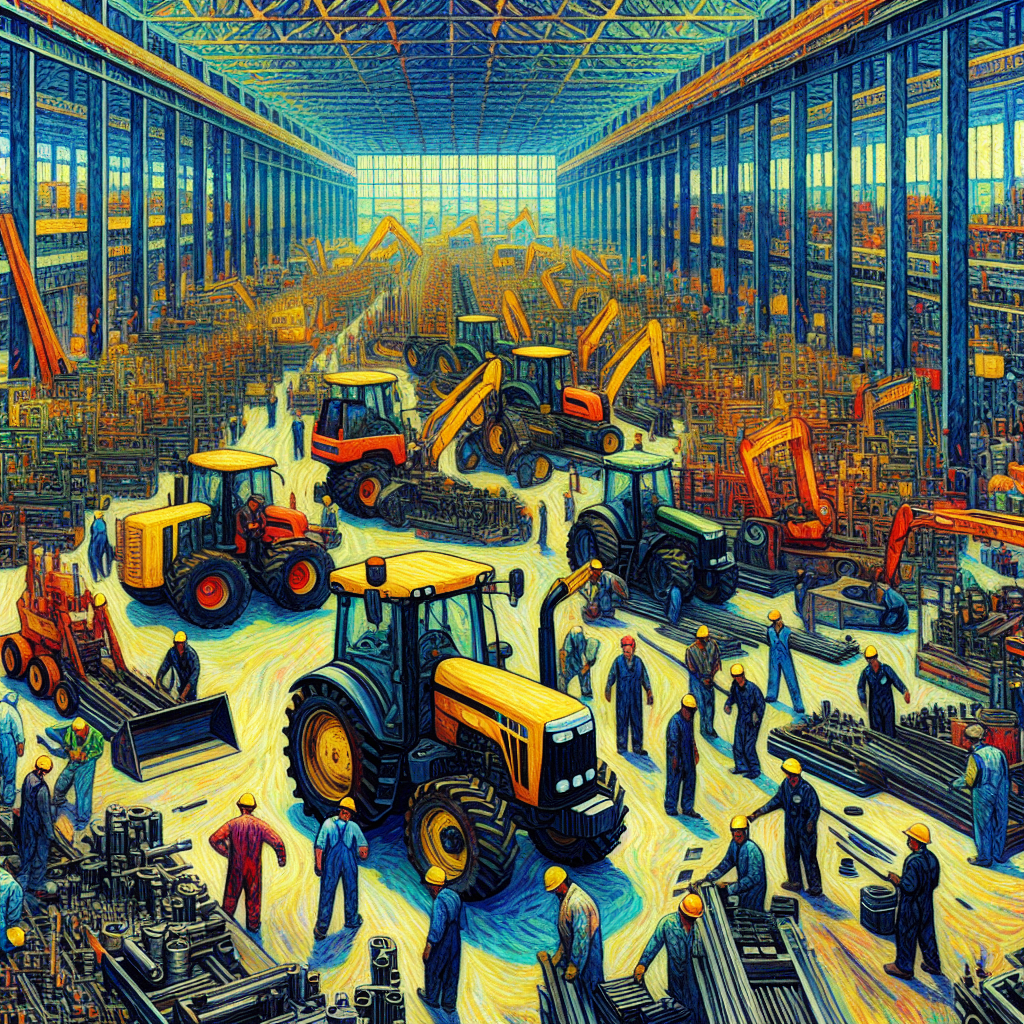
How Can Restoring a Classic Tractor Impact Community Connection?
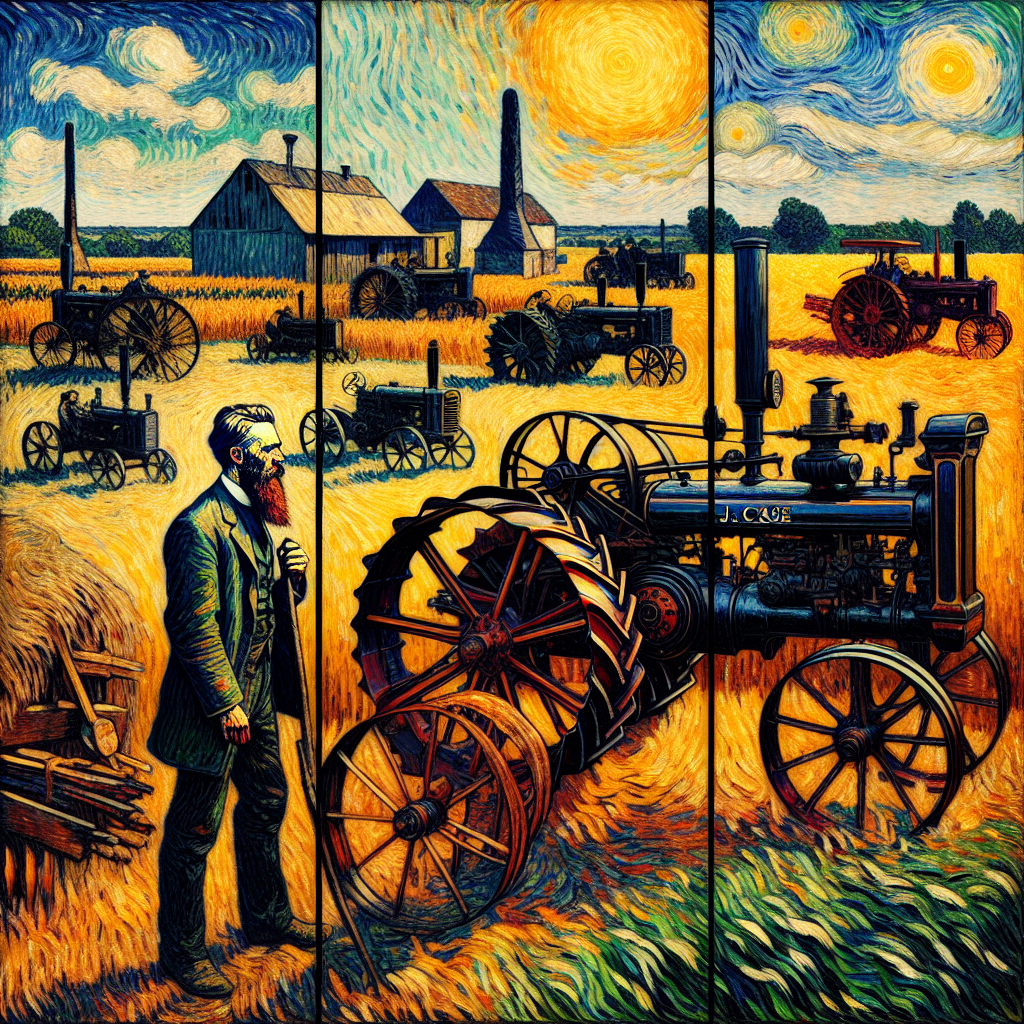
Restoring a classic tractor can serve as more than just a hobby; it can become a cornerstone of community connection. This isn’t merely about bringing an old machine back to life; it’s about reviving stories, traditions, and the very essence of who we are as a community. When a tractor rolls out of the barn, it embodies the hard work and perseverance that forged our neighborhoods—an emblem of shared history and labor.
Consider the image of neighbors coming together. Whether it’s a retired farmer recounting tales of the land or a young enthusiast learning the ropes, the restoration process transforms isolation into collaboration. Tools are passed, techniques shared, and laughter echoes through the workshop. Each turn of the wrench becomes a thread that ties individuals together, fostering bonds that extend beyond the task at hand. In a world where technology often pulls us apart, this tactile experience draws us back into our roots, appealing to our gut instinct for connection.
But it’s not just the act of restoration that speaks to our hearts; it’s the legacy that these tractors represent. For many, they are symbols of family heritage and the cycles of life. Each paint chip and dent tells a story—whether it’s a first tractor bought by a grandfather or the machine that plowed the fields for decades. The emotional weight carried by these machines bridges generations, creating an ethical imperative to preserve and share these narratives. By restoring a classic tractor, we honor the individuals who shaped our communities, inspiring respect and admiration among peers.
And let’s not forget the impact on local economies. Restoring tractors can ignite a thriving culture of craftsmanship, prompting the revival of local shops and services. A community that rallies around its roots often sees a resurgence in entrepreneurial spirit. The knowledge and skills involved in restoration become a form of authority—elders teach the youth, preserving invaluable techniques while also reigniting a passion for hands-on work.
As community members gather for events showcasing restored tractors, the social fabric strengthens. These gatherings become more than mere showcases of mechanical prowess; they are celebrations of shared values, proving that when we work together, not only do we restore machinery, but we also rejuvenate our communities. The laughter, the stories, and the camaraderie created in these moments resonate far beyond the physical restoration itself, reinforcing a sense of belonging that is hard to replicate elsewhere. So, when we take on the project of restoring a classic tractor, we’re not just reclaiming a piece of equipment; we’re reconnecting with our heritage and each other.
How Can Restoring a Classic Tractor Impact Community Connection?
How Can Restoring a Classic Tractor Impact Community Connection?
- Restoring a classic tractor fosters community connection and revives local stories and traditions.
- The act embodies hard work and perseverance, symbolizing shared history and labor in neighborhoods.
- Restoration transforms isolation into collaboration, with neighbors exchanging tools and techniques.
- Tractors serve as symbols of family heritage, bridging generations and creating a connection to the past.
- Restoration projects can stimulate local economies by promoting craftsmanship and entrepreneurial spirit.
- Community events showcasing restored tractors strengthen social bonds and celebrate shared values.
- Restoring a tractor is not just about the equipment but reconnecting with heritage and each other.
How Can Restoring a Classic Tractor Impact Community Connection?
Why Do You Think Certain Tractors Remain Underappreciated?
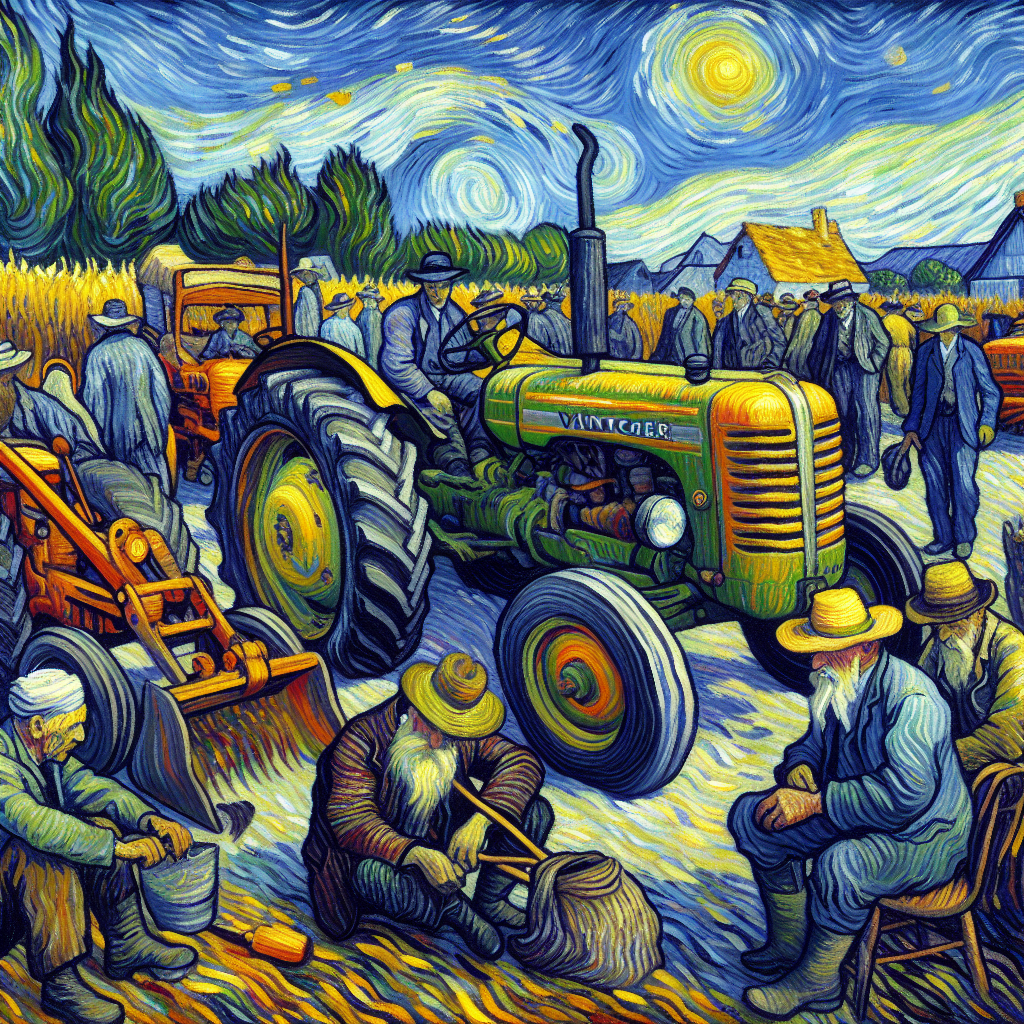
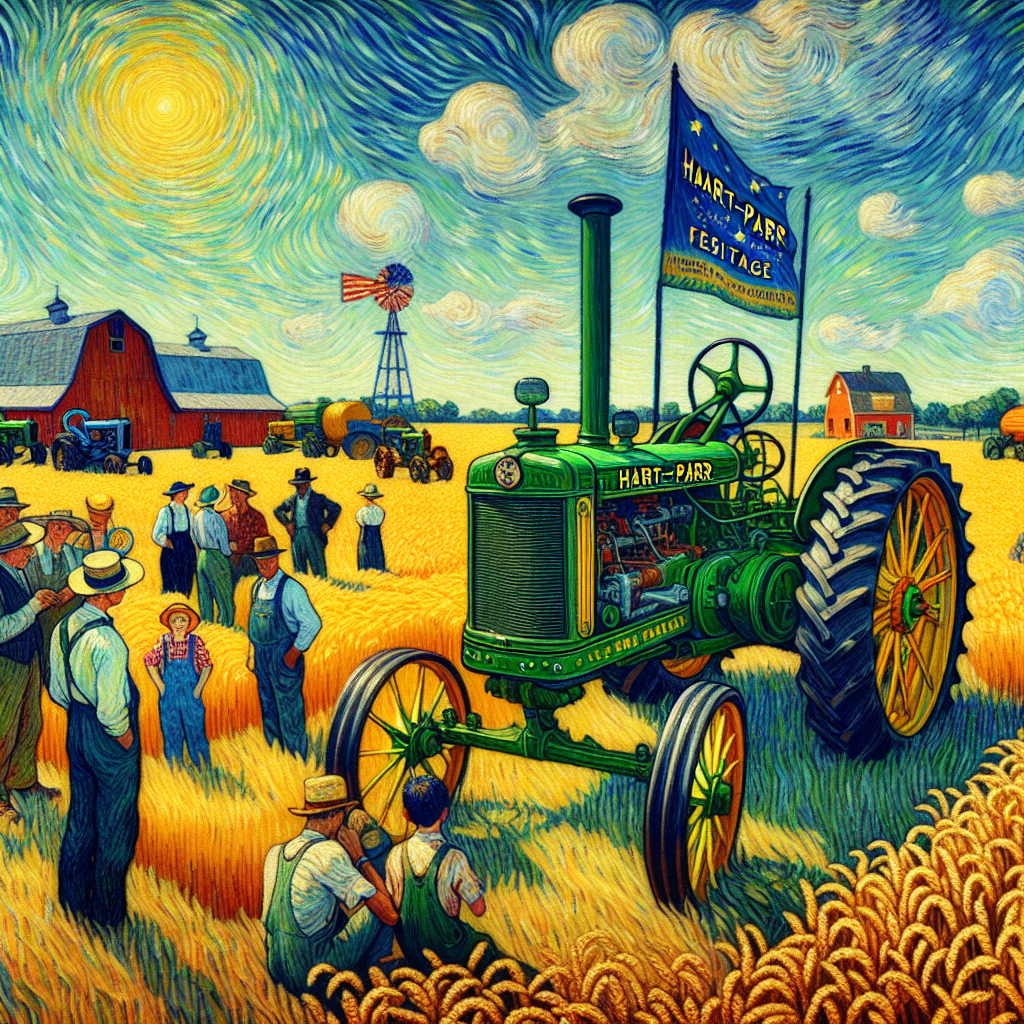
In the vast landscape of farming machinery, certain tractors seem to slip between the cracks of recognition, overlooked despite their invaluable contributions. It’s a curious phenomenon, considering how these metal beasts, regardless of brand or model, are the lifeblood of many rural communities. Each tractor is more than just a piece of equipment; it’s a tool deeply woven into the fabric of our agricultural heritage.
Take a moment to consider the hard-earned stories that accompany these underappreciated tractors. Picture a farmer rising before dawn, the first light casting shadows over the fields, their trusty tractor ready to toil. For many, this isn’t just machinery; it’s an extension of their daily life. These tractors symbolize resilience and dedication, yet they often don’t receive the accolades they deserve. Why is that?
At the heart of it, there’s an emotional disconnect. Society often gravitas towards the flashier, more modern models, those that grace magazine covers and social media feeds. Meanwhile, the workhorse tractors, perhaps old and battered, silently contribute to feeding nations. They carry a legacy of hard labor, ethics of sustainability, and respect for the land that is hard to quantify but essential to recognize.
From a rational perspective, those overlooked tractors often bring unparalleled reliability and efficiency to the table. Their simplicity translates to ease of repair and maintenance, proving that sometimes, less is more. It’s easy to get caught up in the allure of innovation and technology, but there’s an enduring value in machines that have weathered the test of time. They embody stories of countless families who have built their lives around them, nurturing not just crops but communities.
Moreover, there’s a social responsibility at play. As consumers, we have the power to shift the narrative. By recognizing and appreciating these workhorses, we foster a culture that values craftsmanship and longevity over fleeting trends. It’s about embracing a collective memory that honors those who came before us, driving home the point that every scratch and dent on these tractors tells a story worth telling.
So the next time you encounter a humble, perhaps overlooked tractor, take a moment to pause. Shake the dust off its history, and realize that in its quiet service lies a powerful message. In a world chasing the new, let’s not forget the importance of those steadfast machines that toil silently, giving us more than we often recognize.
Why Do You Think Certain Tractors Remain Underappreciated?
Why Do You Think Certain Tractors Remain Underappreciated?
- Many tractors in farming are overlooked despite their essential contributions.
- These tractors are integral to agricultural heritage and rural communities.
- They symbolize resilience and dedication, often without receiving proper recognition.
- An emotional disconnect exists as society focuses on newer, flashier models.
- Overlooked tractors offer reliability and ease of maintenance, valuing simplicity.
- Recognizing these machines fosters appreciation for craftsmanship and longevity.
- Every scratch and dent on these tractors tells a unique story deserving acknowledgment.
Why Do You Think Certain Tractors Remain Underappreciated?
Conclusion
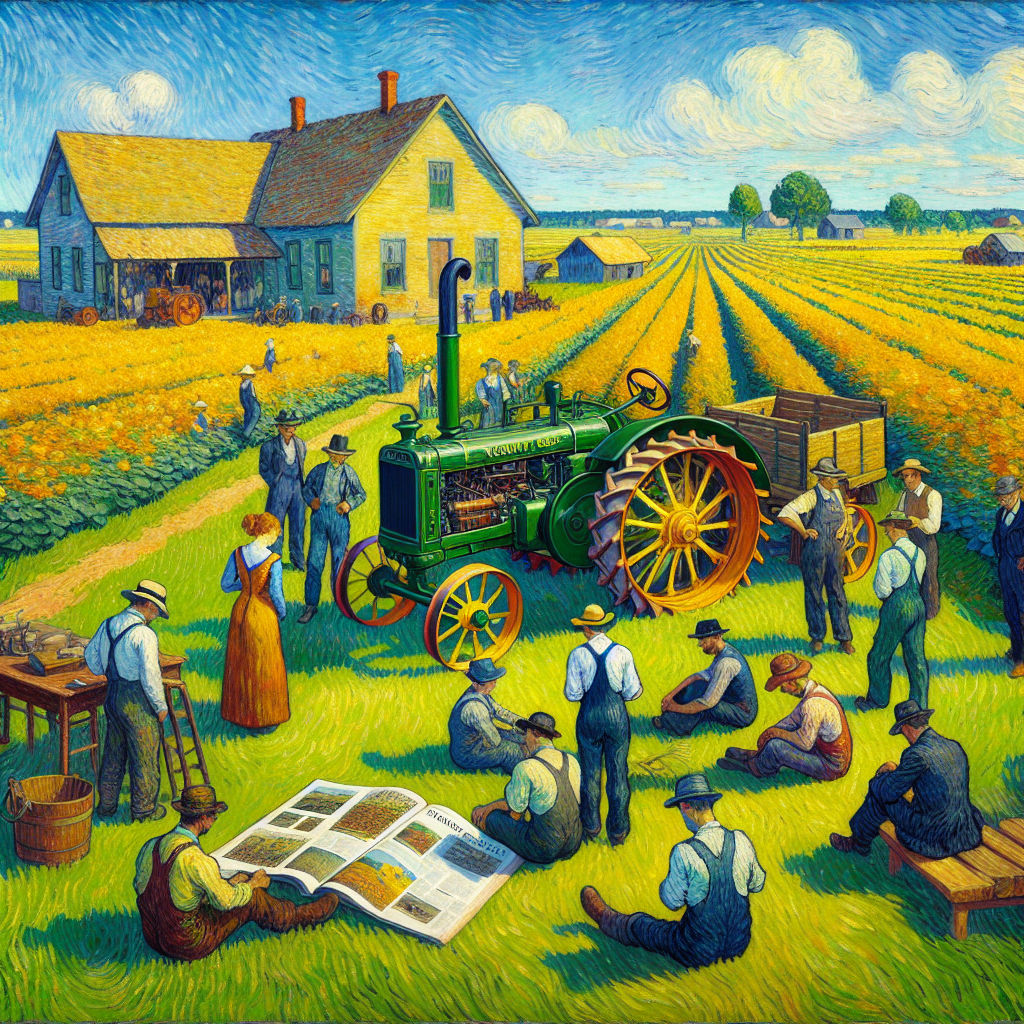
The Oliver 77 may not be the flashiest tractor in the barn, but in the heart of farming communities, it resonates deeply, embodying the essence of resilience, practicality, and connection. Unlike the more recognized blue or red counterparts that often steal the spotlight, this underrated classic speaks volumes through its simplicity and reliability. As the sun rises over golden fields, the Oliver 77 becomes a sturdy companion, echoing tales of generations who have nurtured the land.
This tractor isn’t just a machine; it symbolizes a commitment to hard work, innovation, and community bonds. Its robust design and efficient engine yield exceptional performance, providing farmers with a dependable ally in the field. Beyond its functionality lies a rich narrative—each scratch and dent tells a story, connecting us to the legacy of those who toiled before us. It reflects an ethical responsibility to acknowledge and honor the craftsmanship that has shaped agriculture, ensuring continuity in a world often enamored with the superficial.
The emotional connection fostered by the Oliver 77 extends to nostalgia for simpler times, where tractors were integral to family life and traditions. The roar of its engine awakens memories of hardworking farmers and the values of perseverance and responsibility taught across generations. This legacy is not merely a historical footnote; it’s a call to honor the past while cultivating a sustainable future. Engaging with brands like Oliver nurtures a sense of belonging and responsibility, linking us to the roots and rights of our agricultural heritage.
As we cherish these classic tractors, we forge a contemporary community, where enthusiasts gather to celebrate their stories and share knowledge. Each restoration project not only revitalizes machines but also revives local connections, underscoring the importance of craftsmanship. This grassroots movement fosters an environment where every member, young and old, can partake in the narratives defined by these machines.
In contemplating the most underrated classic tractor, let’s recognize the Oliver 77 not just for its mechanics, but for the heart and soul it brings to the agricultural tapestry. It reminds us that true value lies not in gleaming exteriors but in the grit and determination embedded in its very frame. So as we steer into the future, let’s celebrate this hidden gem, honoring its legacy while inspiring new generations to appreciate the beauty and power of the machines that diligently feed and sustain us all.
Conclusion
Conclusion:
- The Oliver 77 is a symbol of resilience, practicality, and connection within farming communities.
- Contrary to flashier brands, the Oliver 77 is valued for its simplicity and reliability.
- Its robust design and efficient engine provide dependable performance, making it a trusted partner in agriculture.
- Each scratch on the tractor tells a story, connecting users to the craftsmanship of past generations.
- Nostalgia for simpler times and the values of perseverance and responsibility are evoked by the Oliver 77’s presence.
- The classic tractor culture fosters community engagement, encouraging restoration projects that strengthen local ties.
- The Oliver 77 serves as a reminder of the importance of legacy, craftsmanship, and sustainable agricultural practices.
Conclusion
Other Resources
Other Resources
Here is a list of other resources you can review online to learn more:
- Wallis
- Wetmore
- MX
- Suzue
- Porsche
- Saukville
- Huber
- YANMAR
- Sonalika Tractor
- Modern Farmers
- Fieldking
- SAME Tractors
- Creekside Farm & Market Tractor Show
- Jeep
- Fate-Root-Heath
- Buhler Versatile
- Earthmaster
- Ascot Universal
- Deutz-Fahr
- LS
Use This Prompt To Get More Resources With Your Favorite Online AI Tool: Please provide me with a list of online articles with their URLs in a bulleted list that I can read regarding What’s the Most Underrated Classic Tractor?
Other Resources
Glossary Terms
What’s the Most Underrated Classic Tractor? – Glossary Of Terms
1. Tractor: A powerful vehicle used for agricultural tasks, often equipped with a strong engine and attached implements.
2. Classic Tractor: A vintage agricultural vehicle, typically produced before the era of modern technology, valued for its historical significance and design.
3. Underrated: A term describing something that is not given enough recognition or appreciation, despite its qualities or importance.
4. Horsepower: A measure of engine power, indicating the tractor’s ability to perform tasks, such as plowing or towing.
5. Tillage: The agricultural preparation of soil for growing crops, often performed by tractors with plowing attachments.
6. Plow: An implement used to turn and break up soil, often hitched to a tractor for efficient use.
7. Cultivator: A tool attached to a tractor that prepares the soil for planting by aerating and breaking up the ground.
8. Hydraulics: A system using pressurized fluid to power tractor attachments, providing strength and precision in operations.
9. Four-Wheel Drive (4WD): A drivetrain system that powers all four wheels of the tractor, improving traction and stability on difficult terrain.
10. Vintage: The age or quality of something that has become classic or collectible, often associated with nostalgia.
11. Restoration: The process of returning an old tractor to its original condition, including repairs and refurbishments.
12. Engine: The mechanical component that converts fuel into motion, essential for powering a tractor.
13. Torque: A measure of twisting force produced by the tractor’s engine, influencing its ability to pull heavy loads.
14. Attachments: Additional implements that can be connected to a tractor, enhancing its versatility for various tasks.
15. Power Take-Off (PTO): A mechanism on tractors that allows the engine’s power to be transferred to auxiliary equipment or attachments.
16. Rear-End: The back section of a tractor housing the transmission and differential, critical for its performance and maneuverability.
17. Field Work: Agricultural tasks performed in the fields, such as planting, harvesting, and tilling, typically requiring a tractor.
18. Corn Picker: A device attached to a tractor for harvesting corn, illustrating machinery’s role in efficiency.
19. Baler: An attachment used to compress cut hay or straw into bales, showcasing the tractor’s adaptability in farming.
20. Seeder: A machine that plants seeds into the soil, often connected to a tractor for precision and speed.
21. Friction Clutch: A mechanical device that allows the operator to engage or disengage the tractor’s power smoothly.
22. Chassis: The base frame of a tractor, providing structural support for components like the engine and wheels.
23. Model: A specific version of a tractor design, often distinguished by unique features or performance specifications.
24. Tread Pattern: The design of a tractor’s tires, crucial for providing traction and stability in varied ground conditions.
25. Ballast: Weight added to a tractor for improved stability, especially when handling heavy loads or working on slopes.
26. Acreage: The measure of land area, often indicating the scope of agricultural operations managed by a tractor.
27. Ergonomics: The study of designing machinery, including tractors, to maximize comfort and efficiency for the operator.
28. Warranty: A guarantee provided by manufacturers for repairs or replacements of tractor parts within a specified period.
29. Cultivation: The act of improving soil health and moisture levels, usually performed with a tractor’s supplementary tools.
30. Collector’s Item: An object valued for its rarity or historical significance, such as a classic tractor cherished by enthusiasts.
Glossary Of Terms
Other Questions
What’s the Most Underrated Classic Tractor? – Other Questions
If you wish to explore and discover more, consider looking for answers to these questions:
- What are the key specifications of the Oliver 77 (horsepower, engine type, transmission, PTO, weight)?
- What years was the Oliver 77 produced and what major changes occurred during its production run?
- How does the Oliver 77 compare to better-known classic tractors in performance and reliability?
- What makes the Oliver 77 particularly underrated compared with red or blue-brand classics?
- How do maintenance and repair needs for the Oliver 77 differ from modern tractors?
- Where can I find original parts, reproduction parts, or compatible replacements for an Oliver 77?
- What are the most common mechanical problems owners experience with the Oliver 77 and how are they fixed?
- How much does it typically cost to buy a running Oliver 77 versus a project tractor in need of restoration?
- What is the estimated cost and timeline to fully restore an Oliver 77 to running or show condition?
- Which resources (manuals, schematics, forums, clubs) are best for Oliver 77 owners and restorers?
- How do I verify the authenticity and provenance of an Oliver 77 (serial numbers, tags, records)?
- What original attachments and implements were available for the Oliver 77 and are they still usable today?
- Can an Oliver 77 be safely used on a working farm today, and for what tasks is it best suited?
- What fuel type and fueling considerations are there for running an Oliver 77 today?
- Are there modern upgrades (electrical, brakes, hydraulics) that can be safely and sympathetically added?
- How does fuel efficiency of the Oliver 77 compare to both contemporary classic tractors and modern machines?
- What are the legal or registration requirements for operating or showing a restored Oliver 77 in public?
- What insurance options exist for vintage tractor collectors and show participants?
- How do restoration choices (original preservation vs modernization) affect collector value?
- What signs should a buyer look for to spot rust-through, frame damage, or poor prior repair work?
- Where and how should a restored Oliver 77 be stored to preserve its condition?
- What tools and skills are essential for someone starting their first tractor restoration project?
- How do parts availability and aftermarket support vary by region or country?
- Which suppliers or rebuilders are recommended for major components like engines or transmissions?
- What are typical resale values and market trends for Oliver 77 tractors among collectors?
- Which events, museums, or clubs focus on Oliver tractors or underrated classics where owners gather?
- How can restoring a tractor like the Oliver 77 strengthen local community ties and educational programs?
- What historical or cultural significance does the Oliver 77 hold in agricultural history?
- Are there famous farms, exhibitions, or restorations that highlight the Oliver 77’s legacy?
- What are best practices for documenting and preserving the restoration process for future generations?
- How does owning an Oliver 77 support sustainable or low-impact farming philosophies?
- What safety considerations and modern safety upgrades should be considered for operating a vintage tractor?
- How do you locate an honest seller or reputable auction when searching for an Oliver 77?
- What alternatives or similar underrated models should collectors consider alongside the Oliver 77?
- How can a beginner evaluate whether a particular Oliver 77 is a worthwhile restoration project?
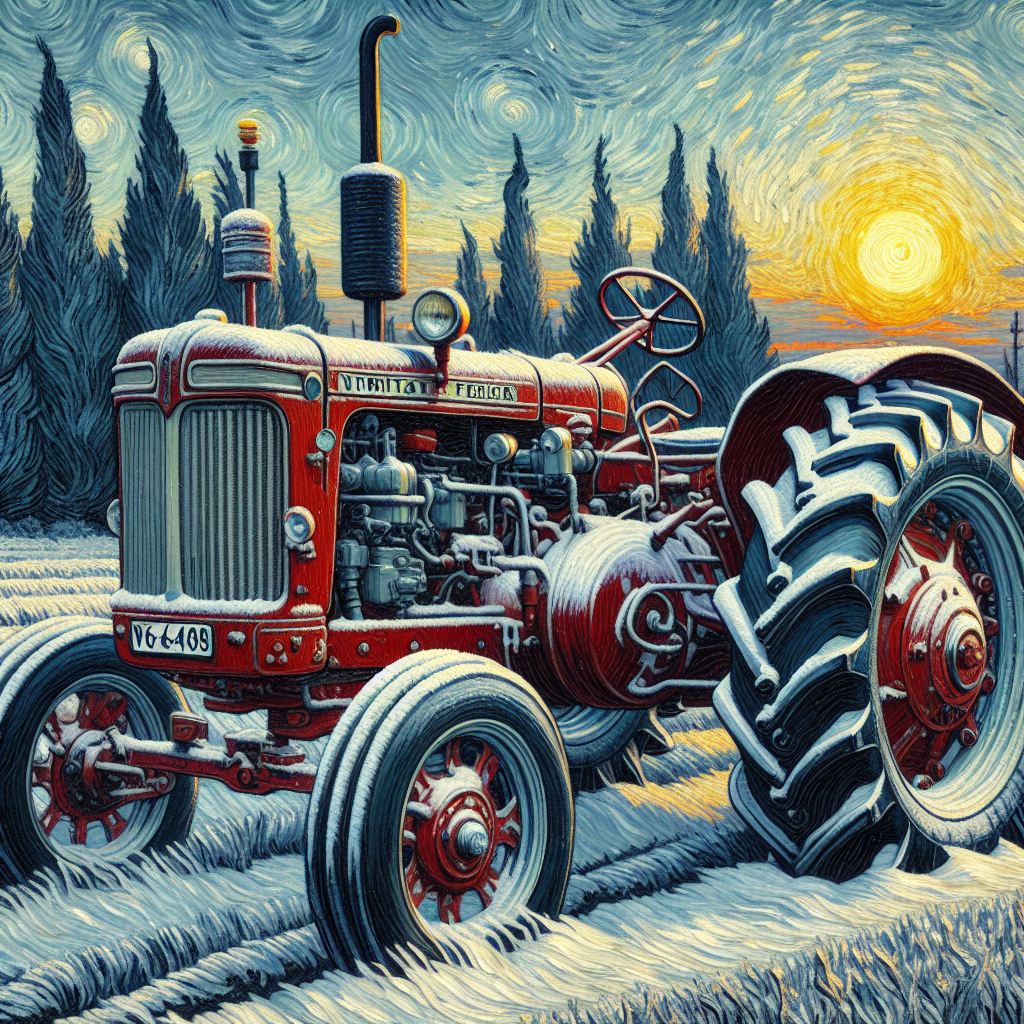
Other Questions
Haiku
What’s the Most Underrated Classic Tractor? – A Haiku
Oliver 77 stands tall,
Whispers of labor’s pride call—
History’s heart thrives.
Haiku
Poem
What’s the Most Underrated Classic Tractor? – A Poem
In fields where golden grains do sway,
Lies a tale of toil, an unseen way.
Amidst the giants, bold and bright,
The Oliver 77 claims its rightful light.
A sturdy companion, resilient and true,
It whispers of labor, the old and the new.
With each chug and rumble, it binds us with grace,
Reflecting our hearts in this agricultural space.
Not adorned in gloss, nor crowned with fame,
Still, it stands proud, a beacon of name.
Its legacy cradles the hands of the past,
A testament to persistence, a bond that holds fast.
Economics and ethics blend in its might,
A wise choice for farmers, a guiding light.
Restoring its engine invokes stories untold,
Of passions ignited, of history bold.
In gatherings shared, where communities thrive,
The act of restoration keeps memories alive.
With every connection, we nurture our roots,
Finding joy in hard work, in the soil’s rich fruits.
So when you encounter this gem on the road,
Remember the whispers of stories bestowed.
In the Oliver’s charm, let’s take our stand,
For the unsung heroes that shape our land.
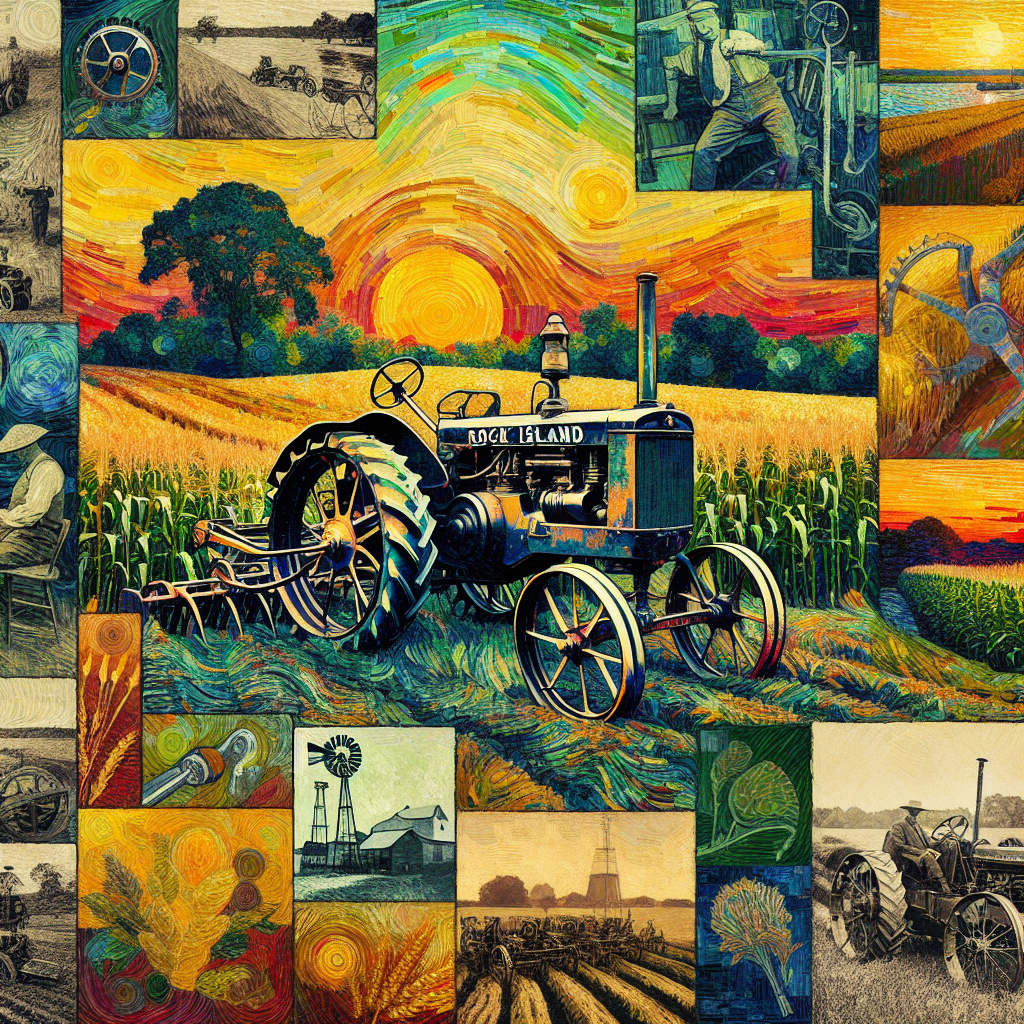
Poem
Checklist
What’s the Most Underrated Classic Tractor? – A Checklist
Emotional Appeals
✅______ Reflect on your memories connected to tractors and farming.
✅______ Share a personal story or recollection related to classic tractors.
✅______ Consider how the sight of a classic tractor evokes feelings of nostalgia.
Rational Appeals
✅______ Assess the practical benefits of owning an Oliver 77, such as maintenance and fuel efficiency.
✅______ Research its performance features compared to modern tractors.
✅______ Evaluate the long-term cost savings of investing in an underrated classic tractor.
Ethical Appeals
✅______ Recognize the craftsmanship behind brands like Oliver and their impact on agricultural heritage.
✅______ Consider the importance of preserving agricultural history through classic tractor ownership.
✅______ Reflect on your responsibility towards supporting sustainable farming practices.
Authority Appeals
✅______ Identify expert opinions or testimonials about the reliability and charm of classic tractors.
✅______ Attend local tractor shows or farm events to learn from experienced collectors and enthusiasts.
Narrative Appeals
✅______ Explore the history and stories associated with the Oliver 77 and similar tractors.
✅______ Create a personal narrative about how a classic tractor has impacted your life or family.
✅______ Engage with the community to gather and share stories of tractors and their contributions to farming.
Social Appeals
✅______ Join local tractor clubs or online forums to connect with fellow enthusiasts.
✅______ Participate in community restoration projects for classic tractors.
✅______ Host or attend events celebrating classic tractors to foster community connections.
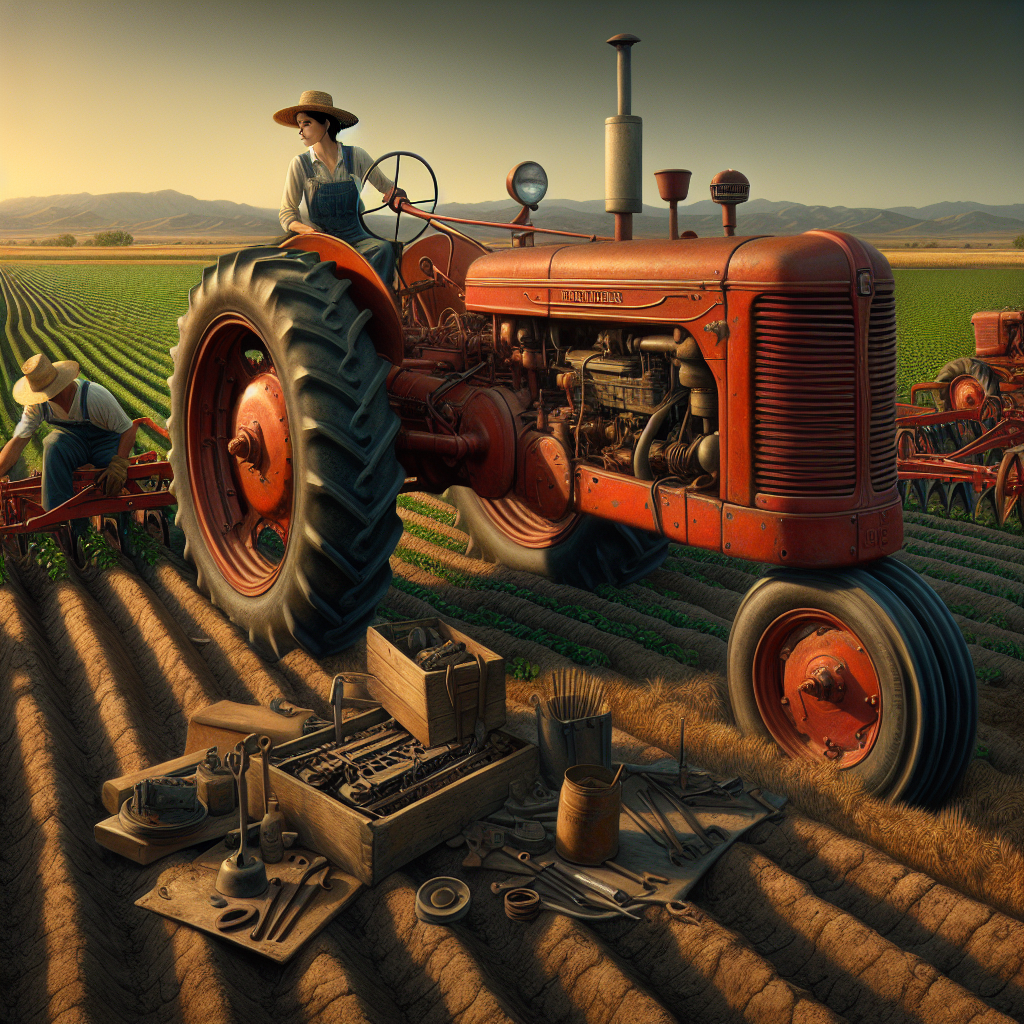
Checklist
At ClassicTractorNews, we help tractor lovers keep up with the latest news for classic and vintage tractors.
Please share this post with your friends, family, or business associates who may like old classic or vintage tractors.