

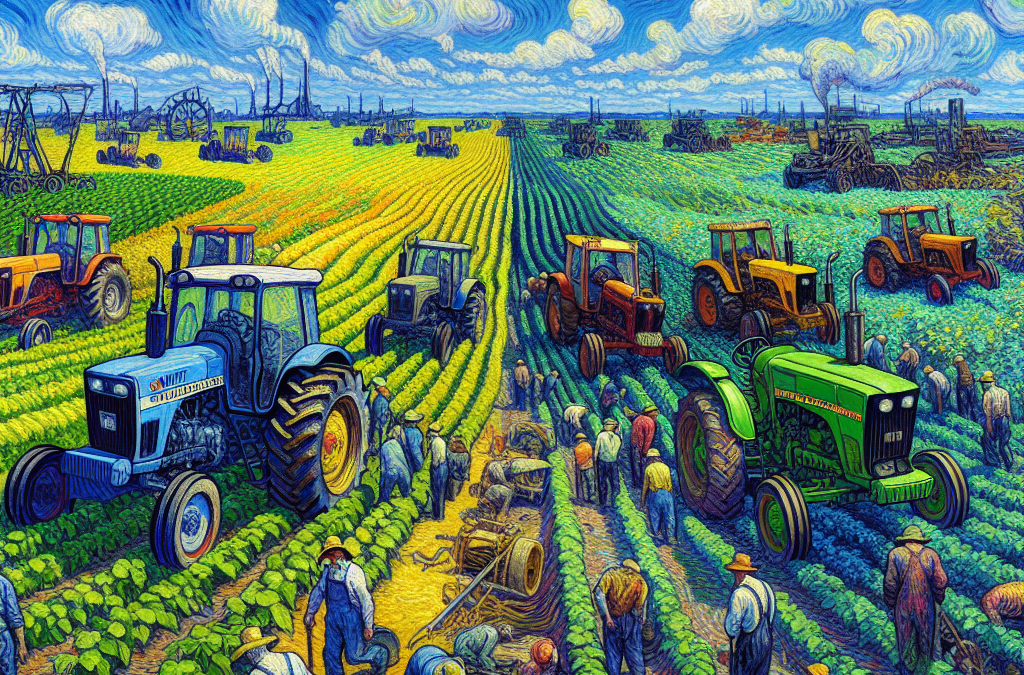
Revolutionizing Agriculture: The Impact Of Rubber Tires On Tractors
By Tom Seest
At ClassicTractorNews, we help tractor lovers keep up with the latest news for classic and vintage tractors.
Please share this post with your friends, family, or business associates who may like old classic or vintage tractors.
What’s the History Of Rubber Tires on Tractors?
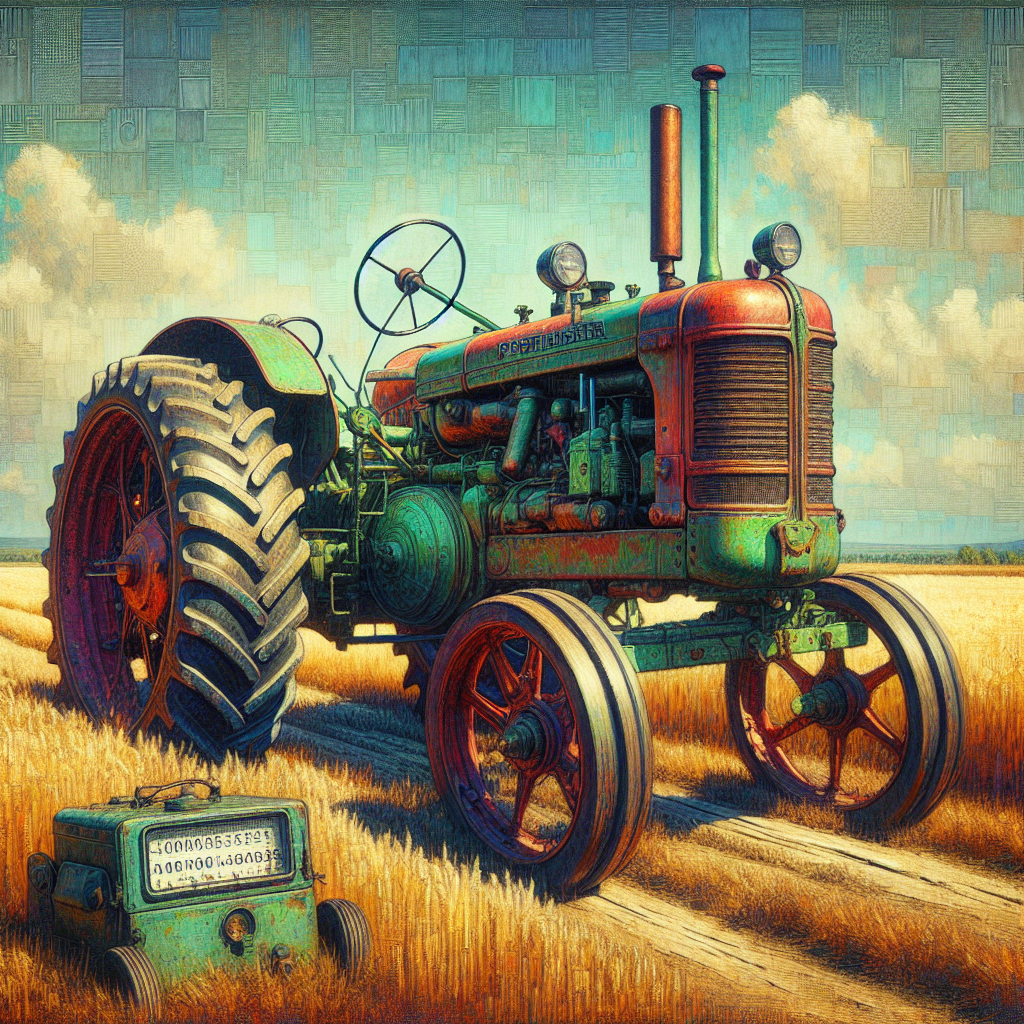
The evolution of rubber tires on tractors is a narrative steeped in innovation and necessity, reflecting the spirit of human ingenuity. From the early days of farming, when plows were pulled by horses and wheels were mere wooden circles, agriculture was tied directly to the land and the tools we used. As the industrial revolution took hold, farmers faced challenges that wooden wheels simply couldn’t tackle. Enter the rubber tire—a game changer that transformed the way we cultivate, harvest, and feed the world.
Imagine a time when the terrain was rugged, often unforgiving. Picture farmers struggling through mud and uneven fields, with wheels that offered little grip and stability. The introduction of rubber tires in the 1930s marked a pivotal shift. Rubber provided much-needed traction, enabling tractors to work more effectively across diverse terrains. This innovation wasn’t just about improved performance; it was about empowering farmers to reclaim their time and productivity. The psychological weight lifted as a steel-hulled tractor with rubber tires could traverse the landscape like never before, cutting the time it took to sow seeds and reap the rewards.
Beyond the mechanics, there’s an ethical dimension to consider. The switch to rubber tires allowed for dramatic advancements in efficiency, ensuring that less time was spent stuck in the muck and more time nurturing the bounty of the earth. This shift sparked a new era of agriculture, one that married tradition with modernity, fostering a connection between those who cultivate our food and the technology that supports this noble endeavor. The relationship between farmers and their machines became a partnership, a shared purpose grounded in the earth.
Rubber tires also serve as a symbol within the agricultural community, representing resilience and progress. They are not just an accessory; they are the embodiment of hard work, late nights, and a commitment to the land. This evolution in tractor technology echoes the journey of every farmer—a testament to the sweat and toil that builds our society’s very foundation.
Today, as we stand on the shoulders of those who paved the way, we celebrate not just the rubber tire, but what it represents: the drive to do better, to innovate, and to foster growth. The story of rubber tires on tractors is more than a history lesson; it’s a call to honor our heritage, trust in our tools, and commit to the future of agriculture. Embracing this legacy is not just logical; it’s a heartfelt reminder of our collective journey—one that continues to evolve, driven by the passion of those who work the land.
What’s the History Of Rubber Tires on Tractors?
What’s the History Of Rubber Tires on Tractors?
- The evolution of rubber tires on tractors showcases innovation and necessity in agriculture.
- Transitioning from wooden wheels to rubber tires revolutionized farming practices during the industrial revolution.
- The 1930s introduction of rubber tires improved traction, enabling effective work across rugged terrains.
- This advancement allowed farmers to enhance productivity and reclaim time spent on labor-intensive tasks.
- Rubber tires symbolize resilience, representing hard work and a commitment to the land within the agricultural community.
- The relationship between farmers and machinery evolved into a partnership fostering growth and tradition.
- The legacy of rubber tires urges a commitment to honoring heritage and advancing the future of agriculture.
What’s the History Of Rubber Tires on Tractors?
Table Of Contents
- What’s the History Of Rubber Tires on Tractors?
- How Have Rubber Tires Changed Tractor Performance Over Time?
- What Ethical Considerations Surround Rubber Sourcing for Tires?
- How Do Rubber Tires Influence Sustainability In Agriculture?
- What Stories Do Farmers Share About Their Experiences with Tires?
- How Has Tire Development Shaped the Agricultural Industry?
- What Role Do Expert Opinions Play In Tire Selection for Tractors?
- Conclusion
- Other Resources
- Glossary Of Terms
- Other Questions
- Haiku
- Poem
- Checklist
How Have Rubber Tires Changed Tractor Performance Over Time?
Tractor performance has undergone a remarkable transformation over the years, largely due to the evolution of rubber tires. Imagine a time when farmers relied on steel, metal, and hard surfaces—each bump and jolt reverberating through the tractor, rattling bones and sowing seeds of frustration. The harshness of those days shaped not just the machinery, but also the very spirit of agriculture.
Today, rubber tires have revolutionized that experience. It’s about more than just smoother rides; it’s the difference between struggle and ease when farmers head out into the fields at dawn. The technology has evolved from basic rubber compounds to advanced designs that provide grip, flexibility, and efficiency. It’s these advancements that allow tractors to traverse diverse terrains, from muddy fields to uneven landscapes, without losing their footing or power.
Consider the emotional weight of this change. Every farmer knows the connection to their land, the stakes they carry with every planting season. When tractors are equipped with quality rubber tires, it doesn’t just make a job easier—it uplifts the hope of a bountiful harvest. It’s about fewer breakdowns, less frustration, and more time soaking in the satisfaction of a job well done. These are not just machines; they carry dreams, traditions, and often, entire families on their backs.
Rationally, the benefits speak for themselves. Improved traction and reduced soil compaction are not just buzzwords; they have real-world implications. Farmers can plant and harvest more efficiently, increasing productivity without adding to the burden of their already demanding schedules. This efficiency translates into sustainable practices, helping to preserve the land for future generations. With every revolution of those tires, farmers contribute to responsible stewardship of their resources, ensuring the cycle of life continues.
Ethically, investing in quality rubber tires is a commitment to longevity—both of the tractor and the land it works. Socially, upgrading machinery fosters a community of innovators. Farmers, once isolated in their struggles, now share experiences and insights, leaning on the strength of collective knowledge to hone their craft.
In this narrative of progress, trust is built not only on the performance of rubber tires but on the legacy they help cultivate. They remind us that when ingenuity is combined with hard work, both the machine and the person behind it can thrive, nurturing a bond that respects the past and embraces the future.
How Have Rubber Tires Changed Tractor Performance Over Time?
How Have Rubber Tires Changed Tractor Performance Over Time?
- Tractor performance has transformed significantly due to advancements in rubber tire technology.
- Early tractors were harsh, with farmers enduring discomfort from metal and hard surfaces.
- Modern rubber tires enhance grip, flexibility, and efficiency, improving the farming experience.
- Quality tires increase productivity, allowing for efficient planting and harvesting while minimizing breakdowns.
- Improved traction and reduced soil compaction contribute to sustainable agricultural practices.
- Investing in quality tires supports the longevity of both tractors and the lands they cultivate.
- The upgrade fosters community and collaboration among farmers, enhancing collective knowledge and innovation.

How Have Rubber Tires Changed Tractor Performance Over Time?
What Ethical Considerations Surround Rubber Sourcing for Tires?
When you think about the rubber under your tires, you might picture straightforward, reliable performance on the open road. But peel back the layers—just like the bark of a rubber tree—and you’ll uncover a web of ethical considerations that stretch far beyond mere tangibility. At the core of this multifaceted issue is the journey of natural rubber from far-off plantations to the parking lot, a journey that echoes the very values we hold dear as a society.
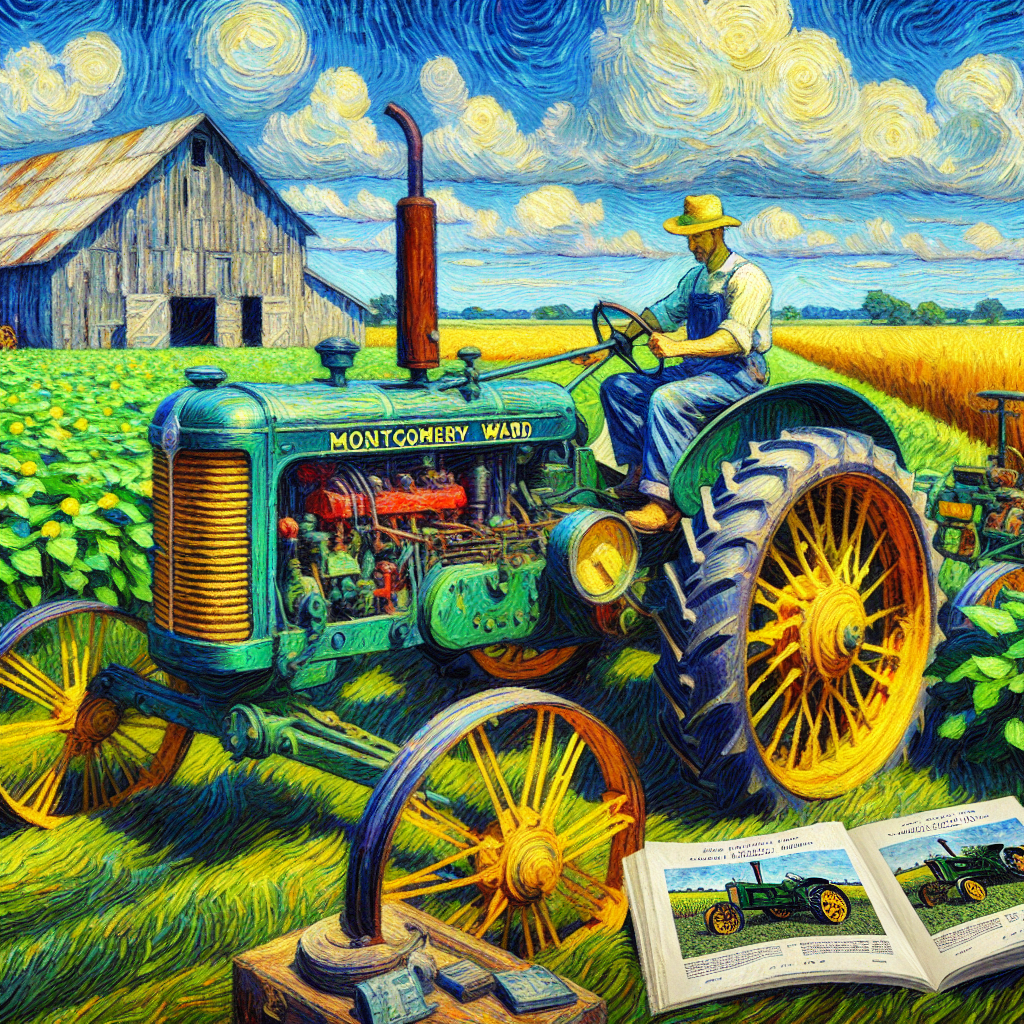
Picture a tractor driving through the verdant fields of Southeast Asia, where rubber trees soar like giants. Beneath their canopy, laborers work hard, often in conditions that raise eyebrows and questions. Are they receiving a fair wage? Are their rights respected? These questions tug at our conscience, urging us to not simply buy tires, but to invest in a system that nurtures human dignity. The rubber trade isn’t just about economics; it resonates with the heart, each latex drop weighing heavy with the stories of those who harvest it.
Rationally, consider the environmental impact. Deforestation, habitat destruction, and climate change are all tied to rubber production. As we drive our cars, often oblivious to the ecological balance at stake, we must ask ourselves: what kind of legacy do we want to leave behind? The rubber we rely on today can become a symbol of progress if we support sustainable sourcing: protecting the rainforest while ensuring the livelihoods of local communities. This is not merely an ethical dilemma—it’s a call to action that hits us where we live.
With every tire we purchase, we wield power. We have the ability to choose brands that prioritize ethical sourcing. Authorities in the industry are beginning to recognize this responsibility, adopting practices that uphold certifications for sustainability and fair trade. By choosing wisely, we can foster a market that rewards those who treat their workers ethically and protect our planet.
Engagement in this dialogue—between consumers and producers—is essential. When we share the stories of those who supply the rubber, we build a connection that brings a deeper understanding to our everyday choices. Igniting this conversation empowers us as consumers, fueling a movement towards a more ethical future. The tires beneath us can drive a more conscientious world; let’s ensure that as we roll forward, we steer toward a path that’s not just about performance, but about responsibility and respect for all involved.
What Ethical Considerations Surround Rubber Sourcing for Tires?
What Ethical Considerations Surround Rubber Sourcing for Tires?
- The rubber trade involves complex ethical considerations beyond product performance.
- Laborers in Southeast Asia often work under questionable conditions, raising concerns about fair wages and rights.
- Environmental impacts of rubber production include deforestation, habitat destruction, and climate change.
- Supporting sustainable sourcing can protect rainforests and local livelihoods, becoming a symbol of progress.
- Consumers have the power to choose brands that prioritize ethical sourcing and sustainability.
- Industry authorities are beginning to adopt certifications for fair trade and sustainable practices.
- Engaging in dialogue between consumers and producers can foster a movement toward an ethical future.
What Ethical Considerations Surround Rubber Sourcing for Tires?
How Do Rubber Tires Influence Sustainability In Agriculture?
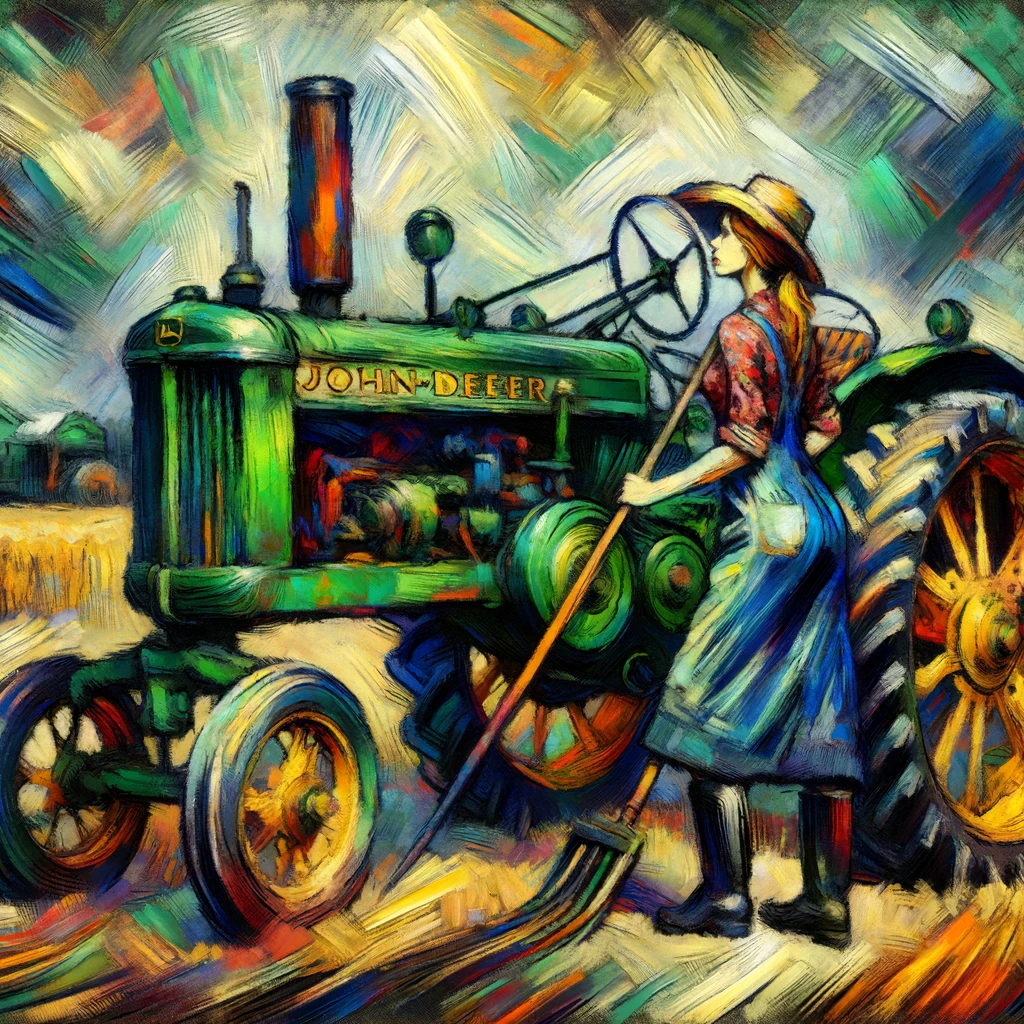
Rubber tires play a pivotal role in the conversation about sustainability in agriculture, often seen merely as a component of machinery, yet embodying much more. Picture a farmer, dawn breaking over fields, readying his trusty tractor for a day’s work. Those sturdy rubber tires grip the earth, transforming the machinery into an extension of the farmer’s will. Their design is not just a matter of function; it’s a commitment to the very soil we cultivate.
The story of rubber tires in agriculture is one rooted in both practicality and ethics. Durable yet flexible, they reduce soil compaction, allowing crops to flourish in nutrient-rich earth. Consider the implications: healthier crops for healthier communities. This isn’t just a matter for the farmer’s ledger; it speaks to the heart of our collective future. When farmers invest in sustainable practices, it’s not an isolated decision; it reverberates through societies, impacting everything from local economies to global food supplies.
Imagine the sound of a tractor’s engine purring to life, set against the backdrop of your favorite rural landscape. Each rotation of those rubber tires represents a cycle of life—planting, nurturing, harvesting, and sustaining. They stand as symbols of innovation, marrying tradition with modern sustainability. With advancements in tire technology, farmers now have the tools to reduce their carbon footprint while enhancing productivity. This is not merely about efficiency; it’s about stewardship—caring for the land and ensuring that future generations inherit a thriving agricultural legacy.
Rubber tires are also a testament to the power of community. They facilitate not just farming but also a network of farmers sharing knowledge, tools, and resources. When one farmer upgrades to more sustainable tires, it inspires others in the community to follow suit, creating a ripple effect that strengthens collective commitment to sustainability. The social dynamics at play are profound—each small step reaffirms an ethical obligation to preserve and protect the environment.
Investing in sustainable rubber tires isn’t just an environmental choice; it’s a chance to embrace responsibility. By choosing materials and designs that emphasize sustainability, we foster a commitment not only to agricultural longevity but to the overall health of our planet. When we consider the impact of these tires, we see not just their place on a tractor but their role within a broader narrative of resilience and hope. This is the future of agriculture, where every turn of the tire is a step toward a more sustainable tomorrow.
How Do Rubber Tires Influence Sustainability In Agriculture?
How Do Rubber Tires Influence Sustainability In Agriculture?
- Rubber tires are essential to sustainability in agriculture, serving as more than just machinery components.
- They reduce soil compaction, promoting healthier crops and communities.
- Sustainable practices by farmers impact local economies and global food supplies.
- Advancements in tire technology help reduce carbon footprints while enhancing productivity.
- Rubber tires symbolize innovation, blending tradition with modern practices.
- They encourage community collaboration among farmers, sharing knowledge and tools.
- Investing in sustainable tires fosters a commitment to agricultural longevity and environmental health.
How Do Rubber Tires Influence Sustainability In Agriculture?
What Stories Do Farmers Share About Their Experiences with Tires?
In the heart of rural America, where the land stretches as far as the eye can see, every farmer has a story woven into the fabric of their daily lives. One of those stories often circles back to the tires that drive their tractors. These tires are more than just rubber; they’re the unsung heroes of the fields, the steadfast companions on a journey that can leave one exhausted. Farmers talk about their experiences with tires in a way that reveals their connection to the land and their resilience.
Picture a farmer at dawn, the first light illuminating the dew-kissed fields. That moment is sacred, but it’s also the beginning of a day filled with decisions, one of which revolves around choosing the right tire. Farmers know that the wrong tire can mean the difference between a season of bounty and a year of struggle. It’s a lesson learned not just from books or brochures, but from countless hours spent navigating muddy fields and rocky terrain. The tire stories often carry a shared wisdom—a testament to trial and error, to late-night calls to the neighbor when trapped in a sticky situation, and the joy of solving problems with ingenuity.
The gut-level impact of a reliable tire becomes clear after a long day of harvesting. A trusted tire holds the weight of not just the tractor but also the dreams of a family, a community, and a legacy. When farmers recount the stories of tires that failed them, the emotion runs deep—lost time, lost crops, and the haunting worry of not meeting commitments. These are raw moments, where the stakes are the land itself and the well-being of those who depend on it.
Tires serve as a symbol of commitment. They connect farmers to the ethics of their trade: the understanding that the right tools in their hands can help feed families and strengthen communities. They explain how tires affect everything from soil health to fuel efficiency, which resonates with those who care deeply about sustainable farming practices. When community members rally together to share insights and stories about choosing tires, it fosters a bond that goes beyond the practicality of farming; it creates a network of trust.
So, the next time you spot a tractor plowing a field, think of the stories encapsulated in those tires. Each one stands for resilience, unity, and the hard but rewarding work that embodies farming. These narratives are not only about agriculture; they reflect the essence of working with the land, driving home the message that every choice—from tires to tools—matters.
What Stories Do Farmers Share About Their Experiences with Tires?
What Stories Do Farmers Share About Their Experiences with Tires?
- Farmers’ stories reflect their deep connection to the land.
- Tires are essential tools for success in farming, impacting productivity and resilience.
- Choosing the right tire can determine the outcome of a farming season.
- Experiences with tires involve trial and error, forging bonds between farmers.
- A reliable tire symbolizes commitment, carrying the weight of families and communities.
- Tires influence soil health and fuel efficiency, highlighting sustainable practices.
- Stories about tires encompass the broader essence of farming and the importance of every decision made.
What Stories Do Farmers Share About Their Experiences with Tires?
How Has Tire Development Shaped the Agricultural Industry?
In the vast, rolling fields where tractors hum steadily, tires are often the unsung heroes of modern agriculture. These robust rubber bands are more than just a practical necessity; they are the very foundation that supports farmers in their quest for efficiency, sustainability, and productivity. Imagine a sun-soaked morning when a farmer steps into the cab of a tractor, fueled by years of labor and commitment. The right tires provide not just traction but confidence, enabling the farmer to cultivate the land with precision and care.
Tire technology has evolved dramatically over the years, responding to the needs of an industry that is constantly pushed to do more with less. The shift from hard, rigid tires to those designed with advanced materials and smarter tread patterns reflects a deep understanding of soil dynamics and crop health. This isn’t just about getting from point A to point B; it’s about protecting the land, nurturing growth, and securing the future of food production. Farmers know that a flat tire is more than an inconvenience; it can mean lost time and missed opportunities, not to mention the psychological toll of uncertainty in an already demanding profession.
As farmers navigate their fields, they face real challenges—climate change, fluctuating markets, and labor shortages. Tire innovation stands as a beacon of hope in this landscape. Improved design leads to enhanced fuel efficiency and reduced soil compaction, translating into healthier crops and sustainable farming practices. This technology empowers farmers, building a narrative of resilience and adaptation that honors their commitment to the land and community.
When tires perform optimally, they become a lifeline, allowing agricultural workers to maintain the balance between their business and their ethical responsibility to the environment. This connection resonates deeply with consumers who are increasingly concerned about where their food comes from. Seeing a farmer trusted with their land and their mission helps bridge the gap between the rural and urban, fostering a greater appreciation for the hard work that goes into each meal.
Each revolution of a tire on a tractor symbolizes not just motion, but a collective journey toward a sustainable future. As we recognize the essential role of tire development in agriculture, we also understand the importance of supporting these innovators who strive to make every season a little better than the last. The tire, often overlooked, is indeed a critical thread in the fabric of farming life, deserving our respect and attention.
How Has Tire Development Shaped the Agricultural Industry?
How Has Tire Development Shaped the Agricultural Industry?
- Tires are essential to modern agriculture, providing support for farmers’ efficiency and productivity.
- Advancements in tire technology enhance traction, protect soil health, and ensure sustainable farming practices.
- A flat tire can result in significant downtime and contributes to the stress of farming.
- Tire innovation improves fuel efficiency and reduces soil compaction, leading to healthier crops.
- Optimal tire performance helps farmers balance business demands with environmental responsibilities.
- Consumers are increasingly invested in knowing the origins of their food, bridging rural and urban gaps.
- The development of tires is crucial for a sustainable agricultural future, deserving attention and respect.

How Has Tire Development Shaped the Agricultural Industry?
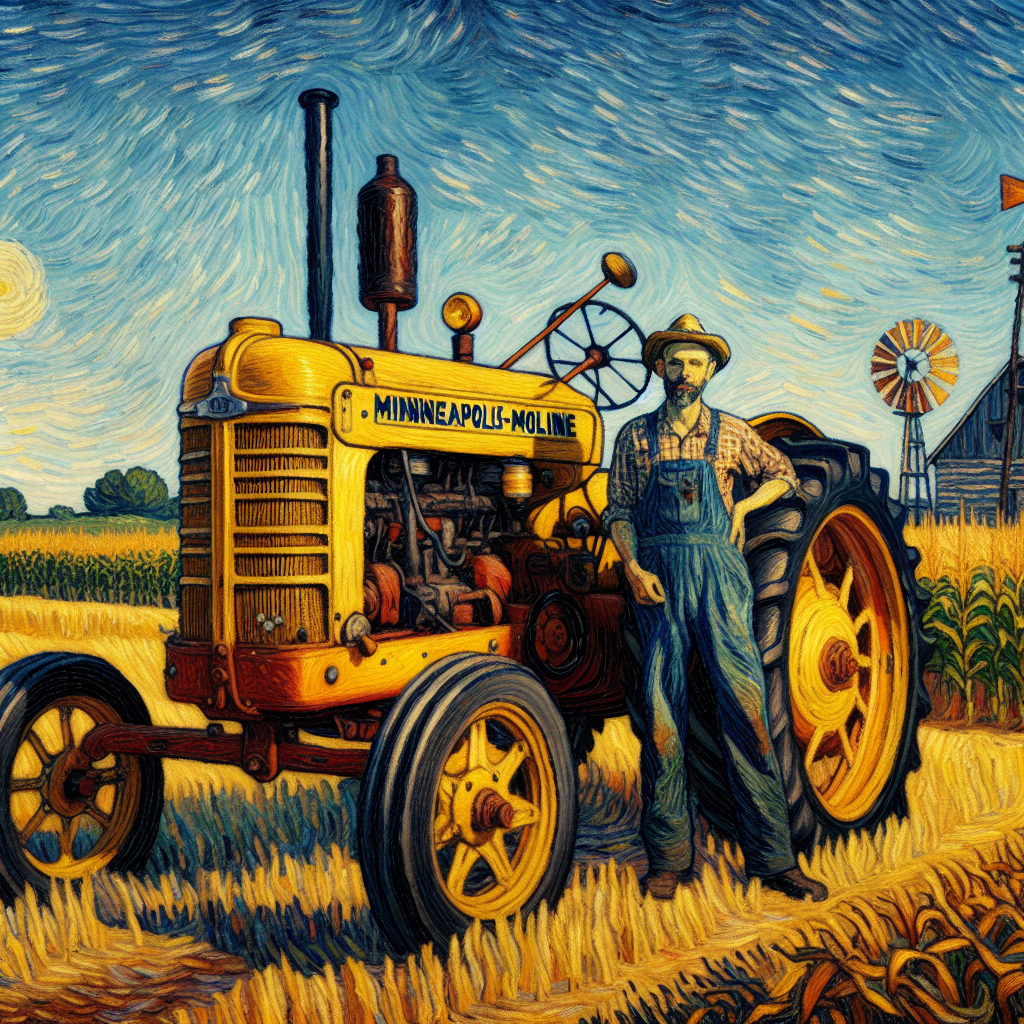
What Role Do Expert Opinions Play In Tire Selection for Tractors?
When it comes to selecting tires for a tractor, the stakes are high. A farmer’s decision goes beyond mere rubber on the road; it influences productivity, safety, and the very livelihood tied to the land. Expert opinions, often seasoned by years of experience, act as a compass in this complex terrain. The right tire can mean the difference between a bumpy ride and a smooth operation, echoing the heartbeats of hardworking farmers everywhere. It’s about tapping into the wisdom gathered from countless seasons of sunlight, rain, and toil.
Consider the emotional weight behind each choice. A farmer stands in the field, eyes scanning the horizon, knowing that selecting the appropriate tires is essential. The gut feeling aligns with the mind’s deductions; those tires must withstand the rigors of muddy fields, steep slopes, and endless tasks. Engaging with experts can unveil valuable insights—what worked last harvest, what faltered, and why? These stories resonate, weaving a rich narrative that connects us to generations past. It’s not just about facts; it’s about the lived experiences that inform choices and bring comfort amid uncertainty.
Rational appeals come into play as well. Expert guidance is backed by research, data, and real-world tests that reveal the essential characteristics of tires—traction, durability, and fuel efficiency—factors that significantly impact a tractor’s performance. Farmers are encouraged to consider these metrics, which can lead to better budgeting and investment returns. Knowledge is power, and tapping into expert opinion fosters a sense of authority in decision-making, providing farmers with the confidence to navigate the complexities of tire selection.
Ethically, the relationship between farmers and tire experts transcends mere transactions. It’s a partnership built on trust. Expert recommendations often reflect an understanding of local conditions and challenges, aligning tire choices with ethical farming practices that respect both land and livestock. This perspective encourages a collective approach, drawing the farming community closer, sharing tips, and fostering an open dialogue where everyone learns.
As tractors rumble across fields, the right tire choice resonates, not just with efficiency but with a commitment to the craft of farming. Engaging experts in this journey not only ensures that every decision is well-founded but also cements a bond with the values of hard work and community that lie at the heart of agriculture. It’s about more than just wheels; it’s about driving forward with purpose.
What Role Do Expert Opinions Play In Tire Selection for Tractors?
What Role Do Expert Opinions Play In Tire Selection for Tractors?
- Selecting tractor tires significantly impacts productivity, safety, and a farmer’s livelihood.
- Expert opinions provide valuable insights and guidance in the complex process of tire selection.
- The emotional weight of choosing the right tires is intertwined with practical considerations and experiences.
- Rational evidence highlights essential tire characteristics like traction, durability, and fuel efficiency.
- Engaging with experts fosters confidence and informed decision-making in farmers.
- The relationship between farmers and tire experts is built on trust and understanding of local conditions.
- Choosing the right tires reflects a commitment to ethical farming practices and community values.
What Role Do Expert Opinions Play In Tire Selection for Tractors?
Conclusion
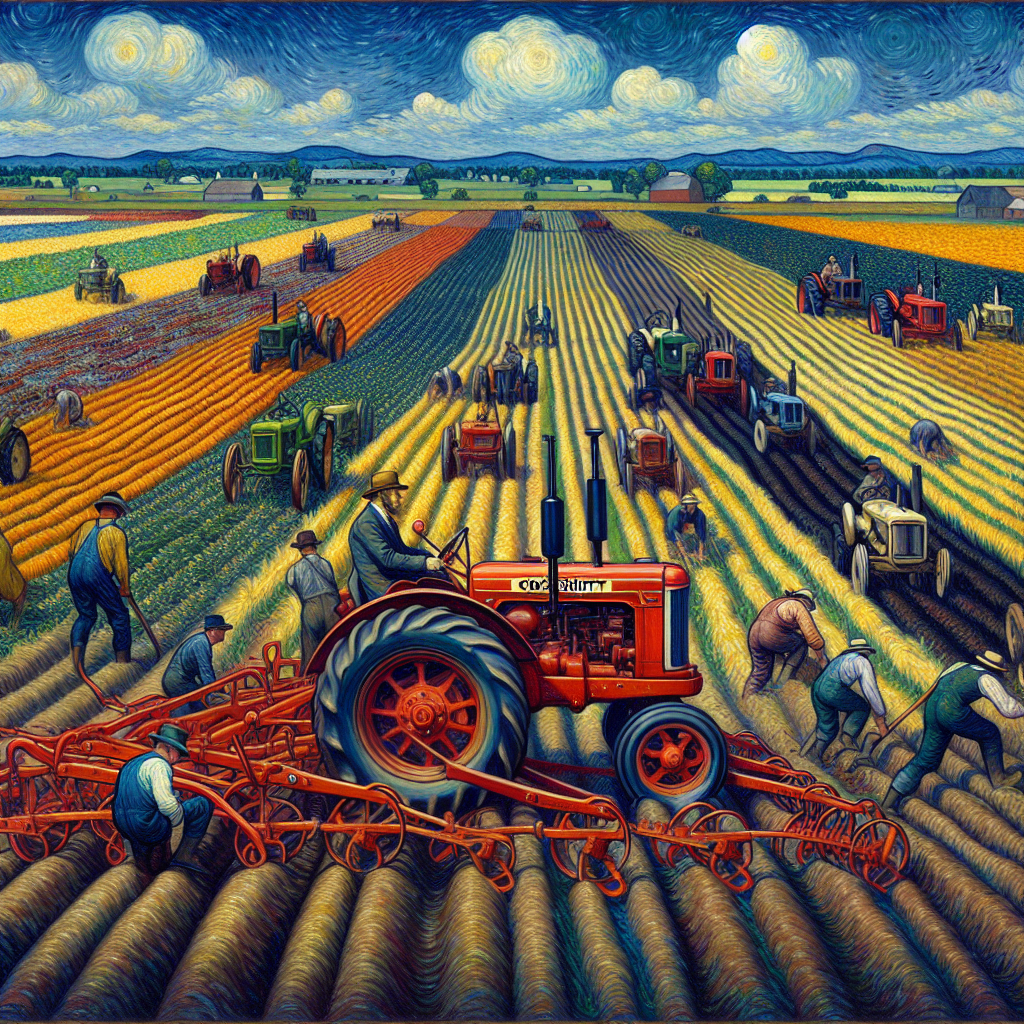
The history of rubber tires on tractors is less about the evolution of machinery and more about the resilience of farmers and their relentless spirit to innovate. In the early days, wooden wheels served farmers well enough, but as agriculture advanced, so did the need for better technology. Rubber tires emerged in the 1930s, transforming a cumbersome process into a smoother, more efficient endeavor. Imagine farmers navigating through difficult terrains—muddy fields and uneven ground—struggling with inadequate traction. The introduction of rubber tires did more than improve performance; it empowered farmers, giving them the ability to reclaim their time and increase productivity.
The impact of rubber tires extends beyond mere mechanics, touching on ethical considerations as well. With better traction, farmers could spend less time stuck and more time focusing on nurturing their crops. This innovation symbolized a partnership between farmers and technology, embodying hard work and a commitment to the land. Rubber tires became an emblem of resilience and progress, representing generations of toil that laid the groundwork for our food systems.
Over the decades, advancements in tire technology have significantly enhanced tractor performance. Modern rubber tires are engineered for flexibility and grip, allowing farmers to traverse various terrains efficiently. The emotional weight of these improvements is immense; fewer breakdowns mean more time in the fields, fostering hope for bountiful harvests. This technological evolution has tangible, beneficial effects on productivity and land stewardship, ensuring farmers can contribute sustainably to food systems while preserving resources for future generations.
However, the journey of rubber doesn’t end there. Ethical sourcing of rubber is crucial in the conversation about sustainability. The journey from plantation to tire has implications for both people and the planet. Fair labor practices and environmental responsibility are essential; as consumers, we hold the power to choose brands that uphold these values. This collective responsibility fosters a culture of ethical consumption, connecting producers and consumers alike in a quest for a sustainable future.
Ultimately, rubber tires represent more than just a functional aspect of tractors; they weave together the narratives of innovation, ethics, and community in agriculture. They remind us of the hard work, late nights, and deep connections that underpin food cultivation. Celebrating the legacy of rubber tires is acknowledging the spirit of farming and committing to a future where technology and sustainability go hand in hand. Each rotation of those tires carries the weight of hope, tradition, and the promise of a brighter agricultural landscape, forging a path toward prosperity for generations to come.
Conclusion
Conclusion:
- The history of rubber tires on tractors reflects the resilience and innovative spirit of farmers.
- Wooden wheels were initially used, but the introduction of rubber tires in the 1930s revolutionized agriculture.
- Rubber tires improved traction and efficiency, empowering farmers to reclaim time and boost productivity.
- This innovation signifies a partnership between farmers and technology, emphasizing hard work and commitment to the land.
- Modern rubber tires enhance tractor performance, contributing to sustainable food systems and responsible land stewardship.
- Ethical sourcing of rubber is vital for sustainability, promoting fair labor practices and environmental responsibility.
- Rubber tires symbolize the intertwined narratives of innovation, ethics, and community in agriculture, fostering a commitment to a sustainable future.
Conclusion
Other Resources
Other Resources
Here is a list of other resources you can review online to learn more:
- Sears
- Benefits of Classic Tractors
- Hill Country Antique Tractor & Engine Club Show
- Farm Collector Show Directory
- Thieman Harvester
- Bima
- Rhino
- Pioneer Farm Days
- Hefty
- Fahr
- County
- Upton
- Bombardier
- Minsk Tractor Works
- Woods Equipment
- Mahindra
- McConnell-Marc
- Rock Island
Use This Prompt To Get More Resources With Your Favorite Online AI Tool: Please provide me with a list of online articles with their URLs in a bulleted list that I can read regarding What’s the History Of Rubber Tires on Tractors?
Other Resources
Glossary Terms
What’s the History Of Rubber Tires on Tractors? – Glossary Of Terms
1. Agricultural Revolution: A period of significant agricultural development starting in the 18th century, leading to improved farming techniques, including the use of tractors.
2. Pneumatic Tire: A type of tire that is inflatable and provides cushioning, leading to improved traction and comfort on various terrains.
3. Solid Tire: A tire type made from solid rubber, often used for agricultural machinery that requires durability over comfort.
4. Tread Pattern: The design on the surface of the tire that affects traction and handling; various patterns are used for specific farming needs.
5. Cleat: An embedded pattern on tires designed to enhance grip, especially on soft or muddy surfaces.
6. Retreading: The process of replacing the worn-out tread on tires to extend their life and reduce costs.
7. Tractor Revolution: The early 20th-century transition from horse-drawn to motorized machinery in farming, influenced by tire development.
8. Tire Pressure: The amount of air in a tire; crucial for maintaining optimal performance and preventing soil compaction.
9. Rim: The circular frame that supports the tire and secures it to the wheel of the tractor.
10. Bias Ply Tire: A tire construction technique where layers of fabric are layered diagonally, offering durability but less flexibility.
11. Radial Ply Tire: A tire design with layers arranged radially, providing better fuel efficiency, traction, and longer life.
12. Load Index: A numerical code indicating the maximum load a tire can safely carry when adequately inflated.
13. Speed Rating: A classification that indicates the maximum speed a tire can safely sustain.
14. Tire Bead: The part of the tire that sits on the rim; critical for maintaining air pressure and safety.
15. Compatibility: The ability of tires to work effectively with specific tractor models and their intended agricultural applications.
16. Soil Compaction: The process where soil is compressed, affecting agricultural productivity; influenced by tire type and pressure.
17. Traction: The grip a tire has on the ground, essential for effective movement and handling in various agricultural conditions.
18. Slip Rate: The percentage difference between the speed of the tire and the speed of the ground, affecting efficiency and fuel consumption.
19. Seasonal Tires: Tires designed specifically for different seasons, optimizing agricultural performance based on conditions.
20. Dual Tires: The use of two tires on each side of a tractor, providing better stability and load distribution.
21. Overinflation: A condition where tires are inflated above the recommended pressure, leading to reduced traction and increased wear.
22. Underinflation: Insufficient air pressure in tires, which can cause excessive wear and reduced agricultural efficiency.
23. Field Performance: A measurement of how well a tire performs under specific agricultural conditions, such as soil type and moisture.
24. Tire Longevity: The lifespan of a tire, determined by factors like usage, conditions, and maintenance.
25. Bead Seat: The area of the rim that holds the tire bead securely, affecting tire stability and safety.
26. Agricultural Tire Standards: Specifications and regulations that govern the construction and performance of tires used in farming.
27. Soil Disturbance: Alteration of soil structure caused by tractor tires, influencing crop yield and health.
28. Tire Wear Patterns: Distinctive patterns of wear on tires indicating issues like misalignment or pressure problems.
29. Manufacturing Materials: The types of rubber and composite materials used in tire construction that affect performance and durability.
30. Historical Significance: The impact of rubber tire development on tractor efficiency, agricultural practices, and the modernization of farming.
Glossary Of Terms
Other Questions
What’s the History Of Rubber Tires on Tractors? – Other Questions
If you wish to explore and discover more, consider looking for answers to these questions:
- When were rubber tires first introduced on tractors?
- Who were the key inventors and early manufacturers responsible for tractor tires?
- How did tractor tires evolve from solid wheels to pneumatic and then radial designs?
- What are the main types of tractor tires (e.g., R-1, R-1W, flotation, industrial, turf) and how do they differ?
- What are the differences between radial and bias-ply tractor tires, and what are the advantages of each?
- How do tires affect tractor traction in different field conditions?
- In what ways do tires influence soil compaction, and how is that measured?
- How does tire pressure impact traction, fuel efficiency, and soil health?
- What are recommended tire pressures for different soil types and farming tasks?
- When should farmers use dual wheels or triple wheels versus single tires?
- How do rubber tires compare to tracks (steel or rubber tracks) in performance and soil impact?
- What are flotation tires and when are they the best choice?
- How do tire choices affect fuel consumption and operating costs?
- What is the typical lifespan of a tractor tire and what factors most influence wear?
- Can tractor tires be retreaded, repaired, or recycled, and how effective are those options?
- What are the environmental impacts of natural rubber production for tires?
- What certifications, standards, or initiatives exist to ensure ethical and sustainable rubber sourcing?
- How do rubber supply-chain issues affect smallholder farmers in producing regions?
- Are there viable alternatives to natural rubber for tractor tires (synthetics, bio-based materials)?
- How do seasonal and weather variations change tire selection and maintenance?
- How should farmers choose tires based on tractor horsepower, axle load, and implements used?
- Which tread patterns are best for plowing, seeding, transporting, and harvesting?
- How do tire choices influence crop yields and long-term soil productivity?
- What routine maintenance practices maximize tire life and prevent failures?
- How much ROI can farmers expect from investing in higher-quality or specialty tires?
- Where can farmers find trusted expert advice and reputable tire suppliers?
- What safety risks are specific to tractor tires and how can they be mitigated?
- How do road transport requirements and speed ratings affect agricultural tire selection?
- What emerging technologies are shaping the future of tractor tires (airless tires, smart/sensor tires, IoT monitoring)?
- How has tire development historically shaped farm economics, labor needs, and productivity?
- How do tires perform across different terrains (clay, sand, loam, steep slopes) and how should that affect choices?
- How can farmers measure field compaction and test the impact of different tire setups?
- What policies or programs exist to encourage adoption of sustainable tire practices?
- How does the retreading and recycling industry handle large agricultural tires?
- Are financing, subsidies, or cost-share programs available to help farmers upgrade to more sustainable tires?
- What common misconceptions do farmers and consumers have about tractor tires, and what are the facts?
Other Questions
Haiku
What’s the History Of Rubber Tires on Tractors? – A Haiku
Rubber grips the earth,
Farmers’ hopes in every turn—
Harvest dreams take flight.

Haiku
Poem
What’s the History Of Rubber Tires on Tractors? – A Poem
In fields where farmers toil, a journey unfolds,
From wooden wheels to rubber, a tale to be told.
Innovation sparked, as hearts yearned for more,
Tractors on the land, where dreams would soar.
They battled through mud, on rugged terrain,
With rubber tires gripping, the burden of pain.
A partnership forged, between man and machine,
Empowering the harvest, crafting the unseen.
Each rotation of tires tells stories of hope,
Of labor and love, helping farmers to cope.
Efficiency reigns, as crops flourish anew,
Sustainability nurtured, in soil rich and true.
Yet ethical questions loom heavy in mind,
From distant plantations, their stories entwined.
Fair wages and rights, the fabric we weave,
With choices we make, a legacy to leave.
Community grows stronger, as knowledge we share,
Together in progress, a bond we declare.
In every decision, a collective embrace,
Steering toward futures, with conscience and grace.
Oh, rubber tires rolling, you symbolize trust,
The heart of agriculture, the essence of us.
Through trials and triumphs, the rhythm we find,
In the quest for a harvest that nourishes mankind.
Poem
Checklist
What’s the History Of Rubber Tires on Tractors? – A Checklist
Emotional Appeal
✅______ Reflect on the historical struggle of farmers before rubber tires were introduced.
✅______ Consider the stories shared by farmers about their experiences with tire reliability.
✅______ Visualize the empowerment that comes with modern rubber tires enabling farmers to work efficiently.
Rational Appeal
✅______ Evaluate the performance improvements rubber tires have made over time in terms of traction and reduced soil compaction.
✅______ Investigate the technological advancements in tire design that enhance fuel efficiency.
✅______ Assess the cost-effectiveness of investing in quality rubber tires for improved productivity.
Ethical Appeal
✅______ Challenge yourself to consider the sourcing of rubber and the conditions under which it is produced.
✅______ Explore the importance of selecting brands that prioritize sustainable practices and fair labor.
✅______ Reflect on the ethical responsibility of consumers to support environmentally friendly products.
Authority Appeal
✅______ Identify and consult expert opinions or case studies that discuss tire selection and performance in agricultural contexts.
✅______ Seek guidance from agricultural specialists on the latest innovations in tire technology.
✅______ Learn about certifications for sustainable sourcing and how they affect tire choices.
Narrative Appeal
✅______ Read testimonials or case studies from farmers that illustrate the journey and evolution of tire usage in farming.
✅______ Share stories within your community about tire-related challenges and successes to foster a collective narrative.
✅______ Document personal experiences with tractor tires to contribute to the broader narrative of agricultural innovation.
Social Appeal
✅______ Join local farming groups or online communities focused on sharing insights about best practices in tire selection.
✅______ Engage with peers to discuss the impacts of tire technology on productivity and sustainability in farming.
✅______ Participate in workshops or seminars that emphasize collaborative efforts in improving agricultural practices and technology.
Checklist
At ClassicTractorNews, we help tractor lovers keep up with the latest news for classic and vintage tractors.
Please share this post with your friends, family, or business associates who may like old classic or vintage tractors.