


Fueling Your Choices: The Heart, Logic, And Impact Of Tractor Engines
By Tom Seest
At ClassicTractorNews, we help tractor lovers keep up with the latest news for classic and vintage tractors.
Please share this post with your friends, family, or business associates who may like old classic or vintage tractors.
What’s the Difference Between Distillate and Gasoline Tractors?
When it comes to tractors, the heart of farming beats strongly in two distinct engines: the trusty distillate and the versatile gasoline. Each has its charm, and understanding their differences not only sharpens your knowledge but also connects you deeper to the soil from which sustenance grows.
Distillate tractors, often fondly referred to as “oil burners,” are the workhorses of the farming world. They run on a fuel derived from the bottom of the barrel — literally. This fuel is more efficient and less expensive than gasoline, making it a rational choice for many farmers who rely on their machines day in and day out. Think about it: a tractor purring steadily in the field is not just a mechanical beast; it’s an extension of the farmer’s will, a tool turning dreams into reality. When you choose a distillate tractor, you’re making a wise decision grounded not just in cost-effectiveness but also in sustainability. Less waste, more yield. It’s an ethical path toward feeding a growing population.
On the other hand, gasoline tractors radiate a spirit of versatility and power that’s hard to resist. They’re dynamic, ready to take on diverse tasks with gusto. From mowing lawns to plowing fields, they’re engineered to adapt. These tractors often start faster and are sometimes preferred for lighter tasks or when immediate power is needed. The roar of a gasoline engine can evoke nostalgia, reminding us of past generations who primarily relied on these trusted machines. It’s a narrative connection, a link through time to our agricultural roots.
In considering which tractor suits you best, it’s essential to look beyond the engine type and into how it fits into your life and community. Are you running a small family farm, or are you part of a larger agricultural operation? Your choice can affect not just your workflow, but the lifeblood of your town and the food chain that sustains us all.
So, whether you choose the dependable distillate or the spirited gasoline, remember that your tractor is more than just machinery. It’s a commitment to the land, a voice in the great conversation of agriculture, and a promise to future generations that we will continue to cultivate, nurture, and grow. Here lies the beauty: each choice carries with it a legacy, inviting you to become part of something greater than yourself.

What’s the Difference Between Distillate and Gasoline Tractors?
What’s the Difference Between Distillate and Gasoline Tractors?
- Tractors are powered by two main types of engines: distillate and gasoline.
- Distillate tractors, or “oil burners,” are efficient, cost-effective, and sustainable.
- Gasoline tractors offer versatility and are suitable for various tasks.
- Gasoline engines start faster, making them ideal for lighter or immediate tasks.
- The choice of tractor affects agricultural workflows and community livelihoods.
- Both types of tractors represent a commitment to agriculture and future generations.
- Each tractor choice carries a legacy, encouraging connection to farming traditions.

What’s the Difference Between Distillate and Gasoline Tractors?
Table Of Contents
- What’s the Difference Between Distillate and Gasoline Tractors?
- What Emotions Do You Associate with Using Distillate Tractors?
- How Does the Efficiency Of Distillate Compare to Gasoline?
- What Are the Environmental Impacts Of Using Distillate Tractors?
- Who Are the Authorities Recommending Distillate Over Gasoline?
- How Do Stories Of Tractor Usage Shape Your Perceptions Of Efficiency?
- Why Does the Choice Of Tractor Fuel Matter for Future Generations?
- Conclusion
- Other Resources
- Glossary Of Terms
- Other Questions
- Haiku
- Poem
- Checklist
What Emotions Do You Associate with Using Distillate Tractors?
Using distillate tractors can evoke a complex tapestry of emotions that resonate deeply with the fabric of our daily lives and the land we cultivate. Picture yourself gripping the sturdy steering wheel of a powerful engine as it purrs to life beneath you. This isn’t merely a piece of machinery; it’s a trusted companion on the journey of agriculture, embodying the sweat and toil of countless generations. The hum of the tractor is a lullaby for the industrious, blending hard work with the soothing rhythm of nature, stirring a sense of purpose in the hearts of those who ride it.
For some, the smell of diesel mingling with fresh-cut grass conjures memories of childhood—the days spent with parents or grandparents in the fields, learning the art of farming. These moments carry a weight of nostalgia, reminding us of the simple joys found in a hard day’s work. The tractor becomes a bridge between the past and present, linking generations through shared labor and connection to the land. It’s a symbol of resilience, a testament to the resolve that defines those who honor the earth.
From a rational perspective, distillate tractors represent efficiency and innovation. They allow us to cultivate larger plots of land with precision, merging modern technology with time-honored techniques. This balance between progress and legacy is essential; it reflects our responsibility to sustain the environment while meeting the demands of a growing population. The ethical appeal here is clear: with the right tools, we can honor our commitment to the earth and future generations, ensuring that we leave a thriving world for those who follow.
As you engage with these machines, consider the broader narrative at play. These tractors are not just tools; they symbolize community and collaboration. Neighbors gather, sharing knowledge and support, reinforcing the bonds that make farming a communal endeavor. Facing the challenges of droughts, pests, or market fluctuations becomes a shared burden, where every operator plays a vital role in the collective story of agriculture.
So, when you think of distillate tractors, remember that they encapsulate more than just functionality. They stir emotions—nostalgia, pride, hope—and invite us to embrace the heart of farming. Each turn of the wheel, each plow through the earth, connects us deeply to our roots, inspiring trust in what we do and who we are as caretakers of the land.

What Emotions Do You Associate with Using Distillate Tractors?
What Emotions Do You Associate with Using Distillate Tractors?
- Distillate tractors evoke deep emotions tied to agriculture and daily life.
- They serve as trusted companions, embodying generations of hard work and labor.
- The tractor’s hum blends the rhythm of nature with industriousness, instilling purpose.
- Childhood memories of farming are often linked to the smell of diesel and fresh-cut grass.
- They represent efficiency and innovation, merging modern technology with traditional practices.
- These machines symbolize community and collaboration among farmers facing shared challenges.
- Distillate tractors inspire nostalgia, pride, and hope, reinforcing connections to the land.

What Emotions Do You Associate with Using Distillate Tractors?
How Does the Efficiency Of Distillate Compare to Gasoline?
When you think about the hum of a tractor plowing through a field, there’s something deeply satisfying about the way both machine and man work together to nurture the land. Tractors, often the heart of farm life, have traditionally relied on gasoline, but the conversation is shifting towards distillate fuels. Why should this matter to you? It’s all about efficiency and impact.
Gasoline has long been the standard, but there’s a quiet powerhouse in the background—distillate. This fuel type isn’t just a replacement; it’s a chance to rethink how we harness energy. When you pour distillate into the tank, you’re not just fueling a tractor; you’re maximizing performance. Distillate can produce more energy per gallon compared to gasoline, making it an economical choice in the long run. For those on the front lines of agriculture, every drop counts, and that’s a narrative worth sharing.
Imagine a farmer who has relied on gasoline for years. Each season, they face rising costs and diminishing returns as fuel prices fluctuate. Switching to distillate isn’t just an economic decision; it’s a lifeline. There’s a compelling ethical argument here too: choosing distillate can lead to lower emissions. This isn’t just about dollars and cents; it’s about leaving a better world for future generations, sustaining the land that nurtures us. Connect this to the idea of stewardship. We have a duty to take care of our planet, and adopting more efficient fuels is a step toward doing just that.
Now, the narrative feels personal. Picture that farmer, sitting on their tractor after a long day’s work, watching the sun set over fields that have been tended with care. They can trust in their machinery, knowing that distillate fuels not only help the tractor run longer and cleaner but also support their commitment to sustainable practices.
On a community level, think about the ripple effect. As more farmers choose distillate, it fosters a culture of innovation and responsibility. It creates a stronger bond among those who share the same values—efficiency, care for the land, and a legacy of growth. This transition is a show of hands, a commitment to collective progress that resonates far beyond the fields.
So, when you weigh the efficiency of distillate against gasoline, remember: it’s not just about numbers. It’s about connection, responsibility, and the future of agriculture. Every decision made at the pump can lead to powerful outcomes, echoing the very essence of our agricultural spirit.

How Does the Efficiency Of Distillate Compare to Gasoline?
How Does the Efficiency Of Distillate Compare to Gasoline?
- Tractors symbolize the partnership between man and machine in agriculture.
- Shift from gasoline to distillate fuels emphasizes efficiency and reduced environmental impact.
- Distillate fuels produce more energy per gallon than gasoline, offering economic benefits.
- Switching fuels can alleviate rising costs for farmers facing fluctuating fuel prices.
- Choosing distillate contributes to lower emissions and supports sustainable practices.
- The transition fosters a sense of community and shared values among farmers.
- Every fuel decision impacts the future of agriculture and the stewardship of the land.

How Does the Efficiency Of Distillate Compare to Gasoline?
What Are the Environmental Impacts Of Using Distillate Tractors?
Using distillate tractors comes with a complex set of environmental impacts, igniting a conversation that should resonate not just in the heart, but deep within our collective conscience. Picture the scene: a vast expanse of farmland, tractors churning the soil, seeds planting new life. These towering machines symbolize progress and productivity, yet they come with a hefty price tag for our environment.
On a rational level, distillate tractors primarily use diesel, a fossil fuel that exudes greenhouse gases when burned. The statistics tell an alarming story—one that compels us to examine our choices as stewards of the land. The emissions from these tractors contribute to air pollution, impacting not just farmers but entire communities. The invisible danger of toxins can seep into our lungs, affecting health and wellbeing. It’s a wake-up call to reconsider what we deem necessary for our agricultural practices.
Ethically speaking, there’s a profound responsibility that lies on our shoulders. As we reap the benefits of technological advancements, we must balance them against the necessity of preserving our planet. It’s not just about tractors rolling over the fields; it’s about ensuring those same fields remain vibrant for future generations. The heart stirs when we think of our children and grandchildren, inheriting not only our land but the legacy of our choices—choices that could either heal or harm the Earth.
Authority figures in agriculture and environmental science echo this sentiment. Innovations and alternative energy sources continue to emerge, and using less harmful machinery becomes a matter of survival. Communities that prioritize sustainable practices often see economic benefits, cultivating a bond between local farmers and consumers who are increasingly aware of their ecological footprint.
Narratively speaking, think about the stories shared around dinner tables—farmers reminiscing about simpler times, when a tractor was synonymous with hard work and community. Yet, that story must evolve. It’s about finding a way to keep those stories alive while adapting to modern challenges.
Socially, the movement toward sustainability is gaining momentum. More than just a trend, it’s a rallying cry for farmers willing to embrace eco-friendly practices. Such changes resonate with consumers who care about the origin of their food and the impact on the land. By choosing to invest in cleaner technologies and supporting sustainable agriculture, we can create a ripple effect—one that aligns our hearts, heads, and guts towards protecting not just our fields, but our planet.

What Are the Environmental Impacts Of Using Distillate Tractors?
What Are the Environmental Impacts Of Using Distillate Tractors?
- Distillate tractors have significant environmental impacts despite symbolizing agricultural progress.
- These tractors primarily use diesel, contributing to greenhouse gas emissions and air pollution.
- The health risks from emissions affect farmers and surrounding communities.
- There is an ethical responsibility to balance technological benefits with environmental preservation.
- Communities adopting sustainable practices can experience economic advantages and a strong local bond.
- The conversation around sustainability is evolving, with farmers and consumers increasingly prioritizing eco-friendly practices.
- Investing in cleaner technologies can create a positive ripple effect on both agriculture and the planet.

What Are the Environmental Impacts Of Using Distillate Tractors?
Who Are the Authorities Recommending Distillate Over Gasoline?
In today’s rapidly changing energy landscape, the push for distillate fuels over traditional gasoline isn’t just a matter of efficiency; it’s about securing a more sustainable future for ourselves and the generations to come. Leading this charge are industry experts, environmental advocates, and policymakers who understand that our choices now will echo across time like the steady hum of a tractor tilling the earth.
Consider the voices in this conversation: energy analysts who sift through data and trends, making logical arguments for distillate’s lower emissions and better performance in certain applications. Their rational insights show that distillate fuels are often cleaner, providing a compelling case for a transition that supports both our economy and environment. But it’s not only the numbers that make the difference; it’s the narratives woven by farmers, truck drivers, and everyday citizens who experience the benefits firsthand. Picture a farmer in a field, relying on a sturdy tractor to cultivate crops—this isn’t just machinery; it’s the lifeblood of their livelihood. When they choose distillate for its efficiency and reliability, it’s a testament to the trust they place in this fuel source.
On the ethical front, we see organizations dedicated to environmental stewardship advocating for distillate, urging us to make choices that safeguard our planet. They highlight the importance of reducing our carbon footprint, appealing to our sense of responsibility. It’s not just about us anymore; it’s about future generations inheriting a world worth living in. This is a clarion call that resonates with our hearts, pushing us toward action.
Moreover, regulatory bodies have recognized the potential of distillate in achieving cleaner air standards. Their authority lends weight to the argument that we must adapt to meet our modern challenges. It’s a social shift, one where communities rally together around a shared reality. As more people engage with the narrative of cleaner energy, a collective consciousness begins to form—a movement fueled by courage and the desire to do right by our planet.
In essence, the authorities advocating for distillate over gasoline are not just conveying facts but igniting a conversation that sticks with us. Every time we hear a tractor roar to life or see a transport truck rumble down the highway, we’re reminded of the choice at our fingertips—a chance to align our actions with the values we hold dear, ensuring that each decision contributes to a flourishing environment. The transition we face isn’t merely technical; it’s deeply human, grounded in connection, trust, and a shared vision for a cleaner future.
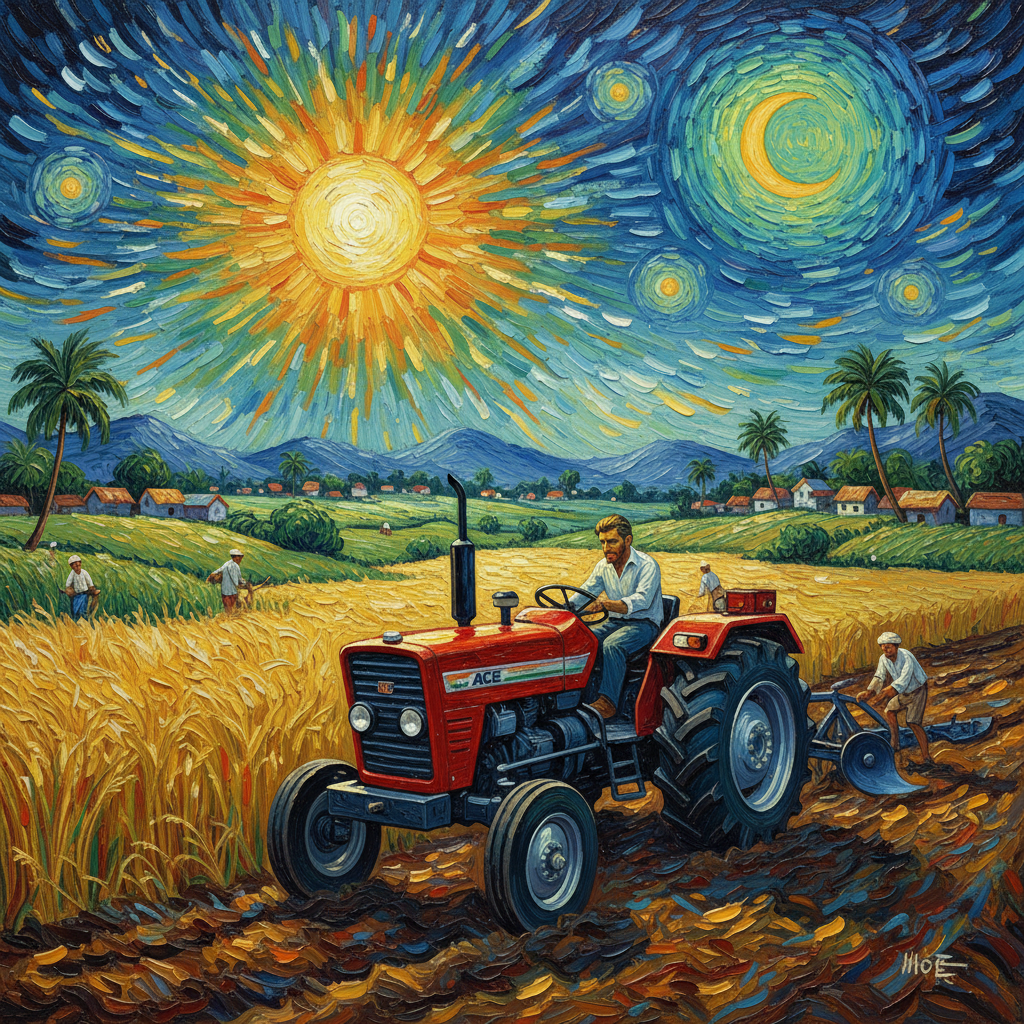
Who Are the Authorities Recommending Distillate Over Gasoline?
Who Are the Authorities Recommending Distillate Over Gasoline?
- The shift to distillate fuels from gasoline reflects a move towards sustainability for future generations.
- Industry experts and environmental advocates advocate for distillates due to their lower emissions and superior performance.
- Narratives from farmers and truck drivers illustrate the real-world benefits and trust in distillate fuels.
- Environmental organizations promote distillates to reduce carbon footprints and emphasize stewardship of the planet.
- Regulatory bodies support the assessment of distillate fuels in meeting cleaner air standards.
- Communities are collaboratively engaging in the transition towards cleaner energy sources.
- The movement towards distillates embodies a deeper human connection to sustainable practices and shared values.

Who Are the Authorities Recommending Distillate Over Gasoline?
How Do Stories Of Tractor Usage Shape Your Perceptions Of Efficiency?
When you think of a tractor, you might picture a dusty field at dawn, the vibrant hum of the engine breathing life into the soil. These machines are more than just tools; they represent the hard work and dedication that have shaped agricultural history. Stories of tractor usage resonate deeply because they illustrate not just efficiency, but the sheer resilience of those who operate them.
Imagine a farmer rising at first light, fueled by years of tradition yet armed with modern machinery. The tractor becomes an extension of their labor, transforming long days into manageable hours. This evokes an emotional connection; it’s about families who have tilled the land for generations, turning hardship into harvest and knowing that each revolution of the tires brings them closer to providing for their communities. It’s the heartbeat of rural life and the relentless pursuit of improvement.
From a rational perspective, we have to acknowledge the paradigm shift that tractors have sparked in farming efficiency. Once dependent on back-breaking manual labor, farmers can now maximize productivity with precision technology and powerful machinery. The metric of efficiency isn’t just about speed—it’s about yield, sustainability, and ultimately, feeding a growing population. Tractor stories highlight the balance of tradition met with innovation, showcasing how the past informs present practices for generations to come.
Ethically, it raises the question: How do we treat these stewards of the land? These stories emphasize respect for the skill and dedication required to master such machinery. It’s not just about what the tractors can do; it’s about honoring the people behind the wheel, ensuring that their work is recognized and valued.
The narrative of tractor usage also transcends individual stories—it fosters a sense of social connection. Each tale shared around a table or in a barn reminds us that no one accomplishes success alone. Together, farmers share their triumphs and trials, creating a community bound by the common goal of efficiency and sustainability.
Ultimately, these stories inspire action. They remind us that efficiency isn’t a one-size-fits-all approach; it’s a tapestry woven from the experiences of those who have walked this path before us. They challenge us to trust in the progress we can make when we respect our roots while boldly pushing into the future—just like the trusted tractor that has been at the center of it all.

How Do Stories Of Tractor Usage Shape Your Perceptions Of Efficiency?
How Do Stories Of Tractor Usage Shape Your Perceptions Of Efficiency?
- Tractors symbolize the hard work and dedication that shape agricultural history.
- They transform long work days into manageable hours, creating an emotional connection for farmers.
- Tractors have revolutionized farming efficiency, allowing for precision technology and productivity improvements.
- Efficiency involves yield and sustainability, crucial for feeding a growing population.
- Respect for the skill of those who operate tractors emphasizes the value of their work.
- Stories of tractor usage foster community and shared experiences among farmers.
- These narratives encourage a balance of tradition and innovation while promoting future progress.

How Do Stories Of Tractor Usage Shape Your Perceptions Of Efficiency?
Why Does the Choice Of Tractor Fuel Matter for Future Generations?
When we stand in the midst of an expansive field, surrounded by the hum of a faithful tractor plowing the land, it’s easy to take for granted the simple power that fuels our day-to-day lives. Yet, this choice of tractor fuel transcends the mere act of keeping machinery running. It’s a decision wrapped in the promise we make to future generations — a connection to the very soil we cultivate and the air we breathe.
Consider the heart. Farmers often talk about their land as a legacy to pass down, a living testament to hard work and perseverance. Choosing the right fuel for our tractors is not just about efficiency; it’s about nurturing that land. The emissions from traditional fuels can linger in the air, contributing to pollution and impacting the health of our children and grandchildren. By opting for cleaner, renewable alternatives, we ensure that future harvests are not only bountiful but safe and resilient. This is a choice that speaks to the love we have for our families and the environment they will inherit.
Then there’s the head, the rational side of the equation. With climate change at our doorstep, the conversation around sustainable practices is more relevant than ever. As stewards of the earth, farmers hold a unique position. By integrating biofuels or other eco-friendly options into our tractor operations, we aren’t just meeting today’s needs; we’re laying down a foundation for a more sustainable future. It’s a proactive step, an investment in innovation that pays dividends down the line.
The ethical imperative binds us all. Every barrel of fuel has a story, a chain of consequence linked to social equity and environmental stewardship. When we choose responsibly, we contribute to cleaner communities and help foster a culture of respect for our planet. It’s about choosing to align our practices with our values, demonstrating that we can sustain progress without sacrificing our moral compass.
Finally, there’s the narrative we create together. This isn’t just about tractors or fuel. It’s about a movement — a collective effort to cultivate a better world. When we share this journey with our neighbors and our communities, we forge connections that empower us all. We become advocates for change, working to inspire trust and confidence through informed choices.
Each time we fill our tractors, let’s remember we’re not just fueling machines; we’re fueling the potential of generations to come. The choice of tractor fuel is a chance to champion a legacy of health, sustainability, and unity. The stakes are high, and the responsibility rests on our shoulders. Let’s rise to meet the challenge.

Why Does the Choice Of Tractor Fuel Matter for Future Generations?
Why Does the Choice Of Tractor Fuel Matter for Future Generations?
- Choosing tractor fuel impacts future generations and the environment.
- Farmers view their land as a legacy, emphasizing the importance of nurturing it.
- Opting for cleaner fuels can reduce emissions and protect children’s health.
- Integrating sustainable practices is essential in the face of climate change.
- Responsible fuel choices contribute to social equity and environmental stewardship.
- A collective movement can foster community engagement and advocacy for change.
- The choice of fuel is an opportunity to uphold values of health and sustainability.

Why Does the Choice Of Tractor Fuel Matter for Future Generations?
Conclusion
Distillate and gasoline tractors serve distinct but vital roles in agriculture, reflecting deeper themes of tradition, efficiency, and environmental stewardship. Distillate tractors, known affectionately as oil burners, have earned their place as reliable workhorses on farms due to their efficiency and cost-effectiveness. Fueled by a product that comes from the bottom of the barrel, they symbolize a practical choice for many farmers, marrying economic justification with a commitment to sustainability. Choosing distillate isn’t just about optimizing costs; it embodies a steadfast dedication to nurturing the land and a future of responsible farming.
Conversely, gasoline tractors represent versatility and the spirit of adaptability, suitable for a variety of tasks, from light landscaping to demanding agricultural duties. Their easy starting capability and powerful engines often evoke nostalgia, linking the past and present through stories of shared labor and intergenerational farming wisdom. Every farmer’s choice between distillate and gasoline reflects not just personal preference, but broader implications for the community and environment—the ripple effect of each decision resonates through local economies and ecosystems.
The environmental dimensions of these choices are critical. Distillate tractors, while powerful, emit greenhouse gases, urging us to tread thoughtfully as we utilize these machines. Ethically, the appeal lies in our responsibility to the environment and future generations, compelling us to consider cleaner alternatives. Experts advocate for distillate fuels, championing a transition rooted in economic and ecological benefits, further emphasizing our role as stewards of the land.
This conversation is far more than technical; it is profoundly human, reflecting connections with our communities and ensuring the legacy of agriculture thrives. Choices made at the fuel pump are intertwined with a commitment to sustainability and resilience, ultimately shaping the narrative of farming for generations to come. Every decision impacts not just the fields we cultivate today, but also the landscape we leave behind. As we make our choices, we must remember: a tractor is far more than a machine; it’s a testament to hard work, dedication, and the enduring connection between humanity and the earth. It’s about honoring tradition while bravely embracing innovation, securing a fruitful future where productivity and responsibility can coexist.

Conclusion
Conclusion:
- Distillate tractors, also known as oil burners, are valued for their efficiency and cost-effectiveness in farming.
- These tractors symbolize a practical choice, merging economic benefits with a commitment to sustainability.
- Gasoline tractors are versatile and adaptable, suitable for various tasks and invoking nostalgia for intergenerational farming.
- The choice between distillate and gasoline reflects personal preferences with significant implications for community and environment.
- Distillate tractors emit greenhouse gases, highlighting the need for thoughtful usage and consideration of cleaner alternatives.
- Experts encourage a transition to distillate fuels due to their economic and ecological advantages, stressing environmental stewardship.
- This discussion is deeply human, emphasizing the connection between farming practices and the legacy of agriculture for future generations.

Conclusion
Other Resources

Other Resources
Here is a list of other resources you can review online to learn more:
- YANMAR
- Minneapolis
- Solis
- East Wind
- Valtra
- Ventrac
- McKee
- Arma Trac
- Jinma
- Shibaura
- Chamberlain
- Custom
- Simplicity
- Hesston
- McCulloch
- Dillon Farm Museum
- The National Farm Machinery Show
- Fendt
- Keystone Tractor Museum
Use This Prompt To Get More Resources With Your Favorite Online AI Tool: Please provide me with a list of online articles with their URLs in a bulleted list that I can read regarding What’s the Difference Between Distillate and Gasoline Tractors?

Other Resources
Glossary Terms
What’s the Difference Between Distillate and Gasoline Tractors? – Glossary Of Terms
1. Distillate: A type of fuel derived from the distillation process, often used in diesel engines.
2. Gasoline: A volatile liquid fuel made from refining crude oil, primarily used in spark-ignited internal combustion engines.
3. Tractor: A powerful motor vehicle designed for towing and hauling, commonly used in agriculture and construction.
4. Compression Ignition: A type of engine operation in which air is compressed to high temperatures, causing fuel to ignite without a spark.
5. Spark Ignition: A method of engine operation where a spark plug ignites the air-fuel mixture in the combustion chamber.
6. Fuel Efficiency: A measure of how effectively an engine converts fuel into usable power, typically expressed in miles per gallon (MPG).
7. Horsepower: A measurement of engine power, indicating the rate at which work is done.
8. Torque: A measure of rotational force produced by an engine, important for pulling power in tractors.
9. Emission Standards: Regulations set to control the amount and types of pollutants that can be released by engines.
10. Fuels: Substances that provide energy through combustion, including distillates and gasoline.
11. Cetane Number: A measure of the ignition quality of diesel fuel, higher numbers indicate better performance in compression ignition engines.
12. Octane Rating: A measure of the fuel’s ability to resist knocking during combustion in spark ignition engines.
13. Lubrication: The process of reducing friction between moving parts in an engine, often requiring oil.
14. Refining: The process of transforming crude oil into usable fuels and products.
15. Biofuel: Fuels derived from organic materials, often used as a renewable energy source for vehicles.
16. Residual Fuel: The remaining heavy oil after lighter fuels have been distilled from crude oil, typically used in industrial applications.
17. Fuel Injection: A system that delivers fuel into the combustion chamber of an engine, improving efficiency and performance.
18. Cooling System: A component of an engine that manages operating temperature to prevent overheating.
19. Transmission: A system that transmits power from the engine to the wheels, affecting speed and torque.
20. Drivetrain: The components that deliver power from the engine to the wheels of the tractor.
21. Load Capacity: The maximum weight or load a tractor can handle effectively.
22. Hydraulic System: A system that uses pressurized fluid to operate machinery, often used for lifting and lowering implements.
23. Turbocharger: A device that increases an engine’s efficiency and power output by forcing more air into the combustion chamber.
24. Idling: The operation of an engine while it is not in motion, often leading to fuel wastage.
25. Tillage: The agricultural preparation of the soil by mechanical agitation, often performed by tractors.
26. Rollover: A safety concern where a tractor tips over, usually due to an unstable load or terrain.
27. Field Capacity: The maximum amount of water soil can hold after excess water has drained, affecting agricultural tractor usage.
28. Implement: A tool or device attached to a tractor for performing specific agricultural tasks.
29. Fuel Tank: A container within a vehicle designed to hold fuel for the engine.
30. Maintenance: The routine actions taken to preserve the functionality and longevity of tractors and their engines.

Glossary Of Terms
Other Questions
What’s the Difference Between Distillate and Gasoline Tractors? – Other Questions
If you wish to explore and discover more, consider looking for answers to these questions:
- What exactly is “distillate” fuel and how does it differ chemically from gasoline?
- Are distillate tractors the same as diesel tractors, or is there a difference?
- How do torque and horsepower compare between distillate and gasoline engines under typical farm loads?
- Which fuel provides better fuel economy (gallons per hour or energy per acre) in real field conditions?
- How does energy density of distillate compare to gasoline and what does that mean for runtime?
- What are the comparative operating costs (fuel, maintenance, repairs) over a tractor’s lifetime?
- How do start-up and warm-up times differ, especially in cold weather?
- What maintenance differences should owners expect (oil change intervals, fuel filters, injector/carburetor care)?
- Are there specific maintenance skills or tools required for distillate engines that differ from gasoline engines?
- How easy or costly is it to convert a gasoline tractor to run on distillate (or vice versa)?
- Which tractor models or brands are optimized for distillate versus gasoline?
- How does fuel availability and distribution for distillate compare to gasoline in rural areas?
- What are the storage requirements and shelf life for distillate versus gasoline?
- How do emissions (CO2, NOx, particulates) compare between distillate and gasoline engines?
- What is the lifecycle environmental impact of using distillate compared to gasoline (production, transport, combustion)?
- Are there local, state, or federal regulations or taxes that affect the use of distillate vs gasoline for tractors?
- Which authorities, agencies, or industry groups recommend distillate and on what evidence do they base their recommendations?
- How do health and community air-quality impacts compare between the two fuel types?
- What are the safety differences—fire risk, handling hazards, spill response—between distillate and gasoline?
- Can modern alternative fuels (biodiesel, ethanol blends, electric/hybrid tractors) be used as substitutes for distillate or gasoline?
- What are the costs and benefits of switching to biodiesel or electric tractors relative to staying with distillate or gasoline?
- How do resale values differ for distillate versus gasoline tractors?
- What is the expected service life and common failure modes for distillate engines compared with gasoline engines?
- How do noise and vibration levels compare between distillate and gasoline tractors?
- What impact does fuel choice have on specific field tasks (plowing, tilling, mowing, hauling)?
- How should small family farms versus large commercial operations weigh the choice of fuel?
- What are the upfront purchase-price differences between distillate and gasoline tractors of similar power?
- How do seasonal factors (harvest vs planting season) influence the preferred fuel type?
- Are there best-practice tips for fueling, mixing, or testing distillate to avoid engine problems?
- How susceptible is each fuel to contamination (water, microbes) and how should contamination be prevented or treated?
- What is the typical payback period if switching from gasoline to distillate based on fuel savings?
- How do tractor stories and nostalgia influence buying decisions, and should emotional factors weigh against technical ones?
- What training or certification should operators have when using distillate tractors?
- Where can farmers find reliable case studies or field trials comparing distillate and gasoline tractor performance?
- How might future fuel-price volatility or policy changes affect the long-term viability of choosing distillate or gasoline?

Other Questions
Haiku
What’s the Difference Between Distillate and Gasoline Tractors? – A Haiku
Tractor engines hum,
Fueling fields with heart and hope.
Choices shape our earth.

Haiku
Poem
What’s the Difference Between Distillate and Gasoline Tractors? – A Poem
In fields where engines hum with grace,
Two spirits stand, each with its place
Distillate, the steadfast, strong and wise,
Gasoline, the dynamic, eager to rise.
Oil burners churn with purpose profound,
Fueling dreams, where toil and soil are bound.
Cost-effective, a green path they pave,
Sustaining the earth, a homage to the brave.
Yet gasoline roars, a fire in its breath,
A link to our past, a dance with death.
It mows and plows, a trusty old friend,
Nostalgia woven, but here the rules bend.
Farmers ponder, hearts and heads align,
Between choice and legacy, their fates intertwine.
Efficiency whispers, urging the new,
As community rallies, each caller rings true.
The air thickens with stories, behind every wheel,
Resilience and hope in each turn, they reveal.
For the land’s enduring promise, we must strive,
In the heart of the tractor, our legacies thrive.
A call to all stewards of the soil we adore,
With each drop of fuel, a future we store.
Let choices we honor shape tales yet untold,
Crafting a world for our children, bold.
So heed the engines, their rhythm and sound,
In their subtle power, our purpose is found.
Their legacy beckons us to act, to decide,
In the heart of each tractor, our passions abide.

Poem
Checklist
What’s the Difference Between Distillate and Gasoline Tractors? – A Checklist
Checklist for Choosing Between Distillate and Gasoline Tractors
✅______ Reflect on your emotional connection to farming. How does the choice of tractor fuel impact your legacy?
✅______ Consider the nostalgic memories associated with each type of tractor. What emotions do they evoke?
✅______ Contemplate your commitment to the land and future generations. What values do you want to embody in your farming practices?
Head
✅______ Analyze the efficiency. Which fuel type offers better performance for your farming needs?
✅______ Review cost implications. Compare current and long-term fuel expenses between distillate and gasoline.
✅______ Research current trends in tractor fuel usage and environmental impact. What data supports the switch to distillate?
Gut
✅______ Trust your instincts. Which tractor aligns more with your gut feeling about your farming philosophy?
✅______ Consider the immediate impact on your workflow. Which type of tractor will meet your short-term needs effectively?
✅______ Evaluate community perceptions. What do your peers and neighbors think about using distillate versus gasoline?
Emotional Appeals
✅______ Reflect on personal stories of tractor use that resonate with you and inspire your choice.
✅______ Connect with the emotional narrative of sustainable farming practices in your community.
Rational Appeals
✅______ Investigate the technological advancements associated with each fuel type and how they enhance productivity.
✅______ Review expert opinions and studies that highlight the advantages of distillate fuels over gasoline.
Ethical Appeals
✅______ Consider the environmental implications of your choice. Which fuel option minimizes your ecological footprint?
✅______ Assess how your decision affects your community and future generations.
Authority Appeals
✅______ Consult with trusted agricultural experts and organizations that advocate for sustainable practices and fuel efficiency.
✅______ Stay informed on regulations regarding emissions and the shifting standards in agricultural fuel use.
Narrative Appeals
✅______ Share and listen to personal stories that illustrate the impacts of different tractor fuels in your community.
✅______ Create a collective narrative about the importance of choosing the right fuel for a sustainable agricultural future.

Checklist
At ClassicTractorNews, we help tractor lovers keep up with the latest news for classic and vintage tractors.
Please share this post with your friends, family, or business associates who may like old classic or vintage tractors.