

Discover The True Value Of Cockshutt 30 & 40: Beyond Dollars And Cents
By Tom Seest
At ClassicTractorNews, we help tractor lovers keep up with the latest news for classic and vintage tractors.
Please share this post with your friends, family, or business associates who may like old classic or vintage tractors.
What’s a Cockshutt 30 Or 40 Typically Worth?
The value of a Cockshutt 30 or 40 tractor isn’t merely measured in dollars and cents; it’s a testament to the hard work and dedication of generations past. These machines are more than just metal and rubber—they represent the tireless spirit of farming, the unsung heroes who have toiled in fields, turning soil into sustenance.
When you consider the worth of a Cockshutt tractor, think about the stories they carry. Picture a farmer, early in the morning, the sun just peeking over the horizon, climbing into the seat of a trusted old tractor. This is where dreams were cultivated, where family bonds grew stronger, often as strong as the engine that rumbled beneath them. For many, owning a Cockshutt is a nod to heritage—a connection to the past, honoring the methods that brought food from field to table. The emotional weight of these tractors is undeniable; they embody decades of tradition and hard-earned trust.
From a financial perspective, the market value of a Cockshutt 30 or 40 can vary widely based on condition, modifications, and geographic location. On the high end, well-preserved models can attract collectors willing to pay a premium, drawn by the nostalgia and the reliable performance these tractors are known for. A solid, functioning tractor isn’t just an investment; it’s a lifeline. It represents the ability to work the land, to produce, and to maintain independence.
Ethically speaking, the Cockshutt brand stands as a pillar of craftsmanship, a reminder that quality work leaves an imprint on lives. These tractors were built to endure, just as the farmers who bought them embody resilience and determination. Their legacy lives on, manifesting in the fields they once plowed and the communities they supported.
Socially, owning a Cockshutt can ignite conversations among enthusiasts and collectors. It creates bonds through shared experiences and admiration for machinery that played a critical role in agriculture. When people gather at shows or local meets, that shared connection over a beloved tractor goes beyond engines and gears; it’s about community.
In a world where new, shiny machines dominate the market, the enduring value of a Cockshutt 30 or 40 serves as a reminder of what truly matters—the stories, the connections, and the undeniable pride of nurturing the land that feeds us all.
What’s a Cockshutt 30 Or 40 Typically Worth?
What’s a Cockshutt 30 Or 40 Typically Worth?
- The Cockshutt 30 and 40 tractors symbolize the dedication of past generations in agriculture.
- They serve as a connection to heritage and embody a strong emotional and cultural legacy.
- The market value varies based on condition, modifications, and location, with well-preserved models attracting collectors.
- Owning a Cockshutt is seen as an investment and a means to maintain independence in farming.
- The brand represents quality craftsmanship and the resilience of farmers who used them.
- These tractors foster community and shared experiences among enthusiasts at gatherings and shows.
- Their enduring value emphasizes the importance of stories and connections in nurturing the land.
What’s a Cockshutt 30 Or 40 Typically Worth?
Table Of Contents
- What’s a Cockshutt 30 Or 40 Typically Worth?
- How Does Owning a Cockshutt 30 Or 40 Impact Your Legacy?
- What Are the Market Trends Influencing Cockshutt Values Today?
- Why Is It Important to Understand the Worth Of Classic Tractors?
- How Do You Determine the Condition Of a Cockshutt 30 Or 40?
- What Are the Benefits Of Investing In Vintage Farm Equipment?
- How Can Community Forums Help In Gauging Tractor Worth?
- Conclusion
- Other Resources
- Glossary Of Terms
- Other Questions
- Haiku
- Poem
- Checklist
How Does Owning a Cockshutt 30 Or 40 Impact Your Legacy?
Owning a Cockshutt 30 or 40 isn’t just about possessing a piece of machinery; it’s about embracing a legacy that connects generations. These tractors, characterized by their robust design and dependable performance, represent a chapter in agricultural history, a time when farmers relied on grit and determination to cultivate the land. When you sit behind the wheel of a Cockshutt, you’re not merely operating a tractor; you’re stepping into a role that stretches back decades, where every rusted bolt and faded paint job carries stories of hard work, perseverance, and triumph.
Consider the thrill of starting your day with the roar of this vintage engine. Each start-up is a nod to those who toiled before you, a reminder of the values they instilled. The smell of hay and earth fills the air, and as you connect with your land, you realize that owning a Cockshutt is about more than just function; it’s a dialogue with history. You’re participating in a narrative that champions the farmer’s spirit, tethering your own journey to a larger story of resilience.
This journey is not without its challenges. The satisfaction of restoring a Cockshutt 30 or 40 can build character and foster a sense of purpose. This isn’t just a hobby; it’s an ethical commitment to preserving an era of craftsmanship that is often overlooked in our modern, disposable culture. With each maintenance task you undertake, you cultivate not only the tractor but also your own capabilities—a hands-on experience that nurtures trust in your skills.
Moreover, owning a Cockshutt cultivates community. Whether you join a local tractor club or engage with fellow enthusiasts at shows, these connections provide a support network that celebrates shared passions. The stories exchanged, the laughter shared over tools and tinkering, enable you to contribute to a communal legacy that extends beyond your own family.
A Cockshutt 30 or 40 is more than just a tractor; it’s a bridge across time. It’s a vessel for teaching the next generation about the value of hard work, the importance of respecting the land, and the pride that comes from preserving our heritage. So, as you steer this classic machine across your fields, know that you are not just driving; you are forging a legacy that will resonate for years to come.

How Does Owning a Cockshutt 30 Or 40 Impact Your Legacy?
How Does Owning a Cockshutt 30 Or 40 Impact Your Legacy?
- Owning a Cockshutt 30 or 40 connects generations through agricultural legacy.
- These tractors symbolize robust design and dependable performance from a historical era.
- Operating a Cockshutt evokes stories of hard work, perseverance, and triumph.
- The experience nurtures a dialogue with history, emphasizing the values of hard work and respect for the land.
- Restoring these tractors builds character and fosters a commitment to preserving craftsmanship.
- Owning a Cockshutt creates community connections through clubs and shared passions.
- The tractors serve as vessels for teaching future generations about heritage and pride.
How Does Owning a Cockshutt 30 Or 40 Impact Your Legacy?
What Are the Market Trends Influencing Cockshutt Values Today?
In today’s ever-evolving landscape, the agricultural market pulses with trends that shape values for classic machines like the Cockshutt tractor. These iconic pieces of machinery don’t just represent agricultural prowess; they carry a legacy that connects generations of farmers and enthusiasts. As we navigate the current market, understanding what drives Cockshutt values beckons a blend of emotions, logic, and community spirit.
At the heart of the Cockshutt’s enduring appeal is nostalgia. For many, these tractors are not just metal and gears; they embody memories of simpler times, where hard work in the fields meant evenings spent with family over home-cooked meals. This emotional connection fuels a demand that transcends mere economics. When a farmer speaks about their grandfather’s Cockshutt, it’s not just about the power of the tractor; it’s about honoring a heritage that shaped their very identity. The tactile experience of turning a vintage tractor’s ignition or feeling the rumble of its engine awakens a primal bond with the land.
From a rational standpoint, factors such as rarity, condition, and restoration quality play crucial roles. With a limited supply of these classic tractors, especially well-maintained models, enthusiasts and collectors are willing to invest. Prices rise as demand escalates, driven by those who recognize not just the machine’s functionality but its value as an investment. The rise of online platforms enables a broader reach, connecting buyers and sellers across the country. Collectors are consulting experts, establishing authority and trust in their purchases.
Ethically, there’s a growing movement toward sustainability and the preservation of traditional farming practices. Owning and restoring a Cockshutt tractor aligns with eco-conscious values. It encourages a return to methods that honor the earth, promoting an agricultural ethos that respects natural cycles and traditional techniques. This narrative carries weight, inspiring new generations to consider their role in agriculture thoughtfully.
Socially, the love for the Cockshutt fosters vibrant communities where enthusiasts gather at shows, share stories, and swap advice. This camaraderie cultivates trust and support among members, allowing for an exchange of knowledge and passion that further uplifts the tractors’ esteem. Such gatherings are testaments to the tractor’s legacy, amplifying its value as not merely machinery, but as a cornerstone of community and tradition.
As trends continue to shape the market, the Cockshutt tractor stands firm—a symbol of past values intertwined with present aspirations, inviting us all to honor our roots while forging ahead.
What Are the Market Trends Influencing Cockshutt Values Today?
What Are the Market Trends Influencing Cockshutt Values Today?
- The agricultural market is influenced by trends that affect the value of classic machines like the Cockshutt tractor.
- Cockshutt tractors symbolize a legacy that connects generations of farmers and enthusiasts.
- Nostalgia for simpler times drives emotional demand for these tractors beyond economic factors.
- The rarity, condition, and restoration quality of Cockshutt tractors impact their investment value.
- Sustainability and traditional farming practices resonate with values associated with owning Cockshutt tractors.
- Enthusiast communities enhance the appreciation and trustworthiness of Cockshutt tractors through shows and shared experiences.
- The Cockshutt tractor embodies a blend of past values and modern aspirations in agriculture.
What Are the Market Trends Influencing Cockshutt Values Today?
Why Is It Important to Understand the Worth Of Classic Tractors?
Understanding the worth of classic tractors goes far beyond their monetary value; it taps into deep-rooted sentiments and shared experiences that resonate across generations. These machines, often symbols of hard work and resilience, have played pivotal roles in shaping our agricultural landscape and, by extension, our communities. Their legacy is stitched into the very fabric of rural life, where the whir of a tractor signifies not just labor but a way of life steeped in tradition.
At their core, classic tractors embody the craftsmanship and ingenuity of a bygone era. While technology has advanced, the simplicity and durability of these machines serve as a reminder of a time when things were built to last. They were designed with a purpose—to plow fields, harvest crops, and support families. This practical heritage appeals to the heart, reminding us of the labor and love poured into the land by those who came before us. Each scratch and dent tells a story, a narrative of perseverance through seasons of abundance and hardship.
Moreover, understanding their worth is not just an exercise in nostalgia; it’s a matter of preserving history. As we witness the gradual fade of family farms, the place of classic tractors in modern agriculture remains vital. These machines represent a connection to our agricultural roots—recognizing their value fosters an appreciation for sustainable practices and the importance of maintaining a connection to the earth. Ethically, we owe it to future generations to honor the stories these tractors carry and the principles they represent.
The emotional connection runs deep, feeding into a communal experience where every restored tractor at a local fair prompts laughter, admiration, and shared memories. It sparks discussions that connect strangers through common threads woven from shared rural experiences—a culture that thrives on hard work, innovation, and a respect for the land.
By embracing the legacy of classic tractors, we cultivate trust and confidence in our agricultural heritage. It inspires action, motivating enthusiasts to restore these machines, not just for personal gratification but to uphold their story and significance. Each restoration symbolizes a commitment to preserving a way of life that, though evolving, remains pivotal to who we are. Understanding this worth means acknowledging that classic tractors are more than mere vehicles; they are the heartbeats of our farming communities and stewards of our agricultural memory.
Why Is It Important to Understand the Worth Of Classic Tractors?
Why Is It Important to Understand the Worth Of Classic Tractors?
- Classic tractors hold sentimental value, reflecting hard work and resilience across generations.
- They play a crucial role in shaping agricultural landscapes and rural communities.
- Embody craftsmanship and durability, serving as reminders of a bygone era.
- Serve practical purposes, symbolizing love and labor invested in the land.
- Preservation of classic tractors is vital for honoring agricultural history and sustainable practices.
- Restore tractors fosters communal experiences and connects people through shared memories.
- Classic tractors represent the heartbeats of farming communities, emphasizing their cultural significance.
Why Is It Important to Understand the Worth Of Classic Tractors?
How Do You Determine the Condition Of a Cockshutt 30 Or 40?
Determining the condition of a Cockshutt 30 or 40 tractor isn’t just about checking the engine or inspecting the frame; it’s a journey into the soul of agricultural history. These machines, beloved for their reliability and ruggedness, carry stories of toil and triumph. As you approach a Cockshutt, consider not just what meets the eye but the legacy of hard work it represents.
Start with the heart of the tractor—the engine. Listen closely; the sound of the engine reveals a lot. A steady hum speaks of care and maintenance. Take a few moments to observe the exhaust. Clean emissions suggest a well-tuned machine, while excessive smoke might hint at trouble. This is your first emotional connection—a well-maintained engine signifies years of respect and dedication, as any farmer knows.
Next, feel the metal beneath your hands. The state of the body tells a tale. Check for rust, dents, and overall wear. This is where the rational mind steps in; a well-preserved body reflects not just how the tractor was treated but how much it was relied upon. It’s a matter of ethical ownership—investing in these machines means honoring their contribution to farming life.
Don’t overlook the tires; they are the feet that carry the weight of farm life. Look for cracks or excessive wear that might suggest a rough life off the beaten path. Visualize those tires gripping the dirt, propelling the tractor through fields as they harvest memories.
Check the hydraulics and any attachments, crucial indicators of the tractor’s ability to perform. A working hydraulic system is not merely a functional necessity; it embodies the promise of productivity and potential.
Beyond the mechanics, the spirit of a Cockshutt tractor shines through its community. Speak to previous owners or local collectors. They’re often the best resource, sharing firsthand stories that connect you to the machine’s past. The relational aspect of these conversations fosters a kinship that transcends mere machinery. Listening to these narratives adds depth to your evaluation, making you part of the ongoing story.
Finally, step back and assess the overall condition with a gut instinct. Does it feel like a tractor that has more work to give? Trust your intuition as much as your intellect. Each scratch and each dent has a story, and in that, lies the heart of the Cockshutt 30 or 40, waiting for its next chapter to be written.
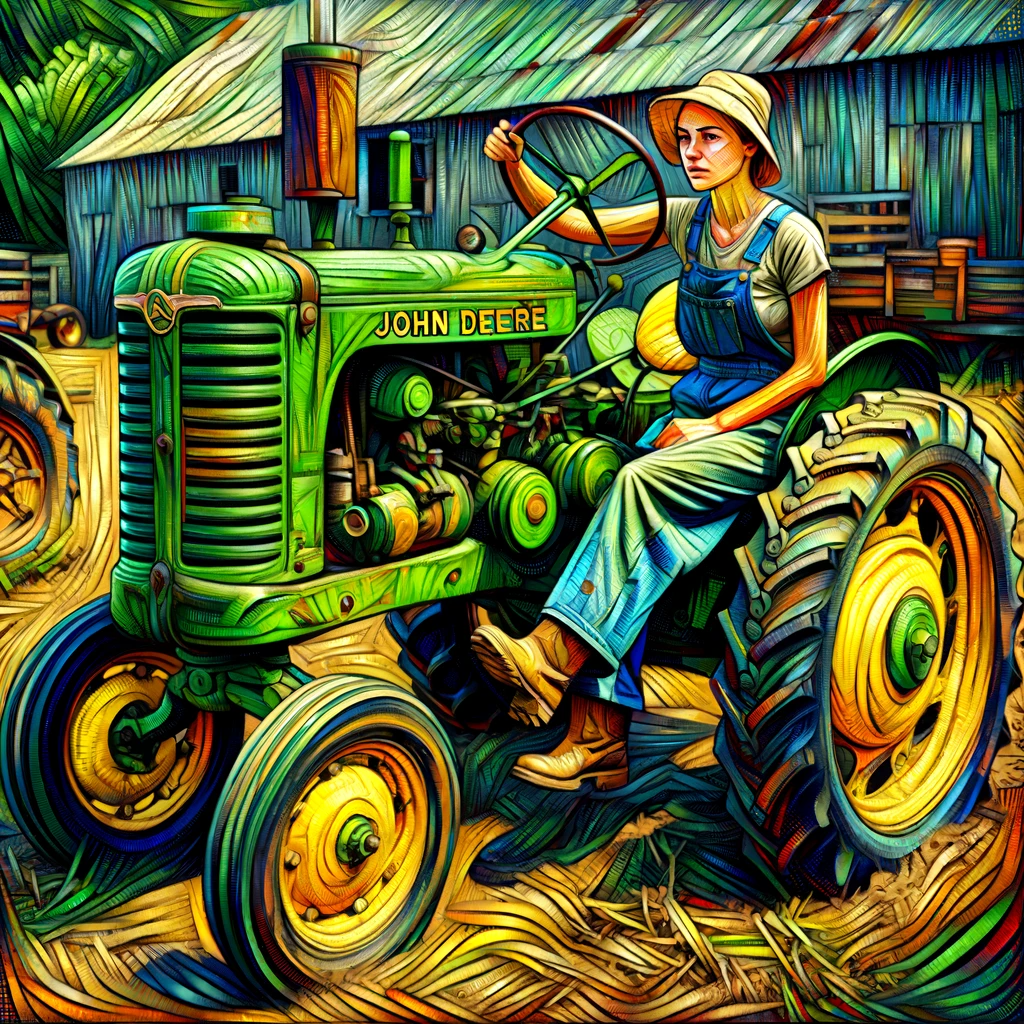
How Do You Determine the Condition Of a Cockshutt 30 Or 40?
How Do You Determine the Condition Of a Cockshutt 30 Or 40?
- Evaluating a Cockshutt 30 or 40 tractor involves more than just mechanical checks; it connects to agricultural history.
- The engine’s sound is critical; a steady hum indicates proper maintenance, while exhaust quality reveals tuning status.
- The tractor’s body condition (rust, dents, wear) reflects its treatment and reliance by previous owners.
- Tires should be inspected for cracks and wear, as they are essential for the tractor’s performance in farm life.
- Hydraulics and attachments are vital indicators of the tractor’s operational capability and productivity potential.
- Engaging with previous owners and collectors provides valuable stories that enhance understanding of the tractor’s legacy.
- Trust your instinct when assessing overall condition; each imperfection tells a story contributing to the tractor’s history.
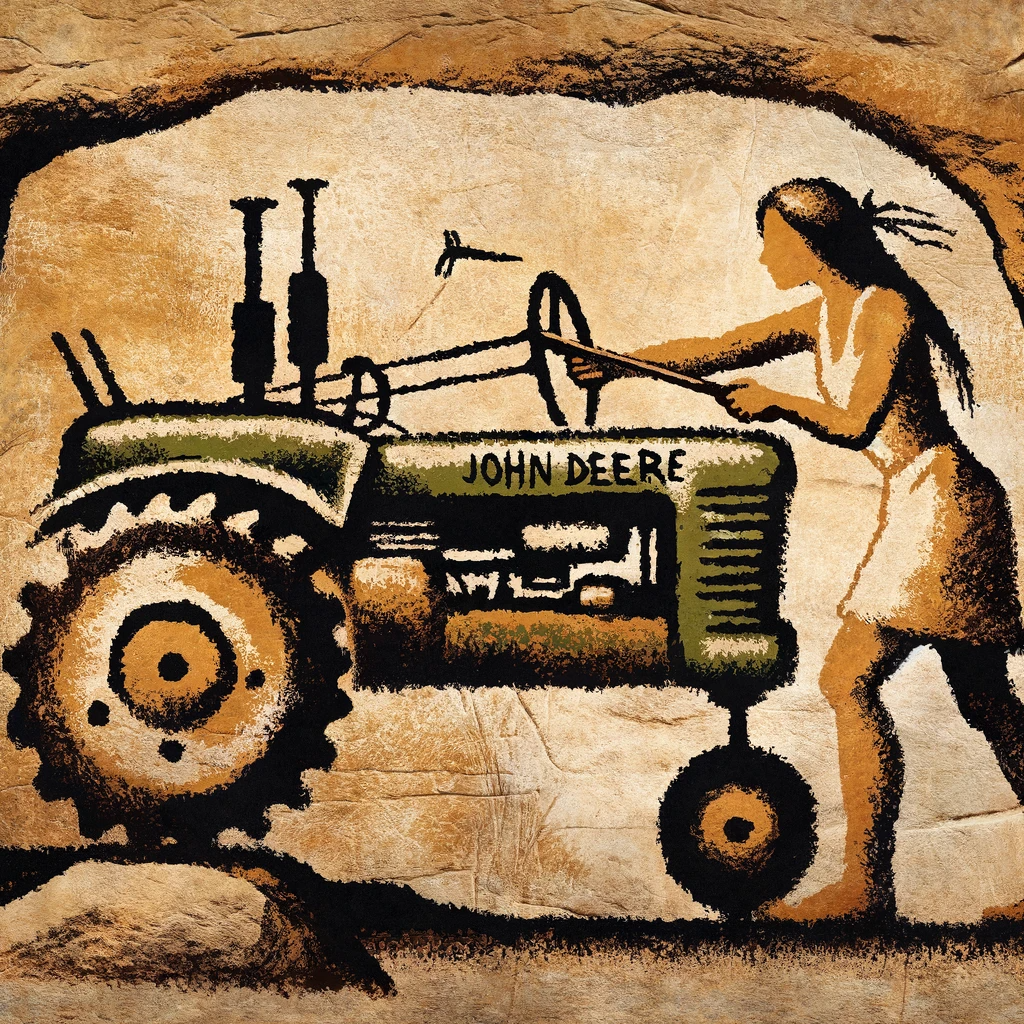
How Do You Determine the Condition Of a Cockshutt 30 Or 40?
What Are the Benefits Of Investing In Vintage Farm Equipment?
Investing in vintage farm equipment, particularly tractors, offers a rich tapestry of benefits that go beyond mere monetary value. For many enthusiasts, owning a piece of history means preserving the stories of those who worked the land with grit and determination. There’s an emotional connection to that rusty old tractor sitting in the barn, a relic that embodies decades of hard work, innovation, and resilience. It’s not just a machine; it’s a testament to the sweat and toil of generations past.
From a rational standpoint, the appreciation potential of vintage tractors is undeniable. As more collectors enter the market, the demand for these machines continues to rise. With each passing year, the value of well-maintained equipment can increase substantially, creating a profitable investment opportunity. This is particularly true for rare models or those with unique histories, making the purchase feel less like a gamble and more like securing a piece of valuable craftsmanship.
Ethically speaking, investing in vintage farm equipment fosters a deeper appreciation for agriculture and its pioneers. It’s a way to honor the agricultural roots that have shaped communities and economies. Each purchase supports vintage preservation efforts and encourages a culture of sustainability, repurposing machinery rather than allowing it to decay into obsolescence. You’re not just investing in a tractor; you’re investing in a future that respects the past.
Narratively, think about the stories these pieces could tell if they could talk. Picture the families who relied on them to cultivate their lands, the roughly calloused hands that maintained them, and the unyielding spirit of farmers who depended on these machines. When you own a vintage tractor, you channel that legacy. It becomes a conversation starter, a bridge to connect with others who share a passion for history and craftsmanship.
Socially, vintage farm equipment draws a community of like-minded individuals. Collectors and enthusiasts often gather at shows, auctions, and fairs, celebrating the craftsmanship and shared values of hard work. Engaging with this community fosters connections that are as valuable as the investments themselves; you gain not just machines, but friendships built on a love of the land and its stories.
Investing in vintage farm equipment isn’t just a financial decision; it’s a way to embrace history, honor hard work, and build a future grounded in the lessons of the past. Each tractor has a heartbeat, a legacy waiting to be discovered and renewed.
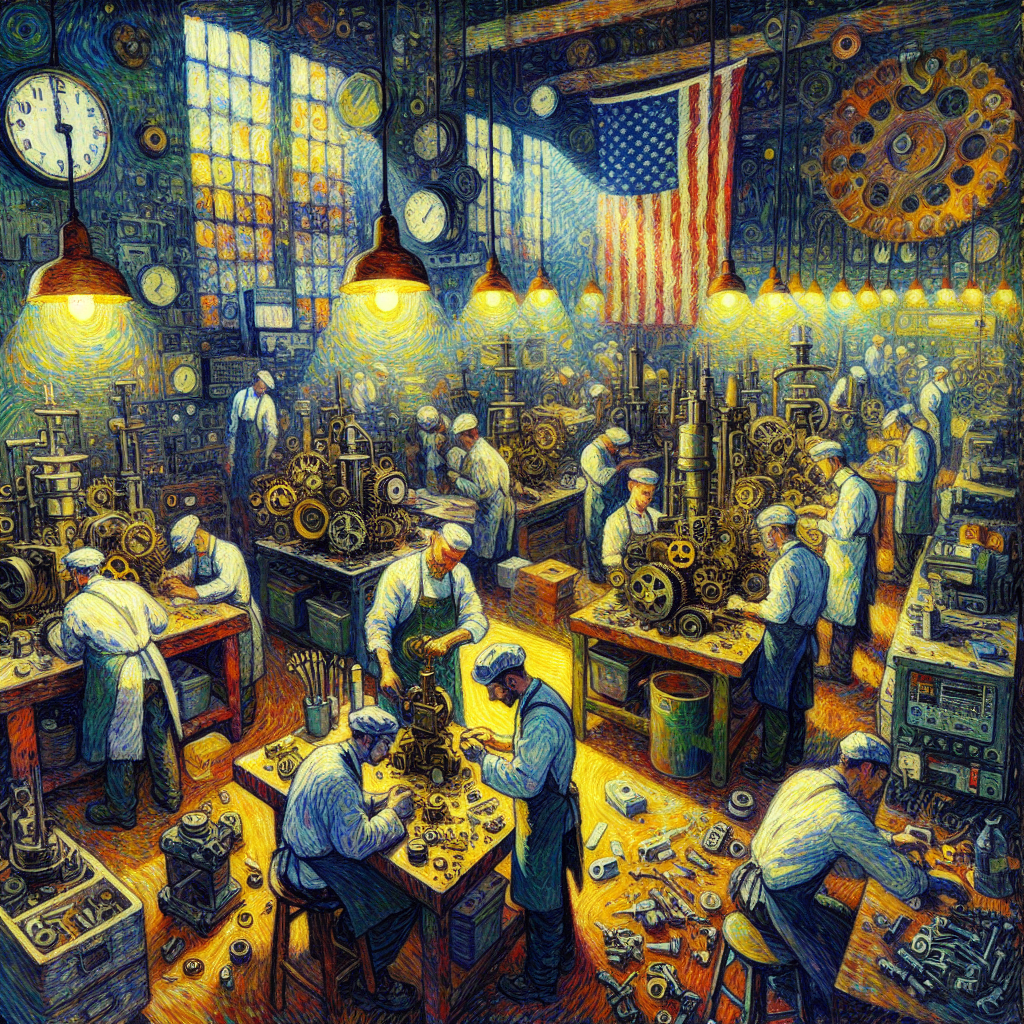
What Are the Benefits Of Investing In Vintage Farm Equipment?
What Are the Benefits Of Investing In Vintage Farm Equipment?
- Investing in vintage farm equipment, particularly tractors, connects enthusiasts to history and the hard work of past generations.
- Vintage tractors appreciate in value, particularly rare models, offering profitable investment opportunities.
- Purchasing vintage equipment promotes the preservation of agriculture’s history and encourages sustainability.
- Owning a vintage tractor symbolizes a legacy and serves as a conversation starter within communities of enthusiasts.
- Collectors and enthusiasts gather to celebrate craftsmanship, creating valuable social connections.
- Investment in vintage farm equipment honors agricultural roots and fosters an appreciation for hard work.
- Each vintage tractor represents a unique legacy, waiting to be renewed and cherished.
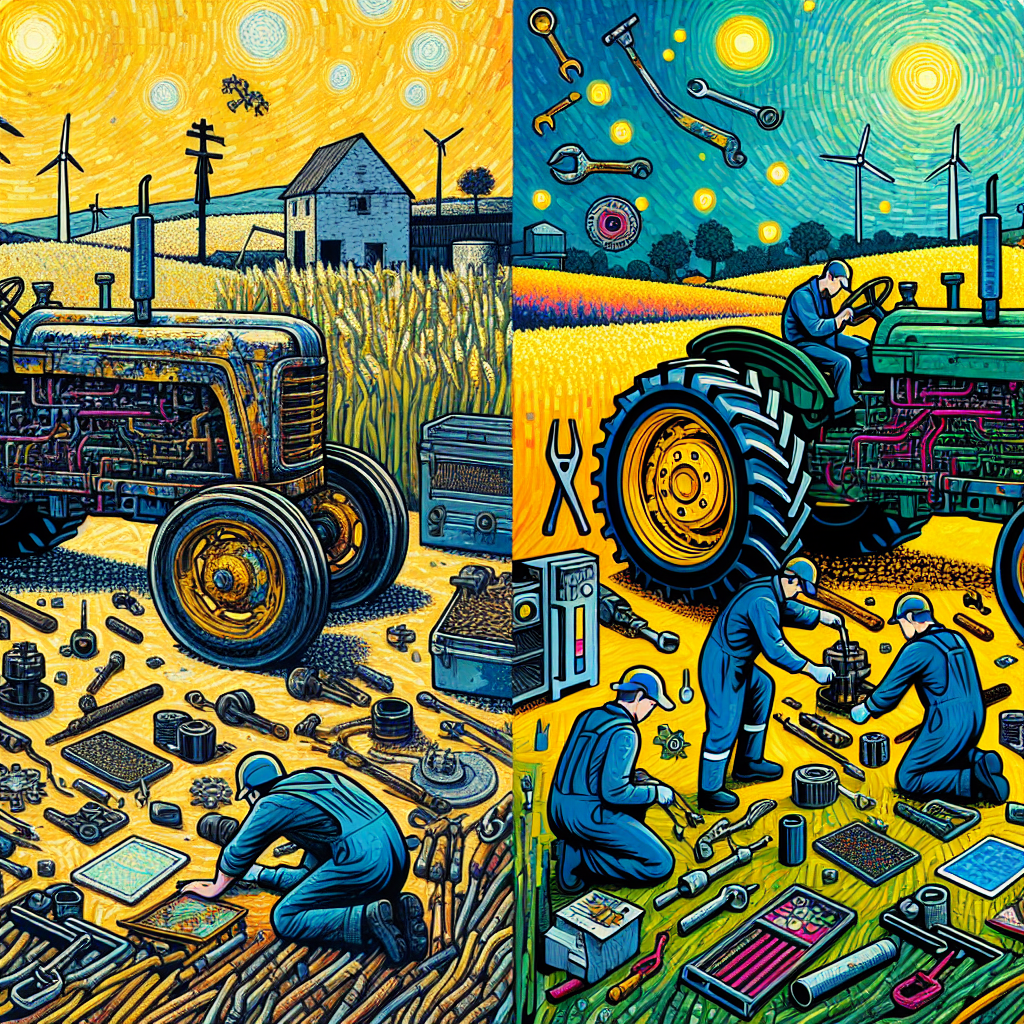
What Are the Benefits Of Investing In Vintage Farm Equipment?
How Can Community Forums Help In Gauging Tractor Worth?
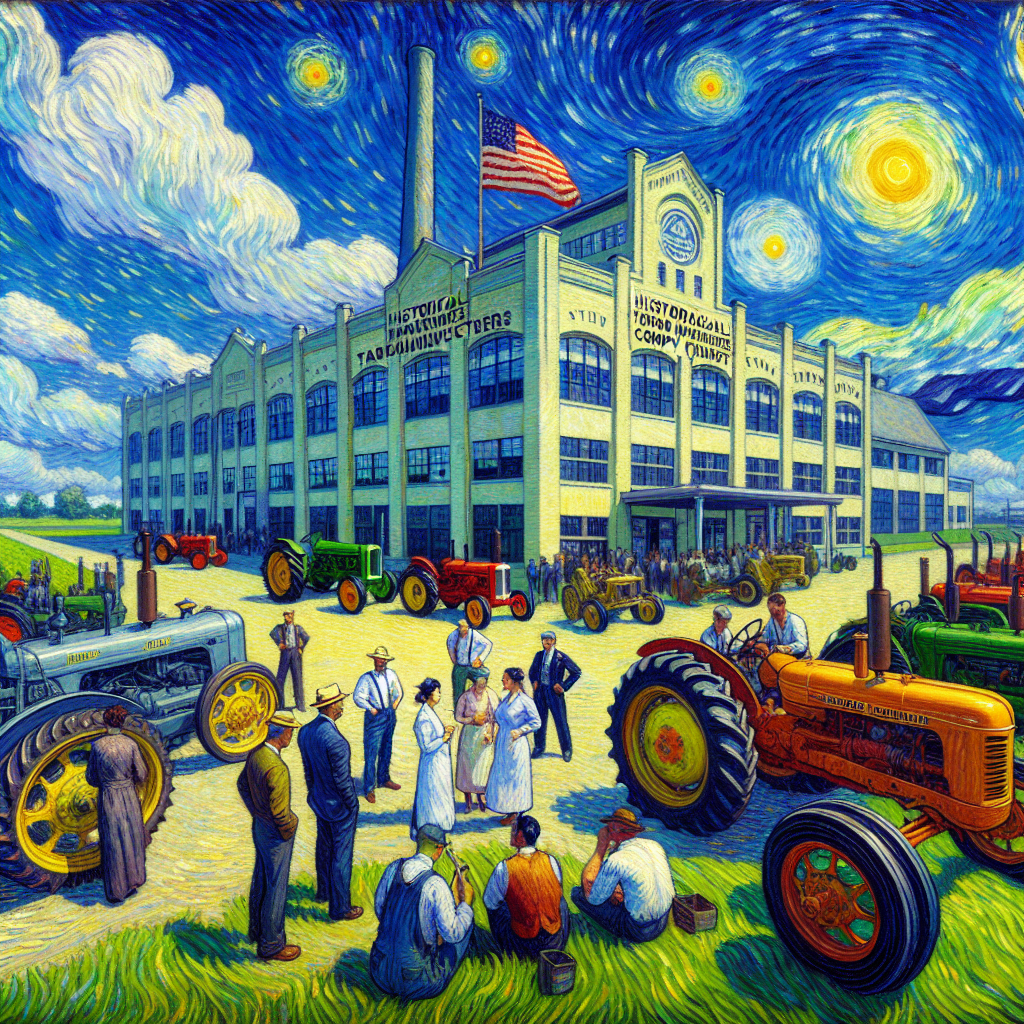
To understand the worth of your tractor, community forums serve as a vital resource, blending heartfelt connections with practical insights. Picture yourself surrounded by fellow enthusiasts, each with their own stories and experiences, discussing the ins and outs of their beloved machines. It’s not just about numbers or market trends; it’s about the journey each tractor has taken, the memories created, and the hard work it’s contributed to the community.
When you log into these forums, you’re stepping into a treasure trove of knowledge. The emotional narratives shared by users resonate deeply, reminding you that every scratch on your tractor tells a tale of labor, triumph, or even a little bit of mischief. You start to realize that the worth of a tractor isn’t limited to its resale value; it’s also about connection. These stories draw you closer to others who share a passion for machinery and farming, fostering a sense of belonging.
From a rational standpoint, community forums equip you with data and real-world comparisons that you won’t find buried in a magazine or a website. Users regularly post their buying and selling experiences, along with prices that reflect market realities. Engaging in discussions reveals the nuances of what drives value—engine reliability, brand loyalty, and other factors that might not have crossed your mind. This collective wisdom anoints contributors as authority figures, lending credibility to the information you gather.
Ethically speaking, these forums often come together to look out for one another. Members guide newcomers through the process of buying or selling, reminding everyone that honesty and transparency should prevail in transactions. Sharing insights bravely, members reveal their successes and mistakes, creating an environment where everyone can learn and grow.
The social aspect of these forums cannot be overstated. You’re not just collecting information; you’re participating in a vibrant community. Whether it’s a friendly debate about the best tractor models or commiserating over a common struggle with maintenance, these interactions build trust and confidence. You come to appreciate the fact that valuing a tractor is more than numbers—it’s about shared experiences, community support, and the dedication to improving one another’s understanding of the very tools that keep our agricultural world thriving.
When assessing your tractor’s worth, remember that these forums aren’t merely about economic transactions; they’re about heart and community spirit, transforming what could be a mundane process into a meaningful journey.
How Can Community Forums Help In Gauging Tractor Worth?
How Can Community Forums Help In Gauging Tractor Worth?
- Community forums provide emotional and practical insights into understanding tractor worth.
- Engagement with fellow enthusiasts fosters a sense of belonging and shared experiences.
- Forums offer knowledge and real-world comparisons not found in traditional literature.
- Users share buying and selling experiences, revealing factors that influence value.
- The community promotes honesty and transparency in transactions, supporting ethical practices.
- Social interactions in forums build trust and confidence among members.
- Valuing a tractor transcends economic factors, emphasizing community spirit and connection.
How Can Community Forums Help In Gauging Tractor Worth?
Conclusion
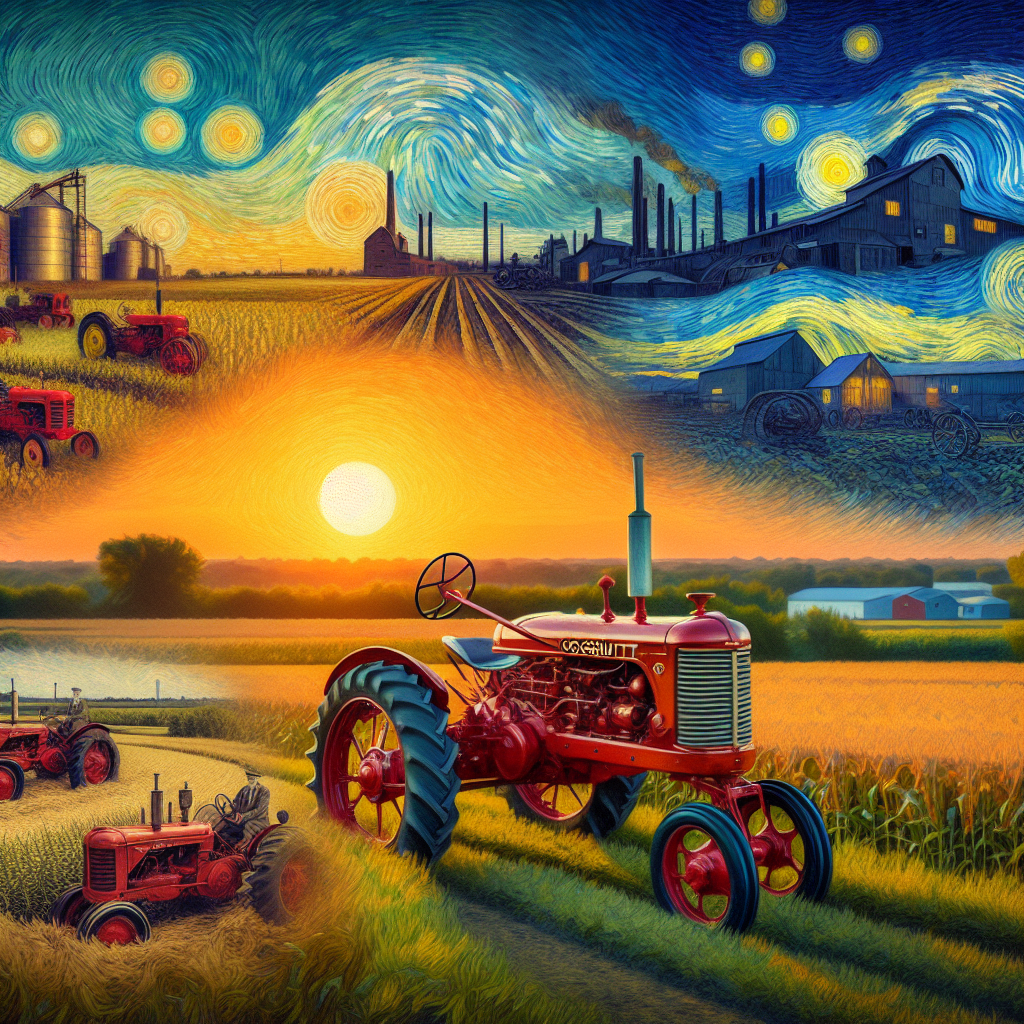
The Cockshutt 30 and 40 tractors stand as enduring symbols of agricultural heritage, embodying the spirit, struggle, and triumph of those who have worked the land. Their worth transcends mere financial valuation; it is steeped in the emotional resonance of family histories and shared experiences. Picture a farmer, at dawn, mounting a trusted old tractor, whisked away on a journey of toil that has deep roots in personal and communal legacies. Each tractor tells a story, a narrative interwoven with the lives of generations who have depended on these robust machines.
From an angle of emotional appeal, these tractors evoke nostalgia, connecting current owners with their predecessors. They serve not just a functional purpose but are vessels of memory, bridging past and present with every rev of the engine. Irrational sentiments blend with rational insights, as the market value fluctuates based on condition and rarity, enhancing the allure of ownership. A well-maintained Cockshutt draws collectors, not only for its operational promise but as a piece of history that appreciates over time.
Ethically, the Cockshutt name symbolizes quality craftsmanship that resonates with today’s values around sustainability and preserving the past. Owning such machinery signifies a commitment to uphold a legacy of durability and excellence, aligning with a more thoughtful consumer mindset in a world increasingly dominated by disposability. Additionally, these tractors foster community, sparking conversations at shows or clubs where enthusiasts share stories and knowledge, creating bonds of trust and friendship.
The social dynamics of owning a Cockshutt extend beyond ownership. They cultivate relationships with fellow enthusiasts, celebrating shared passions and contributing to a larger narrative of agricultural legacy. These machines serve as a catalyst for dialogue about farming’s evolution, influencing both personal stories and broader agricultural practices.
Understanding the value of these tractors in a contemporary context is crucial—for it connects us to our roots, reminding us of the importance of hard work and the pride in maintaining the land. Owning a Cockshutt is not merely possession; it is participation in a lasting legacy, where every field worked conjures the stories of those who toiled before us. Thus, as we navigate the future, we carry forward the lessons and values these timeless machines impart, celebrating both individual journeys and the collective history they represent.
Conclusion
Conclusion:
- The Cockshutt 30 and 40 tractors symbolize agricultural heritage, representing farmers’ spirit and legacies.
- They evoke nostalgia, connecting current owners with their predecessors through shared stories and experiences.
- Market value fluctuates based on condition and rarity, enhancing the allure for collectors and enthusiasts.
- Owning a Cockshutt reflects a commitment to quality craftsmanship and sustainability in contrast to disposability.
- These tractors foster community, encouraging conversations among enthusiasts at shows and clubs.
- They influence both personal stories and broader agricultural practices through shared passions.
- Owning a Cockshutt is a participation in a lasting legacy, connecting individuals to the history of farming.
Conclusion
Other Resources
Other Resources
Here is a list of other resources you can review online to learn more:
- Sky Valley Stock and Antique Tractor Club
- Agriculture and the Environment
- Captain
- McCormick Intl
- Corbitt
- Waltanna
- Argo Tractors
- TAFE
- Buhler Industries
- Montana
- Denning
- Erkunt
- Landini
- Mahindra
- Fendt
- Tri-State Gas Engine and Tractor Association
- Hill Country Antique Tractor & Engine Club Show
- Deutz-Fahr
- Park Rapids Antique Tractor & Engine Club
- Antique Farm Equipment Museum
Use This Prompt To Get More Resources With Your Favorite Online AI Tool: Please provide me with a list of online articles with their URLs in a bulleted list that I can read regarding What’s a Cockshutt 30 Or 40 Typically Worth?
Other Resources
Glossary Terms
What’s a Cockshutt 30 Or 40 Typically Worth? – Glossary Of Terms
1. Cockshutt 30: A vintage agricultural tractor produced by Cockshutt Farm Equipment between 1946 and 1958, known for its reliability and simplicity.
2. Cockshutt 40: A larger model than the Cockshutt 30, produced in the late 1950s, featuring more power and advanced functionalities.
3. Value: The monetary worth of a Cockshutt 30 or 40 tractor, influenced by factors such as condition, demand, and location.
4. Restoration: The process of repairing and refurbishing a vintage Cockshutt tractor to restore it to working or pristine condition.
5. Collector’s Item: A Cockshutt tractor sought after by collectors due to its rarity or historical significance.
6. Market Demand: The level of interest in buying Cockshutt tractors, influencing their sale prices and availability.
7. Condition: The physical state of a Cockshutt tractor, including cosmetic and mechanical aspects, which affects its value.
8. Price Range: The typical spectrum of values for the Cockshutt 30 and 40, often between $2,000 to $10,000 based on various factors.
9. Restoration Value: An estimate of the monetary worth added to a Cockshutt tractor after it has been fully restored.
10. Non-Running: A status indicating that the tractor is not operational, which significantly lowers its market value.
11. Running Condition: A term describing a Cockshutt tractor that is operational and fully functional, typically worth more in the market.
12. Historical Significance: The importance of Cockshutt tractors in agricultural history, adding to their value among enthusiasts and collectors.
13. Documentation: The availability of original manuals, service records, or other paperwork can enhance a tractor’s value.
14. Dealer Pricing: Prices set by retailers or dealerships which might be higher than private sales due to overhead costs.
15. Private Sale: A transaction between individual sellers and buyers, typically offering lower prices than dealer sales.
16. Auction Value: The estimated worth of a Cockshutt tractor as determined by bidding at an auction setting.
17. Rarity: The scarcity of a specific model or version of the Cockshutt tractor, impacting its desirability and price.
18. Parts Availability: The ease of finding replacement parts for a Cockshutt tractor, affecting maintenance costs and collector interest.
19. Modifications: Alterations made to improve performance or aesthetics, which can either enhance or diminish a tractor’s value.
20. Engine Type: The specifications of the engine, which can determine performance characteristics and affect worth.
21. Transmission: The mechanism that transfers power from the engine to the wheels, impacting the functionality and ease of driving.
22. Tire Condition: The status of the tires on a Cockshutt tractor, which influences safety and usability, thus affecting value.
23. Paint Quality: The condition of paintwork on a tractor, where original paint can enhance value compared to repainted surfaces.
24. Field Use: The tractor’s history of being used in farming operations, which can indicate wear and contribute to its overall condition.
25. Dealer Warranty: A guarantee offered by dealers on their tractors, potentially adding value and peace of mind for buyers.
26. Local Market Trends: Regional preferences and sales patterns that influence the resale value of Cockshutt tractors.
27. Comparative Pricing: Assessing the value of a tractor based on similar models sold recently in the market.
28. Online Sales: The practice of using platforms like eBay or Craigslist to buy and sell Cockshutt tractors, impacting pricing.
29. Performance Ratings: Evaluations based on the efficiency and productivity of the Cockshutt tractors in various farming tasks.
30. Heritage Value: The intrinsic value associated with owning a piece of farming history, important for collectors and enthusiasts.
Glossary Of Terms
Other Questions
What’s a Cockshutt 30 Or 40 Typically Worth? – Other Questions
If you wish to explore and discover more, consider looking for answers to these questions:
- What is the typical price range for a Cockshutt 30 in running condition?
- What is the typical price range for a Cockshutt 40 in running condition?
- How do prices differ between project, running, and fully restored Cockshutt tractors?
- How much does a full restoration of a Cockshutt 30 or 40 usually cost?
- Which model years of the Cockshutt 30 and 40 are most desirable to collectors?
- How many Cockshutt 30 and 40 tractors were produced and how rare are they?
- What original engine and transmission specifications should I expect for each model?
- How can I verify a Cockshutt’s serial number and production date?
- What are the most common mechanical issues to look for in these tractors?
- Which parts are hardest to find or most expensive to replace?
- Are reproduction parts available and how do they compare to original parts?
- How important is “matching numbers” (original engine/serial) to value?
- How much value is lost by non-original paint, decals, or modifications?
- What documentation (manuals, receipts, provenance) increases a tractor’s value?
- How do regional markets affect Cockshutt values (e.g., Midwest vs. Canada vs. UK)?
- Where are the best places to buy or sell Cockshutt 30 and 40 tractors (auctions, online, clubs)?
- What questions should I ask a seller to assess a tractor before purchase?
- What on-site tests should I perform when inspecting a Cockshutt for sale?
- How do you evaluate engine health (compression, oil condition, exhaust smoke)?
- What are the key signs of structural rust or frame damage to watch for?
- How do differences between Cockshutt 30 and 40 models affect usability and value?
- What implements and attachments are compatible with Cockshutt 30 and 40 tractors?
- Can modern implements or hydraulics be retrofitted without harming value?
- How practical are Cockshutt 30 and 40 tractors for everyday farm work today?
- What are typical fuel types and consumption rates for these models?
- How easy is it to find technicians or shops familiar with Cockshutt restorations?
- Are there active Cockshutt owners clubs or specialist forums worth joining?
- How do auction results compare to private-sale prices for these tractors?
- What are fair market prices for Cockshutt parts like hoods, wheels, and hitches?
- How much does provenance or a documented family farm history add to value?
- What safety or legal considerations apply when operating or transporting a vintage tractor?
- How should a buyer budget for shipping and transport of a Cockshutt purchase?
- What are the most common restoration shortcuts that reduce long-term value?
- How long does a typical restoration of a Cockshutt 30 or 40 take?
- What are the best resources for original paint codes, decals, and finishing details?
- What aftermarket upgrades (ignition, brakes, lighting) improve usability without hurting collectibility?
- How do seasonal market trends affect when to buy or sell a vintage tractor?
- How should heirs or estates appraise and sell a Cockshutt tractor?
- What documentation is needed to insure a restored Cockshutt 30 or 40?
- How does a Cockshutt’s condition affect its value for show purposes versus practical use?
- What are reliable methods to authenticate a Cockshutt’s originality?
- Which exterior and interior features most influence collector interest (original seat, gauges, lights)?
- What red flags indicate a misrepresented Cockshutt in online listings?
Other Questions
Haiku
What’s a Cockshutt 30 Or 40 Typically Worth? – A Haiku
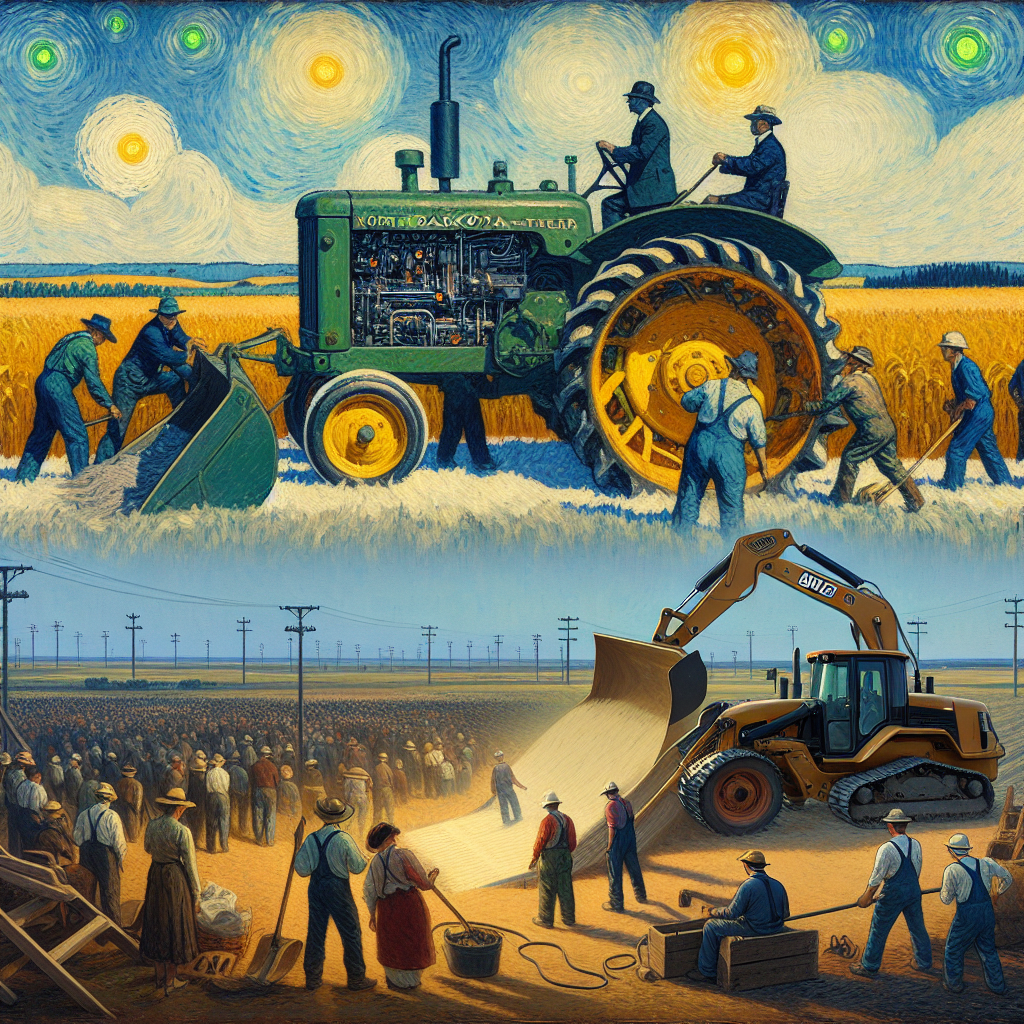
Vintage engines roar,
Whispers of toil and pride,
Legacy in rust.
Haiku
Poem
What’s a Cockshutt 30 Or 40 Typically Worth? – A Poem
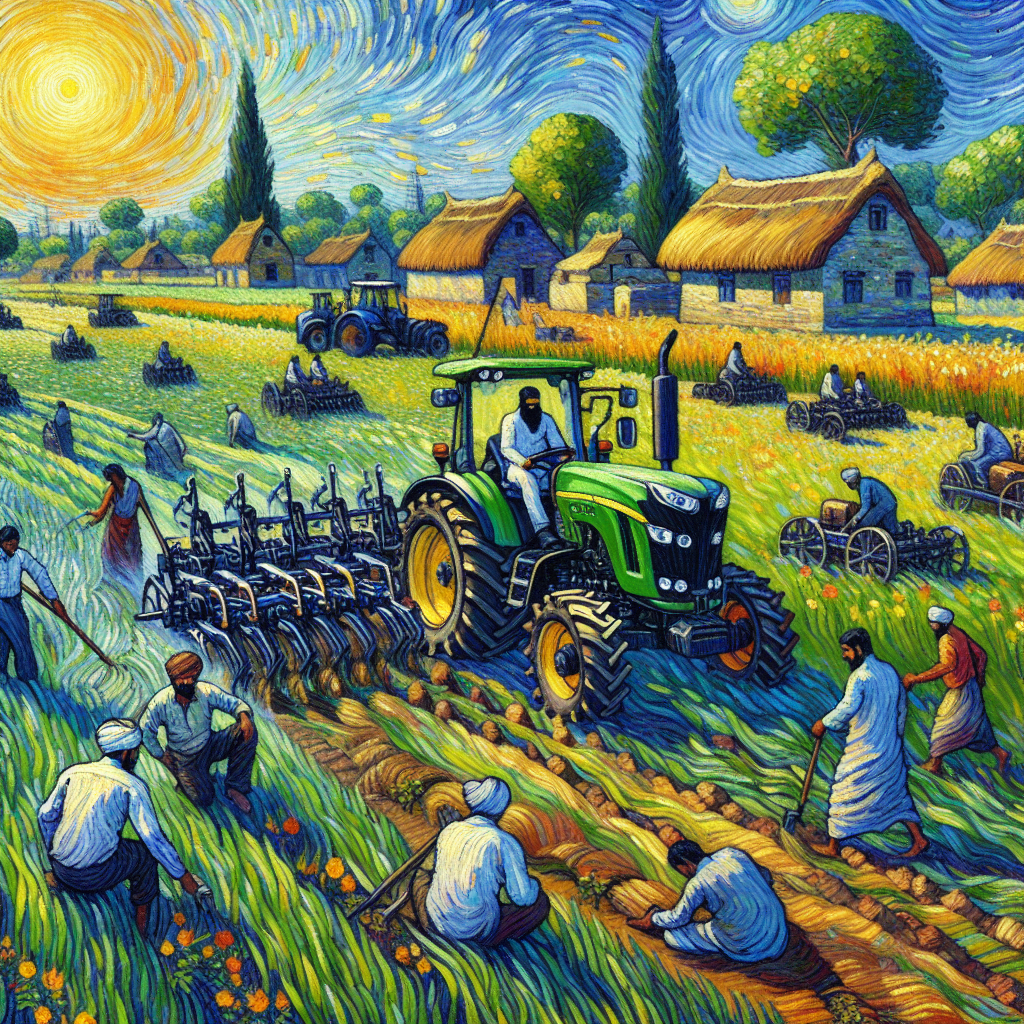
In fields of green where stories grow,
The Cockshutts hum, a ballad low—
Not just a machine, but a trusted friend,
A legacy woven, that shall not end.
Each rusted bolt, each faded line,
Echoes of labor, a life intertwined—
Farmers who rose with the dawn’s embrace,
With dreams in their hearts and dirt on their face.
Nostalgias pull, memories entwine,
In corners of barns where the sun starts to shine.
A touch of the past in the engines roar,
A gentle reminder of what came before.
In every repair, in every tune,
Craftsmanship lingers, like a familiar tune.
A commitment to honor, to preserve and to share,
The stories of farmers who worked with such care.
Valuations ebb, as trends twist and sway,
But emotional worth grows richer each day.
Communities gather, in shows they unite,
In love for the land, old machines ignite.
Investing in history, in roots that still nurture,
Each tractor a teacher, a keeper of culture.
Together we thrive, through trials we stand,
A Cockshutts true worth lies in heart and in land.
Poem
Checklist
What’s a Cockshutt 30 Or 40 Typically Worth? – A Checklist
Emotional Appeals
✅______ Reflect on personal memories associated with tractors \
✅______ Consider the stories and traditions linked to Cockshutt tractors \
✅______ Visualize the connection to family heritage and agricultural legacy \
Rational Appeals
✅______ Assess the condition of the tractor (engine, body, tires, hydraulics) \
✅______ Research market trends and pricing for Cockshutt models \
✅______ Compare restoration costs versus potential value increase \
Ethical Appeals
✅______ Acknowledge the craftsmanship and durability of vintage tractors \
✅______ Emphasize the importance of preserving agricultural history \
✅______ Encourage ethical ownership and maintenance of classic machinery \
Authority Appeals
✅______ Join community forums or seek expert advice on tractor values \
✅______ Attend local shows and engage with collectors for insights \
✅______ Consult restoration specialists for evaluations \
Narrative Appeals
✅______ Collect stories from previous owners about their experiences \
✅______ Create a narrative around the significance of tractors in your community \
✅______ Document the journey of restoring your tractor and its historical context \
Social Appeals
✅______ Participate in local tractor clubs and events to expand your network \
✅______ Share experiences and advice with fellow enthusiasts online \
✅______ Promote discussions on platforms that celebrate vintage machinery
Checklist
At ClassicTractorNews, we help tractor lovers keep up with the latest news for classic and vintage tractors.
Please share this post with your friends, family, or business associates who may like old classic or vintage tractors.