


Revolutionizing Agriculture: The Complexities Of 4Wd Tractor Design
By Tom Seest
At ClassicTractorNews, we help tractor lovers keep up with the latest news for classic and vintage tractors.
Please share this post with your friends, family, or business associates who may like old classic or vintage tractors.
What Were The Biggest Challenges In Designing 4 Wheel Drive Tractors?
Designing a four-wheel drive tractor is no small feat, and it’s a task that’s riddled with challenges. Imagine the vast expanse of farmland, with nothing but you, your tractor, and the elements. Now picture that same tractor, but with the added complexity of driving power to all four wheels. It’s a game changer, but a challenging one at that.
First off, there’s the matter of weight distribution. When you’re designing a tractor that relies on four-wheel drive, you must ensure every component is balanced. Heavy machinery naturally leans toward being front heavy, especially with the engine and often the transmission located at the front. If engineers don’t tackle weight distribution correctly, it’s like trying to balance a seesaw with a brick on one end. Poor balance can lead to poor traction, which defeats the entire purpose of a four-wheel drive system. Getting traction right is crucial for a tractor, especially when working in muddy conditions or on rugged terrain, where just a slight slip can set you back hours.
Next, there’s the issue of drivetrain complexity. Adding four-wheel drive means you’re adding a plethora of components like differentials, axles, and drive shafts—essentially turning a simple machine into a mini-monster. Each part must function seamlessly with the others, ensuring that power is efficiently transmitted from the engine to all four wheels. If any part is out of alignment or poorly designed, you risk the dreaded binding—a phenomenon that can cause all manner of headaches in the field.
Then we have the practicality versus technology dilemma. Engineers are often eager to incorporate cutting-edge tech features, but those innovations can sometimes complicate repairs and maintenance. Farmers want machinery that’s tough, reliable, and easy to fix because out in the field during planting or harvest season, downtime is never an option. So, the challenge is creating a tractor that balances state-of-the-art technology with rugged simplicity.
Lastly, let’s not forget about cost. Every added component increases the price tag. Here lies the challenge of making a four-wheel drive tractor not only functional but also financially accessible for farmers who need it without breaking the bank.
In essence, designing a four-wheel drive tractor is like crafting a fine piece of machinery that must perform flawlessly under tough conditions, balancing complexity, cost, and the farmer’s need for reliability. It’s an engineering puzzle that demands creativity, and perhaps a bit of grit.

What Were The Biggest Challenges In Designing 4 Wheel Drive Tractors?
What Were The Biggest Challenges In Designing 4 Wheel Drive Tractors?
- Designing a four-wheel drive tractor involves significant challenges.
- Weight distribution is critical; poor balance affects traction and performance.
- Drivetrain complexity increases with the addition of components like differentials and axles.
- Seamless functioning of all parts is essential to avoid operational issues like binding.
- Balancing advanced technology with ease of repairs is crucial for farmer satisfaction.
- Additional components raise the cost, making affordability an important consideration.
- Overall, designing this tractor requires creativity and a focus on reliability under tough conditions.

What Were The Biggest Challenges In Designing 4 Wheel Drive Tractors?
Table Of Contents
- What Were The Biggest Challenges In Designing 4 Wheel Drive Tractors?
- What Are The Key Engineering Challenges In 4Wd Tractor Design?
- How Does Traction Impact 4Wd Tractor Performance?
- What Role Does Weight Distribution Play In 4Wd Tractors?
- How Does Tire Selection Affect 4Wd Tractor Functionality?
- What Are The Common Mechanical Failures In 4Wd Tractors?
- How Do Operator Comfort And Ergonomics Influence Design?
- What Advancements In Technology Have Improved 4Wd Tractors?
- Conclusion
- Other Resources
- Glossary Of Terms
- Other Questions
- Haiku
- Poem
- Checklist
What Are The Key Engineering Challenges In 4Wd Tractor Design?
When you think of a tractor, it’s easy to envision a gargantuan machine plowing through fields, but the truth is, behind that hulking exterior lies a myriad of engineering challenges that demand innovation and ingenuity. Four-wheel drive (4WD) tractors, in particular, bring a unique set of obstacles to the table—each one essential to the machine’s overall effectiveness and longevity.
First up is the need for traction. In farming, conditions can range from sticky mud to uneven terrain, and 4WD tractors must conquer it all. Engineers are tasked with designing systems that distribute power efficiently to all four wheels, which is no small feat. Achieving the right balance between weight and power is crucial; too much weight can cause a tractor to sink, while too little means slipping and sliding, rendering it useless in tough conditions.
Next, consider steering. A 4WD tractor typically features a system that allows all four wheels to actively participate in steering—a complex requirement that pushes engineering creativity to its limits. It isn’t just about turning the wheels; it’s about precision in maneuverability, especially in tight spots like barns or when turning at the end of rows. Creating a reliable mechanism that can withstand the demands of both tight corners and varied surface conditions without sacrificing control is a tall order.
Then we have durability. A tractor isn’t just a leisurely lap around the farm; it’s a relentless workhorse that endures long hours in harsh environments. Consequently, the materials used must resist wear, corrosion, and shocks from the rough ground. Engineers must source materials that are robust yet lightweight, which can raise questions about cost and availability.
Another challenge is suspension. Unlike cars that cruise the smooth asphalt, tractors traverse bumpy fields, and an effective suspension system is a non-negotiable aspect. An optimal suspension must absorb the pounding they take while keeping the tires in contact with the ground—ensuring that farmers can work efficiently and comfortably.
Finally, let’s not forget about the tech that drives these machines. Incorporating advanced technologies like automation and GPS into a 4WD tractor isn’t just about adding bells and whistles; it demands seamless integration with established mechanical systems. The convergence of traditional engineering with modern tech is a dance that requires meticulous choreography.
In the world of 4WD tractor design, every engineer is confronted with these intricate challenges. The result? A remarkable machine capable of transforming fields into bountiful harvests, standing as a testament to human ingenuity and the relentless pursuit of improvement.
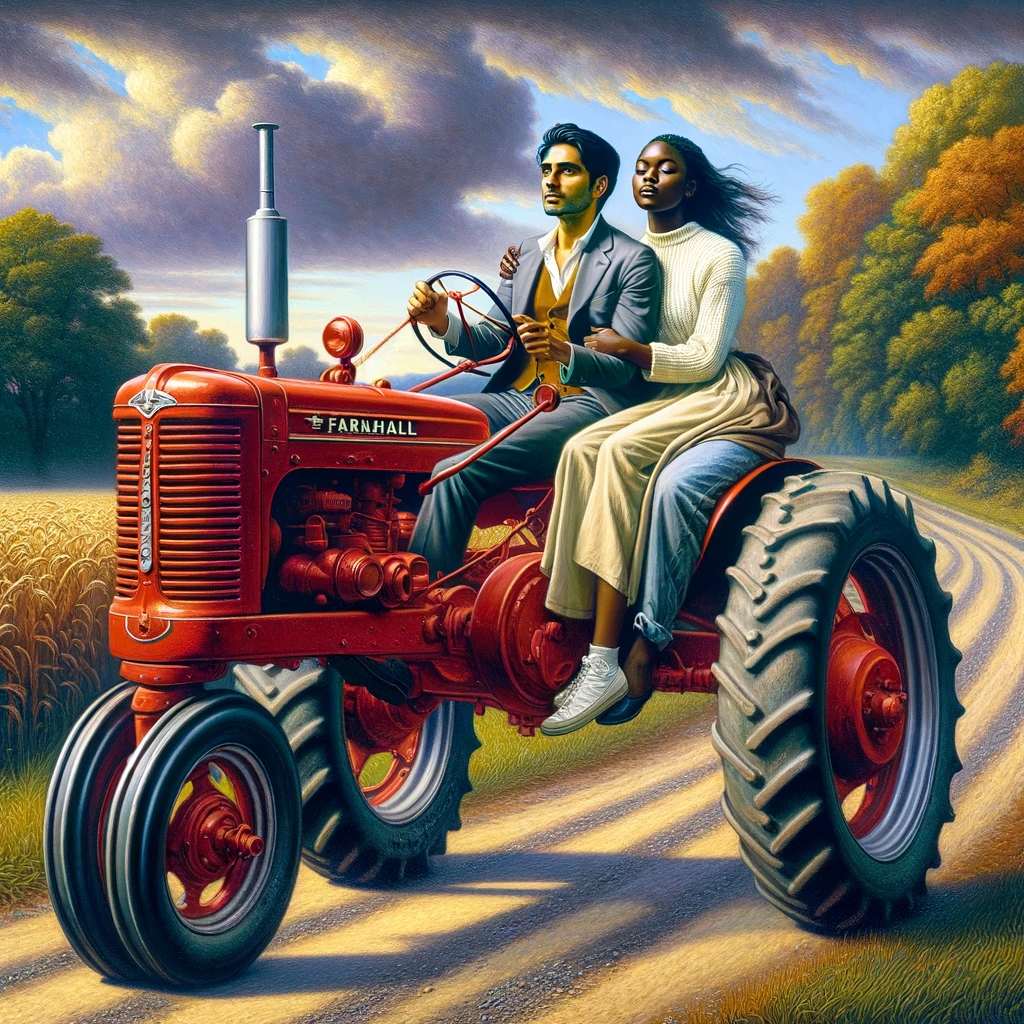
What Are The Key Engineering Challenges In 4Wd Tractor Design?
What Are The Key Engineering Challenges In 4Wd Tractor Design?
- 4WD tractors face unique engineering challenges crucial for effectiveness and longevity.
- Traction is essential, requiring efficient distribution of power to all four wheels in varying farming conditions.
- Steering systems allow all four wheels to participate, demanding precision and creativity for maneuverability in tight spaces.
- Durability is vital, with materials needing to withstand wear, corrosion, and shocks while being robust yet lightweight.
- An effective suspension system is necessary to absorb bumps and keep tires in contact with the ground for efficient operation.
- Incorporating advanced technologies like automation and GPS requires careful integration with existing mechanical systems.
- The design of 4WD tractors exemplifies human ingenuity and the ongoing quest for innovation in agricultural machinery.

What Are The Key Engineering Challenges In 4Wd Tractor Design?
How Does Traction Impact 4Wd Tractor Performance?
When we talk about the performance of a 4WD tractor, traction is the name of the game. Just like a skilled athlete relies on their grip to perform at their best, a tractor’s ability to maintain traction impacts everything from its efficiency to its capability in different terrains. So, how does traction really affect what a 4WD tractor can do? Let’s dig in.
First off, the tires. These rubber giants are the main point of contact between your tractor and the ground. The tread pattern, size, and pressure all play a massive role in traction. A well-designed tire can grip muddy soil, navigate rocky paths, and tackle hilly terrains with ease. Without this critical grip, a 4WD tractor could easily find itself spinning its wheels—literally—when it hits a slippery patch.
Next, let’s talk about weight distribution. For a 4WD tractor, having the right weight in the right places can provide improved traction. Heavy machinery spread too far forward or backward might struggle to keep its wheels in contact with the ground. Conversely, too little weight can lead to slippage and a frustrating day in the field. With an optimal load, a tractor can dig into the earth instead of floating on top of it, especially when working on softer surfaces.
Now, consider the type of soil. Different soil types—like clay, sand, or loam—interact with a tractor’s tires differently. A tire that excels in loamy soil might flounder in muck or sand. Farmers need to choose the right tire for the soil they’re working with, or risk slipping and sliding all over the place.
Traction also connects directly to power. A 4WD tractor generates more torque when it’s firmly planted on the ground. Increased traction allows it to pull heavier loads without losing speed. When you’re looking at tasks like plowing or hauling, adequate traction ensures the job gets done efficiently, without burning through fuel or time.
And let’s not overlook the technological advancements in modern tractors. With features like differential locks and advanced four-wheel drive systems, today’s tractors optimize traction like never before. These enhancements make it easier for operators to maintain control, even in challenging conditions. So, when you’re out in the field, remember: the level of traction your 4WD tractor has can make all the difference between a smooth ride and a slippery disaster. Keeping this in mind could save you a hefty dose of frustration—and a little mud on your boots.

How Does Traction Impact 4Wd Tractor Performance?
How Does Traction Impact 4Wd Tractor Performance?
- Traction is crucial for 4WD tractor performance, influencing efficiency and capability across different terrains.
- Tires are the primary contact point, with tread pattern, size, and pressure significantly affecting traction.
- Optimal weight distribution enhances traction; misaligned weight can cause slippage or difficulty maintaining ground contact.
- Soil type affects tire performance; choosing the right tire for specific soil conditions is essential to prevent slipping.
- Increased traction allows a 4WD tractor to generate more torque and efficiently pull heavier loads.
- Modern tractors feature technological advancements, such as differential locks and advanced 4WD systems, improving traction management.
- Maintaining traction is key to achieving smooth operation in the field and avoiding operational challenges.

How Does Traction Impact 4Wd Tractor Performance?
What Role Does Weight Distribution Play In 4Wd Tractors?
When it comes to the world of 4WD tractors, weight distribution can make the difference between a smooth ride over rough terrain and a bouncy ordeal that could make a seasoned operator question their life choices. Picture this: you’re out in the field, the sun’s shining, and you’re ready to tackle that mountain of work. But if your tractor isn’t balanced properly, you might as well be trying to haul a rebellious mule uphill in a thunderstorm.
First off, let’s break it down. Weight distribution refers to how the mass of the tractor is spread out across its frame and axles. This isn’t just some theoretical mumbo jumbo; it directly impacts traction, stability, and even fuel efficiency. A well-balanced tractor will provide better grip on uneven surfaces. The front wheels need enough weight to keep them planted, especially when you’re plowing or hauling loads, while the rear wheels need to maintain traction without skidding all over the place.
Imagine you’re on a steep incline, your trusty tractor roaring to life. With proper weight distribution, the rear wheels dig in, pushing the tractor forward. If the weight is all packed at the front—well, buckle up! That poor tractor might feel like it’s about to tip over backward, turning your productive day into a comedy routine fit for the ages.
Then there’s the operation of attachments like plows or mowers. An unbalanced tractor can struggle to lift heavy implements or maneuver effectively. Let’s face it, nobody wants to be that guy whose plow ends up diving into the ground like a hot knife through butter, leading to a workout session for their poor tractor’s hydraulic system.
Another factor to consider is the terrain. Soft, muddy fields demand a lower center of gravity for stability, while hard, rocky surfaces might benefit from a little extra weight in the rear for better traction. Adjusting weight distribution can transform how your tractor handles everything from spreading seed to hauling bales of hay.
So, the next time you hop onto your 4WD tractor, take a moment to think about weight distribution. It’s not just about moving dirt or turning heads; it’s about performing your tasks efficiently and safely. After all, a well-balanced tractor is a happy tractor, and a happy tractor leads to a happy operator—doing what they do best in the great outdoors.

What Role Does Weight Distribution Play In 4Wd Tractors?
What Role Does Weight Distribution Play In 4Wd Tractors?
- Weight distribution affects the ride quality of 4WD tractors on rough terrain.
- Proper weight distribution impacts traction, stability, and fuel efficiency.
- The front wheels need adequate weight for effective plowing or hauling.
- Poor weight distribution can cause a tractor to feel like it will tip over on inclines.
- An unbalanced tractor struggles with lifting heavy attachments or maneuvering effectively.
- Terrain type influences optimal weight distribution for better stability and traction.
- Thoughtful weight distribution enhances task efficiency and ensures operator safety.

What Role Does Weight Distribution Play In 4Wd Tractors?
How Does Tire Selection Affect 4Wd Tractor Functionality?
When it comes to the world of 4WD tractors, one might think the engine or the transmission holds the key to unlocking peak performance. But step back for a moment and consider the tires—the unsung heroes of agricultural machinery. Tire selection plays a crucial role in how these powerful machines function, impacting everything from traction to fuel efficiency.
First off, let’s talk about traction. A 4WD tractor is designed to push through tough terrain, whether it’s muddy fields after a heavy rain or rugged hills in search of fertile soil. Choosing the right tire tread pattern can mean the difference between spinning wheels and smooth, controlled movement. Deep treads designed for muddy conditions will dig in and grip the earth, while flatter, wider treads are ideal for hard, compact surfaces. If a farmer chooses the wrong tire for the job, they might find themselves spinning their wheels in muck or slipping on rocky terrain, wasting valuable time and fuel.
Now, let’s consider the importance of tire pressure. Underinflated tires can lead to increased rolling resistance, requiring the tractor to work harder and, unfortunately, burn more fuel. Conversely, overinflated tires can cause unnecessary wear and lead to a bumpy ride, resulting in loss of control. A well-maintained tire at the correct pressure optimizes fuel efficiency and preserves the delicate balance of power and speed that makes a 4WD tractor a vital tool in the farming arsenal.
But it doesn’t stop there. Tire selection can also impact the load-carrying capacity of a tractor. Different tires have specific load ratings, which determine the weight they can handle. Choosing tires that are not suited for the task can lead to blowouts or premature wear, turning a productive day in the field into a costly repair. Every farmer has stories of a flat tire ruining a day’s worth of hard work, and that kind of downtime eats into profits faster than you can say “tractor.”
In summary, while most folks will zero in on engines and features when discussing 4WD tractors, never underestimate the impact of tire selection. From traction and pressure management to load capacity, the right tires can be the difference between a productive day and a frustrating one. Just like any great adventure, it’s all about having the right tools for the job—starting from the ground up.

How Does Tire Selection Affect 4Wd Tractor Functionality?
How Does Tire Selection Affect 4Wd Tractor Functionality?
- Tire selection is crucial for optimal performance in 4WD tractors, impacting traction and fuel efficiency.
- Traction is affected by tire tread patterns; deep treads are best for muddy conditions, while flatter treads suit hard surfaces.
- Incorrect tire choices can lead to wasted time and fuel due to spinning wheels or slipping on rugged terrain.
- Tire pressure management is vital; underinflation increases rolling resistance while overinflation causes wear and loss of control.
- Properly maintained tires at the correct pressure optimize fuel efficiency and balance power and speed.
- Tire selection influences load-carrying capacity, with specific load ratings determining weight limits for effectiveness.
- The right tires can prevent costly downtime from blowouts or wear, ensuring productive days in the field.

How Does Tire Selection Affect 4Wd Tractor Functionality?
What Are The Common Mechanical Failures In 4Wd Tractors?
When it comes to 4WD tractors, you might think these workhorses are invincible. After all, they’re engineered to tackle everything from plowing fields to hauling heavy loads through mud. However, like any well-used equipment, they have a knack for developing mechanical failures that can leave operators scratching their heads and cursing under their breath. Let’s dive into some common issues you might encounter with these beasts of burden.
Firstly, one of the most frequent culprits is the transmission. With all that power running through the gears, wear and tear can lead to slipping or grinding noises, especially when shifting. When you start noticing a delay in response, it’s a sure sign that the transmission may need some tender loving care—or outright replacement.
Next up, we have the dreaded hydraulic system. A 4WD tractor is only as good as its ability to lift and maneuver heavy loads. When hydraulic fluid starts leaking, often from worn hoses or seals, it can lead to a significant drop in performance. You might find your loader refusing to lift or your implements acting like they’ve forgotten their instructions. Nobody wants that when they’re knee-deep in a field, trying to get work done.
Then there’s the drivetrain—specifically the front axle and differentials. These are the components that ensure power is distributed correctly to all four wheels, giving you traction where you need it most. If you’ve experienced rattling or clunking noises while turning, consider yourself lucky if the issue is just a worn out universal joint. But if left unchecked, it could lead to a complete axle failure, and trust me, that’s a headache no operator wants to deal with.
Don’t forget about the electrical system. A faulty battery or corroded connections can lead to starting issues that will test your patience more than a day stuck in the mud. Lights flickering or dashboard warning lights glowing like holiday decorations are not the signs of a healthy machine.
Lastly, overheating is an ever-present danger. With all that hard work, engines can run hotter than a barbecue on a summer’s day. A clogged radiator or failing water pump can spell disaster. Regular maintenance is essential; check those fluids and keep an eye on your temperature gauge.
In short, while 4WD tractors are built to last, they’re not immune to mechanical failures. Being aware of these common issues can save you time, money, and a lot of frustration. And there you have it—a bit of wisdom gleaned from the trenches of tractor operation. Keep your machine in shape, and it’ll keep you rolling through any job with ease.

What Are The Common Mechanical Failures In 4Wd Tractors?
What Are The Common Mechanical Failures In 4Wd Tractors?
- 4WD tractors are powerful machines used for tasks like plowing and hauling.
- Common mechanical failures include issues with the transmission, such as slipping or grinding noises.
- The hydraulic system is critical for lifting heavy loads; leaks can lead to performance drops.
- Drivetrain problems, including noises from the front axle and differentials, can indicate wear.
- Electrical system issues, like a faulty battery or corroded connections, can cause starting problems.
- Overheating is a risk, often due to a clogged radiator or failing water pump; regular maintenance is key.
- Awareness of these potential problems can help save time, money, and frustration in tractor operation.

What Are The Common Mechanical Failures In 4Wd Tractors?
How Do Operator Comfort And Ergonomics Influence Design?
When it comes to designing machinery, particularly in the world of heavy equipment, operator comfort and ergonomics are often the unsung heroes of innovation. Picture this: a farmer out in the field, tackling the day’s work behind the wheel of a tractor. It’s not just about horsepower or fuel efficiency; it’s also about how the operator feels during those long hours spent in the driver’s seat.
First and foremost, let’s talk about control. A well-designed tractor will be equipped with controls that are intuitively placed and easily reachable. Think about it: when an operator is wrestling with a stubborn piece of machinery, the last thing they need is to stretch uncomfortably to adjust the settings. A smart design will ensure that dials, levers, and buttons are all within easy reach, cutting down on unnecessary movements that can lead to fatigue.
Next, consider visibility. A tractor’s design should prioritize the operator’s sightlines. With large implements behind and wide fields ahead, it’s critical that operators can see where they’re going without dodging blind spots. This not only enhances safety but boosts confidence as well. A well-positioned seat, combined with strategically placed mirrors, ensures that operators have a clear view of their surroundings. When they can see the job at hand, they can make quicker, more informed decisions—whether it’s navigating around obstacles or adjusting their path to avoid potential hazards.
Then there’s comfort. A tractor’s seat isn’t just a place to sit; it’s a command post where decisions are made, and hours are spent. That’s why modern designs often feature adjustable seats with lumbar support and cushioning. Imagine the difference between bumpy, rigid seating and plush, ergonomic designs that cradle you just right. When operators can maintain good posture and feel supported, they can focus on the task without the nagging distraction of discomfort.
Finally, let’s not overlook the importance of ease of operation. An operator-friendly interface that includes clear gauges and straightforward instructions minimizes the learning curve. Whether it’s a novice just starting out or a seasoned veteran, everyone can appreciate a well-thought-out design that makes every button press feel natural.
In summary, when we invest in operator comfort and ergonomics, we’re not just enhancing productivity—we’re respecting the people who dedicate their sweat and skill to the job. A tractor is more than a machine; it’s a home away from home for many hard workers. And a better design means a better day in the fields.

How Do Operator Comfort And Ergonomics Influence Design?
How Do Operator Comfort And Ergonomics Influence Design?
- Operator comfort and ergonomics are crucial in machinery design, especially for heavy equipment like tractors.
- Control placement should be intuitive and easily reachable to reduce operator fatigue during long hours of use.
- Visibility is essential; operators must have clear sightlines to enhance safety and confidence while working.
- Modern tractor seats should offer adjustability, lumbar support, and cushioning for improved comfort during extended use.
- An operator-friendly interface with clear gauges and instructions can minimize the learning curve for users of all experience levels.
- Investing in ergonomics and comfort enhances productivity and respects the efforts of operators.
- A well-designed tractor acts as a second home for hardworking individuals, leading to a better day in the fields.

How Do Operator Comfort And Ergonomics Influence Design?
What Advancements In Technology Have Improved 4Wd Tractors?
When it comes to tractors, especially the 4WD variety, it’s hard not to appreciate how far we’ve come. These machines, once the backbone of farming, have undergone significant transformations thanks to modern technology. Today’s 4WD tractors are not just brute force on wheels; they are precision engineering marvels.
First off, let’s talk about the engines. Modern tractors now boast more powerful and fuel-efficient engines. Advanced diesel technology has provided farmers with tractors that not only generate more horsepower but also consume less fuel. The result? More work gets done while making fewer trips to the gas station. It’s a win-win for both productivity and the pocketbook.
Next, we delve into drivetrain advancements. The introduction of continuously variable transmissions (CVTs) has revolutionized how we think about tractor operation. CVTs allow farmers to select an infinite range of speeds for any given engine RPM. This translates to smoother operations and improved fuel efficiency, enabling those hefty 4WD tractors to perform demanding tasks like plowing and tilling without the jerky movements of older models. It’s precision in motion.
Then there’s the rise of precision agriculture, which has significantly raised the bar for tractor operation. With GPS technology at our disposal, farmers can now utilize real-time data to make informed decisions. Imagine a tractor that can steer itself while efficiently planting seeds in straight rows, thanks to GPS-guided autopilot systems! By minimizing overlap and maximizing efficiency, these tech-savvy tractors prevent wasted resources and guarantee higher yields—all while the farmer can focus on other important tasks.
Let’s not forget about the integration of smart technology. Telematics is the name of the game now. Real-time monitoring systems track everything from fuel consumption to engine performance, alerting operators about maintenance needs before a breakdown occurs. This capability significantly reduces downtime, helping farmers keep their operations running smoothly.
Finally, let’s touch on comfort and ergonomics. The modern cab is like a home away from home. With features such as climate control, ergonomic seating, and advanced control systems, operators can spend long hours in the field without the fatigue that plagued earlier models. This attention to operator comfort improves not just productivity but overall job satisfaction.
So, whether gliding across a field or tackling the toughest terrain, today’s 4WD tractors stand as a testament to how technology can elevate even the most time-honored traditions. It’s all about giving farmers the tools they need to do what they do best—farm.

What Advancements In Technology Have Improved 4Wd Tractors?
What Advancements In Technology Have Improved 4Wd Tractors?
- Modern 4WD tractors have transformed into precision engineering marvels from their traditional brute force designs.
- They feature more powerful and fuel-efficient engines due to advanced diesel technology, enhancing productivity and reducing fuel trips.
- Continuously variable transmissions (CVTs) allow for an infinite range of speeds, improving operations and fuel efficiency.
- GPS technology enables precision agriculture, allowing tractors to steer themselves and maximizing planting efficiency.
- Telematics provides real-time monitoring of tractor performance, reducing downtime by alerting operators to maintenance needs.
- Improved comfort features in tractor cabs include climate control and ergonomic seating, enhancing operator productivity and satisfaction.
- Technological advancements empower farmers, helping them to enhance their farming practices effectively.

What Advancements In Technology Have Improved 4Wd Tractors?
Conclusion
Designing a four-wheel drive tractor isn’t just about slapping some wheels on a powerful engine; it’s akin to crafting a finely-tuned piece of machinery that’s as complex and demanding as the environment it operates in. Let me tell you, it’s no walk in the park. From working in muddy fields to navigating rocky terrain, this beast of a machine faces challenges at every turn. The first hurdle? Weight distribution. You see, a tractor isn’t just a hunk of metal with some wheels. It’s an engineering marvel where every component needs to be balanced to achieve optimal traction. If engineers get this wrong, the whole operation can resemble a clumsy seesaw.
Then we dig into drivetrain complexity. Upgrading from standard to four-wheel drive means engineers are piling on differentials, axles, and drive shafts like they’re building a Lego set. Each piece must mesh perfectly, or risk the type of performance that would lead even the most patient operator to tears. Next, we hit the practicality versus technology dilemma. Sure, farmers want the latest tech, but when that fancy gadget complicates repairs, it’s about as useful as a screen door on a submarine. It all boils down to creating a machine that’s reliable and serviceable while still being outfitted with modern advancements.
Cost is another player in this game. As each piece is added, the price tag climbs higher, making it tricky for farmers who are already scraping pennies together. The design team is often left balancing engineering ambition with financial realities. Durability is the name of the game here. These tractors aren’t meant to sit pretty; they’re built to work, and they need to withstand the rigors of tough farm life.
Finally, let’s not forget about operator comfort. After all, the person behind the wheel needs to feel good, or they’ll be fighting fatigue and frustration amidst long hours in the field. Well-placed controls, ample visibility, and a plush seat go a long way. With all these elements at play, designing a 4WD tractor is akin to assembling a high-stakes puzzle. It’s a delicate dance of creativity, practicality, and engineering grit that ultimately fuels the backbone of agriculture. And believe me, the end result is a machine that turns the great outdoors into a livelihood for many—a true testament to human ingenuity!

Conclusion
Conclusion:
- Designing a four-wheel drive (4WD) tractor involves complex engineering beyond just adding powerful wheels and an engine.
- Weight distribution is crucial for optimal traction; improper balance can lead to operational failures.
- The drivetrain complexity increases with the addition of differentials, axles, and drive shafts, requiring precise engineering.
- Balancing practicality with modern technology is vital; overly complicated gadgets can hinder repair and functionality.
- Cost management is essential, as the addition of features escalates the price, posing challenges for farmers.
- Durability is key; tractors must endure the demanding conditions of farm life.
- Operator comfort is important for productivity, with well-designed controls, visibility, and seating contributing to a better experience.

Conclusion
Other Resources

Other Resources
Here is a list of other resources you can review online to learn more:
- Ursus
- Ivel Agricultural Motors
- Waltanna
- Antique Tractor Club
- Ford-New Holland
- CBT
- Raba
- Bombardier
- Nuffield
- Hefty
Use This Prompt To Get More Resources With Your Favorite Online AI Tool: Please provide me with a list of online articles with their URLs in a bulleted list that I can read regarding What Were The Biggest Challenges In Designing 4 Wheel Drive Tractors?

Other Resources
Glossary Terms
What Were The Biggest Challenges In Designing 4 Wheel Drive Tractors? – Glossary Of Terms
1. 4WD (Four-Wheel Drive): A drivetrain system that provides power to all four wheels of a vehicle, enhancing traction and stability.
2. Traction: The grip between the tires and the ground, crucial for performance in challenging terrains.
3. Weight Distribution: The manner in which a tractor’s weight is allocated across the wheels, influencing traction and balance.
4. Suspension System: The system of springs and shock absorbers that connects the tractor’s frame to its wheels, affecting ride comfort and handling.
5. Ground Clearance: The distance between the ground and the lowest part of the tractor, affecting maneuverability over obstacles.
6. Turning Radius: The smallest circular turn that a tractor can make, which can be a challenge in design for maneuverability in tight spaces.
7. Soil Compaction: The process where soil particles are pressed together, potentially affecting crop growth; minimizing this is a design focus.
8. Engine Torque: The rotational force produced by the engine; essential in designing tractors for pulling heavy loads.
9. Gear Ratio: The ratio of the rotational speeds of the engine to the wheels, impacting the tractor’s speed and power delivery.
10. Hydraulic System: A system using fluid to perform task operations; critical in controlling lifting and attachments on the tractor.
11. Stability: The ability of the tractor to remain upright and balanced during operation, especially on slopes or uneven terrain.
12. Power-to-Weight Ratio: The measure of the engine’s power output relative to the tractor’s weight, influencing performance.
13. Articulation: The bending capability of the tractor at the midpoint, allowing for better maneuverability in tight spaces.
14. Pneumatic Tires: Tires filled with air, providing cushioning and traction; their design is important for optimal performance.
15. Chassis Design: The structural framework of the tractor, affecting strength, weight, and space for components.
16. Fuel Efficiency: The effectiveness of the tractor in converting fuel into work; a major design consideration for cost-effectiveness.
17. Technology Integration: The incorporation of advanced technologies (like GPS or sensors) into tractor design to enhance efficiency and precision.
18. Emissions Standards: Regulations that dictate the amount of pollutants a tractor can emit; designs must align with these requirements.
19. Operator Comfort: The ergonomic design of controls and seating to reduce fatigue during long hours of operation.
20. Cost Efficiency: The balancing of performance with manufacturing costs to ensure market competitiveness.
21. Load Capacity: The maximum weight the tractor can safely pull or carry; a critical factor in design choices.
22. Durability: The ability of the tractor parts to withstand wear and tear over time without failing, vital for heavy agricultural use.
23. Noise Levels: The amount of sound produced by the tractor; designs aim to minimize noise for operator comfort and environmental regulations.
24. Field Versatility: The capability of the tractor to perform well in various agricultural tasks and conditions.
25. Maintenance Accessibility: The ease with which parts can be accessed for repairs, crucial for minimizing downtime.
26. Stakeholder Feedback: Input from farmers and users that informs the design process to ensure the tractor meets real-world needs.
27. Prototype Testing: The phase where initial designs are tested in real-world conditions to identify issues before mass production.
28. Climate Adaptability: The ability of the tractor to perform effectively in different environmental conditions, such as extreme temperatures or wet conditions.
29. Regulatory Compliance: Adherence to safety and industry standards throughout the design process to ensure legal operation.
30. Innovation: The introduction of new features or technologies in tractor design to improve functionality, efficiency, or ease of use.

Glossary Of Terms
Other Questions
What Were The Biggest Challenges In Designing 4 Wheel Drive Tractors? – Other Questions
If you wish to explore and discover more, consider looking for answers to these questions:
- What specific technologies are being used to improve traction in 4WD tractors?
- How do environmental factors influence the design of 4WD tractors?
- What are some examples of cutting-edge technological advancements in 4WD tractors?
- What maintenance practices can help prevent common mechanical failures in 4WD tractors?
- How do different types of farming affect the design of 4WD tractors?
- What role does operator training play in the effective use of 4WD tractors?
- What are the latest trends in ergonomic design for operator comfort in heavy machinery?
- How can farmers determine the right tire selection for their specific agricultural needs?
- What are the cost differences between traditional and technologically advanced 4WD tractors?
- How has the market for 4WD tractors changed in recent years?

Other Questions
Haiku
What Were The Biggest Challenges In Designing 4 Wheel Drive Tractors? – A Haiku
Innovative design,
Balancing weight, tech, and cost—
Farming’s strong ally.

Haiku
Poem
What Were The Biggest Challenges In Designing 4 Wheel Drive Tractors? – A Poem
In fields so vast, where farmers toil,
A tractor stirs the fertile soil,
Four wheels driven by might and grace,
Yet challenges lurk in each hard place.
First comes the weight, a balancing act,
Too heavy up front, the rear will distract,
When traction slips in the muddy muck,
A tractor stuck is a farmer’s bad luck.
Drivetrain complexity, a tangled feat,
Different gears and shafts must meet,
Bind not the parts, or risk a bind,
Precision is key—leave no flaws behind.
Technology’s lure, oh, how it shines,
Yet rugged simplicity, the farmer aligns,
For when the sun blares in the harvest light,
Reliable machines must be ready to fight.
The tires grip firm, the unsung heroes,
In mud and clay, their strength truly shows,
With tread patterns keen and pressure just right,
Every roll through the field feels smooth, feels light.
And operator comfort, an often unseen,
With seats that embrace and controls that are keen,
Visibility clear, every turn with finesse,
Respect for the worker; no causing distress.
Yet mechanical woes will rear their heads,
With transmissions slipping and hydraulics in shreds,
Pay heed to wear, to the signals they send,
For maintenance done well will prevent bitter ends.
Advancements abound in engines and tech,
Fuel-efficient power, enhancing the trek,
With GPS guiding and telematics in place,
Efficiency surges, a farmer’s embrace.
So here’s to the tractor, a marvel of man,
With challenges conquered, we rise to the plan,
In every field sown, every harvest reaped,
Innovation and grit in every dream kept.

Poem
Checklist
What Were The Biggest Challenges In Designing 4 Wheel Drive Tractors? – A Checklist
Understanding Design Challenges
1. Evaluate Weight Distribution
_____ Ensure balanced weight throughout the tractor to prevent front-back imbalance.
_____ Assess how weight distribution affects traction and stability.
2. Consider Drivetrain Complexity
_____ Familiarize yourself with the components involved: differentials, axles, and drive shafts.
_____ Verify the alignment and design of each part to prevent binding or mechanical failures.
3. Balance Technological Features with Practicality
_____ Assess the integration of advanced technologies with mechanical systems.
_____ Ensure that innovations do not complicate repairs or maintenance.
4. Cost Analysis
_____ Evaluate budget constraints and aim for functional affordability in design components.
_____ Factor in operating costs against the benefits of advanced designs.
Ensuring Effective Performance
5. Focus on Traction Optimization
_____ Review tire selection based on the terrain (mud, rock, or varying soil types).
_____ Adjust weight distribution as needed to maintain enhanced traction.
6. Understand Steering Mechanisms
_____ Analyze the turning capabilities of the 4WD system for ease of maneuverability.
_____ Ensure all wheels participate effectively in steering for tighter turns.
Enhancing Durability and Comfort
7. Use Durable Materials
_____ Source robust materials that can withstand harsh field conditions.
_____ Assess weight versus durability trade-offs.
8. Develop an Effective Suspension System
_____ Ensure the suspension can absorb shocks while keeping tires in contact with ground.
_____ Test suspension performance on uneven surfaces.
9. Prioritize Operator Comfort and Ergonomics
_____ Design intuitive controls that reduce operator fatigue.
_____ Evaluate visibility and comfort features of the operator’s cab.
Maintenance and Troubleshooting
10. Regular Maintenance Checks
_____ Inspect hydraulic systems for leaks and ensure smooth operation.
_____ Monitor hydraulic fluid levels and replace hoses as needed.
11. Monitor Electrical Systems
_____ Check battery health and connections to prevent starting issues.
_____ Look for warning lights and other electrical anomalies regularly.
12. Maintain Temperature Regulations
_____ Regularly check coolant levels and radiator functions to prevent overheating.
_____ Schedule engine maintenance and fluid checks to ensure optimal performance.
Embracing Technological Advancements
13. Incorporate Advanced Technology
_____ Utilize GPS for precision agriculture to minimize operational overlaps.
_____ Implement telematics for real-time monitoring of performance metrics.
14. Stay Informed on Innovations
_____ Keep up with advancements in engine and drivetrain technology.
_____ Explore new tools that enhance fuel efficiency and operator comfort.
Final Tips
15. Seek Continuous Improvement
_____ Gather feedback from operators to make design enhancements.
_____ Stay adaptable to emerging technologies to improve overall tractor performance.
This checklist aims to enhance understanding and implementation of well-designed and maintained 4WD tractors, ensuring efficiency and longevity in agricultural operations.

Checklist
At ClassicTractorNews, we help tractor lovers keep up with the latest news for classic and vintage tractors.
Please share this post with your friends, family, or business associates who may like old classic or vintage tractors.