


Unearthing The Heart, Head, And History Of Farming Resilience
By Tom Seest
At ClassicTractorNews, we help tractor lovers keep up with the latest news for classic and vintage tractors.
Please share this post with your friends, family, or business associates who may like old classic or vintage tractors.
What Stories Do Classic Tractors Tell About Farming Resilience
If you’ve ever stood in a field with a classic tractor, you might have felt the weight of history resting on your shoulders. These unsung heroes of the agricultural landscape are more than mere machinery; they are vessels steeped in stories of grit, sweat, and unwavering resolve. Each rusted frame and worn-out tire connects us to generations of farmers who pushed through adversity, their hands hardened by toil yet warm with heart.
In a world where technology often overshadows tradition, it’s easy to overlook the hard-earned wisdom etched into every creak of a vintage tractor. These machines served as the lifeblood of a farm, working tirelessly even when the skies turned gray and uncertainty loomed heavy. They remind us that resilience often isn’t born from the latest gadgetry but from the steadfast determination of those who refuse to back down. There lies the emotional thread: with each dent and dimple, a farmer’s story unfolds—a story that resonates deeply within all of us, because resilience isn’t merely a concept; it’s a way of life.
We can rationalize the allure of these classic tractors through the lens of progress. Their simple engineering is a testament to efficiency; they represent a time when things were built to last. This wisdom still holds today. As we face modern challenges like climate change and market fluctuations, we’d do well to draw lessons from the past. These machines remind us that slowing down to assess, adapt, and persevere can lead to fruitful outcomes, both in the fields and in our broader lives.
Ethically speaking, there’s something profound about honoring this connection to our roots. By valuing the endurance represented by classic tractors, we champion the farmers whose commitment to sustainable practices shapes our food systems. They embody authority in their field—wisdom earned not from textbooks, but from the grit of plowed fields and harvested dreams.
As we gather around the nostalgia of our farming heritage, we are invited to foster empathy and connection. It’s a reminder that resilience isn’t just an individual endeavor but a shared journey. Just as classic tractors still roll through fields today, so too can our spirits, fueled by hope and the lessons of those who came before. So, next time you see a classic tractor, pause for a moment—it’s more than a relic; it’s a story waiting to inspire our hearts and harvests alike.

What Stories Do Classic Tractors Tell About Farming Resilience
What Stories Do Classic Tractors Tell About Farming Resilience
- Classic tractors represent a deep history and the hard work of generations of farmers.
- They symbolize resilience born from determination, transcending modern technology.
- Each vintage tractor carries stories of struggle and endurance, connecting us emotionally to farming heritage.
- These machines exemplify efficiency and durability, reminding us of simpler times when things were built to last.
- Classic tractors provide valuable lessons for tackling modern agricultural challenges, such as climate change.
- Honoring these tractors supports sustainable practices and reinforces connections to our food systems.
- Engaging with our farming heritage fosters empathy and recognition of resilience as a collective journey.

What Stories Do Classic Tractors Tell About Farming Resilience
Table Of Contents
- What Stories Do Classic Tractors Tell About Farming Resilience
- What Memories Do Classic Tractors Evoke For Your Family’s Legacy?
- How Do Classic Tractors Symbolize The Endurance Of Farming Traditions?
- What Lessons Can We Learn From The Stories Behind Old Tractors?
- When Did A Vintage Tractor Teach You About Hard Work And Perseverance?
- How Have Classic Tractors Influenced Community Bonds In Farming?
- What Ethical Farming Practices Can We Tie Back To Classic Machinery?
- Conclusion
- Other Resources
- Glossary Of Terms
- Other Questions
- Haiku
- Poem
- Checklist
What Memories Do Classic Tractors Evoke For Your Family’s Legacy?
There’s something about a classic tractor that weaves itself into the fabric of family history. These hulking machines—each with their rusted paint and worn-out seats—serve as more than just farming equipment; they are vessels of memories, embodying the countless sunsets and hard-earned days spent in the fields. If you close your eyes for a moment, you can almost hear the roar of the engine and smell the freshly tilled soil. For many families, these tractors are anchored in a legacy that stretches back generations.
Picture this: a father teaching his child to take the wheel for the very first time. Heart racing, small hands gripping the steering wheel, laughter fills the air as they navigate the field, under the watchful eye of an elder. There’s a beauty in that rite of passage, a trusted hand guiding the next generation. It’s a profound handoff—a blend of skill, patience, and a whispered promise that the land lives on through them.
But let’s not forget the pragmatic side of these machines. From the vast stretches of cornfields to the seemingly insurmountable backlog of chores, tractors revolutionized the way families work together. Each dent and scratch tells a story of resilience, of overcoming obstacles that once seemed insurmountable. They remind us of the importance of labor, community, and the shared goal of putting food on the table. Each crank of the engine is a call to action, reminding us that our legacy isn’t just about what we leave behind, but rather what we build together—brick by brick, or should we say, furrow by furrow.
These machines are ethical anchors as well, promoting a responsibility to care for our land and history. They inspire a sense of stewardship that goes beyond nostalgia; they remind us of our duty to pass on the lessons learned in the soil to future generations. By preserving these tractors, we hold onto the past while teaching values of hard work, respect for the land, and the importance of working as a cohesive unit.
So, the next time you find yourself forehead-deep in nostalgia while gazing at a classic tractor, remember: it’s not just a relic; it’s your family’s heartbeat—echoing through time, through laughter, through sweat. It’s up to us to honor that legacy, to share those stories, and to cultivate new memories so that the next generation can find joy in their journey into the fields. Let’s ensure these machines remain symbols of resilience, connection, and hope for years to come.

What Memories Do Classic Tractors Evoke For Your Family’s Legacy?
What Memories Do Classic Tractors Evoke For Your Family’s Legacy?
- Classic tractors are woven into family history and symbolize memories of hard work and legacy.
- They serve as vessels for familial moments, like a father teaching a child to drive for the first time.
- This rite of passage fosters skills and values in the next generation, ensuring the land’s legacy continues.
- Tractors revolutionized family labor, turning vast fields and chores into manageable tasks.
- Each scratch and dent tells a story of resilience and the importance of community in putting food on the table.
- These machines promote stewardship of the land, preserving lessons in hard work and respect for future generations.
- Classic tractors embody the heartbeat of family legacy, calling for the sharing of stories and creation of new memories.

What Memories Do Classic Tractors Evoke For Your Family’s Legacy?
How Do Classic Tractors Symbolize The Endurance Of Farming Traditions?
How Classic Tractors Symbolize the Endurance of Farming Traditions
When you see a classic tractor rumble across an open field, it’s more than just a machine; it’s a rolling testament to generations of hard work, resilience, and an unwavering connection to the land. These venerable giants, often brushed metal and faded paint, are the embodiments of a simpler time—a time when farming was not just a vocation but a way of life steeped in tradition. Each scratch and dent tells a story, evoking memories of early mornings and long days spent tilling the soil, where every farmer was part of an unbroken chain of stewardship that dates back generations.
From the ground level, you can almost feel the rumble of the earth beneath these magnificent machines. It’s a sound that resonates deep within the hearts of those who have spent countless hours behind the wheel, feeling the power of the tractor juxtaposed against the fragility of nature. Each time the engine roars to life, it carries with it the hopes of a season’s yield—the promise of crop that will sustain families and communities alike. In an age filled with fleeting trends, classic tractors remind us of what’s truly important: the persistence of passion, labor, and a love for the land.
Rationally, we recognize that food does not simply appear on our plates; it requires dedication, expertise, and often the gritty resolve found in those who operate these classic machines. The farmers who wield them understand the science of the soil and the importance of maintaining traditions handed down through the years. These tractors symbolize a respect for ancestral knowledge that transcends the mere mechanics—they represent a commitment to sustainable farming practices that keep our ecosystems thriving.
Ethically speaking, as stewards of our planet, we owe it to future generations to honor these traditions. By preserving the legacy of farming embodied in classic tractors, we encourage a culture of sustainability, connecting each of us back to our roots, regardless of where we come from. It’s a call to action for all those who appreciate the simple beauty of hard work and heritage—a reminder that we can forge ahead while staying grounded in the past.
So next time you see a classic tractor plowing a field or resting under a barn’s eaves, take a moment to reflect. Celebrate the spirit of endurance it represents, and consider how those who came before us have shaped the land we inhabit today. In doing so, you honor not just a machine, but an entire way of life that continues to sow the seeds of dedication and respect for the earth we all depend on.

How Do Classic Tractors Symbolize The Endurance Of Farming Traditions?
How Do Classic Tractors Symbolize The Endurance Of Farming Traditions?
- Classic tractors embody generations of hard work and resilience in farming traditions.
- Each scratch and dent on these machines tells a story of dedication to the land.
- The sound of tractors signifies the hopes tied to seasonal yields and community sustenance.
- They serve as reminders of the importance of passion and labor in farming.
- Farmers operating these tractors respect ancestral knowledge and sustainable practices.
- Preserving the legacy of classic tractors encourages a culture of sustainability.
- Reflecting on classic tractors honors a way of life and dedication to the earth.

How Do Classic Tractors Symbolize The Endurance Of Farming Traditions?
What Lessons Can We Learn From The Stories Behind Old Tractors?
There’s something profoundly poignant about an old tractor sitting quietly in a field. Each dent, rust patch, and faded color tells a story—a narrative woven from the sweat, hopes, and relentless hard work of generations. These machines, often viewed as mere tools, are actually vessels of human experience, embodying the very essence of diligence and grit. When we peel back the layers of their history, we unearth powerful lessons that resonate deeply within our hearts and minds.
For starters, let’s talk about the resilience symbolized by these aging machines. Every old tractor has faced its share of adversity—harsh winters that left it buried in snow, mechanical failures that sidelined it for years, and neglect that threatened to render it obsolete. Yet, like a farmer who refuses to give up on a sinking crop, these tractors are often revived, restored, and returned to the fields, reminding us of the importance of perseverance. It’s a rallying cry to face our own challenges with determination and a willingness to rebuild.
Now, consider the ethical weight of the story. Each piece of machinery represents not just an investment but a commitment to sustaining livelihoods, feeding families, and nurturing communities. In an age where convenience often trumps craftsmanship, the existence of these tractors challenges us to think about our values. Shouldn’t we strive for a deeper understanding of the tools we use and the legacies we leave behind? The old tractor stands as a testament to a time when practicality and resourcefulness ruled.
Moreover, there’s an inherent beauty in sharing these stories within our communities. Imagine sitting around a bonfire, exchanging tales of the tractors that shaped your childhood. It creates connections, fosters a sense of belonging, and invites younger generations to appreciate the hard work of their forebears. In sharing these narratives, we build not just bonds but an understanding that transcends mere machinery; we honor the spirit of hard work and the human experience.
So, the next time you pass an old tractor in a field, take a moment to recognize it for what it truly is—a symbol of resilience, an emblem of ethical commitment, and a storyteller waiting to impart its wisdom. Let’s take the lessons of these enduring machines to heart and inspire ourselves to embrace a similar devotion in our everyday lives. After all, the legacy of hard work is a gift worth passing down.

What Lessons Can We Learn From The Stories Behind Old Tractors?
What Lessons Can We Learn From The Stories Behind Old Tractors?
- Old tractors embody human experiences through their wear and history.
- They symbolize resilience, having survived harsh conditions and neglect.
- Repurposing old tractors is a metaphor for perseverance in facing life’s challenges.
- Each tractor represents an ethical commitment to sustaining livelihoods and nurturing communities.
- These machines encourage a deeper understanding of craftsmanship over convenience.
- Sharing stories about tractors fosters community connections and honors hard work.
- Old tractors serve as symbols of resilience, ethical commitment, and wise storytelling.

What Lessons Can We Learn From The Stories Behind Old Tractors?
When Did A Vintage Tractor Teach You About Hard Work And Perseverance?
Picture a vintage tractor, rust-tinged yet noble, sitting at the edge of a field that whispers tales of sweat and determination. The first time I laid eyes on that rumbling beast, a wave of nostalgia washed over me. My grandfather used to say that just like the tractor, we all need a little maintenance to keep going. It was always more than just a machine; it was a testament to hard work and perseverance.
That tractor had seen seasons of toil, plowing through dirt and rock, shaping the earth into fertile ground. Each scratch and dent told a story—a refusal to quit, a commitment to purpose. As I sank my hands into the machinery, feeling the cold metal against my palms, I began to understand its profound lessons. There was a time when I, like many young souls today, felt adrift, overwhelmed by the weight of expectations. But as I cranked that engine to life, a realization dawned: hard work isn’t just about labor; it’s about grit, the kind you cultivate deep within.
With every sputter of the engine, I could hear my ancestors urging me forward. They didn’t give up, and neither should I. The vintage tractor became a symbol of resilience—a reminder that challenges are simply opportunities dressed in overalls. Think of the farmers who rise before dawn to tend to their fields, often facing weather that threatens their crops and livelihoods. It’s not just their crops at stake; it’s their families, their heritage, their very way of life.
There’s something deeply ethical about rolling up your sleeves and getting your hands dirty. In a world that glorifies the quick fix, the vintage tractor represents integrity. It reminds us that the fruits of our labor take time, perseverance, and sometimes a whole lot of elbow grease. How often do we shy away from the hard stuff? In our quest for instant gratification, we forget that the most meaningful victories come from the struggles we endure.
So the next time you pass a vintage tractor on a forgotten road, pause for a moment. Reflect on what it teaches us. It beckons us to reconnect with the values of hard work and perseverance. It invites us to embrace the journey, not just the destination. Just like everyone who’s ever plowed the fields of life, we can find strength in durability, and wisdom in the grind. Don’t just work hard—work hard with purpose, and you’ll discover that within every challenge lies an opportunity to cultivate greatness.
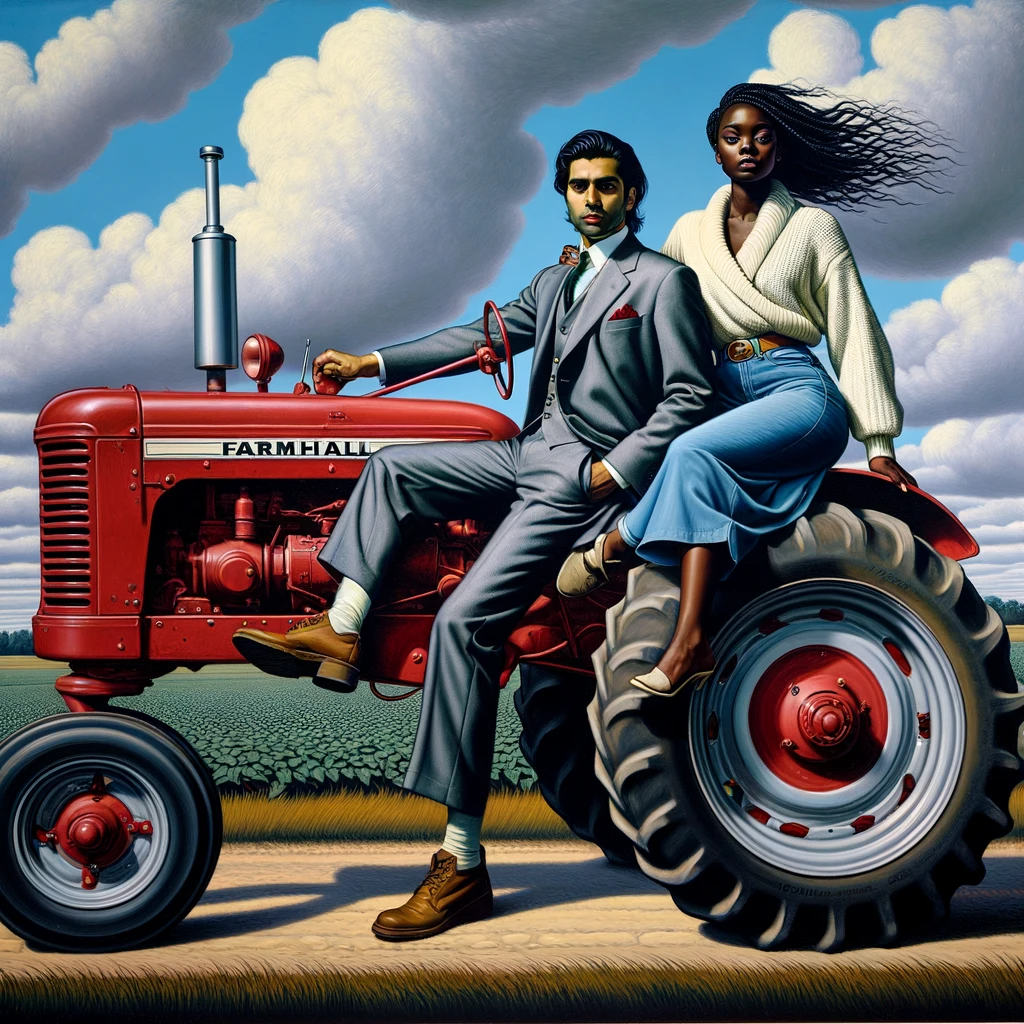
When Did A Vintage Tractor Teach You About Hard Work And Perseverance?
When Did A Vintage Tractor Teach You About Hard Work And Perseverance?
- A vintage tractor symbolizes hard work and perseverance, representing a testament to toil.
- The narrator recalls their grandfather’s wisdom about the need for maintenance in life.
- Each scratch and dent on the tractor tells a story of resilience and commitment to purpose.
- The act of cranking the tractor’s engine inspires realization about hard work being rooted in grit.
- The tractor serves as a reminder of the importance of facing challenges as opportunities.
- There’s value in doing hard work with integrity rather than seeking instant gratification.
- The vintage tractor beckons us to reconnect with values of hard work, patience, and purpose.

When Did A Vintage Tractor Teach You About Hard Work And Perseverance?
How Have Classic Tractors Influenced Community Bonds In Farming?
When you think of tractors, they might seem like mere machines—cold, metal contraptions designed to till dirt. But peel back that tough outer shell, and you’ll find something much warmer: a pulse of tradition, heart, and community that fuels the farming world. Those classic tractors, each with their history etched in rust and wear, serve as more than just tools; they are the catalysts of neighborly bonds and shared experiences.
Picture a summer evening, the golden sun hanging low, casting a warm glow on a gathering of farmers. They’re not just discussing crops; they’re swapping stories about their favorite tractors. That ’62 John Deere, with its rusty paint and stubborn starter, might’ve belonged to a grandfather who learned about hard work and resilience. As laughter echoes, these tractors become symbols of time-honored values, bridging generations and reminding us what it means to support one another. Instantly, you’re not just talking about equipment; you’re embedding yourself in a narrative that connects community, lineage, and ideals.
Rationally speaking, the economics of farming have transformed drastically over the years. Yet, among the shiny new models boasting state-of-the-art technology, it’s often the age-old tractors that serve as the heart of family farms. They remind us of the values we hold dear—humility, dedication, and the grit that has seen many through lean seasons. As farmers share their stories, it invites a respect for the work that goes into nurturing not just crops, but the connections that sustain us. Trust is cultivated here, as community ties are strengthened over shared labor and the sweat on their brows.
Ethically, it’s about more than just the land; it’s about stewardship of heritage. Classic tractors resonate with values that promote sustainability—both in farming practices and in fostering genuine connections. By supporting local agricultural efforts, communities reinforce their social fabric while ensuring that the traditions of the past are honored. It’s a call to action for us to preserve this legacy.
So next time you see a classic tractor puttering down the lane, remember that it carries more than just dirt; it carries a rich tapestry of community bonds, stories of resilience, and the spirit of togetherness that has long defined the farmer’s way of life. When we appreciate these machines, we honor not just the past but the collective future of farming. Embrace it, celebrate it, and let it fuel your next community gathering. After all, tractors are where heart meets the land, and inevitably, they’re where you find each other.

How Have Classic Tractors Influenced Community Bonds In Farming?
How Have Classic Tractors Influenced Community Bonds In Farming?
- Tractors symbolize more than machinery; they embody tradition, community, and heart in farming.
- Classic tractors tell stories that connect farmers across generations, evoking shared memories and values.
- Farmers bond over their experiences, discussing their beloved tractors and the hard work they represent.
- Despite advancements in farming technology, older tractors remain the backbone of family farms, symbolizing core values.
- Shared labor fosters trust and strengthens community ties, showcasing the importance of connections in farming.
- Classic tractors promote sustainability and heritage, reminding us to honor agricultural traditions and community efforts.
- These machines carry stories of resilience and togetherness, reinforcing the vital role of farming in community life.

How Have Classic Tractors Influenced Community Bonds In Farming?
What Ethical Farming Practices Can We Tie Back To Classic Machinery?
When you think of the classic tractor rattling through the fields, perhaps you feel a wave of nostalgia. That sturdy piece of machinery, kissed by the sun and worn by time, represents something deeper than mere metal and grease—it embodies a commitment to ethical farming practices that resonate with the heart, the head, and the gut.
Picture an early morning, the dew glistening on the ground as a farmer climbs aboard a tractor, ready for another day of hard work. This isn’t just about growing crops; it’s about cultivating a connection to the land, honoring the soil that has fed countless generations. Classic tractors signify the symbiosis between man and nature, emphasizing a farming philosophy centered on sustainability. By employing technology that has stood the test of time, farmers can maintain an ethos of stewardship, ensuring that they aren’t just taking from the earth but giving back, nourishing it for future seasons.
Let’s face it—modern farming can feel overwhelming at times, laden with the pressure for higher yields and quicker returns. But there lies strength in simplicity. Classic tractors, often simpler in design, require fewer inputs and allow for more precise, thoughtful cultivation methods. This attention to detail reflects an ethical approach grounded in rationality, recognizing that healthier practices yield not just better crops, but a healthier environment too.
Moreover, there’s a narrative woven into each furrow plowed with a vintage machine; it’s a story of resilience and community. When farmers band together, sharing resources and knowledge, they exemplify the heart of ethical farming. They protect local ecosystems, employ crop rotation to maintain soil fertility, and strive for biodiversity—all while fostering relationships within their community. The tomato you eat or the bread you break isn’t just the outcome of labor; it’s the fruit of a labor of love, and you can taste that difference.
As buyers, when we consciously choose products from farmers who utilize traditional practices and respect their land, we’re engaging in a social dialogue that encourages sustainable agriculture. By supporting these ethics, we cast our vote—a powerful message to the industry that integrity matters. This isn’t just nostalgia; it’s a call to action, an invitation to trust in the kind of farming that respects the earth, honors its heritage, and looks forward to a more sustainable future.
So, the next time you see a classic tractor rolling across the horizon, remember—it’s not merely machinery; it’s a beacon of ethical farming, a symbol of hope for generations to come.

What Ethical Farming Practices Can We Tie Back To Classic Machinery?
What Ethical Farming Practices Can We Tie Back To Classic Machinery?
- Classic tractors evoke nostalgia and symbolize ethical farming practices.
- They represent a connection to the land and a commitment to sustainability.
- Classic tractors promote a simpler, more precise approach to cultivation.
- Employing traditional methods creates healthier crops and environments.
- Farming with vintage machinery fosters community resilience and knowledge sharing.
- Consumers can support sustainable agriculture by choosing products from ethical farmers.
- Classic tractors serve as a beacon of hope and a call for responsible farming practices.

What Ethical Farming Practices Can We Tie Back To Classic Machinery?
Conclusion
As we wrap up this exploration of the stories behind classic tractors, let’s take a moment to reflect on what these iconic machines truly represent. They are far more than mere pieces of equipment; they are the heartbeat of agriculture, rich with tales of resilience, community, and the unwavering spirit of those who work the land. Standing next to a vintage tractor, you can almost feel the history ingrained in rust and oil-stained metal—a history that speaks to the grit of generations before us who faced uncertainties with unwavering resolve.
These classic tractors carry lessons that resonate deeply within our hearts. On an emotional level, they remind us of those pivotal moments—the first time a parent entrusted a child with the wheel, instilling not just the mechanics of farming but the very essence of perseverance and dedication. Just as these tractors have endured countless seasons, so too must we face our challenges. Each dent tells a story of struggle, teaching us that failure isn’t the end; rather, it’s an opportunity to rise again. It beckons us to reflect on our own lives, to recognize the strength it takes to push through adversity with heart and purpose.
From a rational standpoint, these machines embody resilience that harkens back to a time when simplicity reigned supreme. Classic tractors are a testament to the idea that quality matters—built to last, they offer us valuable lessons in sustainable practices that are just as relevant today. In today’s fast-paced world, we could all benefit from a slower, more intentional approach to life, much like the farmers of yesteryear. While modern technology may dazzle us, it’s the humble mechanics of classic tractors that remind us how dedication and hard work yield lasting rewards.
Ethically, we stand at a crossroads, inspired by these machines to champion sustainable farming practices that honor our connection to the land. As stewards of our environment, it’s on us to uphold the values of community, collaboration, and respect for our heritage. Classic tractors symbolize a legacy that must be honored and passed along—a commitment not just to ourselves, but to future generations.
So, the next time you come across one of these vintage wonders, take a moment to pause. Recognize it for what it truly is: a symbol of hard work, connection, and endurance. Their stories remind us that farming is not merely an occupation; it’s a way of life. Let us honor this heritage, embolden our spirits, and forge ahead together, cultivating our own values of resilience and commitment—just as those who came before us did, one furrow at a time.

Conclusion
Conclusion:
- Classic tractors are iconic machines that represent the heartbeat of agriculture, embodying resilience, community, and the spirit of those who work on the land.
- The history of these tractors resonates with the grit of past generations who faced uncertainties with resolve.
- Emotional connections arise from significant moments shared around these machines, teaching perseverance and dedication.
- Each dent on a tractor symbolizes struggle, reminding us that failure is an opportunity to rise again.
- Classic tractors emphasize the importance of quality and sustainable practices in today’s fast-paced world.
- Ethically, they inspire the promotion of sustainable farming and a commitment to community and heritage.
- Ultimately, classic tractors symbolize hard work, connection, and endurance, serving as a reminder that farming is a way of life and a legacy to honor.

Conclusion
Other Resources

Other Resources
Here is a list of other resources you can review online to learn more:
- Swaraj
- Skoda-LIAZ
- Mmaine Antique Tractor Club
- Dillon Farm Museum
- Upton
- Acremaster
- Oklahoma City Farm Show
- FARMSHOW Magazine
- East Wind
- SE Indiana F.A.R.M. Club’s Antique Machinery Show
Use This Prompt To Get More Resources With Your Favorite Online AI Tool: Please provide me with a list of online articles with their URLs in a bulleted list that I can read regarding What Stories Do Classic Tractors Tell About Farming Resilience

Other Resources
Glossary Terms
What Stories Do Classic Tractors Tell About Farming Resilience – Glossary Of Terms
1. Agriculture
: The science or practice of farming, including cultivation of the soil for growing crops and raising animals for food, fiber, and other products.
2. Classic Tractor
: A vintage or historically significant tractor, typically produced before the 1980s, valued for its design, functionality, and nostalgic appeal.
3. Farming Resilience
: The ability of a farming system to withstand adversity, adapt to changes, and recover from challenges such as climate variability, market shifts, and technological advancements.
4. Crops
: Plants cultivated for consumption, profit, or other uses, typically grouped into categories such as grains, vegetables, fruits, and cash crops.
5. Mechanization
: The use of machinery to perform tasks traditionally done by hand, significantly improving efficiency and productivity in farming practices.
6. Restoration
: The process of repairing, preserving, or returning classic tractors to their original condition, preserving their historical and functional value.
7. Heritage
: The legacy of cultural practices, tools, and stories that embody the history and identity of farming communities, often reflected through classic tractors.
8. Farm Implements
: Tools or devices utilized in farming to facilitate tasks such as plowing, planting, cultivating, and harvesting crops.
9. Sustainability
: Farming practices that meet current agricultural needs without compromising the ability of future generations to meet theirs, often emphasizing environmental stewardship.
10. Community
: A group of individuals connected by shared interests, particularly in agriculture, often coming together to support and promote farming efforts and culture.
11. Vintage
: A term used to describe machinery, vehicles, or items that are old but valued for their enduring appeal and quality, often related to nostalgia.
12. Tradition
: Established customs and practices passed down through generations in farming, influencing techniques, crop choices, and community values.
13. Adaptation
: The adjustments made in farming practices to cope with changes in environmental conditions, market demands, or technological innovations.
14. Innovation
: The introduction of new ideas, methods, or products in farming that enhance productivity, resilience, or efficiency.
15. Heritage Farming
: Farming practices that anchor on traditional methods, maintaining biodiversity and promoting local food systems, often using classic tractors.
16. Storytelling
: The act of narrating experiences and histories related to farming and tractors, playing a key role in passing down knowledge and preserving culture.
17. Localism
: An economic model that emphasizes the importance of local markets, aiming to support community resilience through local food systems.
18. Preservation
: The act of safeguarding and maintaining classic tractors and farming practices to protect agricultural heritage.
19. Biodiversity
: The variety of plant and animal life in a given ecosystem, crucial for resilient agricultural practices and sustainable farming.
20. Agroecology
: An ecological approach to agriculture that focuses on sustainable farming practices, integrating ecological principles into agricultural systems.
21. Legacy
: The lasting impact of historical farming practices and machinery on current agricultural methods and community identity.
22. Intergenerational Knowledge
: The transfer of agricultural knowledge and practices from one generation to the next, often embodied in the use of classic tractors.
23. Resilient Farming’systems
: Farming approaches designed to improve adaptability and resilience in the face of environmental and economic challenges.
24. Cultivation
: The process of preparing and using land for growing crops, including soil preparation, planting, and caring for plants.
25. Sociocultural Impact
: The effects of farming practices and machinery on social structures, community values, and cultural identity within farming communities.
26. Grassroots Movement
: A community-driven effort to promote local agricultural initiatives and resilience, often rooted in historical farming practices.
27. Soil Health
: The state of the soil’s physical, chemical, and biological properties, vital for crop production and overall agricultural sustainability.
28. Market Demand
: The need or desire for agricultural products in the marketplace, influencing what crops are grown and farming practices adopted.
29. Restoration Projects
: Initiatives aimed at revitalizing classic tractors and farming traditions, emphasizing conservation and education within the farming community.
30. Rural Identity
: The cultural identity tied to living in rural areas, often shaped by agricultural practices, landscape, community values, and historical narratives.

Glossary Of Terms
Other Questions
What Stories Do Classic Tractors Tell About Farming Resilience – Other Questions
If you wish to explore and discover more, consider looking for answers to these questions:
- What specific stories do classic tractors represent in farming history?
- How have classic tractors influenced modern farming techniques?
- What role do classic tractors play in family traditions related to agriculture?
- How can vintage tractors inspire a new generation of farmers?
- What are the environmental impacts of vintage tractors compared to modern machinery?
- How can communities effectively preserve the legacy of classic tractors?
- What challenges do farmers face in maintaining vintage tractors?
- How can we educate younger generations about the significance of classic tractors?
- What are some notable examples of classic tractors that became iconic in farming culture?
- How do classic tractors contribute to local economies in rural areas?

Other Questions
Haiku
What Stories Do Classic Tractors Tell About Farming Resilience – A Haiku
Rusty frames, tales told,
Grit and toil on fields of gold—
Hearts sow hope, seeds hold.

Haiku
Poem
What Stories Do Classic Tractors Tell About Farming Resilience – A Poem
The Legacy of Steel and Soil
In fields where classic tractors stand,
Rusty giants, silent, yet grand,
They tell of toil, the heart’s refrain,
Of farmers’ grit amidst their gain.
Each dent and scratch, a whispered tale,
Of storms weathered, of feasts and frail,
A narrative rich with sweat and pride,
Where dreams and labor seamlessly collide.
With engines roaring, they champion the past,
Reminders that bonds, through storms, can last.
For every morning spent under vast skies,
These steel companions teach love never dies.
Oh, those who’ve steered through trials and strife,
Know the dance of the soil, the rhythm of life.
In every furrow plowed, hope takes wing,
A testament to resilience, a song we sing.
Rational minds see value in the age,
Simplicity built on a well-thumbed page.
For methods tried and traditions hold,
Teach us that connection is worth more than gold.
With ethical roots, they call for our care,
In honoring the earth, a future we share.
So, gather ’round stories that tractors impart,
For community thrives when we honor the heart.
Let’s cherish the farmers, their hands in the clay,
Who nurture the land as they carry the day.
Past, present, and future, woven in one,
In the warmth of these stories, let new lives be spun.
So next you encounter that vintage ride,
Pause to reflect on the legacy applied.
For these machines are more than tools we possess,
They are harbingers of hope, of love, and of the best.

Poem
Checklist
What Stories Do Classic Tractors Tell About Farming Resilience – A Checklist
Checklist: The Heart, Head, and Gut of Classic Tractors and Farming Resilience
Emotional Appeals
_____ Connect with Legacy: Reflect on family stories associated with classic tractors and how they shape your understanding of resilience.
_____ Embrace Tradition: Share moments when you or a loved one learned the value of hard work through experiences with farms or tractors.
_____ Foster Hope: Think of times when seeing a vintage tractor inspired you to tackle challenges in your own life.
Rational Appeals
_____ Assess Efficiency: Analyze how the simplicity and durability of classic tractors convey lessons in sustainable practices relevant for modern farming.
_____ Draw Historical Lessons: Consider what enduring lessons from earlier farming practices can be applied to present-day challenges in agriculture and life.
Ethical Appeals
_____ Honor Stewardship: Commit to supporting sustainable farming practices by choosing to buy locally sourced products whenever possible.
_____ Reflect on Responsibility: Evaluate how preserving the legacy of classic tractors can reinforce an ethical commitment to land stewardship.
Authority Appeals
_____ Learn from the Past: Investigate stories from farmers who have relied on classic tractors and what their experiences teach us about resilience and community.
_____ Acknowledge Expertise: Seek out local agricultural experts or historians to gain insights on the significance of classic machinery in sustainable farming.
Narrative Appeals
_____ Share Your Story: Write down a personal narrative about your connection to farming or a classic tractor that resonates with the value of perseverance.
_____ Engage with Community: Organize a community gathering where farmers can swap stories about their experiences with classic tractors and the traditions they evoke.
Social Appeals
_____ Build Connections: Participate in or initiate a local farming event to strengthen community bonds over shared experiences with farming heritage.
_____ Create Forums for Discussion: Join social media groups or local clubs focused on farming heritage where stories, lessons, and resources can be exchanged.
By using this checklist, you can deepen your understanding of the resilience and legacy represented by classic tractors while fostering a connection with your community and the land. Remember, these machines carry not just history but also the hope for a sustainable and ethical future in farming.

Checklist
At ClassicTractorNews, we help tractor lovers keep up with the latest news for classic and vintage tractors.
Please share this post with your friends, family, or business associates who may like old classic or vintage tractors.