

The Emotional, Ethical, And Authority Appeal Of Classic Tractor Reliability
By Tom Seest
At ClassicTractorNews, we help tractor lovers keep up with the latest news for classic and vintage tractors.
Please share this post with your friends, family, or business associates who may like old classic or vintage tractors.
What Secrets to Farming Community Lie In Classic Tractor Reliability
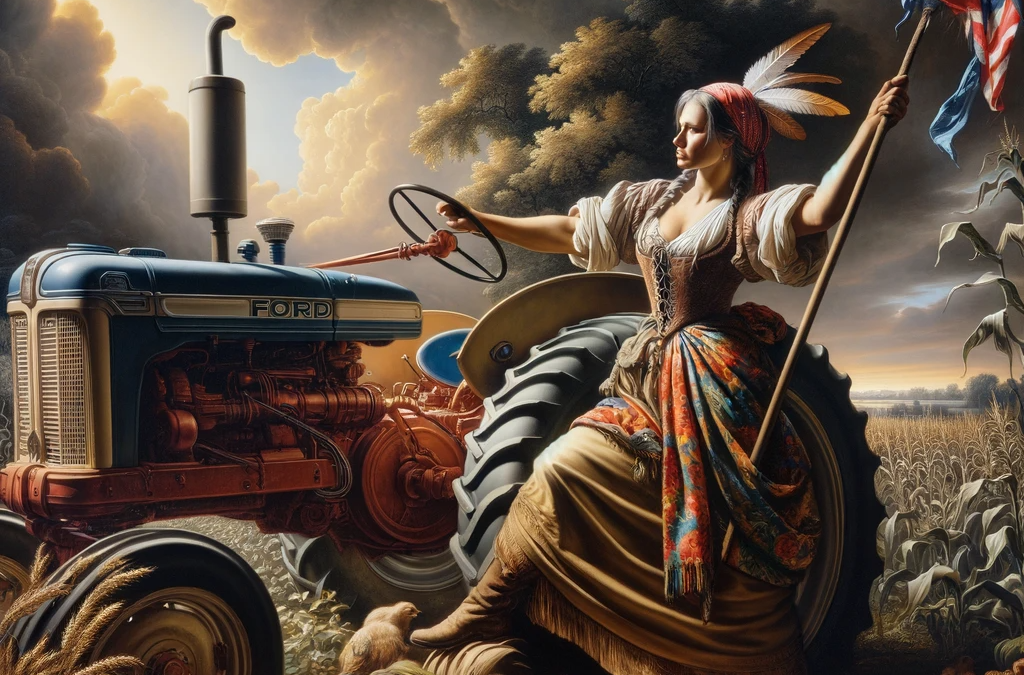
Picture the fields spread out like a patchwork quilt, each square a testament to the hard work and dedication of generations. Now, imagine a classic tractor rumbling through these fields, its engine a steady heartbeat against the backdrop of sun-drenched earth and blue skies. For many farmers, these machines aren’t just tools; they’re a connection to the past, the embodiment of a way of life that carries the hopes and dreams of family legacies in every turn of the wheel.
At the heart of farming lies a simple truth: the reliability of your tractor can be the difference between success and setback. When the sun rises over the horizon and the day’s work waits, that trusted machine is more than just metal and bolts; it’s a promise that you can depend on to meet the demands of weather, soil, and time. Classic tractors, with their rugged simplicity and steadfast performance, symbolize an era where craftsmanship reigned supreme. They have been built not just to last, but to endure—a feat that resonates on an emotional level with those who know the weight of responsibility that comes with the land.
But let’s not kid ourselves; the world is changing. As technology storms ahead, the pull of modern machinery is strong, bringing with it whispers of efficiency and speed. Yet, behind those glossy veneers lies a truth that many seasoned hands understand: reliability isn’t just about horsepower; it’s about heart. It’s about knowing your tractor like a close friend, fostering a bond that goes beneath the surface. When that engine purrs to life, it carries with it the stories of every scrape and scratch earned in hard-fought battles against the elements.
Farmers don’t just trust a piece of equipment; they forge an ethical bond with their tractors, knowing they play an integral role in sustaining both their farms and their families. Maintaining these classic machines is an act of respect for the sacrifices of those before us—an acknowledgment that while technology will evolve, the core values of hard work and dedication must endure.
Choosing to invest in a classic tractor is more than a decision; it’s an invitation to become part of a community that honors tradition, celebrates resilience, and believes in the power of reliability. So, as you stand in the midst of your fields, consider what that tractor represents: a steadfast partner, a legacy of trust, and the unwavering spirit of the farming community. The stories are waiting to be written—one turn of the wheel at a time.
What Secrets to Farming Community Lie In Classic Tractor Reliability
What Secrets to Farming Community Lie In Classic Tractor Reliability
- Fields resemble a patchwork quilt, showing the dedication of generations.
- Classic tractors serve as a connection to the past and embody family legacies.
- Reliability of tractors can determine farming success or setbacks.
- Classic tractors symbolize craftsmanship, built for endurance and performance.
- Modern machinery offers efficiency, but reliability is rooted in emotional bonds.
- Farmers maintain classic tractors as a sign of respect for prior sacrifices.
- Investing in a classic tractor is embracing tradition and the farming community’s spirit.
What Secrets to Farming Community Lie In Classic Tractor Reliability
Table Of Contents
- What Secrets to Farming Community Lie In Classic Tractor Reliability
- What Makes Classic Tractors A Symbol Of Farming Heritage?
- How Do Classic Tractors Enhance Farm Productivity Today?
- Can Nostalgia For Classic Tractors Help Strengthen Community Ties?
- What Role Do Classic Tractors Play In Sustainable Farming Practices?
- How Does The Reliability Of Classic Tractors Affect Farm Operations?
- What Lessons Can Modern Farmers Learn From Classic Tractor Design?
- Conclusion
- Other Resources
- Glossary Of Terms
- Other Questions
- Haiku
- Poem
- Checklist
What Makes Classic Tractors A Symbol Of Farming Heritage?
What Makes Classic Tractors A Symbol of Farming Heritage?
When you think of classic tractors, what comes to mind? For many, it’s not just a piece of machinery. It embodies the spirit of hard work, perseverance, and an unbreakable bond with the land. These aging giants, often adorned with rust and faded paint, carry stories of generations striving to cultivate life from the earth. They are, in essence, the lifeblood of farming heritage—a testament to the dignity of labor and the intricate dance between man and machine.
At first glance, a classic tractor may seem like just another old vehicle. However, it represents far more than gears and horsepower. Inside every dent and scratch is a narrative: of families working together under the vast sun, of fathers passing down skills to their children, and of communities united by a shared love for the land. When you see one in the field or at a county fair, you can almost hear the echoes of laughter and toil. It’s a tangible connection to our past, a reminder of the roots that ground us in an ever-changing world.
Emotionally, these tractors spark nostalgia. They evoke memories of summers spent alongside parents or grandparents, teaching the value of hard work and the simple joys of life. They symbolize a time when the rhythm of the seasons dictated our lives, a time when the soil was both a canvas and a partner in creating abundance. In a fast-paced society fixated on the latest technologies, the classic tractor serves as a vital reminder of our history, urging us to reflect on where we’ve come from.
Rationally speaking, the enduring popularity of classic tractors is rooted in their reliability and craftsmanship. Built to last, many of these machines have outlived their modern counterparts, signifying a commitment to quality and sustainability often lost in today’s world. By investing time and resources in preserving and restoring these tractors, we’re not just keeping a piece of equipment running; we’re investing in a legacy that shapes our agriculture for future generations.
Ethically, there’s something profound about honoring the traditions of farming. Classic tractors are symbols of respect for the land and those who work it. They remind us that each furrow turned and seed sown carries with it the promise of tomorrow. Owning or restoring a classic tractor isn’t just about possession; it’s a pledge to uphold a way of life that celebrates the dignity of work, community, and heritage.
In sharing these stories, we foster connection—to each other, to the past, and to the land we cultivate. Classic tractors serve as a bridge, linking the generations, reminding us that while technology evolves, the heart of farming remains steadfast. They inspire us to take action, whether through restoration, participation in local farming events, or simply by advocating for the recognition of those who continue to feed the world with the sweat of their brow.
What Makes Classic Tractors A Symbol Of Farming Heritage?
What Makes Classic Tractors A Symbol Of Farming Heritage?
- Classic tractors symbolize farming heritage and embody hard work, perseverance, and a connection to the land.
- They carry the stories of generations and highlight the bond between families and farming traditions.
- These tractors evoke nostalgia, reminding us of valuable life lessons learned from parents and grandparents.
- Their enduring popularity is due to their reliability and craftsmanship, often outlasting modern machines.
- Classic tractors signify respect for farming traditions and the commitment to sustainable agriculture.
- Owning or restoring them is a pledge to uphold the dignity of work, community, and agricultural heritage.
- They serve as a bridge linking generations and inspire action in preserving farming culture and community engagement.

What Makes Classic Tractors A Symbol Of Farming Heritage?
How Do Classic Tractors Enhance Farm Productivity Today?
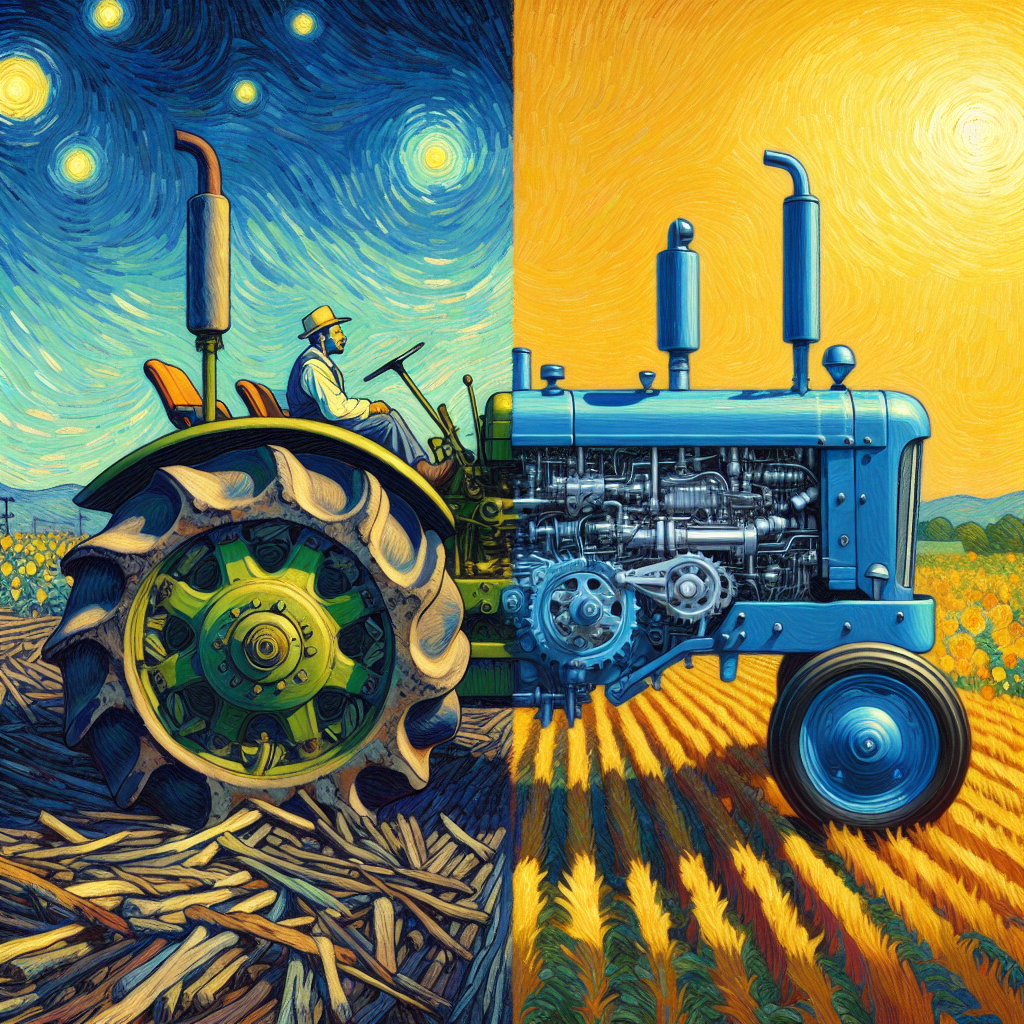
Let’s take a moment to honor the unsung heroes of the farm—classic tractors. When you think of the endless fields stretching under the vast sky, it’s hard not to picture that trusty machine, rusting gracefully in the sunlight yet full of purpose. These are more than just pieces of equipment; they embody a legacy that speaks to our work ethic and connection to the land.
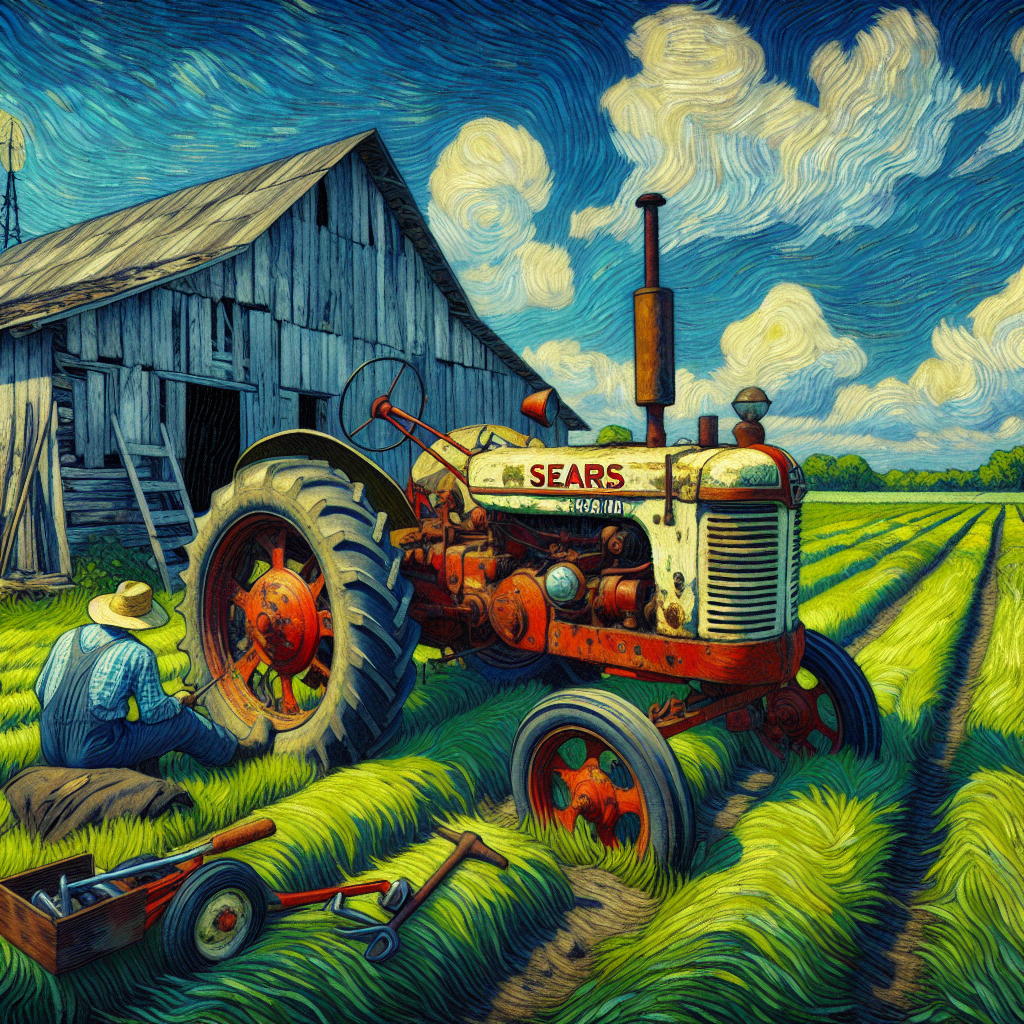
In today’s fast-paced world of tech-driven agriculture, it can be easy to dismiss the value of those vintage tractors parked in the corner of an old barn. But let’s pause for a second and consider what they represent. They are symbols of resilience and practicality, hand-crafted to withstand the test of time. Their simple mechanics remind us that not every solution needs to be high-tech to be effective. Sometimes, what worked yesterday still works just fine today.
Emotionally, classic tractors evoke memories of family farms, generations of farmers passing down stories of their trials and triumphs. They are the foundation upon which so many of our rural communities were built. Each time a farmer climbs into the seat of a classic tractor, there’s a connection to the earth, a bond with the history of agriculture that modern machines simply can’t replicate. They know that when they fire up those old engines, they’re not just starting a tractor; they’re igniting a legacy of passion for the land.
Rationally speaking, classic tractors require less maintenance and are often easier to repair. This is crucial for farmers who are always trying to maximize productivity while keeping costs manageable. The familiarity of the machinery allows farmers to quickly identify issues and make repairs without needing a degree in engineering. Plus, many parts for these timeless vehicles can still be found, allowing farmers to keep their machines running efficiently without the constant worry of obsolescence.
Ethically, there’s something noble about using what’s been built to last. In an age of mass consumption, restoring and using classic tractors is a statement against the throwaway culture. These tractors keep farmers grounded in sustainable practices that respect both tradition and modern necessity.
So, as you peer across that vast landscape and see those classic tractors still hard at work, remember: they aren’t just relics of a bygone era; they are powerful tools that enhance our productivity today, standing firm against the winds of change while fostering a respect for the land and the culture of farming that is so vital to our society. Each turn of the wheel is a turn of the page in an ongoing story—one we all have a stake in.
How Do Classic Tractors Enhance Farm Productivity Today?
How Do Classic Tractors Enhance Farm Productivity Today?
- Classic tractors are considered unsung heroes of the farm, symbolizing a legacy tied to work ethic and land connection.
- These vintage machines offer resilience and practicality, reminding us that effective solutions don’t always need to be high-tech.
- Classic tractors evoke emotional memories of family farms and generational stories, creating a bond with agricultural history.
- They require less maintenance and are easier to repair, which helps farmers maximize productivity while managing costs.
- Familiarity with classic tractor mechanics allows for quick problem identification and repairs without engineering expertise.
- Using and restoring classic tractors promotes sustainability and counters the throwaway culture of mass consumption.
- These tractors stand as powerful tools in modern farming, fostering respect for both the land and cultural traditions of agriculture.
How Do Classic Tractors Enhance Farm Productivity Today?
Can Nostalgia For Classic Tractors Help Strengthen Community Ties?
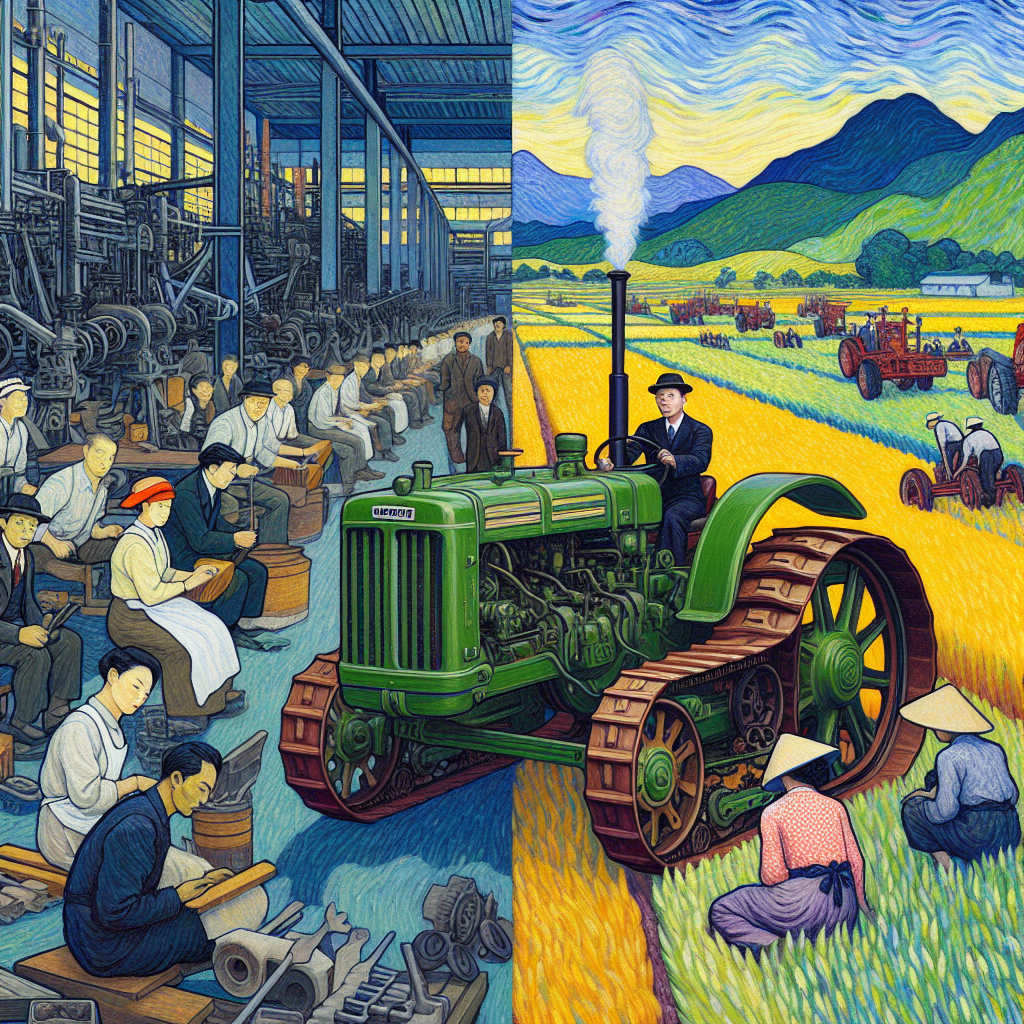
In the heart of America, where fields stretch as far as the eye can see, the rumble of a classic tractor is more than just the sound of machinery; it’s the echo of a simpler time, a heartbeat of connection that resonates deeply within our communities. There’s something uniquely powerful about a tractor that transcends its function. It signifies hard work, resilience, and a heritage that binds us. For many, nostalgia for these machines isn’t just about reminiscing; it’s about reminding us who we are and where we come from.
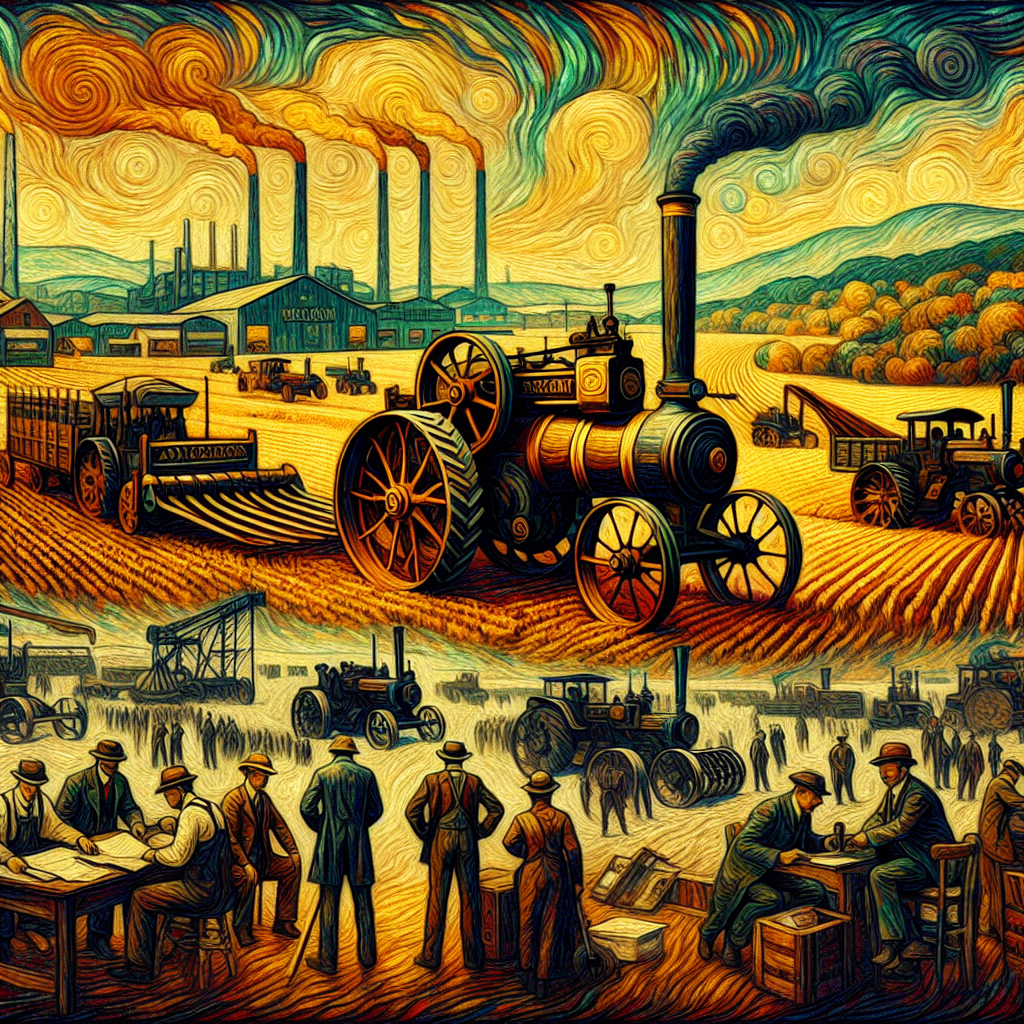
Picture this: a sunny Saturday morning, farmers and families gather for a local tractor parade, old red and green hues glistening in the sun. Kids wave their little hands, eyes wide with awe at the iron giants that their grandparents once drove. As these classic tractors roll down the road, they carry with them the stories of sweat, toil, and triumph. Every dent and scratch on that bright blue chassis tells a tale of a family farm, late harvests, and seasons of plenty. Remove those tractors, and suddenly, we lose more than machines; we lose the community narrative that has shaped generations.
From a rational standpoint, maintaining this connection can be a lifeline for local economies. Vintage tractor shows, restoration clubs, and community gatherings can draw people in, promoting small businesses and local artisans. More than just an event, it’s an opportunity to build relationships and support one another, economically and emotionally. Encouraging the next generation to cherish this legacy fosters an ethical responsibility—a duty to preserve the values these tractors embody.
Moreover, the intergenerational dialogue sparked during these gatherings is invaluable. Grandparents share wisdom, while grandchildren offer fresh perspectives. It’s a marriage of experience and innovation, creating a tapestry of knowledge that strengthens community ties. When we come together to celebrate these machines, we don’t just honor the past; we forge a future grounded in shared values and a strong sense of belonging.
Nostalgia for classic tractors is not merely a walk down memory lane; it is a call to action. It urges us to connect with our roots, support our neighbors, and champion the communities we call home. Let’s rev up those engines, share our stories, and celebrate the rich tapestry of life that these tractors represent—because in that, we find our strength and unity.
Can Nostalgia For Classic Tractors Help Strengthen Community Ties?
Can Nostalgia For Classic Tractors Help Strengthen Community Ties?
- The sound of classic tractors symbolizes connection, heritage, and community in America.
- Classic tractors embody hard work and resilience, evoking nostalgia and identity.
- A local tractor parade showcases family stories and the legacy of farming.
- Vintage tractors play a key role in local economies by promoting community events and small businesses.
- Community gatherings foster intergenerational dialogue, blending wisdom and new ideas.
- Celebrating classic tractors strengthens community ties and shared values.
- Nostalgia for tractors serves as a call to action to connect with roots and support local communities.
Can Nostalgia For Classic Tractors Help Strengthen Community Ties?
What Role Do Classic Tractors Play In Sustainable Farming Practices?
What Role Do Classic Tractors Play in Sustainable Farming Practices?
Classic tractors, often seen as relics of a bygone era, are more than just nostalgia in a farmer’s field; they symbolize resilience, tradition, and a way forward in sustainable farming practices. Picture this: a sun-kissed field where a farmer lovingly maintains their land, wielding a sturdy tractor that has weathered decades of storms. This trusty machine does more than plow fields; it cultivates a deeper connection to the land, steering a path toward a more sustainable future.
From an emotional standpoint, classic tractors evoke feelings of loyalty and stewardship. These machines have been passed down through generations, becoming a tangible link between past and present. When a farmer restores a vintage tractor, it’s not just about fixing machinery; it’s a heartfelt homage to the values instilled by their ancestors. It’s the embodiment of hard work and dedication, qualities essential to sustainable agriculture.
Rationally speaking, vintage tractors often surpass modern machines in durability and efficiency. Built with simple mechanics, they require less energy and fewer resources to maintain. By opting for classic models, farmers can reduce their carbon footprint, embracing a sustainable mindset that prioritizes longevity and reusability. The pull of a classic tractor transcends mere aesthetics; it invites farmers to think critically about their practices and the tools they utilize.
Ethically, the movement toward sustainable agriculture raises vital questions about our disconnect from the land. Classic tractors, with their roots firmly planted in agrarian ethics, remind us of the importance of caring for our environment. They inspire farmers to adopt regenerative practices that work in harmony with nature, rather than against it, fostering biodiversity and soil health.
Moreover, the narrative of classic tractors speaks to a larger movement. Farmers who embrace these timeless machines are not merely maintenance workers; they are stewards of our planet, sharing knowledge and practices that resonate throughout communities. By fostering social connections through vintage tractor shows and restoration clubs, they create networks of support and inspiration, inviting others to join the cause.
In essence, classic tractors play a pivotal role in the evolution of sustainable farming. They remind us that the tools we use reflect our values and our care for the earth. So, the next time you spot one of these iconic machines, consider not just its utility, but its ability to catalyze a deeper conversation about our relationship with the land. Embrace the legacy, and let’s work together for a thriving, sustainable future.
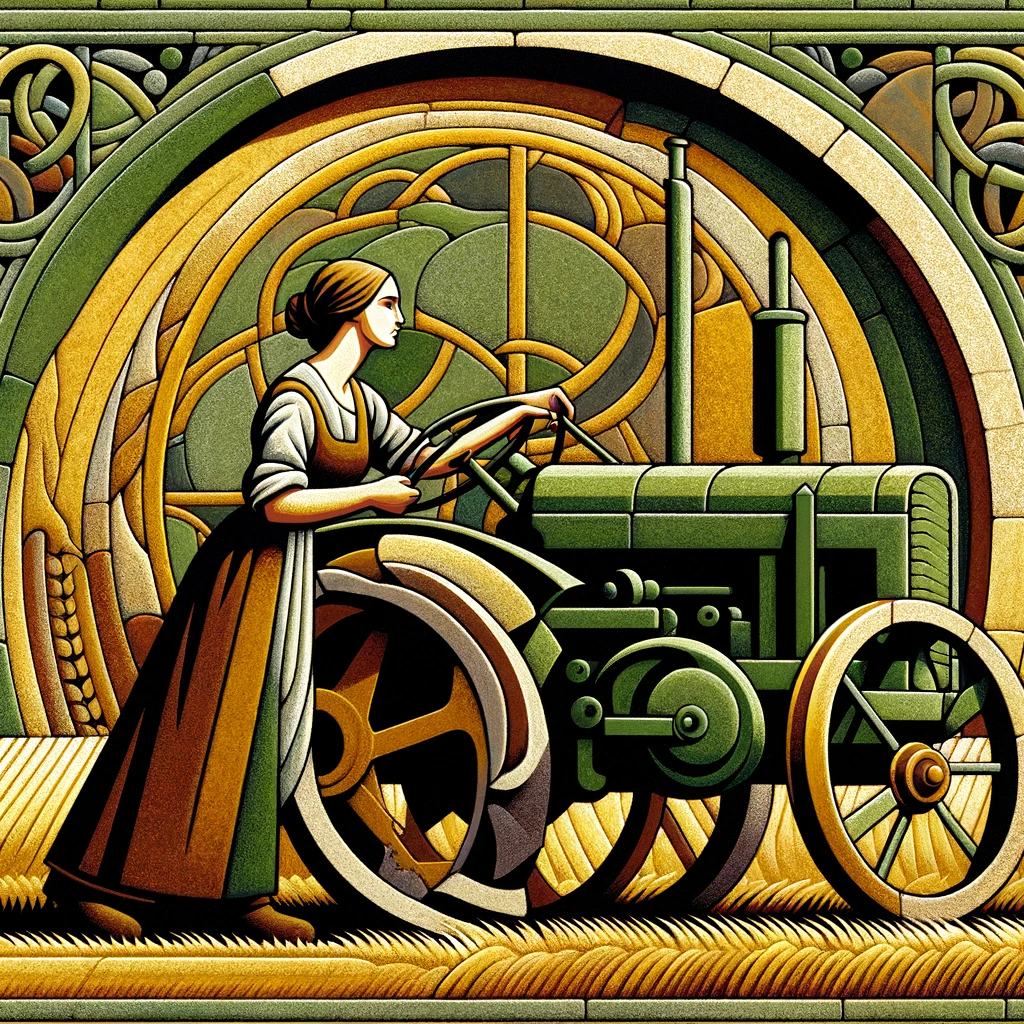
What Role Do Classic Tractors Play In Sustainable Farming Practices?
What Role Do Classic Tractors Play In Sustainable Farming Practices?
- Classic tractors represent resilience, tradition, and a pathway towards sustainable farming practices.
- Emotionally, they evoke loyalty and stewardship, acting as a link between generations of farmers.
- Vintage tractors are known for their durability and efficiency, requiring less energy and resources to operate and maintain.
- By choosing classic models, farmers can reduce their carbon footprint and promote sustainability through longevity and reusability.
- These tractors encourage a deeper connection to agrarian ethics and inspire regenerative agriculture practices that support biodiversity and soil health.
- Farmers restoring classic tractors become community stewards, sharing knowledge and foster connections through events and clubs.
- Classic tractors catalyze conversations about our relationship with the land, emphasizing the values we uphold in sustainable practices.
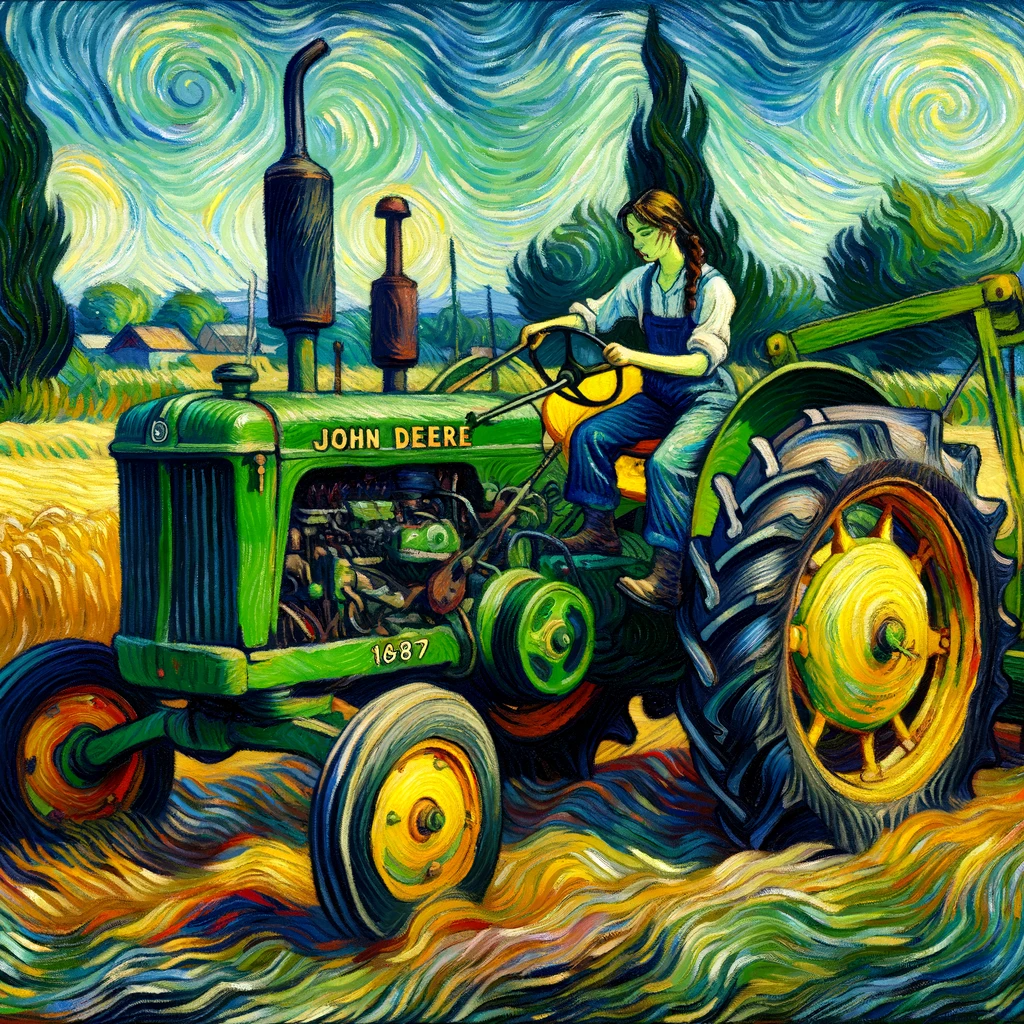
What Role Do Classic Tractors Play In Sustainable Farming Practices?
How Does The Reliability Of Classic Tractors Affect Farm Operations?
In the heartland of America, where the soil meets the sweat of hard-working hands, classic tractors stand as a testament to resilience. These hulking machines are more than mere tools; they are dependable partners in the relentless pursuit of cultivating the land. The reliability of classic tractors shapes farm operations in ways that echo through generations, linking past to present with each revolution of the engine.
Picture a farmer rising before dawn, the golden light casting shadows as they approach their trusty tractor. It’s not just a piece of machinery; it’s a lifeline, a symbol of the commitment to feed families and nourish communities. Classic tractors have an uncanny ability to imbue an ethical framework within farm operations. They remind us that in a world obsessed with the new and shiny, sometimes what we need is reliability and a nod to tradition. These machines have plowed fields for decades, carrying the hopes and dreams of farmers through both bountiful harvests and the trials of drought or flood.
Emotionally, the bond between farmers and their tractors runs deep. Those who have spent countless hours behind the wheel know that every scratch, dent, and scar on the tractor’s metal frame tells a story—a narrative that resonates on a personal level. It’s the muscle memory developed from years of tilling and planting, the satisfaction of hearing that engine roar back to life on a brisk morning, and the calm that washes over you when you know your tractor will get the job done, rain or shine.
From a rational standpoint, the reliability of these classic machines translates to significant cost savings. Minimizing breakdowns means fewer interruptions in the workflow and, ultimately, more food to bring to market. It’s a no-brainer; reliable tractors empower farmers to operate efficiently and effectively, maximizing both yield and economic viability.
Moreover, in a social context, classic tractors often serve as the heart of farming communities, drawing people together in shared experiences of harvest days and county fairs. They are the common thread weaving through the fabric of rural life, sparking conversations and connections among generations.
When we talk about farm operations, we’re not just discussing equipment; we’re talking trust, we’re talking pride, and we’re talking connection. Investing in reliable classic tractors isn’t just a choice; it’s a commitment to heritage, community, and the unwavering pursuit of a future where every harvest can be celebrated. It’s clear: reliable classic tractors are the heartbeat of a thriving farm, echoing the age-old promise of farming itself—dedication to the land and each other.
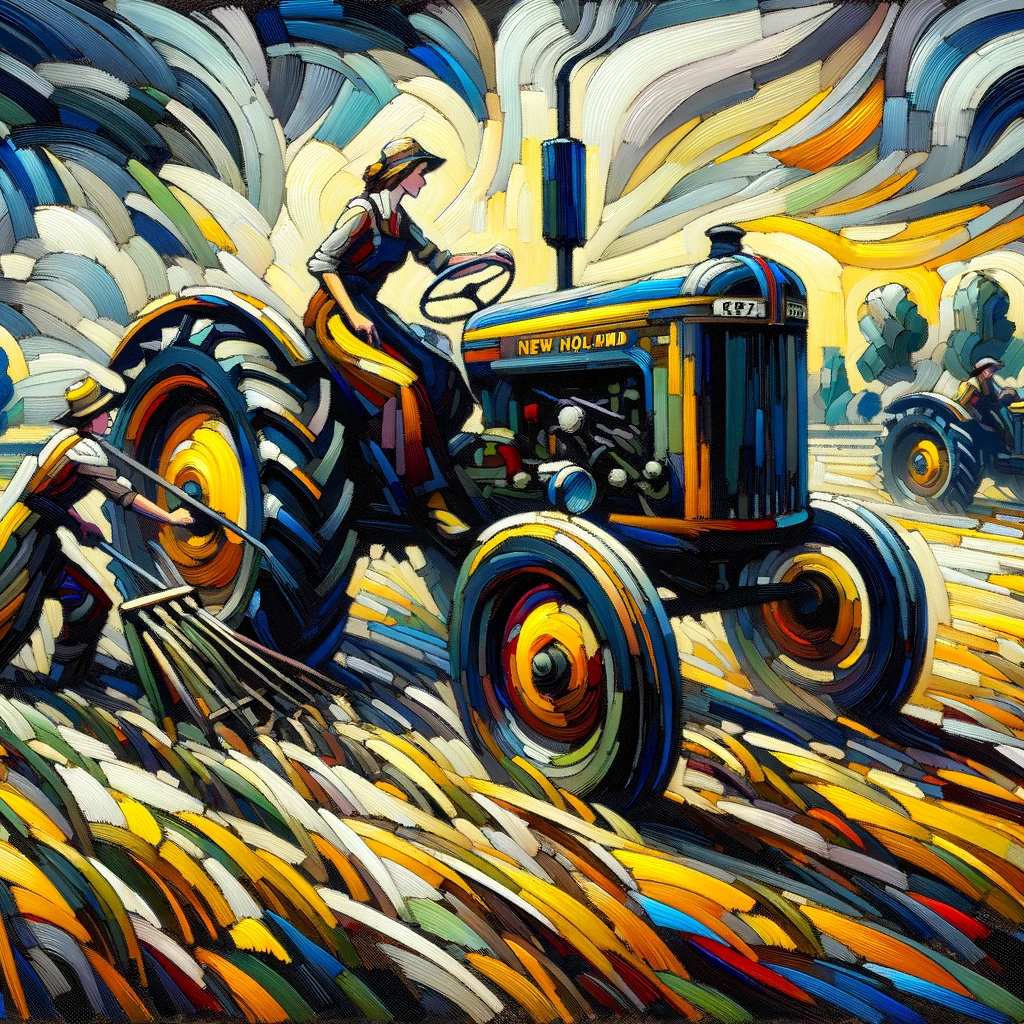
How Does The Reliability Of Classic Tractors Affect Farm Operations?
How Does The Reliability Of Classic Tractors Affect Farm Operations?
- Classic tractors symbolize resilience and serve as dependable partners in farming.
- Farmers rely on these machines as lifelines, representing a commitment to feed families and nourish communities.
- They embody an ethical framework, reminding us of the importance of reliability and tradition in a fast-paced world.
- The emotional bond between farmers and their tractors is deep, with each scratch and dent telling a unique story.
- Reliable tractors reduce breakdowns, leading to cost savings and increased efficiency in farm operations.
- Classic tractors foster community connections, highlighting shared experiences in rural life and events.
- Investing in reliable tractors reflects a commitment to heritage, community, and the future of farming.
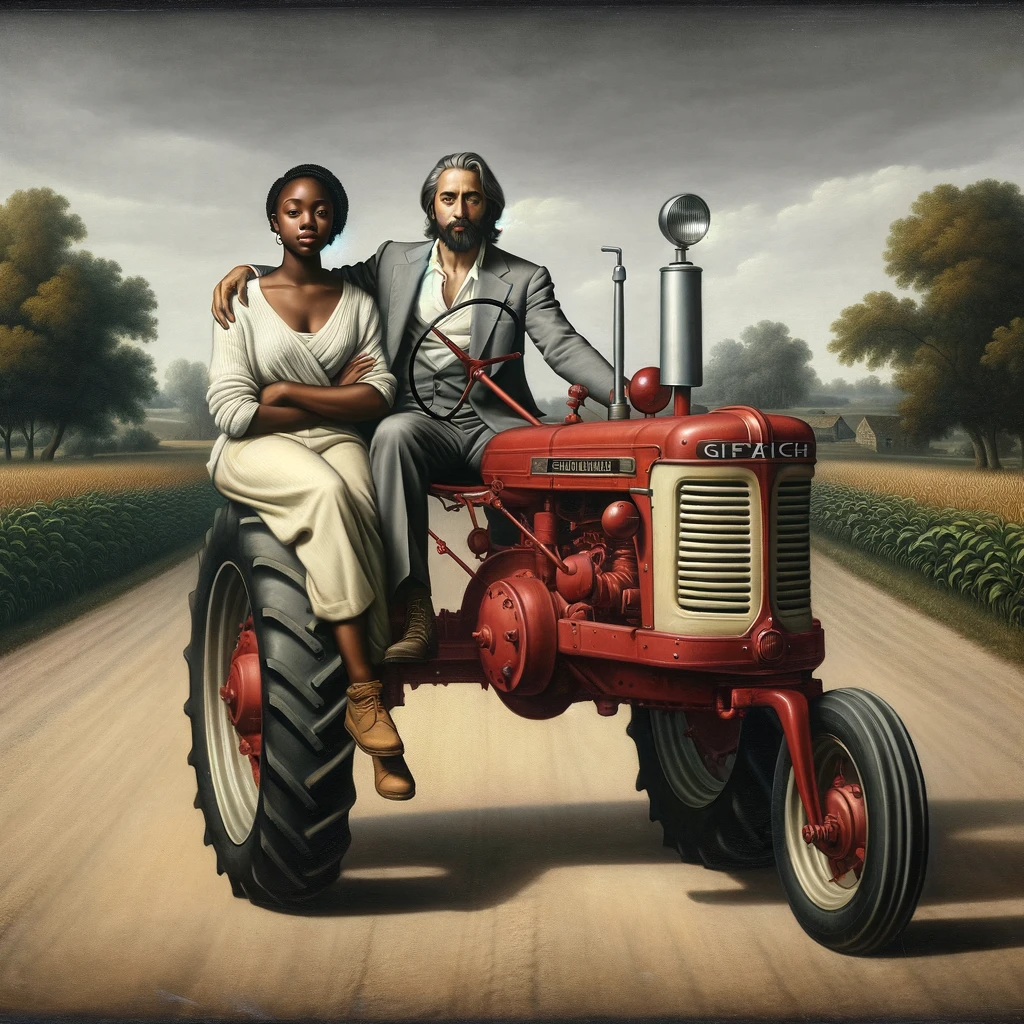
How Does The Reliability Of Classic Tractors Affect Farm Operations?
What Lessons Can Modern Farmers Learn From Classic Tractor Design?
When you look at a classic tractor, there’s a certain magic that transcends time, a testament to the ingenuity and grit of earlier generations. These machines, often painted in vibrant hues of red or green, were built not just to plow the fields, but to forge connections, battle nature, and ultimately, tell stories.
Now, let’s take a moment to zoom in on what modern farmers can extract from this rich legacy. First, there’s the emotional heartbeat of classic tractor design—a sense of pride and craftsmanship that comes from knowing every bolt was tightened by a dedicated hand. This is more than a machine; it’s a partnership between man and earth, a romance of sorts. Modern farmers can evoke that same passion by incorporating a sense of craftsmanship into their own farming practices. Whether you’re tuning a new tractor or restoring an old one, do it with the reverence it deserves.
Next, let’s engage the head; classic tractors were reliable and straightforward. Their design was not just aesthetic but practical, simplifying complex problems with uncomplicated solutions. In today’s world, farmers often find themselves overwhelmed with technology that promises greater yields but can sometimes lead to confusion. By adopting the straightforward principles of classic designs—durability, ease of repair, and simplicity—farmers can streamline operations and save both time and money. It’s about the mantra of working smarter, not harder, which remains timeless.
Now for the gut: think back to those summer days when the rumble of a tractor in the distance signified a community at work. These machines fostered social bonds—neighbors helping neighbors, generations learning from one another. In our fast-paced hyper-digital world, it can be easy to forget the tactile joy of getting your hands dirty. Classic tractors remind us of the importance of community and collaboration in farming. Engage with your local farming community, share knowledge, tools, or even laughter over a cup of coffee.
Finally, let’s tap into the authority of experience. There’s immense value in the wisdom of those who came before us. Classic tractors were often designed with the input of farmers who understood the needs of the land and the realities of their work. Modern farmers can learn to harness that same wisdom by respecting tradition while innovating for the future.
Incorporating these lessons from the past may not only enhance farming efficiency but also revive that connection to the land, the craft, and each other. After all, farming is not just about growing crops; it’s about growing legacies.
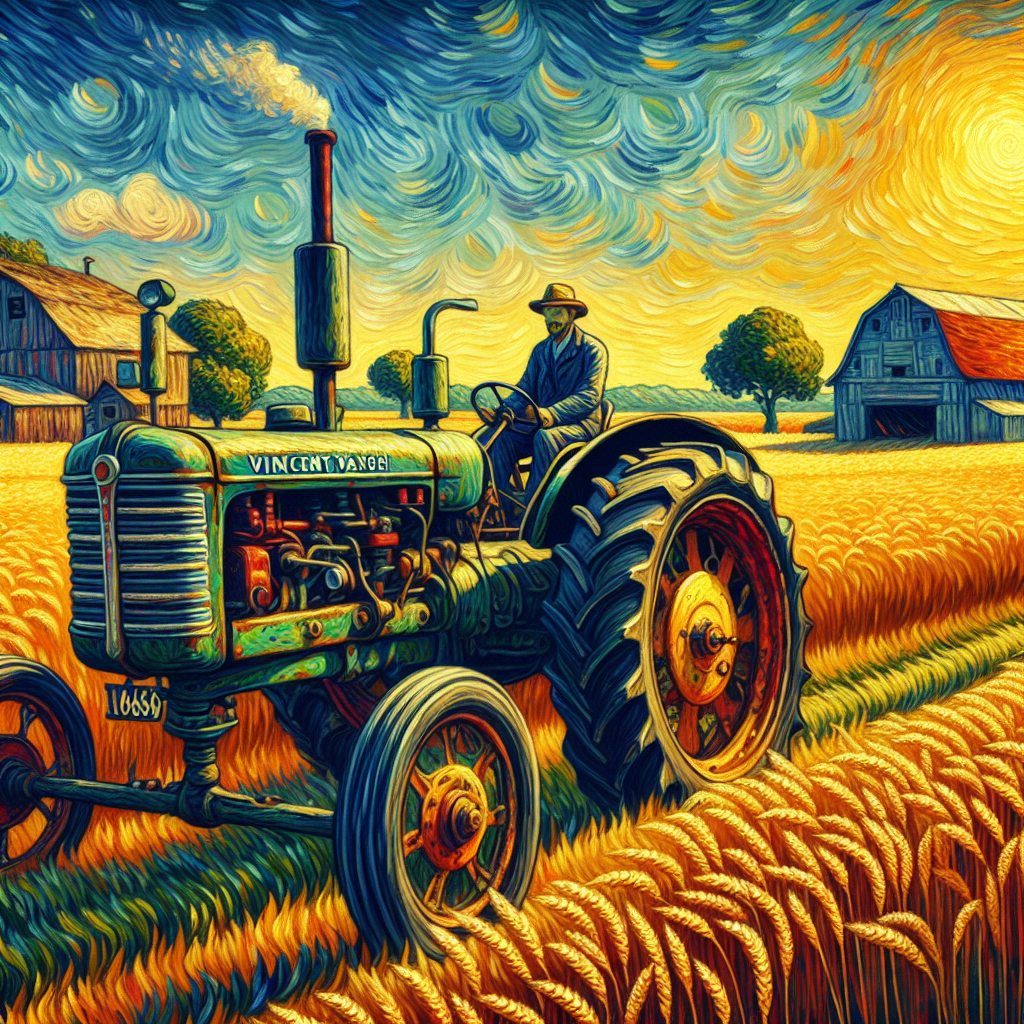
What Lessons Can Modern Farmers Learn From Classic Tractor Design?
What Lessons Can Modern Farmers Learn From Classic Tractor Design?
- Classic tractors symbolize the ingenuity and grit of earlier generations, evoking timeless appeal.
- Emotional connection: classic tractor design inspires pride in craftsmanship, promoting a partnership between man and earth.
- Modern farmers should incorporate craftsmanship into their practices, whether tuning new tractors or restoring old ones.
- Classic tractors offer reliability and simplicity, serving as a model for streamlining operations amidst complex modern technology.
- They foster community bonds, reminding us of the importance of collaboration and local engagement in farming.
- Respecting traditional wisdom from experienced farmers can enhance modern agricultural practices while innovating for the future.
- Incorporating lessons from the past helps revive connections to land, craft, and community, emphasizing that farming is about growing legacies.
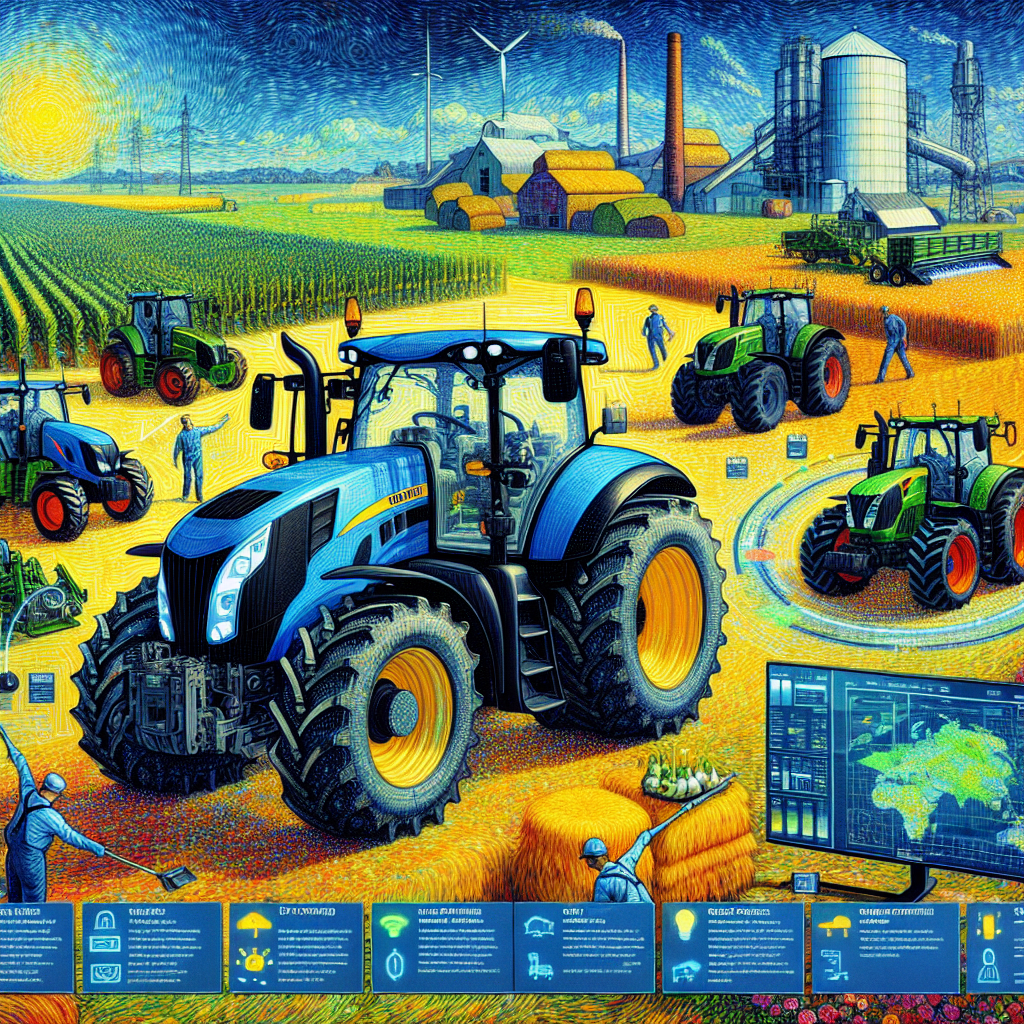
What Lessons Can Modern Farmers Learn From Classic Tractor Design?
Conclusion
As we wrap up this journey through the stories and secrets that classic tractors unveil, let’s take a moment to appreciate not just the metal and mechanics, but the heart and heritage they represent. Picture those expansive fields—the fabric of rural life—where every furrow turned by a classic tractor is a nod to generations of farmers who forged their lives in rich soil. These machines, seemingly simple in design and functionality, have woven themselves into the very narrative of farming, becoming the dependable allies of those who toil under the sun.
It’s more than nostalgia; it’s about identity. Classic tractors are a bridge connecting past and present, reminding us that the tools we use reflect our values. In an age racing toward the glitz and efficiency of the latest technology, we must ask ourselves: what do we truly need? It turns out that reliability and the bond we form with these machines are invaluable. They provide tangible connections to our roots, a reminder of hard work, resilience, and the dignity of labor. Each scratch and dent tells a story, making every start of the engine a ritual steeped in tradition.
From a rational standpoint, we can’t ignore the practicality of these machines. They require less maintenance and embody a grounded simplicity—a stark contrast to the bewildering array of modern tech. Yet, when we talk about reliability, we’re also discussing relationships: the connection between farmer and land, between community members who gather to celebrate these shared stories. Each classic tractor on the field isn’t just a machine; it’s a symbol of a commitment—to family, to the land, and to each other.
Ethically, choosing to embrace classic tractors is more than sustaining a legacy; it’s about honoring the sacrifices and labor of those before us while paving the way for future generations. This sentiment resonates on a profound level, evoking a collective responsibility to preserve both farming traditions and community ties. After all, farming isn’t merely about crops or machinery; it’s about the heart that drives us, the stories we share, and the values we pass down.
Let’s remember, as we stand in our fields, that classic tractors represent our passion, our unity, and indeed, our future in sustainable farming. They urge us to reflect on our roots, cultivate our connections, and cherish the strength that lies in our shared heritage. So, let’s rev those engines, embrace the legacy, and celebrate a farming community enriched by tradition. In every turn of the wheel, there’s a story waiting to be written—one that honors where we’ve been and all we aspire to become.
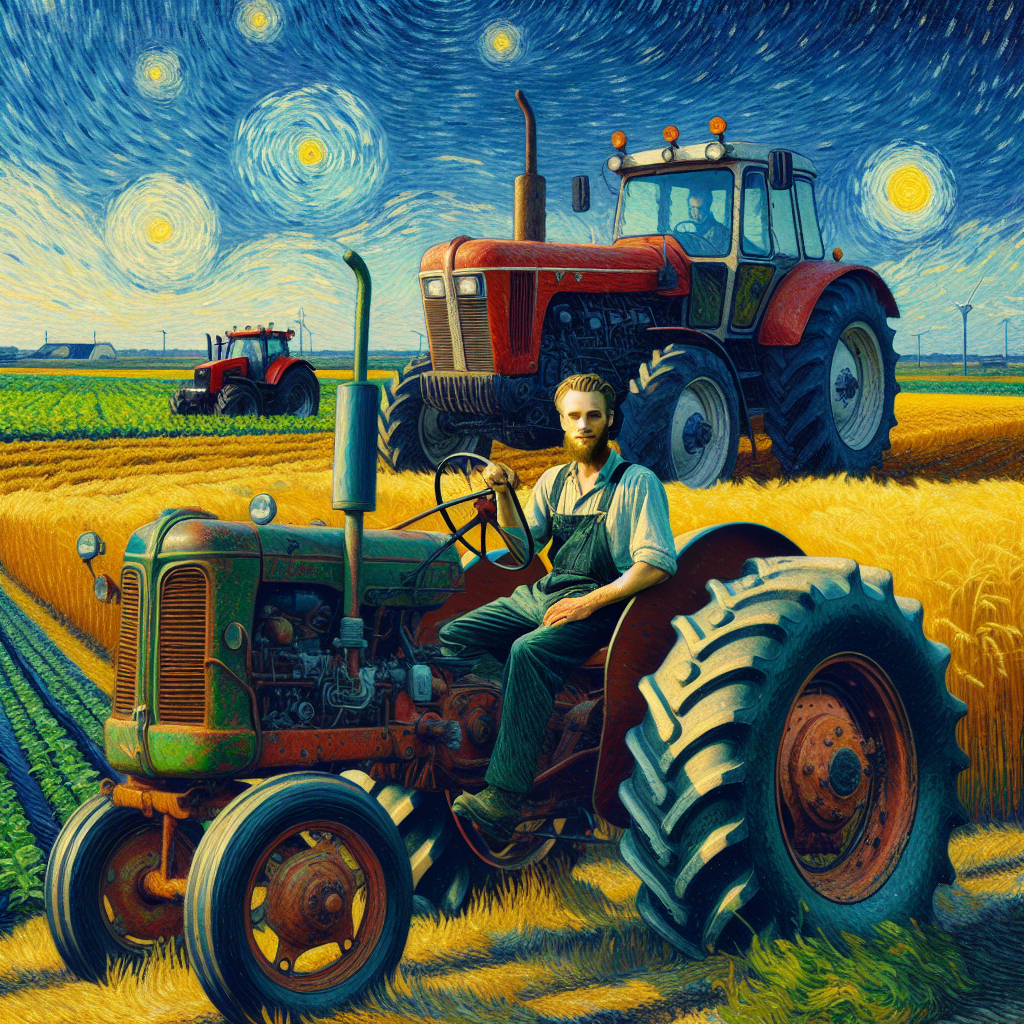
Conclusion
Conclusion:
- Classic tractors embody the heart and heritage of farming, representing generations of farmers.
- They serve as a bridge between past and present, reflecting the values of those who use them.
- Reliability and the bond formed with these machines are invaluable, providing connections to our roots.
- Classic tractors are characterized by their low maintenance and grounded simplicity.
- They symbolize commitments to family, land, and community, fostering relationships among farmers.
- Choosing classic tractors honors the sacrifices of past generations while preserving farming traditions.
- Classic tractors represent passion, unity, and a future in sustainable farming, urging reflection on our shared heritage.
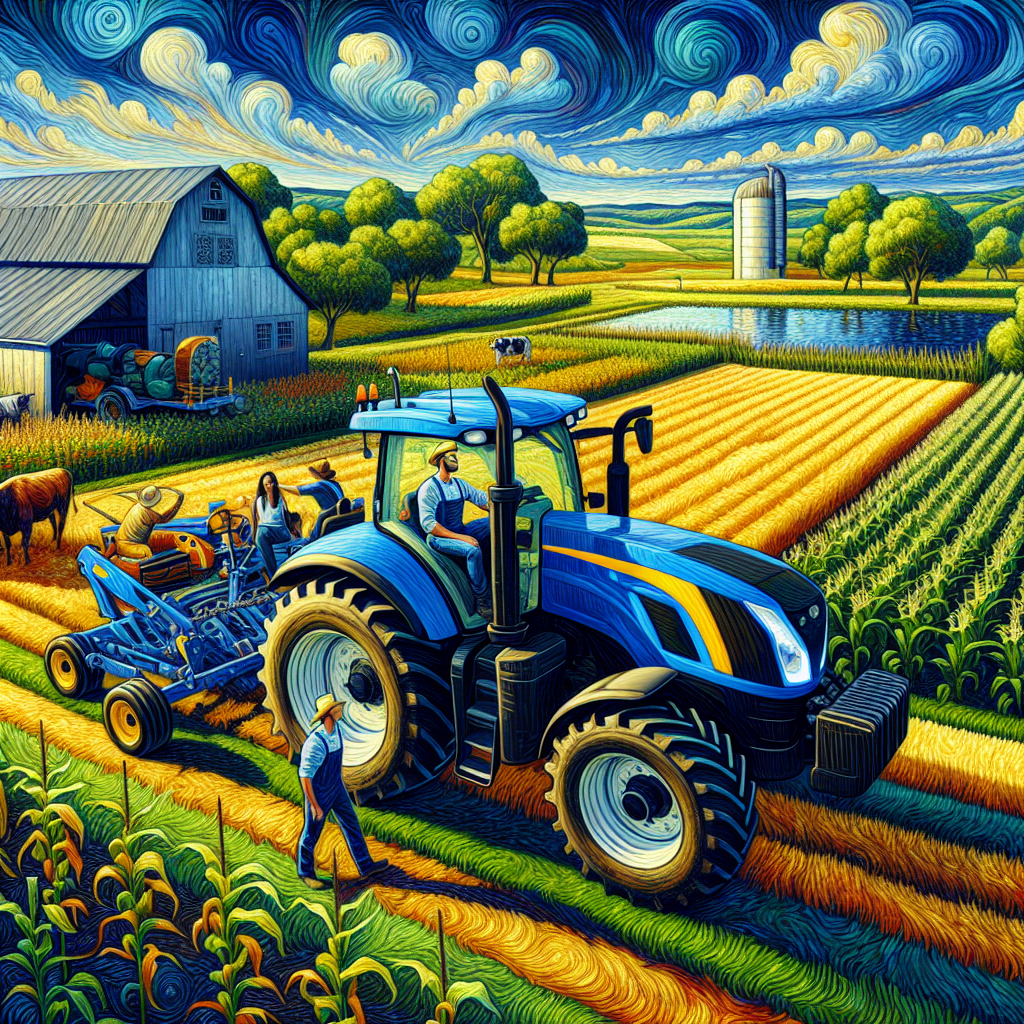
Conclusion
Other Resources
Other Resources
Here is a list of other resources you can review online to learn more:
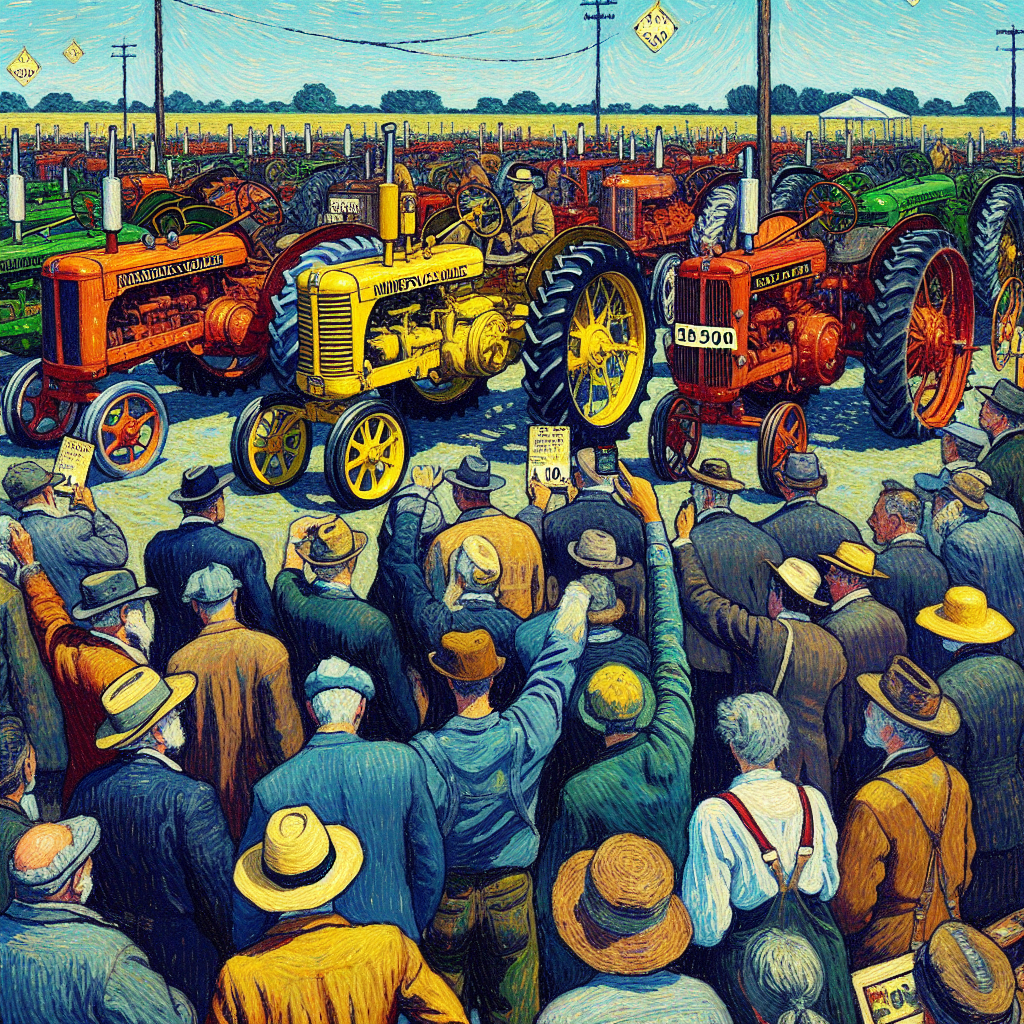
- Fairfield County Antique Tractor Club
- CO-OP
- Ford
- IH
- Rock Island
- Toy Farmer
- American Tractor Museum
- AGCOAllis
- Massey-Harris
- Ascot Universal
Use This Prompt To Get More Resources With Your Favorite Online AI Tool: Please provide me with a list of online articles with their URLs in a bulleted list that I can read regarding What Secrets to Farming Community Lie In Classic Tractor Reliability
Other Resources
Glossary Terms
What Secrets to Farming Community Lie In Classic Tractor Reliability – Glossary Of Terms
1. Antique Tractor: A tractor that is typically over 25 years old, appreciated for its historical value and nostalgia in farming.
2. Reliability: The ability of a tractor to consistently perform well with minimal breakdowns, essential for efficient farming operations.
3. Restoration: The process of repairing and refurbishing classic tractors to return them to working condition, often preserving original features.
4. Maintenance: Routine servicing and care of tractors to ensure their efficient operation and prolong their lifespan.
5. Oil Change: The replacement of old engine oil with new oil to keep the engine lubricated and functioning smoothly.
6. Tractor Show: An event where enthusiasts showcase and admire classic tractors, often featuring competitions and educational displays.
7. Horsepower: A unit of measurement for the power output of tractors, important for determining their capability in performing agricultural tasks.
8. Cylinders: Engine components that help convert fuel into power; the number and configuration affect a tractor’s performance.
9. Fuel Efficiency: A measure of how much work a tractor can do per unit of fuel consumed, critical for cost-effective farming.
10. Transmission: The system that transmits power from the engine to the wheels; types include manual, automatic, and power shift.
11. Tires: The rubber components that provide traction and support the weight of the tractor, influencing performance in various terrains.
12. Hydraulics: A system that uses liquid pressure to operate attachments and implements, increasing the tractor’s versatility.
13. PTO (Power Take-Off): A mechanism that transfers engine power to attached implements, crucial for a wide range of farming tasks.
14. Engine Overhaul: A comprehensive repair process involving disassembly and rebuilding of an engine, often necessary for high-mileage tractors.
15. Torque: A measure of rotational force provided by the engine, influencing a tractor’s ability to pull heavy loads.
16. Gearing: The arrangement of gears in a tractor’s transmission, affecting speed and torque delivery.
17. Implement: Any attachment or accessory (like plows, harrows) used with tractors to perform specific tasks in farming.
18. Chassis: The frame of the tractor that supports the engine, transmission, and components, foundational for stability.
19. Parts Availability: The ease with which replacement or upgrade parts can be sourced for repairing and maintaining classic tractors.
20. Fieldwork: Agricultural tasks performed in the field, such as planting or harvesting, where tractor reliability is crucial.
21. Cultivation: The process of preparing soil for planting, often requiring dependable equipment for effective weed control and soil aeration.
22. Resale Value: The potential market price of a classic tractor when sold, often influenced by its condition, reliability, and historical significance.
23. Collectibility: The desirability of classic tractors among collectors, often based on brand, rarity, and condition.
24. Warranty: A promise or guarantee from manufacturers or dealers regarding the performance and reliability of the tractor for a certain period.
25. Community Knowledge: The collective wisdom and experiences shared among farmers regarding the maintenance and reliability of specific tractor models.
26. Vintage Farming: A movement emphasizing the appreciation of traditional farming practices and equipment, often centered around classic tractors.
27. Engine Type: Refers to the design of the engine in the tractor (e. g. , diesel, gasoline), impacting performance and reliability in farming operations.
28. Safety Features: Design elements in tractors that ensure operator safety, increasingly important for promoting safe farming practices.
29. Original Equipment Manufacturer (OEM): The company that originally manufactured the tractor or its parts, often considered for reliability and compatibility in repairs.
30. Classic Restoration Movement: A trend among enthusiasts to restore and preserve vintage tractors, reflecting a passion for historical agriculture and craftsmanship.
Glossary Of Terms
Other Questions
What Secrets to Farming Community Lie In Classic Tractor Reliability – Other Questions
If you wish to explore and discover more, consider looking for answers to these questions:
- What are the maintenance requirements for classic tractors?
- How do classic tractors compare to modern tractors in terms of efficiency?
- What are the most popular classic tractor models among farmers?
- How can farmers find parts for classic tractors?
- What community events celebrate classic tractors?
- How does owning a classic tractor affect a farmer’s insurance rates?
- What skills are necessary for restoring a classic tractor?
- Are there any risks associated with using classic tractors in modern farming?
- How does the sentimental value of classic tractors influence purchasing decisions?
- What role do vintage tractor clubs play in preserving farming heritage?
- How do classic tractors contribute to sustainable farming methods?
- In what ways can classic tractors be integrated with modern farming practices?
Other Questions
Haiku
What Secrets to Farming Community Lie In Classic Tractor Reliability – A Haiku
Wheels that turn through time,
Steadfast hearts in sunlit fields,
Legacy of trust.
Haiku
Poem
What Secrets to Farming Community Lie In Classic Tractor Reliability – A Poem
A Tractor’s Heartbeat
In fields vast as the sky, the old iron wakes,
Where dreams take root and labor stakes.
A classic tractor, worn yet strong,
Rumbles through the earth, where memories belong.
Each scratch and dent, a story told,
Of countless hands, both young and old.
A lifeline woven deep in our past,
A bond that perseveres, sturdy and steadfast.
It isn’t just steel, it’s a promise made,
A friend through drought, and sun’s warm shade.
With engines that purr like the lull of a song,
In its humble might, we all belong.
As technology dazzles with whispers of speed,
Remember that heart, the soul, and the creed.
For in every turn of that weathered wheel,
Lies a legacy of trust, a community’s feel.
The rhythm of seasons, the toil, the sweat,
Reminds us of values we’ve come to forget.
When farmers unite, under skies ever blue,
Their laughter and stories lend courage anew.
With each vintage parade, we cherish what’s near,
The lessons of farming, through laughter, through tears.
From grandparents’ hands to generations to come,
Classic tractors teach—whether still or they hum.
So let us embrace this heritage wide,
In fields where resilience and heart collide.
With every engine that roars into life,
We celebrate the bond—the farmer, the strife.
For in the dance of the plow and the earth,
Lies our duty to honor its intrinsic worth.
Let’s rev up our spirits, let’s gather in pride,
With classic tractors, our legacies ride.
Poem
Checklist
What Secrets to Farming Community Lie In Classic Tractor Reliability – A Checklist
Classic Tractor Reliability: A Heart-Head-Gut Checklist
Heart (Emotional Appeals)
1. Reflect on Memories: Take a moment to recall personal stories or memories related to classic tractors, whether from childhood, family gatherings, or community events.
2. Celebrate Tradition: Acknowledge the emotional significance of maintaining tractors as a tribute to family legacies and farming heritage.
3. Foster Bonds: Think about how you can strengthen connections with family, friends, and local farmers through shared stories and experiences related to classic tractors.
Head (Rational Appeals)
1. Evaluate Reliability: Consider the long-term benefits of classic tractors in terms of durability and ease of repair over modern, tech-driven machinery.
2. Calculate Costs: Analyze the cost-effectiveness of maintaining classic tractors versus investing in new equipment. Are there savings to be made?
3. Research Restoration: Look into the possibilities of restoring a classic tractor; compare parts availability and maintenance requirements with new models.
Gut (Ethical and Social Appeals)
1. Honor the Past: Reflect on your ethical responsibility to uphold the values of hard work and dedication that classic tractors symbolize.
2. Build Community: Engage with local farming communities through events like tractor shows, restoration clubs, or community gatherings.
3. Mentor the Next Generation: Consider ways to pass down knowledge about classic tractors to younger generations. How can you share your passion for farming heritage?
Authority (Experience-Based Appeals)
1. Learn from Experts: Seek out local farmers or restoration experts with firsthand experience. Are there workshops or community events where you can exchange knowledge?
2. Document Wisdom: Compile stories and advice from seasoned farmers about the value and maintenance of classic tractors. Create a legacy repository for future learners.
3. Advocate for Classic Tractors: Support initiatives, policies, or community efforts that promote the use and preservation of classic tractors in sustainable farming practices.
Narrative (Storytelling Appeals)
1. Share Your Story: Write or speak about what classic tractors mean to you and how they relate to your farming experiences.
2. Collect Community Stories: Invite others to share their memories related to classic tractors, highlighting the collective narrative of your community.
3. Create a Visual Timeline: Design a timeline that represents the evolution of tractors and their impact on your community’s farming history.
Each point in this checklist is designed to appeal to the emotional, rational, and ethical dimensions of the reader, fostering a deeper connection to classic tractors and their integral role in farming communities.
Checklist
At ClassicTractorNews, we help tractor lovers keep up with the latest news for classic and vintage tractors.
Please share this post with your friends, family, or business associates who may like old classic or vintage tractors.