


Preserving Tradition, Sustaining Future: The Environmental Impact Of Classic Tractors
By Tom Seest
At ClassicTractorNews, we help tractor lovers keep up with the latest news for classic and vintage tractors.
Please share this post with your friends, family, or business associates who may like old classic or vintage tractors.
What Role Do Classic Tractors Play In Eco-Friendly Farming
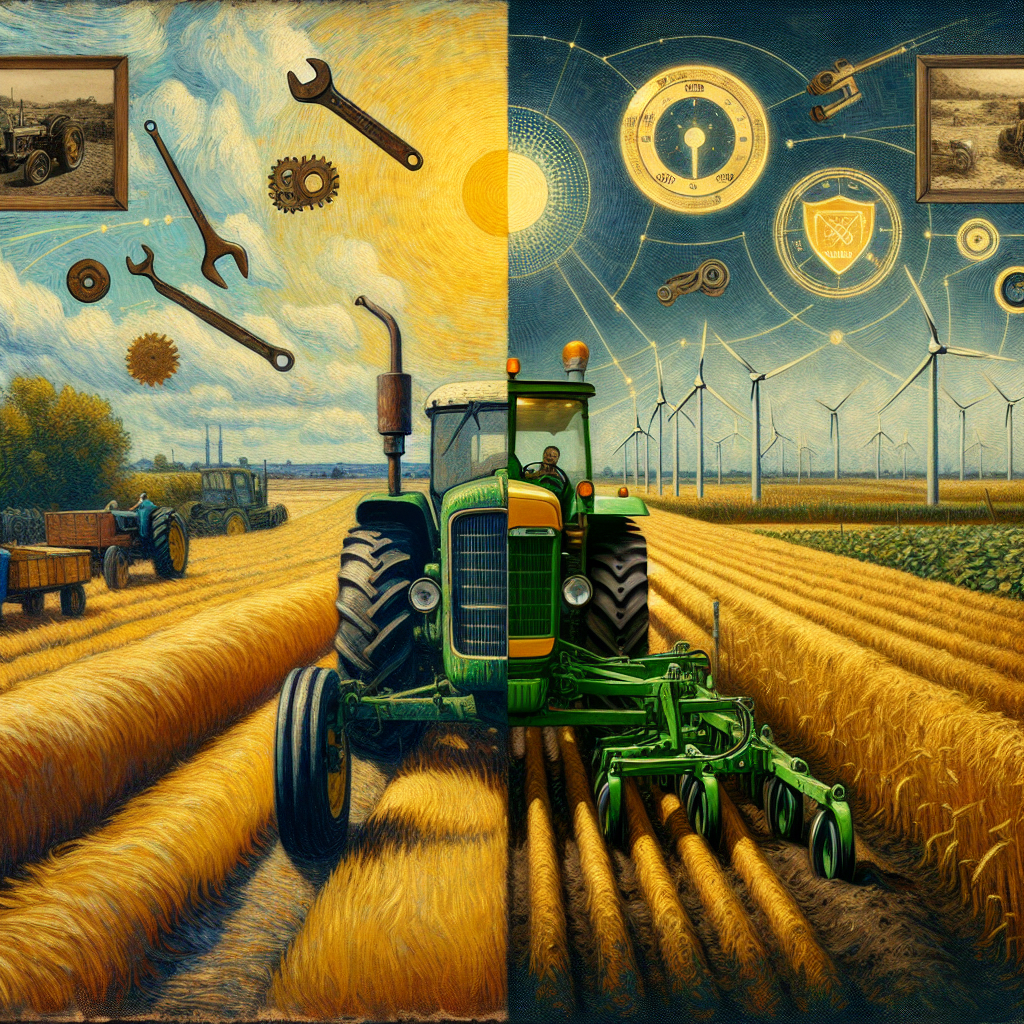
In a world captivated by technology, where the new and flashy often steal the spotlight, there’s something timeless about the clatter of a vintage tractor navigating the fields. These machines, crafted with care, tell a story of seasons gone by, a legacy penned in the soil they till. But beyond nostalgia, classic tractors are champions of eco-friendly farming, a bridge connecting our agricultural past with a sustainable future.
Picture this: a sun-drenched field, wildflowers swaying in a gentle breeze, and a farmer steering a row-crop tractor that’s older than many of us. This image resonates deeply—not because it’s a relic from the past, but because it embodies an enduring trust in tried-and-true methods of farming. Classic tractors were built not for power alone but for efficiency and resilience. They consume less fuel, thanks to simpler designs that prioritize straightforward mechanics over complicated technology. This means fewer emissions, less pollution, and a lighter footprint on our beloved Earth.
Moreover, these loyal workhorses forge a connection that is hard to replicate. They represent generations of farmers who have toiled day and night, cultivating the land with love and respect. By choosing classic machinery, farmers are embracing an ethos of stewardship. It’s an ethical choice—when we turn to these time-tested machines, we’re saying “yes” to sustainable practices, to caring for the environment, and to preserving the traditions that bind us to our roots.
Imagine standing beside that aging tractor, feeling the grit and determination etched into its worn metal, and recognizing it as a symbol of community strength. Farmers who utilize classic tractors often share knowledge and camaraderie, attending local fairs and gatherings where wisdom flows as freely as the fresh cider. These machines bring people together—each repair, each restoration, each ride through the fields becomes not just a task but a shared experience, a bond forged in dirt and sweat.
As we navigate the challenges of modern farming, let’s remember that innovation doesn’t always mean replacing the old with the new. Sometimes, it’s about rejuvenating what already exists. By embracing classic tractors, we’re not just preserving a slice of agricultural history; we’re fostering an eco-friendly approach that respects the land and bolsters our farming communities. So, the next time you hear that unmistakable rumble of a classic tractor, take a moment to appreciate the harmony of nostalgia and sustainability, where yesterday’s heroes help create a greener tomorrow.

What Role Do Classic Tractors Play In Eco-Friendly Farming
What Role Do Classic Tractors Play In Eco-Friendly Farming
- Vintage tractors symbolize a connection between agricultural traditions and modern sustainable farming.
- They embody efficiency with simpler designs that consume less fuel, reducing emissions and pollution.
- Classic tractors represent the legacy and dedication of generations of farmers who respect the land.
- Using classic machinery reflects an ethical choice promoting stewardship and sustainable practices.
- The presence of these tractors fosters community involvement and knowledge-sharing among farmers.
- Embracing classic tractors allows for rejuvenation of existing resources rather than solely relying on new innovations.
- These machines serve as a reminder of harmonizing nostalgia with a commitment to a greener future.

What Role Do Classic Tractors Play In Eco-Friendly Farming
Table Of Contents
- What Role Do Classic Tractors Play In Eco-Friendly Farming
- What Memories Do You Associate With Classic Tractors On The Farm?
- How Do Classic Tractors Contribute To Sustainable Farming Practices?
- Could Classic Tractors Be A Symbol Of Resilience In Farming History?
- What Ethical Benefits Come From Using Classic Tractors In Your Fields?
- Are Modern Tractors Really Outperforming Classic Models In Efficiency?
- How Do Community Bonds Strengthen Through The Use Of Classic Tractors?
- Conclusion
- Other Resources
- Glossary Of Terms
- Other Questions
- Haiku
- Poem
- Checklist
What Memories Do You Associate With Classic Tractors On The Farm?
Classic tractors are more than just machines; they’re the backdrop of our lives—a patchwork of memories stitched together by the rumble of engines and the smell of fresh earth. For many of us, the sight of an old tractor conjures feelings of nostalgia, echoing a simpler time when the world felt more tangible. The first time you climbed onto your grandfather’s lap, gripping the wheel as he guided you through sun-dappled fields, is a moment forever etched in your memory. You can almost feel the vibrations of the engine beneath you, a steady heartbeat that resonates with the rhythm of farm life.
But let’s connect the dots: every scratch and dent on those vintage tractors tells a story. Each crease in their bodywork is a badge of honor, symbolizing years of hard work and dedication. They remind us that farming is not just a vocation; it’s a testament to resilience. The drumbeat of those engines reminds us that progress is built upon a foundation of toil, sweat, and a deep connection to the land. When you roll up your sleeves and fire up a classic tractor, you’re not just tilling the soil; you’re carrying on a legacy.
And ethically speaking, nurturing that legacy is crucial. Our connection to traditional practices—unearthed through those sturdy machines—provides a framework of knowledge passed down through generations. This wisdom is invaluable as we face modern agricultural challenges. By embracing these time-tested methods, we honor our forebearers while steering our farms into the future.
Thinking back, those beloved tractors weren’t just tools; they were a hub of social connection. Whether it was gathering neighbors to help with the harvest or sharing a meal in the shade of a barn, the tractor served as a gathering point—a metaphorical bridge linking families and communities. The narrative woven around these machines unveils a tapestry filled with laughter, hard-won victories, and occasionally, a few hilarious mishaps that remind us we’re all human.
So, as you gravel your way down memory lane, consider the role these classic tractors play in shaping who we are. Whether they rested in fields or held court in the barn, they’ll always remain more than just tractors. They are the steadfast witnesses to our shared history, worthy of appreciation and celebration as we carry their stories into the next generation. What memories do you associate with these steadfast symbols of rural life?

What Memories Do You Associate With Classic Tractors On The Farm?
What Memories Do You Associate With Classic Tractors On The Farm?
- Classic tractors evoke nostalgia and represent cherished memories from simpler times.
- Each scratch and dent on vintage tractors symbolizes years of hard work and resilience in farming.
- The engines of these tractors are a reminder of the foundational toil and dedication that underpins agricultural progress.
- Classic tractors connect us to traditional farming practices, offering wisdom essential for modern challenges.
- They serve as community hubs, facilitating social connections through collective farming efforts and shared experiences.
- These machines embody a legacy that shapes our identity and collective history in rural life.
- Classic tractors are more than tools; they are witnesses to our shared past, deserving of appreciation and celebration.

What Memories Do You Associate With Classic Tractors On The Farm?
How Do Classic Tractors Contribute To Sustainable Farming Practices?
How Do Classic Tractors Contribute to Sustainable Farming Practices?
When you think of a tractor, you might picture a rusted relic, sitting motionless in an overgrown field. But for those who truly understand farming’s heartbeat, classic tractors are much more than mere machinery; they are the embodiment of a sustainable future rooted in tradition. Picture a farmer, hands weathered and wise, climbing into the cabin of a trusty old tractor—rusty, yes, but still humming with potential. This isn’t just a story of nostalgia; it’s a narrative of stewardship and responsibility.
Classic tractors, often powered by more sustainable diesel or even converted to run on biofuels, represent the grit and durability needed to foster sustainable farming. With simpler mechanics and a focus on lasting design, these machines break the mold of today’s disposable culture. Instead of contributing to the waste stream, they encourage us to repair, refurbish, and uphold a legacy that prioritizes the land and its resources. Here’s the truth: an old tractor has a story. It’s been through seasons of drought and deluge, and through it all, it has learned to adapt—just like the farmer who drives it.
Using classic tractors can reduce reliance on heavy, modern equipment that guzzles fuel and churns the soil too deeply. This is not merely a matter of personal preference; it’s an ethical responsibility. Farming should nourish the earth while feeding communities. Choosing a classic option allows farmers to rotate crops effectively, minimize soil disruption, and promote biodiversity—all crucial for sustaining the land for future generations.
Furthermore, these tractors foster a sense of community—inviting farmers to gather at the local co-op for parts, stories, and camaraderie. They remind us that sustainable farming isn’t just a solitary mission; it’s a collective endeavor rooted in respect for the past. When we share not just machinery but experiences and knowledge, we strengthen the fabric of our agricultural heritage.
So, when you see that classic tractor rolling through a field, remember: it’s more than just metal and horsepower. It’s a testament to the enduring spirit of sustainable farming—an invitation to reconnect with our roots and to forge a path forward that respects not just the land we cultivate but also the communities we nourish. Let’s embrace that legacy, one tractor at a time.

How Do Classic Tractors Contribute To Sustainable Farming Practices?
How Do Classic Tractors Contribute To Sustainable Farming Practices?
- Classic tractors embody sustainable farming practices rooted in tradition and stewardship.
- They are often powered by sustainable diesel or converted to biofuels, promoting environmental responsibility.
- Classic tractors feature simpler mechanics and lasting designs, encouraging repair and refurbishing instead of disposal.
- Using classic tractors reduces reliance on fuel-heavy modern equipment and minimizes soil disruption.
- They enable effective crop rotation and promote biodiversity, vital for future land sustainability.
- Classic tractors foster community connection among farmers through shared experiences and knowledge.
- They symbolize an enduring commitment to sustainable farming and the nourishment of both land and communities.

How Do Classic Tractors Contribute To Sustainable Farming Practices?
Could Classic Tractors Be A Symbol Of Resilience In Farming History?
When you think about the humble tractor, what comes to mind? For many, it evokes memories of sun-soaked fields, the rhythmic thump of tires rolling over soil, and the hard-working hands that have masterfully wielded these mechanical beasts. But those powerful machines represent more than just the backbone of agriculture; they serve as poignant symbols of resilience, and that matters now more than ever.
These classic tractors are akin to well-worn boots—comfortable, dependable, steeped in stories from generations past. Every dent and scratch tells a tale of long hours spent tilling earth from dawn until dusk, weathering storms, and fighting against the odds. Just like the farmers who rely on them, these machines have faced their own battles against the relentless elements and evolving technology. The grit required to keep these vehicles running, often with just a little grease and elbow grease, reflects a mindset that’s persisted through strife and uncertainty.
Think about it: farming isn’t merely a job; it’s a way of life that binds families and communities together. The old tractor standing proudly in a field is not just a relic—it’s a testament to survival. It embodies hard-earned wisdom, passed down through wisdom-laden conversations over campfires and kitchen tables. When we see farmers gathering, sharing tales of yesteryears, we witness a truth that resonates deeply: resilience breeds community.
Also, let’s consider the ethical implications. In a world increasingly driven by instant gratification and mechanization, the classic tractor represents a tenacity that’s worth preserving. By celebrating these machines, we’re not just honoring the past; we’re instilling a sense of responsibility in future generations. We encourage them to appreciate the craftsmanship, the sustainability, and the sheer will it takes to nurture the land.
So, each time you spot a classic tractor rolling by, pause for a moment. Take in the sight of a reliable tool still in service, a monument to the people who embarked on this farming journey. It’s not just about the field it tills; it’s about the legacy it carries forward. Let’s share these stories, spark conversations, and inspire actions that honor our agrarian roots. Together, we can nurture the spirits of resilience that are etched not just in machines, but in the very essence of farming itself.

Could Classic Tractors Be A Symbol Of Resilience In Farming History?
Could Classic Tractors Be A Symbol Of Resilience In Farming History?
- The tractor symbolizes resilience and hard work in agriculture.
- Classic tractors tell stories of generations through their wear and tear.
- Farming is a way of life that fosters strong family and community bonds.
- The classic tractor is a testament to survival and hard-earned wisdom.
- Celebrating these machines fosters appreciation for craftsmanship and sustainability.
- Classic tractors serve as monuments to the legacy of farming communities.
- Sharing stories of tractors encourages connection to agrarian roots and resilience.

Could Classic Tractors Be A Symbol Of Resilience In Farming History?
What Ethical Benefits Come From Using Classic Tractors In Your Fields?
Picture the sun rising over a field cloaked in the early morning mist. As you step onto the soil, there’s a sense of reverence that fills the air—the earth, rich with history and potential, has nurtured generations. At the heart of this landscape, you find an unassuming yet powerful symbol of agriculture: the classic tractor. These machines, often seen as relics of a bygone era, hold ethical benefits that resonate deeply with the heart, head, and gut.
From an emotional standpoint, classic tractors evoke a sense of connection to the past, where farming was less about automation and more about craftsmanship. Each scratch and dent in the metal tells a story, one that connects you to the farmers who cultivated the same land before you. Using a classic tractor is not just about farming; it’s about honoring a legacy. It acknowledges the sweat and labor of those who laid the groundwork for modern agriculture.
Rationally speaking, classic tractors often use simpler, more durable technology. They require less intensive maintenance and are less likely to suffer from the obsolescence that plagues many modern machines. This reliability fosters a sustainable approach to farming, reducing the environmental impact through fewer resources needed for upkeep. Moreover, many vintage models can run on biodiesel or biofuels, further marrying the past with progressive ethical practices.
On an ethical level, employing classic tractors endorses a philosophy of slow and steady. In a fast-paced world that often prioritizes efficiency over care, these machines remind us to take our time—to cultivate not just the land, but also our relationship with it. It’s a commitment to responsible stewardship that many farmers are increasingly seeking in today’s climate-aware society.
The authority of these tractors lies in their proven performance and robustness, a testament to the craftsmanship that went into building them. When you choose a classic tractor, you’re leaning on a rich heritage of engineering. That blend of history and reliability fosters trust—trust in your tools and your methods.
Finally, there’s a community aspect to using classic tractors. When farmers gather at shows, or even in their fields, there’s an unmistakable camaraderie that comes from sharing stories, experiences, and advice. It’s about building connections that stretch beyond the machinery and into the ethics of agriculture itself.
So, if you want to make a difference in your fields, consider the classic tractor—not just as a machine, but as a partner that embodies the ethical farming principles you hold dear. In embracing these reliable beasts of the past, you’re also cultivating a more sustainable future.

What Ethical Benefits Come From Using Classic Tractors In Your Fields?
What Ethical Benefits Come From Using Classic Tractors In Your Fields?
- The classic tractor symbolizes a deep connection to agricultural history and craftsmanship.
- Classic tractors evoke nostalgia, honoring the legacy of past farmers and their hard work.
- They feature simpler, durable technology, requiring less maintenance and reducing environmental impact.
- Many vintage models can run on biodiesel or biofuels, promoting sustainable practices.
- These tractors encourage a philosophy of slow and steady farming, fostering responsible stewardship.
- The reliability of classic tractors builds trust in farming tools and methods through their proven performance.
- Using classic tractors creates a sense of community among farmers, fostering connections and shared values in agriculture.

What Ethical Benefits Come From Using Classic Tractors In Your Fields?
Are Modern Tractors Really Outperforming Classic Models In Efficiency?
When you stroll through a field of modern machinery, the hum of engines and whir of hydraulics sings a tune of efficiency that old-school tractors could only dream about. Yet, as we stand amid rows of gleaming equipment, it’s worth pausing for a moment and reflecting on what that efficiency really means for the farmer, the land, and the future of agriculture.
Every time a farmer rolls out with the newest tractor model, they’re not just driving a machine; they’re gaining a partner in their daily battles against the elements. These modern marvels boast impressive features—precision technology, fuel efficiency, and multifunctionality—that make farming less a chore and more an art. But here’s the real kicker: while the mechanics may be sophisticated, the heart of farming hasn’t changed. It’s still about the sweat on the brow, the connection to the earth, and the legacy passed down through generations.
Now, let’s engage the head for a moment. Consider that contemporary tractors can reduce fuel consumption significantly, translating to lower operating costs and a lighter carbon footprint. You see, these tractors don’t just help plow fields—they also help cultivate a responsible approach to land stewardship. With rising concerns about climate change and sustainable practices, the ethical choice of investing in modern technology feels clear. But let us not forsake the classics entirely. They remind us of simpler times when the rhythms of life flowed alongside the seasons—when farming was an orchestra of human ingenuity and the beauty of nature.
Now, let’s bring in the gut. Every veteran farmer knows that the buzz of high-tech machinery can’t come close to the clatter of a classic tractor revving to life. There’s an undeniable connection to those machines, a nostalgia for the years of toil and triumph they represent. Yet, modern tractors aren’t here to replace that bond; they’re here to build on it, to bring new generations into the fold with enhanced productivity and innovation.
Throughout this analysis, one thing becomes abundantly clear: it’s not solely about which tractor can turn the most dirt. It’s about creating a future where efficiency and tradition coexist. So, whether you’re a seasoned pro or just figuring out how to mount a seat, the conversation starts with understanding not just the mechanics, but the heart and soul of the machine. Modern tractors may be the future, but they thrive on a past that should never be forgotten. And that’s a narrative worth celebrating.

Are Modern Tractors Really Outperforming Classic Models In Efficiency?
Are Modern Tractors Really Outperforming Classic Models In Efficiency?
- Modern machinery provides unparalleled efficiency compared to traditional tractors.
- Farmers gain a crucial partner in advanced tractors, which enhance daily farming challenges.
- Features of modern tractors include precision technology, fuel efficiency, and multifunctionality.
- Despite technological advancements, the essence of farming—hard work and connection to the land—remains unchanged.
- Contemporary tractors can significantly reduce fuel consumption, resulting in lower costs and a lighter carbon footprint.
- Nostalgia for classic tractors coexists with the innovation of modern machinery, enriching the farming experience.
- The future of agriculture is about balancing efficiency with tradition, celebrating both modern and classic farming methods.

Are Modern Tractors Really Outperforming Classic Models In Efficiency?
How Do Community Bonds Strengthen Through The Use Of Classic Tractors?
In the quiet corners of rural communities, where the sun rises over fields of golden grain and the sound of a tractor hums in the distance, we find more than just agriculture; we uncover a story as rich and intricate as the soil itself. Classic tractors—they’re more than machines; they embody our shared history, bridging generations and uniting neighbors in a bond that transcends mere friendship.
Picture this: a community gathering where an old tractor stands proud, its paint chipped but its spirit unyielding. Folks young and old gather around, swapping tales of days gone by, where the tractor wasn’t just a tool for tilling the soil, it was a symbol of resilience and hard work. These gatherings turn into celebrations of heritage, fostering a sense of belonging that no amount of technology can replicate. The laughter of children, the sage advice of elders, the warmth of shared experiences—classic tractors provide that inevitable spark, igniting discussions about life, tradition, and the values that unite us.
Rationally speaking, the presence of these venerable machines can be a catalyst for economic development. Reference a few heartfelt stories of families who relied on tractors to grow their small businesses, sustaining livelihoods and providing jobs. This isn’t just an agricultural narrative; it’s a testament to how grassroots initiatives can bloom when communities come together, flashing their grit under the weight of shared history. Every once in a while, dirt must fly, not just to grow crops but to cultivate connection.
Ethically, consider the land we tread upon. Classic tractors represent sustainable farming practices that respect Mother Earth, promoting environmental stewardship right in our backyards. Using these machines encourages responsible agriculture, reminding us that preserving our heritage is tied to protecting the land for the future.
But perhaps the most compelling aspect is the feeling that swells within as neighbors band together to show off their classic tractors at fairs and parades. These events become social landmarks, creating a tapestry of trust woven from shared efforts and collective pride. When we stop to appreciate the beauty of these machines, we’re reminded that the bond we share is as strong as the iron they’re built from.
So, let’s rise up and embrace our roots, celebrating the classic tractors that drive not just tilling earth but the very essence of community, transforming labor into love and toil into togetherness. Now is the time to rev up that engine, bridge the gaps, and pave the way for a future grounded in connection and shared responsibility.

How Do Community Bonds Strengthen Through The Use Of Classic Tractors?
How Do Community Bonds Strengthen Through The Use Of Classic Tractors?
- Classic tractors represent the rich history and intricate stories of rural communities, symbolizing resilience and hard work.
- Community gatherings around classic tractors foster a sense of belonging and unites people across generations.
- These gatherings stimulate discussions about life, tradition, and values, highlighting the importance of shared experiences.
- Classic tractors serve as catalysts for economic development, supporting small businesses and job creation in rural areas.
- They embody sustainable farming practices, promoting environmental stewardship and responsible agriculture.
- Fairs and parades showcasing classic tractors become social landmarks, building trust and collective pride within communities.
- Embracing classic tractors transforms labor into love, creating connections and promoting a future grounded in community and shared responsibility.

How Do Community Bonds Strengthen Through The Use Of Classic Tractors?
Conclusion
As we ride into the sunset of technology-driven advancements in agriculture, let’s take a moment to reflect on the unsung heroes of the farming world: classic tractors. Sure, they may not be equipped with all the bells and whistles of high-tech machinery, but what these vintage workhorses embody is something far richer and deeper than mere horsepower. They stand as enduring symbols of tradition, community, and sustainability—inviting us to reconnect with a simpler, yet profoundly impactful, way of farming.
When you hear the familiar rumble of a classic tractor rumbling to life, it’s not just a mechanical sound; it reverberates with history, weaving a narrative of resilience etched into each scratch and dent. For many farmers, climbing into the cabin of an old tractor brings back memories of their grandfathers or fathers, reminding them of the timeless cycle of toil and triumph that defines agricultural life. These machines speak to the heart, echoing stories of hard work, dedication, and the enduring bond to the land.
Now let’s think with our heads. Classic tractors, often built with remarkably straightforward mechanics, offer unique benefits that modern machines can overlook. They are environmentally friendly, producing fewer emissions and wasting less fuel, and their robustness often allows for longer service lives. In a world increasingly concerned about sustainability and responsible stewardship, choosing these vintage models isn’t just an ethical choice; it’s a profound commitment to preserving the environment and our agricultural heritage.
But we’re not just talking about machinery; we’re talking about community. Classic tractors are often a catalyst for camaraderie among farmers. When neighbors gather to share knowledge, fix up old tractors, or celebrate at local fairs, they forge connections stronger than steel. It’s not just about what these tractors can do; it’s about the shared experiences and stories they evoke. Together, they craft a warmth that is vital to rural life—a tapestry of human connection woven through the fabric of farming.
As we chart our course into the future, let’s not forget the lessons from our agricultural past. Embracing classic tractors is about more than merely tilling the soil; it’s about tilling the very essence of who we are as stewards of the earth. So the next time you find yourself in a field, take a moment to appreciate not just the task at hand, but the legacy you are part of—where nostalgia meets sustainability, and where each turn of the wheel turns us toward a greener tomorrow.

Conclusion
Conclusion:
- Classic tractors symbolize tradition, community, and sustainability in agriculture.
- Their mechanical sounds resonate with stories of resilience and history.
- They evoke memories of past generations, highlighting the agricultural cycle of toil and triumph.
- Built with straightforward mechanics, classic tractors are environmentally friendly and robust.
- Choosing vintage models reflects a commitment to sustainability and agricultural heritage.
- Classic tractors foster camaraderie among farmers through shared knowledge and experiences.
- Embracing classic tractors blends nostalgia with a vision for a greener future in farming.

Conclusion
Other Resources

Other Resources
Here is a list of other resources you can review online to learn more:
- Waterloo Boy
- Marshall
- Tri-State Gas Engine and Tractor Association
- Cletrac
- Agriculture and the Environment
- Gaetz Tractor Museum
- AG Museum
- Arma Trac Tractors
- YANMAR
- Shibaura
Use This Prompt To Get More Resources With Your Favorite Online AI Tool: Please provide me with a list of online articles with their URLs in a bulleted list that I can read regarding What Role Do Classic Tractors Play In Eco-Friendly Farming
Other Resources
Glossary Terms
What Role Do Classic Tractors Play In Eco-Friendly Farming – Glossary Of Terms
1. Classic Tractor: Vintage farming machinery primarily used for agricultural purposes; often valued for their simplicity and durability.
2. Eco-Friendly Farming: Agricultural practices that prioritize environmental sustainability, aiming to reduce pollution and conserve resources.
3. Sustainability: The ability to maintain ecological balance by utilizing resources without depleting them for future generations.
4. Soil Conservation: Techniques used to prevent soil erosion and degradation, crucial for maintaining healthy crop production.
5. Organic Farming: A method of farming that avoids synthetic fertilizers and pesticides, promoting natural alternatives for crop production.
6. Biodiversity: The variety of plant and animal life in a particular habitat, which contributes to ecosystem stability and resilience.
7. Fuel Efficiency: A measure of how effectively a vehicle converts fuel into energy; classic tractors can be more fuel-efficient compared to modern machinery.
8. Carbon Footprint: The total greenhouse gas emissions caused directly and indirectly by something; classic tractors may help reduce carbon footprints when used correctly.
9. Permaculture: An agricultural practice that integrates land, resources, people, and the environment to create sustainable and self-sufficient ecosystems.
10. Crop Rotation: The practice of alternating the types of crops grown in a particular area to enhance soil health and reduce pest buildup.
11. Cover Crops: Plants grown primarily to benefit the soil rather than for harvest; they help prevent erosion and improve soil health.
12. Agroecology: An approach that combines agriculture and ecology, focusing on ecological principles to create sustainable farming practices.
13. Mulching: Applying organic or inorganic materials on the soil surface to retain moisture, reduce weeds, and enhance soil fertility.
14. Traditional Farming Techniques: Time-honored practices used in agriculture that emphasize local knowledge and sustainable methods.
15. Green Manure: Crops grown specifically to be plowed back into the soil to enrich it with nutrients and improve structure.
16. Tractor Restoration: The process of repairing and refurbishing old tractors, making them functional again for modern farming needs.
17. Low-Impact Farming: Agriculture practices that minimize negative impacts on the environment, often involving minimal use of machinery.
18. Rural Revitalization: Efforts to improve the economy and sustainability of rural areas, often through environmentally friendly practices like eco-farming.
19. Precision Agriculture: Using technology to monitor and manage field variability in crops, typically requires modern machinery but can also be done with classic tractors in fewer inputs.
20. Smallholder Farmers: Farmers who cultivate small plots of land, often using traditional methods and classic equipment.
21. Resource Recycling: The practice of reusing materials in agriculture, reducing waste and promoting a circular economy.
22. Integrated Pest Management (IPM): A sustainable approach to managing pests that combines biological control, cultural practices, and careful use of chemicals.
23. Composting: The process of recycling organic matter, such as food waste and farm residues, to create nutrient-rich soil amendments.
24. Natural Fertilizers: Organic substances derived from plant or animal matter used to enhance soil fertility without synthetic chemicals.
25. Community Supported Agriculture (CSA): A system where consumers buy shares of a farm’s harvest in advance, supporting eco-friendly farming initiatives.
26. Local Food Systems: Agricultural practices focused on producing food for local consumption, reducing transportation emissions and supporting local economies.
27. Ecological Footprint: A measure of how much land and water area is required to support a person or population’s resource consumption.
28. Regenerative Agriculture: A holistic farming approach that seeks to restore soil health and biodiversity, often complementary to the use of classic tractors.
29. Sustainable Practices: Farming methods that reduce depletion of natural resources while maintaining the productivity of the farm.
30. Retrofitting: Updating older machinery with modern technologies or systems, enabling classic tractors to meet contemporary eco-friendly farming standards.

Glossary Of Terms
Other Questions
What Role Do Classic Tractors Play In Eco-Friendly Farming – Other Questions
If you wish to explore and discover more, consider looking for answers to these questions:
- What are some examples of classic tractors and their unique features?
- How does the efficiency of classic tractors compare to modern models in specific farming tasks?
- What are the most common challenges associated with maintaining classic tractors?
- How do vintage tractors contribute to local economies compared to modern agricultural equipment?
- What are the environmental advantages of using classic tractors beyond fuel efficiency?
- How can farmers transition from modern to classic tractors in their operations?
- What specific restoration techniques are commonly used for classic tractors?
- Are there modern adaptations of classic tractors that enhance their sustainability?
- What role do classic tractors play in agricultural education and mentorship for new farmers?
- How can communities further promote the use of classic tractors in sustainable farming?
- What impact do classic tractors have on biodiversity and soil health?
- Can classic tractors be adapted for modern farming practices, and if so, how?
- What are the personal stories associated with classic tractors from different farmers?
- How do classic tractors influence the aesthetics and cultural identity of farming communities?

Other Questions
Haiku
What Role Do Classic Tractors Play In Eco-Friendly Farming – A Haiku
Classic steel whispers,
Nurturing earth, hearts entwined—
Tradition’s strong root.

Haiku
Poem
What Role Do Classic Tractors Play In Eco-Friendly Farming – A Poem
The Heartbeat of the Land: A Poem Inspired by Classic Tractors
In fields where sun-kissed wildflowers sway,
Old tractors rumble; they’ve come out to play,
With paint worn and chipped, they tell tales untold,
Of generations past, their spirits bold.
Crafted with care, their engines a song,
Echoing memories, steadfast and strong.
From granddad’s warm lap to the fields’ open skies,
Each dent and each scratch, a lineage lies.
They churn up the soil with simplicity’s grace,
And whisper of wisdom we strive to embrace.
Fuel of the past meets the dreams of today,
In the heart of each tractor, sustainability stays.
For every sunset that casts shadows long,
These titans of toil keep our roots growing strong.
An ethos of kindness, stewardship pure,
In classics, we find what moderns obscure.
Neighbors gather ‘round, with laughter and cheer,
To share not just stories, but farm life’s frontier.
In the rust and in grit, connections are found,
A web spun together, where love knows no bound.
With every turn of the wheel, there’s a promise we make,
To honor the Earth and the choices we stake.
For in nurturing land, we’re nurturing trust,
The bonds of our community, unbreakable, just.
So next time you hear that familiar old sound,
Remember the legacy that’s tightly wound:
Classic tractors, not relics of old,
But guardians of future—our stories retold.
Together they whisper of resilience anew,
As we work hand-in-hand, to the soil we’re true.
Let’s celebrate tradition, innovation entwined,
For the heartbeat of farming is where we’ll find,
Not just engines and steel, but hearts that won’t sway,
Uniting the past as we journey today.

Poem
Checklist
What Role Do Classic Tractors Play In Eco-Friendly Farming – A Checklist
Checklist: Embracing Classic Tractors for a Sustainable Future
Emotional Appeals:
_____ Reflect on Memories: List three memories associated with classic tractors that evoke a sense of nostalgia and connection to your agricultural roots.
_____ Share Your Stories: Spend time discussing the role of classic tractors in your family history with friends or family. Consider how these stories shape your current values and practices.
Rational Appeals:
_____ Assess Efficiency: Compare the fuel consumption of classic tractors versus modern tractors. Are there tangible benefits in emissions reduction with classic models?
_____ Evaluate Durability: Research the maintenance needs of a classic tractor. Can this lead to lower long-term costs and reduced environmental impact?
Ethical Appeals:
_____ Commit to Stewardship: Reflect on how using a classic tractor aligns with sustainable farming practices. Write down your personal commitment to preserving agricultural traditions while caring for the environment.
_____ Discuss Legacy: Engage in conversations about ethical farming practices. Consider how classic tractors symbolize a commitment to responsible use of land and resources.
Authority Appeals:
_____ Learn from Experts: Seek out local farmers or agricultural experts who use classic tractors. Interview them about their experiences and perspectives on sustainable farming.
_____ Attend Workshops: Find community events or workshops focused on classic tractor restoration and sustainable practices. Participate and learn from seasoned enthusiasts.
Narrative Appeals:
_____ Create a Community Story: Write a short narrative or create a video that highlights a local farmer’s journey with their classic tractor. Share this story within your community.
_____ Share Your Journey: Document your own journey with classic tractors—whether that’s through restoration, use, or connecting with others—in a blog or social media post.
Social Appeals:
_____ Organize a Gathering: Plan a community event or gathering centered around classic tractors. Invite local farmers and families to share food, stories, and experiences.
_____ Connect with Like-minded Individuals: Join local farming clubs or online forums dedicated to classic tractors and sustainable farming. Share insights and forge connections.
By utilizing this checklist, you can further appreciate the role of classic tractors in eco-friendly farming while fostering deeper connections to your community and the environment.

Checklist
At ClassicTractorNews, we help tractor lovers keep up with the latest news for classic and vintage tractors.
Please share this post with your friends, family, or business associates who may like old classic or vintage tractors.