


The Timeless Appeal Of Classic Tractors: A Farmer’s Ethical, Practical, And Emotional Choice
By Tom Seest
At ClassicTractorNews, we help tractor lovers keep up with the latest news for classic and vintage tractors.
Please share this post with your friends, family, or business associates who may like old classic or vintage tractors.
What Reasons Should Farmers Choose Classic Tractors Over New
Why Choose Classic Tractors Over New
When you think of a tractor, what comes to mind? It’s not just the engine roaring to life or the wheels churning through the mud; it’s a bond, a legacy, and a promise between a farmer and the land. For generations, classic tractors have symbolized hard work, resilience, and a way of life that many consider irreplaceable. Choosing a classic tractor isn’t merely a financial decision; it’s a tribute to tradition that speaks to the heart of farming.
Let’s break it down. First, from an emotional standpoint, there’s something undeniably nostalgic about the gleam of a vintage tractor sitting in the barn, a piece of machinery that has witnessed many seasons—each with its own story to tell. These tractors are reminders of simpler times, where farmers would gather for community events, share stories over corn husking, and plan for the harvest season with nothing but grit and ingenuity. There’s a sense of pride in owning a piece of history, a tractor that has been lovingly maintained, passing through families like a cherished heirloom.
From a rational perspective, classic tractors often come at a fraction of the price of new models while delivering similar, if not better, performance. Older models are also easier to repair, utilizing simpler technology that most skilled mechanics can easily understand. They stand as reliable workhorses on the farm, providing the necessary power without the costly complexities that come with modern equipment. While some may argue that new tractors boast advanced technology, they often overlook the costs associated with repairs and upkeep.
Ethically speaking, opting for classic tractors supports the idea of sustainability. By restoring and maintaining vintage models, farmers contribute less waste to landfills and promote a more sustainable approach to farming. It’s a commitment to preserving not just tools, but the land itself—because every choice counts in the fight against environmental degradation.
Finally, let’s talk about community. When you choose a classic tractor, you become part of a larger narrative—a network of farmers who appreciate the art of farming rooted in tradition. Whether it’s sharing tips at the local farm show or connecting with others through online forums, you’ll find camaraderie and support among those who understand the value of preserving agricultural history.
Choosing classic tractors isn’t just a decision; it’s an affirmation of values that resonate deeply within the farming community. It’s about honoring the past, securing the present, and paving the way for a future that remembers where we came from. Trust in the legacy. Embrace the essence of farming.
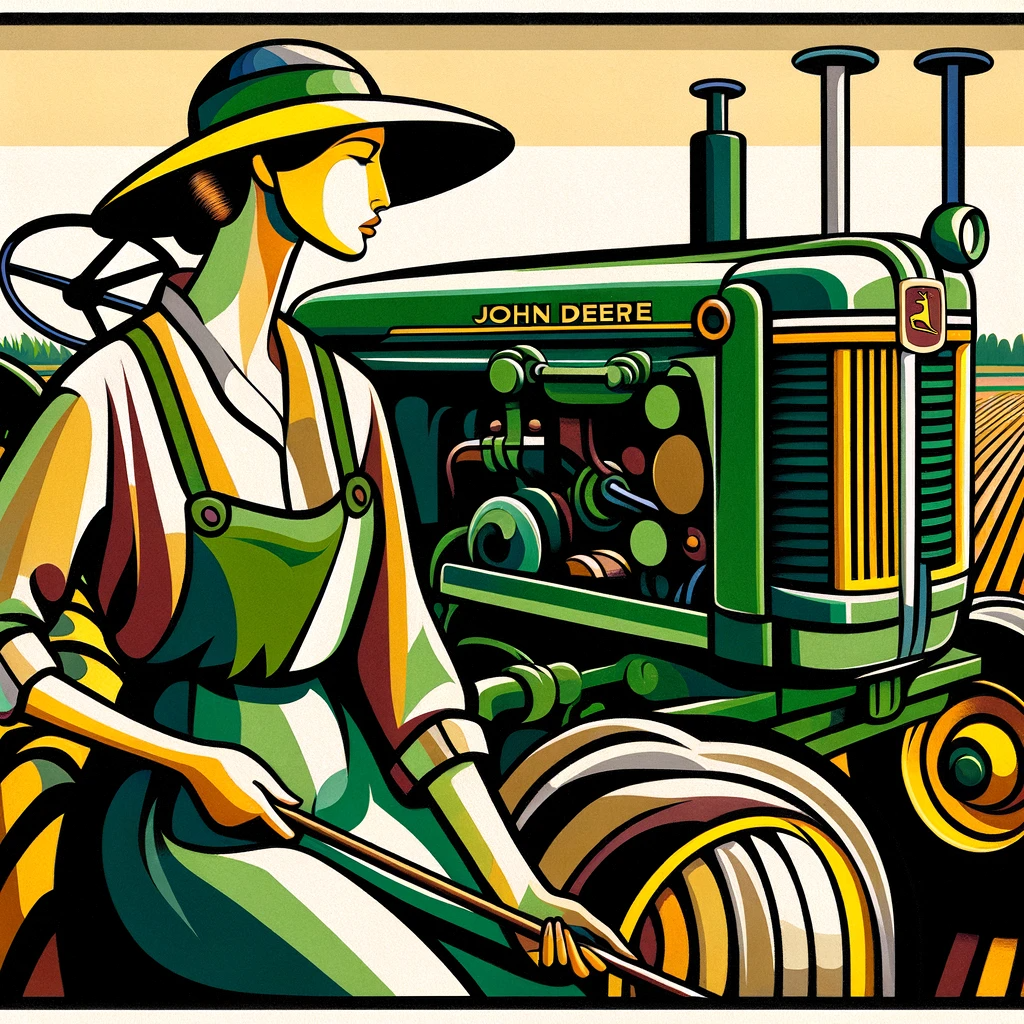
What Reasons Should Farmers Choose Classic Tractors Over New
What Reasons Should Farmers Choose Classic Tractors Over New
- Classic tractors symbolize hard work, resilience, and a rich farming legacy.
- They evoke nostalgia and remind owners of simpler times and community gatherings.
- Owning a classic tractor is seen as a tribute to agricultural history and family heritage.
- Classic tractors are often more affordable than new models while providing comparable performance.
- Older models are simpler to repair, reducing costs and complexity for farmers.
- Opting for classic tractors promotes sustainability by reducing waste and preserving the environment.
- Choosing a classic tractor connects you with a community of like-minded farmers valuing tradition.

What Reasons Should Farmers Choose Classic Tractors Over New
Table Of Contents
- What Reasons Should Farmers Choose Classic Tractors Over New
- What Nostalgia Do Classic Tractors Evoke In Farming Families?
- How Do Classic Tractors Contribute To Sustainable Farming Practices?
- Can Restoring A Classic Tractor Be A Fulfilling Project For Farmers?
- What Are The Long-Term Cost Savings Of Maintaining A Classic Tractor?
- How Do Classic Tractors Preserve Agricultural History And Heritage?
- What Role Do Classic Tractors Play In Local Farming Communities Today?
- Conclusion
- Other Resources
- Glossary Of Terms
- Other Questions
- Haiku
- Poem
- Checklist
What Nostalgia Do Classic Tractors Evoke In Farming Families?
In the quiet moments of the early morning, when the mist hangs low over the fields and the sun begins its slow ascent, the sight of a classic tractor invokes more than just its robust machinery; it stirs a soul-deep nostalgia that resonates through generations. For farming families, these machines are more than iron and steel; they are vessels of history, carrying the weight of family stories, hard work, and the subtle joys of agrarian life.
Picture it: a rusted old tractor parked in the barn, paint chipped and faded, yet still standing resolutely against the test of time. It’s not just a relic; it’s a chapter in the family saga. Perhaps it was Grandpa who bought it when the earth was younger, or maybe it was the very thing that made harvest time a celebratory event. The engine’s rumble is the heartbeat of the farm, echoing the rhythms of life that have passed through hands weathered by toil and triumph alike.
The emotional pull is undeniable. Old tractors spark recollections of laughter shared over Sunday dinners, the feel of dirt under fingernails, and the relentless spirit of family unity that emerges during planting season. Each scratch and dent tells a story, as vivid as the barns’ rich red paint. For many, it evokes the ethical responsibility of passing down traditions, teaching younger generations not just how to drive a tractor, but to honor the land and the legacy behind it.
But nostalgia isn’t bound only by emotion; it has its roots in reason, too. The practicality of a classic tractor, with its often simpler mechanics, embodies a rational approach to farming. It’s easier to fix, maintain, and keep running compared to the intricate technology of modern machines. Families know that when the old machine roars to life, it represents not just utility but resilience. Classic tractors bridge the old with the new, allowing families to adapt while remaining true to their agricultural roots.
The nostalgic embrace of these machines transforms into a shared language, connecting farmers to their community. Gatherings around these iconic machines—whether at county fairs or in local parades—forge bonds among neighbors, creating a fellowship built upon shared stories and common dreams.
In the heart of it all lies a simple truth: tractors are more than tools; they are the embodiment of our toil, our triumph, and our very identity. As they rumble down dirt roads, they remind us of where we’ve come from, and invite us to dream about where we might venture next. Embrace that nostalgia—it’s a testament to who we are and what we stand for as farming families, rooted deeply in soil and spirit.

What Nostalgia Do Classic Tractors Evoke In Farming Families?
What Nostalgia Do Classic Tractors Evoke In Farming Families?
- Classic tractors evoke deep nostalgia for farming families, symbolizing history and hard work.
- They are more than machinery; they serve as vessels of family legacy and shared experiences.
- Old tractors, despite their wear, represent a resilient connection to agricultural heritage.
- Nostalgia encompasses not just emotion but also practical benefits of simpler mechanics.
- Classic tractors promote the importance of passing down traditions to younger generations.
- Communities gather around these machines, creating bonds through shared stories and dreams.
- Tractors embody the identity of farming families, reflecting their history and aspirations.

What Nostalgia Do Classic Tractors Evoke In Farming Families?
How Do Classic Tractors Contribute To Sustainable Farming Practices?
Picture a sunrise breaking over a sprawling field, dew glistening on the blades of grass as the unmistakable rumble of a classic tractor fills the air. It’s not just machinery; it’s a symbol of a farming ethos rooted in respect for the land. Classic tractors, often viewed as relics of a bygone era, play an essential role in sustainable farming practices today, offering a compelling blend of durability, efficiency, and heart that modern machines often overlook.
First off, let’s talk about reliability. When you climb the well-worn steps of a classic tractor, you’re stepping into history. These machines were built to last—a testament to a time when craftsmanship meant something. Farmers instinctively trust these tractors, knowing they can withstand the trials of challenging weather, rugged terrain, and long days in the field. This trust fosters confidence in making sustainable choices that prioritize the earth, knowing that these enduring pieces of equipment won’t be ending up in a landfill anytime soon.
Now, let’s engage the head. The economics of using classic tractors in your farming operation makes sense. With fewer electronic components and simpler mechanics, they demand less upkeep and are often more fuel-efficient than their newer counterparts. Where modern machines guzzle gas like it’s a free buffet, classic tractors are frugal, running on straightforward, reliable engines that harness the land’s spirit without damaging it. You save money on gas and maintenance while embracing an agrarian tradition that has endured for generations.
The ethical cadence of using classic tractors resonates deeply with those who prioritize connectivity to their land and community. Each time that engine roars to life, it’s not just a move towards sustainability; it’s an act of respect for the generations of growers who came before us and the agricultural practices that have nurtured our soil for centuries. There’s a pride in farming sustainably—an understanding that we are all part of something larger, a cycle where each farmer, each tractor, and each seed plays a vital role.
But beyond the facts, there’s a narrative that pulls at our heartstrings. Imagine the stories these tractors could tell—the laughter, the sweat, the challenges faced and overcome. By choosing to embrace the legacy of classic tractors, farmers not only preserve a piece of history; they invite others into their journey of sustainability. Among neighbors and friends, these machines foster conversations that build community and inspire action toward a shared goal of responsible stewardship of the land.
Classic tractors are more than just tools; they embody the philosophy of sustainable farming—honoring the past while cultivating a hopeful future. They remind us that farming isn’t just about production; it’s about connection. So, gear up and keep that tractor running—it’s a movement worth joining.

How Do Classic Tractors Contribute To Sustainable Farming Practices?
How Do Classic Tractors Contribute To Sustainable Farming Practices?
- Classic tractors symbolize a farming ethos centered on respect for the land.
- They offer reliability, built to last and trusted by farmers to endure challenging conditions.
- Economically, classic tractors require less maintenance and are often more fuel-efficient than modern machines.
- Utilizing classic tractors fosters a connection to agrarian tradition and sustainable practices.
- They embody respect for previous generations of farmers and time-honored agricultural methods.
- Classic tractors encourage storytelling and community building among farmers, enhancing the sense of shared responsibility.
- They represent a philosophy of sustainable farming—bridging past and future while focusing on connection rather than just production.

How Do Classic Tractors Contribute To Sustainable Farming Practices?
Can Restoring A Classic Tractor Be A Fulfilling Project For Farmers?
Can Restoring a Classic Tractor Be a Fulfilling Project for Farmers?
When you think of farming, you might picture fields of golden grain swaying in the breeze, or the sheer grunt of a powerful tractor chewing through soil. Yet, there’s something uniquely captivating about the hum of an older tractor, rich with history and character. Restoring a classic tractor isn’t just a project; it’s a journey down memory lane—a chance to bond with your roots while allowing the heart to feel the pulse of agriculture anew.
Picture this: you roll up your sleeves, learn the intricacies of an engine that has toiled tirelessly through decades, and breathe life back into a machine that once drove the wheels of your family farm. Every dent tells a story; every rusty bolt is a relic of resilience. This isn’t just mechanics; it’s a chapter in the larger narrative of farming—an art form, if you will.
Now, let’s put on our pragmatic hats. Economically, restoring a classic tractor might seem daunting at the start, but consider it an investment. Much like cultivating crops, the fruits of your labor can yield not just nostalgia, but also tangible rewards. A refurbished tractor can serve as a dependable workhorse, saving you costs on both repairs and replacements while adding value to your property. It’s about working smarter, not harder.
But the ethical dimension? It’s profound. In a world racing towards mass production and disposable resources, taking the time to restore one sturdy, well-built machine is like thumbing your nose at a throwaway culture. You’re actively participating in a sustainable future, ensuring that this piece of history doesn’t just end up in a junkyard but continues to serve its purpose for generations to come.
And let’s not forget the social aspect. Imagine gathering with fellow farmers, sharing tips, laughter, and camaraderie in your barn, elbows deep in grease. When you restore a classic tractor, you’re also reviving a sense of community, fostering bonds that are as sturdy as the machinery itself.
Everything about restoring a classic tractor speaks to your heart, head, and gut—a fulfilling project that marries nostalgia with craftsmanship, ethical responsibility with economic sense. So, grab those tools and uncover the legacy waiting to be restored in your very own shed; it’s not merely about machinery—it’s about forging a deeper connection to the land and to each other.

Can Restoring A Classic Tractor Be A Fulfilling Project For Farmers?
Can Restoring A Classic Tractor Be A Fulfilling Project For Farmers?
- Restoring a classic tractor is a journey down memory lane, connecting farmers to their roots.
- Each tractor tells a story, representing decades of hard work and resilience.
- Economically, restoration can yield savings on repairs, replacements, and added property value.
- It’s a sustainable choice, opposing mass production and ensuring historical machines continue to serve.
- Restoration fosters community among farmers, enhancing social bonds through shared experiences.
- The project marries nostalgia with craftsmanship and ethical responsibility with economic practicality.
- Restoring a tractor symbolizes a deeper connection to the land and the farming community.

Can Restoring A Classic Tractor Be A Fulfilling Project For Farmers?
What Are The Long-Term Cost Savings Of Maintaining A Classic Tractor?
There’s something genuinely enchanting about a classic tractor—the rust-busting romance of history standing stoically on a verdant field. Beneath their weathered frames lies not just a piece of machinery, but a testament to hard work and resilience. Owning and maintaining a classic tractor doesn’t merely cultivate crops; it cultivates a connection to the past, to the sweat and toil of those who came before us.
In the world of modern agriculture, it’s easy to get swept up in the allure of the latest gadgets. However, when we choose to nurture a trusty old tractor, we invest in something enduring—a veritable savings account that matures in wisdom. The upfront costs of buying parts for maintenance or investments in proper restoration pale in comparison to the long-term savings realized at the cash register. This isn’t just about the numbers; it’s about recognizing the value of legacy.
Emotionally speaking, there’s an incredible sense of pride in bringing an old tractor back to life. It connects us with a community woven through stories and shared experiences. Picture yourself gathering with family and neighbors, in a circle of laughter as you recount tales while working together to keep that classic beauty running. Moreover, the return on investment stretches far beyond mere cents saved. It’s an investment in ethics, in sustainability: by keeping these machines operational, we embrace a philosophy of resourcefulness that our society desperately needs.
Let’s be rational for a moment. Classic tractors can operate at a fraction of the cost compared to modern alternatives. Oil changes, basic repairs, and maintenance procedures are often straightforward and inexpensive. Many parts are still readily available from loyal suppliers or formed through dedicated communities. You maintain a classic tractor’s timeless build and robust construction that allows for easier fixes, significantly reducing downtime and increasing productivity—a real win for the pocketbook.
Beyond savings, there’s a subtle authority in maintaining a classic tractor: it demonstrates resilience against disposable culture. It’s a declaration of our intentions to preserve the craftsmanship of yesterday in an age plagued by planned obsolescence. It inspires a movement toward sustainable farming practices, gently nudging others to consider the value in quality over quantity. In a world that often prioritizes the shiny and new, nurturing a vintage machine fosters a bond with the land and community.
So, as you ponder your choices, remember: a classic tractor isn’t just a tool; it’s a bridge between generations, a symbol of steadfast commitment and unyielding savings, stirring both the heart and the gut to action.

What Are The Long-Term Cost Savings Of Maintaining A Classic Tractor?
What Are The Long-Term Cost Savings Of Maintaining A Classic Tractor?
- Classic tractors symbolize history, hard work, and resilience on the farm.
- Owning a classic tractor fosters a connection to the past and acknowledges the efforts of previous generations.
- Investing in older machinery can be more cost-effective than modern gadgets, resulting in long-term savings.
- Restoring classic tractors offers emotional satisfaction and strengthens community ties through shared experiences.
- Classic tractors operate at lower costs, with straightforward maintenance and readily available parts.
- Maintaining these tractors counters the disposable culture and promotes sustainable farming practices.
- A classic tractor serves as a symbol of commitment, bridging generations and highlighting the value of quality.

What Are The Long-Term Cost Savings Of Maintaining A Classic Tractor?
How Do Classic Tractors Preserve Agricultural History And Heritage?
How Do Classic Tractors Preserve Agricultural History and Heritage?
Somewhere along the dusty backroads of this nation, you might stumble upon a classic tractor, its vivid colors fading slightly but its essence intact. This is more than just a machine; it’s a testament to the sweat and toil of generations that shaped our agricultural landscape. Think about it: every scratch and dent tells a story, a tale of resilience against the backdrop of changing seasons—hard winters and blistering summers. Classic tractors are the silent witnesses to our agricultural history, capturing the spirit of innovation that once revolutionized farming.
When you stand beside a vintage tractor, it’s almost as if you can hear the rumbles of the past. You can imagine a farmer, possibly your grandfather, wielding this iron beast to plow the fields, bringing life to barren soil. These tractors embody a philosophy of hard work, dedication, and a connection to the land that transcends generations. They remind us of an era when family farms were the backbone of our economy, when every furrow turned in the earth was a promise for tomorrow.
Rationally speaking, preserving these relics of history serves an essential purpose. They offer insights into the advancements in agricultural technology. Each model reflects the ingenuity of its time; they are like chapters in a history book, explaining how we transitioned from horse-drawn plows to today’s sophisticated machinery. In preserving these classic tractors, we keep the chapter titles alive, teaching current and future generations about the evolution of agriculture itself.
Ethically, there’s a responsibility we hold to honor the lives that built these machines—and the lives that depended on them. By restoring and showcasing classic tractors, we aren’t just saving metal and paint; we’re sharing a legacy. We’re weaving together the past with the present, forging a connection to our roots. We instill in the younger generation a respect for farmers and the agriculture industry, reminding them that the food on their table originated from the labor of those who came before them.
Finally, there’s a societal aspect to this preservation. It’s about camaraderie, community, and belonging. Classic tractor shows bring people together—fathers and sons, farmers and enthusiasts—all celebrating a shared appreciation for our agricultural heritage. It’s an invitation to connect, reminisce, and honor those who toiled the land, ensuring that we never forget the lessons they imparted. A classic tractor isn’t just a vehicle; it’s a bridge to our past, embodying the hopes and dreams of all who have cultivated the earth before us. It beckons us to keep that spirit alive.

How Do Classic Tractors Preserve Agricultural History And Heritage?
How Do Classic Tractors Preserve Agricultural History And Heritage?
- Classic tractors symbolize the hard work and dedication of generations in agriculture.
- Each scratch and dent on a tractor tells a story of resilience against nature’s challenges.
- These machines embody a philosophy connected to the land and the importance of family farms.
- Preservation of classic tractors provides insights into the evolution of agricultural technology.
- Restoring these relics honors the legacy of farmers and their contributions to our food supply.
- Classic tractor shows foster community and camaraderie among enthusiasts and families.
- Tractors serve as a bridge to the past, reminding us of the importance of agricultural history.

How Do Classic Tractors Preserve Agricultural History And Heritage?
What Role Do Classic Tractors Play In Local Farming Communities Today?
In the heart of rural America, classic tractors stand like sentinels of a bygone era—rusted yet resilient, each one tells a story of sweat, toil, and triumph. These machines, with their iconic designs and timeless engineering, are more than just farming tools; they symbolize the unwavering spirit of local farming communities. They bridge generations, reminding us of the simple truth: farming isn’t just a job; it’s a way of life.
Consider the emotional connection many have with these machines. A grandfather’s laughter echoes as he teaches a grandchild how to operate a beloved 1940s John Deere or an Allis-Chalmers. The sound of the engine firing up can conjure memories of families coming together, honing skills passed down through the generations. It’s a pivotal moment that fosters not only practical knowledge but also a sense of belonging—one that invites the next generation to embrace farming’s rich legacy.
From a rational perspective, classic tractors provide practical benefits. They are often more straightforward to maintain than modern counterparts, allowing farmers to easily repair and restore them with their own hands. Many local farmers keep these reliable workhorses running, utilizing their mechanical simplicity in navigating tough terrains and performing essential tasks. Their durability offers a testament to a time when things were built to last. The economics of restoration can also make more sense for smaller operations grappling with financial pressures; these vintage tractors can often be purchased or rebuilt at a fraction of the cost of today’s high-tech models.
Ethically, there is a movement towards sustainable agriculture that aligns perfectly with the essence of classic machinery. These tractors, with their lower fuel consumption and fewer electronic components, can play a role in eco-friendly farming practices. This appeal to environmental consciousness resonates deeply within farming communities who strive to preserve their land for future generations.
Classic tractors can also help foster connections within the community, serving as the centerpiece of local gatherings and fairs. They spark conversations, cultivate collaboration, and inspire respect for the craft of farming. Seeing a neighbor’s classic tractor at a county fair can ignite admiration and a sense of unity, reinforcing the idea that farming is not merely individual toil but a shared communal journey.
In essence, classic tractors are not just relics; they are living legends that embody the very heart of local farming communities—tools that inspire trust, evoke memories, and empower future generations to nurture the land. We can all take a lesson from these machines: resilience is rooted in history, and the best days of farming may still lie ahead—if we keep our communities united and our engines running.

What Role Do Classic Tractors Play In Local Farming Communities Today?
What Role Do Classic Tractors Play In Local Farming Communities Today?
- Classic tractors symbolize the enduring spirit of local farming communities and bridge generations.
- Emotional connections are fostered through shared experiences of operating vintage tractors, enhancing family bonds.
- Classic tractors offer practical benefits, being easier to maintain than modern machines and allowing for DIY repairs.
- Their durability and cost-effectiveness make them viable for small farming operations facing financial challenges.
- These tractors align with sustainable agriculture practices due to their lower fuel consumption and simplicity.
- Classic tractors serve as community hubs, sparking conversations and fostering collaboration during local gatherings and fairs.
- Ultimately, they embody the heart of farming life, inspiring resilience and unity within communities for future generations.

What Role Do Classic Tractors Play In Local Farming Communities Today?
Conclusion
As we wrap up our exploration of classic tractors in agriculture, let’s take a moment to appreciate what these timeless machines truly represent. When you think of a tractor, it’s not just a piece of machinery; it’s the embodiment of hard work, community, and unyielding spirit that have shaped the very fabric of our farming culture. Classic tractors are more than tools—they are the legacy of those who toiled before us, holding the stories of generations etched into their rusted metal and worn engines.
Emotional connections to these vintage machines run deep. Picture the laughter shared between generations while turning wrenches and sharing in the triumph of a minor victory during restoration. Each dent, each scratch on a classic tractor isn’t just wear and tear; it tells a story about resilience and dedication. These machines foster a sense of pride and ownership, acting as a bridge between the past and present. They invite us to share our agricultural heritage—reminding younger farmers not just how to grow food, but to appreciate the labor that brings it to their tables.
From a practical standpoint, classic tractors often offer cost benefits that modern machines can’t compete with. Their simpler mechanics mean that repairs are not only easier but often much less expensive. In a world that increasingly leans toward technology and complexity, these resilient workhorses remain steadfastly reliable, allowing farmers to focus on what truly matters—their craft and their communities.
Ethically, opting for classic tractors promotes sustainable farming practices. By restoring and maintaining older models, we’re actively reducing waste and caring for our planet. It’s an affirmation of stewardship, proving we can honor the past while nurturing the future. Additionally, classic tractors serve as focal points for community gatherings, igniting conversations that draw neighbors together, fostering connections and collaboration, and reminding all involved that farming is a collective effort.
Thus, choosing classic tractors transcends simple monetary reasons; it’s a heartfelt commitment to values that resonate deeply within farming culture. It’s an invitation to honor our roots, embrace our shared history, and cultivate a sustainable future. So, in that quiet moment before dawn, when the first rays of sun stretch across the fields, remember: those timeless machines are not just engines that drive plows; they are the heartbeat of agriculture, syncopating past, present, and future. Let’s celebrate that legacy and keep it alive for generations to come.

Conclusion
Conclusion:
- Classic tractors represent hard work, community, and the enduring spirit of farming culture.
- They embody the legacy of past generations, telling stories through their worn parts.
- Emotional ties are formed through shared experiences of restoration and repair.
- Classic tractors offer cost benefits with simpler mechanics, making repairs easier and less expensive.
- Restoring older models promotes sustainable farming practices and reduces waste.
- These tractors foster community connections, encouraging collaboration among farmers.
- Choosing classic tractors reflects a commitment to values and honoring agricultural heritage while nurturing future sustainability.

Conclusion
Other Resources

Other Resources
Here is a list of other resources you can review online to learn more:
- Samson
- Interstate Tractor
- McCormick-Deering
- Hesston
- Fahr
- Woods & Copeland
- C.O.D. Tractor Company
- FARMSHOW Magazine
- Caterpillar
- McCormick
Use This Prompt To Get More Resources With Your Favorite Online AI Tool: Please provide me with a list of online articles with their URLs in a bulleted list that I can read regarding What Reasons Should Farmers Choose Classic Tractors Over New

Other Resources
Glossary Terms
What Reasons Should Farmers Choose Classic Tractors Over New – Glossary Of Terms
1. Classic Tractor: A vintage model typically manufactured before the 1980s, valued for its simplicity and durability.
2. Durability: The ability of classic tractors to withstand wear and tear over time, often considered superior to some modern tractors.
3. Simplicity: Classic tractors typically have simpler mechanics and fewer electronic components, making them easier to repair and maintain.
4. Affordability: The lower initial purchase price of classic tractors compared to new models, making them more accessible for farmers on a budget.
5. Repairability: Classic tractors often feature parts that are easier to find and repair due to their simpler design and widespread legacy.
6. Sentimental Value: The emotional attachment farmers might have to classic tractors, whether from family history or personal experience.
7. Resale Value: Some classic tractors appreciate in value over time, making them an investment for collectors and farmers alike.
8. Fuel Efficiency: Older models may be more efficient in specific applications compared to newer, more powerful tractors, particularly when performing light tasks.
9. Versatility: Classic tractors can often be fitted with a range of attachments and implements, making them suitable for various farming applications.
10. Mechanical Skills: Farmers with mechanical skills may prefer classic tractors as they are easier to work on than more complex modern tractors.
11. Nostalgia: The fond memories associated with classic tractors can influence farmers’ preference for vintage models.
12. Family Tradition: Some farmers continue to use classic tractors that have been passed down through generations, preserving family traditions.
13. Manual Transmission: Many classic tractors use manual gear systems, which some farmers prefer for better control and driving experience.
14. Eco-Friendly: Classic tractors often have a smaller carbon footprint as they may require less complex manufacturing and can run on biofuels.
15. Cultivation Practices: Classic tractors may be more suited for traditional farming techniques that require slower, more controlled operations.
16. Local Support: Farmers may have better access to local repair shops that specialize in older models, fostering community support.
17. Customization: Classic tractors can often be modified or customized more easily than new models, allowing for personalized features.
18. Aesthetics: The classic design and historical charm of older tractors appeal to many farmers and collectors.
19. Collectibility: Certain classic tractor models are highly sought after, creating a passionate community of collectors.
20. Collective Knowledge: Many experienced farmers possess vast knowledge about classic tractors, leading to better advice and guidance.
21. Operational Comfort: Some classic models are perceived to have better ergonomics and comfort for long hours in the field.
22. Independence: Owning classic tractors can provide a sense of self-sufficiency and independence from modern technology or trends.
23. Cultural Heritage: Classic tractors are often viewed as a part of agricultural history and farming culture, linking farmers to their roots.
24. Stability: The reliable mechanical systems in classic tractors offer stability and dependability in various farming conditions.
25. Community Events: Classic tractor shows and events foster a sense of community among farmers who share their passion for vintage machinery.
26. Performance: In specific tasks like tilling or plowing, classic tractors can perform adequately without needing the latest technology.
27. Less Over-engineering: Many farmers prefer the less complex design of classic tractors, which are not burdened by unnecessary features.
28. Storage Longevity: Classic tractors can be stored for longer periods without significant risk of deterioration compared to new models.
29. Noise: The distinctive sound of classic tractors can evoke nostalgia and add to the farming experience.
30. Historical Value: Some classic tractor brands are historically significant and represent pivotal advancements in agricultural technology.

Glossary Of Terms
Other Questions
What Reasons Should Farmers Choose Classic Tractors Over New – Other Questions
If you wish to explore and discover more, consider looking for answers to these questions:
- What are the most popular classic tractor models among farmers?
- How can farmers effectively maintain their classic tractors?
- What resources are available for restoring classic tractors?
- How do classic tractors compare to modern tractors in terms of fuel efficiency?
- What are the challenges farmers face when using classic tractors?
- Are there specific classic tractors that are favored for certain types of farming?
- How do classic tractors impact the resale value of farm properties?
- What community events celebrate classic tractors and farming traditions?
- How can farmers involve younger generations in the appreciation of classic tractors?
- What environmental benefits come from using classic tractors in farming?
- How does the cost of insurance for classic tractors compare to modern tractors?
- Can farmers still find parts for older tractor models, and where?
- What role do classic tractors play in educational programs about agriculture?
- Are there any legal regulations regarding the use of classic tractors on modern farms?
- What is the history behind the most iconic classic tractor brands?

Other Questions
Haiku
What Reasons Should Farmers Choose Classic Tractors Over New – A Haiku
Tractors of the past,
Whispers of sweat and pride,
Roots of the farm’s heart.

Haiku
Poem
What Reasons Should Farmers Choose Classic Tractors Over New – A Poem
In the Heart of the Fields: A Tribute to Classic Tractors
In fields where whispers of history weave,
Stands a tractor, weathered, yet proud—
Its paint chipped like stories we believe,
A legacy echoing, vibrant and loud.
Beneath the roar of engines, a bond we find,
Not just metal, but tales of sweat and toil,
A tapestry of lives, interwoven and kind,
Each dent a reminder of love for the soil.
Economics of wisdom, sturdy and clear,
A classic’s simplicity—costs kept at bay—
With a turn of a wrench, brings our hearts near,
The essence of farming, old-fashioned way.
Sustainability whispers through rust-covered dreams,
Every repair a step towards greener tomorrows,
In restoring old tractors, our hope brightly gleams,
Preserving the land as it carries our sorrows.
Gathering in circles, we share and we laugh,
Neighbors united by steel and by heart,
With each moment we harvest, we nurture the craft,
Building community, never to part.
So let engines rumble, on dusty lanes roll,
Feel the pulse of the past as the tires dig deep;
For each classic tractor nourishes the soul,
In its sturdy embrace, our traditions we keep.
Let us cherish these icons of fervor and pride,
As they bridge generations, and generations long gone,
Rooted in memories, where memories abide—
In the heart of the fields, where pure farming is drawn.

Poem
Checklist
What Reasons Should Farmers Choose Classic Tractors Over New – A Checklist
Classic Tractor Awareness Checklist
Heartfelt Connections:
1. Nostalgic Reflection: Dedicate time to reflect on family stories and traditions associated with farming and classic tractors. Write down your own memories or those shared by family members.
2. Join a Community Gathering: Attend a local farm show or tractor show to connect with fellow farmers and enthusiasts—share stories and foster new friendships.
3. Create a Memory Space: Designate a special place in your home or barn to display vintage tractor memorabilia that celebrates your farming history.
Rational Considerations:
4. Cost Analysis: Research the long-term cost savings of using classic tractors compared to modern models, including maintenance, repairs, and fuel efficiency.
5. Hands-On Learning: Consider taking a basic mechanics course for tractors to understand their simpler technology and maintenance, empowering yourself to handle repairs.
6. Evaluate Equipment Needs: List your farming tasks and evaluate how classic tractors can meet your needs without the added complexity of modern machinery.
Ethical Engagement:
7. Sustainability Commitment: Reflect on how restoring and maintaining classic tractors contributes to environmental sustainability. Write down your personal goals for reducing waste and promoting responsible farming practices.
8. Educate Others: Share knowledge about classic tractors and sustainable farming with family, friends, or local school programs to inspire respect for agricultural history.
9. Volunteer Locally: Find opportunities to volunteer with local farming or historical preservation organizations that focus on maintaining classic machinery.
Authority and Expertise:
10. Seek Expertise: Reach out to local mechanics or classic tractor restoration experts for advice when restoring or purchasing a classic tractor—tap into their knowledge.
11. Read and Research: Familiarize yourself with books or documentaries on classic tractors or sustainable agriculture practices to bolster your understanding and advocacy.
Narrative Building:
12. Document the Journey: Start a journal or blog about your experiences with classic tractors, from restoration projects to daily farming experiences—contributing to the broader narrative of agricultural heritage.
13. Create a Vision Board: Compile images and stories from classic tractors that inspire you—this visual aid can serve as motivation for future projects.
Social Responsibility:
14. Build Community Bonds: Organize or participate in local tractor restoration projects where farmers can work together—fostering collaboration and community spirit.
15. Engage on Social Media: Share your love for classic tractors on social media platforms, connecting with others who appreciate agricultural history and sustainable practices.
By using this checklist, farmers and enthusiasts can draw from their hearts, heads, and guts to make informed and rewarding choices about classic tractors, embracing the nostalgia, practicality, and ethical responsibilities they embody.

Checklist
At ClassicTractorNews, we help tractor lovers keep up with the latest news for classic and vintage tractors.
Please share this post with your friends, family, or business associates who may like old classic or vintage tractors.