


Boosting Efficiency With Classic Tractors: Tackling Farming Problems Rapidly
By Tom Seest
At ClassicTractorNews, we help tractor lovers keep up with the latest news for classic and vintage tractors.
Please share this post with your friends, family, or business associates who may like old classic or vintage tractors.
What Pressing Farming Problems Do Classic Tractors Resolve Quickly?
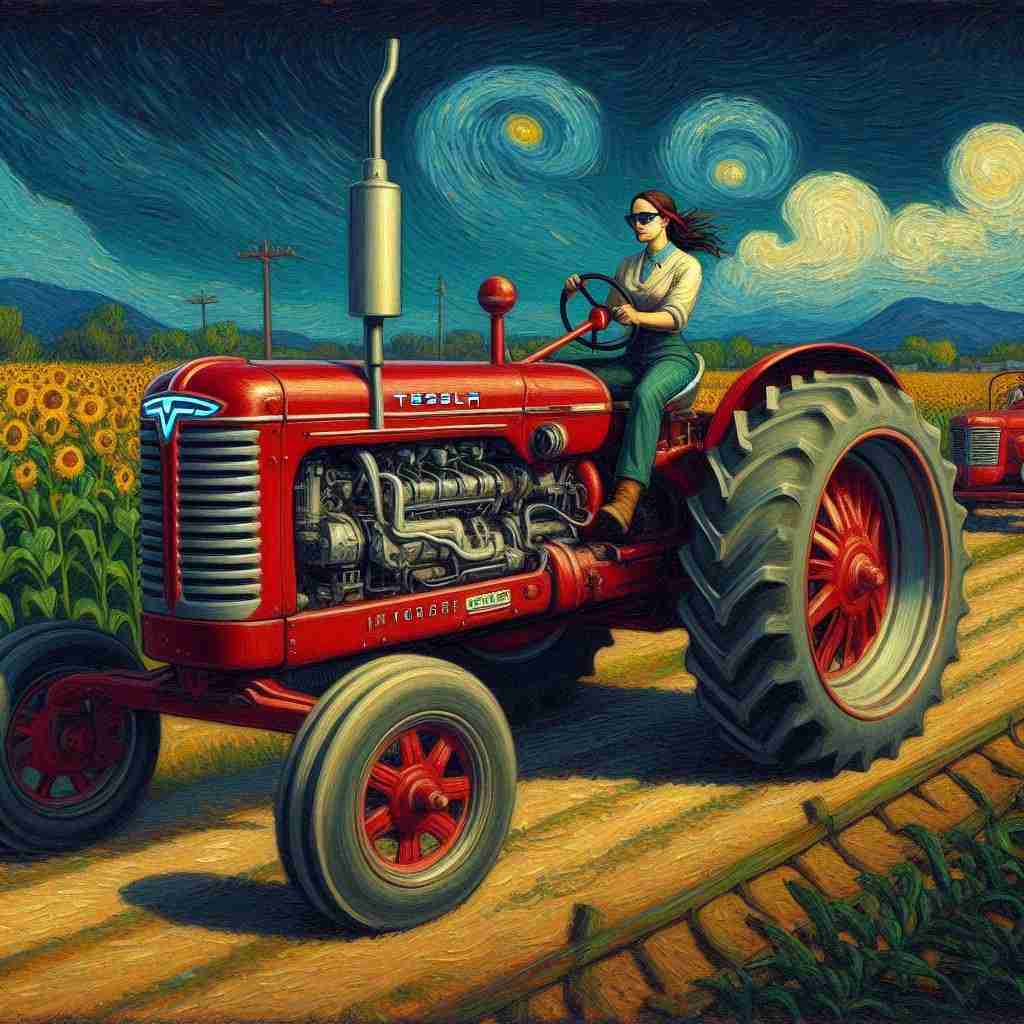
When you picture a farmer, what do you see? Maybe it’s the roughened hands, the sun-kissed skin, the wide-brimmed hat casting a shadow over focused eyes. But more than anything else, you probably envision the machinery that anchors their daily work. And when it comes to dependable machinery, classic tractors reign supreme.
In an era where technology zigzags forward at a dizzying pace, older tractors often offer simpler, reliable solutions to a range of modern farming challenges. These trusty machines, built back when durability was the name of the game, tackle pressing farming problems with a can-do spirit that many newcomers simply can’t match.
Take for instance the challenge of soil preparation. As any seasoned farmer will tell you, soil quality is everything. Classic tractors come equipped with robust plowing capabilities that can break new ground, turn over hay, or simply till soil that has lain undisturbed for too long. With intuitive controls—often a steering wheel and a throttle—the relationship between the operator and the machine feels almost instinctive. There’s no confusing console with an endless array of buttons and screens. Just pure, uncomplicated function.
Now, consider those long stretches of field where you need to cover a lot of ground fast. Classic tractors excel in achieving this, with powerful engines designed to pull heavy loads without what we call “the creep.” You can hook them up to trailers, plows, or seeders, giving you versatility that makes them invaluable allies. For farmers grappling with time constraints, these machines resolve the time-crunch dilemma deftly, allowing for quick turnaround on planting, cultivating, and harvesting.
And let’s not forget about maintenance. In this fast-paced world of technological advancements, it’s a breath of fresh air to have a machine that doesn’t require an engineering degree to fix. Many classic tractors have parts readily available and are designed for ease of repair, allowing farmers to spend less time waiting on technicians and more time getting hands dirty in the fields.
So, when it comes to addressing the pressing problems farmers face today, classic tractors aren’t just a nostalgic throwback; they’re a lifeline. They represent reliability, simplicity, and a connection to the land. If you want a dependable partner for all your farming endeavors, look no further than the classic tractor—your ticket to thriving amidst the demands of modern agriculture.

What Pressing Farming Problems Do Classic Tractors Resolve Quickly?
What Pressing Farming Problems Do Classic Tractors Resolve Quickly?
- Classic tractors symbolize a traditional view of farming with their dependable machinery.
- Older tractors provide reliable solutions to modern farming challenges due to their durability.
- They are particularly effective in soil preparation, with robust plowing capabilities.
- Classic tractors feature intuitive controls that enhance operator-machine interaction.
- These tractors are powerful enough to cover large areas quickly, with the capacity to pull heavy loads.
- Maintenance is simplified, allowing for repairs without needing extensive technical knowledge.
- Classic tractors are essential for modern farmers, representing reliability and a connection to the land.

What Pressing Farming Problems Do Classic Tractors Resolve Quickly?
Table Of Contents
- What Pressing Farming Problems Do Classic Tractors Resolve Quickly?
- What Are The Key Benefits Of Using Classic Tractors?
- How Do Classic Tractors Enhance Farm Efficiency?
- What Common Issues Do Classic Tractors Help Solve?
- Can Classic Tractors Reduce Operational Costs For Farmers?
- How Do Classic Tractors Perform In Tough Weather Conditions?
- What Maintenance Challenges Are Associated With Classic Tractors?
- How Do Classic Tractors Compare To Modern Machinery?
- Conclusion
- Other Resources
- Glossary Of Terms
- Other Questions
- Haiku
- Poem
- Checklist
What Are The Key Benefits Of Using Classic Tractors?
When most folks think about tractors, they probably envision the sleek, modern machines that are loaded with high-tech features, all designed to make life easier on the farm. But there’s something undeniably special about classic tractors that sets them apart. Let’s take a moment to explore the key benefits of using these timeless workhorses that stand the test of time.
First and foremost, classic tractors are the embodiment of simplicity. They often come with fewer bells and whistles than today’s models. This means that when something goes wrong—which, let’s be honest, happens with any machine—you don’t need an engineering degree or a diagnostic tool to figure it out. With a classic tractor, you can roll up your sleeves, grab a wrench, and get back to work. There’s a satisfying connection that comes with operating machinery that you understand on a fundamental level.
Then, there’s the nostalgia factor. Picture this: a warm summer day, the smell of freshly cut hay wafting through the air, and the hum of a vintage tractor rolling across the fields. Using a classic tractor brings with it a rich history, a connection to the land and to generations past. It’s not just a tool; it’s a conversation starter, a piece of storytelling that connects you with others who share a love for the classic era of farming.
Another significant advantage is durability. Many classic tractors were built with rugged materials and craftsmanship that simply aren’t found in many modern machines. These vehicles were made to last—because when they first hit the fields, they needed to. Consequently, a well-maintained classic tractor can be as dependable as it is charming. You realistically might find yourself passing it down to the next generation, a living testament to the hard work that drives modern agriculture.
Let’s talk about cost. In today’s world, the price tag on a new tractor can leave a farmer shaking in their boots. Classic tractors, while still an investment, often come at a fraction of the cost. Plus, when you factor in the ease of repairs and maintenance, your investment might just pay off in the long run.
In a world racing toward the future, classic tractors remind us of the beauty of simplicity, the strength of craftsmanship, and the joy of getting back to the roots (quite literally) of agriculture. Whether you’re a seasoned farmer or just someone with a piece of land, there’s a classic tractor that is waiting to forge a new story with you. So why not take the plunge and experience the charm and utility of these vintage machines? You might just find that your heart belongs in a time where good, honest work was the name of the game.

What Are The Key Benefits Of Using Classic Tractors?
What Are The Key Benefits Of Using Classic Tractors?
- Classic tractors embody simplicity, requiring less technical expertise for repairs.
- They evoke nostalgia, connecting users to farming history and traditions.
- Classic tractors are built with durable materials that enhance their longevity.
- Well-maintained classic tractors can be passed down through generations.
- They often come at lower prices compared to modern tractors, making them cost-effective.
- Repairs and maintenance on classic tractors are generally easier and more affordable.
- Using a classic tractor offers a connection to the roots of agriculture and honest labor.

What Are The Key Benefits Of Using Classic Tractors?
How Do Classic Tractors Enhance Farm Efficiency?
When you think about the heart of a farm, the image that often pops up is that iconic tractor. While modern gadgets and machines dominate the landscape of farming today, let’s take a moment to appreciate the robust and reliable nature of those classic tractors—those trusty workhorses that have been part of agricultural history for generations. There’s something palpable, almost magnetic, about these vintage machines that transcends mere nostalgia; it’s about the craftsmanship and durability that speak volumes regarding efficiency on the farm.
Classic tractors are like old friends: familiar, dependable, and intimately connected to the land they work. While they may not feature the electronic bells and whistles of today’s models, they possess a certain rugged simplicity that allows farmers to focus on what truly matters—getting the job done. Each turn of the wheel on that sturdy, steel chassis whispers tales of plowing fields, hauling loads, and faithfully tilling the soil. The maintenance is manageable, the parts are often easy to replace, and many tractors from decades past have a built-in ease of use. That reliability can inspire confidence in operators, whether seasoned veterans or eager newcomers to the world of farming.
Moreover, there is a distinct efficiency that comes with operating classic tractors. Without the countless complexities of modern technology, these tractors help streamline the workflow. Need to shift gears? It’s as easy as a flip of a lever. Want to take on challenging terrain? These machines were built to tackle whatever the farm throws at them. They keep you connected to the task at hand, not distracted by lights and buttons that complicate the simplicity of good old-fashioned farming.
But perhaps the most significant benefit lies in the connection to tradition. Operating a classic tractor is not just about enhancing efficiency; it’s about engaging with a way of life. Using these robust machines fosters a sense of pride—knowing you’re cultivating the earth with pieces of history that have persisted through time. Investing in a classic tractor can be a meaningful decision, not only for its efficiency but also for your relationship with the land and the folks who came before you.
So, if you’re looking to boost farm efficiency while enjoying the straightforward, dependable charm of classic machinery, don’t overlook those vintage tractors. Embrace their legacy; after all, it’s about more than just farming—it’s about connecting with the very roots of our work.

How Do Classic Tractors Enhance Farm Efficiency?
How Do Classic Tractors Enhance Farm Efficiency?
- Classic tractors symbolize the heart of farming, embodying durability and reliability.
- They are familiar and dependable, offering a rugged simplicity that allows for effective work.
- The vintage machines inspire confidence among both experienced and new farmers.
- Classic tractors streamline workflows, avoiding the complexities of modern technology.
- Shifting gears and navigating challenging terrain is straightforward with these tractors.
- Operating a classic tractor fosters a connection to agricultural tradition and pride in one’s work.
- Investing in a vintage tractor enhances farm efficiency while honoring agricultural heritage.

How Do Classic Tractors Enhance Farm Efficiency?
What Common Issues Do Classic Tractors Help Solve?
There’s something undeniably magnetic about classic tractors, isn’t there? They’re like the old storytellers of the agricultural world, each one with its own tale of hard work, grit, and a touch of nostalgia. But these vintage machines aren’t just relics of a bygone era; they tackle modern farming challenges with the same fervor as they did decades ago.
Take a moment to envision this: a family farm struggling with stubborn, overgrown fields, or a community in need of reliable equipment to support local food production. Classic tractors come roaring into the picture, effortlessly bridging the gap between tradition and practicality. With their well-built frames and robust engines, they are more than just machines; they serve as dependable partners in the wild and often unpredictable world of agriculture.
One of the most pressing issues that rural communities face is rising costs. The price of new, high-tech tractors can send anyone into a panic. But here’s where those classic tractors come into play. For a fraction of the cost, you can acquire a piece of history that not only gets the job done but does so with a timeless sense of simplicity. There’s a level of trust that comes with working on a well-loved tractor—you learn its quirks, understand its rhythms, and ultimately foster a relationship that simply can’t be replicated with modern machinery.
Moreover, classic tractors are surprisingly easy to work on, a godsend for anyone who values hands-on solutions. Gone are the days when you had to worry about proprietary software or parts that require a PhD to diagnose. With a little elbow grease and some dedicated tinkering, farmers can keep their trusty machines running for decades. This self-reliance not only saves money but also fosters a spirit of ingenuity and confidence.
Let’s not forget about environmental impacts. Many classic tractors are less energy-intensive than some of their modern counterparts, making them more sustainable options for farming. They promote a return to simpler methods that prioritize both the land and the community—a gentle reminder of how we can work in harmony with nature.
So, whether you’re an experienced farmer or considering jumping into the world of agriculture, don’t overlook the power of classic tractors. They offer solutions to a plethora of common issues, all while grounding us in a rich heritage that celebrates hard work, resilience, and community spirit. Grab the wheel, rev up that engine, and embrace the journey ahead. You won’t regret it.

What Common Issues Do Classic Tractors Help Solve?
What Common Issues Do Classic Tractors Help Solve?
- Classic tractors symbolize tradition, hard work, and nostalgia in agriculture.
- They effectively tackle modern farming challenges while supporting local food production.
- Classic tractors are cost-effective alternatives to high-tech machinery for rural communities.
- Working with classic tractors fosters a deep relationship and understanding of the machine.
- They are easier to maintain and repair, promoting hands-on solutions for farmers.
- Classic tractors are often more environmentally friendly, encouraging sustainable farming practices.
- They provide valuable solutions and connect us to a heritage of resilience and community spirit.

What Common Issues Do Classic Tractors Help Solve?
Can Classic Tractors Reduce Operational Costs For Farmers?
Picture this: it’s a crisp morning on the farm, sunlight streaming across the fields, and there’s a well-worn classic tractor rumbling to life. Sure, it may not have the flash or fancy gadgets of the latest models, but let’s dig into why that old reliable piece of machinery might just be your best friend when it comes to trimming operational costs.
First off, let’s talk about reliability. Many classic tractors were built with simple mechanics that are downright easy to understand. A small-town farmer, or even someone new to the land, can often find themselves with a toolkit and a bit of elbow grease, tackling repairs in their own barn. Instead of a complex engine that requires a computer and a specialized technician, classic tractors often just need a wrench and some common sense. When you can fix your own equipment, you’re saving time and money, and isn’t that the dream?
Now, let’s consider fuel efficiency. The beauty of these vintage machines lies in their basic design. They might not sip fuel like a sleek new model, but their lower operational costs can still be a game changer. Without the need for premium fuel or expensive additives, the classic tractor offers a straightforward approach to keeping costs down, especially for those long days in the field. Sometimes, less is really more.
Then, there’s the emotional connection. Anyone who has ever sat behind the wheel of a classic tractor knows the feeling—a blend of nostalgia and satisfaction. You’re not just farming; you’re participating in a lineage, a connection to generations before you. That tractor doesn’t just move dirt; it carries the weight of tradition, of hands that have worked the land long before us. Beyond numbers and spreadsheets, remember that farming is about heart, and every swipe of the plow with your classic machine reinforces that bond.
Embracing a classic tractor isn’t just about cutting costs; it’s about creating a more sustainable and connected farming future. As you plan your next steps, think about the true value that these machines bring—not only in utility but also in that irreplaceable human touch. Let’s celebrate the old while harvesting new possibilities, and carve a path ahead that’s not just about dollars saved, but about a legacy nurtured. Trust in those classic tractors; they’ve got stories to tell, and maybe one of them will be yours.

Can Classic Tractors Reduce Operational Costs For Farmers?
Can Classic Tractors Reduce Operational Costs For Farmers?
- Classic tractors offer reliability due to their simple mechanics, making repairs manageable for anyone with basic tools.
- Owning a classic tractor allows farmers to save time and money by performing their own maintenance.
- These vintage machines may not boast the latest fuel efficiency, but their lower operational costs make them a practical choice for long farming days.
- Classic tractors do not require premium fuel or expensive additives, contributing to cost savings.
- There is an emotional connection associated with driving a classic tractor, representing tradition and a lineage in farming.
- Using classic tractors fosters a sustainable approach to farming while nurturing a deeper bond with the land.
- Celebrating classic tractors means embracing their utility and the stories they carry, fostering a legacy of farming heritage.

Can Classic Tractors Reduce Operational Costs For Farmers?
How Do Classic Tractors Perform In Tough Weather Conditions?
There’s something undeniably captivating about a classic tractor. Perhaps it’s the nostalgia, the raw power, or simply the connection to a time when hard work meant something tangible. But let’s get real: when the storms roll in and the temperature plummets, how do these storied machines stand up to Mother Nature’s whims?
First off, classic tractors were built the old-fashioned way—with grit, determination, and materials that stand the test of time. For farmers who fire up those beloved machines during a bone-chilling frost or after a torrential downpour, it’s a matter of trust. There’s an unspoken bond between a tractor and its operator; you learn to feel when something’s off, whether it’s a sputter in the engine or a slip in the tires. Your classic tractor may not have the modern frills of a shiny new model, but there’s a beauty in its simplicity, a raw authenticity that can navigate the worst of weather without a touch of finesse.
Think about it: when those dark clouds loom overhead, the last thing you want is to lose out on precious harvest time because your newer, high-tech gear can’t handle the elements. Classic tractors are equipped with the kind of brute strength that lets them wade through mud and tackle steep, icy hills. They may require a bit more elbow grease, sure, but there’s a rewarding sense of accomplishment that comes with firing up an old warhorse that a touch of proactive maintenance can transform from a chilly old relic into a reliable partner.
And let’s not forget about the camaraderie that runs deep in farming communities. When the weather takes a turn for the worse, you can bet that there’s a neighbor or two with an eye on the radar, ready to lend a hand. Classic tractors often become the heartbeats of these shared experiences, connecting generations of farmers who understand the land and its challenges.
So, as you contemplate when to take your trusty classic out for a spin, remember: the weather may be unpredictable, but with the right tractor by your side, you’re equipped to face it head-on. It’s not just about machinery; it’s about legacy, resilience, and the undeniable drive to push forward, no matter what clouds gather on the horizon.

How Do Classic Tractors Perform In Tough Weather Conditions?
How Do Classic Tractors Perform In Tough Weather Conditions?
- Classic tractors evoke nostalgia and showcase a tangible connection to hardworking times.
- They are built with durable materials and old-fashioned craftsmanship, earning farmers’ trust.
- Operators develop an unspoken bond with their tractors, instinctively sensing issues.
- Classic tractors boast simplicity and authenticity, excelling in challenging weather conditions.
- Equipped with brute strength, they can handle mud and steep hills, proving reliable despite requiring maintenance.
- Farming communities foster camaraderie, with neighbors often ready to assist during inclement weather.
- Using a classic tractor symbolizes legacy, resilience, and the determination to overcome challenges.

How Do Classic Tractors Perform In Tough Weather Conditions?
What Maintenance Challenges Are Associated With Classic Tractors?
Ah, the classic tractor—an absolute marvel that stands tall against the test of time. These nostalgic machines remind us of simpler days, where hard work was a badge of honor and every scratch told a story. But don’t let that rugged charm fool you; maintaining a classic tractor comes with a unique set of challenges that can make even the hardiest among us sweat a little.
First, let’s talk about availability. Parts for vintage tractors can feel as rare as a four-leaf clover in a cornfield. Many classic tractors were built decades ago, and some components simply aren’t manufactured anymore. This means you might find yourself scouring junkyards, online marketplaces, or connecting with fellow enthusiasts just to source that elusive carburetor or fuel line. It can be a treasure hunt, no doubt, but one that demands patience and perseverance.
Next, there’s the matter of technology—or lack thereof, really. Modern tractors are equipped with cutting-edge technology that makes maintenance as simple as pressing a button. But, classic tractors? They often require a personal touch, a little elbow grease, and a good old-fashioned repair manual. You might find joy in the challenge of tinkering under the hood, but be prepared for the occasional headache that comes with understanding how every nut and bolt fits together.
Additionally, let’s not overlook the beautiful unpredictability of aging machinery. Even if you’ve just finished a meticulous restoration, a classic tractor can throw you a curveball when you least expect it. One moment you’re cruising down a dirt road, feeling like a king, and the next, you’re left stranded, pondering whether it’s a fuel issue, a clogged filter, or a simple electrical glitch. It’s all part of the relationship—like an old romance, full of ups and downs, but oh-so worthwhile!
Finally, there’s the dedication needed to keep classic tractors running smoothly. They demand more than just a weekend tinkering session; they’re a labor of love. Regular check-ups, fluid changes, and inspections can feel like a second job but rest assured, the rewards are plentiful.
In embracing these challenges, you’re not just maintaining a machine; you’re becoming a steward of history. It’s about connection—both with the tractor and with the generations of farmers and mechanics who came before you. So roll up your sleeves and dive headfirst into the rewarding world of classic tractor maintenance. Each challenge conquered is a victory to be celebrated!

What Maintenance Challenges Are Associated With Classic Tractors?
What Maintenance Challenges Are Associated With Classic Tractors?
- Classic tractors symbolize hard work and nostalgia, but maintaining them is challenging.
- Finding parts for vintage tractors can be difficult, often requiring scouring junkyards or online marketplaces.
- Classic tractors lack modern technology, necessitating manual repairs and a good understanding of mechanics.
- Aging machinery can be unpredictable, with unexpected issues arising even after restoration.
- Maintenance requires dedication, including regular check-ups and inspections, akin to a second job.
- Preserving classic tractors connects you with history and previous generations of farmers and mechanics.
- Each challenge overcome in maintenance is a rewarding victory worth celebrating.

What Maintenance Challenges Are Associated With Classic Tractors?
How Do Classic Tractors Compare To Modern Machinery?
When you think of a classic tractor, what comes to mind? Perhaps it’s a rugged, paint-splattered workhorse chugging along a dirt road, or the nostalgic hum of its engine stirring distant memories of family farms. These timeless machines, often cherished as heirlooms, hold a special place in the hearts of agricultural enthusiasts. But how do these vintage marvels stack up against the gleaming, high-tech tractors of today?
At first glance, modern machinery dazzles with convenience and efficiency. With their computer screens, GPS systems, and automated functionalities, today’s tractors can perform tasks that were once a labor-intensive chore. Plowing fields, planting seeds, and even monitoring soil health can now be done at the touch of a button. This may sound appealing, especially to the busy farmers trying to balance the demands of an ever-evolving industry. Yet, beneath this shiny exterior lies something the classics have that can’t be easily replaced: a spirit of simplicity.
Classic tractors exude character. They’re built with sturdy, straightforward mechanics that anyone can appreciate. You don’t need a degree in engineering to understand how they work. With a little elbow grease and some love, you can tune up a vintage tractor in the garage on a Saturday afternoon. They remind us of a time when relationships were formed not just with technology, but with the land itself. That connection is something modern machinery sometimes lacks.
However, let’s not dismiss the innovations of today altogether. In many cases, the evolution of technology has revolutionized efficiency and sustainability, allowing farmers to do more with less. But what if there was a way to blend the best of both worlds? Imagine marrying the rugged reliability of classic tractors with the precision of modern tools. The true win might just come from using the right machine for the right job.
So, whether you’re sitting atop a vintage model with a sticky gear shift or navigating the sleek dashboard of a new machine, remember that both have unique strengths to offer. It’s about finding your rhythm, understanding your land, and knowing what works best for you. After all, in agriculture—just like in life—it’s not just about the tools you have; it’s about how you choose to use them.

How Do Classic Tractors Compare To Modern Machinery?
How Do Classic Tractors Compare To Modern Machinery?
- Classic tractors embody nostalgia and hold a special place for agricultural enthusiasts.
- Modern tractors offer convenience with technology like computer screens, GPS, and automation.
- Despite their advancements, modern tractors may lack the simplicity and charm of classic models.
- Classic tractors are appreciated for their straightforward mechanics and ease of repair.
- There’s potential to combine the rugged reliability of classic tractors with modern technology.
- Farmers should consider the strengths of both classic and modern machines for optimal results.
- In agriculture, success lies in understanding your land and effectively utilizing the tools available.

How Do Classic Tractors Compare To Modern Machinery?
Conclusion
As we wrap up this exploration of classic tractors and their role in modern farming, it’s important to recognize that these machines are much more than just nostalgia on wheels. In a world where technology evolves at lightning speed, classic tractors ground us, bringing simplicity and reliability to the forefront of agricultural practices. They’re not just tools; they’re like the wise elder of the farm, steeped in history and brimming with character.
For starters, classic tractors shine in their ability to tackle pressing farming problems swiftly and efficiently. When soil preparation is the order of the day, these robust machines prove their worth by effortlessly breaking new ground and tilling land that has lain dormant. Forget the endless digital displays; operating these old gems is all about intuitive controls that require little explanation or technical wizardry. In a matter of minutes, you can switch gears and get to work, focusing on what truly matters—growing your crops.
And let’s talk about operational costs. For many farmers, acquiring a new, high-tech piece of machinery can feel akin to purchasing a small mansion. Enter the classic tractor. With lower upfront costs and an ease of maintenance that lets you turn a wrench instead of staring at a diagnostic screen, these vintage machines allow you to roll up your sleeves and get your hands dirty without breaking the bank. It’s all about self-reliance and fostering a deep connection with the land you cultivate.
Moreover, classic tractors possess a remarkable durability that modern machinery sometimes lacks. Built to withstand the test of time, they can navigate tough weather conditions and challenging terrains that might leave modern machines high and dry. They foster a sense of camaraderie in farming communities as they facilitate conversations with neighbors and friends who understand the principles of hard work and resilience.
So, as you take stock of your own farming needs, consider the timeless advantages of incorporating a classic tractor into your operation. They embody reliable craftsmanship, a deep-rooted connection to tradition, and the spirit of community. Whether you’re plowing fields or simply reminiscing about the past, these machines offer much more than utility—they provide a reminder of the hard work and dedication that fuels the agricultural heart. Embrace the legacy, and let these trusty workhorses carry you forward into the future of farming. After all, the more we honor the past, the better equipped we are to tackle the challenges that lie ahead.

Conclusion
Conclusion:
- Classic tractors are more than nostalgic relics; they bring simplicity and reliability to modern agriculture.
- They efficiently address farming challenges, excelling in soil preparation and land tilling.
- Operating classic tractors involves intuitive controls, allowing quick and seamless operation without complex technology.
- Lower upfront costs and easier maintenance make classic tractors more accessible for farmers.
- These machines offer remarkable durability, capable of handling tough conditions that may challenge modern equipment.
- Classic tractors promote community interaction among farmers, fostering connections built on shared values of hard work.
- Incorporating classic tractors into farming operations honors tradition while preparing for future challenges.

Conclusion
Other Resources

Other Resources
Here is a list of other resources you can review online to learn more:
- Graham-Bradley
- Jackson County Iowa Fair Antique & Classic Tractor Show
- Upton
- Farm Collector
- Massey-Harris
- Swaraj
- First State Antique Tractor Club
- IMR Rakovica
- Daedong
- Yanmar
Use This Prompt To Get More Resources With Your Favorite Online AI Tool: Please provide me with a list of online articles with their URLs in a bulleted list that I can read regarding What Pressing Farming Problems Do Classic Tractors Resolve Quickly?
Other Resources
Glossary Terms
What Pressing Farming Problems Do Classic Tractors Resolve Quickly? – Glossary Of Terms
1. Classic Tractor: An older model of tractor, typically produced before the late 1980s, known for its durability and simplicity.
2. Field Preparation: The process of getting land ready for planting, including plowing, harrowing, and leveling the soil.
3. Plowing: The act of turning over the soil to prepare it for planting, often done with a plow attachment on a tractor.
4. Tillage: The agricultural preparation of soil by mechanical agitation, which classic tractors excel at due to their power.
5. Harvesting: The process of gathering mature crops from the fields, which classic tractors can assist with using specialized attachments.
6. Traction: The grip that tires have on the ground, crucial for effective movement and work capabilities in farming applications.
7. Power Take-Off (PTO): A mechanism that transfers power from the tractor’s engine to auxiliary equipment, widely used in classic tractor operations.
8. Cultivation: The agricultural practice of preparing and nurturing the soil to promote crop growth, often performed with classic tractors.
9. Compact Design: The smaller size and efficient layout of classic tractors that allow for maneuvering in tight spaces on farms.
10. Fuel Efficiency: The ability of a tractor to perform work with minimal fuel consumption, a highlight of many classic tractor models.
11. Maintenance: Regular upkeep required to keep tractors running, often simpler in classic models due to their straightforward mechanics.
12. Ergonomics: The design and comfort features of tractor controls and seating that enhance the operator’s efficiency and comfort.
13. Versatility: The ability of classic tractors to perform various tasks, from plowing to hauling, often with interchangeable attachments.
14. Soil Compaction: An issue where soil particles are pressed together, negatively impacting crop growth; classic tractors can remedy this through lighter footprints.
15. Implement: Equipment attached to the tractor to perform specific tasks, such as seeding, tilling, or mowing.
16. Harvesting Efficiency: The speed and effectiveness at which crops can be collected, improved with classic tractor innovations.
17. Reliability: The dependability of classic tractors, often noted for their longevity and consistency in performance.
18. Load Capacity: The maximum weight a tractor can safely carry or tow, important for transporting materials or equipment on the farm.
19. Field Irrigation: The method of applying controlled amounts of water to crops, which classic tractors can facilitate through pump systems.
20. Row Crop: Designated strips of cultivated land designed to improve planting and harvesting precision, aided by classic tractors.
21. Tractor Maintenance: Routine checks on oil, fluid levels, and tire pressures that are easier to perform on classic models due to their design.
22. Soil Erosion: The wearing away of the topsoil, which classic tractors help mitigate through effective tillage practices.
23. Agility: The ability of classic tractors to navigate varied terrain swiftly, enhancing operational efficiency during farming tasks.
24. Cost-Effectiveness: The financial advantages of using classic tractors, which often require lower initial investments and maintenance costs.
25. Serviceable Parts: Availability of parts for repairs; many classic tractors have widely available and affordable replacement components.
26. Mechanical Simplicity: The straightforward machinery in classic tractors, making troubleshooting and repairs more accessible to farmers.
27. Manual Operation: The ability to operate these tractors without the need for advanced technology, beneficial in regions with less access to modern systems.
28. Harvester: A machine used to cut and gather crops, often powered by classic tractor systems for efficient harvesting.
29. Baling: The process of compressing cut hay or straw into bales for storage, which classic tractors can support through specialized equipment.
30. Community Resilience: The role of classic tractors in local farming communities, enabling quick responses to agricultural needs and fostering sustainability.

Glossary Of Terms
Other Questions
What Pressing Farming Problems Do Classic Tractors Resolve Quickly? – Other Questions
If you wish to explore and discover more, consider looking for answers to these questions:
- What are the specific types of classic tractors that are most popular among modern farmers?
- How can farmers find parts for classic tractors that are no longer in production?
- What is the average cost of purchasing and maintaining a classic tractor?
- What are the most common repairs needed for classic tractors?
- How do classic tractors impact the sustainability of farming practices?
- What are some success stories of farmers using classic tractors?
- Are there any downsides or limitations to using classic tractors in modern farming?
- How do modern tractors compare in fuel efficiency to classic tractors?
- What skills are necessary to effectively maintain and repair classic tractors?
- What impact do classic tractors have on the environment compared to modern tractors?
- How do classic tractors perform in different types of agricultural tasks (e.g., planting, harvesting)?
- What trends are emerging in the market for classic tractors among new farmers?

Other Questions
Haiku
What Pressing Farming Problems Do Classic Tractors Resolve Quickly? – A Haiku
Classic tractors hum,
Simplicity meets old strength,
Farming’s heart beats true.

Haiku
Poem
What Pressing Farming Problems Do Classic Tractors Resolve Quickly? – A Poem
A Farming Ode to Classic Tractors
In the heart of fields where sunlight gleams,
Old tractors churn through the farmer’s dreams,
Built of steel, with stories in their tread,
They work the land, where generations led.
With simple gears and an intuitive touch,
These vintage beasts mean so very much,
No flashing screens, just a sturdy wheel,
They plow the earth with a timeless appeal.
When soil lies dormant, thick with neglect,
Classic tractors come to revive and protect;
With power to pull through tasks far and wide,
They foster connection, and fill hearts with pride.
Beneath their hoods, the soul of a past,
In every engine rumble, memories cast,
Repairs are a dance of simplicity’s grace,
With hands of the farmer, the challenges face.
As harvests are gathered under stormy skies,
These old workhorses are steadfast and wise,
Against winds and rains, they boldly stand tall,
In the tapestry of toil, they answer the call.
Away from the frills of the modern machine,
They champion tradition, where values convene,
Affordable, reliable, their worth is profound,
In every turn, the tales of the ground.
So here’s to the tractors that usher the past,
In a world racing forward, they hold steadfast,
Let’s honor the charm of the old and the true—
For in classic machinery, our roots we renew.

Poem
Checklist
What Pressing Farming Problems Do Classic Tractors Resolve Quickly? – A Checklist
Classic Tractors: Quick Reference Checklist for Farmers
This checklist highlights the key benefits and maintenance considerations of classic tractors, providing you with a handy guide to maximize efficiency and effectiveness on your farm.
Boosting Efficiency with Classic Tractors
_____ Soil Preparation
_____ Utilize robust plowing capabilities for soil turning and tilling.
_____ Take advantage of intuitive controls for easy operation.
_____ Versatility
_____ Attach trailers, plows, or seeders for various farming tasks.
_____ Time Management
_____ Choose classic tractors for quick turnaround on planting, cultivating, and harvesting.
_____ User-friendliness
_____ Rely on simpler mechanics that promote hands-on operation and easy repairs.
Key Benefits of Classic Tractors
_____ Simplicity
_____ Benefit from straightforward mechanics that are easy to understand and fix.
_____ Cost-Effectiveness
_____ Explore lower acquisition costs compared to modern tractors.
_____ Factor in ease of repair to save on long-term maintenance.
_____ Durability
_____ Invest in classic tractors built to last with rugged materials and craftsmanship.
Common Maintenance Considerations
_____ Parts Availability
_____ Be prepared to source parts through junkyards or online marketplaces.
_____ Hands-on Maintenance
_____ Maintain a DIY approach to repairs; familiarize yourself with common issues.
_____ Regular Check-Ups
_____ Schedule routine maintenance for optimum performance and reliability.
Operational Cost Reduction
_____ Self-Reliance
_____ Engage in hands-on troubleshooting and repairs to save labor costs.
_____ Fuel Efficiency
_____ Operate classic tractors with straightforward fuel needs to minimize expenditures.
_____ Emotional Investment
_____ Foster a meaningful connection with your equipment—enhancing your farming experience.
Performance in Tough Weather
_____ Reliability in Various Conditions
_____ Trust classic tractors to handle adverse weather without high-tech features.
_____ Maintenance Knowledge
_____ Maintain proactive check-ups to prepare for unexpected weather challenges.
Comparison with Modern Machinery
_____ Balance Tradition and Technology
_____ Consider using classic tractors for certain tasks while integrating modern equipment where it excels.
_____ Utilize Unique Strengths
_____ Assess the best fit for your farming needs—leveraging the strengths of both classic and modern tractors accordingly.
Summary
By utilizing this checklist, you can enhance your farming efficiency, embrace the nostalgia and durability of classic tractors, and address common farming challenges effectively. Whether new to farming or a seasoned farmer, classic tractors can provide you with a reliable partnership that pays homage to agricultural heritage while meeting modern demands.

Checklist
At ClassicTractorNews, we help tractor lovers keep up with the latest news for classic and vintage tractors.
Please share this post with your friends, family, or business associates who may like old classic or vintage tractors.