

The Timeless Appeal Of Vintage Tractors: A Wise Investment For Today’s Farmers
By Tom Seest
At ClassicTractorNews, we help tractor lovers keep up with the latest news for classic and vintage tractors.
Please share this post with your friends, family, or business associates who may like old classic or vintage tractors.
What Makes Vintage Tractors a Smart Choice for Modern Farmers
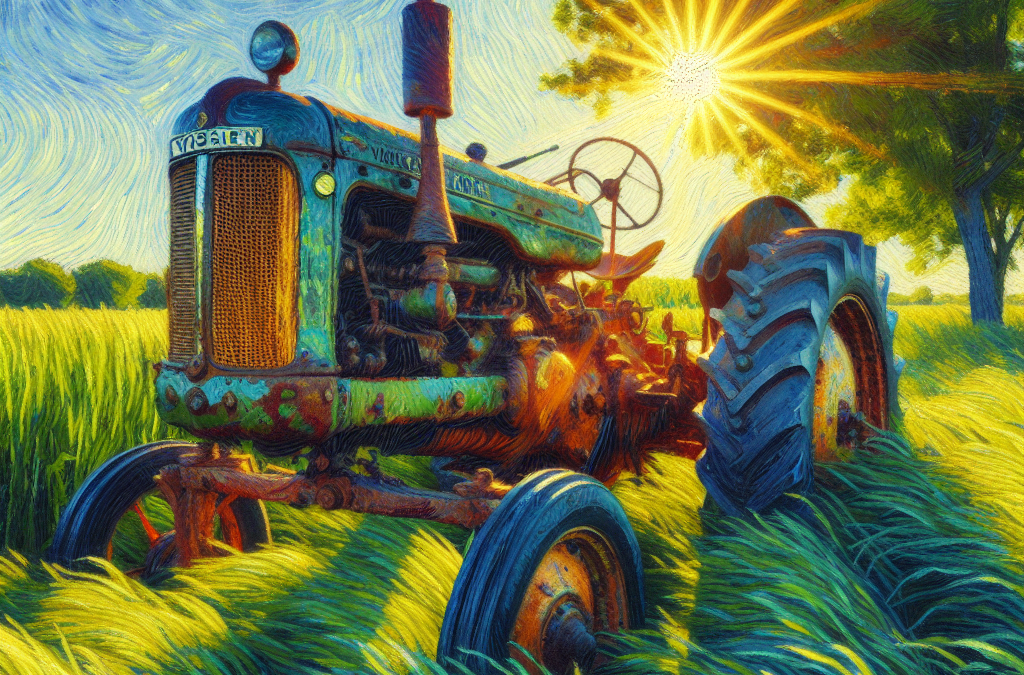
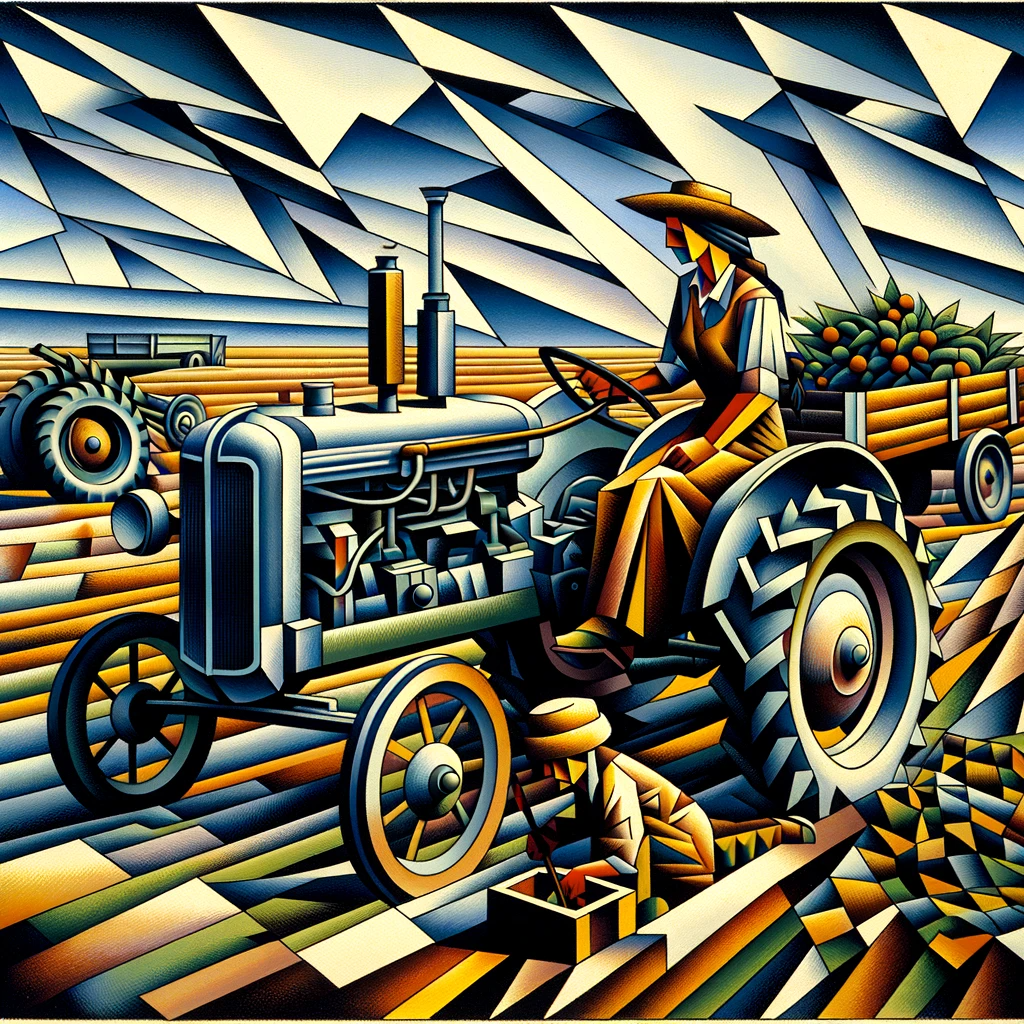
When you step onto a farm, the first thing you notice is often the machinery: a mix of shiny new innovations and the stalwart machinery of generations past. Among these relics, vintage tractors stand proudly, whispering stories of hard work, perseverance, and trust between man and machine. These classic marvels are more than just a tool; they are a lifeline for modern farmers, blending nostalgia with practicality in ways that make them a smart choice for the contemporary agricultural landscape.
Now, let’s be real. Farming is not just about feeding the world; it’s about cultivating a legacy. Vintage tractors have a soul, a character that speaks to the heart of every farmer who knows the value of hard work. They’ve been through the wringer, just like us. They’ve plowed through tough seasons and stood the test of time, earning a certain respect that newer, flashier models often lack. This connection creates an emotional bond, transforming every trip into the fields into a journey of shared history, not just a routine task.
From a practical standpoint, vintage tractors offer a level of reliability that’s hard to match. Many modern machines are packed with electronics and complex systems that can leave a farmer stranded when they malfunction. On the flip side, vintage tractors are straightforward and robust, designed with simpler mechanics that can often be repaired right in the barn. For farmers who thrive on self-sufficiency—who see every challenge as an opportunity—this down-to-earth machinery can feel like an old friend.
Ethically speaking, choosing a vintage tractor supports sustainability. It’s a nod to responsible farming that values durability over disposability. When you restore a classic, you’re not just preserving a piece of history; you’re reducing waste and embracing the philosophy of using what you have—a sentiment that resonates deeply in today’s world. By opting for vintage, modern farmers can foster a community that finds pride in its roots and promotes a culture of care and respect for the land.
Finally, consider that vintage tractors often serve as social icebreakers—objects of admiration and inspiration that draw people together. Conversations sparked by their charm can lead to a shared passion for farming practices, knowledge, and community ties that are invaluable in an increasingly disconnected world.
So, whether you’re planting crops or cultivating relationships, embracing vintage tractors signals a commitment to both tradition and innovation—a choice that speaks volumes.

What Makes Vintage Tractors a Smart Choice for Modern Farmers
What Makes Vintage Tractors a Smart Choice for Modern Farmers
- The presence of vintage tractors on farms combines nostalgia and practicality for modern farmers.
- These tractors symbolize hard work, perseverance, and the bond between farmers and their machinery.
- They have earned respect through durability and resilience in challenging farming conditions.
- Vintage tractors are reliable, featuring simpler mechanics that are easier to repair than modern machines.
- Choosing vintage supports sustainability by reducing waste and honoring the philosophy of using what you have.
- They serve as social icebreakers, fostering community connections and shared passions in the farming world.
- Embracing vintage tractors reflects a commitment to tradition while still embracing innovation.
What Makes Vintage Tractors a Smart Choice for Modern Farmers
Table Of Contents
- What Makes Vintage Tractors a Smart Choice for Modern Farmers
- Can Vintage Tractors Save You Money While Maintaining Efficiency?
- How Do Vintage Tractors Promote Sustainable Farming Practices?
- What Stories Do Vintage Tractors Tell About Our Farming Heritage?
- How Do Vintage Tractors Support Local Farming Communities Today?
- What Maintenance Tips Ensure Your Vintage Tractor Performs Well?
- Can Using Vintage Tractors Enhance Your Farming Reputation?
- Conclusion
- Other Resources
- Glossary Of Terms
- Other Questions
- Haiku
- Poem
- Checklist
Can Vintage Tractors Save You Money While Maintaining Efficiency?
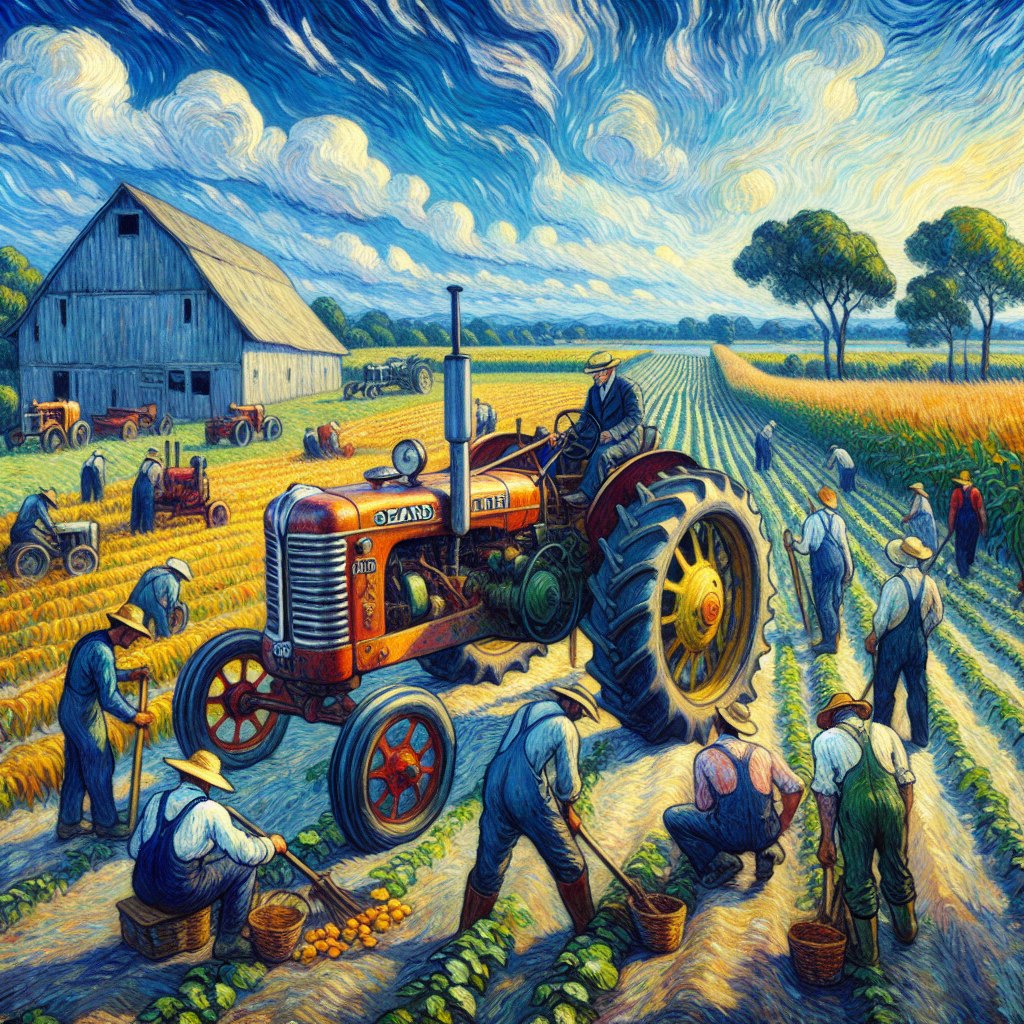
Picture this: you’re standing in the sun-drenched fields where your grandfather once toiled, his calloused hands wrapped around a steering wheel, driving a trusty old tractor. If that image stirs something deep within you, you’re not alone. Vintage tractors aren’t just relics of the past; they embody a spirit of resilience and self-reliance. When it comes to saving money while maintaining efficiency, these machines might just hold the key that connects our agrarian roots with today’s economic realities.
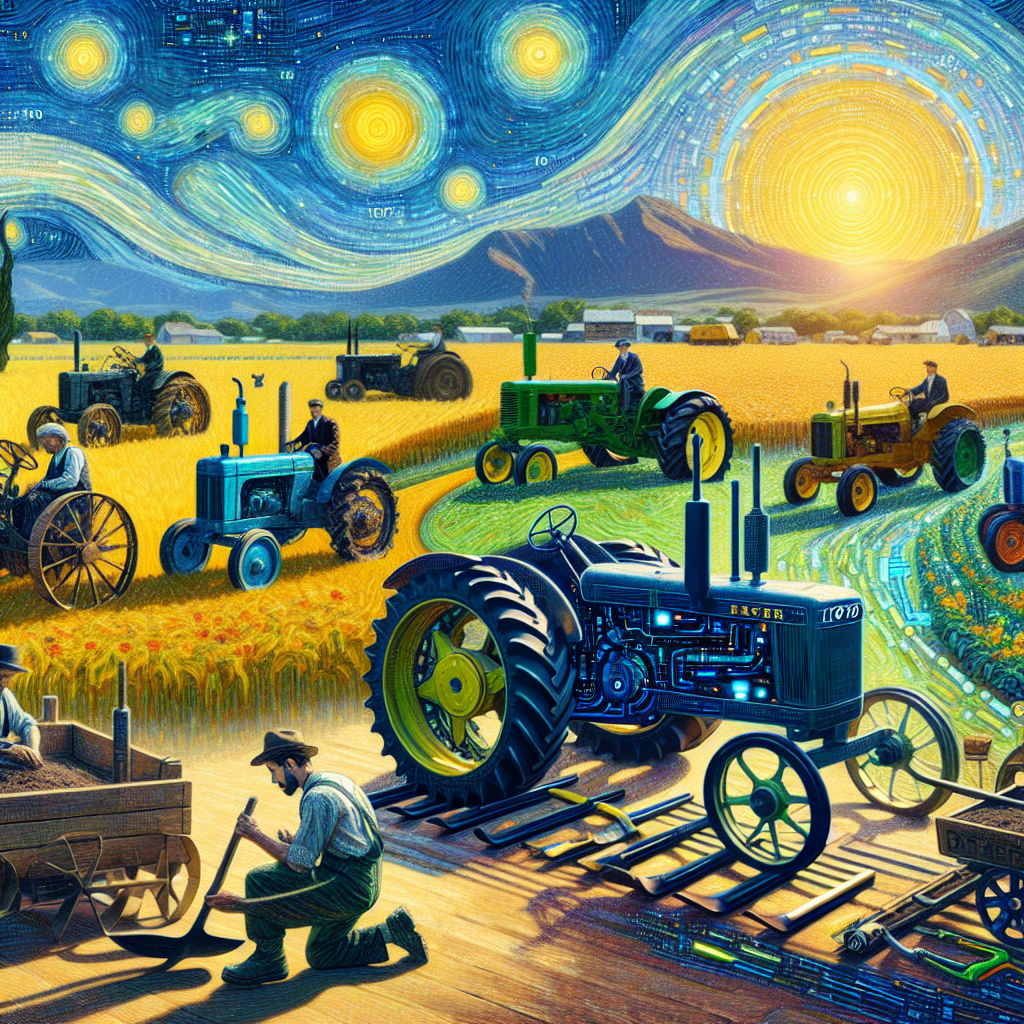
Now, let’s connect the dots with some common sense. Vintage tractors, often designed with simplicity and durability in mind, frequently come equipped with easily serviceable engines and fewer complex electronics. This means lower repair costs and less time spent in the shop. Think of all those modern tractors that require software updates or specialized repair knowledge—those costs add up faster than you can say “new oil filter.” What if the path forward was paved with a sturdy, classic tractor that continues to deliver solid performance without those pesky bills?
Beyond cost efficiency, there’s an ethical component to consider: sustainability. Using vintage tractors not only reduces your reliance on new manufacturing processes (and all the pollution and waste that entails), but it also encourages a culture of longevity. You’re not just saving money; you’re playing your part in a larger story—one that values the earth, the heritage of farming, and the craft of repair over disposable culture. By opting for a vintage tractor, you’re championing a mindset that reverberates through generations.
But don’t just take my word for it. Look around at your neighbors who’ve made that leap. They share stories of community, camaraderie, and the pride in running a machine that has weathered storms and seasons. It’s not just about efficiency; it’s about connection. Each subtle purr of a vintage tractor sparks conversations at the feed store, ignites memories at family gatherings, and strengthens bonds with neighbors—turning solitary work into collective joy.
So, whether you’re a seasoned farmer carrying on a legacy or a newcomer eager to plant roots, consider the robust, hardworking vintage tractor. It speaks not just to your wallet but also to your values, your community, and your very heritage. It’s time to take a serious look at these classic machines and embrace a way of working that feels right—both in your gut and your heart.
Can Vintage Tractors Save You Money While Maintaining Efficiency?
Can Vintage Tractors Save You Money While Maintaining Efficiency?
Sure! Here’s a bulleted summary of the text formatted as an HTML list:
- Vintage tractors symbolize resilience and a connection to agrarian roots.
- Designed with simplicity and durability, they have lower repair costs and easier maintenance.
- Modern tractors may incur high costs due to software updates and specialized repairs.
- Using vintage tractors promotes sustainability and reduces reliance on new manufacturing.
- Opting for vintage machinery fosters a culture of longevity and environmental consciousness.
- Community connections are enhanced through shared experiences and pride in using vintage tractors.
- Whether experienced or new to farming, vintage tractors resonate with values, community, and heritage.
Can Vintage Tractors Save You Money While Maintaining Efficiency?
How Do Vintage Tractors Promote Sustainable Farming Practices?
In the world of agriculture, there’s something profoundly captivating about vintage tractors. These machines aren’t just rusting relics of a bygone era; they are symbols of resilience and practicality, representing a way of farming that prioritizes sustainability over convenience. Imagine a field, bathed in golden sunlight, where a sturdy, painted tractor hums softly as it cultivates the earth. These tractors, often equipped with simple yet effective technology, demonstrate that farming doesn’t have to be flashy or complicated to be successful.
What makes vintage tractors uniquely valuable is their ability to foster a deep connection between farmer and land. Often passed down through generations, each dent and scratch tells a story—stories of long days spent planting and harvesting, of families coming together to nurture the soil, and of a way of life that honors tradition. This connection to the past invites us to consider our present, pushing us to reevaluate modern farming practices that lean heavily on synthetic fertilizers and monocultures. Here, vintage tractors shine as they promote biodiversity, enabling farmers to adopt crop-rotation strategies that enrich soil health while demanding less from the land.
From a practical standpoint, vintage tractors often boast simpler mechanisms that are easier and cheaper to maintain. This saves farmers money, yes—but it also reduces waste and carbon footprints. Instead of relying on disposable equipment, farmers can opt for durable machines that serve them well for decades, reinforcing the idea of financial sustainability. It’s about making choices that echo beyond the immediate, aligning farming practices with a longer vision.
Ethically, embracing vintage tractors is a call to action. It’s about standing in solidarity with a community of farmers who are committed to regenerative practices that respect the earth. It fosters a sense of pride as we witness families caring for their land through time-honored techniques. When we support these farmers, we are not just buying produce; we are investing in a more sustainable and ethical food system—one that nurtures the soil, protects local ecosystems, and strengthens rural communities.
In a world that often feels disconnected from its roots, vintage tractors remind us of our shared responsibility to the land. They ground us in a narrative that prioritizes stewardship over exploitation. So, the next time you see one of these beauties chugging along a country road, remember: it’s not just a piece of machinery; it’s a testament to sustainable farming practices that have stood the test of time, ready to lead us into a more responsible future.
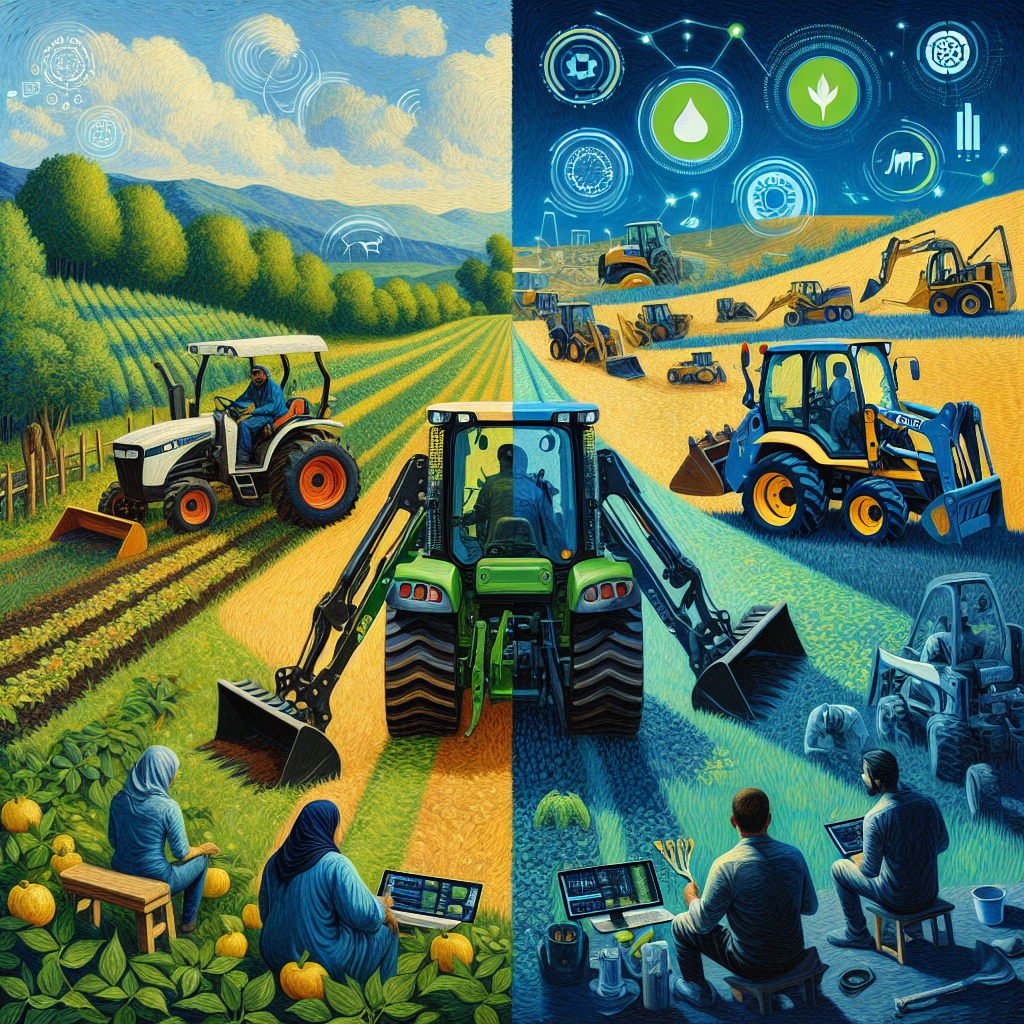
How Do Vintage Tractors Promote Sustainable Farming Practices?
How Do Vintage Tractors Promote Sustainable Farming Practices?
- Vintage tractors symbolize resilience and practicality in sustainable farming.
- They create a deep connection between farmers and the land, illustrating a way of life that honors tradition.
- These machines promote biodiversity and encourage crop-rotation strategies to enhance soil health.
- Vintage tractors feature simpler mechanisms that are cost-effective and environmentally friendly.
- Supporting vintage tractors connects consumers with farmers committed to regenerative practices.
- They foster a sense of pride in sustainable farming, investing in ethical food systems and rural communities.
- Vintage tractors remind us of our responsibility to the land, prioritizing stewardship over exploitation.
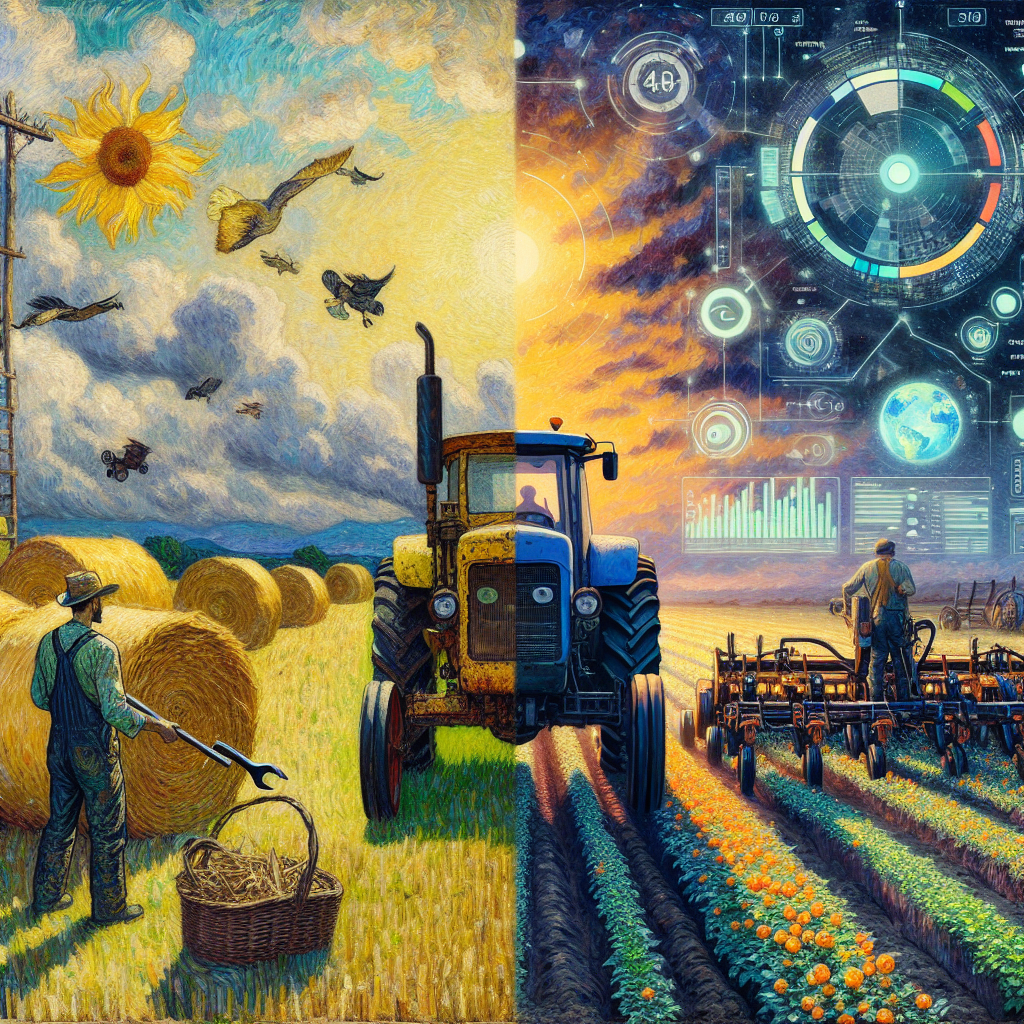
How Do Vintage Tractors Promote Sustainable Farming Practices?
What Stories Do Vintage Tractors Tell About Our Farming Heritage?
When you catch a glimpse of a vintage tractor, it’s not just a machine; it’s a portal to a time when farming was a way of life, not just a business. Every scratch on its metal facade and every rusted bolt tells a story—stories of sweat-soaked days under the relentless sun, tales of family gatherings in fields turned golden, and a testament to the unyielding spirit of those who worked the land before us.
Consider the humble tractor. Born in a world where every turn of the wheel echoed with purpose, these machines symbolize the intricate relationship between farmer and earth. They were the lifeblood of countless families, allowing small plots of land to blossom into fruitful harvests. The whirr of an old engine recalls long-forgotten laughter, and every muddy tire print leaves a mark on the canvas of our collective memory. Is it any wonder that so many of us feel an unshakeable connection to these resilient machines?
Rationally, these tractors carried the weight of innovation at a time when every advancement was measured by its ability to ease back-breaking labor. They transformed agriculture, turning arduous tasks into moments of accomplishment, fueling economies, and shaping communities. Yet, it’s not just about tractors; it’s about all the hands that guided them—the families that gathered around dinner tables, sharing stories of the day’s toil and triumph. They are symbols of endurance, where ethical farming meets sustainability, allowing us to reflect on how far we’ve come and where we are headed.
Now, as we face modern challenges—climate change, food security—let’s remember the values that these vintage markers of our heritage embody. They remind us to honor the land, to take pride in our agricultural roots, and to push forward with dignity and respect for those who tread this path before. In our frenzied, tech-driven world, preserving these stories becomes more than nostalgia; it’s a declaration that we value tradition and recognize it as the bedrock upon which our future is built.
So the next time you see a vintage tractor parked in a field, pause for a moment. Listen to the whispers of history in the creaking of its parts, and let it inspire a deeper appreciation for those who came before us. Because in our hearts—and in the guts of those old machines—lies the story of agricultural resilience, connection, and community that we must carry forward.
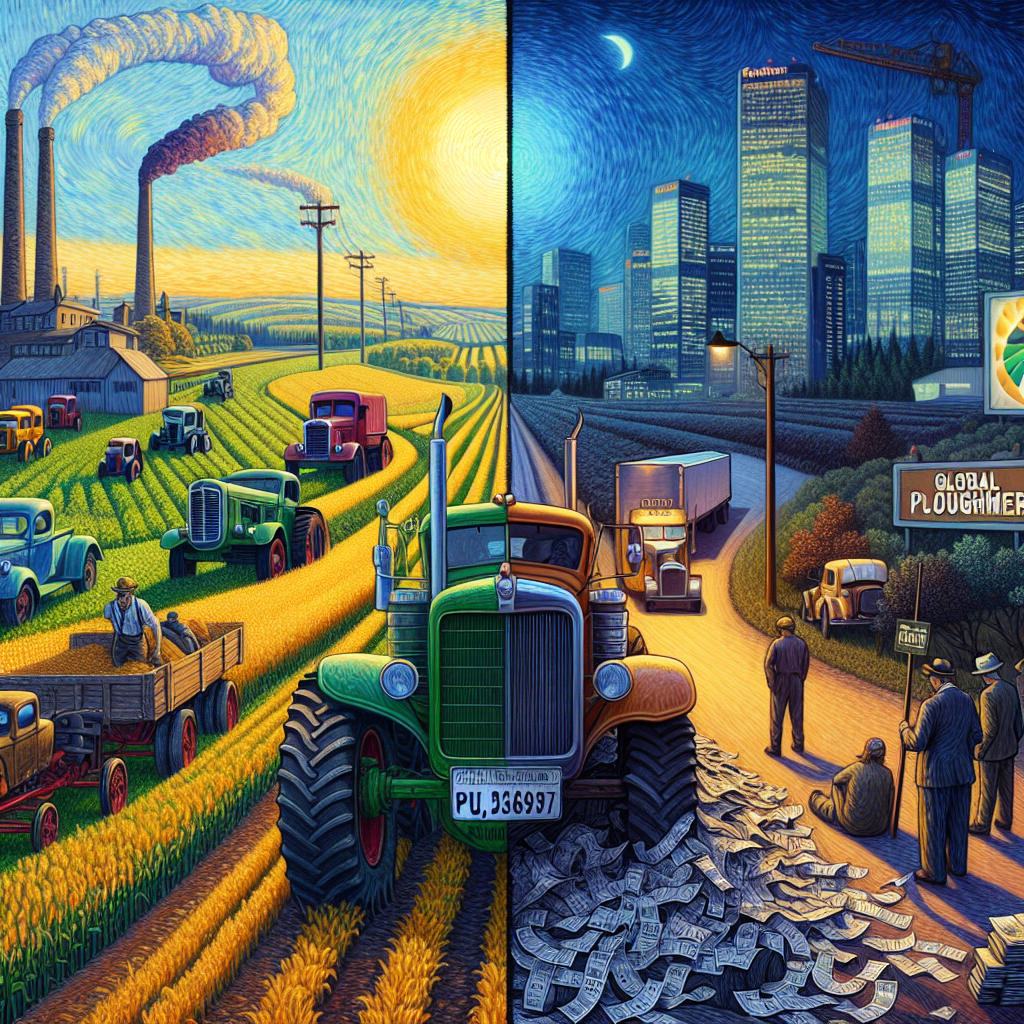
What Stories Do Vintage Tractors Tell About Our Farming Heritage?
What Stories Do Vintage Tractors Tell About Our Farming Heritage?
- Vintage tractors serve as a reminder of a time when farming was a way of life.
- Each tractor bears stories of hard work, family gatherings, and the spirit of past farmers.
- These machines symbolize the critical bond between farmers and the land.
- Tractors allowed small farms to thrive, creating lasting memories through their use.
- They represent innovation by transforming labor-intensive tasks into achievable milestones.
- Tractors embody endurance and ethical farming, reflecting on past and future agricultural practices.
- Seeing a vintage tractor inspires appreciation for agricultural history and community resilience.
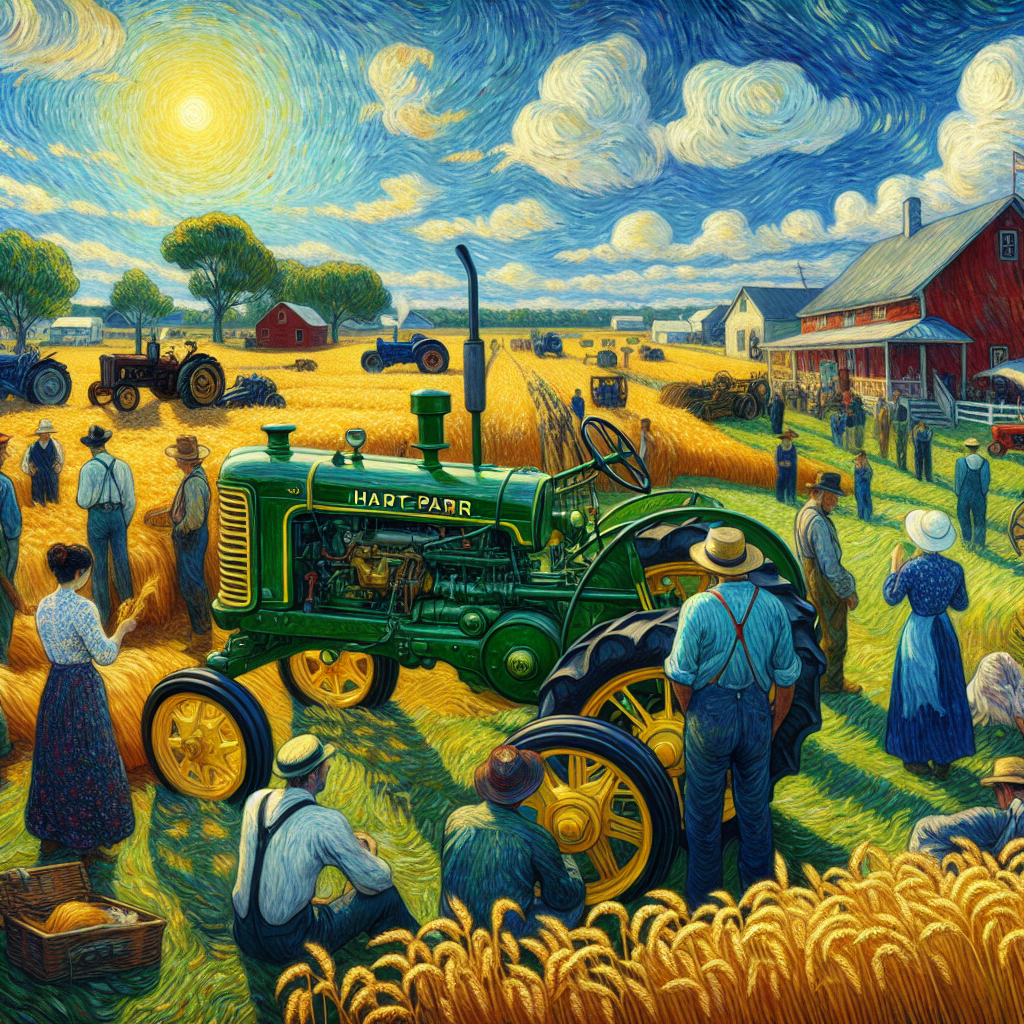
What Stories Do Vintage Tractors Tell About Our Farming Heritage?
How Do Vintage Tractors Support Local Farming Communities Today?
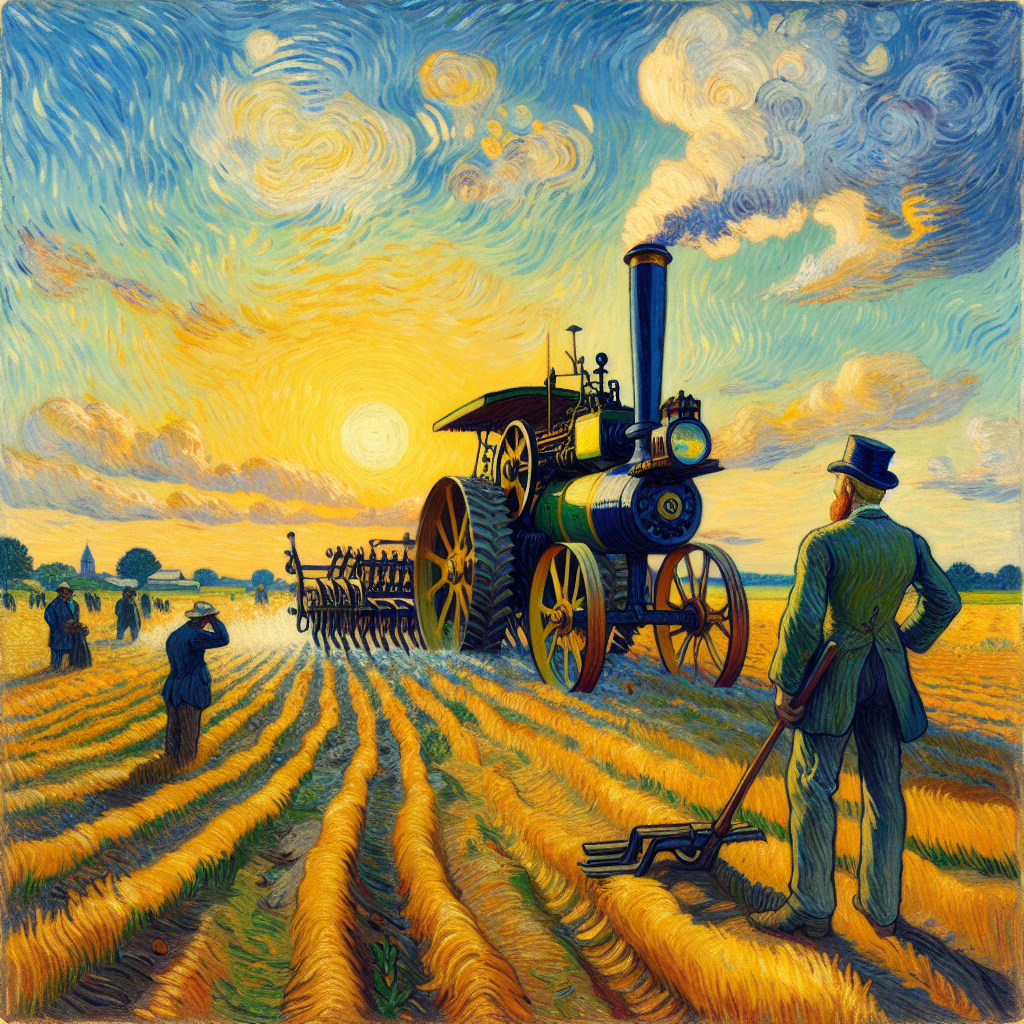
When you think of a vintage tractor, what comes to mind? For many, it’s more than just a hunk of machinery; it’s a symbol of resilience, heritage, and hard work. These machines, with their weathered paint and time-worn charm, have stories to tell—stories of families who’ve toiled under the sun, nurturing the land with love and respect. But their role in modern farming communities goes beyond nostalgia; vintage tractors are the lifeblood of local agriculture, reconnecting us to the values that matter.
At a time when industrial farming methods dominate, vintage tractors remind us of our roots. They embody a farming ethos that prioritizes sustainability—using techniques passed down through generations that emphasize soil health, crop diversity, and local ecosystems. For many farmers, these machines are more than just tools; they represent an ethical commitment to protecting our land for future generations. Choosing to restore a vintage tractor means investing in local agriculture and supporting a vibrant culture that values authenticity over mass production.
Rationally speaking, vintage tractors are often more reliable than their modern counterparts, thanks to their simpler design and ease of repair. They encourage a DIY mindset, fostering a community of resourcefulness and collaboration among farmers who share knowledge and skills. This has a ripple effect—when one farmer restores a vintage tractor, it inspires others to do the same, creating a network of shared resources that boosts the local economy.
Now, let’s get to the heart of the matter. Driving a vintage tractor isn’t just about productivity; it fosters connection. Picture a small-town harvest festival where farmers proudly showcase their restored machines. The scent of fresh produce fills the air, and the laughter of children playing nearby creates an ambiance of community. People gather not just to celebrate the harvest, but to appreciate the hard work and passion that goes into farming—work that vintage tractors symbolize.
In supporting vintage tractors, we’re not just preserving history; we’re building a future rooted in integrity and community. These machines remind us that farming is as much about people as it is about the land. By championing local farmers and their trusty vintage tractors, we elevate the very fabric of our communities. So, whether you’re a lifelong farmer or an urbanite looking for a connection to your food, embrace the timeless values these tractors represent and become part of the story. Your support can fuel a movement, tethering the past to the present in a flourishing farming community.
How Do Vintage Tractors Support Local Farming Communities Today?
How Do Vintage Tractors Support Local Farming Communities Today?
- Vintage tractors symbolize resilience, heritage, and hard work, representing the values of local agriculture.
- They emphasize sustainability through traditional farming techniques that focus on soil health and crop diversity.
- Restoring vintage tractors supports local agriculture and promotes a culture of authenticity over mass production.
- These tractors are often more reliable than modern ones due to their simpler design, encouraging a DIY and resourceful mindset among farmers.
- Driving vintage tractors fosters community connection, as seen in events like small-town harvest festivals.
- Supporting vintage tractors helps preserve history while building a future rooted in integrity and community involvement.
- Championing local farmers and vintage tractors can strengthen community ties and promote a flourishing agricultural movement.
How Do Vintage Tractors Support Local Farming Communities Today?
What Maintenance Tips Ensure Your Vintage Tractor Performs Well?
Look, there’s something undeniably special about a vintage tractor. It’s not just a piece of machinery; it’s a testament to hard work, craftsmanship, and a different time. If you’re lucky enough to own one, you know it has a soul. But like any cherished member of the family, your tractor needs care to thrive. So how do you keep that rusty old friend running smoothly?
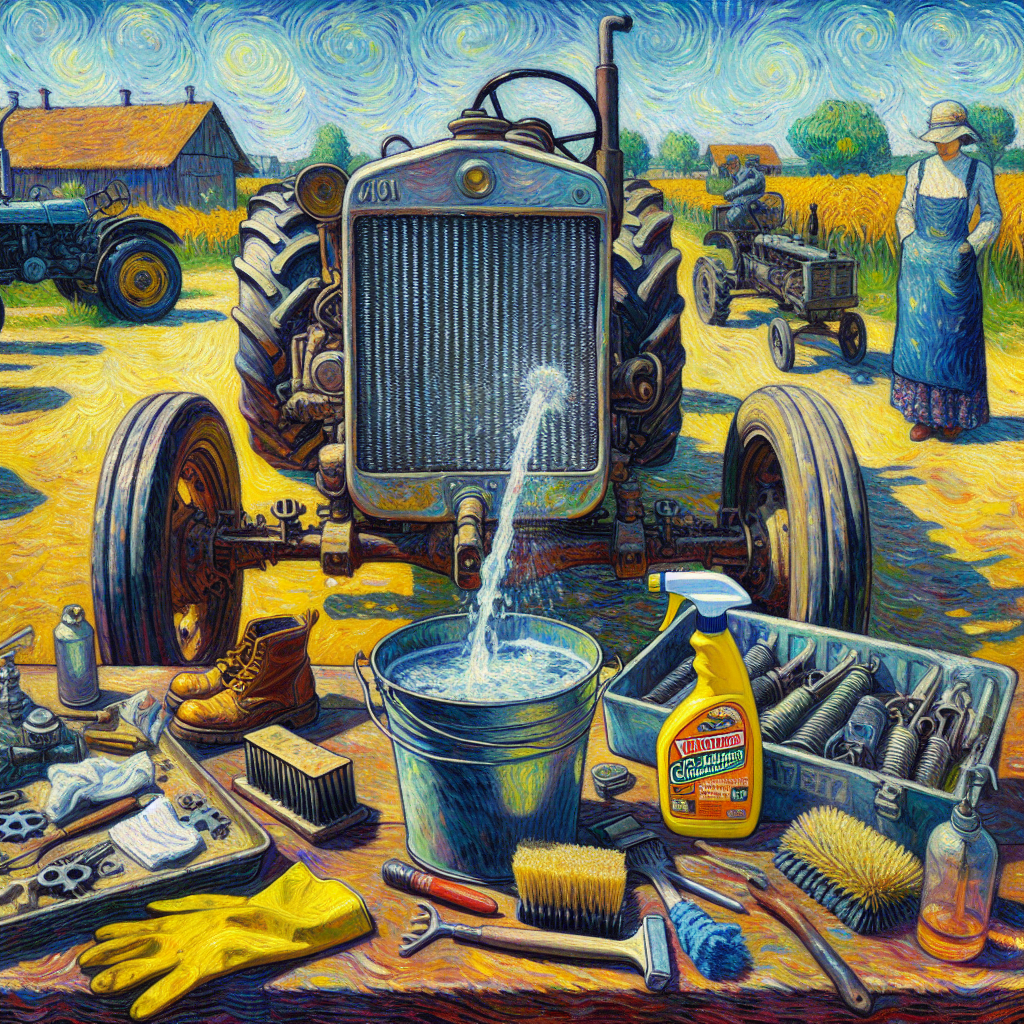
First, let’s talk oil—this isn’t just about lubricant; it’s about life blood. Change it regularly and see that rotary engine taking on every challenge like it’s the first day off the production line. Skimping on oil changes might save you a buck today, but it could cost you big tomorrow when a blocked filter leads to catastrophic engine failure. Think of the stories you’ll be able to tell—the history etched not just in metal but in the vast fields that your tractor has traversed.
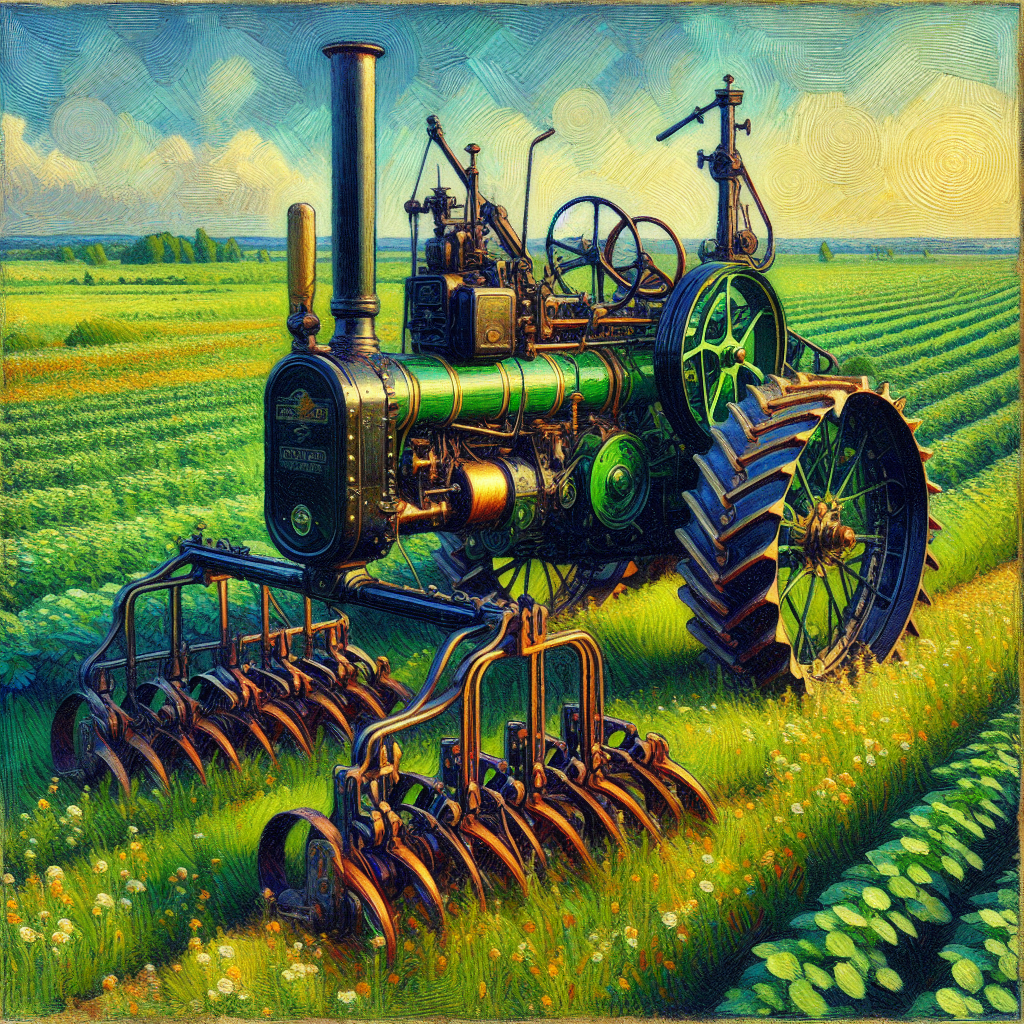
Next up is the fuel system. Vintage engines can be finicky; they want the good stuff. Use high-quality fuel and consider adding a fuel stabilizer if your tractor sits idle for too long. Think of your tractor as a beloved friend who needs a gourmet meal to function at its best. Don’t serve up fast food when a homemade feast is what’s called for!
And let’s not forget the electrical system. A quick visual inspection of wiring and connections could prevent a headache in the field. Old wires can fray and corrode, leading to unexpected breakdowns. Ever find yourself stranded in the middle of a task? Avoid the stress and stick to a preventative routine. A little planning goes a long way.
Don’t shy away from tuning up your tractor. Regular check-ups—just like ours—help maintain optimal performance. Adjust the carburetor, clean the spark plugs, look at the air filters. Like a finely-tuned guitar, a well-cared-for tractor can sing sweetly, ready to work at a moment’s notice.
Finally, embrace your community. Vintage tractor shows, forums, or local meet-ups are the places where you can share tips, stories, and advice with fellow enthusiasts. Surprisingly, the best strategies to keep your tractor purring come from shared experiences, rich with insights and camaraderie.
In essence, maintaining your vintage tractor is more than just upkeep; it’s a journey filled with love, history, and connection. So roll up your sleeves, grab those tools, and dive in. Your tractor—and the stories yet to unfold—are counting on you.
What Maintenance Tips Ensure Your Vintage Tractor Performs Well?
What Maintenance Tips Ensure Your Vintage Tractor Performs Well?
- Vintage tractors are more than machinery; they represent hard work, craftsmanship, and history.
- Regular oil changes are essential; they prevent engine failure and keep the tractor operating smoothly.
- Use high-quality fuel and consider fuel stabilizers for tractors that sit idle to maintain performance.
- Inspect the electrical system regularly to prevent breakdowns due to frayed or corroded wires.
- Perform regular tune-ups, including carburetor adjustments and spark plug cleaning, for optimal performance.
- Engage with the community through vintage tractor shows and forums to share tips and experiences.
- Maintaining a vintage tractor is a journey filled with love, history, and storytelling.
What Maintenance Tips Ensure Your Vintage Tractor Performs Well?
Can Using Vintage Tractors Enhance Your Farming Reputation?
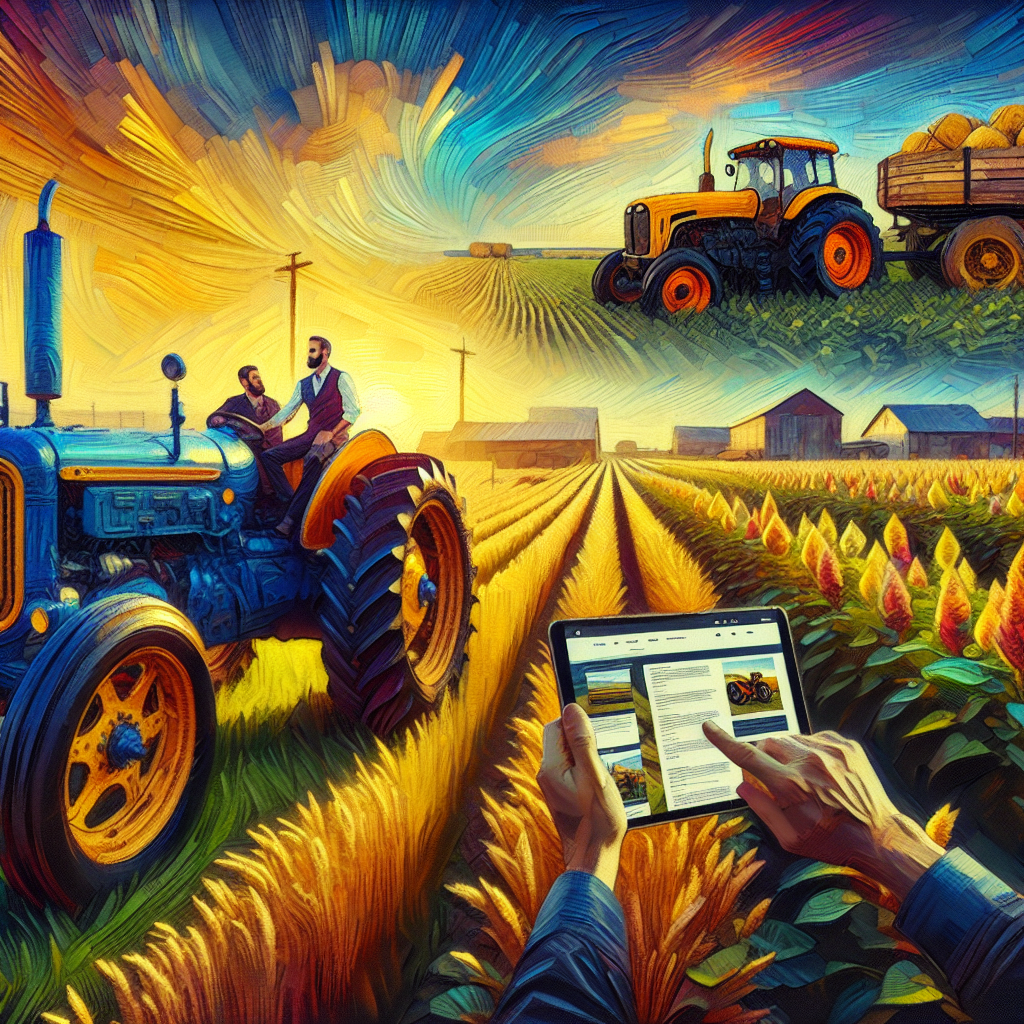
Picture this: the sun is dipping beneath the horizon, casting a warm glow over a neatly tilled field. You’re out there, hands dusted with the earth that feeds your family, seated atop a vintage tractor—a piece of history with stories etched into its rusted metal. There’s something about these old machines that quietly commands respect—a reverence for the toil and triumph of generations before you, and perhaps a little envy from the neighbors.
Farming isn’t just about the crops; it’s about legacy, dedication, and a connection to the land. When you choose to use vintage tractors, you’re not merely opting for a piece of equipment; you’re inviting a narrative, a conversation starter. Every scratch and dent tells the tale of hard work and resilience. It’s an ethical choice that resonates deeply within a community increasingly concerned about sustainability. In an age of digital-age farming, an old tractor becomes a symbol of authenticity, a reminder of the values that underpin agrarian life.
Now, let’s talk logic. Vintage tractors—while they might look like charming relics—can be surprisingly efficient. Their simplicity often allows for easier repairs, and with modern maintenance techniques, you can preserve their functionality for years. So, while the neighbor’s shiny new model might be gleaming in the sun, your trusty vintage machine showcases a commitment to hard work and sustainability, inviting admiration from farmhands and onlookers alike. Your choice doesn’t just resonate with the head; it touches the heart.
Moreover, there’s the social appeal: vintage tractors can draw fellow farmers, enthusiasts, and curious visitors into your world, creating a community around shared values and passions. Imagining the camaraderie over oil changes or restoration projects fosters connections that add to your farming reputation. You’re building a network of like-minded folks who appreciate hard work in the dirt.
At the end of the day, using a vintage tractor isn’t just about handling tasks on the farm; it’s about embracing a lifestyle that honors craftsmanship and tradition. When friends and family visit, the stories that revolve around that iconic machine become a part of your brand—one that celebrates grit, determination, and a way of life that’s worth sharing. So, as you put your hands on that worn steering wheel, remember: every turn of the wheels could enhance your reputation in ways you never imagined. Embrace it, and let your vintage tractor tell your story!
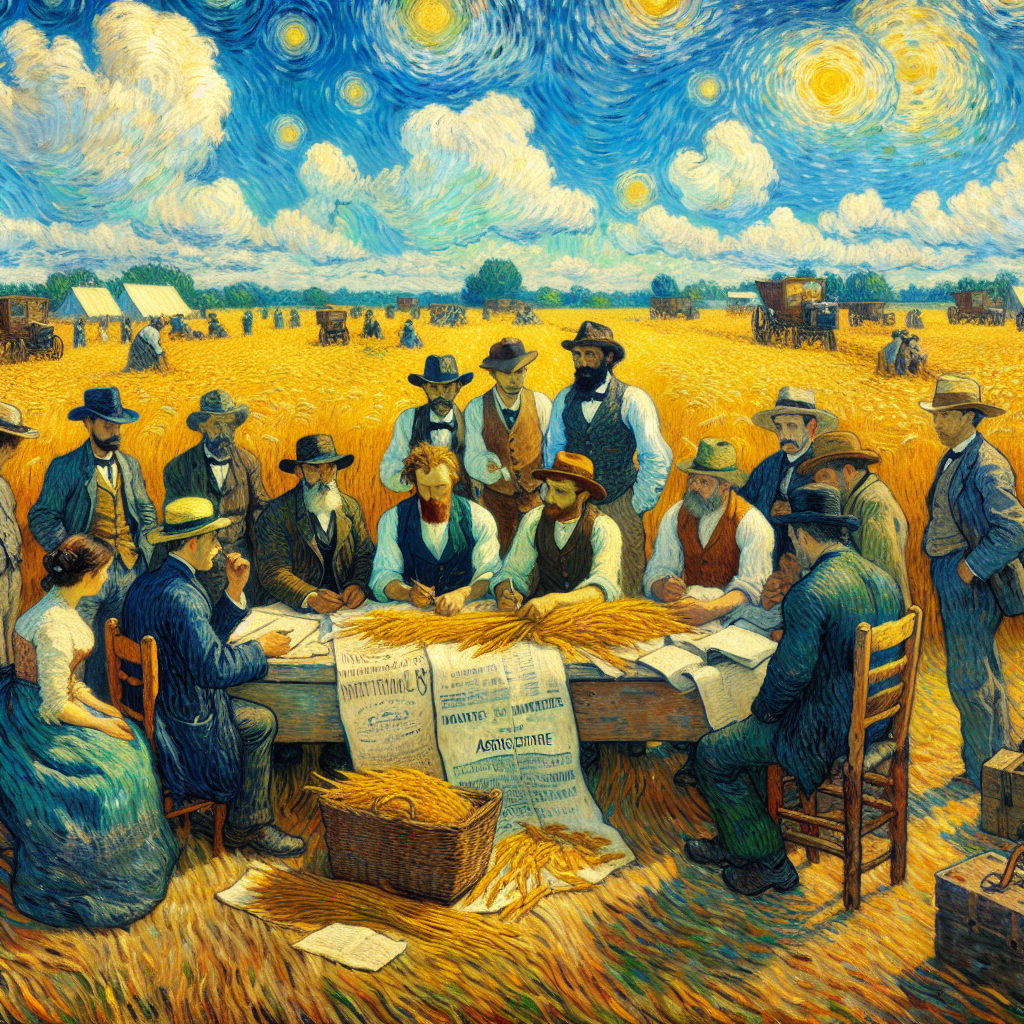
Can Using Vintage Tractors Enhance Your Farming Reputation?
Can Using Vintage Tractors Enhance Your Farming Reputation?
- The scene is set with a vintage tractor in a sunset-lit field, embodying history and respect for farming traditions.
- Farming is portrayed as a legacy and connection to the land, where vintage tractors serve as conversation starters with rich narratives.
- Choosing vintage tractors reflects ethical choices and sustainability, offering authenticity amid digital-age farming.
- Despite their old-fashioned appearance, vintage tractors can be efficient due to their simplicity and modern maintenance techniques.
- Using vintage tractors cultivates social connections among farmers and enthusiasts, fostering a community centered around shared values.
- The lifestyle associated with vintage tractors emphasizes craftsmanship and tradition, enriching personal and farming reputations.
- Every experience with a vintage tractor adds depth to one’s story, enhancing reputation and celebrating a hardworking way of life.
Can Using Vintage Tractors Enhance Your Farming Reputation?
Conclusion
As we pull out of this exploration of vintage tractors, let’s take a moment to appreciate the quiet revolution they embody in modern agriculture. If you’ve ever stood beside one of these machines—its paint chipped and bearing the scars of labor—you know there’s something deeply moving about its presence. It’s more than just equipment; it’s a storyteller, a bridge to the past that connects generations of farmers who have seen seasons come and go, weathered storms both literal and metaphorical, and cultivated a legacy built on resilience and hard work.
Now, don’t let nostalgia cloud your judgment. There’s hard logic to be found here, too. Vintage tractors are designed with a simplicity that stands in stark contrast to the complexity of modern machinery. Their straightforward mechanics make them more reliable and easier to repair—no more fumbling with intricate electronics that require an engineering degree just to understand. This practicality saves farmers money in repairs and downtime while reinforcing a valuable lesson: self-reliance. Farmers, like the tractors they choose, face challenges head-on, seeing opportunities where others see obstacles.
But let’s dig deeper. Choosing a vintage tractor is also an ethical choice—one that speaks to sustainability. In a world obsessed with the “new,” embracing the old not only reduces waste but champions a way of farming that honors traditions. By restoring these machines, we are keeping history alive and respecting the earth in a manner that new models often overlook. It’s a conscious decision to prioritize quality over quantity, craftsmanship over quick fixes.
And let’s not forget the social fabric here. When a vintage tractor rolls into the local gathering, warmth fills the air. Conversations spark over shared anecdotes and cherished memories. It’s a gateway to community building, to forging bonds with fellow farmers and enthusiasts. The pride in owning and operating a vintage tractor brings folks together in ways flashy equipment simply cannot.
So, as we conclude, let’s reconsider what it means to farm today. It’s more than just a means to an end; it’s about connection—between ourselves and the land, our families and our heritage, neighbors and the wider community. Vintage tractors are a bold statement of who we are, a tangible reminder that in this tech-driven world, sometimes it’s the simplicity and authenticity of the past that can guide us towards a more sustainable future. Embrace those classic machines; they tell a story, and so can you. In your hands lies the power to preserve that narrative—a narrative of resilience, responsibility, and respect. So, let’s ride into the fields, not just with tractors, but with intention and heart.
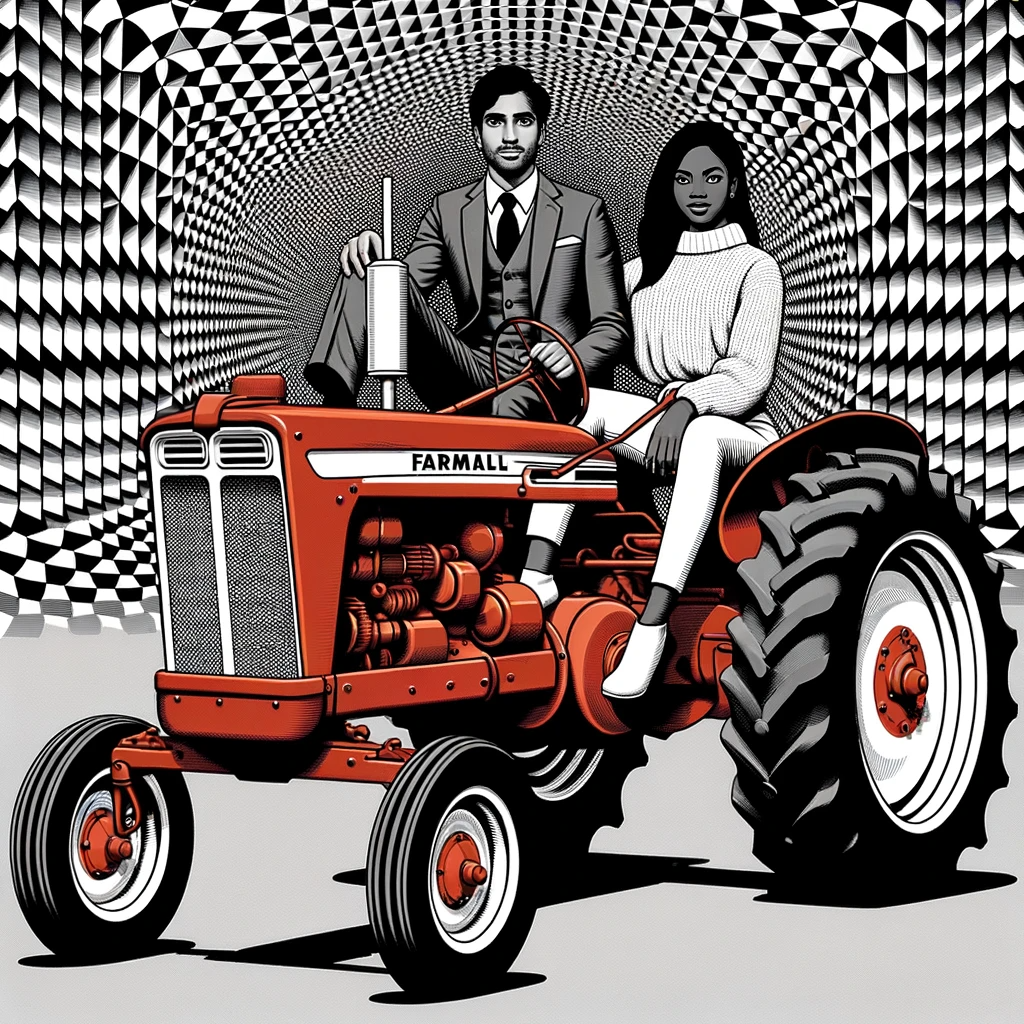
Conclusion
Conclusion:
- Vintage tractors embody a quiet revolution in modern agriculture, connecting generations of farmers.
- Their simplicity and straightforward mechanics provide reliability and ease of repair compared to modern machinery.
- Choosing a vintage tractor promotes self-reliance and encourages farmers to face challenges head-on.
- Embracing vintage tractors is an ethical choice supporting sustainability and reducing waste.
- Restoring vintage machinery honors traditions and prioritizes quality craftsmanship over quick fixes.
- Vintage tractors foster community building and social connections at local gatherings.
- They symbolize a meaningful way to farm that emphasizes connection, resilience, and respect for the past.
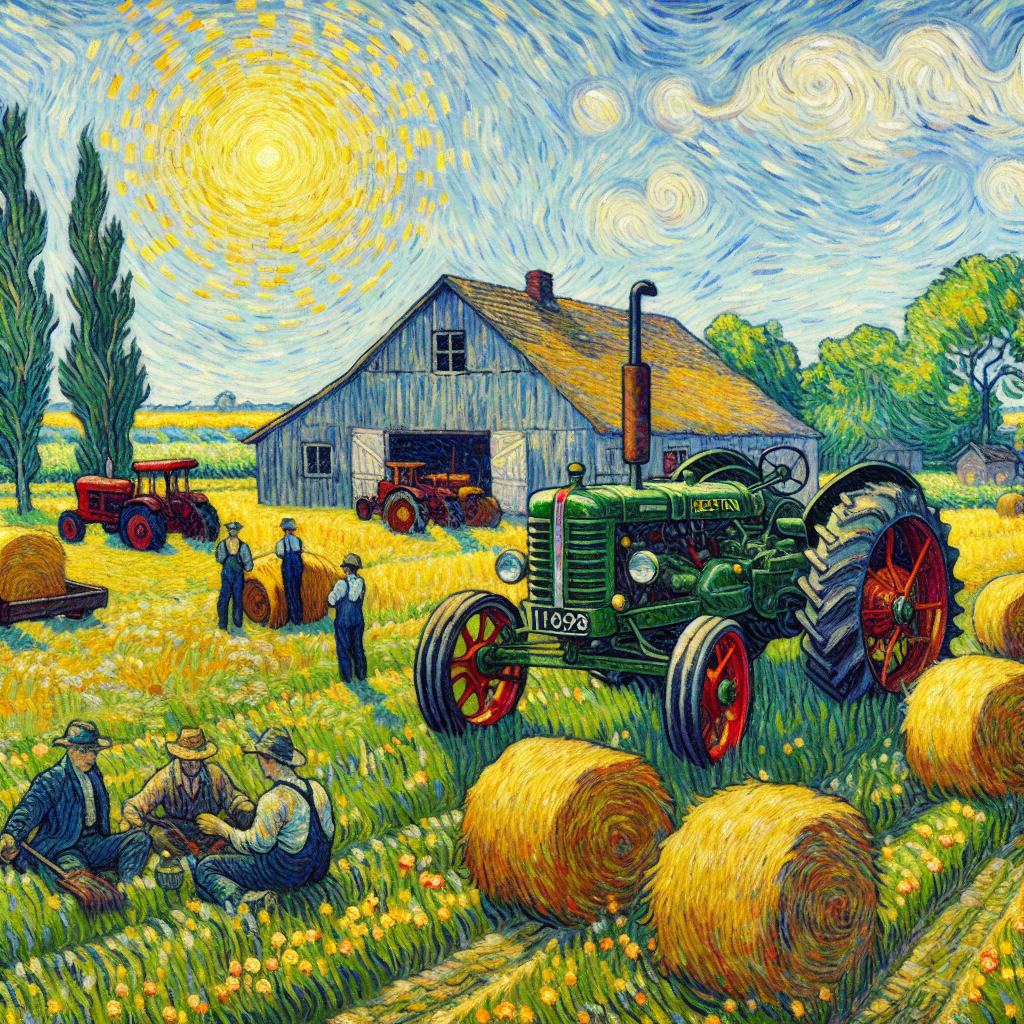
Conclusion
Other Resources
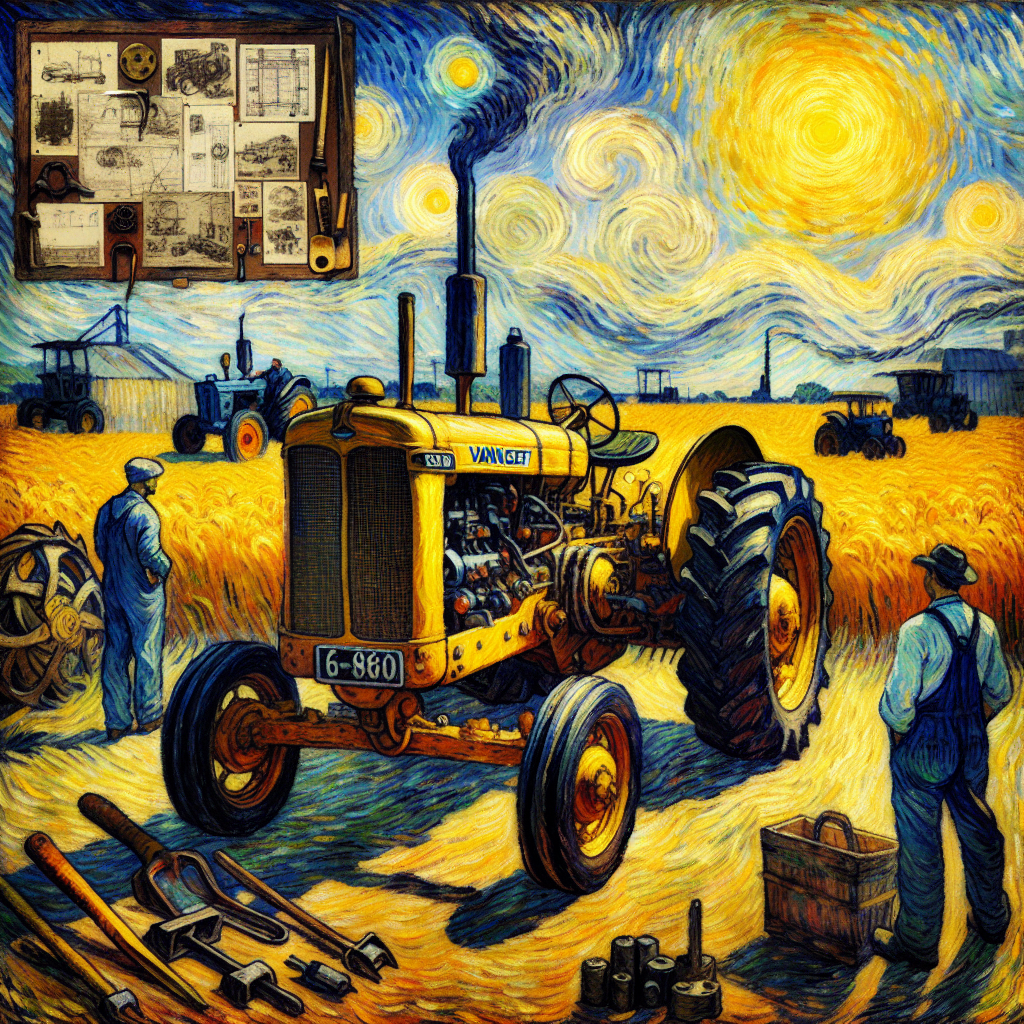
Other Resources
Here is a list of other resources you can review online to learn more:
- CO-OP
- Toro
- Galloway
- Woods & Copeland
- Samson
- Johnson Manufacturing
- Billings Farm
- Fortuna Redwood Auto Xpo Antique Tractors
- Steyr
Use This Prompt To Get More Resources With Your Favorite Online AI Tool: Please provide me with a list of online articles with their URLs in a bulleted list that I can read regarding What Makes Vintage Tractors a Smart Choice for Modern Farmers
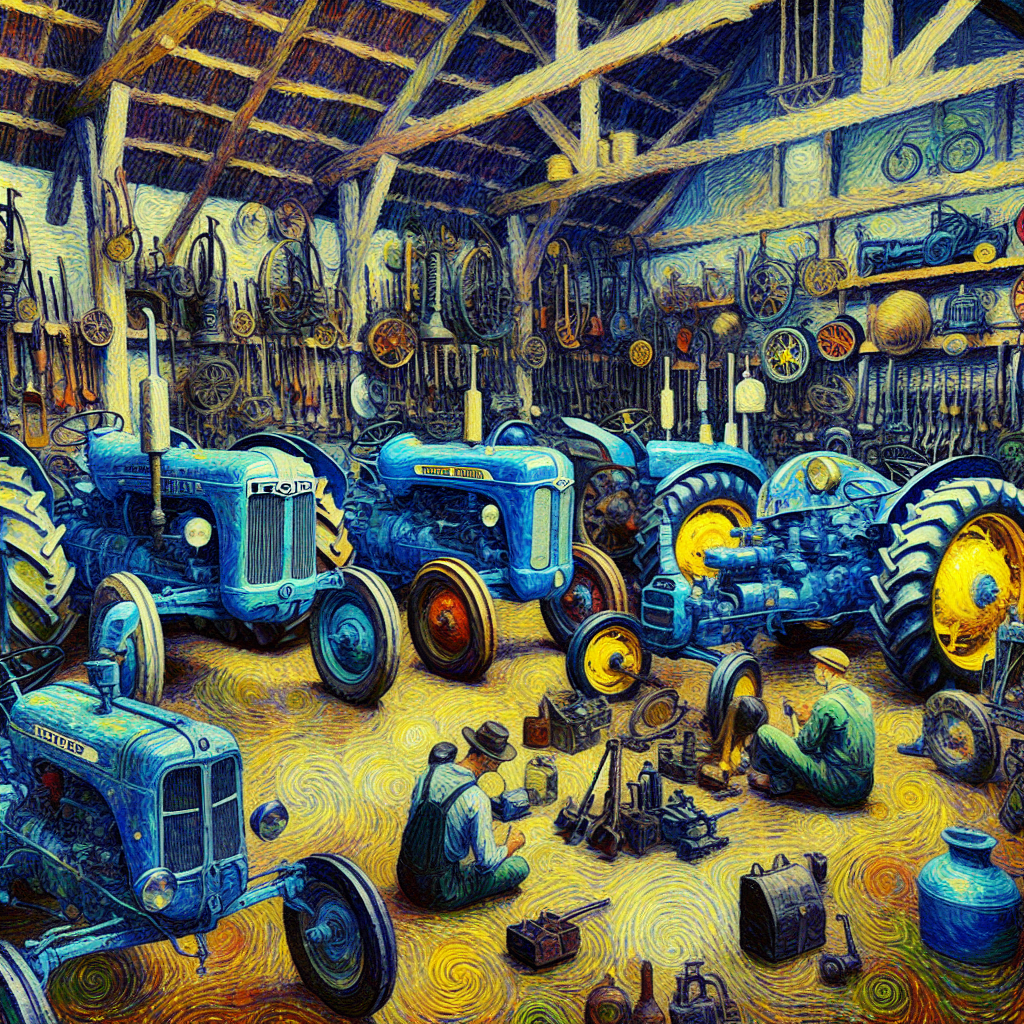
Other Resources
Glossary Terms
What Makes Vintage Tractors a Smart Choice for Modern Farmers – Glossary Of Terms
1. Antique: Refers to tractors that are at least 25 years old, often appreciated for their historical significance and craftsmanship.
2. Durability: The ability of vintage tractors to withstand wear and tear, often due to their robust construction and high-quality materials.
3. Simplicity: Many vintage tractors feature straightforward designs and fewer electronic components, making them easier to repair and maintain.
4. Versatility: The capability of vintage tractors to perform various tasks, from plowing and tilling to hauling and mowing, making them a valuable asset on the farm.
5. Restoration: The process of bringing a vintage tractor back to working condition, which can be a rewarding hobby and investment for farmers.
6. Heritage: The historical context and cultural significance associated with owning and using vintage tractors, connecting farmers to agricultural traditions.
7. Fuel Efficiency: Older tractors often have lower horsepower but can be more fuel-efficient for specific tasks, reducing operational costs.
8. Affordability: Vintage tractors can be less expensive to purchase than new models, making them accessible for small-scale or beginning farmers.
9. Community: The network of vintage tractor enthusiasts who share knowledge, resources, and support, fostering connections among farmers.
10. Craftsmanship: The high-quality build and attention to detail found in many vintage tractors, often surpassing modern mass production standards.
11. Sustainability: Vintage tractors can promote sustainable farming practices through their longevity and lower energy consumption compared to newer models.
12. Reliability: Vintage tractors are known for their dependable performance, often lasting for decades with proper care and maintenance.
13. Nostalgia: Sentimental attachment that many farmers have to vintage tractors, often linked to family history and cherished memories.
14. Collector’s Item: Vintage tractors that are sought after by collectors for their value, rarity, and unique characteristics.
15. Operational Costs: The expenses associated with running and maintaining a tractor, where vintage models sometimes offer a lower cost of ownership.
16. Customization: The ability to modify and personalize vintage tractors for specific needs or preferences, appealing to many farmers.
17. Reliability: Vintage tractors often have fewer sophisticated systems, resulting in lower maintenance needs and a reduced likelihood of breakdowns.
18. Agricultural Technology: Refers to the tools and machinery used for farming, encompassing both modern innovations and vintage designs.
19. Historical Value: The significance of vintage tractors as artifacts that reflect the evolution of agricultural technology and farming practices.
20. Field Performance: The effectiveness of a tractor in agricultural tasks, where vintage models can excel in specific applications.
21. Collective Memory: The shared history and traditions surrounding vintage tractors, enhancing community identity among farmers.
22. Resale Value: The potential to sell a vintage tractor at a profit, particularly if it has been well-maintained or restored.
23. Cost of Ownership: The total expenses incurred in owning a tractor, which can be favorable for vintage models known for their lower maintenance costs.
24. Engagement: The involvement of farmers in vintage tractor events or shows, fostering community and passion for farming history.
25. Historic Preservation: The efforts taken to conserve and maintain vintage tractors as part of agricultural heritage.
26. Hands-On Maintenance: The ability for farmers to engage in repairs and upkeep themselves, benefiting from the simpler mechanics of vintage tractors.
27. Local Production: The use of vintage tractors as part of a push for local farming initiatives, supporting small-scale agriculture.
28. Traction: The grip that the tractor has on the ground, which can be advantageous in various farming conditions, often favorable in vintage designs.
29. Cultural Significance: The role vintage tractors play in representing rural life and the agricultural community across generations.
30. Longevity: Many vintage tractors can still operate effectively after decades of use, making them a viable choice for modern farming operations.
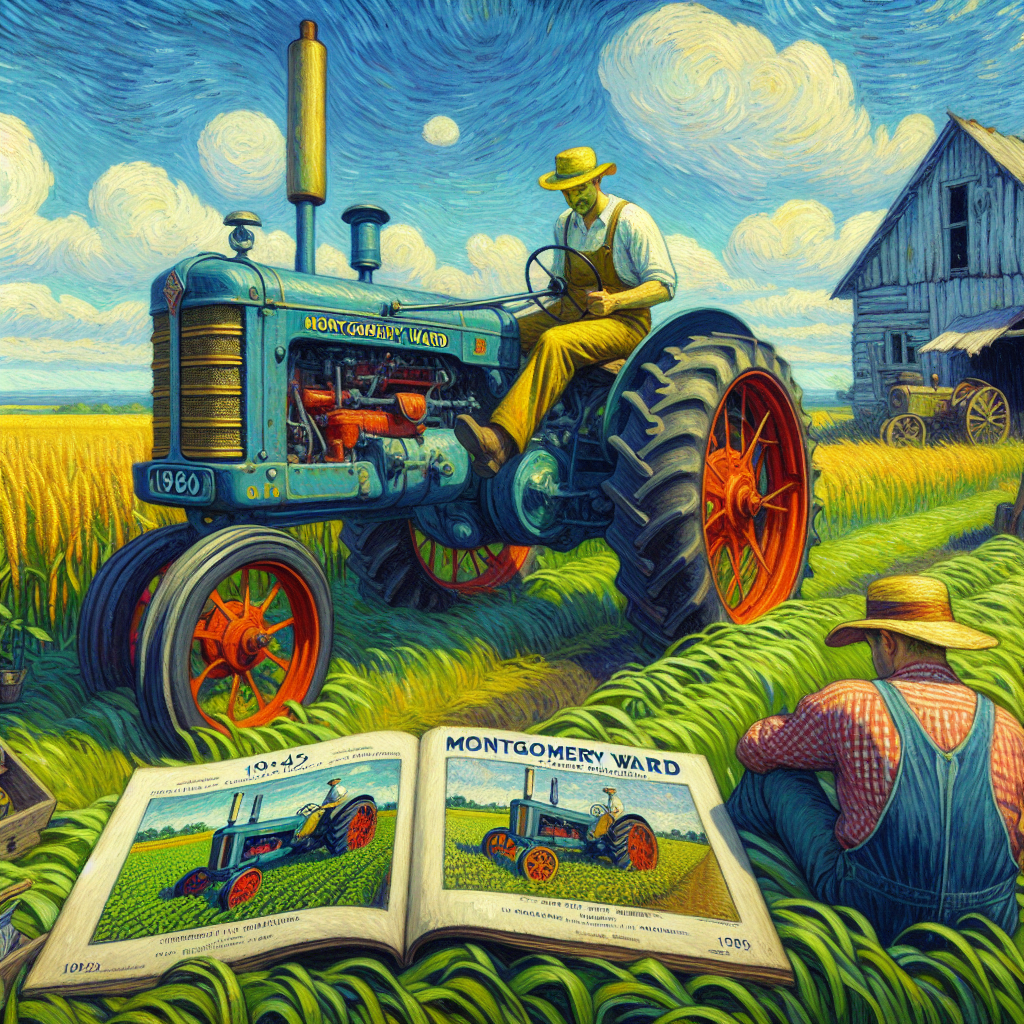
Glossary Of Terms
Other Questions
What Makes Vintage Tractors a Smart Choice for Modern Farmers – Other Questions
If you wish to explore and discover more, consider looking for answers to these questions:
- What are the key benefits of using vintage tractors compared to modern equipment?
- How do vintage tractors compare in terms of fuel efficiency?
- What specific models of vintage tractors are most popular among farmers today?
- What should I look for when buying a vintage tractor?
- Are there any specific brands known for their reliable vintage tractors?
- How can farmers customize vintage tractors for modern farming needs?
- What kind of training or skills are needed to operate a vintage tractor?
- What are the best practices for restoring a vintage tractor?
- How do vintage tractors impact local economies?
- Are there local clubs or communities dedicated to vintage tractor enthusiasts?
- What conservation efforts are in place to preserve vintage tractors?
- How do vintage tractors contribute to biodiversity in farming?
- What are the common challenges faced when maintaining vintage tractors?
- Can vintage tractors be used in organic farming practices?
- What legal considerations should a farmer keep in mind when using vintage machinery?
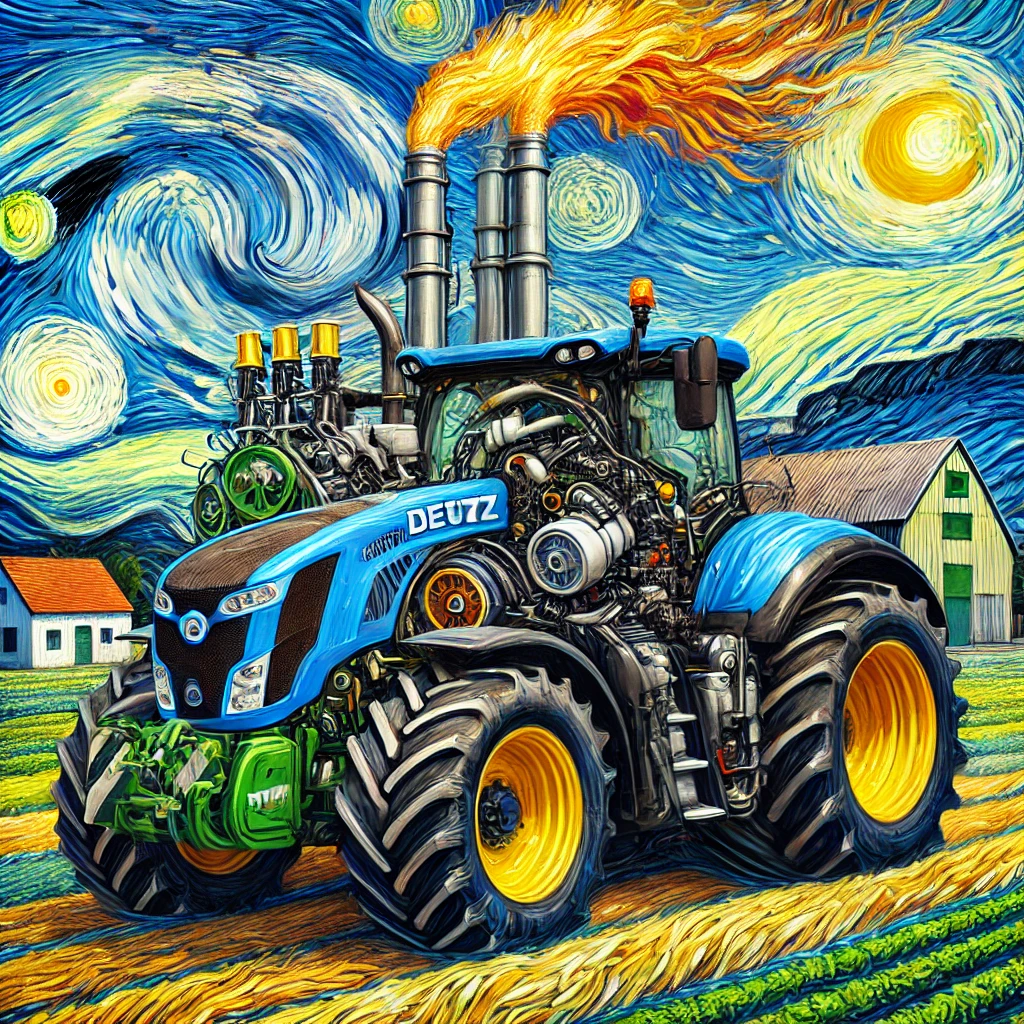
Other Questions
Haiku
What Makes Vintage Tractors a Smart Choice for Modern Farmers – A Haiku
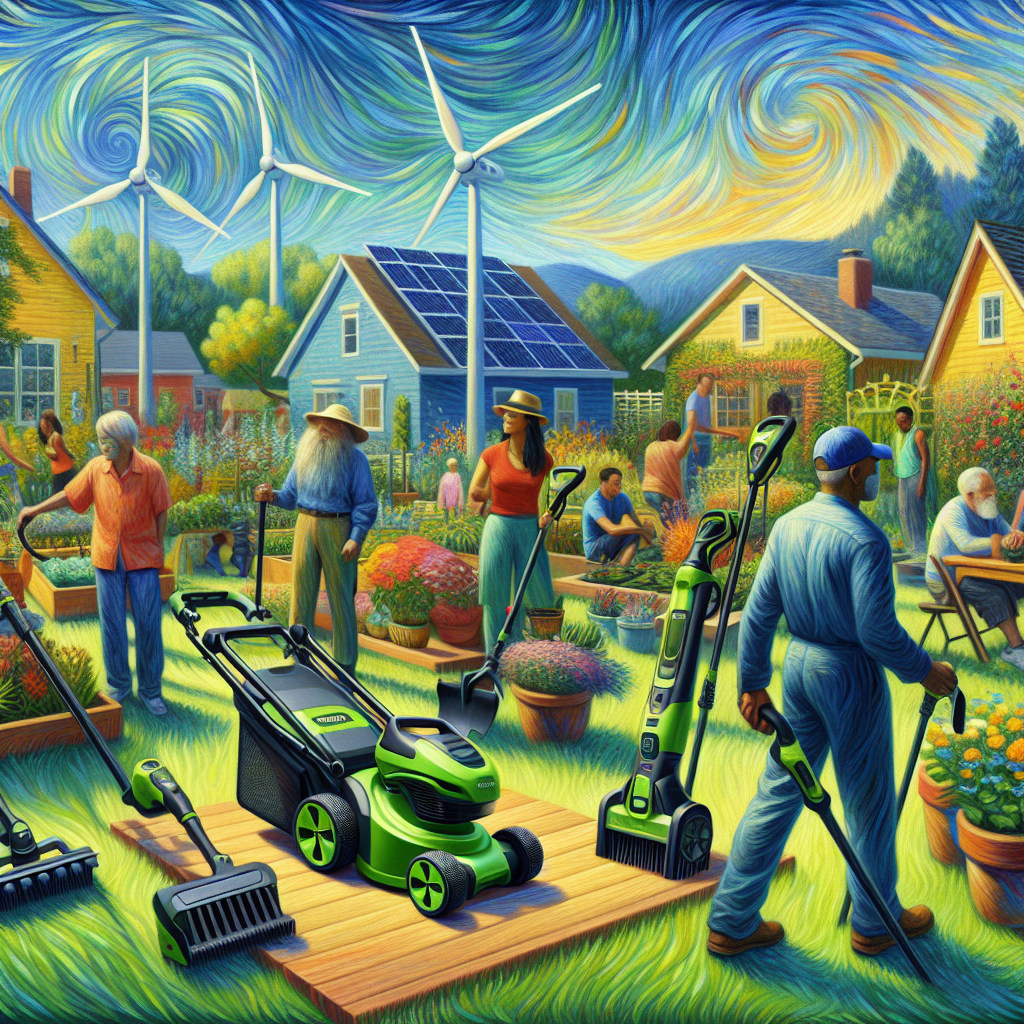
Rusty wheels that turn,
Whispers of toil and roots deep—
Legacy reborn.
Haiku
Poem
What Makes Vintage Tractors a Smart Choice for Modern Farmers – A Poem
Ode to the Vintage Tractor
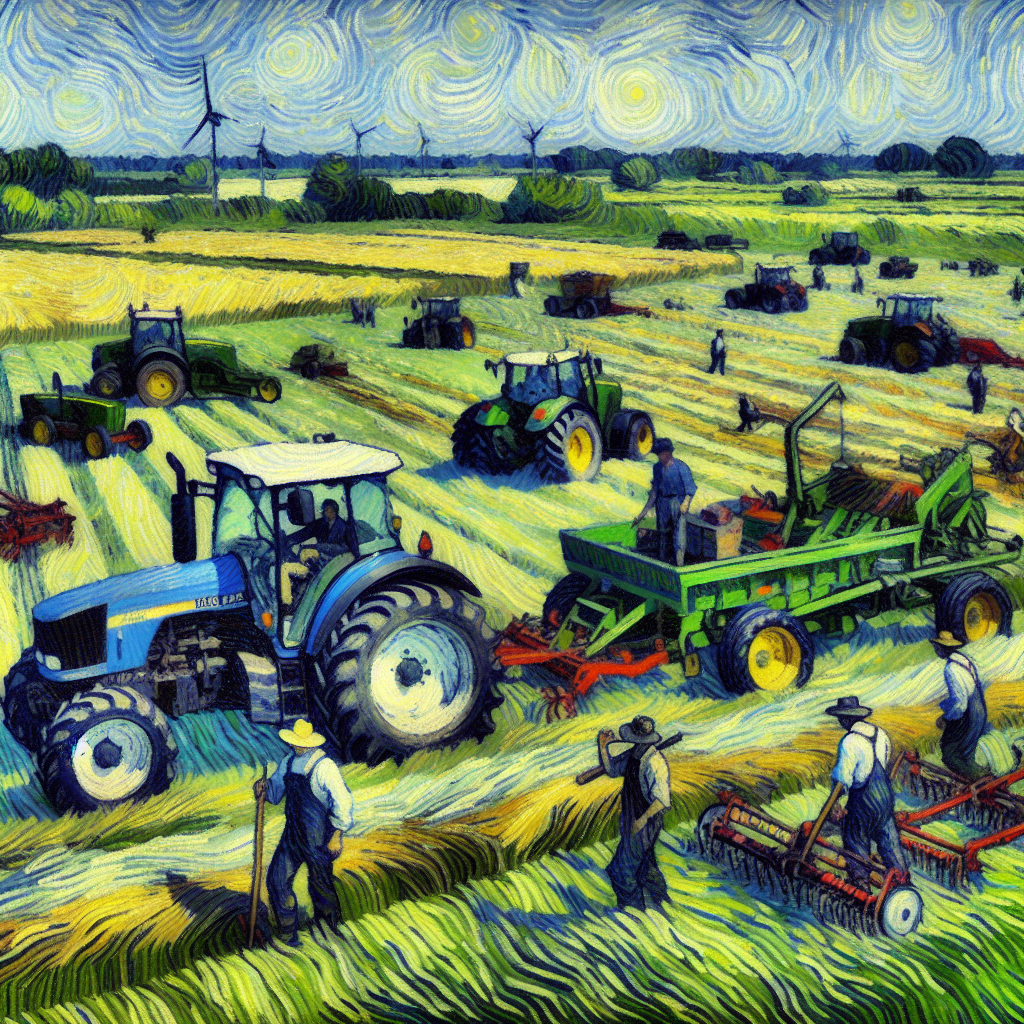
In sunlit fields where memories bloom,
Stands a vintage tractor, dispelling gloom.
A faithful friend, with scars to show,
It whispers tales of triumph and woe.
From rusted parts and worn-out frames,
It echoes voices, recalls old names.
Of farmers past who toiled with pride,
In harmony with the earth, their steadfast guide.
Not just a tool, but a lifeline strong,
In a world of haste where we feel we don’t belong.
Its simple mechanics, a tangible art,
Invite the hands of tradition to restart.
Reliability wrapped in aged steel,
Saving us dollars, it teaches us to heal.
Sustainably crafted for days long gone,
Reminds us that legacy is never withdrawn.
In every purr, in every churn,
Is the heartbeat of farming, for which we yearn.
A choice that speaks when community’s in need,
Through nostalgia and wisdom, we plant the seed.
Let’s gather ’round, let stories flow,
For the harvest shared, a shared seed we sow.
Bridging the past with a future so bright,
Vintage tractors hold our hopes in the light.
So here’s to the hearts that fiercely strive,
In fields rich with history, where we come alive.
With every turn of the wheels, we reclaim who we are—
Guardians of the land, our guiding star.
Embrace the wisdom in the weathered, unrefined,
For in the gut of this journey, there’s truth intertwined.
With tractors that chart both time and space,
We cultivate not just crops—but a lasting grace.
Poem
Checklist
What Makes Vintage Tractors a Smart Choice for Modern Farmers – A Checklist
Vintage Tractor Appeal Checklist
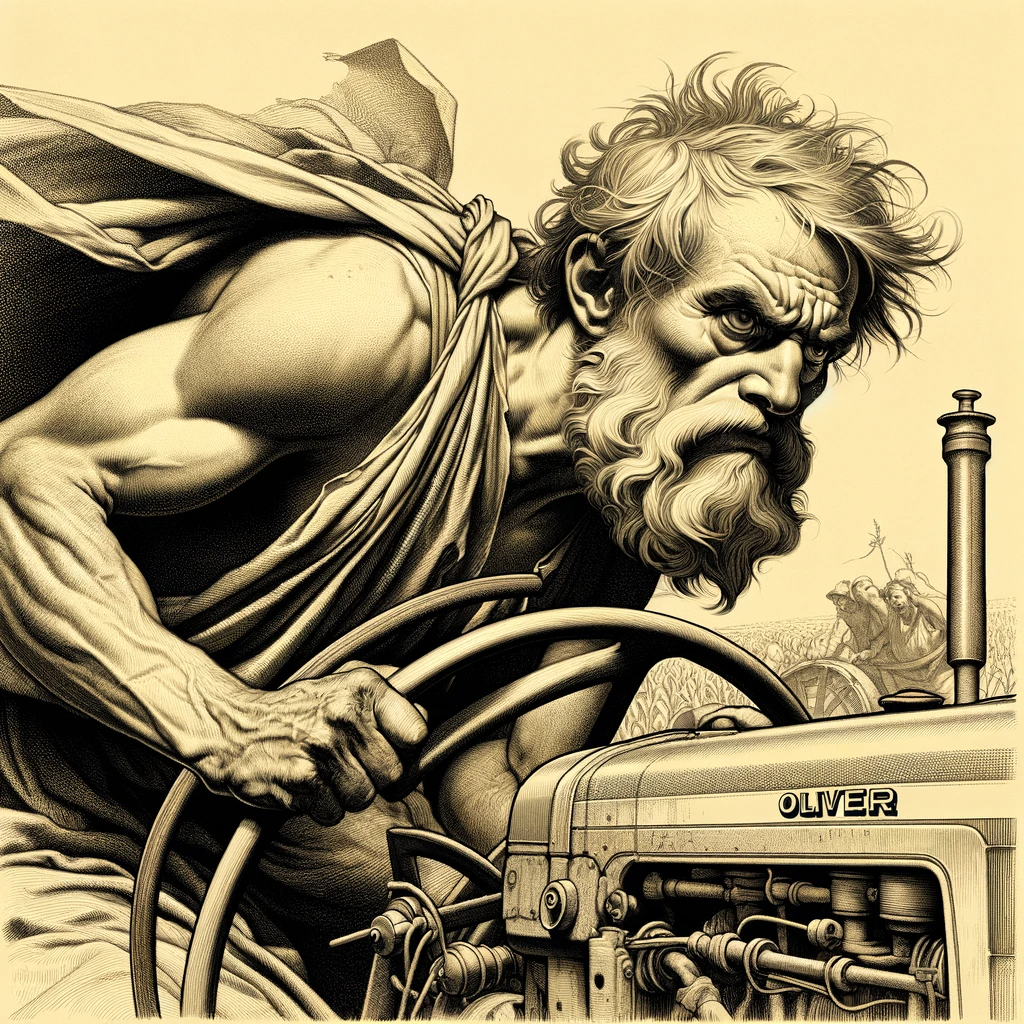
This checklist is designed to help modern farmers consider the emotional, rational, and ethical benefits of embracing vintage tractors. By evaluating each point, farmers can connect with the heart of their practice, stay smart in their choices, and strengthen their community bonds.
Heartfelt Connections: The Emotional Appeal
_____ Reflect on Legacy: Consider how using a vintage tractor connects you to agricultural history and the stories of past generations on your land.
_____ Strengthen Bonds: Think about how vintage tractors serve as conversation starters among neighbors and fellow farmers; showcase your shared love for farming.
_____ Embrace Nostalgia: Recall fond memories and the joys of farming—how can these machines amplify those feelings?
Rational Considerations: The Logical Appeal
_____ Maintenance Savings: Analyze potential cost savings from the simpler mechanics of a vintage tractor, reducing repair bills and reliance on specialized services.
_____ Efficiency and Reliability: Assess how traditional designs can lead to consistent performance with less downtime compared to more complex, modern machinery.
_____ Sustainability Practices: Identify how using vintage tractors aligns with practices that promote environmental stewardship and reduce waste.
Ethical Reflections: The Ethical Appeal
_____ Support Sustainability: Acknowledge the importance of reusing vintage equipment; how does this decision support a culture of responsible farming?
_____ Invest in Local Heritage: Think about the impact of investing in vintage machinery on local agricultural communities and the preservation of traditional practices.
_____ Contribute to a Movement: Assess your role in a larger narrative that emphasizes care for the earth and respect for farming roots.
Social Connections: The Community Appeal
_____ Join the Vintage Community: Explore local vintage tractor shows or restoration groups—how can these communities enrich your farming experience?
_____ Cultivate Conversations: Plan opportunities to share experiences with your vintage tractor at community events; what stories can you tell?
_____ Network with Other Farmers: Leverage your love for vintage tractors to connect with like-minded individuals who resonate with the value of craftsmanship.
This checklist encompasses emotional reflections, practical considerations, ethical choices, and community connections. Embracing vintage tractors isn’t just a farming choice; it’s a commitment to a legacy, effective practices, and the relationships that bind us to our agricultural roots.
Checklist
At ClassicTractorNews, we help tractor lovers keep up with the latest news for classic and vintage tractors.
Please share this post with your friends, family, or business associates who may like old classic or vintage tractors.