

The Timeless Reliability Of Classic Tractors For Today’s Small Farms
By Tom Seest
At ClassicTractorNews, we help tractor lovers keep up with the latest news for classic and vintage tractors.
Please share this post with your friends, family, or business associates who may like old classic or vintage tractors.
What Makes Classic Tractors More Reliable for Small Farms Now
What Makes Classic Tractors More Reliable for Small Farms
When you think about the lifeblood of small farms, you can’t help but picture a trusty tractor chugging away in the fields. There’s something profoundly human about the relationship between a farmer and their machinery. Each scratch on the hood tells a story; every stubborn bolt is a badge of honor earned through long hours and hard work. Classic tractors have earned their reputation not just through their robust design, but through the stories of farmers like you—individuals who understand that trust isn’t built overnight. It’s forged through grit and dependability.
Emotionally, there’s a connection that goes beyond steel and paint. Those older models aren’t just machines; they’re memories. A classic tractor might remind you of your grandfather’s hands gripping the wheel, steering through golden rows of corn, or the laughter shared while fixing a stubborn engine on a warm summer evening. These machines have soul. They embody a simpler time when farming wasn’t merely a business; it was a way of life, celebrated with sunrises and the satisfaction of a hard day’s work.
Rationally speaking, classic tractors often boast simple mechanics that are easier to repair and maintain. While newer tractors are packed with digital bells and whistles, they can become a maze for the average farmer, leading to frustration and costly repairs. Older models showcase solid engineering that withstands both time and labor, meaning you can focus on planting instead of puzzling over a user manual. Additionally, the parts for these classics are often readily available, making DIY repairs a feasible option for even the most budget-conscious farmer.
Ethically, embracing classic tractors also means choosing sustainability. These tractors are time-tested machines built to last, allowing you to minimize waste and fuel consumption. In an era where eco-friendly practices are increasingly vital, classic tractors stand out as beacons of reliability and responsibility.
From the first rev of the engine to the last sunset of the season, the classic tractor is your steadfast partner in this journey. It represents not just a commitment to enduring quality, but to preserving the heart of farming itself. So as you lace up your boots for another day in the field, remember that both you and your tractor share a common goal: cultivating the land, nurturing the future, and keeping the spirit of farming alive. With each turn of the wheel, you’re driving history forward.
What Makes Classic Tractors More Reliable for Small Farms Now
What Makes Classic Tractors More Reliable for Small Farms Now
- Classic tractors are vital machinery for small farms, symbolizing a deep connection between farmers and their equipment.
- Each scratch and repair on a classic tractor represents the hard work and stories of farmers.
- Emotionally, classic tractors carry memories and a sense of nostalgia tied to family and tradition.
- Classic models feature simple mechanics that are easier to repair and maintain compared to modern, complex tractors.
- Parts for classic tractors are often readily available, making DIY repairs accessible for budget-conscious farmers.
- Choosing classic tractors promotes sustainability by minimizing waste and fuel consumption.
- Using classic tractors upholds the essence of farming, focusing on quality and tradition while cultivating the land.
What Makes Classic Tractors More Reliable for Small Farms Now
Table Of Contents
- What Makes Classic Tractors More Reliable for Small Farms Now
- What Stories Do Classic Tractors Hold For Small Farm Families?
- How Do Classic Tractors Save You Money On Repairs And Fuel?
- What Ethical Benefits Come From Preserving Vintage Farming Equipment?
- Can The Simplicity Of Classic Tractors Ease Your Farming Challenges?
- How Do Older Tractors Foster Community Amongst Small Farmers Today?
- How Do Classic Tractors Connect Us To Farming Traditions And Heritage?
- Conclusion
- Other Resources
- Glossary Of Terms
- Other Questions
- Haiku
- Poem
- Checklist
What Stories Do Classic Tractors Hold For Small Farm Families?
Imagine standing in a sun-drenched field, where the hum of everyday life dances with the whispers of history. The centerpiece? A classic tractor, a steadfast companion to generations of farmers. This isn’t just machinery; it’s a storyteller, a repository of dreams, sweat, and resilience that resonates deeply within small farm families.
Each scratch, dent, and faded paint job tells its own tale of toil, triumph, and tribulation. The old tractor you see parked beside the barn is the same one that bravely plowed the earth during harsh winters, or perhaps it’s the engine that sparked joy when, after an exhausting week, the family gathered to watch Dad or Grandpa fine-tune the engine. These memories aren’t simply relics of the past—they shape a family’s identity and purpose.
But let’s get real for a moment. The world of farming is no walk in the park. Tractors like these embody the grit and determination it takes to make a living from the land. They remind us that every seed planted comes with hope, and every harvest is a testament to perseverance. While larger, flashier machines may dominate the fields today, it’s these vintage tractors that resonate with the heart of the farming community. They echo the idea that, when it comes to nurturing the land, the roots run deeper than mere technology—they dig into conviction and hard work.
From a rational perspective, consider the wisdom handed down alongside these tough machines. They are practical, functional, and remind us that there was a time when farmers relied solely on resilience and a trusty tractor. The bond between families and their tractors isn’t born merely from nostalgia; it’s a relationship forged over time, where lessons in humility, dedication, and grit are learned and passed on. And let’s not forget the ethical implications—the commitment to sustainability that so many small farms embrace, embodied in the longevity and preservation of these timeless machines.
So, next time you spot a classic tractor, don’t just see an old piece of metal; see a connection—a bridge that spans decades of labor, love, and lineage. These humble giants call out for us to recognize the value they hold, not just in our farms, but in the very fabric of our lives. Embrace that connection, and perhaps, even revive your own story. Let’s honor the legacy of those who came before us, ready to climb aboard and keep the wheels turning for generations to come.
What Stories Do Classic Tractors Hold For Small Farm Families?
What Stories Do Classic Tractors Hold For Small Farm Families?
- A classic tractor symbolizes the connection between generations of farmers and the history of small farm families.
- Scratches and dents on vintage tractors represent stories of toil, triumph, and tribulation.
- These tractors serve as emotional touchstones, shaping a family’s identity and purpose.
- The farming experience requires grit and determination, with tractors encapsulating the challenges of agricultural life.
- Despite the prevalence of modern machinery, vintage tractors resonate with the farming community’s values of hard work and conviction.
- The bond formed between families and their tractors goes beyond nostalgia, reflecting themes of dedication and sustainability.
- Recognizing the legacy of classic tractors allows for a deeper appreciation of their role in the fabric of our lives and farming heritage.
What Stories Do Classic Tractors Hold For Small Farm Families?
How Do Classic Tractors Save You Money On Repairs And Fuel?
Picture this: a classic tractor, gently rusting under the sun, its glory not worn but weathered—like a fine wine aged to perfection. These beautiful machines, with their robust design and engineering simplicity, stand as a testament to a time when things were built to last. It’s not just nostalgia; it’s about making choices that have real implications for your wallet and peace of mind.
When you fire up a classic tractor, you’re engaging in a conversation with generations of hard-working folks who relied on these steadfast machines. They didn’t have access to all the bells and whistles of modern technology, yet somehow, they thrived—driving their farming ambitions forward with resilience. This is where the beauty lies; classic tractors are straightforward. With fewer complex electronics and gadgets, the chances of something going haywire are reduced significantly. That simplicity translates into lower repair costs. If something breaks, you’re more likely to be able to fix it yourself, or at least know a mechanic who can handle it without charging an arm and a leg.
Now let’s talk fuel. In a world where fuel prices fluctuate like a pendulum caught in a storm, classic tractors often come out on top. Their efficient engines, designed for durable performance over flashy speed, do the job without guzzling resources. This isn’t just an advantage; it’s a lifeline. You can focus less on how much you’re spending at the pump and more on the tasks that truly matter—like feeding your family or tending to your land.
A classic tractor isn’t merely a piece of machinery; it’s a connector—a bridge between past and present, family and tradition. That bond fosters a sense of community among owners who share tips, tricks, and tales from the field, reinforcing a network of support that modern machinery simply can’t replicate. It’s comforting knowing you’re not alone when the going gets tough.
Choosing a classic tractor is more than an economical decision; it’s an embrace of values—durability, self-sufficiency, and a sustainable approach to work and life. So, take a step back from the plastic and the programmed; lean into something more grounded, something real. Save money, yes—but even more, save your connection to the land, your heritage, and to the people who have farmed it before you. Trust in the classics. They’ve stood the test of time for a reason.
How Do Classic Tractors Save You Money On Repairs And Fuel?
How Do Classic Tractors Save You Money On Repairs And Fuel?
- Classic tractors symbolize robust design and engineering simplicity, reflecting a time when durability was paramount.
- Operating a classic tractor connects you to generations of farmers who depended on these straightforward machines.
- Fewer electronics in classic tractors mean lower chances of breakdowns and reduced repair costs.
- Classic tractors offer fuel efficiency, allowing owners to focus more on their work rather than fuel expenses.
- These tractors serve as a bridge between past and present, fostering community among owners through shared experiences.
- Choosing a classic tractor embodies values of durability, self-sufficiency, and a sustainable approach to farming.
- Investing in a classic tractor is not just about saving money, but also about preserving a connection to heritage and the land.
How Do Classic Tractors Save You Money On Repairs And Fuel?
What Ethical Benefits Come From Preserving Vintage Farming Equipment?
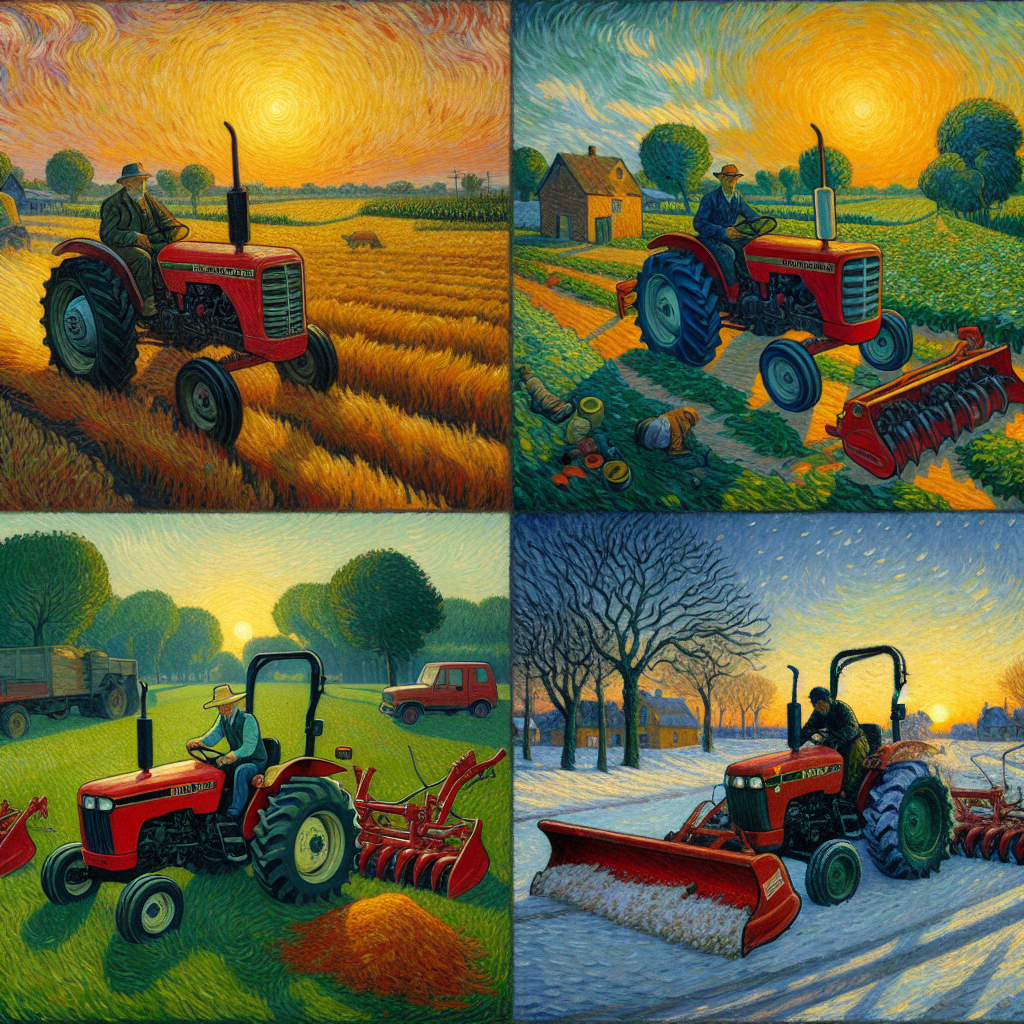
Imagine for a moment the rumble of a vintage tractor, its worn chassis telling tales of sunrises and setting suns on fields that have nourished generations. It’s more than just machinery; it’s a heartbeat of our agricultural history, echoing the labor and love that has fed our families for decades. When we preserve vintage farming equipment, we aren’t just saving old tools; we’re safeguarding the very essence of our farming heritage.
Emotionally, these relics connect us to our past. Each rusted bolt and faded paint job tells a story—a narrative that reminds us of the hard work and sacrifices made by those who came before us. It’s a tangible link to our roots, sparking memories of grandparents plowing fields by hand or thrilling adventures on the old tractor, bouncing along dusty backroads. This nostalgia creates an emotional tapestry that binds us to our land and our community.
On a rational level, preserving vintage farming equipment makes sense economically and environmentally. These machines were built to last, often utilizing simpler technology that can be easier and cheaper to repair. By maintaining and repurposing old tractors rather than discarding them for flashy modern replacements, we reduce waste and conserve resources. It’s a way to honor sustainability, aligning our practices with the ethical responsibility we have to our planet.
Furthermore, the ethical considerations are profound. By choosing to preserve rather than dispose of vintage equipment, we participate in a movement that respects craftsmanship. These machines were built in a time when quality reigned supreme over quantity. Reviving them encourages a culture that values durability over disposability, prompting us to re-evaluate our consumption habits and consider the broader impact of our choices.
Socially, this endeavor fosters a sense of community. As we gather at restoration workshops or vintage tractor shows, we weave connections with like-minded individuals who share a passion for preserving the past. These gatherings cultivate a spirit of collaboration, teaching the next generation the skills and knowledge needed to care for this invaluable history.
In a world that often feels rushed and insatiable, embracing the preservation of vintage farming equipment allows us to take a step back, slow down, and recognize the beauty in our agricultural legacy. It invites us to honor the farmers who toiled before us and inspires action: to protect our heritage while nurturing our future. Let’s keep the engines running and the stories alive.
What Ethical Benefits Come From Preserving Vintage Farming Equipment?
What Ethical Benefits Come From Preserving Vintage Farming Equipment?
- The rumble of vintage tractors symbolizes our agricultural history, connecting us to the hard work done by previous generations.
- Preserving vintage farming equipment safeguards our heritage and serves as a tangible link to family memories and traditions.
- Economically and environmentally, maintaining old machines is sound, as they are easier and cheaper to repair and reduce waste.
- This preservation effort honors sustainability and aligns with our ethical responsibilities towards the planet.
- Reviving vintage equipment promotes a culture that values quality craftsmanship and encourages a re-evaluation of our consumption habits.
- Community is fostered through gatherings like restoration workshops, where individuals connect and pass on skills to the next generation.
- Preserving vintage farming equipment allows us to slow down, appreciate our agricultural legacy, and respect those who worked the land before us.
What Ethical Benefits Come From Preserving Vintage Farming Equipment?
Can The Simplicity Of Classic Tractors Ease Your Farming Challenges?
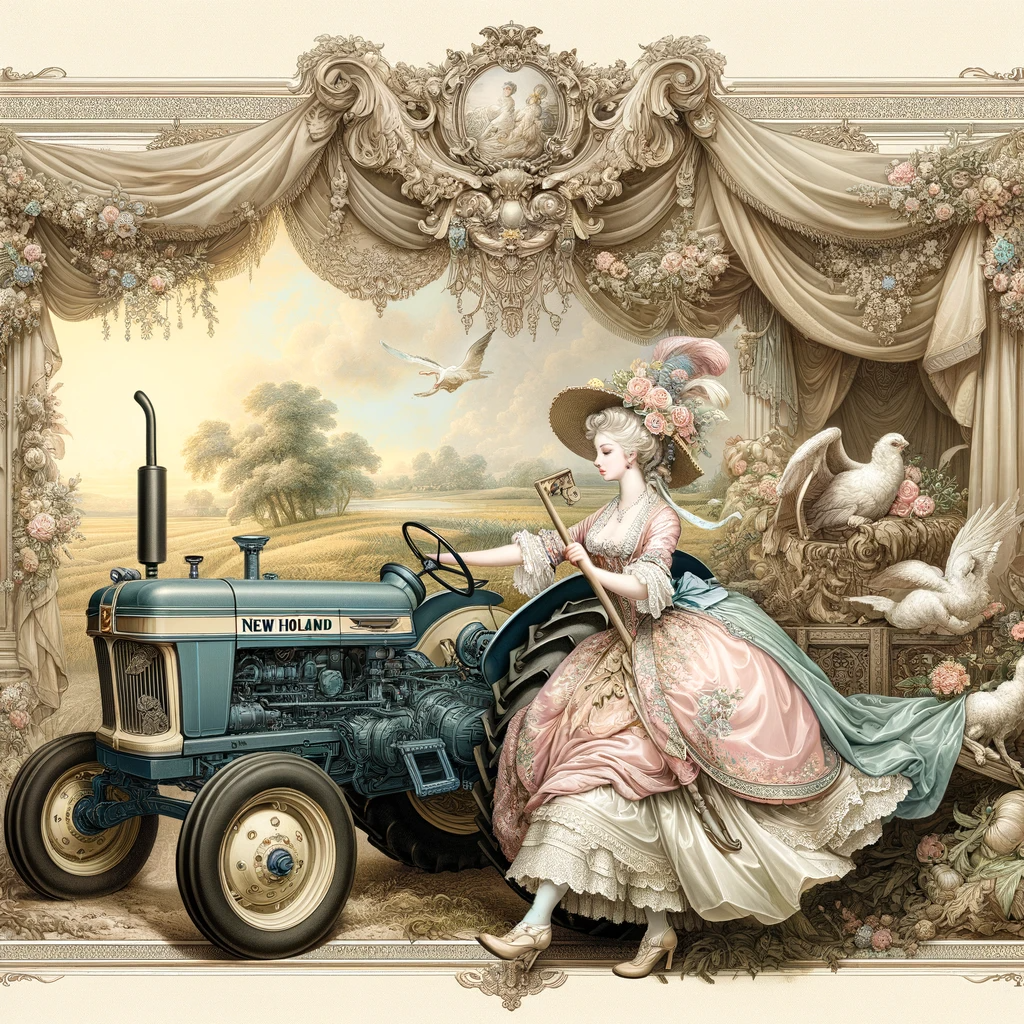
When you think about a tractor, what springs to mind? For many, it’s more than just a machine; it’s a symbol of grit and resilience, weathering the seasons alongside hardworking farmers. Classic tractors, in all their rugged simplicity, hold a special place in the heart of agriculture. They invite us back to a time when farming was about hands-on connection, where every rotation of the wheel seemed to sing the melody of the earth.
Imagine stepping into the cab of a vintage tractor, the rusted metal warm beneath your hands, the engine rumbling to life with a satisfying growl. Without complex electronics or a million buttons to navigate, the beauty of these machines lies in their straightforwardness. That simplicity speaks to the head—it cuts through the noise. With fewer moving parts, there’s less that can go wrong. It’s straightforward mechanics that you can fix with a wrench and a bit of elbow grease, not a computer chip and a technician’s manual. You can feel confident you’ll get the job done without an all-day workshop session; that’s peace of mind when the sun is setting and your fields still await.
But let’s talk about connection. A classic tractor invites everyone to be part of the journey. Picture a child standing wide-eyed as their parent explains the mechanics of farming, pointing out the steady thrum of the engine that drives summer’s harvest. These moments strengthen bonds; they create memories that go beyond the soil, sowing the seeds of love and respect for the land’s labor. Ethically, this connection enhances the farming community, bringing generations together, stitching the fabric of tradition into the very heart of agriculture.
What about the gut? Well, the tactile experience of operating a straightforward, powerful tractor ignites a sense of competency. You feel the machine responding to your every command, the vibrations through the seat resonating with your purpose. There’s no waiting on digital diagnostics; you’re in control, and that’s something concrete.
In a world flooded with uncertainty, the reliability of classic tractors resonates deeply. They remind us of our roots—literally and figuratively. So why not embrace that simplicity to ease today’s farming challenges? Trust in the enduring power of these machines. They stand as a testament to perseverance, capable of carrying us forward while keeping the past close. In their straightforward nature lies a wisdom that’s hard to ignore. Let’s welcome the power of simplicity back to the fields.
Can The Simplicity Of Classic Tractors Ease Your Farming Challenges?
Can The Simplicity Of Classic Tractors Ease Your Farming Challenges?
- Classic tractors symbolize grit and resilience, connecting to hardworking farmers and the land.
- Their rugged simplicity invites reflection on a hands-on farming era full of connection to nature.
- Vintage tractors lack complex electronics, emphasizing straightforward mechanics that are easy to repair.
- These machines provide peace of mind, helping farmers get the job done efficiently as daylight fades.
- Classic tractors foster connections through shared experiences, enhancing family bonds and agricultural traditions.
- The tactile experience of operating a classic tractor ignites a sense of competency and control.
- Embracing the simplicity of classic tractors helps address modern farming challenges while honoring tradition.
Can The Simplicity Of Classic Tractors Ease Your Farming Challenges?
How Do Older Tractors Foster Community Amongst Small Farmers Today?
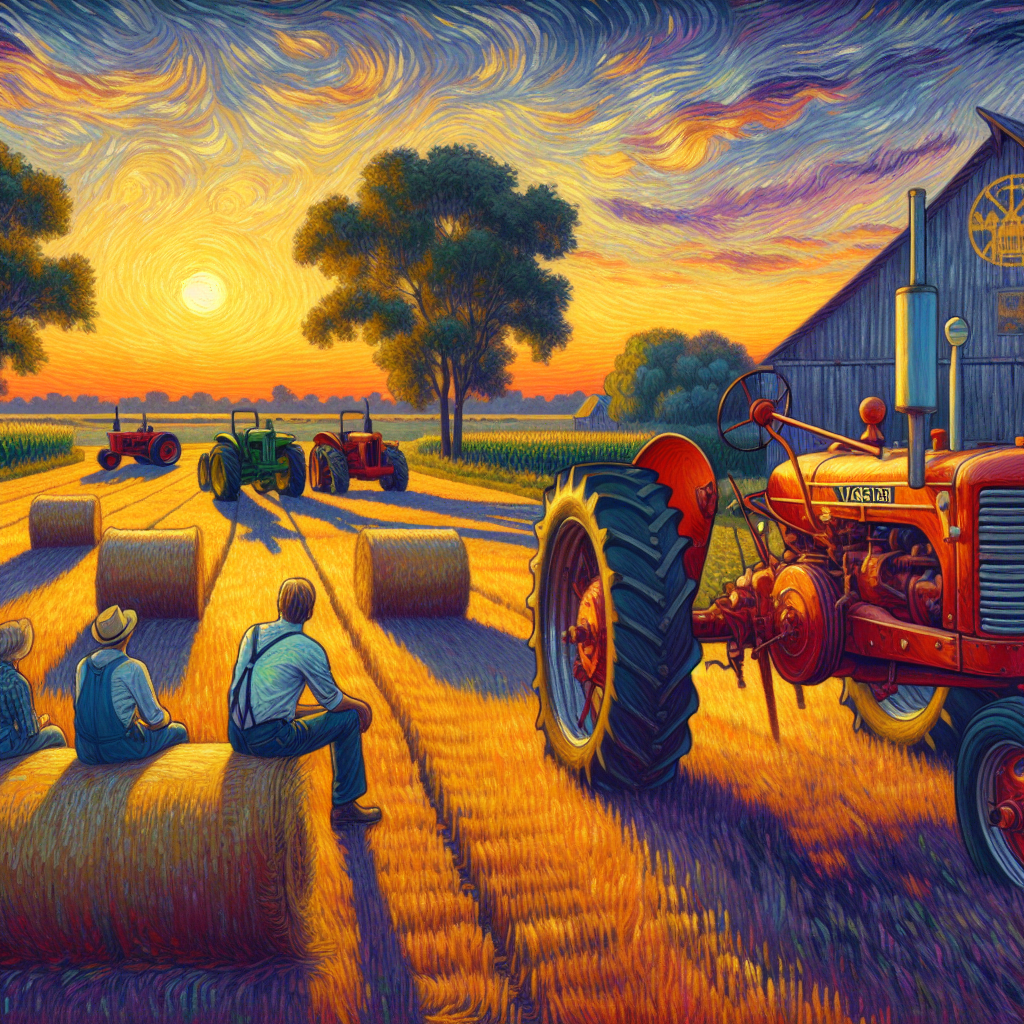
In a world that often feels fractured and fragmented, there’s something comforting about the steady thrum of an older tractor chugging through fields. These machines are more than just tools; they’re symbols of a time when farming was less about corporate profits and more about community. Picture a small farm, where the sun sets behind rows of crops, and the sound of an old tractor echoes through the air, bringing with it the cycle of hard work, resilience, and camaraderie.
When farmers gather around these classic tractors, they’re not merely discussing equipment; they’re sharing stories. With every dent and scratch on the metal, there’s a tale waiting to be told. Perhaps a farmer recalls how that tractor helped him plant his first season’s crop or how it broke down on a neighbor’s field, leading to an impromptu barbecue and laughter among friends. These moments forge bonds that go deeper than business—connecting families across generations and emphasizing the shared ethics of hard work and support.
Rationally speaking, older tractors boast a simplicity that many modern machines lack. They are easier to repair and maintain, allowing small farmers to keep their operations sustainable without the stress of complex technology. This practicality invites farmers to take charge of their own equipment, fostering a sense of trust in their capabilities while enhancing the resilience of their community. Every fix becomes an opportunity for learning and growth, not just individually, but together.
The narrative of these storied tractors also represents a collective identity for small farmers, a reminder that they are part of something bigger—a tradition. As new farmers enter the community, they find a warm welcome in the familiarity of these machines. They learn from seasoned hands while sharing their own fresh ideas, fostering a rich exchange that nurtures innovation within a strong foundation of experience.
In an era dominated by large agricultural entities, older tractors serve as a rallying point, a touchstone for small farmers who seek connection and a sense of belonging. It’s about more than just farming; it’s about creating a network anchored in trust and mutual support. So, the next time you hear that old engine rumble to life, remember it’s not just a tractor—it’s a lifeline, a community, and a testament to the spirit of resilience that small farmers embody every single day.
How Do Older Tractors Foster Community Amongst Small Farmers Today?
How Do Older Tractors Foster Community Amongst Small Farmers Today?
- Older tractors symbolize a time of community-focused farming rather than corporate profit.
- Farmers share stories and build bonds around the experiences associated with these classic machines.
- Each dent and scratch on a tractor represents personal and communal histories among farmers.
- Older tractors offer simplicity in repair and maintenance, supporting sustainable farming operations.
- Repairs foster trust in farmers’ abilities and encourage learning and growth within the community.
- These tractors represent a collective identity and a tradition that welcomes new farmers into the community.
- Older tractors serve as a connection point for small farmers, emphasizing mutual support and resilience.
How Do Older Tractors Foster Community Amongst Small Farmers Today?
How Do Classic Tractors Connect Us To Farming Traditions And Heritage?
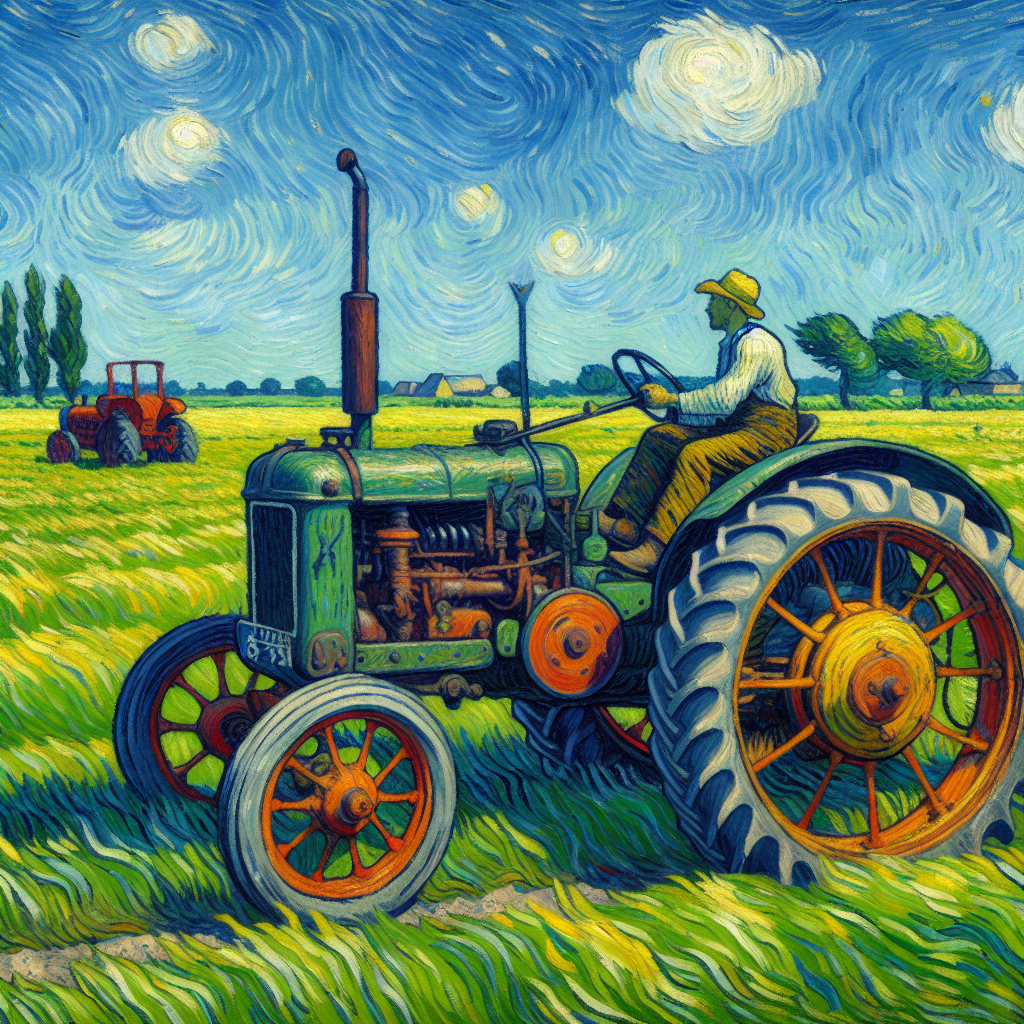
When you think of a classic tractor, what comes to mind? For many, it’s not just an old machine chugging through a field; it’s the heartbeat of farming heritage, a tangible link to the sweat, toil, and dreams of generations past. These magnificent machines tell stories. They are the embodiment of a life deeply intertwined with the earth and each other. Picture a sun-drenched field where a weary farmer, with hands calloused and eyes focused, works the land as his ancestors did. That rusty red tractor, with its rickety wheels and faded paint, stands as a testament to persistence, craftsmanship, and the values that have shaped our communities.
Emotionally, classic tractors evoke nostalgia, a yearning for simpler times when life revolved around the rhythms of the seasons. They remind us of family gatherings, the smell of fresh earth, and the sound of laughter echoing through the fields. Each dent and scratch tells a story—a weekend spent repairing it with a loved one or a harvest festival celebration marked by shared triumphs and losses. This connection to our past fosters a sense of belonging, anchoring us to a rich tapestry of farming traditions that define not just our agricultural practices but also our identities.
Rationally speaking, classic tractors embody resilience and innovation. They were built to last, designed with enduring principles that prioritized function over flash. They remind us that the essence of good farming transcends technology. Underneath the grit and grease, these machines whisper lessons about sustainability, efficiency, and the ethics of care toward our land and resources. They challenge us to honor our past while building an innovative future, inviting the next generation to learn from the foundations laid by those who toiled before us.
Socially, the gathering around classic tractors brings friends, family, and neighbors together. Tractor shows, restoration projects, and seasonal fairs ignite passions and create bonds. They invite local communities to uphold traditions, share knowledge, and build friendships while celebrating a shared love for the land. This sense of camaraderie enhances trust in one another and reaffirms our commitment to stewarding the legacy of farming.
So, whether you find yourself behind the wheel of a classic tractor or watching one roll through a parade, remember this: these machines are more than just tools; they are ancestral connections to our roots. They remind us that every scratch tells a story, and every engine roars with the echoes of those who came before us. In embracing these relics, we embrace the heart and soul of farming itself.
How Do Classic Tractors Connect Us To Farming Traditions And Heritage?
How Do Classic Tractors Connect Us To Farming Traditions And Heritage?
- Classic tractors symbolize farming heritage and connect us to the toil and dreams of past generations.
- They evoke nostalgia for simpler times, reminding us of family gatherings and agricultural traditions.
- Each dent and scratch on a tractor represents stories of shared experiences and memorable moments.
- Classic tractors embody resilience and innovation, having been built to last with a focus on function over appearance.
- These machines teach us about sustainability and the ethics of caring for our land and resources.
- Gatherings around classic tractors foster community, encouraging friendships and shared knowledge through events like tractor shows.
- Classic tractors serve as ancestral symbols, reminding us of our roots and the legacy of farming.
How Do Classic Tractors Connect Us To Farming Traditions And Heritage?
Conclusion
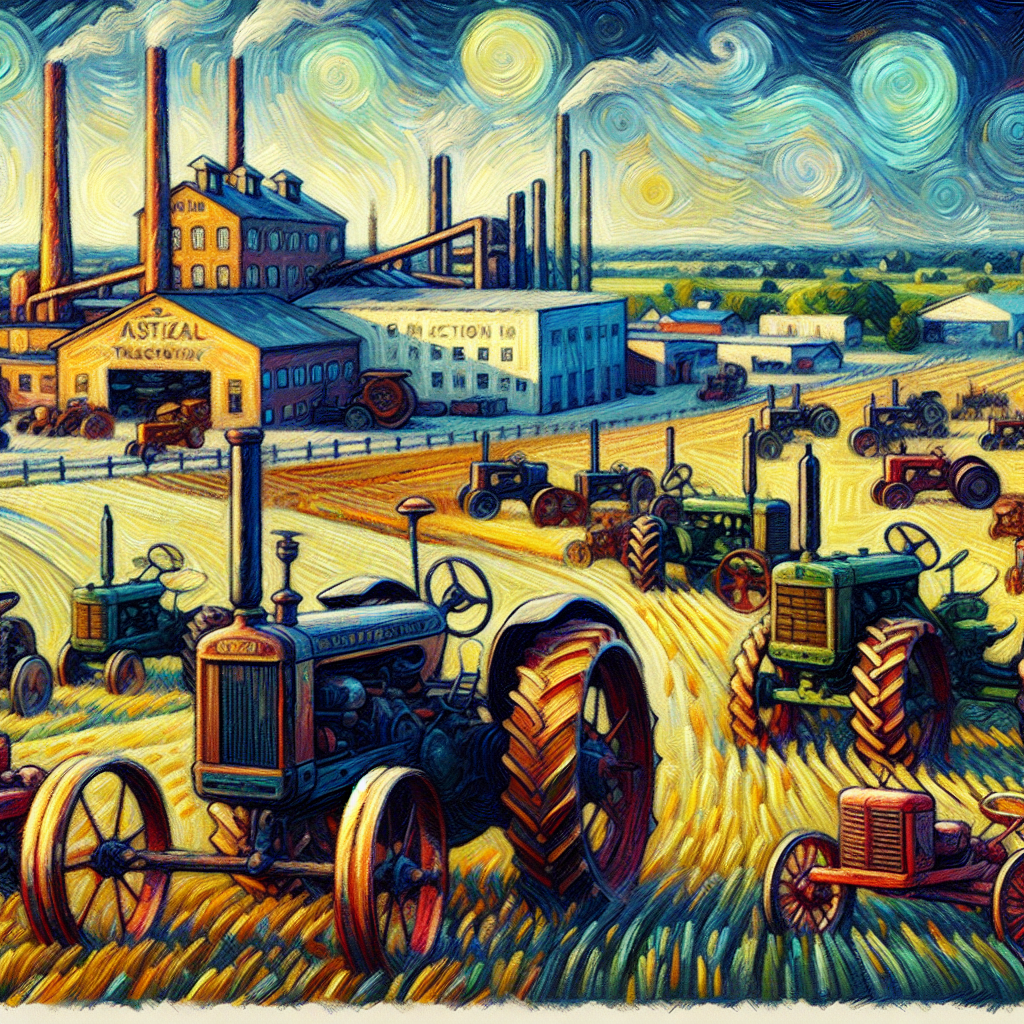
As we close the chapter on the timeless tale of classic tractors, let’s take a step back and truly absorb what makes these machines more than just functional tools; they’re the backbone of our agricultural heritage. Picture it: a field alive with history, where generations spent countless hours working the land alongside these sturdy companions. Every dent, every scratch on a classic tractor tells a story—a narrative woven with sweat, dedication, and the unwavering bond between a farmer and the earth. These robust old machines are treasures, not relics. They evoke emotions that connect us to our past, inspiring stories shared in the shade of the barn on hot summer afternoons, echoing the laughter and lessons of those who came before us.
Rationally, let’s talk about the simplicity that comes with older tractors. In a world increasingly laden with complicated technology, these machines stand proud with their straightforward designs that make farming more accessible and less intimidating. They remind us that efficiency doesn’t always come from the latest gadgetry but rather from solid engineering and a practical approach. Fewer bells and whistles mean fewer headaches, making it easier for farmers to get back to what really matters—tending the crops and nurturing the land.
But this is about more than just practical benefits; it’s also about ethics and sustainability. Embracing classic tractors is an eco-friendly choice, inherently reducing waste and promoting longevity in a throwaway culture. By choosing to repair and maintain these machines, we honor our duty to the planet while fostering a community committed to responsible farming practices. It’s a choice that speaks to our values, connecting us with a legacy of conscientious stewardship that is as relevant today as it was decades ago.
And here’s the real beauty: classic tractors foster a sense of community, stitching together the fabric of small farming families and friends united by shared values and experiences. They are gathering points, places to share knowledge, lend a hand, or simply enjoy a moment of camaraderie over a cold drink after a long day’s work.
So, the next time you see a classic tractor puttering down a familiar dirt road, don’t just see an old machine; see the heart of farming. Recognize the stories it holds; feel the pride, the grit, and the legacy you’re part of. Whether you’re behind the wheel or cheering from the sidelines, these tractors don’t just tell our story—they invite us to keep the wheels turning for future generations. Embrace that connection, and let’s nurture our agricultural spirit together, celebrating the past while cultivating our future.
Conclusion
Conclusion:
- Classic tractors are more than tools; they embody our agricultural heritage and history.
- Each wear and tear on a tractor tells a story of dedication and the bond between farmers and the land.
- Older tractors feature straightforward designs, making farming more accessible and less intimidating.
- These machines prioritize efficiency through solid engineering, reducing reliance on complicated technology.
- Choosing classic tractors promotes sustainability, reducing waste and encouraging responsible farming practices.
- Classic tractors foster a sense of community among small farming families and friends, enhancing social bonds.
- Recognizing the legacy of classic tractors invites us to nurture our agricultural spirit for future generations.
Conclusion
Other Resources
Other Resources
Here is a list of other resources you can review online to learn more:
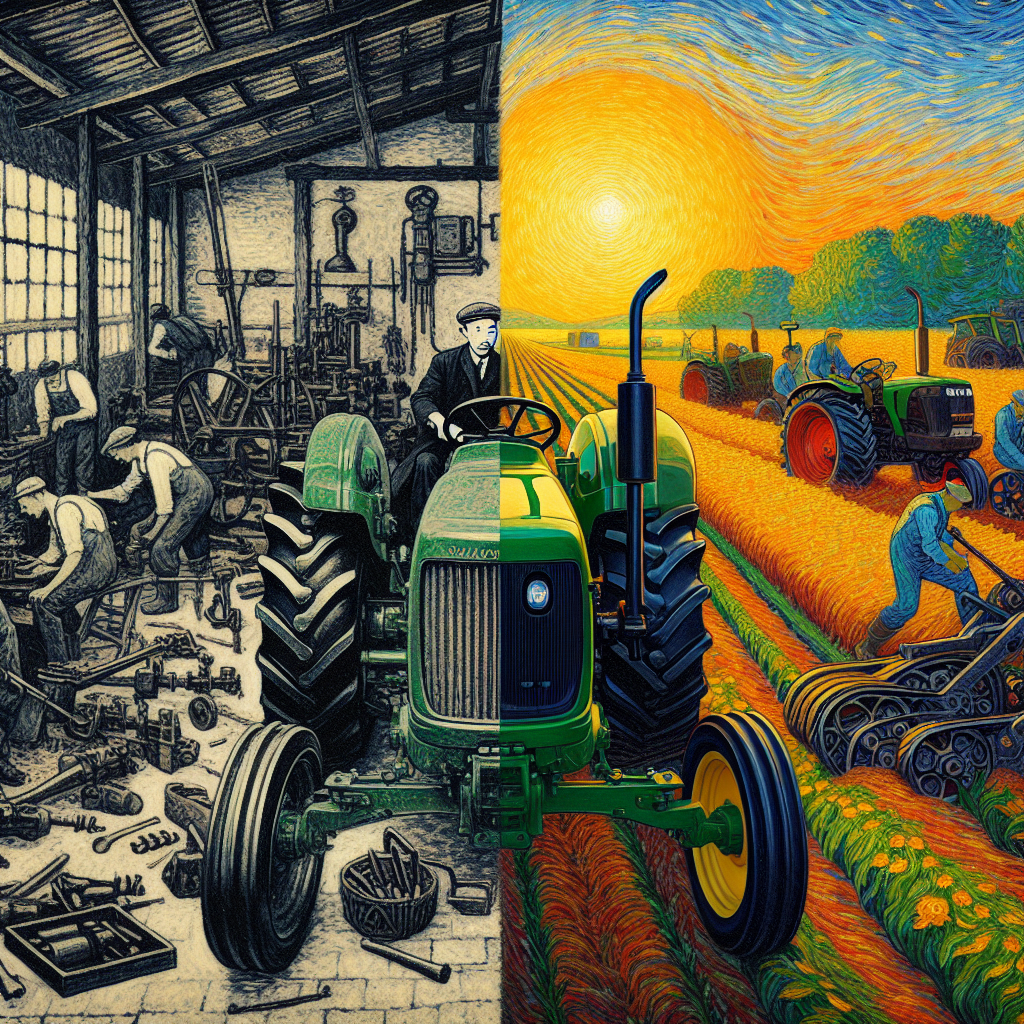
- McCormick
- Antique Tractor Club
- Cabelas
- American Tractor Museum
- Lanz
- Big Bud
- Tri-State Gas Engine and Tractor Association
- Massey-Harris
- Jeep
- Zetor Zebra
Use This Prompt To Get More Resources With Your Favorite Online AI Tool: Please provide me with a list of online articles with their URLs in a bulleted list that I can read regarding What Makes Classic Tractors More Reliable for Small Farms Now
Other Resources
Glossary Terms
What Makes Classic Tractors More Reliable for Small Farms Now – Glossary Of Terms
1. Classic Tractor: An older model of tractor, typically manufactured before the 1980s, known for its simplicity and durability.
2. Reliability: The ability of a tractor to perform consistently over time without breaking down.
3. Durability: The capacity of a tractor to withstand wear, pressure, or damage, often associated with older models built from sturdier materials.
4. Simplicity: Refers to the straightforward design of classic tractors, which often leads to easier repairs and maintenance.
5. Mechanics: The field of study and practice related to machinery, including the understanding of how classic tractors operate.
6. Maintenance: Routine actions taken to preserve and ensure the functionality of tractors, crucial for enhancing their reliability.
7. Fuel Efficiency: The measure of how effectively a tractor uses fuel, often more advantageous in classic models due to lightweight designs.
8. Compatibility: The ability of classic tractors to work with various implements and attachments, making them versatile for different farming tasks.
9. Resilience: The capability of a tractor to perform under various conditions and recover from challenges, a hallmark of classic designs.
10. Hydraulics: A system that uses fluid to transmit power, often simpler in classic tractors, contributing to their reliability.
11. Torque: The rotational force produced by a tractor’s engine, vital for pulling heavy loads, often high in classic models.
12. Parts Availability: The ease of finding spare parts for repairs, which is generally good for classic tractors due to their popularity in vintage farming.
13. User-Friendly: Classic tractors often feature intuitive controls, making them easier for operators, especially less experienced farmers.
14. Engine Type: Refers to whether the engine is gasoline or diesel; classic tractors often have simpler, robust engine designs.
15. Transmission: The system that transmits power from the engine to the wheels; classic tractors often have manual transmissions, leading to enhanced control.
16. Tires: The rubber components that affect traction and stability; classic tractors may use wide, durable tires suited for various terrains.
17. Cost-Effectiveness: The value gained from investing in a classic tractor over time, factoring in both the purchase price and maintenance costs.
18. Historical Value: The significance of classic tractors in agricultural history, which can contribute to their appeal and perceived reliability.
19. Restoration: The process of renewing and improving old tractors, which can enhance their functionality and reliability for current use.
20. Community Knowledge: The shared expertise among farmers and enthusiasts regarding the maintenance and operation of classic tractors.
21. Field Versatility: The ability of classic tractors to perform various tasks on a small farm, from tilling to hauling.
22. Safety Features: Elements designed to protect the operator, although often more minimal in classic models compared to modern tractors.
23. Customization: The ability to modify tractors with specific attachments or enhancements to meet unique farming needs.
24. Longevity: The lifespan of a tractor, with many classic models still operational decades after their manufacture.
25. Brand Loyalty: Farmers’ preference for particular classic tractor brands known for reliability and performance.
26. Farming Heritage: The traditional practices and machinery inherited from previous generations, often tied to the use of classic tractors.
27. Mechanical Skills: The hands-on ability to repair and maintain tractors, which can be more readily applied to classic models.
28. Smaller Scale Operations: Refers to the use of tractors designed for farms with less acreage, where classic models can excel due to their size and efficiency.
29. Agricultural Implements: Tools and devices used in conjunction with tractors, where classic models often offer compatibility with a range of equipment.
30. Environmental Impact: The effect of tractor use on the ecosystem, where classic tractors may provide a more sustainable option compared to modern emissions-heavy models.
Glossary Of Terms
Other Questions
What Makes Classic Tractors More Reliable for Small Farms Now – Other Questions
If you wish to explore and discover more, consider looking for answers to these questions:
- What are the key characteristics that define classic tractors?
- How do the repair costs of classic tractors compare to modern tractors?
- What specific benefits do classic tractors offer for small-scale farming compared to modern alternatives?
- How can one find parts for classic tractors?
- What factors should be considered when purchasing a classic tractor?
- What are the most popular models of classic tractors among small farmers?
- How can classic tractors contribute to sustainable farming practices?
- What maintenance practices are recommended for keeping classic tractors in good working order?
- How do vintage tractors influence farm marketing and community events?
- What are the emotional impacts of owning a classic tractor for farmers?
- Are there any government regulations regarding the use of vintage farming equipment?
- How can farmers share knowledge about classic tractors with newer generations?
Other Questions
Haiku
What Makes Classic Tractors More Reliable for Small Farms Now – A Haiku
Rusty red engines hum,
Stories of toil, love entwined,
Heritage lives on.
Haiku
Poem
What Makes Classic Tractors More Reliable for Small Farms Now – A Poem
In the Fields of Tradition
In fields where sun-kissed soil embraces the sky,
Old tractors hum a tune, a steadfast lullaby.
Each scratch and dent, a tale of days gone by,
A bridge between the past and future, oh, how they tie.
These classic giants, strong, with simple grace,
Speak of generations, of hard work and place.
With every turn of wheel, they craft a human trace,
Binding farmers to the land, in a sacred space.
Rusty engines roar with whispers of yore,
They echo with laughter, with sweat, and more.
In the warmth of a summer evening, memories soar,
As families gather ‘round, united in lore.
Rationally built for the hands that toil—
With fewer gadgets, complexities uncoil.
A trusty ally, through hardships they’ll foil,
Saving both time and money, enriching the soil.
They are not just machines; they carry our tale,
In waves of nostalgia, their stories prevail.
From the fierce winter storms to harvest’s bright veil,
Each start of the engine, a relationship to hail.
Ethically strong, they embrace sustainability,
A testament to longevity, a cherished ability.
In a world rushing forward with little tranquillity,
They offer a chance to honor our identity.
Community thrives where these old engines chime,
Sharing knowledge and tools, weaving bonds through time.
Amongst the rust and gears, hearts beat in rhyme,
A tapestry of friendship, a rhythm sublime.
So let’s raise our voices in praise of the past,
For tractors that teach us resilience steadfast.
With hands on the wheel, in memories cast,
We cultivate not just fields but a heritage vast.
May the spirit of farming forever grow,
In the hum of those engines, in the love we bestow.
Let’s cherish the classics as we sow and we row,
Crafting futures together, in fields we all know.
Poem
Checklist
What Makes Classic Tractors More Reliable for Small Farms Now – A Checklist
Here’s a checklist you can create to accompany the article “What Makes Classic Tractors More Reliable for Small Farms Now. ” This checklist appeals to the heart, head, and gut, utilizing various emotional, rational, ethical, authority, narrative, and social appeals.
Classic Tractors Checklist: Embracing Reliability and Tradition
1. Heartfelt Connections:
_____ Reflect on the memories associated with classic tractors in your life.
_____ Share a story of a meaningful moment on the farm involving a classic tractor.
_____ Engage family members in conversations about their favorite farming memories.
2. Rational Decision-Making:
_____ Assess the ease of repairs and maintenance for your current tractor versus classic models.
_____ Calculate potential savings on fuel and repairs with a classic tractor.
_____ Research the availability of parts and DIY repair options for classic tractors.
3. Ethical Considerations:
_____ Consider the sustainability benefits of preserving classic tractors over purchasing new ones.
_____ Evaluate how using older farming equipment aligns with your environmental values.
_____ Commit to practices that reduce waste and promote longevity in farming equipment.
4. Embracing Authority:
_____ Seek advice from experienced farmers about the value of classic tractors.
_____ Read testimonials or case studies highlighting the benefits of using vintage farming equipment.
_____ Attend workshops or forums focused on the maintenance and restoration of classic tractors.
5. Narrative Reinforcement:
_____ Write down the stories that your classic tractor has witnessed over the years.
_____ Create a family history document that includes significant milestones related to farming machinery.
_____ Share your personal narrative about why preserving farming traditions matters to you.
6. Social Engagement:
_____ Join local tractor clubs or vintage farming communities to foster connections with other enthusiasts.
_____ Attend or organize community events that celebrate classic tractors and farming heritage.
_____ Connect with fellow farmers to share insights and tips on modern farming paired with classic tools.
7. Gut Feelings:
_____ Spend a day working with a classic tractor to feel the difference in simplicity and connection.
_____ Reflect on the sense of satisfaction and pride that comes from operating a machine with history.
_____ Embrace the physical and emotional impact of knowing that you’re carrying on a legacy.
Feel free to adjust the checklist according to your audience’s specific interests or the context within which you plan to distribute it!
Checklist
At ClassicTractorNews, we help tractor lovers keep up with the latest news for classic and vintage tractors.
Please share this post with your friends, family, or business associates who may like old classic or vintage tractors.