


The Versatility Of Classic Tractors On The Farm
By Tom Seest
At ClassicTractorNews, we help tractor lovers keep up with the latest news for classic and vintage tractors.
Please share this post with your friends, family, or business associates who may like old classic or vintage tractors.
What Makes Classic Tractors Ideal for Diverse Farming Needs?
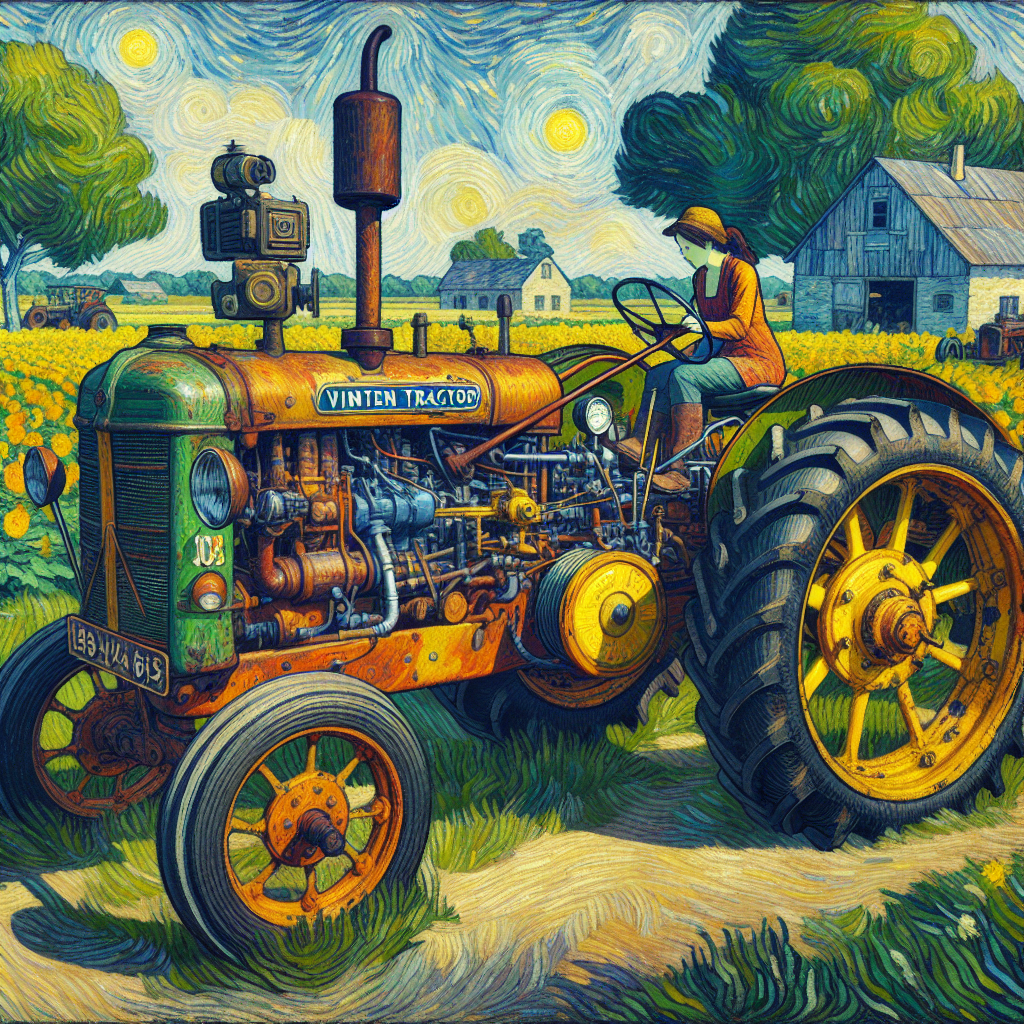
Picture this: the sun peeks over the horizon, casting a golden glow over sprawling fields, each blade of grass gently swaying in the morning breeze. Now, imagine a classic tractor, its robust frame cutting through the landscape with the kind of grace that only years of hard work can carve out. There’s an undeniable allure to these trusty machines, and for many farmers, they’re not just a piece of equipment; they’re a lifeline.
Classic tractors bring a unique blend of strength and reliability to the diverse needs of farming. Why? Perhaps it’s their sturdy design, built to weather the storm—quite literally. Whether you’re plowing, planting, or hauling, these machines have been engineered to stand the test of time. They don’t just sit in a barn looking pretty; they get down and dirty, just like you.
Let’s face it—farming isn’t a one-size-fits-all endeavor. It’s a delicate dance of balancing crops, livestock, and sometimes a bit of chaos. Classic tractors rise to the occasion, effortlessly adapting to varied tasks. Need to plow a field in the early mornings? They’re on it. Want to haul feed for your livestock in the afternoon? These machines have got your back. The versatility of classic tractors, combined with their strong performance, helps bridge the gap between aspiration and action on the farm, making them ideal for any farmer looking to expand their horizons.
Moreover, there’s something deeply comforting about the sound of a classic tractor’s engine humming to life. It’s a sound that sings of tradition, resilience, and hard work. It connects generations—your grandfather used one, your father used one, and now it’s yours. That lineage builds a trust that modern, flashy machines often can’t provide. When you sit behind the wheel of a classic tractor, you’re not just operating machinery; you’re part of a greater narrative—one that reflects your dedication to the land and your commitment to producing.
Finally, consider the community aspect. Owning a classic tractor often means diving into a rich pool of history. You’ll find meetings, rallies, and even restoration workshops, where knowledge and passion mingle. In a world where farming can occasionally feel isolating, these connections can provide not just resources, but a camaraderie that can carry you through the toughest seasons.
So, if you’re contemplating your next steps on the farm, think classic. Embrace the robustness, the adaptability, and the bond that these legendary tractors offer. They’re not just machines; they’re a farming legacy waiting to be written in your own hands.

What Makes Classic Tractors Ideal for Diverse Farming Needs?
What Makes Classic Tractors Ideal for Diverse Farming Needs?
- The sun rises over fields, highlighting the allure of classic tractors as lifelines for farmers.
- Classic tractors combine strength and reliability, designed to withstand challenging farming conditions.
- They adapt effortlessly to various farm tasks such as plowing, planting, and hauling.
- The sound of a classic tractor’s engine evokes tradition and connects generations of farmers.
- Operating a classic tractor signifies dedication to the land and a commitment to farming heritage.
- Owning a classic tractor fosters community through history, events, and restoration workshops.
- Consider the benefits of classic tractors as a blend of robustness, adaptability, and legacy in farming.

What Makes Classic Tractors Ideal for Diverse Farming Needs?
Table Of Contents
- What Makes Classic Tractors Ideal for Diverse Farming Needs?
- What Are The Key Features Of Classic Tractors?
- How Do Classic Tractors Compare To Modern Ones?
- What Types Of Farming Benefit From Classic Tractors?
- Are Classic Tractors More Affordable Than New Models?
- How Can Classic Tractors Be Maintained Effectively?
- What Are The Advantages Of Using Older Machinery?
- Can Classic Tractors Handle Diverse Terrains?
- Conclusion
- Other Resources
- Glossary Of Terms
- Other Questions
- Haiku
- Poem
- Checklist
What Are The Key Features Of Classic Tractors?
Ah, classic tractors—those rust-covered workhorses that evoke a sense of nostalgia whenever you see one rumble across a field. It’s as if every dent and scratch tells a story, whispering tales of hard work and dedication. But beyond their rugged aesthetic, classic tractors have some key features that continue to attract both farmers and enthusiasts alike.
First off, let’s talk about simplicity. In an age dominated by high-tech gadgets, classic tractors offer a refreshing return to basics. With straightforward mechanics, these machines are often easier to repair and maintain. You don’t need a degree in engineering to fix a classic tractor; a wrench in one hand and some good, old-fashioned elbow grease in the other will usually get the job done. This accessibility fosters a bond between the owner and their tractor—a relationship built on trust and reliability.
Next up is durability. Classic tractors were often constructed with robust materials designed to withstand the elements and the rigors of farm life. These aren’t flimsy machines; they’re purpose-built to last. You can bet your boots that a classic tractor, with its cast iron frame and heavy-duty tires, will stand the test of time far better than many modern options. It’s not just a piece of equipment; it’s an investment in history that still performs admirably today.
Then there’s the charm factor. Classic tractors are often celebrated for their unique designs and eye-catching colors. Whether it’s the shiny red of a Farmall or the vintage green of a John Deere, these tractors are more than just tools; they are part of our agricultural heritage. Owning one can make you feel like you’re part of something larger, a community that values tradition and craftsmanship.
Finally, let’s not overlook the aspect of versatility. Classic tractors can often be seen doing everything from plowing fields to hauling firewood. Their adaptability means they can step in when newer machines just can’t cut it. This versatility opens up a world of possibilities—each use further deepening the connection you have with your trusty companion.
In a world that often feels too complicated, classic tractors stand as a beacon of reliability, charm, and simplicity. So, whether you’re out in the field or polishing up for a local show, there’s something incredibly fulfilling about working alongside a machine that has seen generations of labor. And the more you learn about them, the more you appreciate what it means to be part of this enduring legacy. Get out there, embrace that connection, and who knows what stories await you and your classic tractor?

What Are The Key Features Of Classic Tractors?
What Are The Key Features Of Classic Tractors?
- Classic tractors evoke nostalgia with their rust-covered appearance and history of hard work.
- They offer simplicity with straightforward mechanics, making them easier to repair and maintain.
- Durability is a key feature; constructed with robust materials, classic tractors are built to last.
- They have a unique charm, celebrated for their distinctive designs and vibrant colors.
- Classic tractors foster a sense of community among enthusiasts who value tradition and craftsmanship.
- Versatility allows them to perform various tasks, adapting to needs where modern machines may fail.
- They symbolize reliability and connection to agricultural heritage, enriching the experience of their owners.

What Are The Key Features Of Classic Tractors?
How Do Classic Tractors Compare To Modern Ones?
How Do Classic Tractors Compare to Modern Ones?
Ah, the classic tractor: a badge of honor for every farmer and enthusiast. Take a moment to picture one—its robust frame, the unmistakable rumble of the engine, and a distinct character that simply can’t be manufactured today. It’s more than just a means to plow a field; it’s a piece of history, a testament to the hard work and dedication that has shaped agriculture over the decades. But how does this beloved classic stack up against the modern tractors that you see rolling through fields today? Buckle up, because this is a ride worth taking.
First, let’s talk about simplicity. Classic tractors, often celebrated for their straightforward designs, offer a sense of reliability that feels refreshingly authentic in an era saturated with high-tech gadgets. You won’t find complex computer systems or intricate electronic displays on these machines. Instead, you’ll enjoy the familiar sound of gears grinding and the ability to fix things with a wrench and a bit of elbow grease. For many, this hands-on approach fosters a deeper connection to the work being done, transforming every turn of the wheel into a rewarding experience.
Now, flip the page to modern tractors. These bad boys come equipped with cutting-edge technology that can dazzle even the most seasoned farmer. Think GPS-guided precision farming, automatic steering, and satellite-based mapping. Sure, they can save time and boost efficiency, but they also invite a different kind of relationship with the field. It’s less about tactile engagement and more about sitting back and letting the machinery do the hard work for you. While this has its clear advantages, many find themselves yearning for that raw, hands-on connection that classic tractors evoke.
Cost is another hefty consideration. While a vintage tractor may be found at a reasonable price—and let’s not forget the nostalgia factor—modern tractors can carry a hefty price tag, not to mention ongoing maintenance costs. Investing in a classic can feel like a faithful homage to the past, stirring up memories of countless sunrises spent in the fields, while newer models, with their flashy designs, might feel like a statement piece more than a workhorse.
Whether you’re drawn to the timeless charm of classic tractors or the sophisticated marvels of the modern age, there’s a place for both in the heart of agriculture. Each has its strengths, its stories, and most importantly, its role in connecting us to the land we love. So, whether you’re still on the fence or revved up to make a decision, remember—there’s no wrong choice when it comes to the soul of farming. After all, it’s about the journey, not just the destination.

How Do Classic Tractors Compare To Modern Ones?
How Do Classic Tractors Compare To Modern Ones?
- Classic tractors are celebrated for their robust, simple designs and authentic reliability.
- They lack complex technology, allowing for straightforward mechanical repairs and a hands-on connection to farming.
- Modern tractors feature advanced technology like GPS-guided precision farming and automatic steering.
- While modern tractors enhance efficiency, they often create a more detached relationship with the work.
- Classic tractors can be more cost-effective, appealing to nostalgia and offering reasonable prices.
- Modern tractors can be expensive, with significant ongoing maintenance costs and flashy designs.
- Both classic and modern tractors have unique strengths and roles in agriculture, emphasizing the journey of farming..

How Do Classic Tractors Compare To Modern Ones?
What Types Of Farming Benefit From Classic Tractors?
When you think of classic tractors, images of weathered machines chugging along sun-soaked fields come to mind, right? These robust workhorses have earned their stripes over decades in a variety of farming applications, and they’re not just relics of the past—they’re invaluable assets for certain types of farming today.
First up, let’s talk about small-scale family farms. These setups often thrive on the charm and character that a classic tractor brings to the mix. When you’re looking to cultivate a few acres of veggies or manage a small flock of sheep, there’s something comforting about a machine that’s stood the test of time. With their straightforward mechanics, many classic tractors are surprisingly easy to maintain and restore, meaning you can put them back to work with minimal fuss. Plus, they add a nostalgic touch to the farming experience that connects generations of farmers to their roots.
Then you have hobby farms, where the focus isn’t just on yield but also on the joy of farming. In these scenarios, classic tractors provide more than just horsepower – they tell a story. Owners can be seen tinkering away, lovingly restoring these machines, paving the way for a deeper relationship with the land. Whether it’s plowing a small garden or hauling firewood, the experience becomes richer when it’s complemented by a trusty vintage tractor that feels like part of the family.
Don’t overlook organic and sustainable farming operations, either. Many of these farms aim to minimize their carbon footprint, and older tractors—often lighter on fuel—can help achieve that goal. They may lack some of the futuristic bells and whistles of modern equipment, but in the world of sustainable practices, simplicity often reigns supreme. Plus, the allure of fewer emissions and promoting a lower-impact lifestyle resonates deeply with those who are committed to protecting the earth.
Finally, we can’t forget about the farmers who operate in niche markets, such as heirloom crops or artisanal cheeses. These unique niches often demand a more hands-on approach to farming, and classic tractors fit right into that approach. They’re reliable, trustworthy, and, most importantly, they help bring the farmer’s vision to life.
So, whether you’re a seasoned steward of the land or just dipping your toes into agriculture, remember the charm and reliability of classic tractors. They offer much more than muscle; they imbue farming with a sense of legacy, connection, and, dare I say, a bit of good old-fashioned fun.

What Types Of Farming Benefit From Classic Tractors?
What Types Of Farming Benefit From Classic Tractors?
- Classic tractors are robust machines that have been essential in farming for decades.
- They are particularly valuable for small-scale family farms, offering charm and ease of maintenance.
- Classic tractors enhance the nostalgic farming experience, connecting generations of farmers.
- On hobby farms, these tractors contribute to a richer, more personal farming experience.
- They support organic and sustainable farming by being lighter on fuel and promoting lower-emission practices.
- Classic tractors are well-suited for niche markets requiring a hands-on approach to farming.
- They provide not just muscle but also a sense of legacy and connection in agriculture.

What Types Of Farming Benefit From Classic Tractors?
Are Classic Tractors More Affordable Than New Models?
When you think about tractors, it’s easy to picture those sleek, shiny, brand-new models sitting proudly on the lot, promising high-powered performance and state-of-the-art technology. But here’s a thought: have you ever considered the charm and affordability of classic tractors?
Classic tractors are like that trusted friend who has seen you through thick and thin. They’ve stood the test of time, and much like a good pair of jeans, they just get better with age. Purchasing a classic tractor can often be easier on the wallet than splurging on that flashy new machine. For starters, these vintage workhorses can often be found at a fraction of the cost of their modern counterparts. On a budget? You might just discover a hidden gem that has years of life left in it and the character to boot.
But it’s not just about dollars and cents. There’s a sense of connection that comes with a classic tractor that’s hard to quantify. The simple, mechanical nature of older models lets you understand the machine. It’s not just an engine and wheels; it’s a piece of history that tells a story. You can tinker with it, fix it up, and make it your own—as opposed to dealing with complex electronics that require a degree in rocket science to comprehend.
Moreover, classic tractors are often celebrated for their durability and robust construction. Many were built with the intention of lasting through generations of hard work. You’re not just investing in a tractor; you’re investing in a legacy. Also, as quaint as it sounds, many find that classic tractors instill a sense of pride and nostalgia, connecting them to a simpler time.
Of course, it’s essential to choose wisely. A vintage model that has been lovingly maintained can be a fantastic purchase, while one that’s seen better days might end up costing you in repairs. But when you do your homework, connect with other enthusiasts, and maybe even take a few for a spin, you can feel confident in your choice.
So, whether you’re looking for something that can handle the heavy lifting on the farm or simply want a leisurely ride through your land, consider joining the growing community of classic tractor lovers. Embrace the charm, the affordability, and the soul of the classic tractor—and maybe even find a piece of your own past in the process.

Are Classic Tractors More Affordable Than New Models?
Are Classic Tractors More Affordable Than New Models?
- Classic tractors offer charm and affordability compared to shiny, new models.
- They are often available at a fraction of the cost of modern tractors.
- Purchasing a vintage tractor can lead to discovering hidden gems that carry character and longevity.
- Classic tractors provide a tangible connection and understanding of machinery through their simple, mechanical nature.
- They are known for their durability and robust construction, often built to last for generations.
- Choosing the right vintage model is crucial; well-maintained units can be fantastic investments.
- Joining the community of classic tractor enthusiasts can enhance your experience and connection to farming history.

Are Classic Tractors More Affordable Than New Models?
How Can Classic Tractors Be Maintained Effectively?
There’s something undeniably magnetic about classic tractors. They evoke nostalgia, reminding us of simpler times when agriculture was a way of life celebrated by families across the country. But while they may look charming, keeping these metal marvels running smoothly requires a little bit of grit and knowledge—qualities that beautifully mirror the spirit of those who first brought them to life.
To maintain a classic tractor effectively, the first step is getting familiar with its engine—the heart of the machine. Make it a point to dive into the owner’s manual; yes, it’s often a dusty relic itself, but it holds invaluable insights. Understand the basics: What does the oil level look like? Is it the right viscosity? Check those fluids because, typically, a happy tractor runs on clean oil, coolant, and fuel. And trust me, nothing kills a vintage vibe faster than a seized engine!
Next, let’s talk about maintenance schedules. Much like any relationship, a classic tractor demands attention. So, set reminders for regular checks of the air filter, spark plugs, and battery connections. A little routine goes a long way, and the investment you make today can save you from a breakdown tomorrow. Remember, your tractor isn’t just a tool; it’s an extension of your hard work and perseverance.
Cleaning is another critical aspect. Keeping that machinery free from dust and grime not only gives it a charming aesthetic but also helps you find problems before they get out of hand. A little elbow grease can reveal early signs of wear, enabling you to nip them in the bud. After all, a well-kept tractor is a proud reflection of its owner.
And let’s not overlook the significance of community. Seek out fellow enthusiasts—whether online or in your town. These connections can lead you to resources and advice that can make all the difference. You’ll find that sharing stories and tips around classic tractors fosters a sense of belonging and camaraderie. You never know who might have the part you need or a method you’ve yet to try.
So grab those wrenches, arm yourself with knowledge, and treat your classic tractor right. You’re not just maintaining a machine; you’re preserving history, and in doing so, you’re nurturing a connection to the past that future generations can appreciate as well. Let’s keep those engines roaring, shall we?

How Can Classic Tractors Be Maintained Effectively?
How Can Classic Tractors Be Maintained Effectively?
- Classic tractors evoke nostalgia, representing simpler agricultural times.
- Familiarize yourself with the engine and consult the owner’s manual for maintenance insights.
- Regularly check oil levels, coolant, and fuel to keep the tractor running smoothly.
- Establish a maintenance schedule to monitor air filters, spark plugs, and battery connections.
- Cleaning prevents wear and tear and maintains the tractor’s aesthetic appeal.
- Engage with a community of enthusiasts for shared resources, advice, and camaraderie.
- Preserving and maintaining classic tractors connects us to our history for future generations.

How Can Classic Tractors Be Maintained Effectively?
What Are The Advantages Of Using Older Machinery?
When you think about farming today, it’s easy to get swept away by the allure of shiny, cutting-edge technology. But let’s take a step back and examine the other side of the coin: older machinery, like that trusty old tractor parked in the barn. There’s something remarkably appealing about these vintage workhorses that modern machines often overlook.
First off, let’s talk about reliability. There’s a magic in the simplicity of older machinery. These tractors were built to last, with fewer electronic gizmos and gadgets that can fail at the worst possible moment. Imagine being out in the field, the sun bearing down, and your high-tech tractor sputters to a halt because of a computer glitch. Now picture yourself in that same scenario, but relying on a robust, straightforward tractor that only requires a little oil and some elbow grease. It’s like a trusted friend who may not be the flashiest but always gets the job done.
Cost-effectiveness is another major advantage. Have you ever looked at the price tag of the latest model? Ouch! With older machinery, you’re often getting a better deal. You can acquire a reliable tractor at a fraction of the cost and, when you factor in maintenance, it can save you even more in the long run. Plus, those older models often use common parts that are easier to find, reducing the time and expense of repairs. It’s not just a purchase; it’s an investment in your operation’s future.
There’s also a sentimental value tied to older machines. Many farmers inherit equipment from family members—grandpa’s tractor isn’t just metal; it’s a connection to your roots, your history. You learn to appreciate the craftsmanship that has stood the test of time. Each scratch and dent tells a story, forging a bond between the operator and the machine.
And let’s not forget about sustainability. Using older machinery can reduce waste and encourage a circular economy. While we embrace innovation, we shouldn’t ignore the lessons of the past. Older tractors offer a reminder that sometimes, the tried-and-true methods can be just as effective, if not more so, than the latest flashy gadgets.
In a world obsessed with new, embracing older machinery might just lead you back to the basics—where hard work truly pays off. So, if you’ve contemplated dusting off that old tractor, don’t hesitate. It’s not just a piece of equipment; it’s a testament to the enduring spirit of all those who came before.

What Are The Advantages Of Using Older Machinery?
What Are The Advantages Of Using Older Machinery?
- Modern farming is often focused on advanced technology, but older machinery has unique advantages.
- Reliability of vintage tractors comes from their simplicity, with fewer electronic components that can fail.
- Older machinery is typically more cost-effective, offering better deals and savings on maintenance and repairs.
- Sentimental value plays a role in using older machines, as they often connect farmers to their family history and traditions.
- Older equipment highlights the craftsmanship of the past, with each scratch telling a story.
- Using vintage tractors supports sustainability and the circular economy by reducing waste.
- Embracing older machinery encourages a return to hard work and simplicity in farming practices.

What Are The Advantages Of Using Older Machinery?
Can Classic Tractors Handle Diverse Terrains?
When you think of classic tractors, what springs to mind? Perhaps you envision the smooth hum of an engine, an open field bathed in golden sunlight, or the satisfaction of turning unyielding earth into fertile ground. Those rugged machines are more than just relics of a bygone era; they’re robust tools designed to tackle diverse terrains that modern machinery often struggles with. If you’ve ever found yourself staring at a lush pasture or a hilly landscape, wondering if a classic tractor can rise to the challenge, let’s dig in.
First off, let’s acknowledge the heart and soul of these machines: the tractor. These dependable workhorses have been built to withstand the test of time, much like the farmers who once depended on them. From rocky hillsides to muddy fields, each classic tractor has a story—its original owner navigating challenges that seem daunting even today. And why is that? It’s simple: when the ground gets rough and unpredictable, these tractors have a knack for adapting.
Consider the power that lies within the gears and wheels of a classic tractor. With the right attachments, they can plow through ice, mud, or thick brush, transforming challenging landscapes into manageable plots. The durability and craftsmanship found in these machines often surpasses that of their newer counterparts, proving that sometimes, old school really is the best school. You might find that a vintage model handles that tricky slope or that overgrown patch of land better than anything off a production line today.
What’s more, it’s not just about brute power. Owners of classic tractors often share a deep, almost familial bond with their machines. They’ve invested time in repairing, restoring, and reviving these marvels, turning them into reliable partners in transforming diverse terrains. This connection instills confidence, knowing that these tractors have been tried and tested by hands that truly understand the land.
So if you’re contemplating whether to invest in a classic tractor, take heart. Your decision could lead to not just productivity but a journey of rediscovery. Get ready to embrace the challenges of diverse terrains, because with a classic tractor, every rise and dip in the landscape becomes an adventure waiting to unfold. Trust in the machine’s strength, lean into the experience, and watch as you carve your own path through the earth—one tire mark at a time.

Can Classic Tractors Handle Diverse Terrains?
Can Classic Tractors Handle Diverse Terrains?
- Classic tractors evoke images of rural life, representing strength and reliability.
- These tractors are designed to handle diverse terrains where modern machinery may falter.
- Each classic tractor has a unique history, reflecting the challenges faced by its original owner.
- They possess the ability to adapt to tough landscapes, turning them into manageable plots.
- The durability and craftsmanship of classic tractors often exceed that of newer machines.
- Owners tend to forge a deep bond with their tractors through restoration and repair efforts.
- Investing in a classic tractor can lead to increased productivity and a rewarding journey of rediscovery.

Can Classic Tractors Handle Diverse Terrains?
Conclusion
As we wrap up this exploration of classic tractors and their role in today’s agricultural landscape, it’s worth taking a step back and appreciating what these timeless machines really represent. When you roll up your sleeves and fire up one of these tried-and-true workhorses, it’s not just about functionality; it’s about embracing a legacy. Classic tractors are more than just equipment—they embody the spirit of hard work and connection to generations of farmers who came before us. You see, farming isn’t merely a job; for many, it’s a way of life steeped in dedication and communal ties.
What makes these old-school tractors so intriguing is their versatility. From plowing and planting to hauling feed and transporting firewood, their robust construction and reliable performance make them the Swiss Army knife of the farming world. Simple mechanics mean that most of us can tackle repairs without the need for a PhD in engineering, fostering a hands-on relationship that’s often lost with today’s complicated tech. This simplicity doesn’t just make maintenance easier—it creates a sense of trust and familiarity that modern machines often don’t offer.
Moreover, when you harness the power of these classic tractors, you’re echoing a narrative that connects you to the land and the stories it holds. Each scratch and dent tells its own tale, offering farmers a chance to engage deeply with their work and understand their roots. Let’s not forget the incredible practicality involved; investing in classic tractors can also translate to savings. They often come at a fraction of the cost of shiny new models while presenting the advantage of ease in sourcing parts and repairs.
In a world swarming with the newest tech fads, it’s easy to overlook the simple wisdom found in older machinery. Classic tractors remind us that proven methods can be just as effective, if not more so, than contemporary innovations. By choosing to reintegrate these machines into modern farming practices, we not only honor the past but also advocate for sustainability, reduced waste, and a mindful connection to our agricultural heritage.
So, if you find yourself at a crossroads deciding between the gleaming allure of modern machinery or the rugged reliability of classic tractors, remember this: sometimes embracing the charm and history of the old can pave the way for a future that honors tradition and productivity. Let’s keep the engines roaring and the stories flowing. After all, every farmer has a tale worth telling. Grab that wheel, and go write your own chapter in this incredible farming legacy.

Conclusion
Conclusion:
- Classic tractors represent a legacy, embodying the spirit of hard work and connection to generations of farmers.
- They offer versatility for various tasks, such as plowing, planting, and transporting, making them essential in farming.
- The simple mechanics of classic tractors allow for easier repairs and foster a hands-on relationship with the equipment.
- Each classic tractor has a unique history, with scratches and dents that connect farmers to their roots and land.
- Investing in classic tractors often results in cost savings, as they are usually cheaper than new models and easier to repair.
- Choosing classic tractors promotes sustainability and a mindful connection to agricultural heritage in a tech-driven world.
- Embracing old machinery can honor tradition while paving the way for future farming productivity and storytelling.

Conclusion
Other Resources

Other Resources
Here is a list of other resources you can review online to learn more:
- Saunderson
- Yanmar
- Hurlimann
- Memo
- Antique Farm Equipment Museum
- Antique Tractor Values
- Minnesota Machinery Museum
- Ohio Crawford County Antique Farm Equipment Museum
- Classic Tractor Calender
- Fort Allen Antique Farm Equipment
Use This Prompt To Get More Resources With Your Favorite Online AI Tool: Please provide me with a list of online articles with their URLs in a bulleted list that I can read regarding What Makes Classic Tractors Ideal for Diverse Farming Needs?

Other Resources
Glossary Terms
What Makes Classic Tractors Ideal for Diverse Farming Needs? – Glossary Of Terms
1. Classic Tractor: A vintage farming vehicle recognized for its historical significance, durability, and simplicity in design.
2. Versatility: The ability of a tractor to perform various tasks, such as plowing, planting, and hauling, making it suitable for multiple farming operations.
3. Durability: The capability of classic tractors to withstand wear and tear over time, often emphasizing robust construction materials.
4. Power Take-Off (PTO): A mechanical device that allows the tractor’s engine to provide power to external implements, enhancing the efficiency of farm equipment.
5. Hydraulics: A system that uses fluid pressure to operate machinery, allowing tractors to lift and control attachments.
6. Field Capacity: The measure of a tractor’s efficiency in completing farm tasks, typically expressed in acres per hour.
7. Simplicity: The straightforward design of classic tractors, making them easier to operate and repair compared to modern, complex machines.
8. Fuel Efficiency: A measure of how effectively a tractor uses fuel, which can be higher in classic models due to their lighter weight and simpler engines.
9. Tractive Effort: The force exerted by the tractor on the ground to pull loads or perform tasks, crucial for farming activities like tilling and plowing.
10. Implement Compatibility: The ability of a tractor to work with various attachments and tools, broadening its application in farming tasks.
11. Tread Width: The distance between tire treads, affecting traction, stability, and soil compaction during farming operations.
12. Transmission: The system that transmits power from the engine to the wheels, affecting speed and torque available for various applications.
13. Tire Selection: Choosing appropriate tires for different terrains and conditions, impacting traction and performance in the field.
14. Maintenance: The routine care and repair of tractors to ensure they function efficiently over time, crucial for enhancing longevity.
15. Resale Value: The market value of classic tractors, influenced by their condition, rarity, and demand among collectors and farmers.
16. Historic Significance: The value of classic tractors as symbols of agricultural heritage and technological progress in farming history.
17. Farm Size Adaptability: The capability of classic tractors to suit various farm sizes, from small family-run farms to larger operations.
18. Operator Comfort: Features designed to enhance the comfort of the pilot, including seating, controls, and steering wheel design.
19. Load-Lifting Capacity: The maximum weight a tractor can lift, important for tasks like moving bales, equipment, or other materials.
20. Pioneer Models: Tractors that were among the first in their category, often serving as benchmarks for technology and performance.
21. Farming Techniques: Various methods of agricultural practice that can influence the choice of tractor based on specific needs.
22. Soil Health: The condition of soil affected by tractor operations, including compaction and nutrient management.
23. Restoration: The process of refurbishing classic tractors to restore their functionality and improve aesthetic appeal.
24. Hitching Mechanism: The system used to attach implements to the tractor, critical for operation with farming tools.
25. Control Systems: The suite of levers, buttons, and pedals that manage tractor operations, influencing ease of use.
26. Eco-friendliness: Refers to the environmental impact of tractors, where classic models may be more sustainable due to lower emissions from older engines.
27. Storage Properties: Considerations related to where and how tractors can be stored during off-seasons to maintain their condition.
28. Farm-to-Market Efficiency: The speed and efficiency with which tractors can move goods from the field to market, impacting profitability.
29. Legacy: The historical impact and cultural significance of classic tractors in the farming community.
30. Community Engagement: The involvement of classic tractor clubs, shows, and events that foster a sense of camaraderie among tractor enthusiasts.

Glossary Of Terms
Other Questions
What Makes Classic Tractors Ideal for Diverse Farming Needs? – Other Questions
If you wish to explore and discover more, consider looking for answers to these questions:
- What are the most popular brands of classic tractors?
- How can I find a classic tractor for sale?
- What should I look for when purchasing a classic tractor?
- What types of attachments can be used with classic tractors?
- How do classic tractors perform in comparison to electric tractors?
- What are the typical maintenance costs associated with classic tractors?
- Are there any safety concerns with operating classic tractors?
- How can I learn more about restoring classic tractors?
- What are some common issues faced by classic tractor owners?
- How do classic tractors impact the environment compared to modern tractors?
- What is the history of classic tractors in agriculture?
- What communities exist for classic tractor enthusiasts?
- How has the demand for classic tractors changed over time?
- What are some famous events or exhibitions for classic tractors?
- Can classic tractors be modified for modern farming needs?

Other Questions
Haiku
What Makes Classic Tractors Ideal for Diverse Farming Needs? – A Haiku
Classic tractors thrive,
Time-honored workhorses strong,
Farming’s heart beats on.
Haiku
Poem
What Makes Classic Tractors Ideal for Diverse Farming Needs? – A Poem
Ode to Classic Tractors
In fields where golden sunlight lingers,
A sturdy form roars to life,
Classic tractors, strong and true,
Partners in the farmer’s strife.
With rugged frames and simple grace,
They weather storms with steadfast heart,
In every dent, a tale embraced,
Of toil and sweat—the farmer’s art.
From plowing furrows deep and wide,
To hauling loads beneath the sky,
Their versatility, a farmer’s pride,
As seasons shift and time slips by.
A legacy passed down through years,
Connecting hearts, both old and young,
Each engine hums, dispelling fears,
In whispered tales of battles won.
They navigate the roughest ground,
With ease through storms and muck they steer,
A trusty friend, through ups and downs,
The bond grows deep with every year.
Affordability, their claim to fame,
A vintage charm that can’t be bought,
In these machines, we stake our name,
A history wrapped in rust and thought.
So let us raise a glass today,
To classic tractors, proud and bold,
With hands that toil and hearts that sway,
In every story lovingly told.
They stand beneath the open sky,
In their embrace, the farmer’s dream,
With classic tractors, we fly high,
Through every field, in sun’s warm gleam.

Poem
Checklist
What Makes Classic Tractors Ideal for Diverse Farming Needs? – A Checklist
Classic Tractors Checklist: Embracing Their Legacy on Your Farm
Introduction
This checklist highlights key features, benefits, and maintenance tips for classic tractors. Use this as a guide to decide if a classic tractor suits your farming needs and how to effectively integrate one into your agricultural practice.
Key Features of Classic Tractors
_____ Simplicity: Easy repair and maintenance with straightforward mechanics.
_____ Durability: Built with robust materials to withstand the rigors of farm life.
_____ Charm: Unique designs and nostalgic aesthetics that enhance your farming experience.
_____ Versatility: Capable of handling a wide variety of farming tasks.
Benefits of Classic Tractors
_____ Affordability: Often less expensive than modern tractors; good value for the functionality.
_____ Reliability: Fewer electronic components lead to reduced breakdowns.
_____ Emotional Connection: A piece of history that connects you to farming traditions.
_____ Community Engagement: Opportunities to join gatherings, workshops, and meet other enthusiasts.
Types of Farming that Benefit from Classic Tractors
_____ Small-Scale Family Farms: Perfect for managing personal plots and livestock.
_____ Hobby Farms: Ideal for those enjoying the farming experience rather than focusing solely on yield.
_____ Organic/Sustainable Farming: Older, lighter tractors can support eco-friendly practices.
_____ Niche Markets: Excellent for specialty farming operations that require more hands-on approaches.
Affordability Check
_____ Consider Costs: Research and compare vintage tractor prices to modern models.
_____ Calculate Maintenance: Factor in ease of finding replacement parts and overall repair costs.
_____ Assess Your Needs: Determine if your workload aligns with the horsepower and capabilities of a classic tractor.
Maintenance Tips for Classic Tractors
_____ Understand Your Machine: Review the owner’s manual for essential maintenance information.
_____ Regular Checks: Schedule routine inspections of fluids, filters, and connections.
_____ Cleanliness: Keep your tractor clean to spot potential issues early.
_____ Community Resources: Connect with fellow enthusiasts for advice and parts sharing.
Handling Diverse Terrains
_____ Test the Waters: Evaluate the tractor’s performance on unique landscapes.
_____ Adaptability: Ensure you have the right attachments for tackling various challenges.
_____ Hands-On Experience: Build familiarity with the tractor to handle its nuances in different conditions.
Final Thoughts
Classic tractors represent more than just machinery; they embody a rich heritage and a powerful connection between farmers and their craft. Use this checklist to explore the potential of incorporating a classic tractor into your farming routine, and never forget that each mark on the field tells a story waiting to be shared.
Feel free to print or share this checklist alongside your article to provide readers with a practical resource as they consider the charm and utility of classic tractors.

Checklist
At ClassicTractorNews, we help tractor lovers keep up with the latest news for classic and vintage tractors.
Please share this post with your friends, family, or business associates who may like old classic or vintage tractors.