


The Timeless Value Of Classic Tractors For Thriving Midsize Farms
By Tom Seest
At ClassicTractorNews, we help tractor lovers keep up with the latest news for classic and vintage tractors.
Please share this post with your friends, family, or business associates who may like old classic or vintage tractors.
What Makes Classic Tractors Essential for Midsize Farms
When you think about the heartbeat of a midsize farm, what comes to mind? For many, it’s the rumble of a classic tractor slicing through rows of golden corn or the gentle hum of an implement working the soil. These machines are not just metal and paint; they are a farmer’s steadfast partner, embodying the spirit of hard work and tradition that has stood the test of time.
Heartfelt stories linger in the air—the father teaching his son how to plow with a rusty old tractor that once belonged to his grandfather. It’s more than a vehicle; it’s a vessel of legacy. Each dent and scratch tells a story, reflecting countless seasons of toil and triumph. The dusty engine, after years of faithful service, still purrs like a satisfied cat. This deep connection creates an emotional tether between the operator and the land, reminding us all that farming is not just a job but a way of life.
Yet, beyond the emotional pull, there’s a pragmatic reason why classic tractors are indispensable. With fewer electronics and more straightforward mechanics, these machines can be repaired with relative ease. A simple toolbox, a bit of grease, and more than a dash of know-how can keep them running for decades. This reliability represents not just cost savings but peace of mind—a financial safety net for midsize farms operating on thin margins.
Ethically, it makes sense, too. In a time when sustainability is not just a buzzword but a necessity, maintaining these older models often aligns with eco-friendly practices. Fewer resources are consumed in their upkeep, and the lifecycle of these iron giants stands as a testament to our commitment to responsible farming. Choosing a classic tractor means choosing a path that celebrates durability over disposability.
Moreover, you connect with a broader community when you choose tradition. Classic tractor shows, restoration clubs, and local farming associations provide platforms for sharing knowledge and camaraderie. You’re not just buying a piece of machinery; you’re investing in a network—a social infrastructure that supports farmers through thick and thin.
So, as you stand in the field, gazing at that vintage machine gracing your land, remember this: it’s not just about cultivating crops; it’s about cultivating stories, values, and a strong community. Classic tractors are, indeed, the heart and soul of midsize farms.

What Makes Classic Tractors Essential for Midsize Farms
What Makes Classic Tractors Essential for Midsize Farms
- The heartbeat of midsize farms is represented by classic tractors and implements that symbolize hard work and tradition.
- Heartfelt stories of legacy, like a father teaching his son to plow with an old tractor, highlight the deep emotional connection to farming.
- Classic tractors have a reliable design with fewer electronics, making them easier to repair and maintain, providing peace of mind to farmers.
- Repairing these older models aligns with sustainable practices, consuming fewer resources and emphasizing responsible farming.
- Owning a classic tractor fosters connections within a community through shows, restoration clubs, and farming associations.
- Classic tractors are not merely machinery; they embody stories, values, and community, integral to the farming lifestyle.
- These machines are considered the heart and soul of midsize farms, blending tradition with practicality.

What Makes Classic Tractors Essential for Midsize Farms
Table Of Contents
- What Makes Classic Tractors Essential for Midsize Farms
- How Do Classic Tractors Improve Farm Efficiency?
- What Ethical Benefits Arise From Using Classic Machinery?
- How Do Vintage Tractors Foster Community Among Farmers?
- What Stories Do You Have About Family And Classic Tractors?
- How Does The Cost Of Maintenance Compare To Modern Equipment?
- How Do Classic Tractors Symbolize A Connection To Farming Heritage?
- Conclusion
- Other Resources
- Glossary Of Terms
- Other Questions
- Haiku
- Poem
- Checklist
How Do Classic Tractors Improve Farm Efficiency?
When you walk through a sun-drenched field, the smell of freshly turned earth mingling with the crispness of the morning air, you can almost hear the heartbeat of the farm. It’s a rhythm emblematic of hard work, dedication, and tradition. Among the tools that help this symphony come alive is the unassuming yet powerhouse tractor—specifically, the classic ones, the stalwarts that have stood the test of time.
Have you ever noticed how a classic tractor, with its rugged stance and polished paint, evokes a sense of pride? These machines aren’t just relics; they carry with them stories of families and generations who relied on them for sustenance. There’s an emotional connection that transcends metal and mechanics. For many, seeing a classic tractor in action brings back memories of parents or grandparents teaching the values of grit and perseverance while cultivating the very soil that feeds us.
But nostalgia aside, let’s engage the senses further. Classic tractors efficiently tackle tasks with mechanical elegance that has often been overlooked in the age of technology. They might not boast cutting-edge features, but their simplicity is their strength. When fewer components mean fewer things to break down, you save not only money but also precious time in an industry where every hour counts. A vintage tractor can often be restored and maintained without the need for specialized tools or software, allowing farmers to maximize productivity while keeping their budgets in check.
From an ethical standpoint, investing in classic tractors promotes sustainability. These machines are built to last, often using parts that can be sourced locally; this reliance on community fuels local economies and fosters a sense of belonging. While new machines often come with a hefty environmental footprint, classic tractors remind us of a time when farmers worked in harmony with nature, a lesson that resonates deeply today.
But the benefits don’t stop there. As you watch a farmer confidently plow through their fields, it’s clear: these classic tractors strengthen social bonds. They bring farmers together—sharing wisdom, tools, and a good old-fashioned laugh over a cup of coffee. This connection is crucial in an increasingly isolating world.
So, next time you see a classic tractor rolling through the fields, pause for a moment. Recognize that it’s not just a machine; it’s a bridge connecting heart, hands, and history—working tirelessly to enhance farm efficiency while grounding us in the very traditions that sustain us.

How Do Classic Tractors Improve Farm Efficiency?
How Do Classic Tractors Improve Farm Efficiency?
- Classic tractors symbolize hard work, dedication, and tradition on farms.
- They evoke pride and carry stories of generations that relied on them for sustenance.
- These tractors showcase mechanical elegance and simplicity, making them efficient and cost-effective.
- Restoration and maintenance are easier without the need for specialized tools or software.
- Investing in classic tractors promotes sustainability and supports local economies.
- They strengthen social bonds among farmers, fostering connections in a modern, isolating world.
- Classic tractors serve as a reminder of farmers’ harmony with nature and the traditions that sustain agriculture.

How Do Classic Tractors Improve Farm Efficiency?
What Ethical Benefits Arise From Using Classic Machinery?
When we think about classic machinery, we often envision the ageless charm of an old tractor rumbling through a sunlit field—a symbol of hard work and dedication that stands in contrast to our fast-paced, tech-driven world. But beyond nostalgia, there’s a deeper ethical narrative lurking beneath that rusted hood.
In a society that’s become increasingly disconnected, the use of classic machinery fosters a sense of community and connection. Imagine the farmer who lovingly restores a vintage tractor. With each repair, he reconnects with a legacy of craftsmanship that has defined generations. He’s not just preserving metal; he’s nurturing a tradition, handing down values of hard work and perseverance that digital devices can never replicate. And as these machines hum to life, they remind us of the rich stories etched into their very frames—stories of sweat, struggle, and success that resonate with our own lives.
But there’s more to it than just heartwarming anecdotes. Ethically, choosing classic machinery symbolizes a commitment to sustainability and responsible resource management. While today’s machinery often comes with a hefty price tag and a shelf life shorter than a season’s harvest, classic tractors can be maintained and repaired with relative ease. It’s a practical choice that not only saves money but also encourages a culture of resourcefulness and ingenuity. Instead of discarding, we learn to restore. Instead of consuming new, we embrace the beauty of what has already served its time.
Then, consider the environmental impact. Classic machinery usually operates on simpler mechanics and fewer electronic components, resulting in lower energy consumption. By taking pride in these machines, we make a conscious choice to minimize our ecological footprint. It’s about more than just fieldwork; it’s a small yet significant stance against a throwaway culture.
Furthermore, embracing these vintage tools makes a statement on our values. It shifts the narrative from “faster and newer” to “crafted and loved.” In a world obsessed with instant gratification, classic machinery stands as a testament to patience, perseverance, and the satisfaction that comes from labor well done.
So, next time you see a classic tractor in action, remember that beneath its weathered paint lies a treasure trove of ethical benefits—fostering community, promoting sustainability, and reinforcing the values that make us who we are. It’s more than machinery; it’s a way to reconnect with our roots and fortify our future.

What Ethical Benefits Arise From Using Classic Machinery?
What Ethical Benefits Arise From Using Classic Machinery?
- Classic machinery, like vintage tractors, symbolizes hard work and dedication in today’s fast-paced, tech-driven world.
- Restoring old tractors fosters community and connection, preserving craftsmanship and family traditions.
- Utilizing classic machinery represents a commitment to sustainability and responsible resource management.
- Classic tractors are easier to maintain and repair, promoting a culture of resourcefulness over disposability.
- They generally consume less energy due to simpler mechanics, reducing ecological footprints.
- Embracing vintage tools shifts focus from instant gratification to values of patience and satisfaction from hard work.
- Classic tractors not only help reconnect with roots but also reinforce values crucial for our future.

What Ethical Benefits Arise From Using Classic Machinery?
How Do Vintage Tractors Foster Community Among Farmers?
In a world that often feels divided, the gentle sound of a vintage tractor rumbling to life can bridge the gap between generations of farmers. Imagine nondescript fields coming alive with the visceral roar of an old John Deere, its vibrant green paint slightly faded but still glistening under the sun. This isn’t just about machinery; it’s about connection—a living testament to the labor and love that families have poured into the land.
When a bunch of farmers gather at a local show, the tractors become more than just agricultural tools. They are rolling embodiments of stories, shared memories, and collective pride. For many, these machines are the first memories of childhood—a grandfather letting a small hand steer the wheel for the first time. As laughter echoes around the showgrounds, the nostalgic roar of those early models stirs emotions, igniting conversations that span decades. Each scratch and dent in the metal tells a story only those who have toiled in the field or sat across from the dinner table can truly appreciate.
But it’s not just nostalgia that pulls at the heartstrings; there’s also an undeniable sense of community. When farmers band together to restore a vintage tractor, they aren’t merely fixing an old piece of equipment; they’re revitalizing a part of their shared heritage. These projects transcend mere mechanics—they provide a forum for collaboration, innovation, and mutual respect. In a time when every farmer faces immense pressures, this camaraderie can be a lifeline, a reminder that none are truly alone in their journey.
Ethically speaking, joining forces to preserve the legacy of vintage tractors connects farmers to a long-standing tradition of stewardship. They’re not just farming a field; they are caretakers of a way of life that values hard work and tenacity. This dedication to community and craftsmanship invites younger generations to appreciate the past while contributing to the future—passing down knowledge, skills, and a mindset that honors the dirt beneath their boots.
So, if you’re a farmer, or even someone who just appreciates the grit of agricultural life, consider engaging in this vintage tractor movement. Attend shows, participate in restorations, or simply lend an ear to the stories being told. Because in the end, these tractors symbolize more than just power—they embody the heart of a community that thrives on connection, echoing tales of perseverance, and paving the way for new generations to forge their own bonds.

How Do Vintage Tractors Foster Community Among Farmers?
How Do Vintage Tractors Foster Community Among Farmers?
- Vintage tractors, like old John Deeres, bridge generational gaps among farmers.
- These machines represent more than machinery; they embody connection and familial labor.
- Local shows transform tractors into symbols of shared memories and pride.
- For many, these tractors evoke childhood nostalgia and spark emotional conversations.
- Restoring vintage tractors fosters community spirit and collaboration among farmers.
- This movement connects farmers to traditions of stewardship and hard work.
- Engaging in this community strengthens ties and inspires younger generations in agriculture.

How Do Vintage Tractors Foster Community Among Farmers?
What Stories Do You Have About Family And Classic Tractors?
There’s something inherently magnetic about a classic tractor. It’s not just a piece of machinery; it’s a time capsule, a bridge to a world where grit, hard work, and family tradition come together under the open sky. Each tractor has a story, and each story is a thread in the rich tapestry of our lives, pulling us back to sun-drenched fields and family gatherings.
As a child, I spent many summer days on my grandfather’s farm, where the air smelled of freshly turned soil and the unmistakable scent of diesel hung around like a well-loved friend. His trusted John Deere stood proudly in the barn, a green giant that had long outlasted the years. My grandfather would often say, “It’s not just about plowing a field; it’s about cultivating memories.” To me, that old tractor represented not just the means to work the land, but the stories shared—the laughter, the lessons, and the love that transcended generations.
Sure, life moves fast. Technology zips ahead at breakneck speed, and tractors today look nothing like the ones that powered my childhood. But perhaps that’s precisely why the classic tractor holds such an appeal. It connects us to our roots. It reminds us that the best stories are often not created in an office or a boardroom, but in the fields—sown with sweat and harvested with laughter.
Now, let’s consider the ethical implications of preserving these machines. We have an obligation to honor our history and our heritage. When you restore or simply cherish a classic tractor, you’re not just holding onto metal and paint; you’re safeguarding family legacies and sustainable practices that may otherwise fade into oblivion. You’re becoming a part of a social movement that values craftsmanship over consumerism and respect over disposability.
So, I invite you to think: what adventures has your family experienced with a classic tractor? Did it roar to life on a chilly autumn morning, accompanied by the laughter of children bundled in jackets? Were there quiet moments in the twilight, where the sunset painted the sky while wheels turned gently over the earth, leaving behind marks of the past?
Share your stories. Let’s celebrate these timeless connections, where family and classic tractors collide, giving us a sense of belonging and pride. Together, we can ensure that these tractors remain not just relics, but living symbols of our shared heritage. Because when we connect through our stories, we cultivate a bond that can weather any storm.

What Stories Do You Have About Family And Classic Tractors?
What Stories Do You Have About Family And Classic Tractors?
- Classic tractors serve as nostalgic time capsules, connecting us to hard work and family traditions.
- Personal reflections highlight childhood memories on a grandfather’s farm, emphasizing the emotional bond with tractors.
- Classic tractors symbolize more than machinery; they embody shared stories and familial love passed through generations.
- Despite rapid technological advancements, classic tractors remain appealing as they anchor us to our roots.
- Preserving classic tractors also carries ethical implications, honoring history and promoting sustainable practices.
- Invitations to share personal stories about classic tractors foster a sense of community and belonging.
- Collectively, celebrating these timeless machines reinforces their role as living symbols of heritage and connection.

What Stories Do You Have About Family And Classic Tractors?
How Does The Cost Of Maintenance Compare To Modern Equipment?
When it comes to the cost of maintenance, the conversation can swiftly turn from the practical to the deeply emotional—especially for those who’ve toiled under the sun, gripping the steering wheel of a trusty old tractor. You can’t help but feel a sense of pride when you see that machine, the very embodiment of hard work and resilience. Yet, as we look at the balance sheets and compare traditional equipment with modern alternatives, it’s crucial to peel back the layers of numbers and consider the human stories behind them.
Let’s start by addressing the elephant in the barn: the maintenance costs. Picture this: an older tractor, a faithful companion that has seen its share of rain and shine, but with age comes wear. The repairs here can add up. From regular oil changes to the potential for mechanical failures, the expenses can feel like a heavy load hitting the ground behind you. But then there’s the allure of modern equipment—sleek, efficient, and brimming with technology that promises to minimize downtime and slashes operational costs.
It’s tempting, isn’t it? But let’s think it through. Beyond the initial price tag of these new machines, there’s the ethics of sustainability to consider. Are we prepared to retire our old workhorses, with their imperfect yet treasured histories, in favor of shiny alternatives made to be more efficient? Or is there value in the grit and grime of the past, in machines that has been lovingly maintained and adapted over the years? Connecting with our roots shouldn’t come with a heavy heart; it should inspire us.
Now, let’s not forget the community aspect. Farmers and equipment owners often gather, swap stories over coffee, and share tips and tricks for maintaining older tractors. In a world dominated by slick marketing and the latest tech, that camaraderie feels like a tether to something real and honest. It’s this relationship—between man, machine, and the land—that’s often lost in the equation when we solely look at numbers and efficiency.
So, when weighing modern equipment against its predecessors, take a moment to contemplate what truly matters. It’s about more than just the cost of maintenance versus efficiency; it’s a testament to our hard work, our heritage, and our commitment to the land that sustains us. Your tractor isn’t just a piece of machinery; it’s a partner in your journey, and that, my friends, is worth its weight in gold.
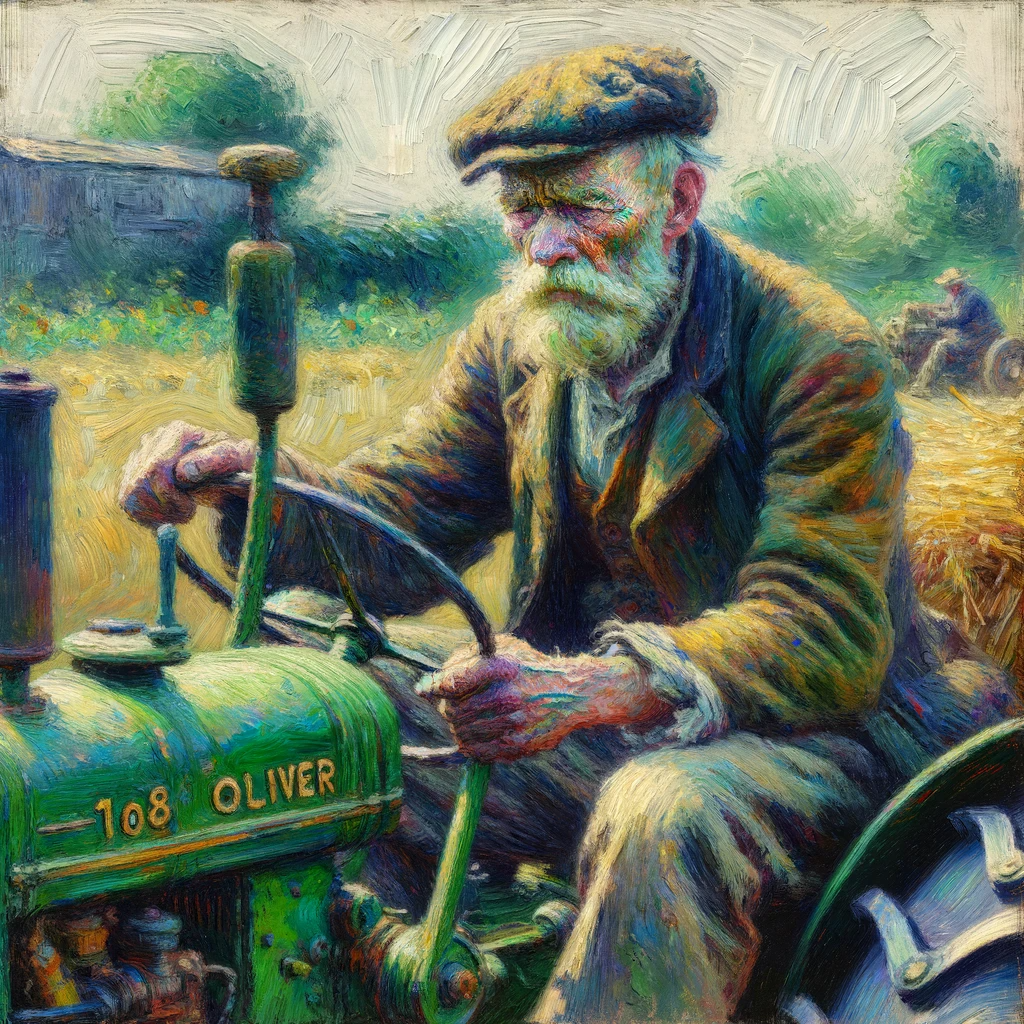
How Does The Cost Of Maintenance Compare To Modern Equipment?
How Does The Cost Of Maintenance Compare To Modern Equipment?
- Maintenance costs of older tractors can be both practical and emotional, reflecting pride in hard work and resilience.
- Older tractors require significant repairs over time, including regular maintenance and potential mechanical failures.
- Modern equipment promises efficiency, reduced downtime, and lower operational costs but comes with a hefty price tag.
- The ethical dilemma arises when considering retiring old tractors rich in history for new, efficient machines.
- Value lies in the stories and connection to the past, which newer machines may lack.
- A sense of community among farmers fosters camaraderie through exchanging maintenance tips and personal stories about older tractors.
- Choosing between modern and traditional equipment involves contemplating heritage, hard work, and the relationship with the land.

How Does The Cost Of Maintenance Compare To Modern Equipment?
How Do Classic Tractors Symbolize A Connection To Farming Heritage?
In fields stretched wide under a vast blue sky, classic tractors stand as timeless sentinels of farming heritage. These machines, often painted in vibrant hues of red, green, and yellow, are more than just rusted machinery abandoned to the elements; they are vessels of history that connect us to our roots. When you see a vintage tractor parked beside a weathered barn, you’re witnessing a profound narrative—a chapter in the ongoing story of agriculture that deserves recognition and reverence.
These tractors remind us of a time when life was deeply intertwined with the land. They symbolize the grit and determination of families who toiled from dawn to dusk, cultivating the earth to feed us all. Each dent, each scratch, tells a tale of long days under the sun and the unyielding spirit of those who refused to yield to hardship. As we look at these iron horses, we’re not just admiring their mechanics; we are seeing the sweat and sacrifice of generations past, honoring a legacy that enriches our present and paves the way for our future.
From a rational standpoint, classic tractors also hold a distinctive value. They represent not just agricultural history but the evolution of farming itself. Today, as we grapple with modern issues of sustainability and food security, revisiting the simplicity and efficiency of these machines can inspire new solutions. If we understand how far we’ve come, we can better appreciate where we’re going, employing old wisdom to tackle contemporary challenges. There’s an ethical touchstone here—embracing our agricultural heritage fosters a sense of responsibility for preserving the land and resources we rely upon.
Socially, classic tractors spark conversations and connections. At county fairs, where families gather and stories are shared, seeing a vintage tractor creates a bond—one that ties us to our communities and shared experiences. It’s a reminder that everyone has a part to play in the tapestry of farming life, whether they are a lifelong farmer, a weekend enthusiast, or simply an admirer of the rural way of life.
So, the next time you cross paths with a classic tractor, take a moment to appreciate it. Respect the history it embodies and the lives it has touched. Let it inspire you to reflect on your own connection to the land and the heritage that continues to shape us all. In this age of rapid change, it’s the enduring symbols like these tractors that remind us to stay grounded in our roots.

How Do Classic Tractors Symbolize A Connection To Farming Heritage?
How Do Classic Tractors Symbolize A Connection To Farming Heritage?
- Classic tractors serve as icons of agricultural heritage, connecting us to our roots.
- These vibrant machines symbolize the hard work and determination of past farming families.
- Each scratch and dent tells a story of resilience and toil in the face of hardship.
- Classic tractors represent not only the history of farming but also its evolution over time.
- Revisiting the simplicity of these tractors can inspire solutions to modern farming challenges.
- They create connections at community events, fostering shared stories and experiences.
- These enduring symbols remind us to appreciate our agricultural heritage and steady our roots.

How Do Classic Tractors Symbolize A Connection To Farming Heritage?
Conclusion
Conclusion: The Heartbeat of Agriculture
As the sun sinks low over fields awash with golden hues, a classic tractor emerges, its paint proudly faded yet resilient against the elements. It’s hard not to feel a sense of reverence for this vintage machine, an echo of a time when farming was a deeply human endeavor—an artistry blended with sweat, grit, and the unwavering rhythms of nature. Classic tractors aren’t merely mechanical relics; they symbolize the heart, heritage, and hard work that define midsize farms across America.
Take a moment to consider the stories that these tractors conjure—the image of a grandfather teaching his grandson the ropes on a rust-tinged workhorse, the laughter shared over a mechanic’s toolbox, the nods of camaraderie exchanged at local tractor shows. Each dent and scratch paints a picture of shared trials and triumphs, forging an emotional connection that transcends generations. This isn’t just nostalgia; it’s a living history, reminding us that farming isn’t merely a profession; it’s a legacy to be cherished.
Rationally, classic tractors offer a pragmatic solution in an era dominated by high-tech farming equipment. With their simple mechanics, they boast less complexity and greater ease of maintenance—a distinct cost advantage for farms operating on slender margins. Rather than being trapped in a cycle of disposability, investing in these sturdy machines promotes resourcefulness and sustainability, echoing today’s ethical imperative for responsible farming practices. By choosing classic equipment, you align with a more eco-friendly ethos that echoes the past while addressing present challenges.
But it doesn’t end there; classic tractors nurture a sense of community that is more vital than ever. They foster connections among farmers who come together to restore, preserve, and celebrate their shared heritage. In a world often marked by isolation, these machines remind us of the importance of community—of gathering around a coffee pot, exchanging stories, and sharing skills that have been honed over generations.
So, as you gaze upon that vintage tractor gracing your land, let it serve as a reminder of the stories, values, and resilience that pulse through the heart of agriculture. It’s not just about cultivating crops; it’s about nurturing the very traditions that bind us to our past and propel us into the future. In embracing classic tractors, you’re not just investing in a machine; you’re investing in a legacy—one that honors the land, the community, and the spirit of hard work that has defined farming for generations. These tractors are more than just iron—they are the soul of midsize farms, steadfast and unwavering, just like the farmers who pilot them.

Conclusion
Conclusion:
- Classic tractors symbolize the heart, heritage, and hard work of midsize farms in America.
- They evoke stories and memories that create emotional connections across generations.
- Classic tractors offer a cost-effective and sustainable alternative to high-tech farming equipment.
- Investing in these machines supports responsible farming practices and resourcefulness.
- They foster community among farmers, encouraging collaboration and shared traditions.
- Classic tractors serve as reminders of the values and resilience inherent in agriculture.
- Embracing classic tractors is an investment in a legacy that honors land, community, and hard work.

Conclusion
Other Resources

Other Resources
Here is a list of other resources you can review online to learn more:
- Branson
- TAFE
- Georgia National Antique Agriculture Show
- Rumely
- Rutherford County Farm Museum
- Skoda-LIAZ
- Oklahoma City Farm Show
- Fox River Tractor Company
- Earthmaster
Use This Prompt To Get More Resources With Your Favorite Online AI Tool: Please provide me with a list of online articles with their URLs in a bulleted list that I can read regarding What Makes Classic Tractors Essential for Midsize Farms

Other Resources
Glossary Terms
What Makes Classic Tractors Essential for Midsize Farms – Glossary Of Terms
1. Classic Tractors: Vintage or older models of tractors, typically built before the late 1970s, known for their durability and simplicity.
2. Midsize Farms: Agricultural operations that are larger than small farms but smaller than large commercial farms, often requiring specific machinery to efficiently manage operations.
3. Durability: The ability of classic tractors to withstand wear and tear, making them suitable for long-term use in farming activities.
4. Simplicity: A characteristic of classic tractors that highlights their straightforward design and ease of maintenance compared to modern, complex machinery.
5. Fuel Efficiency: A measure of how effectively a tractor converts fuel into power, which is particularly beneficial for midsize farms looking to reduce operating costs.
6. Versatility: The capability of classic tractors to perform a variety of tasks, such as plowing, harvesting, and transport, making them essential tools for diverse farming needs.
7. Cultivation: The process of preparing the soil for planting crops, often completed using tractors equipped with tilling equipment.
8. PTO (Power Take-Off): A mechanical device on tractors that allows them to power external implements, increasing their functionality on the farm.
9. Implement: Agricultural attachments or tools used with tractors, such as plows, harrows, and seeders, which enhance the efficiency of farming tasks.
10. Reliability: The consistent performance of classic tractors over time, ensuring that farmers can depend on them for daily operations.
11. Resale Value: The potential worth of a classic tractor when sold, often higher due to its rarity and appeal among collectors and farmers.
12. Maintenance: The routine care and service required to keep tractors in proper working condition, often simpler for classic models.
13. Restoration: The process of repairing and refurbishing classic tractors to restore them to their original condition, often undertaken by enthusiasts.
14. Towing Capacity: The maximum weight that a tractor can safely pull, important for hauling equipment or materials on midsize farms.
15. Hydraulics: A system that uses fluid pressure to power implements and attachments on a tractor, crucial for tasks like lifting and tilting.
16. Compactness: The physical size of a classic tractor, often appreciated for its ability to maneuver in tight spaces common on midsize farms.
17. User-Friendly: A term describing the ease with which operators can use classic tractors, making them accessible to a wider range of farmers.
18. Tractive Force: The pulling power of a tractor, which is essential for plowing and planting operations on farms.
19. Field Readiness: A measure of how quickly a tractor can be prepared for agricultural work, often enhanced by the simplicity of classic designs.
20. Cost-Effectiveness: The overall financial benefits derived from using classic tractors, often due to lower acquisition costs and maintenance expenses.
21. Heritage Farming: A movement focusing on traditional farming methods and equipment, often featuring classic tractors as central elements.
22. Community Support: Local networks of farmers and enthusiasts who share knowledge about classic tractors and their use in modern farming practices.
23. Performance: The overall efficiency and effectiveness of a tractor in completing farming tasks, critical for maximizing productivity.
24. Sustainability: The ability of classic tractors to minimize environmental impact, often due to their simpler engines and lower fuel consumption.
25. Farming Innovation: The adaptation of traditional farming equipment in modern contexts to improve productivity and efficiency while maintaining heritage.
26. Land Management: The process of managing farm resources effectively, where classic tractors play a role in tasks like soil preparation and crop maintenance.
27. Agility: The ability of classic tractors to navigate various terrain types found on midsize farms, enhancing workflow and productivity.
28. Crop Rotation: An agronomic practice that classic tractors facilitate by preparing diverse fields efficiently for different crops over time.
29. Local Economy: The economic benefits to local communities when midsize farms use classic tractors, often through job creation and local commerce.
30. Farming Heritage: The traditions and practices handed down through generations, with classic tractors serving as a symbol of enduring agricultural knowledge and skills.

Glossary Of Terms
Other Questions
What Makes Classic Tractors Essential for Midsize Farms – Other Questions
If you wish to explore and discover more, consider looking for answers to these questions:
- What types of classic tractors are most popular among midsize farms?
- How do classic tractors compare to modern tractors in terms of fuel efficiency?
- What are the most common maintenance issues faced by classic tractors?
- Where can farmers find parts and resources for restoring classic tractors?
- What benefits do classic tractors offer over modern machinery in colder climates?
- Are there any grants or financial assistance programs for restoring classic tractors?
- How can vintage tractors be incorporated into sustainable farming practices?
- What are some tips for maintaining a classic tractor effectively?
- How do classic tractors impact the value of a midsize farm?
- What stories do farmers often share at classic tractor shows?
- How does the community aspect of owning classic tractors enhance farming life?
- What role do classic tractors play in agricultural education and training for new farmers?
- How can classic tractors be used in modern farming technology and practices?

Other Questions
Haiku
What Makes Classic Tractors Essential for Midsize Farms – A Haiku
Old iron hums with pride,
Stories weave through sunlit fields—
Roots connect our hearts.

Haiku
Poem
What Makes Classic Tractors Essential for Midsize Farms – A Poem
Ode to the Classic Tractor
In the fields where golden corn sways high,
The heartbeat of the farm, a nostalgic sigh,
With each rumble and roar, memories unfold,
Stories of labor, of warmth, and of old.
A father teaching son, hands steady and strong,
On vintage iron, where they both belong,
Every dent, every scratch, whispers of years,
Of triumphs and toil, of laughter and tears.
These machines, steadfast, with simple designs,
In their rusty embrace, tradition aligns.
No screens to complicate, no wires to fray,
Just a toolbox and love—how we carry the day.
In an age where fast fades, they stand firm and proud,
Echoing legacies well-worn and loud.
A promise of durability, a pledge to sustain,
Farms thriving on roots, not just harvest or gain.
Community blooms as farmers unite,
In restoration and care, sharing wisdom and light.
Over coffee and laughter, friendships are sewn,
Together they nurture the seeds they have grown.
Beyond mere machinery, an ethical call,
To honor our past, and to cherish it all.
Less waste in a world so quick to consume,
With classic tractors, we foster bloom.
So when you see that vintage beast roll,
Know it carries the weight of each farmer’s soul.
A bridge of connection, a story retold,
Classic tractors, dear vessels, where heritage holds.
As we move forward, let’s cherish the old,
In these timeless machines, let our values unfold.
For farming’s not just a job, but life’s sacred dance,
With tractors as partners, we honor the chance.

Poem
Checklist
What Makes Classic Tractors Essential for Midsize Farms – A Checklist
Checklist: Embracing the Timeless Value of Classic Tractors for Midsize Farms
Heart (Emotional Appeals)
_____ Share Your Story: Write down a memorable experience you’ve had with a classic tractor. How did it help shape your values?
_____ Create a Tradition: Plan a day on the farm with family where you restore or operate a classic tractor together.
_____ Capture the Moment: Take photographs of your classic tractor in action and compile them into a family album that reflects your farming legacy.
Head (Rational Appeals)
_____ Evaluate Costs: Compare the long-term maintenance costs of classic tractors with modern machinery. Which offers better value for your farm?
_____ Assess Reliability: List the pros and cons of the mechanics of your classic tractor versus today’s technology. Are there significant operational advantages?
_____ Create an Easy Repair Guide: Write a user-friendly guide for maintaining your classic tractor that can be shared with others.
Gut (Ethical Appeals)
_____ Reflect on Sustainability: Consider how maintaining classic tractors can contribute to eco-friendly farming practices. What choices can you make to minimize your ecological footprint?
_____ Join a Local Group: Participate in community events or restoration clubs that focus on classic tractors. Identify ways to support local farmers while preserving history.
_____ Teach Future Generations: Plan to hold workshops or informal education sessions to pass on knowledge about classic tractors and sustainable practices.
Authority (Expert Appeals)
_____ Consult with Experts: Reach out to restoration experts or vintage machinery enthusiasts for tips on upkeep and restoration techniques.
_____ Attend Workshops: Find and participate in workshops that teach the benefits of classic tractors, sustainability, or machinery maintenance.
_____ Follow Industry Leaders: Subscribe to publications or follow organizations that focus on classic farming machinery for tips, updates, and community engagement.
Narrative (Story Appeals)
_____ Document Your Legacy: Start a blog or journal to chronicle the story of your farm and its relationship with classic tractors.
_____ Share Stories at Gatherings: Make a note to share a personal anecdote about a classic tractor at your next family gathering or farm event.
_____ Create a Video Tribute: Consider producing a short video that highlights the role of classic tractors in your family’s farming history.
Social (Community Appeals)
_____ Organize a Tractor Show: Plan a local event that celebrates classic tractors, inviting fellow farmers to display their machines and share their stories.
_____ Network with Local Farmers: Reach out to other farmers to discuss the benefits of classic tractors, creating a support network.
_____ Involve Children: Include younger family members in maintaining and learning about classic tractors to foster a sense of community within your family and farm.
Using this checklist, you can deepen your appreciation for classic tractors while promoting community engagement, sustainability, and the legacy of farming traditions. Celebrate the heart, head, and gut of what makes classic tractors essential for thriving midsize farms.

Checklist
At ClassicTractorNews, we help tractor lovers keep up with the latest news for classic and vintage tractors.
Please share this post with your friends, family, or business associates who may like old classic or vintage tractors.