

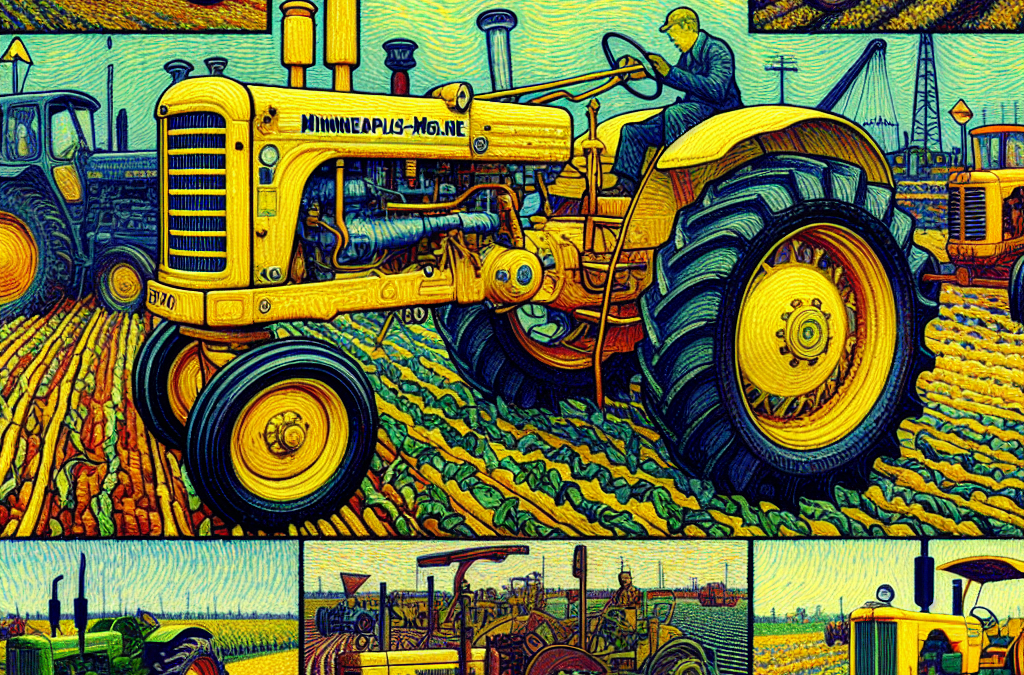
Unparalleled Reliability: The Timeless Appeal Of Classic Tractors
By Tom Seest
At ClassicTractorNews, we help tractor lovers keep up with the latest news for classic and vintage tractors.
Please share this post with your friends, family, or business associates who may like old classic or vintage tractors.
What Makes Classic Tractors a Reliable Choice for Farmers Today
When the sun rises over a sprawling field, casting its golden rays on the earth that has fed generations, there’s something timeless about seeing a classic tractor rumble to life. These machines aren’t just relics of the past; they are the backbone of modern farming, proving that old can indeed be gold.
Classic tractors are built on the principles of durability and simplicity. Often designed with fewer bells and whistles, they feature mechanical systems that any skilled farmer can understand and repair. This reliability speaks volumes to the heart of farming, where the smallest setback can mean the difference between a successful harvest and a patch of weeds. It’s that connection with the land and the machinery that helps nurture a sense of trust—not just in the tractor, but in the entire farming way of life.
From an emotional standpoint, these tractors carry stories. They are the silent witnesses to countless seasons of hard work, sweat, and unyielding dedication. Picture an older farmer passing down the keys to a classic tractor to a younger generation. The legacy isn’t just about machinery; it’s about cultivating those intangible values: hard work, perseverance, and a love for the land. These tractors often come with character, each scratch and dent telling a tale of labor, perseverance, and triumph.
Logically, classic tractors offer an economic advantage. With a lower initial purchase price, reduced maintenance costs, and often easier repairs, farmers can allocate their resources more efficiently. Think of it as investing in a steadfast workhorse rather than a flashy racecar—one may catch the eye, but the other gets the job done day in and day out.
Ethically speaking, choosing a classic tractor emphasizes sustainability. By giving these machines a second life, farmers contribute to a culture that values resourcefulness and conservation. In a world obsessed with the new and shiny, restoring and utilizing what already exists represents a step towards responsible farming practices.
This isn’t just about machines; it’s about cultivating a community of farmers who trust one another and their equipment. When you see farmers gathered at a tractor show—or merely exchanging stories at the local diner—there’s camaraderie that runs deeper than steel and paint.
In every rev of the engine and turn of the wheel, classic tractors remind us that sometimes what works best is what has always worked. They are the steadfast companions in a farmer’s daily journey, reliable through every challenge the land may throw their way. So, the next time you see a classic tractor in action, remember: it’s not just nostalgia—it’s trust, community, and a dedication to a livelihood that’s built to last.
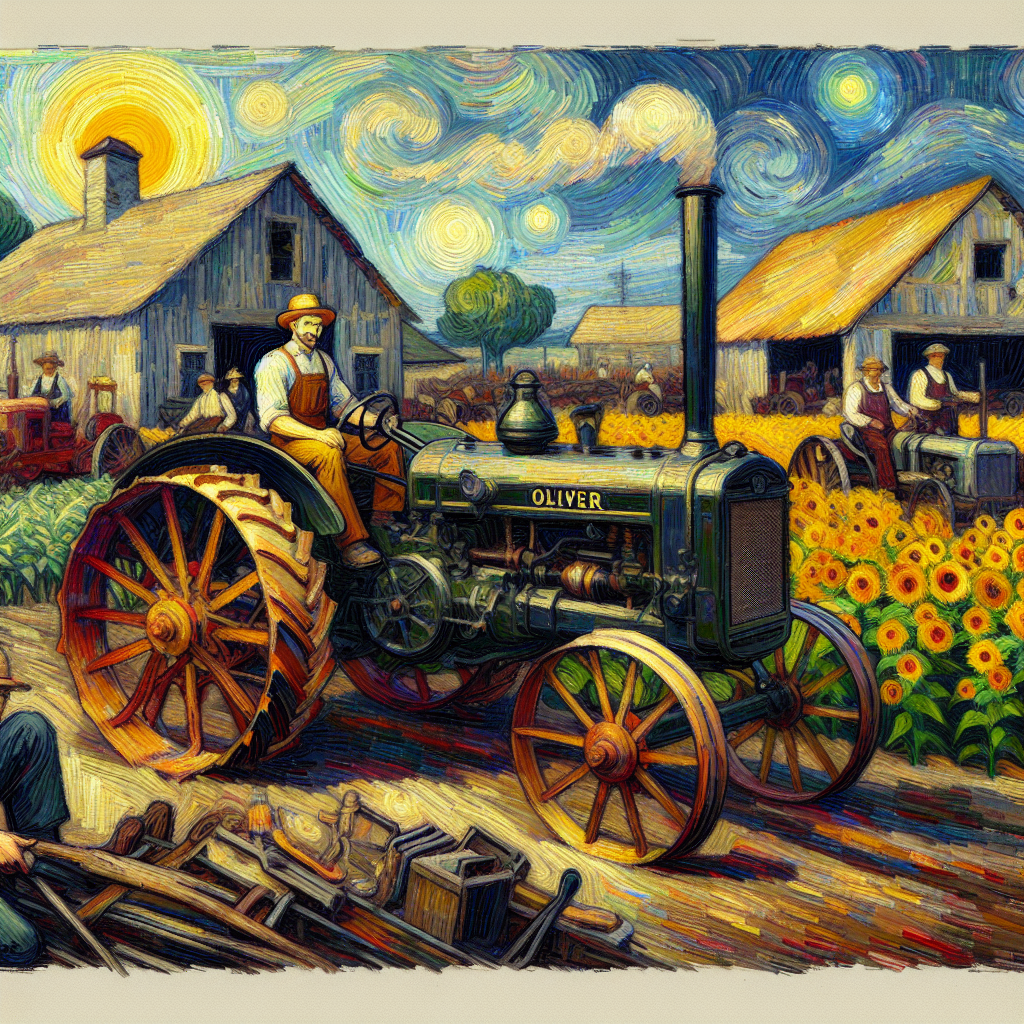
What Makes Classic Tractors a Reliable Choice for Farmers Today
What Makes Classic Tractors a Reliable Choice for Farmers Today
- Classic tractors symbolize the timeless connection between farming traditions and modern agricultural practices.
- Built on durability and simplicity, they are designed for easy understanding and repair by skilled farmers.
- Each tractor carries emotional weight, representing years of dedication, hard work, and family legacy in farming.
- Economically, classic tractors offer benefits such as lower purchase prices, reduced maintenance costs, and easier repairs.
- Choosing classic tractors promotes sustainability, encouraging resourcefulness and conservation in farming.
- Classic tractors foster a sense of community among farmers, reinforcing relationships and shared experiences.
- They serve as reliable instruments in agriculture, reminding us that enduring solutions often come from the past.
What Makes Classic Tractors a Reliable Choice for Farmers Today
Table Of Contents
- What Makes Classic Tractors a Reliable Choice for Farmers Today
- What Memories Do You Associate With Classic Tractors?
- Are Classic Tractors More Economical Than Modern Alternatives?
- How Do Historical Tractor Brands Establish Trust And Reliability?
- What Ethical Considerations Arise From Using Classic Machinery?
- Can Classic Tractors Provide A Sense Of Community Among Farmers?
- How Does The Story Of A Vintage Tractor Add Value To Its Use?
- Conclusion
- Other Resources
- Glossary Of Terms
- Other Questions
- Haiku
- Poem
- Checklist
What Memories Do You Associate With Classic Tractors?
When you think about classic tractors, what comes to mind? For many of us, it’s a bittersweet blend of nostalgia and reverence, a connection not merely to machinery, but to the earth, our families, and the stories that unfold in fields where sunlight dances upon the soil. A tractor isn’t just metal and gears; it’s a hulking emblem of hard work, history, and hope.
Maybe you remember the scent of freshly cut hay or the sound of a diesel engine throbbing to life—a reassuring heartbeat on a chilly morning. Each rumble carries echoes of your grandfather, who taught you both how to respect the land and to value the sweat on your brow. The bright yellow paint may be faded, but the memories are vibrant—of youthful hands gripping the wheel for the first time, a little adrenaline spike as you realize you’re steering a slice of history that played an integral role in feeding generations.
Consider this: a classic tractor is a testament to resilience. Built to last, these machines have endured the storms of life, much like the families that own them. There’s something deeply reassuring about knowing that your tractor has stood witness to a changing world. It has helped shape lives, fostered community, and even acted as a bridge across generations. It reminds us that while technology races ahead, the heart of agriculture—the very essence of growing food and nurturing the land—remains anchored in simplicity.
Yet, as we keep these powerful machines close to our hearts, we must also think critically about the future. How do we ensure that the wisdom associated with these tractors doesn’t fade away? It’s an ethical obligation to pass down the knowledge—the techniques, the respect for hard work, and the sheer joy that comes from toiling in the fields. After all, every time we fire up a tractor, we’re not just cultivating crops; we’re cultivating connections, dialogue, and the experiences that weave our community together.
Those old tractors beckon us forward, urging both introspection and action. They inspire us to share our stories, to gather with fellow enthusiasts, and to nurture the preservation of this agricultural heritage. So, the next time you see a classic tractor rumbling majestically down a dusty lane, remember that it’s more than a machine; it’s a living chapter in the great book of life, urging you to contribute your own story to the narrative. What will you do to keep that legacy alive?
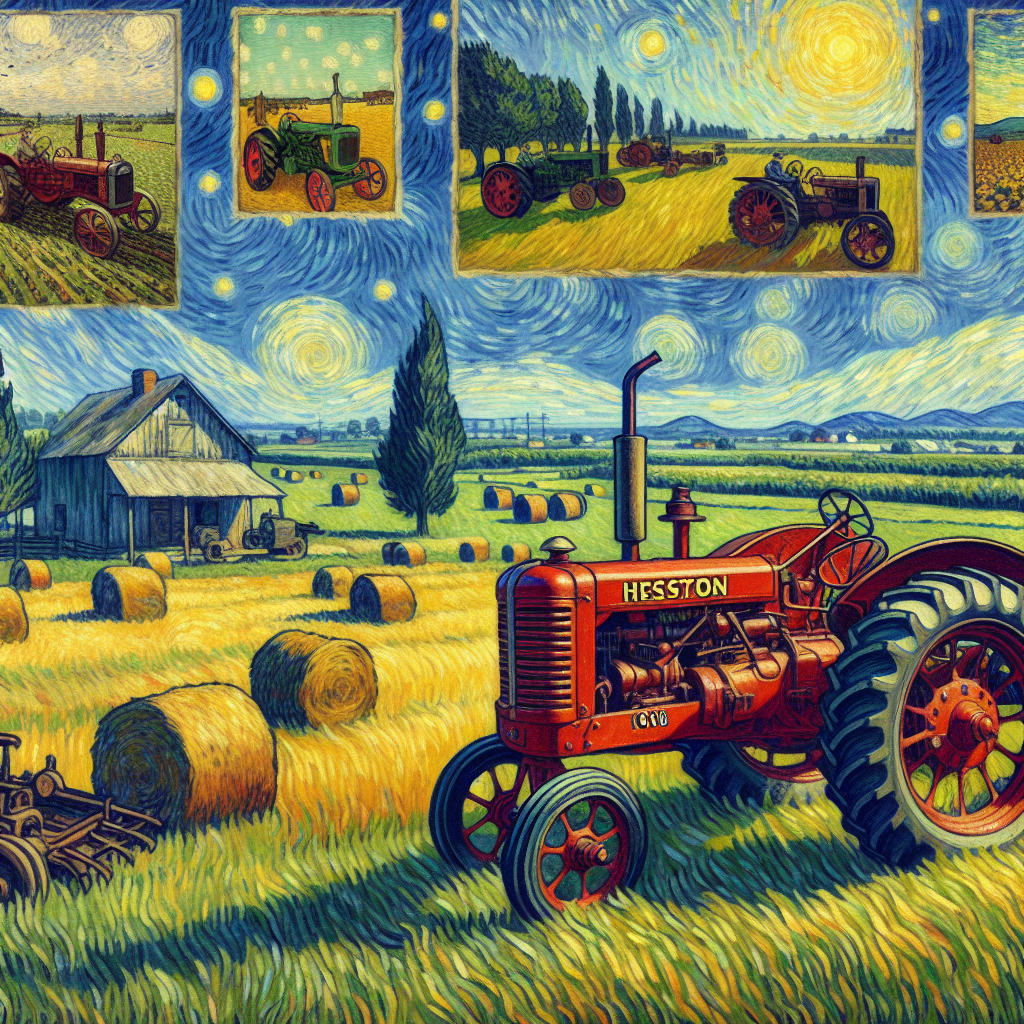
What Memories Do You Associate With Classic Tractors?
What Memories Do You Associate With Classic Tractors?
- Classic tractors embody nostalgia and a connection to heritage, land, and family stories.
- They symbolize hard work, history, and hope, transcending merely being machinery.
- Memories associated with tractors include the sounds and scents of farm life, linked to family teachings and respect for the land.
- Classic tractors are testaments to resilience, surviving changing times alongside their owners.
- They represent the importance of simplicity in agriculture amid advancing technology.
- There is a responsibility to pass down the knowledge and joy of farming connected to these tractors.
- Classic tractors inspire community, storytelling, and the preservation of agricultural heritage for future generations.
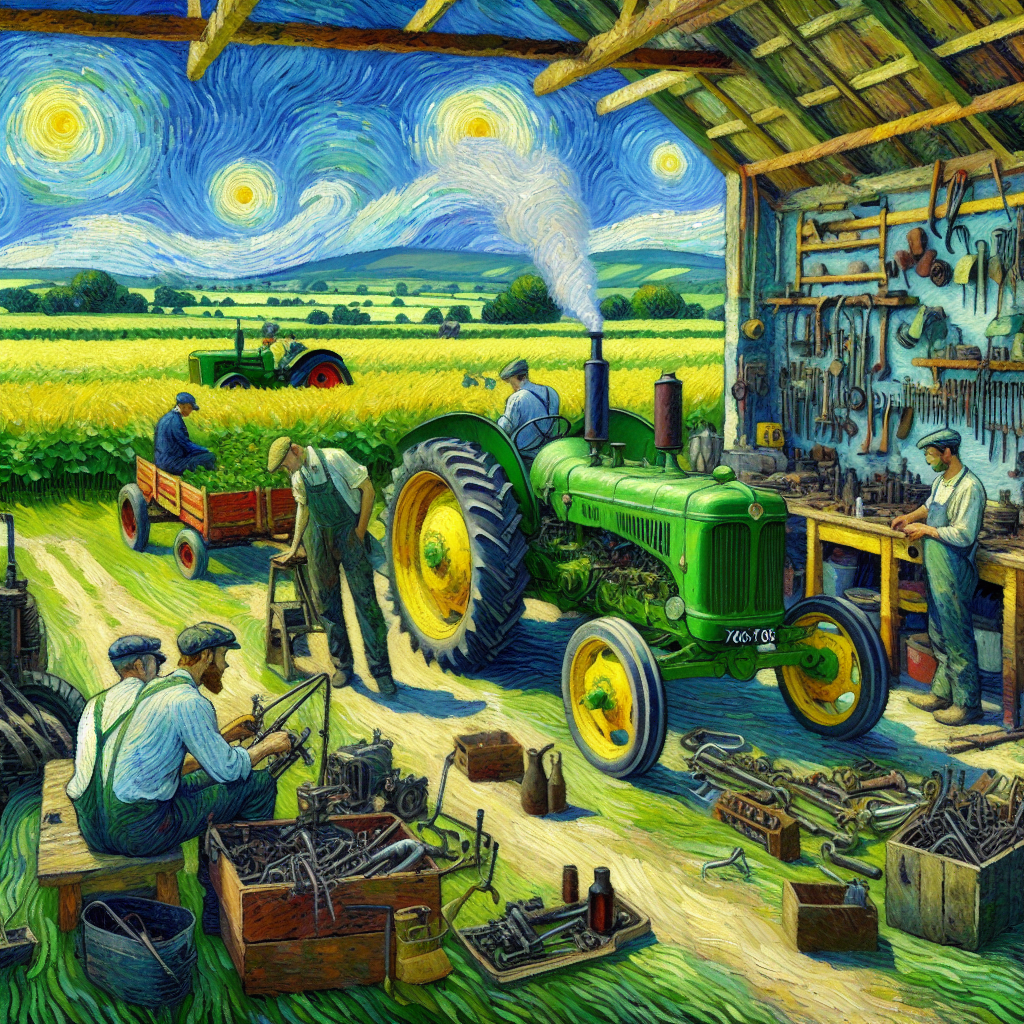
What Memories Do You Associate With Classic Tractors?
Are Classic Tractors More Economical Than Modern Alternatives?
When you think of a tractor, what comes to mind? For some, it’s the rumble of a vintage engine echoing through rolling fields, the wind rustling through tall corn stalks, or the sight of a farmer intent on the day’s work. But in today’s fast-paced world, there’s a burning question that seems to hang like the summer sun: Are classic tractors more economical than their shiny, modern counterparts?
Let’s peel back the layers of that question, shall we? Modern tractors, with their sleek lines and cutting-edge technology, often tout impressive fuel efficiency and the latest in automation. But efficiency isn’t the only player in this game. Classic tractors, those rugged machines that have been the backbone of agriculture for generations, come with their own set of advantages. Imagine the simplicity of a tractor that can be repaired with a wrench and some elbow grease—no proprietary software needed. It’s a connection to an era where innovation was about function, not just form.
Now, consider the cost. While a brand-new tractor might come with the latest gadgets that promise to save time and effort, they also come with a hefty price tag and premium maintenance fees. Classic tractors, often found at auctions or in the barns of retired farmers, can be remarkably affordable. They may require a bit more hands-on work, but this is where a farmer’s pride kicks in. Every stubborn bolt tightened and every stubborn engine coaxed to life is a badge of honor. It’s a connection to the land and to a way of life that’s becoming increasingly rare.
Yet, it’s not just about economics; it’s about ethics. When you choose a classic tractor, you’re not just making a financial decision—you’re casting a vote for sustainability. These machines were built to last, reducing waste and the need for constant replacements. You’re partaking in a culture of craftsmanship that respects the past and looks towards a self-sufficient future.
Ultimately, the answer to our query isn’t so black and white. It’s a heart-driven choice wrapped in the warmth of nostalgia. Whether you’re behind the wheel of a vintage tractor putting down deep roots in your fields or steering a modern marvel freshly off the assembly line, the real question is this: Which one makes your heart race and your soul sing? It’s about more than the math; it’s about the story you want to tell and the legacy you wish to leave—the hum of a classic engine or the whirr of modernity.
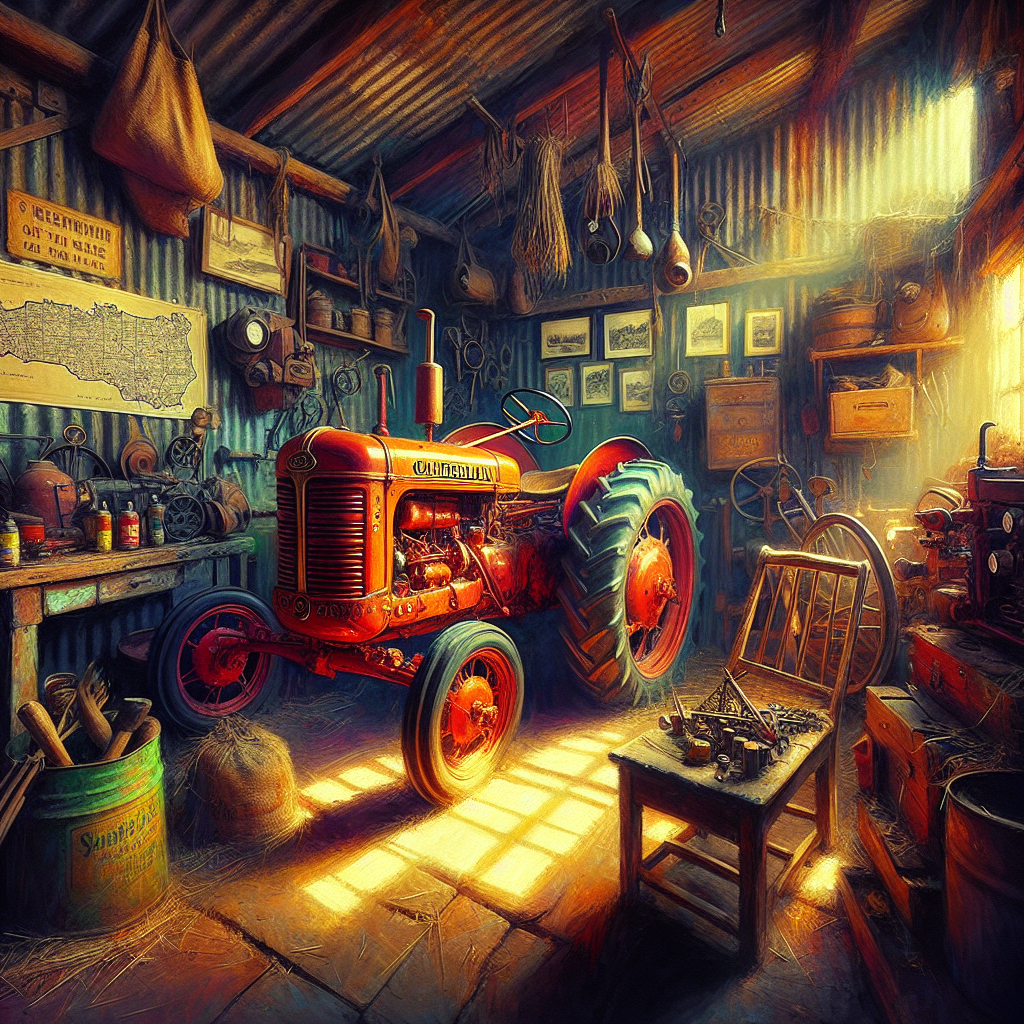
Are Classic Tractors More Economical Than Modern Alternatives?
Are Classic Tractors More Economical Than Modern Alternatives?
- Classic tractors evoke nostalgia and a connection to farming heritage.
- Modern tractors are equipped with advanced technology and fuel efficiency.
- Classic tractors are easier to repair, focusing on function over form.
- Modern tractors often come with high price tags and maintenance costs.
- Classic tractors may be more affordable and foster a sense of pride in hands-on work.
- Choosing classic tractors supports sustainability and craftsmanship.
- The decision between classic and modern tractors involves emotional and ethical considerations.
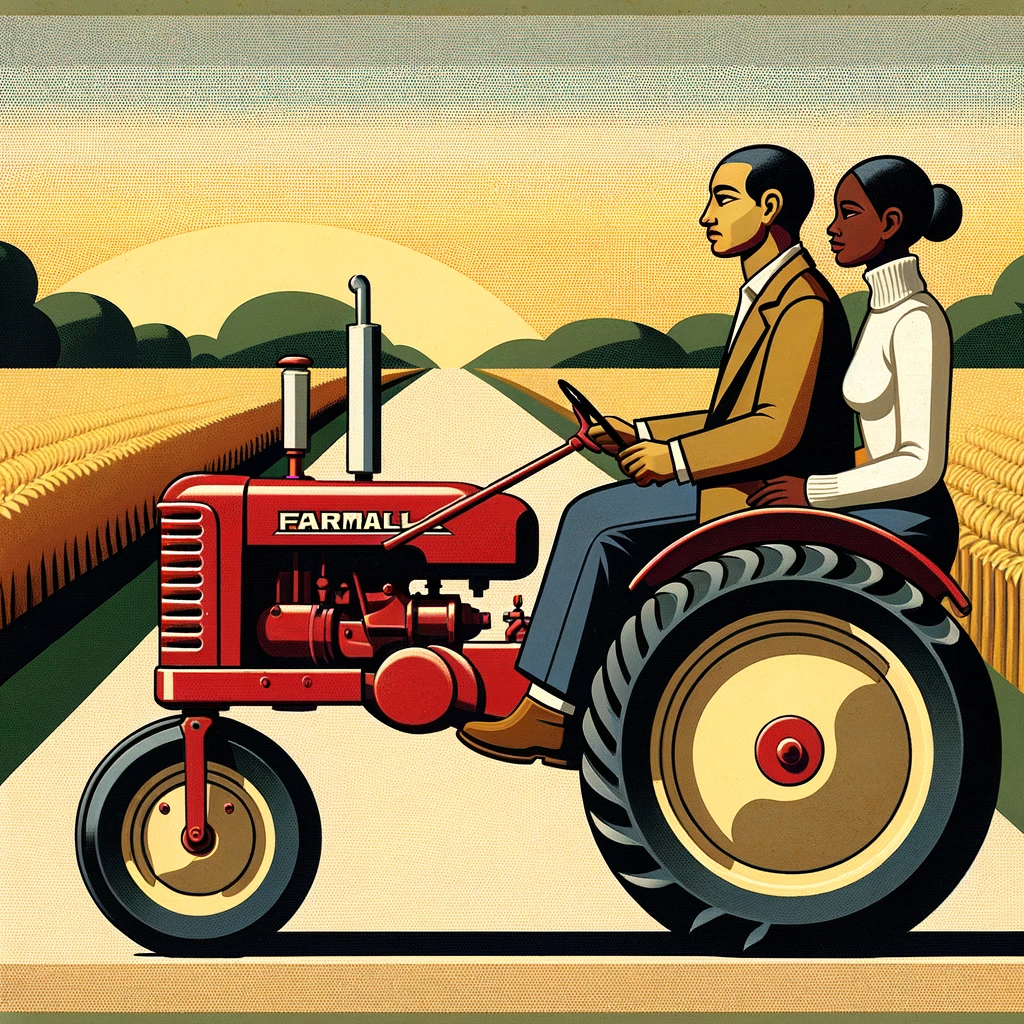
Are Classic Tractors More Economical Than Modern Alternatives?
How Do Historical Tractor Brands Establish Trust And Reliability?
When you think of a tractor, it’s not just a piece of machinery; it’s a steadfast partner in the lifelong labor of cultivation and care. For generations, families have relied on these workhorses to plow fields, plant seeds, and harvest crops. But what gives historical tractor brands their aura of trust and reliability? It starts with tradition—each brand tells a story of grit, determination, and innovation passed down through the years. This is not just about steel and gears; it’s about a legacy.
When you dig deeper, you find that emotional connections to these brands often stem from the dedication of their makers. Think back to images of family farms where fathers taught their children the value of hard work with that same old tractor bearing witness to countless sunrises and sunsets. This isn’t merely machinery; it’s the heartbeat of rural communities. Historical brands don’t just sell tractors; they sell a promise of dependability forged in the fires of necessity.
From a rational standpoint, these brands have built a reputation by consistently delivering quality. With decades—or even a century—of experience, they’ve refined their methods and materials. They’ve weathered storms, adapted to changes in technology, and faced economic challenges. This resilience assures customers that when they choose a time-tested brand, they’re investing in something solid. These companies don’t just build tractors; they build relationships that last through years of hard work.
Ethically, many historical tractor brands have established a commitment to sustainability and community engagement, understanding that it’s not just about today’s profits but about the long-term health of the land and its people. They’ve championed initiatives that resonate with environmentally conscious consumers, fostering an ethical connection that reinforces trust.
On a social level, the camaraderie among tractor enthusiasts comes alive at local shows, farming expos, and online forums where stories are swapped and experiences shared. This sense of belonging reinforces their authority in the field and allows newcomers to find their footing, transforming users into advocates.
So, the next time you’re standing beside an old tractor or watching one rumble across a sun-soaked field, remember: it’s more than just metal—it’s a fusion of nostalgia and reliability, crafted with care by hands that understood the sacred bond between man, machine, and the land. Choose wisely, and you’ll find not just power, but a partner in every turn of the wheel.
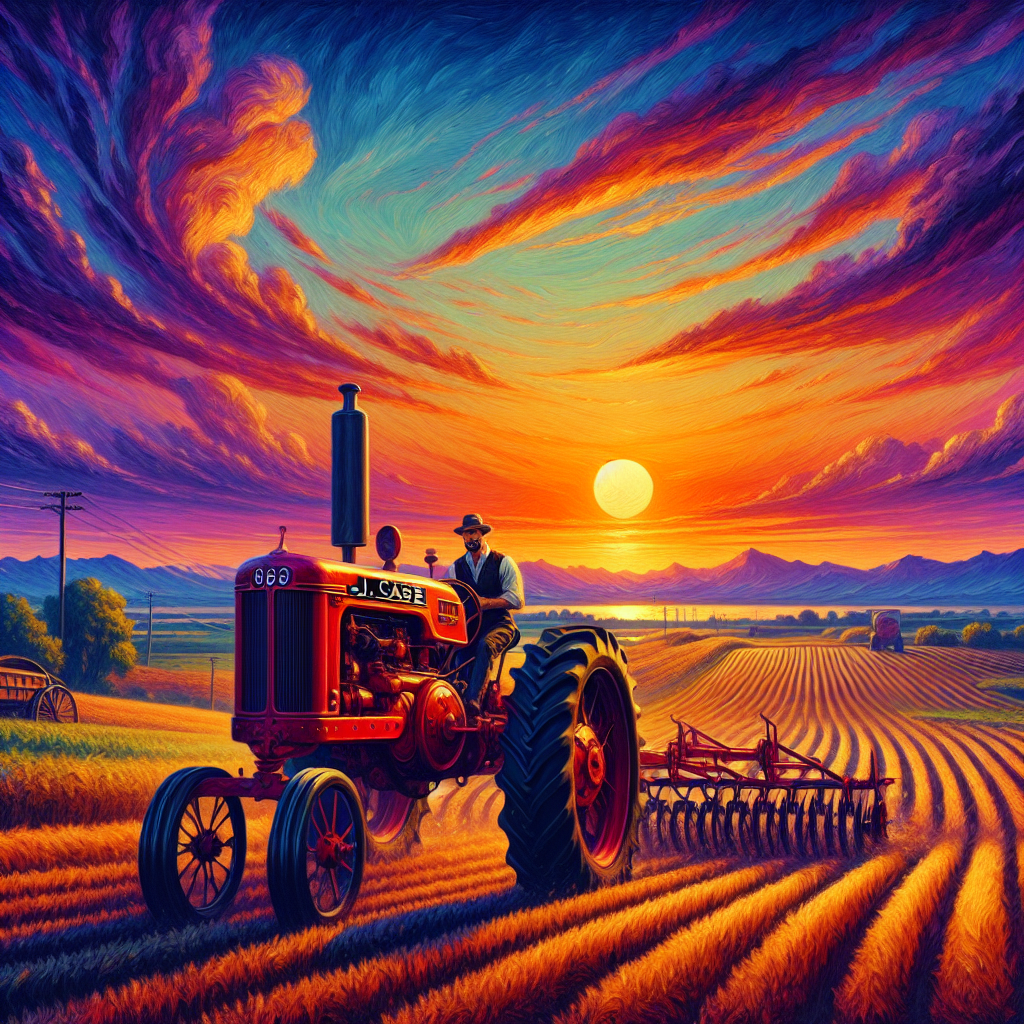
How Do Historical Tractor Brands Establish Trust And Reliability?
How Do Historical Tractor Brands Establish Trust And Reliability?
- Tractors symbolize partnership in agriculture, representing years of cultivation and care.
- Historical tractor brands evoke trust and reliability through their rich traditions and stories.
- Emotional connections arise from family experiences and lessons learned on farms with these tractors.
- Brands build reputation through consistent quality, refined over decades of experience.
- Many historical brands embrace sustainability and community, fostering ethical consumerism.
- Community engagement among tractor enthusiasts strengthens connections and advocacy.
- Tractors embody nostalgia and reliability, representing a bond between man, machine, and land.
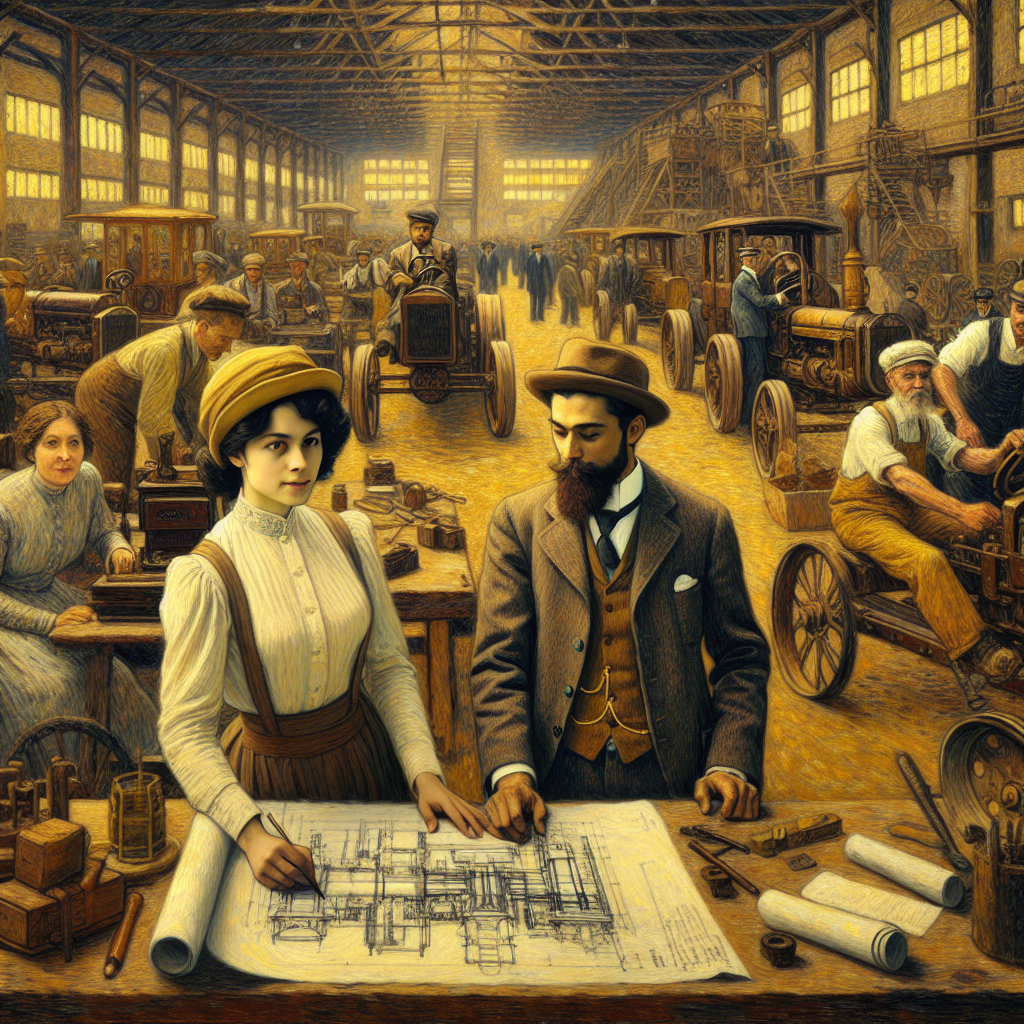
How Do Historical Tractor Brands Establish Trust And Reliability?
What Ethical Considerations Arise From Using Classic Machinery?
When we talk about classic machinery, we’re not just discussing cold metal and rust. We’re diving into the heart of tradition, the spirit of craftsmanship, and the sheer grit that goes into making a living the old-fashioned way. Take a tractor, for example. It’s more than just a piece of equipment; it’s a symbol of hard work, a bridge connecting generations of farmers who’ve toiled in the earth. But with the romanticism of classic machinery comes a web of ethical considerations that deserve our attention.
Let’s start with the emotional impact. Picture the farmer—calloused hands gripping the steering wheel, sweat trickling down their brow. They rely on that sturdy tractor to plow the fields and harvest crops, sustaining not only their family but also the community. When you use classic machinery, you’re tapping into a legacy, and with that comes the responsibility to preserve it. Ethically, we must consider how to honor that legacy while ensuring sustainability for future generations. It’s a balancing act between romantic nostalgia and the harsh realities of modern agriculture.
From a rational standpoint, we can’t ignore the resources at play. Many classic machines are less fuel-efficient and produce more emissions than their modern counterparts. So when you fire up that vintage tractor, you have to ask yourself: what are the broader environmental implications? The gut punch is real when you confront the impact of your choices on the planet. Are you preserving history at the expense of future ideals?
Now, let’s shift to the ethical dilemma surrounding labor. Using classic machinery often means engaging with a community deeply rooted in tradition. However, it’s essential to weigh the fairness of labor practices associated with these machines. Are the farmers learning and earning enough to thrive in this modern age? Classic machinery can evoke feelings of pride, yet we must also question if it fosters an equitable environment for workers.
The narrative of classic machinery is one of resilience and hard-earned wisdom. In embracing these relics of the past, we have a chance to create a dialogue that not only celebrates our roots but also propels us toward responsible practices. So, as you rev up that iconic tractor, remember: you’re not just accessing history; you’re making choices that ripple through time. Stay mindful, stay engaged, and let’s ensure that the legacy we cherish can thrive under the weight of ethical responsibility.
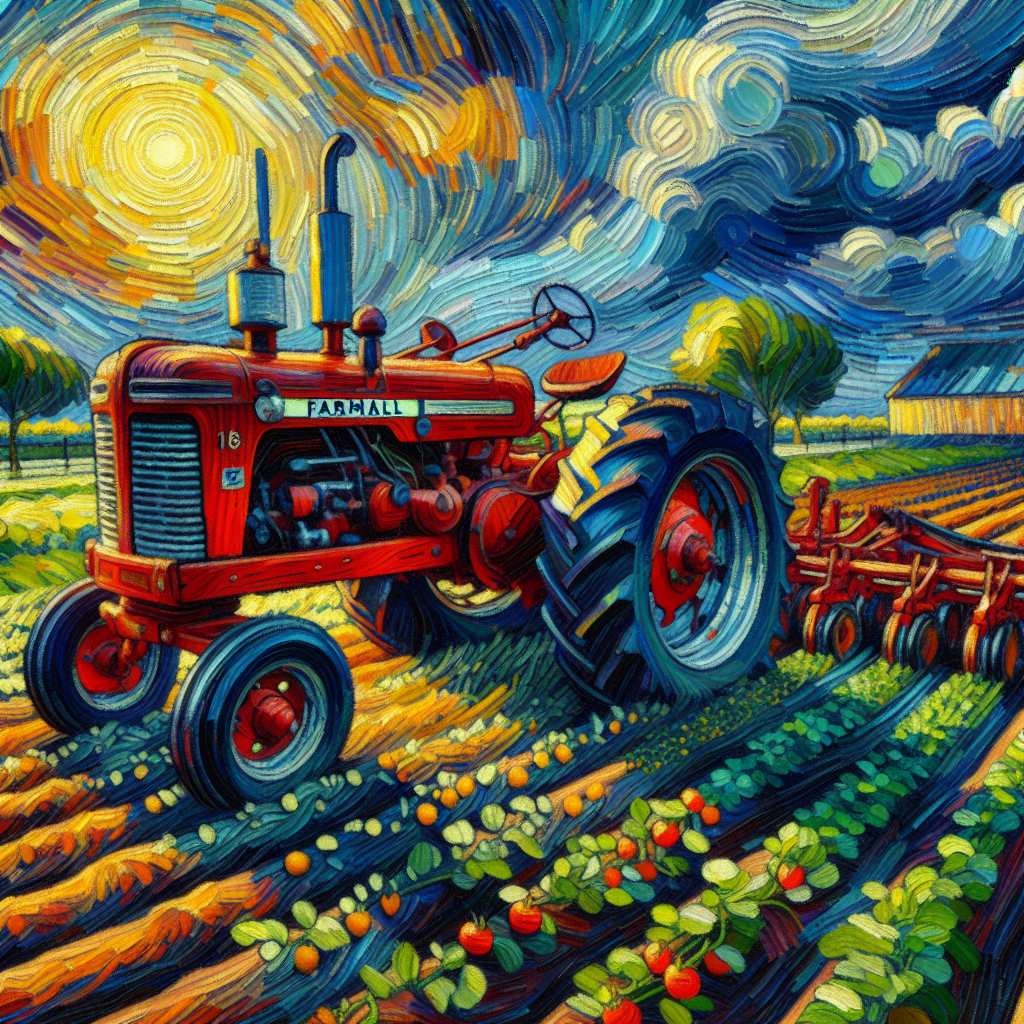
What Ethical Considerations Arise From Using Classic Machinery?
What Ethical Considerations Arise From Using Classic Machinery?
- Classic machinery symbolizes craftsmanship, tradition, and hard work.
- Farming machinery, such as tractors, connects generations of farmers and their legacies.
- Using classic machinery invokes an emotional impact and responsibility to preserve its legacy.
- There’s a need to balance romantic nostalgia with modern agricultural realities and sustainability.
- Many classic machines are less fuel-efficient and have higher emissions than modern alternatives.
- Labor practices associated with classic machinery must be considered for fairness and equity.
- The narrative around classic machinery emphasizes resilience and the importance of ethical responsibility.
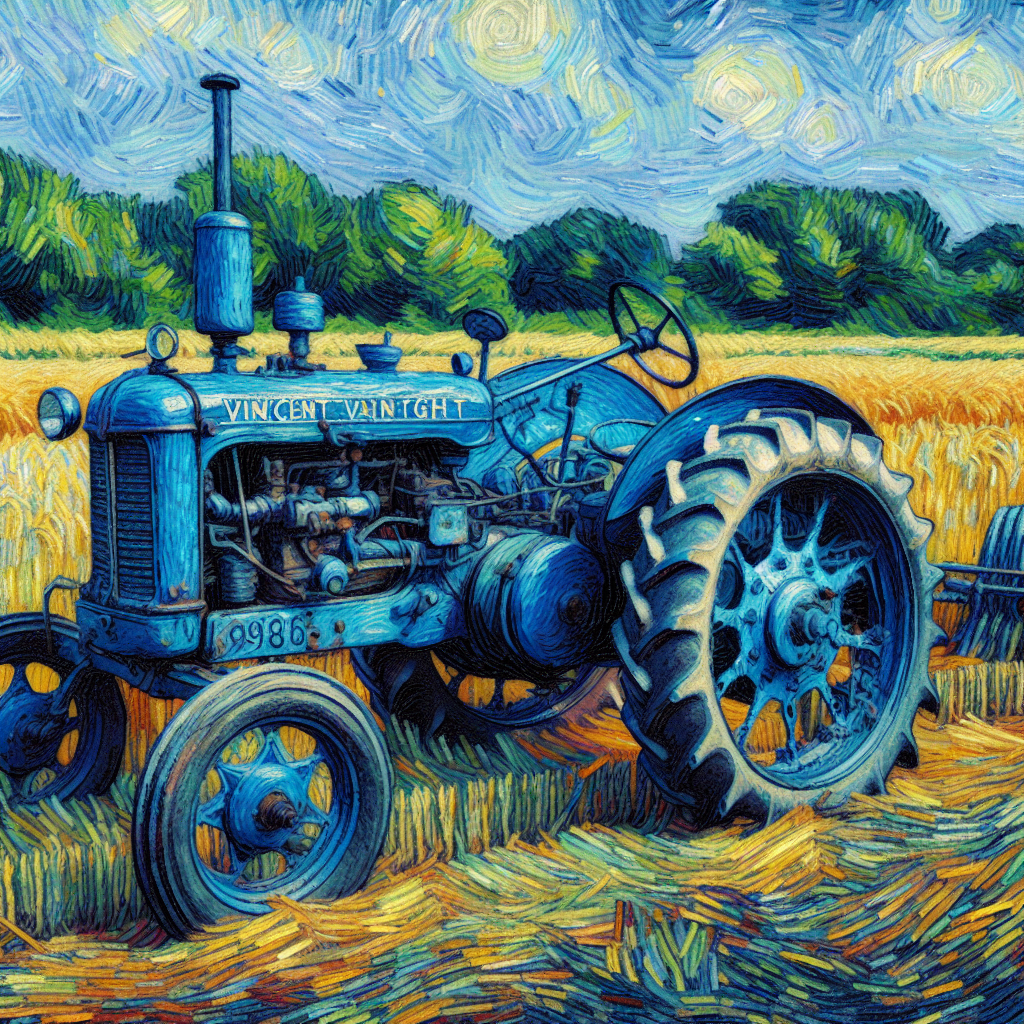
What Ethical Considerations Arise From Using Classic Machinery?
Can Classic Tractors Provide A Sense Of Community Among Farmers?
There’s something deeply profound about a classic tractor rumbling down a dirt road, the vibrant paint weathered by years of sun and rain, each scratch and dent a testament to hard work and resilience. It doesn’t just haul hay or till the fields; it carries stories—stories of generations that have poured sweat and grit into the land. When farmers gather around these machines, they’re not just admiring metal and mechanics—they’re weaving a tapestry of shared experiences and camaraderie.
Think about it. When you see a classic tractor parked at a local fair or ensconced in a neighbor’s yard, it’s an instant flashpoint for connection. Farmers flock to these machines like moths to a flame, and in that moment, nostalgia becomes the common language. They reminisce about the days when their fathers taught them the finer points of plowing. They recall the feel of the cool leather seat and the rumble of the engine as it conquered untold acres of field. It’s that emotional tug that binds them together, reminding each farmer of their roots and their role in the larger narrative of agricultural life.
The rational side is hard to ignore, too. Classic tractors represent time-tested technology. Unlike today’s high-tech machines, these stalwarts are often fixable with a nod to the mechanics of yesteryear. This breeds a culture of knowledge-sharing, where farmers pass down skills that might otherwise fade into obscurity. It builds an informal authority based on respect for the craft, not just the task. Farmers learn from one another, blending skills and insights across generations.
From an ethical standpoint, gathering around these machines fosters a mindset that values sustainability and stewardship over mere profit margins. In sharing their techniques for restoring these tractors, they promote not just a love for the land but also a respect for the past and a commitment to safeguarding the future.
But it’s the stories that really hit home. Picture a harvest festival where local farmers gather, engines purred to life, and classic tractors parade through the farmland. The collective effort highlights collaboration over competition. Here, in the heart of the community, bonds are forged, friendships are strengthened, and the result is a palpable sense of belonging—a gut feeling that they are part of something larger than themselves.
So, the next time you glimpse a classic tractor, remember: it’s not just about farming. It’s about connection, history, and community—a livelihood nourished by the land, cultivated through shared passion, and celebrated through the timeless rhythm of the wheels.
Can Classic Tractors Provide A Sense Of Community Among Farmers?
Can Classic Tractors Provide A Sense Of Community Among Farmers?
- Classic tractors symbolize hard work and resilience, decorated with weathered paint and marks of labor.
- They carry stories from generations of farmers, creating connections and camaraderie during gatherings.
- Classic tractors evoke nostalgia, reminding farmers of their roots and shared experiences of agricultural life.
- They represent time-tested technology, fostering a culture of knowledge-sharing and skill transmission among farmers.
- Ethically, these gatherings emphasize sustainability and stewardship rather than sheer profit.
- Community events, like harvest festivals, promote collaboration, strengthening bonds and camaraderie among farmers.
- Classic tractors represent more than farming; they embody connection, history, and a shared passion for the land.
Can Classic Tractors Provide A Sense Of Community Among Farmers?
How Does The Story Of A Vintage Tractor Add Value To Its Use?
There’s something undeniably captivating about a vintage tractor. It’s not just a machine; it’s a time capsule, a piece of history that connects us to our roots. When people see a well-worn tractor sputtering through the fields or parked beside a rustic barn, they see a story written in rust and nostalgia—a narrative that sparks curiosity in the heart, invokes respect in the head, and resonates deeply in the gut.
Now, consider this: every scratch on that tractor tells a tale of hard work and perseverance. Perhaps it once belonged to a farmer who toiled through long summers under the scorching sun or navigated treacherous winters, always trusting that old iron to get the job done. Each dent reflects the struggles and triumphs of hardworking hands that depended on it. By honoring that story, we connect to a legacy that transcends generations. Owning a vintage tractor isn’t just about having a piece of machinery; it’s about preserving an ethos—a relentless human drive that values craftsmanship, dedication, and the simple joys of the land.
From a rational standpoint, a good vintage tractor often represents durability and reliability, standing the test of time better than many contemporary alternatives. It speaks to ethics of sustainability and appreciation for what’s already been created, reminding us to value quality over quantity. As we make choices in our lives, understanding the lineage of the tools we use, like our tractors, grounds our decision-making in greater significance.
And who can deny the social aspect? A vintage tractor often becomes the centerpiece of community gatherings—seasonal fairs, parades, and even local competitions. The collective pride and shared admiration that arises in a community foster a sense of belonging. The passing down of stories, restorations, and shared experiences creates bonds and builds trust.
When you drive that vintage tractor through the fields, you’re not just plowing soil; you’re also cultivating a connection to your past, to your ancestors who worked the land before you. Embrace that story; it’s what adds real value to every turn of the wheel. It’s a reminder that every piece of equipment carries with it the soul of human endeavor. So whether you’re planting crops or simply restoring a piece of history, remember—this isn’t just about agriculture; it’s about honoring where we come from and driving toward a future rich in stories waiting to be told.
How Does The Story Of A Vintage Tractor Add Value To Its Use?
How Does The Story Of A Vintage Tractor Add Value To Its Use?
- Vintage tractors are captivating time capsules that connect us to our history and roots.
- Every scratch and dent on a vintage tractor tells a story of hard work, perseverance, and the struggles of farmers.
- Owning a vintage tractor symbolizes the preservation of a legacy valuing craftsmanship and dedication.
- They represent durability and reliability, often outlasting contemporary machines and emphasizing sustainability.
- Vintage tractors foster a sense of community during gatherings like fairs and parades, enhancing social bonds.
- Driving a vintage tractor connects you to past generations who toiled the land, enriching the experience of farming.
- This connection honors our heritage and highlights the significance of our agricultural tools in shaping the future.
How Does The Story Of A Vintage Tractor Add Value To Its Use?
Conclusion
As the sun sets over golden fields, painting the horizon a warm shade of nostalgia, classic tractors rumble through the landscape, embodying a legacy that transcends time. These aren’t just machines; they’re the storytellers of the agricultural heartland—witnesses to generations of grit, sweat, and unwavering commitment to the land. As farmers, we find ourselves sitting atop these timeless beasts, feeling not just the vibrations of the engine but the emotional echoes of those who have come before us.
Every scratch and dent tells a story of labor and triumph, serving as tangible reminders of the values we hold dear—hard work, perseverance, and community. Imagine the elders passing the torch to the youth—the shared laughter, the lessons learned behind the wheel—all played out on this dynamic stage of labor. In a world racing toward modernity, these classic tractors reaffirm that simplicity and reliability still reign supreme. They are the loyal companions that help us navigate the unpredictability of farming life, reinforcing our connection to the earth we cultivate.
From a practical standpoint, classic tractors don’t just tug at the heartstrings; they’re economically sound investments. The lower initial cost and ease of repair mean more resources available for what truly matters—sustaining our families and communities. This is not about being frugal; it’s about making a deliberate choice to honor the longstanding tradition of farming while keeping sustainability in mind. Each vintage tractor reused is a step toward preserving our planet, a testament to resourcefulness in an era where the “new” often overshadows the beautifully functional.
Moreover, the camaraderie that springs from classic tractors is palpable. Picture farmers gathering for fairs or tractor shows—an instant connection unfolds. Conversations flow as easily as the diesel they pour into their engines, weaving a social fabric grounded in shared history and mutual respect. In these moments, the heart of agriculture comes alive, a vibrant community forged not just from soil and machinery, but from timeless stories.
Ultimately, it’s not just about the machinery; it’s about carrying forward an ethos of stewardship and connection. The next time you spot a vintage tractor on the horizon, consider it a symbol—not just of farming, but of legacy. It beckons us to cherish our roots, honor our past, and commit to a future rich with shared experiences. Each rev of the engine invites us to contribute our own stories to this ever-unfolding narrative, reminding us that in our hands lies not only the power to cultivate crops, but to cultivate connections that last a lifetime.
Conclusion
Conclusion:
- Classic tractors symbolize a rich agricultural legacy, embodying generations of hard work and commitment.
- Each dent and scratch on these machines tells a story of perseverance and labor, reflecting core values of farming.
- The transfer of knowledge and experience between generations occurs on these timeless machines, fostering community bonding.
- Classic tractors represent practical and economical choices in farming, emphasizing sustainability and resourcefulness.
- Gatherings at fairs and shows create camaraderie among farmers, reinforcing social connections and shared history.
- These tractors serve as symbols of stewardship, urging us to honor our roots while committing to a sustainable future.
- Every vintage tractor encourages us to contribute our unique stories, deepening our connections to both farming and community.
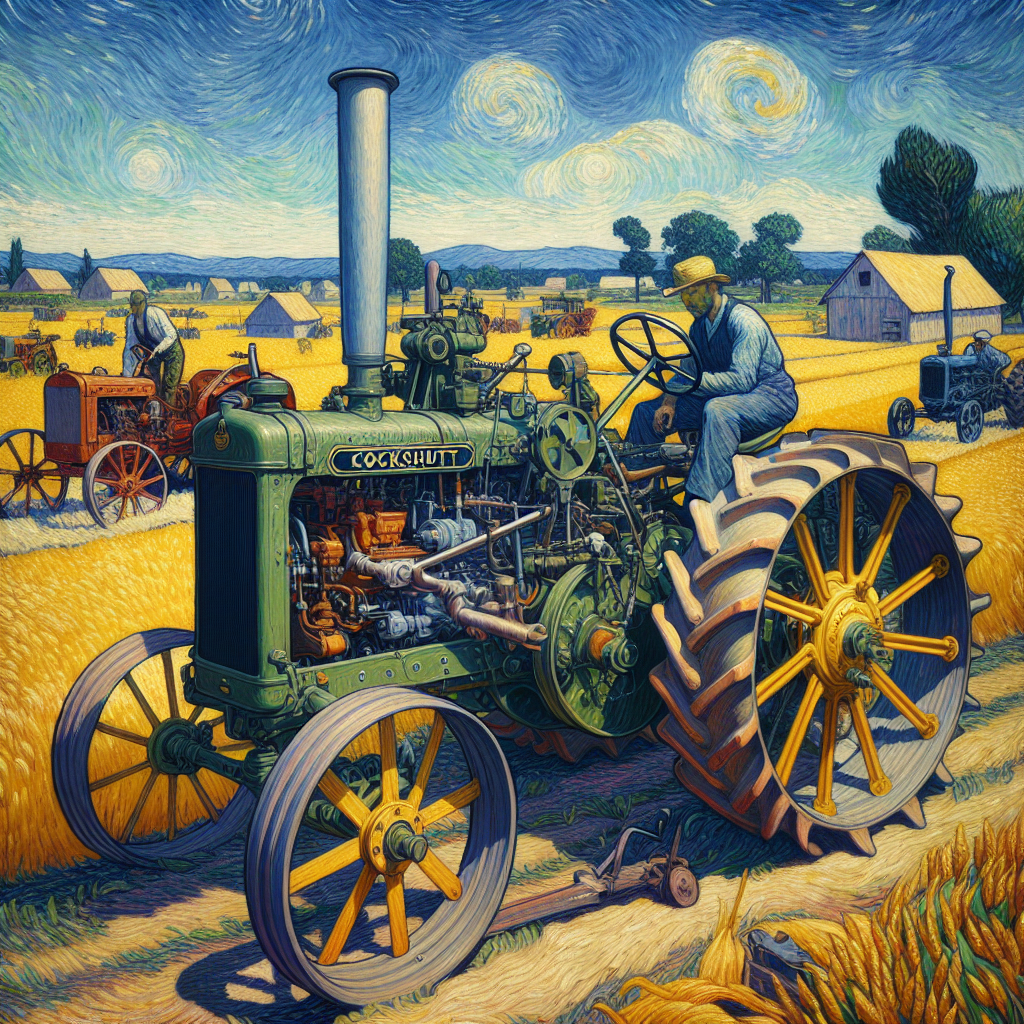
Conclusion
Other Resources
Other Resources
Here is a list of other resources you can review online to learn more:
- KAMCO
- John Deere Tractor & Engine Museum
- McCormick Intl
- Schramm
- Steiger
- Acremaster
- Ventrac
- Fiat-Hesston
- Solis
- Sublette Farm Toy & Antique Tractor Show
Use This Prompt To Get More Resources With Your Favorite Online AI Tool: Please provide me with a list of online articles with their URLs in a bulleted list that I can read regarding What Makes Classic Tractors a Reliable Choice for Farmers Today
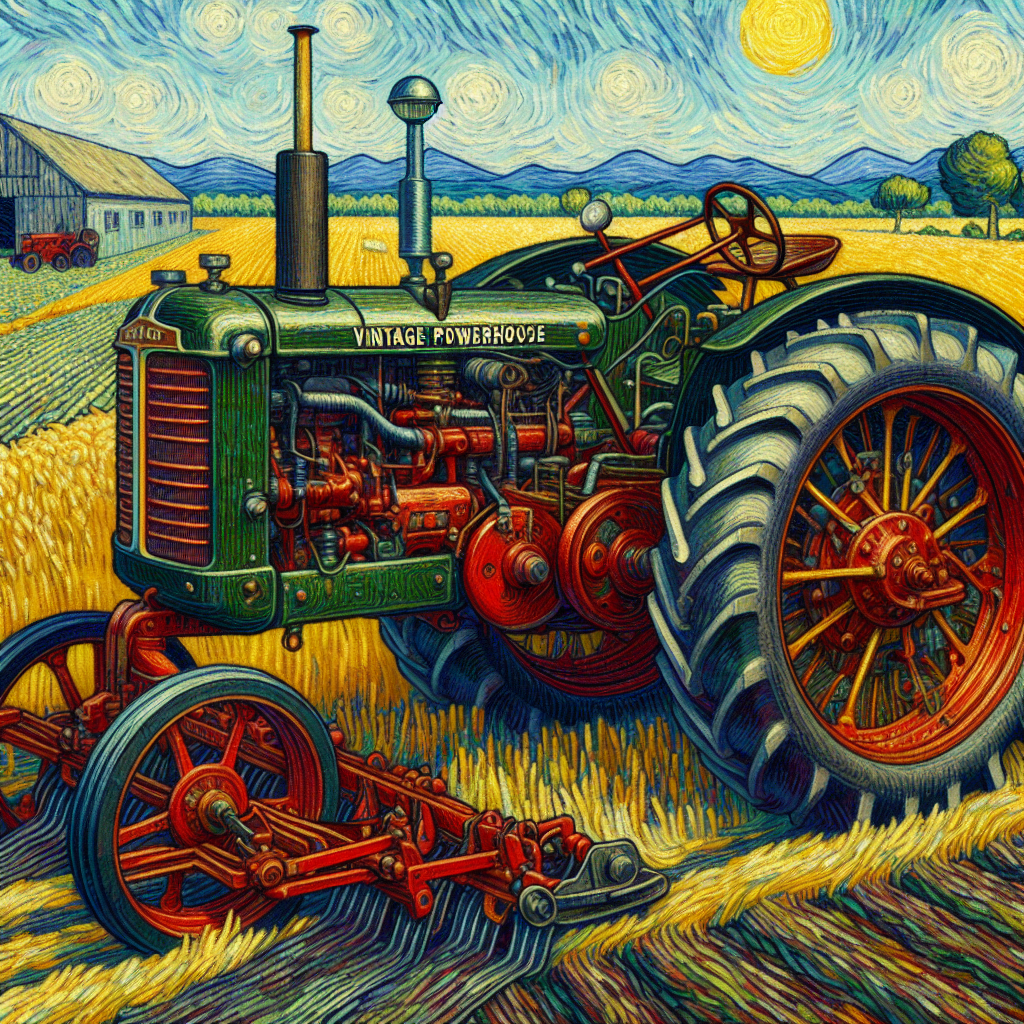
Other Resources
Glossary Terms
What Makes Classic Tractors a Reliable Choice for Farmers Today – Glossary Of Terms
1. Classic Tractor: A tractor that is typically over 25 years old, often appreciated for its historical significance, simplicity, and durability.
2. Reliability: The ability of a tractor to perform consistently under expected conditions without frequent breakdowns.
3. Farm Equipment: Machinery used in farming to help with plowing, planting, cultivating, and harvesting crops.
4. Durability: The capacity of a tractor to withstand wear, pressure, or damage, ensuring a long-lasting service life.
5. Simplicity: The uncomplicated design and fewer components of classic tractors, making them easier to operate and maintain.
6. Maintenance: Routine care and repair measures taken to keep a tractor in good working condition.
7. Versatility: The capability of a classic tractor to perform various tasks with different attachments, making it suitable for numerous farming applications.
8. Fuel Efficiency: The ratio of output (work done) to the fuel consumed, often favorable in older tractor models due to their simpler engines.
9. Cultivation: The process of preparing and improving soil for planting crops, often performed using tractors.
10. Parts Availability: The accessibility of replacement parts for older tractor models, which can be easier to source due to popular demand.
11. Resale Value: The value a classic tractor can retain or gain in the market due to its reputation, brand, and maintenance history.
12. Tractor Restoration: The process of returning a classic tractor to a like-new condition, often enhancing its reliability and aesthetic appeal.
13. Heritage: The historical significance and traditions associated with classic tractors that may resonate with farmers.
14. Mechanical Knowledge: Understanding of how tractors operate, which is often more straightforward with classic models.
15. Upfit: Modifying or upgrading an existing tractor with modern components while retaining its classic essence.
16. Field Performance: The effectiveness with which a tractor operates in agricultural settings, crucial for farmers’ productivity.
17. Hydraulics: The system that uses pressurized fluid to power implements, where older systems may be simpler yet effective.
18. Self-Sufficiency: The ability for farmers to repair and maintain their tractors without needing specialized services due to the simpler designs of classic models.
19. Torque: A measure of rotational force in engines, significant in classic tractors for heavy agricultural tasks.
20. Tractability: The quality of a tractor to manage tough terrain and conditions while remaining manageable for operators.
21. Engine Size: The volume of the engine cylinders, which determines the power output and suitability for various farming tasks.
22. Tread Design: The pattern of the tractor tires that affects traction, stability, and soil compaction, crucial for reliable operation.
23. Power Take-Off (PTO): A power source derived from the tractor’s engine used to drive additional equipment or implements.
24. Independent Suspension: A feature in some tractors that enhances comfort and stability during operation, although older models may lack this.
25. Tuning: The adjustment of a tractor’s engine and systems to improve performance and reliability, often simpler on classic models.
26. Implement Compatibility: The ability for a tractor to use various farming attachments, enhancing utility based on differing needs.
27. Local Farming Culture: The traditions and practices within a farming community that may favor the use of classic tractors.
28. Technical Manuals: Documentation providing the specifications, maintenance guidelines, and service procedures for classic tractors.
29. Community Support: The network of enthusiasts and organizations that assist in the restoration and upkeep of classic tractors.
30. Generational Knowledge: The passing down of operational skills and maintenance practices regarding classic tractors from one generation to the next.
These terms encapsulate the attributes and considerations that make classic tractors a reliable choice for farmers today.
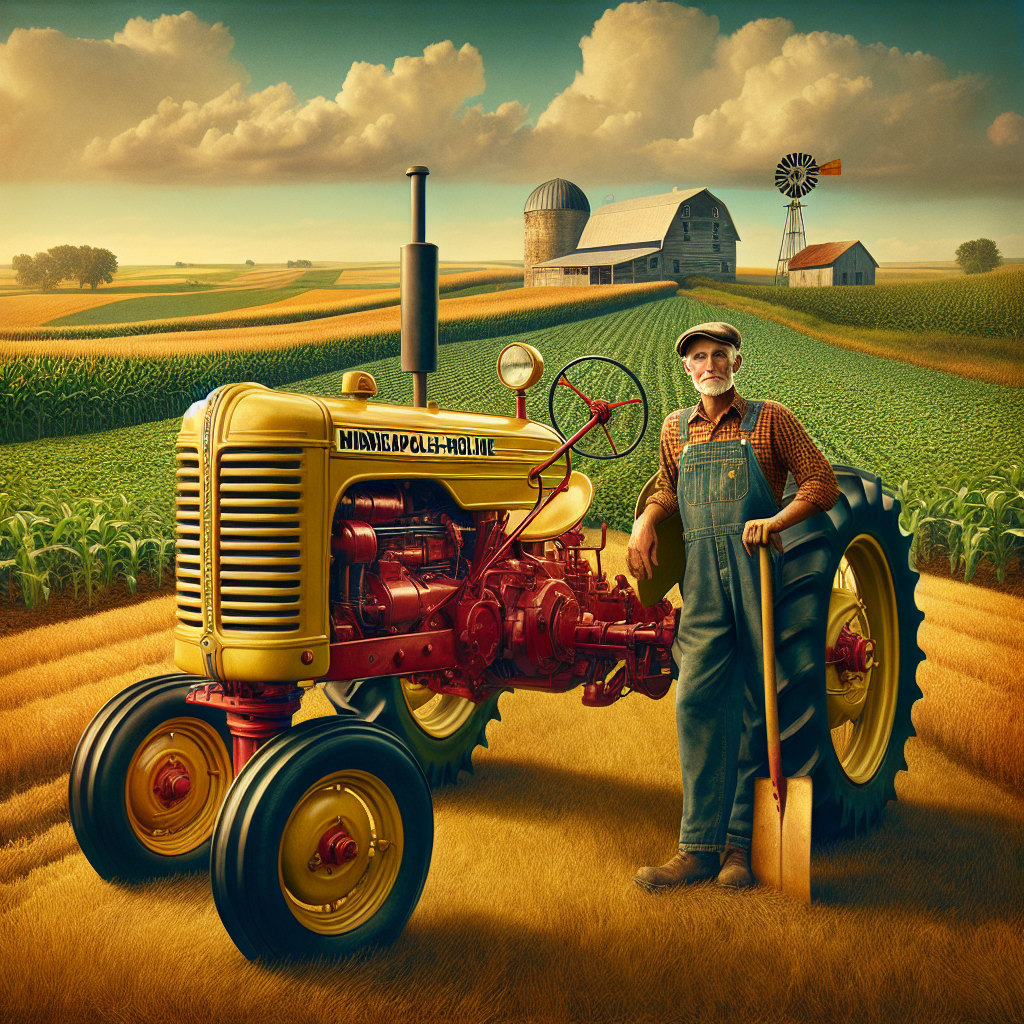
Glossary Of Terms
Other Questions
What Makes Classic Tractors a Reliable Choice for Farmers Today – Other Questions
If you wish to explore and discover more, consider looking for answers to these questions:
- What are the most popular classic tractor brands among farmers today?
- What maintenance tips are essential for keeping classic tractors running smoothly?
- How can farmers find and purchase classic tractors?
- What are the differences in performance between classic and modern tractors?
- What modern farming practices can be integrated with classic tractors?
- How do classic tractors impact the environment compared to modern equipment?
- What is the history behind famous classic tractor models?
- How are classic tractors valued in the current market?
- What are the most effective ways to restore a vintage tractor?
- How can farmers create a community around classic tractor usage?
- What challenges do farmers face when relying on classic tractors?
Other Questions
Haiku
What Makes Classic Tractors a Reliable Choice for Farmers Today – A Haiku
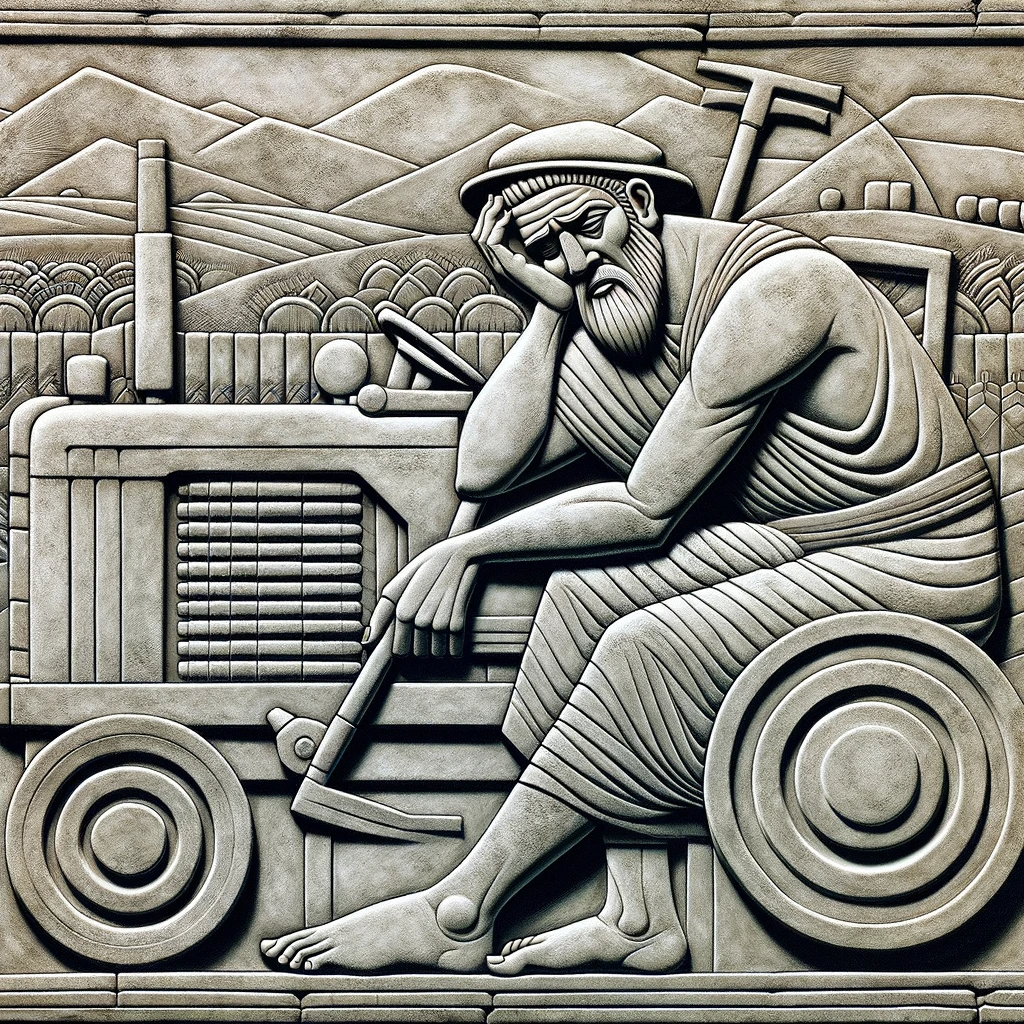
Classic steel rumbles,
Tales of toil and triumph,
Roots of earth unite.
Haiku
Poem
What Makes Classic Tractors a Reliable Choice for Farmers Today – A Poem
Ode to the Classic Tractor
In dawn’s embrace where shadows weave,
A steadfast rumble stirs the leaves,
A classic tractor, old yet bold,
A rumbling tale, a treasure untold.
With wear and tear, each scratch a story,
Of toil and sweat, hard work’s glory,
In fields where generations stood,
It whispers legacies of the good.
Heartbeats of Earth: The Emotional Call
Beneath the sun, where youth once learned,
Calloused hands and passions burned,
A farmer’s pride in a painted frame,
Echoes of laughter, whispers of names.
From grandfather’s hands to child’s embrace,
A legacy rooted in this sacred space,
Not just machines, but bonds that last,
In the soil of memory, future and past.
Rational Threads: The Logic of Choice
Mechanics simple, with fewer frills,
In every turn, a farmer’s will,
Affordable strength that never wanes,
Reliable heart through sun and rains.
Each year that passes, each challenge faced,
Classic iron, resilient and graced,
A nod to sustainability, a shout for the wise,
In every engine’s hum, the earth’s lullabies.
Ethical Echoes: A Vote for Tomorrow
Restoring the old in a world anew,
Craftsmanship brews a culture so true,
In today’s race for shiny and bright,
They stand for the past, lending wisdom and light.
Sharing stories at fairs or by fields aglow,
Uniting hearts, in friendship we sow,
Through trials endured and victories shared,
A community thriving, built on the dared.
Gut Deep Reflections: The Value of Bonds
With each rev of motor, hear how they sing,
Heartfelt connections, the joy they bring,
As tractors parade through the summer’s embrace,
Empowered by history, we cherish our place.
So here’s to the classics, the echo of years,
A tribute to hard work, to laughter, and tears,
Let wheels turn onward with purpose profound,
In every crop sown, in every shared sound.
In this tapestry woven with grit and with grace,
May we honor the past as we cultivate space,
For every tractor tells tales that entwine,
In hearts and in fields, forever they shine.
Poem
Checklist
What Makes Classic Tractors a Reliable Choice for Farmers Today – A Checklist
Classic Tractors: A Heartfelt and Mindful Checklist for Farmers
Emotional Appeals
_____ Nostalgia Check: Recall a cherished memory with a classic tractor. What stories or experiences does it evoke?
_____ Legacy Reflection: Consider how this tractor symbolizes a connection to your family’s farming history and values.
_____ Passion Points: Identify what parts of working with a classic tractor bring you joy. Is it the sound of the engine, the smell of the earth, or the connection to the land?
Rational Appeals
_____ Cost-Effectiveness Assessment: Analyze the initial purchase price, expected maintenance costs, and repair simplicity of classic tractors vs. modern alternatives.
_____ Sustainability Evaluation: Evaluate how restoring and using classic tractors contributes to conservation and reduces waste. Are you making responsible choices for the environment?
_____ Repair Knowledge Inventory: Assess your ability and willingness to repair and maintain a classic tractor. Are you comfortable with hands-on work?
Ethical Appeals
_____ Community Responsibility: Reflect on how using classic machinery impacts your local farming community. Are you fostering a spirit of resourcefulness and reliability?
_____ Labor Fairness Consideration: Consider the labor practices related to farming with classic machinery. Are you ensuring fair wages and opportunities for modern farmers and workers?
_____ Ethical Farming Practices: Think about how your choice of machinery aligns with ethical farming practices. Are you supporting sustainability and community welfare?
Authority Appeals
_____ Research Reliable Brands: Compile a list of trusted brands known for their classic tractors. What makes them reputable?
_____ Connect with Experts: Reach out to longtime farmers or classic tractor restorers for advice and insights. Their wisdom can guide your decisions.
_____ Legacy Learning: Attend workshops or local tractor shows to learn about the history and mechanics of classic tractors from experienced individuals.
Narrative Appeals
_____ Your Tractor’s Story: Document your expectations and aspirations for your classic tractor. What journey do you hope to share with others?
_____ Community Storytelling: Plan an event to share your experiences and stories about classic tractors with fellow farmers. Encourage others to share their narratives.
_____ Tractor History Exploration: Research the story behind the classic tractor you own or are interested in. Learn about its origins and historical significance.
Social Appeals
_____ Camaraderie Connection: Join local clubs or online forums dedicated to classic tractors. Engage with fellow enthusiasts and share your experiences.
_____ Participate in Local Events: Attend fairs, parades, and gatherings that celebrate classic tractors. Build connections with your community and bond over shared passions.
_____ Generational Engagement: Involve younger generations in your farming journey with classic tractors. Share lessons and stories to inspire a love for agriculture.
This checklist is designed to help you delve into the emotional, rational, ethical, authority, narrative, and social dimensions of your relationship with classic tractors. Enjoy the journey as you cultivate not just crops, but community, connections, and a legacy rooted in history.
Checklist
At ClassicTractorNews, we help tractor lovers keep up with the latest news for classic and vintage tractors.
Please share this post with your friends, family, or business associates who may like old classic or vintage tractors.