


The Timeless Wisdom Of Vintage Tractors: Insights For Today’s Farmers
By Tom Seest
At ClassicTractorNews, we help tractor lovers keep up with the latest news for classic and vintage tractors.
Please share this post with your friends, family, or business associates who may like old classic or vintage tractors.
What Lessons Can Modern Farmers Learn From Classic Tractor Design
When you look at a classic tractor, you’re not just gazing at a piece of machinery – you’re staring into the soul of farming itself. Those hulking beasts, with their rugged contours and bare-bones simplicity, are a testament to a bygone era. They remind us of the diligent hands that designed them, fueled by hard work and a passion for the land. But what can today’s farmers glean from these historic giants? Quite a lot, if you ask the heart, head, and gut.
First, the heart knows that farming is more than just a profession; it’s a legacy. Classic tractors didn’t just serve a functional purpose – they were handed down like sacred trusts, each scratch and dent telling a story of sweat, perseverance, and triumph over the elements. Modern farmers can draw from that well of tradition. Embracing the fundamental values of resilience and ingenuity found in old designs cultivates a deeper appreciation for their craft. It fosters a sense of pride that goes beyond profit margins, tapping into something emotionally profound.
Rationally, these tractors were built to last. Engineers of the past understood the importance of reliable, straightforward design. Why complicate matters when hard work can turn a wheel without bells and whistles? Modern farmers can take this lesson to heart, focusing on machinery that prioritizes durability and ease of repair. This ensures that they’re not just investing in shiny new gadgets, but in tools that will serve them well season after season.
Ethically, connecting with the roots of farming—or respecting the journey of those who came before—is vital. Classic tractors encourage a philosophy of stewardship for the land, promoting practices that sustain rather than exploit. By grounding themselves in these principles, modern farmers can cultivate not just crops, but an eco-conscious ethos.
Lastly, sharing stories about tractors can spark camaraderie among farmers. The simple act of discussing the engine that saw your grandfather through tough seasons can build bridges. It transforms individual experiences into community narratives, showcasing not just the struggle, but the collective joys of farming.
So, let’s rise up and celebrate the simplicity and durability of classic tractor design. It’s not merely nostalgia; it’s a guiding light for today’s farmers, an invitation to build upon the past while steering toward a sustainable future. Trust that those rumbling engines hold the power to inspire, to connect, and to guide us all back to the heart of agriculture.

What Lessons Can Modern Farmers Learn From Classic Tractor Design
What Lessons Can Modern Farmers Learn From Classic Tractor Design
- Classic tractors embody the essence of farming, representing a bygone era of hard work and dedication.
- They are symbols of legacy, with stories of perseverance reflected in their wear and tear.
- Modern farmers can learn resilience and ingenuity from the traditional designs of classic tractors.
- Classic tractors emphasize the importance of durable, straightforward design over complexity.
- They promote an ethical approach to stewardship of the land, encouraging sustainable practices.
- Sharing stories about classic tractors fosters community and connection among farmers.
- Celebrating classic tractor design serves as a guiding light for a sustainable agricultural future.

What Lessons Can Modern Farmers Learn From Classic Tractor Design
Table Of Contents
- What Lessons Can Modern Farmers Learn From Classic Tractor Design
- What Timeless Values Can We Find In Classic Tractor Design?
- How Can Embracing Simplicity Enhance Our Farming Efficiency Today?
- What Ethical Lessons Can Modern Farmers Learn From Historical Designs?
- Are Modern Farmers Overlooking Key Insights From Tractor History?
- What Emotional Connections Do We Have With The Tractors Of Our Past?
- How Can Modern Farms Incorporate Lessons From Classic Tractors?
- Conclusion
- Other Resources
- Glossary Of Terms
- Other Questions
- Haiku
- Poem
- Checklist
What Timeless Values Can We Find In Classic Tractor Design?
When you look at a classic tractor, you’re not just gazing at a hunk of metal and wheels; you’re witnessing a carefully crafted blend of durability, simplicity, and hard-earned craftsmanship. In a world that seems to churn out trends faster than a factory assembly line, these machines stand as steadfast reminders of value that never goes out of style. They whisper to us lessons learned from generations past, rooted in principles that resonate deeply with the heart, head, and gut.
Emotionally, classic tractors evoke nostalgia. They transport us to sunbaked fields where generations of farmers poured their sweat into the soil. You can almost hear the rumbling of the engine, smell the fresh-cut hay, and feel that you are part of something larger than yourself—an unbroken chain of toil and accomplishment. It’s about family, tradition, and legacy; the satisfaction of a hard day’s work churning the earth, knowing that you’re contributing to the fabric of a community. In times of uncertainty, these machines ground us, reminding us of the simple, honest values of our forebears.
Logically speaking, classic tractor design serves as a canvas showcasing ingenuity and resilience. The unadorned mechanics and straightforward utility reflect a no-nonsense approach that feels refreshing amid the complexity of modern agriculture. Every lever, every gear was constructed with a perfect balance of function and reliability, ensuring that when the sun rises, the tractor is ready to get to work without the fuss of repairs or complicated digital interfaces. It’s a testament to efficiency—a nod to the beauty of real innovation.
Ethically, there’s something deeply satisfying about preserving these machines. They symbolize sustainability and respect for the earth, utilizing fewer resources and adapting over time rather than being discarded. Every restored tractor reflects a commitment to stewardship, not just in agriculture but in our relationship with the world around us.
Socially, classic tractors unite us; they’re not just relics of the past—it’s a community of enthusiasts, mechanics, and farmers who share stories, trade tips, and support one another in the journey of restoration. In this age of disconnection, classic tractors remind us of our common threads. So, the next time you find yourself near a classic tractor, take a moment to reflect. It’s not just about what they can do; it’s about what they represent—a promise of reliability, tradition, and unity that spans generations.

What Timeless Values Can We Find In Classic Tractor Design?
What Timeless Values Can We Find In Classic Tractor Design?
- Classic tractors embody a blend of durability, simplicity, and craftsmanship.
- They evoke nostalgia, connecting us to past generations of farmers and their hard work.
- Classic tractors represent family, tradition, and community, grounding us in honest values.
- Their design showcases ingenuity and resilience, emphasizing functionality and reliability.
- Preserving classic tractors symbolizes sustainability and respect for the environment.
- They foster a sense of community among enthusiasts, mechanics, and farmers.
- Classic tractors represent reliability, tradition, and unity across generations.

What Timeless Values Can We Find In Classic Tractor Design?
How Can Embracing Simplicity Enhance Our Farming Efficiency Today?
Take a moment and visualize a farmer standing in a field, surrounded by sprawling crops and the gentle hum of a tractor in the background. It’s a scene that embodies hard work, resilience, and—believe it or not—elegance. Simplicity in farming isn’t just about practicing efficiency; it’s a lifestyle choice that speaks to the essence of who we are as stewards of the land and builders of community.
Let’s think about it logically for a second. The modern farming world is often a cacophony of endless technology and complex machinery. But when we peel back these layers, asking ourselves what truly drives productivity, we uncover a vital truth: simplicity can lead to far greater efficiency. Using a tractor that best suits the job, rather than the flashiest model with all the bells and whistles, allows farmers to focus resources where they matter most—on the soil, the crops, and the community.
Now, let’s engage your heart. Every time you embrace simplicity, you’re making a conscious choice to cultivate a relationship with the Earth. You’re choosing to spend more time with family instead of wrestling with gadgets and tech that complicate rather than clarify. Imagine the joy of gathering around a table, where laughter punctuates the stories of your day’s work rather than the frustration of a stubborn piece of equipment. There’s profound connection in those moments, as communities gather, share, and support each other, reminding us that we’re all in this together.
Ethically, there’s a beauty to embracing simplicity. It’s about understanding our responsibility to care for the land and each other. A simpler approach in farming reduces the strain on ecosystems, allowing for more sustainable practices that future generations can inherit. Trust nurtures community courage, igniting a passion in every farmer to lead efforts rooted in integrity and goodness.
Ultimately, the conversation around farming efficiency today isn’t just about technology or yield; it’s about aligning our values with our actions. By championing simplicity, we forge a path that leads us toward lasting relationships with our land and its people. It calls on all of us—farmers, neighbors, and consumers—to come together in a shared commitment to a sustainable future. The time to simplify is now, and in that choice, we’ll find not only practicality but also purpose, pride, and connection that transcends the fields we cultivate. So, as we roll out those tractors and head into the fields, let’s farm not just for today, but with a vision rooted in simplicity for tomorrow.

How Can Embracing Simplicity Enhance Our Farming Efficiency Today?
How Can Embracing Simplicity Enhance Our Farming Efficiency Today?
- Visualize a farmer in a serene field, symbolizing hard work and community building.
- Simplicity in farming enhances efficiency and reflects stewardship of the land.
- Using appropriate equipment rather than complex machinery allows focused resource allocation.
- Embracing simplicity strengthens family bonds and community connections.
- Adopting a simpler farming approach promotes ecological sustainability for future generations.
- Farming efficiency should align with our values and encourage commitment to sustainability.
- Choosing simplicity in farming leads to practical benefits, purpose, and communal pride.

How Can Embracing Simplicity Enhance Our Farming Efficiency Today?
What Ethical Lessons Can Modern Farmers Learn From Historical Designs?
When you imagine that trusty old tractor slowly trundling across the sun-kissed fields, it’s easy to dismiss it as just another piece of machinery. But look closer, and you’ll see it embodies lessons of sustainability, resilience, and respect for the land that modern farmers could benefit from today.
The historical designs of farming equipment weren’t merely functional; they were born from necessity, honed by experience, and guided by a deep understanding of the environment. Our ancestors didn’t have advanced technology to dictate their practices. Instead, they relied on observation and a profound respect for nature. That old tractor was often repaired, reused, and repurposed, reflecting a mindset that prized efficiency over excessive consumption. In an age of single-use everything, it’s a call to arms for us to rethink our relationship with the land and its resources.
Dive into the narrative of traditional farming: a community that worked in harmony with seasonal rhythms, understanding when to plant and when to harvest, accepting the imperfections of each growing season. Their ethics were simple yet profound—treat the soil with care, honor the animal, and in return, both would sustain the farmer. You see, farming is not just a job; it’s a legacy. Today’s farmers can learn from this interdependence, understanding that in nurturing the earth, they also nurture the community around them.
Thinking intellectually, we recognize that our modern farming methods—often reliant on monocultures and chemical additives—diverge sharply from these time-tested practices. We know what works well and what doesn’t, and the evidence is clear: sustainable practices yield healthier crops and more resilient ecosystems. It’s about building trust—not just with the land, but with consumers too, who are more inclined to support those who prioritize ethical farming.
As we stand at the precipice of ecological uncertainty, let’s draw courage from those sturdy tractors that have long served us. They remind us that it’s not only about efficiency but about kindness: to the soil, to the plants, and to each other. By embracing historical wisdom, today’s farmers can foster a future that honors both tradition and innovation, reestablishing trust within their communities and reshaping the agricultural landscape for generations to come.
Incorporating these lessons isn’t merely a noble pursuit; it’s the heartbeat of a sustainable future. Let your tractor lead the way, not just across the fields but into a more hopeful tomorrow.

What Ethical Lessons Can Modern Farmers Learn From Historical Designs?
What Ethical Lessons Can Modern Farmers Learn From Historical Designs?
- The old tractor symbolizes sustainability, resilience, and respect for the land, offering lessons for modern farmers.
- Historical farming equipment was designed out of necessity and a profound understanding of the environment, emphasizing efficiency over consumption.
- Traditional farming practices involved working in harmony with nature, treating the soil and animals with care to sustain both the farmer and the community.
- Modern farming often relies on monocultures and chemical additives, in contrast to time-tested sustainable practices that yield healthier crops and ecosystems.
- Building trust with the land and consumers is essential; ethical farming is increasingly supported by consumers.
- Embracing historical wisdom allows modern farmers to balance tradition with innovation, reshaping agriculture for future generations.
- Incorporating these lessons is vital for a sustainable future and can inspire hope in agricultural practices.

What Ethical Lessons Can Modern Farmers Learn From Historical Designs?
Are Modern Farmers Overlooking Key Insights From Tractor History?
In the grand story of agriculture, the humble tractor stands as a symbol of innovation and hard-earned progress. Yet, as we charge boldly into an era dominated by technology and efficiency, are we inadvertently sidelining the wisdom embedded in the history of these iron beasts? The tractor, the workhorse of the field, has served as a bridge between generations of farmers. Its evolution reflects not just advancements in technology, but an entire culture—a narrative of sweat, perseverance, and an unwavering connection to the land.
Think back to the days when a farmer’s worth was measured by the number of acres they could plow under the watchful eye of the sun. The tractor changed that game, transforming grueling toil into an orchestra of mechanical symphony. The farmers of yore learned every whirr and clank, developing an intimate relationship with their machinery. They understood that trusting a tractor meant understanding its quirks and capabilities; it was a dance of man and machine, where respect was mutual.
Yet, in today’s race for ever-greater efficiency, we often overlook this relationship. It’s easy to get lost in the allure of cutting-edge technology—smart tractors that can plow fields on their own, drones that monitor crop health from above, the whole shebang. But in rushing to adopt these innovations, are we losing touch with the heart of farming? The emotional connection that farmers had with their tractors was built on dedication and hands-on experience. This isn’t just about making life easier; it’s about nurturing a value system rooted in hard work and respect for our land.
As stewards of the soil, we have a responsibility to honor the legacy of those who came before us. This isn’t merely a nostalgic reference; it’s an ethical call to recognize the importance of knowledge passed down through generations. By marrying the wisdom of history with modern innovation, we can cultivate a farming ethos that recognizes both the tools at our disposal and the lessons they carry.
So, let’s not overlook the insights that lie beneath the surface of these powerful machines. The tractor isn’t just metal and plastic; it’s a testament to human ingenuity and an enduring partnership with nature. Let’s embrace both the past and the present, inspiring a future where every farmer feels empowered—not just by their technology, but by the stories that shaped the fields they tend.

Are Modern Farmers Overlooking Key Insights From Tractor History?
Are Modern Farmers Overlooking Key Insights From Tractor History?
- The tractor symbolizes innovation and progress in agriculture.
- It reflects the evolution of technology and a cultural narrative of farmers’ perseverance.
- Farmers historically developed an intimate relationship with their tractors, understanding their quirks and capabilities.
- Today’s focus on advanced technology risks losing this emotional connection to farming.
- The hands-on experience of farmers built a value system of hard work and respect for the land.
- Honoring the legacy of previous generations is essential for ethical agricultural practices.
- Combining historical wisdom with modern innovation can empower future farmers and enhance their connection to the land.

Are Modern Farmers Overlooking Key Insights From Tractor History?
What Emotional Connections Do We Have With The Tractors Of Our Past?
When we think about tractors, what often springs to mind is the powerful hum of hardworking engines and the smell of fresh earth. We may remember those long summer days on the farm, the sun beating down on our backs as we guided that old green machine across golden fields. Yet it’s much more than just machinery; tractors symbolize stories, family, and legacy. Every scratch and dent tells a tale, each rusted bolt a testament to years of toil.
For many, these hulking steel beasts represent an emotional connection that transcends mere utility. They embody hard work, perseverance, and a simpler time—values that resonate deeply in our hearts. The rhythm of the engine is like a heartbeat, a pulse that links generations together. It’s not just about tilling the land; it’s about tilling the soil of our memories and nurturing the bonds that tie us to our roots.
From a rational standpoint, much of our attachment comes from the role that tractors play in our lives. They are tools, yes, but also symbols of independence and productivity. They help feed families, provide livelihoods, and support communities. Think about it: in an age where everything feels disposable, tractors remind us of durability and the importance of craftsmanship. They’re built to last, just like the relationships we cultivate alongside them.
Ethically speaking, there’s a sense of duty we feel towards preserving these machines and the traditions they represent. It’s our responsibility to honor the past while fostering innovations that ensure these powerful tools continue to serve future generations. These stories are woven into the fabric of our communities—our history is intimately connected to the tractors that helped shape our land.
And let’s not forget about the social aspect; gathering around a tractor for repairs or reminiscing about old farming stories builds connections that transcend age or background. We bond over shared laughter, hard lessons, and the grit it takes to run a farm. So, the next time you see a tractor, pause for a moment and let the memories flood in. Embrace that emotional connection; it’s a reminder not just of what we’ve accomplished but of who we are. Whether you’re a seasoned farmer or an urban dweller, the stories woven into these machines can inspire us all. So grab that wrench and join the conversation—your own past may be waiting just beneath the surface.

What Emotional Connections Do We Have With The Tractors Of Our Past?
What Emotional Connections Do We Have With The Tractors Of Our Past?
- Tractors evoke powerful memories of hard work, summer days, and family legacy.
- Each tractor bears marks of history, symbolizing perseverance and emotional connections.
- The rhythm of a tractor’s engine links generations, representing values of hard work and simpler times.
- Tractors serve practical roles as tools that support families and communities, emphasizing durability and craftsmanship.
- There’s an ethical responsibility to preserve tractors and the traditions they symbolize for future generations.
- Social gatherings around tractors foster connections and shared stories that transcend age and background.
- Tractors inspire a deeper reflection on our past and identity, inviting everyone to engage in these narratives.
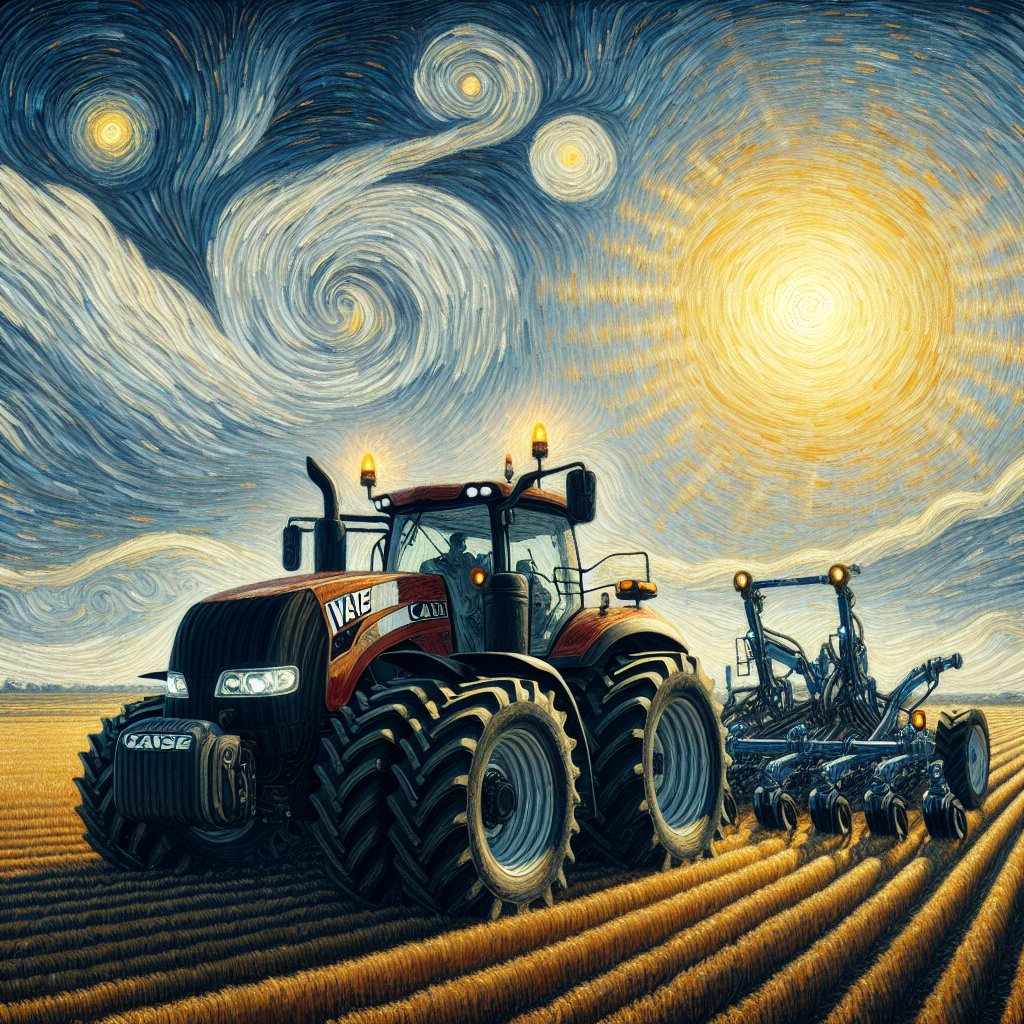
What Emotional Connections Do We Have With The Tractors Of Our Past?
How Can Modern Farms Incorporate Lessons From Classic Tractors?
In a world that’s racing toward innovation at lightning speed, it’s all too easy to overlook the wisdom of the past. Classic tractors, with their sturdy frames and time-tested mechanics, are not just relics of agricultural history; they are symbols of resilience and ingenuity. They remind us that there is often a right way to do things, one that is rooted in practicality and guided by experience.
Think for a moment about the simple charm of a well-loved tractor. With its rumbling engine and rugged wheels, it represents the heart of many family farms, crafting memories and shaping identities. Farmers of yesteryear relied on these machines to weather storms, plow fields, and cultivate crops. There was an intimacy in those processes—a respect for the land that modern technology occasionally obscures. Incorporating this spirit into contemporary practices can foster a more profound connection to agriculture.
On a rational level, we must acknowledge the potential for durability. Classic tractors were designed to last, often built with materials and methods that prioritize long-term functionality over short-lived trends. Why not take a page from that playbook? Modern farmers can learn to invest in quality over quantity—choosing sustainable practices and robust equipment that not only save money in the long run, but also respect the earth.
Ethically, there’s a call to action to return to simpler, more genuine farming methods. By adopting techniques rooted in tradition, today’s agrarians can create a narrative that champions sustainability and stewardship. Imagine a community that prioritizes ethical farming practices, using classic wisdom to inspire modern methods that nurture not just the soil, but the very essence of what it means to cultivate life.
Socially, we are drawn to the stories of our ancestors: the struggles, victories, and hard-won lessons that shaped their journey in farming. By connecting with these narratives, we build a community grounded in shared values, reinforcing our bond with each other and with the land. Encouraging dialogues about the past enriches our understanding of the challenges we face today.
Ultimately, incorporating lessons from classic tractors isn’t merely about nostalgia; it’s about building a foundation of trust, fostering resilience, and crafting a brighter future. By honoring the robust principles of yesteryear in a modern context, we can cultivate farms that are not just productive, but transformative—machines of hope and connection in an ever-evolving landscape. Let’s be inspired to embrace the past, ensuring our farms flourish into the future.

How Can Modern Farms Incorporate Lessons From Classic Tractors?
How Can Modern Farms Incorporate Lessons From Classic Tractors?
- Classic tractors symbolize resilience and ingenuity, reminding us of practical, experience-based solutions.
- They represent the heart of family farms, creating memories and shaping identities through their use in agriculture.
- Classic tractors were built for durability and long-term functionality, emphasizing quality over fleeting trends.
- Modern farmers can learn from traditional methods to invest in sustainable practices and robust equipment.
- Adopting time-honored farming techniques promotes sustainability and stewardship within the agriculture community.
- Connecting with ancestral farming narratives enriches community bonds and enhances understanding of current challenges.
- Incorporating lessons from classic tractors fosters trust, resilience, and a transformative future for farming.

How Can Modern Farms Incorporate Lessons From Classic Tractors?
Conclusion
As we wrap up this exploration of classic tractors and their timeless relevance, I’m struck by an undeniable truth: these machines are more than just tools; they are vessels of legacy. Picture for a moment that old tractor, rusted yet dignified, a testament to sweat-soaked days on the farm. Each dent and scratch tells a story—a story of perseverance, triumph, and a relentless connection to the land. Today’s farmers, standing on the shoulders of those who came before them, can tap into this rich heritage to navigate the complexities of modern agribusiness.
At its heart, farming is about relationships—relationships with the land, the community, and each other. Classic tractors embody an ethos of simplicity that resonates deeply with the heart. They remind us that the soul of agriculture is not found in fancy gadgets but in earnest labor and unwavering dedication. For modern farmers, embracing this spirit can enhance pride in their work, fostering an emotional connection to every plow and sow.
Logically speaking, classic tractors teach us that functionality and durability should top the priority list. These vintage machines were designed to withstand the test of time, marrying innovation with practicality. In a world where everything is designed for obsolescence, let’s pause to ask ourselves: Are we investing in tools that genuinely serve our needs, or just chasing trends? By focusing on robust, reliable machines and sustainable practices, farmers can ensure a stable future—not only for their operations but for the generations to come.
Ethically, the relationship we cultivate with our land mirrors the stewardship embodied by classic tractors. These machines remind us of a simpler time when farming was about nurturing—not just exploiting—the earth. Modern farmers who adopt eco-conscious methods grounded in this historical wisdom can take a stand for sustainability, creating a healthier ecosystem that future generations will inherit with gratitude.
And then there’s the social fabric woven through those old tractors—the laughter shared around engine repairs, the stories exchanged during harvest time. In an age of increasing disconnection, these machines serve as connectors. They remind us that our shared experiences create a community.
So let’s rise to the occasion, honoring the legacy of classic tractors as we forge ahead. In doing so, we don’t just keep the past alive; we cultivate a future rich with meaning, purpose, and unity. Together, we can steer agriculture toward a horizon that cherishes its roots while nurturing growth. So, the next time you climb into the seat of a modern tractor, take a moment to remember the timeless lessons these vintage machines carry. In their rumble, there lies a call to action—a reminder of the heart, head, and gut of farming that beckons us forward. It’s a legacy worth honoring, for ourselves and for those yet to come.

Conclusion
Conclusion:
- Classic tractors represent more than tools; they are vessels of legacy, embodying stories of perseverance and connection to the land.
- Farming centers on relationships with the land, the community, and each other, which classic tractors symbolize through their simplicity.
- Classic tractors emphasize the importance of functionality and durability in farming, encouraging farmers to focus on reliable machines.
- Investment in robust, reliable equipment and sustainable practices ensures a stable future for farming operations and future generations.
- Ethically, the stewardship represented by classic tractors encourages eco-conscious farming methods to nurture the land rather than exploit it.
- Classic tractors foster community through shared experiences and connections, countering modern disconnection in society.
- Honoring the legacy of classic tractors can cultivate a future rich in meaning, purpose, and unity in agriculture.

Conclusion
Other Resources

Other Resources
Here is a list of other resources you can review online to learn more:
- Farmtrac
- NM Farm & Ranch Heritage Museum
- Simplicity
- Valmet
- Jackson County Iowa Fair Antique & Classic Tractor Show
- Schluter
- Antique Tractor Blog
- Cameco
- Ventrac
- Terrion
Use This Prompt To Get More Resources With Your Favorite Online AI Tool: Please provide me with a list of online articles with their URLs in a bulleted list that I can read regarding What Lessons Can Modern Farmers Learn From Classic Tractor Design

Other Resources
Glossary Terms
What Lessons Can Modern Farmers Learn From Classic Tractor Design – Glossary Of Terms
1. Agriculture: The practice of cultivating soil, growing crops, and raising animals for food, fiber, and other products.
2. Compact Design: A trait of classic tractors that makes them easier to maneuver in smaller fields, offering insights into optimizing space in modern farming.
3. Durability: The ability of classic tractors to withstand harsh conditions; modern farmers can apply this principle to create more resilient machinery and equipment.
4. Simplicity: The minimalist engineering and straightforward mechanics of classic tractors, which can reduce maintenance needs and costs.
5. Fuel Efficiency: Classic tractors often had engines optimized for fuel use, an essential aspect for modern farmers looking to reduce operational costs.
6. Field Performance: The effectiveness of a tractor in different terrains, which modern farmers can assess by adopting proven classic designs that work well in diverse conditions.
7. Hydraulics: Technology found in classic tractors that manage lifting and lowering of equipment; crucial for modern systems to improve efficiency.
8. Power Take-Off (PTO): A mechanism that allows tractors to power attached equipment; understanding its earlier designs can help optimize usage in contemporary agriculture.
9. Versatility: Many classic tractors were designed for multiple purposes; modern farmers can benefit from investing in equipment that serves various tasks.
10. Maintenance: The regular servicing needed to keep tractors operational; classic designs often require straightforward repairs, which can inspire modern practices.
11. Resourcefulness: The ability of older farming methods to make the most of available resources, encouraging modern farmers to adopt sustainable practices.
12. Mechanical Innovation: Classic tractors featured unique engineering solutions; analyzing these can inspire modern advancements in farming machinery.
13. Reliability: Consistency in performance under various conditions; modern machines can incorporate elements that enhance dependable operation.
14. User Experience: Classic tractor designs prioritized operator comfort and usability; this consideration can drive modern ergonomics in farming equipment.
15. Weight Distribution: The layout of classic tractors often ensured stability; understanding this can help in designing modern tractors that achieve balance in varied terrains.
16. Remanufacturing: The process of restoring older tractors to like-new condition; modern farmers can learn the economic and sustainability benefits from this approach.
17. Attachment Compatibility: Classic tractors often utilized standardized attachments; modern designs can benefit from maintaining such compatibility for broader utility.
18. Historic Preservation: The value in maintaining classic tractors as a reference point for future designs; helps to understand long-lasting engineering principles.
19. Adaptability: The ease with which classic tractor designs can be adjusted for different functions, a lesson for modern farmers needing flexible solutions.
20. Comfort: Operator comfort in classic tractors was prioritized to reduce fatigue, an essential consideration for modern designs to enhance productivity.
21. Safety Features: The evolution of safety in tractor design over the years can guide modern farmers to implement necessary precautions in machinery.
22. Cost-Effectiveness: Classic tractors were designed to provide value through long-term operation; modern messaging can advocate similar cost-saving methodologies.
23. Craftsmanship: The hands-on approach in classic tractor building highlights the value of artisanal skills, which can inspire modern manufacturers.
24. Traditional Knowledge: The skills and insights gained over decades from classic tractor farming can inform contemporary agricultural practices.
25. Ecosystem Impact: Understanding the environmental effects of classic agricultural practices can help modern farmers adopt more eco-friendly methods.
26. Community: The social aspect of farming with classic tractors fosters collaboration; modern efforts could benefit from building community networks.
27. Legacy: The history of classic tractors provides valuable lessons in building a resilient agricultural legacy for future generations.
28. Technology Integration: How classic tractors incorporated technology gives insight into balancing tradition with innovation.
29. Communication: The need for effective strategies in sharing knowledge among farmers to improve tractor use and benefits.
30. Educational Resources: The literature around classic tractor designs serves as a learning tool for modern farmers seeking to improve their practices.

Glossary Of Terms
Other Questions
What Lessons Can Modern Farmers Learn From Classic Tractor Design – Other Questions
If you wish to explore and discover more, consider looking for answers to these questions:
- What specific features of classic tractors contribute to their durability?
- How can modern farmers balance technology with traditional practices?
- What are some examples of successful farms that have implemented classic tractor principles?
- How does the emotional connection to tractors impact farmers’ productivity?
- What sustainability practices can be learned from historical tractor designs?
- In what ways can communities support farmers who embrace classic farming methods?
- How can modern farmers create their own legacy while using classic principles?
- What resources are available for farmers interested in restoring vintage tractors?
- How can storytelling about tractors and farming traditions foster community engagement?
- What challenges do modern farmers face when trying to implement lessons from the past?

Other Questions
Haiku
What Lessons Can Modern Farmers Learn From Classic Tractor Design – A Haiku
Rusty wheels turn slow,
Wisdom etched in steel and soil,
Hearts, hands, roots unite.

Haiku
Poem
What Lessons Can Modern Farmers Learn From Classic Tractor Design – A Poem
The Heart of the Tractor: A Harvest of Wisdom
In fields where sun and soil entwine,
A tractor hums with toil and time,
Its sturdy form, a tale unfolds,
Of arms that labored, of hearts that hold.
Oh, iron beast of yesteryears,
You bear the scars of sweat and tears,
Each scratch a story, each dent a mark,
A legacy woven, a nurturing spark.
From the heart of farming emerges pride,
Not just in profit, but in the ride,
Through seasons turning, through struggle’s face,
A bond with the land, a shared embrace.
Behold the wisdom in your frame,
Simplicity echoes, not seeking fame,
Engineered to last, with grace defined,
In your rugged lines, true values aligned.
The ethics of stewardship gently rise,
From history’s soil to modern skies,
Preserving resources, in cycles we trust,
For future generations, it’s a sacred must.
Let’s gather ‘round and share the lore,
Of tractors past and what they bore,
Community bound by stories shared,
In laughter and labor, a kinship ensnared.
So, modern farmer, heed the call,
To honor the legacy that binds us all,
Embrace the art in the tools of old,
Crafting a future, bold yet controlled.
In every turning wheel, let hope ignite,
As we forge our path into the light,
With heart, and head, and a gut that knows,
The spirit of farming forever grows.

Poem
Checklist
What Lessons Can Modern Farmers Learn From Classic Tractor Design – A Checklist
Checklist: Embracing Timeless Wisdom from Classic Tractors for Modern Farming
Heart: Nurturing Emotional Connections
1. Reflect on Family Legacy: Consider how your farming practices connect to your family’s history and values. What stories can you share?
2. Celebrate Traditions: Create opportunities to honor and share stories about traditional farming practices and equipment with your community.
3. Build Relationships: Prioritize interactions with neighbors and fellow farmers to foster camaraderie and support within the farming community.
4. Reconnect with Nature: Dedicate time to appreciate the land and the simple joys it brings, reinforcing the emotional ties you have with it.
Head: Making Rational Decisions
5. Invest in Durability: Choose farming equipment and techniques that prioritize long-term sustainability and ease of repair over trendy or overly complex gadgets.
6. Evaluate Practices: Analyze your current farming methods and identify areas where simplicity can improve efficiency and productivity.
7. Learn from History: Study the mechanics and philosophies of classic tractors to inform your current practices and decision-making processes.
8. Calculate Costs: Assess the long-term financial benefits of investing in robust equipment versus cheaper, shorter-lived alternatives.
Gut: Developing Ethical and Responsible Practices
9. Practice Stewardship: Commit to sustainable farming methods that honor both the land and future generations. What sustainable practices can you incorporate?
10. Respect Tradition: Acknowledge the wisdom of past generations, incorporating those insights into contemporary farming approaches.
11. Community Engagement: Join or support local farming groups that promote ethical practices and community-driven agriculture.
12. Celebrate Restoration: Consider restoring classic tractors or equipment, reflecting your commitment to preservation and sustainability.
Collective Appeal: Strengthening Social Connections
13. Share Experiences: Create platforms for farmers to share their challenges and successes, reinforcing the community narrative surrounding farming.
14. Participate in Events: Engage in tractor shows, farming fairs, or community gatherings that celebrate historical farming practices and equipment.
15. Be a Mentor: Offer guidance and support to novice farmers, sharing the timeless lessons learned from classic tractor design and farming.
Authority: Relying on Expert Insights
16. Seek Knowledge: Attend workshops or seminars led by agronomists or historians specializing in traditional farming techniques and equipment.
17. Consult with Peers: Engage with experienced farmers who utilize classic tractors or practices for advice on incorporating time-tested methods into your work.
By utilizing this checklist, modern farmers can not only connect emotionally with their craft but also ground their practices in timeless principles that ensure sustainability and community. Embrace the legacy of classic tractors to drive innovation in your farming today!

Checklist
At ClassicTractorNews, we help tractor lovers keep up with the latest news for classic and vintage tractors.
Please share this post with your friends, family, or business associates who may like old classic or vintage tractors.