


The Legacy Of Ferguson Tractors Uncovered
By Tom Seest
At ClassicTractorNews, we help tractor lovers keep up with the latest news for classic and vintage tractors.
Please share this post with your friends, family, or business associates who may like old classic or vintage tractors.
What Is The History Of The Company That Made Ferguson Tractors?
Picture this: the sun breaking over sprawling fields, the unmistakable scent of earth and engine oil in the air, and amidst it all, a tractor that’s not just a machine, but a symbol of innovation and agricultural prowess. That’s the legacy of the company behind Ferguson Tractors, a story entwined with ingenuity and grit.
The tale begins in the early 20th century when a man named Harry Ferguson, born in 1884 in Northern Ireland, first dipped his toe into the world of machinery. Ferguson wasn’t just any farmer; he was an inventor at heart. In the 1920s, frustrated by the limitations of existing tractors, he decided to forge a new path. He invented the “Ferguson System,” a revolutionary three-point hitch that transformed the way tractors interacted with agricultural implements. This wasn’t just an incremental improvement – it was a game-changer, allowing farmers to easily attach and detach tools while maximizing efficiency.
By the 1930s, the demand for Ferguson’s innovation soared. Partnering with the Ford Motor Company, Ferguson helped create the Ford-Ferguson 9N, a tractor that made waves across America for its practicality and affordability. It became a staple on farms, making agriculture more accessible to the everyday farmer. In many ways, Ferguson’s approach was revolutionary. He believed that technology should serve the farm, not the other way around, and his designs embodied that philosophy.
However, like any compelling narrative, Ferguson’s journey had its share of bumps. Disputes with Ford led to a crucial split in 1947, sending Ferguson on a quest to create tractors under his own name, paving the way for the Ferguson Tractors we know today. With this new venture, the company introduced models such as the TE20, which combined simplicity and effectiveness, appealing to a new generation of farmers who were eager to embrace modernity while respecting tradition.
Throughout the 1950s and 60s, Ferguson continued to innovate, integrating advanced features and maintaining a focus on user-friendly designs. They didn’t just build tractors; they created a community around them, recognizing that farming isn’t just a job—it’s a way of life.
Today, the legacy of Ferguson Tractors is a testament to enduring design and an unwavering commitment to the farmer’s needs. In a world full of change, the spirit of Harry Ferguson continues to run deep, reminding us that sometimes, the right tool makes all the difference.

What Is The History Of The Company That Made Ferguson Tractors?
What Is The History Of The Company That Made Ferguson Tractors?
- Harry Ferguson, born in 1884 in Northern Ireland, was an inventor and farmer who revolutionized tractors in the early 20th century.
- He created the “Ferguson System,” a three-point hitch that improved how tractors connected with agricultural implements.
- In the 1930s, Ferguson partnered with Ford to produce the Ford-Ferguson 9N, a practical and affordable tractor for everyday farmers.
- Ferguson’s philosophy emphasized technology serving the farm, revolutionizing access to modern farming equipment.
- In 1947, disputes with Ford led Ferguson to establish his own company, resulting in the introduction of Ferguson Tractors.
- The TE20 model combined simplicity with effectiveness, appealing to modern farmers respecting traditional practices.
- Ferguson Tractors maintains a legacy of design and commitment to farmers, reflecting Harry Ferguson’s enduring influence.

What Is The History Of The Company That Made Ferguson Tractors?
Table Of Contents
- What Is The History Of The Company That Made Ferguson Tractors?
- What Year Was Ferguson Tractors Founded?
- Who Was The Founder Of Ferguson Tractors?
- What Innovations Did Ferguson Tractors Introduce?
- How Did Ferguson Tractors Impact Agriculture?
- What Challenges Did Ferguson Tractors Face Over The Years?
- When Did Ferguson Tractors Merge With Another Company?
- What Models Of Tractors Were Popular From Ferguson?
- How Did Ferguson Tractors Evolve After World War Ii?
- What Role Did Ferguson Tractors Play In Farming Technology?
- What Recognition Did Ferguson Tractors Receive In Its History?
- Conclusion
- Other Resources
- Glossary Of Terms
- Other Questions
- Haiku
- Poem
- Checklist
What Year Was Ferguson Tractors Founded?
When it comes to the story of Ferguson Tractors, we’re delving into a chapter of agricultural history that traces its roots back to the early 20th century. This isn’t just a tale about machines; it’s about innovation, perseverance, and the grit of those who brought these workhorses to life. So, let’s pull on our boots and take a closer look at when it all began.
The seeds of Ferguson Tractors were sown in the mind of one man, Harry Ferguson, an Irishman with a vision that would ultimately reshape farming as we know it. Born in 1884 in County Down, Northern Ireland, Ferguson’s journey into agricultural mechanics started early. By the 1920s, he was already making waves in the tractor world, having developed a revolutionary three-point hitch system that would change the way tractors interacted with farm implements. This was more than just a bolt-on feature; it was a game-changer that allowed farmers to use their equipment with unprecedented efficiency.
In 1939, Ferguson’s vision reached a pivotal moment. He established the Ferguson Company, with a focus on manufacturing tractors that could put his hitch system to good use. The timing was fortuitous, as the farming industry was itching for advancements that could boost productivity. The first major product to emerge from this initiative was the Ferguson TE20, commonly known as the “Little Grey Fergie.” This tractor quickly gained a reputation for its reliability and simplicity, making it a favorite among farmers across the globe. The TE20 combined practical design with affordable pricing, allowing it to penetrate the market more effectively than many competitors of the time.
By the early 1950s, the Ferguson Company was riding a wave of success, drawing attention from larger manufacturers. In 1953, Ferguson Tractors merged with Massey Harris to form the Massey Ferguson brand that we still recognize today. This merger not only solidified their presence in the market but also ensured that Ferguson’s innovative spirit would live on within a larger framework.
So, when we ask, “What year was Ferguson Tractors founded?” it’s not just about a date on a calendar; it signifies the birth of a legacy. Established in 1939, the company paved the way for modern farming, bringing technology and efficiency to fields that had long been in need of a fresh approach. It’s a testament to how a single vision can transform an industry, one tractor at a time.

What Year Was Ferguson Tractors Founded?
What Year Was Ferguson Tractors Founded?
- The story of Ferguson Tractors begins in the early 20th century, highlighting innovation and perseverance in agricultural history.
- Harry Ferguson, an Irish visionary born in 1884, created a revolutionary three-point hitch system for tractors in the 1920s.
- In 1939, Ferguson established the Ferguson Company to manufacture tractors utilizing his hitch system.
- The first major product was the Ferguson TE20, known as the “Little Grey Fergie,” which became popular for its reliability and simplicity.
- By the early 1950s, the company enjoyed success and caught the attention of larger manufacturers.
- In 1953, Ferguson Tractors merged with Massey Harris to form the Massey Ferguson brand, ensuring the continuation of Ferguson’s innovations.
- The establishment of Ferguson Tractors in 1939 marked the beginning of a legacy that transformed modern farming practices.

What Year Was Ferguson Tractors Founded?
Who Was The Founder Of Ferguson Tractors?
When you think of agricultural innovation, certain names rise to the surface like freshly plowed soil. One such name synonymous with advancements in farming equipment is Harry Ferguson. Born in 1884 in County Down, Northern Ireland, Ferguson wasn’t just a farmer; he was a visionary whose ideas significantly changed the way tractors and farming machinery engineered their way into our collective consciousness.
Ferguson possessed an itch for invention from an early age. His passion for mechanics blossomed, leading him to work on various agricultural machines that would ultimately pave the way for his groundbreaking developments in tractor design. At a time when farming was largely manual labor, Ferguson saw great potential in combining horsepower with modern engineering. He realized that to make farming more efficient and less labor-intensive, you needed to rethink the relationship between man and machine.
His most significant contribution, the three-point hitch, revolutionized the way tractors operated. This simple yet ingenious mechanism allowed for greater stability and versatility in attaching implements to tractors. It made life easier for farmers everywhere by enabling them to switch between various tools without breaking a sweat—or their backs. Imagine a world where changing your tractor’s attachments took more than just brute strength and a few hours of back-bending labor. Ferguson’s hitch changed that. In the blink of an eye, it transformed ordinary tractors into multitasking workhorses that could plow, seed, and till.
In 1938, his partnership with the Ford Motor Company resulted in the launch of the Ford-Ferguson 9N, which quickly became a best-seller. It wasn’t just a tractor; it was a new way of thinking about agriculture. For the first time, farmers could operate machinery designed not just for brute strength but for efficiency and ease. This collaboration solidified Ferguson’s reputation as a trailblazer in the farming world.
Of course, as is often the case with innovative minds, challenges ensued. Legal disputes over patents and ownership ruffled feathers and even led to a split from Ford in the late 1940s. Nevertheless, Ferguson persisted. His name endures as a testament to an era of transformation, and his legacy can still be felt on farms around the world today. So, the next time you see a tractor plowing a field, remember Harry Ferguson—a man who dared to change the landscape of farming.

Who Was The Founder Of Ferguson Tractors?
Who Was The Founder Of Ferguson Tractors?
- Harry Ferguson was born in 1884 in County Down, Northern Ireland, and became a key figure in agricultural innovation.
- He had a passion for mechanics from a young age, leading to advancements in farming equipment.
- Ferguson’s most significant invention was the three-point hitch, which improved the stability and versatility of tractors.
- This innovation allowed farmers to easily switch between different tools, enhancing efficiency and reducing manual labor.
- In 1938, his collaboration with Ford resulted in the Ford-Ferguson 9N tractor, which became a best-seller and transformed agricultural practices.
- Despite facing legal challenges and a split from Ford in the late 1940s, Ferguson’s impact on agriculture remained significant.
- Harry Ferguson’s legacy continues to influence farming practices worldwide, highlighting his vision for a more efficient agricultural industry.

Who Was The Founder Of Ferguson Tractors?
What Innovations Did Ferguson Tractors Introduce?
When you think of agricultural machinery, it’s easy to picture a hulking piece of iron chugging through a field, dirt flying, and crops being conquered. But behind those rugged exteriors lies a treasure trove of innovation—and few brands have shaped modern farming as much as Ferguson Tractors. These machines didn’t just revolutionize farm work; they redefined relationships between man, machine, and land.
One of the standout innovations introduced by Ferguson was the “three-point hitch.” Imagine a tool that allows farmers to connect implements directly to the tractor’s rear, optimizing leverage and weight distribution. Suddenly, a plow could dig deeper, a cultivator could work more efficiently, and a harrow could cover more ground—all thanks to a design that made attaching and detaching equipment as easy as pie. This capability increased productivity and made life on the farm a whole lot easier. It was like handing the farmer a turbocharged shovel—one that wasn’t just powerful but seamlessly integrated into their existing toolbox.
But wait, there’s more! Ferguson didn’t stop with just the hitch. They introduced the idea of “hydraulic power” to the farming world. Farm tractors became not just machines but dynamic systems capable of lifting, lowering, and adjusting equipment with incredible precision. Imagine being able to raise the plow mid-row to avoid a rock without skipping a beat. The hydraulic system transformed farming from a manual, muscle-bound endeavor to a dance of mechanics and efficiency.
And let’s not overlook the concept of “systemic design.” Ferguson Tractors were more than just a collection of nuts and bolts; they were engineered with an understanding of how various components interact. This holistic approach meant that farmers weren’t left to juggle multiple incompatible pieces of equipment. Instead, they received a cohesive system that worked together, allowing for smoother operations and reduced wear on both machine and man.
In essence, Ferguson Tractors didn’t merely introduce new gadgets; they laid the groundwork for modern agricultural practices. By emphasizing ease of use, efficiency, and systemic integration, they changed the way farmers approached their work. Today, as we watch a field being tilled or a crop being harvested, we owe a nod of appreciation to those innovative spark plugs of ingenuity who made farming not just easier, but a lot more fascinating. Who knew that behind every great crop, there’s a great tractor with an even greater story?

What Innovations Did Ferguson Tractors Introduce?
What Innovations Did Ferguson Tractors Introduce?
- Ferguson Tractors revolutionized farming, altering the relationship between man, machine, and land.
- Introduced the “three-point hitch,” allowing easy attachment of implements to tractors for improved productivity.
- The three-point hitch enabled deeper plowing, efficient cultivating, and broader harrowing.
- Introduced hydraulic power, transforming tractors into dynamic systems with precision lifting and adjusting capabilities.
- Facilitated smoother operations and reduced wear through a holistic approach to systemic design in machinery.
- Emphasized ease of use, efficiency, and integration, significantly impacting modern agricultural practices.
- Ferguson’s innovations made farming not only easier but also more fascinating, with lasting implications for the industry.

What Innovations Did Ferguson Tractors Introduce?
How Did Ferguson Tractors Impact Agriculture?
When you think about the evolution of farming, it’s easy to picture sprawling fields, the sun rising over freshly plowed soil, and the hard-working farmers who dedicate their lives to cultivating the land. However, what you might not realize is that much of modern agriculture can trace its roots back to a game-changer: the Ferguson tractor. This innovative piece of machinery didn’t just roll into the agricultural landscape; it reshaped it in ways that transformed farming forever.
Picture this: It’s the early 20th century. Farmers are primarily reliant on horses, oxen, and a bit of brute strength to get their work done. Enter Harry Ferguson, a man not just interested in making plowing easier but obsessed with the idea of efficient farming. His vision? A revolutionary tractor that would not only mechanize labor but also make that labor more effective. The result was the Ferguson System, which introduced the three-point hitch—a device that allowed tractors to easily connect to various implements.
Imagine farmers no longer struggling with cumbersome machinery, wrestling with attachments that didn’t quite fit, or losing half a day because they forgot how to adjust their tools. With Ferguson’s innovations, farmers could hook up plows, seeders, and cultivators in a matter of minutes, transforming a day’s work from a back-breaking ordeal into a more manageable task. It was like giving a painter a power tool rather than just a brush—suddenly, the possibilities were endless.
But the impact didn’t stop at speed and efficiency. The design principles behind Ferguson tractors emphasized balance and stability. That two-wheel drive model? It wasn’t just for show—it was engineered to create a smoother ride over unsteady terrain, significantly reducing the risk of accidents. Farmers could confidently navigate their fields, saving not only time but also lives.
As more farmers embraced these tractors, yields skyrocketed. This wasn’t merely about having access to machinery; it was about a fundamental shift in how crops were planted and harvested. Agriculture began to evolve into a science, prompting advancements in crop rotation, soil management, and pest control—practices that allowed for sustainable farming ecosystems.
In a world that’s constantly changing, Ferguson tractors represent a turning point. They shattered the shackles of outdated methods, ushering in an era of innovation that empowered farmers. Today’s agricultural landscape is a testament to that vision—one man’s determination to forge a new path to productivity that would ultimately feed millions. It’s more than just a tractor; it’s a legacy.

How Did Ferguson Tractors Impact Agriculture?
How Did Ferguson Tractors Impact Agriculture?
- The Ferguson tractor revolutionized modern agriculture, transforming farming practices permanently.
- Harry Ferguson designed the first efficient tractor, introducing the three-point hitch for easy connection to various implements.
- Farmers could quickly attach tools like plows and seeders, streamlining their work process.
- Ferguson tractors were engineered for balance and stability, improving safety on uneven terrain.
- The adoption of these tractors led to increased crop yields and shifted agriculture towards a more scientific approach.
- Advancements in farming practices, such as crop rotation and pest control, were prompted by the efficiency the tractors offered.
- Ferguson tractors symbolize a legacy of innovation, empowering farmers and significantly impacting food production for millions.

How Did Ferguson Tractors Impact Agriculture?
What Challenges Did Ferguson Tractors Face Over The Years?
Ferguson Tractors, a name that’s practically synonymous with innovation and productivity in the agricultural world, has faced its share of challenges over the decades. Like any iconic brand, the road has been anything but smooth, filled with bumps that would make any tractor enthusiast stop and think.
First and foremost, competition has been a relentless adversary. When Harry Ferguson first introduced his innovative three-point hitch system in the early 20th century, it revolutionized the farming industry. But with success comes imitation, and soon competitors like John Deere and Ford began to roll out their own versions of the technology. Fierce rivalry in the agricultural machinery market meant that Ferguson had to stay one step ahead, continually improving their equipment while keeping an eye on the price tag. Meeting consumer needs without sacrificing quality is a delicate balancing act, and the pressure to innovate often led to financial strain.
Then there were the economic downturns, a reality that all manufacturers face. The agricultural sector is particularly vulnerable to fluctuations in commodity prices and shifts in the global economy. During periods of low crop prices or recession, farmers often delay equipment purchases or opt for used machinery instead of new. This made it difficult for Ferguson to maintain consistent sales, impacting their bottom line and forcing the company to rethink its strategies.
Regulatory challenges were not far behind. As farming techniques and environmental concerns evolved, so too did the regulations governing machinery. Compliance with safety standards and emissions regulations required Ferguson to adapt quickly—sometimes at a cost. Investing in new technologies to meet environmental standards can be a double-edged sword; it enhances a company’s reputation but can significantly impact production budgets.
Moreover, during the 1970s and 1980s, the company faced the tumultuous winds of changing consumer preferences. As farming became more industrialized, the demand shifted toward more versatile, multi-functional equipment. Ferguson had to pivot, adjusting existing models and developing new ones to fit modern farming needs. This meant taking risks on untested ideas while also maintaining the loyalty of long-standing customers who preferred traditional designs.
In the ever-changing landscape of agriculture, Ferguson Tractors navigated challenges with grit and determination. Like the very machines they built, they were forged in the fires of adversity, proving that overcoming obstacles is as much a part of their legacy as innovation itself.

What Challenges Did Ferguson Tractors Face Over The Years?
What Challenges Did Ferguson Tractors Face Over The Years?
- Ferguson Tractors is a renowned name in agricultural innovation but has faced numerous challenges over the years.
- Competition intensified after Ferguson’s introduction of the three-point hitch system, prompting the need for continuous improvement.
- Economic downturns affected sales, as farmers opted for used machinery during low crop prices or recessions.
- Compliance with evolving regulatory standards for safety and emissions required quick adaptations and significant investments.
- Shifting consumer preferences toward versatile, multi-functional equipment forced Ferguson to develop new models while keeping long-standing customers satisfied.
- The company demonstrated resilience in overcoming obstacles, aligning with their legacy of innovation.
- Ferguson’s journey exemplifies the delicate balance between meeting consumer needs and navigating market pressures.

What Challenges Did Ferguson Tractors Face Over The Years?
When Did Ferguson Tractors Merge With Another Company?
When it comes to the history of Ferguson tractors, one can’t help but appreciate the twists and turns that made their journey a captivating chapter in agricultural machinery evolution. Founded in 1934 by the visionary Harry Ferguson in Northern Ireland, the company blossomed by combining innovation with practicality. Ferguson revolutionized farming with the introduction of the three-point hitch, a simple yet brilliant mechanism that transformed how tractors work with implements. However, even the brightest stars in the agricultural universe face challenges that prompt change.
Fast forward to the mid-1950s, a period when Ferguson was experiencing significant growth but also intense competition in the burgeoning tractor industry. An innovative spirit is commendable, but surviving in a market saturated with options often requires more than just great ideas. Enter Massey-Harris, a respected Canadian agricultural machinery manufacturer. In 1953, they saw the potential for a partnership that could harness the strengths of both companies to dominate the farming landscape. By 1958, Masey-Harris’s interest paid off when Ferguson Tractors officially merged with Massey-Harris, creating Massey-Ferguson.
This merger was more than just a name on a factory door; it was a bold strategic move that symbolized a commitment to enhancing agricultural efficiency. For farmers, having access to a wider array of tractors and equipment meant they could cultivate their land with more horsepower and versatility. The amalgamation also churned out new models, the likes of which showcased engineering ingenuity that had farmers raving. Imagine a tractor that could plow, cultivate, and even dig—all without the farmer needing a dozen different pieces of equipment!
However, the merger didn’t come without its share of growing pains. Consolidating two distinct company cultures, product ranges, and engineering philosophies required careful navigation. There were hurdles to cross and adjustments to be made, but in due time, Massey-Ferguson carved out a solid reputation in the agriculture sector. So, whether you were pushing the pedals of a 100-series or putting the finishing touches on a new combine harvester, you could feel the legacy of Ferguson’s pioneering spirit alive in every machine. The essence of the original innovation blended seamlessly with the strength of Massey-Harris, ensuring farmers around the world reaped the harvests of progress.

When Did Ferguson Tractors Merge With Another Company?
When Did Ferguson Tractors Merge With Another Company?
- Founded in 1934 by Harry Ferguson in Northern Ireland.
- Introduced the three-point hitch, revolutionizing tractor functionality.
- Experienced significant growth and competition in the mid-1950s tractor industry.
- Partnered with Massey-Harris in 1953 to enhance market presence.
- Officially merged with Massey-Harris in 1958, creating Massey-Ferguson.
- Provided farmers with a diverse range of powerful and versatile equipment.
- Faced challenges of merging distinct company cultures but established a solid reputation in agriculture.

When Did Ferguson Tractors Merge With Another Company?
What Models Of Tractors Were Popular From Ferguson?
When it comes to the world of agriculture, few names resonate as powerfully as Ferguson. Founded in the early 20th century, Ferguson introduced a line of tractors that would become the backbone of farming communities around the globe. What made these tractors popular? Well, let’s dig into some of the standout models that transformed the landscape of farming.
First up, we have the legendary Ferguson TE20, often affectionately dubbed the “Little Grey Fergie.” Launched in 1946, this compact powerhouse redefined what a tractor could be. With its 20 horsepower, this machine was a jack-of-all-trades. Farmers loved its versatility; it could be used for plowing, cultivating, and even hauling. The TE20 was known for its distinctive gray color and its innovative hydraulics, which allowed operators to lift and lower implements with ease. This seemingly simple feature revolutionized farming, making tasks less labor-intensive, and helping farmers remain competitive.
Next in line is the Ferguson 35, which came out in 1958. The 35 was a step up in both power and comfort. Sporting a 34-horsepower engine, the Ferguson 35 offered farmers more muscle and enhanced capabilities. With its updated hydraulic system and improved ergonomics, it quickly became the tractor of choice for those looking for reliability over an extended farming season. Its iconic two-tone color scheme also made it a favorite among farmers who took pride in their equipment.
Then we can’t forget about the Ferguson 65, launched in 1962. This model brought a significant upgrade in power, boasting a 40-horsepower engine. The 65 was particularly favored by larger farms that required a bit more oomph for heavy-duty tasks. It was built tough to handle the demanding rigors of modern agriculture yet retained the user-friendly features that made Ferguson tractors so beloved.
Finally, let’s take a moment to recognize the Ferguson 85. This model was aimed at large operations and featured a robust 80-horsepower engine, making it a true workhorse in fields across continents. Its rugged design and impressive power made it capable of efficiently completing the heavy lifting that larger farms often required.
In sum, Ferguson tractors—from the lilting TE20 to the muscular 85—have earned a special place in the hearts of farmers and agricultural enthusiasts alike. These machines didn’t just pull plows or haul harvests; they changed the way people worked the land, making long days a bit shorter and hard work a tad easier.

What Models Of Tractors Were Popular From Ferguson?
What Models Of Tractors Were Popular From Ferguson?
- Ferguson, founded in the early 20th century, revolutionized agriculture with innovative tractors.
- The Ferguson TE20, launched in 1946, was a versatile 20-horsepower tractor known as the “Little Grey Fergie.”.
- TE20 featured innovative hydraulics, making farming tasks less labor-intensive and more efficient.
- In 1958, the Ferguson 35 introduced more power (34 horsepower) and improved ergonomics for extended use.
- The Ferguson 65, launched in 1962, boasted 40 horsepower, ideal for larger farms requiring heavy-duty capabilities.
- The Ferguson 85 catered to large operations with an 80-horsepower engine, designed for substantial work requirements.
- Overall, Ferguson tractors greatly impacted farming practices, enhancing efficiency and farmer satisfaction.

What Models Of Tractors Were Popular From Ferguson?
How Did Ferguson Tractors Evolve After World War Ii?
How Did Ferguson Tractors Evolve After World War II?
Post-World War II, the landscape of agriculture was on the cusp of a revolution, and Ferguson Tractors stood right at the forefront, ready to transform the way farmers toiled the land. In the wake of global conflict, when many industries were pivoting back to peacetime production, Ferguson’s visionary leadership saw an opportunity to innovate. They understood that the war had changed not just the world but also the very fabric of rural life.
With returning soldiers eager to rebuild their lives and farms, the demand for efficient agricultural tools surged. The classic grey tractors, originally designed pre-war, now had to adapt to meet the needs of a new era. Riding on the wave of mechanization, Ferguson embraced advances in engineering and technology. They upgraded designs, integrating more powerful engines and improved hydraulic systems, turning simple tractor designs into versatile machines capable of handling various implements for plowing, planting, and harvesting.
In an age where speed and efficiency became the pillars of agriculture, Ferguson brought forth the revolutionary “system” concept. No longer were farmers stuck with a one-size-fits-all approach. The introduction of the Ferguson System – a combination of tractor and implement designed to work in harmony – allowed operators to change equipment without breaking a sweat. With these advancements, farmers could maximize productivity, ultimately producing more food with less labor input than ever before.
Ferguson’s post-war evolution also extended to international markets. As countries rebuilt and populations grew, the need for mechanized farming reached far beyond Britain. Ferguson capitalized on this shift, exporting tractors to eager markets in North America, Europe, and beyond. The iconic TE20 model, often referred to as the “little grey Fergie,” became a household name across the globe. Its affordability combined with its practicality made it a hit, positioning Ferguson as a key player in agrarian economies.
Yet, with great innovation came fierce competition. New brands with bold designs and cutting-edge technology were emerging. To stay relevant, Ferguson was relentless in its pursuit of technological advancements, enhancing comfort, power, and adaptability long into the late 20th century.
As the wheels of progress turned faster in a post-war world, Ferguson Tractors not only kept pace but became a symbol of grassroots ingenuity and resilience. Their evolution encapsulated a pivotal moment in agricultural history — one that redefined farming as an engine for growth in a recovering world.

How Did Ferguson Tractors Evolve After World War Ii?
How Did Ferguson Tractors Evolve After World War Ii?
- Post-WWII, Ferguson Tractors was poised to revolutionize agriculture as returning soldiers sought efficient farming tools.
- Ferguson adapted pre-war designs to meet the needs of a new farming era by integrating advanced engines and hydraulic systems.
- The introduction of the Ferguson System allowed for easy equipment changes, maximizing productivity and minimizing labor.
- Ferguson expanded its reach internationally, exporting tractors to markets throughout North America and Europe.
- The TE20 model, known as the “little grey Fergie,” became popular for its affordability and practicality.
- To remain competitive, Ferguson consistently pursued technological innovations into the late 20th century.
- Ferguson Tractors became a symbol of ingenuity and resilience, significantly influencing agricultural growth in a post-war world.

How Did Ferguson Tractors Evolve After World War Ii?
What Role Did Ferguson Tractors Play In Farming Technology?
When you think of the evolution of agricultural machinery, it’s easy to be dazzled by towering combines and complex GPS-driven implements. But before all that high-tech wizardry hit the fields, there were the Ferguson tractors, a game-changer that transformed farming practices around the world.
Ferguson tractors, particularly the iconic TE20 model launched in the late 1940s, weren’t just another piece of machinery; they were a revolution on wheels. Designed by Harry Ferguson, this ingenious piece of equipment introduced a simple yet powerful concept: the three-point hitch system. This innovation allowed farmers to attach a wide variety of implements directly to the tractor, creating a level of versatility that previous tractors could only dream of.
In an era when farming was labor-intensive and dependent on horsepower—often of the four-legged variety—the introduction of Ferguson tractors meant a significant leap forward. Imagine walking fields every day, struggling with plowed land, just to watch crops get swallowed up by weeds and pests. Then, picture loading up your tractor, hitching it to a plow, and getting to work like never before. Ferguson’s innovation enabled farmers to turn what was once a back-breaking, all-day endeavor into something manageable in a fraction of the time.
But it wasn’t just about speed. The three-point hitch also meant that farmers could use their tractors as multipurpose machines. From plowing to cultivating, seeding to hauling, one tractor could tackle a myriad of tasks. This not only increased efficiency but also cut costs. Farmers could invest in one dependable piece of machinery instead of having to purchase multiple specialized tools. And in the world of farming, where every penny counts, that’s no small feat.
The impact of Ferguson tractors rippled beyond efficiency. They facilitated the transition to more modern farming techniques. As farmers embraced this new technology, they began to adopt additional methods that enhanced productivity, such as crop rotation and mechanized irrigation. This progressive mindset, kindled by Ferguson’s innovations, laid the groundwork for the large-scale, sophisticated farming practices we see today.
In essence, Ferguson tractors didn’t just pull plows; they propelled the entire agricultural sector into a new era. They embodied the spirit of innovation and adaptability that farming is all about, showing us that sometimes the simplest ideas can lead to the most profound changes. For generations of farmers, Ferguson is not just a name; it’s a legacy of progress on the land.

What Role Did Ferguson Tractors Play In Farming Technology?
What Role Did Ferguson Tractors Play In Farming Technology?
- Ferguson tractors, especially the TE20 model from the late 1940s, revolutionized farming practices globally.
- Designed by Harry Ferguson, the tractors introduced the innovative three-point hitch system.
- This hitch allowed farmers to easily attach various implements, enhancing versatility.
- The introduction of these tractors reduced labor intensity and increased efficiency in farming tasks.
- Farmers could utilize a single tractor for multiple tasks, cutting costs and simplifying operations.
- The use of Ferguson tractors encouraged the adoption of modern farming techniques like crop rotation and mechanized irrigation.
- Ferguson tractors symbolize significant progress in agriculture, showcasing how simple innovations can lead to transformative changes.

What Role Did Ferguson Tractors Play In Farming Technology?
What Recognition Did Ferguson Tractors Receive In Its History?
If you take a moment to look at the timeline of agricultural innovation, you’ll find that Ferguson Tractors carved out a significant niche, blending mechanical genius with a deep understanding of the needs of the everyday farmer. Founded in the early 20th century by the visionary Harry Ferguson, the brand wasn’t just about building tractors—it was about revolutionizing the way people farmed. This dedication didn’t go unnoticed.
One of the most notable accolades that Ferguson Tractors received was the esteemed Royal Agricultural Society’s Gold Medal in 1936. Recognized for their robust engineering and versatile design, these tractors became synonymous with reliability. This was an era when farmers were transitioning from horse-drawn plows to machinery, and Ferguson was right there, leading the charge. The Gold Medal was more than just a trophy; it was a stamp of approval that signaled something powerful—change was on the horizon.
In 1953, Ferguson showcased their visionary spirit yet again. They introduced the Multi-Power system, a revolutionary hydraulic system that allowed for seamless control over implements. This wasn’t just a minor upgrade; it fundamentally altered the way tractors operated and won them not just industry accolades, but the admiration of farmers who suddenly found their work not just easier, but also more efficient.
Awards and accolades flowed in as they partnered with Massey-Harris, eventually becoming Massey Ferguson. This partnership combined their strengths and brought Ferguson’s innovations even further into the limelight. The result was a series of tractors that swept through farms, winning the loyalty of generations. The reputation for robust durability and innovative engineering has led Massey Ferguson to become recognized globally as a trendsetter in agricultural machinery.
Throughout its history, Ferguson Tractors didn’t just earn awards; they earned a legacy. Farmers appreciated not just the machinery, but the philosophy behind it—the understanding that productivity was intertwined with practicality. While competitors rushed to churn out machines, Ferguson focused on usability and reliability. The accolades were merely a byproduct of their commitment to the farmer.
Recognition for Ferguson Tractors was not merely about accolades but a testament to the spirit of innovation and the relentless pursuit of excellence in agriculture. Even today, their legacy resonates, echoing the values that transformed not only farming but the very landscape of modern agriculture.

What Recognition Did Ferguson Tractors Receive In Its History?
What Recognition Did Ferguson Tractors Receive In Its History?
- Ferguson Tractors, founded by Harry Ferguson in the early 20th century, revolutionized farming through innovative machinery tailored to farmers’ needs.
- In 1936, the brand received the Royal Agricultural Society’s Gold Medal, highlighting their robust engineering and versatility during the transition to machinery.
- The Gold Medal signified a pivotal change in agriculture, signaling the shift from horse-drawn plows to mechanization.
- In 1953, Ferguson introduced the Multi-Power system, a revolutionary hydraulic technology that enhanced tractor efficiency and implement control.
- Ferguson Tractors partnered with Massey-Harris, leading to the creation of Massey Ferguson, which further showcased their innovative machinery.
- Their focus on usability and reliability established a lasting legacy, earning them loyalty and recognition from farmers worldwide.
- Ferguson’s commitment to innovation and excellence continues to resonate in modern agriculture, shaping its landscape today.

What Recognition Did Ferguson Tractors Receive In Its History?
Conclusion
So here we are, standing amid the pages of history that tell the tale of Ferguson Tractors. As we draw the curtain on this riveting narrative, let’s take a moment to appreciate what we’ve learned about a company that truly embodies the spirit of innovation, hard work, and resilience in agriculture. Picture Harry Ferguson, a visionary who revolutionized farming with a simple yet groundbreaking idea: the three-point hitch system. This wasn’t just an enhancement; it was a game-changer, turning tractors into highly efficient, multipurpose machines that increased productivity and fundamentally altered the relationship between farmers and their land.
From its inception in the early 20th century, Ferguson Tractors faced challenges like competition and economic shifts, but the ingenuity embedded in its DNA propelled it forward. The partnership with Ford birthed the popular Ford-Ferguson 9N, making tractors accessible to the everyday farmer. Yet the story takes a dramatic turn in 1947, when disputes with Ford led to Ferguson charting its own course, introducing beloved models like the TE20 and the Ferguson 35. These tractors didn’t just pull implements; they helped cultivate a new era in farming—efficient, modern, and more relevant than ever.
Fast forward to the post-World War II landscape, where the need for agricultural innovation skyrocketed. Ferguson Tractors responded with vigor, enhancing designs to promote not just speed but safety and adaptability for farmers increasingly reliant on machinery. The merger with Massey Harris in the 1950s symbolizes an incredible amalgamation of talent, vision, and commitment—further extending their reach to farmers hungry for revolutionary equipment.
Through every twist and turn, what stands out is Ferguson’s unwavering emphasis on creating solutions that served the farmers themselves, not just the machinery. Their enduring legacy, filled with recognition and success, is a powerful reminder that true innovation starts with understanding the needs of the people. So the next time you see a tractor plowing a field, remember the journey of Ferguson Tractors—a testament to how one man’s vision transformed the very landscape of agriculture. A legacy built not just on tractors but on the promise of making life a little easier for those who toil the earth. And that, my friends, is a story worth telling.

Conclusion
Conclusion:
- Ferguson Tractors, founded by visionary Harry Ferguson, revolutionized farming with the three-point hitch system.
- This innovation turned tractors into efficient, multipurpose machines, enhancing productivity for farmers.
- Despite facing competition and economic shifts, Ferguson Tractors maintained its innovative spirit.
- The partnership with Ford produced the popular Ford-Ferguson 9N, making tractors accessible to more farmers.
- Disputes with Ford in 1947 led Ferguson to introduce iconic models like the TE20 and Ferguson 35.
- Post-World War II, Ferguson enhanced designs for speed, safety, and adaptability in farming machinery.
- The merger with Massey Harris in the 1950s expanded Ferguson’s reach and exemplified their commitment to farmers.

Conclusion
Other Resources

Other Resources
Here is a list of other resources you can review online to learn more:
- “Ferguson TE20”
- “Who Was Harry Ferguson?”
- “The Ferguson System from Vol.1 No.1 & No.2”
- “Ford-Ferguson Tractors”
- “Harry Ferguson – 9N Ford”
- “Harry Ferguson”
- “A Tale of Two Henrys & Their Tractors”
- “Ferguson Tractors – A History”
- “Harry Ferguson”
- ““By God and by Fergie We Beat the Flood”; The Little …”
- “Ferguson TE20/TO20 T-Shirt in 100% cotton light graphite …”
- “Harry Ferguson”
Bing Copilot Prompt: Please provide me with a list of online articles with their URLS in a bulleted list that I can read regarding What Is The History Of The Company That Made Ferguson Tractors?

Other Resources
Glossary Terms
What Is The History Of The Company That Made Ferguson Tractors? – Glossary Of Terms
1. Ferguson: A brand that became synonymous with agricultural machinery, particularly tractors, founded by Harry Ferguson.
2. Harry Ferguson: An Irish inventor and entrepreneur who created the Ferguson system of tractor equipment and was instrumental in pioneering modern agricultural machinery.
3. Tractor: A powerful vehicle designed primarily for pulling farm implements, which revolutionized agriculture by improving productivity.
4. Agriculture: The science or practice of farming, including cultivation of soil for growing crops and raising animals for food.
5. Implement: A tool, device, or piece of equipment used in farming, such as plows, harrows, and seeders that attach to tractors.
6. System: Refers to the innovative three-point hitch system invented by Ferguson that allowed for better attachment and performance of implements.
7. Three-point hitch: A mechanism designed by Ferguson that connects a tractor to various implements, allowing for more stability and ease of use.
8. Mass production: A manufacturing process that uses standardized parts and assembly lines, enabling the rapid production of tractors.
9. Ferguson TE20: A model of tractor released in 1946 that became extremely popular and solidified Ferguson’s reputation in the agricultural industry.
10. Partnership: The collaboration between Harry Ferguson and the Ford Motor Company that began in the 1930s to produce tractors with innovative designs.
11. Fordson: A tractor brand produced by Ford that was originally linked to Harry Ferguson’s early work in tractor design.
12. Manufacturing: The process of producing goods on a large scale, crucial for the output of Ferguson tractors.
13. Innovation: The act of introducing novel methods, ideas, or products; crucial to Ferguson’s success in tractor design.
14. Distributors: Businesses or individuals that sell Ferguson tractors and equipment to customers, making the products widely available.
15. Market expansion: The strategy adopted by firms to increase their sales by entering new markets or regions, utilized by Ferguson to grow its presence.
16. Economic impact: The effect that Ferguson tractors had on the agricultural economy by increasing productivity and modernizing farming practices.
17. Competition: Refers to other tractor manufacturers in the industry, such as John Deere and International Harvester, that challenged Ferguson’s market position.
18. Legacy: The lasting impact and contributions of Harry Ferguson and his company to the tractor industry and agricultural practices.
19. Distribution network: The system of warehouses, transportation, and businesses that deliver Ferguson products to farmers and end users.
20. Sales strategy: The techniques employed by Ferguson to market its tractors, emphasizing their benefits and technological advancements.
21. Farm mechanization: The process of using agricultural machinery to increase farm productivity; significantly influenced by the introduction of Ferguson tractors.
22. Sustainability: Practices that aim to reduce negative environmental impact while fostering economic growth; modern tractors contribute to sustainable farming.
23. Rural economy: The segment of the economy focused on agriculture, livestock, and other operations in rural areas, greatly benefitted by Ferguson tractors.
24. Technological advancement: Improvements in technology that enhanced the design and efficiency of tractors, especially those invented by Ferguson.
25. Field trials: Tests conducted to demonstrate the effectiveness of Ferguson tractors and implements under actual agricultural conditions.
26. Adoption rate: The speed and extent to which farmers and agricultural businesses integrated Ferguson tractors into their operations.
27. Historical significance: The importance of Ferguson tractors in transforming agricultural practices and their influence on subsequent agricultural technology.
28. Dealer networks: An interconnected group of local businesses authorized to sell and service Ferguson tractors, crucial for customer support.
29. Vintage: Referring to older tractors and agricultural machinery, which are of interest to collectors and vintage equipment enthusiasts today.
30. Heritage: The historical significance and identity of the Ferguson brand, which has influenced modern tractor design and farming methods.

Glossary Of Terms
Other Questions
What Is The History Of The Company That Made Ferguson Tractors? – Other Questions
If you wish to explore and discover more, consider looking for answers to these questions:
- What was the impact of Harry Ferguson on the tractor industry?
- How did Ferguson Tractors evolve technologically over the years?
- What specific features set Ferguson tractors apart from competitors?
- Are there any notable testimonials from farmers who used Ferguson tractors?
- How has Ferguson Tractors adapted to modern farming challenges?
- What legacy did Harry Ferguson leave in agricultural engineering?
- In what regions were Ferguson Tractors most popular?
- What role did Ferguson Tractors play in the mechanization of agriculture worldwide?
- What are the current models offered by the modern Massey Ferguson brand?
- What challenges did the merger with Massey-Harris pose for Ferguson Tractors?
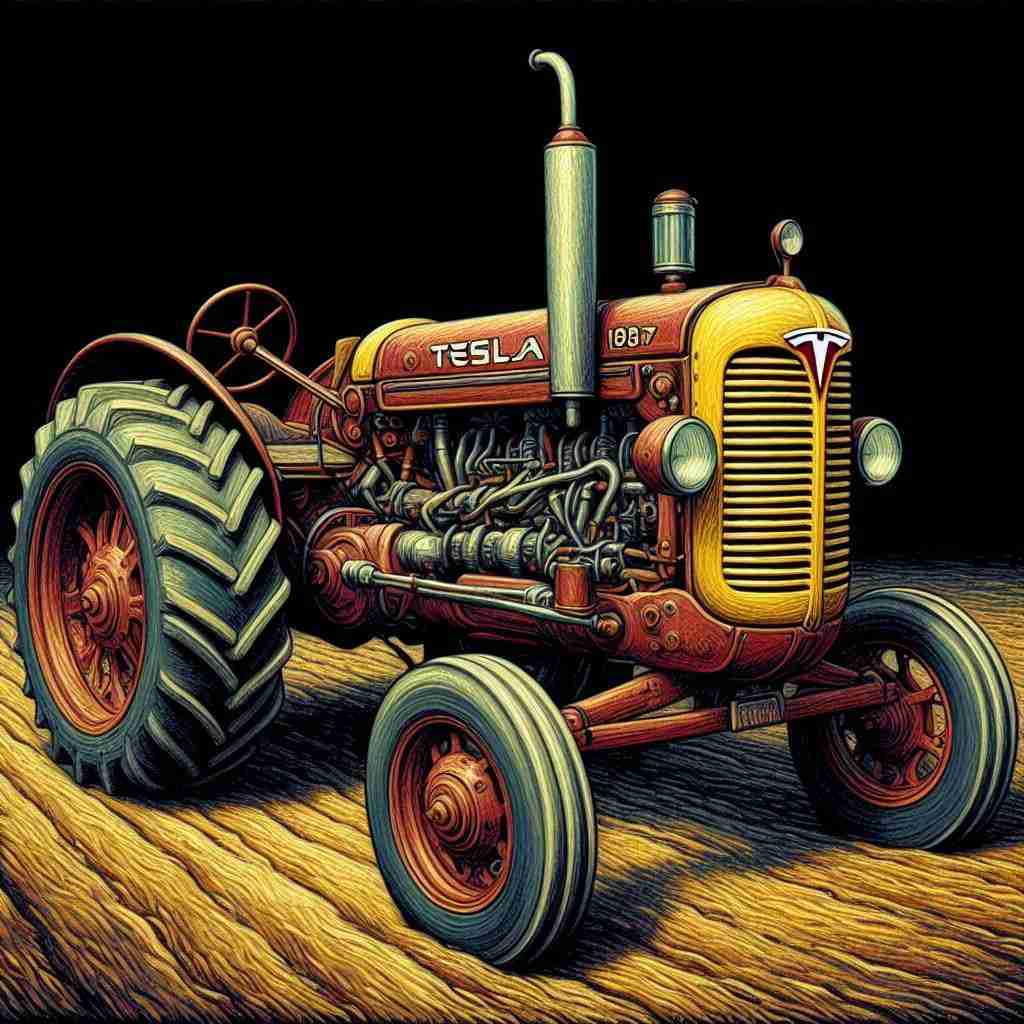
Other Questions
Haiku
What Is The History Of The Company That Made Ferguson Tractors? – A Haiku
Ferguson’s bright dawn,
Innovative tractors roll—
Farming’s future blooms.

Haiku
Poem
What Is The History Of The Company That Made Ferguson Tractors? – A Poem
Ode to Ferguson Tractors
In fields where sun greets dawn anew,
A legacy of toil and craft shines through,
Born in the heart of Northern grace,
Harry Ferguson, a visionary’s place.
From humble roots, with tools in hand,
He dreamt of machines to serve the land,
With a spark of genius and steady aim,
He forged a system that changed the game.
The three-point hitch, a marvel unveiled,
With ease of use, farmers exhaled,
No more the wrestle with stubborn gear,
Efficiency flourishing year after year.
In partnership with Ford, a giant’s might,
The 9N tractor took to flight,
Affordable power for the daily chore,
Opening gates to the farmer’s lore.
Yet storms of change would darken the day,
Disputes that led Ferguson away;
But even alone, with grit and fire,
He crafted tractors that would inspire.
The TE20, the “Little Grey Fergie,”
Simplicity met power, a farmer’s surgy;
With every turn, each furrowed line,
It whispered progress, a promise divine.
Massey-Harris joined hands in a dance,
Creating Massey Ferguson, seizing chance,
Together they thrived, a force to behold,
In the choir of engines, their story told.
Through economic tides and changing views,
Ferguson adapted, embracing new hues;
From hydraulic lifts to designs sublime,
Their tractors rolled on, timeless with time.
So here’s to the legacy, strong and bright,
A symbol of farming’s enduring fight,
For every harvest, each crop that’s grown,
The heart of Ferguson is proudly shown.
In fields of labor, where dreams align,
Lives the spirit of innovation, bold and fine,
And as we sow, let this truth reflect,
Sometimes, the right tool earns the farmer’s respect.

Poem
Checklist
What Is The History Of The Company That Made Ferguson Tractors? – A Checklist
1. Understand the Founder:
_____ Learn about Harry Ferguson’s background and vision for farming.
_____ Explore how Ferguson’s inventions began to shape agricultural machinery.
2. Key Innovations:
_____ Familiarize yourself with the Ferguson System, particularly the revolutionary three-point hitch.
_____ Recognize the introduction of hydraulic power and systemic design in farming equipment.
3. Significant Timeline Events:
_____ Note the establishment year of Ferguson Tractors and subsequent milestones (e. g. , 1939 for the founding of the company).
_____ Identify critical partnerships, like the collaboration with Ford in the 1930s.
4. Explore Models and Their Impact:
_____ List popular Ferguson tractor models such as the TE20, Ferguson 35, Ferguson 65, and Ferguson 85.
_____ Understand the versatility and reliability that made these models integral to farming practices.
5. Company Mergers:
_____ Identify the merger with Massey-Harris in 1958 and its implications for the company.
_____ Investigate how this merger influenced product offerings and market presence.
6. Challenges Faced:
_____ Acknowledge the competitive landscape in the agricultural machinery market.
_____ Examine how economic downturns and regulatory changes posed challenges to Ferguson Tractors.
7. Post-World War II Evolution:
_____ Analyze how Ferguson Tractors adapted its designs and capabilities in response to the needs of post-war agriculture.
_____ Reflect on the global expansion of Ferguson products in the post-war era.
8. Recognition and Awards:
_____ Take note of significant awards like the Royal Agricultural Society’s Gold Medal in 1936.
_____ Research how these accolades contributed to the company’s legacy.
9. Ongoing Impact on Agriculture:
_____ Consider Ferguson Tractors’ lasting influence on modern agricultural practices, including mechanization and improved crop management.
_____ Think about how Ferguson’s innovations paved the way for future advancements in farming technology.
10. Personal Reflection:
_____ Reflect on how the innovations of Ferguson Tractors have shaped the farming community.
_____ Consider what modern farmers can learn from the legacy of Ferguson Tractors.
By completing this checklist, you’ll gain a deeper appreciation for the significant role Ferguson Tractors have played in agricultural history and innovation.

Checklist
At ClassicTractorNews, we help tractor lovers keep up with the latest news for classic and vintage tractors.
Please share this post with your friends, family, or business associates who may like old classic or vintage tractors.