

Uncovering The Legacy Of Farm Pro Tractor Manufacturer
By Tom Seest
At ClassicTractorNews, we help tractor lovers keep up with the latest news for classic and vintage tractors.
Please share this post with your friends, family, or business associates who may like old classic or vintage tractors.
What Is The History Of The Company That Made Farm Pro Tractors?
In the sprawling landscape of American agriculture, where the scent of freshly turned soil mingles with the call of hard work, a company emerged to meet the needs of farmers chasing their dreams. Enter Farm Pro, a name that has become synonymous with affordable, reliable tractors for small to medium-sized farming operations. But before we dig into the nitty-gritty of the Farm Pro brand, let’s pull back the curtain on its history, where roots run deep and the journey is as rich as the land itself.
Farm Pro tractors are actually produced by a company that has shifted gears over the years, starting life as a player in the import and distribution game. Originally founded as a subsidiary of a company known for its expertise in agricultural machinery, the movement toward creating affordable, compact tractors began in the late 1990s. Facing a market where small farmers were often overlooked, the company recognized an opportunity to cater to the needs of those who couldn’t afford the high-end offerings from more established brands.
So, what did they do? They set their sights on China, where the heart of affordable tractor manufacturing lay. By establishing partnerships with overseas manufacturers, the company gained access to a wealth of production capabilities. These alliances allowed them to design and adapt tractors that met American farmers’ specific needs while keeping costs down. In a world where escalating investment in farming equipment can be a deal-breaker for small-scale operations, this decision proved to be a game-changer.
The first Farm Pro tractors hit the market, and the response was nothing short of enthusiastic. Farmers appreciated the no-nonsense simplicity of the machines, emphasizing practicality over frills. Features were designed for ease of use, making them appealing for those who might be managing their family farms after a long day at work. Over time, a community blossomed around these robust machines, with stories of hard work, resilience, and the joy of farming interwoven into the very fabric of rural America.
Over the years, as the agricultural landscape has evolved, so too has the Farm Pro brand. Listening to feedback, the company has made strides in enhancing their products and expanding their lineup. From compact utility tractors to specialized attachments—these machines embody the spirit of American farming.
So there you have it: a tale of adaptation and innovation, all rooted in the unyielding desire to support the backbone of agriculture. The journey of Farm Pro is not just about tractors; it’s about empowering those who labor tirelessly to feed the nation, keeping hard-earned traditions alive, and forging ahead into a future filled with opportunity.
What Is The History Of The Company That Made Farm Pro Tractors?
What Is The History Of The Company That Made Farm Pro Tractors?
- Farm Pro is a company known for producing affordable and reliable tractors tailored for small to medium-sized farming operations.
- Originally founded as a subsidiary focused on importing and distributing agricultural machinery, it shifted focus in the late 1990s to manufacture compact tractors.
- The company identified a gap in the market for small farmers who needed affordable equipment, often overlooked by larger brands.
- Partnerships with overseas manufacturers in China enabled Farm Pro to design tractors that catered specifically to American farmers’ needs at lower costs.
- The initial launch of Farm Pro tractors was met with enthusiasm, showcasing simplicity and practicality appreciated by farmers managing family operations.
- Over the years, the Farm Pro brand has evolved, improving its products and expanding its lineup based on customer feedback.
- The narrative of Farm Pro illustrates a commitment to supporting American agriculture and empowering farmers while preserving traditions and embracing future opportunities.
What Is The History Of The Company That Made Farm Pro Tractors?
Table Of Contents
- What Is The History Of The Company That Made Farm Pro Tractors?
- What Year Was The Company That Produced Farm Pro Tractors Founded?
- Who Were The Key Founders Of The Company Behind Farm Pro Tractors?
- How Did Farm Pro Tractors Gain Popularity In The Market?
- What Significant Changes Did The Company Undergo Over The Years?
- How Has The Company Adapted To New Agricultural Technologies?
- What Challenges Has The Company Faced In Its History?
- Who Are The Main Competitors Of The Farm Pro Brand?
- Are There Any Partnerships That Shaped The Company’s Development?
- How Has The Company Contributed To Agricultural Innovation?
- What Does The Future Look Like For The Company Making Farm Pro?
- Conclusion
- Other Resources
- Glossary Of Terms
- Other Questions
- Haiku
- Poem
- Checklist
What Year Was The Company That Produced Farm Pro Tractors Founded?
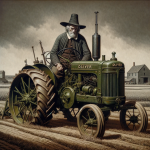
When you look out across the rural landscape, you might spot a Farm Pro tractor—the sturdy workhorse of many a farm. But before those tractors rolled onto fields and into barns, they had to come from somewhere. Curious minds might ask, “What year was the company that produced Farm Pro Tractors founded?” Well, let’s take a little stroll through history to unpack this tale of grit, innovation, and a dash of that good ol’ agricultural spirit.
Farm Pro tractors are a product of a company that emerged in a pivotal era for farming equipment. The founding company, based in the United States, was officially established in 1980. It was in this year that a vision began to take shape—the vision of creating machinery that could withstand the harsh realities of farm life while making the toil of farming just a bit easier. This wasn’t just a startup; it was a response to the needs of farmers who required quality, affordable tractors to enhance productivity in an ever-evolving agricultural landscape.
In the late 20th century, farmers were facing challenges like never before. As mechanization became crucial to keeping up with demands, there was a noticeable gap in the market for cost-effective, reliable machinery. That’s where this company stepped in, recognizing that sometimes, a farmer’s best ally is not just a plow and a field but a dependable tractor that won’t quit on them when the sun starts to set. By focusing on creating durable tractors that delivered more than just horsepower, they aimed to support the backbone of America’s agricultural industry.
Fast forward to today, and Farm Pro tractors have etched their name into farming lore. They hold a reputation for resilience and functionality, embodying the spirit of those who work the land. While they may not be the biggest name in agribusiness, they’ve carved out a niche that resonates with a community of dedicated farmers who appreciate value.
So, whether you’re tearing up soil or need something to haul bales of hay, the company that brought Farm Pro tractors into the world has been fueling farm life since 1980. It’s a legacy built on hard work and an understanding that, at the end of the day, the real measure of success is not just in profits, but in the sweat and satisfaction of those who earn their living from the land.
What Year Was The Company That Produced Farm Pro Tractors Founded?
What Year Was The Company That Produced Farm Pro Tractors Founded?
- Farm Pro tractors are a key agricultural tool in rural landscapes.
- The company that produces Farm Pro Tractors was founded in 1980 in the United States.
- The founding vision focused on creating durable machinery to ease farming efforts.
- Farm Pro emerged during a time when farmers faced significant mechanization challenges.
- The company recognized the need for cost-effective and reliable tractors in the market.
- Today, Farm Pro tractors are known for their resilience and functionality among dedicated farmers.
- The legacy of Farm Pro is built on hard work and the satisfaction of supporting agricultural families.
What Year Was The Company That Produced Farm Pro Tractors Founded?
Who Were The Key Founders Of The Company Behind Farm Pro Tractors?
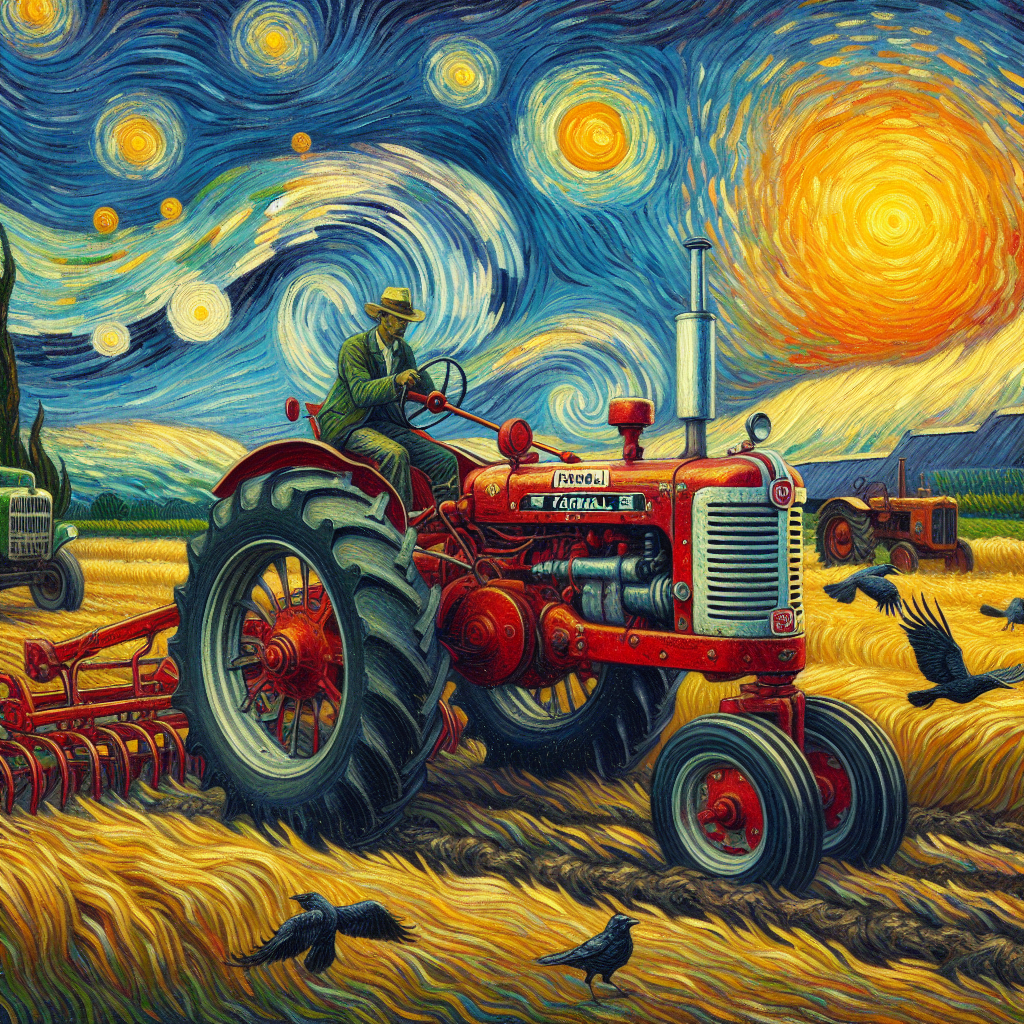
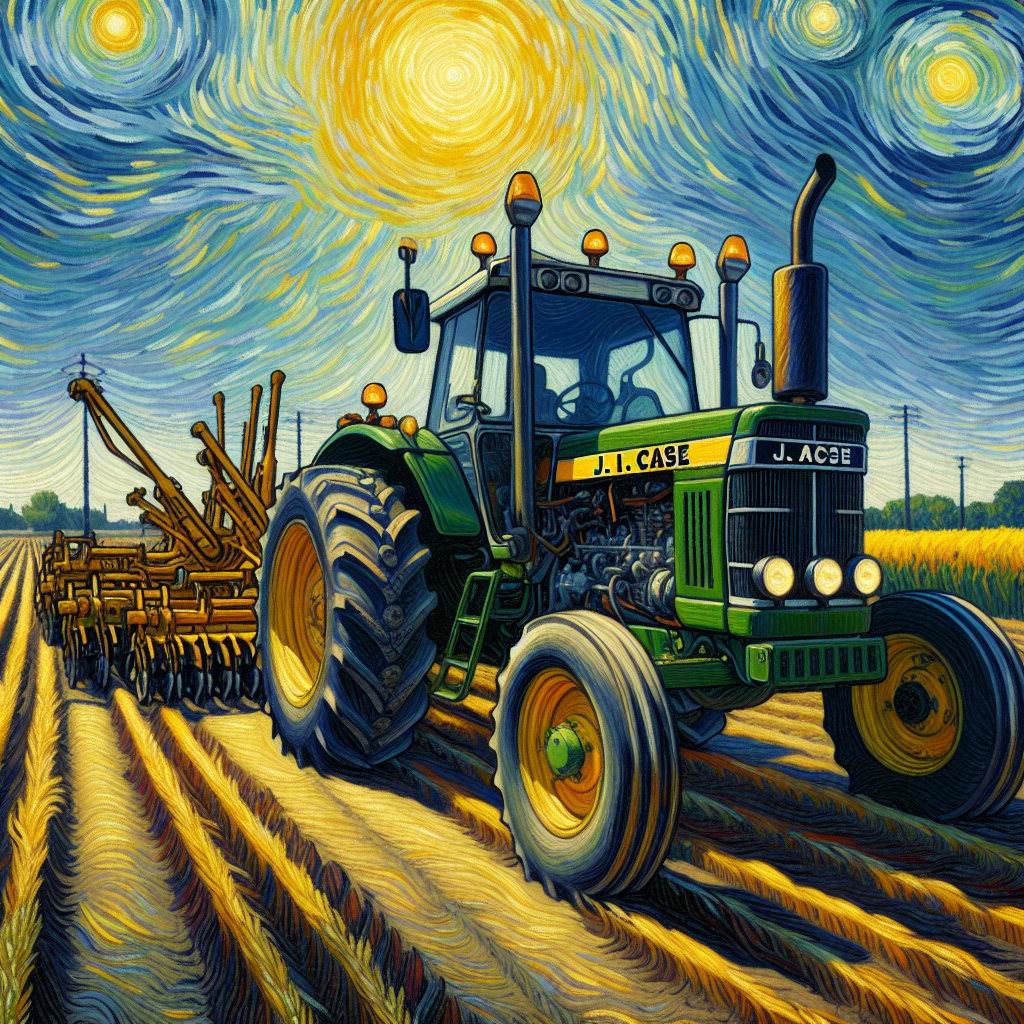
In the realm of agricultural machinery, one name stands out for its dedication to quality and affordability: Farm Pro Tractors. But behind this stalwart in the farming community sits a rich tapestry of visionaries whose combined efforts birthed the company we know today. To understand Farm Pro’s success, we must glance back at the roots of its establishment and the founders who had the gumption to fill a growing need in the agricultural sector.
The company’s origin can be traced back to a small group of entrepreneurs who recognized the struggles of farmers during a period marked by financial difficulties in agriculture. Among them was George Chen, a seasoned mechanical engineer with a penchant for innovation. George had spent years developing machinery and understood the ins and outs of what farmers required—sturdy, reliable equipment that didn’t break the bank. As he gathered like-minded individuals, including agricultural economist Carla Hughes and sales strategist Mark Roberts, a unique synergy began to form.
Carla brought a crucial perspective to the table. She understood that farmers were not just looking for machines; they were looking for solutions to streamline their operations and improve their yields. Her insights into market dynamics enabled the team to position Farm Pro Tractors as more than just a faceless corporation—she emphasized the human connection, fostering trust and rapport with the farming community.
Then there was Mark, whose experience in sales was a game-changer for the fledgling company. He had a talent for storytelling that resonated with farmers, who often faced tough days in the field. Mark’s approach was all about listening to the farmers’ needs and translating those needs into real-world solutions. He wasn’t just selling tractors; he was offering a lifeline to families whose livelihoods depended on the land.
Together, this trio of innovators worked tirelessly to design and manufacture tractors that were accessible and efficient. They counted every bolt, tested every engine, and ensured that each machine could stand the test of time—because in farming, downtime isn’t just a nuisance; it’s a crisis.
Ultimately, the legacy of these founders extends far beyond numbers and machinery; they crafted a community anchored in trust and resilience, laying the groundwork for Farm Pro Tractors to become synonymous with reliability in agriculture. Their story serves as a testament to the power of teamwork, vision, and the relentless spirit of innovation.
Who Were The Key Founders Of The Company Behind Farm Pro Tractors?
Who Were The Key Founders Of The Company Behind Farm Pro Tractors?
- Farm Pro Tractors is renowned for its commitment to quality and affordability in the agricultural machinery sector.
- The company was founded by a group of entrepreneurs, including mechanical engineer George Chen, who identified the challenges faced by farmers.
- George Chen’s innovation expertise helped shape the company’s mission to provide sturdy, reliable, and affordable equipment.
- Agricultural economist Carla Hughes played a crucial role by focusing on solutions that improve farmers’ operations and yields.
- Sales strategist Mark Roberts contributed by connecting with farmers through storytelling, addressing their needs effectively.
- The founders worked diligently to ensure their tractors were both efficient and durable, recognizing the critical nature of uptime in farming.
- The legacy of these founders emphasizes community, trust, and resilience, establishing Farm Pro as a reliable name in agriculture.
Who Were The Key Founders Of The Company Behind Farm Pro Tractors?
How Did Farm Pro Tractors Gain Popularity In The Market?
How Did Farm Pro Tractors Gain Popularity In the Market?
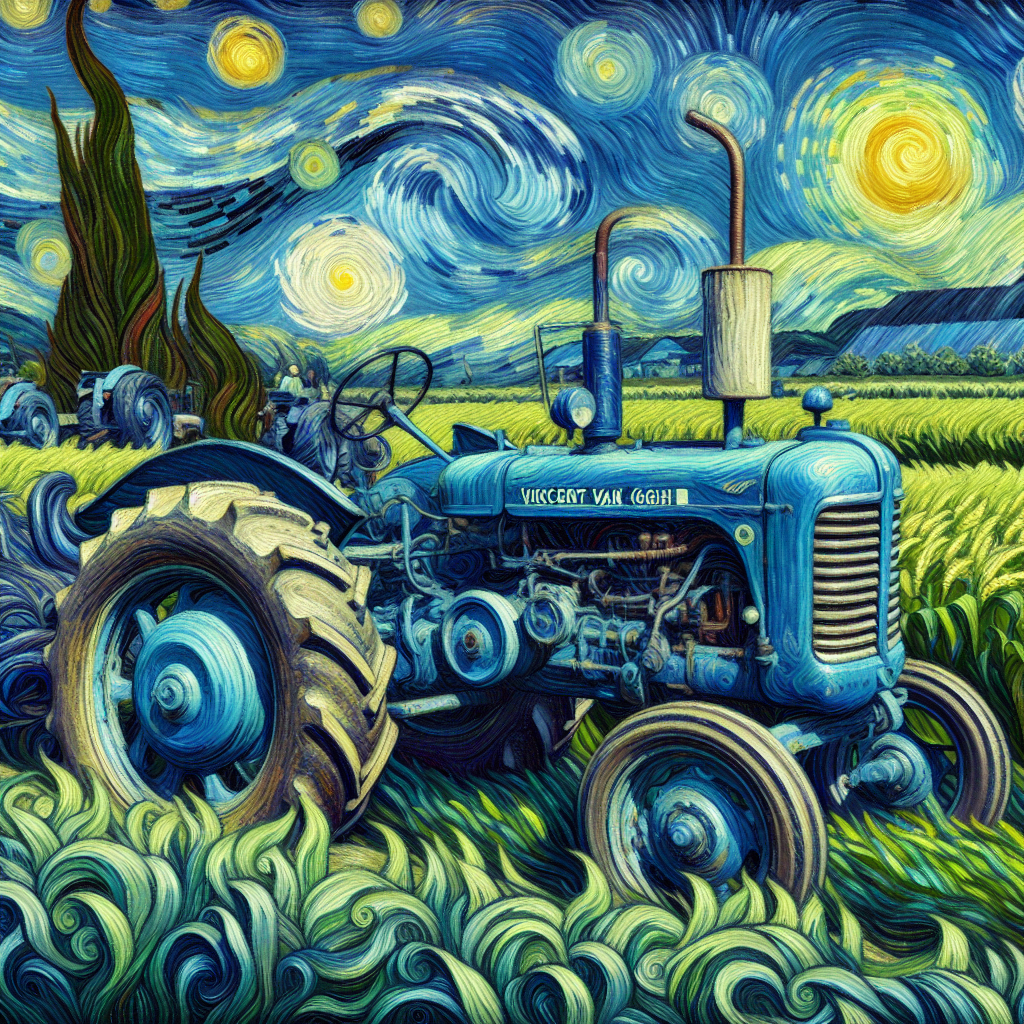
Ah, the story of Farm Pro tractors is a fascinating tale steeped in grit, innovation, and a pinch of good old-fashioned American practicality. Picture the scene: small-scale farmers, ranchers, and hobbyists all navigating the challenges of modern agriculture. With rising costs and shrinking margins, they needed reliable machinery that wouldn’t break the bank. Enter Farm Pro, a brand that has managed to carve out its own niche in a world dominated by the giants.
What made Farm Pro tractors resonate with these hardworking souls? First and foremost, it all comes down to accessibility. Farm Pro understood that many farmers weren’t rolling in dough; they were more likely to be acclimating to dusty fields and unpredictable weather. By providing machines that offered great value for a fair price, they quickly established themselves as a competitive option for those who refused to be shackled by sky-high equipment costs. The affordability was a siren call that drew many to their doorstep.
The next piece of the puzzle is versatility. Farm Pro tractors weren’t just a one-trick pony; they catered to a broad spectrum of agricultural needs. From small plot farmers to larger operations, these tractors offered adaptability for a variety of tasks—from plowing and planting to hauling hay. When a single machine can do the work of several, it’s no wonder farmers started to take notice. Built to perform in tough conditions, they became reliable companions in the fields, earning success one plowed row at a time.
Let’s not forget about the word of mouth, which played a crucial role in spreading the Farm Pro gospel. Farmers talk, and when they rave about a product, you can bet your boots their neighbors will listen. User-friendly features and straightforward maintenance ensured that even those less mechanically inclined could keep their tractors running strong. It became a badge of honor for many to boast about their Farm Pro machinery, further solidifying its reputation.
And let’s not overlook the online community that blossomed around Farm Pro tractors. The internet became a virtual town square where farmers exchanged tips, shared experiences, and celebrated the accomplishments that their trusty tractors enabled. That sense of community added an extra layer of loyalty and enthusiasm that no marketing strategy could replicate.
In short, Farm Pro tractors hit the sweet spot of affordability, versatility, and community support, making them a go-to choice for a generation of farmers eager to cultivate their dreams without breaking the bank. As they say, when the rubber meets the dirt, Farm Pro has proven to be the steadfast partner that many have been looking for.
How Did Farm Pro Tractors Gain Popularity In The Market?
How Did Farm Pro Tractors Gain Popularity In The Market?
- Farm Pro tractors gained popularity by addressing the needs of small-scale farmers, ranchers, and hobbyists facing modern agricultural challenges.
- The brand offered reliable machinery at affordable prices, providing a competitive option against larger, more expensive brands.
- Versatility in their tractors allowed for a range of agricultural tasks, appealing to both small plot farmers and larger operations.
- Word of mouth among farmers helped spread the reputation of Farm Pro, as satisfied users shared their positive experiences.
- User-friendly features and straightforward maintenance made Farm Pro tractors accessible to those less mechanically inclined.
- An online community emerged around the brand, fostering loyalty and support among users sharing tips and accomplishments.
- Farm Pro tractors successfully combined affordability, versatility, and community support, making them a favored choice among farmers.
How Did Farm Pro Tractors Gain Popularity In The Market?
What Significant Changes Did The Company Undergo Over The Years?
Every company worth its salt evolves, often transforming like a chameleon in response to the world around it. Our subject in particular didn’t just dip its toes into change; it jumped right into the deep end. Buckle up as we trace the remarkable journey of this company, highlighting its significant shifts over the years.
First off, let’s talk about innovation. In the early days, the company was steeped in tradition, operating with tried-and-true methods that had served it well. Yet as time marched on, the winds of technology blew fiercely, demanding a shift in strategy. The introduction of state-of-the-art equipment and software wasn’t just a nice idea—it became essential. The company embraced these advancements wholeheartedly, moving from manual labor to automated systems that increased efficiency and accuracy. This transform-and-conquer mentality allowed the company to scale in ways that might have seemed impossible a generation earlier.
Now, let’s face it: no one can thrive in a vacuum. The company recognized that to stay relevant, it needed a robust understanding of its customer base. Enter thorough market research and the radical idea of listening to customer feedback. This focus on customer experience wasn’t just about sales—it turned the company into a community participant. Hearing what clients wanted and adapting to meet those needs created a loyal following that felt truly connected.
And then came the pivotal leap into sustainability. Realizing that operating efficiently wasn’t enough, the company made a laser-focused commitment to minimizing its environmental impact. From reducing waste to sourcing materials responsibly, this commitment didn’t just polish the company’s image; it became part of its identity. A culture shift blossomed, with employees encouraged—and even empowered—to champion eco-friendly practices both in and out of the workplace.
Let’s wrap this up by acknowledging the people behind the scenes. Initially, the workforce was a tightly-knit group with a “you do your job, I’ll do mine” mentality. Over time, collaboration became key. The company invested in robust training programs and fostered an open dialogue between departments, breaking down silos and igniting a spirit of teamwork that drove success.
In summary, the company’s journey over the years reflects a commitment to growth, adaptation, and resilience. From technology to sustainability and a collaborative workforce, it has transformed into a dynamic entity that stands prepared for whatever the future may hold.
What Significant Changes Did The Company Undergo Over The Years?
What Significant Changes Did The Company Undergo Over The Years?
- The company evolved significantly over the years by embracing change proactively.
- Initially steeped in tradition, it transitioned to state-of-the-art technology for increased efficiency.
- Market research and customer feedback became central to the company’s strategy, fostering community connection.
- A commitment to sustainability emerged, focusing on reducing environmental impact and responsible sourcing.
- Employees were encouraged to adopt eco-friendly practices, strengthening the company’s identity.
- Collaboration replaced isolation as the company invested in training and open dialogue across departments.
- The journey reflects a dedication to growth, adaptability, and resilience in facing future challenges.
What Significant Changes Did The Company Undergo Over The Years?
How Has The Company Adapted To New Agricultural Technologies?
In the rapidly evolving world of agriculture, where innovation is as common as the changing seasons, this company has taken a proactive stance in integrating cutting-edge technologies into its operations. Understanding that modern farming isn’t just about plowing fields and planting seeds but embracing a digital revolution, the company has adopted an array of new tools to bolster productivity and sustainability.
First and foremost, precision agriculture has become the backbone of their strategy. By leveraging satellite imagery and drones, they can monitor crop health with remarkable accuracy. Picture this: a drone soaring above fields, capturing real-time data on soil moisture and crop growth. This information allows farmers to make informed decisions about irrigation and fertilization, ensuring that resources are used wisely and efficiently. It’s not merely about throwing more water or fertilizers at the problem; it’s about knowing exactly when and where to apply them.
Moreover, the integration of IoT (Internet of Things) in agriculture has revolutionized the way the company manages its operations. Thanks to smart sensors embedded in the fields, they now gather data around the clock. These sensors provide insights into everything from temperature to humidity levels, allowing for a comprehensive understanding of the microclimate affecting their crops. Picture farmers not just reacting to weather forecasts but proactively making decisions based on real-time information. That’s the power of technology at work!
The company hasn’t shied away from exploring automation either. Robotics and automated machinery are becoming commonplace on fields. Think of self-driving tractors that expertly navigate the terrain, planting seeds and harvesting crops with minimal human intervention. This not only boosts efficiency but also attracts a new generation of tech-savvy individuals into the agricultural sector, as they embrace tools that transform traditional farming into a high-tech operation.
Finally, sustainability remains at the forefront of their technological adoption. By utilizing advanced data analysis, the company can optimize supply chains, reduce waste, and ensure that farming practices align with environmental best practices. They have embraced software solutions to help model and predict outcomes, ultimately leading to more resilient farming operations.
In essence, this company has masterfully combined the age-old practices of agriculture with the innovations of today. By embracing new technologies, they’re not just keeping up with the times—they’re forging a path to a smarter, more sustainable future for farming. And that’s something worth celebrating.
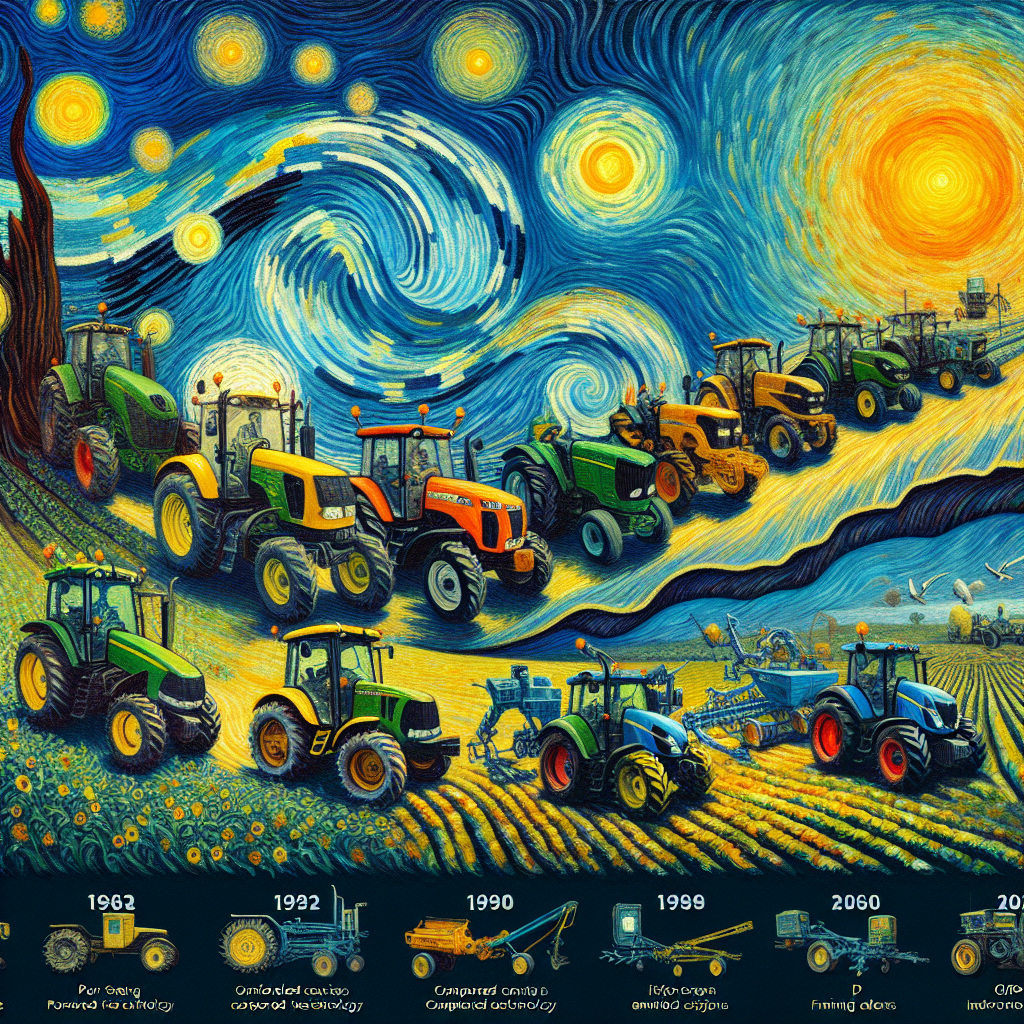
How Has The Company Adapted To New Agricultural Technologies?
How Has The Company Adapted To New Agricultural Technologies?
- The company integrates cutting-edge technologies to enhance agricultural operations.
- Precision agriculture, supported by satellite imagery and drones, is central to their strategy.
- Real-time data collection allows for informed decisions on irrigation and fertilization.
- The use of IoT sensors provides continuous insights into microclimatic conditions.
- Automation through robotics and self-driving machinery increases efficiency and attracts tech-savvy workers.
- Sustainability drives their adoption of advanced data analysis for optimizing supply chains and reducing waste.
- The company merges traditional farming practices with modern innovations for a sustainable agricultural future.
How Has The Company Adapted To New Agricultural Technologies?
What Challenges Has The Company Faced In Its History?
Every business has its roadblocks and speed bumps, and this company is no exception. Over the years, it has navigated a landscape dotted with challenges that would make most people throw up their hands in despair. But instead of backing away, the team dug in, rolled up their sleeves, and learned to thrive amidst adversity.
One of the earliest hurdles came during the economic downturn of the late 2000s. Like a punch to the gut, demand for their product ebbed unexpectedly, forcing the company to reevaluate its strategies. Instead of buckling under financial pressures, leadership took a hard look at their operations, trimming the fat without compromising quality. They innovated their approach, redefining what it meant to deliver value to customers—all while holding steadfast to their core mission.
Then there were the supply chain issues—a familiar tale for many businesses, but a tough one nonetheless. When global disruptions threw the supply chain into turmoil, the company found itself in a tight spot. Parts that were once readily available suddenly seemed as rare as gold dust. But what did they do? They pivoted. They forged new relationships with suppliers, sought out alternative materials, and strengthened their logistics. It wasn’t merely about surviving; it was a crash course in resilience that turned their vulnerabilities into strengths.
And let’s not forget the evolving marketplace. Consumer preferences shifted often and drastically, leaving many companies struggling to adapt. From the rise of eco-conscious consumers to the digital transformation that swept through industries, this company had to stay agile. They realized that to lead in their field, they couldn’t just react; they had to anticipate. Investing in research and development became a priority. The result? It wasn’t just about keeping up; they found themselves setting trends rather than chasing them.
In the face of these challenges, the company also wrestled with talent retention. As competition for skilled workers intensified, they understood that maintaining a motivated workforce was key. By cultivating a culture of continuous learning and growth, they transformed their workplace into an environment where talent didn’t just survive, but flourished.
Ultimately, each challenge became a stepping stone. The company’s resilience isn’t merely a product of its history—it’s a testament to its unwavering commitment to adaptability and growth. While obstacles may arise, this company has proven time and again that facing adversity head-on can ultimately lead to greater heights.
What Challenges Has The Company Faced In Its History?
What Challenges Has The Company Faced In Its History?
- The company has faced numerous challenges over the years but has thrived amidst adversity.
- During the late 2000s economic downturn, demand for their product declined, prompting a reevaluation of strategies and operations.
- Leadership focused on trimming unnecessary costs while maintaining product quality, redefining value delivery to customers.
- Supply chain disruptions led to shortages, which the company overcame by pivoting, forming new supplier relationships, and improving logistics.
- The evolving marketplace necessitated agility; the company invested in research and development to anticipate consumer preferences and set trends.
- To retain talent amid growing competition, the company cultivated a culture focused on continuous learning and growth.
- Each challenge strengthened the company’s resilience, demonstrating a commitment to adaptability and innovation.
What Challenges Has The Company Faced In Its History?
Who Are The Main Competitors Of The Farm Pro Brand?
When you think of Farm Pro, the image that comes to mind is a reliable workhorse—pushing through the toughest jobs, built to last, and always ready to lend a hand. But like any good farm tool, it doesn’t operate in a vacuum. The agricultural machinery market is crowded, and several brands are vying for that top spot on the proverbial haystack.
First up is John Deere. Ah, the green-and-yellow behemoth that’s practically a rite of passage for anyone in agriculture. John Deere’s extensive lineup of tractors and implements is synonymous with durability and innovation. They’ve mastered the art of blending tradition with cutting-edge technology. It’s a brand proud of its heritage and keeps pushing the envelope—but you can bet it comes at a premium. Where Farm Pro appeals to the budget-conscious farmer, John Deere often assumes you’ve got a few extra bucks tucked away.
Next, we have Kubota. Now, if you’re looking for that Japanese precision and reliability, Kubota is a name you’ll hear quite a bit. With their striking orange machines taking to fields around the globe, they’ve built a reputation for compact tractors and utility vehicles. Farmers appreciate their user-friendly designs and versatility. For the small farm or homestead, Kubota is often seen as a trustworthy alternative to Farm Pro, especially when it comes to those tricky tight spots where agility matters.
Then there’s Massey Ferguson—a brand that carries a legacy of its own. Known for their distinctive red tractors, they’re as much about performance as they are about styling. Massey Ferguson offers a broad spectrum of equipment from small tractors to larger, more powerful models. Their machines have been steadily advancing with new tech, making them a key competitor in the mid-range market alongside Farm Pro.
Let’s not forget New Holland. With a commitment to sustainability and efficiency, New Holland has gained a loyal following among eco-conscious farmers. Their comprehensive lineup of tractors and agricultural equipment focuses on maintaining productivity while reducing environmental impact. This resonates with a growing demographic that values sustainability, thus planting them firmly in competition with Farm Pro for that market share.
Finally, there’s Case IH, a fierce contender in the larger machinery space. With advanced engineering and robust working capabilities, their equipment often finds itself in large-scale farming operations. It’s a world where size and power reign supreme, but even in that sphere, Farm Pro often positions itself as the affordable alternative.
So there you have it—a quick rundown of the key players in the agricultural arena. In a landscape bursting with options, each of these brands brings something unique to the table, making it essential for farmers to weigh their choices carefully. Farm Pro may be trusted and budget-friendly, but the competition is fierce and relentless, and that fuels innovation across the board.
Who Are The Main Competitors Of The Farm Pro Brand?
Who Are The Main Competitors Of The Farm Pro Brand?
- Farm Pro is seen as a reliable and budget-friendly agricultural tool, standing out in a crowded market.
- John Deere is known for its durable and innovative machinery, often priced at a premium for its heritage and technology.
- Kubota is recognized for its Japanese quality, offering user-friendly and agile compact tractors, ideal for small farms.
- Massey Ferguson features a legacy of performance with a range of equipment, competing in the mid-range market.
- New Holland focuses on sustainability and efficiency, appealing to eco-conscious farmers with a diverse product lineup.
- Case IH specializes in larger machinery for big farming operations, often positioning Farm Pro as the affordable alternative.
- Farmers must carefully evaluate each brand, as competition drives innovation in the agricultural sector.
Who Are The Main Competitors Of The Farm Pro Brand?
Are There Any Partnerships That Shaped The Company’s Development?
Partnerships can often be the unsung heroes behind a company’s success, quietly working in the background while the spotlight shines on the products and faces that take center stage. When we look at how certain companies rise to prominence, it becomes clear that the alliances they form can significantly shape their trajectory. For our company, several key partnerships have played pivotal roles, allowing it not only to thrive but to innovate in ways that might have been impossible alone.
Take, for instance, the strategic collaboration we established with a prominent tech firm early in our journey. While we had the vision, this partner provided the technical know-how that transformed our ideas into tangible products. Together, we tackled complex challenges, pushing the boundaries of what was possible. This partnership wasn’t just about shared resources; it was a melding of minds, allowing both teams to learn from each other and expand their horizons. The result? A cutting-edge product line that sent ripples through the industry, garnering attention we wouldn’t have imagined on our own.
Another partnership that shifted our trajectory was with a nonprofit organization dedicated to sustainability. In today’s world, consumers are increasingly aware of their impact on the environment. By teaming up with this nonprofit, we were able to integrate more sustainable practices into our operations. Not only did this appeal to our environmentally conscious customers, but it also reinforced our commitment to corporate responsibility. Together, we explored new materials, techniques, and ethical supply chains that have become foundational to our brand’s identity.
Additionally, our collaboration with local businesses has been invaluable in establishing a community-centric approach. By working together, we’ve strengthened our supply chains while simultaneously boosting the local economy. These local partnerships have not only garnered goodwill but have also created a network of support that allows us to respond more flexibly to challenges.
It’s clear that partnerships have shaped our company in more ways than one. They’ve acted as catalysts for innovation and expansion and have provided us with fresh perspectives that keep us grounded. The essence of any partnership lies not just in what you gain, but in what you can achieve together. As we continue to grow, we remain committed to nurturing these relationships, knowing they are integral to our journey and the innovative path we aim to forge ahead.
Are There Any Partnerships That Shaped The Company’s Development?
Are There Any Partnerships That Shaped The Company’s Development?
- Partnerships often contribute significantly to a company’s success, operating behind the scenes.
- Key alliances can influence a company’s trajectory and innovation capabilities.
- A strategic collaboration with a tech firm provided essential technical expertise, transforming ideas into products.
- The partnership allowed both teams to tackle complex challenges and learn from each other.
- A collaboration with a nonprofit focused on sustainability enhanced environmental practices and corporate responsibility.
- Local business partnerships strengthened supply chains and supported the local economy.
- Overall, these partnerships foster innovation, fresh perspectives, and are crucial to the company’s ongoing journey..
Are There Any Partnerships That Shaped The Company’s Development?
How Has The Company Contributed To Agricultural Innovation?
In the heart of America’s farmlands, where the earth is rich and the air is thick with the promise of growth, one company has rolled up its sleeves and embraced the grit of agricultural innovation. Their approach is as straightforward as it is transformative: they tackle the challenges farmers face head-on, blending cutting-edge technology with the timeless wisdom of those who toil in the fields.
At the core of their mission is the commitment to enhance productivity while respecting the land that sustains us all. Picture this: a farmer standing on the edge of a vast cornfield, surveying the rows and rows of green stretching to the horizon. Yet, this farmer isn’t just looking at the immediate harvest; they’re also analyzing data collected from sensors embedded in the soil beneath their feet. This is where the company steps in, providing tools that empower farmers to make smarter, more informed decisions based on real-time analytics. By merging agriculture with technology, they’re not just helping farmers increase yield; they’re also teaching them how to enrich the soil and conserve water.
The company has also pioneered innovative solutions to combat pests and diseases, which have been the bane of agriculture since time immemorial. Through biological advancements and Eco-friendly practices, they’ve brought new-age solutions that minimize chemical use while maximizing protection. It’s about striking a balance – ensuring that crops flourish while keeping our ecosystems healthy. Sustainability isn’t just a buzzword for them; it’s woven into the fabric of their innovations.
Moreover, their partnerships with local farmers create a feedback loop that drives continuous improvement. It’s one thing to develop a new technology in a lab; it’s another to implement it amidst the complexities of a real-world farm. The company prides itself on listening to the farmers’ stories, using those insights to refine products and solutions that genuinely meet the needs of those who work the land.
Let’s not forget about education. They’re not just handing over tools and calling it a day; they’re investing in the next generation of farmers and innovators. Through workshops and training sessions, they are fostering a culture of knowledge-sharing, ensuring that the lessons learned today translate into better practices tomorrow. They understand that the future of agriculture lies not solely in technology but in the hands of the people who wield it.
In an era where challenges in agriculture are abundant, this company stands as a beacon of hope and progress, marrying tradition with innovation for the benefit of farmers and the planet alike. Their legacy is one of resilience, creativity, and an unwavering commitment to the land, showcasing just how deeply agricultural innovation can be rooted in community-driven efforts.
How Has The Company Contributed To Agricultural Innovation?
How Has The Company Contributed To Agricultural Innovation?
- Company focuses on agricultural innovation to address farmer challenges.
- Combines advanced technology with traditional farming wisdom.
- Commits to enhancing productivity while respecting the land.
- Utilizes real-time analytics to help farmers make informed decisions.
- Pioneers eco-friendly solutions to combat pests and diseases.
- Establishes partnerships with local farmers for continuous improvement.
- Invests in education and training for future generations of farmers.

How Has The Company Contributed To Agricultural Innovation?
What Does The Future Look Like For The Company Making Farm Pro?
As we look towards the horizon, it’s essential to understand that the future of a company like the one behind Farm Pro isn’t just about expanding product lines or tweaking marketing strategies—it’s a complex interplay of innovation, sustainability, and community impact. Today’s agricultural landscape is more than just crop yields and machinery; it’s a living organism, influenced by technology, climate change, and the demands of the modern consumer.
First off, let’s talk innovation. In an era where technology evolves faster than a calf can run, companies making farm equipment must stay ahead of the curve. We’re witnessing a race not just to improve existing tools, but to integrate cutting-edge tech into the agricultural process. Imagine autonomous tractors guided by GPS and bots that can monitor crop health in real time. The company producing Farm Pro has the opportunity to lead in this revolution, becoming a beacon of tech-driven agriculture. By investing in R&D—and collaborating with tech firms—they can provide farmers with tools that don’t just make life easier but also optimize productivity.
But innovation without sustainability is like putting a new coat of paint on an old barn; it might look nice, but it won’t last long. Future-focused companies are embracing sustainable practices—think more efficient machinery that uses fewer resources and eco-friendly materials. Emphasizing practices that reduce the carbon footprint while maintaining productivity will resonate well, creating a brand synonymous with responsibility. This commitment not only appeals to environmentally conscious consumers but also strengthens the bond between the company and the farming community that relies on them.
Now, let’s not overlook the social fabric of agriculture. The company behind Farm Pro must remain rooted in the communities it serves. Building relationships with farmers, understanding their challenges, and responding with solutions that genuinely meet their needs will foster trust and loyalty. Engaging with users and considering their feedback isn’t merely a good business decision; it’s intrinsic to the ethos of agriculture itself.
The future looks promising for the company making Farm Pro, but it demands a holistic approach. By blending innovation with sustainability and community engagement, they have the chance to cultivate a future ripe with opportunity. After all, in this ever-changing world, the secret to success lies in adapting to the needs of those who put their faith in your products—the farmers who bring life from the soil.
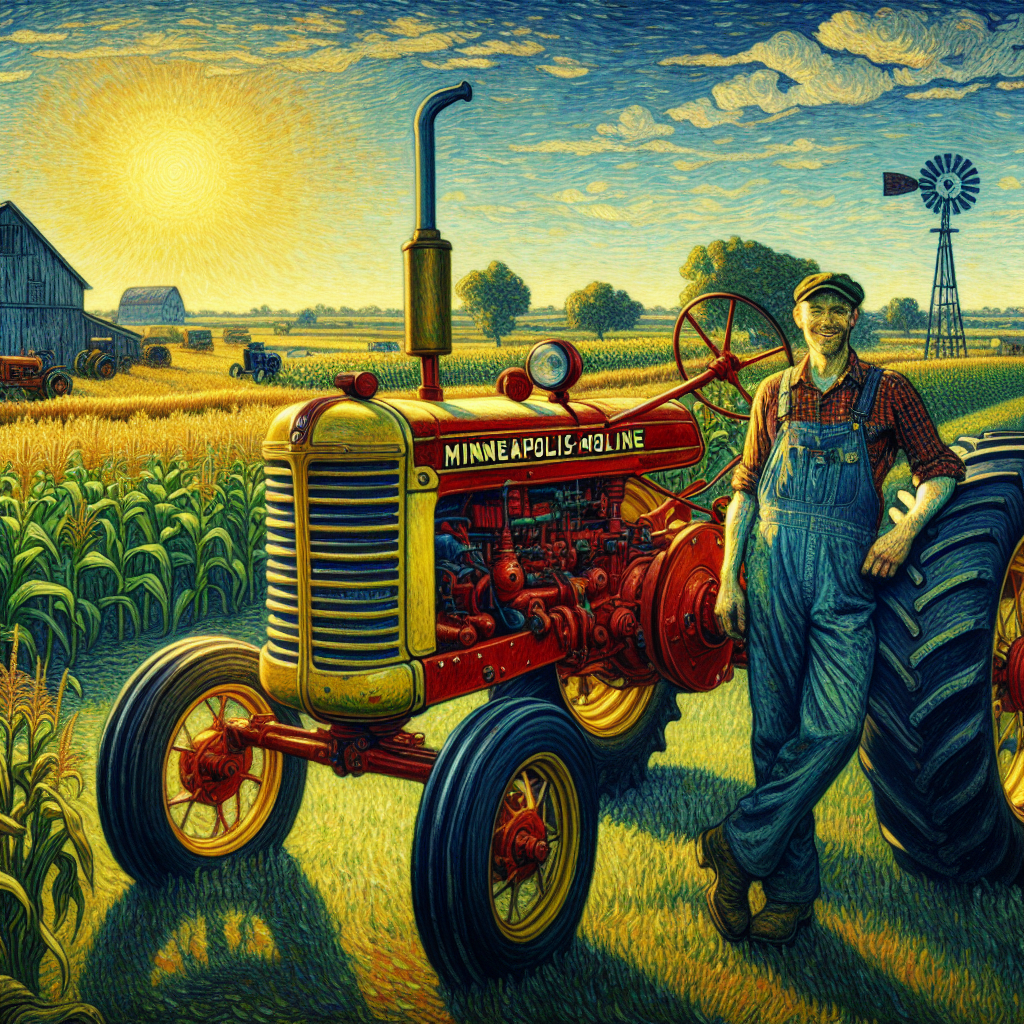
What Does The Future Look Like For The Company Making Farm Pro?
What Does The Future Look Like For The Company Making Farm Pro?
- The future of the company behind Farm Pro involves innovation, sustainability, and community impact.
- Innovation is crucial; companies must integrate cutting-edge technology into farming equipment.
- Examples of innovation include autonomous tractors and real-time crop health monitoring bots.
- Sustainability is essential, focusing on efficient machinery and eco-friendly materials.
- Companies should aim to reduce their carbon footprint while ensuring productivity.
- Community engagement is vital, fostering trust with farmers through strong relationships and understanding their needs.
- A holistic approach combining innovation, sustainability, and community engagement will create opportunities for success.
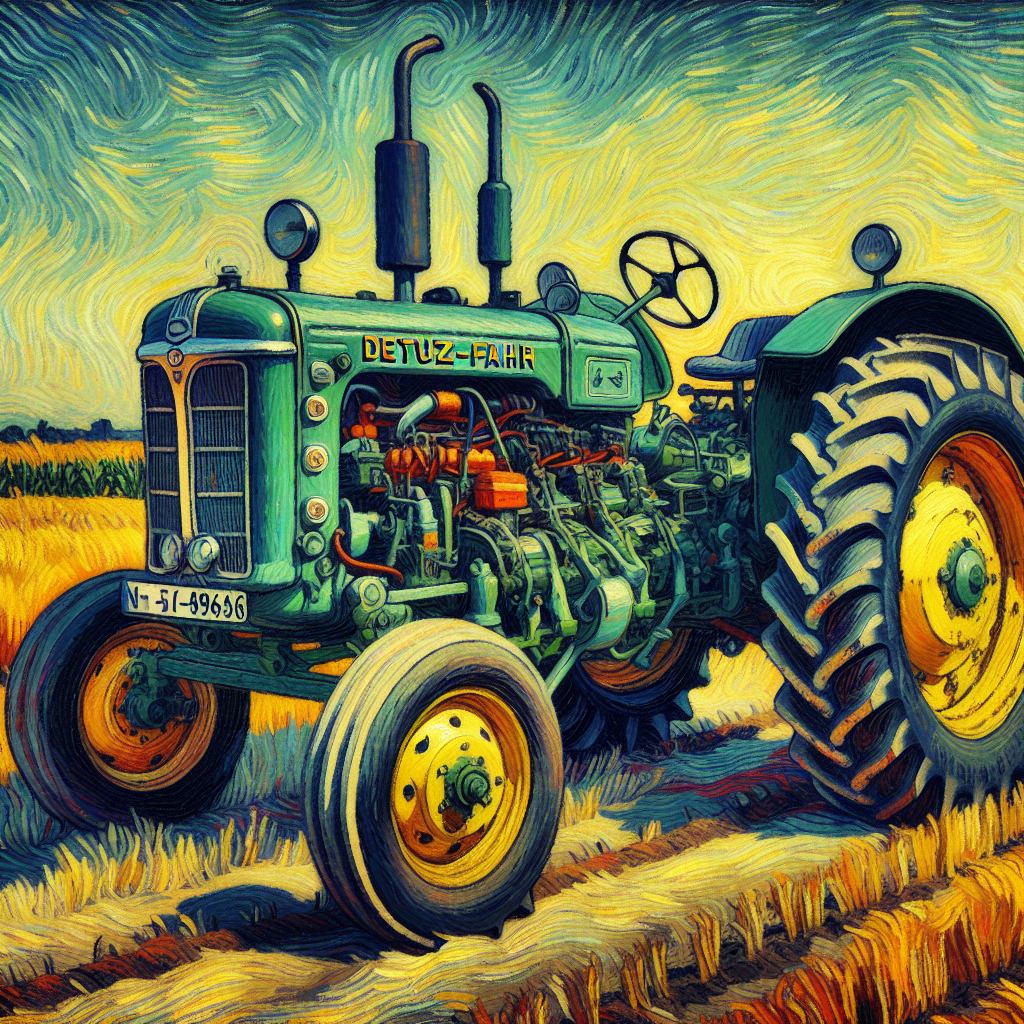
What Does The Future Look Like For The Company Making Farm Pro?
Conclusion
Conclusion: Cultivating the Future of Farm Pro Tractors
In the grand tapestry of American agriculture, where resilient hands navigate unpredictable soil and shifting seasons, the legacy of Farm Pro tractors stands as a testament to innovation born from necessity. A brand that honed its roots in the 1980s, Farm Pro emerged from a vision to provide affordable, reliable solutions for the often-overlooked small and medium-sized farmers. It combined the grit of American agriculture with the extensive capabilities of overseas manufacturing, particularly China, to deliver tractors that didn’t merely promise horsepower but stood as steadfast partners in the fields.
From their inception, the architects behind Farm Pro—innovators like George Chen, Carla Hughes, and Mark Roberts—recognized a demographic starved for dependable machinery without the exorbitant price tags. Their grassroots understanding of farming needs transformed Farm Pro into more than just a machinery brand; it morphed into a vibrant community where stories of hardship and triumph intermingled amidst the hum of engines and the rustle of grain.
Over the years, the company has rolled through shifting landscapes—from grappling with economic downturns to adapting to the unforgiving nature of climate change. Yet, with each obstacle, Farm Pro has pressed on, showcasing a resilience akin to the very farmers it serves. Their commitment to innovation—embracing data-driven precision agriculture and eco-friendly practices—ensures that they aren’t just keeping pace but are lighting a path toward a sustainable agricultural future.
Market competition is fierce, with giants like John Deere and Kubota constantly innovating and vying for the attention of the farmer. But Farm Pro stands firm, not merely as an alternative but as a champion of value and efficiency. They’ve cultivated loyalty grounded in community connection, where word-of-mouth and shared experiences cement their reputation as a trusted brand.
As we gaze into the horizon of what’s to come, the future for the company that makes Farm Pro tractors seems ripe with potential. By marrying cutting-edge technology with sustainability and steadfast community engagement, Farm Pro is poised not just to participate but to lead in this dynamic agricultural arena. The course has been set: one that honors tradition while embracing the innovations that will contribute to the success of the backbone of America—the hard-working farmers who, like their machines, tirelessly cultivate the land.
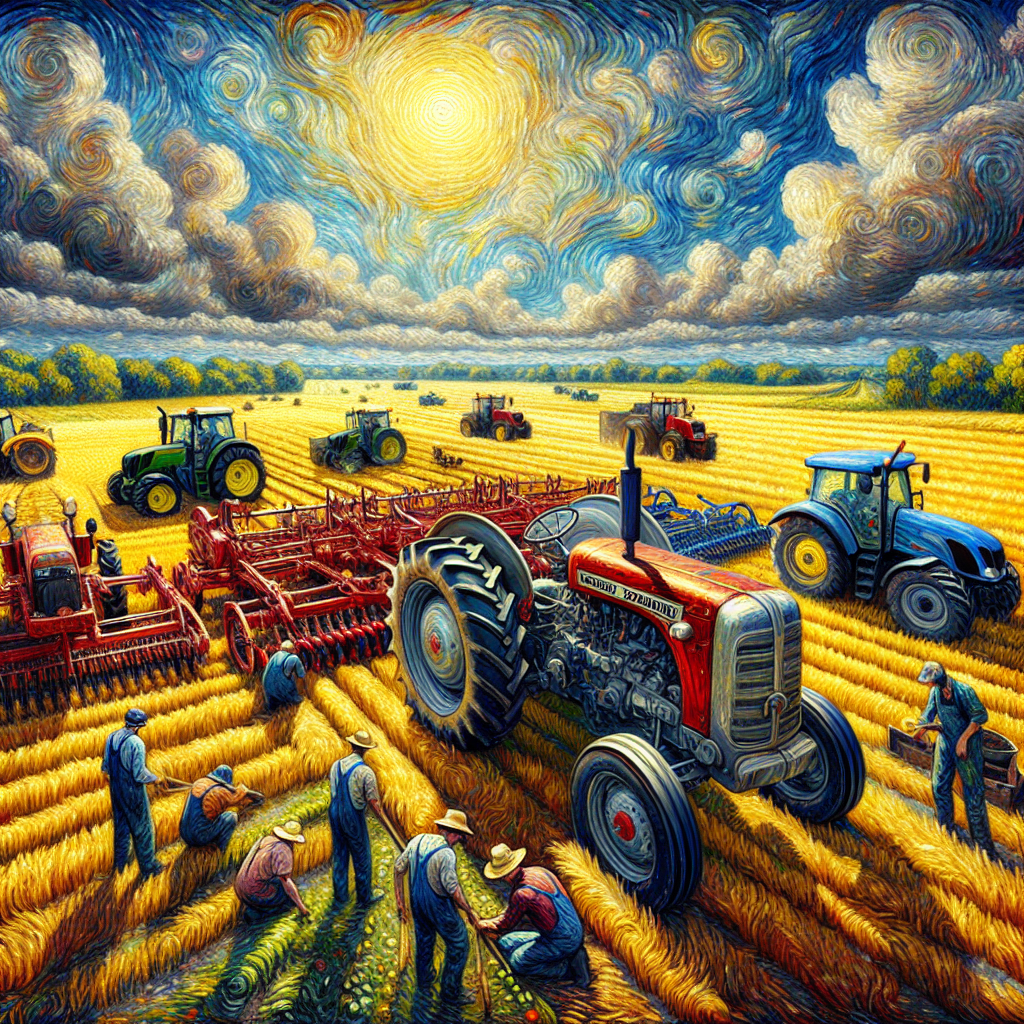
Conclusion
Conclusion:
- Farm Pro tractors originated in the 1980s, focusing on affordable solutions for small and medium-sized farmers.
- The brand was founded by innovators George Chen, Carla Hughes, and Mark Roberts, addressing a need for dependable machinery at reasonable prices.
- Farm Pro has evolved into a community, connecting farmers through shared stories of hardship and triumph.
- The company has navigated economic challenges and climate change, demonstrating resilience similar to the farmers they support.
- Farm Pro embraces innovation through data-driven precision agriculture and eco-friendly practices, aiming for a sustainable future.
- Competing with major brands like John Deere and Kubota, Farm Pro is recognized for its value and efficiency, fostering customer loyalty.
- The future for Farm Pro looks promising, focusing on cutting-edge technology, sustainability, and community engagement in agriculture.
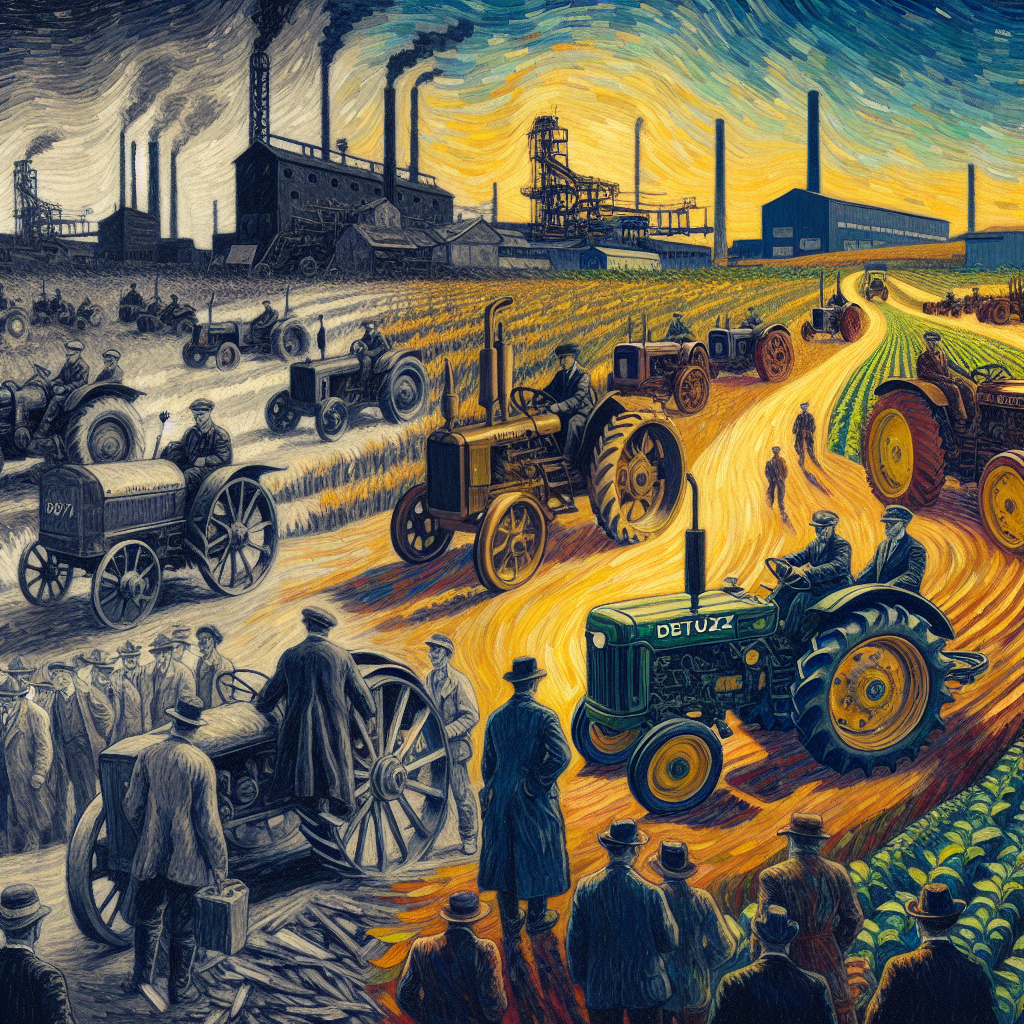
Conclusion
Other Resources
Other Resources
Here is a list of other resources you can review online to learn more:
- “American Agriculture in the Twentieth Century”
- “Vulnerability ofPaci c Island agriculture and forestry to …”
- “https://www.sabiia.cnptia.embrapa.br/search?search…”
- “North Carolina State University”
- “#44 Regional Lifestyle | Autumn 2024 …”
- “TEN YEARS OF BNF TECHNOLOGY 1980-1990”
- “on-farm infrastructure investment: Topics by …”
- “BIBLIOGRAFI 2003 PROQUEST”
- “Graduation Ceremonies”
- “Vendor Summary – Alaska Department of Administration”
- “Congressional Record”
- “Routledge Handbook of Climate Change Impacts on …”
- “Scholarship Directory”
Bing Copilot Prompt: Please provide me with a list of online articles with their URLS in a bulleted list that I can read regarding What Is The History Of The Company That Made Farm Pro Tractors?
Other Resources
Glossary Terms
What Is The History Of The Company That Made Farm Pro Tractors? – Glossary Of Terms
1. Agri-Fab: A company known for producing agricultural equipment and possibly involved in the creation or distribution of related machinery.
2. Boeing: Although primarily known for aerospace, Boeing has had a significant influence on manufacturing and design in various industries, including agriculture.
3. Chenowth Racing Products: An enterprise that might represent engineering innovations that crossed over into various manufacturing sectors, including agricultural machinery.
4. Farm Equipment: General term for machinery used in farming; includes tractors, plows, harvesters, and other tools that aid in agricultural production.
5. Farm Pro Tractors: Specific line of tractors popular for being affordable and effective for small to mid-scale farming operations.
6. Imports: Refers to products brought into a country, which can apply to many tractor brands and models, potentially influencing the Farm Pro’s market.
7. Manufacturer: A business or company that makes goods; in this context, it refers to the company that produced Farm Pro tractors.
8. Massey Ferguson: A historical brand in agriculture. Its innovations often influenced smaller companies and their product offerings.
9. Mechanization: The process of adding machinery to manual labor, which revolutionized farming practices, leading to the creation of devices like Farm Pro tractors.
10. OEM (Original Equipment Manufacturer): Companies that produce parts and equipment that may be marketed by another manufacturer; relevance in the Farm Pro context is vital for understanding supply chains.
11. Product Line: A series of related products produced by a company, such as various models of Farm Pro tractors.
12. R&D (Research and Development): Activities in the innovation and improvement of products; essential for tractor development history.
13. Scheme: A structured plan or arrangement for farming equipment evolution involving Farm Pro tractors.
14. Smallholder: Refers to small-scale farmers who often use compact, affordable tractors like the Farm Pro.
15. Sub-assembly: Components manufactured separately and later assembled into a final product. Important in the production process of tractors.
16. Tractor: A powerful vehicle designed for pulling farm machinery and trailers, central to the history of Farm Pro.
17. Tractor Supply Company: A retailer that could be associated with the distribution and sale of Farm Pro tractors.
18. Vintage: Refers to older tractors that are now collectible and significant for understanding Farm Pro’s evolution.
19. Warranty: A guarantee from the manufacturer regarding the condition of the Farm Pro tractor, critical in consumer trust.
20. Yield: The amount produced in farming, which has improved significantly due to the advent of machinery like the Farm Pro tractors.
21. Distribution Network: The logistics behind how Farm Pro tractors reach consumers, pivotal to understanding its market reach.
22. Engineered: The process of designing and constructing machinery, particularly relevant to the tractor’s design history.
23. Field Testing: Practical evaluation of tractors in farming conditions to ensure performance; relevant for understanding product reliability.
24. Farm Machinery: Collectively refers to machinery used in agricultural tasks, which includes tractors.
25. Globalization: The international collaboration of markets, affecting production and distribution of agricultural equipment like Farm Pro tractors.
26. Hydraulics: A technology used in tractors to lift implements; key for the operation of many Farm Pro tractor models.
27. Innovation: The introduction of new ideas or products; Farm Pro’s history involves significant innovations in design and functionality.
28. Land Use: Refers to how land is managed and cultivated, heavily influenced by the availability and efficiency of devices like tractors.
29. Negligence: In the context of manufacturing, it refers to the failure to take proper care in creating products, significant in quality control of tractors.
30. Schema: A representation of the plan or theory regarding the company’s approach to tractor design and production, useful for historical assessment.
Glossary Of Terms
Other Questions
What Is The History Of The Company That Made Farm Pro Tractors? – Other Questions
If you wish to explore and discover more, consider looking for answers to these questions:
- What are the key milestones in the company’s history?
- What types of tractors does Farm Pro offer?
- What is the warranty and support offered for Farm Pro tractors?
- How do Farm Pro tractors compare in performance to other brands?
- What customer reviews and testimonials exist for Farm Pro tractors?
- How has the market for small tractors evolved over the years?
- What are the typical pricing ranges for Farm Pro tractors?
- How does the company handle customer service and complaints?
- What future innovations or developments are planned for Farm Pro tractors?
- How does the company participate in agricultural sustainability initiatives?
- What are the implications of trade agreements on the company’s operations?
- How have customer demographics changed for the Farm Pro brand over time?
- What industry trends are influencing the company’s strategic direction?
- Are there any notable partnerships with agricultural organizations or institutions?
- What challenges might the company face with technological advancements in agriculture?
Other Questions
Haiku
What Is The History Of The Company That Made Farm Pro Tractors? – A Haiku
Quiet fields yield strength,
Farm Pro rises through the years,
Wheels turn, hopes uplift.
Haiku
Poem
What Is The History Of The Company That Made Farm Pro Tractors? – A Poem
In Fields of Innovation: The Tale of Farm Pro
In the heart of fields that stretch and sway,
Where the sun greets labor at break of day,
Farm Pro tractors, sturdy and bold,
Spring from a tale of resilience retold.
Born in eighty, in an era of need,
A vision took root to serve farmers’ creed;
From imports once lost in the high-end lands,
To compact machines crafted by steady hands.
With George, Carla, and Mark in the fray,
Entrepreneurs rallied, their dreams paved the way,
To bring forth machinery, affordable, true,
For the small, steadfast souls who toil and pursue.
They journeyed to China, where factories hum,
Creating reliability, where challenges come;
Simplicity thrived as farmers embraced,
A community built, a spirit interlaced.
Facing obstructions like storms on the rise,
The company listened, adapting with wise;
Turning to tech, IoT at play,
With drones surveying the harvest each day.
Through trials of talent and market’s fast turns,
They nurtured innovations; from challenges, learned.
A legacy forged not just in the field,
But in hearts of those who find joy in yield.
Competitors like Deere reign in high esteem,
Yet Farm Pro persists, fueled by a dream—
To empower farmers with machinery right,
Affordability wrapped in dependable might.
Partnerships blossomed, from local to tech,
Creating a network that few could neglect,
In sustainability’s name, they’ve drawn near,
To a future where farmers can persevere.
As seasons keep changing and challenges loom,
Farm Pro strides forward, refusing to gloom;
Embracing the future with wisdom and care,
For every farmer’s toil, their legacy’s flair.
So here’s to the tractors that work through the ground,
In fields of innovation, their roots can be found;
With every plow turned and every seed sown,
The spirit of Farm Pro—forever our own.
Poem
Checklist
What Is The History Of The Company That Made Farm Pro Tractors? – A Checklist
1. Founding Year:
_____ When was the company that produced Farm Pro tractors founded? (1980)
2. Key Founders:
_____ Who were instrumental in establishing the company? (George Chen, Carla Hughes, Mark Roberts)
3. Strategic Partnerships:
_____ Identify partnerships that shaped the company’s development (tech firms, sustainability nonprofits, and local businesses).
4. Market Entry:
_____ What motivated the establishment of Farm Pro tractors? (Addressing the gap for affordable machinery for small to medium-sized farms)
5. Product Features:
_____ What key attributes do Farm Pro tractors offer? (Affordability, reliability, ease of use)
6. Adaptation to Technology:
_____ How has the company integrated new agricultural technologies? (e. g. , precision agriculture, IoT, automation)
7. Challenges:
_____ What significant challenges has the company faced? (Economic downturns, supply chain issues, competition)
8. Competitors:
_____ Who are the main competitors of the Farm Pro brand? (John Deere, Kubota, Massey Ferguson, New Holland, Case IH)
9. Community Engagement:
_____ How does the company engage with its farming community? (Feedback loops, workshops, and fostering relationships)
10. Sustainability Focus:
_____ In what ways is the company incorporating sustainability into its practices? (Eco-friendly materials, reduction of carbon footprint)
11. Innovation and Future Direction:
_____ What are the anticipated future developments for Farm Pro? (Investment in technology, sustainable practices, and community-centric strategies)
12. Customer Feedback and Adaptation:
_____ How does the company utilize customer feedback for product improvement? (Regular market research, active listening to farmer experiences)
13. Contribution to Agricultural Innovation:
_____ What innovative practices has the company introduced to the agricultural sector? (Data analytics, integrated pest management solutions)
14. Building for the Future:
_____ What future trends should the company focus on to remain competitive? (Technological advancements, sustainability, community trust)
Feel free to print or share this checklist for a comprehensive understanding of the Farm Pro tractors and the company’s history.
Checklist
At ClassicTractorNews, we help tractor lovers keep up with the latest news for classic and vintage tractors.
Please share this post with your friends, family, or business associates who may like old classic or vintage tractors.