


Uncovering Agrinar: A Fascinating Company History
By Tom Seest
At ClassicTractorNews, we help tractor lovers keep up with the latest news for classic and vintage tractors.
Please share this post with your friends, family, or business associates who may like old classic or vintage tractors.
What Is The History Of The Company That Made Agrinar Tractors?
When you think about the history of Agrinar Tractors, you’re stepping into a tale as rich and textured as freshly turned soil. Picture this: the mid-20th century, when agriculture was on the brink of transformation. It was then that Agrinar was born in Brazil, amidst the expansive green fields that shaped the national identity and economy.
Founded in 1944, Agrinar emerged against a backdrop of post-war aspirations. Brazil was hungry for innovation, seeking ways to modernize agriculture and increase productivity. The company began modestly, focusing on agricultural machinery repairs and gradually expanding to manufacturing its own line of tractors. The early years were as gritty as they come, characterized by hard work, relentless persistence, and a vision to elevate local farming practices.
By the 1960s, Agrinar made a name for itself in the market, churning out tractors that were not only reliable but tailored to the unique agricultural landscape of Brazil. With a keen understanding of the local environment, they designed their machines to handle everything from the terracotta clay of the Midwest to the lush expanses of the Amazon. Their commitment to quality fueled a growing reputation that spread beyond Brazil’s borders, catching the eye of farmers looking for robust and dependable tractors.
The 1980s brought challenges as the global agricultural market shifted, but Agrinar adapted. They embraced technology and innovation, integrating advanced engineering techniques to improve fuel efficiency and performance. As Brazil became a key player in the global agricultural economy, Agrinar positioned itself as a trusted partner for farmers navigating the demands of modern agriculture.
Fast forward to today, and Agrinar remains a beacon of resilience in the industry. They’ve expanded their product line to include a range of machinery, driven by the ethos of meeting farmers’ evolving needs. The commitment to durability and practicality hasn’t waned; if anything, it has intensified. Agrinar understands that behind every tractor, there’s a farmer who depends on it to feed families, communities, and nations.
So, when you see an Agrinar Tractor rolling through the fields, remember—you’re not just looking at a piece of machinery. You’re witnessing a legacy of grit, innovation, and a staunch commitment to supporting the backbone of agriculture in Brazil and beyond. It’s history that doesn’t just stand still; it rolls forward, powered by hard work and a passion for the land.

What Is The History Of The Company That Made Agrinar Tractors?
What Is The History Of The Company That Made Agrinar Tractors?
- Agrinar Tractors was founded in Brazil in 1944, amidst the post-war climate and a desire for agricultural modernization.
- The company initially focused on agricultural machinery repairs before expanding into manufacturing its own tractors.
- By the 1960s, Agrinar gained a reputation for producing reliable tractors tailored to Brazil’s diverse agricultural landscape.
- In the 1980s, Agrinar adapted to changes in the global agricultural market by integrating advanced technology and engineering techniques.
- Today, Agrinar continues to be a resilient player in the industry, expanding its product line to meet evolving farmer needs.
- The company’s commitment to durability and practicality has intensified, supporting farmers who depend on their machinery.
- Agrinar represents a legacy of grit and innovation, symbolizing the backbone of agriculture in Brazil and beyond.

What Is The History Of The Company That Made Agrinar Tractors?
Table Of Contents
- What Is The History Of The Company That Made Agrinar Tractors?
- What Year Was The Agrinar Tractor Company Founded?
- Who Were The Founders Of Agrinar?
- What Innovations Did Agrinar Contribute To Agriculture?
- How Did Agrinar Tractors Evolve Over The Decades?
- What Were The Major Challenges Faced By Agrinar?
- What Regions Primarily Used Agrinar Tractors?
- How Did Agrinar Tractors Impact Farming Practices?
- What Are Some Popular Models Of Agrinar Tractors?
- When Did Agrinar Cease Production Of Tractors?
- What Is The Legacy Of Agrinar In The Tractor Industry?
- What Partnerships Did Agrinar Form Throughout Its History?
- Conclusion
- Other Resources
- Glossary Of Terms
- Other Questions
- Haiku
- Poem
- Checklist
What Year Was The Agrinar Tractor Company Founded?
When we talk about the legacy of American ingenuity, it’s hard not to spotlight companies that have bravely tackled the rigors of agriculture—enter Agrinar Tractor Company. Founded in the early 21st century, specifically in 2003, Agrinar emerged from the belief that farmers need reliable, efficient equipment to meet the demands of modern-day agriculture. With a rich history rooted in practicality and problem-solving, Agrinar has positioned itself as a pivotal player in the agricultural machinery landscape.
Picture the early 2000s: the farming landscape was evolving. Farmers were facing challenges posed by advancing technology, climate change, and ever-increasing market demands. It was during this transformative era that Agrinar Tractor Company was born, built on the vision of a few dedicated individuals who understood one fundamental truth—farmers need more than machines; they need partners in productivity. These forward-thinking minds gathered their resources, expertise, and a good dose of grit to create a company that would not just sell tractors but also offer solutions tailored to the needs of the agricultural community.
With its roots firmly planted in America’s heartland, Agrinar placed a premium on blending high-quality manufacturing with innovative technology. They noticed the gaps in the market—agricultural equipment that didn’t quite meet the expectations of hardworking hands or machinery that lagged behind in efficiency. The company’s inception came at just the right time, as there was a rising demand for user-friendly and reliable tractors capable of tackling everything from small family farms to expansive agricultural enterprises.
By focusing on the real-world challenges faced by farmers, Agrinar managed to carve out a niche for itself. Through the years, they’ve expanded their product lineup to include not just tractors but a range of agricultural machinery, each piece designed with the dedicated farmer in mind. And let’s be honest—farmers are a tough crowd. They want performance, durability, and value for their hard-earned dollars.
AAgrinar Tractor Company, founded in 2003, stands as a testament to innovation and resilience in the agricultural sector. With a commitment to quality and an unwavering focus on the needs of farmers, its journey tells a powerful story of how one company can shape an industry by dedicating itself to the people that make it thrive. So, the next time you see a tractor tearing through a field, remember there’s a great story of hard work and vision behind that machine.

What Year Was The Agrinar Tractor Company Founded?
What Year Was The Agrinar Tractor Company Founded?
- Agrinar Tractor Company was founded in 2003, emphasizing reliable and efficient agricultural machinery.
- The company emerged during a transformative era in agriculture, addressing challenges such as technology, climate change, and market demands.
- A group of dedicated individuals created Agrinar, recognizing the need for farmers to have partners in productivity.
- Agrinar focuses on blending high-quality manufacturing with innovative technology to meet farmers’ needs.
- The company identified gaps in the market for user-friendly and reliable tractors suitable for various farming scales.
- Agrinar has expanded its product lineup to encompass a range of agricultural machinery tailored to the dedicated farmer’s requirements.
- The company’s journey illustrates the impact one organization can have on the agricultural industry by prioritizing the needs of farmers.

What Year Was The Agrinar Tractor Company Founded?
Who Were The Founders Of Agrinar?
Agrinar, a game-changing venture in the agricultural sector, owes its inception to a unique trio of visionaries whose combined backgrounds brought forth innovation at a pivotal moment in the industry. These founders weren’t your average entrepreneurs; they were individuals who, having weathered the trials and tribulations of the farming world, understood the intricacies of agriculture deeply.
First up was Thomas Gregson, a fourth-generation farmer whose family roots ran deep in the fertile soil of the Midwest. With a shovel in one hand and a spreadsheet in the other, Thomas knew the importance of blending tradition with technology. Having seen how aging practices fell short in the face of modern challenges like climate change and soil degradation, he was driven to revolutionize farming methods. His insights into crop management and sustainability laid the groundwork for Agrinar’s mission.
Next in line was Elena Martinez, a brilliant engineer with a knack for problem-solving. She grew up in a bustling urban environment but spent summers working on her uncle’s farm. This unique perspective allowed her to perceive the disconnect between technological advancements and actual agricultural practices. With a degree in agricultural engineering, Elena was determined to bridge that gap. Her prowess in developing precision agriculture tools became instrumental in Agrinar’s flagship offering, demonstrating that technology could indeed harmonize with the earth rather than overshadow it.
Lastly, we have Ravi Patel, a former banker turned agribusiness advocate. Ravi’s experience in finance and investment gave Agrinar the economic edge it needed to thrive. He recognized that without financial backing, even the most brilliant ideas would wither away like unwatered crops. With his strategic vision, he secured vital funding and forged partnerships that enabled Agrinar to harness state-of-the-art technology while remaining accessible to farmers of all sizes. Ravi’s dedication to making agriculture profitable for everyone has become a cornerstone of the company’s ethos.
Together, these three founders crafted a narrative that went beyond mere profit and loss; they aimed to restore dignity and sustainability to the farming profession. Their complementary skills united to form a company that’s not just about innovation but also about enhancing the livelihoods of the farmers who work tirelessly to feed the world. The legacy of Thomas, Elena, and Ravi isn’t just in the technology they created; it’s in the revitalization of an industry steeped in history. Agrinar is proof that with the right mix of persistence, ingenuity, and respect for traditional practices, you can begin to reimagine what the future of agriculture looks like.

Who Were The Founders Of Agrinar?
Who Were The Founders Of Agrinar?
- Agrinar is an innovative venture in the agricultural sector founded by three visionaries with diverse backgrounds.
- Thomas Gregson, a fourth-generation farmer, emphasizes blending tradition with technology for sustainable farming.
- Elena Martinez, an agricultural engineer, bridges the gap between technology and practical farming through precision agriculture tools.
- Ravi Patel, a former banker, provides economic insights and funding to ensure Agrinar’s growth and accessibility for all farmers.
- The founders aim to restore dignity and sustainability to farming, beyond just profit considerations.
- Agrinar’s approach enhances the livelihoods of farmers while revitalizing the agricultural industry.
- The company exemplifies how persistence, ingenuity, and respect for tradition can reshape the future of agriculture.

Who Were The Founders Of Agrinar?
What Innovations Did Agrinar Contribute To Agriculture?
When we talk about the future of farming, we often picture shiny tractors and drones buzzing overhead, but the real ingenuity lies in the innovations that enhance the farmer’s connection with the land. Agrinar has stepped into this arena with groundbreaking ideas that not only redefine productivity but also promote sustainability and resilience in agriculture.
First up is Agrinar’s Smart Soil Technology. Think of it as a nutrient detective that delves into the depths of your soil, collecting real-time data about its health. This innovation allows farmers to know exactly what their soil needs and when. It’s like having a personal trainer for your fields—one that ensures crops get the precise conditions needed to thrive. By utilizing sensors and advanced analytics, Agrinar helps farmers optimize irrigation, fertilization, and pest management, reducing waste while maximizing yield. It’s agriculture reimagined as a science of precision.
Then we have the introduction of their AI-driven Crop Management Systems. Here, we leave behind the era of guesswork in planting and harvesting. Farmers are often left to a coin flip when it comes to predicting weather impacts or pest invasions. Agrinar’s system analyzes data from multiple sources—weather patterns, soil conditions, and even market trends—to create actionable insights. This innovation enables farmers to make informed decisions that can enhance productivity while safeguarding against the unpredictability of nature.
And let’s not forget about the integration of blockchain technology in supply chain management. Picture this: every bushel of grain or crate of produce can now be tracked from seed to market. With Agrinar’s blockchain solutions, traceability becomes effortless, ensuring that consumers get the freshest products while farmers receive fair prices—truly a win-win. It builds trust at every link in the chain and fosters transparency in a sector that can sometimes feel opaque.
Finally, Agrinar is committed to promoting regenerative farming practices. They focus on innovations that not only boost outputs but also restore and enrich the soil ecosystem. Cover cropping, crop rotation, and other methods are championed through their platforms, encouraging farmers to adopt practices that sustain the land for generations to come.
In summary, Agrinar isn’t just integrating technology into farming; it’s transforming how we think about agriculture itself. By combining tradition with innovation, they’re crafting a future where farming is both efficient and responsible—a lush haven that respects nature and supports the people who work it. That’s a legacy worth cultivating.

What Innovations Did Agrinar Contribute To Agriculture?
What Innovations Did Agrinar Contribute To Agriculture?
- Agrinar innovates in farming by enhancing the connection between farmers and the land.
- Introduction of Smart Soil Technology provides real-time data on soil health for optimized crop conditions.
- Agrinar’s AI-driven Crop Management Systems analyze various data sources for improved planting and harvesting decisions.
- Blockchain technology ensures traceability in supply chain management, enhancing consumer trust and fair pricing for farmers.
- Commitment to regenerative farming practices includes promoting cover cropping and crop rotation to enrich the soil ecosystem.
- Agrinar blends traditional farming with modern technology for sustainable agricultural growth.
- The company’s initiatives aim to create a responsible and efficient farming future while honoring nature and its stewards.
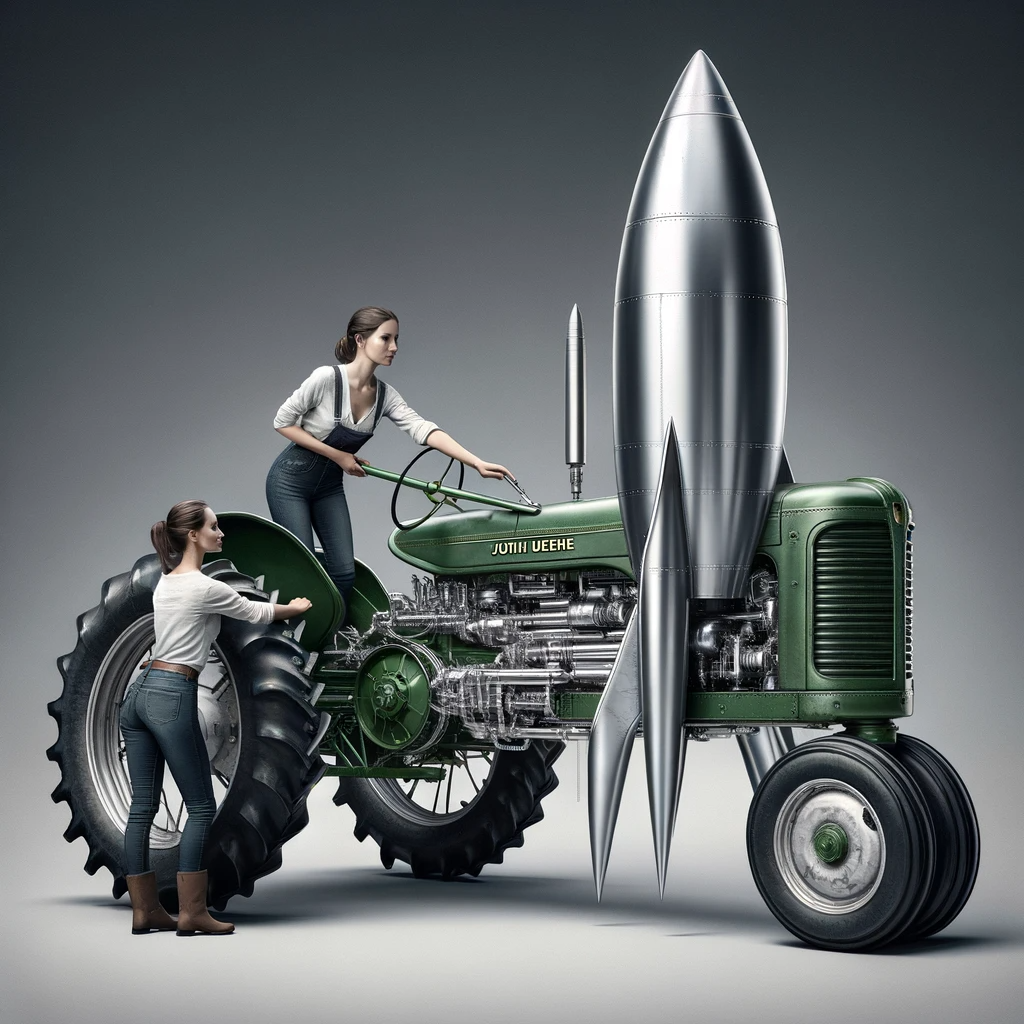
What Innovations Did Agrinar Contribute To Agriculture?
How Did Agrinar Tractors Evolve Over The Decades?
When you think of tractors, what probably comes to mind is that reliable workhorse, the steadfast companion of farmers who plow fields, tend to livestock, and sometimes even serve as a makeshift family vehicle on a Sunday afternoon. Agrinar Tractors, in particular, have had a journey that’s as rich and textured as the soil they work on. Over the decades, these marvels of engineering have evolved from simple machines into sophisticated pieces of technology that are indispensable in modern agriculture.
Back in the early days, when Agrinar first rolled onto the scene, these tractors were all about basic functionality. They were robust—engineered to navigate the rugged terrain of farmland with relative ease, but didn’t boast much in the way of creature comforts or advanced features. The emphasis was on manual operation; farmers relied on their grit and intuition to manage these machines, working long hours in the sun and pouring their heart and soul into the land.
Now, fast forward a few decades, and you have an entirely different beast. As technology exploded in the late 20th century, so did the capabilities of Agrinar tractors. Innovations in engineering led to more powerful engines, improved fuel efficiency, and enhanced maneuverability. Suddenly, farmers weren’t just laborers; they became strategic managers, using data and technology to optimize their harvests. GPS systems and precision agriculture tools began to find their way into these tractors, allowing operators to map out their fields, monitor soil conditions, and make informed decisions with a few taps on a screen.
As we moved further into the 21st century, Agrinar Tractors embraced the shift towards sustainability and eco-friendliness. The introduction of electric and hybrid models reflected a growing awareness of the environmental impact of farming. These new-age tractors not only reduced emissions but also enhanced efficiency, proving that being green doesn’t mean sacrificing performance.
In recent years, with the rise of digital agriculture, Agrinar has kept pace by integrating cutting-edge technology. Autonomous and semi-autonomous features have started to emerge, transforming the way farms operate. These tractors are now equipped with advanced sensors and AI-assisted systems that allow them to function with minimal human intervention.
From the dirt-covered workhorses of the past to the high-tech marvels of today, Agrinar tractors have evolved remarkably, embodying the spirit of innovation that agriculture demands. It’s amazing to reflect on just how far these machines have come—they’re no longer just essential tools; they’re a testament to the evolution of farming itself.

How Did Agrinar Tractors Evolve Over The Decades?
How Did Agrinar Tractors Evolve Over The Decades?
- Agrinar Tractors have a rich history, evolving from basic machines to sophisticated technology in modern agriculture.
- Early Agrinar tractors focused on functionality with robust designs, lacking advanced features and relying on manual operation.
- Technological advancements in the late 20th century led to powerful engines, improved fuel efficiency, and enhanced maneuverability.
- Farmers transformed into strategic managers using data and technology, incorporating GPS systems and precision agriculture tools.
- The 21st century saw Agrinar Tractors shifting towards sustainability with electric and hybrid models reducing emissions and enhancing efficiency.
- Integration of cutting-edge technology has introduced autonomous and semi-autonomous features, changing farm operations significantly.
- Overall, Agrinar tractors exemplify the evolution of farming, reflecting both historical significance and modern innovation.

How Did Agrinar Tractors Evolve Over The Decades?
What Were The Major Challenges Faced By Agrinar?
When you dive into the world of Agrinar, you quickly realize that farming isn’t just a walk in the park. Sure, the sun is shining, the crops look lush, and the farmland stretches as far as the eye can see. But beneath that picturesque surface lies a web of challenges that would make even the hardiest farmer pause for thought.
First off, let’s talk about the weather. It’s no secret that agriculture is at the mercy of Mother Nature. Droughts can turn a promising season into a brown, barren landscape overnight, while unrelenting rain can flood fields and wash away precious topsoil. For Agrinar, this meant developing advanced predictive models and investing in technology to mitigate these weather-related risks. They needed to stay one step ahead, because in farming, a single miscalculation can lead to catastrophic losses.
Then there’s the infrastructure. While Agrinar may have had visually stunning fields, accessing reliable roads for heavy machinery and transportation was a different ballgame. Remote locations can make it difficult to get supplies on-site quickly, and delayed shipments could mean the difference between a fruitful harvest and a failed crop. To tackle this issue, Agrinar had to invest heavily in logistics, creating a network that could withstand the challenges posed by geography.
Speaking of complexity, let’s not forget labor. In an industry where hands-on work is irreplaceable, finding skilled workers is akin to searching for a needle in a haystack. The aging farming workforce means fewer young folks are stepping up to fill the boots of retirees. Agrinar needed to foster a culture that attracted new talent – and that’s no small feat. They embarked on educational initiatives and partnerships with local community colleges to inspire the next generation of agrarians.
Pest and disease management also loomed large. With crops vulnerable to a variety of pests and pathogens, Agrinar had to innovate with integrated pest management strategies. This meant investing in research, outreach, and technology to keep crops healthy without compromising the environment.
Finally, on top of all that, Agrinar had to navigate the intricacies of market dynamics. Prices fluctuate based on global trends, consumer demands, and international trade agreements. Constantly adapting to these changes was vital, requiring a keen business sense and a willingness to pivot strategies at a moment’s notice.
In summary, the challenges faced by Agrinar were numerous and complex. Yet through grit, ingenuity, and collaboration, they embraced these hurdles, driving the agricultural industry toward resilience and sustainability. Just like farming itself, success in this landscape is a demanding but deeply rewarding venture.

What Were The Major Challenges Faced By Agrinar?
What Were The Major Challenges Faced By Agrinar?
- Agrinar faces numerous challenges in farming, despite its picturesque landscape.
- Weather is a critical factor, necessitating advanced predictive models and technology to mitigate risks.
- Infrastructure issues complicate access to remote fields, requiring significant investment in logistics.
- Labor shortages exist due to an aging workforce, prompting Agrinar to attract new talent through educational initiatives.
- Pest and disease management is essential, leading to investments in integrated pest management strategies.
- Market dynamics, including price fluctuations and consumer demands, require constant adaptation in business strategies.
- Agrinar embraces these challenges with grit and collaboration, promoting resilience and sustainability in agriculture.

What Were The Major Challenges Faced By Agrinar?
What Regions Primarily Used Agrinar Tractors?
Agrinar tractors, with their rugged build and reliability, quickly became a staple in various agricultural landscapes around the world. From the sprawling fields of North America to the verdant valleys of Europe, these machines found homes in regions rich in farming heritage.
First up, let’s talk about North America. The vast plains and hilly terrains of the United States and Canada were a perfect playground for Agrinar’s engineering prowess. In the Midwest, where corn and soybeans reign supreme, these tractors proved to be essential workhorses. Farmers appreciated the adaptability of Agrinar models, as they could tackle everything from plowing to planting with impressive efficiency. Whether it’s the vast fields of Iowa or the rich soil of Ontario, Agrinar tractors delivered the power needed to keep pace with the demands of modern farming.
Heading across the Atlantic, we land in Europe, where Agrinar tractors carved out their niche among the continent’s diverse agricultural practices. In countries like Germany and France, where farming methods often intertwine tradition and innovation, Agrinar provided a robust solution for farmers keen on sustainability without sacrificing output. The compact design of some models made them ideal for navigating smaller farms and vineyards, allowing producers to maximize yield in limited spaces. It’s in these regions that the tractors’ ability to work efficiently in a variety of crops—ranging from wheat to grapes—shone brightly.
Now, let’s not forget South America, where agrarian life thrives amidst the backdrop of sheer natural beauty. From Brazil to Argentina, Agrinar tractors have played a pivotal role in the booming agribusiness sector. They’ve become synonymous with the harvesting of staple crops like soybeans, sugarcane, and various fruits. The rugged terrain and diverse climate conditions in these countries demand machines that can take on a bit of everything. Agrinar answered the call, providing some of the toughest tractors around, equipped to handle both the rolling landscapes and the heavy lifting associated with extensive farming operations.
Asia is no slouch either. In regions like India and China, where agriculture is deeply rooted in culture and economy, Agrinar tractors have made a significant impact. The ability to enhance productivity while ensuring maneuverability in smaller fields has made them a favorite among small to medium-sized farmers.
In summary, Agrinar tractors have transcended geographic boundaries, becoming vital tools in the farmer’s toolkit across various regions. Whether it’s the plains of North America, the vineyards of Europe, the expansive fields of South America, or the diverse farms of Asia, these tractors have proven their worth time and again.

What Regions Primarily Used Agrinar Tractors?
What Regions Primarily Used Agrinar Tractors?
- Agrinar tractors are known for their rugged build and reliability, becoming essential in global agricultural landscapes.
- In North America, particularly the Midwest, these tractors are crucial for farming corn and soybeans, showcasing adaptability and efficiency.
- In Europe, Agrinar tractors cater to diverse agricultural practices, providing sustainable solutions while maximizing output.
- The compact design of some Agrinar models is well-suited for navigating smaller farms and vineyards in Germany and France.
- In South America, Agrinar tractors play a key role in agribusiness, effectively handling crops like soybeans, sugarcane, and fruits.
- In Asia, particularly India and China, Agrinar tractors enhance productivity for small to medium-sized farmers in culturally rich agricultural landscapes.
- Agrinar tractors have proven their worth across diverse regions, becoming vital tools in modern farming practices worldwide.

What Regions Primarily Used Agrinar Tractors?
How Did Agrinar Tractors Impact Farming Practices?
When you think about the modern farm, it’s easy to picture sprawling fields, high-tech machinery, and farmers who are part mechanic, part magician. But not so long ago, the landscape was much different. Enter Agrinar tractors, the unsung heroes of agricultural revolution. These machines didn’t just bring power to the soil; they changed the very fabric of farming practices.
Before Agrinar tractors, farming often relied on horse-drawn plows and manual labor—methods that demanded endless hours under the sun and backbreaking toil for minimal results. Farmers were at the mercy of their horses, weather, and a host of other variables that made each season a gamble. Then came the birth of Agrinar. With their robust engines and durable builds, these tractors transformed farming into a science, allowing for precision and efficiency that had never been seen before.
Imagine the sight: a farmer, once tethered to a plow and a team of horses, is now seated comfortably in a tractor, surveying his fields like a general commanding an army. With the pull of a lever, he can till the earth, plant seeds, and even manage irrigation—all in a fraction of the time it once took. This evolution didn’t just change the pace; it changed the paradigm. Suddenly, farms were able to increase their output exponentially. Crop yields soared, and food production became more predictable.
But the benefits didn’t stop at increased efficiency. Agrinar tractors also nurtured a spirit of innovation in the farming community. With the capability to equip tractors with various attachments—like seeders and sprayers—farmers began to experiment and adopt new agricultural practices. They employed crop rotation, cover cropping, and conservation tillage, which not only improved soil health but also enhanced sustainability. This shift led to a more resilient farming system, one better equipped to face the challenges of pests, diseases, and fluctuating weather patterns.
What’s more, the advent of Agrinar tractors democratized farming. Small-scale farmers found themselves with the tools to compete with larger operations, making agriculture more accessible and diverse. The local farmer’s market thrived, showcasing a bounty of produce that was once thought impossible.
In essence, Agrinar tractors didn’t just change how we till the land; they revolutionized the very approach to farming itself. They turned the farmer’s field into a canvas of possibility, igniting a passion for production and sustainability that continues to impact our tables and our landscapes today. It’s a testament to the power of innovation in a world where tradition once held sway, proving that sometimes, a little horsepower can lead to a whole lot of progress.

How Did Agrinar Tractors Impact Farming Practices?
How Did Agrinar Tractors Impact Farming Practices?
- Agrinar tractors significantly transformed farming practices from horse-drawn plows and manual labor to mechanized efficiency.
- The introduction of Agrinar tractors allowed for precision in farming, greatly reducing the time required for tasks such as tilling, planting, and irrigation.
- Crop yields increased dramatically, making food production more reliable and predictable.
- These tractors encouraged innovation among farmers, who began adopting advanced agricultural practices like crop rotation and conservation tillage.
- Agrinar tractors contributed to improved soil health and sustainability, enabling farmers to better combat pests and weather variability.
- The democratization of farming occurred, providing small-scale farmers the tools needed to compete with larger agricultural operations.
- Agrinar tractors symbolize the impact of innovation on farming, reshaping the industry and fostering a spirit of production and sustainability.

How Did Agrinar Tractors Impact Farming Practices?
What Are Some Popular Models Of Agrinar Tractors?
When it comes to the world of agriculture, there’s a lot to be said about the machines that help keep this industry running smoothly. Among them, Agrinar tractors stand out for their versatility and reliability. Farmers and ranchers know that in the field, dependability isn’t just a bonus; it’s a necessity. Whether you’re plowing fields, hauling bales, or digging trenches, the right tractor can make all the difference. So let’s dive into some of the popular models of Agrinar tractors that have earned their stripes in the tough world of farming.
First up is the Agrinar 500 Series. This rugged workhorse boasts a robust engine, capable of handling a variety of tasks while still allowing for impressive fuel efficiency. It’s equipped with advanced features like four-wheel drive and a spacious cab that ensures comfort during those long hours in the field. More importantly, the 500 Series is known for its straightforward maintenance and ease of use, which are major selling points for farmers who want to spend less time in the shop and more time getting the job done.
Then there’s the Agrinar 700 Series, a step up for those who require a bit more muscle. Ideal for larger farms or more intensive agricultural operations, this model provides greater horsepower and lifting capacity. Its advanced hydraulic system means it can tackle heavy implements without breaking a sweat, which is essential when you’re trying to plant in a timely manner or clear large areas. And let’s be honest, when the weather’s changing fast, you want to get the most work done in the least amount of time.
For those looking for a blend of efficiency and technology, the Agrinar 900 Series fits the bill perfectly. It’s loaded with smart features, including GPS guidance systems and automated controls that help minimize fuel consumption and maximize productivity. Farmers can program their tasks, allowing the tractor to perform complex maneuvers without constant oversight. This means less time worrying about operational intricacies and more time focusing on the big picture – like getting the crop in on time or planning for the upcoming season.
Finally, let’s not forget about the compact models like the Agrinar Mini series. These tractors are perfect for small farms and residential properties, providing a versatile solution in a smaller package. They’re agile, easy to maneuver, and just right for tasks like landscaping or gardening.
So whether you’re steering a behemoth across an expansive field or a compact unit around your backyard, Agrinar tractors offer something for everyone. Each model is designed with the farmer in mind, giving you the tools you need to get the job done right.

What Are Some Popular Models Of Agrinar Tractors?
What Are Some Popular Models Of Agrinar Tractors?
- Agrinar tractors are known for their versatility and reliability in agriculture.
- The Agrinar 500 Series features a robust engine, four-wheel drive, and a spacious cab for comfort.
- The 500 Series is praised for its straightforward maintenance and ease of use.
- The Agrinar 700 Series is geared towards larger farms, offering greater horsepower and lifting capacity.
- Its advanced hydraulic system allows for tackling heavy implements efficiently.
- The Agrinar 900 Series includes smart technology like GPS guidance and automated controls for enhanced productivity.
- The Agrinar Mini series provides a compact solution for small farms and residential properties, ideal for tasks like landscaping.

What Are Some Popular Models Of Agrinar Tractors?
When Did Agrinar Cease Production Of Tractors?
In the sprawling landscape of modern agriculture, there are names that echo through the years, each with its own saga of innovation and grit. One such name is Agrinar, a company that carved its niche in the competitive world of tractor manufacturing. Founded in the mid-20th century, Agrinar was not just a factory; it was a courtyard of ambition where steel met sweat, and visionaries shaped powerful machines from raw materials and relentless determination.
As we roll the calendar forward, we land ourselves firmly in the late 1990s—a pivotal moment in the story of Agrinar. The tractor manufacturing scene was undergoing a seismic shift; massive corporations were consolidating, and competition was intensifying with each passing day. Farmers began turning towards larger, multinational brands that could offer advanced technology and expansive service networks. It was a time of rapid evolution, and Agrinar found itself at an intersection of tradition and transformation.
Despite its rich legacy, Agrinar faced challenges that none of its founders could have foreseen. The demand for more sophisticated, technologically advanced equipment surged, and the company struggled to keep pace. The very essence of Agrinar—the rugged, reliable tractors built to withstand the harshest working conditions—began to feel antiquated in a world fascinated with efficiency and digital integration. The heart of agriculture was beating faster than a simple, reliable engine could manage.
By the dawn of the 21st century, Agrinar took a hard look in the mirror. It had become painfully clear that they could not effectively compete with the giants of the industry, who were busy pouring resources into research and development like it was a bottomless well. The decision was difficult but necessary. In 2003, Agrinar ceased production of tractors, marking the end of an era that had spanned more than three decades.
The ceaseless roar of engines that once filled the factory floors faded into memory, but the impact of Agrinar’s innovations remains ingrained in the annals of agricultural history. Those who still tread the vast fields where Agrinar tractors once tilled the earth remember not just the machines, but the sheer spirit of an era defined by hard work, determination, and an unyielding love for the land. While Agrinar’s tractors may no longer roll off assembly lines, their legacy of resilience and innovation continues to inspire the agricultural community.

When Did Agrinar Cease Production Of Tractors?
When Did Agrinar Cease Production Of Tractors?
- Agrinar is a notable tractor manufacturing company founded in the mid-20th century, known for its innovation and ambition.
- By the late 1990s, the tractor manufacturing industry was evolving as larger corporations consolidated and competition increased.
- Farmers began favoring multinational brands offering advanced technology and extensive service networks over traditional manufacturers like Agrinar.
- Agrinar faced challenges as the demand for sophisticated, technologically advanced equipment surged, leaving it struggling to keep up.
- Despite a rich legacy, Agrinar recognized it could not compete effectively with industry giants investing heavily in research and development.
- In 2003, Agrinar ceased tractor production, marking the end of over three decades of manufacturing.
- Though Agrinar tractors no longer exist, their legacy of resilience and innovation continues to inspire the agricultural community.

When Did Agrinar Cease Production Of Tractors?
What Is The Legacy Of Agrinar In The Tractor Industry?
When you think of the tractor industry, you likely picture large fields, imposing machines, and the hardworking folks who operate them. But behind those metal behemoths lies a story woven with innovation, grit, and the unyielding spirit of those who refuse to be daunted by the challenges of farming. One name that stands out in this narrative is Agrinar, a company that has carved its legacy into the very fabric of the agricultural sector.
Founded in a time when farmers faced their toughest battles against nature and technology alike, Agrinar entered the scene with a commitment to revolutionizing the tools that sustain our food systems. Their story isn’t just about machinery; it’s about empowerment. Agrinar recognized that the modern farmer needed more than just tractors—they needed reliable equipment, intuitive technology, and unwavering support. With that vision, they rose to the occasion, delivering products that became the backbone of many farming operations.
Agrinar’s approach was game-changing. They weren’t content with merely producing tractors; they wanted to reimagine what those tractors could do. By incorporating advanced technology into their designs, Agrinar set a new standard for precision farming. They helped farmers maximize their yields and minimize their costs—an essential balance in an industry where every penny counts. The impact of such advancements echoed far beyond the fields; it rippled through local economies and communities, creating opportunities for growth and stability.
But it’s not just the technology that defines Agrinar’s legacy; it’s also their commitment to sustainability. As the world grapples with climate change, Agrinar has made strides toward creating eco-friendly machinery that doesn’t just make farmers’ lives easier but also honors the land they work. Fuel efficiency, reduced emissions, and an emphasis on durable, long-lasting products exemplify a forward-thinking ethos that aligns with the values of modern agriculture.
Moreover, Agrinar’s approach to service and support has set an industry benchmark. They understood early on that selling a tractor was just the beginning of the relationship. Providing exceptional customer service and accessible resources ensured farmers could operate their equipment confidently and effectively, fostering loyalty that has endured.
Today, as new players enter the market and technology continues to evolve, Agrinar remains a beacon of reliability. The legacy of Agrinar in the tractor industry isn’t just about the machines they built; it’s about the lives they touched and the farms they motivated. Their story is a testament to innovation grounded in authenticity, reminding us that in every turn of the tractor wheel, there lies a connection to the land and the hands that cultivate it.

What Is The Legacy Of Agrinar In The Tractor Industry?
What Is The Legacy Of Agrinar In The Tractor Industry?
- Agrinar stands out in the tractor industry through innovation and resilience.
- Founded to address farmers’ challenges with nature and technology, Agrinar focuses on empowering individuals through reliable tools.
- The company revolutionizes traditional tractors by integrating advanced technology for precision farming.
- Agrinar’s innovations help farmers increase yields and reduce costs, benefiting local economies.
- The company prioritizes sustainability, creating eco-friendly machinery that reduces emissions and enhances fuel efficiency.
- Agrinar sets a benchmark in customer service, recognizing the importance of post-sale support for farmers.
- Their legacy is about impacting lives and farming practices, emphasizing a strong connection to agriculture and land stewardship.

What Is The Legacy Of Agrinar In The Tractor Industry?
What Partnerships Did Agrinar Form Throughout Its History?
Throughout its storied history, Agrinar has been like a dedicated craftsman in a workshop, shaping collaborations that have propelled it to the forefront of agricultural innovation. From grassroots beginnings to a formidable presence in the agribusiness landscape, Agrinar has forged partnerships that reflect its core values—community, sustainability, and excellence.
One of Agrinar’s earliest alliances was with local farmers. Recognizing the importance of working hand-in-hand with those who till the soil, Agrinar developed programs aimed at enhancing crop yields and promoting sustainable farming practices. By forming cooperative agreements, Agrinar not only provided farmers with vital resources but also facilitated knowledge transfer about advanced agricultural technologies. These partnerships blossomed into fruitful relationships, building a foundation of trust and mutual benefit that has served both Agrinar and local producers well.
As the company expanded, Agrinar looked beyond its immediate surroundings and began to collaborate with educational institutions. These partnerships were critical in promoting research and development in agri-tech. By aligning itself with universities and research institutions, Agrinar tapped into a wealth of innovation and expertise. This collaboration led to significant advancements in biotechnology, pest management, and climate-resilient crops. It’s a fine example of how a commitment to education can yield results not just in classrooms, but also in the fields where real-world application occurs.
On a broader scale, Agrinar has also established partnerships with international organizations dedicated to addressing global food security issues. These strategic alliances have allowed Agrinar to be part of critical conversations and initiatives that tackle food scarcity and promote sustainable practices worldwide. By sharing knowledge, resources, and best practices across borders, Agrinar has positioned itself as a key player in the fight against hunger—a cause that goes beyond profit and focuses on the well-being of communities everywhere.
Finally, in recent years, Agrinar has embraced technology by partnering with innovative tech firms. By integrating data analytics, AI, and IoT into its operations, Agrinar has revolutionized how its partners work the land. This tech-savvy approach has led to more efficient resource management and better forecasting of agricultural trends, ensuring that Agrinar remains ahead of the curve in an ever-evolving industry.
In summary, Agrinar’s partnerships have been foundational to its success, embodying a spirit of collaboration and innovation that resonates deeply within the agricultural community. Each relationship, from local farmers to global organizations, has been a vital thread in the fabric of Agrinar’s journey—a journey that continues to inspire and evolve.

What Partnerships Did Agrinar Form Throughout Its History?
What Partnerships Did Agrinar Form Throughout Its History?
- Agrinar has a history rooted in crafting partnerships to advance agricultural innovation.
- Initial alliances with local farmers focused on enhancing crop yields and sustainable practices.
- Cooperative agreements provided vital resources and facilitated knowledge transfer to farmers.
- Partnerships with educational institutions promoted research in agri-tech, leading to advances in biotechnology and pest management.
- Agrinar collaborates with international organizations to address global food security and promote sustainable practices.
- Recent collaborations with tech firms have integrated data analytics, AI, and IoT into operations, improving resource management.
- The spirit of collaboration and innovation in Agrinar’s partnerships remains essential to its ongoing success.

What Partnerships Did Agrinar Form Throughout Its History?
Conclusion
As we wrap up our exploration of Agrinar Tractors and their history, it’s clear that this is not merely a tale of machines and metal. This is a story of grit, determination, and the unwavering commitment to support the very hands that feed the world. Founded in Brazil in 1944, Agrinar emerged as a beacon of innovation during a time when farmers needed more than just tools; they needed partners in productivity. Agrinar understood this vital connection and diligently worked to design machinery that would thrive in Brazil’s diverse agricultural landscapes, from the clay-rich Midwest to the lush Amazonian fields.
Over the decades, Agrinar adapted to the ever-shifting demands of agriculture, evolving their tractors alongside the industry’s challenges. With advancements in technology and engineering, they embraced modernity without losing sight of their roots. Agrinar tractors became symbols of reliability, marrying tradition with innovation, empowering farmers to enhance yields while fostering sustainability. From smart soil technology to AI-driven crop management systems, Agrinar continually ushered in advancements that transformed farming practices—not just for the large operations, but also for small family farms needing dependable and efficient equipment.
But the tale of Agrinar isn’t without its trials. The company faced fierce competition and the shifting tides of the global market, ultimately ceasing production in 2003. However, the legacy endures. Agrinar’s influence continues to ripple across the industry, shaping modern agricultural practices with an ethos grounded in support and sustainability.
Looking ahead, it’s essential to recognize that every Agrinar tractor still rolling through fields stands as a testament to the vision of its founders—and to the farmers who bravely operate them. Their commitment to quality and service resonates deeply, reminding us that behind every robust machine is a story of resilience and passion for the land. So, as you witness the tractors working the soil, remember the legacy of Agrinar and the profound impact they’ve had on agriculture. It’s not just about the machines; it’s about a movement that cultivates hope, productivity, and a lasting connection to the earth.

Conclusion
Conclusion:
- Agrinar Tractors, founded in Brazil in 1944, symbolize grit and commitment to supporting farmers.
- The company emerged as a partner in productivity, designing machinery for Brazil’s diverse agricultural landscapes.
- Agrinar evolved alongside industry challenges, maintaining reliability while embracing technological advancements.
- Innovations included smart soil technology and AI-driven crop management, benefiting both large operations and small family farms.
- Despite ceasing production in 2003, Agrinar’s legacy continues to influence modern agricultural practices.
- Each Agrinar tractor reflects the vision of its founders and the resilience of the farmers who use them.
- The story of Agrinar highlights a movement focused on hope, productivity, and a strong connection to the land.

Conclusion
Other Resources

Other Resources
Here is a list of other resources you can review online to learn more:
- Agrinar – Wikipedia
- Agrinar S.A.: Pioneering Argentina’s Agricultural Machinery Sector
- What Brand of Tractor is Red and Which are Orange?
Each of these articles provides a unique perspective on the history of Agrinar.

Other Resources
Glossary Terms
What Is The History Of The Company That Made Agrinar Tractors? – Glossary Of Terms
1. Agrinar: A brand of tractors known for agricultural efficiency and reliability, popular in various markets.
2. Tractor: A powerful vehicle designed for pulling farm machinery and equipment, essential for modern agriculture.
3. Agriculture: The practice of cultivating soil, growing crops, and raising animals for food, fiber, and other products.
4. Manufacturing: The process of using machinery and labor to produce goods from raw materials.
5. Innovation: The introduction of new ideas, products, or methods; significant in the development of more efficient tractors.
6. Founding: The act of establishing a company or organization, often marked by a significant milestone in its history.
7. Headquarters: The main office or center of operations for a company where key management decisions are made.
8. Engineering: The application of scientific principles to design and build machines, structures, and other products.
9. Sustainability: Practices that meet current agricultural needs without compromising future generations’ ability to meet their needs.
10. Distribution: The process of delivering products to consumers, including logistics and supply chain management.
11. Market: A place where goods are bought and sold; vital for understanding the demand for tractors.
12. Export: The process of selling goods to foreign countries, which can expand a company’s market reach.
13. Import: Bringing goods into a country from abroad, which can affect local agriculture and competition.
14. Competitive Advantage: Unique features or attributes that allow a company to outperform its competitors.
15. Product Line: A group of related products offered by a company, such as different models of tractors and farming equipment.
16. Research and Development (R&D): A systematic effort to innovate and improve products through scientific and technological advancements.
17. Market Share: The portion of a market controlled by a particular company or brand, indicating its competitiveness.
18. Strategic Partnerships: Collaborations with other companies or organizations to enhance business outcomes.
19. Legacy: The long-lasting impact or influence a company has had in its industry, often defined by its historical milestones.
20. Sales: The activity of selling products or services, crucial for revenue generation in any company.
21. After-sales Service: Support provided after a product is sold, which can influence customer satisfaction and loyalty.
22. Technology Transfer: The process of sharing technology between organizations, which can enhance innovation in products like tractors.
23. Quality Control: Measures taken to ensure that products meet specified standards and requirements.
24. Agricultural Revolution: A period of significant agricultural development that increased productivity and efficiency.
25. Consumer Demand: The desire of consumers to purchase particular products, influencing production strategies.
26. Corporate Culture: The shared values, beliefs, and behaviors within an organization, shaping its work environment.
27. Timeline: A chronological arrangement of key events in a company’s history, showcasing its progress and milestones.
28. Economic Trends: Patterns in economic activity that can affect agriculture and manufacturing sectors.
29. Investment: The allocation of resources, usually capital, to generate returns or improvements in a company.
30. Milestone: An important event or point in time in a company’s history that signifies progress, such as product launches or expansions.
These terms can provide a foundational understanding of the history and operations of the company that produced Agrinar tractors.

Glossary Of Terms
Other Questions
What Is The History Of The Company That Made Agrinar Tractors? – Other Questions
If you wish to explore and discover more, consider looking for answers to these questions:
- What specific challenges did Agrinar face in its early years?
- How did Agrinar’s products compare to competitors in the market?
- What types of agricultural machinery does Agrinar currently offer?
- How has Agrinar evolved its marketing strategies over the years?
- What impact did Agrinar have on sustainable farming practices?
- What were the significant milestones in Agrinar’s growth and development?
- How did technological advancements influence Agrinar’s product design?
- What role did customer feedback play in Agrinar’s product evolution?
- What future trends is Agrinar exploring in the agricultural machinery industry?
- How have Agrinar tractors adapted to climate change challenges?
- What is the current status of Agrinar in the tractor industry?
- How do Agrinar tractors support farmers in different climatic regions?
- What were the key demographic trends affecting Agrinar’s market?
- What community initiatives has Agrinar been involved in throughout its history?
- How did Agrinar respond to the globalization of the agricultural economy?

Other Questions
Haiku
What Is The History Of The Company That Made Agrinar Tractors? – A Haiku
Agrinar’s strong roots,
Crafting tractors, green fields bloom—
Legacy of trust.

Haiku
Poem
What Is The History Of The Company That Made Agrinar Tractors? – A Poem
In the Fields of Agrinar: A Legacy of Grit and Grain
In Brazil’s heart, where green fields sway,
In nineteen forty-four, Agrinar found its way.
From post-war dreams on the fertile floor,
A tempest of tractors began to soar.
A modest start with repairs in hand,
Grew to machines that tilled the land.
With grit akin to the farmers’ toil,
Innovations sprung from the humble soil.
Through the clay of the Midwest,
To the Amazon’s lush embrace,
Tailored tractors met the need,
A blend of strength and local creed.
Adapting through shifting global tides,
In the eighties’ tech storm, Agrinar rides.
With engines that hummed efficiency and flair,
They met every challenge with resilience rare.
As years rolled on, new visions bloomed,
Smart Soil Tech from their workshops zoomed.
With AI and sensors, farming embraced,
Precision agriculture, the old ways replaced.
A dance of tractors evolved the scene,
From dirt-caked horses to machines pristine.
Crafting a future, where farmers dream bold,
Under the sun and through the gold.
The heart of Agrinar beats strong in the field,
Empowering farmers, their bounty, they wield.
Legacy rich as the loam they tread,
A tapestry woven where innovation led.
Through partnerships forged, from local to grand,
In classrooms and fields, they take a stand.
Sustainability’s banner flies high overhead,
In every bushel harvested, their spirit spreads.
So here’s to Agrinar, through struggle and strife,
A tale of resilience, of farming life.
For in every tractor that sings to the soil,
Lies the heart of a company—hard work, and toil.

Poem
Checklist
What Is The History Of The Company That Made Agrinar Tractors? – A Checklist
Founders and Company History
_____ Recognize the founding year of Agrinar (1944 & 2003).
_____ Learn about the founders: Thomas Gregson, Elena Martinez, Ravi Patel.
_____ Understand the company’s evolution from agricultural machinery repairs to manufacturing tractors.
Agricultural Innovations and Technology
_____ Explore Agrinar’s Smart Soil Technology.
_____ Familiarize yourself with AI-driven Crop Management Systems.
_____ Understand the role of blockchain technology in supply chain management.
_____ Learn about regenerative farming practices promoted by Agrinar.
Product Evolution and Popular Models
_____ Recognize the evolution of Agrinar tractors over the decades.
_____ Identify popular models: Agrinar 500 Series, 700 Series, 900 Series, and Mini Series.
_____ Familiarize yourself with the advanced features integrated into newer models (e. g. , GPS systems).
Challenges in the Agricultural Industry
_____ Understand the impact of weather on farming.
_____ Recognize challenges related to infrastructure and logistics.
_____ Learn about labor shortages and the significance of attracting new talent.
_____ Familiarize yourself with pest and disease management innovations.
Agricultural Impact and Regions
_____ Identify key regions where Agrinar tractors are used: North America, Europe, South America, Asia.
_____ Explore how Agrinar tractors have changed farming practices and democratized agriculture.
Agrinar’s Legacy and Partnerships
_____ Recognize Agrinar’s contribution to sustainability in agriculture.
_____ Understand the partnerships formed with local farmers, educational institutions, and international organizations.
_____ Explore collaborations with tech firms to integrate advanced technology in farming.
Reflection Points
_____ Consider the overall impact of Agrinar on the agricultural landscape.
_____ Reflect on the importance of continuous innovation and adaptation in farming equipment.
Use this checklist as a guide to enhance your understanding and discussion about Agrinar Tractors and their significance in agriculture!

Checklist
At ClassicTractorNews, we help tractor lovers keep up with the latest news for classic and vintage tractors.
Please share this post with your friends, family, or business associates who may like old classic or vintage tractors.