

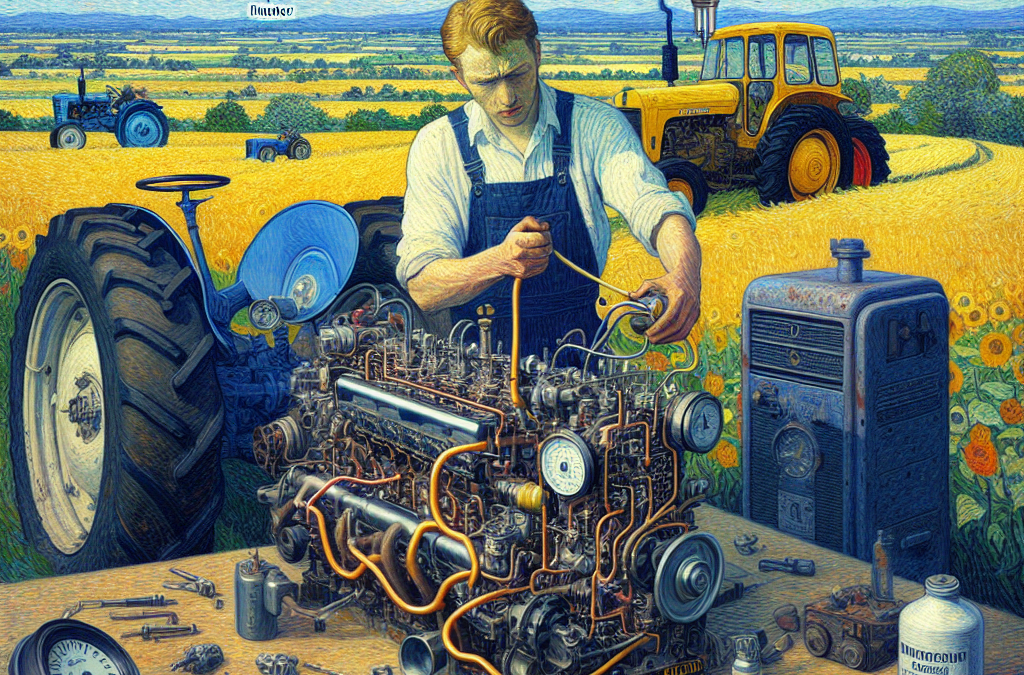
Revolutionizing Small Farms: Learning From Classic Tractors
By Tom Seest
At ClassicTractorNews, we help tractor lovers keep up with the latest news for classic and vintage tractors.
Please share this post with your friends, family, or business associates who may like old classic or vintage tractors.
What Insights Can Classic Tractors Offer Small Farm Innovations
Picture this: a worn yet sturdy tractor, its paint chipped from years of loyal service, sitting quietly in the corner of a bustling farm. This isn’t just a piece of machinery; it’s a testament to hard work, ingenuity, and the undeniable bond between man and land. Classic tractors symbolize the heart of agriculture—a time when farming was about more than profit margins; it was about community, tradition, and resilience. As we venture into a new age of farming innovations, these storied machines offer valuable lessons that can guide small farms toward a sustainable future.
From an emotional standpoint, classic tractors evoke nostalgia. They remind us of our roots and the values that tie us to the soil. These machines often served as the backbone of family farms, teaching generations the virtue of patience and persistence. With today’s rapid technological advancements, it’s easy to overlook the wisdom of the past. Yet, as we reinvent farming, we must carry forward the ethical responsibility to honor our heritage while embracing innovation. The stories behind these tractors inspire us to cultivate not just crops, but a sense of belonging and stewardship in our communities.
Rationally, classic tractors teach us the importance of functionality. Built for durability, these machines show that simplicity can be a powerful design principle. Their ease of repair and adaptability challenge the notion that newer is always better. By learning from their robust engineering, small farms can push towards efficiency without losing sight of what truly matters: effective, sustainable practices. The lesson is clear—the more we understand the basics, the better we can bend technology to our will, not the other way around.
The authority of classic tractors lies in their legacy. They’ve withstood the test of time not through flashy upgrades, but through thoughtful, intuitive design. Farming innovations should embrace this spirit, blending cutting-edge technology with the foundational know-how that classic tractors embody.
Finally, there’s the social appeal. Working together to share resources, knowledge, and support is more critical than ever for small farms. Classic tractors remind us that agriculture has always thrived on collaboration and trust—relationships built across shared fields and common goals.
In recognizing the insights classic tractors offer, we foster a connection to our past while paving the way for a sustainable future. By merging tradition with innovation, we can fuel the next generation of farming, ensuring that our tractors—and our farms—remain vital components of our communities for years to come.
What Insights Can Classic Tractors Offer Small Farm Innovations
What Insights Can Classic Tractors Offer Small Farm Innovations
- Classic tractors represent hard work, ingenuity, and the connection between man and land.
- They evoke nostalgia, reminding us of agricultural roots, community values, and resilience.
- These machines emphasize the importance of honoring heritage while embracing modern farming innovations.
- Classic tractors teach the value of functionality, durability, and the power of simplicity in design.
- Their legacy showcases that thoughtful design can withstand the test of time better than flashy upgrades.
- They highlight the importance of collaboration and trust among small farmers for shared success.
- By integrating tradition with innovation, we can ensure a sustainable future for agriculture.
What Insights Can Classic Tractors Offer Small Farm Innovations
Table Of Contents
- What Insights Can Classic Tractors Offer Small Farm Innovations
- What Stories Do Classic Tractors Tell About Farming Heritage?
- How Can Vintage Technology Inspire Modern Farming’solutions?
- What Sustainable Practices Can We Learn From Old Tractor Designs?
- How Do Classic Tractors Reflect Our Relationship With Land And Labor?
- Can We Balance Tradition And Innovation On Small Farms Today?
- What Ethical Lessons Do Classic Tractors Teach About Resource Use?
- Conclusion
- Other Resources
- Glossary Of Terms
- Other Questions
- Haiku
- Poem
- Checklist
What Stories Do Classic Tractors Tell About Farming Heritage?
When you stand in the presence of a classic tractor, you’re not just gazing at a piece of machinery; you’re peering into a rich tapestry woven from sweat, toil, and dreams. Each rusted bolt, each faded paint stroke tells a story of perseverance, a legacy of grit and resilience etched into the very fabric of our farming heritage. These tractors are more than just tractors—they are portals to a bygone era, where the promise of hard work met the pulse of nature in a harmonious dance.
Think about it for a moment. Every scratch and dent on that weathered chassis isn’t just a mark; it’s a badge of honor. They represent long hours spent in the fields, the trials and tribulations of weathering storms—both literal and figurative. Yes, these tractors powered through back-breaking days that shaped communities, anchored families, and forged connections to the land. They remind us that farming isn’t simply a job; it’s a calling, a deep-rooted commitment to nurturing the very earth that sustains us all.
But these machines also invoke a sense of nostalgia, stirring sentiments that run deep within our collective conscience. Many of us have watched our grandparents or parents climb onto these hulking beasts at dawn, their faces lined with determination and hope. In every roar of the engine, we hear stories of harvests past, victories celebrated, and farming traditions passed down through generations. The narrative of agriculture is interwoven with these powerful machines, connecting us to our ancestors and to the earth itself.
From a rational perspective, preserving classic tractors is not just about nostalgia; it’s about honoring our agricultural roots and understanding the evolution of modern farming. Each model represents a chapter of innovation, showcasing the brilliant minds that sought to improve efficiency while respecting the land. By understanding this history, we can better grasp where we’re headed, ensuring that we continue to cultivate the land responsibly.
The emotional pull of these classic tractors invites us to foster a deeper connection to the food we consume and to the farmers who cultivate it. When we appreciate the stories behind the machines, we cultivate empathy and understanding for the labor that goes into sustaining our lives.
So, as we reflect on the role of classic tractors in our farming heritage, let us not forget that these stories are ours to carry forward. Let’s celebrate the grit, the growth, and the connection to land and legacy—because in every classic tractor, there lies a reminder of who we are and where we came from.
What Stories Do Classic Tractors Tell About Farming Heritage?
What Stories Do Classic Tractors Tell About Farming Heritage?
- Classic tractors represent a rich history intertwined with farming, showcasing stories of sweat, perseverance, and dreams.
- Each scratch and dent serves as a badge of honor, symbolizing long hours in the field and challenges overcome.
- These tractors have shaped communities and fostered deep connections between families and the land.
- They invoke nostalgia, reminding us of the determination of previous generations in agriculture.
- Classic tractors reflect the evolution of farming technology and innovation, highlighting our agricultural roots.
- Preserving these machines fosters empathy for the farmers and labor involved in food production.
- Celebrating classic tractors allows us to honor our heritage and understand our identity and connection to the land.
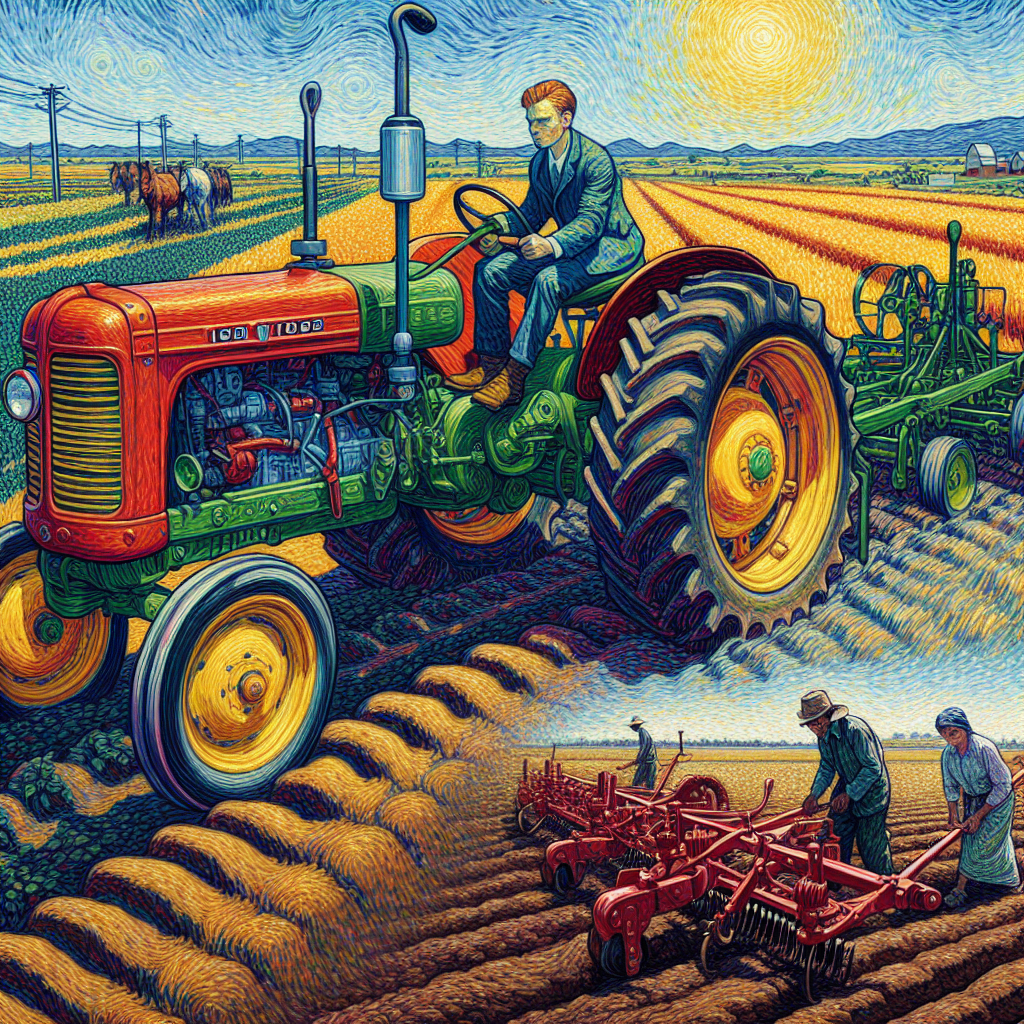
What Stories Do Classic Tractors Tell About Farming Heritage?
How Can Vintage Technology Inspire Modern Farming’solutions?
When we think of agriculture, it’s easy to conjure images of sprawling fields and modern machinery—those monstrous tractors that symbolize today’s farming prowess. But tucked away in the dusty corners of our collective memory are the humble tools of the past, the vintage technology that helped cultivate land and feed communities long before GPS and drones took to the skies. There’s a lesson in this nostalgia; an untapped reservoir of wisdom that modern farming could harness if we’re willing to look backward.
Imagine a time when the tractor was a marvel of engineering—a reliable friend, not just a piece of equipment. Farmers of yore understood the importance of simplicity. They relied on machines that were effective yet uncomplicated, tools that fostered a direct connection between the earth and their labor. Today, as challenges like climate change and dwindling resources knock at our doors, we might just find that those vintage solutions hold keys to our most pressing problems.
Emotionally, embracing older technologies resonates with the stories of our forebears, those who tilled the land with grit, determination, and a profound respect for nature. Their ingenuity can remind us of the ethical responsibility we have in stewardship, guiding us to embrace sustainable practices over disposable trends. It whispers to us that coexistence with the land isn’t just a goal, but a tradition worth reviving.
Rationally, we must consider the efficiencies of using vintage principles in modern contexts. Think of crop rotations used in centuries past or animal husbandry techniques that kept ecosystems in balance. These practices promote biodiversity and resilience—concepts that are gaining traction in our current agricultural discourse. Unearthing and implementing these antique strategies could enhance productivity while mitigating the dire ecological footprint we currently face.
Lastly, as we connect through these narratives, we begin to build a sense of community. There’s power in shared knowledge, and as younger generations look to farming as a viable option, they can stand on the shoulders of giants who came before them. By merging the old with the new, we foster a culture of innovation grounded in respect for our roots. It’s not about rejecting progress; it’s about honoring a lineage that has allowed humanity to thrive.
So, let’s challenge ourselves to seek inspiration from the past. Let’s embrace vintage technology not as relics, but as guiding stars—tools that can lead us toward a more sustainable future. Together, we can steer modern farming solutions towards a path that honors both tradition and innovation, ultimately cultivating a legacy we can be proud of for generations to come.
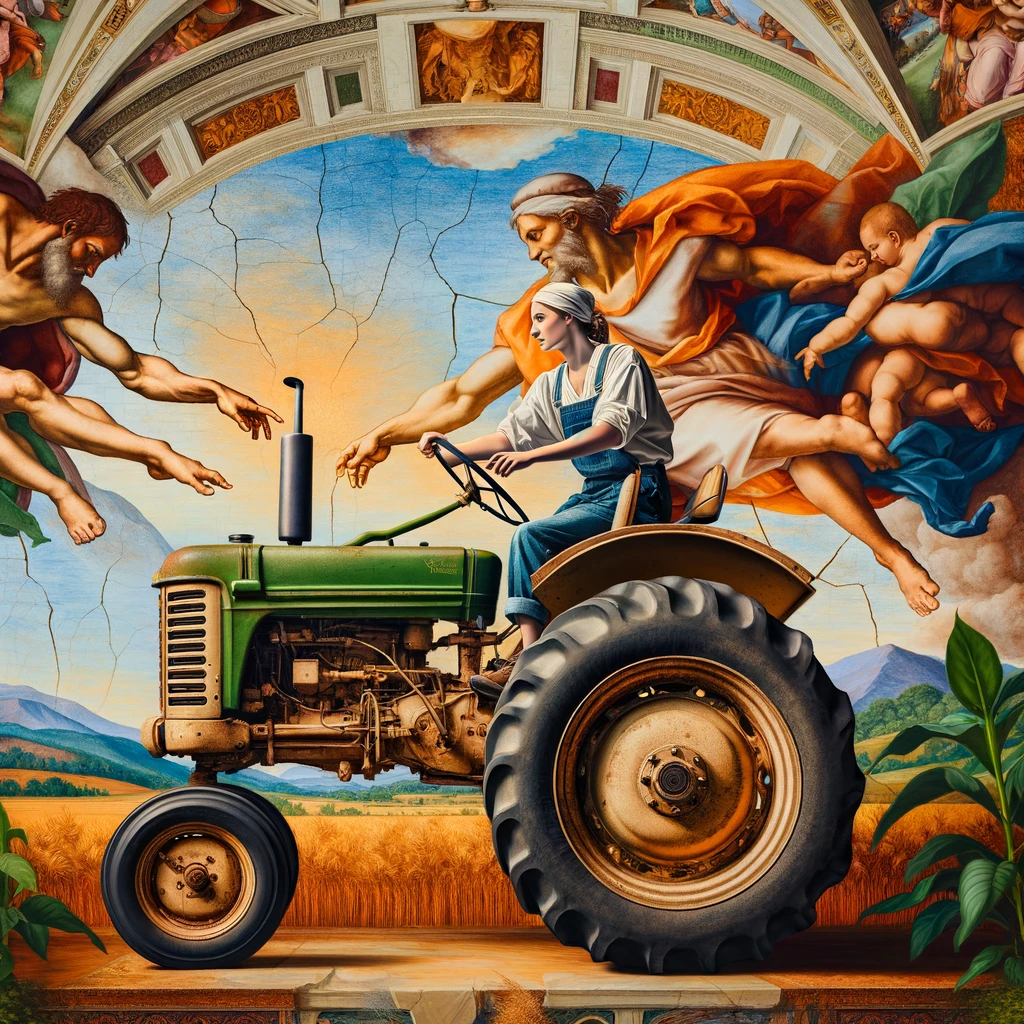
How Can Vintage Technology Inspire Modern Farming’solutions?
How Can Vintage Technology Inspire Modern Farming’solutions?
- Agriculture invokes images of modern machinery but also has roots in vintage technology.
- Older farming tools promoted simplicity and a strong connection between farmers and the land.
- Embracing older practices may provide solutions for current challenges like climate change.
- Vintage methods remind us of our ethical responsibility in sustainable land stewardship.
- Utilizing traditional techniques can enhance biodiversity and resilience in modern farming.
- Connecting with past agricultural narratives fosters community and shared knowledge.
- Combining old and new practices allows for innovation while honoring agricultural traditions.
How Can Vintage Technology Inspire Modern Farming’solutions?
What Sustainable Practices Can We Learn From Old Tractor Designs?
When we look back at the old tractor designs that once rumbled across our fields, we’re not just gazing at a piece of machinery; we’re peering into a treasure trove of sustainability. These machines, hand-crafted to last, more than just till the earth; they tell a story—a story of resilience, resourcefulness, and respect for the land. As we navigate the complexities of modern agriculture and environmental challenges, we might just find ourselves taking notes from these venerable workhorses.
First, let’s tug at the heartstrings. Imagine a farmer in the great plains, standing proudly beside a weathered tractor that has witnessed generations of labor and triumph. This tractor isn’t just a tool; it’s a partner in the farmer’s journey, symbolizing a commitment to the land. These older designs, made from robust materials, were built to endure, promoting a culture of repair over replace. This ethos fosters a deeper connection to our tools and the earth. It’s a mindset that teaches us that longevity and loyalty matter—values we can reintegrate into our own lives.
Now, let’s engage the head. Consider this: many old tractors were designed with simplicity in mind. Fewer parts mean reduced maintenance, less waste, and ultimately a lower environmental impact. By minimizing complexity, these machines maximize efficiency. Look at the principles behind their fuel consumption; simplicity often translates to sustainability. As we forge ahead, we should embrace these principles in our modern designs. If we strip away the unnecessary complexity in our own lives and practices, we can shift towards more sustainable choices.
Now, for the ethical appeal—are we not stewards of this earth? The old tractor reminds us that we are part of a bigger picture. By adopting sustainable practices modeled after these designs, we honor our duty to the environment for future generations. It’s about making ethical decisions that align with our responsibility to preserve the land that nourishes us.
Finally, drawing on authority, we must recognize how agronomists, historians, and engineers are increasingly advocating for the revival of these old practices. They are not just nostalgic relics but viable solutions for today’s environmental challenges.
As we gather around the dinner table, sharing stories of our past and the tractors that played pivotal roles in our history, let’s make a pledge. A pledge to honor those machines by embracing the lessons they impart, nurturing our planet, and fostering connections that can last. The legacy of the old tractor is alive and well, urging us to act with purpose, embrace sustainability, and forge a future worth plowing towards.
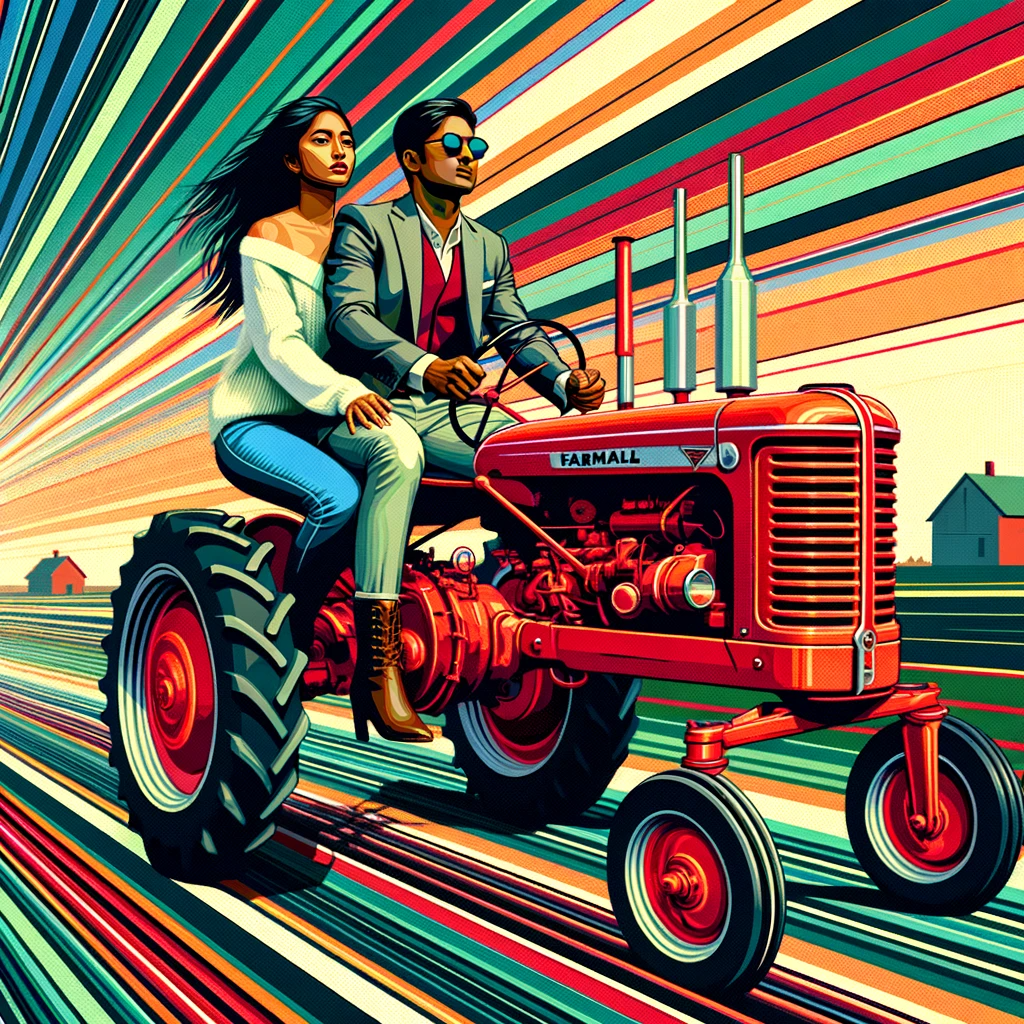
What Sustainable Practices Can We Learn From Old Tractor Designs?
What Sustainable Practices Can We Learn From Old Tractor Designs?
- Old tractors symbolize a legacy of sustainability, resilience, and respect for the land.
- These machines, crafted to last, promote a culture of repair over replacement, fostering a deeper connection to tools and the earth.
- Designed with simplicity, older tractors have fewer parts, leading to reduced maintenance, less waste, and lower environmental impact.
- Emphasizing simplicity can enhance efficiency and promote sustainable practices in modern designs and lifestyles.
- The old tractor serves as a reminder of our role as stewards of the earth, encouraging ethical decisions for future generations.
- Agronomists, historians, and engineers advocate for the revival of old tractor practices as solutions to today’s environmental challenges.
- We should honor the legacy of old tractors by embracing sustainability and nurturing connections for a better future.

What Sustainable Practices Can We Learn From Old Tractor Designs?
How Do Classic Tractors Reflect Our Relationship With Land And Labor?
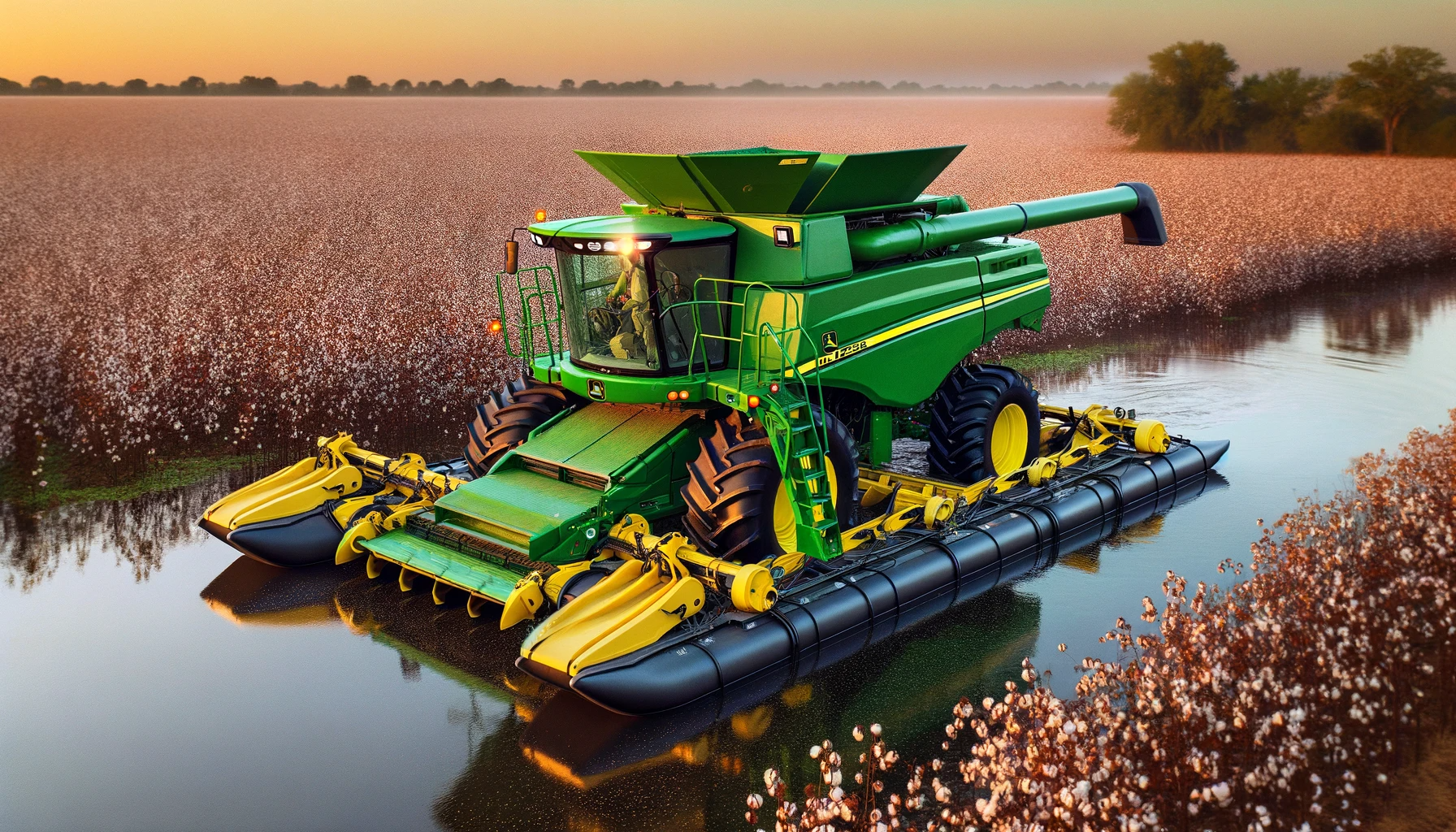
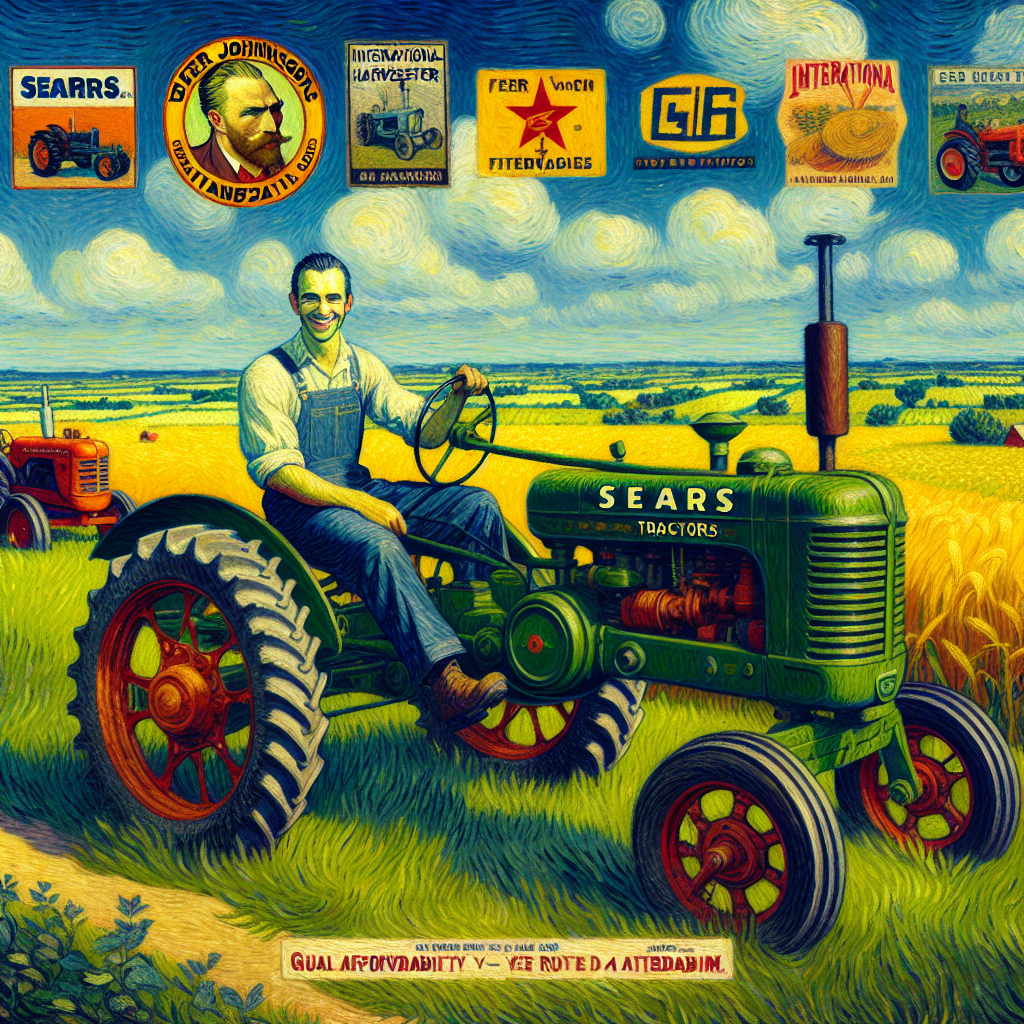
When you think of a tractor, it’s easy to picture a gleaming machine, dust swirling around its tires as it plows through open fields. But what if I told you that this iron beast is much more than a tool for breaking soil? Tractors are a bridge connecting us to the land and a testament to the labor that transforms nature into nourishment.
Now, let’s break this down. At its core, a tractor embodies the sweat and grit of generations. It’s the culmination of hard work, innovation, and a stubborn determination to make the earth yield its bounty. These machines are not just about horsepower; they tell a story—one of resilience, of families who persevered through droughts and floods, all with the rhythm of a tractor’s engine marking the passage of time.
When a farmer climbs onto that seat, it’s not just a job; it’s a connection to their heritage. Each turn of the wheel is a nod to history, pulling from the lessons learned on the land. The tractor symbolizes stewardship: the ethical responsibility to nurture what we’ve been given. It’s a constant reminder that what we take from the earth must be balanced with what we give back.
But here’s the kicker—this relationship we share with tractors isn’t just personal; it’s a part of a larger social narrative. As communities grow, so too does the importance of sustainable agriculture. Engaging with these machines means engaging with our neighbors, working side by side in a collective pursuit of progress. It’s not about competition; it’s about collaboration. Each tractor we see in the field signals a commitment to farming that respects the land while also providing for our families and communities.
So, the next time you witness a tractor churning up the earth, consider what you’re really looking at: a symbol of our enduring relationship with land and labor. It’s a call to action, urging us to honor the past while bravely embracing the future. This isn’t just a matter of farming; it’s about forming a lasting bond with our environment, ensuring that the legacy of hard work is passed down to the next generation. Let’s cultivate that connection, for the sake of the land and the soul of labor itself.
How Do Classic Tractors Reflect Our Relationship With Land And Labor?
How Do Classic Tractors Reflect Our Relationship With Land And Labor?
- Tractors are more than just tools for plowing; they connect us to the land and represent the labor involved in transforming nature into nourishment.
- The essence of a tractor embodies generations of hard work, innovation, and determination to make the earth productive.
- Every tractor tells a story of resilience and the enduring spirit of families overcoming challenges like droughts and floods.
- For farmers, operating a tractor is not only a job but a connection to their heritage and the history learned from the land.
- The tractor symbolizes stewardship, highlighting the responsibility to nurture the earth and maintain balance between taking and giving back.
- This relationship with tractors is part of a broader social narrative that emphasizes the importance of sustainable agriculture and collaboration within communities.
- Ultimately, tractors represent our enduring connection to land and labor and encourage us to honor past efforts while looking toward a sustainable future.
How Do Classic Tractors Reflect Our Relationship With Land And Labor?
Can We Balance Tradition And Innovation On Small Farms Today?
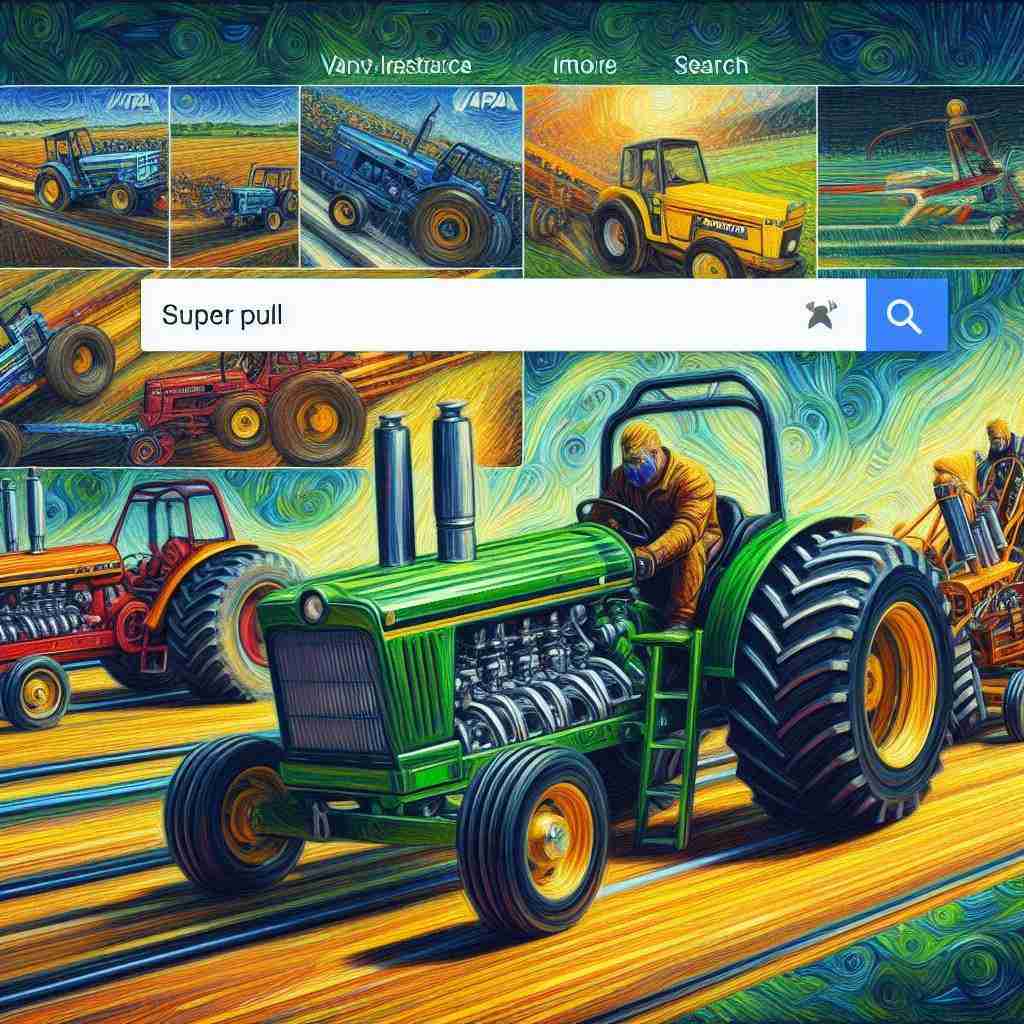
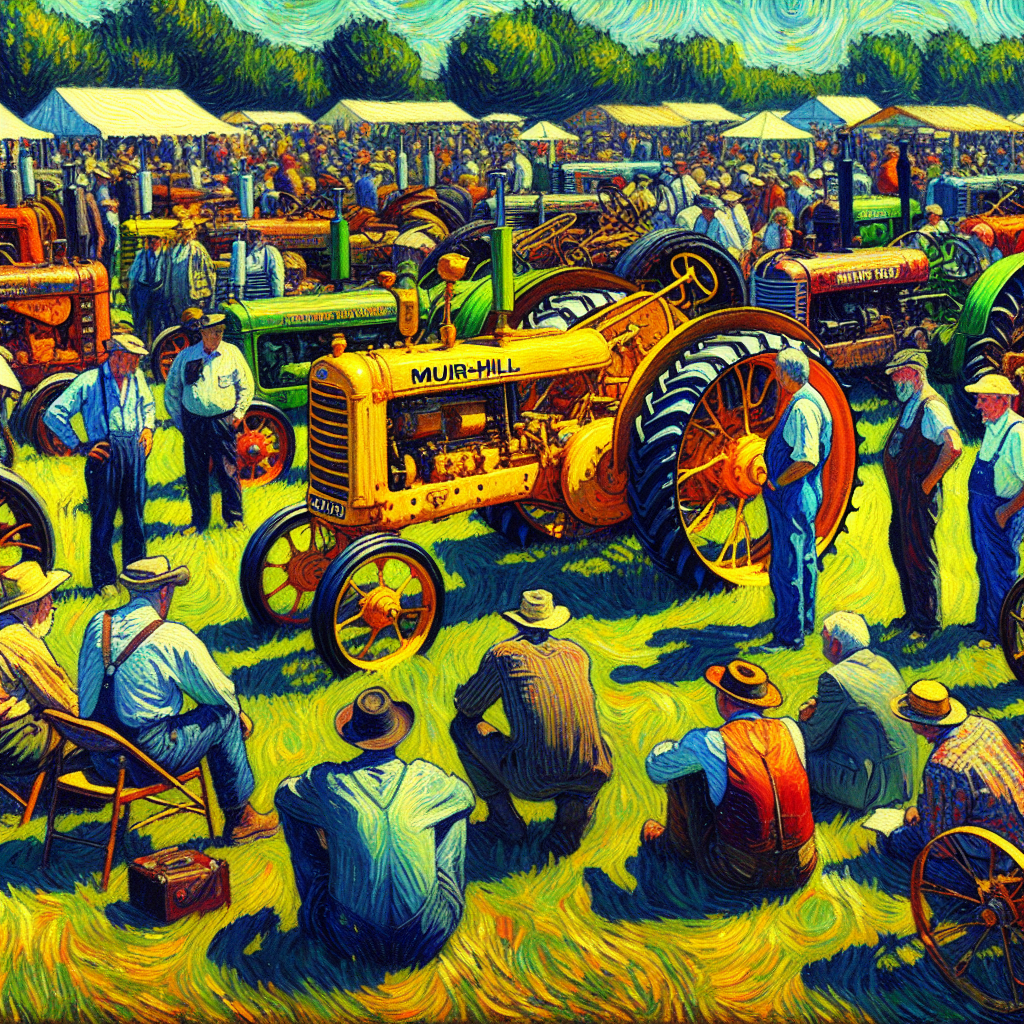
On small farms today, the dance between tradition and innovation is as intricate as the rows of crops that stretch across the landscape. Picture a farmer, weathered hands gripping the steering wheel of a tractor, its engine humming a familiar tune under a sun-drenched sky. This is more than machinery; it’s a symbol of a legacy, one that echoes the values of hard work, resilience, and stewardship passed down through generations. Yet, there’s a new rhythm emerging—one driven by technology and fresh ideas that promise to redefine how we cultivate the land.
Imagine that same farmer, now learning to integrate drones for monitoring crops or using precision agriculture to maximize yield with a minimum of resources. It’s not just about adopting a shiny new gadget; it’s about ensuring sustainability for the future. When we embrace innovation while holding onto our roots, we create a powerful synergy that can feed not just our families but our communities.
Let’s take a moment to consider the ethics behind this balance. We have a responsibility to the land—to honor its gifts while simultaneously ensuring its health for the generations that will dance in the same fields after us. Every decision we make on these small farms ripples outward, impacting the ecosystem, local economies, and ultimately, the quality of our food. By marrying traditional practices with innovative techniques, farmers can cultivate a model of stewardship that respects the earth and feeds the hungry.
The story of small farms today is not just about surviving; it’s about thriving against the backdrop of a rapidly changing world. It’s a tale of adaptability, where the struggles of yesterday shape the triumphs of tomorrow. Farmers stand at this crossroads, armed with their rich history and newfound knowledge. They’re not just passive participants in this evolution; they’re pioneers charting a path forward, connecting with consumers who increasingly seek transparency and sustainability in their food sources.
As we consider the future of small farms, let’s embrace a vision where tradition and innovation don’t compete but rather complement one another. We are not just farming; we are cultivating relationships—with the land, with each other, and with the future. By fostering this connection, we can ensure that the heart of small farming beats on—a robust and vibrant heartbeat that honors the past while boldly stepping into the future. So, let’s rally around our farmers, support their endeavors, and propel this necessary harmony into action. Together, we can sow the seeds of change and reap a harvest worthy of our time.
Can We Balance Tradition And Innovation On Small Farms Today?
Can We Balance Tradition And Innovation On Small Farms Today?
- The dynamic interplay between tradition and innovation defines small farming today.
- Farmers utilize technology like drones and precision agriculture to enhance sustainability.
- Integrating modern techniques with traditional practices promotes environmental stewardship.
- Every farming decision impacts the ecosystem, local economies, and food quality.
- Small farms are evolving, driven by adaptability and the lessons of the past.
- Farmers seek to connect with consumers who prioritize transparency and sustainability.
- The future of farming relies on harmonizing tradition with innovation to cultivate relationships.
Can We Balance Tradition And Innovation On Small Farms Today?
What Ethical Lessons Do Classic Tractors Teach About Resource Use?
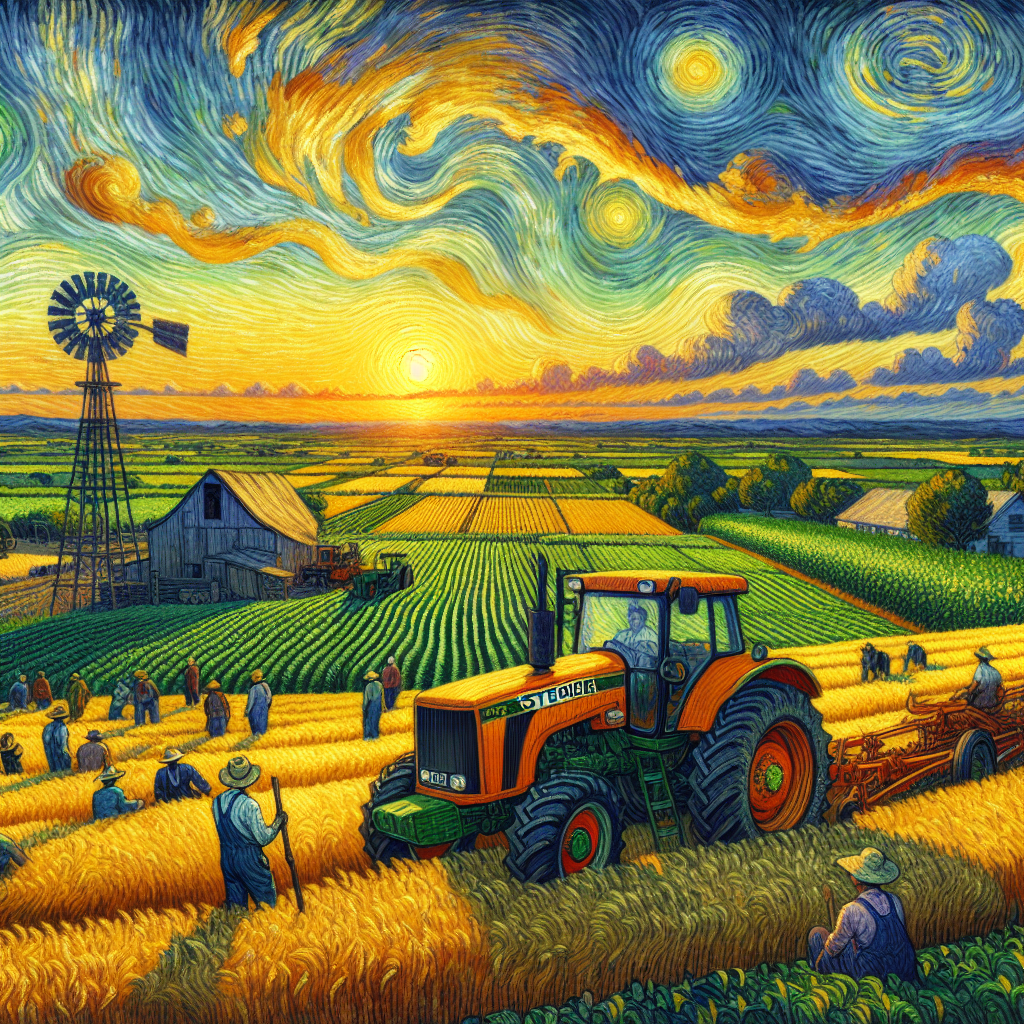
Picture an old, rusted tractor sitting patiently in a field, its paint faded but its spirit undiminished. These machines have served us long before the era of flashy tech gadgets and instant gratification. What they offer is a unique perspective on resource use that calls to us, not just as consumers, but as stewards of the earth.
Let’s start with the heart. Classic tractors tell tales of hard work and resilience. For generations, they’ve tilled soil, harvested crops, and forged connections between families and the land. Each dent and scratch on their metal bodies carries a story of toil, perseverance, and a deep-seated respect for the resources they were built to utilize. When we sit behind the wheel of these old giants, we’re reminded that every resource—be it fuel, soil, or manpower—has intrinsic value. This emotional connection pulls at the strings of our shared humanity, reminding us that we’re all part of a greater tapestry that we must nurture.
Now, let’s engage the head. Classic tractors were built to last, often crafted with robust metal and simple mechanics, making them easy to repair. They teach us a fundamental lesson about sustainability: resourcefulness leads to longevity. In an age where obsolescence is built into the system, these machines stand as a testament to purpose and careful design. They encourage us to think critically about our consumption patterns. Imagine if we approached our resource use with the same mindset—recycling, repairing, and valuing what we already have instead of chasing the latest trends. It’s a rational shift that benefits not just the individual, but society at large.
Then there’s the gut. Nothing stirs the primal instincts like the sight of a hardworking tractor getting the job done, dirty yet beautiful in its function. It ignites passion in the agricultural community, celebrating craftsmanship and the ethical obligation to wield resources responsibly. As we face escalating climate challenges, the legacy of classic tractors reminds us that the choices we make today will echo into tomorrow.
In recognizing the wisdom of these machines, we foster a culture of ethical resource use. Classic tractors shine a light on what true sustainability looks like: a balance between hard work, respect for our materials, and an enduring commitment to the planet. As stewards of our environment, let’s look to these icons as a guide, urging ourselves, and our communities, to embrace a mindset that honors every drop of fuel and every blade of grass. The lesson is clear: treat resources with the respect they deserve, and the rewards will multiply, connecting us to a future where both machinery and nature thrive.
What Ethical Lessons Do Classic Tractors Teach About Resource Use?
What Ethical Lessons Do Classic Tractors Teach About Resource Use?
- Old, rusted tractors embody resilience and resourcefulness, calling us to be stewards of the earth.
- Classic tractors carry stories of hard work and a deep respect for the resources they utilize.
- They remind us that every resource—fuel, soil, and manpower—has intrinsic value, fostering a sense of shared humanity.
- Built to last with simple mechanics, they exemplify sustainability through resourcefulness and careful design.
- These machines encourage critical thinking about consumption patterns and valuing what we already have.
- Classic tractors inspire passion in the agricultural community and highlight our ethical obligation in resource use.
- They illuminate true sustainability as a balance of hard work, respect for materials, and commitment to the planet.
What Ethical Lessons Do Classic Tractors Teach About Resource Use?
Conclusion
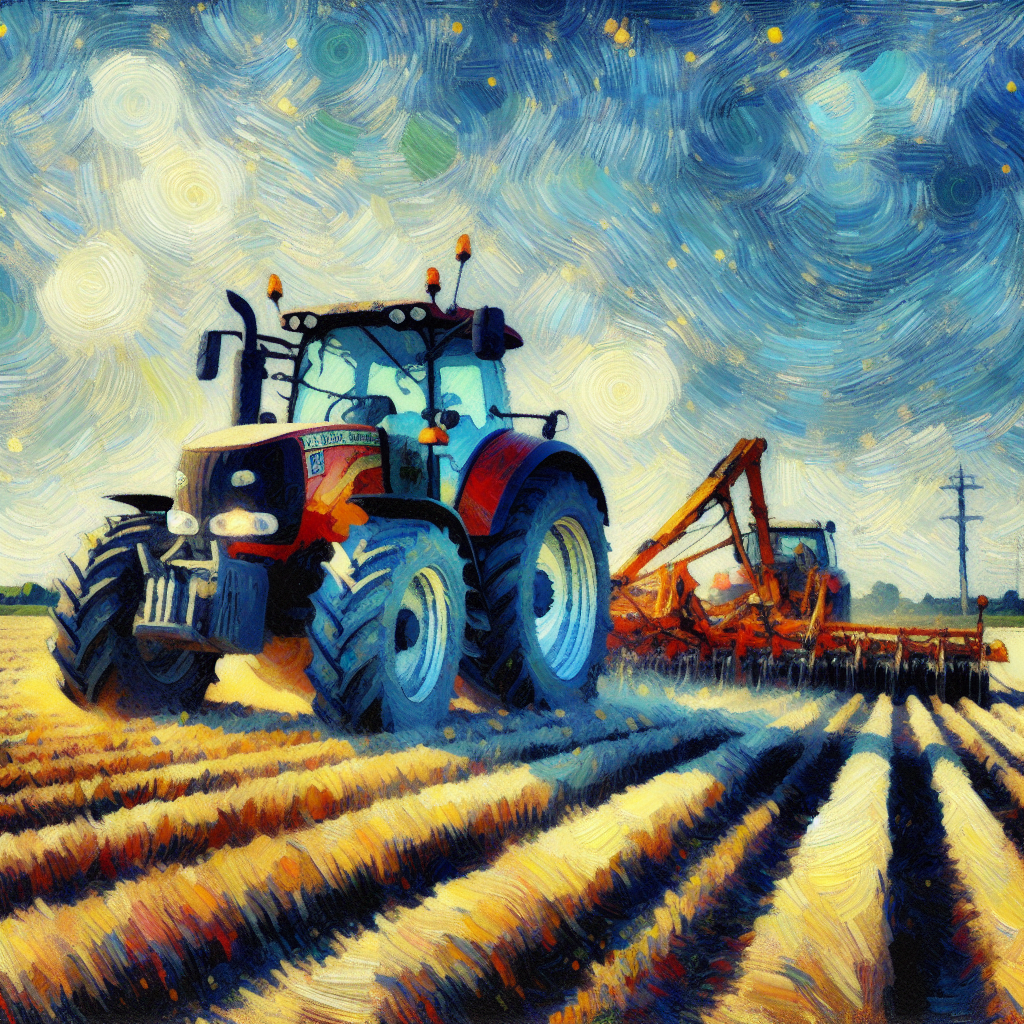
As we gear down this discourse on small farm innovations, it’s crucial to reflect on the invaluable lessons we glean from the past—specifically, from the cherished classic tractors that have toiled tirelessly in our fields for generations. When you stand in front of one of these venerable machines, you’re not just looking at a rusted hunk of metal; you’re staring at a monument to hard work, tenacity, and the deeply-rooted bond between humanity and the land. These tractors, with their weathered paint and battle scars, embody the spirit of agriculture—a world where the essence of farming transcended mere profit margins, fostering community, tradition, and resilience.
The emotional ties we foster with these machines remind us of our roots. They aren’t just remnants of history; they are vessels of stories passed down through generations. As our elders climbed aboard these beasts of burden, sweat dripping from their brows, they instilled values of patience, persistence, and stewardship that resonate within us today. But as we charge forward into a future laden with technology, we must navigate the responsibility of carrying our heritage forward, blending reverence for the past with an eye toward modern advancements.
Rationally speaking, the robust engineering of classic tractors offers practical wisdom that can steer us towards efficiency. In an era marked by complexity, let’s remember the power of simplicity. These machines teach us that sometimes, less is more. By embracing the ideals of durability and functionality, we can cultivate practices that promote sustainability without losing sight of our goals. Merging innovative technologies with foundational design principles can create a farming landscape that’s not just more effective, but also more ethically aligned.
Moreover, the communal aspect of farming can echo through the teachings of these tractors. Collaboration and shared experiences have always been the lifeblood of agriculture. Facing challenges alongside our neighbors strengthens bonds and combats the isolation that often accompanies modern practices.
Ultimately, the insights from classic tractors illuminate a path forward for small farms. They remind us that as we innovate, we must honor the past—fostering relationships with the land, our communities, and each other. By intertwining tradition with innovation, we can engineer a future where our farms continue to thrive, ensuring they remain vital organs of our communities, echoing stories of resilience for generations to come.
So, as we look toward the horizon of agriculture, let’s not be afraid to embrace the lessons of yesterday. Let’s marry them with our visions of tomorrow, and together, cultivate a legacy that mirrors the grit, growth, and determination that has always characterized the heart of farming. The machinery may change, but the soul of farming endures—let’s nurture it.
Conclusion
Conclusion:
- Reflecting on the importance of classic tractors as symbols of hard work and resilience in agriculture.
- These machines connect us to our roots and the values instilled by past generations.
- Emphasizing the need to blend respect for heritage with modern advancements in farming technology.
- The engineering of classic tractors teaches the value of simplicity, durability, and functionality in farming practices.
- Community and collaboration are essential aspects of agriculture that these tractors embody.
- Insights from classic tractors guide small farms towards a sustainable and ethically aligned future.
- Embracing lessons from the past can help cultivate a legacy of resilience and growth in agriculture.
Conclusion
Other Resources
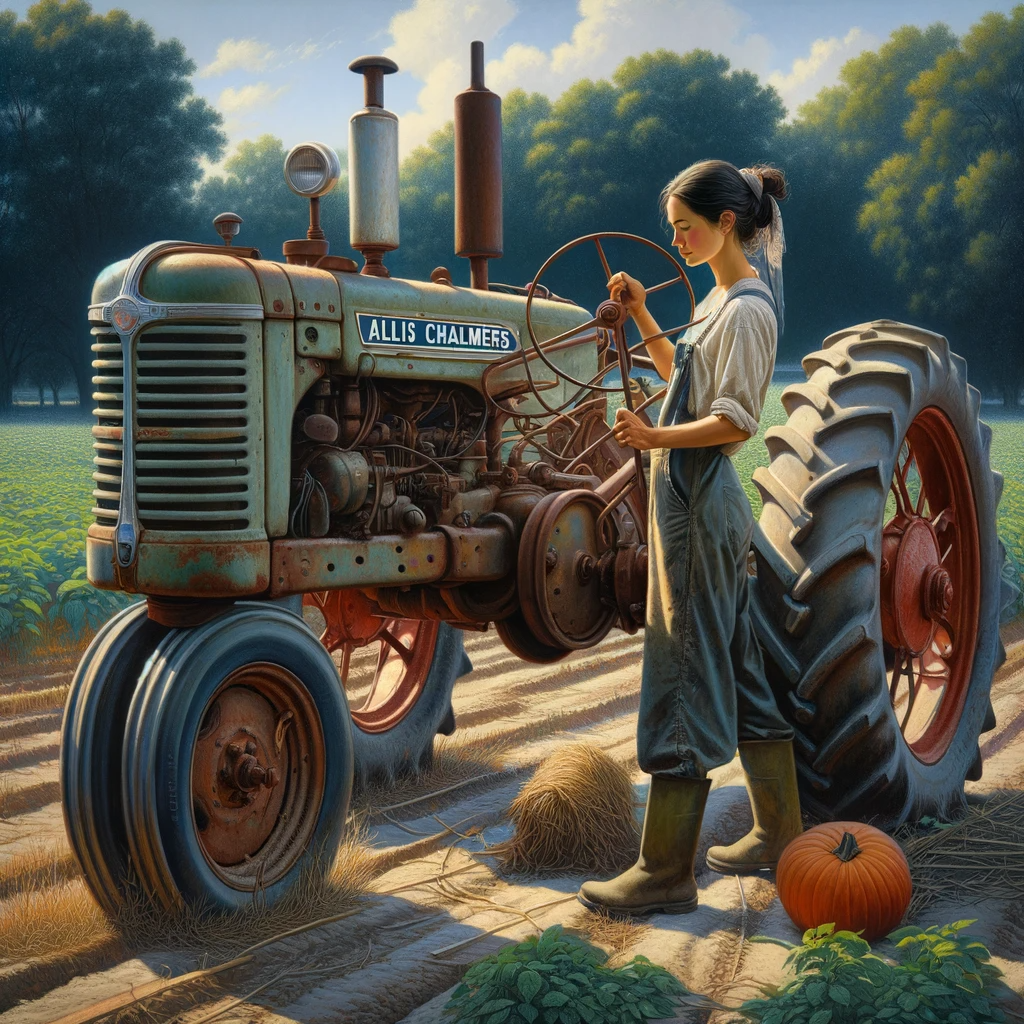
Other Resources
Here is a list of other resources you can review online to learn more:
- Shaktimaan
- Captain
- Schramm
- Deutz
- Silver King
- Modern Farmers
- Classic Farm Tractors
- C.O.D. Tractor Company
- Tri-State Gas Engine and Tractor Association
- CLAAS
Use This Prompt To Get More Resources With Your Favorite Online AI Tool: Please provide me with a list of online articles with their URLs in a bulleted list that I can read regarding What Insights Can Classic Tractors Offer Small Farm Innovations
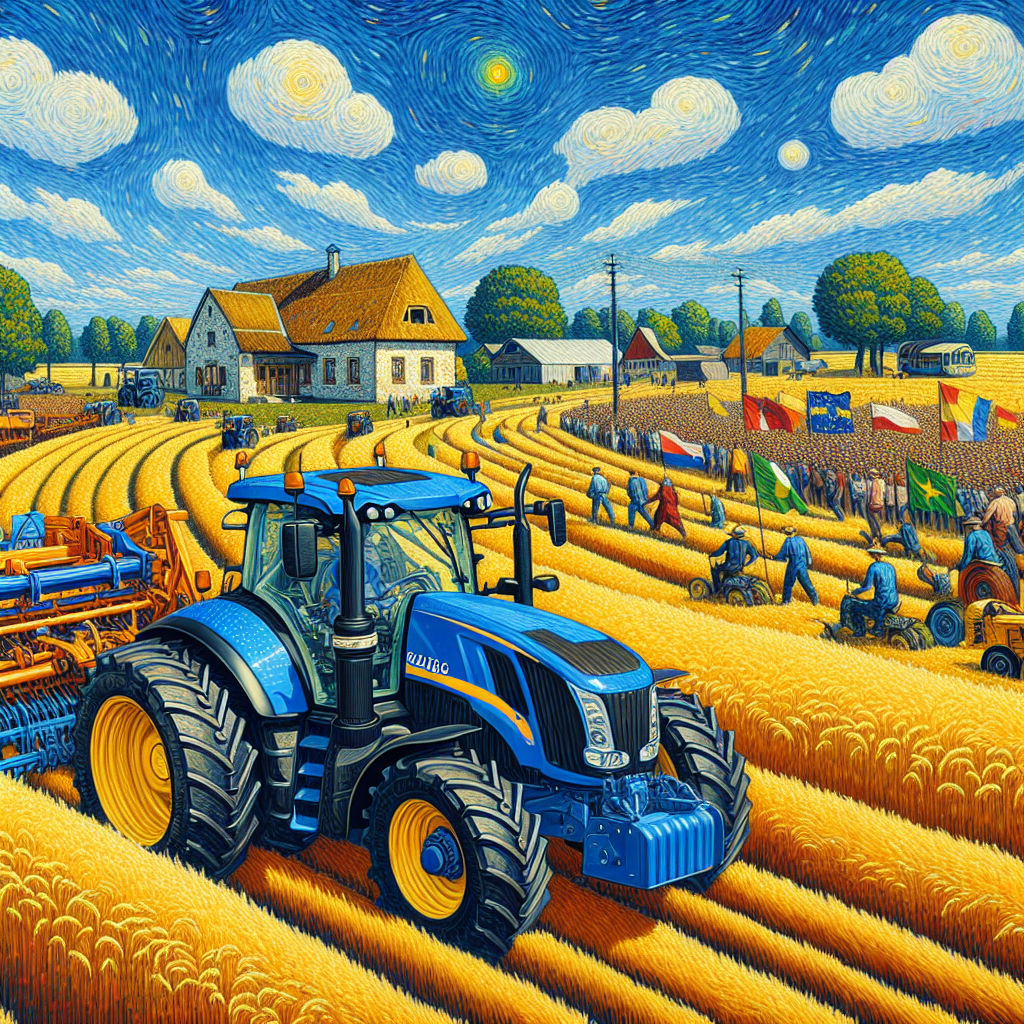
Other Resources
Glossary Terms
What Insights Can Classic Tractors Offer Small Farm Innovations – Glossary Of Terms
1. Classic Tractors: Older models of tractors that are often valued for their simplicity, durability, and historical significance in agriculture.
2. Sustainability: Practices that promote ecological balance and conservation, emphasizing the usage of resources without depleting them for future generations.
3. Agroecology: An agricultural approach that applies ecological concepts and principles to farming systems, which can benefit from classic machinery insights.
4. Mechanical Advantage: The use of tractors to amplify human effort in farming tasks, showing how classic designs can offer efficiency in operations.
5. Restoration: The process of refurbishing classic tractors, which encourages farmers to adopt sustainable practices by preserving old technologies.
6. Fuel Efficiency: A measure of how effectively a tractor uses fuel, where older models can provide insights into low-consumption farming practices.
7. Crop Rotation: An agricultural practice where different crops are grown in the same area across a sequence of seasons; classic tractors can help manage this technique.
8. Soil Management: Practices aimed at maintaining soil health, where the insights from classic machinery can aid small farmers in managing soil compaction and aeration.
9. Harvesting Mechanization: The process of using machinery to collect mature crops; classic tractors often provide inspiration for low-cost harvesting solutions.
10. Innovation: The introduction of new ideas or methods; understanding classic tractors inspires innovative solutions for modern small farming challenges.
11. Retrofitting: Upgrading older machinery with newer technology; classic tractors can be retrofitted for modern farming efficiency while maintaining original utility.
12. Tillage: The agricultural preparation of soil by mechanical agitation, which classic tractors are well adapted to perform effectively.
13. Two-wheel Drive vs. Four-wheel Drive: A comparison of tractor types; insights from classic tractors can guide farmers on the best drive type for their land conditions.
14. Community Supported Agriculture (CSA): A system that connects producers and consumers directly; classic tractors can be integrated into locally supported farming initiatives.
15. Seed Diversity: The practice of cultivating a variety of seeds to strengthen farm resilience; classic tractors may be suitable for diverse planting techniques.
16. Minimal Tillage: A farming method involving minimal soil disruption, where insights from classic tractors can help maintain soil health.
17. Precision Agriculture: Farming management concept using data analysis; classic tractors can be utilized in settings where high-tech crops require precise care.
18. Farm Machinery Maintenance: Regular care of farming equipment to extend lifespan; classic tractors provide valuable lessons on maintenance practices.
19. Resource Efficient Agriculture: Farming techniques aiming to optimize inputs while minimizing waste; classic tractors embody these principles in their design.
20. Soil Erosion Control: Techniques to prevent soil degradation; classic tractors can aid in implementing practices that reduce erosion.
21. Compaction: The process of soil density increase, often detrimental to crop growth; classic tractors can help manage tillage to mitigate compaction.
22. Farm Education: Programs aimed at teaching sustainable practices to farmers; classic tractors offer historical case studies for education.
23. Market Resilience: The ability of a farming operation to withstand economic fluctuations; classic tractors can support diversified operations.
24. Local Food Systems: Food systems focused on local production and consumption; classic tractors can be pivotal in facilitating local farming needs.
25. Biofuel Production: The process of creating energy from organic materials; insights from classic tractors highlight ways to convert old machinery for biofuels.
26. Holistic Farm Management: An integrated approach to farm operations, where classic tractors can serve as a backbone of diverse practices.
27. Cultivation: The preparation and use of soil for growing crops; classic tractor models often offer robust capabilities for cultivation.
28. Open-Source Farming Technology: Farming solutions that are freely shared; classic tractors may inspire open-source designs and innovations in machinery.
29. Rural Entrepreneurship: Business ventures in rural areas, where classic tractors can be part of innovative farming enterprises.
30. Collaborative Farming: A farming model where multiple farmers work together; classic tractors can facilitate shared machinery resources and cooperative agriculture.
These terms and descriptions illustrate the intersection of classic tractor functionalities and the emerging innovations in small-scale farming.
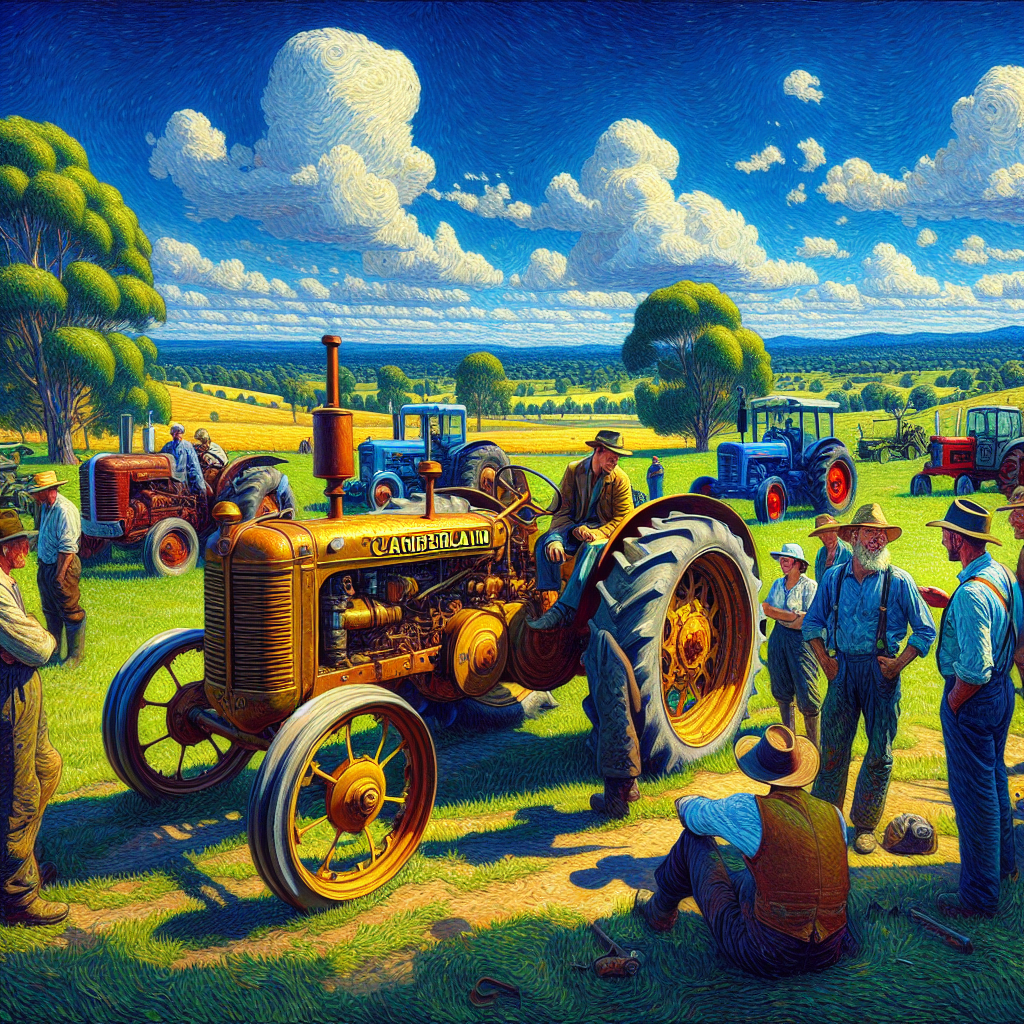
Glossary Of Terms
Other Questions
What Insights Can Classic Tractors Offer Small Farm Innovations – Other Questions
If you wish to explore and discover more, consider looking for answers to these questions:
- What are the most popular classic tractor models and their impact on farming?
- How can small farmers effectively restore and maintain classic tractors?
- What modern technologies can be integrated with classic tractor designs?
- How do classic tractors compare to modern tractors in terms of efficiency and environmental impact?
- What role do classic tractors play in sustainable farming initiatives today?
- Are there communities or organizations dedicated to preserving classic tractors?
- How can the principles derived from classic tractors be applied to urban agriculture?
- What specific examples exist of small farms successfully merging tradition and innovation?
- How has the perception of classic tractors changed over the years among new generations of farmers?
- What challenges do small farmers face in balancing tradition and modern farming techniques?
- How can educational programs utilize classic tractors to teach sustainability in agriculture?
- What stories can be shared about families who operated classic tractors through generations?
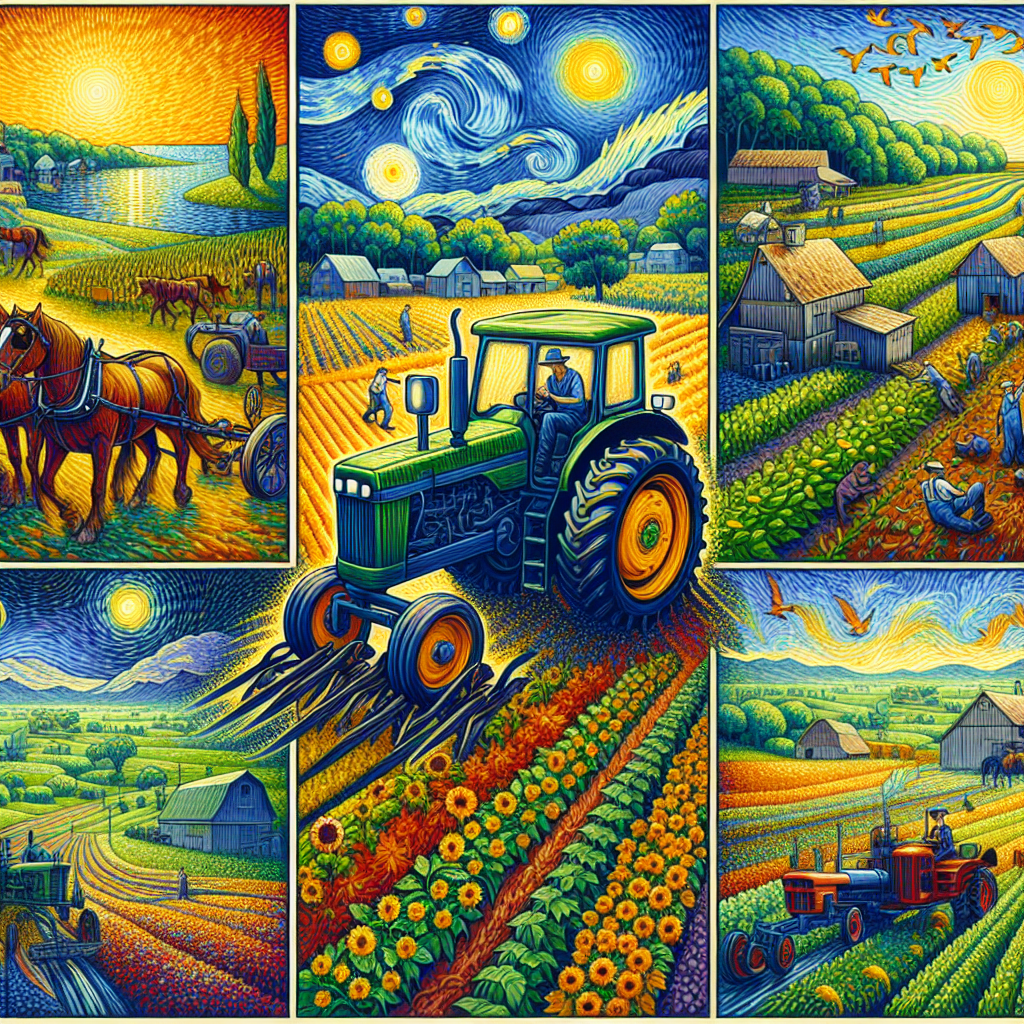
Other Questions
Haiku
What Insights Can Classic Tractors Offer Small Farm Innovations – A Haiku
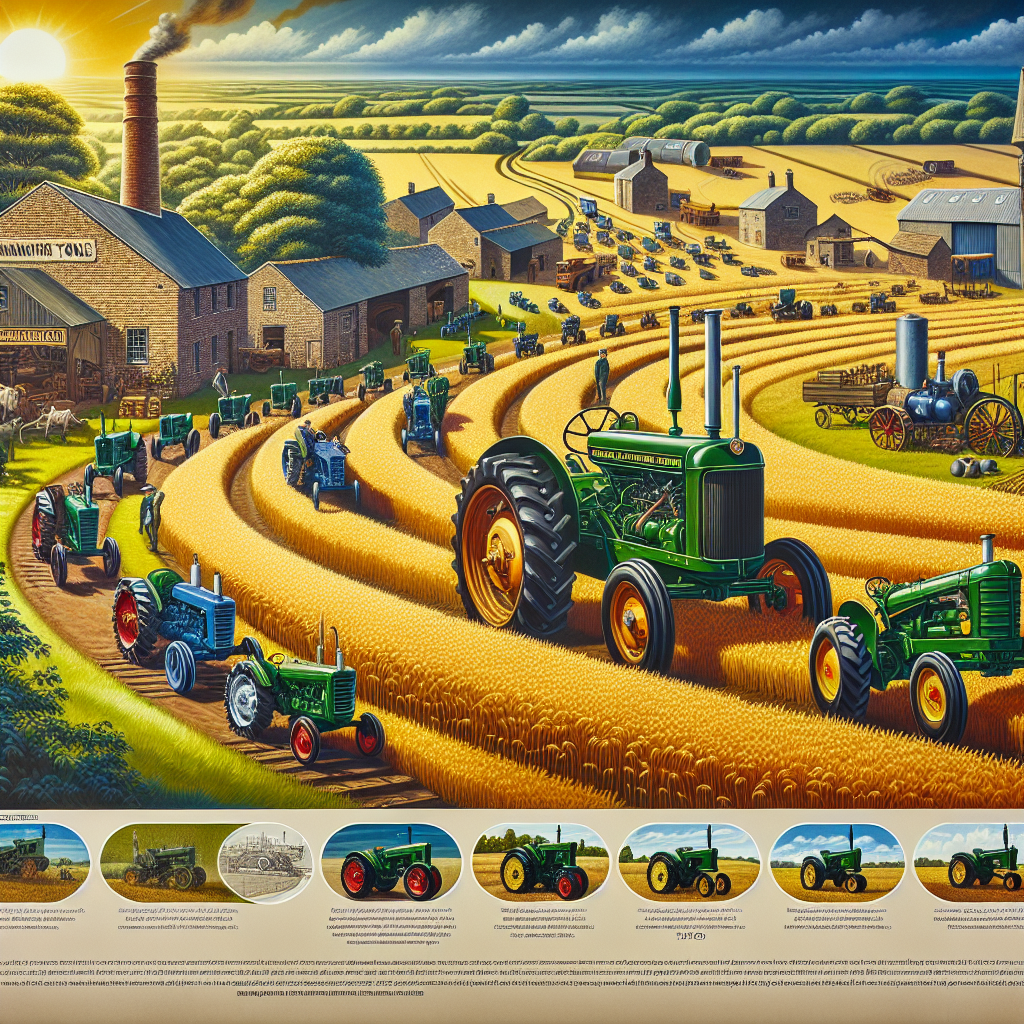
Old iron whispers truth,
Roots of grit in the earth’s heart,
Seeds of change take flight.
Haiku
Poem
What Insights Can Classic Tractors Offer Small Farm Innovations – A Poem
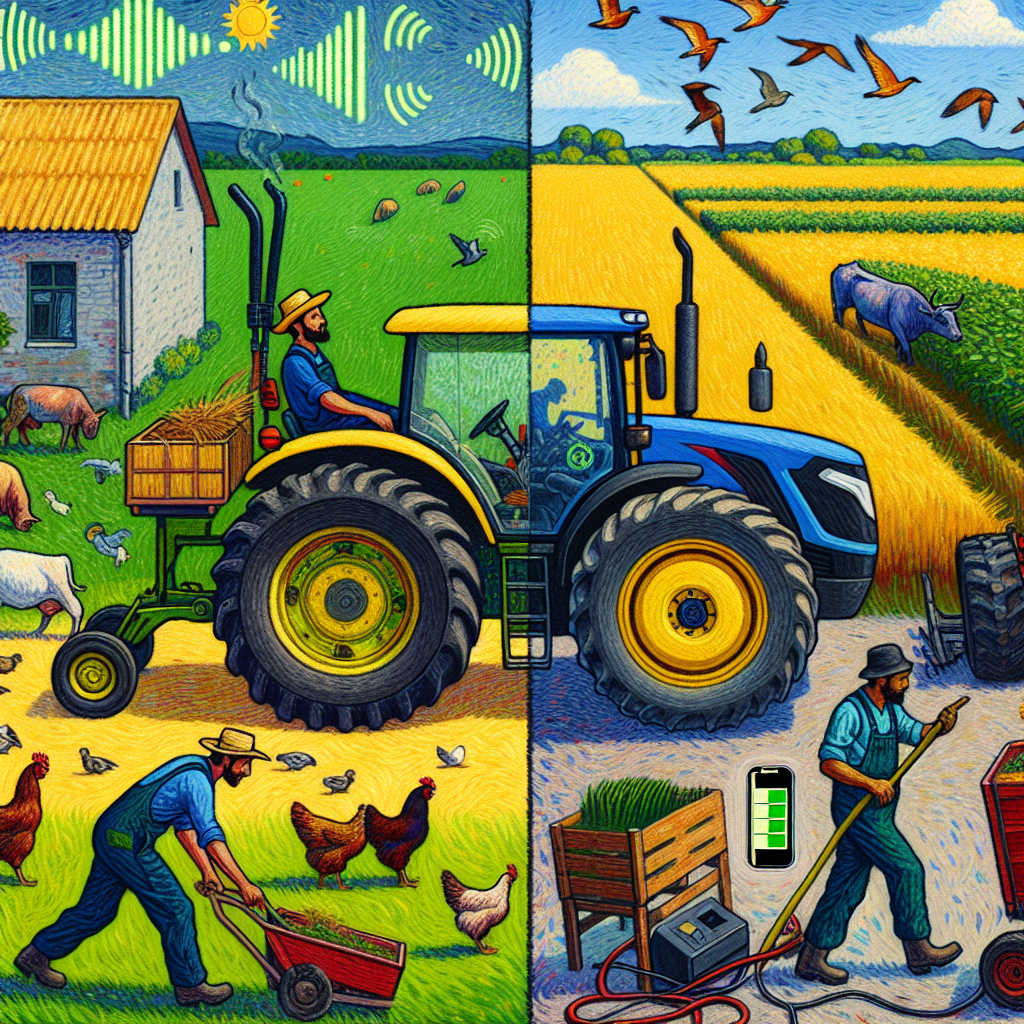
In the Fields of Time: A Tribute to Classic Tractors
Beneath the sun’s enduring glow,
Where fields of gold and green do grow,
A relic stands—a seasoned friend,
Its rusted paint, a tale to lend.
A classic tractor, worn yet proud,
Whispers stories, once murmured loud—
Of early days, of sweat and toil,
The bond of heart with sacred soil.
Oh, how it toils in storms and sun,
A testament to all that’s done,
Through trials faced with grit and grace,
It carved our paths, gave life its pace.
In every dent, a saga spun,
Of farmers’ hopes, of battles won,
It teaches us with sturdy frame,
That lasting strength is not just fame.
The march of time brings shiny tools,
Yet wisdom flows from those old schools;
With simple parts and hands-on care,
They nurture earth, our precious share.
What lessons lie in vintage steel?
A call to honor what’s real—
To cherish growth, respect the ground,
In past’s embrace, our future found.
For in this dance of old and new,
Tradition’s heart beats ever true,
Innovation’s spark, when paired just right,
Can sow the seeds to guide our plight.
Let’s cultivate with mindful grace,
With tractors old, let’s find our place,
For each harvest reaps a stronger link,
From the soil to hearts, we pause and think.
Let’s rally round this legacy shared,
To tend the earth with love prepared,
As tractors hum and engines sing,
We forge tomorrow, let hope take wing.
So, heed the lessons, hold them tight—
In every turn, make futures bright,
Together we’ll uphold the call—
For classic tractors teach us all.
Poem
Checklist
What Insights Can Classic Tractors Offer Small Farm Innovations – A Checklist
Checklist for Embracing Insights from Classic Tractors for Small Farm Innovations
Emotional Appeals
1. Reflect on Heritage: Take a moment to recall the stories of farmers in your family. What lessons did they impart about work ethic and resilience?
2. Nostalgia Exercise: Write down what classic tractors symbolize for you—consider their role in connecting you to the land.
3. Community Connection: Discuss with a neighbor how farming traditions bring your community together.
Rational Appeals
4. Evaluate Simplicity: Assess your current farming practices. Are there complexities you can eliminate to enhance efficiency?
5. Durability Assessment: Consider the longevity of your tools. Are you investing in equipment that is built to last?
6. Cost-Benefit Analysis: Analyze the balance between innovating with new technology and preserving the time-tested methods that have worked.
Ethical Appeals
7. Resource Stewardship Pledge: Commit to being a better steward of your resources. Write down three specific ways you can reduce waste on your farm.
8. Sustainable Practices: Identify at least two sustainable practices from classic tractor designs that you can adopt in your current practices.
9. Future Generations Commitment: Consider how your farming decisions today can benefit future generations. Write down your commitments.
Authority Appeals
10. Research Vintage Practices: Find resources or farmers who successfully integrate vintage practices into modern farming. Attend a workshop or seminar.
11. Create a Network: Build connections with local agricultural experts to share knowledge and experiences around classic and modern farming techniques.
Narrative Appeals
12. Storytelling Circle: Organize a gathering to share stories about farming ancestors and the tools they used, focusing on classic tractors.
13. Personal Reflection: Write a short narrative about a tractor you’ve known, what it means to you and your relationship to the land.
Social Appeals
14. Collaborative Projects: Engage with other farmers to explore shared resources or knowledge on sustainable practices inspired by classic tractors.
15. Community Events: Host or participate in local events that promote the values of traditional farming methods alongside modern innovations.
16. Social Media Campaign: Share your journey of blending tradition and innovation with your community through social platforms to inspire others.
By completing this checklist, you will deepen your understanding of how classic tractors inform modern farming while creating a meaningful connection to both the past and future of agriculture.
Checklist
At ClassicTractorNews, we help tractor lovers keep up with the latest news for classic and vintage tractors.
Please share this post with your friends, family, or business associates who may like old classic or vintage tractors.