

Reviving Tradition: Classic Tractors Tackle Modern Farming Hurdles
By Tom Seest
At ClassicTractorNews, we help tractor lovers keep up with the latest news for classic and vintage tractors.
Please share this post with your friends, family, or business associates who may like old classic or vintage tractors.
What Farming Challenges Can Classic Tractors Help Solve Today
In an age of fast-paced technology and fleeting trends, we often overlook the wisdom of the past, especially in farming. Classic tractors, those trusty machines that once plowed fields and brought life to farms, hold a treasure trove of solutions for today’s agricultural hurdles. These hulking symbols of hard work and simplicity can inspire a renewed approach to modern farming that resonates with our core values—those values of endurance, sustainability, and community.
Firstly, let’s address the emotional gut punch that comes with modern agriculture—the relentless pressure to maximize yields and profit margins. Classic tractors remind us of a time when farming was about more than just numbers. They whisper stories of farmers rising before dawn, an honest day’s work under the sun, and the satisfaction of providing for one’s family and community. Think about it: harnessing the raw power of these machines can help us reconnect with our farming roots. Instead of chasing the latest expensive innovations, we can find efficacy in durability and simplicity. The very sound of a vintage tractor rumbling to life speaks to the heart of farming—it’s about nurturing the land rather than merely exploiting it.
Rationally, the mechanics of these classic machines are often straightforward and easier to repair. In a world driven by disposable everything, relying on machines that can last for decades—perhaps even generations—reduces waste, conserves resources, and cultivates a more sustainable agricultural model. Why invest in costly technology that may break down when you can restore a classic tractor?
Moreover, we must consider the ethical implications. In a society where agriculture often gets a bad rap for its environmental impact, classic tractors serve as models of sustainable farming practices. They utilize fewer resources, promote soil health, and can operate on biofuels—echoing a commitment to our planet and future generations.
Beyond the mechanics, there’s something to be said about community. Restoring a classic tractor often pulls neighbors together, fostering connections and camaraderie. It’s an opportunity to learn from one another, to share stories, and to build a deep-rooted support system.
When we embrace classic tractors, we’re not just reviving machinery—we’re reconnecting with a way of life that honors hard work, integrity, and respect for the land. It’s about building stronger farms and even stronger communities. So, let’s roll up our sleeves, dust off those old machines, and face today’s challenges with the resilience that only a classic tractor can inspire.

What Farming Challenges Can Classic Tractors Help Solve Today
What Farming Challenges Can Classic Tractors Help Solve Today
- Classic tractors symbolize hard work and simplicity, offering solutions to modern farming challenges.
- They evoke a time when farming prioritized community and integrity over profit margins.
- Classic tractors promote durability and ease of repair, reducing waste and conservational resource use.
- They represent sustainable farming practices, utilizing fewer resources and potentially biofuels.
- Restoring classic tractors fosters community engagement, learning, and support among neighbors.
- Embracing classic tractors reconnects us with values of hard work, respect for the land, and sustainability.
- Utilizing these machines can inspire resilience and a renewed approach to modern agricultural practices.
What Farming Challenges Can Classic Tractors Help Solve Today
Table Of Contents
- What Farming Challenges Can Classic Tractors Help Solve Today
- What Unique Problems Do Farmers Face With Modern Machinery?
- How Can Classic Tractors Improve Farm Efficiency Today?
- What Role Do Classic Tractors Play In Preserving Farming Heritage?
- How Can Classic Tractors Help Farmers Navigate Economic Challenges?
- How Do Classic Tractors Enhance Community Engagement In Farming?
- Can Classic Tractors Offer Solutions To Soil Health Issues On Farms?
- Conclusion
- Other Resources
- Glossary Of Terms
- Other Questions
- Haiku
- Poem
- Checklist
What Unique Problems Do Farmers Face With Modern Machinery?
In the golden light of dawn, the rumble of a tractor signals a new day on the farm. But beneath that comforting sound lies a complex web of challenges unique to the modern agricultural landscape. Today’s farmers ride the wave of innovation, yet they often find themselves grappling with issues that can’t be solved by the latest technology alone.
Imagine waking up before sunrise, your heart racing in anticipation of a day’s work ahead. Your trusty tractor stands ready, equipped with all the bells and whistles a farmer could dream of. But what happens when that machine, your lifeline, sputters to a halt? The emotional weight of a broken piece of equipment is heavy, and it sends ripples of anxiety through the farm. It’s not just about money lost; it’s about livelihoods, growth, and the hard-won connection to the land. Each moment spent troubleshooting could mean a crop fails to meet market demands, costing time and resources when the stakes are already high.
This brings us to the relationship farmers have with their machinery. Modern tractors are powerful, yet they come with a steep learning curve that can leave even seasoned operators feeling overwhelmed. As technology becomes intricate, it often demands a kind of understanding that stretches beyond the bounds of traditional farming knowledge. While a tractor may promise efficiency, the truth is it can also create a chasm between age-old practices and cutting-edge enhancements. Farmers find themselves at a crossroads, forced to navigate both the soil under their feet and the digital screens in their cabs.
Ethically, what does it mean to rely on technology that can at times be as fallible as the human hands that designed it? Farmers, the stewards of the land, face the burden of balancing productivity and sustainability. It is no small feat to reconcile the desire for innovation with the need for stewardship—and that is where the heart of farming truly lies. The sense of duty to the land, the community, and the future fosters a powerful narrative of resilience.
In a world that constantly pushes for more, it’s vital to remember that the true strength of farming stems not from machinery alone but from the bonds among farmers and their shared experiences. Supporting one another—sharing knowledge, offering a hand when a tractor breaks down, celebrating successes—becomes the bedrock of modern agriculture. It is this connection that inspires confidence and action, urging us all to champion the farmers whose grit and grace keep our tables full.
What Unique Problems Do Farmers Face With Modern Machinery?
What Unique Problems Do Farmers Face With Modern Machinery?
Here’s a bulleted summary formatted as an HTML list:
- The dawn of a new day on the farm is marked by the sound of a tractor, symbolizing both hope and challenges.
- Farmers face complexities that innovation alone cannot resolve, with broken machinery causing anxiety and potential crop failures.
- Modern tractors are advanced but may overwhelm seasoned farmers due to their steep learning curves and complex technology.
- The relationship between farmers and machinery highlights a gap between traditional practices and modern enhancements.
- Farmers grapple with balancing productivity and sustainability amid the fallibility of technology.
- The true strength of farming is rooted in the bonds among farmers and their shared experiences, fostering resilience.
- Supporting one another in times of need is essential for building confidence and sustaining the agricultural community.
What Unique Problems Do Farmers Face With Modern Machinery?
How Can Classic Tractors Improve Farm Efficiency Today?
There’s something about a classic tractor that tugs at the heartstrings. These robust machines, with their time-honored designs and earthy smell of diesel, are more than just rusted relics—they are a bridge to our agricultural roots. Imagine a farmer, standing in the golden glow of the late afternoon sun, hands caked in soil, as a vintage tractor chugs steadily across the field. It’s not just nostalgia; it’s about embracing tradition while maximizing efficiency.
Now, let’s think about the head. A classic tractor might not have all the bells and whistles of modern machinery, but they often boast rugged reliability. These tractors are built to last, made from solid steel rather than flimsy plastic. When you invest in a classic model, you’re not just buying equipment; you’re securing a partner in productivity. They can often be repaired with simple tools, and their mechanics are straightforward, making them accessible even for the most novice operators. When downtime is costly, this reliability becomes paramount.
Ethically, consider the environmental impact. Classic tractors often run on fewer resources compared to their flashy counterparts. They encourage a mindset of sustainability by promoting longevity over disposability. By harnessing these old-school machines, you’re not just paying homage to your farming heritage; you’re actively participating in a green revolution that values reduction and reuse—a true nod to forward-thinking farming.
Let’s not forget authority. Many farmers who have relied on these tractors for generations share stories of their resilience, efficiency, and effectiveness. They know the true worth of these machines, from maintaining soil health to navigating rough terrain. When you listen to these seasoned voices, you realize the value of experience, and they compel you to trust in these trusted mates.
And then there’s the social aspect—community often thrives on shared experiences. Picture a weekend gathering where farmers swap tips, chuckle over stories of stubborn tractors, and celebrate the camaraderie that binds them together. As you forge connections with those who embrace classic equipment, you build a network of support that enhances not only productivity but also a spirit of cooperation.
So why not consider stepping back in time? A classic tractor may be just what your farm needs to reclaim efficiency and enrich your connection to the very soil that nourishes us all. Grab the wheel, and let’s get to work.
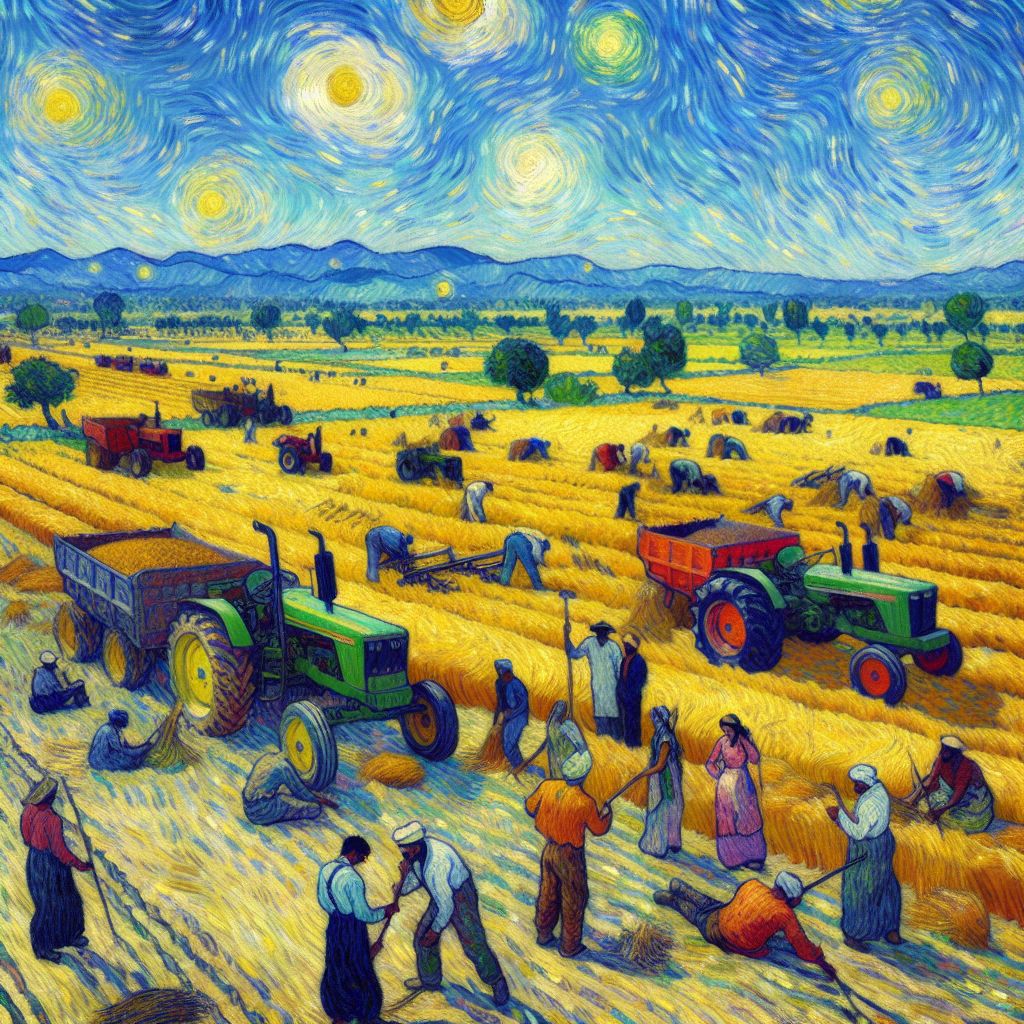
How Can Classic Tractors Improve Farm Efficiency Today?
How Can Classic Tractors Improve Farm Efficiency Today?
- Classic tractors evoke nostalgia and connect us to agricultural roots.
- They are built for rugged reliability, made from durable materials, and easy to repair.
- Classic models promote sustainability by using fewer resources and focusing on longevity.
- Generations of farmers trust these tractors for their proven effectiveness in various conditions.
- Owning a classic tractor fosters a strong sense of community among farmers.
- These machines offer a blend of tradition and efficiency important for modern farming.
- Farmers are encouraged to embrace the past for its potential to enhance future productivity.
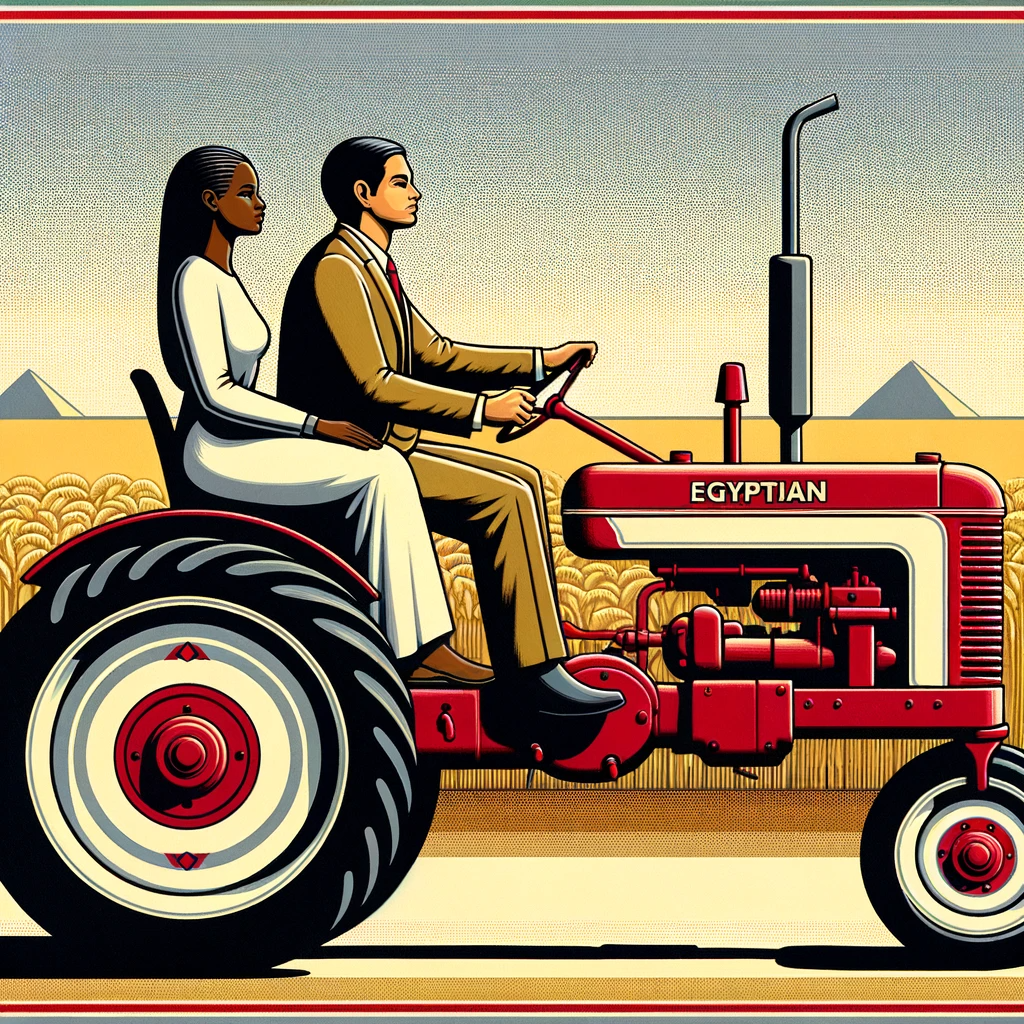
How Can Classic Tractors Improve Farm Efficiency Today?
What Role Do Classic Tractors Play In Preserving Farming Heritage?
Classic tractors aren’t just machines; they’re the beating heart of our agricultural history, a tangible connection to a life that builds communities, feeds families, and honors tradition. Each meticulously restored tractor stands as a testament to the sweat and grit of generations who toiled under the sun, transforming the land with little more than a dream and a tireless work ethic. It’s impossible not to feel a surge of pride when you see one of these iconic machines pulled out of a barn, their paint chipped but character intact, whispering stories of days gone by as they rattle to life once again.
But think for a moment about why preserving these classic tractors matters. Not only do they evoke nostalgia, but they also serve as a valuable link to our agricultural roots. For many, it’s a link to a simpler time when a tractor symbolized independence and hard work. These machines bear witness to the evolution of farming practices, showing us how far we’ve come and reminding us to appreciate the innovations of today. People gather at tractor shows, bonding over shared memories and experiences. It’s not just a pastime; it’s a community, a family reunion of sorts, where stories are exchanged like currency.
Ethically, preserving these tractors allows us to honor the farmers of the past who took great risks to cultivate the land and feed us all. When you see a classic tractor, you are looking at a legacy that deserves to be acknowledged and cherished. By restoring these machines, we not only keep their stories alive but also foster a deeper understanding of the agricultural challenges we face today.
The gut punch comes when you consider their role in teaching future generations. When children climb aboard a vintage tractor at a local fair, they grasp a piece of history, a lesson in hard work and perseverance. Suddenly, farming isn’t just an abstract concept; it becomes a lived experience, one that inspires curiosity and respect for the land.
In a world that often feels disconnected from its roots, classic tractors remind us of who we are and where we came from. They’re more than just relics; they’re icons of resilience and community. So let’s dig in, preserve, and celebrate this heritage. Let’s keep these timeless machines rolling, for they are a bridge between our past and the future we build together.
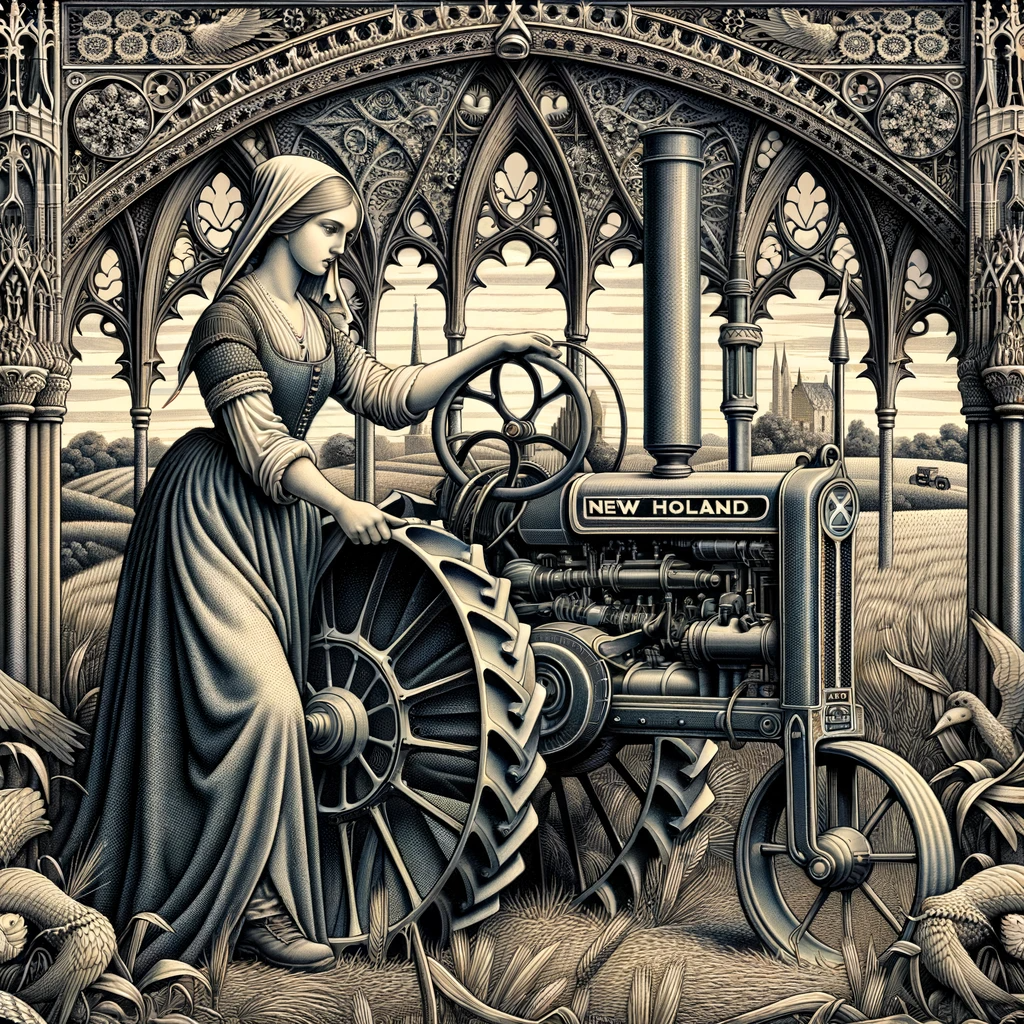
What Role Do Classic Tractors Play In Preserving Farming Heritage?
What Role Do Classic Tractors Play In Preserving Farming Heritage?
- Classic tractors symbolize our agricultural history and cultural heritage.
- Each restored tractor represents the hard work of generations who transformed the land.
- These machines evoke nostalgia and connect us to simpler times of independence and labor.
- Tractors illustrate the evolution of farming practices and highlight today’s innovations.
- Tractor shows foster community, allowing people to share memories and experiences.
- Preserving these tractors honors past farmers and acknowledges their sacrifices.
- Classic tractors teach future generations lessons in hard work, perseverance, and respect for the land.
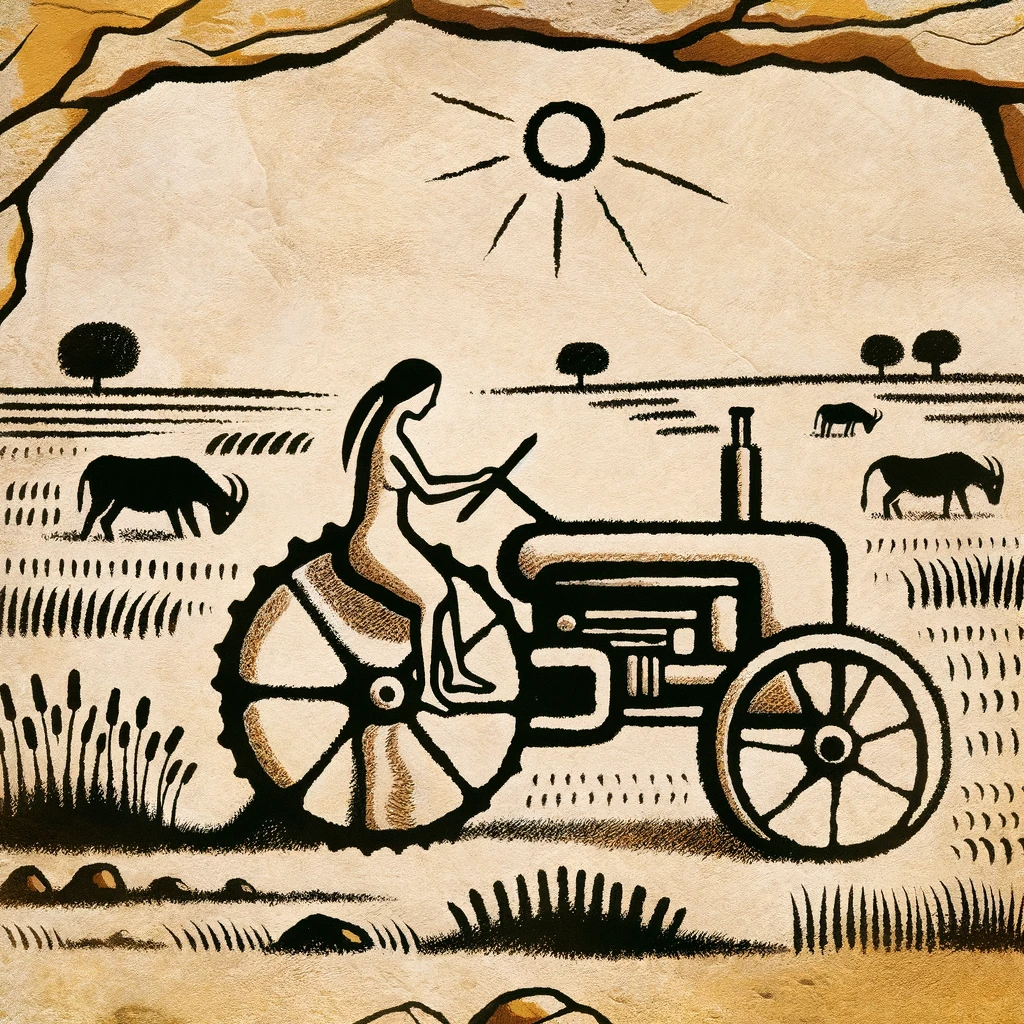
What Role Do Classic Tractors Play In Preserving Farming Heritage?
How Can Classic Tractors Help Farmers Navigate Economic Challenges?
In a world swirling with uncertainty, where market prices fluctuate more than the weather, classic tractors stand as a reminder of resilience and reliability. These machines, often older than the farmers who operate them, tell tales of hard work, ingenuity, and a time when the land dictated the rhythm of life. They are more than just pieces of farm equipment; they represent a connection to our roots and the tenacity that defines agriculture.
Let’s be real for a moment. Farming is not just a job; it’s a way of life. When economic pressures mount, and crops face tumultuous seasons, the last thing any farmer wants is to worry about their equipment failing them. Classic tractors offer a level of steadfastness that newer models sometimes lack. Built with simplicity and durability in mind, they can often be repaired with little more than a wrench and some elbow grease. This reliability means that for farmers facing tight margins, investing in a classic tractor can be a smart, ethical choice—offering peace of mind when every penny counts.
Now, I’m not saying that old tractors are miracle workers; they won’t magically fend off drought or bring prices back to earth. But there is an undeniable magic when you watch a farmer hop onto a well-loved tractor, the sun setting behind them, ready to face the land. It’s a symbol of hope, a nod to tradition that resonates deeply with anyone who’s ever fought for survival on the land. Classic tractors evoke a sense of authority in agricultural methods, showcasing techniques that have stood the test of time. Those who operate them often become part of a community—a tribe of like-minded individuals who share stories over fences, exchange tips in fields, and remember that farming is a collective experience.
In times of economic strain, fostering a sense of connection is crucial. Old tractors have a way of drawing people in. Whether it’s a farmer sharing scraps of advice while changing a tire or a neighbor stepping in with a helping hand during harvest, these machines unite people. They act as conduits of conversation, shared labor, and camaraderie.
Ultimately, choosing to restore or use a classic tractor is not just a nod to nostalgia; it’s a declaration of confidence. It’s a testament that through grit, community, and respect for the past, we can navigate the winding road ahead—and perhaps inspire the next generation to invest in the land and the machinery that fuels it. So the next time you see a familiar old tractor laboring in the field, remember: it’s more than just steel and bolts; it’s a beacon of hope for all who dare to tread the rugged terrain of farming life.
How Can Classic Tractors Help Farmers Navigate Economic Challenges?
How Can Classic Tractors Help Farmers Navigate Economic Challenges?
- Classic tractors embody resilience and reliability in uncertain times.
- These machines connect farmers to their roots and the essence of agriculture.
- Farming is a way of life that demands dependable equipment, especially during economic pressures.
- Classic tractors are built for simplicity and durability, making them easier to repair.
- They symbolize hope and tradition, resonating with those committed to farming.
- Old tractors foster community connections through shared experiences and labor.
- Restoring or using classic tractors reflects confidence and respect for agricultural heritage.
How Can Classic Tractors Help Farmers Navigate Economic Challenges?
How Do Classic Tractors Enhance Community Engagement In Farming?
There’s something about a classic tractor that resonates deep within the rural heart. These hardy machines are more than just tools—they’re symbols of a bygone era, a bridge connecting seasoned farmers and new generations with a shared sense of purpose and pride. When you see that old Ford or a gleaming John Deere rolling through the fields, it evokes memories of hard work and dedication, evoking a time when farming was more about community than competition.
From farm fairs to local parades, classic tractors serve as a focal point, bringing people together to celebrate the agricultural heritage that binds them. As folks gather around, stories are swapped like prized possessions. Grandparents share tales of their youthful escapades on those distinct steel steeds, while kids, wide-eyed with curiosity, listen intently, soaking in the knowledge that only years of experience can provide. This narrative thread weaves families together, fostering a sense of intergenerational connection that’s sometimes lost in today’s fast-paced world.
But let’s not just dwell in sentimentality; let’s get practical. The classic tractor is an icon of sustainability, a reminder that farming can be a harmonious blend of past wisdom and present innovation. Everyone from seasoned agronomists to backyard gardeners can appreciate the engineering and simplicity of these machines—far from the complexity of modern technology, they represent reliable solutions rooted in functional design. This balance between reverence for the old and hope for the new gives community members a rational foothold to engage with agriculture on a deeper level, igniting conversations about sustainability and the future of farming.
Moreover, classic tractors play a crucial role in community events that engage people of all ages. When local farmers band together to showcase their vintage equipment at tractor pulls or exhibitions, it transforms mere spectators into active participants. Everyone’s invited, whether you’re an avid collector, a farmer seeking knowledge, or simply someone wanting to reconnect with your rural roots.
So, whether you’re a farmer on the front lines or just a neighbor with a nostalgic affection for those unmistakable sounds of industry, the classic tractor stands as a beacon of community engagement. It’s a reminder that farming is more than just a trade; it’s a calling that connects us all. If you’ve ever felt a twinge of pride watching one roll down the road, or an urge to learn more about the way agriculture shapes our lives, you’re already part of that timeless narrative. Dust off those seats, fire up those engines, and let’s keep the legacy alive, together.
How Do Classic Tractors Enhance Community Engagement In Farming?
How Do Classic Tractors Enhance Community Engagement In Farming?
- Classic tractors symbolize a bygone era, connecting seasoned farmers and new generations with a sense of pride.
- They evoke memories of hard work and community, contrasting the competitive aspects of modern farming.
- Classic tractors serve as a focal point in community events like farm fairs and parades, fostering storytelling and intergenerational connections.
- They are icons of sustainability, representing a blend of past wisdom and present innovation in agriculture.
- Classic tractors encourage community engagement, transforming spectators into active participants in events like tractor pulls and exhibitions.
- They remind us that farming is more than just a trade; it’s a community-oriented calling that connects people.
- Engagement with classic tractors helps preserve agricultural heritage and inspires conversations about the future of farming.
How Do Classic Tractors Enhance Community Engagement In Farming?
Can Classic Tractors Offer Solutions To Soil Health Issues On Farms?
Can Classic Tractors Offer Solutions to Soil Health Issues on Farms?
In a world that often forgets its roots—both literally and metaphorically—classic tractors stand like sentinels of the past, reminding us of simpler times when farming was less about technology and more about connection with the land. Imagine that rusted tractor, its crimson paint chipped yet proud, idling in the morning light as it puffs out a whisper of nostalgia. Each dent and scratch tells a story of sweat, toil, and perseverance, evoking a sense of belonging that’s often missing in today’s high-tech agriculture.
Now, let’s engage the heart. The farmers who’ve spent decades cultivating their own little patches of the earth likely have memories tied to those rugged machines. They are more than just tools; they are trusted companions in the battles against nature’s uncertainties. The comforting hum of a classic tractor reminds them that working the land is not just labor—it’s a labor of love, a dialogue with the soil, a fight for sustainability that echoes through generations.
From a rational perspective, classic tractors hold an untapped potential for soil health solutions. They offer simple yet effective mechanisms—like reduced compaction with lighter weight and the ability to use a variety of implements that enable organic farming practices. Farmers can till the ground gently, preserving its texture while also improving its vitality. It’s not merely about farming; it’s about respecting the earth and ensuring its future.
Ethically, we face a moral obligation to restore our degraded soils. Utilizing classic tractors could remind us of our heritage and how vital our stewardship is to ensure that future generations can work the land. These relics symbolize a commitment to sustainable practices that preserve our environment.
And let’s not overlook the narrative appeal. The heartfelt tales of farmers reminiscing about the classic tractor that sat in their family’s barn, or the stories of entrepreneurs reviving old machinery to make it viable and eco-friendly again create an authenticity that resonates. In today’s world, there’s an undeniable push to reconnect with our agricultural roots, fostering a community that emphasizes collaboration and shared resources.
So, whether you’re a seasoned farmer or someone just beginning to scratch the surface of soil health, consider this: behind each classic tractor lies a vibrant narrative filled with potential. Let’s come together, embrace the simplicity and reliability of these machines, and cultivate a healthier future for our soil and ourselves.
Can Classic Tractors Offer Solutions To Soil Health Issues On Farms?
Can Classic Tractors Offer Solutions To Soil Health Issues On Farms?
- Classic tractors represent a nostalgic connection to simpler farming times, emphasizing a bond with the land.
- They serve as trusted companions for farmers, symbolizing hard work and a love for the earth.
- From a practical standpoint, classic tractors can enhance soil health by reducing compaction and accommodating various organic farming techniques.
- These tractors allow for gentle tilling, preserving soil texture and improving vitality.
- The ethical use of classic tractors underscores a responsibility to restore degraded soils for future generations.
- Stories associated with classic tractors foster a sense of authenticity and community among farmers and enthusiasts.
- Embracing classic tractors can promote sustainable practices and a collaborative agricultural environment.
Can Classic Tractors Offer Solutions To Soil Health Issues On Farms?
Conclusion
As we stand at the crossroads of agriculture, it’s essential to remember that not all solutions lie within the realm of cutting-edge technology. Classic tractors, those stalwart machines of yesteryear, offer us a powerful reminder of simplicity, sustainability, and community. They aren’t just rusted relics but symbols of resilience, echoing the hard work and dedication of generations of farmers who have relied on them to nurture their land and provide for their loved ones.
In a world that often prioritizes profit margins and technological advancements, classic tractors remind us of the emotional connection we have to farming. They evoke vivid memories of sunrises over sprawling fields, of families coming together at harvest time, and of the satisfaction that comes from an honest day’s labor. These machines whisper stories of endurance and integrity, teaching us that farming is about much more than just numbers and high yields; it’s about nurturing the Earth and building strong communities.
From a rational standpoint, classic tractors stand the test of time due to their straightforward mechanics and robust design. They are built to last, requiring minimal resources to repair and maintain, thereby promoting a more sustainable agricultural model. In contrast to the fragility and expense of modern machinery, these tractors offer an ethical option for farmers looking to reduce waste while preserving the integrity of the land.
Moreover, the community-building aspect of restoring and operating classic tractors cannot be understated. Every repair session or restoration project is an opportunity to bring neighbors together, forging connections that foster mutual support and shared learning. It’s this camaraderie that strengthens our agricultural communities, reminding us that we are all in this together—navigating challenges, sharing victories, and cultivating a sense of belonging that transcends individual crops and machines.
Ultimately, embracing classic tractors isn’t merely about nostalgia; it’s about reclaiming our roots in agriculture and nurturing the spirit of resilience that defines us as farmers and stewards of the land. By dusting off these timeless machines and leveraging their unique strengths, we can tackle the challenges of modern farming while honoring the traditions that have shaped our community.
So, let’s roll up our sleeves, hop on those classic tractors, and confront the future with the grit and determination that has always been at the heart of farming. Together, we can channel the spirit of those who came before us, all while cultivating a sustainable future for generations to come.
Conclusion
Conclusion:
- Classic tractors represent simplicity, sustainability, and community in agriculture.
- They evoke emotional connections related to farming and family traditions.
- Classic tractors offer durability and require minimal resources for maintenance, promoting sustainability.
- They serve as an ethical option compared to modern machinery, reducing waste and preserving land integrity.
- Restoration and operation of classic tractors foster community connections and mutual support.
- Embracing classic tractors helps reclaim agricultural roots and build resilience among farmers.
- Engaging with these machines allows us to face modern farming challenges while honoring traditions.
Conclusion
Other Resources
Other Resources
Here is a list of other resources you can review online to learn more:
- Atlantic Farm Mechanization Show
- Ferguson
- Steiger
- SAME Tractors
- Hurlimann
- SE Indiana F.A.R.M. Club’s Antique Machinery Show
- Lamborghini
- Orange County Farmers Museum
- National Farm Show Tractor Pull
Use This Prompt To Get More Resources With Your Favorite Online AI Tool: Please provide me with a list of online articles with their URLs in a bulleted list that I can read regarding What Farming Challenges Can Classic Tractors Help Solve Today
Other Resources
Glossary Terms
What Farming Challenges Can Classic Tractors Help Solve Today – Glossary Of Terms
1. Classic Tractor: An older model of tractor, often manufactured prior to the 1980s, known for its durability, simplicity, and mechanical design.
2. Sustainability: Practices that maintain productivity while minimizing environmental impact, which can be supported by the efficient use of classic tractors.
3. Soil Compaction: A condition where soil particles are pressed together, reducing pore space and affecting root growth; classic tractors can help mitigate compaction with lighter weights.
4. Fuel Efficiency: The ability of a machine to convert fuel into work; classic tractors often have simpler engines that, when maintained, can run efficiently on less fuel.
5. Mechanical Simplicity: Refers to the straightforward engineering and design of classic tractors, making them easier and cheaper to repair than modern counterparts.
6. Precision Farming: Modern agricultural techniques that use technology to monitor and manage field variability; classic tractors can be retrofitted with precision tools.
7. Cost Management: The practice of managing expenses effectively; using classic tractors can lower operational costs due to reduced fuel consumption and maintenance expenses.
8. Adaptability: The ability to modify equipment for diverse farming tasks; classic tractors can often be fitted with various attachments for multiple uses.
9. Diversification: Incorporating a variety of farming activities to minimize risks; classic tractors can be versatile tools for smaller, diverse farms.
10. Ergonomics: Designing equipment that fits the farmer’s needs and reduces physical strain; some classic models were engineered for comfort and usability.
11. Land Management: The process of managing the use of land resources to ensure sustainability; classic tractors can help farmers utilize smaller plots effectively.
12. Heritage Farming: Farming practices that honor traditional methods and equipment; classic tractors are often used in heritage farming to maintain cultural practices.
13. Community Farming: Collaborative farming efforts that promote local agriculture; classic tractors can serve communal farms due to their reliability and low cost.
14. High Crop Yields: The amount of crop produced per unit area; classic tractors can enhance farm productivity through effective tillage and planting practices.
15. Weather Resilience: The ability of agricultural systems to withstand adverse weather; classic tractors allow farmers to adapt quickly to changing weather conditions.
16. Tillage: The agricultural preparation of soil by mechanical agitation; classic tractors can perform different tillage practices, supporting soil health.
17. Rehabilitation: Restoring the condition of degraded land using traditional techniques; classic tractors can be essential tools for land restoration projects.
18. Local Economy: The economic activities within a specific region; classic tractors often support local farmers, keeping money in the community.
19. Mechanical Knowledge: The understanding of how machinery operates; classic tractors can foster skills and knowledge in basic engineering and maintenance.
20. Hands-on Skills: Practical abilities possessed by farmers; using classic tractors often relies on manual skills, nurturing craftsmanship.
21. Farm Resilience: The ability of a farm to bounce back from challenges; classic tractors provide reliable support against economic and environmental stresses.
22. Low Technology Solutions: Simple, practical farming methods that require minimal technology; classic tractors fit this model, offering effective solutions without complex systems.
23. Restoration Projects: Initiatives aimed at refurbishing old machinery for continued use; classic tractors are often restored for practical farm work or community events.
24. Cultural Heritage: The traditions and practices passed down through generations; classic tractors often represent a significant part of rural agricultural culture.
25. Biodiversity: The variety of life in a particular habitat; using traditional farming methods with classic tractors can help maintain ecological balance.
26. Minimalist Farming: An approach that seeks to simplify agricultural practices; classic tractors support this by offering essential functions without extra complexity.
27. Niche Markets: Specialized segments of the market; classic tractors can serve small-scale farmers seeking unique, sustainable goods.
28. Land Conservation: The stewardship of land resources; classic tractors can support conservation practices through less invasive farming techniques.
29. Rescue Mechanism: Refers to older machinery that can still perform essential functions; classic tractors can often be restored and used effectively for pressing farm needs.
30. Transitioning Farmers: Farmers moving from conventional methods to sustainable practices; classic tractors can serve as an introductory step into more sustainable farming options.
These terms provide insight into the various ways classic tractors can address modern agricultural challenges while also preserving farming traditions and practices.
Glossary Of Terms
Other Questions
What Farming Challenges Can Classic Tractors Help Solve Today – Other Questions
If you wish to explore and discover more, consider looking for answers to these questions:
- What specific farming challenges can classic tractors address compared to modern machinery?
- How do classic tractors compare in fuel efficiency with newer models?
- What are the maintenance requirements for classic tractors?
- How can farmers acquire and restore classic tractors?
- What types of classic tractors are best suited for various farming tasks?
- Are classic tractors viable for large-scale commercial farming?
- What communities or organizations support classic tractor restoration?
- How can classic tractors impact the economic viability of small farms?
- What local events celebrate classic tractors and farming heritage?
- How does using classic tractors affect the environmental footprint of farming?
- Which classic tractor models are considered the best for sustainability?
- How do farmers perceive the integration of classic tractors in modern agriculture?
- What resources are available for learning about classic tractor restoration?
- How can communities collaborate around classic tractor use and maintenance?
- What role do classic tractors play in educating the next generation of farmers?
Other Questions
Haiku
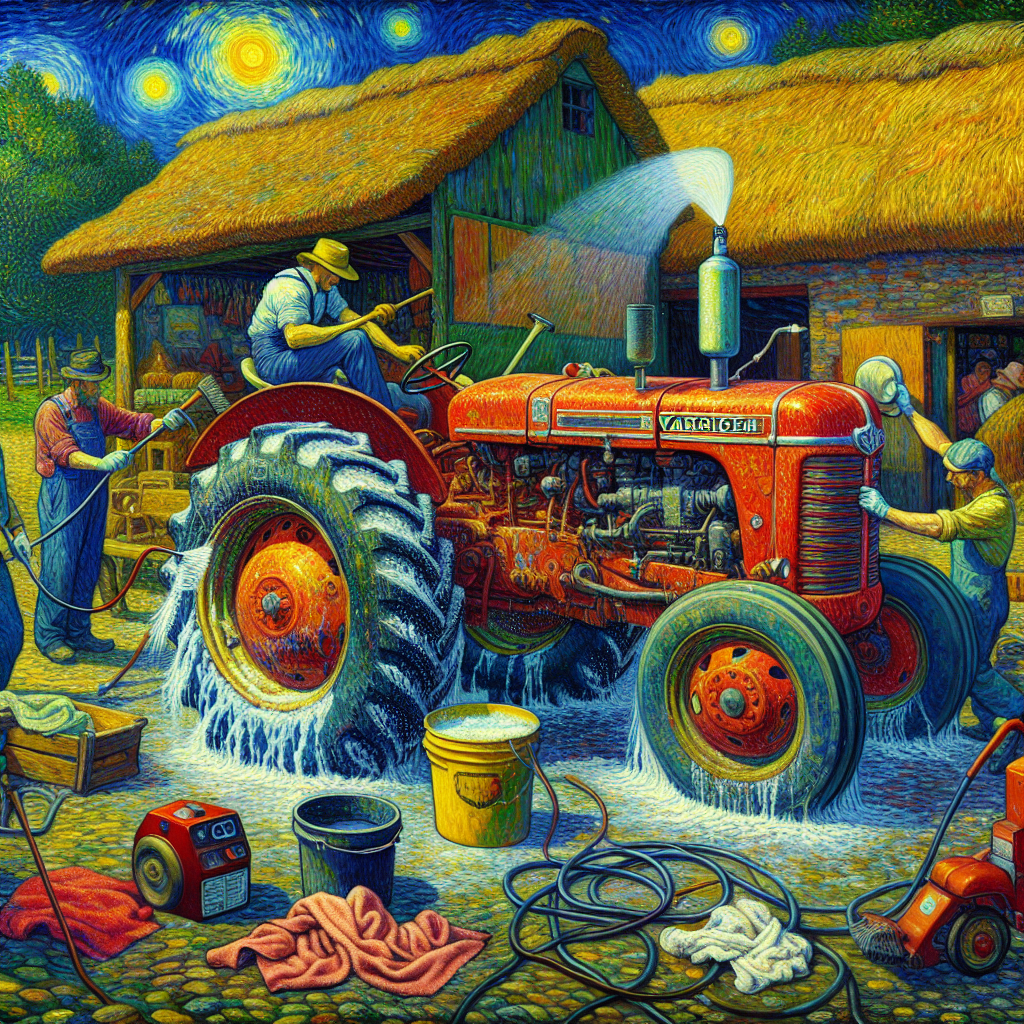
What Farming Challenges Can Classic Tractors Help Solve Today – A Haiku
Rusty giants still roar,
Whispers of strength in the soil—
Heritage endures.
Haiku
Poem
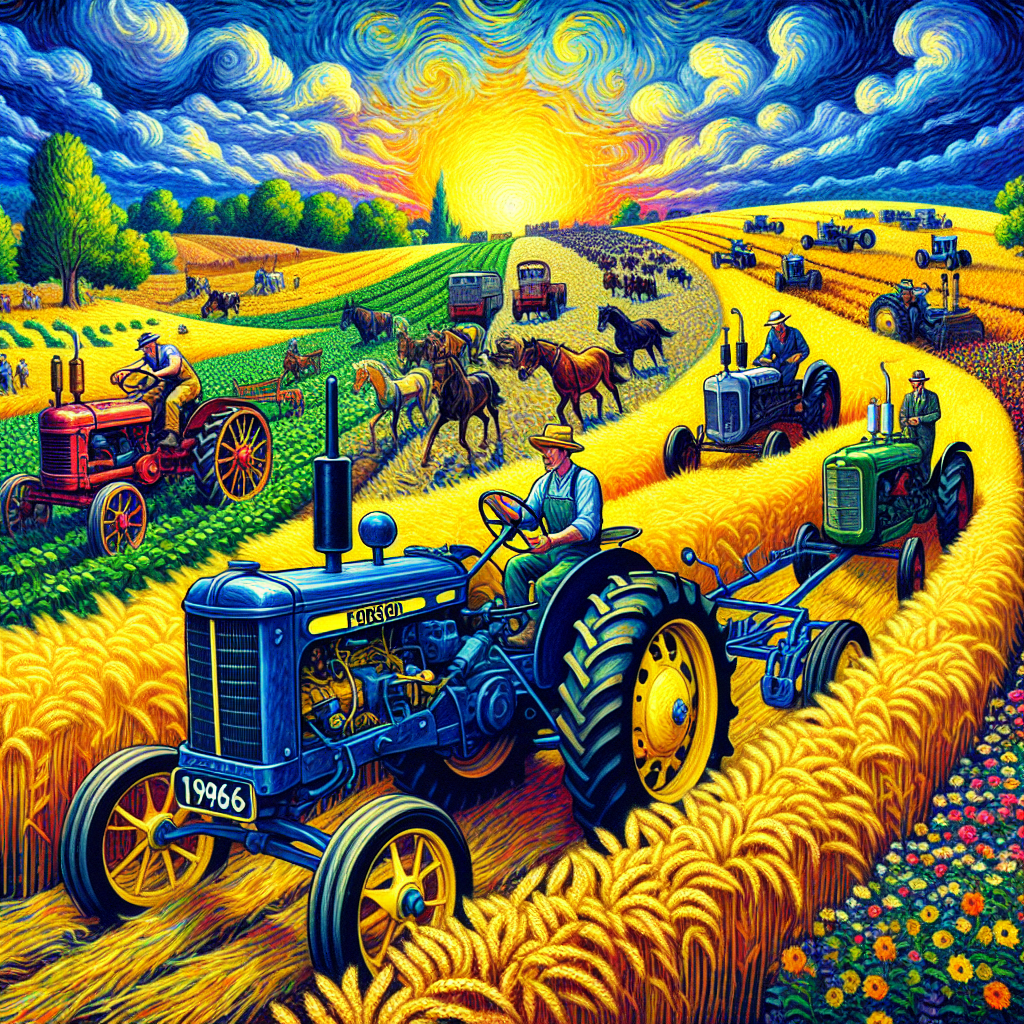
What Farming Challenges Can Classic Tractors Help Solve Today – A Poem
Ode to the Classic Tractor
In the golden dawn, where whispers dwell,
A humble giant rumbles, weaving stories to tell,
With rusted charm and a heart made of steel,
It cradles our history, and the strength we can feel.
Once a mere tool, now a beacon of hope,
These classic machines afford us the scope,
To reconnect with the earth, where our ancestors toiled,
In their sturdy embrace, the soil is unspoiled.
Oh, what a gut punch! The weight of our plight,
In a world of stress, where profit clouds sight,
Yet beneath the burden, these tractors arise,
Reminding us all of the joy in the skies.
Simplicity thrives in their steady old hum,
For each turn of the wheel, the heartbeats become,
In a dance with the soil, they whisper of dreams,
As community gathers, or so it seems.
For neighbors unite, in grease-stained attire,
While sharing their wisdom, igniting the fire,
Of compassionate labor; each story passed down,
Where patience and grit wear the farmer’s crown.
“Invest in the past,” the wise ones all say,
“These machines know the rhythm of our everyday play,”
Built with endurance, repairable grace,
A testament to roots that time cannot erase.
In the shadows of modern, where pressure can drown,
Classic tractors steer clear of the market’s frown,
They teach us of soil, of nurture, of care,
A legacy’s breath, hanging sweet in the air.
With every restoration, every tale shared aloud,
We cherish the farmers, both sturdy and proud,
For life on the land isn’t measured by trend,
But by hands that feel soil and the hearts that they mend.
So let’s roll up our sleeves, and revive the old ways,
With classic tractors guiding us through shorter days,
Together we rise, as the past meets the now,
Farming’s heartbeat sings, let us vow, let us vow.
Poem
Checklist
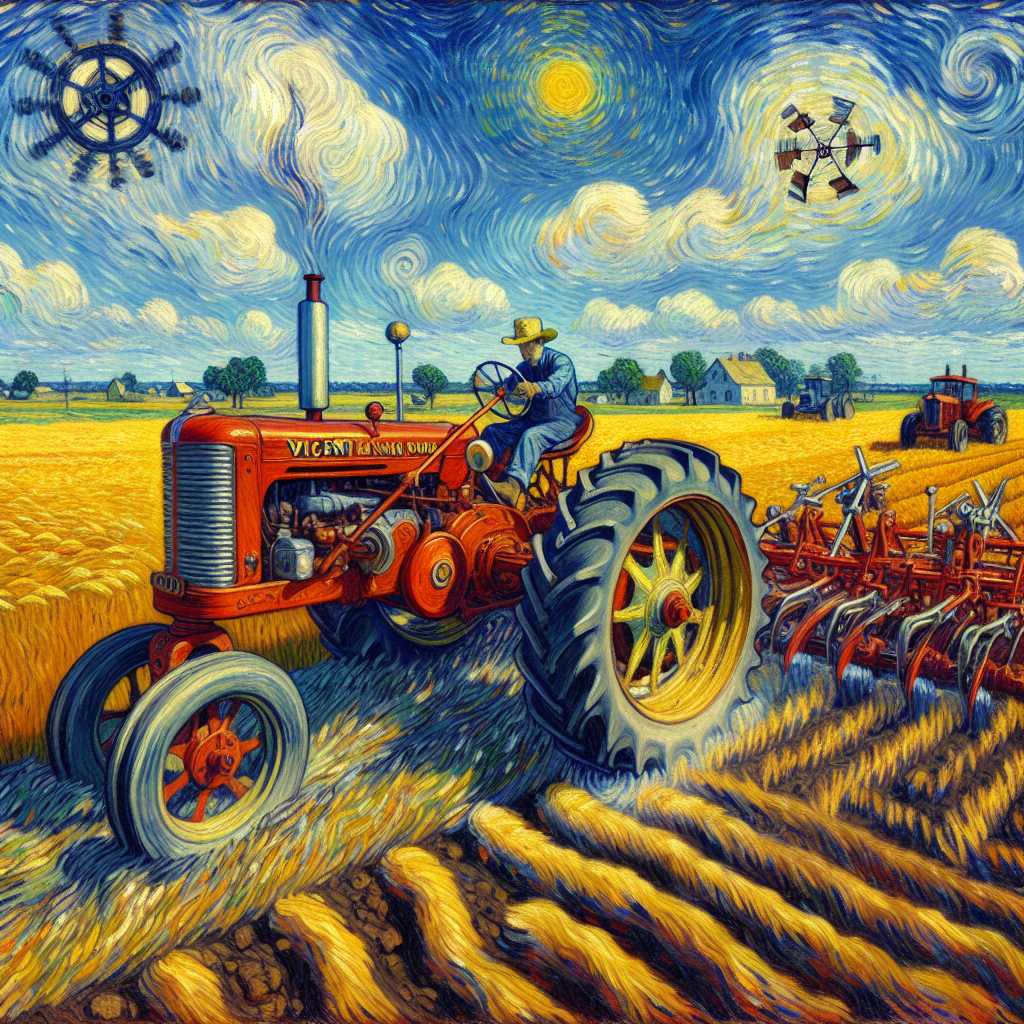
What Farming Challenges Can Classic Tractors Help Solve Today – A Checklist
Classic Tractors: A Heart-Head-Gut Checklist for Farmers and Enthusiasts
Heart Appeals:
1. Reconnect with Tradition: Reflect on the stories and experiences passed down through generations of farming—what personal memories do classic tractors evoke for you?
2. Community Connection: Identify local farmers or enthusiasts who share your passion for vintage agriculture—consider attending or organizing a community event focused on classic tractors.
3. Personal Reflection: Write down what farming means to you beyond just a livelihood—how does it impact your values and relationships?
Head Appeals:
4. Cost-Effectiveness: Assess your investment in modern machinery versus the long-term reliability and repairability of classic tractors—calculate potential savings and sustainability benefits.
5. Simplification of Maintenance: Gather a list of basic tools needed for maintaining a classic tractor and compare this to those required for modern machines.
6. Sustainability Practices: Research the environmental impact of classic tractors versus modern equipment—how can using vintage machines contribute to sustainable agriculture?
Gut Appeals:
7. Embrace Resilience: Reflect on your personal and community resilience in times of agricultural challenges—how can utilizing classic tractors inspire a stronger commitment to your farming practices?
8. Ethical Stewardship: Consider the ethical implications of agricultural machinery choices—how can classic tractors symbolize a commitment to responsible farming?
9. Legacy Thought: Think about the legacy you want to leave for future generations—how does preserving classic tractors contribute to a sustainable farming future?
Narrative Appeals:
10. Story Sharing: Document your personal or family stories related to classic tractors—how have these stories shaped your views on farming?
11. Inspirational Examples: Seek out success stories of farmers who have incorporated classic tractors into their operations—what lessons can you draw from their experiences?
Social Appeals:
12. Network Building: Join local or online communities of vintage tractor enthusiasts—what opportunities for knowledge sharing or collaboration can you explore?
13. Shared Events: Consider organizing or participating in events that celebrate classic tractors—how can these gatherings foster a sense of community in agriculture?
Authority Appeals:
14. Expert Insights: Research articles, documentaries, or books written by agricultural experts who support the use of classic tractors—what insights can deepen your understanding of their benefits?
15. Mentor Engagement: Identify a mentor within the community who has experience with classic tractors—what knowledge and guidance can they offer you as you navigate the agricultural landscape?
This checklist serves as a guide to inspire reflection and action, helping you to embrace the legacy of classic tractors while navigating the complexities of modern farming.
Checklist
At ClassicTractorNews, we help tractor lovers keep up with the latest news for classic and vintage tractors.
Please share this post with your friends, family, or business associates who may like old classic or vintage tractors.