

The Untold Truth: Vintage Tractors Through The Eyes Of Farmers
By Tom Seest
At ClassicTractorNews, we help tractor lovers keep up with the latest news for classic and vintage tractors.
Please share this post with your friends, family, or business associates who may like old classic or vintage tractors.
What Do Farmers Say About The Reliability Of Vintage Tractors
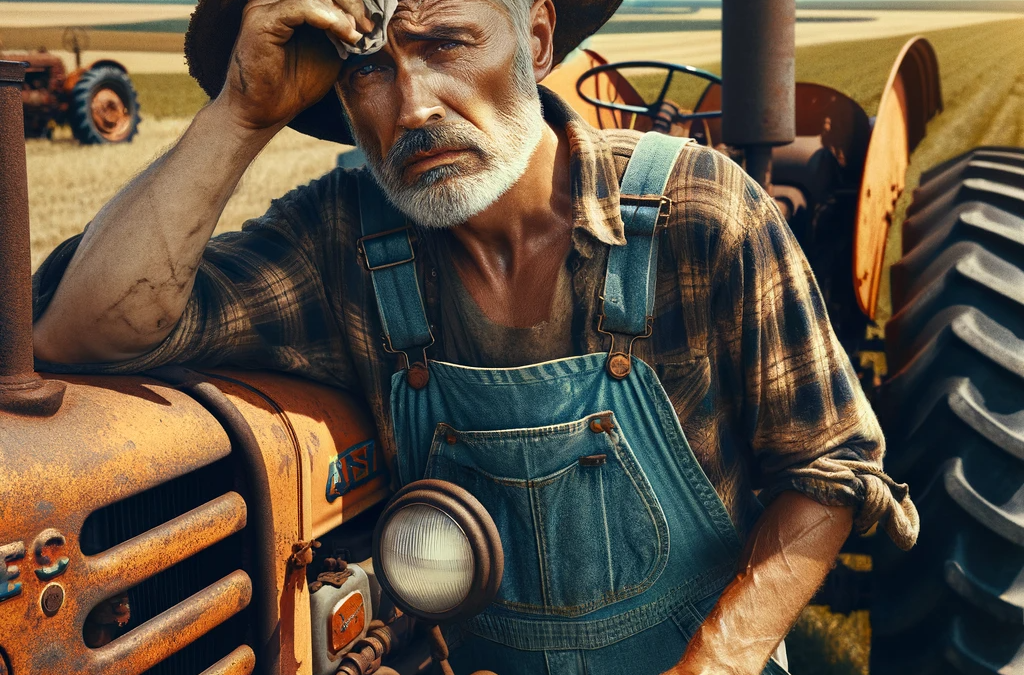
In the world of farming, where every sunrise brings a new set of challenges, vintage tractors have earned a special place in the hearts of those who toil the soil. Picture a weathered farmer, calloused hands resting on the steering wheel of a beloved tractor that has weathered storms and seasons. There’s a story interwoven in this metal marvel—a story rooted in resilience and tradition. Trust me, it’s more than just machinery; it’s the heartbeat of a farm.
Many farmers will tell you that these vintage tractors represent reliability like no other. They carry the wisdom of decades, coming equipped with simple mechanics that hardly ever falter. When a reliable tractor starts up with a reassuring roar, it’s not just a sound; it’s a promise. A promise that no matter the challenges ahead, this machine—even with its age—will not let you down. It’s about knowing that on a chilly morning, when the mist clings to the fields, your vintage tractor will be right there, ready to tackle whatever awaits.
But let’s get to the nitty-gritty: the numbers add up. When you maintain a vintage tractor, the costs of repairs and upkeep typically don’t send your wallet into a tailspin. Unlike newer models, these beauties tend to have parts readily available and mechanics who know how to fix them. You’ve got your head saying, “This is a sound investment.” The farm is a delicate dance of dollars and sense; choosing a vintage tractor means keeping more money for seed and feed.
Now, the ethical piece—what does it say about us when we cherish and restore these machines? We’re honoring the legacy of our agricultural ancestors, acknowledging the craftsmanship that built our communities. It’s a way of preserving history while also connecting with a pivotal chapter of our lives, where every plant and crop cycles back to those who came before us.
Finally, when farmers gather at county fairs or local auctions, you can almost hear the camaraderie in the air. Standing shoulder to shoulder, sharing stories of hard work, laughter, and, yes, a few breakdowns along the way, you realize that vintage tractors are more than just tools. They are a social connector—a way to engage in dialogue, share knowledge, and foster community.
So, if you’re contemplating a reliable investment for your farm, listen to the voices that have cultivated the land for generations. Vintage tractors aren’t just an option; they’re the heart that keeps the wheels of agriculture turning. Embrace the nostalgia, and let that reliable companion lead you forward.
What Do Farmers Say About The Reliability Of Vintage Tractors
What Do Farmers Say About The Reliability Of Vintage Tractors
- Vintage tractors hold sentimental value for farmers, symbolizing resilience and tradition.
- These machines are known for their reliability and simple mechanics, often outperforming newer models.
- Maintenance costs for vintage tractors are generally lower, making them a sound investment for farmers.
- They provide readily available parts and experienced mechanics, reducing repair frustrations.
- Owning and restoring vintage tractors honors agricultural heritage and craftsmanship.
- They serve as social connectors, fostering community among farmers at fairs and auctions.
- Vintage tractors embody the essence of farming, acting as reliable companions on the agricultural journey.
What Do Farmers Say About The Reliability Of Vintage Tractors
Table Of Contents
- What Do Farmers Say About The Reliability Of Vintage Tractors
- What Memories Do Vintage Tractors Evoke For You As A Farmer?
- How Do Vintage Tractors Impact Farming Efficiency Today?
- What Ethical Considerations Arise In Using Vintage Equipment?
- How Do Vintage Tractors Connect Us To Farming History And Heritage?
- What Are The Risks And Rewards Of Relying On Vintage Machinery?
- How Do You Balance Nostalgia With Practicality In Farming Choices?
- Conclusion
- Other Resources
- Glossary Of Terms
- Other Questions
- Haiku
- Poem
- Checklist
What Memories Do Vintage Tractors Evoke For You As A Farmer?
When that old tractor rolls onto the scene, it’s like opening a time capsule of memories. The paint may be chipped, and the engine might sputter, but there’s a wisdom in its worn-out parts that speaks to the heart of every farmer. It’s not just a machine; it’s a companion, a silent witness to the labor of love that is agriculture.
Think back to the first time you climbed into the driver’s seat, heart racing at the idea of steering your own destiny. That vintage tractor was your ticket to independence. The smell of warm engine oil, the rumble of the motor, and the rhythmic thump of the wheels over uneven ground all conspired to create a symphony of hard work and hope. Each turn of the wheel carved a deeper connection to the land that nourished your family for generations.
Rationally, we know that these tractors represent something larger than just steel and bolts. They symbolize the continuity of farming traditions, the passing down of skills and stories from one generation to the next. There’s a collective wisdom in maintaining these machines, in understanding their quirks and idiosyncrasies, much like the family recipes handed down through the years. By caring for these relics, we not only safeguard our history but also promote the sustainable lifestyle that embodies ethical farming practices.
Sharing these moments with fellow farmers, gathered at the local tractor show or during harvest time, fosters a deep sense of community. You swap tales of resilience and triumph; each story resonates like a familiar chord. Who doesn’t feel their chest swell with pride remembering the first harvest celebrated with family and friends? In that camaraderie, these tractors become more than just metal; they transform into peerless bridges, connecting us deeply to our roots and one another.
As we look to the future of farming, let us never forget the lessons learned from the past. Those vintage tractors remind us of the honest sweat that built our livelihoods and the importance of tradition in shaping our paths forward. So, the next time you see one, take a moment to appreciate the stories it holds. Embrace the nostalgia it evokes and share that joy, because in those memories lies the heart of farming—a timeless legacy worth celebrating together.
What Memories Do Vintage Tractors Evoke For You As A Farmer?
What Memories Do Vintage Tractors Evoke For You As A Farmer?
- Old tractors evoke nostalgia, representing a time capsule of memories for farmers.
- They serve as companions and witnesses to the labor and love inherent in agriculture.
- Driving one for the first time symbolizes independence and a deeper connection to the land.
- These machines symbolize the continuity of farming traditions and the passing down of skills.
- Caring for vintage tractors safeguards history and promotes sustainable, ethical farming practices.
- Community moments, such as tractor shows, foster connections and shared stories among farmers.
- Vintage tractors remind us of the importance of tradition and the hard work that shapes the future of farming.
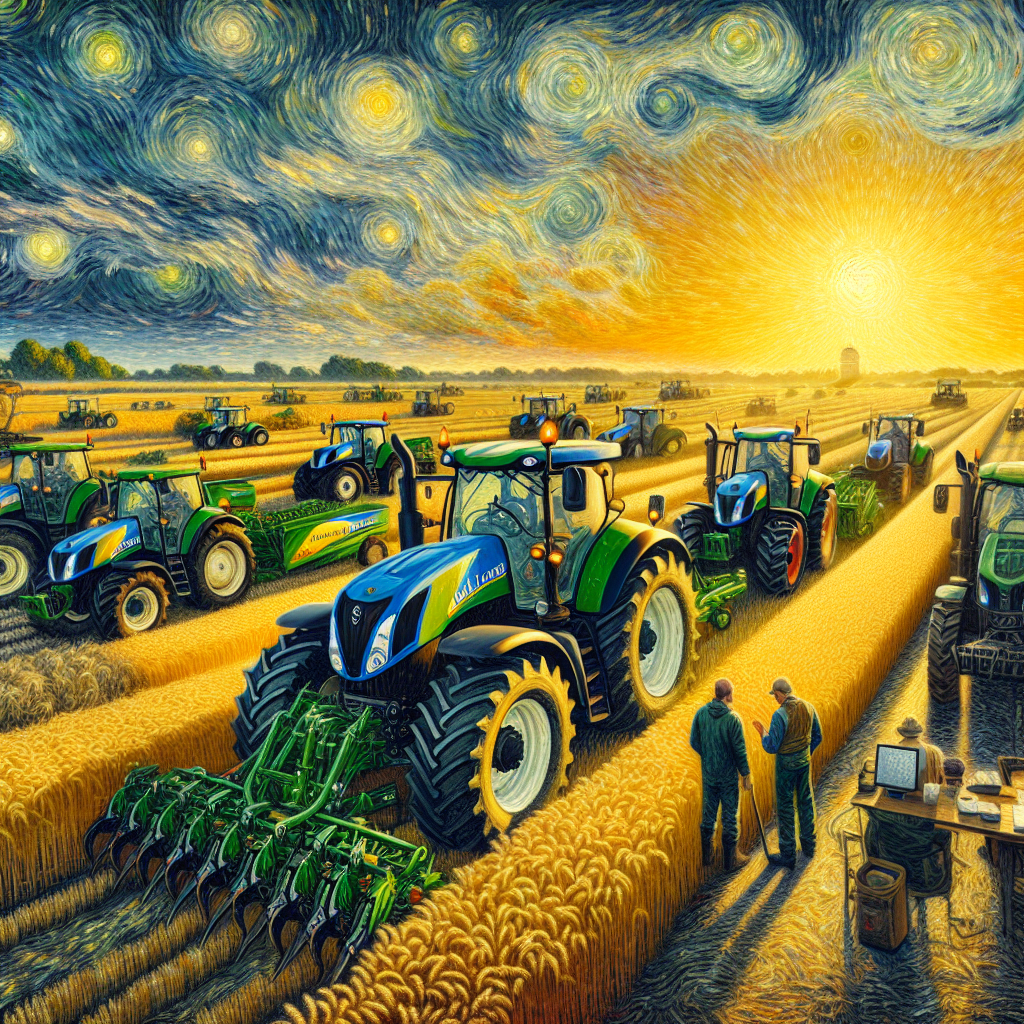
What Memories Do Vintage Tractors Evoke For You As A Farmer?
How Do Vintage Tractors Impact Farming Efficiency Today?
When you see a vintage tractor lumbering through a field, a wave of nostalgia washes over you. Those hulking machines with their faded paint and weathered frames tell stories of grit, hard work, and a deep connection to the land. But beyond the charm and history, there lies a profound truth: ancient iron can teach modern farmers a thing or two about efficiency.
At first glance, you might think these relics are nothing more than showpieces gathering dust in a barn. But ask the farmers who’ve embraced the lessons of these tractors, and you’ll discover that they’re far from obsolete. Vintage tractors often possess a simplicity that today’s complex machinery lacks—there’s a beauty in their straightforward mechanics that requires hands-on understanding. In a world where technology often complicates, returning to basics with these age-old machines fosters a unique kind of efficiency. Preparing for harvest? That vintage tractor is a constant reminder that hard work, patience, and familiarity with one’s tools produce not just crops but a palpable sense of pride.
Moreover, there’s an ethical angle to consider. Embracing vintage tractors means embracing sustainability. Rather than buying the latest shiny models, farmers can resurrect these beasts with a little elbow grease. Each restored tractor is a testament to resourcefulness, celebrating the art of repair over the impulse to discard. This practice not only reduces waste but also connects generations of farmers. Imagine passing down the very tractor your grandfather used while imparting lessons of resilience, innovation, and respect for the land.
These machines serve as conversation starters at county fairs and farmer’s markets, drawing communities together. They represent a collective past, a form of social cohesion that’s increasingly rare in our fast-paced lives. Each vintage tractor carries stories that resonate with farmers today, creating a bond that transcends time.
In essence, vintage tractors remind us that progress does not require leaving behind our roots. They embody a spirit of collaboration between man and machine, while demonstrating that efficiency isn’t just about speed or technology, but a balanced approach to farming that respects tradition and nurtures the earth. So the next time you catch sight of one of these stalwarts, consider the lessons they offer—not just for farming, but for life itself. Embrace the old, and let it guide you to navigate the new, with both heart and purpose.
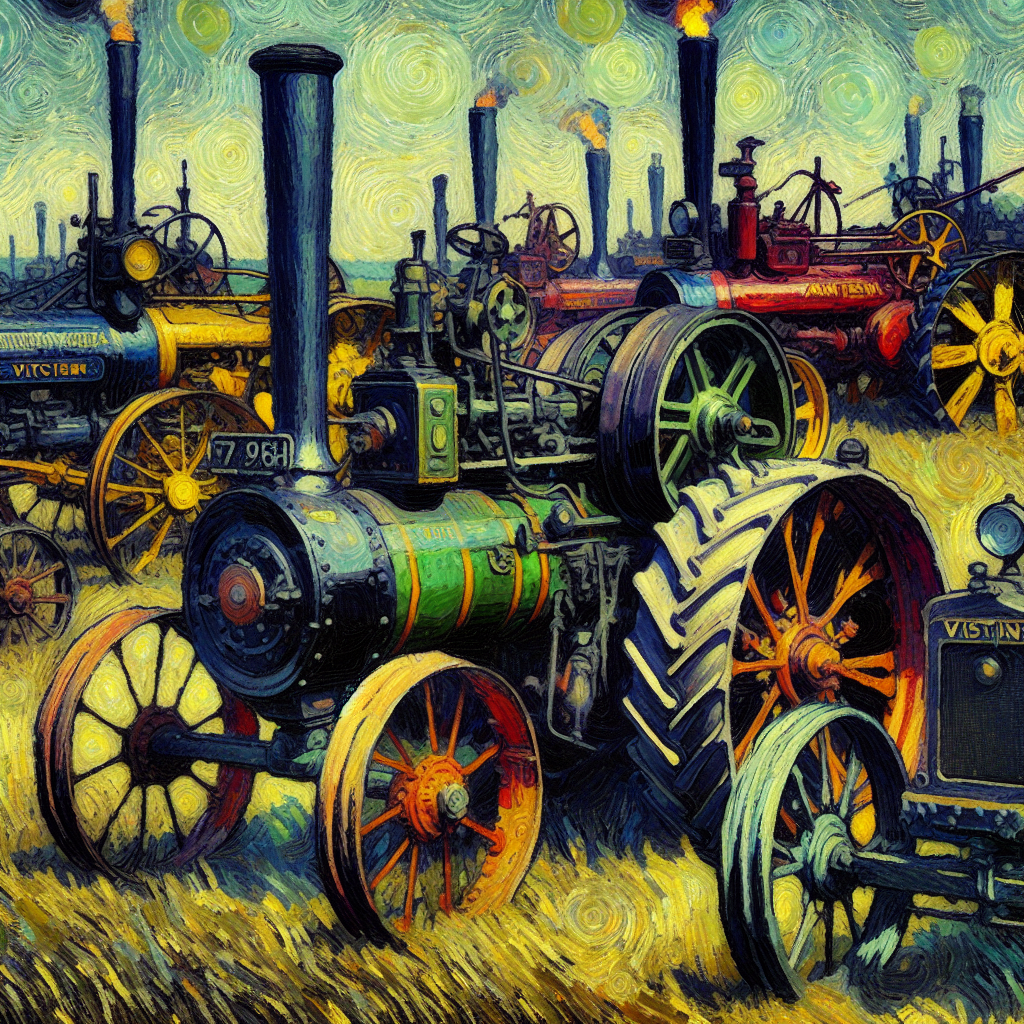
How Do Vintage Tractors Impact Farming Efficiency Today?
How Do Vintage Tractors Impact Farming Efficiency Today?
- Vintage tractors evoke nostalgia and represent a connection to the land and hard work.
- They offer valuable lessons in efficiency due to their straightforward mechanics.
- Restoring vintage tractors fosters a return to basics and enhances hands-on understanding.
- Embracing vintage machinery promotes sustainability by reducing waste and encouraging repair over disposal.
- These tractors connect generations, allowing farmers to pass down stories and lessons of resilience.
- They serve as social catalysts, fostering community bonds at fairs and markets.
- Overall, vintage tractors illustrate that progress can coexist with tradition, promoting a balanced approach to farming.
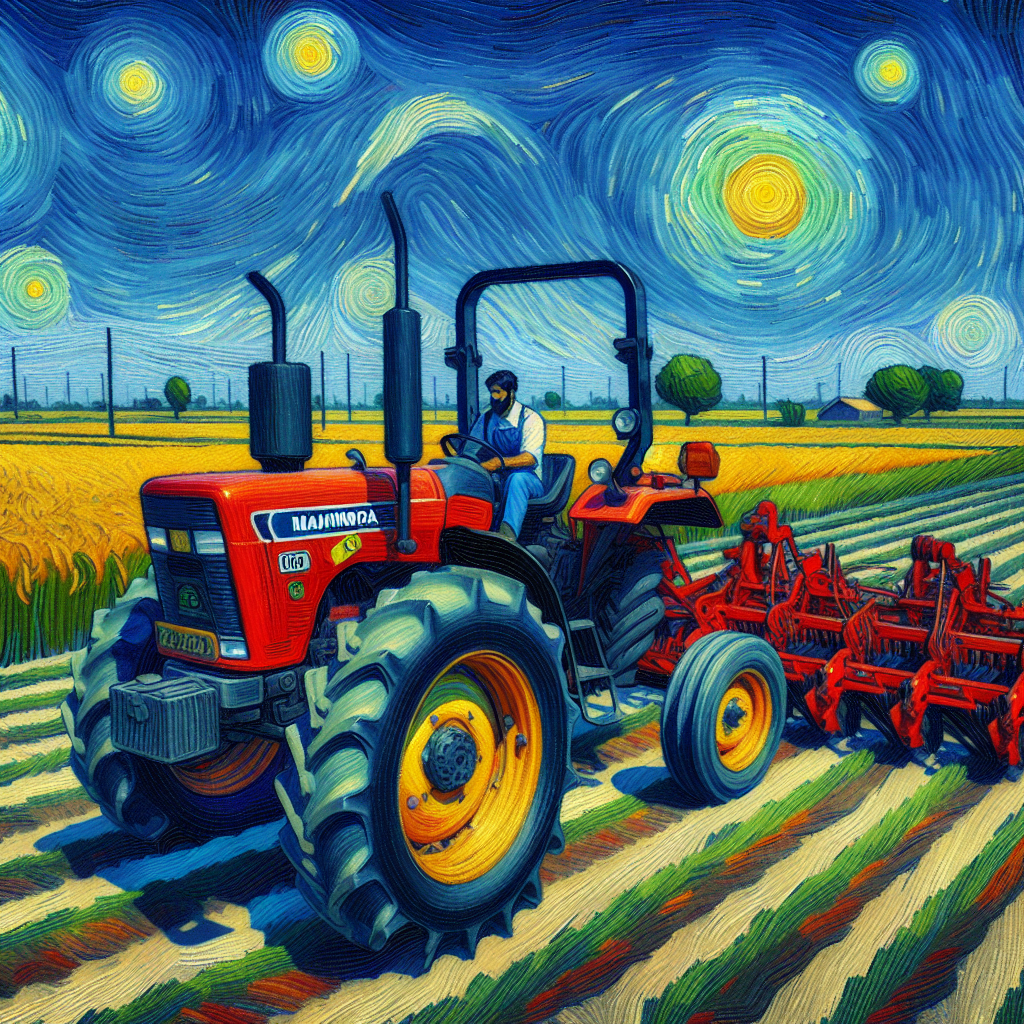
How Do Vintage Tractors Impact Farming Efficiency Today?
What Ethical Considerations Arise In Using Vintage Equipment?
When we fire up an old tractor, perhaps one that’s been sitting in a barn for decades, we’re not just revving an engine; we’re cranking the gears of history itself. This vintage equipment carries with it a legacy of labor, ingenuity, and resourcefulness that stretches back through generations. However, as we celebrate the beauty of these machines, we must also confront a meaty question: what ethical considerations arise when using them?
At first glance, engaging with vintage equipment feels like a righteous journey. It’s like reviving a piece of our shared past, inviting us to touch the hands that shaped it. These tractors aren’t mere relics; they symbolize a time when hard work and craftsmanship were at the forefront. But here’s where the gut-check comes in. Are we properly honoring that legacy, or are we unwittingly promoting nostalgia over sustainability? It’s crucial to balance our love for the old with a keen awareness of our environmental footprint.
Likewise, when we champion vintage tractors as symbols of reliability and craftsmanship, we may inadvertently overlook the ethical sourcing of parts and materials. Are we recycling components responsibly, or are we unknowingly contributing to a cycle of waste? The heart of the matter lies in our responsibility to respect the machines themselves. After all, many vintage tractors carry the scars and stories of their previous owners, turning their bent frames into a tapestry of human experience.
And let’s not forget the social angles. There’s a community that springs up around vintage equipment enthusiasts, a living testament to shared passions and collective wisdom. But this community must cultivate an ethical discourse—where does passion end and exploitation begin? It’s a tough line to tread, and one that requires a cohesive narrative to guide us.
Ultimately, using vintage equipment should involve an intimate reflection that extends beyond the machinery itself. It’s about cultivating a relationship with not just the tractor, but with the principles of sustainability, respect, and stewardship. Let’s lean into this journey with both heart and head. Let’s foster connections that remind us of our roots, while also pushing us to think critically about our impact. So next time you fire up that tractor, let it be a soulful tribute—a blend of reverence for the past and responsibility for our shared future.
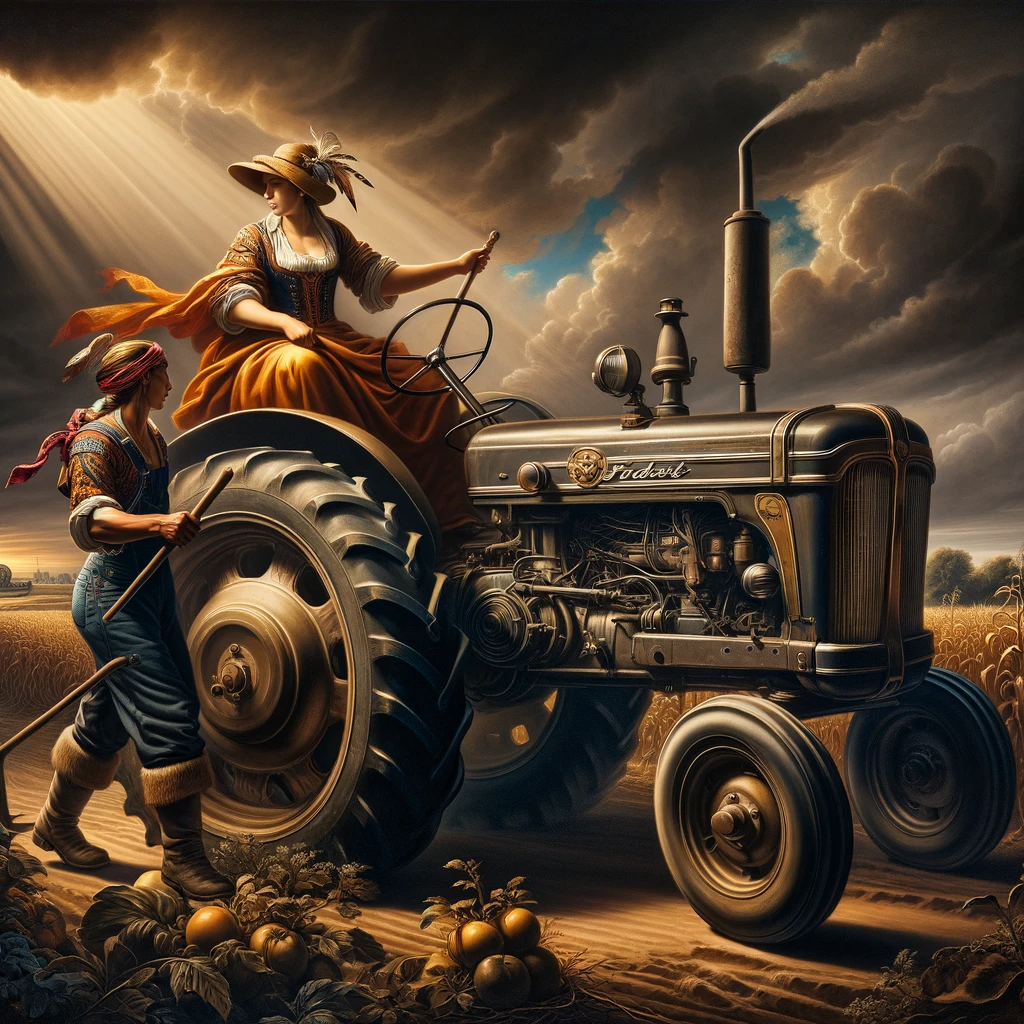
What Ethical Considerations Arise In Using Vintage Equipment?
What Ethical Considerations Arise In Using Vintage Equipment?
- Reviving vintage tractors connects us to the legacy of labor and ingenuity across generations.
- Engaging with these machines is a reflection on our shared past and craftsmanship.
- We must consider the environmental impact and sustainability of using old equipment.
- Ethical sourcing of parts and recycling practices must be prioritized to avoid waste.
- Vintage tractors tell stories of their previous owners and carry historical significance.
- A community around vintage equipment encourages ethical discourse about passion versus exploitation.
- Using vintage machines should promote sustainability, respect, and stewardship for future generations.
What Ethical Considerations Arise In Using Vintage Equipment?
How Do Vintage Tractors Connect Us To Farming History And Heritage?
When you stand before a vintage tractor, what you’re really looking at is more than just metal, wheels, and an engine. You’re gazing upon a tangible piece of history—a connection to a world that has shaped our lives in ways we often overlook. These machines tell stories. They are the workhorses of generations past, each dent and rust spot a mark of honest labor and hard work. They remind us of a time when farming wasn’t just a profession; it was a way of life, deeply interwoven into the fabric of our communities.
Think about it: What is a tractor, if not a symbol of perseverance? Designed to combat the relentless forces of nature, these machines have helped farmers cultivate the land, feed their families, and provide for their communities. When we embrace these vintage tractors, we embrace a legacy of resilience—a lesson in hard work that resonates deep within us. We remember that farming isn’t just production; it’s a profound commitment to stewardship, to nurturing the earth, and to supporting our neighbors.
Let’s consider the newer generation, those often detached from the rich soil and the rhythm of labor. When they see a vintage tractor, it sparks curiosity and ignites conversations—“What did Grandpa do with one of these?” “How did they keep it running?” These questions bridge gaps, connecting us to our roots and reigniting a sense of belonging. Each rusted rivet tells tales of spring plantings and autumn harvests, victories over droughts and floods, and the sheer joy of seeing the fruits of one’s labor.
Yet, in a time where technology dominates, we often critique nostalgia as impractical. But what vintage tractors teach us is invaluable: they symbolize the courage to innovate while respecting the past. These machines stand as a testament to our agricultural heritage, urging us to honor those who came before us while adapting to the challenges of today.
So, the next time you encounter a vintage tractor, take a moment to appreciate not just the mechanics, but the history it carries. Let it remind you of your own roots—of resilience, hard work, and the unbreakable bonds that connect us all. In this fast-paced world, perhaps it’s time we reconnect with the heritage that grounds us, finding inspiration in the characters of our past to build a better future.

How Do Vintage Tractors Connect Us To Farming History And Heritage?
How Do Vintage Tractors Connect Us To Farming History And Heritage?
- Vintage tractors are not merely machines; they represent a tangible piece of history.
- Each tractor embodies stories of hard work, labor, and a way of life in farming communities.
- These machines symbolize perseverance, helping farmers nurture the earth and support their communities.
- For younger generations, vintage tractors spark curiosity and foster connections to their roots.
- Every dent and rust spot tells tales of agricultural challenges and triumphs throughout the seasons.
- Despite modern technology, vintage tractors remind us to innovate while respecting our past.
- Encountering a vintage tractor encourages appreciation for history, resilience, and community bonds.

How Do Vintage Tractors Connect Us To Farming History And Heritage?
What Are The Risks And Rewards Of Relying On Vintage Machinery?
When you stand before a vintage tractor, you’re not just gazing at a piece of machinery—you’re looking at a slice of history that’s ripe with stories, struggles, and triumphs. This hulking mass of steel represents a time when craftsmanship was king, and it embodies the spirit of countless farmers who relied on its horsepower to plow fields, cultivate crops, and sustain their families. But with nostalgia comes risk, and as the saying goes, every rose has its thorns.
On one hand, relying on vintage machinery can feel like a return to simpler times. There’s a connection to the past that comes with knowing each lever, every rusted bolt, was crafted with purpose. Emotionally, this can be invigorating; it’s a reminder of human resilience and ingenuity. However, while those vintage tractors are built to last, they often require more maintenance than their modern counterparts. Parts can be difficult to find, and that cherished machine may not be as reliable as it once was. For the passionate farm owner, the reward for laboring over a classic can become a source of pride—drivers become stewards of history, keeping the legacy alive for future generations.
Yet, there’s the rational side to consider: the cost. If your vintage tractor breaks down during the peak harvest season, the financial impact can be staggering. Operating an antique may mean specializing in repairs yourself or investing in hard-to-find specialist services, creating an additional layer of both effort and expense. While it’s noble to preserve a piece of history, it’s essential to weigh the potential financial burden against the nostalgic rewards.
Ethically speaking, there’s a responsibility that comes with preserving the past. Are we honoring the craftsmanship that these machines represent, or are we just holding onto obsolete technology out of sheer stubbornness? Taking a balanced approach between respect for tradition and practicality means making informed choices about the machinery you cherish.
Ultimately, the decision to rely on vintage tractors rests not only on emotion and logic but also on community. As you pull up to a local fair proudly showcasing your restored piece of history, you’re not just sharing a tractor; you’re inviting others into a conversation—about values, about the environment, and about the stories that shape our agriculture. So, take a deep breath, evaluate the joys and duties, and connect with those who share your passion. Whether it’s for the heart, head, or gut, the journey of vintage machinery can be as rewarding as it is risky.
What Are The Risks And Rewards Of Relying On Vintage Machinery?
What Are The Risks And Rewards Of Relying On Vintage Machinery?
- Vintage tractors symbolize a slice of history filled with stories, struggles, and triumphs.
- Craftsmanship and human resilience are embodied in these machines, representing a bygone era.
- While nostalgic, vintage tractors often require more maintenance than modern machines.
- The financial impact of breakdowns can be significant, especially during peak seasons.
- Preserving vintage tractors comes with ethical considerations regarding technology and tradition.
- Community plays a vital role in the experience, fostering conversations about values and agriculture.
- The journey with vintage machinery is a blend of emotional rewards and practical challenges.
What Are The Risks And Rewards Of Relying On Vintage Machinery?
How Do You Balance Nostalgia With Practicality In Farming Choices?
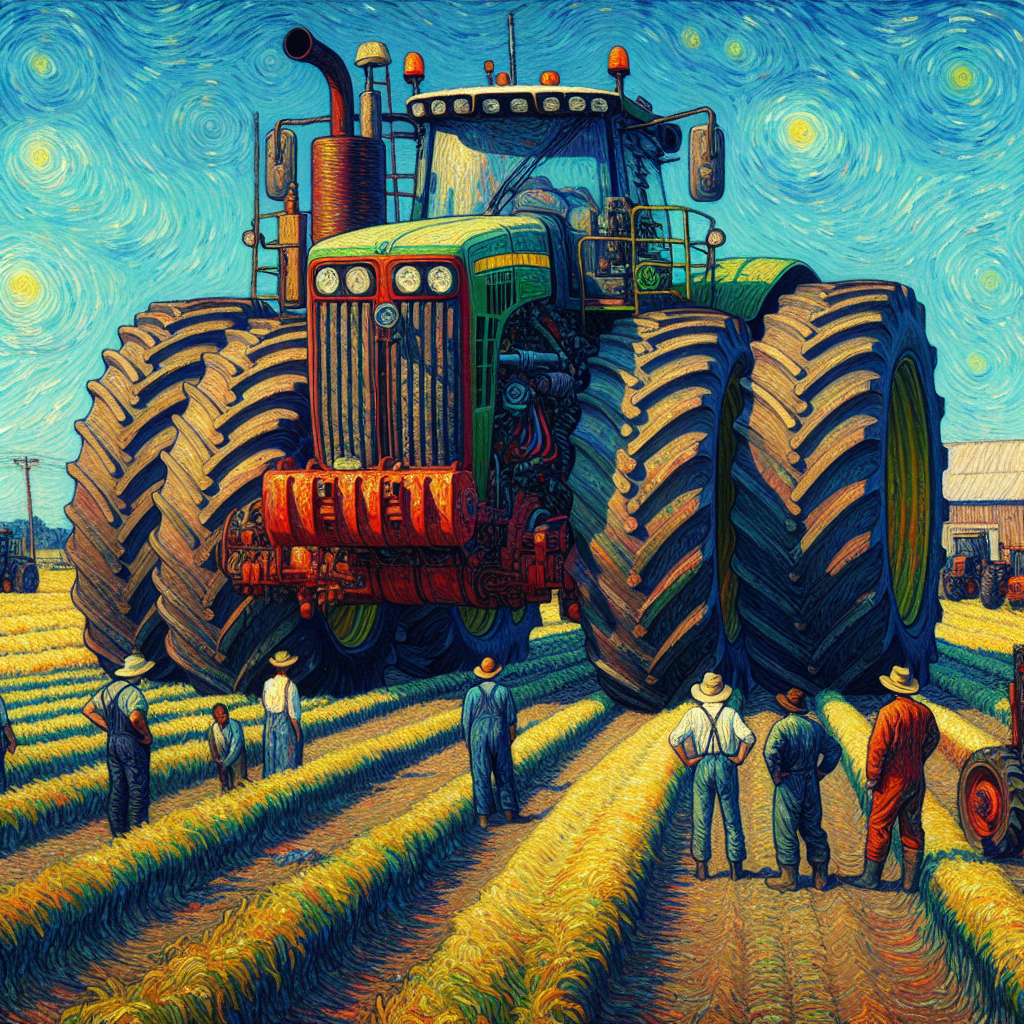
Farming isn’t just about the land; it’s an ongoing story of resilience, hard work, and an undeniable connection to our roots. There’s something deeply emotive about the rumble of a classic tractor, the way it carries the weight of our history on its steel frame. Yet, as much as we cherish those memories, we also stand at a crossroads, balancing nostalgia with practicality in our modern farming choices.
When I think of those old tractors, I remember my grandfather’s weathered hands, guiding the wheel as he plowed through fields sprinkled with both sweat and dreams. Those machines are more than just tools; they’re symbols of our past, embodying values like dedication and craftsmanship. But let’s face it—clinging to the past can sometimes blind us to the possibilities of the future. Nostalgia is wonderful, but it can’t replace the need for efficiency and sustainability in an ever-evolving agricultural landscape.
Now, take a moment and pay attention to the challenges we face today. Rising costs, unpredictable weather, and advancing technology demand that we make decisions grounded in practical realities. Farming isn’t just about hugging a favorite old tractor; it’s also about leveraging innovative methods, investing in precision agriculture, and adopting environmentally friendly practices. Here’s where rationality meets the heart—the desire to maintain a sustainable operation while honoring our family histories.
But navigating this landscape isn’t just an intellectual exercise; it’s a moral consideration, too. There’s an ethical responsibility to the earth and the communities we serve. By blending the sentimental with the sensible, we not only respect our agricultural heritage but also secure a thriving future for generations to come. We owe it to our children to hand them not just stories but a viable landscape that mirrors the beauty of what once was, while standing on the cutting edge of what could be.
So how do we tread this narrow path? It’s about dialogue—conversations with fellow farmers, sharing experiences that resonate, and creating a community inspired by both tradition and progress. Reach out, ask questions, and be open to change. This dynamic approach allows us to celebrate our nostalgic roots while grounding ourselves in the practical realities of modern farming, fostering a sense of trust and camaraderie as we navigate our way forward together. Let’s honor what has shaped us while boldly embracing what will sustain us.
How Do You Balance Nostalgia With Practicality In Farming Choices?
How Do You Balance Nostalgia With Practicality In Farming Choices?
- Farming is a blend of resilience, hard work, and a deep connection to our roots.
- Classic tractors symbolize our history and embody values like dedication and craftsmanship.
- Nostalgia should not overshadow the need for efficiency and sustainability in agriculture.
- Modern farming faces challenges such as rising costs, unpredictable weather, and technological advancements.
- Successful farming requires a balance of tradition and innovative, environmentally-friendly practices.
- There is an ethical responsibility to both the earth and our communities for future generations.
- Dialogue and collaboration among farmers are essential for celebrating tradition while embracing modernity.
How Do You Balance Nostalgia With Practicality In Farming Choices?
Conclusion
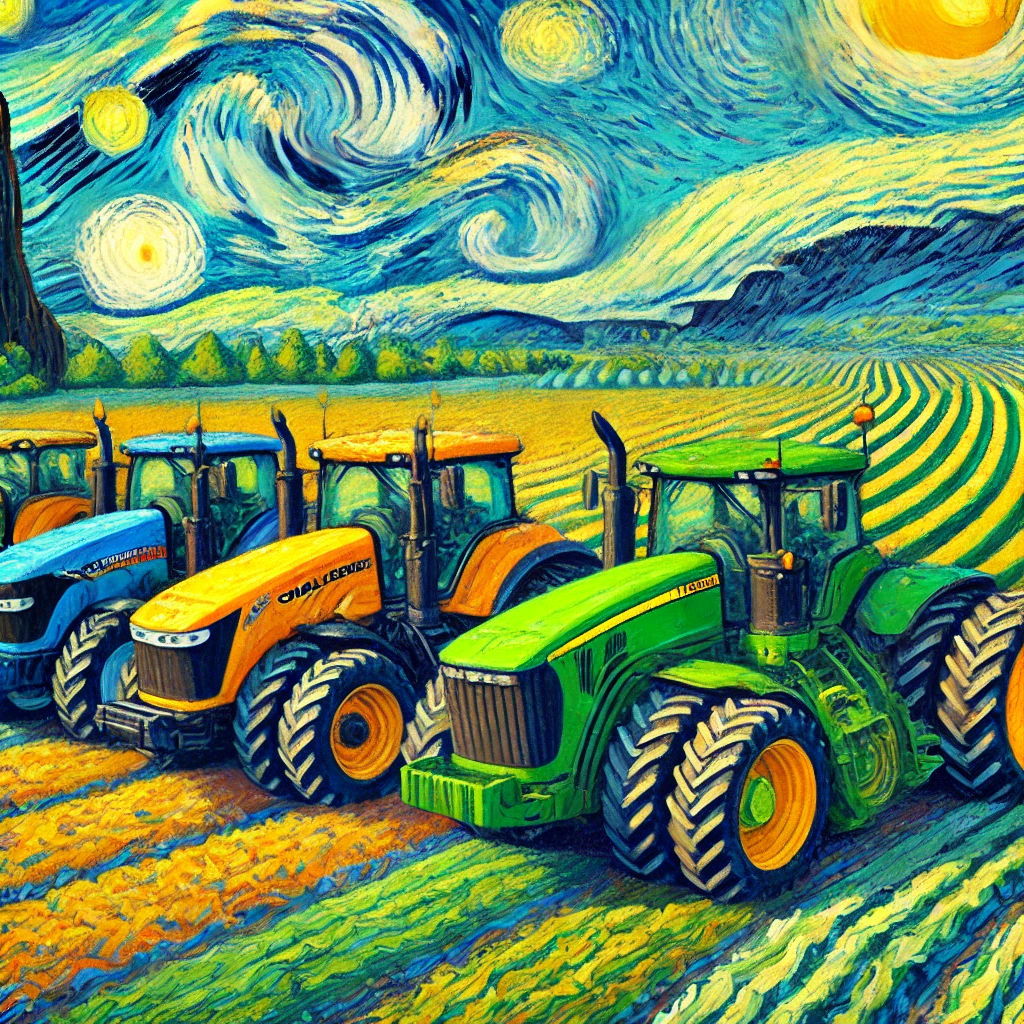
As we wrap up our exploration of vintage tractors through the eyes of farmers, it’s crucial to reflect on the profound relationship between these machines and the agricultural lifestyle. When you think about that clang of metal, the whir of old engines, and the sight of a farmer gripping the wheel of a trusted vintage tractor, you’re witnessing more than just the functionality of farming equipment—you’re engaging with a rich tapestry woven from history, community, and identity.
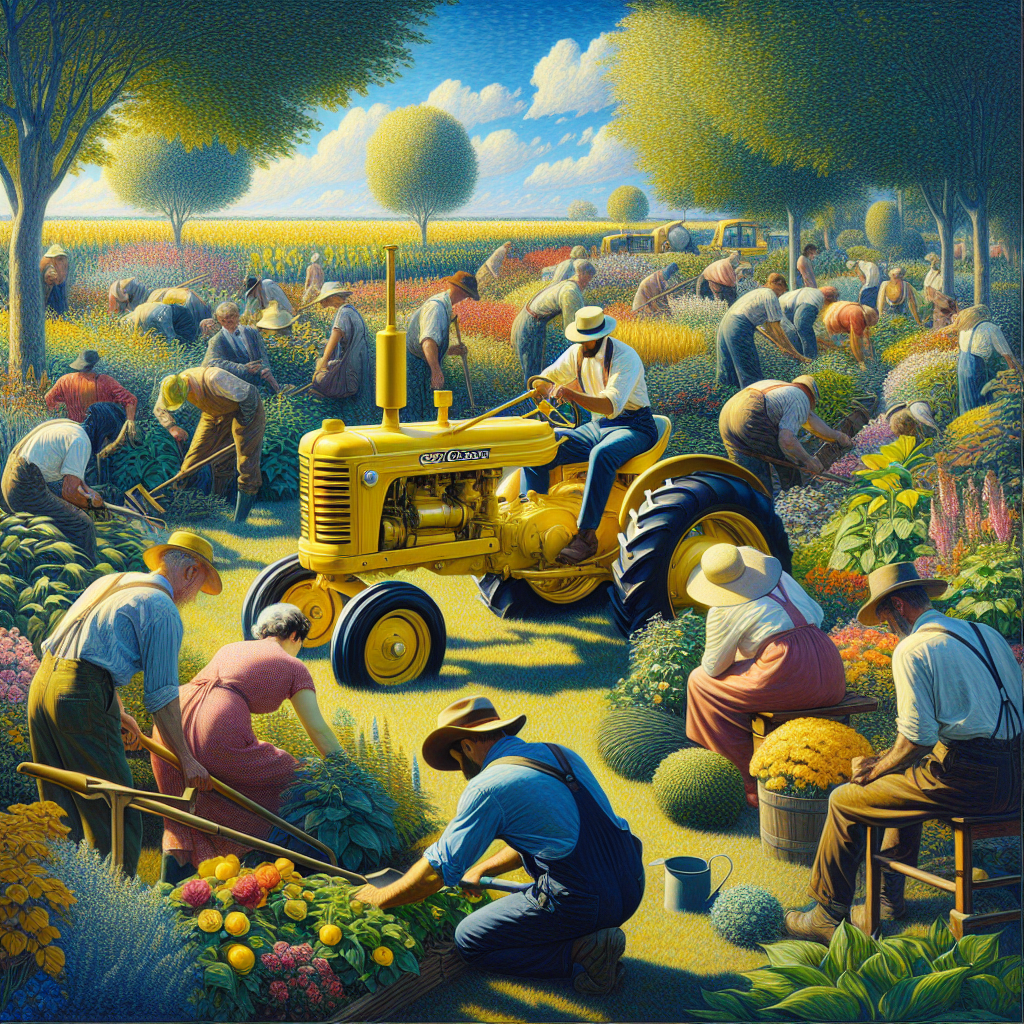
There’s a timeless quality to vintage tractors that resonates with the heart. Each dent and rust spot is not merely wear; it’s a testament to resilience, echoing the struggles and triumphs of generations of farmers. These machines have been the steadfast companions on countless journeys, reminding us of the honest labor that feeds not just our families but entire communities. For many, the roar of a vintage engine is akin to a heartbeat, signifying the unwavering promise of reliability amidst the uncertainties that farming inherently carries.
Yet nostalgia shouldn’t cloud our judgment. While these vintage beauties bring charm and warmth, there’s a rational side to consider too. Economically speaking, vintage tractors often offer lower maintenance costs and simpler mechanics, making them not just a sentimental choice but a practical one, allowing farmers to allocate resources more efficiently. They remind us of the importance of economy in agriculture—keeping the financial focus on growing and nurturing rather than merely maintaining.
Ethically, embracing vintage tractors honors our agricultural lineage. By restoring and utilizing these machines, we celebrate craftsmanship, sustainability, and community values that are too often overshadowed by modern, throwaway culture. Engaging with vintage tractors fosters a dialogue across generations, providing a platform for stories to be swapped in a communal setting—be it at a harvest festival or a local tractor show. This connection enriches our farming heritage while reinforcing the bonds that unite us as caretakers of the land.
As farmers navigate the complexities of modern agriculture, the challenge lies in balancing nostalgia with practicality. It’s essential to honor the past but also to be nimble enough to embrace innovation and sustainable practices that ensure the future of farming. The key is to have those candid conversations, encourage collaboration, and seek inspiration from both our roots and the endless possibilities that lie ahead.
So the next time you see one of those vintage tractors lumbering through a field, take a moment to appreciate not just the machine, but the legacy and lessons it embodies. In them lies a spirit of perseverance and community that can guide us through today’s agricultural challenges—a reminder that progress can flourish while still honoring our past. Let’s celebrate the old and embrace the new, rolling forward into a future that remains deeply rooted in the values we hold dear.
Conclusion
Conclusion:
- Vintage tractors symbolize the deep relationship between farming machinery and agricultural life.
- Each dent and rust spot on a vintage tractor represents resilience and the history of farmers’ struggles and triumphs.
- The sound of vintage engines conveys reliability, serving as a heartbeat for the farming community.
- Economically, vintage tractors offer lower maintenance costs and simpler mechanics, making them practical for farmers.
- Restoring vintage tractors honors agricultural heritage, craftsmanship, and sustainability while fostering community values.
- Farmers must balance nostalgia for vintage equipment with the need for innovation and sustainable practices in modern agriculture.
- Vintage tractors remind us to appreciate heritage while moving forward, blending past values with future possibilities.
Conclusion
Other Resources
Other Resources
Here is a list of other resources you can review online to learn more:
- Agra Cat
- Turner-Simplicity
- Farm Collector Show Directory
- Classic Tractor Fever
- Shaktimaan
- GBT
- JCB
- Antique Tractor Blog
- Paquette Farmall Tractor Museum
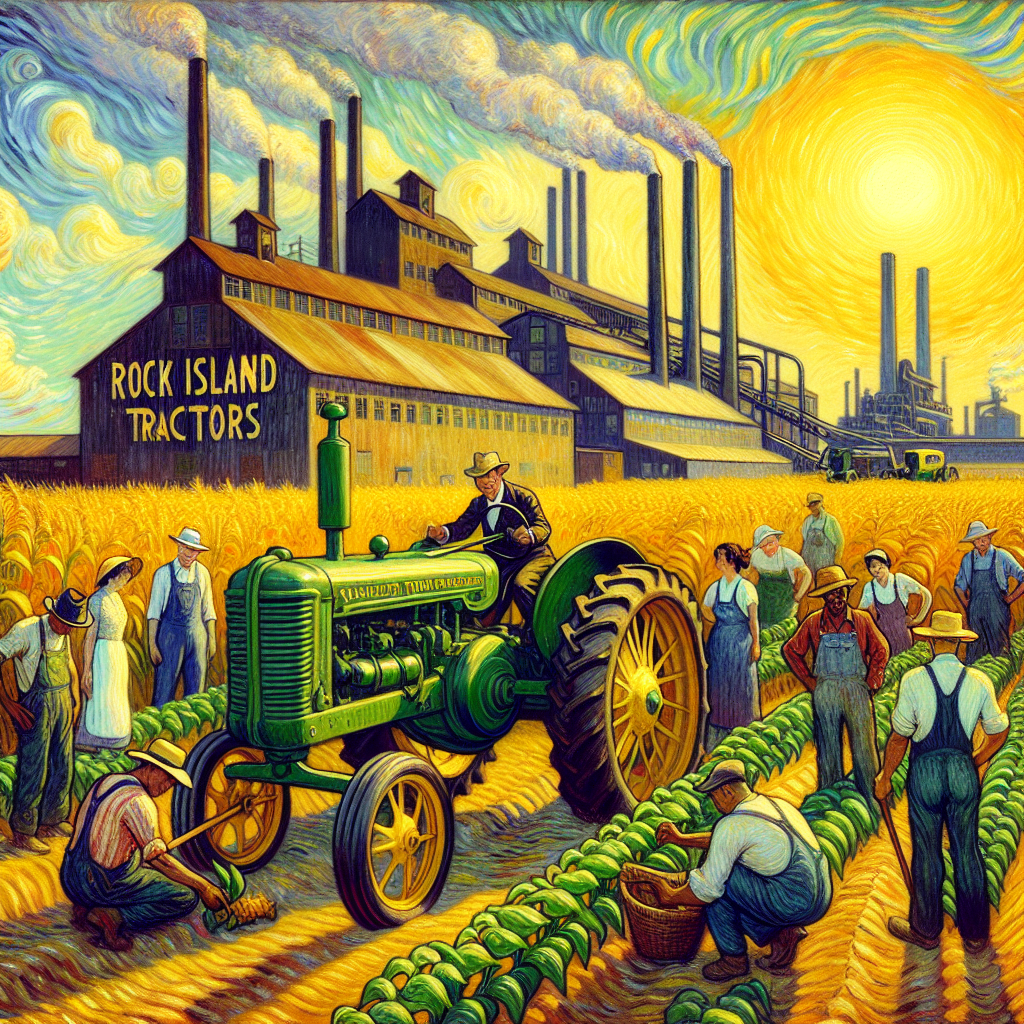
Use This Prompt To Get More Resources With Your Favorite Online AI Tool: Please provide me with a list of online articles with their URLs in a bulleted list that I can read regarding What Do Farmers Say About The Reliability Of Vintage Tractors
Other Resources
Glossary Terms
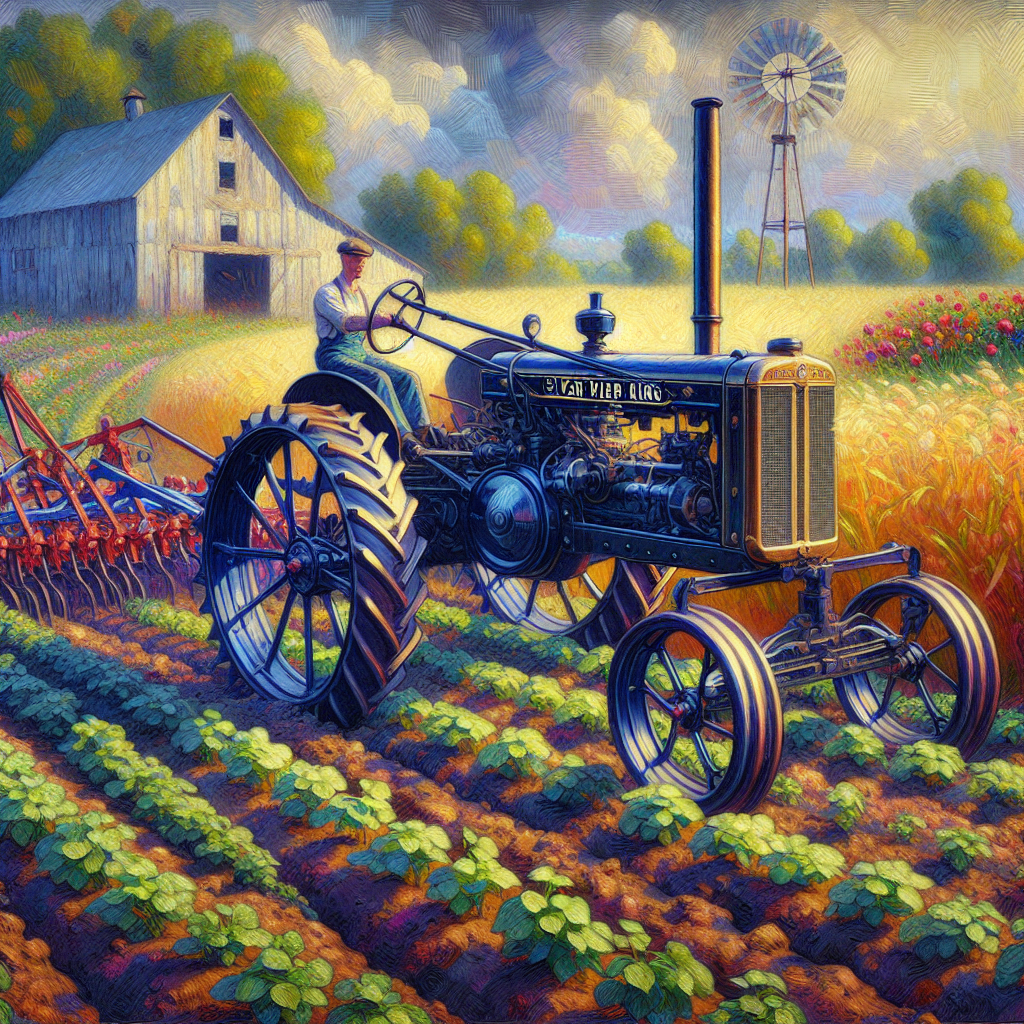
What Do Farmers Say About The Reliability Of Vintage Tractors – Glossary Of Terms
1. Vintage Tractors: Refers to tractors that were manufactured several decades ago, often celebrated for their durability and simplicity.
2. Reliability: The degree to which vintage tractors perform consistently over time without failure.
3. Maintenance: The routine care and servicing of tractors to ensure optimal performance and longevity.
4. Restoration: The process of repairing and refurbishing vintage tractors to restore them to a working or aesthetically pleasing condition.
5. Durability: The ability of vintage tractors to withstand wear, pressure, or damage, often cited as a strong advantage compared to modern models.
6. Simplicity: The straightforward design and fewer electronic components of vintage tractors, which make them easier to repair and maintain.
7. Hydraulics: The system used in tractors to facilitate heavy lifting and movement, often simpler in vintage models.
8. Parts Availability: The accessibility of replacement components for vintage tractors, which can influence reliability over time.
9. Fuel Efficiency: The measure of how many units of fuel are consumed in relation to the work done, which can vary widely between vintage and modern tractors.
10. Community: The network of enthusiasts and farmers who share information and resources about vintage tractors, enhancing their reliability through shared knowledge.
11. Torque: The rotational force produced by a tractor’s engine, a key factor in determining its pulling power and effectiveness in the field.
12. Engine Type: Refers to the kind of engine used in vintage tractors (e. g. , gasoline or diesel), which can impact reliability and performance.
13. Torque Converter: A component that helps smooth the power transition from the engine to the wheels, essential for operational efficiency in tractors.
14. Original Parts: Authentic components that came with vintage tractors, which can enhance reliability if maintained properly.
15. Aftermarket Parts: Replacement parts not made by the original manufacturer, often more accessible but can vary in quality and reliability.
16. Longevity: The lifespan of a vintage tractor, indicating how many years it can effectively serve farmers if well-maintained.
17. Field Tests: Trials conducted by farmers to evaluate how well vintage tractors perform in real-world agricultural settings.
18. Operator Experience: The knowledge and skills of the person operating the tractor, significantly influencing its reliability and performance.
19. Mechanical Repairs: The process of fixing wear-and-tear issues, crucial for maintaining the reliability of vintage tractors.
20. User Manuals: Documentation that provides instructions on the operation and maintenance of vintage tractors, often cherished by enthusiasts.
21. Fuel Type: The kind of fuel a vintage tractor uses, affecting both operation and reliability; some older models require specific fuel grades.
22. Innovation: Refers to advancements in agricultural technology, which some farmers believe improve upon vintage designs while others prefer the simplicity of older models.
23. Resale Value: The worth of vintage tractors in the market, which can depend on their condition, rarity, and reliability.
24. Collectibles: Vintage tractors that are sought after by enthusiasts and collectors, often valued for their historical significance and reliability.
25. User Testimonials: Personal accounts from farmers regarding their experiences with vintage tractors, providing insights into reliability.
26. Utility: The usefulness of vintage tractors for specific farming tasks, which can influence their perceived reliability in various applications.
27. Tradition: The legacy of using vintage tractors among generations of farmers, contributing to loyalty and continued use despite modern alternatives.
28. Wear and Tear: The deterioration of parts and performance due to regular use, a critical factor in assessing the reliability of vintage tractors.
29. Restoration Costs: The expenses incurred in bringing a vintage tractor back to operational condition, impacting its overall value and reliability.
30. Legacy: The ongoing impact of vintage tractors on farming practices and traditions, often reflecting farmers’ reliance on their historic reliability.
Glossary Of Terms
Other Questions
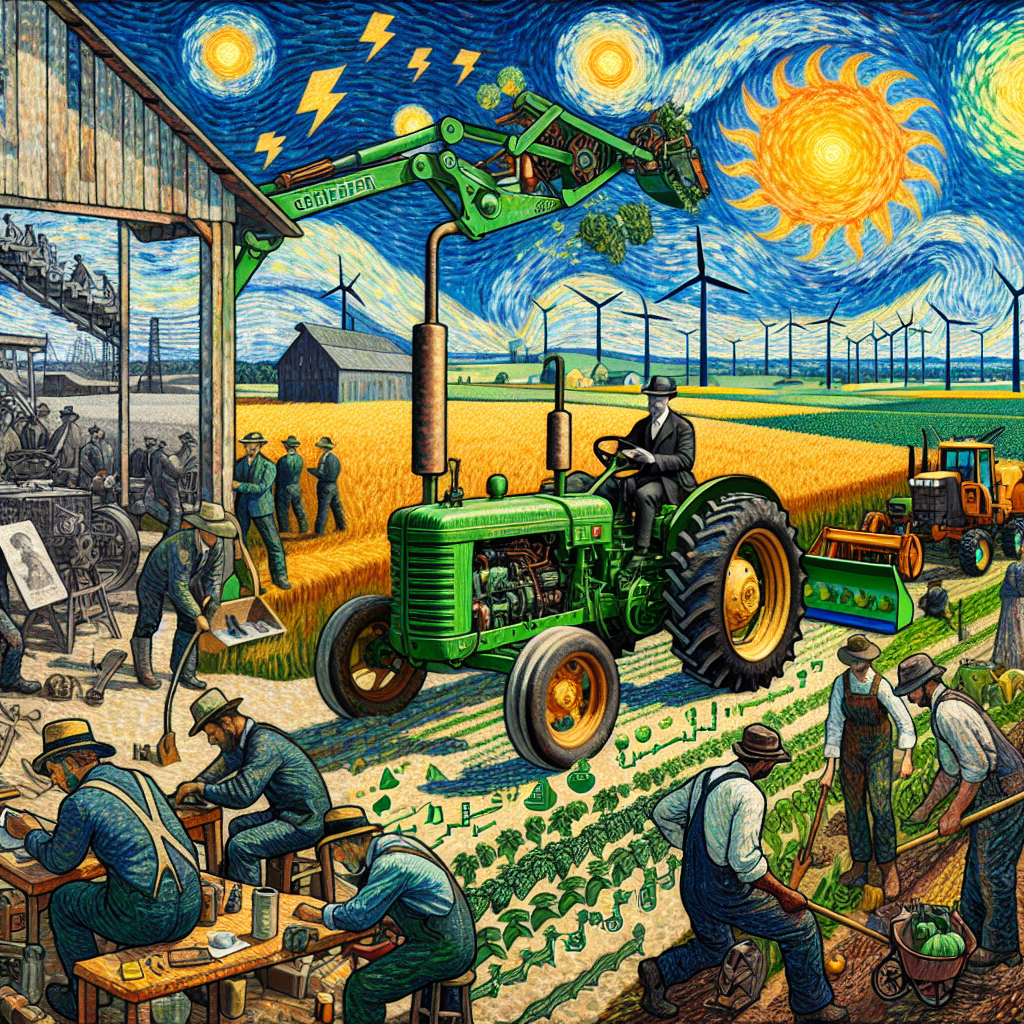
What Do Farmers Say About The Reliability Of Vintage Tractors – Other Questions
If you wish to explore and discover more, consider looking for answers to these questions:
- What specific models of vintage tractors are considered the most reliable?
- How do vintage tractors compare in efficiency to modern tractors?
- What are the long-term costs associated with maintaining vintage tractors?
- What are common problems that vintage tractors experience?
- How do farmers share knowledge and resources related to vintage tractors?
- What community events are centered around vintage tractors?
- How can vintage tractors contribute to sustainable farming practices?
- What is the historical significance of specific vintage tractor brands or models?
- What role do vintage tractors play in modern farming culture?
- How can farmers balance using vintage equipment with newer technologies?
- Are there any legal or regulatory considerations when using vintage machinery?
- What are the best practices for restoring and maintaining vintage tractors?
- How do farmers pass down knowledge of vintage agriculture equipment to younger generations?
- What trends are emerging in the restoration and collection of vintage tractors?
- Can vintage tractors be modified with modern technology for better performance?
- What are farmers’ stories or experiences related to their vintage tractors?
Other Questions
Haiku
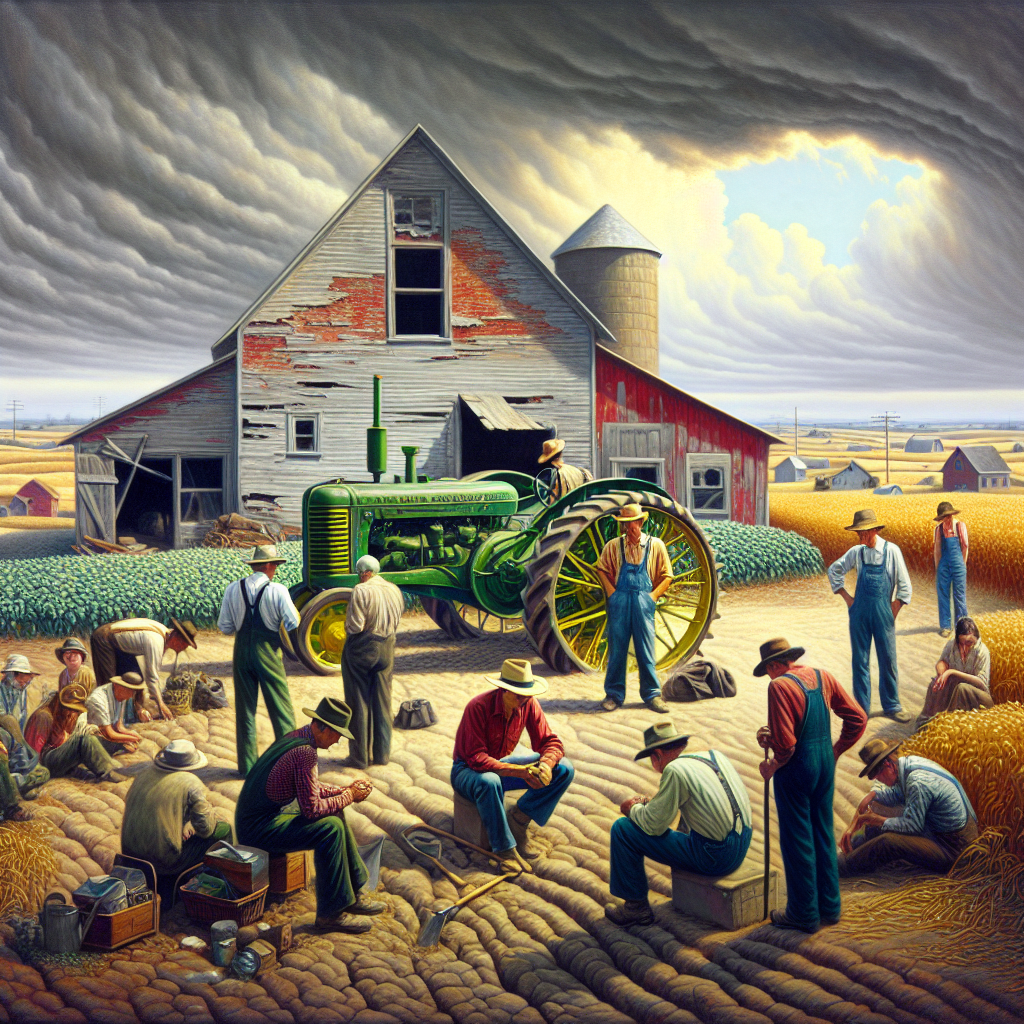
What Do Farmers Say About The Reliability Of Vintage Tractors – A Haiku
Nostalgia’s embrace,
Vintage steel whispers our past—
Roots and future thrive.
Haiku
Poem
What Do Farmers Say About The Reliability Of Vintage Tractors – A Poem
Vintage Iron: Heart, Head, and Soil
In fields where golden memories lie,
The vintage tractor rumbles, a heartfelt sigh.
A legacy of toil, in every dent and rust,
With calloused hands on the wheel, we place our trust.
Through storms and seasons, steadfast it stands,
A promise of reliability in tired, weathered hands.
Each roar of the engine, a vow from the past,
In those moments of labor, connections are cast.
Rational whispers: “It’s more than mere steel,
A sound investment, simplicity’s appeal.”
With parts that are plenty, and mechanics who know,
In the dance of the farms, these values still grow.
Yet deeper than numbers, this choice bears a weight,
Ethics entwined with the history we create.
Reviving old tractors, we honor our kin,
Craftsmanship cherished, where our roots begin.
In the crowded fairgrounds, farmers unite,
Sharing stories of harvest, of struggle, of light.
Amid laughter and pride, a community thrives,
Vintage iron reminds us of the heart that survives.
But tread with care; with love comes a cost,
Maintenance and parts, in the balance, we’re tossed.
A mix of nostalgia, of duty and gain,
In honoring the past, must we shoulder the strain?
With every turn of the wheel, there’s wisdom to glean,
Embrace both the old, and the novel unseen.
Sustainable choices, this path we must chart,
Connecting to heritage, while nurturing art.
So when that old tractor rolls onto your land,
Remember its story, its legacy’s stand.
With heart, head, and gut, we forge a new way,
Rooting in history, while we cultivate today.
Let’s harvest both lessons, from yesterday’s might,
And blend them with progress, as we work toward the light.
For in every reflection of vintage machines,
Lies hope for the future, in agricultural dreams.
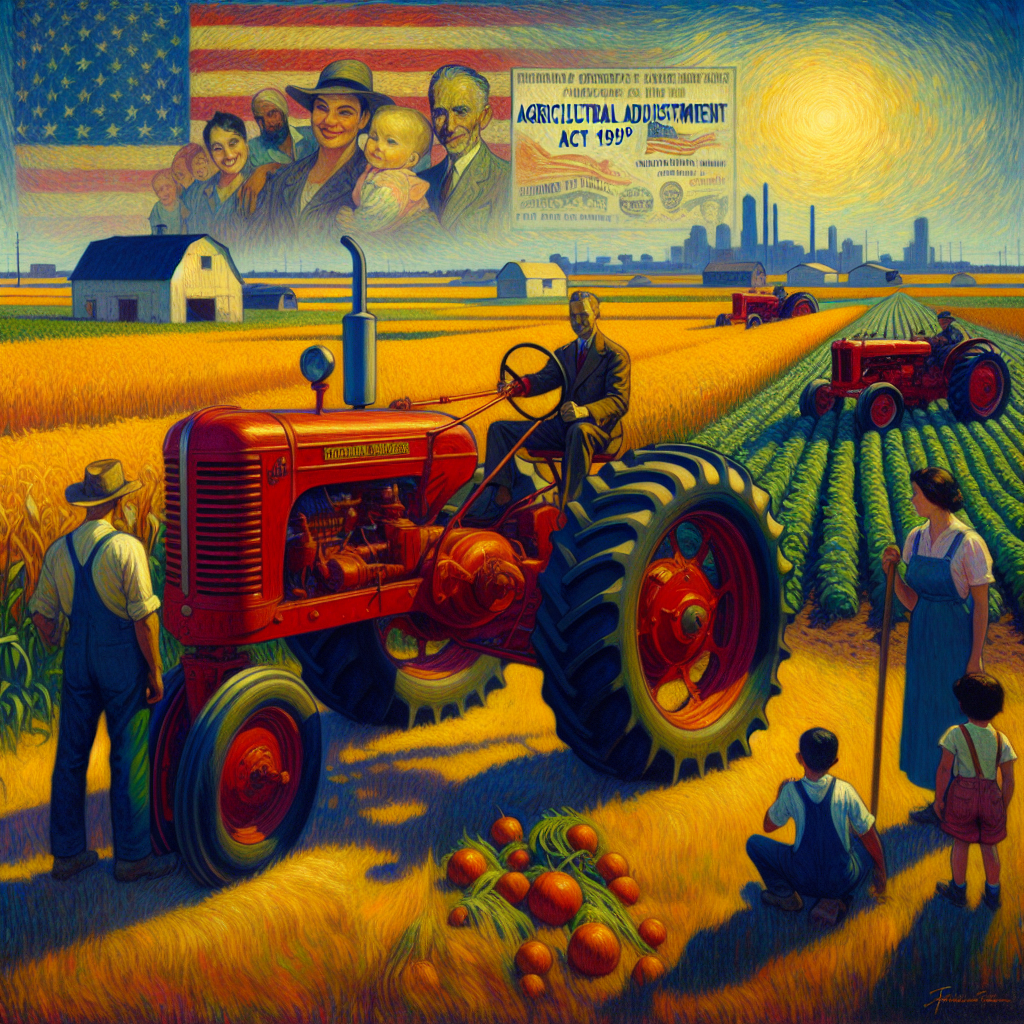
Poem
Checklist
What Do Farmers Say About The Reliability Of Vintage Tractors – A Checklist
Checklist: Embracing Vintage Tractors _____ Balancing Heart, Head, and Gut
Emotional Appeals
_____ Reflect on Memories: Take a moment to think about the emotions and memories associated with vintage tractors. What stories do they evoke from your past?
_____ Cherish Connections: Consider how a vintage tractor helps strengthen relationships with your family or community. Share a story with someone who understands the sentiment.
_____ Celebrate Resilience: Recognize the resilience that vintage tractors symbolize in your farming journey. How have these machines represented determination in your life?
Rational Appeals
_____ Evaluate Reliability: Research the mechanical simplicity and reliability of vintage tractors. What are the maintenance costs compared to modern machines?
_____ Cost-Benefit Analysis: Calculate potential savings on repairs, parts availability, and long-term value of vintage tractors versus newer models.
_____ Invest in Restoration: Assess the feasibility of restoring vintage tractors. Are the benefits and potential cost savings worth the investment in time and resources?
Ethical Appeals
_____ Consider Sustainability: Evaluate how restoring vintage tractors contributes to sustainable practices in agriculture. Are you embracing sustainability by choosing older machinery?
_____ Honor Craftsmanship: Reflect on the craftsmanship that went into these vintage machines. How can you respect and promote that legacy in your own practices?
_____ Practice Stewardship: Contemplate your responsibility in maintaining vintage tractors. Are you preserving or neglecting their historical significance?
Authority Appeals
_____ Seek Expertise: Connect with local vintage tractor clubs, mechanics, or farming communities to gain insights and gathering shared knowledge about maintenance and history.
_____ Trust Farmers’ Experiences: Listen to stories and testimonies from farmers who utilize vintage tractors. What lessons can be learned from their experiences?
_____ Educate Yourself: Invest time in reading books or attending workshops on the history and mechanics of vintage tractors to deepen your understanding.
Narrative Appeals
_____ Tell Your Story: Share your personal journey with vintage tractors. What role have they played in your farming story?
_____ Engage in Conversations: Join discussions at local fairs or events about the significance of vintage tractors in farming history. What stories resonate with your community?
_____ Promote Collective History: Create platforms for farmers to share their experiences with vintage equipment, highlighting community bonds and histories.
Social Appeals
_____ Build Community Ties: Engage with local farming communities that appreciate vintage tractors. How can you participate more actively in these groups?
_____ Collaborate on Restoration Projects: Partner with fellow farmers to restore a vintage tractor or participate in a community event focused on vintage machinery.
_____ Encourage Sharing: Host gatherings or social media groups where farmers can share tips, stories, and recipes related to vintage machinery and its significance.
Conclusion
By using this checklist, you can effectively embrace the values associated with vintage tractors while balancing emotional connections, rational decisions, and ethical considerations, fostering deeper relationships within your farming community. Whether you’re cherishing the past or looking toward the future, these tools can help you navigate your farming journey with purpose and pride.
Checklist
At ClassicTractorNews, we help tractor lovers keep up with the latest news for classic and vintage tractors.
Please share this post with your friends, family, or business associates who may like old classic or vintage tractors.