

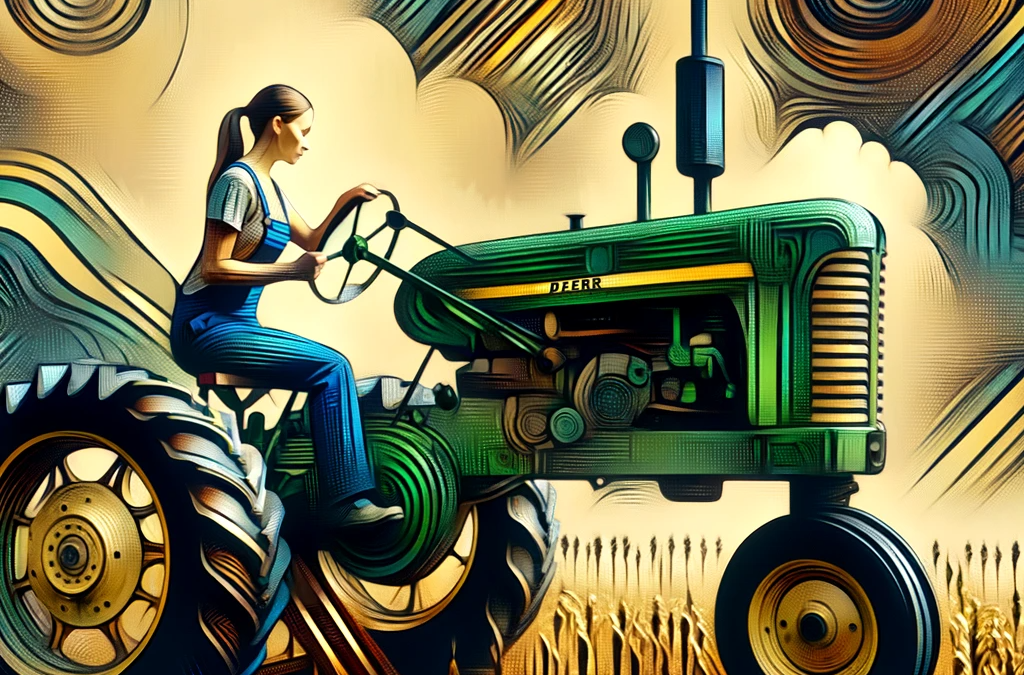
The Timeless Wisdom Of Classic Tractors: Lessons For Farmers Today
By Tom Seest
At ClassicTractorNews, we help tractor lovers keep up with the latest news for classic and vintage tractors.
Please share this post with your friends, family, or business associates who may like old classic or vintage tractors.
What Can Farmers Learn From The Simplicity Of Classic Tractors
In a world where complexity often reigns supreme, there’s something deeply humbling about the classic tractor. These machines, with their robust simplicity and accountability, teach us lessons that extend far beyond plowing fields. They connect us to our roots—quite literally—and remind us that sometimes, less is more.
Think back to those rugged, unpretentious tractors that farmers relied on for generations. They weren’t equipped with every bell and whistle, yet their engines hummed with reliability and purpose. This is where the lesson begins: success doesn’t always lie in complication; rather, it often thrives in simplicity. Those who expertly managed these classic tractors understood a key principle: know your machine, know your land, and trust your instincts. In today’s high-tech farming world, we can sometimes overlook the value of that straightforward connection. Embracing the essence of those vintage machines can strip our processes down to what truly matters—quality, integrity, and perseverance.
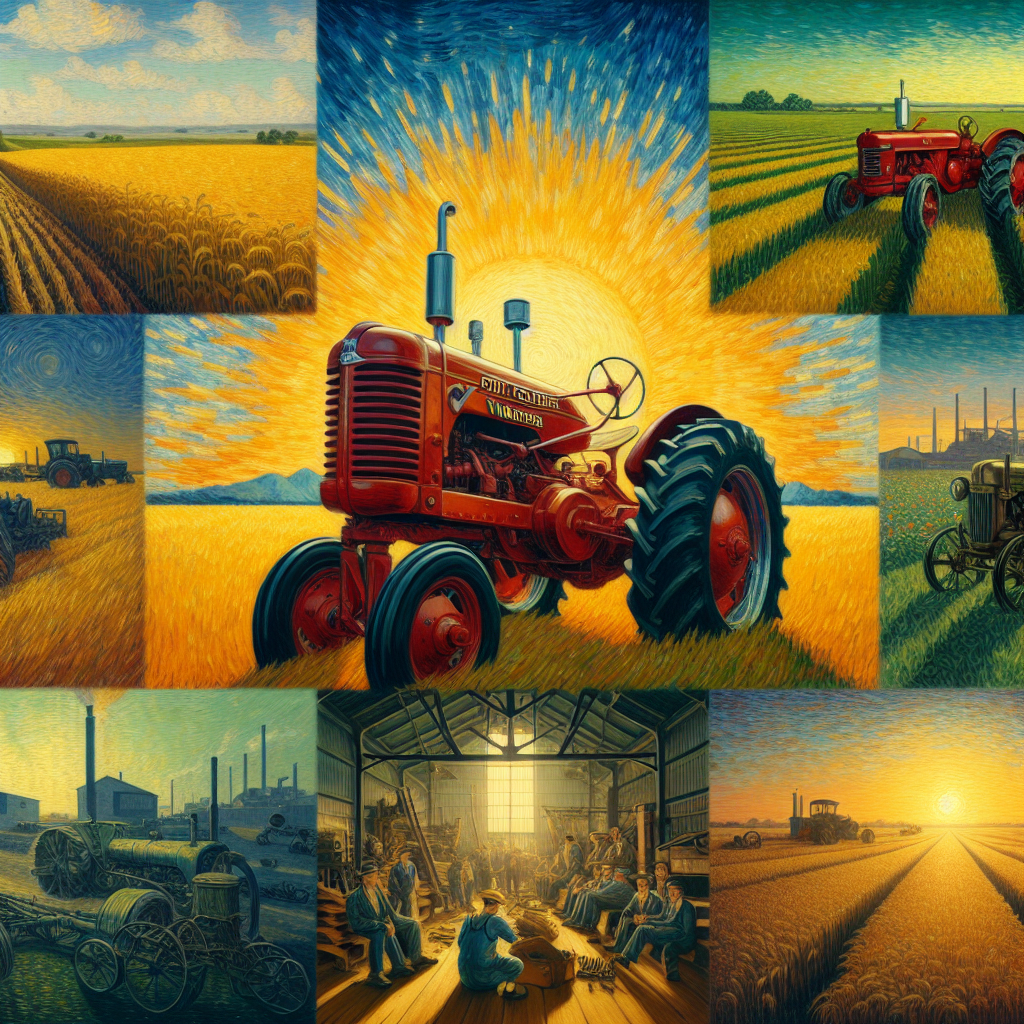
Moreover, the emotional weight of these tractors can’t be ignored. Just think about the image of generations of farmers gathering together to repair an old tractor in the warm glow of an evening sunset. It’s not just a story about machinery; it’s about family bonds, community ties, and the very soul of farming. These shared moments foster a connection that transcends mere mechanics, cultivating a culture of collaboration and support. Remembering to foster those relationships is vital in today’s ever-evolving agricultural landscape.
From a rational perspective, farmers can learn that efficiency doesn’t stem from complexity—it arises from knowing one’s craft. Classic tractors, built to last, show clear evidence that reliability is the fruit born of simplicity. By cutting back on unnecessary technology and operating with a fundamental understanding of their equipment, farmers can reduce costs while enhancing productivity.
Ethically, choosing to honor and learn from these time-tested machines places us firmly on an honorable path. It’s about respecting the trades and techniques that have stood the test of time, using their wisdom to pave the way for future generations.
As we navigate our agriculture journey—be it through the latest innovations or trusty classics—let’s remember the lessons learned from those humble tractors. Their enduring nature invites us all to pause, reflect, and cultivate our practices with purpose and simplicity. After all, it’s the heart, head, and gut that keep us grounded in our mission of nourishing the world.
What Can Farmers Learn From The Simplicity Of Classic Tractors
What Can Farmers Learn From The Simplicity Of Classic Tractors
- Classic tractors embody robust simplicity and accountability, offering life lessons beyond farming.
- Success can thrive in simplicity, as shown by the reliability of these unpretentious machines.
- Key principles for success include knowing your machine, understanding your land, and trusting your instincts.
- Embracing the essence of vintage tractors can help strip processes to what truly matters: quality, integrity, and perseverance.
- Classic tractors symbolize family bonds and community ties, fostering collaboration in farming.
- Efficiency in farming comes from knowing one’s craft, which can reduce costs and enhance productivity.
- Respecting the wisdom of time-tested machines honors traditions and guides future generations in agriculture.
What Can Farmers Learn From The Simplicity Of Classic Tractors
Table Of Contents
- What Can Farmers Learn From The Simplicity Of Classic Tractors
- What Wisdom Can Classic Tractors Offer Modern Farming?
- How Does Simplicity Enhance Farmer Productivity?
- What Emotional Connections Do Farmers Have With Vintage Tractors?
- Can Classic Tractors Teach Us About Sustainable Farming Practices?
- How Do Classic Tractors Reflect The Values Of The Farming Community?
- What Practical Lessons Can Farmers Learn From Classic Designs?
- Conclusion
- Other Resources
- Glossary Of Terms
- Other Questions
- Haiku
- Poem
- Checklist
What Wisdom Can Classic Tractors Offer Modern Farming?
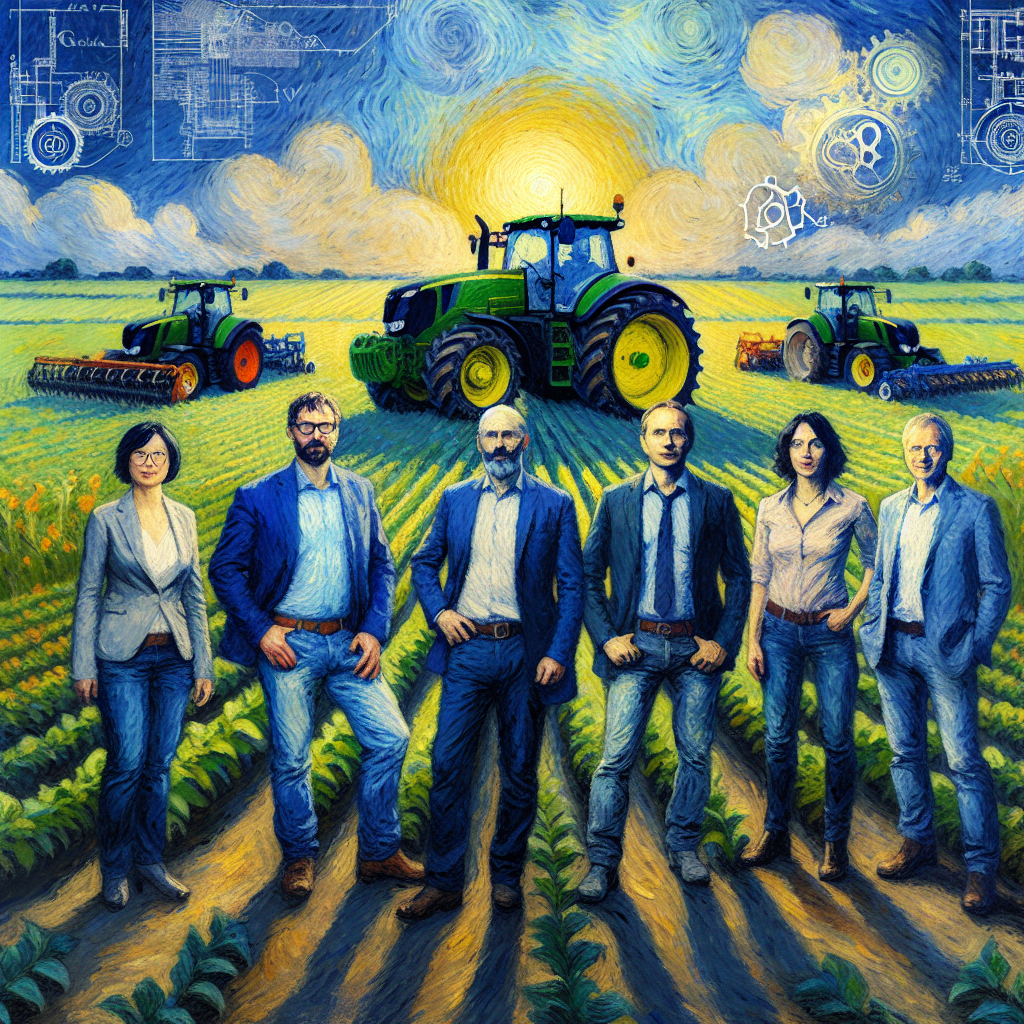
When we think of tractors, we often envision those shiny, high-tech machines dancing across fields like futuristic drones. Yet, peel back that glossy surface, and you might find the classic tractor quietly humming in the background, carrying stories that echo through time. These enduring pieces of machinery aren’t just relics; they’re reservoirs of wisdom cultivated through decades of farming trials and triumphs.
Imagine a farmer, weary but resolute, leaning against her weathered tractor after a long day in the field. It’s not just a tool; it’s a companion—worn but dependable, echoing countless experiences. Those classic tractors have seen it all: droughts that tested resolve, floods that wiped the slate clean, and the rhythms of nature that aligned with human persistence. There’s something inherently reassuring about a machine that was built to last, a testament to the ethic of hard work and the spirit of farming that refuses to yield.
Consider, too, the mindset that comes with using a classic tractor. It encourages resourcefulness. When parts are scarce, farmers learn to improvise, often reviving forgotten techniques that reconnect them to the land. These machines remind us that farming isn’t just about advanced technology; it’s about understanding cycles—of planting, of growth, and yes, of harvest. This narrative is palpable; it speaks to our hearts when we witness a family passing down their love for the land from one generation to the next, with that old tractor as a cherished symbol of their heritage.
Then there’s the economic angle. Classic tractors are often more accessible and easier to maintain than their modern counterparts. Their simpler mechanics tilt the scales in favor of those trying to break into farming without spending their life savings. The community surrounding these machines is robust, filled with enthusiasts who share tips, tricks, and the camaraderie that enriches the farming experience. In this age of specialization, that kind of connectedness can be a lifeline.
Ultimately, classic tractors inspire a sense of trust—trust in tradition, trust in the community, and trust in the fundamental principles of farming. They serve as a reminder that sometimes, the simplest solutions are the most effective. So, the next time you spot a classic tractor rolling through the fields, remember: it’s not just a machine; it’s a bridge connecting our past to our future, urging us to embrace the wisdom that can still guide us today.
What Wisdom Can Classic Tractors Offer Modern Farming?
What Wisdom Can Classic Tractors Offer Modern Farming?
- Classic tractors are enduring pieces of machinery holding stories from decades of farming.
- They symbolize resilience, having witnessed environmental challenges and the persistence of farmers.
- Using classic tractors fosters resourcefulness and a connection to traditional farming techniques.
- These machines emphasize the importance of understanding natural cycles in agriculture.
- Classic tractors are often more accessible and easier to maintain than modern alternatives.
- A robust community of enthusiasts around classic tractors enhances the farming experience.
- They inspire trust in tradition and remind us of the effectiveness of simple solutions in farming.
What Wisdom Can Classic Tractors Offer Modern Farming?
How Does Simplicity Enhance Farmer Productivity?
##
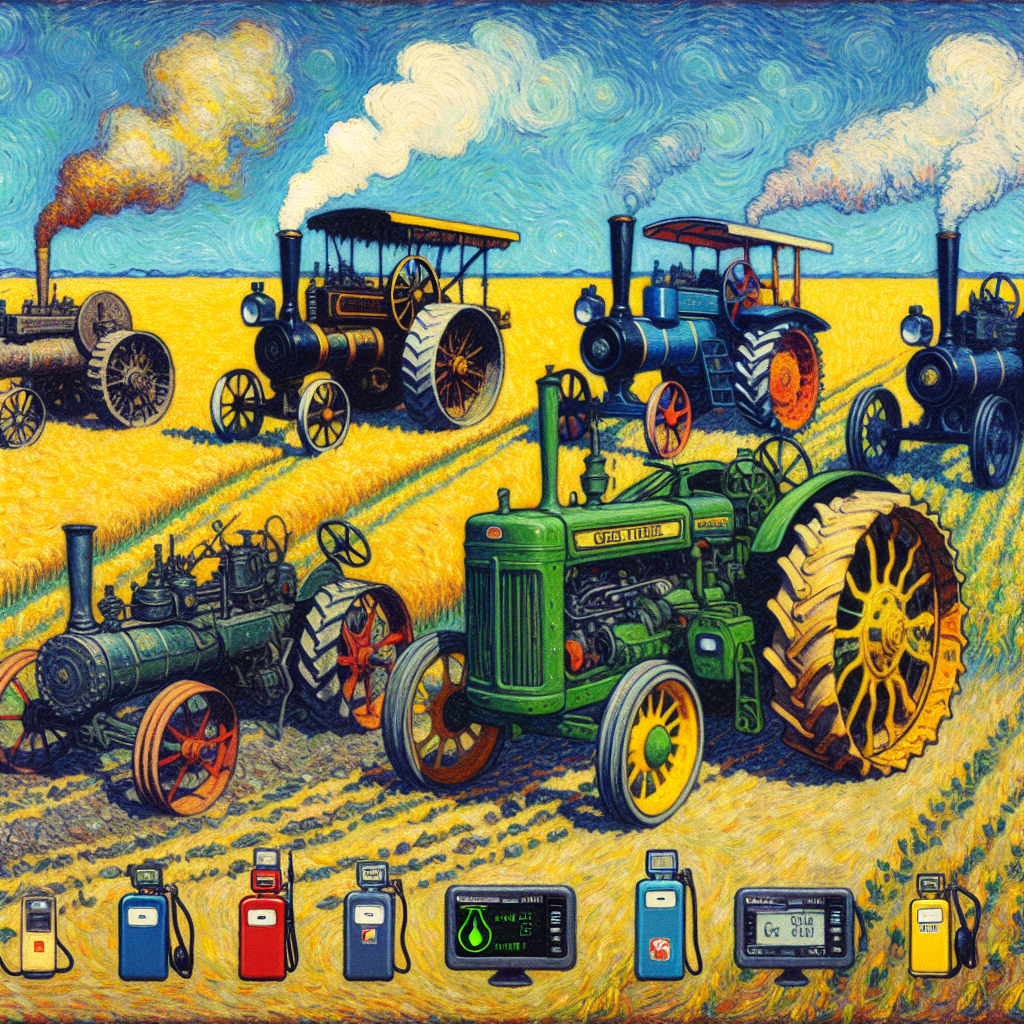
Picture a landscape at the break of dawn, a lone tractor rumbling across the fields, its engine a reassuring companion to the resolute farmer steering the wheel. This scene isn’t just a snapshot of rural life; it’s a testament to the power of simplicity in farming. When it comes to maximizing productivity, simplicity often reigns supreme, weaving together the heart, mind, and gut to create a harmonious rhythm in the life of a farmer.
At its core, farming is straightforward: nurture the soil, plant the seeds, and ensure the harvest. Yet, the complexities of modern agriculture can overwhelm even the most seasoned grower. That’s where simplicity steps in, cutting through the noise and providing a clear path to success. Imagine a farmer opting for a user-friendly tractor, equipped with intuitive controls and fewer bells and whistles. This choice reduces the learning curve, allowing them to focus on what truly matters—the crop.
Now, think about how efficiency or a simpler process can save time. A well-designed tractor not only maximizes fuel efficiency, allowing for longer hours in the field but also minimizes mechanical issues. With fewer breakdowns, farmers can spend more time nurturing their fields rather than waiting for repairs. It’s this kind of rational decision-making that drives productivity, leading to bigger yields and a healthier bottom line.
Let’s dive deeper into the emotional side. It’s that feeling of control—a farmer watching the fields flourish, knowing their trusted machine operates smoothly. Simplicity fosters confidence. When farmers have reliable equipment, they are more likely to experiment with new practices, sowing the seeds of innovation while maintaining the stability of traditional methods.
Then there’s the ethical standpoint. In a world grappling with sustainability, simple practices can minimize the impact on the environment. When farmers embrace efficiency, they not only enhance productivity but also contribute to preserving our precious lands for future generations.
Finally, this isn’t just about one farmer or one tractor; it’s about a community—a network of farmers sharing knowledge and experiences that empower others. By championing simplicity, we create a ripple effect, encouraging a culture of collaboration and support.
So, as you stand in awe of a farmer skillfully maneuvering their tractor across the fields, remember: simplicity isn’t just a choice; it’s a pathway to a productive future. And in the world of agriculture, it can make all the difference.
How Does Simplicity Enhance Farmer Productivity?
How Does Simplicity Enhance Farmer Productivity?
- Landscape at dawn features a farmer and a simple, reliable tractor, symbolizing the essence of rural life.
- Simplicity in farming nurtures a harmonious connection between heart, mind, and gut, driving productivity.
- Core farming practices involve nurturing soil, planting seeds, and ensuring a successful harvest.
- User-friendly machinery reduces the learning curve, enabling farmers to focus on crop care rather than complex equipment.
- Efficient, well-designed tractors maximize fuel efficiency and minimize breakdowns, allowing more time in the field.
- Simplicity fosters confidence and innovation, empowering farmers to experiment while maintaining traditional methods.
- Embracing simple practices promotes sustainability and supports community collaboration among farmers.
How Does Simplicity Enhance Farmer Productivity?
What Emotional Connections Do Farmers Have With Vintage Tractors?
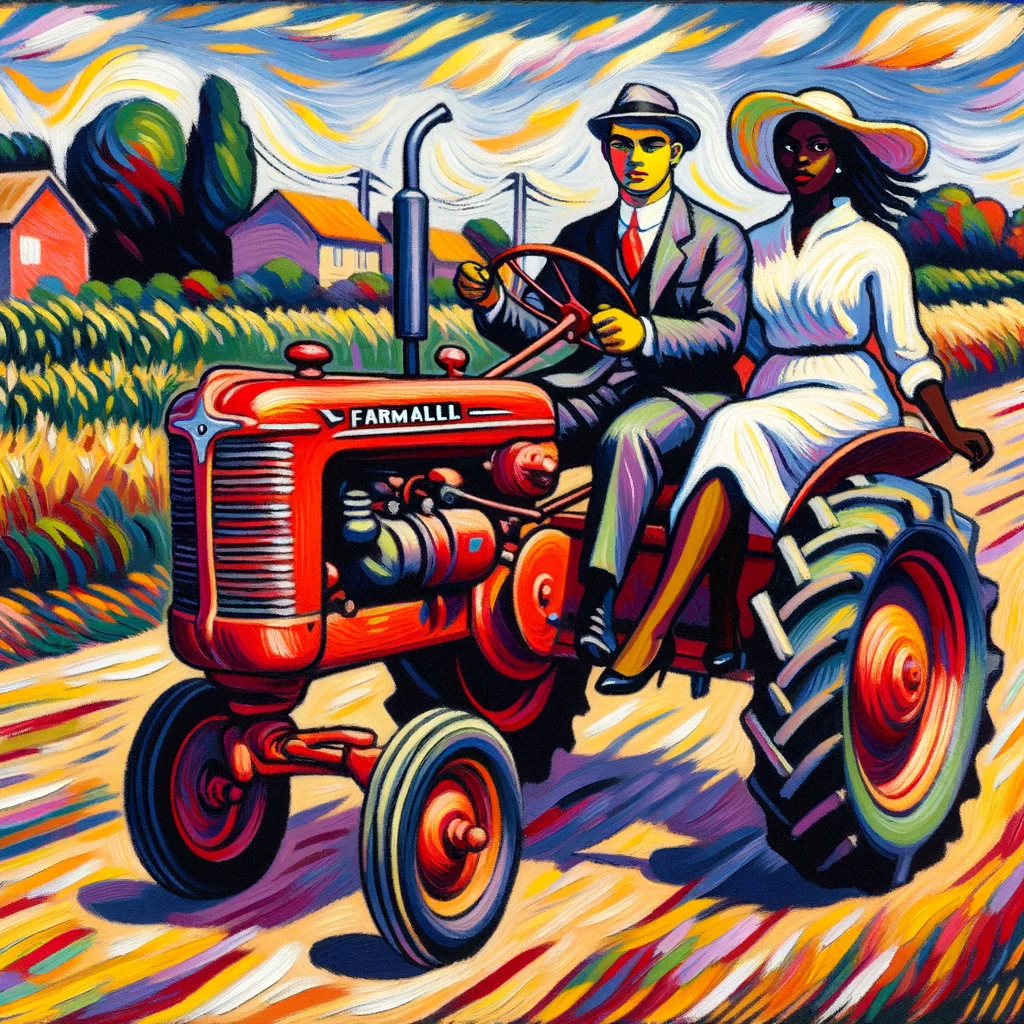
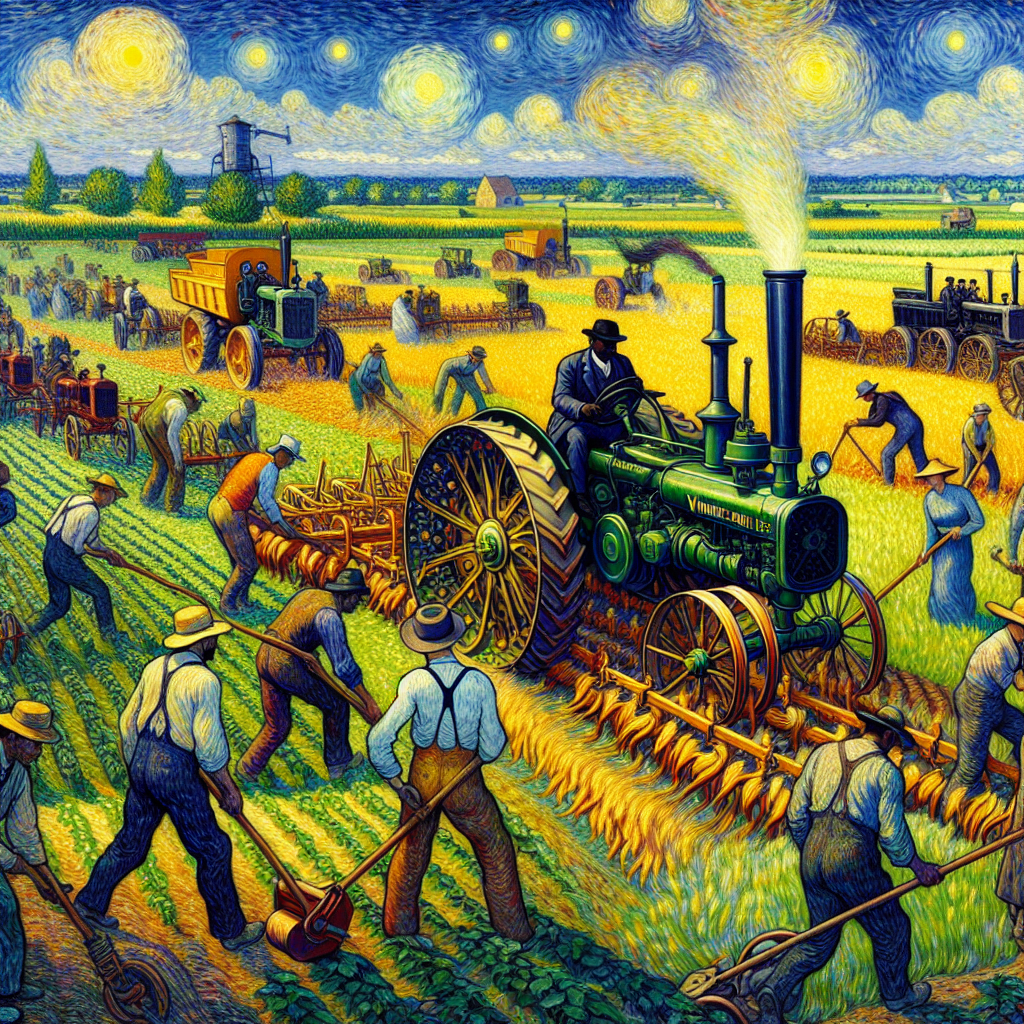
When you look at a vintage tractor, you’re not just staring at an old machine; you’re peering into a heartwarming history, a tapestry woven with sweat, soil, and stories. For many farmers, these tractors are far more than mere tools; they are a profound connection to the past, embodying the very essence of a simpler, yet hardworking life.
The emotional ties begin with nostalgia—a palpable sense of pride in owning something that has weathered the storms of time alongside them. Farmers confidently reminisce about their childhoods, recalling the thrill of riding alongside a grandparent as the engine rumbled beneath them. Those memories aren’t just figments of the past; they’re the very heartbeat of the farming community. Each scratch and dent on the vintage tractor tells a tale—not just of machinery, but of family tradition, change, and resilience through generations.
From a rational standpoint, it’s easy to see why these tractors hold such importance. Built to last, they symbolize durability in a world where disposability has become the norm. In a society often chasing the latest and the greatest, what could be more ethical than investing in machinery that stands the test of time? When farmers repair these tractors, they’re not just saving money; they’re fostering a deep-rooted respect for the land and its history.
Acknowledging their authority within their fields, many farmers see vintage tractors as symbols of their expertise. These machines have witnessed centuries of agricultural evolution, serving as reminders of how far farming has come. Each time they sit behind the wheel, there’s a sense of continuity—a sacred ritual that evokes trust and confidence in the methods passed down through generations.
Even in the social realm, vintage tractors serve as gathering points—vehicles for connection among farmers, weekend shows, and community events. They’re a conversation starter and a source of camaraderie, drawing people in and weaving new stories into the fabric of farming culture.
So, the next time you spot a vintage tractor at a farm, take a moment to appreciate not only its aesthetic charm but the emotional weight it carries. These machines are not just relics; they are a bridge to a past rich in values, identity, and hope for the future. Whether you’re a farmer or just someone passing by, remember that each tractor holds a universe of stories waiting to be told. And in that simple connection lies the very spirit of farming itself.
What Emotional Connections Do Farmers Have With Vintage Tractors?
What Emotional Connections Do Farmers Have With Vintage Tractors?
- Vintage tractors represent a rich history woven with nostalgia, pride, and community stories.
- They evoke childhood memories for farmers, symbolizing enduring ties to family traditions.
- Built for durability, these tractors contrast the modern culture of disposability and promote sustainable practices.
- Owning and repairing vintage tractors fosters respect for the land and its agricultural history.
- They symbolize expertise in farming, serving as reminders of agricultural evolution through the years.
- Vintage tractors facilitate social connections among farmers through events and community gatherings.
- Each tractor is a vessel of stories, representing values and hopes for the future in farming culture.
What Emotional Connections Do Farmers Have With Vintage Tractors?
Can Classic Tractors Teach Us About Sustainable Farming Practices?
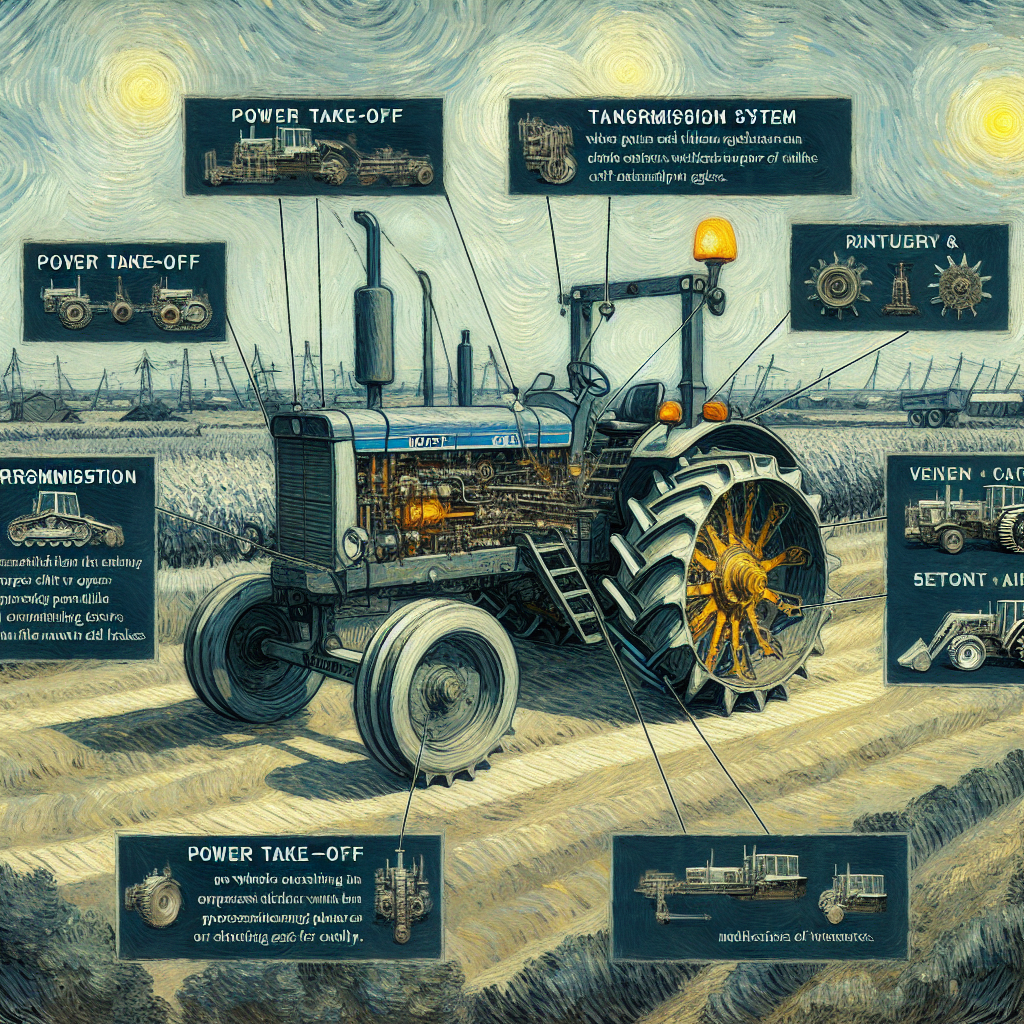
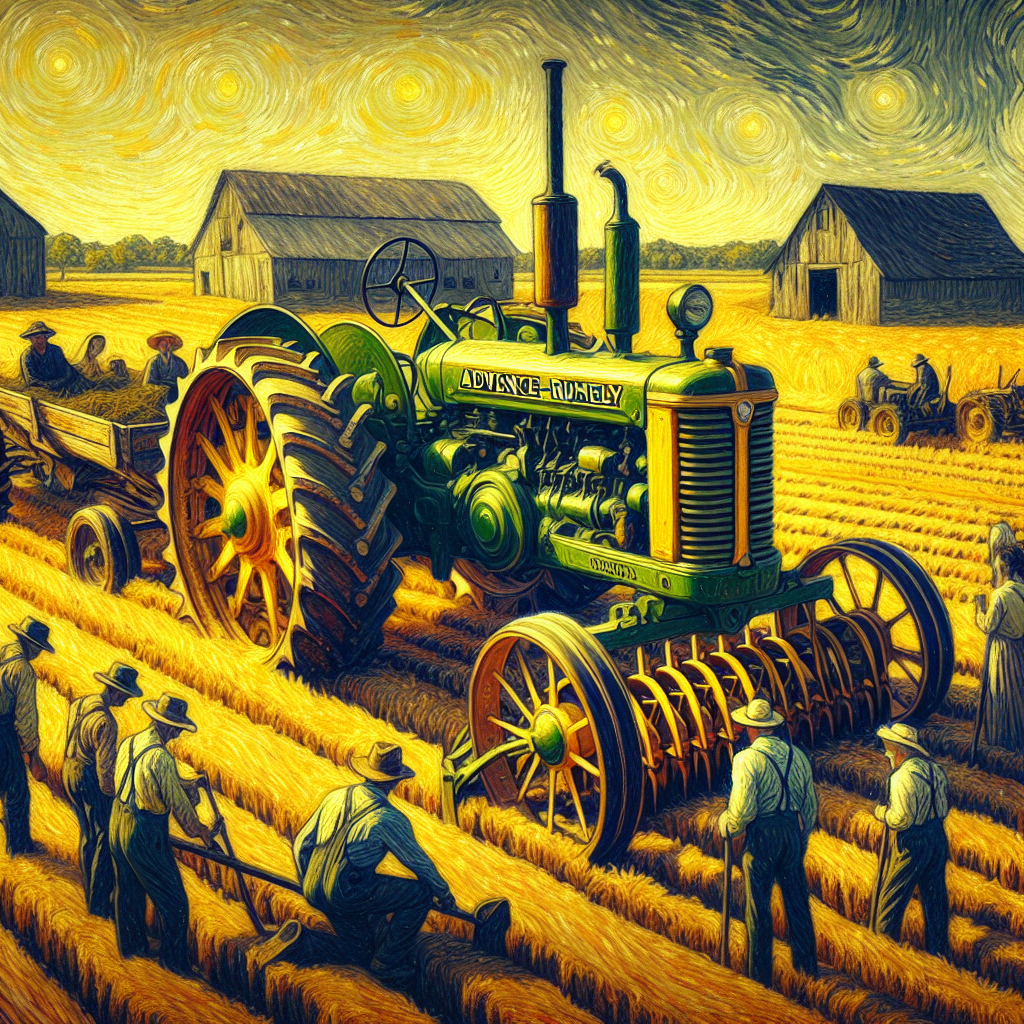
Picture a sun-drenched field, where the hum of a well-loved tractor cuts through the warm afternoon air. It’s vintage—its paint may be chipped, and its engine might sputter with age, but it carries the soul of farming itself. These classic machines remind us that the best solutions aren’t always new; often, they stand as time-tested markers of a simpler, more sustainable approach to agriculture.
As we grapple with modern farming challenges, it’s essential to look back at the lessons learned from these hardworking tractors. In an era dominated by high-tech gizmos and cutting-edge machinery, we might overlook the wisdom encoded in the dirt-stained blueprints of yesterday. But pause for a moment. These machines don’t just represent a bygone era; they symbolize resilience, tenacity, and a relationship with the land that’s rooted in respect and care.
Classic tractors were often built with versatility at their core. They weren’t just one-trick ponies; they were equipped to handle various tasks using the same engine. In a world fixated on specialization, this adaptability can teach us about the importance of sustainable practices: diversified crops and integrated pest management that reign in chemical use while enriching the soil. These are lessons that stand the test of time, echoing the ethics of our predecessors who farmed not for profit alone but for stewardship of the land.
Moreover, investing in sustainable practices can yield long-term benefits that resonate with our communities. Imagine a farmer choosing old-school methods, like cover cropping or crop rotation, running his classic tractor across the field. He is not just conserving resources; he is nurturing the community around him, inspiring the next generation to appreciate agriculture’s roots. What’s more, this fosters a collective effort in combating climate change—by adopting techniques that breathe life back into the earth, we protect the very environment that sustains us.
But let’s be real—change isn’t easy. We’re all busy. Yet, embracing sustainable practices can be as simple as reviving that vintage tractor in the barn. It’s a call to action that connects us with our food, our land, and each other. So, let’s pull together, harness the lessons of these classic machines, and cultivate a future that honors our hard-working past while nurturing our promise of sustainability. We’re all in the same tractor, steering toward a more hopeful tomorrow.
Can Classic Tractors Teach Us About Sustainable Farming Practices?
Can Classic Tractors Teach Us About Sustainable Farming Practices?
- Classic tractors symbolize a simpler, more sustainable approach to agriculture, blending vintage charm with functionality.
- They serve as reminders of the resilience and tenacity rooted in the age-old relationship between farmers and the land.
- Versatility is a hallmark of these machines, teaching us the value of diversified farming practices over specialization.
- Sustainable practices endorsed by classic tractors include cover cropping and crop rotation, which enhance soil health.
- Investing in these methods benefits communities, encouraging appreciation for agriculture and nurturing future generations.
- Embracing traditional farming techniques also contributes to climate change mitigation by protecting the environment.
- The call to revive sustainable practices connects us with our food and land, promoting a hopeful, collective future.
Can Classic Tractors Teach Us About Sustainable Farming Practices?
How Do Classic Tractors Reflect The Values Of The Farming Community?
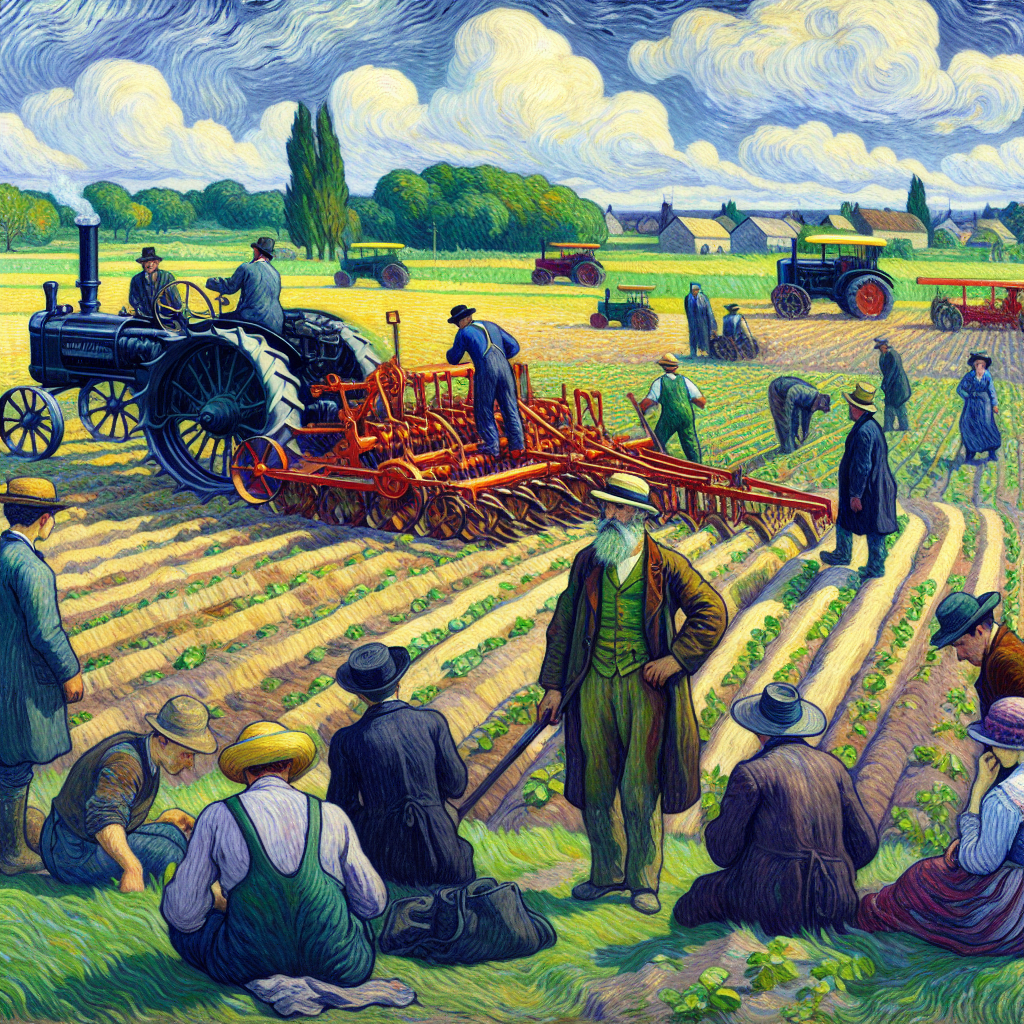
Classic tractors aren’t just machines; they’re the beating heart of farming culture, embodying the values that bind the farming community together. When you look at a well-loved tractor, you’re not just seeing metal and paint; you’re witnessing the very fabric of resilience, hard work, and the unbreakable spirit of those who till the soil. These tractors remind us of simpler times, evoking nostalgia that resonates deep within us, as each scratch and dent tells a story of labor, dedication, and the triumphs and trials of the land.
For many, their very identity is intertwined with these iconic machines. They’ve weathered seasons of drought and flood, just as the farmers who drive them have endured life’s myriad challenges. In this way, classic tractors embody the values of perseverance and tenacity that the farming community holds dear. They serve not only as tools for productivity but also symbols of pride and heritage that connect generations. It’s not uncommon to hear stories of great-grandfathers who drove these same models, foretelling the life lessons learned under an expansive sky, where the only limit was the horizon.
The emotional bond that farmers develop with their tractors is profound. These machines stand witness to countless milestones: the birth of a new season, the laughter of children playing in the fields, and the bittersweet moments of loss when a beloved piece of land changes hands. When farmers gather to restore these classic tractors, it’s more than just a hobby; it’s a communal act of love—a ritual that honors the past while looking toward the future. Here, friendships deepen, and shared values are reinforced, knitting the fabric of the community together with every turn of the wrench.
But there’s more than just sentimentality at play. In a world changing at breakneck speed, where new technology seems to leapfrogged the simple joys of agrarian life, these classic tractors stand as a testament to sustainable farming practices and ethical stewardship of the land. They advocate for a return to fundamentals—responsible agriculture that respects the Earth and those who cultivate it, inspiring not only trust in their reliability but confidence in their purpose.
So, the next time you see a classic tractor chugging along the fields, remember: it’s not just machinery. It’s a living legacy that reflects the true values of a community dedicated to the land, each other, and the vital role they play in feeding the world. This connection fosters a sense of responsibility and purpose that’s as robust as the engines that power them, urging us to appreciate the story behind every field, every farmer, and every unforgettable ride on a dusty road.
How Do Classic Tractors Reflect The Values Of The Farming Community?
How Do Classic Tractors Reflect The Values Of The Farming Community?
- Classic tractors are symbols of farming culture, embodying community values such as resilience and hard work.
- They evoke nostalgia and tell stories of labor, dedication, and the experiences of those who work the land.
- The identity of many farmers is intertwined with these iconic machines, representing perseverance and tenacity.
- These tractors link generations, invoking memories of past farmers and life lessons learned in the fields.
- Farmers form profound emotional bonds with their tractors, witnessing life’s milestones and changes in land ownership.
- The restoration of classic tractors strengthens community ties and honors agricultural heritage.
- In an evolving world, classic tractors advocate for sustainable farming practices, fostering responsibility towards the land.
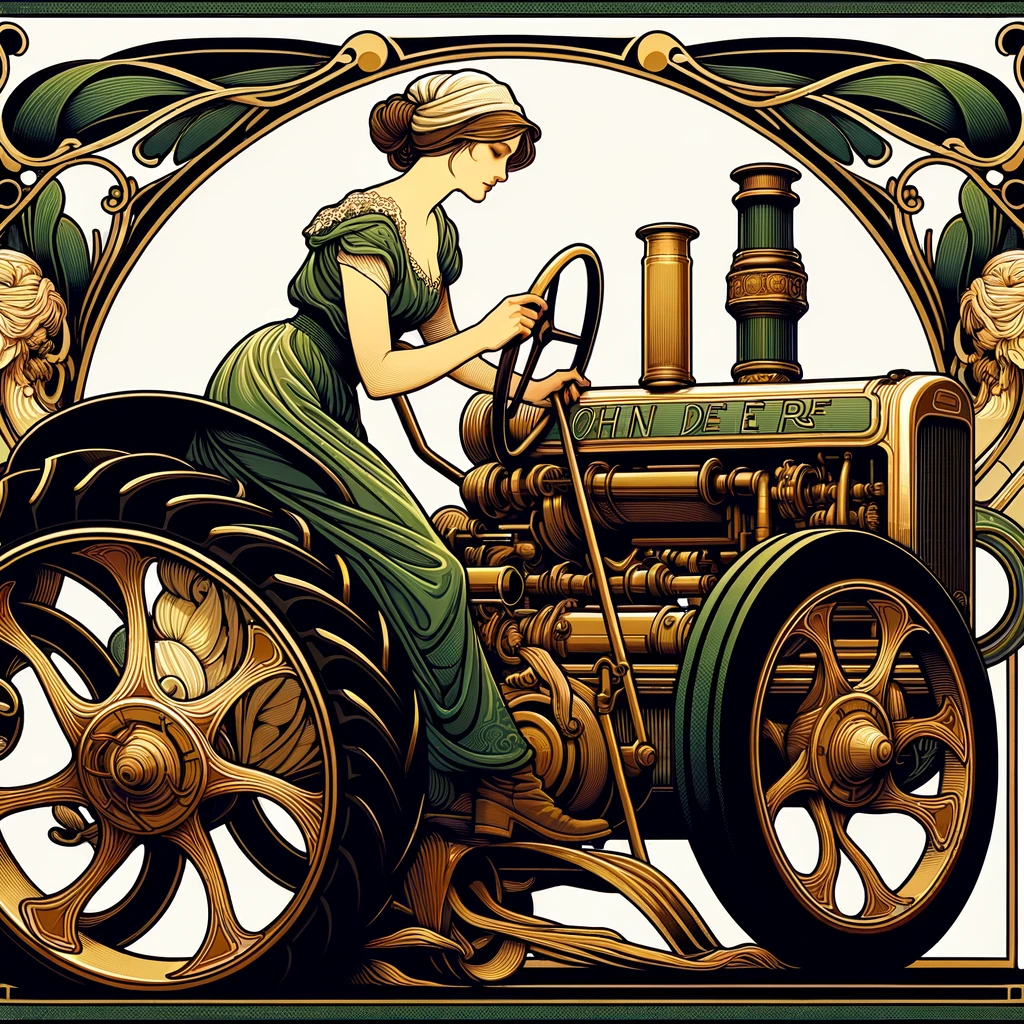
How Do Classic Tractors Reflect The Values Of The Farming Community?
What Practical Lessons Can Farmers Learn From Classic Designs?
Every time I see a well-worn tractor lumbering across a field, I’m reminded of the timeless lessons embedded in classic designs. These machines, with their metal frames and rugged reliability, symbolize a commitment to hard work and creativity that members of the farming community hold dear. They reflect generations of trial and error, of farmers who faced the challenges of their day with grit and determination, and who learned to adapt their tools for generations to come.
Think about it: farmers have been feeding us long before tractors roared into existence. The common thread in this rich tapestry is that innovation doesn’t always have to mean starting fresh. Sometimes, it’s about refining what’s already there. Classic designs teach us that durability and functionality are invaluable – a lesson that resonates from the fields of Kansas to the orchards of Michigan. It’s in the simplicity of a plow that we see the elegance of form meeting function; it’s in the easy accessibility of parts on a vintage tractor that we understand the value of community and resourcefulness.
Emotionally, these designs evoke a sense of nostalgia. They remind us of our roots, of sunsets spent in fields and the laughter shared over hearty meals prepared with produce harvested from the land. When a farmer chooses to restore an old tractor instead of splurging on a shiny new model, they’re making a statement about sustainability, heritage, and respect for the land. They choose to honor the past while laying a foundation for the future.
Rationally, it’s also smart business. Classic agricultural machinery often requires less maintenance and can be more cost-effective than newer, tech-laden alternatives. By understanding the intricacies of these enduring designs, farmers can unlock efficiencies and preserve their bottom line. And who doesn’t want to sleep a little easier at night knowing they’re not beholden to the latest tech fad?
Ultimately, the lessons from classic designs go beyond practical applications; they speak to our ethical responsibility as stewards of the land. We must consider what we are passing on to the next generation of farmers. By leaning on the wisdom of the past, we can cultivate a brighter future—one where respect for tradition marries innovation in a way that benefits both the farmer and the land. So, as you rev your engines and prepare for the harvest, remember: there’s much to learn from the grit of yesterday. Let it inspire you today.

What Practical Lessons Can Farmers Learn From Classic Designs?
What Practical Lessons Can Farmers Learn From Classic Designs?
- Classic tractor designs symbolize hard work and creativity within the farming community.
- Innovation often involves refining existing designs rather than starting anew.
- Durability and functionality are core values learned from classic agricultural machinery.
- Restoring old tractors reflects a commitment to sustainability and respect for heritage.
- Classic machinery can be more cost-effective and require less maintenance than modern alternatives.
- Lessons from the past guide ethical stewardship of the land for future generations.
- Embracing traditional designs can inspire new innovations that benefit both farmers and the environment.
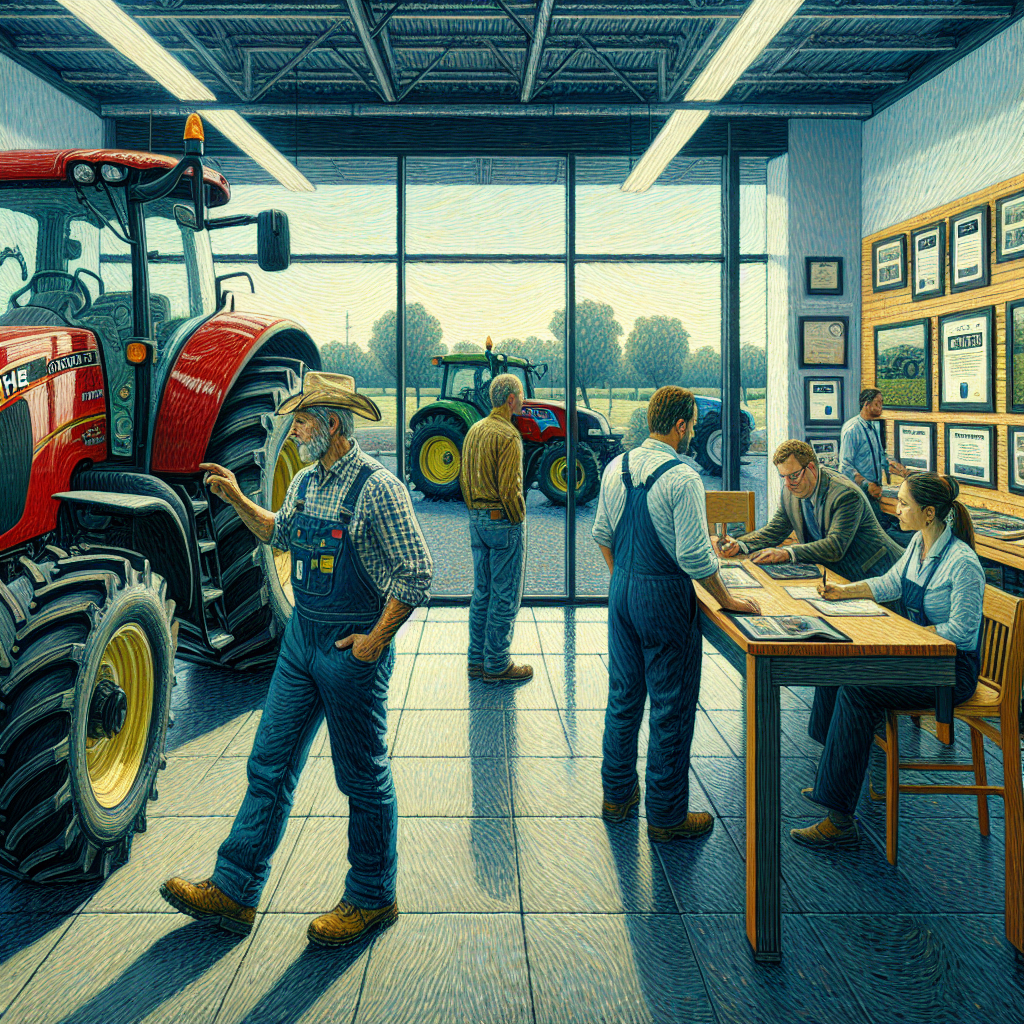
What Practical Lessons Can Farmers Learn From Classic Designs?
Conclusion
When we take a step back and gaze at the humble yet steadfast classic tractor, we’re not just admiring a machine; we’re reconnecting with the very essence of farming itself. In an age where flashy gadgets and high-tech solutions often steal the spotlight, these iconic machines remind us of a simpler, more profound wisdom. Each rusted bolt and chipped paint stroke tells a story—stories of relentless perseverance, grounded ethics, and deep emotional bonds forged in the heart of agricultural communities.
Here’s the thing: while our modern farming methods may promise efficiency and ease, the essence of successful farming still revolves around understanding who you are as a farmer and what your land truly needs. Classic tractors teach us that the path to success isn’t paved with complexity. It’s about rolling up your sleeves, getting dirt under your nails, and knowing your tools inside and out. When a farmer chooses to embrace the simplicity of the past through these vintage machines, they’re choosing reliability over ornamentation. They’re banking on trust—the trust developed through generations wrestling with the land, often alongside these very tractors.
Now, adopting this ethos extends beyond mere machinery. It manifests in how we build communities. The images of nearby farmers gathering around to repair or restore an old tractor aren’t just about maintenance; they encapsulate a legacy of kinship and shared experiences that runs deeper than any cutting-edge piece of tech ever could. This camaraderie breeds resourcefulness, inspires innovation, and serves as a lifeline in navigating the complexities of modern agriculture.
We must also regard the ethical dimensions of farming in this ever-changing environment. By honoring these classic tractors and learning from their structures, we underscore our responsibility towards the land and the future generations of farmers to whom we’ll pass down not only our tools, but our values and techniques. This “less is more” approach paves the way for sustainable practices that respect soil, water, and community, ultimately setting an example for collaborative stewardship.
So as we drive forward in this journey of agricultural evolution, let us heed the lessons of the classic tractor. Embrace simplicity, nurture community, and build a legacy of respect for the earth. Projects might change, technology might evolve, but the heart, head, and gut of farming—and the timeless lessons of those old tractors—will always keep us grounded. After all, it’s the respect for farming’s roots that truly cultivates a brighter future for us all.
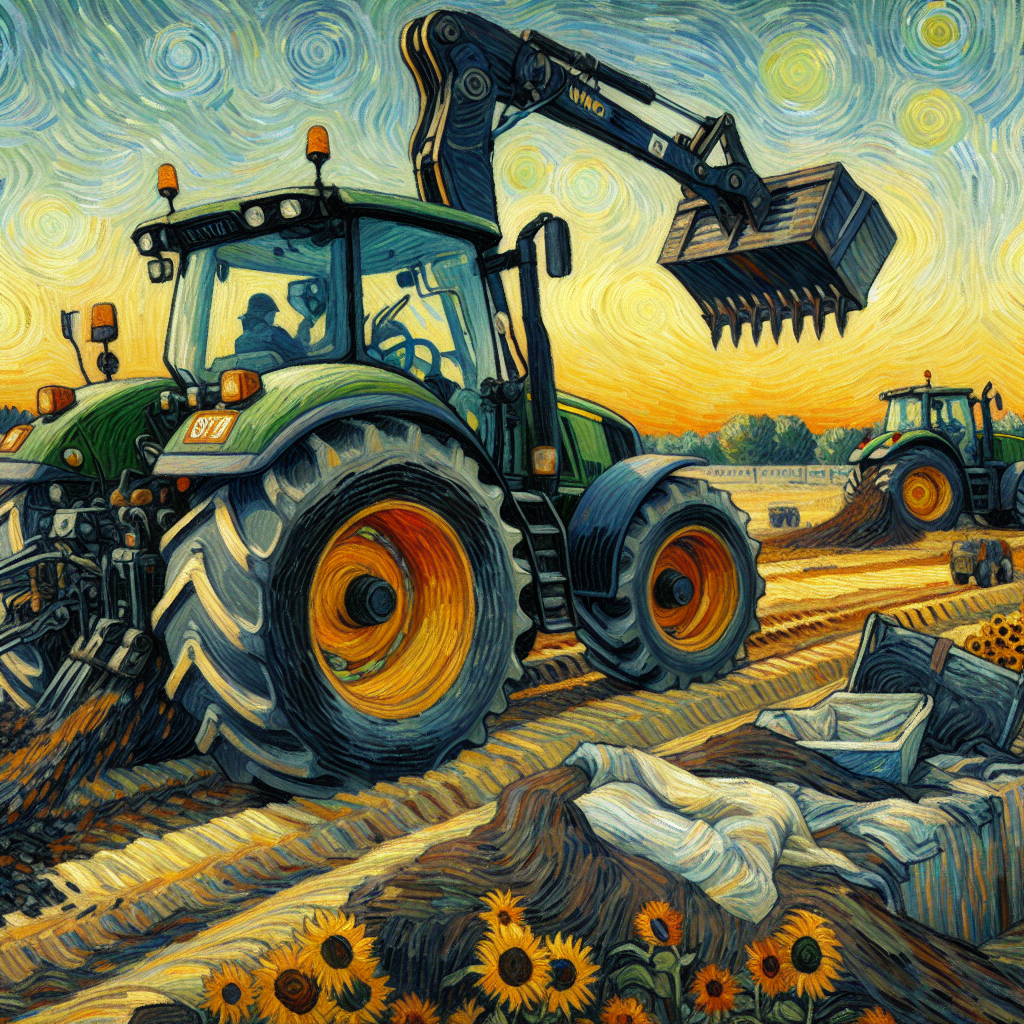
Conclusion
Conclusion:
- The classic tractor symbolizes the essence of farming, emphasizing simplicity and enduring values.
- Each vintage machine tells a story of perseverance, ethics, and emotional bonds within agricultural communities.
- Successful farming relies on understanding oneself as a farmer and the specific needs of the land.
- Classic tractors represent reliability over complexity and trust built through generations of farming.
- Community and collaboration are highlighted when farmers gather to repair old tractors, fostering kinship.
- Ethical farming practices must be maintained, honoring classic machinery while preparing for future generations.
- Embracing the lessons of classic tractors encourages sustainability, respect for the earth, and cultivating a better future.

Conclusion
Other Resources
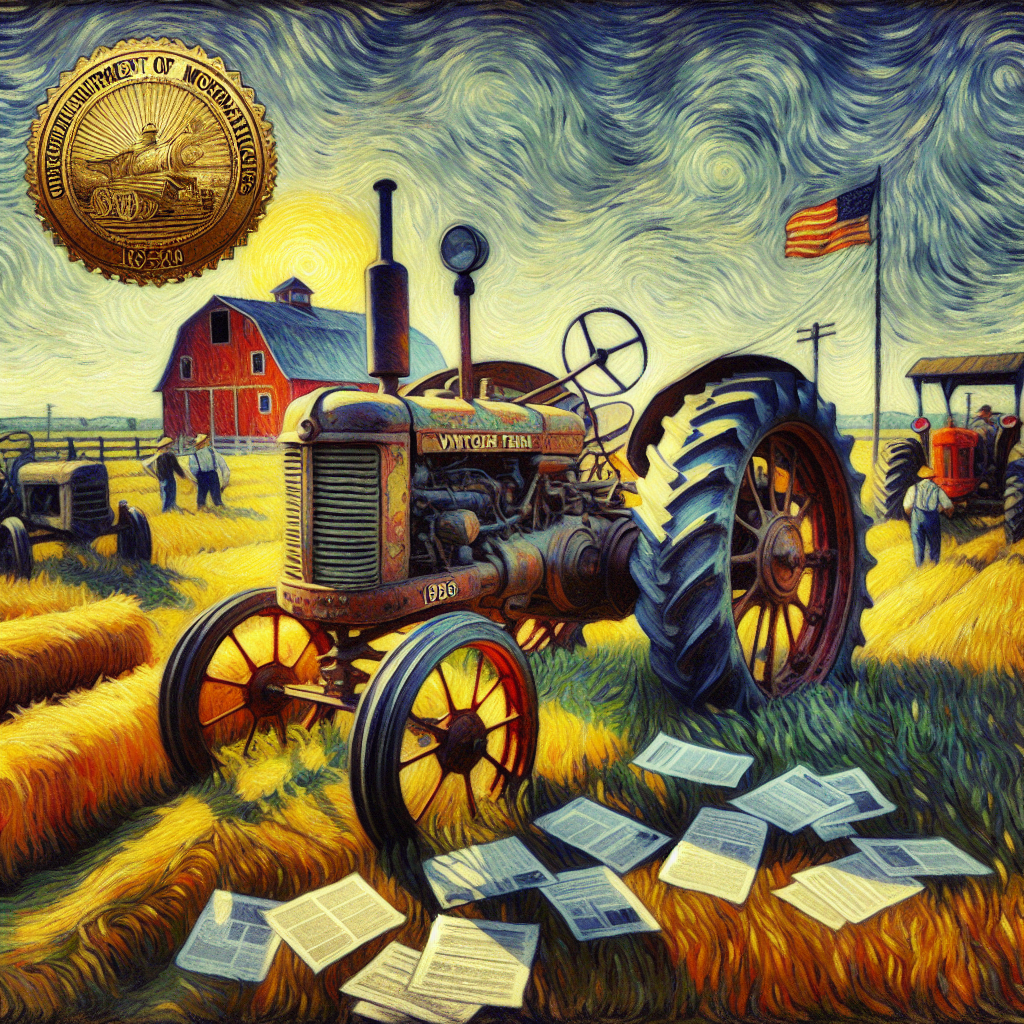
Other Resources
Here is a list of other resources you can review online to learn more:
- Fendt International
- John Deere Tractor & Engine Museum
- SAME Tractors
- Florida Flywheelers Antique Engine & Tractor Show
- Holder
- David Brown
- Rome
- Zanello
- AG Museum
- Park Rapids Antique Tractor & Engine Club
Use This Prompt To Get More Resources With Your Favorite Online AI Tool: Please provide me with a list of online articles with their URLs in a bulleted list that I can read regarding What Can Farmers Learn From The Simplicity Of Classic Tractors
Other Resources
Glossary Terms
What Can Farmers Learn From The Simplicity Of Classic Tractors – Glossary Of Terms
1. Classic Tractors: Older tractor models that prioritize functionality and durability, often with simpler technology.
2. Simplicity: The quality of being easy to understand or use, especially in the context of machinery design.
3. Durability: The ability of equipment, such as tractors, to withstand wear, pressure, or damage over time without extensive maintenance.
4. Mechanics: The study of machines and their components, encompassing how they function, are maintained, and repaired.
5. Maintenance: Regular care and servicing needed to keep machinery, like tractors, in good working condition.
6. Efficiency: The ability to accomplish tasks with minimal waste of resources, an important factor in farming operations.
7. Fuel Economy: The measure of how effectively a tractor uses fuel, which can be better in older, simpler models.
8. Manual Operation: Using human input and physical effort to operate machinery, prevalent in classic tractors.
9. Hydraulics: Systems that use fluid power to create motion and force, sometimes simpler in classic tractors compared to modern models.
10. Field Performance: A measure of how well a tractor can operate in various agricultural conditions, influenced by design simplicity.
11. Versatility: The ability of a tractor to perform multiple tasks or adapt to different farming practices.
12. Affordability: The cost-effectiveness of acquiring and maintaining classic tractors versus newer models.
13. Customization: Modifying tractors for specialized farming needs, often more straightforward with classic models.
14. Heritage: The historical significance of classic tractors within agricultural culture, representing traditional farming methods.
15. User-Friendly: Referring to machinery that is easy for operators to understand and use, often a feature of classic tractors.
16. Repairability: The ease with which a machine can be repaired, a notable advantage of classic tractor designs.
17. Legacy: The lasting impact and influence of classic tractors on modern farming practices and machinery design.
18. Technology: The application of scientific knowledge to practical tasks; older tractors exemplify simpler tech approaches.
19. Self-Reliance: The ability for farmers to fix and maintain their equipment without needing professional help, often easier with classic tractors.
20. Sustainability: Farming practices that are environmentally friendly; classic tractors may promote simpler, less resource-intensive methods.
21. Old-School Farming: Traditional agricultural practices that emphasize proven methods and technologies, such as using classic tractors.
22. Community: The social aspect of farming, where classic tractor shows and clubs foster connections among enthusiasts.
23. Restoration: The process of repairing and refurbishing classic tractors to bring them back to working condition.
24. Adaptability: The capacity of farmers to adjust their practices and machinery use to meet changing agricultural demands.
25. Operational Costs: The expenses associated with running tractors, which can be lower for simple, classic models.
26. Knowledge Sharing: The practice of exchanging information and experiences among farmers, particularly regarding timeless techniques with classic tractors.
27. Workhorse: A term used to describe durable tractors capable of enduring long hours of heavy work.
28. Field Trials: Experiments conducted to assess the performance of tractors in various field conditions.
29. Cultural Significance: The importance of classic tractors in shaping farming communities and traditions.
30. Impact: The effect that the simplicity of classic tractors has on modern farming practices, tools, and mindsets.
Glossary Of Terms
Other Questions
What Can Farmers Learn From The Simplicity Of Classic Tractors – Other Questions
If you wish to explore and discover more, consider looking for answers to these questions:
- What are the most common classic tractors used by farmers today?
- How can farmers effectively maintain vintage tractors?
- What specific modern farming techniques can be simplified using classic tractor principles?
- How has the role of tractors evolved in farming practices over the years?
- What are the economic advantages of using classic tractors versus modern ones?
- Can learning about classic tractors help in community building among farmers?
- What stories do farmers have about their experiences with classic tractors?
- How does technology influence farmers’ connections to their equipment?
- What lessons from classic tractors apply to other areas of agriculture?
- How can new farmers benefit from understanding the history of classic tractors?
- What challenges do farmers face when incorporating classic tractors into modern farming?
- Where can farmers find resources or communities focused on classic tractor restoration?
Other Questions
Haiku
What Can Farmers Learn From The Simplicity Of Classic Tractors – A Haiku
Rusty metal hums loud,
Roots deep in the soil’s embrace,
Wisdom wraps each turn.
Haiku
Poem
What Can Farmers Learn From The Simplicity Of Classic Tractors – A Poem
The Heart of the Tractor
In fields where sunsets paint the sky,
A humble tractor rolls on by,
Its sturdy frame, a tale unfolds,
Of farming lives, of dreams retold.
With engines simple, strong and true,
It whispers wisdom, old yet new:
“Embrace the soil, let nature guide,
For in our roots, our hopes abide.”
Grit and sweat, generations past,
Through droughts and storms, their shadows cast,
Each dent and scratch, a badge of pride,
A legacy of all who tried.
Oh, gather round, the farmer’s kin,
With every turn, feel love begin,
For in this metal, history sings,
Of family ties and simple things.
Efficiency in each repaired part,
Less noise, more trust—oh, let’s not part
From values carved in sweat and earth,
A world adorned with farming’s worth.
Through shared hands, the bonds grow wide,
In vintage steel, our hearts reside,
A bridge connects the past to today,
In every plow, the old ways stay.
Ethics worn like a well-trodden path,
Sustain our lands, embrace the aftermath,
With mindful steps and tools from yore,
We till for futures, and so much more.
As stories ripple through the fields,
The classic tractor gently yields
Reminders bold: stay grounded, stay true,
Embrace the lessons, let them renew.
So when you see that trusty friend,
Know it’s more than metal—it’s where hearts blend,
In a dance of harmony, trust, and grace,
The soul of farming finds its place.
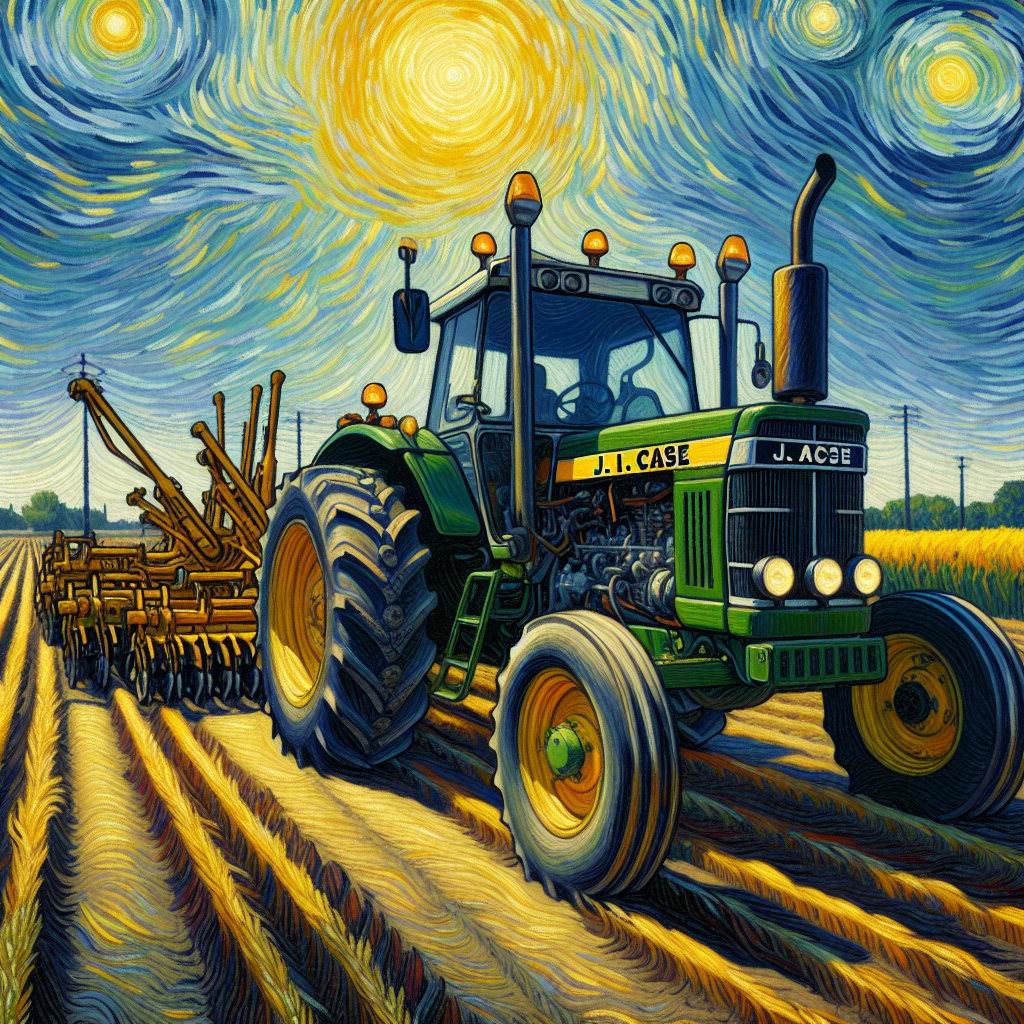
Poem
Checklist
What Can Farmers Learn From The Simplicity Of Classic Tractors – A Checklist
Checklist: Lessons from Classic Tractors for Modern Farmers
Heart (Emotional Appeals)
1. Nostalgia Connection: Reflect on your early experiences with farming or family traditions—how do they influence your approach today?
2. Community Engagement: Attend or organize a local tractor restoration event or community gathering focused on farming heritage.
3. Family Stories: Share your own family or community stories about vintage tractors or farming experiences to inspire others.
4. Emotional Well-being: Spend quiet time reflecting in your fields or near your equipment; appreciate the journey and hard work behind them.
Head (Rational Appeals)
5. Simplicity in Operations: Evaluate your current machinery. Are there unnecessary features that complicate your processes?
6. Cost Analysis: Consider the financial implications of maintaining a classic tractor versus investing in new technology.
7. Knowledge Investment: Dedicate time to learning more about the mechanics of classic tractors to enhance equipment reliability and reduce repair costs.
8. Embrace Efficiency: Identify routines and practices that can be simplified to boost productivity while minimizing downtime.
Gut (Ethical Appeals)
9. Sustainability Practices: Research and implement sustainable farming methods inspired by vintage farming techniques (e. g. , crop rotation, cover cropping).
10. Product Integrity: Ensure that the products you offer are rooted in the quality and integrity exemplified by classic tractors.
11. Heritage Respect: Engage in practices that honor traditional techniques and advocate for time-tested wisdom in farming.
12. Community Contributions: Support or participate in initiatives that promote agricultural education and preservation of traditional farming methods.
Authority (Trust Appeals)
13. Seek Expertise: Connect with veteran farmers or experts on classic machinery to glean insights and best practices.
14. Work with Organizations: Partner with local agricultural organizations or museums that focus on preserving farming heritage.
15. Attend Workshops: Enroll in hands-on workshops that teach the history and maintenance of classic tractors and sustainable farming practices.
Narrative (Storytelling Appeals)
16. Personal Reflection: Write down your own farming journey to highlight key lessons and experiences that have shaped your perspective.
17. Share Success Stories: Document and share case studies of farmers successfully using classic tractors or sustainable methods to inspire the community.
18. Create a Legacy: Consider documenting the history of your farm with photographs and stories, linking it to the legacy of farming technology.
Social (Community Appeals)
19. Build a Network: Join or create forums, online groups, or local farming clubs focused on classic tractors and sustainable practices.
20. Collaborate with Peers: Engage in knowledge-sharing sessions with fellow farmers to discuss practical applications of lessons learned from vintage tractors.
21. Mentorship Opportunities: Mentor newer farmers in your area by sharing insights from your experiences with classic equipment and sustainable farming.
Use this checklist to not only deepen your understanding of the valuable lessons classic tractors offer but also to actively apply these insights in your farming practices, connecting with your heart, head, and gut.
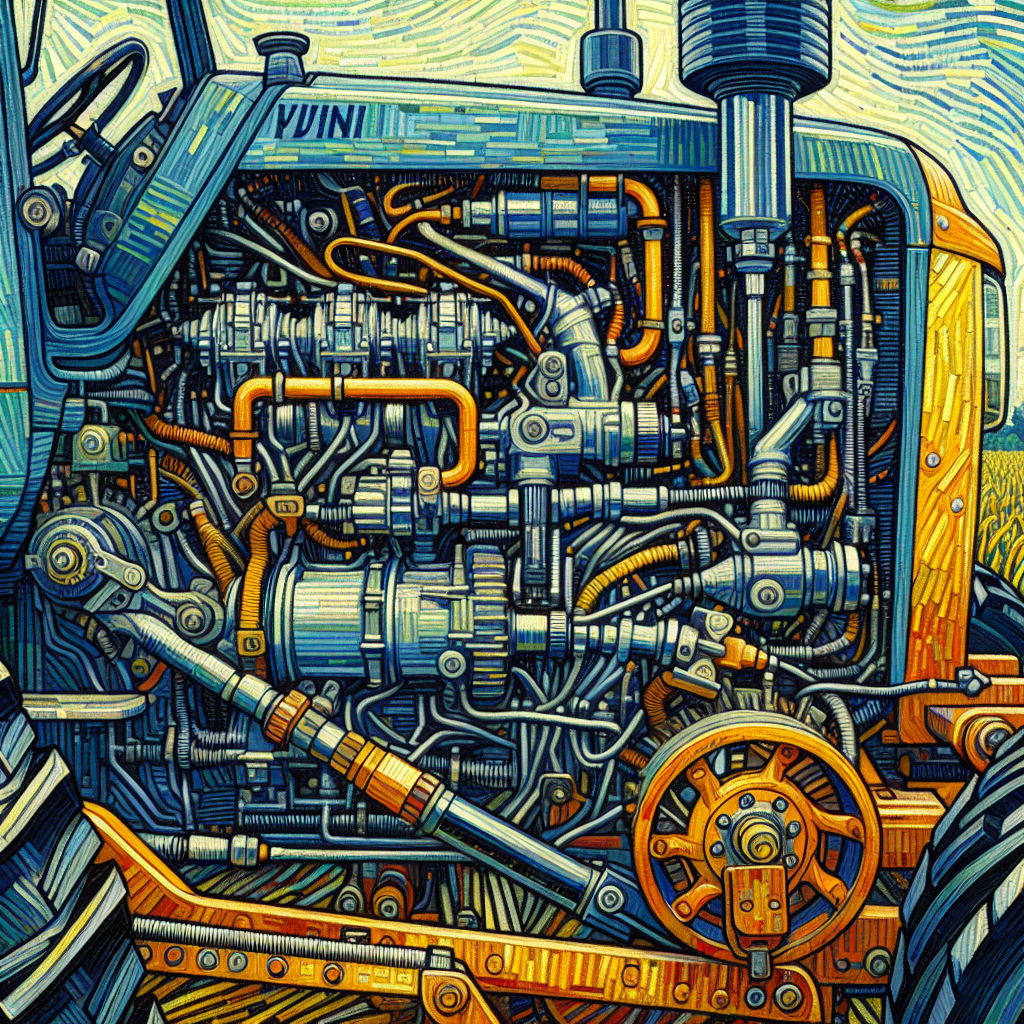
Checklist
At ClassicTractorNews, we help tractor lovers keep up with the latest news for classic and vintage tractors.
Please share this post with your friends, family, or business associates who may like old classic or vintage tractors.