

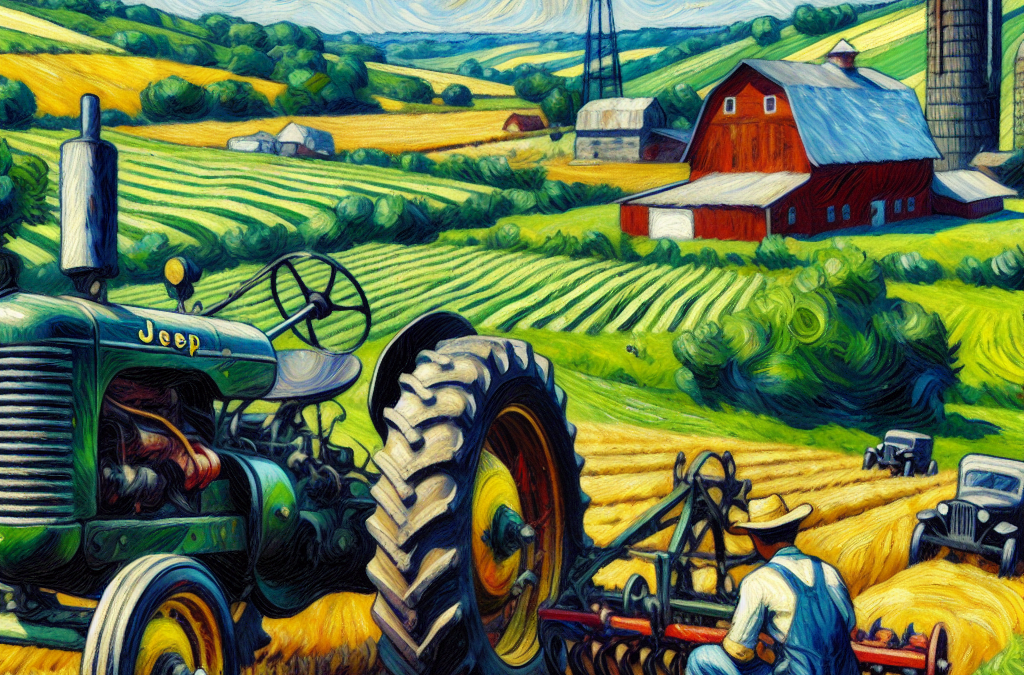
Lessons From Vintage Tractors For Sustainable Agriculture
By Tom Seest
At ClassicTractorNews, we help tractor lovers keep up with the latest news for classic and vintage tractors.
Please share this post with your friends, family, or business associates who may like old classic or vintage tractors.
What Can Classic Tractors Teach Us About Sustainable Farming
In an age where technology reigns supreme, it can be tempting to forget the grit it takes to grow our food. Picture an old tractor, the kind that rumbles to life with a hearty roar, built with simplicity and practicality. These machines connect us to a time when farmers relied on their own ingenuity, working in harmony with the land rather than against it. This isn’t just nostalgia; it’s a lesson in sustainable farming that speaks to our hearts, heads, and guts.
Let’s be honest: classic tractors are more than just metal and wheels. They embody the spirit of resilience and resourcefulness. They were designed to be repaired rather than replaced, reflecting a mindset that champions longevity over obsolescence. In a world wrestling with waste, these tractors remind us that sustainability isn’t just a buzzword—it’s a way of life deeply rooted in respect for both our resources and our environment. When we operate older machinery, we reduce our reliance on fossil fuels and vast supply chains, directly influencing our carbon footprint.
Moreover, the ethical implications are profound. Each classic tractor represents a commitment to local farming practices. The farmers of yesterday didn’t just plant crops; they cultivated communities. They understood the critical importance of nurturing the earth, passing down knowledge about crop rotation, soil health, and biodiversity. Remember the stories told around a dinner table, with each meal a testament to the labor and love poured into the land? That’s the connection we crave, the social roots that ground us in a time of disconnection.
Yet, amidst all this, there’s a call to action. We need to rekindle that bond with the earth. Consider picking up a wrench and getting your hands dirty. Engage with local farmers; many of them embrace these classic machines and the sustainable practices that come with them. Support initiatives that promote restoration and modernization of vintage tractors to bring them into the sustainable farming fold.
So next time you see a classic tractor chugging along, remember: it’s not just machinery. It’s a driving force for sustainable farming, urging us to embrace our roots, nurture our community, and honor the lessons of those who plowed these fields before us. Together, let’s take that journey back to a thoughtful, sustainable approach to agriculture—after all, the stories worth telling start with a little more dirt under our nails.
What Can Classic Tractors Teach Us About Sustainable Farming
What Can Classic Tractors Teach Us About Sustainable Farming
- Classic tractors symbolize the grit and ingenuity required for sustainable farming.
- Designed for repair and longevity, they promote a mindset that values resourcefulness over obsolescence.
- Using older machinery reduces reliance on fossil fuels and mitigates carbon footprints.
- Classic tractors represent a commitment to local farming practices and community cultivation.
- They emphasize the importance of nurturing the earth through practices like crop rotation and soil health.
- There’s a call to action to reconnect with agriculture by supporting local farmers and vintage tractor initiatives.
- Embracing classic tractors encourages a sustainable approach to farming and honors agricultural heritage.
What Can Classic Tractors Teach Us About Sustainable Farming
Table Of Contents
- What Can Classic Tractors Teach Us About Sustainable Farming
- What Values Can Classic Tractors Instill In Modern Farmers?
- How Did Classic Tractors Shape Farming Communities In The Past?
- Can We Reconnect With Our Roots Through Classic Tractor Restoration?
- How Can Classic Tractors Improve Soil Health Sustainability?
- What Role Did Classic Tractors Play In Promoting Food Sovereignty?
- How Do Classic Tractors Foster A Sense Of Community Among Farmers?
- Conclusion
- Other Resources
- Glossary Of Terms
- Other Questions
- Haiku
- Poem
- Checklist
What Values Can Classic Tractors Instill In Modern Farmers?
In a world dominated by cutting-edge technology and rapid innovation, it’s easy for modern farmers to overlook the wisdom rooted in classic tractors. These workhorses of the past aren’t just machines; they offer a blueprint for values that can shape the next generation of agriculture. Engaging with these vintage beasts can stir a sense of pride and connection to our agricultural heritage—an ethos that isn’t just nostalgic, it’s practical.
When you climb into the seat of a classic tractor, you feel history. Each turn of the wheel reminds us that farming wasn’t built on convenience, but on grit, determination, and an unyielding bond with the land. That connection is crucial in today’s high-speed world. It provokes reflection on our modern practices. Are we as connected to our soil as those farmers of decades past? A classic tractor serves as a symbol of resilience—a reminder that real farming is about hard work and patience, not just efficiency.
Rationally speaking, there’s much to learn from the simplicity of design in these machines. They were easy to repair, required minimal parts, and emphasized the importance of doing more with less. In an age where input costs soar and environmental sustainability is paramount, reflecting on the practicality of vintage machinery can inspire resourcefulness. It’s about embracing the ethos of making the most out of what you have, a mindset that could save modern farmers both time and money.
Ethically, using a classic tractor fosters a connection to the land and the community. It challenges us to respect our agricultural bounty and to honor those who nurtured it before us. Adopting such values can enhance the way we engage with customers, showcasing transparency in our farming practices and earning trust in a world craving authenticity.
Narratively, the stories of farmers who’ve endured hardships and triumphs on these tractors can teach us invaluable lessons. They remind us that every row plowed, every seed sown has a human story behind it—one of family, sweat, and sacrifice. When modern farmers hear these stories, they connect on a deeper level. Socially, this shared knowledge can forge relationships within communities, binding together those who appreciate the grit of farming regardless of the years that divide them.
Incorporating the values instilled by classic tractors inspires not just a better farmer but a more grounded individual—one who understands that agriculture is as much about heritage as it is about innovation. So, the next time you see a classic tractor, take a moment to appreciate what it represents, because those values are timeless and essential for a thriving future in farming.
What Values Can Classic Tractors Instill In Modern Farmers?
What Values Can Classic Tractors Instill In Modern Farmers?
- Classic tractors symbolize agricultural heritage, offering lessons on values for modern farming.
- Engaging with classic tractors fosters a connection to the land and a sense of pride in farming history.
- They serve as reminders that farming requires grit and determination, not just efficiency.
- The simplicity of classic tractor design emphasizes resourcefulness, vital for modern sustainability.
- Using vintage machinery promotes ethical farming practices and fosters community connections.
- Stories of past farmers reveal the human experiences behind farming, creating deeper connections.
- Incorporating the values from classic tractors inspires more grounded individuals in agriculture.
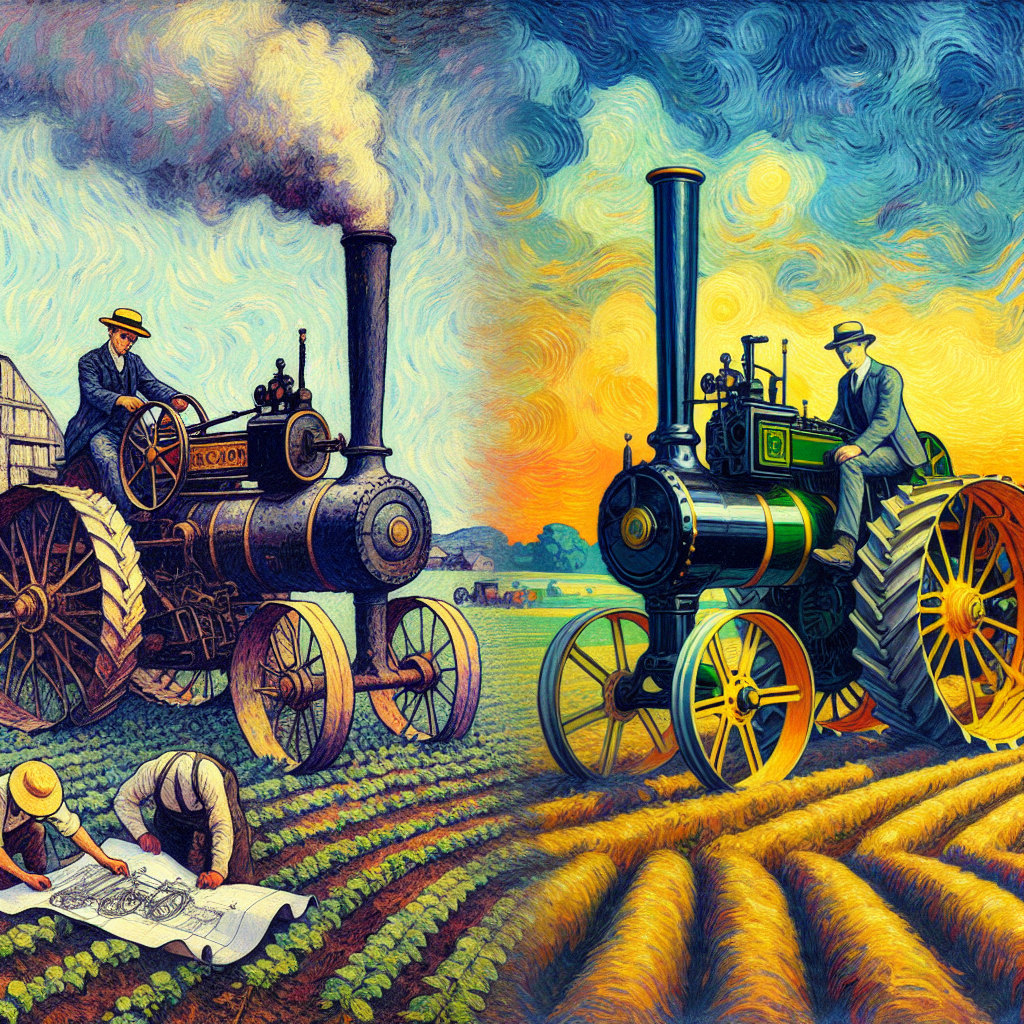
What Values Can Classic Tractors Instill In Modern Farmers?
How Did Classic Tractors Shape Farming Communities In The Past?
When you think of the pastoral landscapes of America, you might see rolling fields that stretch as far as the eye can see, dotted here and there with classic tractors—those steadfast machines that have become beloved icons of rural life. But their significance goes far beyond mere utility; they shaped the very fabric of farming communities and, in doing so, altered the course of individual lives.
It wasn’t just about plowing fields or hauling hay. These tractors represented hope and resilience, a lifeline for families enduring the whims of nature. Imagine the crackle of a radio on a hot summer afternoon, the rhythmic hum of a tractor in the distance—a comforting sound that signified hard work and dedication. Men and women became bonded over shared experiences, laboring side by side as the sun dipped below the horizon. Those simple machines brought people together, fostering a sense of belonging and common purpose.
Each tractor, with its unique set of quirks and character, told a story. Perhaps it was the rusty old model that had been passed down through generations, carrying with it the weight of a family’s legacy. Or maybe it was the sleek, modern machine that represented a new era of farming—a blend of tradition and innovation. Either way, these tractors were not just tools; they embodied the hopes and dreams of entire communities, fueling ambitions and inspiring future generations to rise up from the fields.
Rationally speaking, classic tractors transformed the economics of farming. They enabled farmers to cultivate larger plots of land more efficiently, increasing yields and enhancing food security for entire populations. When communities banded together to support one another, sharing resources and knowledge, those tractors became symbols of collective strength. The vast potential embodied in each farmer, armed with their trusted tractor, was enough to change not just their fortunes, but also those of their neighbors.
Ethically, we must remember the responsibility that comes with independence. As tractors evolved, so did the notion of stewardship over the land. Farmers began to see themselves as caretakers, not just producers, acknowledging the importance of sustainable practices that would perpetuate the cycle of life for generations to come.
So next time you spot a classic tractor—weave your path through nostalgia and pride. Understand it’s more than just metal and mechanics; it’s a lifeline, a community anchor, a symbol of resilience and commitment to a way of life that continues to nourish us all. Embrace that connection, and let it inspire you to cultivate your own piece of this legacy.

How Did Classic Tractors Shape Farming Communities In The Past?
How Did Classic Tractors Shape Farming Communities In The Past?
- Pastoral landscapes of America feature classic tractors that symbolize rural life.
- Tractors represent hope and resilience for families facing agricultural challenges.
- They foster community bonding through shared labor and experiences.
- Each tractor carries its own story, reflecting family legacies and traditions.
- Classic tractors transformed farming economics by increasing efficiency and food security.
- Farmers evolved into stewards of the land, emphasizing sustainable practices.
- Tractors serve as a symbol of resilience and a connection to a legacy worth cultivating.
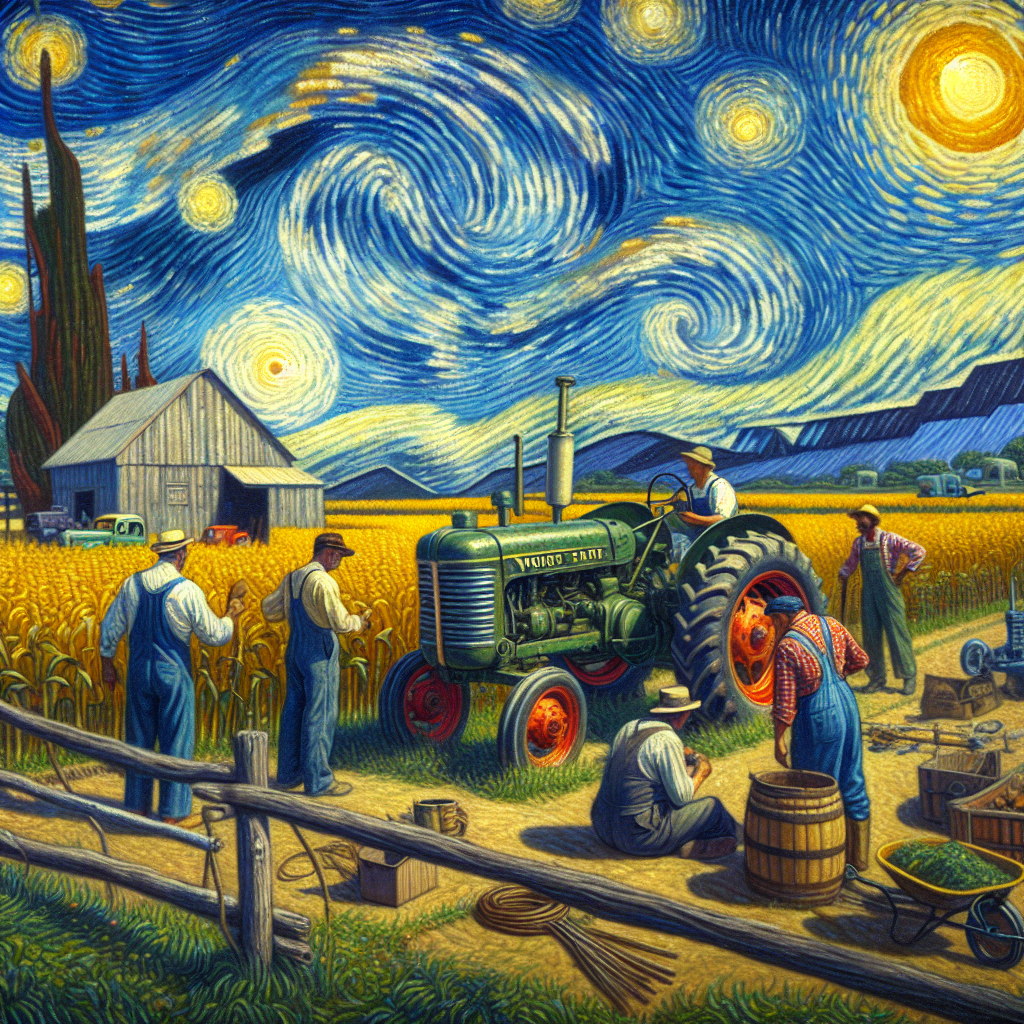
How Did Classic Tractors Shape Farming Communities In The Past?
Can We Reconnect With Our Roots Through Classic Tractor Restoration?
Finding Common Ground Through Classic Tractor Restoration
Imagine standing in your grandfather’s barn, sunlight streaming through the dusty windows, illuminating a classic tractor long forgotten. Its paint might be chipped, and its metal surfaces rusty, but deep down, it still holds the stories of hard work, resilience, and family. Can we really reconnect with our roots through the restoration of such a machine? The answer, it seems, is a resounding yes.
Restoring a classic tractor isn’t just about bringing an old vehicle back to life; it’s about reviving the spirit of those who once relied on it to plow the fields and harvest sustenance for the family dinner table. It’s a love letter to a simpler time, where family farms thrived on grit, determination, and the knowledge passed down through generations. Each bolt you tighten and every layer of paint you apply isn’t just mechanical; it’s a prayer, a promise to remember where you came from and the hands that shaped your upbringing.
But let’s not forget the logic behind these iconic machines. Beneath the layers of nostalgia lies a wealth of wisdom about sustainable practices and craftsmanship. As we wrestle with today’s fast-paced, disposable culture, a classic tractor serves as a powerful reminder of durability and manual skill, virtues that feel more significant than ever. Digging into restoration offers opportunities for learning—both technically and personally. It’s a chance to hone skills that are, unfortunately, becoming increasingly rare.
Ethically, we face a choice: Do we continue to indulge in the throwaway culture that has us trading in our devices every few years, or do we take a stand for quality and longevity? Restoring a classic tractor is a stand against the tide of modernity, a testament that we value our history over fleeting trends.
Moreover, this revival can foster community, connecting different generations. Picture a gathering of enthusiasts swapping tips and sharing tattered tales of old farming practices. In these moments, you’ll witness the sturdy bonds of humanity take shape, reminding us we’re not so different after all.
So, as you ponder whether to roll up your sleeves and dive into a restoration project, remember: it’s not just about the tractor; it’s about rekindling a connection with the past and laying down roots for the future. This journey invites you to step into a world where the clank of metal and the scent of oil evoke memories and possibilities. Let’s get to work and honor both the machines and the legacies behind them.
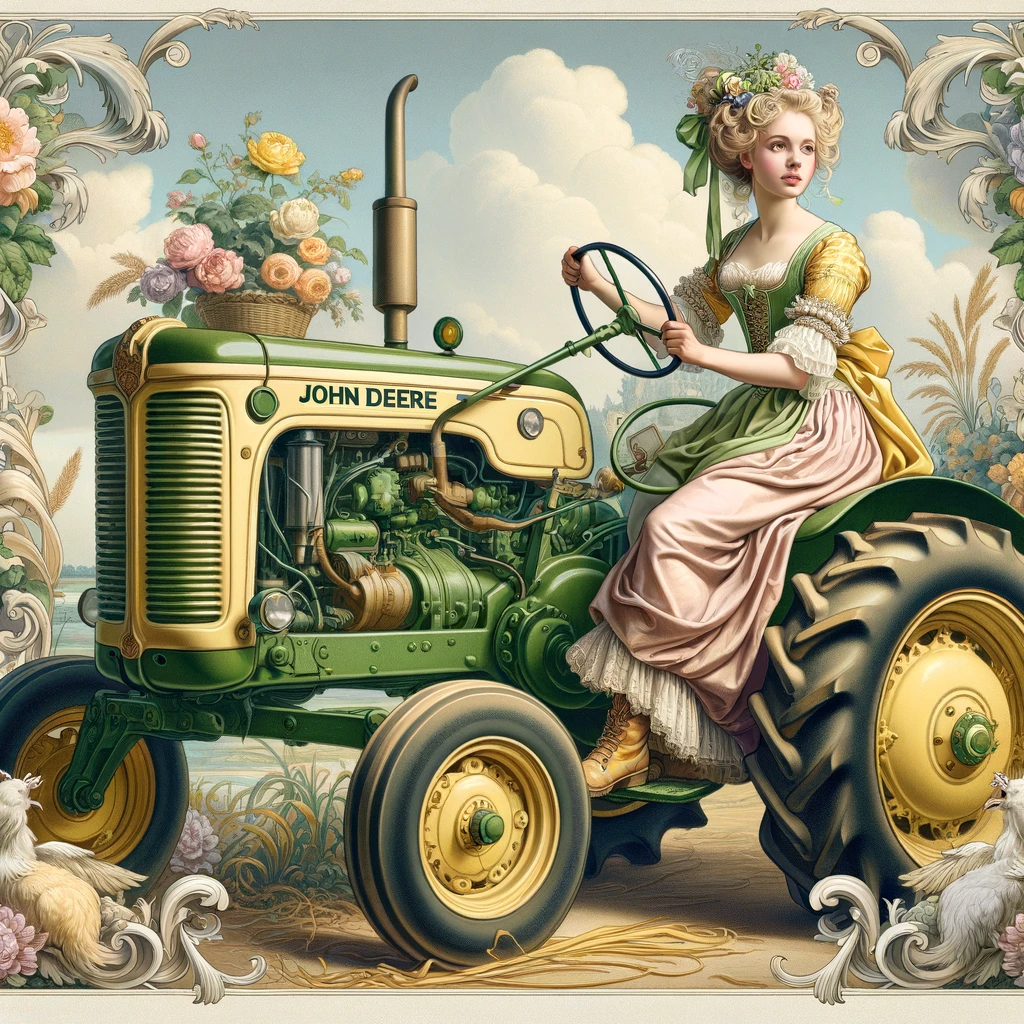
Can We Reconnect With Our Roots Through Classic Tractor Restoration?
Can We Reconnect With Our Roots Through Classic Tractor Restoration?
- Restoring classic tractors allows us to reconnect with family roots and heritage.
- The process is a tribute to the hard work and resilience that family farming represents.
- Each restoration act symbolizes a commitment to remembering origins and ancestral influences.
- Classic tractors embody sustainable practices and craftsmanship amidst a disposable culture.
- Restoration fosters learning opportunities for both technical skills and personal growth.
- This endeavor advocates for quality and durability over modern throwaway culture.
- Engaging in restoration can build community connections across generations through shared stories and experiences.
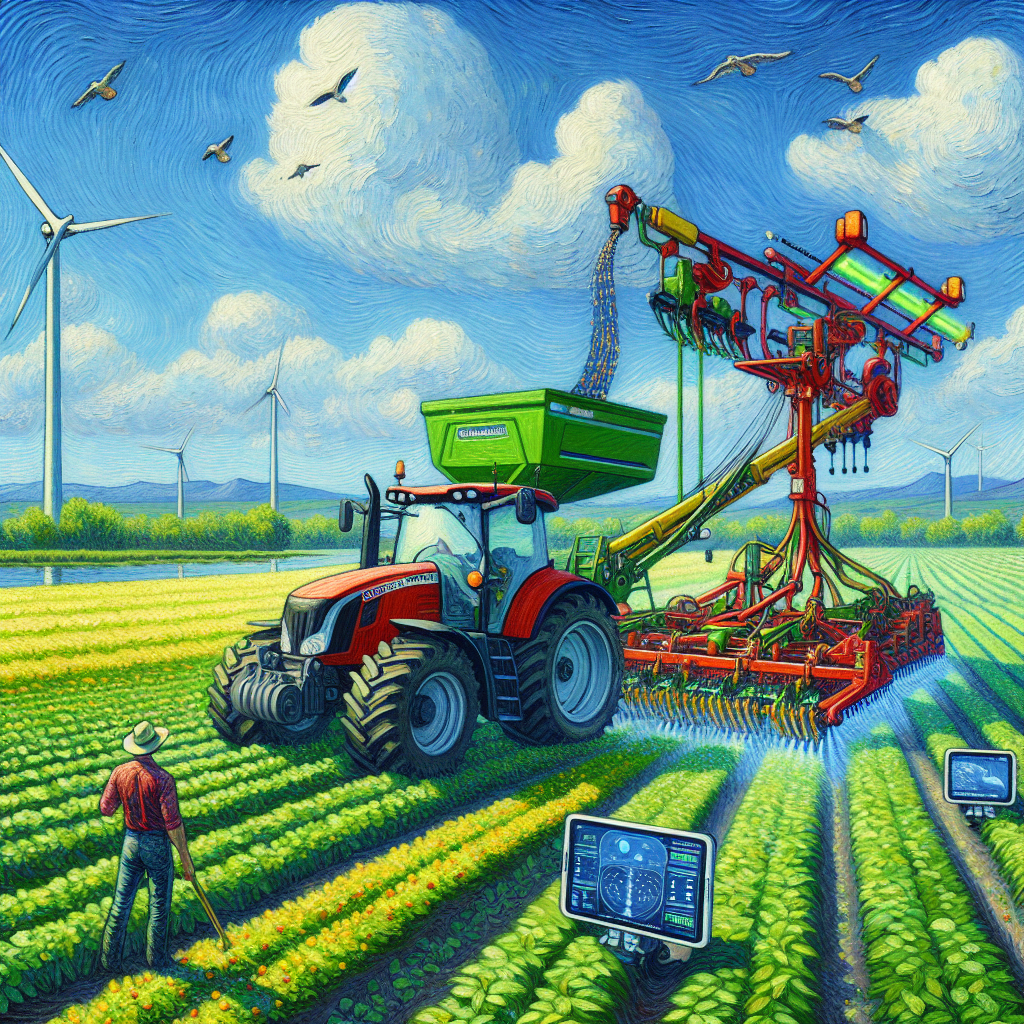
Can We Reconnect With Our Roots Through Classic Tractor Restoration?
How Can Classic Tractors Improve Soil Health Sustainability?
When you think of a *tractor*, what comes to mind? For many, it’s the rumble of a well-loved engine touring the fields, the dust kicked up in a golden haze as crops are tended with care. But beyond the nostalgia and the reliable performance lies a deeper story—one that speaks to the heart of our land and the future of sustainability.
Imagine a farmer, hands calloused through years of toil, anchored to his roots both literally and figuratively. That *tractor*, a trusty steed of steel from a bygone era, plays a pivotal role in this narrative. These marvels of machinery don’t just promise productivity; they offer a sustainable approach to tilling the earth. The eco-friendliness of classic tractors often comes from their simpler mechanics and reduced reliance on high-tech components, which can often mean they run on less fuel and can be maintained more easily. This simplicity is a comforting reminder of a time when farming was not about gadgets and gizmos but about respecting the land and working in harmony with it.
Now, let’s switch gears for a moment: soil health. It’s a term that often gets thrown around but means so much. Healthy soil is teeming with life—the worms, microbes, and nutrients that make it a living ecosystem. Classic tractors, when used thoughtfully, can help cultivate this life rather than deplete it. With their lower horsepower and careful operation, they minimize soil compaction and erosion, fostering an environment where crops can thrive year after year.
Ethically, we must ask ourselves: what legacy do we want to leave for future generations? By choosing to restore and utilize these classic *tractors*, farmers not only safeguard their livelihood but champion a cause that benefits the very earth they stand on. Imagine the sense of connection, not just to the land but to a community of like-minded stewards, as you join hands in this mission.
Here’s the kicker: embracing these old warriors teaches us resilience. They remind us that farming is as much about nurturing the soil as it is about harvesting the crops. So let’s not just see classic tractors as machines; let’s champion them as catalysts of change. They can help bridge the gap between our past and future, showing us that we can cultivate not just crops, but a sustainable world—one arable inch at a time. When we lean into the lessons they have to teach, we grow not only as stewards of the land but as custodians of its future.
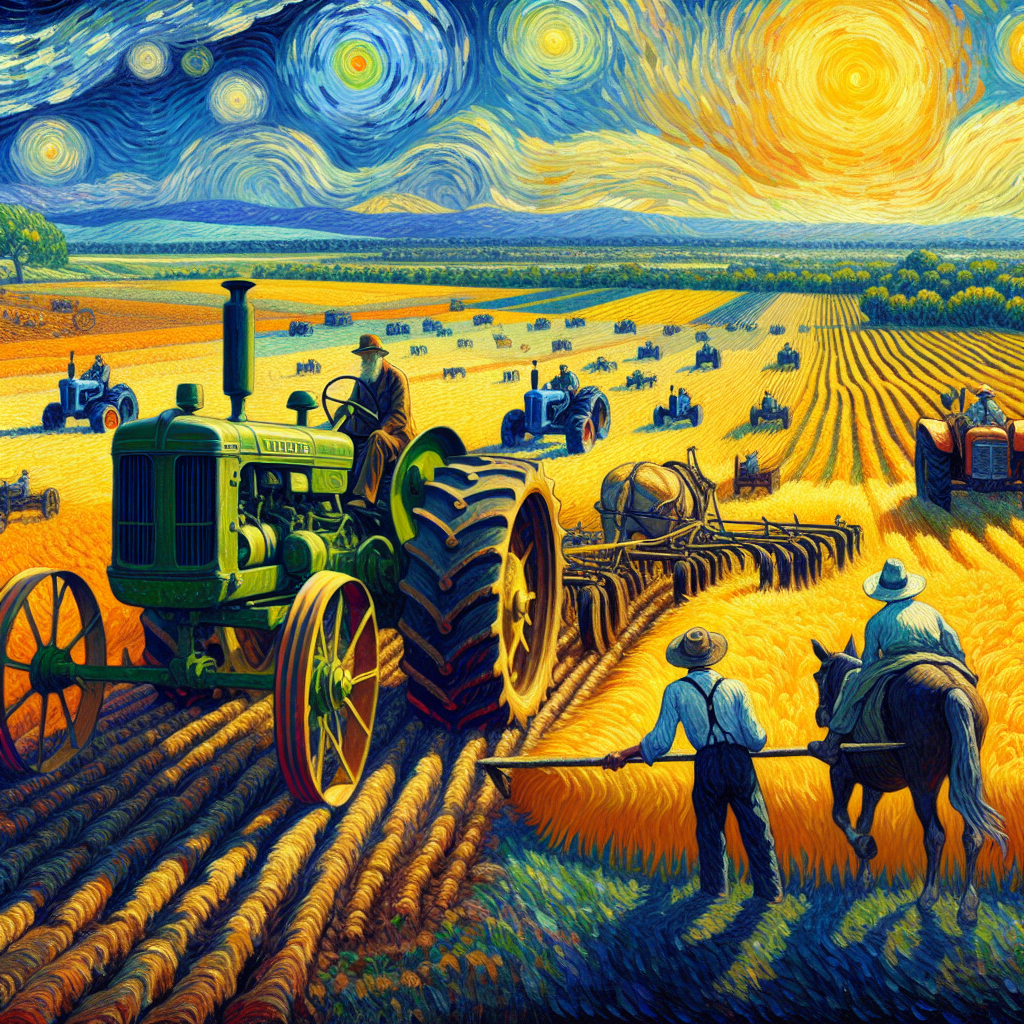
How Can Classic Tractors Improve Soil Health Sustainability?
How Can Classic Tractors Improve Soil Health Sustainability?
- Classic tractors evoke nostalgia and symbolize sustainable farming practices.
- They represent a simpler approach to agriculture, reducing reliance on high-tech components.
- Using classic tractors can promote soil health by minimizing compaction and erosion.
- Farmers can cultivate a thriving ecosystem in the soil when using these tractors thoughtfully.
- Choosing classic tractors helps preserve a legacy for future generations while fostering community connections.
- They teach resilience and emphasize the importance of nurturing the soil in farming.
- Classic tractors serve as catalysts for change, bridging the past and future of sustainable agriculture.
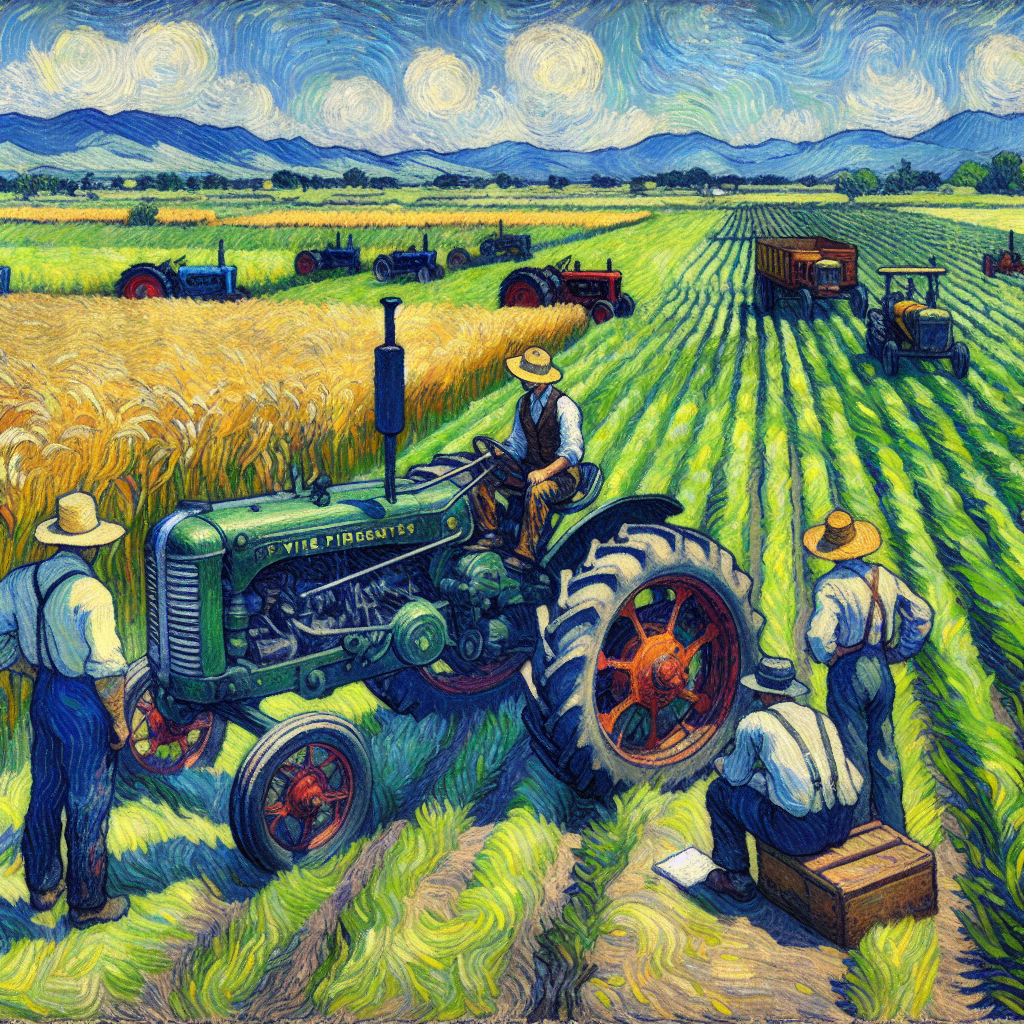
How Can Classic Tractors Improve Soil Health Sustainability?
What Role Did Classic Tractors Play In Promoting Food Sovereignty?
When you picture a classic tractor, what comes to mind? For many, it’s not just the rusted metal and paint chipped from years of hard labor, but a symbol of resilience, hope, and dedication to the land. These hulking machines, with their rumbling engines and towering frames, have long served as the unsung heroes of agriculture. They embody not just the past but also the promise of a future rooted in food sovereignty.
Food sovereignty is about more than just growing crops; it’s about communities asserting control over their food systems. Classic tractors played a crucial role in this endeavor, allowing small-scale farmers to cultivate their land more efficiently and sustainably. With the power of these machines, families could escape the grip of industrial agriculture, reclaiming their heritage and fostering a closer connection to the food they produce.
It’s easy to overlook how something as simple as a tractor can promote ethical farming practices. When families harness the power of classic tractors, they can prioritize sustainable methods that care for the soil and protect the environment for future generations. This isn’t just a matter of nostalgia; it’s a call to action, a way to empower individuals to make choices that favor their local communities over corporate influences.
Consider the stories of those who have restored these machines, who have poured sweat and heart into making them run again. The dad who taught his son how to fix an old tractor, the grandmother who recalls driving one in her youth – these narratives connect us. They remind us of our roots and encourage us to visit our local farmers’ markets, buy organic produce, and support the family farms around us. It’s not just about tractors; it’s about a way of life that champions integrity, accountability, and community.
In an era where mass production is king, classic tractors stand as a reminder that farming can be personal. Every time we choose local, every time we invest in our food sovereignty, we also invest in the stories, traditions, and values that these tractors symbolize. They are more than machines; they are the heartbeat of a movement that champions a more equitable food system. So the next time you see a classic tractor rumbling down a dirt road, know that it’s carrying the weight of our past while paving the way for a future where food sovereignty is not just a dream but a tangible reality.
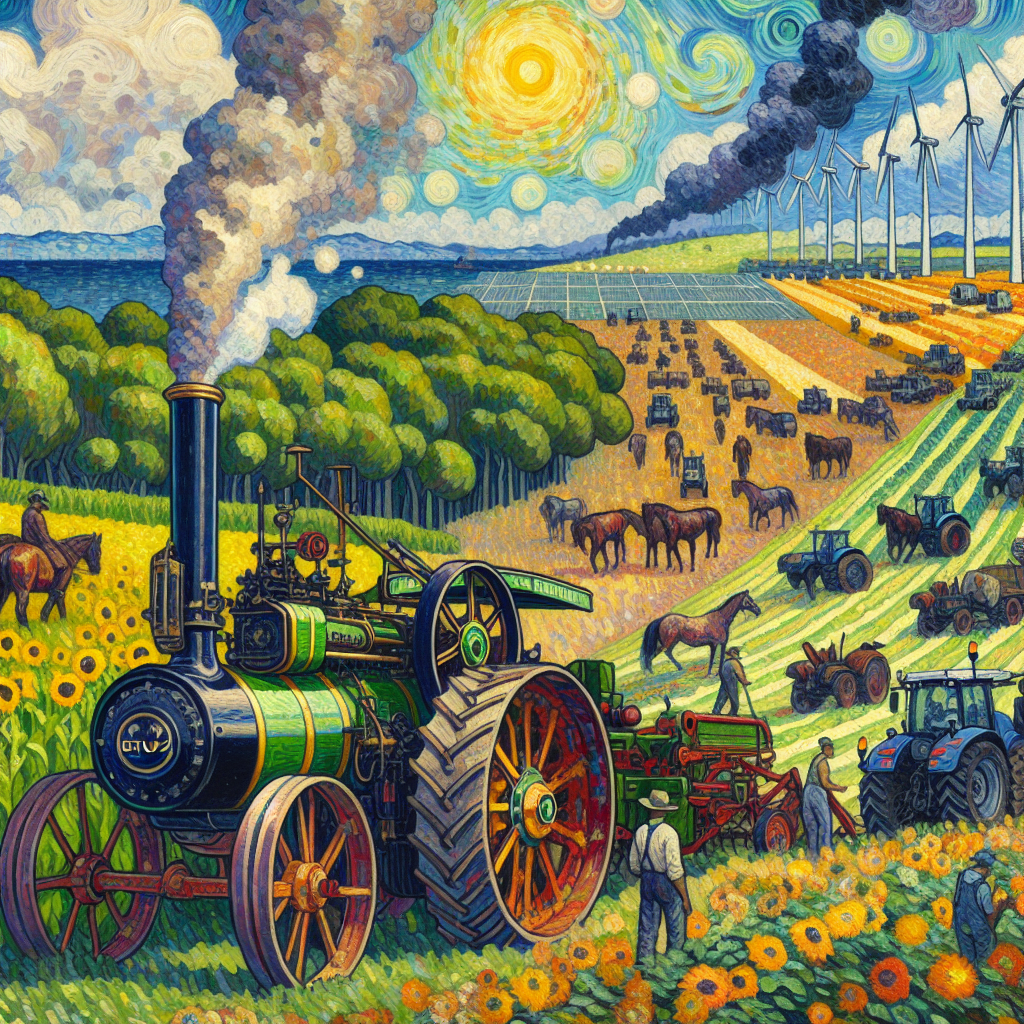
What Role Did Classic Tractors Play In Promoting Food Sovereignty?
What Role Did Classic Tractors Play In Promoting Food Sovereignty?
- Classic tractors symbolize resilience, hope, and dedication to agriculture.
- They enable communities to assert control over food systems through food sovereignty.
- Tractors help small-scale farmers cultivate their land sustainably and efficiently.
- Using classic tractors promotes ethical farming practices that protect the environment.
- Stories of restoration connect individuals to their agricultural roots and foster community support.
- Classic tractors remind us that farming can be personal amidst mass production.
- They represent a movement towards a more equitable food system and a sustainable future.
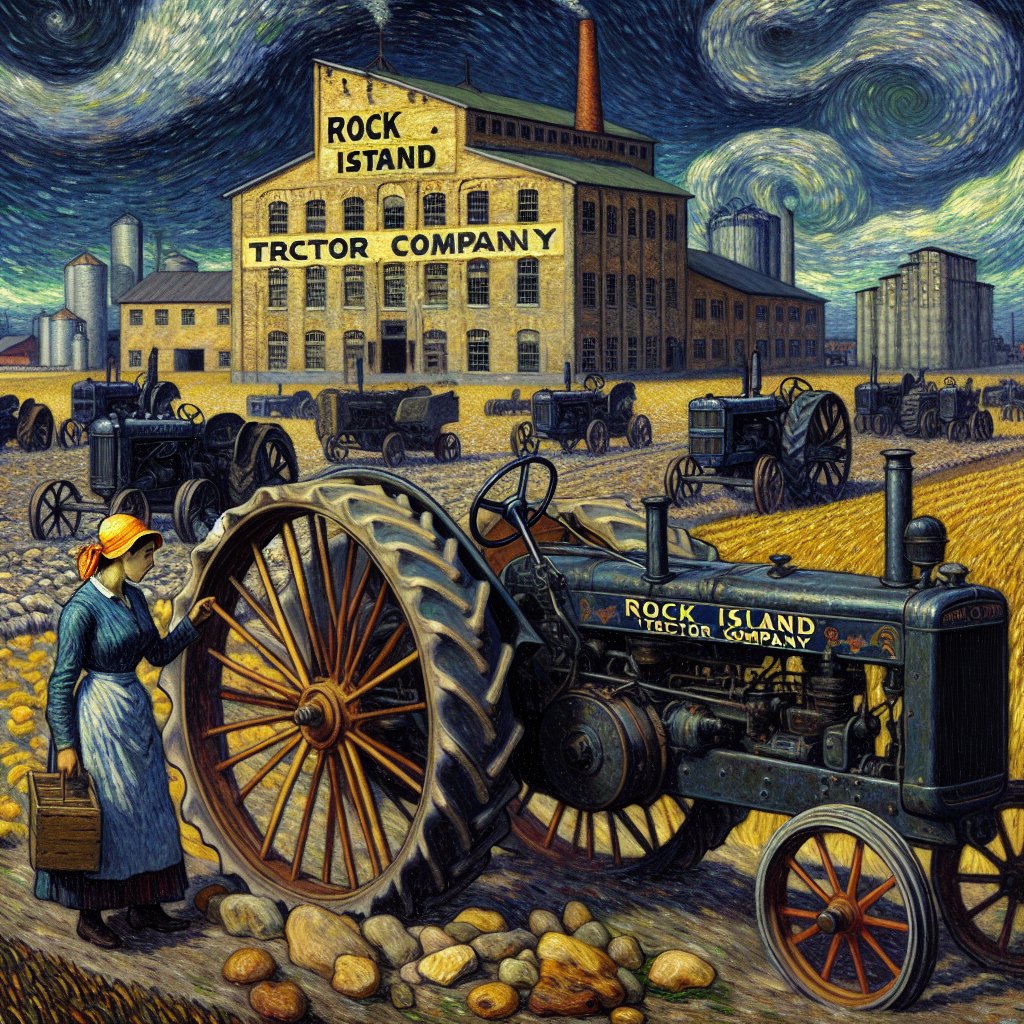
What Role Did Classic Tractors Play In Promoting Food Sovereignty?
How Do Classic Tractors Foster A Sense Of Community Among Farmers?
How Classic Tractors Foster A Sense of Community Among Farmers
There’s something undeniably magnetic about a classic tractor. It stands as a testament to decades of hard work, skill, and perseverance. This iron beast—an engine of possibility—doesn’t just till the soil; it cultivates bonds among farmers, stitching together a vibrant tapestry of community.
You can see it during the annual harvest festivals, where rows of polished tractors gleam under the sun. Each one tells a story—a narrative woven from long hours and determination. As farmers gather, they proudly showcase their beloved machines, a concrete connection to their heritage. It’s more than a proud display; it’s a bridge that connects past and present. Anyone can see the pride on a farmer’s face when they talk about the first time they climbed onto that seat, gripping the steering wheel with a mix of fear and exhilaration. These moments are not just personal; they resonate with shared values and experiences.
In today’s fast-paced world, where digital connections often feel shallow, classic tractors serve as a grounding force. They remind us of the labor that goes into every bite we take. Farmers gather around these machines not just for camaraderie but to share knowledge, advice, and even laughter. This tribe of farmers acknowledges the challenges that come with the territory—from unpredictable weather to market fluctuations—yet, they find strength in shared understanding and collective wisdom, feeling reassured that they’re not alone on the journey.
There’s an ethical dimension to this community as well. When a farmer rescues an old tractor from the junkyard or restores it to its former glory, they connect with sustainability and conservation. They honor the craftsmanship of days gone by while committing to the land they toil upon today. It’s about nurturing something greater than themselves; it’s heritage, responsibility, and stewardship all wrapped into one rusted paint job.
Whether it’s swapping tales over a cup of coffee at the local diner or gathering for tractor pulls, these interactions foster friendships that go beyond the field. The classic tractor acts as a magnet, drawing people together, creating networks of support that inspire trust and resilience—lifelines that are incredibly vital when the wind seems to blow against you.
So the next time you see a classic tractor cutting through a field, think about what it represents: not just labor, but a community heart, stitched together through shared struggles, successes, and above all, passion for the land. In its roaring engine, you can hear the heartbeat of a farming community, proud, united, and stronger together.
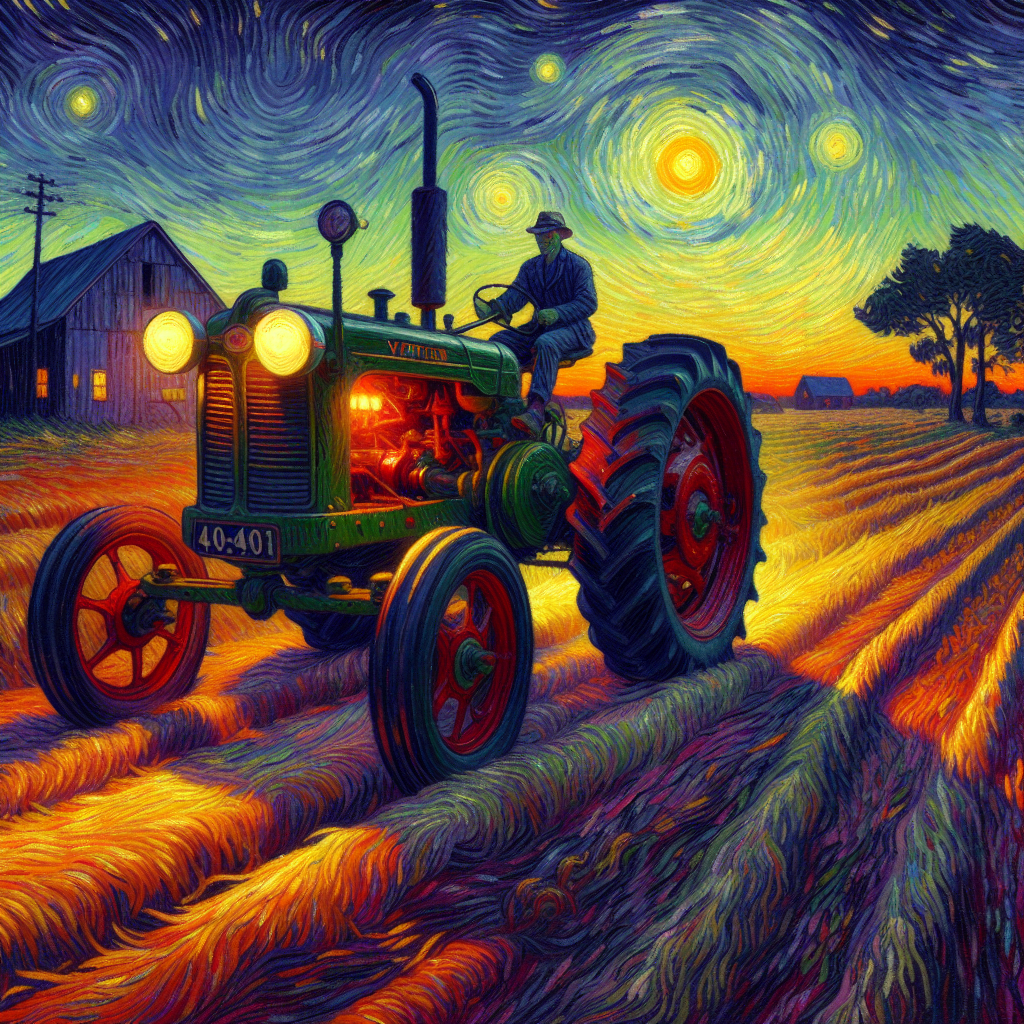
How Do Classic Tractors Foster A Sense Of Community Among Farmers?
How Do Classic Tractors Foster A Sense Of Community Among Farmers?
- Classic tractors symbolize decades of hard work, skill, and perseverance among farmers.
- Annual harvest festivals showcase polished tractors, serving as a connection to farmers’ heritage.
- Farmers bond over their experiences with classic tractors, sharing pride and personal narratives.
- These tractors foster camaraderie, knowledge exchange, and collective support in a fast-paced world.
- Restoring old tractors promotes sustainability and honors craftsmanship while committing to land stewardship.
- Interactions fostered by classic tractors lead to friendships and support networks vital for farmers.
- Classic tractors embody a community spirit, reflecting shared challenges, successes, and dedication to the land.
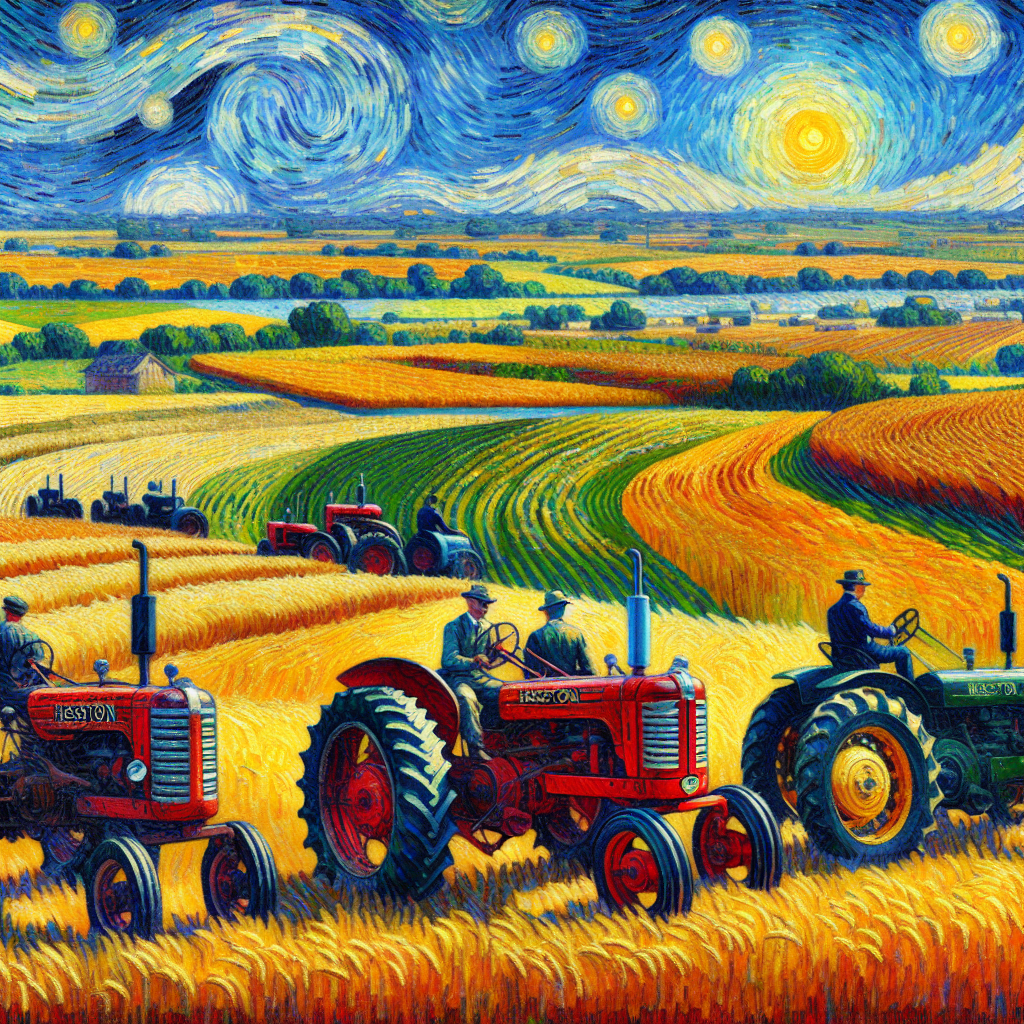
How Do Classic Tractors Foster A Sense Of Community Among Farmers?
Conclusion
As we wrap up this journey through the field of classic tractors and sustainable farming, let’s take a moment to reflect on the profound lessons these machines have to offer. Far more than rusty relics from a bygone era, classic tractors embody resilience, resourcefulness, and a deep respect for the land. In an age dominated by cutting-edge technology, it’s easy to overlook the wisdom rooted in the simplicity of these vintage workhorses. They remind us that farming is not just about efficiency, but about nurturing, community, and sustaining the very earth that provides for us.
Every tractor has a story; it carries with it the sweat and determination of generations. When we work with these machines, we are not merely tending to our fields; we are connecting with our heritage. Each turn of the wheel harks back to a time when farmers relied more on their ingenuity and grit than on gadgets. This connection is essential today, as we navigate our fast-paced world, reminding us of the values of patience, hard work, and the importance of nurturing the soil. Operating vintage equipment not only lessens our carbon footprint but also encourages a sustainable mindset.
The ethical implications of embracing classic tractors cannot be overstated. By choosing to restore and use these machines, we honor the traditions of those who came before us—dedicated stewards of the land who planted seeds of community and sustainability. Each restoration project becomes a thread weaving together past and present, fostering a bond with the earth and the people who work it. These tractors challenge us to prioritize local food systems, emphasizing an agricultural model that respects both farmers and the environment.
In the stories shared among farmers, there’s a powerful narrative of resilience and fellowship. Whether it’s a casual conversation over coffee or a shared laugh at the harvest festival, these interactions cultivate strong, supportive relationships that nourish both body and spirit. The classic tractor, with its capable engine and hardworking spirit, becomes a beacon of hope—a robust reminder that, together, we can cultivate not only crops but a community grounded in love for the land.
So, the next time you see a classic tractor chugging across a field, pause to appreciate the deeper meaning it carries. It’s more than just a machine; it’s a call to reconnect with our roots, uphold sustainable practices, and support the community of farmers dedicated to feeding us all. Let’s honor that legacy by getting our hands dirty, supporting local farmers, and cultivating a future that is rich in both story and sustainability. After all, the most significant journeys often start with a little dirt under our nails.
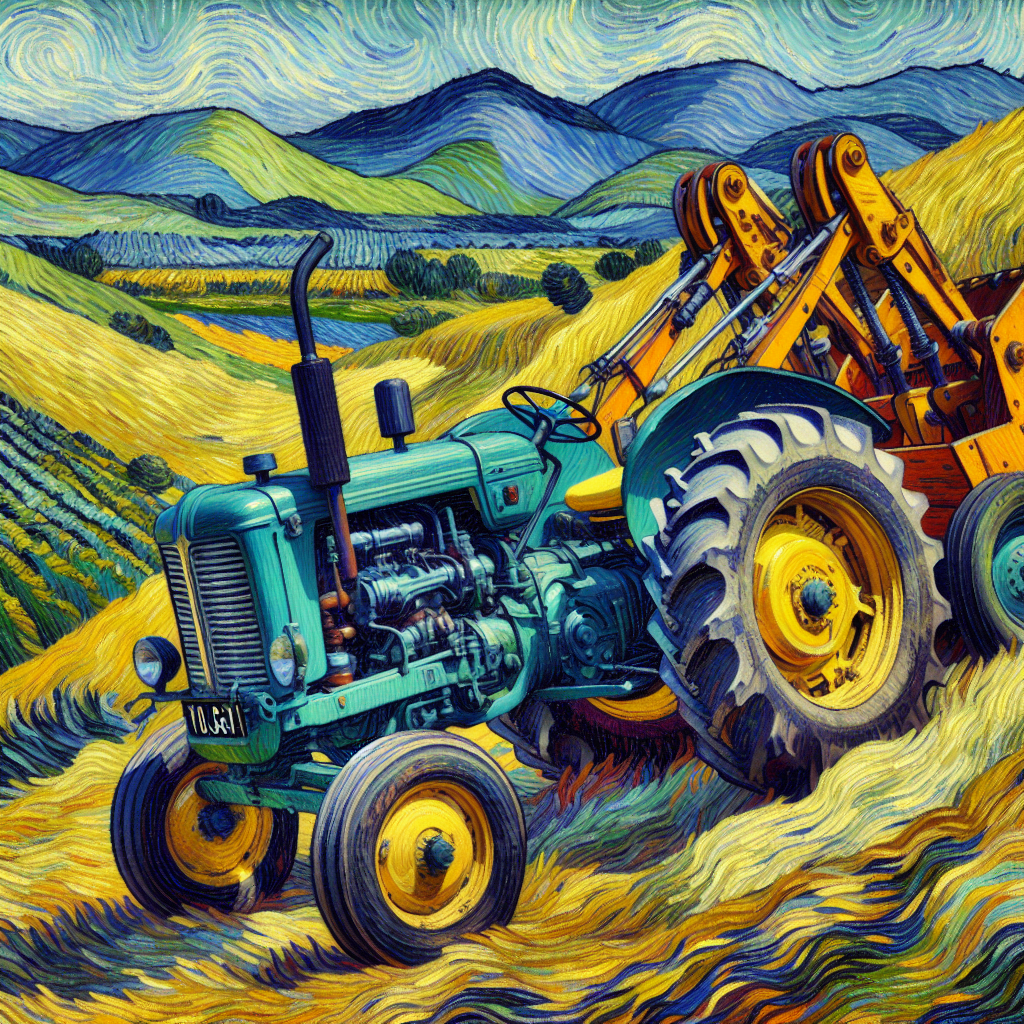
Conclusion
Conclusion:
- Classic tractors symbolize resilience, resourcefulness, and respect for the land.
- They remind us that farming is about nurturing and community, not just efficiency.
- These machines connect us to our heritage, emphasizing patience and hard work.
- Using vintage equipment promotes sustainability and reduces our carbon footprint.
- Restoring classic tractors honors the traditions of past farmers and fosters community bonds.
- Strong relationships among farmers emerge from shared experiences and narratives.
- Classic tractors encourage us to reconnect with our roots and support sustainable practices.
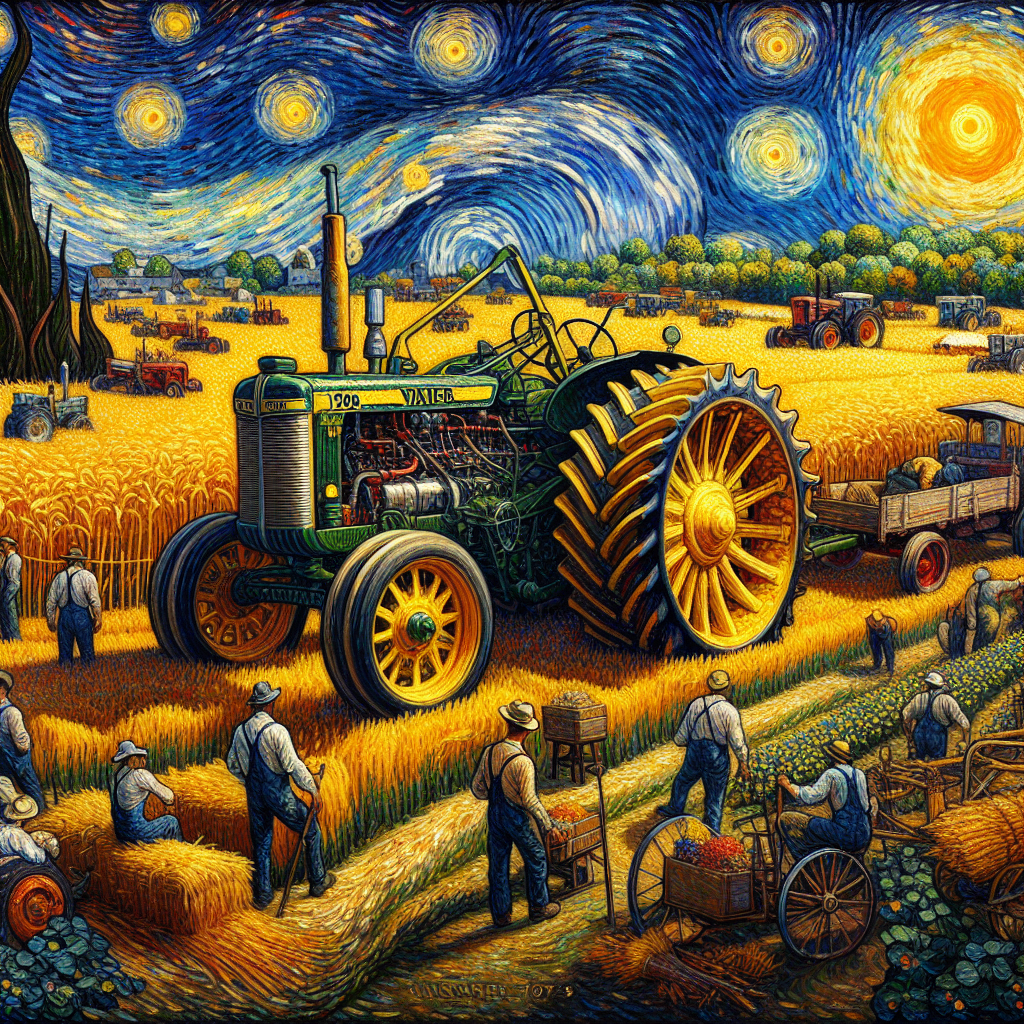
Conclusion
Other Resources
Other Resources
Here is a list of other resources you can review online to learn more:
- Schwanke Car, Tractor and Truck Museum
- Modern Farmers
- Fordson
- F.A.R.M. Tractor Show
- Lanz
- The New England Antique Truck and Tractor Association
- IH
- Saukville
- Classic Tractor Fever
- Tractor Models
Use This Prompt To Get More Resources With Your Favorite Online AI Tool: Please provide me with a list of online articles with their URLs in a bulleted list that I can read regarding What Can Classic Tractors Teach Us About Sustainable Farming
Other Resources
Glossary Terms
What Can Classic Tractors Teach Us About Sustainable Farming – Glossary Of Terms
1. Sustainability: The ability to maintain ecological balance by avoiding depletion of natural resources, ensuring future generations can meet their needs.
2. Classic Tractors: Tractors manufactured in earlier decades, known for their durability, simplicity, and often powered by combustion engines that can be retrofitted for alternative fuels.
3. Permaculture: An agricultural philosophy that promotes sustainable land use by mimicking natural ecosystems to create productive environments.
4. Soil Health: A measure of the condition of soil based on its organic matter content, nutrient levels, and biological activity, crucial for sustainable farming.
5. Biodiversity: The variety of plant and animal life in a particular habitat; important for resilience and sustainability in farming systems.
6. Agroecology: An integrated approach to farming that uses ecological principles to optimize resource use and enhance sustainability.
7. Crop Rotation: The practice of alternating the types of crops grown on a particular piece of land to improve soil health and reduce pest and disease cycles.
8. Organic Farming: A farming practice that excludes the use of synthetic fertilizers and pesticides, focusing on natural processes and biodiversity.
9. Cover Crops: Plants planted mainly to manage soil erosion, fertility, and moisture; they help improve soil health and reduce weeds.
10. Regenerative Agriculture: Farming practices that restore and enhance soil health, biodiversity, and water cycles through proactive land management.
11. Conservation Tillage: A farming method that minimizes soil disturbance, preserving soil structure and organic matter, which aids in retaining moisture and reducing erosion.
12. Renewable Energy: Energy from sources that are naturally replenished, such as solar, wind, or biofuels; relevant for minimizing fossil fuel dependence in farming.
13. Local Food Systems: Agricultural practices that prioritize the distribution of food within a local area to reduce carbon footprints and support local economies.
14. Mechanical Efficiency: The effectiveness of tractor fuel usage and operation in performing agricultural tasks; older tractors can be simple yet effective.
15. Implement: An attachment used with a tractor for performing various agricultural tasks, such as plowing, seeding, or cultivating, critical for efficient farming.
16. Soil Conservation: Techniques used to prevent soil erosion and degradation, ensuring the long-term health of farmland.
17. Hydroponics: A method of growing plants without soil, using mineral nutrient solutions in water; a modern counterpart to traditional farming methods.
18. Permaculture Design: A planning framework to create efficient, sustainable agricultural landscapes that harmonize with nature.
19. Pest Management: Strategies employed to control pests effectively and sustainably, reducing reliance on chemical pesticides.
20. Integrative Farming: Combining various agricultural practices and technologies in a cooperative system to improve total farm sustainability.
21. Precision Agriculture: Farming management that uses technology to monitor and optimize field-level operations, enhancing resource efficiency.
22. Sustainable Practices: Techniques and methods in farming that aim to meet current agricultural needs without compromising future generations’ ability to meet their own.
23. Tractor Restoration: The process of repairing and revamping classic tractors, often aimed at making them operational for modern sustainable practices.
24. Farming Heritage: The history and traditions of agriculture, including the use of classic machinery, which inform sustainable practices today.
25. Agricultural Education: The process of teaching and learning about farming practices, sustainability, and resource management.
26. Green Manure: Crops grown primarily to add organic matter and nutrients back into the soil when turned under, enhancing soil fertility.
27. Community Supported Agriculture (CSA): A model where consumers directly support local farms; it strengthens local economies and reduces carbon footprints.
28. Tractor Efficiency: Refers to how effectively a tractor uses fuel relative to its power output, which can inform decisions about equipment use in sustainable systems.
29. Agroforestry: A land use management system that combines trees and shrubs with crops and livestock, improving biodiversity and sustainability.
30. Sustainable Livestock Management: Practices that ensure animal farming is conducted in ways that are environmentally sound, economically viable, and socially responsible.
Conclusion
Classic tractors provide a window into historical agricultural practices that, when combined with modern sustainable techniques, can offer valuable lessons in sustainable farming and resource management.
Glossary Of Terms
Other Questions
What Can Classic Tractors Teach Us About Sustainable Farming – Other Questions
If you wish to explore and discover more, consider looking for answers to these questions:
- What are examples of sustainable practices that can be learned from classic tractors?
- How can modern farmers incorporate the values of classic tractors into their farming methods?
- What specific stories exemplify the emotional connection farmers have with their classic tractors?
- What are the practical steps for restoring a classic tractor, and what skills are needed?
- How do classic tractors compare to modern farming equipment in terms of sustainability and efficiency?
- What initiatives are in place to support the restoration and use of classic tractors?
- How can communities support local farmers who use classic tractors?
- What impact do classic tractors have on biodiversity and soil health?
- How can classic tractors play a role in educating future generations about farming and sustainability?
- What are the main challenges faced when restoring a classic tractor?
- How can vintage tractor clubs and communities help in promoting sustainable farming practices?
- What are the environmental benefits of using classic tractors over modern machinery?
- How can classic tractors symbolize a return to traditional farming methods?
- What are the connections between classic tractors and local food movements?
- How do the stories and histories of classic tractors promote a sense of identity among farmers?
Other Questions
Haiku
What Can Classic Tractors Teach Us About Sustainable Farming – A Haiku
Old iron wheels turn slow,
Roots of soil and heart unite,
Harvest dreams endure.

Haiku
Poem
What Can Classic Tractors Teach Us About Sustainable Farming – A Poem
Ode to Classic Tractors: Lessons from the Past
In fields of golden grain where stories dwell,
Stands an iron steed, with tales to tell.
Through rust and wear, its spirit still gleams,
A bridge between history and modern dreams.
Oh, venerable tractor, old friend of the soil,
With mechanical heart, you’ve nurtured our toil.
Not just metal and wheels, but legacy forged,
In your sturdy frame, generations’ hopes stored.
You roar to life with a pulse in the dirt,
Each turn of your engine, a promise not hurt,
Of simplicity cherished in times fraught with haste,
A lesson profound in this world of waste.
You whisper of wisdom from farmers of yore,
Stewards of land and community core.
In your humble design, economies thrive,
As you help us remember what keeps dreams alive.
With every rusted bolt we lovingly restore,
We rekindle connection, embrace what came before.
Underneath sunlit skies, old friendships rekindled,
In shared laughter and tears, our spirits are mingled.
From soil’s embrace, the heirloom crops grow,
In your steady guidance, we learn to sow.
With you, we champion a community’s voice,
A commitment to nurture, a reason to rejoice.
Each tractor parade, a symphony of pride,
Where young hands gather, old hands beside.
Knowledge exchanged over coffee and cheer,
In your faithful shadow, we conquer our fear.
So let us not forget as the engines roar,
That classic tractors unite us, at our very core.
They teach us of patience, persistence, and care,
A sustainable future, together we share.
In this symphony of farms, both vast and small,
You remind us of roots that can nurture us all.
With dirt beneath nails and hearts open wide,
In every turn of the wheel, our heritage abides.
So here’s to the tractors, old friends of the land,
May we gather together, hand in loving hand.
For in your embrace, we learn, we belong,
And together we thrive, a resounding song.
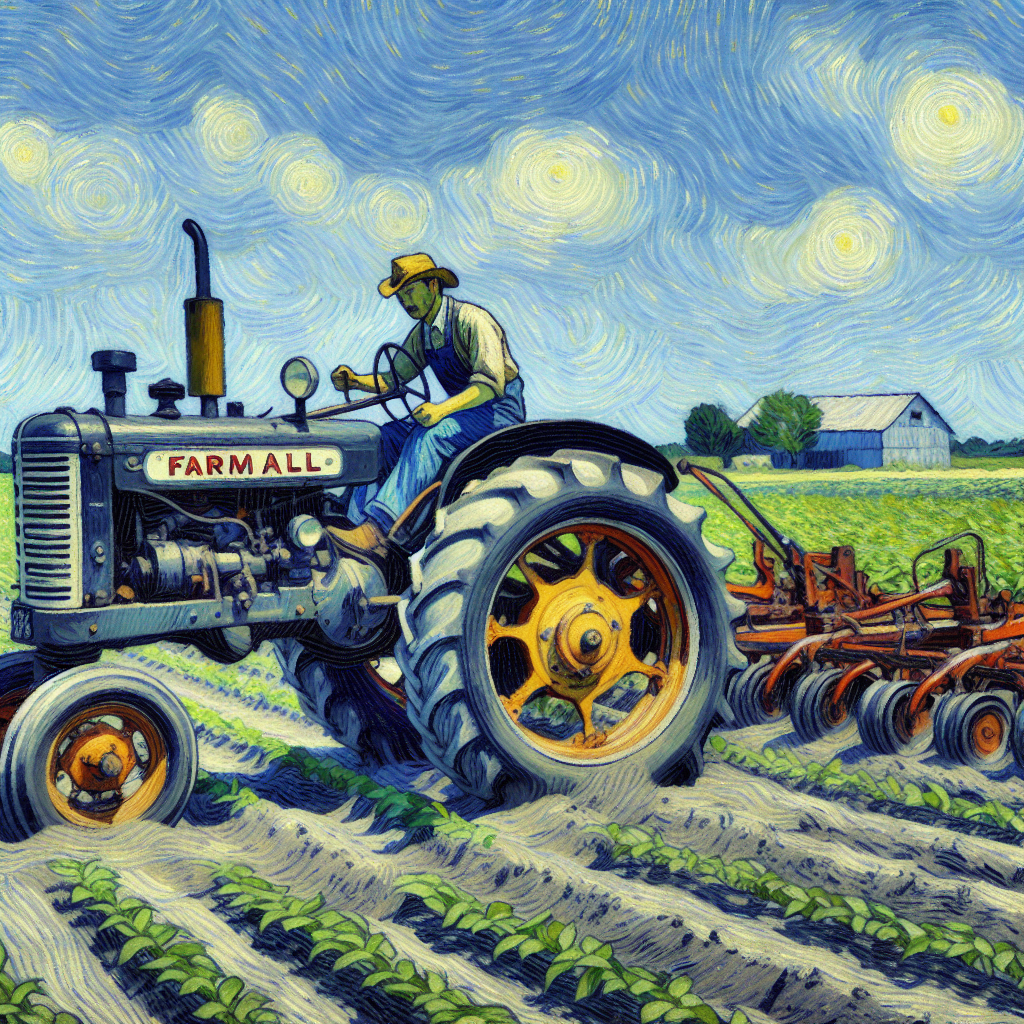
Poem
Checklist
What Can Classic Tractors Teach Us About Sustainable Farming – A Checklist
Checklist: Heart, Head, and Gut Insights from Classic Tractors for Sustainable Farming
Emotional Appeals (Heart)
_____ Connect with Heritage: Reflect on the stories of farmers who relied on classic tractors. Consider how their experiences could shape your own relationship with farming and the land.
_____ Nostalgia in Action: Think about the personal connections and memories that classic tractors evoke. How can you incorporate these sentiments into your farming practices?
_____ Celebrate Resilience: Recognize the spirit of perseverance that vintage tractors symbolize. How can this resilience influence your attitude towards challenges in agriculture?
Rational Appeals (Head)
_____ Evaluate Efficiency: Assess the cost-effectiveness of using classic tractors compared to modern machinery. What benefits do they offer in terms of repairs, fuel consumption, and sustainability?
_____ Examine Soil Health: Research how the use of classic tractors can improve soil health through gentle tilling and reduced compaction. How can this knowledge impact your farming techniques?
_____ Analyze Longevity: Consider the value of designing for repairability over disposability. How can adopting old-school machinery align with modern sustainability goals?
Ethical Appeals (Gut)
_____ Commit to Sustainability: Reflect on the ethical implications of using classic tractors. How does this choice align with your values around environmental stewardship and food production?
_____ Community Connection: Think about ways to engage with local farming communities that also prioritize classic machinery. What benefits come from these connections?
_____ Legacy of Responsibility: Contemplate the responsibility that comes with farming. How can you ensure sustainable practices not just for today, but for future generations?
Authority Appeals (Head)
_____ Learn from Experts: Seek out local farmers or agricultural historians who advocate for the use of classic tractors. What insights can they offer about the practical benefits and techniques?
_____ Engage with Research: Dive into literature or studies that analyze the role of vintage machinery in modern sustainable farming. What evidence supports the use of these tractors?
Narrative Appeals (Heart)
_____ Share Your Story: Write down your own farming journey or experiences with classic tractors. How does your narrative connect with the broader story of agriculture?
_____ Listen to Others: Attend local farming events or gatherings where stories about classic tractors are shared. How can these narratives strengthen your community bonds?
Social Appeals (Gut)
_____ Join a Community: Get involved with clubs or organizations that focus on classic tractors and sustainable farming. How does being part of a community like this enhance your sense of belonging?
_____ Support Local Initiatives: Advocate for and participate in local restoration projects for classic tractors. How does your involvement contribute to a larger movement towards sustainable agriculture?
This checklist is designed to encourage reflection and action based on the emotional, rational, ethical, authoritative, narrative, and social aspects of classic tractors and sustainable farming. Use it as a guide to deepen your connection with both the past and future of agriculture.
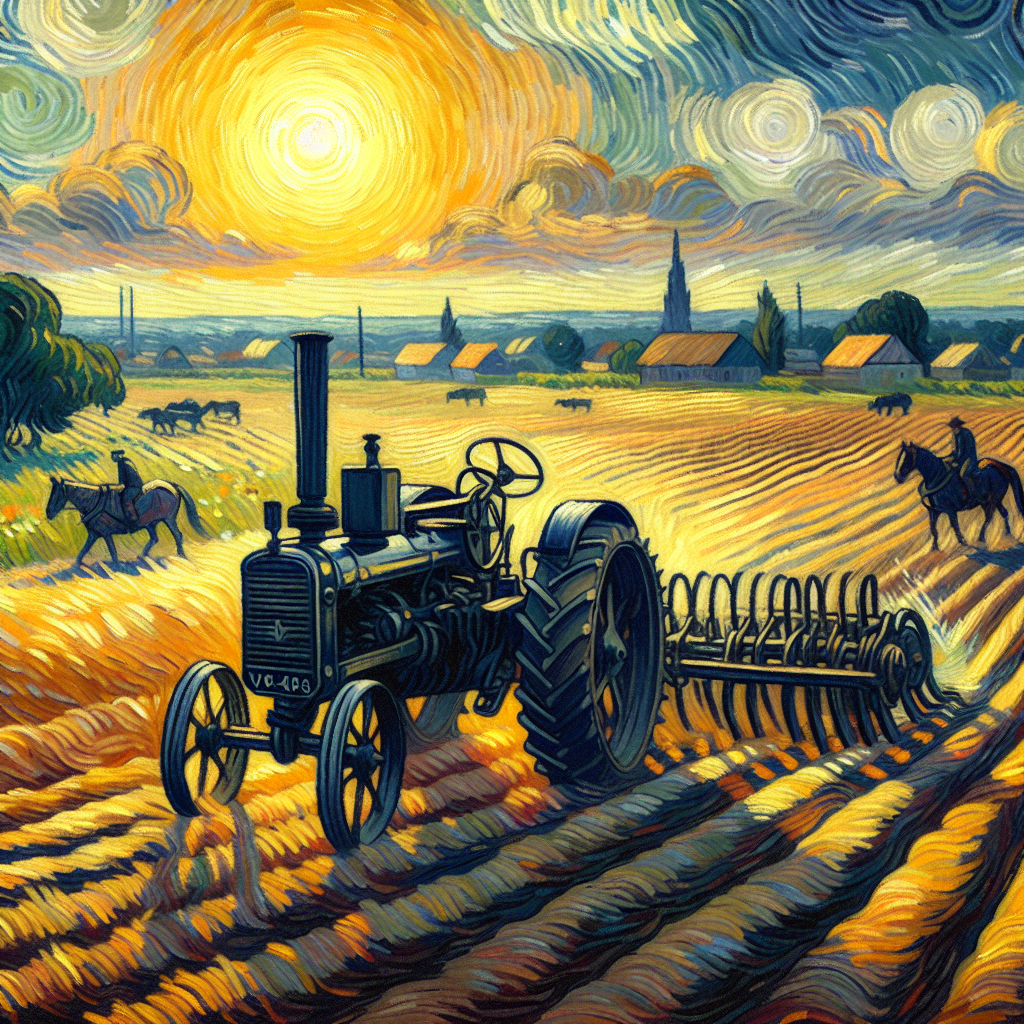
Checklist
At ClassicTractorNews, we help tractor lovers keep up with the latest news for classic and vintage tractors.
Please share this post with your friends, family, or business associates who may like old classic or vintage tractors.