


The Timeless Value Of Classic Tractors: A Holistic Approach
By Tom Seest
At ClassicTractorNews, we help tractor lovers keep up with the latest news for classic and vintage tractors.
Please share this post with your friends, family, or business associates who may like old classic or vintage tractors.
What Are The Cost Benefits Of Using Classic Tractors Today
What Are the Cost Benefits of Using Classic Tractors Today
Let’s take a moment to reflect on the very essence of farming and the sturdy machines that have stood the test of time: classic tractors. These aren’t just pieces of machinery; they’re symbols of hard work, innovation, and craftsmanship. The cost benefits of using these tried-and-true tractors today run deeper than just dollars and cents—they resonate with our values and our connection to our roots.
Consider the emotional appeal of stepping into the cab of a classic tractor. It’s not just about the rusty steel or vintage design; it’s about history. Each scratch and dent tells a story of countless seasons spent in the field, of families working together to put food on the table. When you fire up a classic tractor, you’re not just cultivating soil; you’re cultivating a bond with generations of farmers who came before us. That emotional connection is invaluable.
Now, let’s engage the head. Economically, classic tractors often come with a lower initial purchase price compared to their modern counterparts. Many are simple in design, which means maintenance costs can be significantly reduced. Fewer electronic components translate to fewer things that can go wrong. And thanks to the thriving aftermarket parts industry for these models, sourcing repairs can be streamlined and affordable. Investing in a classic tractor isn’t just a nostalgic decision; it’s a financially savvy one.
On an ethical front, using classic tractors underscores the importance of sustainability. These machines are typically more fuel-efficient and can run on biodiesel, which is a wise choice for the environment and your wallet. By choosing a classic, you’re making a conscious decision to support farming practices that favor maintenance and longevity over constant consumption of the latest tech.
In terms of authority, seasoned farmers often testify to the reliability and performance of classic tractors. They’ve seen it all—the good, the bad, and the downright miraculous. Their stories reflect decades of dependability and resilience, reassuring us that these machines are more than capable of meeting today’s demands.
Socially, the classic tractor community is vibrant and active. Join a local club, participate in tractor shows, and share your love for these machines with others who appreciate the rich tapestry of agricultural history. There’s a sense of belonging that comes with it—a shared passion for the past that also shapes the future.
So whether you’re working a few acres or preserving a legacy, classic tractors offer cost benefits that go beyond calculations. They invite us to reclaim our connection with the land, our history, and each other. Embrace that legacy, and you’ll find the rewards are abundant.

What Are The Cost Benefits Of Using Classic Tractors Today
What Are The Cost Benefits Of Using Classic Tractors Today
- Classic tractors symbolize hard work, innovation, and craftsmanship in farming.
- The emotional appeal includes a connection to the history and stories of past farmers.
- Economically, classic tractors typically have a lower initial purchase price and reduced maintenance costs.
- Fewer electronic components in classic tractors result in fewer malfunctions and easier repairs.
- Classic tractors promote sustainability through better fuel efficiency and compatibility with biodiesel.
- Seasoned farmers vouch for the reliability and performance of classic tractors, showcasing their longevity.
- A vibrant classic tractor community fosters social connections and shared appreciation for agricultural heritage.

What Are The Cost Benefits Of Using Classic Tractors Today
Table Of Contents
- What Are The Cost Benefits Of Using Classic Tractors Today
- What Emotional Connections Do You Have With Classic Tractors?
- How Does Using Classic Tractors Impact Your Budget Significantly?
- What Maintenance Costs Should You Consider With Classic Tractors?
- How Does The Reliability Of Classic Tractors Compare To New Models?
- What Ethical Reasons Support Restoring And Using Classic Tractors?
- What Stories Do Classic Tractors Tell About Agricultural History?
- Conclusion
- Other Resources
- Glossary Of Terms
- Other Questions
- Haiku
- Poem
- Checklist
What Emotional Connections Do You Have With Classic Tractors?
Picture this: you walk into a barn, the scent of hay and aged wood wraps around you like a warm embrace, with beams of sunlight filtering through the cracks. There, in the dim light, sits a classic tractor, a dusty remnant of a long-lost era. For many, these machines are not just vehicles; they are a tactile reminder of our roots, the blood, sweat, and tears that built the foundation of our lives.
These tractors are symbols of hard work—machines that have tilled the earth and carved out a living. They whisper stories of early mornings and late nights, of families banding together on the farm, weaving a tapestry of resilience. Can you think of a time when your hands were covered in grease, your heart racing as you turned the key and listened to that engine rumble back to life? It’s a symphony of metal and memory, a connection that goes beyond mere nostalgia.
We often associate these tractors with our grandparents or perhaps even our parents. That’s the gut punch, isn’t it? In a world racing forward, it’s easy to forget the values taught to us: hard work, dedication, and a love for the land. These machines served an honorable purpose, and in them shines the spirit of those who came before us. By honoring this legacy, we also honor our own stories.
Without getting too philosophical, let’s get real: classic tractors have a unique ability to bring people together. They represent a community—a club of like-minded individuals who appreciate craftsmanship and history. Whether it’s at a local tractor show or in an online forum, there’s an unspoken bond, a language shared between enthusiasts. The act of restoring, maintaining, or simply admiring, transcends generational divides and fashions connections that echo through time.
But it’s not all just reminiscence and sentimentality. There’s an ethical stand here too; preserving these machines means preserving our agricultural heritage. It reminds us that every dent, every scratch tells a story; it is our duty to keep these stories alive. So when you glimpse that well-loved tractor rusting away in a field or shining in a collector’s garage, do more than just admire it—consider what it represents. Be a part of the story that gives these old workhorses a second life. After all, every classic tractor has a tale worth telling, and every one of us can play a part in that ongoing narrative. Let’s keep the connection alive, for ourselves and for future generations.

What Emotional Connections Do You Have With Classic Tractors?
What Emotional Connections Do You Have With Classic Tractors?
- Walking into a barn evokes a sensory experience of hay and aged wood, highlighting the presence of classic tractors.
- These tractors symbolize hard work and resilience, representing the foundation built through toil and family effort.
- They bring memories of hands covered in grease, embodying a connection to the past that transcends mere nostalgia.
- Classic tractors are tied to values of hard work and dedication, reminding us of the lessons passed down from previous generations.
- They foster community among enthusiasts who share a passion for craftsmanship and history, uniting people across generations.
- Preserving these tractors is essential for maintaining agricultural heritage, as each mark tells a unique story.
- Engaging with classic tractors allows individuals to contribute to an ongoing narrative and honor their legacy for the future.

What Emotional Connections Do You Have With Classic Tractors?
How Does Using Classic Tractors Impact Your Budget Significantly?
When it comes to tractors, many folks might think of shiny new models rolling out of the showroom—all bells and whistles, glistening paint, and the promise of efficiency that modern technology touts. But let’s take a moment to look deeper. The charm, practicality, and financial viability of classic tractors deserve a spotlight of their own.
Using a classic tractor can significantly impact your budget, and it goes far beyond just dollars and cents. Picture an old but reliable workhorse standing proudly in your field, its retro curves whispering tales of hardworking days gone by. There’s a certain pride in reviving and maintaining such equipment, carrying a legacy that connects you to generations of farmers. This is about more than just a machine; it’s about being part of something bigger—a tradition, a community, a story that has meaning.
Now, let’s get to the nitty-gritty—the budget. Classic tractors are often far more affordable than their modern counterparts. While you may worry about maintenance, the costs can be surprisingly low compared to payments on a shiny new model. You’re not just paying for the vehicle; you’re investing in skills, resilience, and self-sufficiency. Plus, you’ll find that sourcing parts for classic models can be a walk in the park. Many of these machines are built to last, with a simplicity that new models forsake in the name of complexity.
Ethically speaking, sticking with classic tractors is also a nod to sustainability. These tractors often come with a much smaller carbon footprint and lower fuel consumption than contemporary machines. You’re doing your bit for the planet and your budget at the same time, all while working with equipment that has proven its worth over decades.
And let’s not forget the social aspect. Owning a classic tractor can make you a part of a vibrant community of enthusiasts and mechanics who share advice, parts, and friendship. You’re not just saving money; you’re gaining camaraderie with fellow enthusiasts—people who understand the blood, sweat, and tears that go into every repair and restoration.
In a world that glorifies the new and shiny, remember that classic tractors can lead the charge in budget-conscious farming. They hark back to a time when things were built to last—reminding us that some of the best things in life aren’t new; they’re simply timeless. So, consider this: when you choose a classic, you’re not just choosing a tractor; you’re choosing a lifestyle that celebrates durability, community, and a solid, budget-friendly path forward.

How Does Using Classic Tractors Impact Your Budget Significantly?
How Does Using Classic Tractors Impact Your Budget Significantly?
- Classic tractors offer a charm and practicality that modern models often overlook.
- Using a classic tractor can positively impact your budget beyond mere monetary savings.
- There is pride in maintaining classic tractors, connecting you to farming traditions and history.
- Classic tractors are generally more affordable and have lower maintenance costs compared to new models.
- Sourcing parts for classic tractors is typically easier due to their simpler design and durability.
- Owning a classic tractor supports sustainability with a smaller carbon footprint and less fuel consumption.
- Being part of the classic tractor community provides camaraderie and shared experiences among enthusiasts.

How Does Using Classic Tractors Impact Your Budget Significantly?
What Maintenance Costs Should You Consider With Classic Tractors?
When it comes to classic tractors, you’re not just investing in equipment; you’re cultivating a legacy. You’re embracing an ethos steeped in tradition, craftsmanship, and history. But like any good story, it has its twists; the road to restoration isn’t always smooth. You’ve got to be prepared for the upkeep that will accompany your tractor as it goes from rusted relic to shining testament of hard work and determination.
Picture yourself in the seat of that vintage machine, feeling the rumble of the engine, the rough delight of the controls under your fingers. But let’s not neglect reality. With every dream of plowing through fields or polishing her chrome, you have to reckon with the hidden costs of maintaining a classic tractor.
First off, you’re looking at routine maintenance. Just like a classic car, a classic tractor requires regular oil changes, filter replacements, and general tune-ups. Budgeting for these essentials is not only smart—it’s necessary. You wouldn’t skip a dentist appointment, would you? The same goes for your trusty workhorse. It’s all about ensuring that beautiful machine not only looks good but performs like a champion.
Next, consider the specialized parts that may be harder to find. When the gears grind and the hydraulics falter, you can’t just waltz into any store and find a replacement. You might have to scour antique shops, online marketplaces, or specialty retailers. And trust me, those shiny new pieces can come with a price tag that’ll grab your gut. If you want to keep your tractor running, understanding how to source and budget for these parts is crucial—it’s a blend of heart and savvy.
Don’t forget about the costs associated with restoration. The thrill of giving new life to an old tractor comes with expenses that can stack up quicker than a summer thunderstorm. From painting and bodywork to electrical systems and upgraded features, these are not just costs; they’re your investment in a piece of history.
Finally, there’s the “feel-good” factor. Every dollar you spend on maintenance isn’t just about keeping a machine functional; it’s about preserving a piece of heritage, a chance to connect with generations that have farmed before you. Imagine sharing stories at the family dinner table about the work you’ve done, the lessons learned, and the satisfaction of knowing you’re part of something bigger than yourself.
So as you plot out your classic tractor’s path into the sunset, remember: behind every beautiful machine are maintenance costs that deserve your attention. Embrace them, navigate that journey, and let your tractor serve not just as equipment, but as a connector to your past and a testament to hard work.

What Maintenance Costs Should You Consider With Classic Tractors?
What Maintenance Costs Should You Consider With Classic Tractors?
- Classic tractors symbolize a legacy of tradition, craftsmanship, and history.
- Restoration involves challenges and upkeep, transitioning from rusted relics to functioning machines.
- Regular maintenance is essential, including oil changes, filter replacements, and tune-ups.
- Sourcing specialized parts can be difficult and costly, requiring effort and savvy budgeting.
- Restoration costs can mount quickly, encompassing painting, bodywork, and electrical upgrades.
- Investing in a classic tractor preserves heritage and fosters connection with previous generations.
- Recognize the value of maintenance in ensuring your tractor serves as more than just equipment.
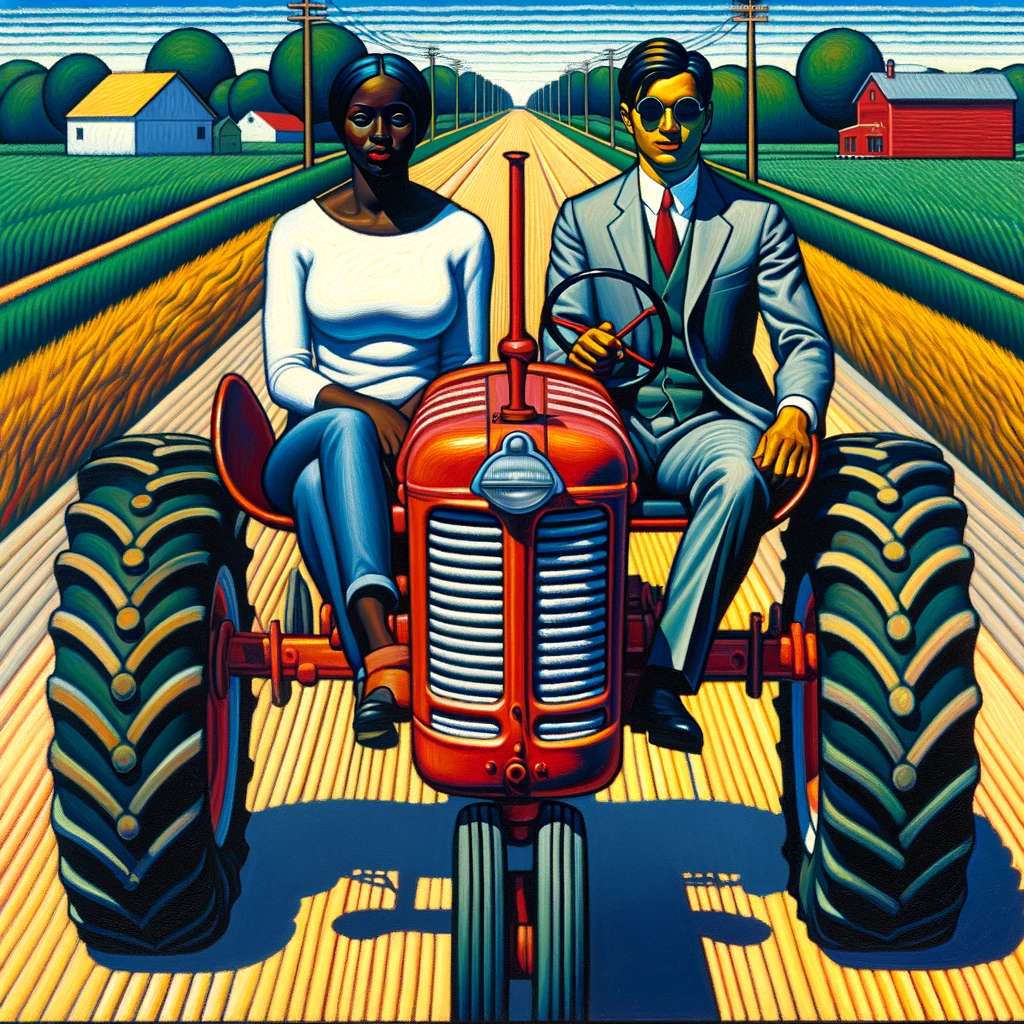
What Maintenance Costs Should You Consider With Classic Tractors?
How Does The Reliability Of Classic Tractors Compare To New Models?
When we talk about tractors, we’re not merely discussing machines; we’re diving into the heart of our agricultural legacy. Classic tractors, those steel behemoths from a bygone era, evoke a sense of nostalgia that resonates deeply. Picture the smell of engine oil mixed with the fresh scent of tilled earth, the rhythmic sound of a diesel engine, and the sight of a farmer, hands calloused yet filled with pride, guiding this trusted companion across a sprawling field. In contrast, newer models boast sleek designs and cutting-edge technology, but can they truly match the reliability and character of their storied predecessors?
From a practical standpoint, classic tractors often stand the test of time. Built with fewer electronic components and often the result of simpler engineering, these machines are notorious for their resilience. Many still purr along fields decades after their manufacture, proving that with a little maintenance and care, they can outperform some of today’s complex models. Their simplicity means that almost anyone can troubleshoot basic issues, fostering a kinship with the land and machinery that new models sometimes fail to inspire.
Let’s not forget about the ethical dimension of this discussion. In a world where sustainability weighs heavily on our hearts, classic tractors represent a different approach to farming. With fewer parts and a design philosophy rooted in longevity, they often consume less energy and can be repaired rather than replaced. Choosing a vintage model can feel like a small act of rebellion against our throwaway culture, helping to honor the very soil we cultivate. It’s not merely about choosing a tractor; it’s about choosing a lifestyle and mindset.
Now, on a social level, vintage tractors cultivate a community that new ones sometimes miss. The gatherings of classic tractor enthusiasts, complete with stories of restoration and history, weave a rich tapestry of human connection. It’s about sharing a legacy, a passion that transcends generations. Whether you’re a seasoned farmer or just stepping into the field, being part of this community builds trust and camaraderie that prepares the next generation to cherish what came before.
At the end of the day, choosing between classic and new tractors isn’t just a matter of reliability; it’s a decision about values—values about heritage, simplicity, and trust. As you stand amidst your choices, consider what resonates most deeply with you. Do you want a machine that merely gets the job done or one that carries stories in its steel frame, echoing the laughter and grit of those who came before? The choice is yours, but remember, what you choose tells a story bigger than any one tractor.

How Does The Reliability Of Classic Tractors Compare To New Models?
How Does The Reliability Of Classic Tractors Compare To New Models?
- Tractors symbolize the heart of our agricultural legacy and evoke nostalgia.
- Classic tractors are built for resilience, often lasting decades with basic maintenance.
- These machines foster a closer relationship between farmer and land due to their simplicity.
- Classic tractors align with sustainability goals, consuming less energy and promoting repair over replacement.
- They represent a lifestyle choice that challenges our throwaway culture.
- Vintage tractors foster a community of enthusiasts who share a passion for restoration and history.
- The choice between classic and new tractors reflects personal values regarding heritage, simplicity, and trust.

How Does The Reliability Of Classic Tractors Compare To New Models?
What Ethical Reasons Support Restoring And Using Classic Tractors?
When we look at the humble tractor, we see more than just steel and machinery; we see a lifeline to our agricultural roots, a connection to the very soil that nourishes us. Restoring and using classic tractors is not merely a nostalgic hobby; it’s a profound ethical commitment that resonates with our hearts, heads, and guts.
At its core, restoring a classic tractor signifies a respect for craftsmanship, a nod to the ingenuity of past generations who poured their sweat and dreams into creating durable equipment capable of tilling the earth. Each dent and scratch tells a story, serving as a reminder of the hardworking hands that built these machines, and the generations that relied on them. By restoring and using these tractors, we honor that legacy, embodying a respect for history that too often gets lost in our fast-paced, throwaway culture.
As we engage with classic tractors, we align ourselves with the principles of sustainability and resourcefulness. In a world that pushes for the latest model and the flashiest technology, choosing a vintage tractor is a statement: it’s about utilizing what we already have rather than pouring resources into new production. Classic tractors can be repaired, rebuilt, and repurposed, sparing the environment from additional waste and energy consumption. This not only fosters a sense of stewardship towards our planet but also instills in us the values of frugality and resilience.
Consider the community aspect as well. Classic tractors often bring people together — whether it’s through local shows, restoration clubs, or farming co-ops. These gatherings serve as a reminder that we are all part of a larger tapestry, one woven from shared experiences and collaborative efforts. By investing in these machines, we invest our time and energy into a network of like-minded individuals who appreciate the simple joys of hard work and authenticity.
Engaging with classic tractors sets an example for future generations. It teaches kids and young adults about the importance of preserving our past while nurturing a sustainable future. It fosters skills that are essential not just for farming, but for life itself: patience, problem-solving, and an appreciation for the effort behind everyday tasks.
So let’s gather around that rusted engine, roll up our sleeves, and breathe life into those old machines. In doing so, we’re not just revving up engines; we’re powering a movement rooted in ethics, tradition, and community—a reminder that the past is always worth preserving for the future.

What Ethical Reasons Support Restoring And Using Classic Tractors?
What Ethical Reasons Support Restoring And Using Classic Tractors?
- Classic tractors symbolize our agricultural heritage and a connection to the soil.
- Restoring these tractors is an ethical commitment that honors craftsmanship and history.
- Each classic tractor tells a story through its dents and scratches, reflecting the efforts of past generations.
- Choosing vintage tractors promotes sustainability and resourcefulness, reducing waste and energy consumption.
- Classic tractors foster community connections through shows, clubs, and co-ops, celebrating shared experiences.
- Engaging with classic tractors teaches future generations about preservation, sustainability, and essential life skills.
- Restoring classic tractors supports a movement rooted in ethics, tradition, and community.

What Ethical Reasons Support Restoring And Using Classic Tractors?
What Stories Do Classic Tractors Tell About Agricultural History?
Every time you roll past a farmstead and see a classic tractor silently rusting in the field, it’s not just a relic of machinery; it’s an untold narrative, a monument to the hard work, sweat, and dreams of generations before us. Picture this: a farmer, hands calloused and sun-kissed, pouring their hopes into the rich, black soil, all while that loyal tractor chugged along, tilling the earth, planting seeds that would one day sprout into the food we eat. The relationship is palpable, deeply rooted in the social fabric of our communities.
These iconic machines tell stories of innovation and struggle—tools that transformed agriculture from back-breaking labor to a more efficient art. Each model speaks volumes about the era it hails from: the Depression-era machines, built simple and sturdy, reflect a time when survival came first. In contrast, the sleek models of the latter half of the 20th century captivate us with the promise of abundance, revolutionizing how we feed the world. When we step back and examine them, we see not just metal and wheels, but a history interwoven with the fabric of our nation’s growth.
Emotionally, classic tractors evoke nostalgia—a connection to simpler times when family farms dotted the landscape, and meals were often harvested on the very ground we tread upon. We feel a pang in our hearts, a yearning to respect the toil that went into each crop brought to our table. It prompts us to ask, “What are we doing to honor that legacy?” Are we preserving those values in our fast-paced societies, or are we losing sight of the very roots that nurture us?
With the current climate challenges, these machines remind us of our ethical responsibility towards sustainable practices in agriculture and beyond. They inspire action; passion for the land and the people who till it connects us in profound ways. So next time you pass by an old tractor, take a moment to reflect on its story. It’s more than just a vehicle; it’s a powerful reminder of human connection, stewardship, and resilience. Each dent and scratch on its surface tells a story of perseverance, urging us to carry forward the legacy of hard work and innovation. The next chapter rests in our hands—let’s write it with intention.

What Stories Do Classic Tractors Tell About Agricultural History?
What Stories Do Classic Tractors Tell About Agricultural History?
- Classic tractors symbolize hard work, history, and dreams of past generations.
- They highlight the evolution of agriculture from arduous labor to innovative efficiency.
- Different models reflect the socio-economic conditions of their time, from the Depression era to modern advancements.
- These machines evoke nostalgia for simpler times and the significance of family farms.
- They remind us of the importance of honoring agricultural legacies in today’s fast-paced society.
- Classic tractors underscore our responsibility for sustainable practices in agriculture amid current climate challenges.
- Each tractor represents resilience and human connection, urging us to preserve and progress the agricultural heritage.

What Stories Do Classic Tractors Tell About Agricultural History?
Conclusion
Conclusion: Embracing the Legacy of Classic Tractors
Let’s take a deep breath and reflect on what classic tractors truly represent—not just in our fields, but in our hearts. These aren’t mere pieces of iron and gears; they are tangible connections to our history, symbols of resilience and hard work that harken back to simpler times. Stepping into the cab of a classic tractor isn’t just about engaging with an engine; it’s about participating in a storied legacy of agricultural craftsmanship. Every scratch and dent tells a story of toil and triumph, of families bound together under the sun, turning earth into sustenance.
Now, let’s think with our heads. Classic tractors often come with significantly lower upfront costs, economical maintenance, and a wealth of available parts—all this adds up to smart financial sense. Unlike their newer counterparts, these time-tested machines often require less complex servicing, meaning fewer headaches and more time spent working the land. Choosing a classic tractor is like solidifying a partnership with past generations of farmers who’ve paved the way. And ethically, this choice speaks volumes. By selecting these vintage beasts, we champion sustainability—fewer emissions, less consumption, and a mindset that favors repair over disposal.
But let’s not forget the community aspect. Classic tractors cultivate camaraderie among enthusiasts, as we gather at local shows or swap stories online. There’s a richness in this community—a shared appreciation for craftsmanship and history that transcends age and experience. You’re not just saving money; you’re becoming part of a movement that values heritage and tradition, intertwining your story with that of countless others who’ve toiled before you.
So why does this matter? Because every time we choose a classic tractor, we take responsibility for preserving our agricultural roots. This isn’t just a way to honor the past; it’s a path to shaping the future. It invites us to reclaim our connection with the land, to find pride in our work, and to foster skills that generations have relied on.
As you weigh your options, remember this: your choice goes beyond simple functionality. It speaks to your values and your commitment to honoring a legacy that deserves to be celebrated. Classic tractors are more than tools; they encapsulate stories waiting to be told. So let’s honor that legacy, keep the stories alive, and forge ahead—together. The rewards are plentiful, and the journey is just beginning.

Conclusion
Conclusion:
- Classic tractors symbolize historical connection, resilience, and hard work, representing a rich legacy in agriculture.
- Engaging with classic tractors offers a sense of involvement in a storied tradition of craftsmanship.
- They typically have lower upfront costs, economical maintenance, and are easier to service than modern machines.
- Choosing a classic tractor promotes sustainability through reduced emissions and a repair-focused mindset.
- Classic tractors foster community among enthusiasts who appreciate craftsmanship and shared heritage.
- Every choice to use a classic tractor contributes to preserving agricultural roots and shaping the future.
- Classic tractors embody values and commitment to honoring a legacy that is rich with stories and traditions.

Conclusion
Other Resources

Other Resources
Here is a list of other resources you can review online to learn more:
Use This Prompt To Get More Resources With Your Favorite Online AI Tool: Please provide me with a list of online articles with their URLs in a bulleted list that I can read regarding What Are The Cost Benefits Of Using Classic Tractors Today

Other Resources
Glossary Terms
What Are The Cost Benefits Of Using Classic Tractors Today – Glossary Of Terms
1. Classic Tractor: A vintage agricultural machine, often manufactured at least 25 years ago, that is still usable and valued for its simplicity and mechanical reliability.
2. Cost Efficiency: The ability to perform a task with the minimum expense while maintaining effectiveness, often seen in classic tractors due to lower operating costs.
3. Restoration: The process of renovating and repairing classic tractors to their original state, which can increase their longevity and value.
4. Fuel Economy: The relationship between fuel used and distance traveled or work performed, often advantageous in older tractors with simpler engines.
5. Simplicity: The design feature that emphasizes ease of repair due to fewer components and less complex technology found in classic tractors.
6. Mechanical Reliability: The assurance that machinery will function properly with minimal breakdowns, a characteristic often attributed to classic tractors.
7. Parts Availability: The accessibility of spare parts for repairs, which can often be found through specialized vendors or local markets for classic tractor models.
8. Labor Costs: The expenses associated with hiring operators or mechanics, which can be lower with classic tractors due to ease of maintenance.
9. Depreciation: The decrease in value over time; classic tractors often depreciate less rapidly than newer models, sometimes even appreciating in value.
10. Versatility: The capability of classic tractors to perform various tasks, such as plowing, tilling, and hauling, which can reduce the need for multiple machines.
11. Resale Value: The potential selling price of a classic tractor, which can be enhanced by good condition and rarity, providing a cost benefit over time.
12. Sustainability: The practice of maintaining ecological balance, often achieved with classic tractors due to their simple engines and lower emissions.
13. Community Support: The network of enthusiasts and local clubs that provides resources and knowledge for maintaining and using classic tractors efficiently.
14. Tax Incentives: Financial benefits offered by governments for acquiring or maintaining vintage farm equipment, which can lessen overall costs.
15. Historical Value: The significance of classic tractors in showcasing agricultural history, potentially enhancing their desirability and value.
16. Tillage: The agricultural preparation of soil by mechanical agitation, where classic tractors are often used effectively for small to medium-sized farms.
17. Hawking Model: Refers to the particular tractor models that are highly sought after for their durability and performance, often preserving their value well.
18. Field Testing: The practical evaluation of tractors’ performance and efficiency in real agricultural settings, which often showcases the reliability of classic tractors.
19. Operator Familiarity: The ease with which users can operate classic tractors, often learned through traditional methods passed down through generations.
20. Ownership Costs: The total financial implications of owning a tractor, including purchase price, maintenance, insurance, and repairs.
21. Mechanical Skills: The practical abilities required to repair and maintain equipment, which many traditional farmers possess to care for classic tractors.
22. Cultural Heritage: The traditions, practices, and values associated with farming, often tied to the use of classic tractors in today’s culture.
23. Maintenance Schedule: A structured timetable for servicing and upkeep of tractors to ensure longevity and optimal performance, particularly relevant for classic models.
24. Vintage Equipment Shows: Events dedicated to displaying and celebrating classic agricultural machines, often attracting enthusiasts and collectors.
25. Utilitarian Value: The practical benefits of using classic tractors for operational tasks on the farm, maintaining productivity at a lower cost.
26. Modifications: Changes made to enhance the performance or efficiency of classic tractors, such as upgrades to improve fuel economy or safety.
27. Agricultural Innovation: The incorporation of new farming techniques and practices that can still integrate classic tractors for cost-effective operations.
28. Cost Analysis: A breakdown of expenses related to owning and operating classic tractors compared to modern machinery, helping farmers make informed decisions.
29. Resilience: The ability of classic tractors to withstand various farming conditions without significant failure, demonstrating long-term value.
30. DIY Repairs: The practice of farmers performing their own maintenance and repairs on classic tractors, which can significantly reduce operational costs.

Glossary Of Terms
Other Questions
What Are The Cost Benefits Of Using Classic Tractors Today – Other Questions
If you wish to explore and discover more, consider looking for answers to these questions:
- What types of classic tractors are most popular among farmers today?
- How do classic tractors contribute to sustainable farming practices?
- What are the most common issues when maintaining classic tractors?
- Are there specific brands or models known for their reliability?
- How can someone start restoring a classic tractor?
- What resources are available for sourcing parts for classic tractors?
- How do classic tractors compare to modern tractors in terms of fuel efficiency?
- What communities or organizations support classic tractor enthusiasts?
- What are the stories behind some famous classic tractor models?
- How does the resale value of classic tractors compare to new models?
- What skills can be learned from restoring classic tractors?
- How does using classic tractors affect the overall sustainability of farming?
- What impact do classic tractors have on local agricultural economies?
- Are there any risks associated with relying on classic tractors for farming?
- How do classic tractors influence the tradition of farming in communities?

Other Questions
Haiku
What Are The Cost Benefits Of Using Classic Tractors Today – A Haiku
In fields where dreams grow,
Old steel whispers tales of hope—
Roots of hard work thrive.

Haiku
Poem
What Are The Cost Benefits Of Using Classic Tractors Today – A Poem
In the Field of Time: A Classic Ode
In the barn where sunbeams play,
A classic tractor stands today,
Not mere steel, but history’s heart,
Crafted with love, a work of art.
Rusty arms stretched wide and proud,
Whispers of labor, echoes loud,
Each dent a tale, each scratch a song,
Of farmers’ toil, where they belong.
With hands once calloused, faces sun-kissed,
They plowed through hardship, they dared to exist.
Their engines roar – a symphony fine,
Connecting generations across the line.
Economy’s whisper—listen and see!
Lower costs, repairs with ease,
In simple mechanics, wisdom is found;
Sustainably planted, our roots in the ground.
Communities gather, united in cheer,
Tractor shows beckon, stories we share;
A tapestry woven of passion and pride,
In every restored beauty, our legacies reside.
So, contemplate well, as you turn the key,
This choice is not just a matter of Glee.
It’s ethics and heart, it’s resilience entwined;
Preserving the future, while honoring time.
When you ride through the fields, let your spirit soar,
For tethered together, we honor the core—
Of hard work, commitment, a life that is true,
In classic tractors, the past speaks anew.
Let them serve not just as machines in a row,
But as vessels of stories, that lovingly grow,
Every gear and cog, a witness profound,
To the grit and the grace on this hallowed ground.
In the embrace of the earth, we cherish and sow,
A legacy forged in the sunlight’s warm glow;
So step in the cab, breathe history’s sigh—
With classic tractors, together we fly.

Poem
Checklist
What Are The Cost Benefits Of Using Classic Tractors Today – A Checklist
Classic Tractors: A Holistic Checklist
Emotional Appeal
1. Reflect on Your Connection: Take a moment to consider the emotional ties you have to farming and classic tractors. What memories or stories do they evoke?
2. Celebrate Heritage: Plan an activity that honors your family’s agricultural history—perhaps a family gathering on the farm or sharing stories with loved ones.
Rational Appeal
3. Evaluate Costs: Create a budget that compares the purchase and maintenance costs of classic tractors versus modern models.
4. Research Maintenance Tips: Find reliable resources on maintaining classic tractors to minimize unexpected expenses.
Ethical Appeal
5. Conduct an Eco-Assessment: Assess the environmental impact of using classic tractors versus new models in terms of fuel efficiency and resource consumption.
6. Commit to Sustainable Practices: Explore ways in which maintaining a classic tractor contributes to sustainable farming practices and pledge to implement these methods in your operation.
Authority Appeal
7. Seek Expert Advice: Join local agricultural clubs or online forums to engage with seasoned farmers who can provide firsthand experiences and insights on using classic tractors.
8. Read Testimonials: Collect stories or testimonials from classic tractor owners about their experiences and the benefits they’ve seen.
Narrative Appeal
9. Document Your Journey: Start a journal or blog detailing your experiences, challenges, and successes in restoring or using classic tractors.
10. Share Your Story: Consider sharing your story of connection with classic tractors through local events, social media, or community groups.
Social Appeal
11. Join a Community: Find and participate in local classic tractor clubs or gatherings to share your passion and gain support from like-minded individuals.
12. Host a Show-and-Tell: Organize a gathering where enthusiasts can showcase their classic tractors, share restoration stories, and foster connections within the community.
With this checklist, you’ll be equipped to explore the multifaceted benefits of classic tractors, tapping into emotional connections, practical insights, ethical considerations, and community engagement. Whether you’re a seasoned farmer or an enthusiastic novice, embracing these timeless machines can lead to deeper connections with your land and heritage.

Checklist
At ClassicTractorNews, we help tractor lovers keep up with the latest news for classic and vintage tractors.
Please share this post with your friends, family, or business associates who may like old classic or vintage tractors.