


Nature’s Crisis: The High Cost Of Technological Delay
By Tom Seest
At ClassicTractorNews, we help tractor lovers keep up with the latest news for classic and vintage tractors.
Please share this post with your friends, family, or business associates who may like old classic or vintage tractors.
Waiting for a $2,500 Software Update While Crops Die
In the heart of farming country, where fields stretch endlessly under the vast sky, a problem far removed from the plow and the harvest has taken root. Imagine a farmer, hands calloused from years of labor, standing beside his tractor—a trusted companion in the fight against nature’s whims. Yet today, he’s not tilling soil; he’s waiting for a $2,500 software update, a price that feels more like a fine than a necessary expense. Each hour ticks by, echoing in the silence of a dying crop.
This story isn’t just about technology; it’s about the intersection of progress and purpose. For every minute he waits, the corn he planted in spring shrivels under the unrelenting sun. It’s not just grains of wheat or bushels of barley at stake; it’s livelihoods, dreams, and generations of hard work. The sheer weight of that waiting produces a heavy heartache that can choke the hope right out of a productive season.
The ethical implications are staggering. Farmers are often at the mercy of complex systems far beyond their control. They’ve invested years and fortunes not just in their land but in technology that promises efficiency and productivity. Yet when a digital hiccup halts their operations, it raises questions about our dependence on machines. Is it acceptable that a software glitch can jeopardize a harvest, a family’s income, or even a community’s wellbeing? We’re left pondering if our agricultural future should hinge not on the capability of the soil but on the reliability of a piece of code.
Consider this: in the rush toward innovation, we sometimes forget to nurture the essential fabric of human experience. The farmer and his tractor are connected through stories of struggle and triumph, each fault and fix transforming into a teaching moment of resilience. The gut-wrenching truth is, without timely action, we risk losing not just crops, but the very heart of rural life. When the software update finally arrives, it’s not just ones and zeros that need fixing; we must also mend the disconnect between technology and humanity.
So, let’s advocate for systems that empower our farmers rather than tether them to overpriced updates. Now is the time to unite in ensuring that the tools we create serve those who till the earth, cultivating not only crops but also the sustainable future of our agricultural communities.

Waiting for a $2,500 Software Update While Crops Die
Waiting for a $2,500 Software Update While Crops Die
- A farmer waits for a $2,500 software update, impacting his livelihood and crops.
- The delay highlights the intersection of technology and agriculture, affecting productivity and hope.
- Farmers invest heavily in technology, making them vulnerable to system failures.
- A software glitch raises ethical questions about dependency on technology for farming.
- The relationship between farmers and their equipment symbolizes resilience through challenges.
- Without timely action on tech issues, agricultural and rural life may suffer significantly.
- Calls for systems that support rather than exploit farmers are essential for sustainable agriculture.

Waiting for a $2,500 Software Update While Crops Die
Table Of Contents
- Waiting for a $2,500 Software Update While Crops Die
- What Will Happen to Our Future If We Delay This Update?
- How Does This Software Impact Crop Yields?
- Can We Afford to Lose More Crops Waiting for Support?
- Who Is Responsible for These Critical Updates?
- What Stories Can Farmers Share About Their Struggles?
- How Can We Advocate for Faster Tech Responses?
- Conclusion
- Other Resources
- Glossary Of Terms
- Other Questions
- Haiku
- Poem
- Checklist
What Will Happen to Our Future If We Delay This Update?
Imagine a farmer, standing on a family-owned piece of land, hands calloused from years of working a stubborn tractor. The machine’s age is not just a product of time; it’s a testament to countless seasons, each passing day a mix of sweat and high hopes. Now, picture this farmer resisting the urge to upgrade that tractor, convinced familiar old gears and rusty parts are still doing the job. But every season, as the world outside pivots—droughts intensify, markets fluctuate, and technology advances—our farmer’s reliance on an outdated machine threatens his livelihood.
Delaying updates isn’t just about equipment; it mirrors our response to the world’s challenges. When we drag our feet on necessary advancements—be it climate initiatives, technological changes, or critical updates to our infrastructure—we’re not just pushing back timelines; we’re stifling potential. The organic tradition of farming, much like our societal progress, thrives on innovation.
Consider the consequences of inaction. An outdated approach creates a ripple effect, where not only the farmer suffers but the entire community that relies on local produce. The ethical dilemma isn’t simply whether to invest in new machinery; it’s about the choices we make that affect the fabric of our society. Our responsibility extends beyond ourselves to the generations yet to come, who will inherit our decisions—or lack thereof. They deserve a future where innovation breeds resilience instead of stagnation.
Now think about the emotional side; we all have stories about change. Remember your childhood bike? There was a moment when it felt right to upgrade from those training wheels, despite the hesitation. The fear of balance and falling was overshadowed by the thrill of freedom and discovery. Our society stands at a similar crossroads. Do we cling to the old ways, convinced they’re sufficient, or do we muster the courage to embrace change for the promise of a better tomorrow?
Engaging with what lies ahead is not just smart; it’s necessary. It’s our chance to connect with one another, to share ideas and push towards solutions that foster trust in our systems and leaders. By choosing progress over complacency, we align ourselves with the hopeful farmer ready to invest in that new tractor—one that can tackle the challenges of tomorrow with strength and reliability. But it’s more than machinery; it’s about the legacy we’re crafting together. Embrace the challenge, and let’s steer our future in a direction that cultivates growth, not stagnation.

What Will Happen to Our Future If We Delay This Update?
What Will Happen to Our Future If We Delay This Update?
- A farmer resists upgrading outdated machinery, believing old equipment is sufficient.
- Reliance on obsolete technology jeopardizes the farmer’s livelihood amid changing conditions.
- Delaying necessary advancements in various sectors stifles potential and societal progress.
- Inaction has ripple effects, impacting not only individuals but entire communities.
- Legacy decisions affect future generations, emphasizing the need for innovation and resilience.
- Emotional aspects of change are highlighted by personal anecdotes, such as upgrading from training wheels.
- Embracing change fosters trust and connection, steering society toward growth and progress.

What Will Happen to Our Future If We Delay This Update?
How Does This Software Impact Crop Yields?
In the vast expanse of farmland, where the hum of machinery like a tractor blends with the rhythm of nature, innovation emerges not as a distant idea but as a trusted companion. Imagine a farmer, weary but determined, looking at his fields with both hope and anxiety. Each season brings promises of bounty and threats of despair. The advent of software designed specifically for agricultural needs transforms this landscape, offering insights that can mean the difference between thriving crops and barren soil.
This software isn’t just numbers and data; it’s the emotional backbone of farming. A farmer can now scan a digital dashboard and see real-time analytics that help decipher the complex language of soil and weather conditions. It’s like having a seasoned mentor right there in the cab of the tractor, guiding choices about seed types, irrigation schedules, and pest management. The emotional connection here is palpable. Each informed decision made through this software reflects a blend of personal stakes and generational legacy, where every yield becomes not just a product, but a narrative—intertwined with family traditions and community support.
On a rational level, the benefits are illustrated in striking statistics. Studies have shown that farmers utilizing advanced software see crop yields improve by as much as 30%. Those aren’t just numbers; they resonate with stories of families that can finally afford college tuition, upgrade their equipment, or contribute to local charities. It all comes down to a simple truth: improved crop yields empower farmers to fulfill their dreams and uplift their communities.
Ethics plays a significant role as well. This software promotes sustainable practices by providing insights into soil health, water usage, and pest management. Farmers are becoming stewards of the land, making choices that balance their economic needs with environmental responsibilities—ensuring that future generations inherit not just fields, but fertile opportunities.
And let’s not ignore the social aspect. When farmers share their experiences and successes, they create a network of trust and collaboration. Community gatherings become platforms for exchanging tales of triumph and tribulation, where learning from each other fosters resilience in the face of adversity.
In this narrative, technology and tradition weave together—a farmer with a tablet in one hand and the warm soil of his field in the other. The software doesn’t replace the intuition honed over decades; it enhances it, ensuring that farming remains not just a means of livelihood but a vital, shared way of life that thrives on connection, care, and collaboration.

How Does This Software Impact Crop Yields?
How Does This Software Impact Crop Yields?
- Innovation in farming combines technology with agricultural tradition.
- Specialized software provides real-time analytics for better farming decisions.
- Farmers experience improved yields of up to 30% through advanced software.
- Enhanced crop yields enable families to achieve financial goals and contribute to their communities.
- The software promotes sustainable practices, balancing economic needs with environmental responsibility.
- Farmers build networks of trust and collaboration through community sharing and support.
- Technology enhances farming intuition, preserving its role as a vital, connected way of life.

How Does This Software Impact Crop Yields?
Can We Afford to Lose More Crops Waiting for Support?
Those of us who grew up in farming communities understand the raw, visceral connection between a farmer and the land. Picture an early morning: the sun rises slowly, casting warm hues over sprawling fields, and there stands a lone tractor, ready for the day’s battle. Each meaningful vibration underfoot signals the beginning of a relentless pursuit, not just for sustenance, but for survival. The reality is stark—while farmers gear up, waiting for support feels like standing at the edge of a precipice, uncertain if they’ll leap into safety or oblivion.
Crops are not just commodities; they represent the hopes and dreams of families and towns. When unexpected weather or pests strike, the fallout isn’t simply aesthetic—it’s economic, social, and emotional. Consider a family that has cultivated the same plot of land for generations. Each season, they nurture those plants, telling stories to their children about where their food comes from. Now, imagine telling that family they must wait for assistance, risking the loss of their harvest and the very legacy they cherish. It’s a thought that gnaws at the gut and stirs the heart.
The numbers tell a chilling story. We can’t afford to lose crops while bureaucracies shuffle papers. Delays mean increasing debt for farmers, and those costs ripple outward to affect our grocery bills, local economies, and food security. It’s not just about farming; it’s about safeguarding future generations who may one day sit behind a tractor or walk through those same fields.
There’s an ethical responsibility we share as a society. When we delay vital support, we question our values. It’s crucial to connect those dots. Think of the networks forged—families rallying together to support one another through tough times. When we hesitate to act, we disrupt this natural cohesion, leaving individuals to shoulder burdens that could be communal.
We need to shift the narrative from waiting for help to demanding action. Farmers should not be left in the lurch, bailing water from a sinking boat while states and agencies deliberate. Instead, let’s ensure support is both timely and reliable, transforming the landscape of farming into a one where risks are mitigated and losses are not inevitable. By standing together, insisting on immediate support, we can sow resilience where uncertainty flourishes. After all, it’s not just about the crops; it’s about cultivating hope in the hearts of those who till the soil.

Can We Afford to Lose More Crops Waiting for Support?
Can We Afford to Lose More Crops Waiting for Support?
- Farmers have a deep connection to the land, which signifies survival and sustenance.
- Crops embody the dreams of families, with failures affecting economic, social, and emotional well-being.
- Delays in assistance can lead to increased debt for farmers, impacting grocery prices and food security.
- There is a shared ethical responsibility to support farmers promptly to uphold community values.
- Community networks are vital; hesitation disrupts support systems and increases individual burdens.
- The narrative should shift from waiting for help to demanding timely action for farmers.
- Immediate support fosters resilience and hope for future generations in farming communities.

Can We Afford to Lose More Crops Waiting for Support?
Who Is Responsible for These Critical Updates?
When it comes to the responsibility for critical updates in our rapidly evolving world, consider the countless tractors buzzing across fields, each powered by a hardworking individual behind the wheel. These sturdy machines are more than just equipment; they symbolize the dedication needed to harness progress. Similarly, the responsibility for updates—be it in software, infrastructure, or societal norms—rests on the shoulders of a diverse group of individuals, each vital to the cycle of innovation and improvement.
Now, let’s take a moment to acknowledge where that responsibility lies. It starts with the companies that design these systems and updates. They are tasked with ensuring that what they produce is reliable, safe, and effective. Yet, it doesn’t end there. Each of us, as users, has a role to play. Just as a farmer checks their tractor before heading out to plow the fields, we must evaluate the tools and services we rely on. This personal involvement creates a sense of communal responsibility that’s essential for effective progress.
Let’s put this into perspective using a story. Imagine two neighbors: one routinely updates their outdated tractor, while the other neglects it, leading to downtime when the harvest is ripe. The farmer who invests in reliable machinery not only helps their own yield but contributes to the entire community’s prosperity. In the digital landscape, this analogy holds true. Staying informed about and engaged with technology not only benefits us as individuals but enriches our shared experience.
Ethics play a pivotal role too. We need to question who is ensuring these updates are equitable, accessible, and effective. Corporations wield significant power, and ethical responsibility should guide them in their decisions. The landscape of responsibility isn’t black and white; it’s a patchwork quilt of stakeholders—developers, users, and community leaders—all woven together by a shared goal of improvement.
Trust is earned, much like that bond between farmer and tractor. When updates are communicated clearly and effectively, the relationship deepens. Users feel empowered when they understand the ‘why’ behind the changes, fostering a culture of collaboration and enhancing the entire user experience.
In essence, responsibility for critical updates is a collective undertaking. Each of us has a role—like those tractors passing through the fields, uniformly pushing toward a brighter horizon. It’s not just about what we use, but how we engage and contribute to the ever-changing world around us. Let’s commit to being active participants in this journey, ensuring that together, we all benefit from the advancements that shape our lives.

Who Is Responsible for These Critical Updates?
Who Is Responsible for These Critical Updates?
- Responsibility for critical updates involves various stakeholders, similar to farmers operating tractors in the fields.
- Companies designing systems must ensure reliability, safety, and effectiveness in their updates.
- Users play a crucial role by evaluating the tools and services they use, fostering communal responsibility.
- Anecdote: A neighbor who updates their tractor improves personal yield and benefits the community.
- Ethics in updates are essential, questioning the equity and accessibility of technological advancements.
- Trust is built through clear communication of updates, empowering users and enhancing collaboration.
- Collective responsibility in engaging with technology leads to shared benefits and progress in society.

Who Is Responsible for These Critical Updates?
What Stories Can Farmers Share About Their Struggles?
Across the rolling fields, the sound of a tractor echoes, a reminder of the labor and love that define a farmer’s life. Yet, behind the hum of machinery lies a complex tapestry of struggles that often go untold. Farmers don’t just cultivate crops; they cultivate resilience in the face of adversity, and these stories deserve to be heard.
Every farmer has a story about that one particularly harsh winter when the snow piled high, threatening the crops that meant survival. Picture a young farmer standing by their frostbitten fields, heart heavy as they watch the hard work of months wither beneath the cold. In these moments, the farmer becomes a metaphor for us all, facing storms — both literal and figurative. These stories don’t just evoke empathy; they tap into the very core of human experience, reminding us of the fragility of our lives and the tenacity required to overcome obstacles.
The struggle is not just physical; it’s emotional. The decision to plant seeds in uncertain soil reflects the universal leap of faith we all make in our lives. Farmers face rising costs and unpredictable weather, balancing spreadsheets like tightrope walkers—facing risks with grit while knowing that a single failed harvest could spell disaster. This narrative resonates deeply in a world where we are all trying to navigate uncertainty, whether in business, family, or health. Farmers exemplify the difficult choices many must make, often prioritizing community and sustainability over profit.
Ethically, farmers shoulder an immense responsibility; they are stewards of the land, tasked with producing food while preserving the earth for future generations. Their stories highlight the delicate balance between innovation and tradition, a struggle to honor the past while embracing the future in an ever-evolving industry. Such dilemmas resonate with our instincts to protect our environment and support sustainable practices.
Moreover, these stories foster community. When farmers share their trials, they connect with others—from consumers to fellow agriculturalists—transforming individual experiences into collective understanding and support. By voicing their struggles, they invite all of us to join the dialogue about food security, environmental responsibility, and economic challenges, cultivating hope and trust.
The tractor symbolizes much more than just machinery; it represents the heart of farming—the determination to forge ahead against all odds. Each story serves as a reminder: we are all in this together, sharing the grit and grace required to navigate life’s challenges. Whether you live on a farm or in the heart of a city, these narratives invite us to reflect on our own journeys and foster a sense of shared humanity.

What Stories Can Farmers Share About Their Struggles?
What Stories Can Farmers Share About Their Struggles?
- Farmers symbolize resilience, facing both physical and emotional challenges in their work.
- Severe winters and crop failures highlight the fragility of farming and human life.
- Farmers make difficult choices, balancing risks while prioritizing community and sustainability.
- They serve as stewards of the land, producing food responsibly for future generations.
- Stories of farmers foster community and collective understanding about food security and environmental issues.
- The tractor represents determination and the heart of farming, emphasizing perseverance against adversity.
- These narratives encourage reflection on shared human experiences and challenges, regardless of lifestyle.

What Stories Can Farmers Share About Their Struggles?
How Can We Advocate for Faster Tech Responses?
Advocating for faster tech responses isn’t just a matter of efficiency; it’s about bridging the divide between innovation and the people it serves. Think of it like a farmer driving a tractor through a field. That tractor is powerful, designed to plow through obstacles and get the job done swiftly. But what happens when it bogs down, lost in mud or downtime? Lives are interrupted, productivity stalls, and the harvest is delayed.
In our tech-driven world, delays can lead to missed opportunities and fractured connections. We’ve all felt the frustration of waiting for updates or solutions, whether it’s during a crucial work project or when trying to keep up with loved ones across the globe. It’s a gut punch when simple tasks are held up by a sluggish response system. A business can thrive on speed and adaptability, but we must advocate for systems that can respond as swiftly as a farmer revving up a newfound piece of technology.
The emotional appeal here is clear: we have people counting on us—employees needing support, families yearning for timely communication, communities seeking solutions. Each delay is not just a number in a queue; it’s a ripple effect that impacts lives. We must rally together for faster tech updates and responses.
Rationally, it’s simple: faster tech means greater efficiency and productivity. Imagine a world where responses are instant; challenges are met with solutions as rapidly as they surface. Just as farmers must adapt their methods for changing agriculture trends, tech companies must prioritize timeliness and transparency.
Ethically, there’s a duty to do right by clients and users. When tech companies are slow to react, they’re not just failing to meet needs; they’re sacrificing trust. Let’s champion businesses that prioritize swift communication as an integral part of their value propositions.
From a societal standpoint, our collective demand for swifter responses in tech could foster innovation—not just in products but in the processes that drive them. We are the customers, the voices that can push for better systems.
In advocating for faster tech responses, we’re not just looking at speed; it’s about building an environment where technology serves humanity better. Let’s drive this tractor forward, ensuring it stays as productive as it was designed to be. If we unite in our demands, we can cultivate a landscape of rapid, responsive technology that benefits everyone and fosters deeper connections in our rapidly evolving world.

How Can We Advocate for Faster Tech Responses?
How Can We Advocate for Faster Tech Responses?
- Faster tech responses bridge the gap between innovation and user needs.
- Delays in tech lead to missed opportunities and interrupted lives.
- Swift technological responses support employees, families, and communities.
- Efficiency and productivity improve with faster tech solutions.
- Tech companies must prioritize timely responses and transparency.
- Slow reactions from tech companies can erode trust with clients and users.
- Collective demand for speed in tech can inspire innovation in both products and processes.
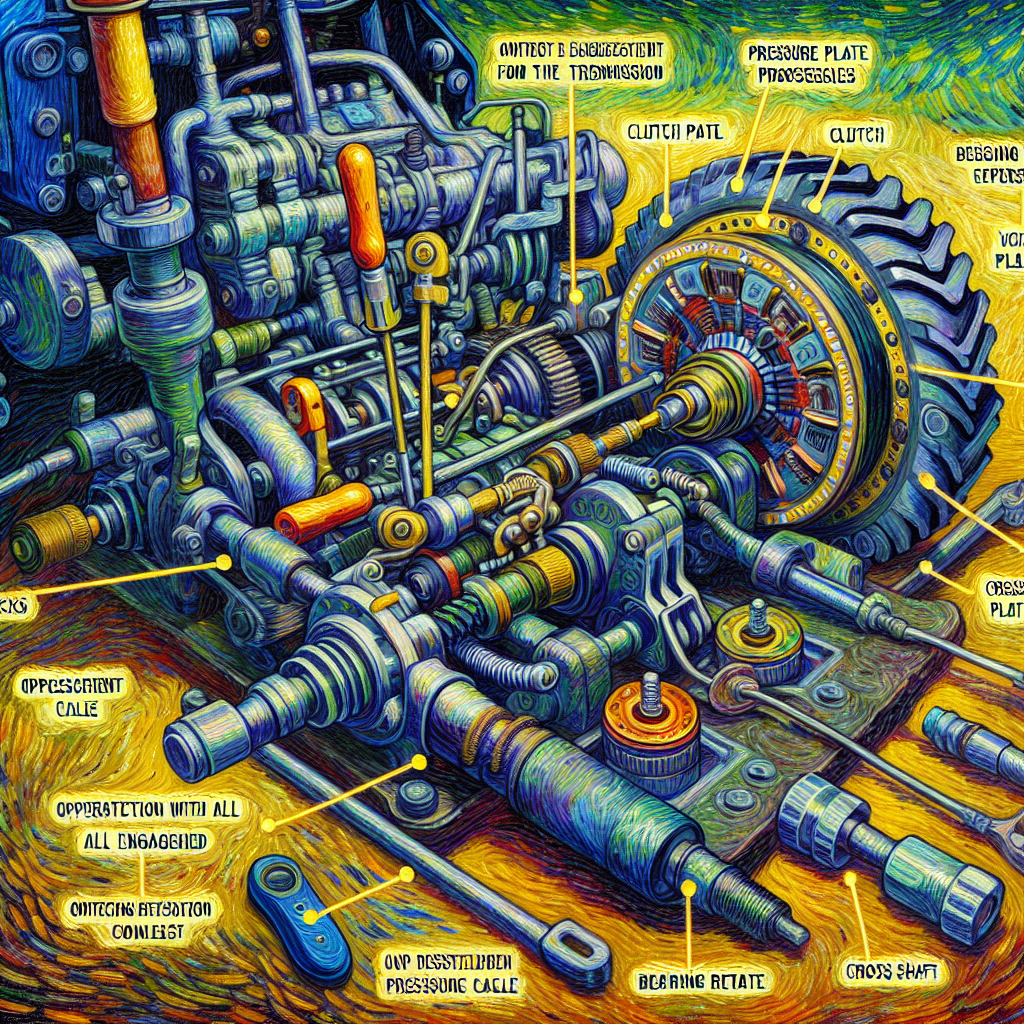
How Can We Advocate for Faster Tech Responses?
Conclusion
In the realm of agriculture, a profound crisis unfolds as farmers find themselves ensnared by technology’s grip, waiting for a $2,500 software update while their crops wither under the sun. This isn’t merely about machinery or software; it’s a poignant intersection of responsibility, ethics, and human connection. Imagine a farmer, hands worn from toil, anxiously monitoring dwindling cornfields while trapped by an unforeseen technological delay. This scene encapsulates a broader narrative—a struggle between the aspirations rooted in the soil and the risks that come with dependency on digital systems.
Each hour lost marks not just a ticking clock but the erosion of hope and the potential loss of livelihoods tied to generations of hard toil. Farmers have placed their faith and investment in technology that should elevate their resiliency, yet delays threaten their harvests and by extension, their families’ futures. As we explore the ethical implications, we’re compelled to ask ourselves: Are we comfortable allowing lines of code to dictate the fate of hardworking families and entire communities?
This situation mirrors a collective dilemma. We face a choice: remain tethered to outdated practices or embrace progress as a path to resilience. The hurdles farmers encounter resonate with contemporary challenges many of us face—balancing tradition with innovation, understanding that to thrive, we must be willing to invest in our futures and adapt accordingly.
The stakes of inaction ripple outward. Waiting for necessary updates can generate increasing debt for farmers, driving up grocery prices and endangering our food security. Each delay reflects a shared ethical responsibility, compelling us to consider who we become when we allow systems to stall. The farmer’s plight serves as a clarion call—if we fail to act, we threaten the very fabric of our communities.
Stories of struggle and resilience in farming invite us into a vital conversation. They remind us that the farming narrative is not simply an individual endeavor but a communal journey woven through shared experiences and collective lifeblood. By supporting farmers adeptly, we can initiate a movement toward timely updates and reliable systems that empower rather than hinder.
Let’s champion a future where timely technology serves our farmers, ensuring not merely survival but a flourishing agricultural landscape. By advocating for systems that are responsive, we cultivate not just crops but the foundations of a sustainable, interconnected future, driving forward into a narrative of hope, shared values, and renewed purpose. Embracing these challenges together, we can mold a reality that nurtures both the land and the legacy we leave behind.

Conclusion
Conclusion:
- Farmers face a crisis as they await a $2,500 software update while their crops wither.
- This situation highlights the intersection of responsibility, ethics, and human connection in agriculture.
- Each hour of delay not only impacts crops but also endangers farmers’ livelihoods and family futures.
- Farmers’ reliance on technology creates dilemmas between tradition and innovation.
- Delays in technology updates can worsen farmers’ debts, raise grocery prices, and jeopardize food security.
- The farming narrative emphasizes the importance of community and shared experiences in overcoming challenges.
- Advancing responsive systems can foster a sustainable and interconnected future for agriculture and communities.

Conclusion
Other Resources

Other Resources
Here is a list of other resources you can review online to learn more:
- Carraro
- Mmaine Antique Tractor Club
- Bombardier
- CO-OP
- FARMSHOW Magazine
- Rhino
- Jacobsen
- Racine County Fair Antique Tractors
- Gibson
- Rome
- Hinomoto
- Schluter
- Simpson Jumbo
- Bristol
- Farm Progress Show
- Ultimate Antique Tractor Guide
- Buhler Versatile
- Nittany Antique Machinery Association
- Hart-Parr
- Volvo
Use This Prompt To Get More Resources With Your Favorite Online AI Tool: Please provide me with a list of online articles with their URLs in a bulleted list that I can read regarding Waiting for a $2,500 Software Update While Crops Die

Other Resources
Glossary Terms
Waiting for a $2,500 Software Update While Crops Die – Glossary Of Terms
1. Over-the-air (OTA) update — Remote deployment of software/firmware to field devices without physical access.
2. Firmware update cost — The monetary fee required to apply a device firmware upgrade (e. g. , $2,500).
3. Downtime — Period when equipment or systems are nonfunctional, preventing farm operations.
4. Crop loss — Reduction in expected yield caused by interruptions, delays, or system failures.
5. Precision agriculture — Data-driven practices that optimize inputs (water, fertilizer, pesticides) for maximum yield.
6. Agri‑IoT — Networked sensors, controllers, and actuators deployed across farmland.
7. Edge device — Local hardware in the field that collects data and performs control tasks.
8. Sensor — Instrument that measures environmental or plant variables (soil moisture, temperature, humidity).
9. Actuator — Hardware that effects physical changes (irrigation valves, pumps, sprayer nozzles).
10. Telemetry — Continuous transmission of sensor and device status data to monitoring systems.
11. Control loop — Automated feedback cycle where sensor input drives actuator behavior.
12. Manual override — Human-initiated control that bypasses automated systems to restore or maintain operations.
13. Fail‑safe — Design feature that defaults equipment to a safe state when errors occur.
14. Fallback mode — Reduced-functionality operating state used when full features are unavailable.
15. Rollback — Reverting to a previously known-good software version after a problematic update.
16. Hotfix — Immediate patch applied to fix a critical bug without a full release cycle.
17. Bricking — Making a device inoperable due to corrupted or incompatible updates.
18. Patch management — Policies and procedures for testing, scheduling, and deploying updates.
19. Version control — System for tracking software releases and changes across devices.
20. Backward compatibility — New software’s ability to work with existing hardware and data formats.
21. Legacy hardware — Older field equipment that may not support recent updates or features.
22. Vendor lock‑in — Dependence on a single supplier for updates, parts, or support.
23. Service Level Agreement (SLA) — Contractual commitment defining support response times, uptime, and remedies.
24. High availability (HA) — System design that reduces interruption risk through redundancy and rapid recovery.
25. Redundancy — Duplicate components or systems that maintain operation when primary elements fail.
26. Failover — Automatic or manual switching to backup systems when the primary system fails.
27. Contingency plan — Predefined actions and workarounds to maintain operations during failures or delays.
28. Disaster recovery — Processes and resources to restore critical farm systems after catastrophic outages.
29. Opportunity cost — Economic value lost when delayed updates or downtime prevent timely farm actions (planting, irrigation, harvest).
30. Total cost of ownership (TCO) — Aggregate long‑term cost of equipment including purchase, maintenance, support, and update fees.

Glossary Of Terms
Other Questions
Waiting for a $2,500 Software Update While Crops Die – Other Questions
If you wish to explore and discover more, consider looking for answers to these questions:
- How much does the $2,500 update actually cost relative to a farm’s seasonal revenue and profit?
- Are there financing, subsidy, or payment-plan options available for expensive updates?
- Which companies supply these updates and what are their update policies and timelines?
- Who is legally liable if a delayed update causes crop loss?
- Do manufacturers provide service-level agreements (SLAs) or guarantees for critical agricultural software?
- Are there emergency support channels or expedited update paths for time-sensitive agricultural crises?
- Can the tractor or equipment operate safely in a degraded/manual mode while awaiting the update?
- Are there open-source or third-party alternatives to the vendor’s proprietary update?
- What are farmers’ rights under “right to repair” laws with respect to software and firmware updates?
- How often do software-related failures cause measurable crop loss across the region or industry?
- What insurance products cover losses caused by software or tech downtime?
- How do such update delays affect local food supply chains and consumer prices?
- Are small family farms disproportionately affected compared with large corporate farms?
- What short-term mitigation steps can farmers take to reduce crop damage while waiting?
- How transparent are vendors about the causes of update delays and estimated fix times?
- What regulatory protections or intervention mechanisms exist for critical agricultural tech failures?
- How does data privacy and ownership factor into software updates and remote support?
- Can updates be rolled back if they introduce new bugs, and who manages rollbacks?
- What role should cooperatives, extension services, or local governments play in providing rapid tech support?
- Are there documented case studies of farms that recovered from similar software-related crises?
- What preventative maintenance and update strategies can reduce the risk of catastrophic downtime?
- How do connectivity and rural broadband limitations affect the ability to deploy timely updates?
- What training resources exist to help farmers manage or troubleshoot critical software issues themselves?
- How does reliance on proprietary tech affect long-term farm resilience and independence?
- What ethical responsibilities do manufacturers have when their products are critical to livelihoods?
- Could distributed/localized update caches or offline installers mitigate future delays?
- What are the environmental impacts of lost harvests caused by tech failures?
- How can farmers organize or lobby for stronger consumer protections, faster support, or price controls?
- What metrics should farmers monitor to detect software-induced performance degradation early?

Other Questions
Haiku
Waiting for a $2,500 Software Update While Crops Die – A Haiku
Crops wither in heat,
Farmers wait for needed codes—
Hope hangs by a thread.

Haiku
Poem
Waiting for a $2,500 Software Update While Crops Die – A Poem
In the fields where shadows stretch and dreams entwine,
A farmer waits, hands calloused, hopes in decline.
A distant software call, $2,500 to pay,
As crops wither, livelihoods held at bay.
Each hour ticks like a heart, heavy with dread,
Where once stood promise, now uncertainty spreads.
Ethics questioned in a world of machines,
Can a glitch halt our future, unravel our dreams?
Innovate or stagnate, it echoes in fields,
Old tractors struggle, the new tech yields.
Harvests on the line, the stakes intertwined,
Sustainability lost in a bureaucratic grind.
Yet in tales of resilience, farmers find voice,
In struggles and stories, we share in their choice.
A community blooms when the old meets the new,
As hearts turn to action, united and true.
So let’s steer the discourse, demand timely support,
For every delay robs the harvest we sought.
From the tractors hum to the digital sway,
Together we rise, forging a new way.

Poem
Checklist
Waiting for a $2,500 Software Update While Crops Die – A Checklist
Emotional Appeals
✅______ Share personal stories. Encourage farmers to share their experiences with delays and the emotional impact on their livelihoods.
✅______ Highlight community impact. Emphasize how crop losses affect not just individual farmers, but entire communities and future generations.
Rational Appeals
✅______ Present statistics and data. Show the correlation between timely updates and increased crop yields (e.g., potential yield increases of up to 30%).
✅______ Provide a cost analysis. Analyze the long-term costs associated with waiting for updates versus the benefits of timely implementation.
Ethical Appeals
✅______ Discuss the stance on responsibility. Foster discussion about who bears responsibility for delays and the ethical implications of technology dependence.
✅______ Promote sustainable practices. Highlight the ethical necessity of using technology that supports environmental stewardship and sustainable farming.
Authority Appeals
✅______ Include expert opinions. Provide quotes or insights from agricultural experts on the importance of timely software updates for modern farming.
✅______ Reference successful case studies. Cite instances of farmers or communities that benefited from quick technological support.
Narrative Appeals
✅______ Encourage anecdotes of resilience. Share narratives that illustrate the struggle between technology’s promise and farmers’ experiences.
✅______ Utilize metaphors and imagery. Use metaphors that resonate with farming experiences, like the relationship between farmers and their tools.
Social Appeals
✅______ Organize community engagement initiatives. Set up local forums or meetings for farmers to discuss collective action regarding technology support and advocacy.
✅______ Encourage collaborative grassroots movements. Form coalitions of farmers, tech developers, and local organizations aimed at ensuring timely tech support and updates.

Checklist
At ClassicTractorNews, we help tractor lovers keep up with the latest news for classic and vintage tractors.
Please share this post with your friends, family, or business associates who may like old classic or vintage tractors.