


Unlocking Value: Why Classic Tractors Outperform Modern Choices
By Tom Seest
At ClassicTractorNews, we help tractor lovers keep up with the latest news for classic and vintage tractors.
Please share this post with your friends, family, or business associates who may like old classic or vintage tractors.
Total Cost Of Ownership – the Classic Tractor Advantage
When it comes to investing in a classic tractor, the conversation often veers toward the initial price tag. Sure, the allure of the latest model with its shiny features and high-tech gadgets can be tantalizing. But let’s pause for a moment and consider the real value: the total cost of ownership. It’s not just about how much you fork over at the dealership; it’s about the long-term commitment and relationship you’ll cultivate with your machine.
Imagine standing in your field, the sun setting just right, and feeling the weight of history beneath your hands. Classic tractors, with their charm and ruggedness, are not just pieces of machinery; they are storytellers, each scratch and dent bearing the imprint of countless seasons. Investing in a classic tractor means embracing a legacy of hard work and resilience—a powerful connection to those who farmed before us, that reminds us of where we came from.
From a rational perspective, classic tractors often boast durability that outlasts their modern counterparts. While a new tractor might impress on the showroom floor, maintaining an older model can translate to lower maintenance and repair costs over time. Parts are generally more accessible and, thanks to the loyal community surrounding classic machinery, you often find an abundance of resources and advice to help keep your tractor rolling.
Ethically, choosing a classic tractor fosters sustainability. By opting for a well-built machine that’s been tried and tested, you’re not just conserving your resources; you’re supporting a culture of craftsmanship that values hard work and integrity. Each time you pull it out for a task, you’re making a conscious decision to honor that heritage and keep it alive, oftentimes transferring skill and knowledge across generations.
Picture a local farming fair, where tractor enthusiasts gather, sharing tips and stories—each conversation a link in a chain that connects us all. A classic tractor does more than plow fields; it digs deep into our shared human experience, reminding us that the heart of farming isn’t only in the yields produced but in the bonds forged among soil, machine, and community.
Investing in a classic tractor means more than just securing a farm tool. It’s an invitation to forge a deeper connection with the land, to honor the past, and to embrace a future built on trust, confidence, and the simple pleasure of good, honest work. So when considering the total cost of ownership, remember: it’s not just about the dollars and cents; it’s about the journey, the legacy, and the stories that make each turn of the wheel worthwhile.

Total Cost Of Ownership – the Classic Tractor Advantage
Total Cost Of Ownership – the Classic Tractor Advantage
- The total cost of ownership of a classic tractor goes beyond the initial price; it includes long-term commitment and maintenance.
- Classic tractors are considered durable and often have lower maintenance and repair costs compared to modern models.
- Parts for classic tractors are generally more accessible, supported by a knowledgeable community.
- Choosing a classic tractor promotes sustainability and honors the culture of craftsmanship.
- Classic tractors foster connections and the transfer of skills and knowledge across generations.
- They emphasize the importance of community and shared experiences in farming, beyond mere yields.
- Investing in a classic tractor is a commitment to a legacy and a deeper connection with the land.

Total Cost Of Ownership – the Classic Tractor Advantage
Table Of Contents
- Total Cost Of Ownership – the Classic Tractor Advantage
- What Makes Classic Tractors an Emotionally Appealing Choice?
- How Do Classic Tractors Provide Long-Term Financial Benefits?
- How Does Owning a Classic Tractor Foster a Sense Of Community?
- What Stories Exemplify the Reliability Of Classic Tractors Over Time?
- How Can Classic Tractors Enhance the Pride Of Ownership In Farming?
- What Are the Hidden Costs Associated with Modern Tractors?
- Conclusion
- Other Resources
- Glossary Of Terms
- Other Questions
- Haiku
- Poem
- Checklist
What Makes Classic Tractors an Emotionally Appealing Choice?
Classic tractors are more than just machines; they are vessels of memory and meaning, connecting us to our roots in a way that few things can. Picture a dusty field at sunrise, the hum of a well-loved engine breaking the morning silence. For many, these tractors symbolize ancestral hard work, embodying the spirit of generations before us, who toiled under the sun with grit and determination. Each scratch on the paint tells a story, a testament to the hours spent plowing fields or restoring an old barn. There’s an undeniable emotional resonance—the image of a parent teaching their child the ropes, hands steady on the wheel, while the world shifts in rhythmic harmony around them.
From a rational standpoint, classic tractors present a compelling case for those who value durability and simplicity. Their robust engineering often surpasses modern counterparts. With parts that can be repaired rather than replaced, these machines nurture a self-sufficient ethos. They aren’t just nostalgic; they offer a practical solution for those who understand the fabric of farming. Investing in a classic tractor is an investment in a lifestyle that cherishes craftsmanship and sustainability. It’s about cultivating a relationship with the land and respecting the tools that have shaped our agricultural history.
Ethically, choosing a classic tractor aligns with our innate desire to preserve heritage and traditions. In an age of rapid technological advancement, these machines remind us of a slower, more intentional way of living. They invite us to pause and reflect on the ethics of consumption. When we choose to maintain and cherish these tractors, we support a culture that values history over disposable convenience. Each restoration project becomes an act of homage, a way to honor not only our past but also the sustainability of our future.
The narrative surrounding classic tractors is a rich tapestry of community and connection. Whether at a local tractor show or a neighborhood harvest festival, these machines bring people together. Enthusiasts share tips, swap stories, and ignite friendships built on this shared passion. When you see a tractor rolling down the road, it’s not just a piece of machinery; it’s a conversation starter, a bridge to understanding.
Finally, there’s something wonderfully visceral about the feel of a classic tractor. The rumble of the engine, the weight of the steering wheel, the smell of gasoline—these sensations sweep us back to a simpler time. It’s a gut-level connection that transcends mere machinery, enveloping us in a world of rich history, personal stories, and an enduring legacy that makes classic tractors a unique and emotionally appealing choice.

What Makes Classic Tractors an Emotionally Appealing Choice?
What Makes Classic Tractors an Emotionally Appealing Choice?
- Classic tractors connect individuals to their roots, symbolizing ancestral hard work and perseverance.
- Each scratch on a tractor tells a story of labor and restoration, highlighting emotional attachments.
- They offer durability and simplicity, often featuring repairable parts and robust engineering.
- Investing in a classic tractor supports a lifestyle that values craftsmanship and sustainability.
- Choosing classic tractors promotes the preservation of heritage and encourages ethical consumption.
- These machines foster community, bringing enthusiasts together at events to share stories and tips.
- The visceral experience of classic tractors evokes nostalgia, connecting individuals to history and legacy.

What Makes Classic Tractors an Emotionally Appealing Choice?
How Do Classic Tractors Provide Long-Term Financial Benefits?
Classic tractors are more than just relics of a bygone era; they symbolize reliability and a deep connection to our agricultural roots. Investing in a classic tractor can provide long-term financial benefits that extend far beyond mere numbers, weaving a fabric of emotional, rational, and ethical considerations that resonate deeply with anyone who cherishes hard work and tradition.
Consider the story of an aging farmstead, where generations have toiled under the sun and stars, where memories are etched in the scratches of an old tractor’s paint. These machines, often passed down like family heirlooms, hold value not just in their performance but in the narratives they carry. When you invest in a classic tractor, you’re purchasing a piece of history—a durable machine that can still plow fields or perform chores decades after its creation. This durability translates to substantial long-term savings, as vintage tractors often require less maintenance compared to newer models filled with electronic whizzbangs.
From a financial perspective, classic tractors can appreciate in value, especially if cared for properly. Unlike fleeting technological gadgets, a well-maintained tractor can become a sought-after collectible, attracting buyers who appreciate its craftsmanship and history. It’s a bit like holding onto a piece of art; the longer you own it, the more its value can grow, which helps to cushion financial setbacks while increasing your farm’s overall asset portfolio.
Beyond the numbers, there’s an ethical and social aspect to consider. Purchasing vintage machinery supports local economies, encouraging the restoration and preservation of old equipment. When your neighbors see you maintain that sturdy John Deere or Ford tractor, it fosters a sense of community, showcasing pride in craftsmanship and heritage. Your choices ripple outward, inspiring others to invest in their legacies, thus preserving skills and stories.
This connection to the past evokes a visceral sense of pride, reminiscent of simple times when things were built to last. Just as your grandfather taught you to respect the land, owning a classic tractor means passing down a dedication to quality and sustainability. It’s a resistance against a culture of disposability—a stand for craftsmanship that endures.
Classic tractors offer more than just financial benefits; they invite us to cherish tradition, cultivate community, and recognize true value that transcends the marketplace. The bonds we form with these powerful machines echo the heartbeats of those who came before us, nurturing not just our farms but our very souls.

How Do Classic Tractors Provide Long-Term Financial Benefits?
How Do Classic Tractors Provide Long-Term Financial Benefits?
- Classic tractors symbolize reliability and connection to agricultural roots.
- Investing in a classic tractor offers long-term financial benefits beyond mere numbers.
- These machines serve as family heirlooms, holding value in their narratives and history.
- Vintage tractors often require less maintenance than modern models, offering substantial savings.
- Well-maintained classic tractors can appreciate in value, becoming sought-after collectibles.
- Purchasing classic tractors supports local economies and fosters community pride.
- Owning a classic tractor represents a dedication to quality, sustainability, and craftsmanship.

How Do Classic Tractors Provide Long-Term Financial Benefits?
How Does Owning a Classic Tractor Foster a Sense Of Community?
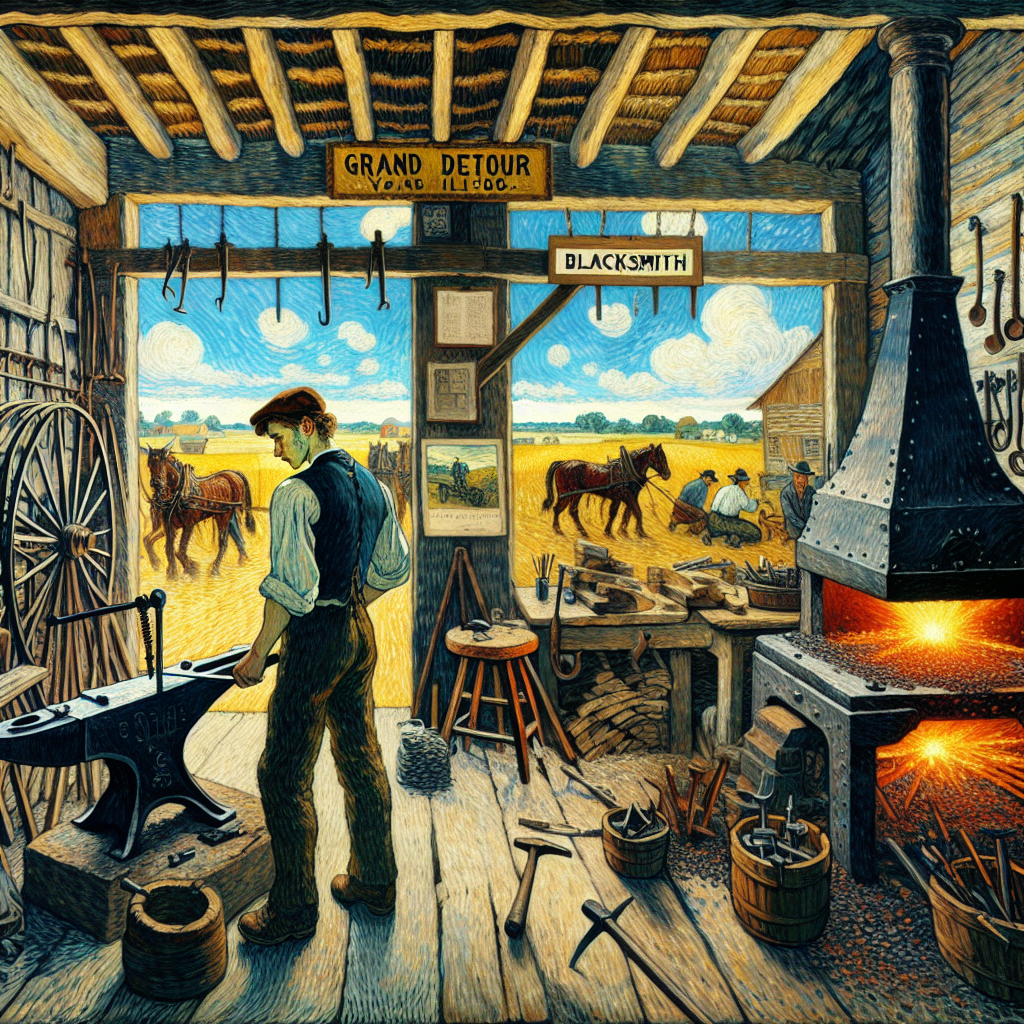
Owning a classic tractor is more than just a personal hobby; it’s an invitation to engage with a vibrant community dedicated to preserving history and tradition. These rugged machines, once the backbone of farms across America, serve as more than tools; they embody stories of resilience, hard work, and nostalgia. When you drive a classic tractor down the road or showcase it at a local fair, you’re not just displaying a piece of machinery—you’re sparking conversations that weave together generations.
Picture this: a dusty summer afternoon at a county fair. Families gather, children laugh, and the faint scent of funnel cakes lingers in the air. Amidst the bustle, a beautifully restored tractor catches the eye. As you approach, you’re drawn into a conversation with a fellow enthusiast—a farmer who’s been in love with these machines since he was a boy, just like his grandfather before him. You both share stories, not only about the tractors themselves but about the values they represent: perseverance, manual labor, and a commitment to craftsmanship. In moments like this, the community materializes, reminding us how deeply interconnected we are.
This connection transcends mere interest in engines and wheels. It taps into something fundamental about human nature: the desire to belong. Whether you’re participating in a vintage tractor pull or simply sharing advice on restoration techniques, there’s a camaraderie that fosters trust and encourages participation. With every meeting or event, newcomers are welcomed with open arms, forming bonds that turn strangers into lifelong friends. In a world that often feels fragmented, classic tractors become anchors, grounding us in shared experiences and collective memories.
Moreover, the moral importance of preserving these tractors cannot be overstated. They represent our agricultural heritage and the mastery behind those who’ve worked the land. When you own a classic tractor, you’re taking part in a larger narrative—one that emphasizes respect for craftsmanship and the wisdom of the past. The restoration and maintenance of these machines are acts of stewardship; you’re not just a keeper of mechanical history but a guardian of cultural lineage.
There’s something uniquely empowering about rolling up your sleeves, getting your hands greasy, and restoring a piece of history. It’s a labor of love that resonates deeply, linking generations, and kindling a renewed sense of purpose and community. In that shared labor, where hard work meets heartfelt passion, a bond forms that is rich, rewarding, and irreplaceable. When you own a classic tractor, you’re not just part of a subculture; you’re part of a broad tapestry that aims to keep alive the memory and the mechanics of a simpler, yet profound, way of life.

How Does Owning a Classic Tractor Foster a Sense Of Community?
How Does Owning a Classic Tractor Foster a Sense Of Community?
- Owning a classic tractor fosters engagement with a community focused on preserving history and tradition.
- Classic tractors embody stories of resilience, hard work, and nostalgia, beyond their functionality as tools.
- Driving or showcasing a classic tractor sparks intergenerational conversations and connections.
- The experience promotes a sense of belonging, with camaraderie and trust among enthusiasts.
- Preserving classic tractors is vital for honoring agricultural heritage and craftsmanship.
- Restoration serves as an act of stewardship, linking owners to cultural lineage and history.
- Owning a classic tractor contributes to a broader narrative of community and shared experiences.
How Does Owning a Classic Tractor Foster a Sense Of Community?
What Stories Exemplify the Reliability Of Classic Tractors Over Time?
What Stories Exemplify the Reliability of Classic Tractors Over Time?
In the heart of rural America, classic tractors stand as more than mere machines; they symbolize resilience and tradition. Take a moment to imagine a small-town farmer, weathered hands gripping the steering wheel of a vintage John Deere, its vibrant green paint slightly dulled by decades of hard work. This isn’t just a tractor; it’s a steadfast partner through seasons of drought and downpour, embodying a relationship built over years of trust.
Consider the story of a family farm that has thrived for generations because of a 1965 International Harvester. Each season, the tractor emerges from the barn, engine rumbling like an old friend greeting you after a long absence. When machinery breaks down, it’s usually the latest models that get sidelined, but this classic tractor, with its uncomplicated mechanics, springs to life, reminding us that simplicity can often lead to durability. Farmers share tales of how they once lost a few hours in a cornfield that just wouldn’t yield; the new tractors struggled in the mud, but the old one danced right through, proving its worth by delivering a bumper crop when everything else faltered.
These stories echo through communities, fostering a sense of belonging. Pair this with the ethical appeal of sustainability. Classic tractors are often the choice of modern farmers looking to reduce their carbon footprint. They require fewer resources to maintain and repair, offering another layer of reliability that connects the past with the future. Each repaired part tells a story, each maintenance routine resonates with a commitment to longevity, echoing the farmer’s promise to the land.
It’s easy to dismiss older models as relics, mere echoes of an age long past, but they often carry the weight of experiences that newer tractors can’t replicate. There’s authority in their lines, a resistance to the quickness of today’s world. A well-kept classic tractor becomes a linchpin of family legacies, passed down through generations. Kids learning to drive it are not only mastering the mechanics; they’re absorbing life lessons about patience, dedication, and the value of time-honored practices.
The impact of these stories grounds us, reminding us that every journey through a field, every harvest collected, isn’t just a transaction; it’s a testament to enduring quality. Classic tractors embody an ethos that challenges the fast-paced cycle of modern consumerism, inviting us to appreciate the reliability that time has tested. To embrace the narrative of the classic tractor is to recognize that some things—like bonds with our heritage—only grow stronger with age.

What Stories Exemplify the Reliability Of Classic Tractors Over Time?
What Stories Exemplify the Reliability Of Classic Tractors Over Time?
- Classic tractors symbolize resilience and tradition in rural America.
- A vintage John Deere represents a trusted partnership through various seasons.
- The 1965 International Harvester showcases durability with uncomplicated mechanics.
- Older tractors often outperform newer models in challenging conditions.
- Classic tractors appeal to modern farmers seeking sustainability and reduced carbon footprints.
- These tractors carry experiences and lessons that connect generations.
- Classic tractors challenge modern consumerism by emphasizing enduring quality and heritage.

What Stories Exemplify the Reliability Of Classic Tractors Over Time?
How Can Classic Tractors Enhance the Pride Of Ownership In Farming?
Classic tractors resonate deeply within the farming community, not just as pieces of machinery, but as symbols of hard work, heritage, and identity. These resilient machines are more than just tools—they are the embodiment of years spent cultivating the land and nurturing a way of life that has been passed down through generations.
Imagine a farmer, weathered by the sun and the toil of the fields, coming home after a long day. The sight of a classic tractor, its paint chipped but its spirit undamaged, stirs something profound. It’s not merely a vehicle; it’s a connection to the past, a reminder of family values and the sweat equity that built the very farm they stand on. Each dent and scratch tells a story—there’s the dent from where it once plowed through a stubborn rock, or the scratch from the time it squeezed through a narrow fence to rescue a calf. These stories foster an emotional connection, elevating the tractor to a cherished companion in one’s farming journey.
Rationally, owning a classic tractor can also enhance the pride of ownership through its practical benefits. These machines are often simpler in design, making them easier to repair and maintain. While modern tractors are packed with technology, classic models provide a sense of reliability that comes from their sturdy, uncomplicated nature. Plus, they often require fewer resources to operate, making them environmentally friendly choices that resonate with today’s ethical farming practices. You’re not just preserving the past; you’re championing sustainability.
Yet, it’s the community aspect that truly binds people to their classic tractors. Local fairs and tractor shows create spaces where farmers come together, sharing stories and experiences. The gleam of polished hoods and the rumble of engines evoke a nostalgia that invites participation and fosters camaraderie. When you’re in a sea of fellow enthusiasts, the pride swells—not just for your own tractor, but for the collective history and passion tied to these machines.
Consider this: when you choose to restore and cherish a classic tractor, you honor not just your own lineage but the broader tapestry of agriculture itself. You become a custodian of tradition, preserving stories and inspiring future generations. In every rev of the engine and every furrow turned in the soil, there’s a reminder that farming isn’t just a job; it’s a legacy—one that grows deeper and richer with each passing year. Embracing the classic tractor means standing tall, knowing that you are both the guardian of a proud past and a steward of a hopeful future.

How Can Classic Tractors Enhance the Pride Of Ownership In Farming?
How Can Classic Tractors Enhance the Pride Of Ownership In Farming?
- Classic tractors symbolize hard work, heritage, and identity within the farming community.
- They represent a connection to the past and embody family values and farm history.
- Each tractor bears unique stories reflected in its dents and scratches.
- Classic tractors are simpler to repair and maintain compared to modern models.
- Owning a classic tractor promotes sustainability by requiring fewer resources to operate.
- Local fairs and shows foster community among tractor enthusiasts, encouraging shared experiences.
- Restoring classic tractors honors agricultural tradition and inspires future generations.

How Can Classic Tractors Enhance the Pride Of Ownership In Farming?
What Are the Hidden Costs Associated with Modern Tractors?
When you think of investing in a modern tractor, your mind might drift to shiny surfaces, powerful engines, and the promise of efficiency. However, lurking beneath the gleaming exterior is a labyrinth of hidden costs that can leave even the most seasoned farmer pondering the true value of their purchase. The reality is that tractors are more than just machines; they are symbols of legacy, responsibility, and the relentless pursuit of progress.
Let’s start with the emotional pull. Picture a farmer named Joe, who saved for years to buy his dream tractor. He imagines it plowing his fields, the sun setting in the background. But then reality strikes: maintenance costs, fuel consumption, and insurance premiums swiftly turn that dream into a financial crunch. These expenses can quickly pile up, stealthily gnawing away at the profit margins he worked so hard to achieve. Joe’s story is not unique — it’s a narrative echoed in many barns across the country.
Now, consider the rational aspect. Modern tractors come equipped with advanced technology designed to make agriculture more efficient. But with innovation comes complexity. Higher repair costs due to specialized parts and trained technicians can catch farmers off-guard. What was once a simple oil change is now a high-tech diagnostic session. Each beep and whir of the machine may signal progress, but it can also represent a growing list of expenses that don’t just affect the bank account but also the livelihood of an entire family.
Ethically, let’s examine the environmental toll. The push for efficiency often overlooks the ecological footprint. A powerful tractor can plow through a field in record time, but the impact on soil and sustainability can be staggering. Farmers must weigh their decisions carefully, considering not just yield but the long-term health of the land entrusted to them.
Finally, there’s the social dimension. As farming becomes increasingly industrialized, the small, family-run farms may struggle to keep up with the financial demands of modern equipment. The community that once thrived on shared labor begins to feel the strain of economic disparity. The tractor, a symbol of hard work and independence, risks becoming an emblem of isolation and loss for those unable to bear its hidden costs.
In every investment, particularly those in the field of agriculture, there lies an intricate balance of hope, responsibility, and the stark reality of what it means to cultivate not just the land, but also a future worth believing in.

What Are the Hidden Costs Associated with Modern Tractors?
What Are the Hidden Costs Associated with Modern Tractors?
- Investing in modern tractors involves hidden costs that affect farmers significantly.
- Farmers like Joe experience emotional stress due to maintenance, fuel, and insurance costs.
- Modern tractors offer efficiency but come with complex technology that increases repair expenses.
- The environmental impact of tractor use raises concerns about sustainability and soil health.
- Small farms face challenges in keeping up with the financial demands of advanced equipment.
- The industrialization of farming can lead to economic disparity within farming communities.
- Understanding the balance of investment, hope, and responsibility is crucial for sustainable agriculture.

What Are the Hidden Costs Associated with Modern Tractors?
Conclusion
Investing in a classic tractor isn’t just a financial transaction; it’s a heartfelt commitment to heritage, sustainability, and community. The allure of shiny, modern machines often overshadows the real value found within vintage tractors—the total cost of ownership that encompasses emotions, stories, and lasting legacy. As the sun sets over a field, the connection forged with a classic tractor runs deep. Each dent provides a narrative, each scratch whispers tales of hard work and perseverance. These machines aren’t mere tools; they are enduring symbols of our agricultural roots, embodying the spirit of those who plowed the land long before us.
Rationally, classic tractors shine with their unparalleled durability. While flashy new models may impress at first glance, classic tractors often require less maintenance and boast a simpler, more repairable design. They resist the fleeting whims of technological trends, offering a self-sufficient option for those valuing craftsmanship and practicality. Ethically, choosing a classic tractor aligns with sustainability; it supports a culture that cherishes resourcefulness and a long-lasting commitment to quality. Each time one is used, it stands as a tribute to the artisans and generations before us, providing a rich tapestry for learning and sharing among communities.
Classic tractors connect people. Imagine the camaraderie at local fairs, where stories are exchanged and friendships forged over shared passions. In a world that often feels disjointed, these gatherings remind us of our shared humanity. They cultivate respect for craftsmanship and the wisdom of earlier generations. Owning a classic tractor isn’t merely a hobby; it’s a calling to participate in a legacy, becoming part of a larger narrative that isn’t just about farming but also about community and connection to a simpler, more intentional way of life.
Financially, these tractors can be wise investments. While modern tractors are packed with complexities that can lead to escalating costs, vintage models often maintain their value, attracting collectors and enthusiasts. As they appreciate over time, these machines become more than a tool—they transform into a family heirloom. The pride of ownership extends beyond personal satisfaction; it fosters a deep sense of belonging and responsibility towards preserving history for future generations.
When weighed against modern options, the benefits of classic tractors emerge clear. It’s not just about what you spend at the point of sale; it’s about the stories held in the engine, the value instilled in your community, and the commitment to sustainable practices. Investing in a classic tractor is a step towards honoring your past while nurturing a resilient future, making every turn of the wheel a meaningful chapter in the enduring tale of farming.

Conclusion
Conclusion:
- Investing in a classic tractor represents a commitment to heritage, sustainability, and community.
- Classic tractors hold emotional value, with each imperfection telling a story of hard work and perseverance.
- They offer unparalleled durability with lower maintenance costs and simpler repair designs compared to modern machines.
- Choosing classic tractors supports sustainability and a culture of resourcefulness and quality craftsmanship.
- They connect people through local fairs and gatherings, fostering community and shared passions.
- Classic tractors can be wise financial investments, often maintaining or appreciating in value over time.
- Investing in a classic tractor honors the past while nurturing a resilient future in agriculture.

Conclusion
Other Resources

Other Resources
Here is a list of other resources you can review online to learn more:
- Baldwin
- Custom
- Zanello
- Holder
- Muskoka Pioneer Power
- Fort Allen Antique Farm Equipment
- Massey Ferguson
- Deutz-Allis
- Agriculture Heritage Center & Museum
- Mitsubishi
- Avery
- J.I.Case
- IMT
- Wallis
- Waterloo Farm Museum
- Barreiros
- McCormick
- Fendt International
- Ventrac
- Mmaine Antique Tractor Club
Use This Prompt To Get More Resources With Your Favorite Online AI Tool: Please provide me with a list of online articles with their URLs in a bulleted list that I can read regarding Total Cost Of Ownership – the Classic Tractor Advantage

Other Resources
Glossary Terms
Total Cost Of Ownership – the Classic Tractor Advantage – Glossary Of Terms
1. Total Cost of Ownership (TCO) — Sum of all expenses related to owning a tractor over its ownership period: acquisition, fuel, maintenance, repairs, insurance, financing, downtime and disposal; for classic tractors this also includes restoration and potential appreciation.
2. Acquisition Cost — Upfront purchase price plus taxes, transport and initial setup; classic tractors may carry auction or rarity premiums.
3. Depreciation — Decline in asset value over time; classic tractors can experience reduced depreciation or appreciation depending on condition and market demand.
4. Residual Value — Expected market value at the end of ownership; often higher for well-preserved classic tractors.
5. Resale Value — Actual price realized when selling the tractor; influenced by originality, condition and collector interest in classics.
6. Salvage Value — Value recovered if the tractor is retired for parts or scrap; classic parts can sometimes command higher salvage prices.
7. Operating Costs — Ongoing expenses to run the tractor: fuel, oil, filters, tires, and operator labor.
8. Fuel Efficiency — Amount of work achieved per unit of fuel; older tractors may be less efficient but sometimes simpler to adapt or tune.
9. Fuel Consumption — Measured fuel used per hour or per task; a key input to operating cost calculations.
10. Maintenance Costs — Routine scheduled servicing expenses; classic tractors often have lower-cost routine maintenance due to simpler systems.
11. Repair Costs — Expenses for unscheduled fixes and part replacements; availability of reproduction parts and skilled labor affects costs for classics.
12. Preventive Maintenance — Planned actions to avoid failures; disciplined preventive care can significantly lower long-term TCO for classic tractors.
13. Downtime — Time the tractor is non-operational; mechanical simplicity, owner-familiarity and parts access can reduce downtime for classics.
14. Parts Availability — Ease of sourcing replacement components; critical for cost and downtime—classic tractors benefit from aftermarket, NOS and salvage networks.
15. Parts Commonality — Degree to which parts are shared across models; higher commonality lowers inventory and repair costs, often true for long-produced classic models.
16. Restoration Cost — Expenses to return a classic tractor to working or collectible condition, including parts, labor and fabrication.
17. Restoration Value — Increase in asset value attributable to restoration; must be weighed against restoration cost when evaluating TCO.
18. Reliability — Likelihood the tractor performs required tasks without failure; vintage designs with robust components can be highly reliable when maintained.
19. Durability — Long-term resistance to wear and major failure; classic tractors often feature heavy-duty construction that extends useful life.
20. Lifecycle Cost — Total cost over the equipment’s entire service life, including replacement cycles and major overhauls.
21. Cost per Hour — TCO divided by productive hours; a primary metric for comparing machines and assessing classic tractor economics.
22. Utilization Rate — Percentage of time the tractor is used productively; higher utilization spreads fixed costs and lowers per-hour TCO.
23. Productivity — Output (e. g. , acres/hour) achievable with the tractor; matching tractor capability to tasks optimizes TCO.
24. Financing Costs — Interest and fees associated with loans or leases; lower purchase prices for some classics can reduce financing burden.
25. Insurance Costs — Premiums for damage, liability and theft; classic tractors may qualify for specialty or reduced agricultural insurance depending on use.
26. Taxes and Registration — Ongoing legal costs tied to ownership; historic or off-road classification can alter these costs for classic tractors.
27. Opportunity Cost — Foregone returns from capital tied up in the tractor instead of alternative investments; classics that appreciate reduce this cost.
28. Payback Period — Time required for savings or earnings to offset the acquisition and operating costs; restoration or collector value can shorten perceived payback for classics.
29. Community and Owner Network — Clubs, forums and local owners providing knowledge, parts trading and labor help; strong networks lower maintenance costs and improve parts access for classic tractors.
30. Mechanical Simplicity — Straightforward, easy-to-service mechanical systems common to many classic tractors; reduces diagnostic time, repair complexity and long-term TCO.

Glossary Of Terms
Other Questions
Total Cost Of Ownership – the Classic Tractor Advantage – Other Questions
If you wish to explore and discover more, consider looking for answers to these questions:
- How does the total cost of ownership (TCO) of a classic tractor compare numerically to a modern tractor over 5, 10, and 20 years?
- What specific maintenance tasks are most common and costly for classic tractors?
- How easy is it to find replacement parts for different makes and models of classic tractors?
- What are typical restoration costs (parts, labor, tools) for a running-condition classic tractor?
- How does fuel consumption of classic tractors compare to modern, fuel-efficient models?
- Are there tax incentives, grants, or subsidies available for restoring or using vintage agricultural equipment?
- How does insurance for a classic tractor differ from insuring a modern tractor?
- What is the typical resale value trajectory for well-maintained classic tractors?
- Which classic tractor brands and models are known to appreciate in value?
- What common mechanical failures should buyers watch for when evaluating a used classic tractor?
- How do classic tractors perform with modern implements and attachments?
- Can classic tractors meet current emissions or regulatory requirements in my region?
- What safety retrofits (roll-over protection, lights, brakes) are recommended or required for vintage tractors?
- How difficult is it to retrofit or upgrade electronics, hydraulics, or power take-off systems on older tractors?
- What tools and skills are essential for maintaining and restoring a classic tractor at home?
- Where are the best sources to buy authentic replacement parts, manuals, and service documentation?
- How active and accessible are local and online communities, clubs, and swap meets for classic tractor owners?
- What are the transportation and licensing considerations for moving a classic tractor between properties or to shows?
- How does downtime (time out of service) typically compare between classic and modern tractors?
- What are the environmental trade-offs of running older engines versus replacing with modern equipment?
- How do operating and labor efficiencies compare when using a classic tractor for modern farm workflows?
- What financing and loan options exist specifically for purchasing vintage farm equipment?
- How can a prospective buyer verify the authenticity and provenance of a classic tractor?
- What checklist should be used when inspecting a classic tractor before purchase?
- How much learning curve is involved for operators accustomed to modern, automated tractors?
- What are the most valuable skills older farmers pass down related to classic tractor maintenance?
- How do storage and preservation needs (shelter, climate control) for classics differ from modern tractors?
- What are the legal liabilities or compliance issues with using a restored vintage tractor commercially?
- How do classic tractors affect farm branding, agritourism, or community engagement opportunities?
- What are realistic annual operating budgets for a classic tractor (fuel, oil, filters, minor repairs)?
- How often do owners need to rebuild engines, gearboxes, or hydraulics on classic tractors?
- Which modern technologies (GPS, precision farming) can be integrated with classic tractors, and how?
- How do weather and soil conditions impact the suitability of classic tractors for specific tasks?
- What are common scams or red flags to avoid when buying a classic tractor?
- How does ownership of a classic tractor affect farm insurance premiums and liability coverage?
- What documentation (service records, original manuals, ownership history) adds the most value at resale?
- How do community events, shows, and competitions add measurable value to owning a classic tractor?

Other Questions
Haiku
Total Cost Of Ownership – the Classic Tractor Advantage – A Haiku
Classic steel whispers,
Echoes of toil and stories,
Roots in rust and earth.

Haiku
Poem
Total Cost Of Ownership – the Classic Tractor Advantage – A Poem
In the fields where stories grow,
Classic tractors gently plow,
Rust and charm, in sun they glow,
Bearing legacies, humble vow.
Beyond the price that meets the eye,
A wealth of history stands near,
With every scratch, a whispered sigh,
Of toil and triumph, year by year.
Built to last, their strength endures,
Against the fleeting, modern race,
Repair, restore, tradition ensures,
Sustainable craft, a warm embrace.
In county fairs, hands intertwine,
Sharing tales of fields and soil,
Connections deepen, hearts align,
In shared passion, we are loyal.
These machines, more than metal’s might,
Embodied values, kinship’s way,
In every engine’s purring light,
A bond of trust, come what may.
So choose the classic, honor the past,
In every turn, let pride take flight,
For every farmer’s journey cast,
Is interwoven with love and light.
Poem
Checklist
Total Cost Of Ownership – the Classic Tractor Advantage – A Checklist
Checklist: The Classic Tractor Advantage
✅______ Reflect on your family’s farming legacy. How does a classic tractor symbolize that?
✅______ Share a story about a memorable experience on a classic tractor. What emotions does it invoke?
✅______ Connect with the history of farming. What feelings arise when considering the craftsmanship of classic tractors?
Rational Appeals
✅______ Assess the durability and longevity of classic tractors versus modern models. What advantages do you see?
✅______ Calculate potential long-term savings on maintenance and repairs with a classic tractor. How do these numbers compare?
✅______ Explore the accessibility of parts and repair resources for classic tractors. How does this impact your decision?
Ethical Appeals
✅______ Consider the sustainability of choosing a classic tractor. How does it align with your values?
✅______ Reflect on the importance of preserving agricultural heritage and craftsmanship. Why does this matter to you?
✅______ Think about how supporting classic tractors contributes to a sustainable agricultural future. What impact do you hope to make?
Authority Appeals
✅______ Research success stories from seasoned farmers who have benefited from classic tractors. What insights do they share?
✅______ Engage with local tractor clubs or communities. What expertise and advice can they offer?
✅______ Look into the history of renowned classic tractor brands. How does their legacy influence your views?
Narrative Appeals
✅______ Tell a story about a community event featuring classic tractors. What connections were made?
✅______ Share anecdotes of generations using the same classic tractor. How does this deepen the narrative of farming?
✅______ Document the journey of restoring a classic tractor. What lessons emerge from that experience?
Social Appeals
✅______ Join local tractor shows or fairs. How does engaging with fellow enthusiasts foster a sense of belonging?
✅______ Initiate conversations with others who own classic tractors. What common threads do you discover in your experiences?
✅______ Create opportunities to pass down knowledge about classic tractors to the next generation. How will you inspire them?

Checklist
At ClassicTractorNews, we help tractor lovers keep up with the latest news for classic and vintage tractors.
Please share this post with your friends, family, or business associates who may like old classic or vintage tractors.