


An Overview Of the Waiting Game – Dealer Delays Costing Harvests
By Tom Seest
At ClassicTractorNews, we help tractor lovers keep up with the latest news for classic and vintage tractors.
Please share this post with your friends, family, or business associates who may like old classic or vintage tractors.
The Waiting Game – Dealer Delays Costing Harvests
In the world of agriculture, the waiting game is a silent thief, robbing farmers of their harvests while they sit idly by, watching the days roll by like tumbleweeds. Now, imagine a farmer, a hard-working individual who rises with the sun, pours sweat and soul into the earth—nurturing crops through storms and droughts only to be let down by something as mundane as dealer delays. The tractor, once a gleaming symbol of empowerment, now sits idle in the field, a cruel reminder of time slipping away.
Every season, farmers carefully plot their strategies, balancing the fragile interplay of weather, planting schedules, and market demands. They invest uncounted hours, not to mention their heart and soul, into their craft. Yet, when the very tools they rely on—tractors, implements, and fertilizers—are delayed by supply chain snags, it’s not just machinery that suffers; it’s livelihoods. One delay can lead to missed harvest windows, resulting in diminished yields and financial strain. That’s more than just a number on a spreadsheet; it’s a ripple effect that can endanger families, communities, and entire regions.
Take Sarah, for instance, a third-generation farmer who fought tirelessly for her family’s land. When her tractor broke down due to a critical part not arriving on time, she felt the weight of the world on her shoulders. Each day she waited, the forecast shifted ominously, threatening the fruits of her labor. Watching other farmers harvest their crops while she remained stalled was a gut-wrenching experience. She was left feeling powerless, trapped in a limbo that no amount of hard work could change.
These delays extend beyond the individual; they permeate the community. It’s about connections, support systems, and the very fabric of rural life. Farmers rely on one another, sharing resources, advice, and sometimes, the very tractors that keep their harvest flowing. The more delays mount, the more fractured these bonds become, and the less resilient communities can be in the face of challenges.
The urgency of addressing these dealer delays lies not just in the logistics but in the very heart of farming. It’s a call to action for manufacturers and dealers alike: to recognize the vital role they play in the sustainability of our food systems. By prioritizing transparency, improving supply chains, and ensuring timely delivery of vital equipment, we can empower our farmers to do what they do best—grow. Time is not just money in agriculture; it’s survival, heritage, and a promise to future generations. The waiting game should never cost a harvest; it’s time to turn the tide.

The Waiting Game – Dealer Delays Costing Harvests
The Waiting Game – Dealer Delays Costing Harvests
- Waiting times in agriculture can severely impact farmers’ harvests and livelihoods.
- Farmers dedicate significant time and effort nurturing crops, but delays in essential equipment can ruin their progress.
- One delay can cause missed harvest windows, leading to reduced yields and financial strain on families and communities.
- Sarah, a third-generation farmer, exemplifies the emotional toll of equipment delays on individuals and their families.
- Delays create fractures in community support systems essential for farmers to thrive together.
- Addressing dealer delays is critical for improving the sustainability of food systems.
- Prioritizing transparency and timely deliveries in the agricultural supply chain is vital for empowering farmers. .

The Waiting Game – Dealer Delays Costing Harvests
Table Of Contents
- The Waiting Game – Dealer Delays Costing Harvests
- What Impact Do Dealer Delays Have on Your Harvest Profits?
- How Can You Measure the Cost Of Waiting for Dealer Supplies?
- Are Your Harvest Outcomes Affected By Unreliable Dealers?
- What Emotional Toll Do Delays From Dealers Take on Farmers?
- How Do You Navigate the Frustration Of Dealer Wait Times?
- Can Improved Dealer Communication Enhance Your Harvest Planning?
- Conclusion
- Other Resources
- Glossary Of Terms
- Other Questions
- Haiku
- Poem
- Checklist
What Impact Do Dealer Delays Have on Your Harvest Profits?
When the sun rises, painting the fields in golden hues, the anticipation of harvest stirs something deep within us. Farmers know the land, respect the labor, and understand that the right equipment means the difference between a bumper crop and an agonizing loss. But when those shiny tractors sit idle, trapped in a dealer’s back room due to delays, the consequences extend far beyond mere frustration.
Imagine standing in your field, bushels of potential waiting to be gathered, but that promise is stalled by a shipment delay. The clock ticks, and each passing minute reminds you that a delay could mean overripening crops, lost revenue, and a season’s worth of hard work dissipating like morning mist. You’ve poured your resources—time, sweat, and capital—into nurturing those crops, and now, all you can do is watch as opportunities slip through your fingers. Facing delays from dealers isn’t just an operational hurdle; it’s an emotional battle, one rich with stakes that affect not only your bottom line but your peace of mind.
These delays stir feelings of helplessness and frustration. Yet, they also challenge the very fabric of our agricultural community. We are taught to rely on relationships, whether it’s with our land, our crops, or our dealers. A local dealer should be a partner in this venture, a compass guiding us through stormy seasons. But when communication falters and products remain out of reach, this bond is strained. Trust takes a hit; shaking hands become uncertainties, and the promise of growth feels more like a mirage.
Consider the impact on the local economy too. Delayed harvests ripple out, affecting not only the farmer but also local suppliers, banks, and communities. Each tractor that remains in transit means seeds unplanted and products unsold, affecting neighbors and friends who rely on local farming. In this interconnected web, delays don’t just stall a singular operation; they threaten the entire ecosystem of our agricultural community.
Let’s pivot our thinking for a moment: what if we could take ownership of these challenges? Rather than waiting for a dealer to deliver on time, what if we fostered alternative partnerships, sharing resources with fellow farmers? By growing a network of support, we strengthen our resilience against future delays. Instead of surrendering to frustration, we can cultivate cooperation. After all, the heart of farming is not just in the soil but in the community of people committed to making each harvest a shared success, despite the hurdles. Trust in each other, and let’s turn delays into opportunities for growth.
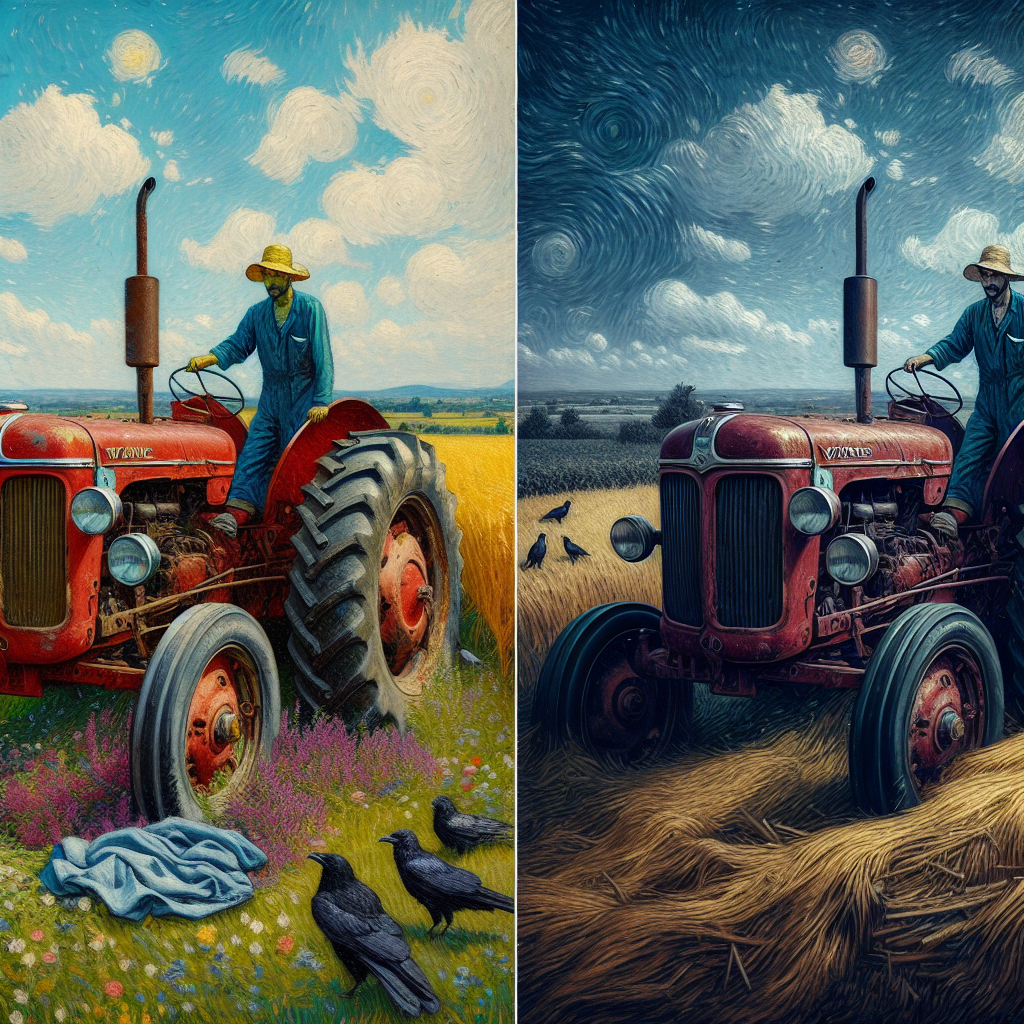
What Impact Do Dealer Delays Have on Your Harvest Profits?
What Impact Do Dealer Delays Have on Your Harvest Profits?
- Harvest anticipation rises with the sun, highlighting the importance of agricultural equipment.
- Delays in equipment delivery can lead to overripening crops, lost revenue, and emotional distress for farmers.
- Such delays strain relationships between farmers and dealers, affecting trust and collaboration.
- Local economies suffer as delayed harvests impact suppliers, banks, and the community at large.
- Calls for farmers to consider alternative partnerships to mitigate the effects of delays.
- Building a network of support among farmers can enhance resilience against future challenges.
- Community cooperation is essential for turning challenges into opportunities for growth.

What Impact Do Dealer Delays Have on Your Harvest Profits?
How Can You Measure the Cost Of Waiting for Dealer Supplies?
Measuring the cost of waiting for dealer supplies is like watching your tractor sit idle in a field, grass growing high around it, while the harvest waits for no one. That’s the gut punch of delay—an emotional hit that resonates with every farmer or dealer who’s experienced the frustration of not having the parts or products they need when they need them.
In a world where time is money, understanding the true cost of waiting extends beyond just dollars and cents; it reaches into your heart, your head, and the very core of your operation. Imagine the moments lost, the opportunities squandered when that essential component sits on a slow boat or is stuck in a warehouse, simply because someone didn’t anticipate demand. It’s an ethical issue too, balancing the urgency of your business against the sluggishness of supply chains. Every day you wait could mean a delay in serving your customers, ultimately leading to lost trust and reliability—you can’t just run a business on good intentions.
Rationally, think about the ripple effect. A few days of waiting can translate into lost productivity, delayed projects, and even diminished morale for your crew. Picture a farmer caught in the crush of the harvest season, waiting on a crucial tractor part. Each hour is a balancing act of stress and urgency—a mental burden that weighs heavy. The cost, then, isn’t just in money—it’s in the momentum of the whole enterprise.
Authority in this space comes from those who’ve been there. There are stories of seasoned dealers who’ve learned to calculate not just the price of parts, but the price of delay. They understand their market’s rhythms and ebbing demands, and they stock accordingly, creating a safety net. This foresight builds a reputation, fosters connections, and inspires loyalty.
The best analogy might just be life itself. Just as we often wait for the right moment to act—whether it’s to plant a seed or make a big decision—businesses must assess the hidden costs of waiting. Embrace proactive planning and seek relationships with reliable suppliers. This isn’t just about waiting; it’s about strategically planting the seeds of your future success so that come harvest time, you’re ready, equipped, and thriving. That’s how you measure the true cost of waiting: not just the dollars lost, but the dreams deferred.

How Can You Measure the Cost Of Waiting for Dealer Supplies?
How Can You Measure the Cost Of Waiting for Dealer Supplies?
- The cost of waiting for dealer supplies impacts productivity and emotional well-being.
- Delays can affect customer trust and operational reliability.
- Understanding waiting costs involves both financial and ethical considerations.
- A few days of waiting may lead to significant ripple effects in business operations.
- Experienced dealers recognize the importance of anticipating demand and stocking accordingly.
- Proactive planning and reliable supplier relationships are vital for success.
- The true cost of waiting encompasses both monetary loss and deferred opportunities.

How Can You Measure the Cost Of Waiting for Dealer Supplies?
Are Your Harvest Outcomes Affected By Unreliable Dealers?
When it comes to farming, the relationship between a farmer and their dealer is like a partnership forged in the heart of the field. Your tractor isn’t just a hunk of metal; it’s the lifeblood of your operation, the tool that transforms hopes and dreams into tangible harvest. But what happens when that relationship deteriorates into unreliability? The emotional toll can be staggering. Imagine standing in a half-harvested field, watching the sun set on crops that could have thrived—just because a dealer didn’t deliver on time or sold you faulty equipment.
We all want to trust the people we work with. As your dealer, they hold a significant piece of your future. Ethically, you deserve transparency. When you purchase seeds or machinery, you’re banking not just your hard-earned money but also your livelihood. If that trust is compromised, it shakes the very foundation of your enterprise. The rational side of this equation is equally compelling. If your dealer skims on quality or delivers supplies late, you’re not just facing a temporary setback; you’re jeopardizing your entire season’s yield. A single reliable source can mean the difference between a hungry family and a fruitful one.
Let’s take a step back and consider a personal story. I once knew a farmer who, in his quest for savings, relied on a dealer who promised the world. The dealer’s flashy ads dazzled him, but when the time came, the tractor broke down in the middle of the harvest. The whispers of despair turned into community discussions. Suddenly, everyone knew that this dealer was more smoke than substance. The farmer felt the sting of embarrassment but also a powerful reminder of the importance of reliable partnerships.
This reality resonates with all of us, whether we’re farmers or not. It reminds us of any situation where trust is put to the test. Social connections matter. We lean on our communities for recommendations, for that word-of-mouth assurance to guide us. Buying from someone within your community—not just anyone who dangles a shiny deal—can foster a sense of unity and shared purpose.
Reliable dealers elevate your chances of a bountiful harvest. They become your steadfast allies in times of uncertainty, guiding you through the weeds and storms. Make the wise choice to build relationships based on trust and integrity, and watch how those connections yield not just better crops, but a richer, more fulfilling journey through the seasons of life.

Are Your Harvest Outcomes Affected By Unreliable Dealers?
Are Your Harvest Outcomes Affected By Unreliable Dealers?
- The farmer-dealer relationship is a crucial partnership in farming.
- A reliable dealer is essential for successful operations and can impact crop yields significantly.
- Trust and transparency are fundamental ethical considerations in dealings with agricultural suppliers.
- Unreliable dealers can lead to emotional and financial distress for farmers.
- Community recommendations are vital for building trust in vendor relationships.
- Buying from local dealers fosters unity and a shared purpose.
- Reliable partnerships contribute to better harvests and a fulfilling farming experience.

Are Your Harvest Outcomes Affected By Unreliable Dealers?
What Emotional Toll Do Delays From Dealers Take on Farmers?
Every farmer knows the sound of a tractor starting up—it’s the heartbeat of the farm. But when those familiar sounds are silenced by delays from equipment dealers, the emotional toll can be heavy. Imagine waking up before dawn, the sun barely peeking over the horizon, only to find your tractor grounded by parts that won’t arrive on time. It’s not just machinery; it’s a lifeline, a trusted companion, and a tool of survival.
Farmers invest not only their money but their hopes and dreams in these machines. They depend on them during the fleeting planting season, where every moment counts. When a tractor breaks down or a crucial part is delayed, it feels like a wave crashing down, threatening to wash away years of hard work. In these moments, anxiety mounts. The clock ticks, and with it comes the weight of responsibilities: crops to plant, livestock to tend, and bills to pay.
Rationally, the delays can lead to significant financial losses. According to industry reports, each day a farmer is sidelined can result in thousands of dollars lost in potential revenue. Yet, the emotional impact runs deeper. Farmers often carry the burden of tradition, of family legacies tied to the land they cultivate. When equipment failure interrupts the rhythm of the farm, it chips away at their sense of identity.
Consider the story of a third-generation farmer who faced a week-long wait for a crucial tractor part. While he watched his fields lie fallow, his worries morphed into sleepless nights. He felt disconnected not just from his crops but from his purpose. That week felt like an eternity, a reminder of the fragility of the farming life.
The ethical implications of these delays also loom large. Equipment dealers are not just suppliers; they are partners in the agriculture journey. When they falter, the entire farming community feels the ripple effect. Farmers share their stories of displacement, creating a collective narrative that underscores their resilience but also their vulnerability.
This shared experience fosters connection among farmers, like the bonds formed over a good cup of coffee at a local diner. They become each other’s support system in an industry that thrives on mutual dependence. It reminds us that behind every delay is a story, a family, and a community striving to keep their hopes alive. Recognizing this human aspect turns mere frustration into a shared struggle, inspiring farmers to unite and advocate for better service and support from the very dealers they rely on the most.

What Emotional Toll Do Delays From Dealers Take on Farmers?
What Emotional Toll Do Delays From Dealers Take on Farmers?
- The sound of a tractor starting is essential for farmers, symbolizing the heartbeat of the farm.
- Delays from equipment dealers can lead to emotional distress and financial losses for farmers.
- Farmers invest their hopes and dreams in tractors, relying on them during critical planting seasons.
- A breakdown or delayed part can feel overwhelming, threatening years of hard work.
- The emotional toll includes a sense of identity tied to family traditions and the farming way of life.
- Support from equipment dealers is crucial, as their failures impact the entire farming community.
- This shared experience fosters connections among farmers, encouraging collective resilience and advocacy.

What Emotional Toll Do Delays From Dealers Take on Farmers?
How Do You Navigate the Frustration Of Dealer Wait Times?
Navigating the frustration of dealer wait times can feel like climbing a mountain with no summit in sight. You walk in, dreams of a fresh ride dancing in your head, only to find yourself stuck in a waiting room that seems designed to test your patience. Frustration builds as minutes stretch into hours; it’s easy to think you’re simply a cog in a machine that doesn’t quite understand your humanity. But what if there’s a way to turn that frustration into a proactive journey, much like tending to an old tractor that needs some care to run smoothly again?
First, let’s talk about expectations. Those glossy brochures and TV ads make it seem like a new car purchase should be an exhilarating ride—fast, efficient, and thrilling. Yet, when reality sets in at the dealer, we find ourselves in a world that often doesn’t match the hype. It’s a hard truth, but acknowledging that it’s not personal—just a working system filled with its own set of delays—can be a game changer. Understanding the ins and outs of a dealer’s operations can transform your experience from a frustrating wait into a moment of anticipation.
Imagine you’re waiting on that old tractor to get a tune-up. You know it’ll be worth it when you’re back out in the fields, working the land. In the same way, each minute spent waiting is an opportunity. Explore the showroom, engage with the sales staff, ask questions, and connect with others in the waiting area. Share stories. Find out how many miles they’ve driven and what adventures their vehicles have taken. This is your moment to build community—not just with the dealer, but with others experiencing the same frustrations.
Furthermore, use this time to educate yourself. Do you know the features of the model you want? Dig deeper into those statistics, seek advice from seasoned car enthusiasts, or even look at online forums. Knowledge empowers and transforms that waiting time from a chore into a journey of discovery.
Lastly, remember that your voice matters. If you feel that wait times are excessive or the process could be improved, speak up. Your feedback could spark changes, ultimately benefiting the next person in line. Patience doesn’t just weather the dealer’s wait time; it cultivates a stronger connection to the experience itself, much like reviving a cherished tractor that’s seen its fair share of work and memories. Embrace the wait, and turn it into something unique—your own story amidst the chaos of a dealership.

How Do You Navigate the Frustration Of Dealer Wait Times?
How Do You Navigate the Frustration Of Dealer Wait Times?
- Dealer wait times can feel frustrating and lengthy, akin to climbing an unending mountain.
- Expectations from advertisements can lead to disappointment when faced with real dealer operations.
- Acknowledging the systemic delays can help reshape the waiting experience into a positive one.
- Utilize wait time to explore the showroom, engage with staff, and connect with other customers.
- Take the opportunity to educate yourself about the car model and seek advice from enthusiasts.
- Your feedback on wait times can lead to improvements that benefit future customers.
- Embracing the wait can turn it into a unique personal experience amidst dealership chaos.

How Do You Navigate the Frustration Of Dealer Wait Times?
Can Improved Dealer Communication Enhance Your Harvest Planning?
In the heart of farming, where every sunrise brings a fresh opportunity and the scent of tilled soil fills the air, there’s an unseen but powerful factor that can dictate the success of your harvest: dealer communication. Picture this: you’re in the field with your trusty tractor, the sun beating down, and the crops are reaching their peak. Suddenly, your equipment falters. Instead of the smooth hum of machinery, you hear awkward sputters and clanks. Frustration bubbles up as you imagine the lost hours, the shrinking harvest window, and the choices that lie ahead.
Now, imagine if, before that moment ever arrived, you had established a strong line of communication with your dealer. When they understand your operation—your needs, the challenges you face, and the dreams you nurture—they can provide not just equipment, but tailored solutions. A well-informed dealer can offer insights on the right attachment for your tractor, ensuring that you aren’t just another customer but a partner in a shared journey. They can help you anticipate issues before they arise, turning heartache into strategic planning.
The emotional weight of farming is profound. Each season comes with hopes tied to financial stability and familial pride. Building trust with your dealer can create a safety net, an assurance that when those tough days come, you have someone who genuinely cares about your success. It’s about knowing that when you pick up the phone, it’s not just a transaction; it’s a conversation with someone who understands your land, your labor, and your legacy.
From a rational standpoint, the benefits are clear. Enhanced communication leads to better advice, more informed choices, and optimized operations. But let’s not forget the ethical dimensions at play. A dealer dedicated to fostering relationships acts in the best interest of this community. They aren’t just selling tractors; they’re fostering growth, sustainability, and local economy.
Remember, improved dealer communication is more than just efficient harvest planning; it’s about building a network of support. It’s about farmers supporting farmers and dealers recognizing their role in this intricate web. This mutual understanding transforms challenges into shared victories, making every harvest a celebration of both hard work and collaborative spirit. When we strengthen these connections, we do more than ensure a bountiful harvest; we cultivate a future rooted in trust, respect, and shared success.

Can Improved Dealer Communication Enhance Your Harvest Planning?
Can Improved Dealer Communication Enhance Your Harvest Planning?
- Effective dealer communication is crucial for farming success.
- Strong relationships with dealers lead to tailored solutions and insights.
- Proactive communication allows anticipation of equipment issues.
- Trust between farmers and dealers provides essential support during challenges.
- Enhanced communication improves decision-making and operational efficiency.
- Dealers play a vital role in supporting local economies and fostering growth.
- Building a network of support among farmers and dealers strengthens the agricultural community.

Can Improved Dealer Communication Enhance Your Harvest Planning?
Conclusion
In the world of agriculture, the phrase “the waiting game” takes on a heavy significance, often marking the fraught moments when dealer delays jeopardize farmers’ hard work and livelihoods. Picture a farmer rising early, pouring passion into their fields, only to be stymied by supply chain hiccups that keep their tractors grounded. Each day lost is not merely a number on a ledger; it’s a wound to their spirit and an attack on the community that hinges on these harvests.
Consider Sarah, a dedicated farmer who inherited her family’s land. A vital part failure led to a week of waiting that felt like an eternity. Watching her neighbors reap their rewards as she remained stalled was a bittersweet reminder of the fragility of farming life. It’s in these moments of frustration that the emotional, ethical, and practical implications emerge. Farmer networks rely on trust and collaboration, but delays fracture these bonds, leaving communities less resilient.
When equipment is delayed, the ripple effect spreads beyond the farm; it touches local suppliers, banks, and entire economies. Farmers share a collective narrative formed from these struggles, revealing the human experience behind the machinery and logistics. The stakes are high—dealing with uncertainty and lost time threatens not just individual livelihoods but the survival of regional agricultural ecosystems.
As we wrestle with the real impact of these delays, it’s clear that the key lies in remedying these broken connections. Manufacturers and dealers must step up, recognizing their vital role in keeping the farming community strong. Transparent and timely communication is essential, fostering stronger relationships rooted in trust and understanding. Imagine a world where farmers are not just waiting for parts, but actively engaging with dealers to ensure equipment meets their seasonal needs. This partnership could transform frustration into proactive planning, built on mutual respect for each other’s time and labor.
Ultimately, any delay should never cost a harvest. Embracing new frameworks for support and collaboration, particularly between farmers and their dealers, can lead to profound changes. Together, we’ll not only survive the waiting game but redefine it as a time for growth, collective strength, and ultimately, a richer harvest that reflects our shared perseverance and determination. Let’s empower farmers to reclaim their time, heart, and legacy so the waiting game becomes a thing of the past.

Conclusion
Conclusion:
- The phrase “the waiting game” signifies crucial moments for farmers impacted by dealer delays.
- Delays in equipment can severely affect farmers’ operations and emotional well-being.
- Frustrations from delays can erode trust within farmer networks and weaken community resilience.
- Delays have a broad impact, affecting local suppliers, banks, and the economy as a whole.
- Transparent communication between manufacturers and dealers is essential to support farmers.
- Building partnerships can turn delays into proactive planning and mutual respect.
- Empowering farmers to reclaim their time can transform the waiting game into opportunities for growth.

Conclusion
Other Resources

Other Resources
Here is a list of other resources you can review online to learn more:
- Porsche
- Agriculture Heritage Center & Museum
- Haas
- Cletrac
- California Antique Farm Equipment Show
- IngersollRand
- TwinCity
- YANMAR
- Benefits of Classic Tractors
- AgTrac
- Summit Tractors
- Froelich Tractor Museum
- Deutz-Allis
- General Ordnance
- NEATTA
- Yanmar
- South Dakota Tractor Museum
- Steiger
Use This Prompt To Get More Resources With Your Favorite Online AI Tool: Please provide me with a list of online articles with their URLs in a bulleted list that I can read regarding The Waiting Game – Dealer Delays Costing Harvests

Other Resources
Glossary Terms
The Waiting Game – Dealer Delays Costing Harvests – Glossary Of Terms
1. Harvest window: The limited time period when crops reach optimal maturity and must be harvested to preserve yield and quality.
2. Dealer delay: Postponement from an equipment or input supplier that prevents timely delivery, service, or parts replacement.
3. Lead time: Time elapsed between placing an order and receiving goods or services.
4. Backorder: An order that cannot be fulfilled immediately because stock or parts are unavailable.
5. Parts shortage: Insufficient availability of replacement components needed for repairs.
6. Service queue: The line of machines awaiting dealer inspection, repair, or maintenance.
7. Equipment downtime: Period when machinery is nonfunctional and unavailable for use.
8. Field idle time: Hours or days fields remain unworked because equipment or labor is delayed.
9. Crop loss: Reduction in harvestable production due to delayed harvesting, damage, or spoilage.
10. Spoilage: Deterioration of harvested or ready-to-harvest crops from biological or environmental factors.
11. Perishability: The degree to which a crop degrades quickly after maturity without intervention.
12. Allocation policy: Dealer rules or criteria that determine how scarce parts or equipment are distributed.
13. Priority scheduling: System that ranks service requests to determine which receive attention first.
14. Emergency parts: Critical components identified for immediate shipment to restore operations.
15. Expedited shipping: Faster transport method used to reduce delivery times at higher cost.
16. Contingency plan: Predefined actions a farm executes to mitigate the impact of delays.
17. Seasonal peak: Time of concentrated demand for equipment, services, or inputs tied to harvest cycles.
18. Logistics bottleneck: Constraint in transport, storage, or distribution that slows supply flows.
19. Warranty processing: Administrative and technical steps required to approve and complete warranty repairs.
20. Pre-season maintenance: Preventive servicing performed before harvest to minimize failure risk.
21. Inventory management: Systems and practices for tracking and replenishing parts and supplies.
22. Purchase order backlog: Accumulation of unfilled orders awaiting fulfillment by a dealer or supplier.
23. Dealer communication: Exchange of status, timelines, and expectations between farmer and dealer.
24. Allocation shortfall: The gap between requested and supplied quantities when resources are limited.
25. Cost of delay: Monetary losses incurred from postponed harvesting, lower quality, or missed markets.
26. Yield penalty: Decrease in crop output attributable to delayed harvest or inadequate equipment.
27. Opportunity cost: Value of alternative activities or revenue lost because resources were tied up during delays.
28. Cold chain disruption: Breaks in temperature-controlled handling that compromise perishable crops.
29. Remote diagnosis: Use of telemetry or diagnostic tools to identify machine faults without on-site inspection.
30. Temporary replacement: Short-term equipment or part substitutes deployed to complete harvest tasks.

Glossary Of Terms
Other Questions
The Waiting Game – Dealer Delays Costing Harvests – Other Questions
If you wish to explore and discover more, consider looking for answers to these questions:
- What are the most common causes of dealer delays?
- How long are typical lead times for tractors, parts, and implements?
- Which parts or equipment are most prone to supply chain disruptions?
- How can farmers accurately calculate the financial loss from delayed harvests?
- What non-financial costs (stress, legacy impact, community effects) arise from delays?
- What legal or contractual remedies exist if a dealer fails to deliver on time?
- How much responsibility lies with manufacturers versus local dealers for delays?
- How can farmers vet a dealer’s reliability before making large purchases?
- What specific questions should farmers ask dealers about inventory, lead times, and backorders?
- Are there insurance options or financial instruments that cover income lost due to equipment delays?
- How can farmers access emergency rental equipment or short‑term replacements during peak seasons?
- What cooperative models or equipment‑sharing networks exist to reduce individual vulnerability to delays?
- Which communication practices from dealers most reduce farmer uncertainty and downtime?
- What digital tools or platforms help track orders, shipments, and part availability in real time?
- How do global supply chain factors (shipping delays, component shortages) specifically affect agricultural equipment availability?
- Which crops and planting/harvest windows are most at risk from equipment delays?
- What preventive maintenance or on‑farm skills can reduce reliance on external repairs during critical periods?
- How should farmers prioritize repairs, purchases, and resources as harvest windows approach?
- What are best practices for negotiating delivery timelines, penalties, or priority service with dealers?
- How can manufacturers and dealers redesign inventory and fulfillment to better support seasonal farming needs?
- Are there government programs, subsidies, or disaster relief options that help farmers affected by delayed equipment?
- What performance metrics should dealers publish (e.g., on‑time delivery rate, fill rate) to build trust?
- How do warranty and service policies impact access to replacement parts and repair timelines?
- What role can aftermarket suppliers and third‑party parts play in reducing downtime?
- How can farms implement resilient procurement strategies (safety stock, multiple suppliers, earlier ordering)?
- What training, toolkits, or diagnostic resources help farmers perform faster field repairs themselves?
- How can predictive planning using weather and yield data mitigate the risk from potential delays?
- What real‑world case studies show successful mitigation of dealer delays and their strategies?
- How should farmers document and report losses from delays for insurance claims or vendor compensation?
- What community or policy changes would reduce systemic dealer delays and improve rural supply resilience?

Other Questions
Haiku
The Waiting Game – Dealer Delays Costing Harvests – A Haiku
Waiting for supplies,
Silent thief steals harvest dreams—
Hope grows through our bonds.

Haiku
Poem
The Waiting Game – Dealer Delays Costing Harvests – A Poem
In fields of promise, where dreams take flight,
Farmers toil beneath the sun’s warm light.
With hope in their hearts, they sow and they sweat,
Yet delays loom large, drowning them in regret.
The waiting game, a thief in the night,
Steals their harvest, their labor, their might.
Tractors stand idle, their engines unheard,
While crops fade and wither, dreams deferred.
Sarah, a farmer, her legacy tied,
Watches as time drifts, her spirit denied.
In solidarity, the community feels,
The sting of those losses, the weight that conceals.
Each moment unyielded, a future at stake,
Reveals the connections that strengthen or break.
Trust is a fragile thread woven in grain,
When dealers delay, lives can be shattered by pain.
But through shared strife, new bonds can ignite,
Turning frustration to courage, forging the light.
Let’s rise, hand in hand, against this cruel fate,
Empower each other, for cooperation creates.
So here’s to the farmers, resilient and wise,
Who navigate challenges, reaching for the skies.
In the heart of the struggle, the lesson we glean—
Every delay is a call to unite, a chance to glean.

Poem
Checklist
The Waiting Game – Dealer Delays Costing Harvests – A Checklist
Emotional Readiness
✅______ Acknowledge feelings of frustration and helplessness when faced with delays.
✅______ Share experiences with fellow farmers to build emotional support.
Rational Planning
✅______ Assess the true cost of delays on your operation (e.g., financial losses, missed harvest windows).
✅______ Develop a timeline for critical equipment needs based on past experiences.
Establish Partnerships
✅______ Build strong relationships with reliable dealers who prioritize communication and transparency.
✅______ Network with other farmers to create a cooperative resource-sharing plan.
Communication Strategy
✅______ Maintain open lines of communication with dealers regarding order status and potential delays.
✅______ Provide feedback to dealers about what improvements can be made to enhance service.
Resource Management
✅______ Create a contingency plan for unreliable parts or equipment, including backup suppliers or renting alternatives.
✅______ Keep an inventory of essential parts to mitigate the impact of future delays.
Community Engagement
✅______ Engage with local agricultural organizations to advocate for improved dealer performance.
✅______ Attend community meetings to discuss shared challenges and solutions with peers.
Proactive Education
✅______ Stay informed about market trends that affect supply chain dynamics.
✅______ Educate yourself about equipment maintenance to minimize downtime.
Emotional Support Systems
✅______ Participate in farmer support groups to share insights and coping strategies.
✅______ Use stress-relief techniques like mindfulness or community gatherings to manage anxiety.
Navigate Delays with Purpose
✅______ Turn waiting into productive time by researching equipment features and engaging with others.
✅______ Document experiences with delays for future reference and discussion with dealers.
Legacy and Ethics
✅______ Reflect on the impact of your choices and partnerships on the farming community.
✅______ Advocate for ethical practices in agriculture that benefit both farmers and dealers alike.

Checklist
At ClassicTractorNews, we help tractor lovers keep up with the latest news for classic and vintage tractors.
Please share this post with your friends, family, or business associates who may like old classic or vintage tractors.