


Uncovering The Hidden Costs Of Modern Tractor Ownership
By Tom Seest
At ClassicTractorNews, we help tractor lovers keep up with the latest news for classic and vintage tractors.
Please share this post with your friends, family, or business associates who may like old classic or vintage tractors.
The True Price Of Convenience – Modern Tractor Ownership Exposed
In the heart of rural America, there’s a powerful connection between a person and their tractor. These machines, often viewed merely as tools of convenience, are in fact, symbols of hard work and dedication. The allure of modernity invites us to think that the latest tractor model can simplify our lives, but beneath the shiny surface lies a truth that demands our attention.
Imagine a farmer, standing proud beside his prized tractor—a mechanical beast that promises to lighten his load and multiply his yield. Yet, what he might not realize is that this convenience comes with a price tag that extends beyond dollars and cents. Each purchase represents not just a financial decision but a moral one that weighs heavily on the landscape of our communities and traditions.
Tractors produce a sense of authority and efficiency, yet we must consider the hidden cost: the loss of time-honored practices that once defined rural life. Generations have poured sweat and laughter into the land, forging a bond between soil and soul. Every time we opt for the latest gadget, we risk replacing the rhythm of our labor with a sterile hum of machinery. It’s a seductive trade-off—promising more while demanding less.
One might argue that modern tractors are simply adapting to changing times. But let’s look a little deeper. When did we start valuing speed over skill? If you’ve ever sat behind the wheel of an old tractor, you understand the connection formed by the toil, the bumps along the road, and the minor heartbreaks that come from maintaining something with your own hands. Owning a tractor shouldn’t just be about productivity; it should also embrace the narrative of grit and perseverance that is so vital to our identity.
As we gather around the dinner table, we share stories not just of the bountiful harvests, but of struggles, triumphs, and the life lessons etched in the fabric of our labor. This is where community thrives—not in calculated efficiencies but in shared experiences, hard-fought victories, and the echoes of laughter that linger long after the engines cool.
So, the next time you’re staring at that shiny new tractor, consider what it truly represents. Is it merely a tool to streamline your day, or is it a bridge to the legacy of those who came before? Every choice we make, whether grounded in convenience or steeped in tradition, shapes not only our lives but the threads of connection that bind us to each other and to the land we cherish.

The True Price Of Convenience – Modern Tractor Ownership Exposed
The True Price Of Convenience – Modern Tractor Ownership Exposed
- Tractors symbolize hard work and dedication, not just convenience.
- Modern tractors may simplify tasks but come with hidden costs affecting community and tradition.
- Each purchase represents a financial and moral decision impacting rural life.
- Choosing modernity risks losing time-honored practices that define rural identity.
- Owning a tractor should reflect not just productivity, but also grit and perseverance.
- Community thrives on shared experiences and stories, rather than efficiency.
- Consider whether a new tractor is merely a tool or a connection to legacy and tradition.

The True Price Of Convenience – Modern Tractor Ownership Exposed
Table Of Contents
- The True Price Of Convenience – Modern Tractor Ownership Exposed
- What Emotions Drive Our Attachment to Convenience?
- Is the Ease Of Ownership Worth the Hidden Costs?
- How Does Modern Tractor Ownership Impact Our Communities?
- What Stories Of Struggle Illustrate the Weight Of Convenience?
- Are We Sacrificing Quality for the Allure Of Convenience?
- What Ethical Considerations Arise with Tractor Ownership?
- Conclusion
- Other Resources
- Glossary Of Terms
- Other Questions
- Haiku
- Poem
- Checklist
What Emotions Drive Our Attachment to Convenience?
In a world that thrives on immediacy, the attachment to convenience runs deeper than mere preference. It’s a binding emotion that connects us to our everyday experiences, often driven by a blend of nostalgia, urgency, and the need for control. Picture an old tractor, a stalwart machine that has weathered seasons, embodying both labor and solace. Just as that tractor harnesses the land’s potential, our reliance on convenience often stems from the desire to streamline our lives, to optimize every moment while navigating the chaos of modernity.
At first glance, convenience may seem purely practical, yet it evokes strong emotions. Consider a single mother juggling work and home; a microwave dinner provides a bridge between exhaustion and nourishment. In these moments, convenience is not just a shortcut but a lifeline, allowing her to reclaim fleeting moments for connection with her children. The weight of that emotional reality makes convenience a deeply prioritized companion in our daily lives, fostering a sense of security amidst the unpredictability of time.
Rationally, convenience preserves our energy and enhances productivity. We seek tools that reduce friction in our lives—technology, fast food, and online shopping have become staples, driven by the promise of efficiency. Yet, the underlying question remains: Is quicker always better? This is where the ethics of convenience come into play. When we prioritize ease over quality, we risk losing touch with the things that matter, like authentic connections and meaningful experiences. Our gut instinct tells us that some efforts, like cooking a hearty meal from scratch with loved ones, transcend the allure of convenience, feeding not just our stomachs but our souls.
Socially, we find ourselves ensnared in a web of expectation. Friends post about their effortless lives filled with streamlined routines, nudging us toward the same path of convenience. It’s a collective dance where we often feel pressured to conform, to keep pace with a society that celebrates efficiency over authenticity. Yet, let’s not forget the simple joy of raking leaves in the autumn sun or the satisfaction of fixing something broken—experiences that can’t be reduced to swipe-left simplicity.
Ultimately, our attachment to convenience is a delicate balance between necessity and connection. It’s the daily tug-of-war between what makes life easier and what enriches it. As we embrace modern conveniences, we must also cultivate moments that nurture our hearts and minds, reminding us that sometimes, the best things in life are worth the effort, just like that old tractor, which continues to remind us of our roots amidst the fast-paced demands of today’s world.

What Emotions Drive Our Attachment to Convenience?
What Emotions Drive Our Attachment to Convenience?
- The attachment to convenience is driven by nostalgia, urgency, and control.
- Convenience can provide emotional support, such as for a single mother needing quick meals.
- It enhances productivity by reducing friction through technology and services.
- There is a risk in prioritizing convenience over quality and meaningful experiences.
- Social expectations can pressure individuals to conform to a life of convenience.
- Simple joys and traditional efforts can offer deeper satisfaction than convenience.
- A balance between convenience and meaningful connections is essential for a fulfilling life.

What Emotions Drive Our Attachment to Convenience?
Is the Ease Of Ownership Worth the Hidden Costs?
Is the Ease of Ownership Worth the Hidden Costs?
In an age where instant gratification is the norm, the allure of effortless ownership glimmers like a freshly polished tractor in the sun. But amidst the gleaming surface, hidden costs demand our attention, challenging us to ponder whether that ease truly justifies the price we pay, both financially and ethically.
Think about it. Many of us dream of owning things that simplify our lives—like that shiny tractor you see in the neighbor’s yard. It represents not just horsepower but a way to transform acreage into a canvas of productivity. Yet, before you hop on and rev the engine, consider the maintenance costs, the insurance premiums, and the hidden repairs that can turn your dream into a financial burden. The joy of ownership can quickly be overshadowed by a parade of unexpected bills, and that initial thrill can morph into a daunting responsibility.
This isn’t just about money. The decision to own something taps into our very essence—our desire for freedom, control, and connection. Think of the stories passed down through generations, where tractors weren’t simply machines but symbols of hard work and resilience. They helped plant crops that fed families and communities, bridging the gap between labor and sustenance. When we consider ownership, we must ask: Are we ready to shoulder the legacy, the responsibility, and the ethical implications of what that tractor represents? It’s a blend of nostalgia and reality, where the romance of simplicity clashes with the grit of maintenance.
Now, let’s talk about community. There’s something that binds us together when we share our experiences, good and bad. A neighbor might share a story about the time his tractor broke down mid-harvest, turning a day of efficiency into a frantic race against the clock. These tales not only foster connection but also serve as reminders of the collective burden we bear when we chase ease. We all want to believe that ownership leads to freedom, but sometimes it shackles us to the very expectations we seek to escape.
Ultimately, the question isn’t merely whether the ease of ownership is worth hidden costs. It’s about understanding what that ownership means to us and how it shapes our lives, the lives of others, and the world we inhabit. In choosing ownership, we navigate a complex landscape of emotions, responsibilities, and values. The next time you’re tempted to dive into ownership, think well beyond the initial cost. The true price often lies not just in dollars, but in the stories, connections, and legacy you choose to embrace—or to leave behind.

Is the Ease Of Ownership Worth the Hidden Costs?
Is the Ease Of Ownership Worth the Hidden Costs?
- The allure of effortless ownership is appealing but often comes with hidden costs.
- Ownership can lead to unexpected financial burdens from maintenance, insurance, and repairs.
- Ownership reflects deeper desires for freedom, control, and connection with a legacy.
- Tractors symbolize hard work and community, representing the balance between nostalgia and responsibility.
- Shared experiences, both positive and negative, strengthen community bonds around ownership challenges.
- Ownership may lead to freedom, but it can also result in new expectations and burdens.
- Understanding the true cost of ownership involves considering emotional, ethical, and social implications beyond money.

Is the Ease Of Ownership Worth the Hidden Costs?
How Does Modern Tractor Ownership Impact Our Communities?
In the heart of our rural communities, the modern tractor is more than just a piece of equipment; it’s a lifeline. It symbolizes hard work and resilience, echoing the values that have been passed down through generations. Picture a local farmer, early in the morning, dust swirling as the sun begins to rise. Behind the wheel of a state-of-the-art tractor, they prepare the land, not just for their family, but for the entire community. This machine does more than plow fields; it cultivates connections.
The economic impact of tractor ownership extends far beyond the fields. These powerful machines enable farmers to increase their productivity, making it possible to feed a growing population with fewer resources. According to recent studies, every tractor translates to increased yield and efficiency, allowing farmers to invest more resources back into their communities. Local businesses thrive as farmers purchase supplies, hire workers, and support the very fabric of rural life.
Emotionally, the stories shared among neighbors about technology and tradition stitch together a shared narrative. A tractor can be the central character in tales of hope and determination, embodying the spirit of the community—a tool that transforms aspiration into reality. Consider the evening gatherings where families tell stories of challenges overcome, each narrative punctuated by the rumble of engines, their voices rising and falling like the crops they nurture. This connection fosters trust and solidarity, reminding us that progress doesn’t mean leaving the past behind.
Ethically, there’s a responsibility that comes with tractor ownership. With great power comes the potential to steward the land more sustainably. Community leaders are now advocating for practices that prioritize soil health and environmental stewardship—ideas that start when the tractor’s engine starts. Farmers are transitioning to regenerative agricultural practices, bridging the gap between production and conservation, shaping a future that respects both the land and the generations yet to come.
Ultimately, modern tractor ownership serves as an anchor for these rural communities. It’s a reminder that as we invest in technology, we must also invest in our relationships and values. Each time that engine roars to life, it’s not just work being done; it’s a heartbeat pulsing through the community, a promise for a better tomorrow sustained by the hands of those who understand the true power of the tractor. Together, we drive toward a future that embraces innovation while cherishing the past, cultivating not only the land but the bonds that tie us all.

How Does Modern Tractor Ownership Impact Our Communities?
How Does Modern Tractor Ownership Impact Our Communities?
- The modern tractor is essential for rural communities, symbolizing hard work and resilience.
- Tractors enhance productivity, enabling farmers to feed a growing population with fewer resources.
- Each tractor contributes to local economies by allowing farmers to reinvest in their communities.
- Shared stories about tractors foster emotional connections and community solidarity.
- There is a growing ethical responsibility among farmers to practice sustainable land stewardship.
- Tractor ownership supports the transition to regenerative agricultural practices that respect the land.
- Overall, tractors serve as a vital link between technology, community values, and a sustainable future.

How Does Modern Tractor Ownership Impact Our Communities?
What Stories Of Struggle Illustrate the Weight Of Convenience?
In a world where convenience reigns supreme, we often overlook the rough-edged narratives that remind us of the grit and tenacity it takes to carve out a life worth living. These stories of struggle, woven through labor and resilience, illuminate the true cost of convenience in our lives, revealing the sacrifices often made in the name of ease.
Take, for instance, the farmer who rises before dawn, her hands rough from the toil of tilling the soil, driving a tractor across fields that were once mere dreams. Each morning, she faces a relentless battle against the elements, pests, and market forces. But it’s her determination, forged through countless struggles, that helps her harvest not just crops, but a deep-seated pride in her work. This is not a mere 9-to-5; it’s a life of commitment that the average consumer rarely contemplates as they pick up pre-packaged goods at the supermarket.
This narrative strikes at the heart of the matter. Convenience might allow us to save time, but what are we sacrificing in the process? The farmer’s story invites us to consider the people behind our products and the journey those products take before they reach our plates. Each bite of convenience comes with a cost that extends far beyond dollars and cents; it encompasses lost traditions, labor missed, and stories untold.
When we choose convenience, we often overlook the ethical weight it carries. We may unwittingly support systems that prioritize profit over people, pushing those who struggle for survival aside. By reflecting on these sacrifices, we connect to a broader social fabric that ties us to those laboring in fields, factories, and workshops. Just like the farmer whose early morning routines resonate with countless others who work hard for their families, these stories remind us to value the sweat and sacrifice that lay the groundwork for our comforts.
Let’s not lose sight of the heroism found in mundane struggles. For every easy meal, there’s a narrative of persistence—a story of a grandmother preserving recipes and traditions, or a single parent juggling multiple jobs to provide for their children. These narratives invite us to reassess our relationship with convenience, urging us to recognize and honor the hard work that makes our comfort possible. Knowing that each quick fix comes with its own tale can inspire us to seek a deeper connection to the stories surrounding our lives, fostering a sense of gratitude for those who toil tirelessly. The weight of convenience is heavy, but the stories worth telling are those of resilience, sacrifice, and unwavering resolve.

What Stories Of Struggle Illustrate the Weight Of Convenience?
What Stories Of Struggle Illustrate the Weight Of Convenience?
- Convenience often obscures the narratives of struggle and resilience that define meaningful lives.
- The farmer exemplifies the hard work and commitment behind food production, often unacknowledged by consumers.
- Each convenience item carries costs beyond money, including lost traditions and untold stories.
- Choosing convenience raises ethical concerns, potentially supporting profit-driven systems over human dignity.
- The stories of laborers connect us to a broader social fabric, emphasizing the sacrifices made for our comforts.
- Every easy meal has a backstory, showcasing persistence from various individuals like grandmothers and single parents.
- Recognizing these narratives fosters gratitude and a deeper connection to those who work hard for our comforts.

What Stories Of Struggle Illustrate the Weight Of Convenience?
Are We Sacrificing Quality for the Allure Of Convenience?
Are We Sacrificing Quality for the Allure of Convenience?
In a world that increasingly values speed, the notion that convenience could overshadow quality has become an urgent conversation. Picture this: a farmer, hands calloused and dirt-streaked, standing beside a well-worn tractor. It’s a 30-year-old machine, not the latest shiny model with automated systems and bells and whistles. This tractor carries stories of hard work and resilience, a testament to a time when persistence trumped instant gratification. That farmer knows every creak and groan of that tractor, understands its quirks, and, above all, trusts it to get the job done.
Now consider the allure of convenience: apps that promise grocery deliveries within the hour, fast fashion that offers the latest trends at unbeatable prices, and services that cater to every whim. While these innovations can save time and effort, they often trade depth for expediency. In our rush, we sometimes overlook the craftsmanship, the sweat equity, and the generational knowledge embedded in what we choose to sidestep.
When convenience becomes our standard, we run the risk of losing the essence of what makes a product or experience worthwhile. Quality emerges not just from materials or processes, but from the stories behind them. The legacy of that farmer’s tractor represents more than just machinery; it’s about sustenance, family, and a commitment to craft. The manufactured ease of today’s world offers a seductive promise, but it can also create a disconnection from the values that ground us.
Take a moment to reflect on your own life. When did you last choose the quick option over the meaningful one? Perhaps it was opting for a pre-packaged meal instead of a homemade dish, or rushing through a task rather than savoring the journey. Each choice, while convenient, chips away at the quality of our experience.
This isn’t merely about products; it’s about how we engage with our lives and communities. Striving for quality is an ethical choice that honors craftsmanship, relationships, and authentic connections. We have the power to choose quality, to engage with the world in a way that respects the hard work that goes into every tractor, every handmade item, every moment worth savoring.
Let’s reconsider what we value. Convenience may be enticing, but it’s the quality of our choices that truly enriches our lives. The next time you face the alluring convenience of a quick fix, remember the farmer and his trusted tractor, and ask yourself what you might be sacrificing in that trade.

Are We Sacrificing Quality for the Allure Of Convenience?
Are We Sacrificing Quality for the Allure Of Convenience?
- The conversation about convenience overshadowing quality is becoming urgent.
- A farmer’s well-worn tractor symbolizes hard work and resilience against instant gratification.
- Modern conveniences, like grocery delivery apps and fast fashion, often prioritize speed over craftsmanship.
- Choosing quick options can lead to overlooking the value of quality and the stories behind products.
- Quality is derived from the effort, relationships, and traditions that inform how products are made.
- Striving for quality enriches our lives and fosters authentic connections within communities.
- Rethink personal choices between convenience and meaningful engagement to preserve quality in experiences.

Are We Sacrificing Quality for the Allure Of Convenience?
What Ethical Considerations Arise with Tractor Ownership?
Owning a tractor is about more than just horsepower and torque; it’s a deeply rooted connection to the land, a tribute to hard work, and a profound responsibility to the community. When we turn that ignition key, we’re not just starting an engine; we’re igniting questions about our roles in the ecosystem we’ve chosen to be part of.
At its core, tractor ownership brings with it ethical decisions that ripple beyond the fields and into the hearts of those around us. Consider the small farmer who invests not just in machinery but in a way of life. The tractor becomes a tool of liberation and productivity, enabling them to meet the growing demands of society. Yet, with this power comes the weight of stewardship. Are we using our tractors to cultivate the soil responsibly? Are we prioritizing sustainable practices, or are we simply chasing efficiency at the expense of the environment? The balance between abundance and sustainability hangs in the air like the dust clouds kicked up behind those tires.
Narratives matter, and personal stories resonate. One farmer I know recalls learning to operate his family’s tractor at just ten years old. The hum of the engine symbolized freedom, but it was also a lesson in accountability. Every furrow he plowed had implications—not just for his yields but for everything that depended on that land. Each time he tilled, he would think about future generations. Would this land sustain them, or would it be a hollow promise, frayed by neglect? His commitment to regenerative practices reframed his relationship with that tractor; it wasn’t just a machine, but a partner in a sacred obligation.
There’s an ethical authority in our choices, too. As consumers, we support brands and businesses that align with our values. Understanding the source of our tractors—whether they are built with sustainable materials or at the expense of workers’ rights—forces us to confront our complicity in a broader narrative. Shouldn’t our choice of equipment reflect our commitment to ethical practices?
Finally, we must grapple with the social implications of owning a tractor. This isn’t just about the farmer; it’s about community. Healthy farms foster healthy communities. The way we manage our lands impacts our neighbors, the air we breathe, and the water we share. Tractor ownership isn’t an isolated act; it’s a thread woven into the larger fabric of our social contract.
In owning that tractor, we wield not just a powerful tool, but also the potential to shape our future. The question is: How will we choose to drive it?

What Ethical Considerations Arise with Tractor Ownership?
What Ethical Considerations Arise with Tractor Ownership?
- Owning a tractor represents a connection to the land and a commitment to community responsibilities.
- It involves ethical decisions that affect not only farming practices but also the broader ecosystem.
- The tractor acts as a tool for liberation and productivity, enabling farmers to meet societal demands.
- Stewardship is essential; farmers must balance efficiency with sustainable practices.
- Personal stories highlight the accountability associated with farming and its impact on future generations.
- Consumer choices regarding tractor sources reflect personal values and ethical considerations.
- Tractor ownership influences community health, emphasizing its interconnection within the social fabric.

What Ethical Considerations Arise with Tractor Ownership?
Conclusion
In rural America, the tractor stands as more than just machinery; it embodies the spirit of hard work, tradition, and connection to the land. As the allure of modernity pulls us toward convenience, it’s essential to recognize the hidden costs that accompany this shift. The choice to invest in a new tractor often comes with not just financial implications but a moral dilemma that reverberates through the backbone of our communities.
Each purchase of a modern tractor symbolizes authority and efficiency, yet it risks overshadowing time-honored agricultural practices that shaped our way of life. When we favor convenience over craftsmanship, we forsake the sweat, laughter, and stories that tie generations to their work. The old tractors, with their creaks and groans, remind us of the hands that shaped them and the bonds forged in toil. The question arises: Are we trading the rich narratives of hard work for the sterile ease of new technology, and is this a trade worth making?
The emotional pull of convenience often stems from a desire for control, especially in a world increasingly defined by rush and chaos. For many, convenience is a lifeline—ensuring a hot meal is prepared on a tight schedule, allowing for fleeting moments of connection amid demanding lives. Yet, this pursuit of ease may lead us to overlook the richness of authentic experiences and the ethical implications of our choices. Convenience often masks a deeper reality; it can foster disconnection from those who labor to provide our comforts.
Community thrives not on calculated efficiencies but on shared struggles and victories. Each tractor that rolls into a field carries echoes of stories—each breakdown and repair, each harvest and failure, adds to the communal narrative that nourishes our roots. The economic, social, and ethical dimensions of tractor ownership intertwine, prompting us to reflect on the implications of our choices for ourselves and the generations to come.
Ultimately, our relationship with tractors—and by extension, convenience—encapsulates a balance of necessity and connection. In embracing modern technology, we must not forsake the lessons of the past. The legacy of our choices—rooted in values and community—reflects the true measure of what it means to own a piece of machinery that has the power not only to cultivate land but to shape the very essence of who we are. In the end, the challenge lies in discerning what we truly value and recognizing that sometimes, the best things in life—like building connections and honoring traditions—are worth the effort.
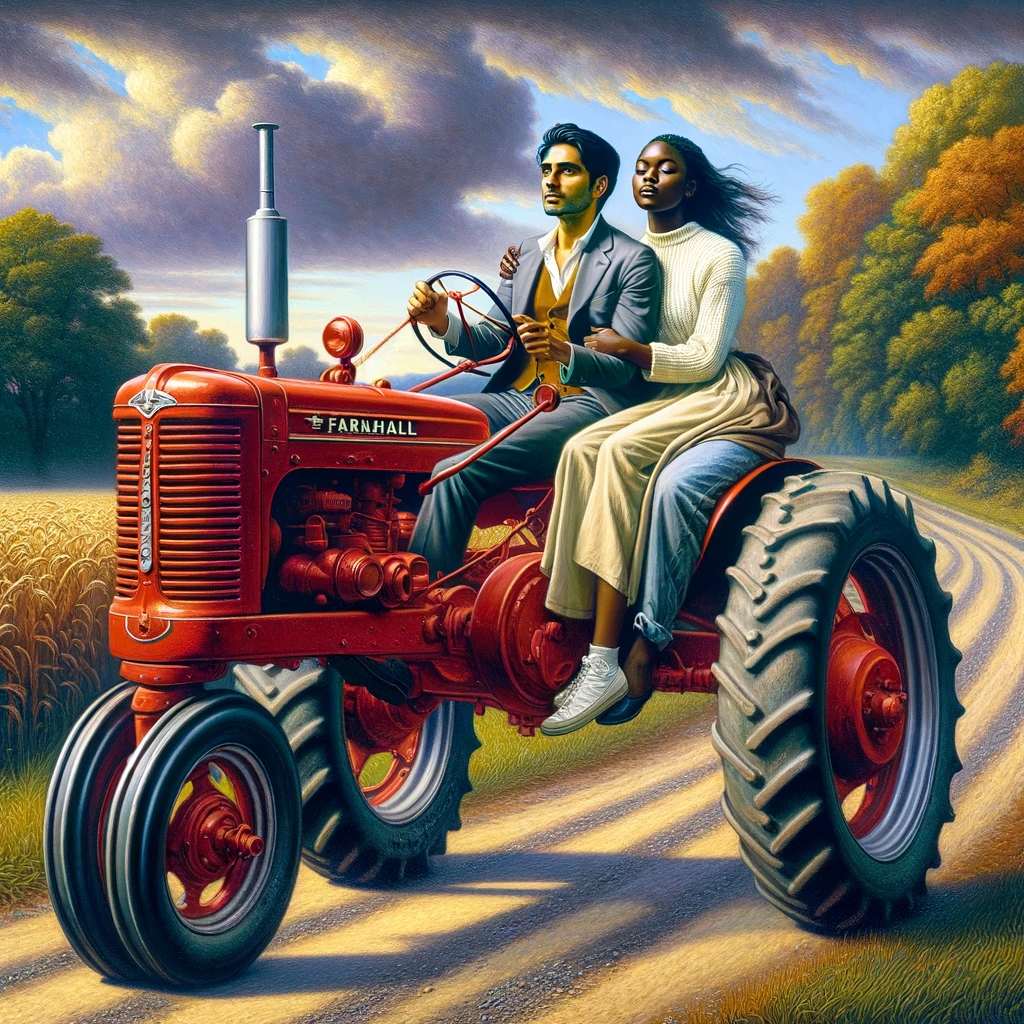
Conclusion
Conclusion:
- The tractor in rural America embodies hard work, tradition, and a connection to the land.
- Investing in modern tractors presents financial implications and moral dilemmas for communities.
- Choosing convenience risks overshadowing time-honored agricultural practices and the stories behind them.
- The pursuit of convenience can lead to disconnection from authentic experiences and the labor that provides comfort.
- Community thrives on shared struggles and victories, adding to the communal narrative of agricultural life.
- The economic, social, and ethical dimensions of tractor ownership prompt reflection on our choices for future generations.
- Balancing modern technology with lessons from the past is essential to preserve values and connections.

Conclusion
Other Resources

Other Resources
Here is a list of other resources you can review online to learn more:
- Dillon Farm Museum
- Kirovets
- Hurlimann
- Agri-Power
- Deutz
- Monarch Tractor
- Allis Chalmers
- Steyr
- Gibson
- Barreiros
- Oliver
- National Farm Show Tractor Pull
- Fox River Tractor Company
- Heider
- Newark Vintage Tractor & Heritage Show
- Bima
- Eagle Manufacturing
- Massey-Harris
Use This Prompt To Get More Resources With Your Favorite Online AI Tool: Please provide me with a list of online articles with their URLs in a bulleted list that I can read regarding The True Price Of Convenience – Modern Tractor Ownership Exposed

Other Resources
Glossary Terms
The True Price Of Convenience – Modern Tractor Ownership Exposed – Glossary Of Terms
1. Total Cost of Ownership (TCO) — all expenses over the life of a tractor: purchase, financing, fuel, maintenance, insurance, taxes, and resale impact.
2. Depreciation — reduction in asset value over time; major hidden cost that lowers resale proceeds.
3. Capital Expenditure (CapEx) — upfront purchase and major upgrades or attachments capitalized on the balance sheet.
4. Operating Expenses (OpEx) — recurring day-to-day costs such as fuel, oil, consumables, and routine labor.
5. Financing Cost — interest, fees, and credit charges that increase the effective purchase price.
6. Lease vs Buy — financing choice that affects cash flow, tax treatment, and long-term cost exposure.
7. Fuel Efficiency — fuel consumed per hour or per hectare; directly affects operating expense and profitability.
8. Aftertreatment Consumables (DEF/AdBlue, DPF) — mandatory fluids and filters for emissions systems that add ongoing cost.
9. Emissions Compliance — regulatory requirements that increase complexity, maintenance, and repair costs.
10. Warranty Coverage — scope and duration of manufacturer protection; shapes risk of unexpected repair bills.
11. Extended Service Contracts — paid extensions of warranty/service that trade upfront cost for predictability.
12. Preventive Maintenance — scheduled inspections and part replacement intended to reduce failure risk and downtime.
13. Unscheduled Downtime — lost working hours and emergency repairs that erode productivity and income.
14. Parts Lead Time — delay between ordering and receiving parts; long lead times magnify downtime costs.
15. OEM vs Aftermarket Parts — original equipment versus third‑party parts with tradeoffs in price, fit, and warranty effects.
16. Right-to-Repair — legal and practical access to manuals, diagnostics, and parts for independent servicing.
17. Electronic Control Module (ECM) — computerized engine/transmission controllers whose failures can be costly and complex to fix.
18. Software Lock-In — vendor restrictions that prevent independent software changes or repairs, often requiring dealer intervention.
19. Firmware and Software Updates — manufacturer updates that can change functionality, require subscriptions, or impose fees.
20. Telematics — remote monitoring systems for location, performance, and fault data that often carry subscription costs.
21. Remote Diagnostics — ability to diagnose faults remotely; reduces service time but can create vendor dependency and fees.
22. Cybersecurity Risk — exposure of connected tractors to hacking, data theft, or malicious control.
23. Farm Data Privacy — ownership, access, and commercial use of data generated by machines and operations.
24. Subscription Model — ongoing fees for features or connectivity that convert capital purchases into recurring costs.
25. Planned Obsolescence — design or software practices that shorten useful life or reduce repairability to spur new sales.
26. Resale Value — market value when selling used equipment; affected by hours, maintenance history, software status, and brand.
27. Salvage Value — remaining worth at end of life for parts or scrap metal; influences lifecycle accounting.
28. Insurance Premiums — cost of insuring equipment against theft, damage, liability, and business interruption.
29. Specialized Training and Labor — cost and availability of qualified operators and technicians required for modern systems.
30. Total Productivity Cost — combined economic impact of machine reliability, uptime, efficiency, and the indirect costs of convenience features.

Glossary Of Terms
Other Questions
The True Price Of Convenience – Modern Tractor Ownership Exposed – Other Questions
If you wish to explore and discover more, consider looking for answers to these questions:
- What is the total cost of ownership for a modern tractor over 5, 10, and 15 years?
- How do purchase price, financing, insurance, fuel, and maintenance break down annually?
- How do repair and parts costs for new tractors compare to older models?
- What are typical unexpected repair scenarios and their average costs?
- How rapidly do modern tractors depreciate, and what affects resale value?
- Are financing plans and loan terms for tractors favorable to small farmers?
- What subsidies, grants, or tax incentives exist for purchasing modern agricultural equipment?
- How does ownership versus renting, leasing, or joining a machinery cooperative compare financially and socially?
- What is the availability and cost of replacement parts for specific brands and models?
- How repairable are modern tractors—do they support owner maintenance or require dealer-only service?
- What are the right-to-repair implications and legal protections for tractor owners?
- How does increasing tractor automation impact local farm labor and employment?
- What training and certifications are required to safely operate and maintain modern tractors?
- How do modern tractors affect soil health, erosion, and long-term land productivity?
- What are the lifecycle environmental impacts, including manufacturing, fuel use, and disposal?
- Are there low-emission or electric tractor options, and are they practical for different farm sizes?
- How do modern tractors influence community dynamics, skills transmission, and rural culture?
- What ethical concerns arise from manufacturer supply chains and labor practices?
- How does integrated technology (GPS, telematics, sensors) affect data ownership and farmer privacy?
- What cybersecurity risks exist for precision-ag equipment and how are they mitigated?
- How do modern tractors enable or hinder regenerative and sustainable farming practices?
- What insurance options and premiums should owners expect for modern equipment?
- How do warranties, service contracts, and extended coverage options compare in value?
- What are the common safety risks and accident statistics associated with modern tractors?
- How do operational costs vary by farm size, crop type, and regional fuel prices?
- What community or cooperative models help share costs and preserve traditional skills?
- How can owners assess the true return on investment (ROI) beyond immediate productivity gains?
- What are best practices for maintaining older tractors versus replacing them?
- How should a farmer decide between buying the latest model and refurbishing a trusted older machine?
- What happens at end-of-life—are tractors recyclable, and how should disposal be handled?
- Are there case studies or real-world examples showing long-term outcomes for owners who upgrade versus those who maintain older equipment?
- How do regulatory changes, emissions standards, and future legislation affect tractor ownership decisions?

Other Questions
Haiku
The True Price Of Convenience – Modern Tractor Ownership Exposed – A Haiku
Iron beast in the sun,
Roots and stories interlace,
Harvests of the heart.

Haiku
Poem
The True Price Of Convenience – Modern Tractor Ownership Exposed – A Poem
In fields where tradition meets the new,
A tractor stands, its duties true,
Not just a tool of labors grace,
But a bond with the earth, a sacred space.
With each rev of power that grumbles and groans,
Lives entwined are forged in the stones.
Yet convenience whispers, “Let go of the toil,”
As the harvest of stories fades back into soil.
Ownership brings a promise, gleaming bright,
But shadows of cost loom just out of sight.
For every quick fix, a legacy lost,
We balance productivity against the human cost.
A farmer’s hands, worn and wise,
Cultivate more than crops; hope never dies.
In laughter and struggle, community thrives,
As engines roar to life, it’s connection that drives.
But what of the old, with scars and grit?
In quality’s trade, convenience must sit.
With courage, we challenge the paths that we take,
For the heart of our labor, the memories we make.
So ponder the weight of your choices each day,
Is ease worth the price we forget on the way?
For in every harvest, let our spirits unite,
In fields of commitment, where roots take flight.

Poem
Checklist
The True Price Of Convenience – Modern Tractor Ownership Exposed – A Checklist
Emotional Connection
✅______ Reflect on your personal history with tractors or farming. What memories do they evoke?
✅______ Consider the stories shared in your community regarding the bond between farmers and their tractors.
Rational Assessment
✅______ List all costs associated with tractor ownership (purchase price, maintenance, insurance, fuel).
✅______ Evaluate the efficiency gains vs. the environmental impacts of modern tractors.
Ethical Reflection
✅______ Are the materials used in your tractor sourced sustainably?
✅______ Consider the working conditions under which your tractor and its parts were made.
Authority & Expertise
✅______ Seek advice from experienced farmers about the pros and cons of different tractor models.
✅______ Research reviews from agricultural experts on the long-term benefits and drawbacks of modern tractors.
Narrative Exploration
✅______ Document stories from local farmers about their experiences with old vs. modern tractors.
✅______ Create a family tree of tractor ownership and its significance through generations.
Social Considerations
✅______ Evaluate how your tractor choice affects your community (local economies, shared resources).
✅______ Participate in community discussions about sustainable practices and modern agricultural challenges.
Legacy Thinking
✅______ What legacy do you wish to leave with your tractor ownership?
✅______ Reflect on how your choices today will influence future generations of farmers.
Quality vs. Convenience
✅______ Assess the trade-offs between convenience and quality in your farming practices.
✅______ Consider how the pursuit of efficiency might affect the quality of your produce and the health of your land.
Impact on Traditions
✅______ Identify any traditional farming practices you might be neglecting in favor of modern conveniences.
✅______ Engage with older generations to learn farming techniques that honor past traditions.
Emotional Balance
✅______ Create a practice of gratitude for the hard work that goes into modern farming and tractor maintenance.
✅______ Find ways to incorporate community labor and shared experiences into your farming routine.

Checklist
At ClassicTractorNews, we help tractor lovers keep up with the latest news for classic and vintage tractors.
Please share this post with your friends, family, or business associates who may like old classic or vintage tractors.