


Unlocking Real Solutions: End The Cycle Of Tech Misery For Farmers
By Tom Seest
At ClassicTractorNews, we help tractor lovers keep up with the latest news for classic and vintage tractors.
Please share this post with your friends, family, or business associates who may like old classic or vintage tractors.
The Software Trap That’s Costing Farmers Millions
The Software Trap That’s Costing Farmers Millions
Imagine a farmer, standing amidst endless rows of corn, the sun just peeking over the horizon. His tractor, a reliable companion through countless seasons, sits idle in the field, its onboard software blinking with issues that are more complicated than the intricacies of the land itself. This is the crux of a growing crisis: farming technology, once a beacon of hope, has turned into a double-edged sword, where the promise of efficiency is overshadowed by costs and complexities that strangle rural livelihoods.
Consider the personal story of a third-generation farmer, Mike, who decided to invest in the latest precision farming software. He envisioned satellite imagery guiding his every move, optimizing his inputs and maximizing his harvests. But instead, he found himself tangled in a web of updates, subscriptions, and user agreements that felt more like a trap than a tool. Each glitch demanded expert help—help that came at a steep price, siphoning away hard-earned profits. The irony? A device meant to simplify his work ended up complicating it, leaving Mike to wonder if the innovation was truly worth the investment.
For many farmers, this scenario isn’t just theoretical; it’s a shared reality. Today’s technology is often designed with lofty ideals but rolled out without adequate training or support. This dissonance erodes trust and creates a divide, forcing farmers to choose between costly upgrades and the traditional methods that have sustained their families for generations. The ethical quandary here lies in the responsibility of tech companies to ensure that their products serve, rather than exploit, those who toil on the land.
Equally alarming is the social aspect of this trap. Farmers, traditionally pillars of their communities, feel the weight of their choices. As newer technologies rise, there’s an unspoken pressure to adopt them to stay competitive. Yet many find themselves alienated when their tractors—once symbols of independence—become shackled to software that demands more than it delivers.
We must face the uncomfortable truth: the agricultural sector is losing its heart in the mechanization of labor through software. As we gaze out over the fields, we must remember that farming is not just about profit margins or data points; it’s about people, their stories, their struggles, and their triumphs. To navigate this landscape means acknowledging the perils of dependency on technology that, while helpful, sometimes leads us away from the soil we love. Engaging in thoughtful discussions about ethical technology use in agriculture could sow the seeds for a more sustainable future, where farmers are equipped, not ensnared, by their tools.

The Software Trap That’s Costing Farmers Millions
The Software Trap That’s Costing Farmers Millions
- Farming technology, initially seen as beneficial, has become a source of complexity and cost for farmers.
- Farmers like Mike face challenges with precision farming software, leading to unexpected expenses and complications.
- Many farmers are pressured to adopt new technologies without sufficient training or support, undermining trust in these tools.
- Tech companies bear responsibility to ensure their products genuinely aid farmers rather than exploit them.
- Farmers experience social isolation as they navigate the pressure to keep up with advancements, losing their sense of independence.
- The agricultural sector risks losing its essence through dependence on complicated software solutions.
- Discussions on ethical technology use in agriculture are essential for creating a sustainable future that empowers farmers.

The Software Trap That’s Costing Farmers Millions
Table Of Contents
- The Software Trap That’s Costing Farmers Millions
- What Are the Hidden Costs Of Software for Farmers?
- How Does Software Impact Yield?
- Are Farmers Losing Control Over Their Data?
- What Ethical Concerns Arise From Agricultural Software?
- How Can Technology Enhance Sustainable Farming Practices?
- What Role Does Trust Play In Farmer-Software Relationships?
- Conclusion
- Other Resources
- Glossary Of Terms
- Other Questions
- Haiku
- Poem
- Checklist
What Are the Hidden Costs Of Software for Farmers?
What Are the Hidden Costs of Software for Farmers?
In the quiet hours before dawn, the hum of a tractor serves as a reminder of the hard work that defines the heart of farming. But these days, that same heart beats in sync with technology. While software promises efficiency and higher yields, the hidden costs can stack up like unbaled hay on a rainy day. It’s not just about the price tag; it’s about what lies beneath.
Picture a seasoned farmer, proudly eyeing his fields, yet feeling a subtle knot in his stomach as he navigates complex software systems. There’s a promise of precision agriculture, but who’s really accounting for the learning curve? The costs of training and troubleshooting often go overlooked. This isn’t just a spreadsheet; it’s a time commitment that can stretch thin already scarce resources, pushing good farmers toward a digital divide they never anticipated.
The emotional toll is just as significant. Imagine pouring years into your land, only to watch a malfunctioning system erode your confidence. You invest not just in software but in dreamscapes of prosperous harvests. When glitches devour these dreams, frustration replaces hope, turning the joy of farming into a constant battle against unseen obstacles.
Now, let’s tackle the ethical dimension. Many software packages come with hidden fees lurking in the fine print—annual subscriptions, exorbitant add-ons, and lack of transparency in data ownership. As farmers, you not only reap the produce but also invest in your community. When software companies prioritize profit over integrity, it feels like a betrayal against those who feed the world.
As the sun dips low on the horizon, consider the power of community. Farmers gather at local coffee shops, sharing stories of triumph and despair; a powerful network that can mitigate risks associated with software adoption. These conversations can transform fears into shared wisdom, reminding us that while technology can be daunting, it also offers the potential for incredible camaraderie.
The unique angle here is the shift toward a more communal model in embracing technology. By banding together, farmers can leverage collective bargaining in software purchases, creating not only financial savings but also a sense of solidarity. This isn’t merely about purchasing software; it’s about fostering trust and collaboration that can ripple outward, strengthening not just individual farms, but entire communities.
As the last light of day fades, it’s clear—navigating the hidden costs of software is not a solitary journey. It’s one that demands mutual support, shared experiences, and the understanding that together, farmers can cultivate not just crops, but a future where technology empowers rather than burdens.

What Are the Hidden Costs Of Software for Farmers?
What Are the Hidden Costs Of Software for Farmers?
- Software in farming promises efficiency and higher yields but comes with hidden costs.
- Costs of training and troubleshooting are often overlooked, adding to the financial burden.
- Malfunctioning systems can lead to emotional stress and erode farmers’ confidence.
- Many software packages have hidden fees, including subscriptions and add-ons.
- The prioritization of profit by software companies can feel like a betrayal to farmers.
- Community support can mitigate risks associated with software adoption.
- Farmers can leverage collective bargaining for better software deals, fostering solidarity.

What Are the Hidden Costs Of Software for Farmers?
How Does Software Impact Yield?
In the sprawling fields where tractors churn the earth and farmers toil with hope, software emerges as the silent partner that can dramatically elevate the rhythm of agricultural life. Imagine a day in the life of a farmer. The sun is just beginning to rise, casting a golden hue over the crops. The dependable tractor rolls out, but it’s not just the machine at work; it’s the cutting-edge software that truly drives success. It’s a symbiosis—where tradition meets technology, forming an alliance aimed not just at increasing yield, but at nurturing the very essence of farming itself.
Every season, farmers face trials that can make or break their harvests. From unpredictable weather patterns to pest invasions, each challenge requires more than just brawn; it demands insightful strategies. Here’s where software takes center stage. It processes data collected from weather forecasts, soil sensors, and crop health monitoring tools. Picture a farmer receiving a real-time alert about a sudden drop in temperature or an impending drought. That’s actionable information that can protect not just their livelihood, but their entire way of life.
Consider the story of a family farm that struggled with declining yields for years. The farmer, weary and burdened by the weight of tradition, decided to embrace precision agriculture software. Within a season, they could see exactly which plots produced the best yield, which needed specialized attention, and how to optimize fertilizer use. The results? A significant increase in productivity and a newfound bond with technology that was once seen as a competitor. This transformation stirred a deep sense of pride and rejuvenation—not just in the crops, but in the farmer’s resolve and connection to the land.
Beyond personal gain, there’s a broader ethical responsibility at play. Improved yields can contribute to food security and sustainability, addressing the increasing demand for fresh produce in a world that can no longer afford to waste resources. Software doesn’t just help in maximizing output; it fosters a sense of community as farmers share knowledge and experiences. The narrative of a farmer accessing a community platform, swapping innovative strategies with peers, showcases a collective shift towards responsible farming—where collaboration supersedes competition.
Technology, then, is more than a tool; it’s a lifeline that comforts the soul of agriculture. It combines the heart, head, and gut of farming into a cohesive unit that not only feeds a growing population but fosters a resilient spirit. By embracing software, farmers are not just harvesting crops; they are cultivating a future where innovation walks hand-in-hand with tradition, nurturing both the land and its stewards.

How Does Software Impact Yield?
How Does Software Impact Yield?
- Software acts as a silent partner in agriculture, enhancing traditional farming practices.
- Farmers leverage technology to manage challenges like unpredictable weather and pest invasions.
- Real-time alerts from software help farmers make informed decisions to protect their crops.
- A family farm’s use of precision agriculture software led to significant productivity increases.
- Improved yields support food security and sustainable practices in farming.
- Farmers benefit from sharing knowledge and strategies through community platforms.
- Technology nurtures the agricultural community, merging innovation with tradition for a sustainable future.

How Does Software Impact Yield?
Are Farmers Losing Control Over Their Data?
Imagine a farmer, hands calloused from years of toil, standing before his tractor as the sun rises, casting golden rays over a plot of land. His data—once a personal ledger merging sweat and soil—has become a commodity, a currency exchanged in the endless market of technology and analytics. This transition feels like betrayal. The very tools that once promised empowerment are now often wielded by distant corporations, shrouded in algorithms and driven by profit.
In the heart of rural America, a sense of pride pulses through the veins of farming communities. These hardworking individuals have always taken pride in how they cultivate the land, nurture their crops, and care for their livestock. For generations, the intimate relationship between farmer and field was based on trust, respect, and an almost spiritual connection to the earth. Yet, as farmers nowadays rely more on data collection from GPS-equipped tractors and precise agronomy software, they risk unwittingly surrendering control over their own operations. That sense of ownership, that legacy built over generations, feels at stake.
Take, for instance, Sarah—a fifth-generation farmer who once knew her fields like the back of her hand. With our increasing dependence on technology, she finds herself glued to her computer screen, analyzing mountains of data. The irony? Much of that data is gathered, stored, and owned by the companies that sold her the very equipment meant to help her succeed. Sarah’s story resonates with many; it’s about losing the reins of her own practice and making choices based on insights dictated by someone else’s corporate agenda. She feels less like a steward of the land and more like a cog in a wheel turning far removed from her own life.
As we navigate this complex interplay of technology and agriculture, we must ask ourselves, how do we maintain our integrity? The answer lies in reclaiming data ownership as a shared responsibility. Farmers need to rally for transparency and ethical standards in agricultural technology. Just as tractors revolutionized farming, the next revolution will be about farmers taking back their data—utilizing it to inform their decisions without losing the essence of being a farmer.
By forging alliances and advocating for fair practices, farmers can regain control over their narratives. They can share their stories, harness their data as a tool rather than a trap, and rebuild that trust—in themselves and with their communities. When farmers unite, they wield not just their plows and tractors, but a collective strength powerful enough to reshape an industry for future generations. The harvest of today may come from the fields, but the richest yields will arise from preserving the stories and data that define who we are.

Are Farmers Losing Control Over Their Data?
Are Farmers Losing Control Over Their Data?
- Farmers face a transition where personal data has turned into a commodity in the technology market.
- The relationship between farmers and their land is built on trust and spiritual connection, which is at risk due to reliance on technology.
- Farmers like Sarah, who represents a generational legacy, find themselves analyzing data rather than tending to their fields.
- Much of the data collected is owned by corporations, undermining farmers’ control over their practices and decisions.
- Maintaining integrity requires farmers to reclaim ownership of their data and advocate for transparency in agricultural technology.
- Alliances among farmers can help them regain control and reshape the agricultural narrative.
- The future of farming lies in preserving individual stories and data, ensuring that farmers remain stewards of their land.

Are Farmers Losing Control Over Their Data?
What Ethical Concerns Arise From Agricultural Software?
In the realm of modern agriculture, technology has become as commonplace as the trusty tractor in the field—an emblem of progress, efficiency, and possibility. Yet, as we embrace the digital age, we must look closely at the ethical landscape that accompanies these advancements. Software designed to optimize crop yields, manage resources, and analyze data often brings to light a compelling debate on ethics, responsibility, and the very nature of our connection to the land.
Imagine a farmer standing in the middle of a vast expanse of crops, gazing at a screen filled with complex algorithms telling him how much fertilizer to use for maximum yields. While the software boasts precision and efficiency, it can lead to over-reliance, raising a key ethical concern: who bears the responsibility when things go wrong? If data misinterpretation, software bugs, or flawed algorithms cause environmental harm or financial devastation, is it the farmer, the tech company, or the system that’s at fault? Responsibility in this interconnected web is murky, and the consequences can ripple through communities and ecosystems.
More than just the issue of accountability, agricultural software raises questions about data ownership and privacy. As farmers use these tools to glean insights, their data becomes a currency, and who controls this information? This is a pressing concern for those who have tended the soil for generations; their intimate knowledge of the land is now coupled with the risk of exploitation by large corporations looking to profit from their insights. When farmers adopt these technologies, they might unwittingly surrender parts of their autonomy—all in the name of progress.
And then there’s the heart. Picture a third-generation farmer getting advice from a smart application, but at the same time, being told to adopt practices that detach him from his land’s rich history. The personal touch of the land and the stories of growth, struggle, and triumph risk being overshadowed by sterile data points on a screen. The ecological ethics of harvesting data must balance with the reverence for tradition and community.
As we navigate this brave new world, let’s remember the soul of agriculture—people rooted in their communities, tales of resilience, and the unquantifiable bond with the earth. The call to action here is clear: Embrace technology, but do so with a conscience that honors our agricultural heritage, prioritizing transparency, data stewardship, and ethical responsibility for both people and planet. As our tractors roll forward toward innovation, may we keep a firm grip on the reins, steering clear of ethical pitfalls while fostering a future that respects both tradition and technology.

What Ethical Concerns Arise From Agricultural Software?
What Ethical Concerns Arise From Agricultural Software?
- Technology in agriculture is emblematic of progress, efficiency, and possibility.
- Ethical concerns arise from reliance on software for optimizing crop yields and resource management.
- Questions of accountability emerge when software leads to environmental harm or financial loss.
- Data ownership and privacy are critical issues, with farmers risking exploitation of their insights by corporations.
- Farmers may lose autonomy while adopting technologies that provide data-driven advice.
- The heritage of agriculture, including personal connections to the land, may be overshadowed by reliance on technology.
- Embracing technology requires a conscience that prioritizes transparency, data stewardship, and ethical responsibility.

What Ethical Concerns Arise From Agricultural Software?
How Can Technology Enhance Sustainable Farming Practices?
Picture a sun-drenched field where a sturdy tractor hums softly, an embodiment of both tradition and innovation. This isn’t just any ordinary piece of machinery; it’s a critical player in a farmer’s quest for sustainability. Technology, when wielded with intention, transforms our understanding of farming—not just as a profession, but as a commitment to the land, the community, and future generations.
Consider the story of a midwestern farmer named Clara. She inherited her family’s farmland, steeped in history and care. For years, she relied on conventional methods. But the changing climate and increasing costs pushed her to rethink her practices. Enter technology: precision agriculture became her guiding star. Using GPS and data analytics, Clara now applies fertilizers and pesticides only where necessary, reducing waste and mitigating the environmental impact. It’s about efficiency, yes, but also about responsibility—tending to the soil like it’s a cherished family member rather than a mere resource.
Let’s break down the interplay: emotionally, Clara’s story resonates. It’s easy to picture her standing in the golden glow of her fields, measuring the balance between tradition and modernity. Rationally, the numbers speak for themselves. Studies show that tech-enhanced farming can lead to yields that are up to 30% higher, significantly reducing the cost of seeds, water, and nutrients. Ethically, every decision has a ripple effect, reminding us that each crop nourishes a family and every sustainable choice contributes to a healthier planet.
Now, think bigger: what if your favorite local restaurant could proudly display not only their farm-fresh menu but also a tech-savvy farmer’s journey that nurtured those ingredients? This connection fosters community and trust, cultivating a space where consumers value their choices. Socially, technology creates conversations. Apps can connect farmers and buyers directly, fostering relationships that transcend traditional supply chains. The result? An entire community thrives, driven by transparency and shared responsibility.
As we look ahead, consider the heart of innovation: farming drones capturing imagery of fields to inform better decision-making. It’s not just about data; it’s about dignity—giving farmers the tools to reclaim their roles as guardians of our resources. The marriage of technology and sustainable practices nurtures a flourishing landscape where we understand that every tractor turn isn’t just about tilling soil, but tilling the very relationships we depend on.

How Can Technology Enhance Sustainable Farming Practices?
How Can Technology Enhance Sustainable Farming Practices?
- Tractors represent both tradition and innovation in sustainable farming.
- Clara, a midwestern farmer, shifted from conventional practices to precision agriculture due to climate change and rising costs.
- Utilizing GPS and data analytics, Clara reduces waste and environmental impact by applying inputs only where needed.
- Studies indicate tech-enhanced farming can increase yields by up to 30% while lowering costs for seeds, water, and nutrients.
- Connection between local restaurants and farmers fosters community trust and values sustainable choices.
- Technology enables direct communication between farmers and buyers, enhancing relationships beyond traditional supply chains.
- Farming innovation, such as drones for data collection, empowers farmers to act as stewards of resources.

How Can Technology Enhance Sustainable Farming Practices?
What Role Does Trust Play In Farmer-Software Relationships?
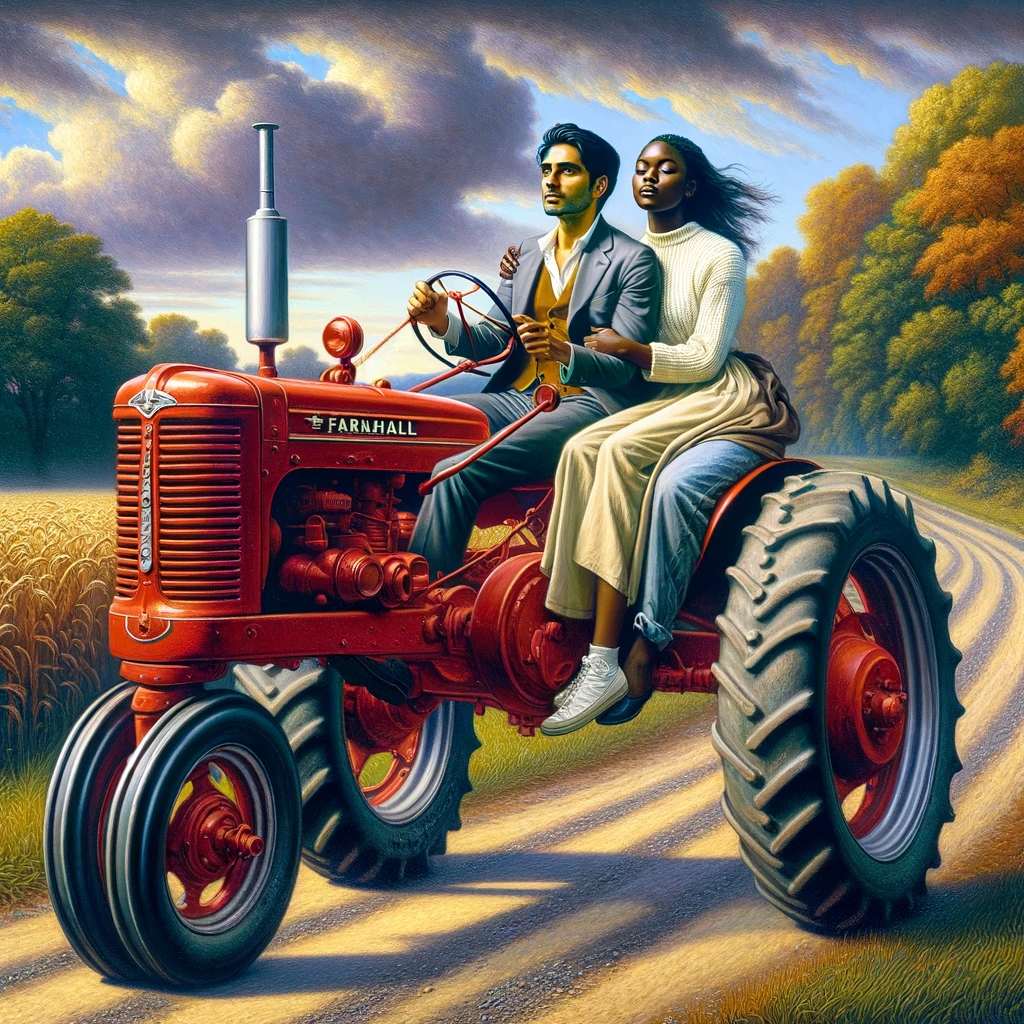
In the vast expanse of agriculture, where the horizon meets the fields, trust isn’t just a fleeting sentiment; it’s the bedrock upon which successful farmer-software relationships stand. Picture a farmer, worn from long days in the sun, eyes scanning the fields from the seat of a trusty old tractor. This isn’t just machinery; it’s a critical partner in the livelihood of entire families—and how they connect with software tools is just as vital.
Farmers invest not only their hard-earned money but also their hopes, dreams, and years of hands-on experience into these digital tools. Yet the world of agricultural software can feel like a distant galaxy, full of jargon and complexity. It’s here that trust emerges as the tie that binds. A software company must walk a delicate line, proving they understand the farmer’s day-to-day trials. By sharing stories of how their software helped a neighbor harvest five extra bushels, or how it mitigated risk during a sudden storm, they create an emotional bridge—turning numbers and analytics into relatable narratives.
Rationally, trust enables farmers to embrace change. When a farmer decides to integrate a software solution, they’re not only looking at potential yield increases; they’re also weighing the reliability of that service. A glitch-free system mirrors the support they’d receive from a trusted hand in their community. Imagine knowing that if you run into trouble mid-harvest, there’s a team ready to answer your call, just like a neighbor lending a hand with a broken tractor. That reliability helps farmers feel secure in their investment, fostering loyalty.
Ethically, transparency plays a crucial role. Farmers deserve clarity about how their data will be used. When companies openly share their policies and demonstrate they prioritize farmer interests, they cultivate a sense of ethical commitment. This, in turn, strengthens the emotional connection and assures farmers they’re not just numbers in a database but respected partners in an evolving relationship.
The unique aspect of trust in this equation is the social dynamic. Farmers often consult each other, sharing experiences, recommendations, and anecdotes. A software that thrives on community feedback not only enhances its product but also creates an environment where trust amplifies—a network of shared faith in a system designed to empower.
In the heart of agriculture, trust is as essential as rain to a crop. A farmer’s relationship with their digital tools is not merely transactional; it’s profoundly personal. It’s about knowing who’s behind the code, feeling supported through trials, and believing in the harvest of tomorrow.

What Role Does Trust Play In Farmer-Software Relationships?
What Role Does Trust Play In Farmer-Software Relationships?
- Trust is foundational for successful farmer-software relationships in agriculture.
- Farmers invest money, hopes, and hands-on experience into digital tools, navigating complexity with trust as a guide.
- Software companies should understand farmers’ daily challenges and share relatable success stories.
- Reliability of software solutions fosters farmers’ confidence and investment security.
- Transparency about data usage cultivates ethical commitment and strengthens emotional connections.
- Farmers benefit from community feedback and shared experiences, enhancing trust in software products.
- A farmer’s relationship with digital tools is personal, requiring support and belief in future harvests.
What Role Does Trust Play In Farmer-Software Relationships?
Conclusion
The current farming landscape grapples with a paradox. Technology, once the herald of efficiency and innovation, has morphed into a complicated web that often entraps rather than empowers. Farmers like Mike find themselves ensnared in a tech maze—software designed to simplify their lives instead creates hurdles. The heart of farming, a deeply human endeavor, now feels the weight of software’s hidden costs, emotional toll, and ethical dilemmas.
Imagine the tradition of farming, a legacy passed down through generations, now facing the challenge of adapting to rapid technological advancements. The stories of farmers like Clara, who initially resisted technology but found new life through precision agriculture, highlight a critical transition. With GPS and data analytics, she not only enhanced her yields but also nurtured the land as a cherished entity. Her story exemplifies the emotional resilience inherent in farming—balancing innovation with respect for age-old practices.
However, this journey is fraught with challenges. Farmers constantly navigate a landscape littered with subscription fees and data ownership issues, often feeling their autonomy slip away. The ethical responsibilities of tech companies must come under scrutiny; they must not exploit farmers who are already at the mercy of external pressures. Transparency is essential, forging relationships grounded in trust, where farmers feel their insights are honored rather than commodified.
Community plays a vital role in this transformation. Tech adoption need not isolate farmers; rather, collective engagement can foster solidarity. By sharing experiences, farmers can streamline software integration, turning competitive tension into a collaborative effort that strengthens their networks.
As conversations unfold in local coffee shops, the narratives shared can reshape how farmers perceive technology. It can become a conduit for community-building, rather than an isolating force. For the future of agriculture, the call is clear: Farmers must reclaim their stories, their data, and, ultimately, their dignity. The focus should not solely be on profits or technological capabilities but on cultivating a resilient farming culture—one that honors both the innovation of today and the traditions of yesterday. In doing so, they secure a promising path for future generations who will continue to work the land with both heart and hand.

Conclusion
Conclusion:
- The farming landscape faces a paradox where technology complicates rather than simplifies farmers’ lives.
- Farmers like Mike experience hurdles from technology that was meant to empower them.
- Clara’s story illustrates the potential of precision agriculture to enhance yields while respecting traditional practices.
- Farmers navigate challenges such as subscription fees and data ownership, affecting their autonomy.
- Ethical responsibilities of tech companies are critical; they should not exploit vulnerable farmers.
- Community engagement among farmers can transform tech adoption into a solidarity-building process.
- The future of agriculture calls for farmers to reclaim their narratives and foster a resilient farming culture.

Conclusion
Other Resources

Other Resources
Here is a list of other resources you can review online to learn more:
- Billings Farm
- Ford-New Holland
- Tri-State Gas Engine and Tractor Association
- Sheppard Diesel
- JCB
- Ascot Universal
- Captain
- CLAAS
- Mmaine Antique Tractor Club
- Antique Tractor Blog
- Bukh
- Deutz-Allis
- Hesston
- Farm Heritage Museum
- Wallis
- Muskoka Pioneer Power
- CBT
- Wingin
- Barreiros
- Zanello
Use This Prompt To Get More Resources With Your Favorite Online AI Tool: Please provide me with a list of online articles with their URLs in a bulleted list that I can read regarding The Software Trap That’s Costing Farmers Millions

Other Resources
Glossary Terms
The Software Trap That’s Costing Farmers Millions – Glossary Of Terms
1. Vendor lock-in — A situation where switching vendors is prohibitively expensive or technically difficult because of proprietary protocols, contracts, or data formats.
2. Proprietary data format — File or database structures that only the vendor’s software can read or write, preventing easy data migration.
3. Data portability — The ability to export and reuse farm data elsewhere; limited portability increases switching costs and dependence.
4. Interoperability — The capacity of different systems to work together; poor interoperability forces custom integrations and extra expense.
5. Closed ecosystem — A tightly controlled stack of hardware, software, and services from one supplier that locks customers into that supplier’s offerings.
6. SaaS (Software as a Service) — Subscription-based hosted software; ongoing fees and vendor control over updates can escalate long-term costs.
7. Subscription creep — Gradual increases in recurring charges as new features, modules, or users are added, often exceeding initial budgets.
8. Per-acre pricing — A billing model that scales with farm size, which can dramatically raise costs as operations grow.
9. Hidden fees — Non-obvious charges such as setup, training, support, data export, or transaction fees that inflate the true price.
10. Total Cost of Ownership (TCO) — The complete, long-term cost of a software solution, including licenses, integration, maintenance, training, and downtime.
11. Sunk cost fallacy — The tendency to keep using a costly, ineffective system because prior investment makes switching feel wasteful.
12. Integration cost — Expenses for connecting disparate systems, including development, testing, middleware, and ongoing maintenance.
13. API (Application Programming Interface) — The mechanism for programmatic access to software; restricted or costly APIs limit integration options.
14. API rate limits — Caps on API usage that can hinder automation or require paid upgrades to meet farm data needs.
15. Cloud egress fees — Charges for exporting data from a cloud provider that can make vendor migration expensive.
16. Firmware lock — Hardware restricted by firmware that requires vendor authorization or updates, preventing third-party use.
17. Update obsolescence — Software updates that break compatibility with existing devices or workflows, forcing costly replacements or workarounds.
18. Planned obsolescence — Deliberate vendor practices that shorten usable life of hardware or software to drive repeat purchases.
19. Maintenance contract — Paid support and service agreements that are often long-term and can include steep renewal costs.
20. Service-level agreement (SLA) — Contractual uptime and response commitments; weak SLAs increase operational risk and potential losses.
21. Data monetization — Vendor practices of selling or leveraging aggregated farm data for profit, often without fair value returned to the farmer.
22. Cybersecurity risk — Vulnerabilities introduced by software that can lead to operational disruption, theft of data, or ransom demands.
23. OEM bundling — Hardware vendors bundling proprietary software with equipment, making substitution of alternative software difficult.
24. Legacy compatibility — The need to support older systems and formats, which complicates upgrading and increases ongoing costs.
25. Middleware — Translation or orchestration software used to bridge incompatible systems; necessary but adds complexity and cost.
26. Edge computing limitations — Insufficient local processing capability forces reliance on remote cloud services, increasing latency and operational expense.
27. Precision agriculture platform — Centralized tools for mapping, prescriptions, and analytics; platform choice dictates data control and integration costs.
28. Sensor standardization — Common protocols for sensors; lack of standardization requires adapters or vendor-specific sensors that raise expenses.
29. Customization premium — Additional charges for tailoring vendor software to specific farm workflows, often charged at high hourly rates.
30. Change management — The organizational effort, training, and temporary productivity loss associated with adopting or switching software, frequently underestimated in cost estimates.

Glossary Of Terms
Other Questions
The Software Trap That’s Costing Farmers Millions – Other Questions
If you wish to explore and discover more, consider looking for answers to these questions:
- What is the true total cost of ownership for agricultural software, including subscriptions, add‑ons, updates, training, and support?
- Which fees are typically hidden in contracts and user agreements?
- How long does it typically take to see a positive return on investment (ROI) from precision‑ag tools?
- How do software costs compare for small, mid‑size, and large farms?
- What financing, grants, or subsidy options are available to help farmers adopt these technologies?
- Who legally owns the data collected by farm equipment and software?
- Can software vendors sell or license farmers’ data to third parties without explicit consent?
- How portable is farm data if a farmer switches vendors or stops using a platform?
- What are the data retention and deletion policies of common ag‑tech providers?
- What privacy protections and security controls are in place to prevent unauthorized access or breaches?
- How vulnerable are tractors and precision tools to hacking or ransomware attacks?
- Who is liable if software errors cause crop loss, equipment damage, or environmental harm?
- Do vendors offer warranties, indemnities, or insurance to cover software failures?
- What regulatory frameworks govern agricultural data, software safety, and vendor obligations?
- How transparent are vendors about the algorithms and models they use to make recommendations?
- How can farmers verify the accuracy and bias of algorithmic recommendations?
- What standards exist for interoperability between different tractors, sensors, and software platforms?
- How can farmers avoid vendor lock‑in and preserve choice among suppliers?
- Are there reliable open‑source or cooperative software alternatives for farmers?
- What local or regional support and training resources are available, and how much do they cost?
- How much time and labor are required to learn and operate new farming software effectively?
- What happens to productivity and operations when internet access is unreliable or offline?
- Does the software offer offline functionality and local data backups?
- How frequently do vendors push updates or force upgrades, and what are the costs/risks?
- How does precision software actually impact yields across different crops, soils, and climates—what evidence exists?
- What metrics should farmers track to evaluate whether software is improving yield, cost, and sustainability?
- Can software recommendations inadvertently increase chemical use, soil degradation, or water waste?
- How do software tools support or hinder sustainable and regenerative farming practices?
- How does adoption of ag‑tech affect labor, community dynamics, and rural livelihoods?
- What mental‑health or stress impacts arise from increased reliance on complex technology?
- How do consumer and supply‑chain stakeholders use farm data, and are there implications for market access or pricing?
- Are there certifications, best‑practice frameworks, or ethical codes for agricultural software providers?
- How can farmers evaluate and compare vendors objectively before committing to purchases?
- What legal recourse do farmers have if vendors misrepresent capabilities or breach data agreements?
- How can farming communities organize collectively—through co‑ops or buying groups—to negotiate better terms and support?

Other Questions
Haiku
The Software Trap That’s Costing Farmers Millions – A Haiku
Silent fields endure,
Tech’s promise turned to burden,
Trust reclaimed by hands.

Haiku
Poem
The Software Trap That’s Costing Farmers Millions – A Poem
In fields where hope and labor blend,
A farmer dreams, his hands a steady trend.
Yet tractors hum with silent pains,
Softwares promise buried under chains.
Innovations light once shone so bright,
Now tangled in costs, eclipsed by fright.
Mikes toil yields to unexpected strains,
Softwares’ complexity sows doubts remains.
The ethical question hangs in the air,
Who bears the weight when fortunes despair?
Is it tech’s design that leaves farmers raw,
Disconnected from their lands sacred law?
Though data flows like rivers unseen,
Farmers wrestle with control, caught in between.
Sarah’s struggle, a familiar plight,
As her legacy fades into digital night.
Yet through the turmoil, a call for change,
Communities rise, re-engage, rearrange.
For in shared wisdom lies strength anew,
Transforming potential into value true.
Claras fields bloom with precision and care,
Sustainability weaves stories to share.
Innovation marries traditions heart,
Crafting futures where soul and tech impart.
Trust builds the bridge in this complex dance,
Farmers and software, a hopeful romance.
As fingers grip reins on both land and screen,
Together they nurture a vision unseen.
So let us remember, through trials and strife,
Farmings essence lives in connection and life.
May technology uplift, not bind or ensnare,
In the soil of our hearts, true partnerships repair.

Poem
Checklist
The Software Trap That’s Costing Farmers Millions – A Checklist
Emotional Appeals
✅______ Reflect on your personal connection to the land and how technology aligns with your values as a farmer.
✅______ Share your experiences with technology—both positive and negative—with fellow farmers to enhance community support.
Rational Appeals
✅______ Assess the hidden costs of software beyond initial expenditures, considering training, troubleshooting, and long-term subscriptions.
✅______ Evaluate the efficiency gains offered by technology. Analyze data from your operations to determine potential yield improvements.
Ethical Appeals
✅______ Advocate for transparency in data ownership and usage from software providers.
✅______ Evaluate whether the technology you’re using contributes positively to sustainable farming practices and community well-being.
Authority Appeals
✅______ Consult with trusted peers and agricultural experts when considering new technology options.
✅______ Keep informed about industry standards and ethical guidelines in agricultural technology.
Narrative Appeals
✅______ Document and share your journey with technology, highlighting the successes and challenges you’ve faced.
✅______ Engage in storytelling within your community to inspire collective learning and adaptation.
Social Appeals
✅______ Join local farmer groups to discuss technology experiences and share best practices.
✅______ Foster relationships with software companies that prioritize farmer input and feedback, creating a sense of partnership.
Take Action
✅______ Encourage discussions about the ethical use of technology in agriculture within your community.
✅______ Explore collaborative purchasing options with fellow farmers to leverage collective bargaining power.

Checklist
At ClassicTractorNews, we help tractor lovers keep up with the latest news for classic and vintage tractors.
Please share this post with your friends, family, or business associates who may like old classic or vintage tractors.