

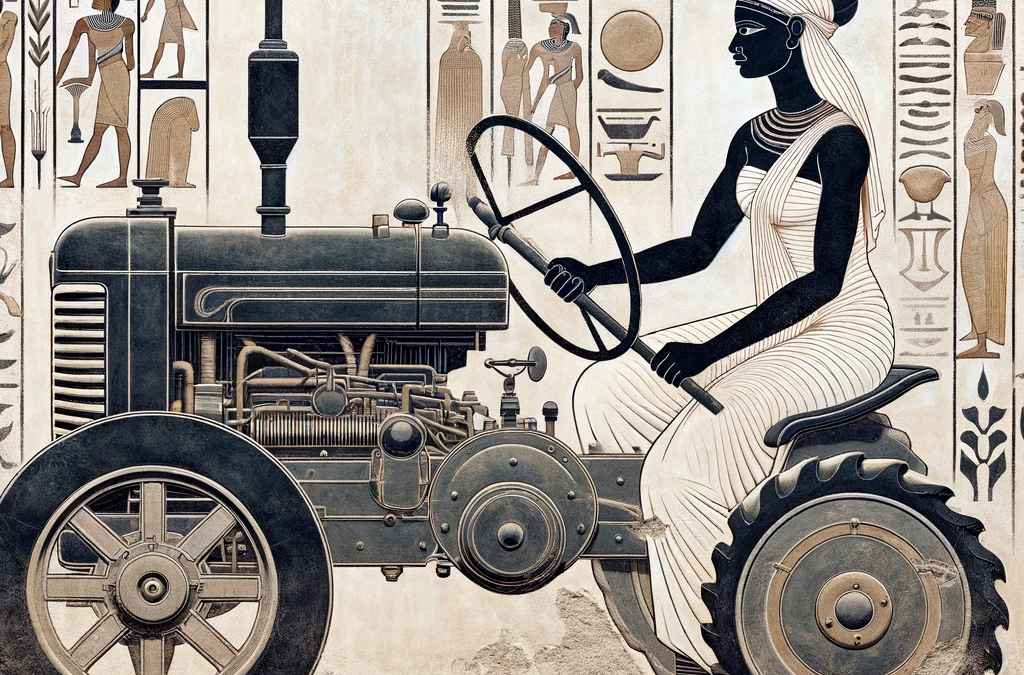
Breaking Free: Farmers Battle A Monopoly To Revive Traditional Tools
By Tom Seest
At ClassicTractorNews, we help tractor lovers keep up with the latest news for classic and vintage tractors.
Please share this post with your friends, family, or business associates who may like old classic or vintage tractors.
The Monopoly That’s Forcing Farmers Back to Old Iron
The Monopoly That’s Forcing Farmers Back to Old Iron
Imagine standing in a field, the sun setting behind you, reflecting off the blades of grass that sway gently in the evening breeze. You feel the weight of tradition in your hands, an old tractor—rusted, yet resilient—representing a simpler, more honest way of farming. This isn’t just machinery; it’s a connection to the past, to the land, and to the farmers who toiled long before us. But today, many farmers are being forced back to that old iron for one simple reason: they’ve become pawns in a game controlled by a monopolistic stranglehold.
As massive corporations tighten their grip on agricultural technology, farmers are finding themselves suffocated by proprietary software, high maintenance costs, and endless fees for parts. It’s an economic trap that pushes them to abandon modern innovations in favor of aging machinery that they can repair with their own hands—machines that once served them well but now represent a nostalgia for a battle, they’re losing daily. The reality is stark: where there once was progress, now stands a return to the basics, not out of choice, but necessity.
When equipment malfunctions, the freedom to fix it should be a right, not a privilege afforded to those who can pay. Farmers are faced with exorbitant repair costs, drowning in a system that incentivizes breakage. This profound disconnect has a ripple effect. Think about it: each time a farmer is forced to go back to the old ways, they’re not just losing efficiency; they’re losing a piece of their legacy, their ability to provide for their families and communities. This goes beyond economics; it’s about dignity and respect for those who work the land.
While men and women in suits dictate the terms of engagement from lofty boardrooms, farmers are left to reckon with the reality of their choices. The conversation around this monopoly has to shift from mere economics to ethics, highlighting the urgency to empower farmers to reclaim their autonomy. We must advocate for regulations that ensure fair access to technology and prevent monopolistic practices that exploit hardworking individuals trying to uphold their traditions and livelihoods.
The heart of farming isn’t just in the fields or the tractors; it’s in the spirit of resilience, of standing firm against overwhelming odds. It’s time to bridge the gap between the boardroom and the barn. In doing so, we not only honor the farmers who feed us but inspire a movement that rekindles trust in the land and the tools we use to cultivate it. This is a call to action for all of us—because when farmers thrive, we all reap the rewards.
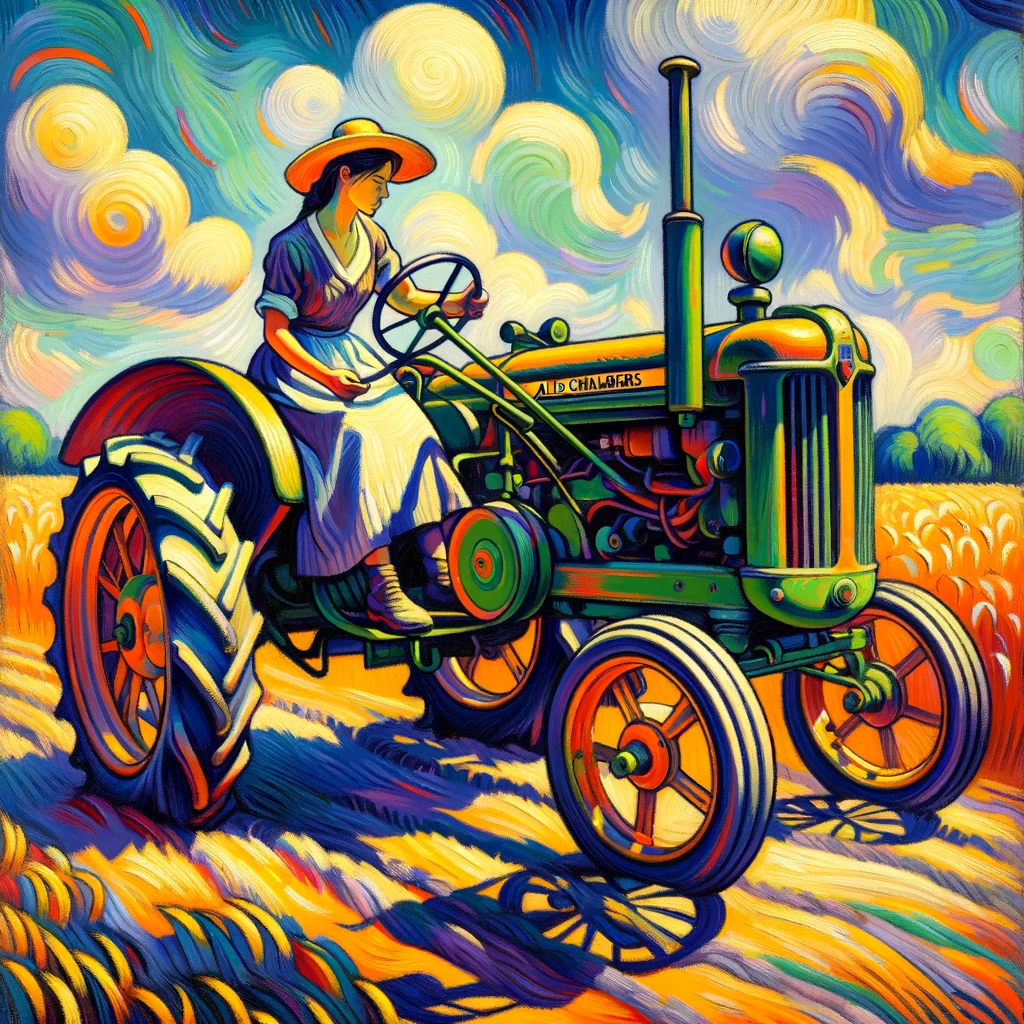
The Monopoly That’s Forcing Farmers Back to Old Iron
The Monopoly That’s Forcing Farmers Back to Old Iron
- Farmers are returning to older machinery due to monopolistic practices in agricultural technology.
- Corporate control leads to high costs, proprietary software, and limited repair options for modern equipment.
- This economic pressure forces farmers to abandon innovations for equipment they can repair themselves.
- The inability to fix machinery without high costs affects farmers’ efficiency and legacy.
- Current practices prioritize profit over the dignity and autonomy of farmers.
- Advocacy for fair access to technology and regulations is necessary to counter monopolistic practices.
- Supporting farmers promotes a sustainable agricultural future, benefiting communities collectively.
The Monopoly That’s Forcing Farmers Back to Old Iron
Table Of Contents
- The Monopoly That’s Forcing Farmers Back to Old Iron
- How Is Farmer Independence Threatened By Monopolistic Practices?
- Can Small Farmers Still Thrive In the Shadow Of Corporate Giants?
- What Ethical Responsibilities Do We Have Toward Sustainable Farming?
- How Has the Shift to Old Iron Impacted Local Farming Communities?
- What Stories Can Farmers Share About the Struggles with Monopolies?
- How Do Monopolies Affect Food Prices and Consumer Choice?
- Conclusion
- Other Resources
- Glossary Of Terms
- Other Questions
- Haiku
- Poem
- Checklist
How Is Farmer Independence Threatened By Monopolistic Practices?
Farmers have long been the backbone of our communities, cultivating not just crops but also the values of hard work and resilience. Yet, modern monopolistic practices are putting their independence at risk, turning the noble endeavor of farming into a struggle for survival. Picture a farmer standing next to his beloved tractor, an extension of his spirit and labor, yet increasingly dependent on a few powerful corporations for seeds, equipment, and even market access. This dependence is not just a business concern; it strikes at the very essence of what it means to be a farmer.
When a handful of corporations control the seeds and technologies that farmers rely on, we see a shift from stewardship to servitude. The very equipment that once represented freedom and self-sufficiency transforms into a symbol of an unyielding tether. Farmers are left with few choices, often paying exorbitant prices for inputs while receiving diminishing returns for their produce. It’s like placing a skilled artisan in a factory line—squeezing the individuality and creativity out of the work.
The rational mind acknowledges that monopolies stifle competition and innovation, leading to rising costs and a lack of variety for consumers. However, the gut reaction comes from knowing that families who have toiled on the land for generations face extinction. Picture a farmer’s child, eager to pick up where their parents left off, but the pathways are blocked by corporate greed. This isn’t just economics; it’s a heartfelt story of legacy and identity being erased.
Ethically, society must question the consequences of allowing a few powerful players to dictate the terms of agriculture. A thriving farming community mirrors a healthy society, nourished by diversity and independence. As consumers, we possess the power to drive change. Supporting local farmers and choosing products from community-supported agriculture can disrupt these monopolistic chains.
To illustrate, consider a farmer named Bill, who once grew a variety of heirloom tomatoes, cherished by local chefs. As prices increased and options dwindled, Bill found himself trapped, transforming his farm from a flavorful palette into a monotonous field of corn fed by corporate seed. It’s a cautionary tale for us all, urging a collective stand for farmer independence.
Fostering a future where farmers reclaim their autonomy begins with the choices we make as consumers. Empowering them isn’t just a favor; it’s a shared investment in our collective well-being. The tractor that symbolizes their labor deserves to roll not just as a tool, but as a guardian of their independence, preserving our food heritage for generations to come.
How Is Farmer Independence Threatened By Monopolistic Practices?
How Is Farmer Independence Threatened By Monopolistic Practices?
- Farmers are essential to communities, embodying hard work and resilience.
- Monopolistic practices threaten farmers’ independence, turning cultivation into a survival struggle.
- Dependency on corporations for seeds and equipment undermines the essence of farming.
- Corporate control shifts farming from stewardship to servitude, impacting farmers’ creativity and individuality.
- Monopolies stifle competition, causing rising costs and fewer options for consumers.
- Supporting local farmers and community-supported agriculture can disrupt monopolistic practices.
- Empowering farmers is crucial for preserving food heritage and fostering community health.
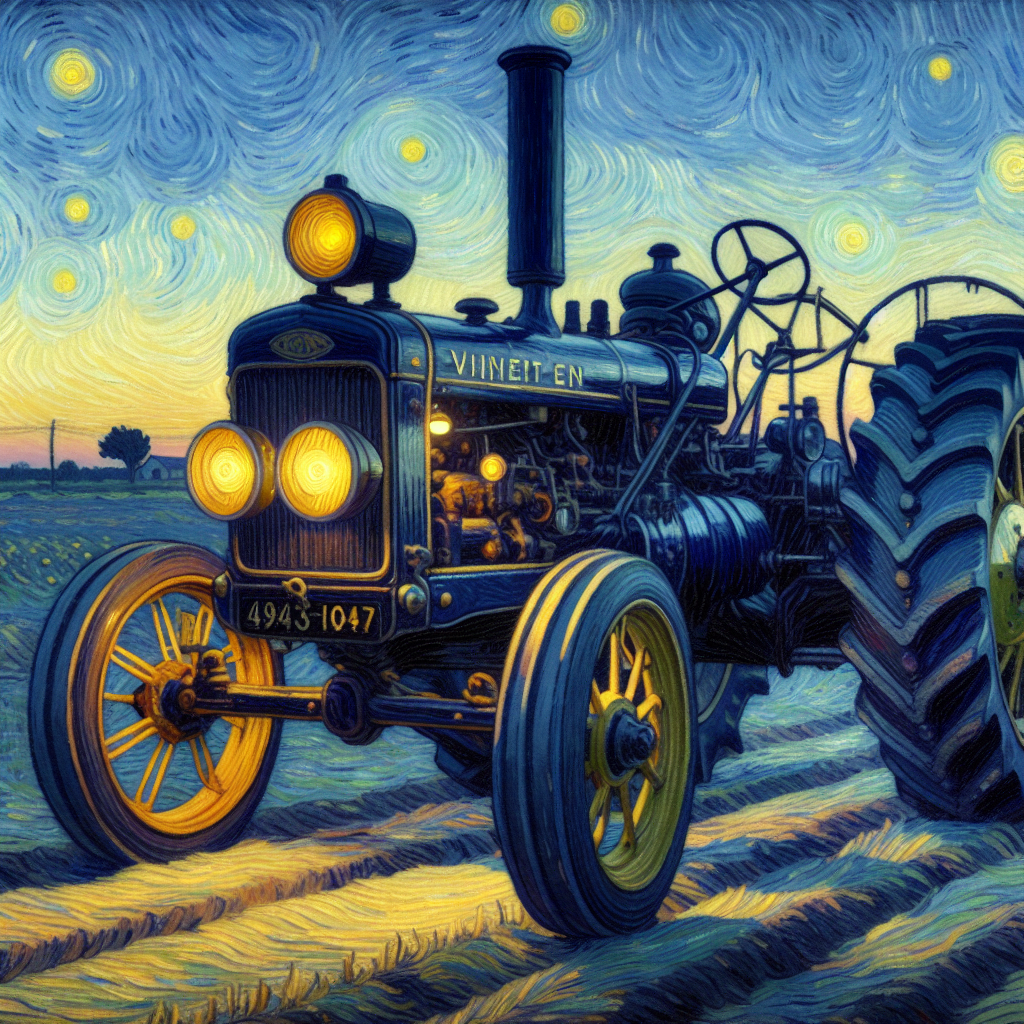
How Is Farmer Independence Threatened By Monopolistic Practices?
Can Small Farmers Still Thrive In the Shadow Of Corporate Giants?
In the heart of America’s rural landscape, where the hum of a tractor fills the air, small farmers stand resilient against the towering presence of corporate agribusiness. These stewards of the land aren’t merely battling for survival; they are engaged in a timeless struggle, one woven with sweat, tradition, and the pursuit of legacy. It’s easy to become disheartened by the sheer scale and resources of corporate giants, but amid this shadow, small farmers can find strength in their community roots and unique contributions to agriculture.
Imagine an old farmer, calloused hands cradling the earth, watching his crops sway in the breeze. He doesn’t just plant seeds; he sows stories, histories, and a connection to the land that corporate operations can only attempt to replicate. Their strength lies in diversity, not just in crops but in the relationships they cultivate with their customers and neighbors. When community members gather for local markets, they share not only produce but laughter and camaraderie, reinforcing a social fabric that big corporations can’t manufacture. These markets showcase the flavor of local farms, an authenticity that resonates with consumers yearning for real connections and quality over mass production.
However, the challenge remains significant. The financial squeeze from corporate pricing tactics can seem insurmountable. Yet, here lies an original insight: small farmers can thrive by embracing technology while holding onto their values. The advent of online platforms allows them to reach broader audiences without sacrificing their identity. By leveraging social media, they can share their journeys, successes, and challenges, inviting consumers to participate in a narrative that feels personal and invested. If a farmer can convey the story behind their heirloom tomatoes, consumers won’t just buy produce; they’ll buy a piece of their life, a small part of their farm, and an ecologically responsible choice.
Ultimately, the appeal of small farming isn’t just about the crops or the land; it’s about the heart behind every harvest. In a world dominated by corporate giants, the small farmer’s grit and heart resonate deeply. They embody perseverance, challenging the notion that size guarantees success. It’s this struggle, this relentless pursuit of purpose that connects us all, encouraging trust and action within a society longing for authenticity and humanity. When we choose to support them, we’re not merely purchasing food; we’re endorsing a lifestyle, a belief in community, and a brighter, more sustainable future.
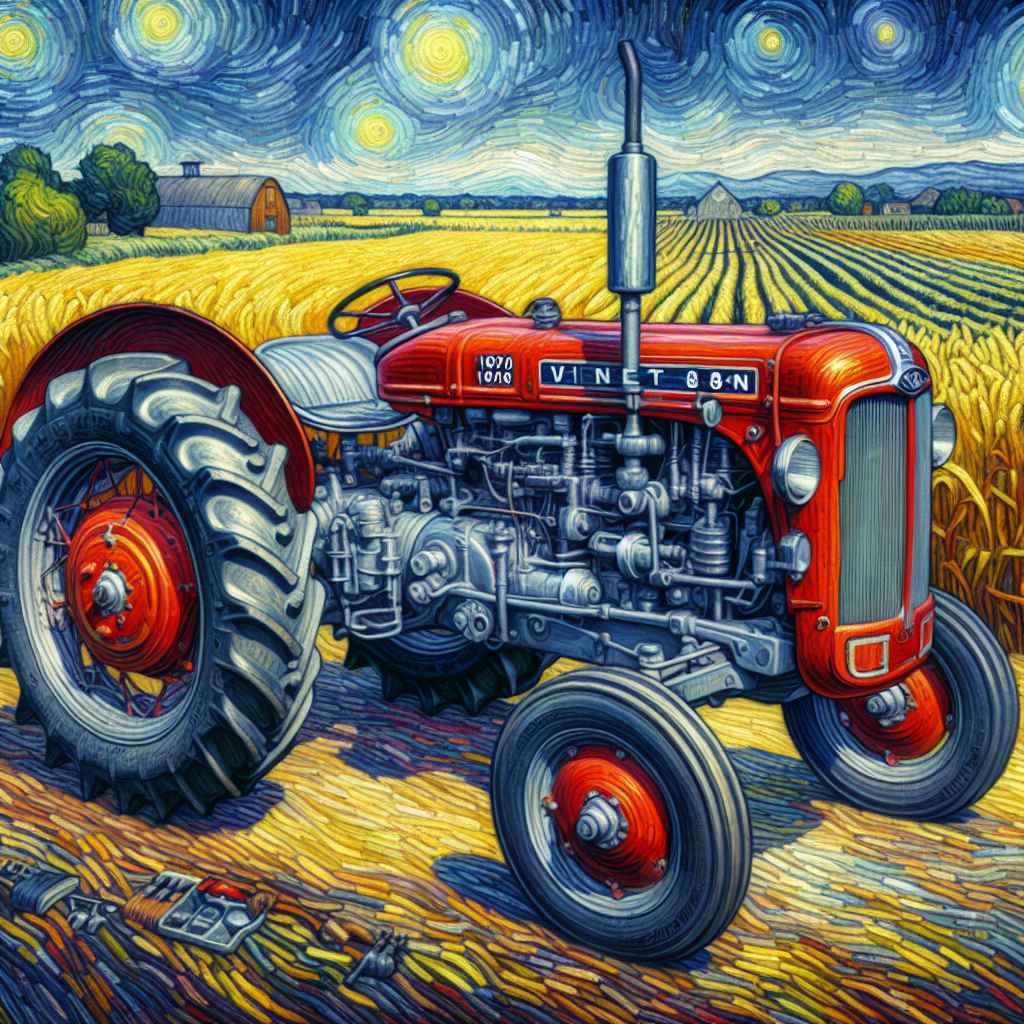
Can Small Farmers Still Thrive In the Shadow Of Corporate Giants?
Can Small Farmers Still Thrive In the Shadow Of Corporate Giants?
- Small farmers resist the dominance of corporate agribusiness in America’s rural landscape.
- They engage in a timeless struggle rooted in tradition, sweat, and legacy.
- Community connections and diversity in crops enhance their strength against corporate competition.
- Local markets foster social interactions and provide authentic experiences for consumers.
- Small farmers face financial pressures from corporate pricing but can thrive by adopting technology.
- Utilizing social media, farmers can share their stories, creating personal connections with consumers.
- Supporting small farmers promotes a belief in community and a sustainable future.
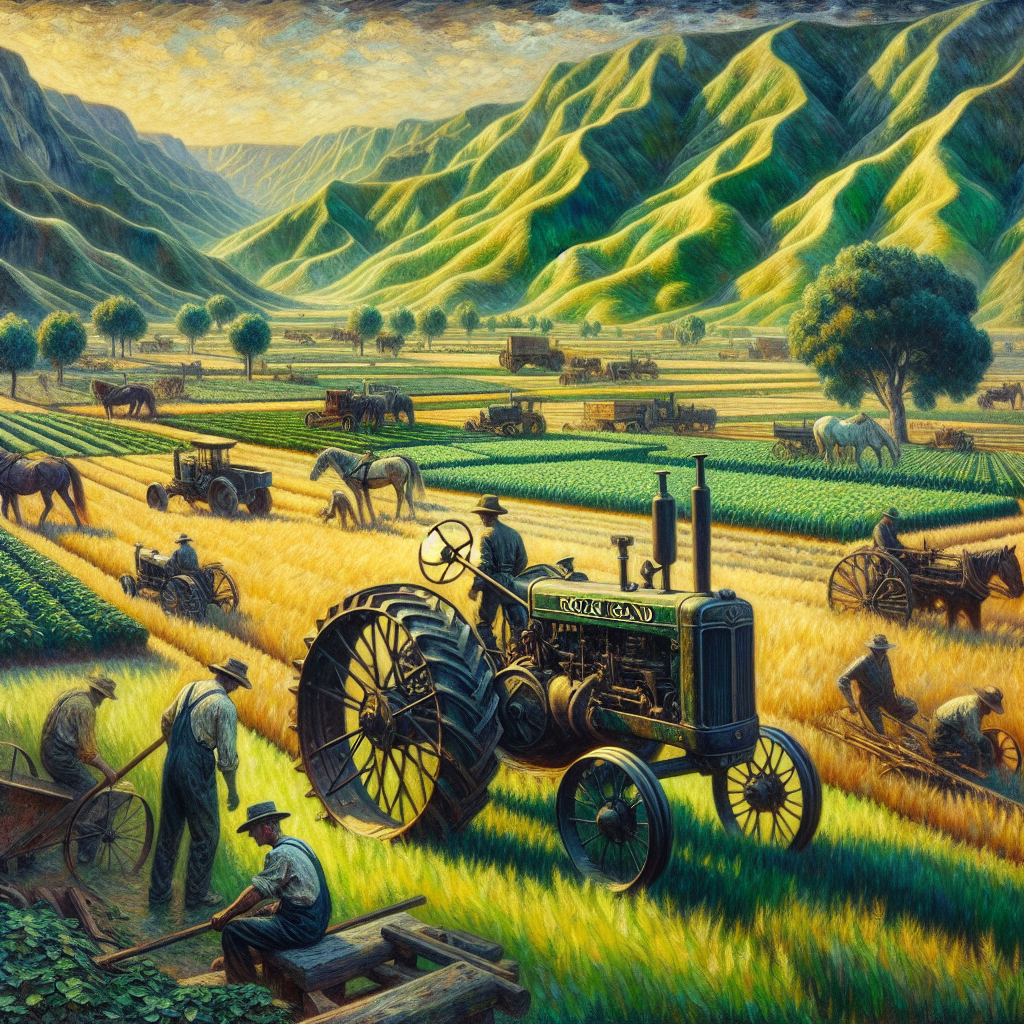
Can Small Farmers Still Thrive In the Shadow Of Corporate Giants?
What Ethical Responsibilities Do We Have Toward Sustainable Farming?
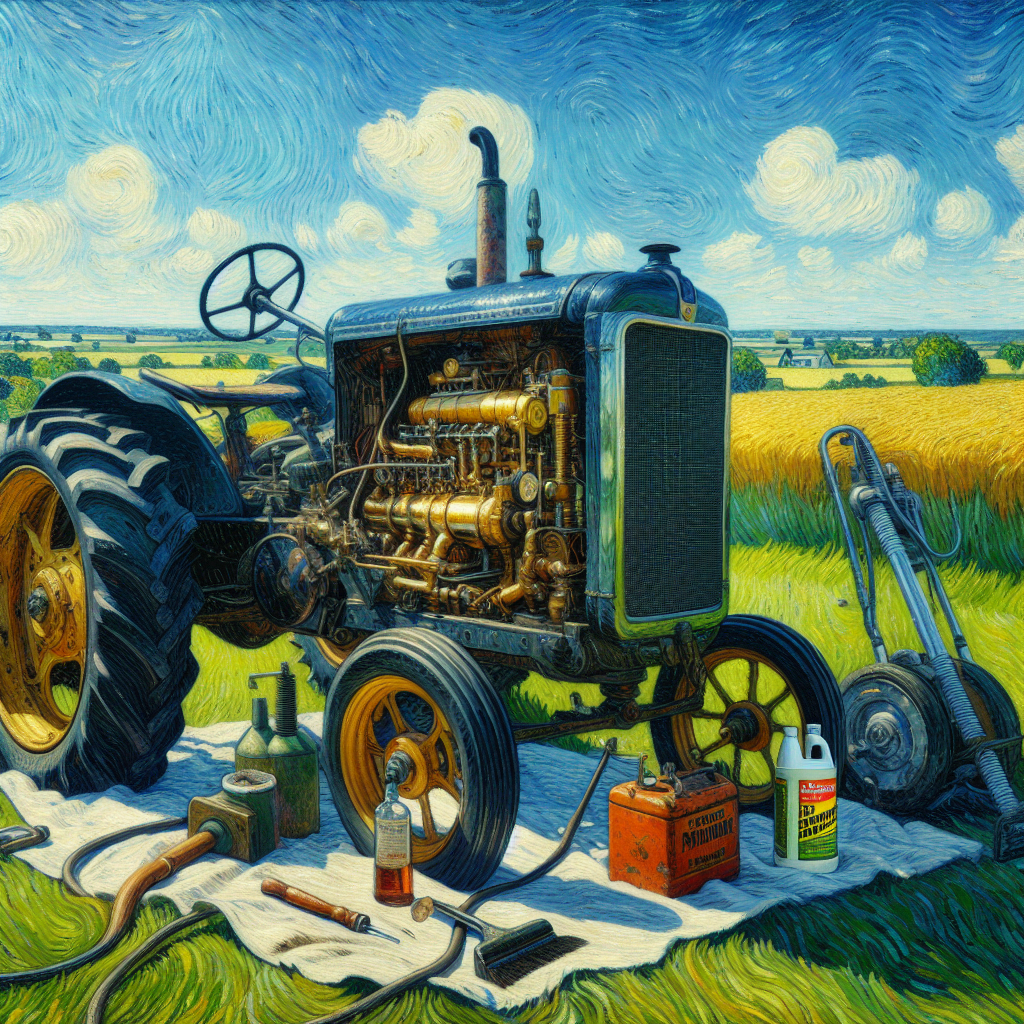
When you think of sustainable farming, the image of a vast field under the expansive sky often comes to mind—a sturdy tractor rolling through the rows of green, transforming the soil into a tapestry of life. But behind that picturesque scene lies an intricate web of ethical responsibilities that connect us all. This isn’t just about the farmers tending to their crops; it’s about our collective role in nurturing the land that feeds us.
Imagine a family quietly working their farm, day in and day out. They rise with the sun, driven by a purpose that runs deeper than profit. They are stewards of the earth, aware that every seed they plant is a promise to the future. Our ethical responsibility begins here: understanding that our food choices directly influence these families and the ecosystems they nurture. Each bite of locally sourced produce or organic grain is a vote cast for a sustainable future, fostering a resilient relationship between consumers and farmers.
The heart of this matter lies in recognizing the impact of industrial farming practices, where automation too often reigns without regard for biodiversity or soil health. The compelling stories of small-scale farmers who adopt sustainable methods remind us that ethics in farming isn’t just an abstract idea; it’s a lifeline. These farmers make decisions based on values, knowing their methods can either heal or harm the land. They remind us that their toil is more than labor—it’s a dance between humanity and nature, one that requires our support and respect.
With each purchase, we wield an invisible power. When you choose to buy from sustainable farms, it’s not just an act of consumption; it’s a statement of solidarity. It says, “I care about the legacy of the land, the health of our communities, and the well-being of the planet.” This connection fosters a greater accountability—not just for farmers but for us as consumers. We hold the authority to ask questions about where our food comes from, how it’s grown, and the impact those practices have on the environment.
Ethical farming is a call to action. It challenges us to reconsider our roles—not merely as consumers but as participants in a system that thrives on mutual respect. As the tractor turns the soil, let us turn our minds and hearts toward supporting practices that honor our land. It’s about nurturing a sustainable future, one that guarantees that the hands that feed us are valiant, rights are respected, and every meal tells a story worthy of sharing. So, let’s choose wisely, engage deeply, and honor the quiet heroes of sustainable farming.
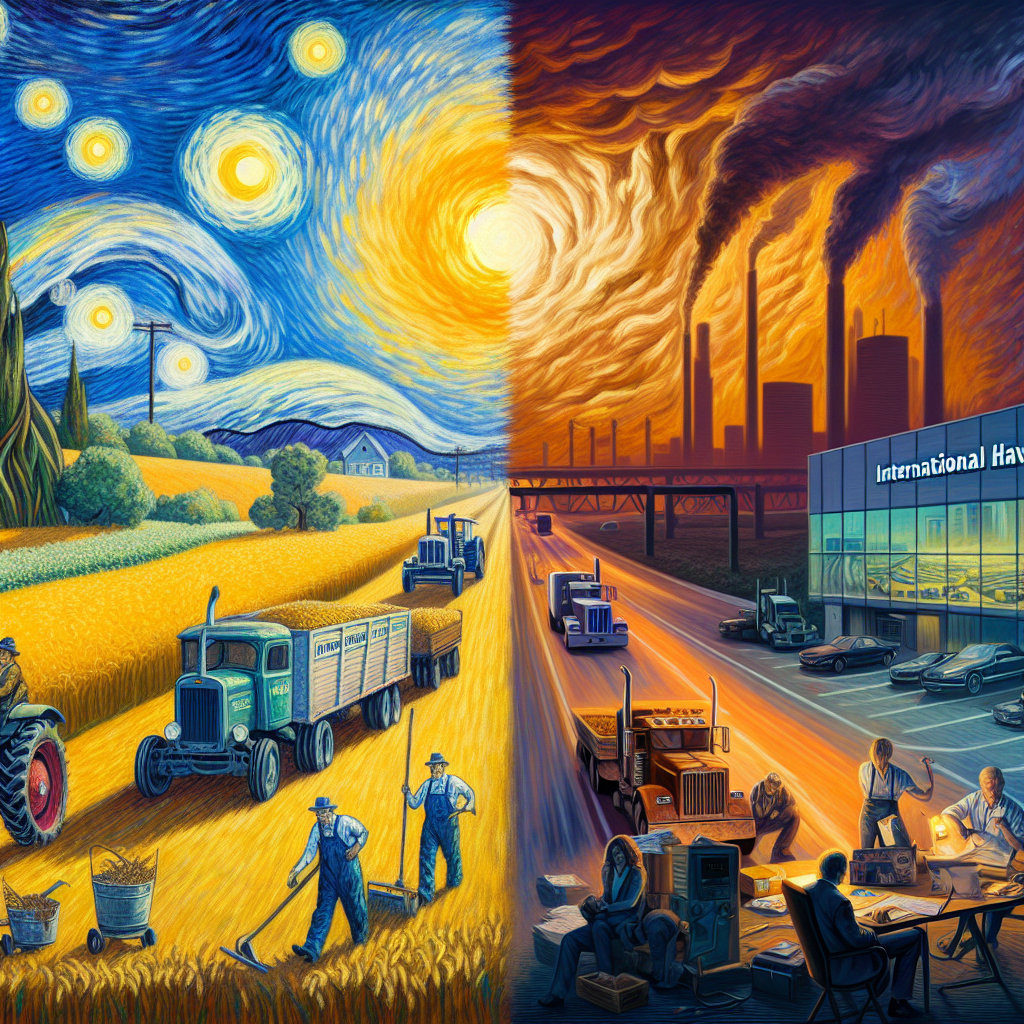
What Ethical Responsibilities Do We Have Toward Sustainable Farming?
What Ethical Responsibilities Do We Have Toward Sustainable Farming?
- Sustainable farming embodies ethical responsibilities connected to our collective role in nurturing the land.
- Farmers are stewards of the earth, motivated by purpose beyond profit, planting seeds that promise a better future.
- Our food choices directly impact farm families and ecosystems, supporting sustainable practices through purchasing decisions.
- Industrial farming often neglects biodiversity and soil health; small-scale farmers utilize sustainable methods as a lifeline.
- Buying from sustainable farms signifies solidarity and accountability for land legacy, community health, and planetary well-being.
- Consumers should engage in understanding food sources and farming impacts, transitioning from passive buyers to active participants.
- Ethical farming invites us to support practices that honor the land and ensure sustainable futures for everyone involved.
What Ethical Responsibilities Do We Have Toward Sustainable Farming?
How Has the Shift to Old Iron Impacted Local Farming Communities?
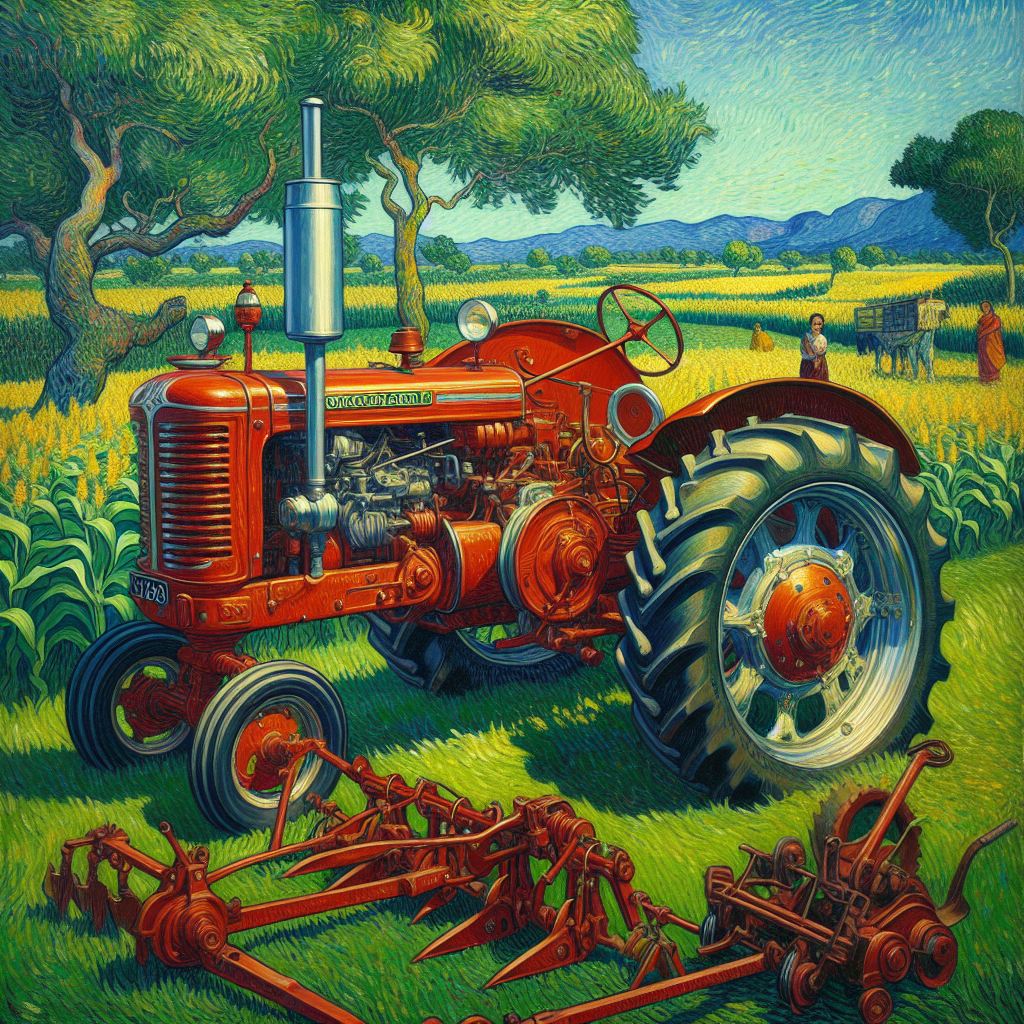
The shift to using old iron—those cherished, clunky tractors that have been plowing fields for decades—has dramatically reshaped local farming communities. As technology advances, sleek, high-tech machines offer efficiency and precision, yet many farmers are finding solace in resurrecting those timeworn beasts of burden. There’s a deeply rooted connection that forms when you cultivate the earth with something that bears the scars of years of toil and triumph.
Picture a small farming town, where the dim light of dawn reveals a familiar sight: a weathered tractor, its paint peeling yet still standing proud. That’s not just a machine; it’s a relic, a symbol, a partner in every farmer’s journey. When local farmers gather to share their stories, it’s often around such tractors, recounting tales of seasons past, family traditions, and the hard-earned lessons learned from the land. This shift back to old iron fosters not just nostalgia, but community. It’s a reminder of simpler times when relationships with the earth—and each other—were forged through shared labor and mutual respect.
Rationally, there’s much to be said about cost-effectiveness. For many, investing in newer equipment can draw the line between survival and thriving. Yet, those classic machines often have the benefit of familiarity and accessibility. Farmers are rediscovering that sometimes the best technology is the one that’s already in your barn. Maintaining an old tractor requires not just skill, but a sense of pride and ownership. For the farmer, it’s a lesson in resourcefulness; ingenuity becomes the currency when neighbors lend a hand, swapping parts and tricks of the trade, nurturing a sense of solidarity.
Ethically, this shift encourages sustainable practices. Using older equipment mitigates the carbon footprint associated with manufacturing new technology, calling us back to a more grounded relationship with nature. It sparks an ongoing dialogue about responsibility, stewardship, and the legacy we leave for the next generation.
Through the lens of these old iron workhorses, we see more than mere machinery. We witness the resilience and spirit of local farming communities as they adapt and innovate without letting go of their roots. Each scratch and dent on that tractor tells a story of perseverance, echoing the perseverance of those who drive them. Embracing this notion, farmers foster a collective identity that celebrates hard work, tradition, and an unwavering connection to the land. Such stories cultivate trust—trust in each other, in the process of farming itself, and in the promise of a future grounded in history.
How Has the Shift to Old Iron Impacted Local Farming Communities?
How Has the Shift to Old Iron Impacted Local Farming Communities?
- The revival of old iron tractors has transformed local farming communities.
- Farmers are drawn to the emotional and historical significance of older machinery.
- Community bonding occurs through storytelling around these tractors, reinforcing tradition.
- Older equipment presents a cost-effective alternative to modern technology for many farmers.
- Maintenance of vintage tractors fosters pride, resourcefulness, and neighborly support.
- This trend promotes sustainable practices and reduces the carbon footprint of farming.
- Such initiatives reinforce a collective identity rooted in hard work, tradition, and connection to the land.
How Has the Shift to Old Iron Impacted Local Farming Communities?
What Stories Can Farmers Share About the Struggles with Monopolies?
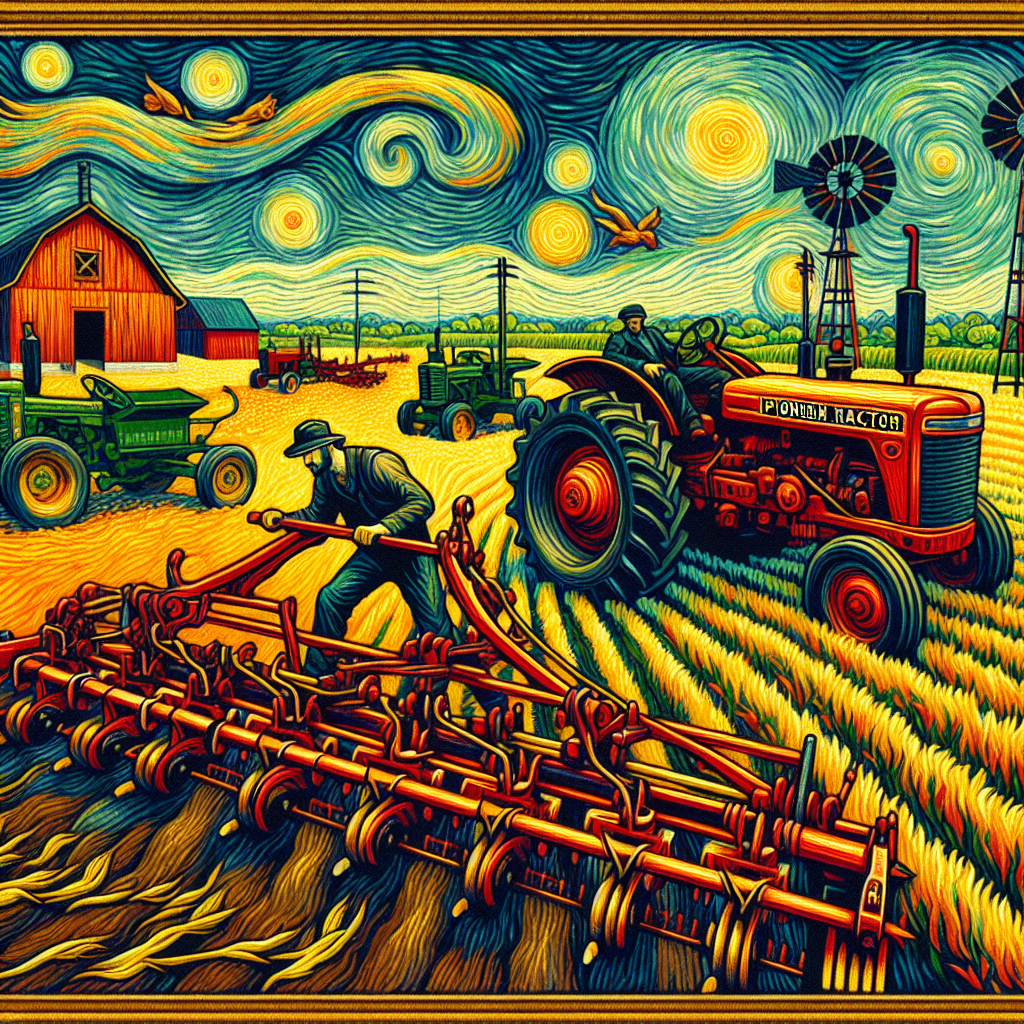
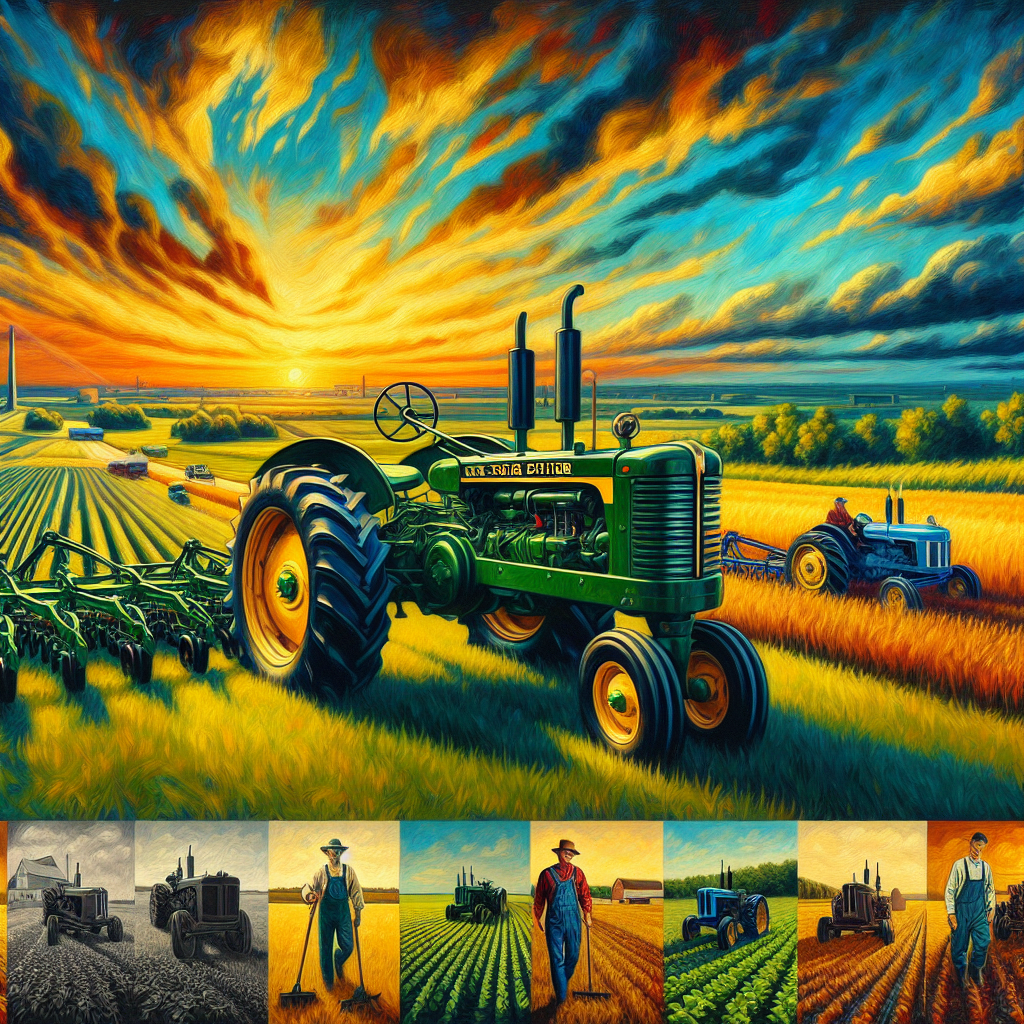
In the heart of America’s farmland, the hum of a tractor serves as both a tool of labor and a symbol of independence. Yet, as farmers fire up their engines to till the soil, many are confronted by a powerful force that seeks to reshape their livelihoods—monopolies. These monolithic entities don’t just buy up farmland; they buy control over the very essentials of farming: seeds, equipment, and market access. The struggles faced by farmers in this climate are not just economic; they tug at the heartstrings and ripple through communities.
Picture a third-generation farmer rising before dawn, watching the sun rise over fields of corn, once a source of pride and sustenance. Today, she’s fighting against a corporate behemoth that dictates the prices for her inputs and outputs, leaving her to scramble for profit margins as thin as a tractor’s tire on muddy ground. This battle isn’t just about dollars and cents; it’s about heritage, resilience, and a way of life hanging in the balance.
Monopolies often tout efficiency and innovation, yet their grip stifles competition and narrows choice. When a farmer is forced to use a specific brand of seed, she isn’t just losing out on potential innovation; she is relinquishing her freedom. The ethical considerations here aren’t just black-and-white; they evoke a complex emotional landscape. Every time she plants, she’s reminded that her choices are dictated by a corporate boardroom miles away, not by her experience or the unique needs of her land.
The narrative of the American farmer must evolve. It’s time to converge voices and struggles, drawing in allies from all walks of life. Neighbors sharing stories of farm-to-table initiatives, consumers advocating for local produce, and entrepreneurs innovating sustainable practices can amplify this message. The power of community becomes evident; by harnessing collective strength, farmers can confront monopolistic giants.
The original take here is this: it’s not sufficient to just endure; farmers must share their stories authentically and connect with consumers who often seem worlds apart. A farmer’s plight isn’t just a tale of survival; it’s a shared human experience. When the community rallies behind local farmers, they’re not just buying produce; they’re investing in a system that values diversity over uniformity. Every dollar spent on local goods counters the monopoly’s narrative, fostering a marketplace that celebrates individuality and integrity.
As we rev up that tractor, let each revolution of the wheel remind us that in every furrow lies a story begging to be told. The struggle against monopolies isn’t just a farmer’s fight; it’s a call to everyone who believes in the power of community, choice, and connection.
What Stories Can Farmers Share About the Struggles with Monopolies?
What Stories Can Farmers Share About the Struggles with Monopolies?
- The hum of a tractor symbolizes both labor and independence for American farmers.
- Farmers face challenges from monopolies that control essential resources like seeds and market access.
- A third-generation farmer struggles against corporate influences dictating prices and livelihood.
- Monopolies claim efficiency but stifle competition and limit choices for farmers.
- Farmers’ decisions are often dictated by distant corporate boards, not by local needs.
- Community support is essential; collective action can empower farmers against monopolies.
- Buying local produce fosters diversity and integrity, opposing the monopolistic narrative.
What Stories Can Farmers Share About the Struggles with Monopolies?
How Do Monopolies Affect Food Prices and Consumer Choice?
Imagine standing in front of the produce section of your local grocery store, eyeing two apples side by side. One is glossy, a perfect red, and priced steeply; the other, a little bruised but half the price. At first glance, the choice seems simple—who wouldn’t want the best fruit at a lower cost? But when monopolies take root, the choice becomes not just a matter of preference but a struggle for survival in a system designed to favor the few at the expense of many.
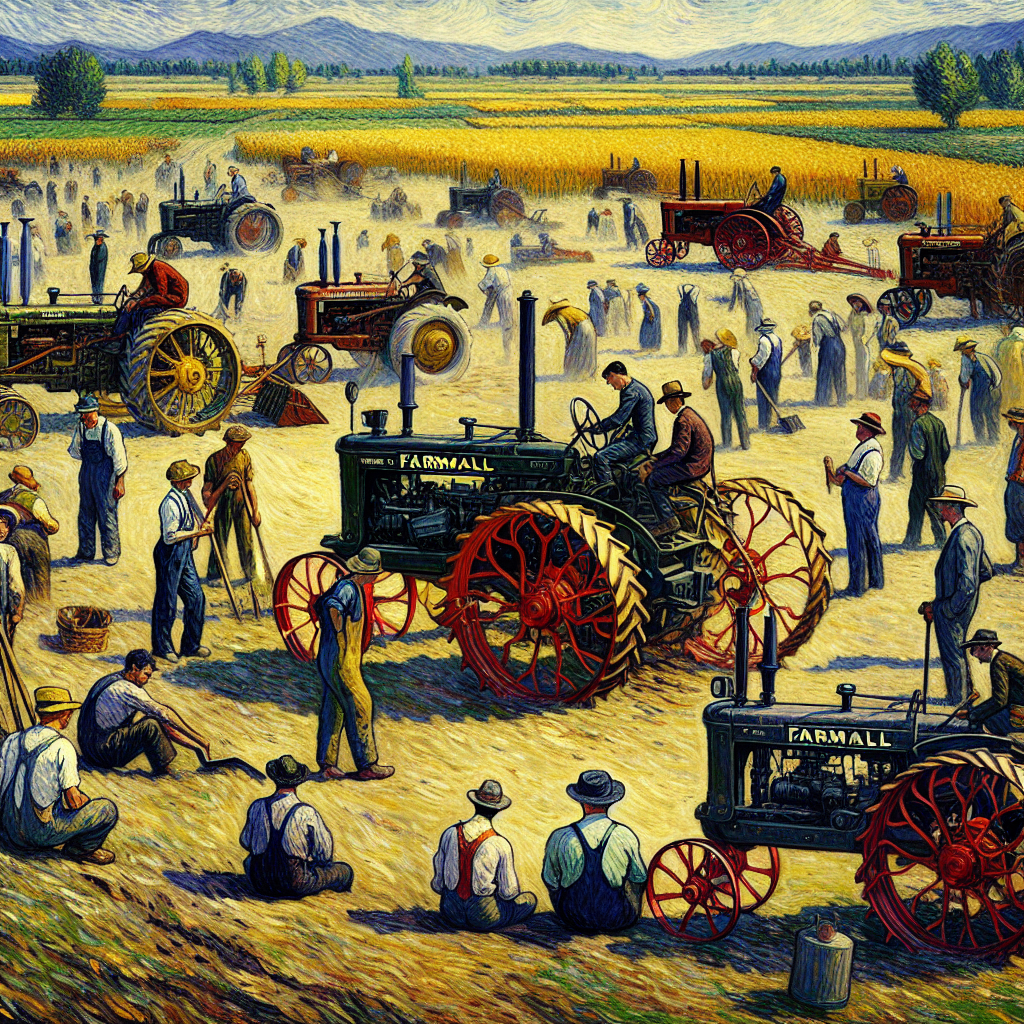
Monopolies flourish like weeds in a garden, choking out competition and diminishing the quality of the products we hold dear. They wield their power over pricing, creating an artificial landscape where price tags dictate what’s accessible. Local farmers—the backbone of our communities—are often forced to sell their fresh goods at a fraction of their worth. A tractor that symbolizes hardworking American craftsmanship may no longer be able to cultivate diverse options for consumers, as mono-cropped landscapes dominate, sacrificing variety for profit.
This is about more than dollars and cents; it’s about who gets to shape our choices at the dinner table. When a single corporation controls the majority of the food supply, our taste buds are relegated to mere marketing tactics rather than genuine variety and quality. The same cookie-cutter products flood every aisle, dulling our senses and stifling innovation. Imagine a world where grassroots farmers are pushed aside, their heirloom vegetables disappearing, replaced by shiny, uniform produce bred for shelf life rather than flavor.
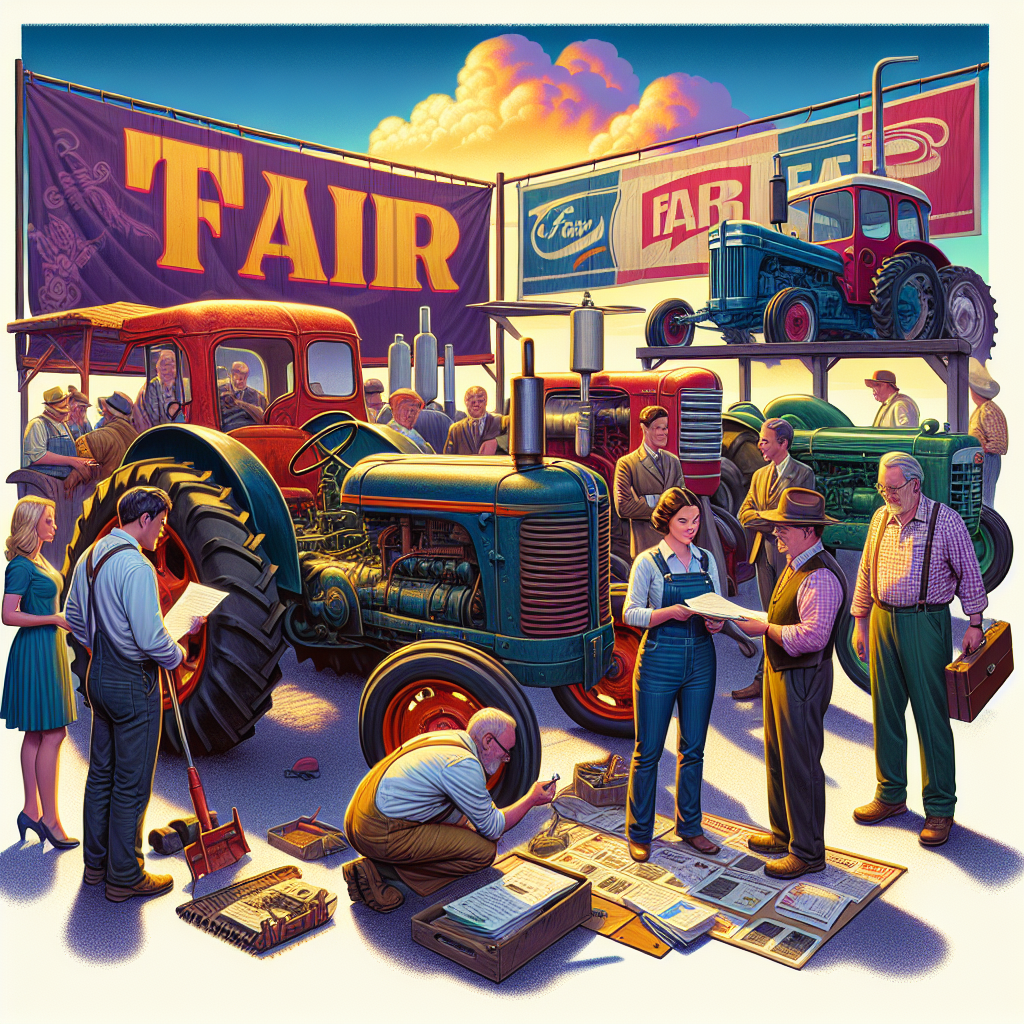
But there’s an emotional thread woven through this narrative. Picture a community farmer’s market, buzzing with laughter and conversation, where stories are exchanged alongside fresh produce. It’s that human connection—the farmer who proudly shares the tale of the seeds they planted—that cannot be replicated by monolithic grocery chains. When we lose our local options, we lose stories that connect us to the land and to each other.
The ethical implications are staggering. Should a handful of corporations dictate not just what we eat, but how we think about food? It’s our responsibility as consumers to challenge the status quo, to choose local when we can and understand the power of our decisions. Real change starts when we opt for quality over convenience, making conscious choices that support our communities.
When we advocate for competition and local farming, we reclaim our plates and, in doing so, our sense of community. The act of buying food can evolve from a transactional exchange to a conscious communion with our land, our farmers, and our fellow consumers. Empowerment lies in knowing that each choice we make wields the potential to reshape a marketplace, one apple at a time.
How Do Monopolies Affect Food Prices and Consumer Choice?
How Do Monopolies Affect Food Prices and Consumer Choice?
- Monopolies limit consumer choice, favoring a few while disadvantaging many.
- They stifle competition and reduce product quality, controlling pricing and accessibility.
- Local farmers struggle to sell fresh produce at fair prices due to dominant corporations.
- Consumer tastes are shaped more by marketing than by genuine variety and quality.
- Community connections and stories around local produce are lost when monopolies prevail.
- Consumers have the responsibility to challenge corporate domination and support local farming.
- Choosing quality over convenience can empower communities and reshape the marketplace.
How Do Monopolies Affect Food Prices and Consumer Choice?
Conclusion
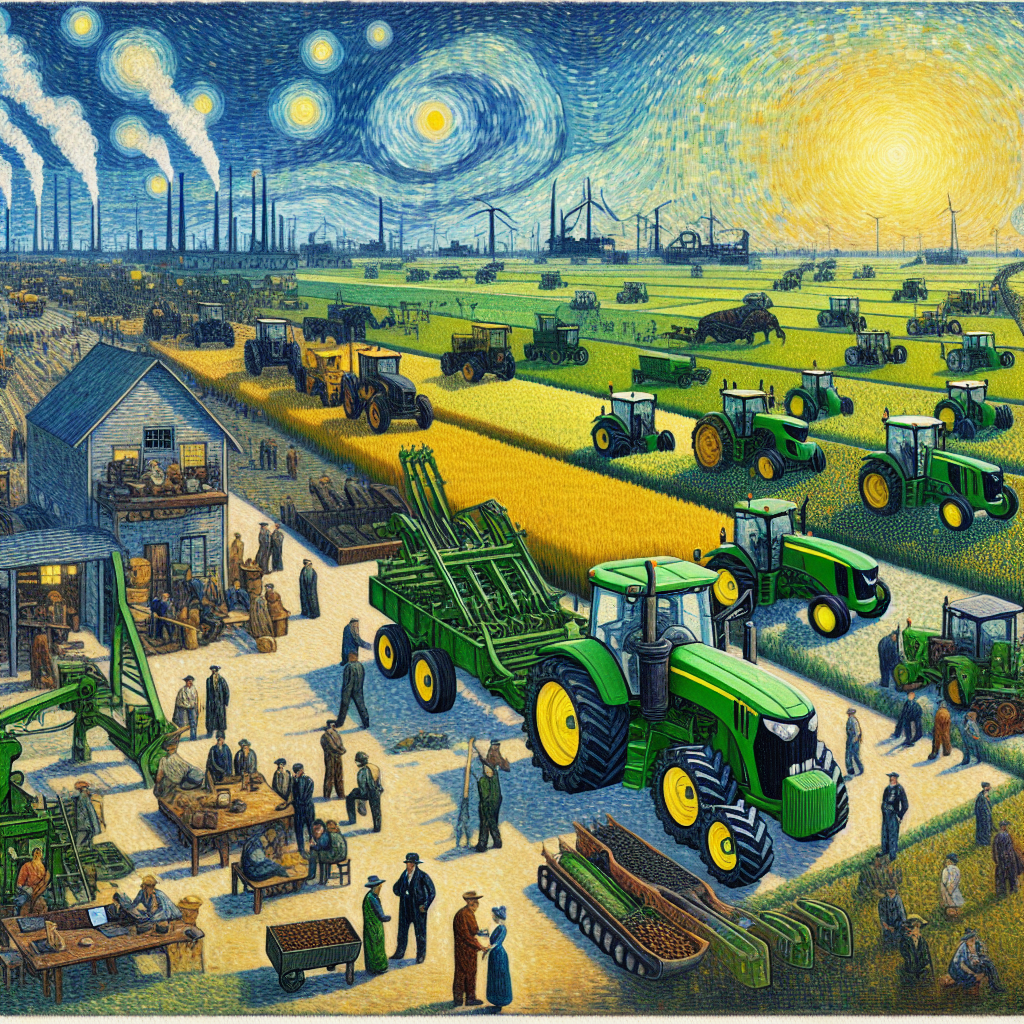
Farming isn’t just a business; it’s a legacy. While headlines may focus on the omnipresent struggle against monopolistic forces in agriculture, the truth lies in the stories of farmers who labor daily to nurture the land. Imagine a farmer, hands hardened by years of toil, mending an old tractor—his lifeline to the earth. This isn’t merely nostalgia; it’s a necessary move against an industry that increasingly favors corporations over community.
The grip of monopolism reshapes farming from a proud vocation into a struggle for survival, where massive corporations dictate terms. These entities control the very essence of farming—seeds, technology, and market access. The result? A farmer’s autonomy erodes, replaced by a suffocating cycle of dependence on overpriced inputs and a loss of choice. When a few powerful players monopolize agriculture, they don’t just impact the economy; they threaten the very identity of farming. This isn’t just an industry issue; it’s personal. Each farmer represents a story, a tradition, and a future that could disappear under the weight of corporate greed.
The emotional toll of this monopolistic reality extends into communities. Every time a farmer switches back to outdated machinery, they lose not just efficiency, but vital connections to their heritage and family legacy. Their struggles for independence resonate through generations, reminding us all of the stakes involved. It’s not just about crop yields—it’s about dignity and maintaining a way of life.
The call to action lies in the hands of consumers. By choosing local produce and opting for sustainable practices, we empower farmers in their fight. We nurture a marketplace that values choice over conformity, flavor over uniformity. Consumers wield significant influence; every conscious choice reverberates throughout communities, reinforcing local economies.
Let’s not forget the shared responsibility we have toward ethical farming practices. Supporting farmers isn’t merely a transaction; it’s a commitment to ensure they thrive. It’s about recognizing that the health of agriculture is synonymous with the health of our society. When local farmers flourish, we all enjoy the fruits of their labor—both literally and metaphorically.
As we reflect on this dynamic, it becomes clear: farmers are at a crossroads. They need our support to reclaim their autonomy and redefine their identities in the face of corporate monopolies. This isn’t just their battle; it’s ours, too. Every farmer’s endeavor represents a broader narrative—a story worth telling and worth fighting for. When farmers thrive, so do communities, heritage, and our collective future.
Conclusion
Conclusion:
- Farming is described as a legacy and not just a business.
- Farmers face challenges from monopolistic forces that prioritize corporations over communities.
- Monopolism erodes farmers’ autonomy and creates dependence on expensive inputs.
- The emotional toll of this reality affects farmers’ connections to heritage and family legacy.
- Consumers can support farmers by choosing local produce and sustainable practices.
- Supporting farmers is a commitment to ethical practices and societal health.
- Farmers need community support to reclaim autonomy and redefine their identities.
Conclusion
Other Resources
Other Resources
Here is a list of other resources you can review online to learn more:
- Jackson County Iowa Fair Antique & Classic Tractor Show
- Zetor
- Rough and Tumble Engineers Historical Association
- Mahindra
- David Brown
- Sonalika
- FARMSHOW Magazine
- Racine County Fair Antique Tractors
- Steyr
- Greenville Farm Power
- Eagle Manufacturing
- Wetmore
- Holder
- Ebro
- Arma Trac Tractors
- Eastern Carolina Vintage Farm Equipment Club
- Siromer
- The New England Antique Truck and Tractor Association
Use This Prompt To Get More Resources With Your Favorite Online AI Tool: Please provide me with a list of online articles with their URLs in a bulleted list that I can read regarding The Monopoly That’s Forcing Farmers Back to Old Iron
Other Resources
Glossary Terms
The Monopoly That’s Forcing Farmers Back to Old Iron – Glossary Of Terms
1. Monopoly power — Market dominance by a single firm or small group that lets it set prices, control supply, and restrict competition in agricultural equipment and services.
2. OEM (Original Equipment Manufacturer) — The company that designs and sells new farm machinery and controls official parts, software, and service channels.
3. Right-to-repair — Legal and political movement advocating farmers’ ability to access parts, tools, manuals, and diagnostic software to fix their own equipment.
4. Proprietary software — Manufacturer-owned code embedded in tractors and implements that governs operation, diagnostics, and updates.
5. Dealer-only diagnostics — Diagnostic tools and software that manufacturers limit to authorized dealers, preventing independent repairs.
6. Telemetry/telematics — Remote data collection systems in equipment used for performance monitoring, often controlled by manufacturers.
7. DRM (Digital Rights Management) — Technical measures used to restrict access to software or functionality in machinery.
8. Firmware lock — Software-level protection that prevents installation of aftermarket or user-modified code on equipment controllers.
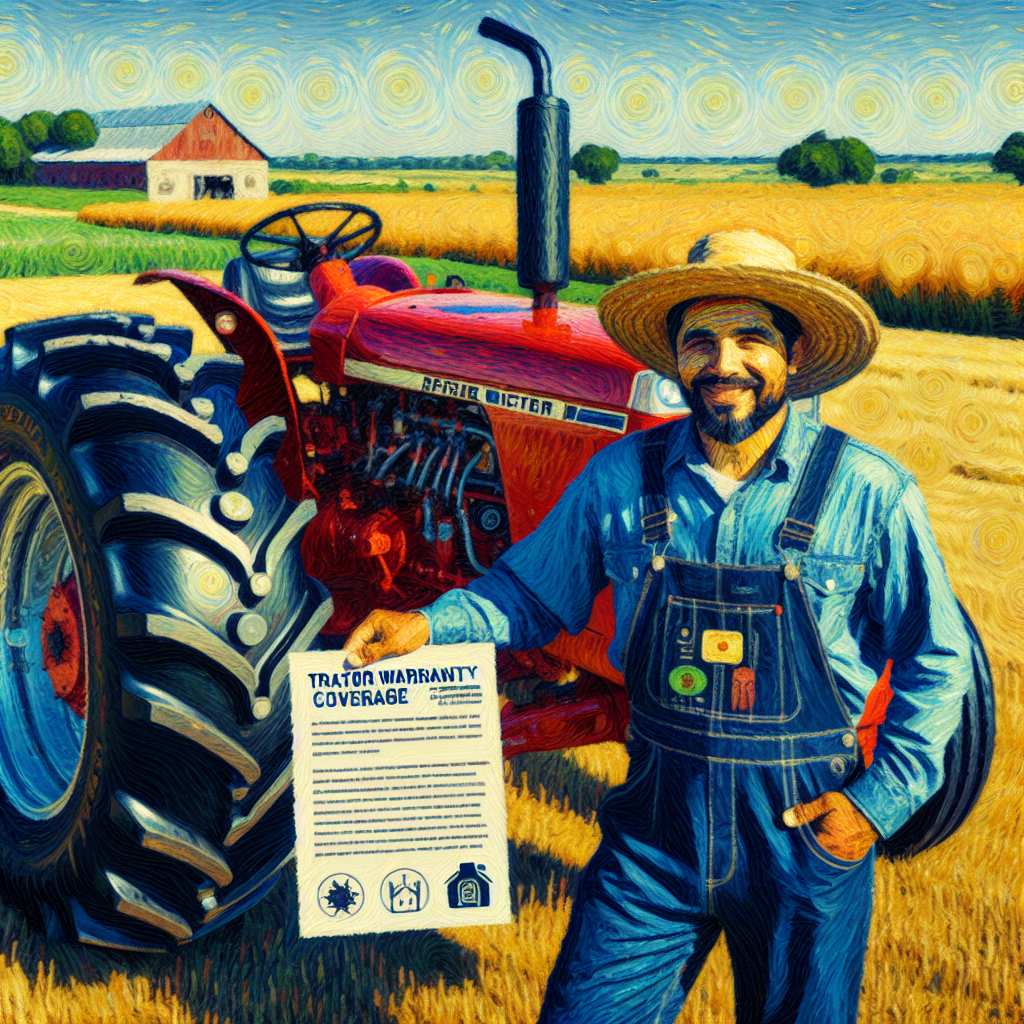
9. Warranty voiding — Manufacturer policy that may invalidate warranty coverage if non-approved repairs or parts are used.
10. Aftermarket parts — Non-OEM replacement components produced by third parties, often cheaper but sometimes restricted by manufacturers.
11. Grey-market parts — Parts imported or sold through unofficial channels that bypass manufacturer distribution controls.
12. Parts bottleneck — Shortages or deliberate controls that limit availability of replacement parts, delaying repairs.
13. Planned obsolescence — Design or policy choices that reduce equipment lifespan or make repairs harder, encouraging new purchases.
14. Remanufacturing — Process of restoring used or salvaged components to working condition as a lower-cost alternative to new parts.
15. Salvage yard / salvage market — Secondary market for used machinery and parts where older “old iron” equipment is sourced.
16. Old iron — Colloquial term for older, mechanically simpler tractors and implements that are easier for farmers to repair themselves.
17. Cannibalization — Practice of salvaging working parts from one piece of equipment to repair another.
18. Independent repair shop — Non-dealer service providers that perform maintenance and fixes using their own expertise and available parts.
19. Dealer consolidation — Trend of mergers and acquisitions among dealerships that reduces local competition and customer choice.
20. Vendor lock-in — Situation where customers are dependent on a single supplier for products and services, making switching costly or impractical.
21. Antitrust enforcement — Government action to investigate or curb monopolistic conduct and restore competitive markets.
22. Service bulletin — Manufacturer-issued guidance about repairs, updates, or recalls that can control how and when fixes are made.
23. Embedded telematics data ownership — Question of who owns operational and sensor data from a machine: the farmer, the OEM, or a third party.
24. Remote lockout — Manufacturer ability to disable or limit machine functions remotely, often via software controls.
25. Technical protective measure (TPM) — Legal or technical mechanisms used to prevent unauthorized access to software or hardware functions.
26. Reverse engineering — Studying equipment to understand and reproduce parts, software, or repair procedures when OEM information is unavailable.
27. Bootleg firmware — Unauthorized replacement software used to restore or modify functionality when OEM updates are restrictive.
28. Counterfeit parts — Fake or substandard components sold as legitimate replacements that can pose safety and reliability risks.
29. Supply-chain dependency — Reliance on a manufacturer-controlled distribution and logistics network that can create vulnerability to delays or restrictions.
30. Right-to-repair legislation — Laws proposed or passed to require manufacturers to provide parts, tools, and information needed for independent repair. Glossary Of Terms
Other Questions
The Monopoly That’s Forcing Farmers Back to Old Iron – Other Questions
If you wish to explore and discover more, consider looking for answers to these questions:
- What specific companies or corporate practices are creating the monopolistic control described?
- How did the consolidation of power in agricultural technology and inputs develop historically?
- What laws or regulations currently enable or restrain these monopolies?
- What is the “right to repair” and how does it apply to modern farm equipment?
- How much more do proprietary parts and software repairs cost compared with repairing old equipment?
- Are there documented cases or lawsuits where farmers successfully challenged manufacturer control?
- How do seed patents and intellectual property rules affect farmer autonomy?
- What role do agricultural lenders and financing terms play in pushing farmers toward corporate gear?
- How do monopolies influence the varieties of crops that are grown locally?
- What are the measurable effects of these monopolies on farm profitability and household income?
- How do these practices affect food prices at the retail level and consumer choice?
- What evidence exists that manufacturers design equipment to be difficult or costly to repair?
- How does proprietary software on modern tractors restrict diagnostics and maintenance?
- What safety or liability issues arise when farmers attempt DIY repairs on restricted equipment?
- Are there affordable aftermarket parts or independent repair networks for modern machines?
- How can farmers access repair manuals, diagnostic tools, and firmware for their equipment?
- What policy reforms have been proposed or enacted to protect farmer access to parts and software?
- What examples exist of successful farmer cooperatives or collective purchasing models that counter monopolies?
- How can small farmers adopt useful technologies without becoming dependent on single suppliers?
- What role can open-source agricultural technologies play in restoring independence?
- How do monopolistic practices vary between crops, regions, and countries?
- What are the environmental impacts of reverting to older equipment versus adopting new precision technologies?
- Does using “old iron” reduce or increase carbon emissions and long-term sustainability?
- How do monopolies affect biodiversity, soil health, and crop rotation practices?
- What support programs, grants, or subsidies exist to help small farmers modernize responsibly?
- How can consumers identify and support farms resisting monopolistic supply chains?
- What certifications, labels, or purchasing channels help direct consumer dollars to independent farmers?
- How does rural broadband access influence farmers’ ability to use alternative technologies or bypass monopolies?
- What training or technical assistance is available to farmers who want to repair and maintain older machinery?
- How are younger generations of farmers responding to these pressures and what career pathways are available?
- What are realistic short-term and long-term strategies for a farmer to reduce reliance on corporate-supplied inputs?
- How do crop insurance, disaster aid, and federal programs interact with corporate control of inputs?
- What are the economic trade-offs between buying new proprietary equipment and maintaining older machines?
- Are there examples of regions or countries that successfully limited corporate dominance in agriculture?
- What data sources and studies quantify the market concentration in seeds, equipment, and food processing?
- How do monopolies affect contract farming and the bargaining power of individual producers?
- What role do retailers and supermarket chains play in reinforcing or challenging monopolistic supply chains?
- How can farmers, consumers, and policymakers collaborate to create fairer, more competitive agricultural markets?
- What immediate actions can an individual consumer take to support farmer autonomy and diversity in food supply?
Other Questions
Haiku
The Monopoly That’s Forcing Farmers Back to Old Iron – A Haiku
Old iron revives life,
Farmers stand against the grip,
Tradition’s heart fights.

Haiku
Poem
The Monopoly That’s Forcing Farmers Back to Old Iron – A Poem
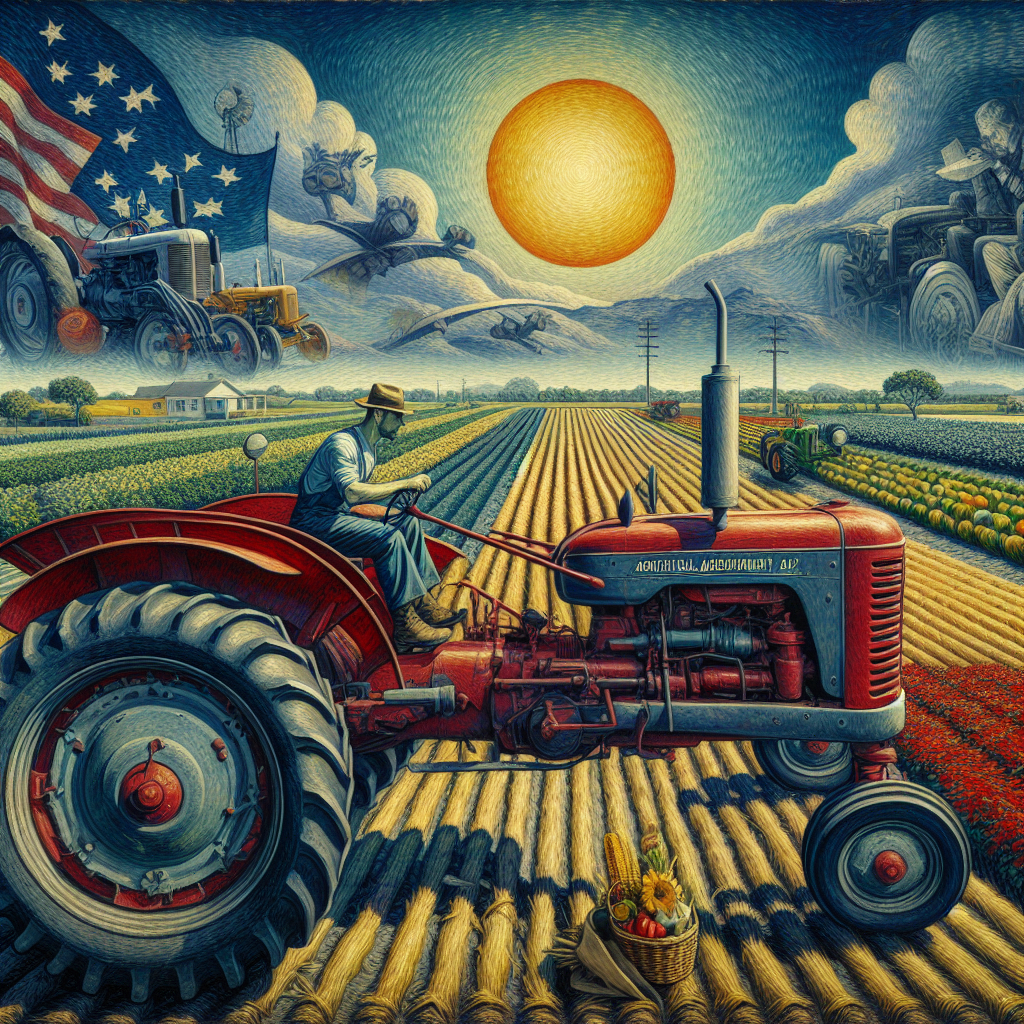
In fields where histories intertwine,
The weight of iron, old and worn,
Echoes past generations hands,
Now face a stranglehold—corporate scorn.
Once thriving farms bloom with pride,
Yet giants loom, monopolies thrive,
Stifling choices, forcing reliance,
Their grip narrows, the spirits deprived.
Each tractors rust tells tales of yore,
Of labor, love, and boundless skies,
A farmers heart beats true once more,
In the simplicity, a heritage lies.
Costs rise while dignity wanes,
The bond of soil turned to demand,
But in the corners of town,
Resilience grows in each outstretched hand.
Communities gather, share their lore,
Each heirloom seed, a story bright,
Together they battle, restore,
The heart of farming, ignited in fight.
We hold the power, we make the choice,
To nurture the farmers, our roots, unfurl,
For when we stand, united in voice,
We reclaim the narrative, we honor the world.
Let’s forge the future with shared resolve,
Each meal a pledge to cultivate trust,
In their struggle, our lives evolve,
In every harvest, our spirits adjust.
Poem
Checklist
The Monopoly That’s Forcing Farmers Back to Old Iron – A Checklist
Emotional Connection
✅______ Share personal stories about your experiences with local farmers or markets.
✅______ Attend community farming events to bond with local producers.
✅______ Reflect on the significance of preserving agricultural traditions in your area.
Rational Understanding
✅______ Research the impact of monopolies on local farmers and food prices.
✅______ Compare the costs and benefits of local versus corporate farming products.
✅______ Encourage discussions about the importance of competitive practices in agriculture.
Ethical Considerations
✅______ Support fair trade and sustainable farming practices when purchasing food.
✅______ Advocate for policies that protect small farmers from monopolistic practices.
✅______ Engage in conversations about the moral implications of corporate control in agriculture.
Establishing Authority
✅______ Follow and support reputable sources that provide information on local farming issues.
✅______ Share articles or studies that highlight the struggles of farmers against monopolies.
✅______ Join local advocacy groups that promote farmer independence and sustainable practices.
Narrative Sharing
✅______ Invite farmers to share their stories at community events or social media platforms.
✅______ Document and share the journey of a local farmer throughout the seasons.
✅______ Create awareness campaigns that highlight the human aspect of farming struggles.
Social Engagement
✅______ Participate in community-supported agriculture (CSA) programs.
✅______ Form groups to regularly purchase from local farmers collectively.
✅______ Promote local farmers’ markets through social media and community boards.
Action Oriented Steps
✅______ Buy seasonal produce from local sources to support farmer income.
✅______ Educate others on the importance of supporting local agriculture.
✅______ Participate in online platforms that connect consumers with local farmers.
Advocacy for Change
✅______ Write to local representatives about the need for regulations against monopolies.
✅______ Organize petitions or campaigns that call for fair practices in farming.
✅______ Attend council meetings to voice your support for farmer independence initiatives.
Checklist
At ClassicTractorNews, we help tractor lovers keep up with the latest news for classic and vintage tractors.
Please share this post with your friends, family, or business associates who may like old classic or vintage tractors.