


Reclaiming Control: The True Cost Of Modern Farming Machinery
By Tom Seest
At ClassicTractorNews, we help tractor lovers keep up with the latest news for classic and vintage tractors.
Please share this post with your friends, family, or business associates who may like old classic or vintage tractors.
The Mechanical Freedom Modern Tractors Stole From Farmers
The Mechanical Freedom Modern Tractors Stole From Farmers
In a world where precision farming flourished under the promise of progress, the very essence of farming has been altered forever. In the beginning, a farmer’s day would start by greeting the sun, feeling the soil, and understanding every stitch of their land like a well-loved novel. The tractor was introduced as a tireless companion, cutting down hours of labor and promising mechanical freedom. But did this machine elevate the farmer, or did it clip the very wings of agricultural autonomy?
Let’s take a moment to consider an old family friend, a third-generation farmer who surrendered part of his livelihood to steel and circuits. As he transitioned from plowing with his trusted old tractor to an expensive, technology-driven beast, he noticed something unsettling. The connection he once had with his land diminished. Instead of feeling the heartbeat of each furrow as he tilled, he was often confined to the cab, gazing at screens, adhering to algorithms that dictated his every move. The irony? He was more connected to the machine than the earth.
This technological seduction isn’t unique; it’s a widespread phenomenon that extends beyond fields turned barren under heavy machinery. Farms are now microcosms of corporate structures, where farmers are not just losing touch with their land, but also with the community. Neighbors, once united by shared tools and hard labor, see each other less often, replaced by the hum of tractors operated more like a video game than an art. There’s a growing gap—an isolation stemming not from distance, but from disconnection.
Let’s dig deeper: the same machinery hailed for its efficiency requires not just a hefty investment but ongoing tech support, and in many cases, has a steep learning curve that increasingly excludes those who don’t “speak tech.” Many experienced farmers find themselves at a crossroads, where the pursuit of efficiency parallels a yearning for simplicity—a simple life where a tractor didn’t just roar across a field, but sang a song of freedom.
This paradox shouldn’t be understated. Farmers, once masters of their domains, are now often held hostage by the very technology designed to liberate them. In the quest for speed and production, they’re losing the intuitive understanding of their land, a connection essential not just for farming, but for the soul.
The mechanical freedom promised by modern tractors comes with strings attached—inviting us to re-examine not just how we farm, but why we farm. As we navigate this intricate dance of man and machine, it’s vital to remember that the heart of agriculture doesn’t beat in sync with the pulse of a computer, but in the rhythm of hands in soil, connection to nature, and community. That’s a freedom worth fighting for.

The Mechanical Freedom Modern Tractors Stole From Farmers
The Mechanical Freedom Modern Tractors Stole From Farmers
- The introduction of modern tractors promised mechanical freedom and efficiency for farmers.
- A farmer’s connection to their land has diminished as they transitioned to technology-driven machinery.
- Isolation among farmers has increased due to disconnection from both land and community.
- Modern machinery requires significant investment, technical support, and a steep learning curve.
- Experienced farmers often find themselves torn between the pursuit of efficiency and a desire for simplicity.
- The initial promise of liberation through technology has left farmers feeling restricted and disconnected from their intuition.
- The essence of agriculture lies in the relationship with nature and community, not solely in technological advancement.

The Mechanical Freedom Modern Tractors Stole From Farmers
Table Of Contents
- The Mechanical Freedom Modern Tractors Stole From Farmers
- What Choices Do Farmers Sacrifice with Modern Machinery?
- How Do Tractors Limit Personal Creativity In Farming?
- In What Ways Do Modern Tractors Impact Traditional Farming Methods?
- Are Farmers Losing Touch with the Land Due to Heavy Machinery?
- How Does Reliance on Tractors Affect Sustainable Farming Practices?
- What Stories Of Freedom and Struggle Do Farmers Share About Machinery?
- Conclusion
- Other Resources
- Glossary Of Terms
- Other Questions
- Haiku
- Poem
- Checklist
What Choices Do Farmers Sacrifice with Modern Machinery?
In the endless expanse of fields, where the golden grains sway beneath the sun’s gaze, the hum of modern machinery—tractors, harvesters, and automated implements—has become the defining soundtrack of agriculture. With each turn of the wheel, farmers reap efficiencies unimaginable just a few decades ago. Yet, beneath the sleek exterior of these machines lies a quiet, often overlooked trade-off that impacts not just the land, but the soul of farming itself.
Consider a farmer named Jack, who grew up watching his father plow the fields with nothing more than a trusty old tractor. Those were days filled with sweat, dirt, and an intimate connection to the land. Jack recalls how his father would pause to admire the rows of freshly turned soil, a canvas upon which life would flourish. Fast forward to today, and Jack finds himself in the cab of an advanced tractor, equipped with GPS and automated systems that require little more than his attention. While these machines may enhance productivity, they also create a chasm between Jack and the earth he works.
There’s a bittersweet irony in this evolution. The very technology that liberates farmers from the drudgery of labor also distances them from the raw, tactile experience of farming. It’s a modern convenience that sacrifices connection, forcing farmers to prioritize speed and efficiency over the deep-rooted traditions of their forebears. The emotional weight of such a choice can be heavy. What is lost when the art of farming is reduced to numbers and data?
Ethically, one must ponder the implications of sacrificing craftsmanship. Every farmer nurtures a relationship with their land; it’s a bond forged through understanding and care. Modern machinery, while undeniably beneficial, can sometimes sever that bond, encouraging a mindset where land is perceived as a mere resource rather than a partner in the life cycle of crops.
Moreover, when the individual farmer becomes just another cog in the corporate wheel dictated by profit margins, the community feels the impact. The loss of small farms, traditional practices, and local knowledge creates a void, leading to a homogeneity that endangers biodiversity and rich farming heritage.
Ultimately, the choices farmers make today will echo through generations. Embracing technology does not necessitate abandoning the heart of farming. Jack’s story reminds us that reconciliation between technology and tradition is possible, inviting farmers to forge new paths that honor the past while cultivating a more sustainable future. The challenge lies in preserving that connection to the land, balancing the undeniable advantages of modern machinery with the profound wisdom found in age-old practices.

What Choices Do Farmers Sacrifice with Modern Machinery?
What Choices Do Farmers Sacrifice with Modern Machinery?
- Modern machinery in agriculture enhances productivity but distances farmers from the land.
- Jack, a farmer, contrasts his father’s traditional farming experience with today’s automated methods.
- Technology reduces labor but sacrifices the tactile connection and tradition in farming.
- The relationship between farmers and their land can be diminished by viewing it as a mere resource.
- The shift toward corporate farming affects community dynamics and local agricultural knowledge.
- Loss of small farms and traditional practices risks biodiversity and cultural heritage in agriculture.
- Reconciliation between technology and tradition invites a sustainable approach to farming’s future.

What Choices Do Farmers Sacrifice with Modern Machinery?
How Do Tractors Limit Personal Creativity In Farming?
In the world of modern agriculture, the tractor stands as a symbol of efficiency and power, yet it often casts a long shadow over personal creativity in farming. Farms once brimming with the unique fingerprints of their owners now frequently resemble one another, thanks to the all-encompassing reach of these machines. While tractors can enhance productivity, they also impose a sort of conformity that stifles the innovative spirit.
Imagine a farmer who inherited a patch of earth rich in history and potential—a canvas of creativity awaiting expression. In the days before tractors dominated the landscape, this farmer could experiment with crop rotation, explore diverse planting techniques, and even mix flavors in the soil like a chef blending spices. Farming was a dance, a rhythm of intuition and artistry, guided by personal choices and the whims of nature. But as the tractor rolled in, that dance began to resemble a march, stripped of spontaneity and brimming with standardization.
The efficiency of tractors provides undeniable benefits: higher yields and reduced labor. However, these advantages often come at the cost of a farmer’s identity. Each field, stripped of its eccentricities, tells a tale not of creativity but of uniformity. Just as a cookie-cutter approach to baking churns out identical treats, the mechanized plow erases the individual stories written by generations of farmers who once saw their land as a partner rather than an enemy.
Let’s consider a more relatable analogy: a chef in a restaurant that uses the same pre-packaged sauces for every dish. While the meals may come together quickly, they lack that special touch. The best dishes are often the ones infused with personal flair, made with fresh, unique ingredients gathered with care. Similarly, farming thrives on individuality—the choice of crops, the method of care, the stewardship of the land. All of these decisions contribute not only to better harvests but to a vibrant farming culture.
The challenge for modern farmers is to reclaim their creative spirit amidst the rumble of tractor engines. This reclamation isn’t just about personal pride; it’s about connecting with our heritage and learning to cherish agrarian traditions while embracing the future. By recognizing the tractor’s role as a tool rather than a dictator, farmers can tap into their creativity once more, cultivating not just crops but a legacy rich in diversity and innovation. The heart of farming can beat stronger when we allow it to be expressed uniquely—one decision, one seed, one farm at a time.

How Do Tractors Limit Personal Creativity In Farming?
How Do Tractors Limit Personal Creativity In Farming?
- The tractor symbolizes efficiency in modern agriculture but limits personal creativity in farming.
- Unique characteristics of farms are overshadowed by the prevalence of tractors.
- Tractors enhance productivity but contribute to conformity, stifling innovation.
- Farming once allowed for experimentation and creativity, now feels standardized.
- Efficiency gains may come at the cost of a farmer’s identity and unique practices.
- Like a chef relying on pre-packaged ingredients, standardized farming lacks individuality.
- Farmers must reclaim creativity by viewing tractors as tools for a diverse and innovative legacy.

How Do Tractors Limit Personal Creativity In Farming?
In What Ways Do Modern Tractors Impact Traditional Farming Methods?
Imagine a sun-soaked field, the air thick with the smell of freshly turned earth. Here, the heartbeat of farming pulses through the soil, a rhythm passed down from generation to generation. But these days, the comforting creak of old wooden harnesses is often drowned out by the powerful hum of modern tractors. These machines, sleek and formidable, represent not just a leap in technology but a pivotal moment in the evolution of farming itself.
Historically, farming was a labor of love, a vocation that demanded sweat, sacrifice, and a profound connection to the land. It was about knowing the terrain, the seasons, and the signs of growth. Modern tractors, equipped with GPS, precise planting technology, and even autonomous capabilities, have transformed this ancient practice. They promise efficiency, higher yields, and reduced labor costs. But at what cost?
The power of a tractor lies not only in its mechanics but also in its capacity to foster a new narrative. It challenges the notion that farming is solely a rustic affair requiring rugged perseverance. Instead, it invites a broader audience into the conversation. A robotic harvester doesn’t judge; it simply gets the job done, allowing farmers to spend more time nurturing their crops—and their families. Consider a young farmer named Mark who, thanks to modern innovation, can now manage hundreds of acres while still attending his daughter’s soccer games. The tractor enables him to balance the weight of tradition with the demands of today, reminding us that innovation can coexist with legacy.
Yet, this shift comes with ethical considerations. As we embrace these machines, we also grapple with sustainability. How do we reconcile the efficiency of modern agriculture with our responsibility to the environment? It’s a question that requires both heart and head—an acknowledgment of how tradition shapes our identity while being open to the necessity of change. It’s not merely about farming; it’s about mutual respect for our ancestors and the land.
In a world increasingly disconnected from its agricultural roots, modern tractors serve as a bridge. They invite a conversation about the future of food, cultivating not just crops but also community and care. It challenges us to trust in the blend of old and new, to find hope in technological advancements while honoring the wisdom that comes from years spent toiling the land. When we embrace this dialogue, we pave the way for a more resilient farming community, one where the heart of tradition beats in harmony with the pulse of progress.

In What Ways Do Modern Tractors Impact Traditional Farming Methods?
In What Ways Do Modern Tractors Impact Traditional Farming Methods?
- The farming landscape is evolving, with traditional practices confronted by modern tractors.
- Modern tractors utilize advanced technology, including GPS and autonomous capabilities, enhancing efficiency and crop yields.
- These machines represent a cultural shift, broadening the narrative of farming beyond its historical roots.
- Innovative farming allows for a balance between tradition and modern demands, exemplified by the story of a young farmer named Mark.
- The integration of technology raises ethical questions about sustainability and environmental responsibility in agriculture.
- Modern tractors act as a bridge connecting past traditions with future farming practices and community building.
- Embracing both tradition and innovation can lead to a resilient farming community focused on growth and care.

In What Ways Do Modern Tractors Impact Traditional Farming Methods?
Are Farmers Losing Touch with the Land Due to Heavy Machinery?
As the sun rises over sprawling fields, the soft cadence of the earth awakens, waiting for the gentle touch of those who cultivate it. Yet, today, many farmers find themselves ensconced within the metal confines of a tractor, a marvel of modern engineering that churns the soil with precision. The irony is striking: in our quest for efficiency, we risk detaching ourselves from the very land that nourishes us.
Consider the farmer who once spent hours tending to each crop, feeling the texture of the soil between their fingers, and listening to the whispers of the wind. This intimate relationship is being replaced by the hum of machinery, where speed and output often overshadow the sensual experience of farming. The tractor, while a necessity for large-scale production, can create a barrier, turning the farm into a vast assembly line rather than a living organism begging for care.
The weight of responsibility rests heavily on a farmer’s shoulders, and they are pulled toward the glimmering promise of profit through technology. But what is lost when we prioritize metrics over methods? When the soil is merely a statistic, crops become units, and the land itself fades into a background role in the quest for abundance. This transformation can lead to a profound alienation—not only from the land but from the community it supports.
Imagine a small farming town where neighbors come together to share knowledge, stories, laughter, and struggles. There, farming is more than a job; it’s a way of life steeped in tradition. Yet, with heavy machinery taking precedence, that sense of community risk losing its roots. If we forget the stories that soil could tell—the one that ties generations together—we may not only lose our connection to the land but also diminish the very essence of what it means to be a farmer.
It’s time to foster a revival of connection by stepping down from our tractors every now and then, running our hands through the dirt, and re-engaging with the land. Farming isn’t just about planting crops; it’s about cultivating a relationship—an ethical commitment to care for the earth that sustains us. As we navigate this complex landscape, we must remember that balance is key; embracing technology while maintaining our honor and connection to the soil could lead to a farming renaissance grounded in respect, community, and sustainability.

Are Farmers Losing Touch with the Land Due to Heavy Machinery?
Are Farmers Losing Touch with the Land Due to Heavy Machinery?
- Farmers are increasingly reliant on tractors for efficiency, risking a disconnect from the land.
- The intimate farming experience of feeling soil and listening to nature is being replaced by machinery.
- Overreliance on technology prioritizes profit and metrics over traditional farming methods.
- This shift can lead to alienation from both the land and the farming community.
- In small farming towns, a sense of community and tradition is vital to the farming way of life.
- Reviving a hands-on approach is crucial to reconnecting with the earth and sustaining ethical farming practices.
- Balancing technology with a respect for the soil can promote a renaissance in farming and community engagement.

Are Farmers Losing Touch with the Land Due to Heavy Machinery?
How Does Reliance on Tractors Affect Sustainable Farming Practices?
Picture a vast stretch of farmland at dusk, the sun casting a golden glow over tilled soil. A tractor rumbles down the field, its presence both impressive and a tad ominous. For many, it’s a symbol of modernity, efficiency, and the promise of abundance. Yet, this metal beast also tells a deeper story about our relationship with the land. While tractors allow us to cultivate crops at speeds unimaginable to our ancestors, they come with an undeniable cost—one that resonates with our hearts, heads, and guts.
Most farmers remember their roots, the lessons learned beside their families, gripping hand tools as their forebears nurtured the earth. These personal stories of growth—rich with hope, labor, and sacrifice—underscore a poignant truth: our dependence on tractors can risk detaching us from those roots. The tractor, while efficient, can foster a mindset that prioritizes quick profits over the slow, methodical, and sustainable practices our land truly deserves.
In a world driven by productivity, it’s easy to overlook the importance of nurturing soil health. Tractors can churn the earth but may also compact it, disrupting the ecosystem that thrives beneath. Intuitive practices like crop rotation and cover cropping, which are vital for sustainable farming, often take a backseat to the lure of mechanization. Engaging with the land becomes secondary to racing against the clock, which can ultimately diminish the very resources we seek to protect.
But what if we shifted our perspective? Let’s consider the idea of using tractors as tools for stewardship rather than dominate the process. Farmers can innovate by blending traditional methods with modern technology to create a harmonious relationship with their land. Imagine a farmer, not merely operating a tractor, but guiding it with a vision—a partnership that seeks to enrich the soil while harvesting abundance.
In sharing these stories and insights, we invite all of us to reflect: Can we reconcile the machine with the message? Can tractors aid in sustainable farming practices rather than hinder them? There’s power in questioning our norms, in understanding that every decision we make has the potential to either honor or exploit the land that cradles us. Together, let’s cultivate a future where tractors serve as allies in our quest for balance, ensuring that each furrow turned enriches the soil and every harvest shared honors our commitment to sustainability. The choice is ours, and it begins with how we engage with the very earth that sustains us.
How Does Reliance on Tractors Affect Sustainable Farming Practices?
How Does Reliance on Tractors Affect Sustainable Farming Practices?
- A vast farmland at dusk symbolizes modernity and efficiency through the use of tractors.
- Tractors allow rapid cultivation but may detach farmers from traditional roots and sustainable methods.
- The focus on quick profits can overshadow the importance of nurturing soil health and sustainable farming practices.
- Mechanization risks disrupting ecosystems by compacting soil and diminishing resources.
- A shift in perspective can transform tractors into tools for stewardship and innovation in farming.
- Combining traditional methods with modern technology can create a harmonious relationship with the land.
- Reflecting on our choices can help ensure that tractors support sustainability rather than exploit the earth.

How Does Reliance on Tractors Affect Sustainable Farming Practices?
What Stories Of Freedom and Struggle Do Farmers Share About Machinery?
Farmers have long stood as the backbone of society, cultivating the land and producing the food that nourishes us all. Yet, their tales are not merely about crops and harvests; they are rich narratives of freedom and struggle, entwined deeply with the machinery that transforms their lives. The humble tractor, that quintessential symbol of agricultural innovation, represents more than just a tool; it embodies the freedom to work the land with efficiency and strength.
Imagine a time when the fields were plowed by hand, the back-breaking labor leaving little room for dreams. A farmer once shared with me how the first time he climbed into the cab of a tractor, he felt a rush akin to liberation. It wasn’t just the roar of the engine; it was the promise of possibility. That tractor became his partner, a trusted ally in a tussle against nature’s whims. It liberated time, allowing him to nurture his family’s future while maintaining a closer connection to the land he loved.
Yet, with every story of liberation comes a struggle. As machines have evolved, so have the challenges. Farmers feel the weight of mounting debts tied to costly equipment. Many investing in cutting-edge technology grapple with a daunting pressure to keep up, fearing the loss of their livelihoods. That tension creates a chasm between tradition and modernity, where the very machinery meant to empower can also become a chain. The stories unfold not just in tales of triumph, but in anxiety over whether their investments in the latest technology will yield the anticipated returns.
Personal anecdotes reveal profound truths. One farmer recounted the day his tractor broke down during a crucial planting season. The helpless frustration mirrored a sinking feeling in his gut, highlighting how reliant we’ve become on these machines. Yet in that moment, as he huddled with neighbors to troubleshoot, new narratives emerged—a community bound by struggle, reaffirming the social fabric that machinery, ironically, can sometimes tear apart.
These stories aren’t just about tractors; they reflect our collective journey. Each tale encourages us to consider the balance between innovation and resilience, entreating us to foster connections with those who toil in fields both near and far. Machinery symbolizes progress, yet the heart of farming lies within the stories, struggles, and relationships cultivated alongside the land we share. As we engage with these narratives, we honor not only the farmers but also the essential values of trust, perseverance, and community that are cultivated within the soil.
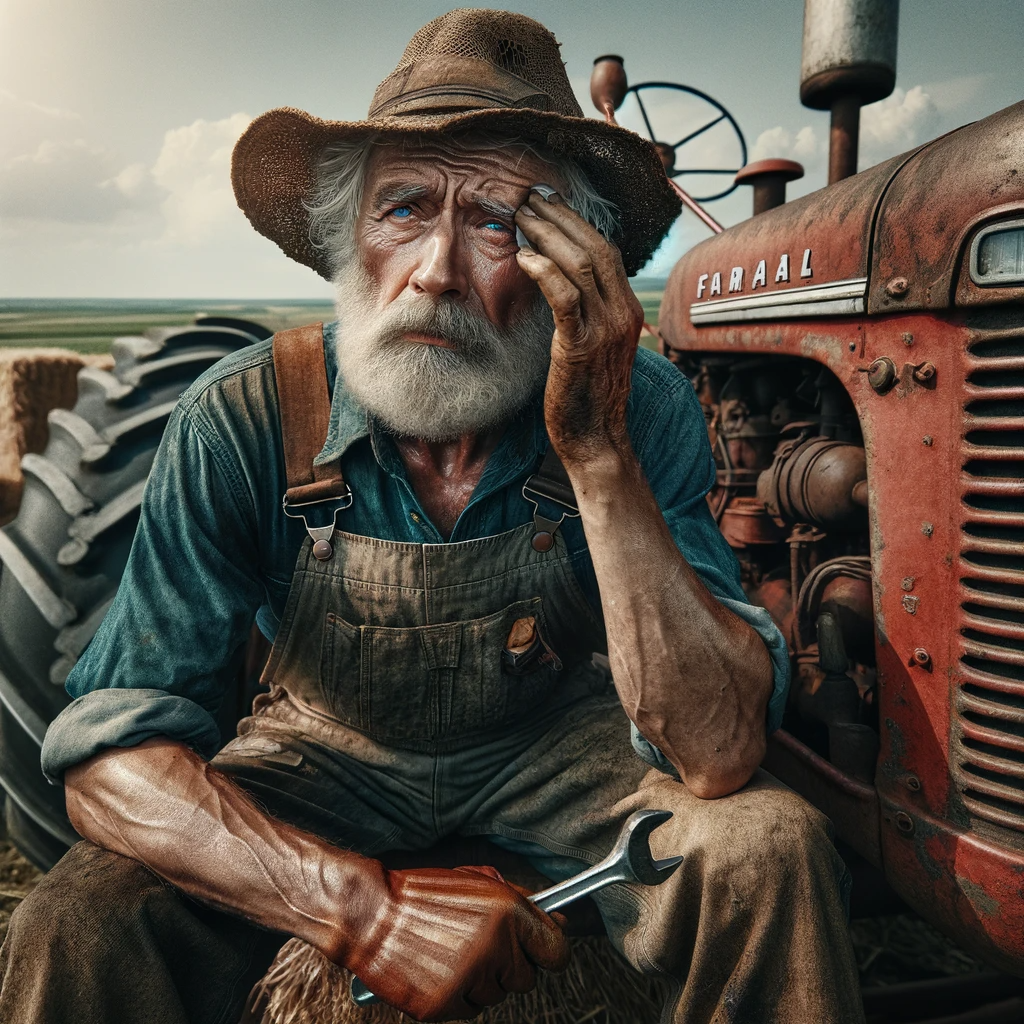
What Stories Of Freedom and Struggle Do Farmers Share About Machinery?
What Stories Of Freedom and Struggle Do Farmers Share About Machinery?
- Farmers are foundational to society, integrating freedom and struggle into their agricultural narratives.
- The tractor symbolizes agricultural innovation, representing efficiency and strength in farming.
- Initial experiences with tractors provide a sense of liberation from arduous manual labor.
- Modern farming presents challenges, including mounting debt from expensive technology investments.
- Farmers face pressure to keep up with evolving machinery amidst fears of losing livelihoods.
- Personal stories highlight community support, revealing deeper social bonds forged through shared struggles.
- The narratives emphasize the balance between technological progress and the enduring values of trust, perseverance, and community in farming.

What Stories Of Freedom and Struggle Do Farmers Share About Machinery?
Conclusion
In the intricate dance of modern agriculture, the allure of technological advancement often blinds us to the deeper truths about farming. The introduction of modern tractors, heralded as advancements in efficiency and productivity, has inadvertently structured a reality where the very essence of farming is at risk of being overshadowed. The farmer of today, nestled in the cab of a high-tech machine, might find themselves disconnected from the land that shaped their identity, trading sensory experiences of the soil for sterile screens that dictate every move.
Once a labor steeped in tradition, farming is transforming into a race for efficiency, a mechanical symphony drowning out the organic connection that has long defined the relationship between farmer and soil. Enthusiasm for precision farming has led to an ironic twist: as farmers gain mechanical freedom, they frequently lose the autonomy that comes from understanding the nuances of their land. With machines running the show, the artistry of farming has been swallowed by a culture of conformity, where every field is treated like a spreadsheet, and the individuality once cherished is diluted.
This detachment isn’t merely an anecdote; it carries profound implications for community and identity. The shared labor that once bound neighbors together—infused with laughter, camaraderie, and the sweat of honest toil—gives way to solitary operators of steel giants, each isolated in their pursuit of yield rather than unity. Ethically, we face a crossroads. As technology burgeons, we must evaluate the sustainability of our practices—are we nurturing the earth, or merely exploiting it for quick returns?
Yet, amidst this mechanized landscape is a clarion call for reclaiming a lost connection. Farmers can rekindle their creative stewardship, blending technological advantages with the time-honored wisdom of their forebears. This is an invitation not just to innovate, but to honor the past. The heart of farming still beats in the simple act of digging hands into soil, an embodiment of the commitment to care for the earth that feeds us.
As we navigate these complexities, our future will reflect the choices made today. The path isn’t just about embracing modernity; it’s about cultivating a sustainable marriage of old and new, where tractors serve not as the masters, but as partners in the beautiful tapestry of agriculture. Reconnecting with the land will ensure the narratives of farmers—rich with struggle and triumph—continue to thrive in harmony with innovation. It’s a freedom worth fighting for, one rooted in the soil and nourished by community.

Conclusion
Conclusion:
- Technological advancements in agriculture risk overshadowing the essence of farming.
- Modern tractors may create a disconnect between farmers and the land they cultivate.
- Farming is evolving into a focus on efficiency over traditional practices and organic connections.
- Precision farming can lead to a loss of autonomy and understanding of the land’s nuances.
- Isolation among farmers increases as shared labor and community bonds diminish.
- There is a need for sustainable practices that nurture the earth rather than exploit it.
- A call to blend technological advancements with traditional farming wisdom promotes a healthier future for agriculture.

Conclusion
Other Resources

Other Resources
Here is a list of other resources you can review online to learn more:
- NorTrac
- Steiner Tractor
- Toy Farmer
- Modern Farmers
- Idaho Farmand Ranch Museum
- Case IH
- Rock Island
- Silver King
- CLAAS
- IMT
- Titan Machinery
- Stihl
- Eastern Carolina Vintage Farm Equipment Club
- J.I.Case
- 1930’s Ag Museum
- Park Rapids Antique Tractor & Engine Club
- Minsk Tractor Works
- Kartar Tractors
- Barreiros
- Waterloo Boy
Use This Prompt To Get More Resources With Your Favorite Online AI Tool: Please provide me with a list of online articles with their URLs in a bulleted list that I can read regarding The Mechanical Freedom Modern Tractors Stole From Farmers

Other Resources
Glossary Terms
The Mechanical Freedom Modern Tractors Stole From Farmers – Glossary Of Terms
1. Operator agency — The farmer’s ability to make immediate, independent decisions about machine use, settings, and on-the-spot adjustments without relying on external systems or technicians.
2. Tactile feedback — Direct sensory information (vibrations, resistance, feel of soil/implement) that guided manual adjustments; reduced by enclosed cabs, automation, and sealed interfaces.
3. Field repairability — The capacity to diagnose and fix equipment in the field using simple tools and local parts, now diminished by integrated electronics and proprietary components.
4. Mechanical literacy — Hands-on knowledge of engines, drivetrains, hitches and simple hydraulics that enabled farmers to maintain and modify machinery themselves.
5. Improvisational modification — The traditional practice of adapting or fabricating implements to local needs; modern standardized, sealed systems limit ad‑hoc alterations.
6. Diagnostic intuition — Skill at detecting problems from sound, smell, or feel; replaced by opaque electronic fault codes and remote diagnostics.
7. Right-to-repair — Legal and technical ability to access manuals, parts, and software needed to service equipment independently; constrained by proprietary firmware and locked components.
8. Vendor independence — Freedom to source parts and services from multiple suppliers; reduced by manufacturer locks, serial-numbered parts, and exclusive service agreements.
9. Repair time autonomy — Control over when and how repairs are scheduled; decreased by dependence on specialized technicians and remote service windows.
10. Simple modularity — Use of interchangeable, repairable modules (bolts, bearings, belts) rather than integrated assemblies that force full-unit replacement.
11. Energy sovereignty — Control over fuel sources, conversion methods, or power systems; modern diesel- and electronics-dependent machines concentrate supply chains.
12. Calibration by feel — Setting implements (depth, draft, spread) based on hands-on judgment rather than preset digital calibrations.
13. Contextual judgment — Localized decision-making informed by microclimate, soil patches and crop condition, which automation can standardize away.
14. Soil-reading — The farmer’s skill to assess soil moisture, structure and compaction through touch and observation; automation substitutes sensor arrays but narrows tacit knowledge.
15. Draft control (manual) — Manual adjustment of implement load and hitching for optimal pull; automated draft control removes direct mechanical input from the operator.
16. Implement-craft — Skills to design, weld, or adapt implements to unique tasks; constrained by proprietary attachment standards and electronic integrations.
17. Sensory immersion — Continuous environmental awareness while operating open machinery; diminished by soundproofed, climate-controlled cabs and remote monitors.
18. Route discretion — Freedom to choose nonstandard passes, headlands and patterns based on immediate observation; GPS-guided automation enforces predefined lines.
19. Scale flexibility — Ability to operate effectively at small or irregular scales with simple equipment; modern high-powered tractors favor standardized, larger-scale operations.
20. Manual seed and input control — Direct control over seeding rates and input placement through manual equipment; increasingly managed by closed, calibrated systems.
21. Practical mechanics — Low-tech troubleshooting and use of local materials for fixes; replaced by reliance on OEM parts and digital repairs.
22. Social maintenance networks — Community-based exchange of knowledge, parts and labor; weakened by proprietary technology and centralized aftermarket services.
23. Telemetry dependence — Reliance on remote data streams, connectivity and cloud platforms for machine performance and guidance, introducing new points of failure and control.
24. Software sovereignty — Ability to operate and modify machine software and settings; curtailed by signed firmware, locked ECUs and licensed code.
25. Proprietary coupling — Manufacturer-specific hitch, hydraulic and electrical interfaces that prevent cross-brand interoperability and DIY attachments.
26. Autonomous override — The operator’s capacity to intercede and override machine automation in real time; limited by locked controls and automated safety/operational logic.
27. Maintenance pacing — Freedom to perform incremental, small-scale upkeep on one’s own schedule; supplanted by vendor-recommended service intervals and diagnostic-triggered repairs.
28. Financial independence in tooling — Avoiding long-term financing or bundled purchase obligations for specialized equipment; modern pricing and leasing models tie farmers to manufacturers.
29. Practice diversity — A wide array of local, craft-based farming techniques enabled by adaptive tools; diminished as machines standardize practices and inputs.
30. Experimental agility — The ability to trial novel techniques, ad-hoc implements or alternative fuels quickly and cheaply; constrained by integrated electronics, warranty rules and the cost of proprietary components. Glossary Of Terms
Other Questions
The Mechanical Freedom Modern Tractors Stole From Farmers – Other Questions
If you wish to explore and discover more, consider looking for answers to these questions:
- How much do modern tractors cost to buy, finance, and insure?
- What are the ongoing maintenance and repair expenses for advanced tractors?
- Who owns the data generated by GPS, sensors, and onboard software?
- Are farmers legally allowed to repair or modify their own tractors (right to repair)?
- Do manufacturers lock features behind subscriptions or proprietary services?
- What technical skills or training are required to operate and maintain these machines?
- What happens if critical systems fail during planting or harvest windows?
- How do tractors contribute to soil compaction and long-term soil health?
- Can modern tractors be used in regenerative or no‑till farming systems?
- What is the full environmental footprint of modern tractors (manufacture, fuel, disposal)?
- How do tractors affect biodiversity and on‑farm ecological resilience?
- Do mechanized practices reduce crop diversity and local seed systems?
- How does reliance on machinery influence smallholder and family farm viability?
- Are there affordable alternatives or low‑tech options for smaller farms?
- What cooperative or equipment‑sharing models exist to lower costs and increase access?
- How do mechanization and automation affect farm labor demand and rural employment?
- What social impacts arise from reduced neighborly collaboration and shared labor?
- How does mechanization change farmers’ decision‑making autonomy and creativity?
- What are the mental‑health and identity impacts on farmers facing technological displacement?
- How do corporate sales, leasing, and service models shape agricultural practices and priorities?
- What regulations or standards govern autonomous tractors and precision agriculture systems?
- What cybersecurity and privacy risks are associated with connected farm machinery?
- How do subsidies, tax incentives, or policy favor mechanization over other practices?
- What is the typical lifespan and resale value of modern, tech‑heavy tractors?
- How do farmers evaluate return on investment (ROI) for precision equipment?
- Are there case studies of farms that successfully blend traditional knowledge with modern machinery?
- How can farming communities preserve traditional skills and local knowledge amid mechanization?
- What certifications, warranties, or service agreements should buyers scrutinize?
- How interoperable are different brands and generations of implements and software?
- Does mechanization affect crop quality, nutritional value, or taste?
- What ethical considerations arise from outsourcing decisions to algorithms?
- How do regional differences (soil, climate, crop type) affect the benefits and harms of tractors?
- What financing, grant, or training programs help small and mid‑sized farms adopt technology responsibly?
- How can policy or collective action protect farmers’ rights over equipment, data, and decision‑making?
- How might future innovations change the balance between farmer autonomy and machine control?

Other Questions
Haiku
The Mechanical Freedom Modern Tractors Stole From Farmers – A Haiku
Steel beasts roll on fields,
Touch lost, souls tied to machines—
Nature’s heart whispers.

Haiku
Poem
The Mechanical Freedom Modern Tractors Stole From Farmers – A Poem
In fields once rich with warmth and care,
Where hands shaped destiny, now machines glare.
With tractors roaring, the promise of might,
Yet hearts grow heavy, lost in the fight.
Once, the sun kissed soil with the farmers embrace,
Now algorithms dictate, erasing the trace.
Connection to roots, a bond now frayed,
As progress marches on, traditions betrayed.
Jack recalls the sweat, the art of the toil,
But now in the cab, he’s lost in the coil.
Efficiency reigns, yet whispers of pain,
In the hum of the engines, a longing remains.
At the crossroads of tech and the heart’s gentle plea,
Understanding the land is lost in the spree.
With neighbors like shadows, community wanes,
The rich tapestry of farming now fraught with chains.
Can machinery serve as a partner in trust?
Balancing speed with the care that we must.
For every harvest reaped, let stories be told,
Of heritage cherished, and connections bold.
So let’s reclaim the rhythm, embrace every seed,
Fostering a future where both heart and mind lead.
In fields where machines and gentle hands blend,
We cultivate freedom, with nature as friend.

Poem
Checklist
The Mechanical Freedom Modern Tractors Stole From Farmers – A Checklist
Appealing to the Heart
✅______ Reflect on the emotional connection between farmers and their land.
✅______ Share personal stories of traditional farming methods that fostered community and creativity.
✅______ Consider the joy of nurturing crops and the profound sense of purpose that farming brings.
Appealing to the Head
✅______ Evaluate the long-term impacts of reliance on modern machinery vs. traditional practices.
✅______ Analyze productivity metrics alongside the health of soil and ecosystem.
✅______ Explore the balance between efficiency and sustainable farming practices.
Appealing to the Gut
✅______ Assess the feelings of isolation caused by mechanization in farming.
✅______ Recognize the stress and anxiety tied to financial investments in new technology.
✅______ Foster discussions on the ethical responsibilities of farmers toward their land and community.
Emotional Appeals
✅______ Encourage empathy and understanding of farmers’ emotional struggles with modernization.
✅______ Highlight the beauty and art of traditional farming beyond mere labor.
Rational Appeals
✅______ Present data on the ecological impacts of heavy machinery.
✅______ Discuss the potential for innovation that respects and integrates local farming traditions.
Ethical Appeals
✅______ Encourage reflection on the responsibility to pass down sustainable practices to future generations.
✅______ Engage in discussions about the impact of corporate farming on local communities and biodiversity.
Authority Appeals
✅______ Cite farming experts and successful case studies that blend technology with tradition.
✅______ Share research on the benefits of community-supported agriculture approaches.
Narrative Appeals
✅______ Invite farmers to share their stories, struggles, and triumphs to build a shared narrative.
✅______ Emphasize the importance of collective memory and experience in the farming community.
Social Appeals
✅______ Promote community events where farmers can reconnect and share knowledge.
✅______ Encourage collaboration between traditional farmers and tech-savvy innovators to harness the best of both worlds.

Checklist
At ClassicTractorNews, we help tractor lovers keep up with the latest news for classic and vintage tractors.
Please share this post with your friends, family, or business associates who may like old classic or vintage tractors.