


Timeless Trust: Embrace The Enduring Power Of Classics
By Tom Seest
At ClassicTractorNews, we help tractor lovers keep up with the latest news for classic and vintage tractors.
Please share this post with your friends, family, or business associates who may like old classic or vintage tractors.
The Honest Workhorse – Why Classics Never Let You Down
The Honest Workhorse – Why Classics Never Let You Down
There’s something beautifully reliable about a classic. Picture a weathered tractor, its paint chipped but its engine still humming with the rhythm of hard work. This isn’t just machinery; it’s a testament to the concept of endurance and the value of the time-tested. In a world obsessed with the new and shiny, the classics remind us that true reliability often lies within the familiar.
When most people think of a tractor, they might picture endless fields, the smell of fresh earth, and the hum of a long day’s work. Yet, the tractor represents more than just a tool for farming; it embodies the spirit of resilience. It’s that old friend who’s always been there for you, through thick and thin, never letting you down. Those vintage models, built with a commitment to quality, carry stories of generations. Every dent and scratch tells a tale of labor, perseverance, and triumph. They connect us—across time, space, and circumstance—through shared experiences of toil and sweat.
Intellectually, we understand that newer versions come with innovations and bells and whistles. But there’s a stark difference between being flashy and being functional. Often, the classics are simpler, unaffected by trends. When you need something that works—really works—you often turn to those models from decades past. It’s not just nostalgia; it’s a rational choice grounded in practicality. Why? Because they’ve been tested in the trenches of life’s challenges, proving time and again that they won’t just sit in the garage looking pretty. They’re built to last.
Ethically, there’s something comforting about investing in what has proven its worth. Supporting classic craftsmanship means valuing the artisans and workers who poured their heart into every piece. It’s a subtle but powerful statement: we trust those who came before us, those who understood the true meaning of diligent work.
The story of a classic tractor is one of commitment, hard work, and unwavering loyalty. Similarly, we can find these qualities in our own lives. We learn through our experiences, and we often gravitate toward the dependable. Whether it’s your grandfather teaching you the value of honesty or a favorite book that never fails to inspire you, the classics help us navigate our own paths.
So, when considering your next investment—be it a tool, a book, or a principle—remember the humble tractor. Trust in the classics. They have a profound ability to bridge the gap between the past and future, reminding us that sometimes, the best choice is the one that has always been there, steadfast and ready to work alongside you.

The Honest Workhorse – Why Classics Never Let You Down
The Honest Workhorse – Why Classics Never Let You Down
- Classics embody reliability and endurance, as represented by a weathered tractor.
- Tractors symbolize resilience and shared experiences of hard work across generations.
- Classic models prioritize functionality over flashy innovations, proving their worth through practical use.
- Investing in classics supports traditional craftsmanship and acknowledges the dedication of artisans.
- The story of a classic tractor reflects commitment, loyalty, and the value of dependable tools in life.
- Personal experiences often draw individuals towards classics that inspire and guide them.
- Choosing classic investments can bridge the past and future, offering steadfast support in various aspects of life.

The Honest Workhorse – Why Classics Never Let You Down
Table Of Contents
- The Honest Workhorse – Why Classics Never Let You Down
- What Makes Classic Values Resonate Deeply Within Us?
- Can Traditions Guide Us Through Uncertainty?
- Why Do We Find Solace In Timeless Stories and Ideals?
- How Do Classic Principles Shape Our Understanding Of Ethics?
- What Role Does Authority Play In Valuing Classic Teachings?
- How Do Classics Forge Connections In a Fragmented World?
- Conclusion
- Other Resources
- Glossary Of Terms
- Other Questions
- Haiku
- Poem
- Checklist
What Makes Classic Values Resonate Deeply Within Us?
Growing up in a small town, there was always a tractor in the distance, a symbol of hard work and perseverance. It wasn’t just a machine; it was a testament to the values that have been passed down through generations—values that resonate deeply within us. These classic values—honesty, integrity, and resilience—are not mere buzzwords; they are the bedrock of a life well-lived.
Take a moment to recall a time when you faced a challenge. Perhaps it was that daunting project at work or a tough moment in your personal life. The instinct to push through, to dig your heels in like the sturdy tires of that tractor plowing through fields, comes from an inherent understanding of these values. It’s not merely about grit; it’s about recognizing that the journey is just as important as the destination. When we honor our commitments and embrace responsibility, we foster a sense of trust—not just in ourselves but in our communities.
Classic values also present a moral compass in increasingly chaotic times. We look around and notice an erosion of trust in institutions and a rise in divisiveness. In moments like these, reflecting on shared values acts like a beacon, guiding us home. It reminds us of our interconnectedness, illustrating that, despite our differences, we all cherish the same foundational principles. This a priori recognition fosters not only empathy but also encourages action. When we honor these values publicly, we inspire others and create a ripple effect that can galvanize entire communities.
Let’s consider the stories we tell ourselves. Every narrative, whether woven from personal experiences or handed down from family lore, reinforces our values. The tale of a neighbor sacrificing a little extra to help a friend in need feels familiar, doesn’t it? It’s why we feel a tightening in our chests when we recount the triumphs and struggles of those who came before us. Their resilience inspires us to act, reminding us that classic values aren’t relics—they’re living, breathing commitments we make every day.
This resonance is deeply rooted in our shared humanity. The shared laughter around a dinner table, the solemn moments at a memorial service, or even that first drive in a tractor during harvest season connect us to something greater. In embracing and living these values openly, we not only enrich our own lives but also spark a sense of belonging that is crucial in today’s world. It’s about wanting to be part of something larger—a community cultivated on the principles of the past, thriving in the present, and destined for a brighter future.

What Makes Classic Values Resonate Deeply Within Us?
What Makes Classic Values Resonate Deeply Within Us?
- A tractor symbolizes hard work and perseverance in small-town life.
- Classic values such as honesty, integrity, and resilience form the foundation of a fulfilling life.
- Facing challenges cultivates an understanding of these enduring values.
- Honor commitments to foster trust within ourselves and our communities.
- Shared values serve as a moral compass amidst societal chaos and divisiveness.
- Personal narratives and community stories reinforce and inspire adherence to these values.
- Embracing values enriches lives and strengthens a sense of belonging in the community.

What Makes Classic Values Resonate Deeply Within Us?
Can Traditions Guide Us Through Uncertainty?
Traditions can serve as our compass, guiding us through the murky waters of uncertainty. In a world that often feels like a runaway tractor, careening down a bumpy road with no brakes, it’s easy to get lost. When chaos looms, we turn to the familiar—family recipes passed down through generations, the comforting scent of a home-cooked meal, or the raucous laughter echoing through holiday gatherings. These rituals aren’t mere customs; they’re lifelines, anchoring us to a shared past and offering us a safe harbor in turbulent times.
Take, for instance, the power of storytelling. As a kid, I spent summers on my grandfather’s farm, where the warmth of the sun mixed with the earthy smell of freshly plowed fields. He’d often pause his work—a tractor humming nearby—to share tales of hardship and triumph, wisdom wrapped in the fabric of family lore. Those stories not only entertained; they instilled resilience and fostered connections that transcended the immediate. When uncertainty strikes, recalling these narratives—those hard-fought lessons imbued with hope—can light the way forward.
In dire moments, we are presented with two choices: we can retreat into fear or draw strength from our traditions. The bonds formed by shared practices allow us to navigate not just our own uncertainties, but those of our communities. Whether it’s a yearly family reunion or a simple Sunday dinner, these gatherings reinforce our identity and remind us of our collective strength. They draw a line between us and the chaos outside, creating a social fabric that provides comfort and reassurance.
Moreover, our traditions carry ethical weight, inviting us to consider the values they embody. They challenge us to uphold principles such as kindness, respect, and hard work, serving as a moral compass. In challenging times, leaning into these values can lead us to make better decisions, guide our actions, and inspire those around us.
Traditions aren’t static relics; they evolve, embracing the new while celebrating the past. As we face uncertainty, we can adapt these rituals, weaving new threads into the fabric of our lives. This evolution fosters a sense of agency, reminding us that though we may not control the chaos, we can shape how we respond to it. Embracing tradition, in all its nuanced forms, empowers us to stand tall amidst the uncertainty, fostering connections that remind us we’re never truly alone.

Can Traditions Guide Us Through Uncertainty?
Can Traditions Guide Us Through Uncertainty?
- Traditions guide us through uncertainty, acting as a compass in chaotic times.
- Familiar rituals, such as family recipes and holiday gatherings, provide comfort and stability.
- Storytelling from family members fosters resilience and strengthens connections.
- Traditions allow us to navigate personal and communal uncertainties together.
- The ethical values embodied in traditions serve as a moral compass, encouraging kindness and respect.
- Traditions evolve over time, allowing adaptation while honoring the past.
- Embracing tradition empowers us to respond to chaos and reinforces the sense of community and connection.

Can Traditions Guide Us Through Uncertainty?
Why Do We Find Solace In Timeless Stories and Ideals?
Timeless stories and ideals have a remarkable way of anchoring us in a world that often feels tumultuous and unpredictable. Whether it’s the gentle hum of an old tractor chugging through fields or the haunting refrain of a well-loved song, these narratives resonate with us in profound ways. They serve not merely as entertainment but as foundational truths that remind us of who we are and where we come from.
When life’s challenges weigh us down, it’s the tales of resilience, bravery, and community that lift us back up. For instance, think of the story of a hardworking farmer, rising with the dawn, tending to his crops—each seed a testament to hope and effort. Just as a tractor intertwines with the soil, these stories cultivate a sense of belonging and understanding. In moments of uncertainty, recalling these simple yet powerful truths can bring comfort, illuminating a path forward.
Ah, but that’s just the beginning. There’s an intricate tapestry of human experience woven into each narrative. We find ourselves in the characters, seeing reflections of our struggles, fears, and dreams. This connection transcends mere entertainment; it’s a call to our better selves. When we hear about someone facing adversity, it triggers empathy and reminds us of our shared humanity. It’s in these moments that we realize our individual stories are part of a larger narrative—one that champions perseverance and integrity.
The ethical appeal of timeless ideals cannot be overlooked. They challenge us to aspire to greatness, not just for ourselves but for the collective good. Whether it’s the concept of justice, the value of hard work, or the necessity of kindness, these ideals invite us to step beyond our own lives and consider our broader impact. In a society that often prioritizes individual gain, they urge us to focus on legacy, community, and connection.
In sharing these narratives, we foster relationships with others, creating spaces where vulnerability is honored, and stories are exchanged. It becomes a circle of trust, where each tale shared is a thread woven into the fabric of a community, strengthening bonds.
Ultimately, the solace we find in these stories isn’t just about nostalgia; it’s a profound reminder that through every twist and turn of life, there’s an enduring truth waiting for us. It whispers in the wind as we navigate our days, guiding us, comforting us, and reminding us that while times may change, the core of our humanity remains steadfast.
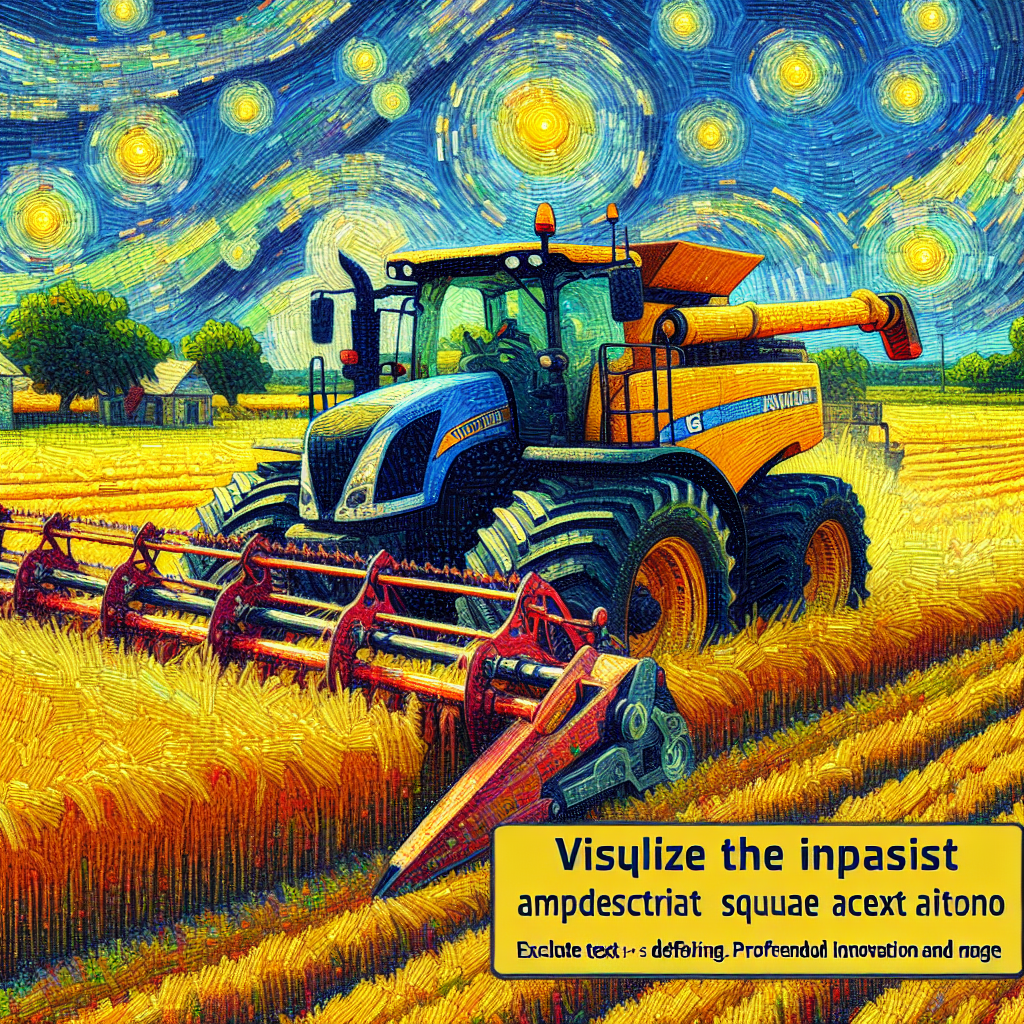
Why Do We Find Solace In Timeless Stories and Ideals?
Why Do We Find Solace In Timeless Stories and Ideals?
- Timeless stories and ideals provide stability in a chaotic world.
- These narratives embody hope, resilience, bravery, and community.
- They reflect our struggles, fears, and dreams, fostering a sense of connection.
- Timeless ideals inspire us to act for the collective good and consider our impact.
- Sharing stories nurtures relationships and creates a trusting community.
- The solace found in these narratives serves as a reminder of enduring truths.
- Despite changing times, our fundamental humanity remains constant.

Why Do We Find Solace In Timeless Stories and Ideals?
How Do Classic Principles Shape Our Understanding Of Ethics?
How Do Classic Principles Shape Our Understanding of Ethics?
When we think about ethics, it’s easy to get lost in lofty ideals and intricate philosophies, but often, the roots of our ethical beliefs lie in everyday experiences. Picture a rugged old tractor in a sunlit field. It’s a simple machine, built for hard work, yet it embodies the timeless principles of responsibility, honesty, and integrity. Just like that tractor, our understanding of ethics is grounded in what we do and how we relate to the world and each other.
Imagine a farmer, his hands calloused from years of labor, who believes in sustainable practices. He could churn out crops faster by using harmful pesticides, but instead, he chooses the hard road, nurturing the earth under his feet. This isn’t just an ethical decision; it’s a way to honor the legacy of the land and the community that sustains it. His choice reflects a commitment to principles that transcend personal gain, speaking directly to our hearts. It’s an automatic connection; we can’t help but admire the courage it takes to uphold such values, even when the easier path beckons.
Yet, principles without context can feel like mere ideas floating in the wind. What we need to remember is that ethics blooms within our stories—stories that carry weight and shape our communal understanding. Each time we share a lesson learned from trial and error, it’s like adding fuel to that tractor, enabling it to pull us forward. Ethical frameworks, like the sturdy construction of old machinery, offer us guidance and direction, inviting us to be more intentional about our choices.
Consider the authority we grant to those who embody these principles; we trust them because they practice what they preach. We don’t just want to hear what’s right; we long to see it lived out in real terms. My grandfather, for instance, instilled in me the value of honesty through a simple act: he always returned extra change after a transaction. It wasn’t just about money; it was a lesson in integrity that carried on through generations, shaping my ethical compass.
Classic principles, much like that tractor, are not just there to admire from a distance; they are tools designed for action. They ask us to roll up our sleeves and engage with the world around us. So, when we talk about ethics, let’s connect those timeless principles to our daily lives. Let’s get our hands dirty, create our own narratives, and be the kind of people who inspire others to do the same.

How Do Classic Principles Shape Our Understanding Of Ethics?
How Do Classic Principles Shape Our Understanding Of Ethics?
- Ethics is grounded in everyday experiences, not just lofty ideals.
- Classic principles like responsibility, honesty, and integrity shape our understanding of ethics.
- A farmer exemplifies ethical choices by opting for sustainable practices over harmful shortcuts.
- Ethics is tied to stories that inform and shape our communal understanding.
- Lessons from personal experiences, like those from family, instill lasting values.
- Classic principles serve as action-oriented tools that guide our decisions.
- Engaging with ethics in daily life encourages creating narratives that inspire others.

How Do Classic Principles Shape Our Understanding Of Ethics?
What Role Does Authority Play In Valuing Classic Teachings?
Authority wields profound influence in our engagement with classic teachings, shaping not only what we value but how we perceive the world around us. It’s like that trustworthy old tractor in a farmer’s field—reliable, sturdy, and a reminder of tradition. Authority provides the framework through which we interpret these teachings, offering us a lens made up of cultural, historical, and personal experiences that resonate deeply with our lives.
Take a moment to consider the stories we pass down through generations—from parables that echo timeless truths to philosophies that challenge our thinking. These teachings, rich in authority, draw us in with their narratives. They’re not merely words on paper; they’re infused with lessons that have forged communities, shaped societies, and provided guidance through centuries of progress and adversity. When an authority figure—be it a revered teacher, a historical figure, or even a family elder—shares these stories, their voices connect us to a lineage that goes beyond individual experience.
Yet, it’s not just the credibility of the source that matters; it’s the heart behind the words. Classic teachings have a way of tapping into our gut feelings, offering frameworks that resonate with our shared humanity. A moral dilemma or an age-old question isn’t just a philosophical exercise; it plays a pivotal role in who we are and how we relate to one another. For instance, consider the story of a teacher who once stood in front of a classroom, recounting a lesson not just from a textbook but from his own life experiences during tough times. It wasn’t the fact that he was a teacher that held authority; it was the authenticity and vulnerability he displayed that made the teachings come alive.
In valuing these classic teachings, we rely on both emotional and rational authority. As we navigate this fast-paced world, the perennial wisdom found in these teachings serves as a compass, grounding our choices and connecting us to something greater than ourselves. Just as a tractor moves earth and nurtures growth, these teachings allow us to cultivate our understanding and relationships, urging us to dig deeper in our pursuit of knowledge and ethical living.
Ultimately, authority plays a dual role—anchoring us to our past while guiding us into the future. We must embrace the passion woven into these classic teachings, allowing ourselves to be inspired, challenged, and transformed by them. Let that tractor of authority drive not just information into our minds, but also purpose into our hearts, spurring us onward in our quest for wisdom.

What Role Does Authority Play In Valuing Classic Teachings?
What Role Does Authority Play In Valuing Classic Teachings?
- Authority influences our engagement with classic teachings, shaping values and perceptions.
- Acts as a dependable framework for interpreting teachings through cultural, historical, and personal lenses.
- Classic teachings are narratives that convey timeless truths and moral lessons, enriching community ties.
- The authenticity of the authority figure enhances the impact of these teachings beyond mere credibility.
- Emotional and rational authority in classic teachings guide our understanding of morality and human relationships.
- These teachings serve as a compass in a fast-paced world, connecting us to greater meanings and ethical living.
- Authority simultaneously anchors us to the past and guides us into the future, inspiring transformation and purpose.

What Role Does Authority Play In Valuing Classic Teachings?
How Do Classics Forge Connections In a Fragmented World?
In a world that often feels like it’s been ripped apart at the seams—like a tractor engine sputtering under pressure—classics act as the balm that soothes our collective soul. They remind us of what it means to be human, threading through the fabric of our existence with tales that resonate across generations. When we dive into a classical piece of literature, it’s like hopping onto an old tractor that’s been in the family for years; it may not have all the bells and whistles of modern machinery, but it works hard and gets the job done.
Think about the stories that linger with us, those that tug at our heartstrings and ignite our minds. Take, for example, the trials and tribulations of Odysseus—his journey home is not just a tale of adventure; it mirrors our own struggles for belonging and purpose. Each of us has faced moments of uncertainty, battling the odds to find our way back to the people we love.
These classical narratives offer not just escapism but a reflection of our moral compass. In a time when ethical dilemmas abound and our social fabric is fraying, they provide timeless lessons on courage, loyalty, and resilience. They challenge us to think critically, urging us to evaluate our values amidst the clamor of modern distractions.
A unique lens through which we can appreciate these stories is their ability to foster connection in unexpected ways. Consider the community that forms around a shared passion for classics. Whether discussing the nuances of Shakespeare’s tragedies over coffee or swapping interpretations of ancient Greek philosophy in a park, these conversations forge bonds deeper than mere acquaintanceship. They transform strangers into allies, united by a common quest for understanding and meaning in life’s chaos, much like farmers gathering to exchange stories and advice by their tractors.
The appeal of classics lies not just in their words but in their power to invite us to reflect on our own life narratives. They hold up a mirror to our joys and sorrows, showing us that, regardless of our background or beliefs, we’re all navigating the same rocky terrain of human experience. In every page, there’s an invitation—to trust in the shared journey of humanity, to act with empathy, and to connect across the divides that often seem insurmountable. When we embrace these stories, we find common ground, a solid patch of earth upon which to nurture our shared humanity.

How Do Classics Forge Connections In a Fragmented World?
How Do Classics Forge Connections In a Fragmented World?
- Classics serve as a soothing balm in a fragmented world, reminding us of our shared humanity.
- They resonate across generations, providing meaningful tales that reflect our existence.
- The journey of Odysseus symbolizes personal struggles for belonging and purpose.
- Classical narratives offer moral reflections, emphasizing courage, loyalty, and resilience amidst modern challenges.
- They foster community through shared discussions, transforming strangers into allies.
- Classics invite introspection, reflecting our joys and sorrows and our collective human experience.
- Embracing these stories helps us find common ground and nurture our shared humanity.

How Do Classics Forge Connections In a Fragmented World?
Conclusion
Classics endure like the solid roots of a venerable oak tree, reminding us of the reliable values that have shaped not just individuals, but communities across generations. Imagine that weathered tractor, still chugging along, representing hard work and resilience. In a society constantly chasing the new, the classic offers a grounding force, a reminder that what’s been tried and tested often proves to be the most reliable.
At the heart of these classics lies a profound narrative of perseverance. Each scratch and dent on that old tractor serves as a lesson in dedication and integrity, mirroring the experiences etched into our own lives. As we grapple with daily challenges, it’s these stories and values that equip us, urging us to dig our heels in and push through the obstacles that life throws our way. They resonate not just in concept but intangibly in our souls, providing a moral compass in chaotic times and forging connections where division often reigns.
The authority of these classic principles, conveyed through stories passed down by family and community, reinforces the importance of ethical living. They challenge us to act with integrity and foster trust, both in ourselves and in those around us. When we align our actions with these timeless ideals, we not only uphold personal commitment but also contribute to a collective identity grounded in mutual respect.
Tradition is not a relic of the past; it’s a living entity that evolves while ensuring the continuity of essential values. As we revisit and adapt these rituals, we gain a sense of agency, reminding ourselves that even in unpredictable moments, we have the tools to navigate with intention and purpose. The tales we share—of shared laughter over a home-cooked meal or the warmth of a gathering—anchor us, reinforcing our interconnectedness.
Ultimately, embracing these classic values empowers us to confront uncertainty together, reminding us that our struggles are shared. Timeless narratives invite us to explore our shared humanity, illuminating the path forward in turbulent times. They stand as a testament to our capacity for empathy and connection, spurring us to nurture relationships and communities founded on the principles of resilience, hard work, and unwavering loyalty. In trusting the classics, we not only honor the past but also equip ourselves for the future, where the enduring truths of life will persist, guiding us every step of the way.

Conclusion
Conclusion:
- Classics symbolize enduring values that shape individuals and communities across generations.
- An old tractor represents hard work and resilience amidst a society focused on the new.
- Classics tell stories of perseverance, offering moral guidance through life’s challenges.
- These timeless principles encourage ethical living and foster trust among individuals.
- Tradition evolves while preserving essential values, providing agency in unpredictable times.
- Embracing classic values strengthens interconnectedness and shared struggles within communities.
- Trusting the classics helps honor the past while equipping us for the future.

Conclusion
Other Resources

Other Resources
Here is a list of other resources you can review online to learn more:
- Holt
- Massey Ferguson
- Antique Engine & Tractor Association
- Antonio Carraro
- Froelich Tractor Museum
- Bima
- Heider
- Ascot Universal
- Keck-Gonnerman
- Brockway
- Agra Cat
- IMR Rakovica
- Minneapolis
- Minot
- John Deere
- Shibaura
- Classic Farm Tractors
- McKee
- KAMCO
- Dutra
Use This Prompt To Get More Resources With Your Favorite Online AI Tool: Please provide me with a list of online articles with their URLs in a bulleted list that I can read regarding The Honest Workhorse – Why Classics Never Let You Down

Other Resources
Glossary Terms
The Honest Workhorse – Why Classics Never Let You Down – Glossary Of Terms
1. Classic — An object, design, or work whose form and function remain valued and relevant across generations.
2. Timelessness — The quality of not being bound to a specific era or trend, maintaining appeal over long periods.
3. Durability — Physical robustness that sustains performance and appearance through prolonged use.
4. Craftsmanship — Skilled, attentive making that produces reliable, well-finished results.
5. Simplicity — Clarity of purpose and form that avoids unnecessary complexity.
6. Utility — Practical usefulness; the measure of how well something performs its intended job.
7. Reliability — Consistent, predictable operation under ordinary conditions.
8. Heirloom — A durable, meaningful object intended to be kept and passed down.
9. Patina — The desirable surface changes and signs of age that add character and authenticity.
10. Reparability — The ease with which an object can be fixed, maintained, or restored.
11. Modularity — Design in interchangeable parts that simplifies repair, upgrade, and customization.
12. Provenance — Documented origin or history that contributes to trust, value, and meaning.
13. Minimalism — Intentional reduction to essentials that strengthens clarity and function.
14. Functionalism — The principle that form should be driven primarily by practical purpose.
15. Refinement — Incremental improvements over time that perfect performance and detail.
16. Proportion — Harmonious scale and relationships between elements that feel balanced and enduring.
17. Material honesty — Use of materials presented and valued for their true properties rather than disguised.
18. Aesthetic economy — Achieving visual appeal through restraint and purposeful choices.
19. Standards — Established specifications that ensure longevity, interoperability, and reliability.
20. Proven design — Solutions validated by repeated use, testing, and user trust.
21. Versatility — Capacity to perform well in multiple contexts or adapt to changing needs.
22. Comfort — Ergonomic and sensory qualities that remain pleasurable through use.
23. Maintenance — Routine care practices that preserve function and extend lifespan.
24. Legacy — The lasting influence a work exerts on culture, craft, or subsequent designs.
25. Authenticity — Genuineness in origin, intention, and execution that resists fad-driven imitation.
26. Economy of resources — Efficient use of materials and energy across a product’s lifecycle.
27. Sustainability — Long-term environmental and social considerations embedded in durable design.
28. Signature silhouette — A distinctive outline or profile that makes a classic instantly recognizable.
29. Signature detail — Small, characteristic features that signal quality and distinguish a classic.
30. Cultural resonance — The capacity of a work to evoke shared meanings and emotional attachment over time. Glossary Of Terms
Other Questions
The Honest Workhorse – Why Classics Never Let You Down – Other Questions
If you wish to explore and discover more, consider looking for answers to these questions:
- What exactly qualifies as a “classic” in different domains (tools, literature, values, design)?
- What historical examples show classics outperforming newer alternatives over time?
- How do you measure the practical reliability of a classic versus a modern counterpart?
- When is nostalgia clouding judgment about a classic rather than supporting it?
- How can individuals and communities preserve classic artifacts and traditions effectively?
- What are the environmental and economic trade-offs of choosing classics over new products?
- How do cultural differences influence which works or values become “classics”?
- How should we balance innovation and convenience with the virtues of classic reliability?
- What role do craftsmen, artisans, and institutional authorities play in maintaining classics?
- How can classic principles be adapted responsibly to modern contexts without losing their core meaning?
- What are common misconceptions about classics and how can they be corrected?
- How do classics contribute to community resilience during crises or uncertainty?
- What ethical frameworks best capture the values embodied by classics (honesty, duty, stewardship)?
- How can parents and educators teach classic values and stories to younger generations?
- What criteria should collectors or buyers use when restoring or investing in vintage machinery or artifacts?
- How do authority and authenticity get established for a classic teaching or object?
- What are potential downsides of over-relying on tradition in fast-changing fields?
- Which modern works or technologies might become tomorrow’s classics, and why?
- How do classics foster cross-generational conversation and mutual understanding?
- What role do timeless stories play in shaping public ethics and civic behavior?
- How can organizations apply classic principles to leadership, governance, and strategy?
- What research or case studies support the claim that classics “never let you down”?
- How do you evaluate the authenticity of a classic story or value in a contested historical narrative?
- What practical steps can someone take today to incorporate classic values into daily life?

Other Questions
Haiku
The Honest Workhorse – Why Classics Never Let You Down – A Haiku
Timeless tales endure,
Tractors plow through fields of trust—
Roots of heart and grit.

Haiku
Poem
The Honest Workhorse – Why Classics Never Let You Down – A Poem
In fields where old tractors toil,
Their stories etched in earth and soil,
Timeless strength in rust and wear,
Reliable witnesses, ever there.
Through lives adorned by toil and sweat,
They teach us values we wont forget—
Integrity, with roots so deep,
A promise kept, a bond to keep.
In chaos where uncertainty reigns,
Their steady hum remains in our veins.
With traditions that anchor in stormy seas,
We gather strength from family trees.
Stories of hardship, courage, and grace,
Each one a mirror, revealing our place.
From rustic machines to the hearts we mend,
The classics remind us, we’re never alone in the end.
Let us cherish the lessons, embrace the old ways,
For in their embrace, our spirit stays.
In the fabric of life, through each shared thread,
Trust in the classics—our guide until we’re dead.

Poem
Checklist
The Honest Workhorse – Why Classics Never Let You Down – A Checklist
Emotional Appeals
✅______ Reflect on a classic story that resonates with you. What lessons does it impart about resilience?
✅______ Identify a classic symbol in your life, like a family heirloom or tradition, that reminds you of hard work.
Rational Appeals
✅______ List three practical benefits of choosing “classics” over modern trends in your daily life.
✅______ Evaluate a decision you are facing; can applying classic values guide your choice?
Ethical Appeals
✅______ Consider a situation where you can uphold traditional values, such as honesty or integrity. Write down your commitment to act on it.
✅______ Think about how supporting classic craftsmanship or local artisans aligns with ethical consumerism.
Authority Appeals
✅______ Identify a mentor or authority figure whose teachings embody classic values. Reflect on how their influence shapes your beliefs.
✅______ Find a classic text or teaching that you can explore. What insights from it can strengthen your ethical foundation?
Narrative Appeals
✅______ Share a story from your past where classic values helped you overcome challenges. What did you learn?
✅______ Think of a narrative that illustrates the importance of community and connection. How does it inspire your actions today?
Social Appeals
✅______ Engage in a conversation about classics with friends or family. What shared values emerge?
✅______ Attend a community event that celebrates traditional practices. Reflect on the connections you build there.

Checklist
At ClassicTractorNews, we help tractor lovers keep up with the latest news for classic and vintage tractors.
Please share this post with your friends, family, or business associates who may like old classic or vintage tractors.