

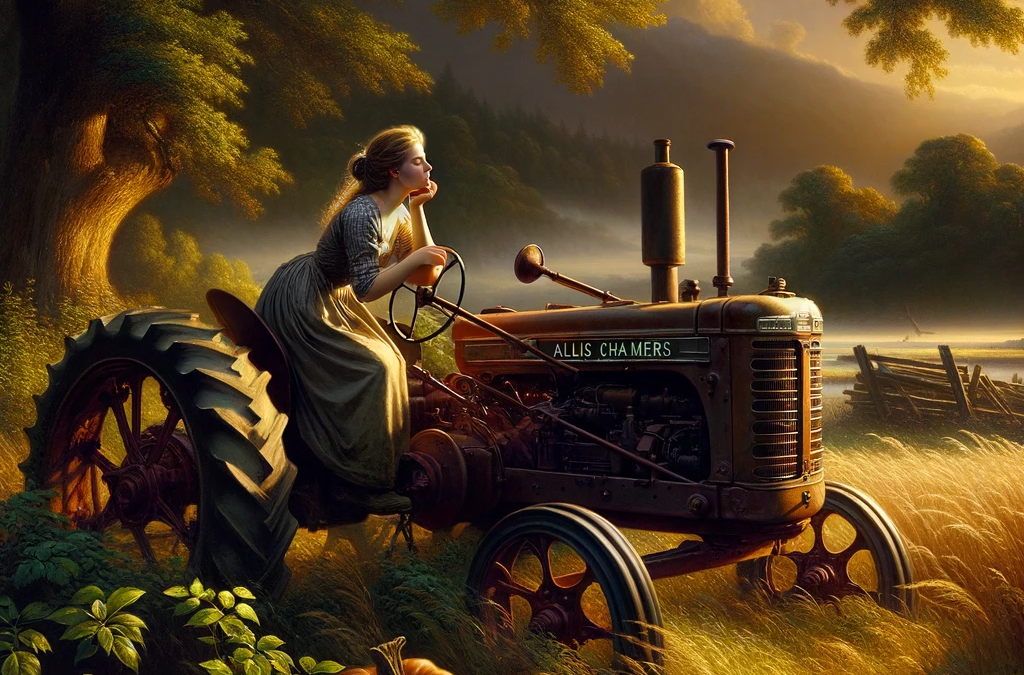
Reviving Heritage: Crafting Tomorrow’S Tractors With Heart And Hands
By Tom Seest
At ClassicTractorNews, we help tractor lovers keep up with the latest news for classic and vintage tractors.
Please share this post with your friends, family, or business associates who may like old classic or vintage tractors.
The Future Of Tractor Restoration Is In Your Garage
The future of tractor restoration is not just in the hands of professionals or distant workshops; it’s right there in your garage, where sweat, grit, and a little creativity can breathe new life into hulking machines that once plowed the earth. Imagine stepping into that space, surrounded by the remnants of a bygone era—a rusty tractor, faded paint, and a history etched into every dent and scratch. In that moment, you hold not just a piece of metal, but a story waiting to be told.
Picture your grandfather, calling you out to the fields on a crisp Saturday morning. That old tractor, once the pride of the farm, had the power to influence lives, bringing families together for harvests and celebrations. Restoring that tractor isn’t merely an act of reclamation; it’s reconnecting with roots, with the sweat of ancestors who knew the value of hard work and perseverance. As you clean and repaint, each stroke of your brush becomes a testament—an homage to past labor and love.
But beyond nostalgia lies the logical reality: restoring a tractor can be a sound investment. Vintage tractors are not only a testament to hard times and resilience, but they also carry a value that appreciates with time, especially when lovingly restored. They’re conversations starters, bringing fellow enthusiasts together, creating a community bound by a shared passion for machinery and its heritage. Just as you can take an old machine and rebuild it, so too can other aspects of your life be revitalized and transformed through this endeavor.
There’s a unique satisfaction in doing it yourself. With each bolt you tighten, you cultivate a sense of accomplishment. You learn to navigate challenges, troubleshoot issues, and the thrill of discovery takes hold—know-how that transcends the garage and becomes integral to your life. This hands-on experience instills confidence, empowering you to tackle bigger and bolder projects, ultimately shaping your identity as a caretaker of the past.
Consider how, by investing time in your garage, you’re not just restoring a tractor but revitalizing a skill set and sharing a narrative. Invite your friends to join you—let the garage become a slideshow of memories and ambitions. It’s not just about the machinery; it’s about the relationships you cultivate, the laughter shared over greasy hands, and the legacy you build for future generations. When you listen closely, the roar of that newly restored engine whispers the stories of bygone days, calling you to action and uniting people through a shared love for the remarkable art of restoration.
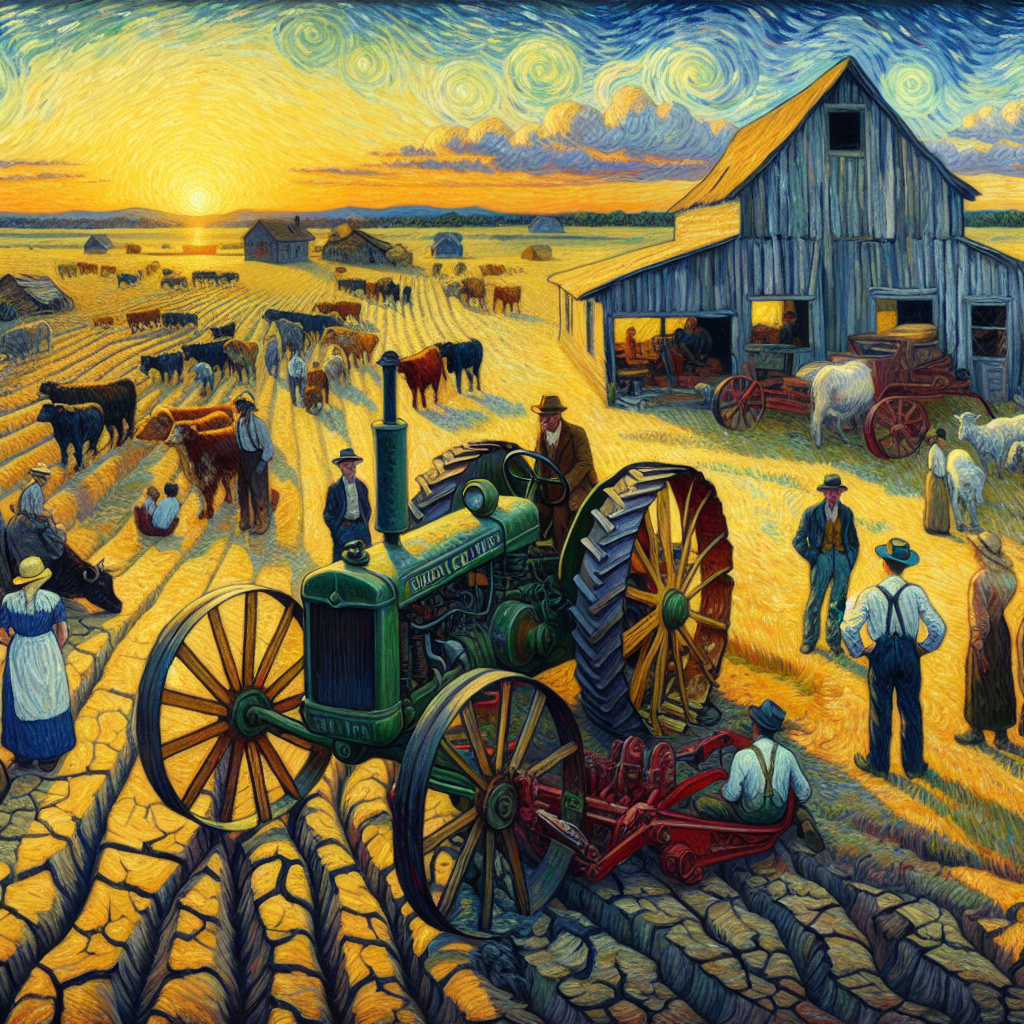
The Future Of Tractor Restoration Is In Your Garage
The Future Of Tractor Restoration Is In Your Garage
- The future of tractor restoration lies in personal effort and creativity within individual garages.
- Restoration connects people with their heritage and the stories of their ancestors.
- It serves as an investment, as vintage tractors appreciate in value over time when restored.
- The process creates community among enthusiasts, fostering connections through shared passion.
- A hands-on approach builds skills, confidence, and a sense of accomplishment.
- Time spent restoring enhances relationships and creates lasting memories.
- The restored tractor embodies the legacy of past labor, uniting people through its story.
The Future Of Tractor Restoration Is In Your Garage
Table Of Contents
- The Future Of Tractor Restoration Is In Your Garage
- What Memories Does Your Family Tractor Hold for You?
- How Can Restoring Your Tractor Create a Legacy for Future Generations?
- Are You Equipped with the Knowledge to Begin Your Restoration Journey?
- How Does the Community Benefit From a Revival Of Vintage Tractors?
- What Challenges Do You Face When Restoring a Classic Tractor?
- How Can Modern Technology Enhance Your Restoration Efforts?
- Conclusion
- Other Resources
- Glossary Of Terms
- Other Questions
- Haiku
- Poem
- Checklist
What Memories Does Your Family Tractor Hold for You?
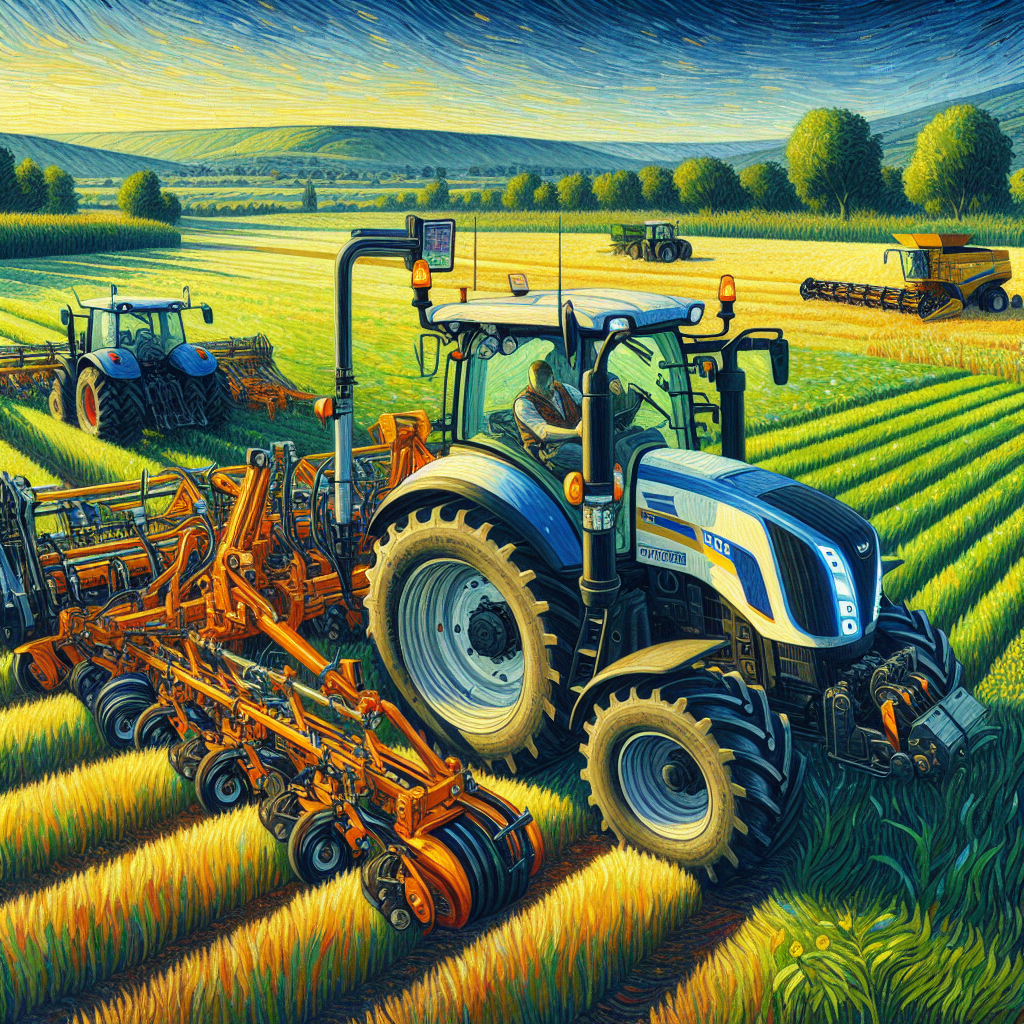
A tractor is more than just a machine; it’s a silent witness to the chapters of our lives, the heartbeat of a family farm, and a vessel of memories that can invoke emotions as powerful as the rumble of its engine. Picture this: the sun dipping low in the sky, casting a golden glow over rows of freshly plowed earth. This is where I learned the value of hard work, sitting on my father’s lap as he guided our trusty tractor across the fields. Each bump and jolt told me stories of labor and reward, where sweat mingled with the scent of rich soil and the thrill of a day well spent.
The hum of the tractor was a constant in the backdrop of my childhood, a soundtrack to my family gatherings, and a symbol of our resilience. I remember the camaraderie and laughter that echoed as we fixed its stubborn engine, hands greasy but hearts full. These moments taught me not only about machinery but about the importance of teamwork and perseverance. The tractor held our hopes and dreams, carrying them from the seedling stage to golden harvest. Each field it cultivated was a testament to our shared commitment to the land and each other.
There’s an innate sense of authority that comes from those of us who grew up around a tractor. It’s a connection steeped in responsibility—knowing that we were entrusted to care for something that, in turn, cared for us. That tractor has weathered storms and droughts, its scars telling stories of our battles with nature. As much as it was about the crops, it was also about the lessons learned; about patience when things go awry, and about adaptability when faced with unexpected challenges.
Reflecting on these memories, it’s clear: our tractors symbolize more than just the agricultural life; they embody the ties that bind us. They are metaphors for our journey through life—the labor that goes into cultivating not just the earth, but our relationships and our values.
So, when you think of your family tractor, consider the weight of its legacy. It’s not merely a piece of equipment; it’s a testament to your family’s history, a reminder that every turn of the wheel carries the lessons of yesterday, shaping the tomorrows to come. Embrace those memories, let them inspire you, and remember that in every field plowed and every seed sown, there lies the heart of your family story.
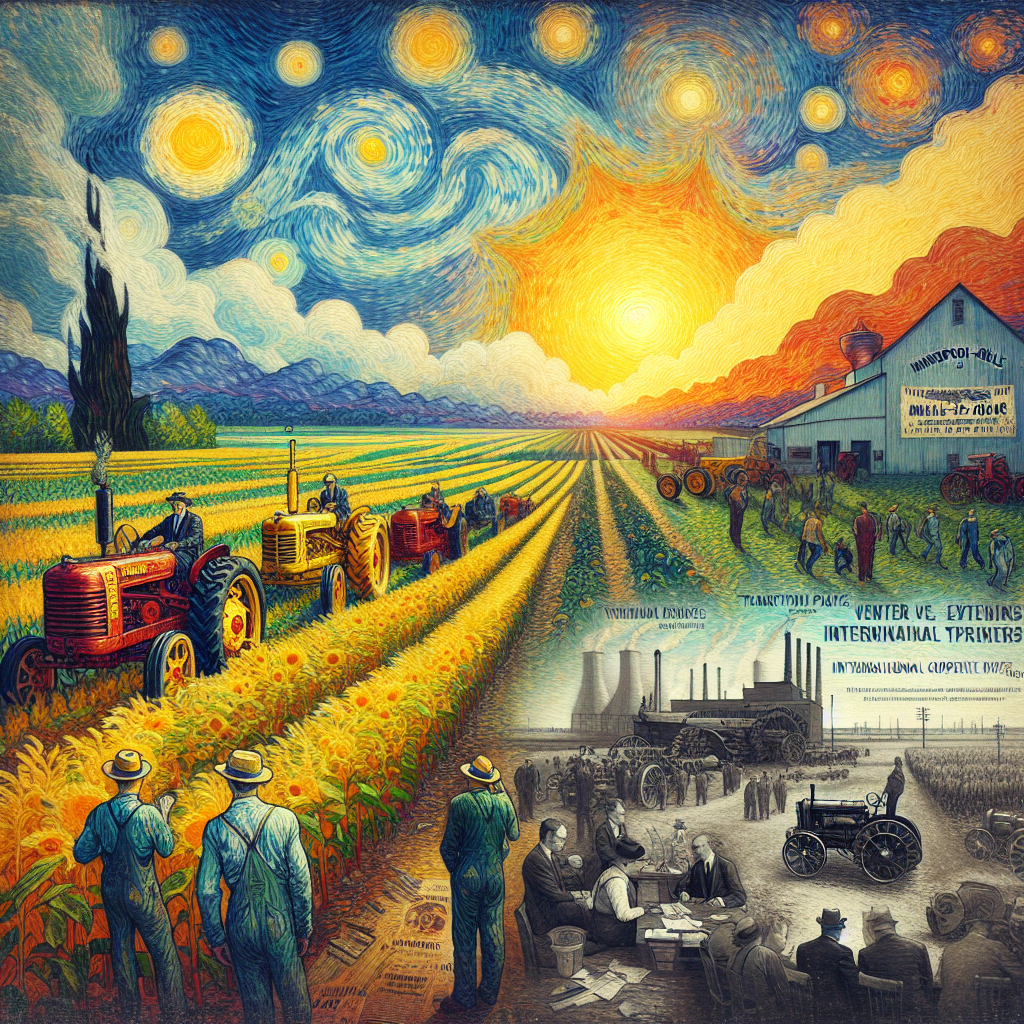
What Memories Does Your Family Tractor Hold for You?
What Memories Does Your Family Tractor Hold for You?
- A tractor serves as a witness to life experiences and family gatherings.
- It symbolizes hard work and the value of labor learned from family members.
- The tractor represents teamwork and perseverance through shared moments.
- It carries the hopes and dreams of the family, contributing to agricultural success.
- Those raised around a tractor have a deep sense of responsibility and authority.
- The scars on the tractor reflect battles with nature and lessons learned.
- Tractors embody the connections that bind family and community values.
What Memories Does Your Family Tractor Hold for You?
How Can Restoring Your Tractor Create a Legacy for Future Generations?
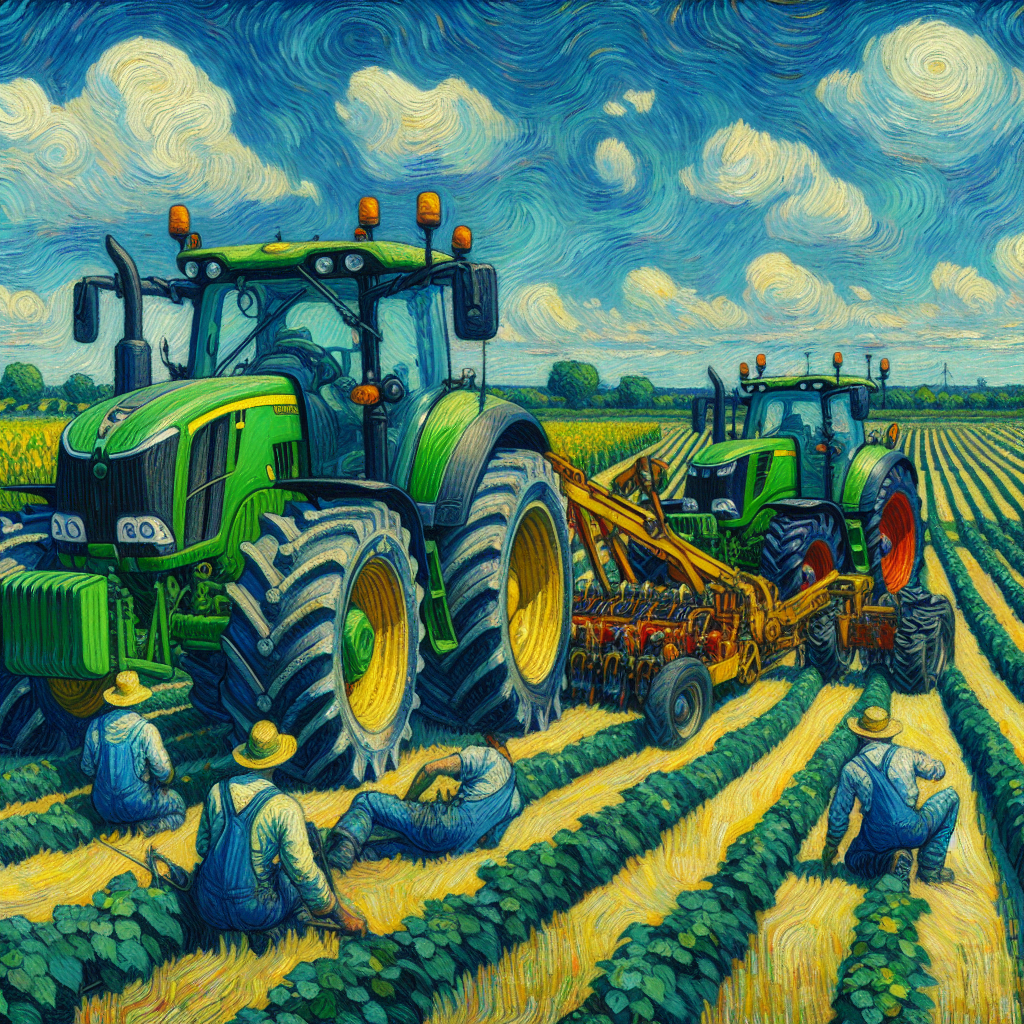
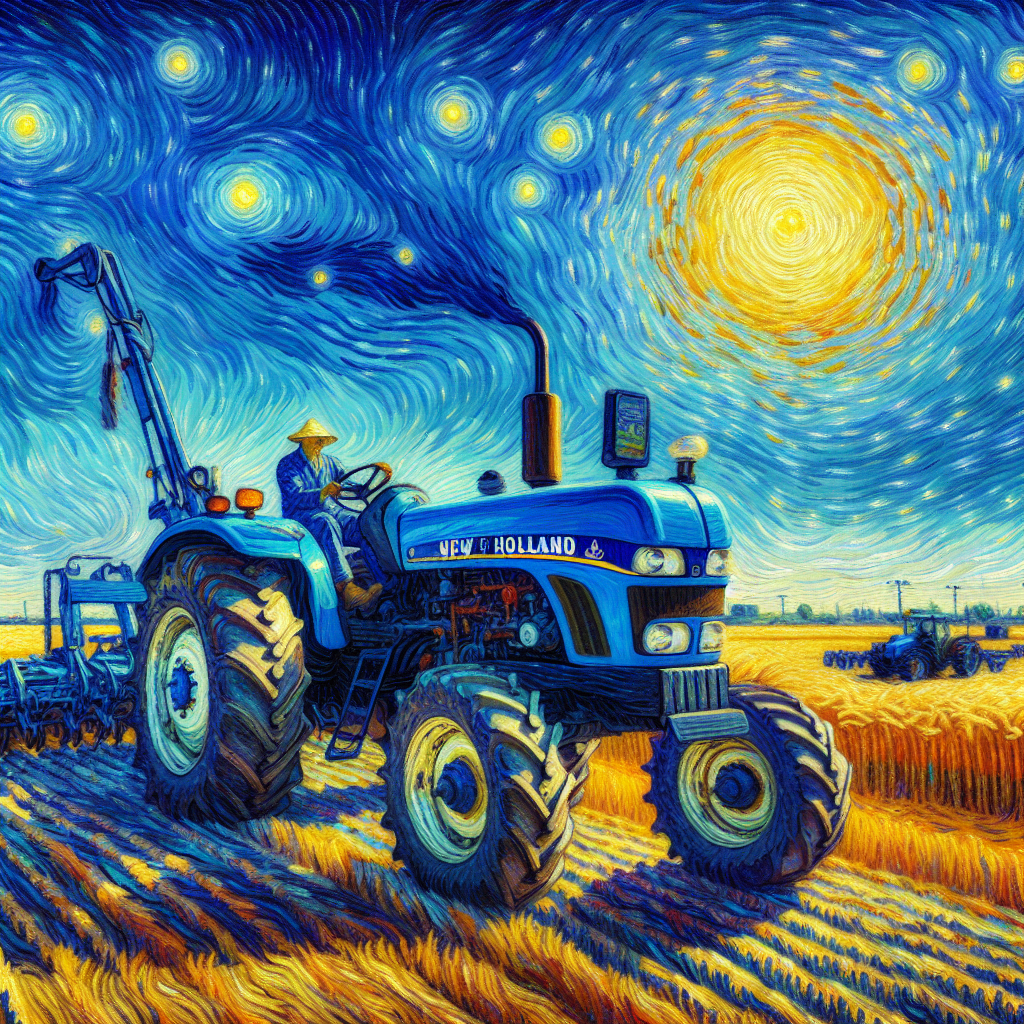
Restoring your tractor isn’t just about fixing machinery; it’s about preserving a legacy that can be felt for generations. Picture a weathered tractor, its paint chipped but its spirit unbroken, sitting idle in a barn. With each rusted bolt you turn, you’re not merely returning it to working condition; you’re resurrecting stories, memories, and values that define who you are and where you come from.
When you roll up your sleeves and dive into the restoration process, consider it an act of love. Just like the hands that came before you, working tirelessly in fields that fed families, you’re tapping into a powerful lineage. Each scrape of paint reveals lessons in resilience, hard work, and the importance of stewardship. You’re not just repairing machinery; you’re honoring a lifestyle, an ethos, that celebrates the sweat of your brow and the fruits of your labor.
Take a moment to reflect on the triumphs and tribulations of past generations who relied on their tractors as vital allies in the pursuit of prosperity. These machines became symbols of strength, courage, and determination in the face of adversity. By restoring your tractor, you become a custodian of that legacy, ensuring it remains alive and vibrant for your children and grandchildren to witness.
Imagine sharing stories with your kids about the time you and your father tackled a stubborn engine together—a bonding moment over greasy hands and laughter that echoes through the years. You’re not just preserving a vehicle; you’re instilling values: persistence, resourcefulness, and the rewards of hard work.
Moreover, this restoration invites a community of like-minded folks who appreciate the beauty in hard work and the satisfaction of a job well done. Joining local clubs or participating in restoration competitions can foster social ties and create a network of support, laughter, and shared experiences. These connections remind us that we’re not alone in this journey; we’re part of something bigger.
In a world fixated on the new and the shiny, a restored tractor stands as a testament to authenticity and endurance. It encourages future generations to cherish the past while forging their paths. When you invest time and effort into this project, you’re crafting not just a legacy of metal and machinery, but a tapestry of shared history, values, and aspirations that bind us together, echoing through fields yet to be sown.
How Can Restoring Your Tractor Create a Legacy for Future Generations?
How Can Restoring Your Tractor Create a Legacy for Future Generations?
- Restoring a tractor preserves a legacy felt across generations.
- The process involves resurrecting stories, memories, and values.
- It reflects resilience, hard work, and the importance of stewardship.
- Restoration fosters connections with past generations and their experiences.
- Sharing stories during restoration strengthens family bonds and instills values.
- Joining communities enhances social ties and the enjoyment of restoration.
- A restored tractor symbolizes authenticity, encouraging future generations to honor the past.
How Can Restoring Your Tractor Create a Legacy for Future Generations?
Are You Equipped with the Knowledge to Begin Your Restoration Journey?
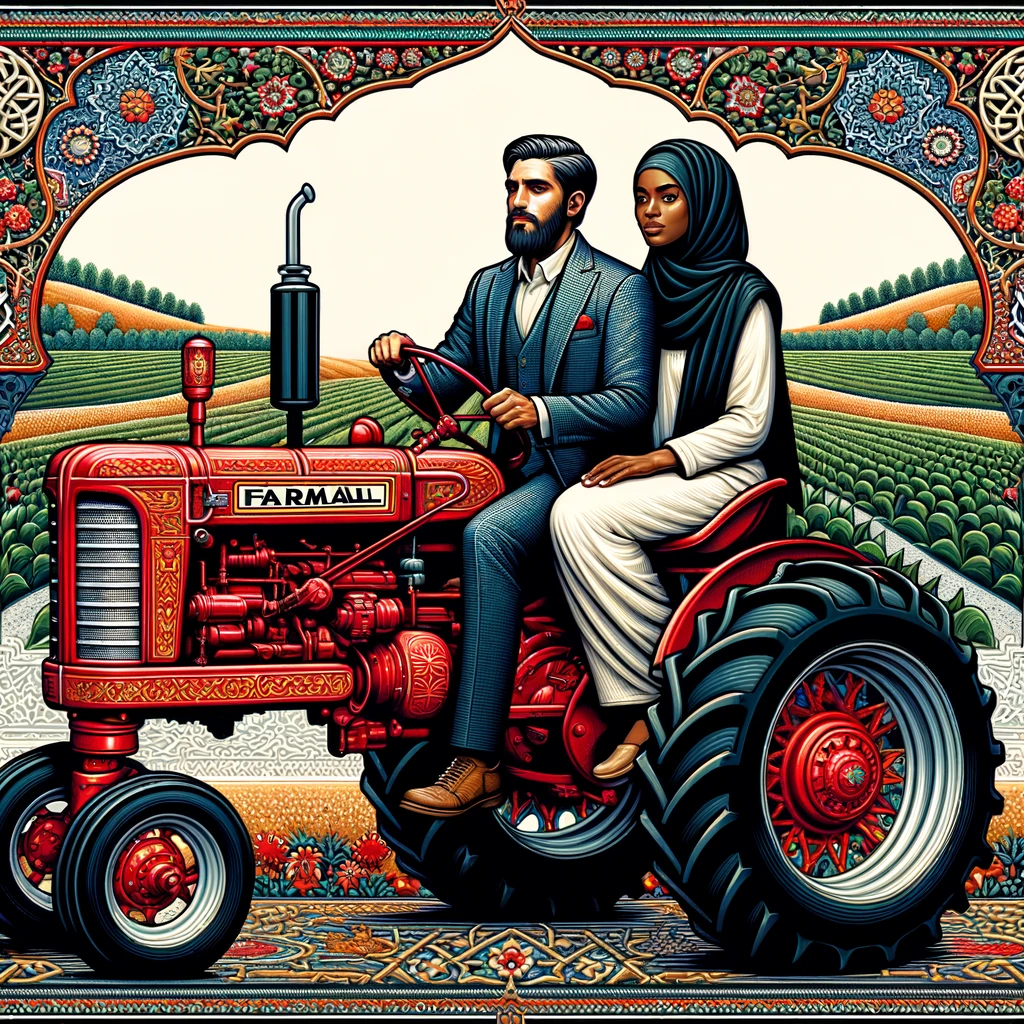
Restoration isn’t just a process; it’s a journey that demands not only skill but also heart. When you first lay eyes on that weary tractor sitting abandoned in the corner of an old barn, it’s easy to feel overwhelmed. But remember: every masterpiece started as a forgotten piece of machinery, waiting for someone to envision its potential.
Imagine that tractor, rusted and battered, once the workhorse of a farm, its engine a symphony of chugging and whirring. Now, it sits silent, a relic of a bygone era, but within it lies the spirit of hard work, the stories of seasons past. Every scrape on its surface tells a story; every dent signifies a challenge overcome. The art of restoration is about more than just fixing what’s broken – it’s about bringing these stories back to life.
As you embark on your restoration journey, ask yourself: what fuels your passion? Is it the thrill of turning the key and hearing that engine roar back to life? Is it the satisfaction of transforming something old into something new? Or perhaps it’s simply the act of reviving a piece of history, giving it a second chance. Embrace that motivation; it’s your blueprint for success.
Now, consider this: with every restoration project, you’re not just enhancing a piece of machinery; you’re restoring a connection to the land, to your community, and to craftsmanship itself. Each wrench you turn isn’t just an act of repair; it’s a testament to the values of resilience and perseverance ingrained in all of us.
In your hands lies the power to create. Do you have the knowledge? Sure, you can learn about bolts, engines, or paint jobs from manuals or online forums. But combine that knowledge with an understanding of the emotions tied to each project, and suddenly restoration becomes more profound. It’s about fostering relationships to those who’ve come before you, honoring their labor, and inviting others to join in the journey.
So when you find yourself standing before that rusting tractor, consider what it represents. It’s not just a challenge; it’s an opportunity to connect with the past while shaping the future. Dive in with heart, head, and gut, and you might just find that what you learn along the way will change you as much as the tractor you’re restoring. Ready to start? Your journey awaits.
Are You Equipped with the Knowledge to Begin Your Restoration Journey?
Are You Equipped with the Knowledge to Begin Your Restoration Journey?
- Restoration is a journey requiring both skill and heart.
- A worn tractor symbolizes potential and the stories of hard work.
- Every mark on the tractor tells a story of challenges overcome.
- Restoration goes beyond repair; it’s about reviving history.
- Motivation in restoring is key, whether it’s about passion or connection.
- Each project connects you to land, community, and craftsmanship.
- Understanding emotions enhances the restoration experience.
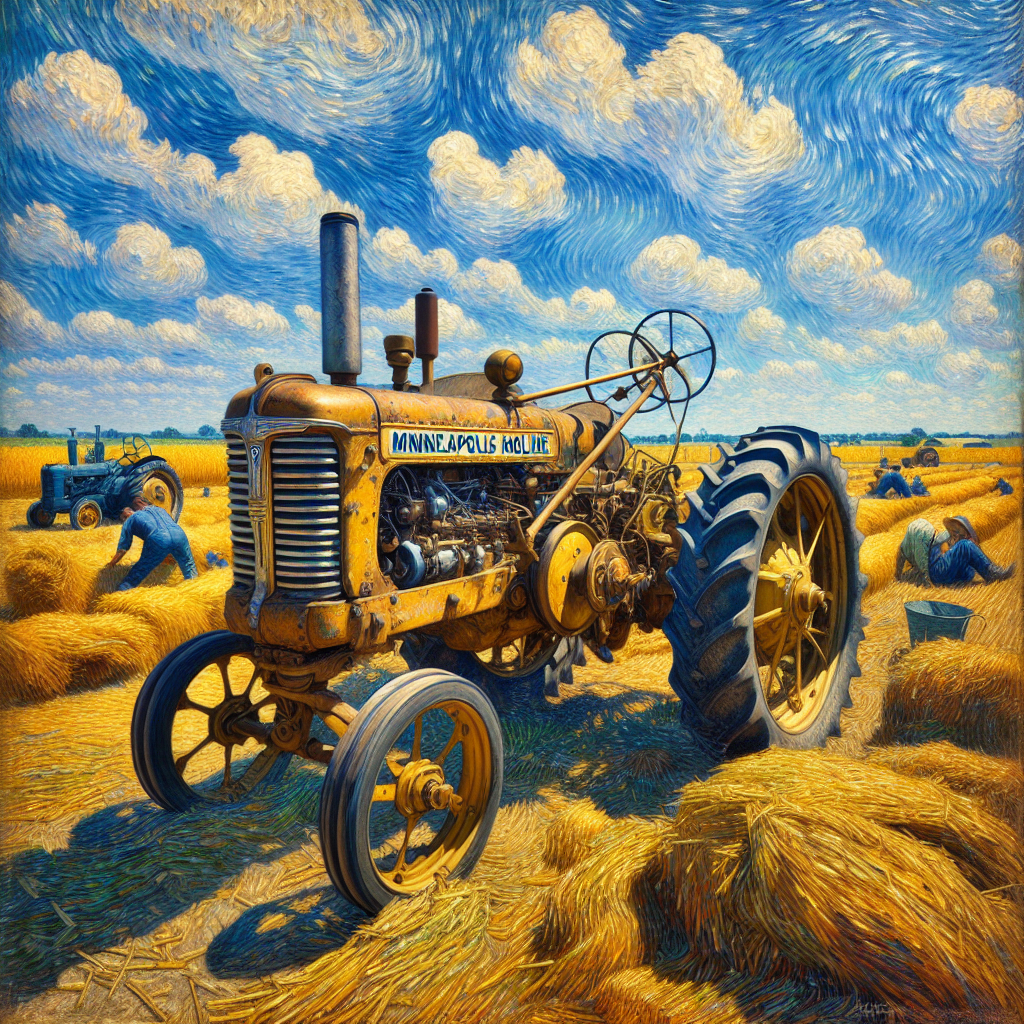
Are You Equipped with the Knowledge to Begin Your Restoration Journey?
How Does the Community Benefit From a Revival Of Vintage Tractors?
The revival of vintage tractors is more than just a nod to nostalgia; it’s a lifeline for the community, intertwining our past with our present in a way that drives us forward. These machines represent a connection to our agricultural roots, a testament to the hard work of those who tilled the land long before us. Each rusty implement tells a story, reminding us of the sweat and perseverance of earlier generations. When a vintage tractor roars back to life, it echoes the values of dedication, pride, and resilience, igniting a spark in the hearts of those who gather to witness its revival.
Communities benefit in tangible and intangible ways. Economically, restoring and showcasing vintage tractors can draw considerable interest from visitors. Tractors aren’t just relics; they are conversation starters at fairs and community events, selling tickets and meals, reviving local businesses in the process. The sight of a shiny, restored machine chugging down Main Street during a parade is a visual invitation for families to come together, bridging gaps between generations. Children marvel at the machinery, while their parents share stories from their own childhoods, creating a living narrative that binds the community closer.
Beyond the economic impact, there lies a deeper connection to ethics—restoring vintage tractors champions sustainability. In a world increasingly consumed by disposable goods and fast fashion, breathing new life into these machines embodies a commitment to honoring our history. It emphasizes the importance of craftsmanship and the art of repair, provoking thought about our consumption habits. Communities inspired by revival aren’t just preserving tools; they are cultivating a mindset of respect for resources, valuing what once served us well.
Consider the farmer with his grandfather’s tractor, lovingly restored. Each time he rolls it out to the field, it becomes a bridge between past and present, an embodiment of family heritage. It’s not just about the tractor but the memories it holds—the stories of meals eaten near its side, laughter shared, and lessons learned.
By rekindling interest in vintage tractors, communities foster a culture where history is cherished and wisdom is passed down actively. These events don’t just celebrate machines; they honor the spirit of those who came before us, reminding us of the strength in unity. In essence, the revival of vintage tractors serves as a powerful reminder that while progress is vital, it is our roots that anchor us, guiding us toward a future that respects both tradition and innovation.
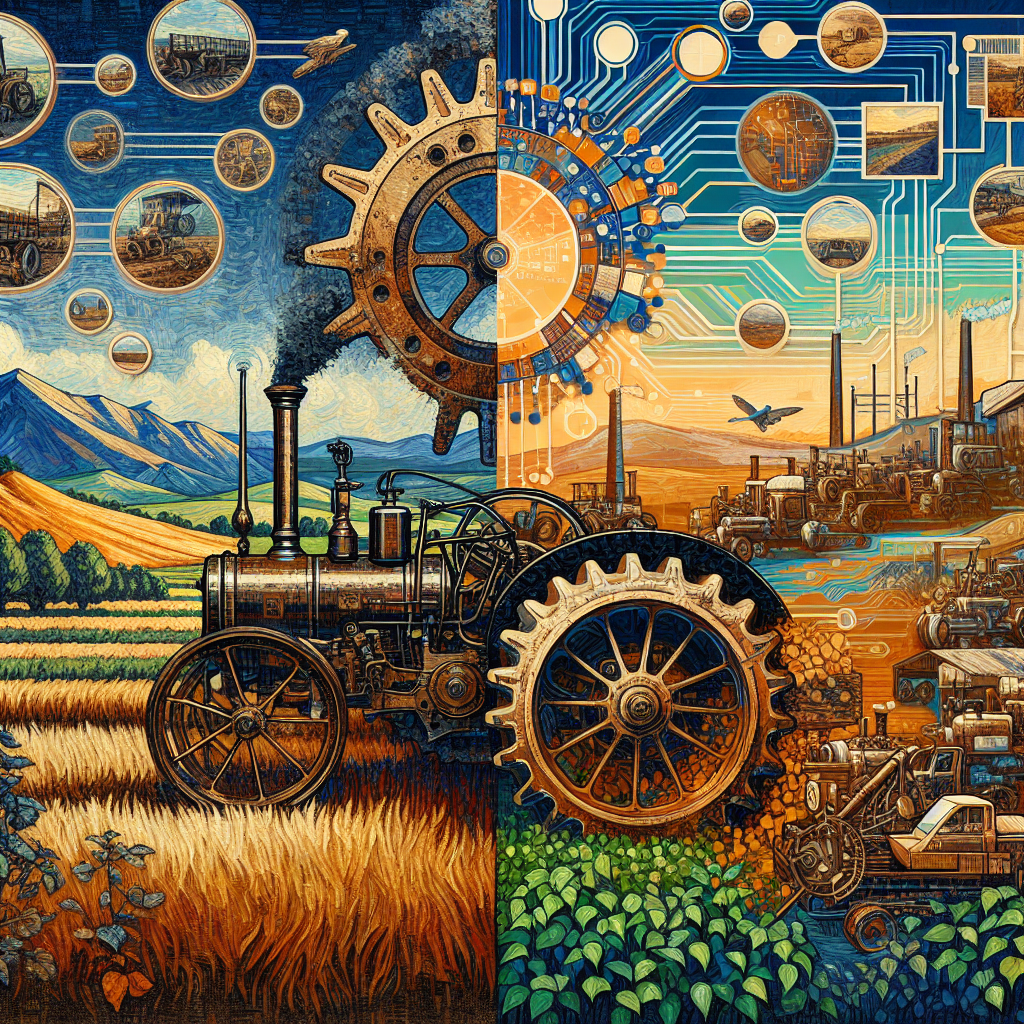
How Does the Community Benefit From a Revival Of Vintage Tractors?
How Does the Community Benefit From a Revival Of Vintage Tractors?
- The revival of vintage tractors connects communities to agricultural roots, intertwining past and present.
- Restoration of these machines reflects the dedication, pride, and resilience of earlier generations.
- Economically, vintage tractors attract visitors, boosting local businesses at fairs and community events.
- They bridge generational gaps by sparking conversations and shared memories among families.
- Restoring vintage tractors promotes sustainability and craftsmanship, pushing back against disposable culture.
- These tractors become symbols of family heritage and cherished memories for farmers and their families.
- The revival fosters a culture of respect for history and community unity, balancing tradition with innovation.
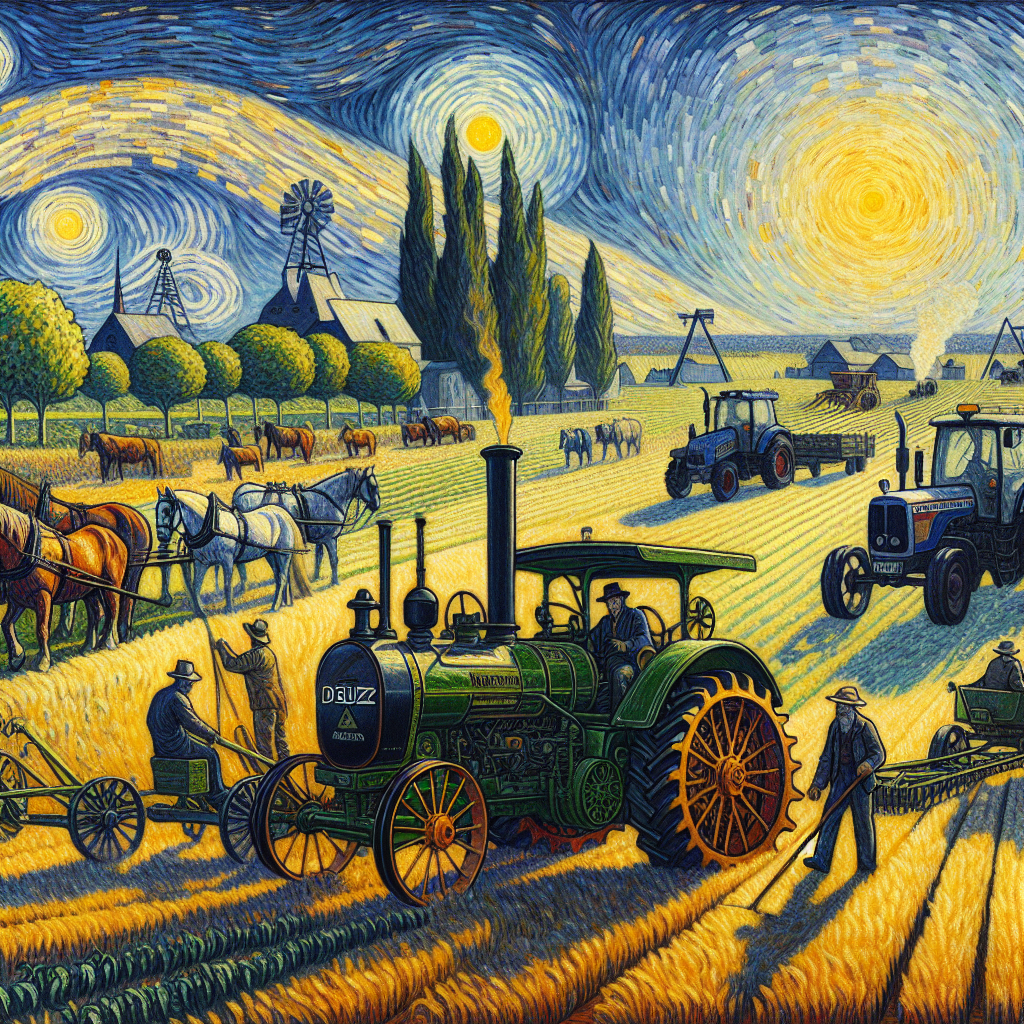
How Does the Community Benefit From a Revival Of Vintage Tractors?
What Challenges Do You Face When Restoring a Classic Tractor?
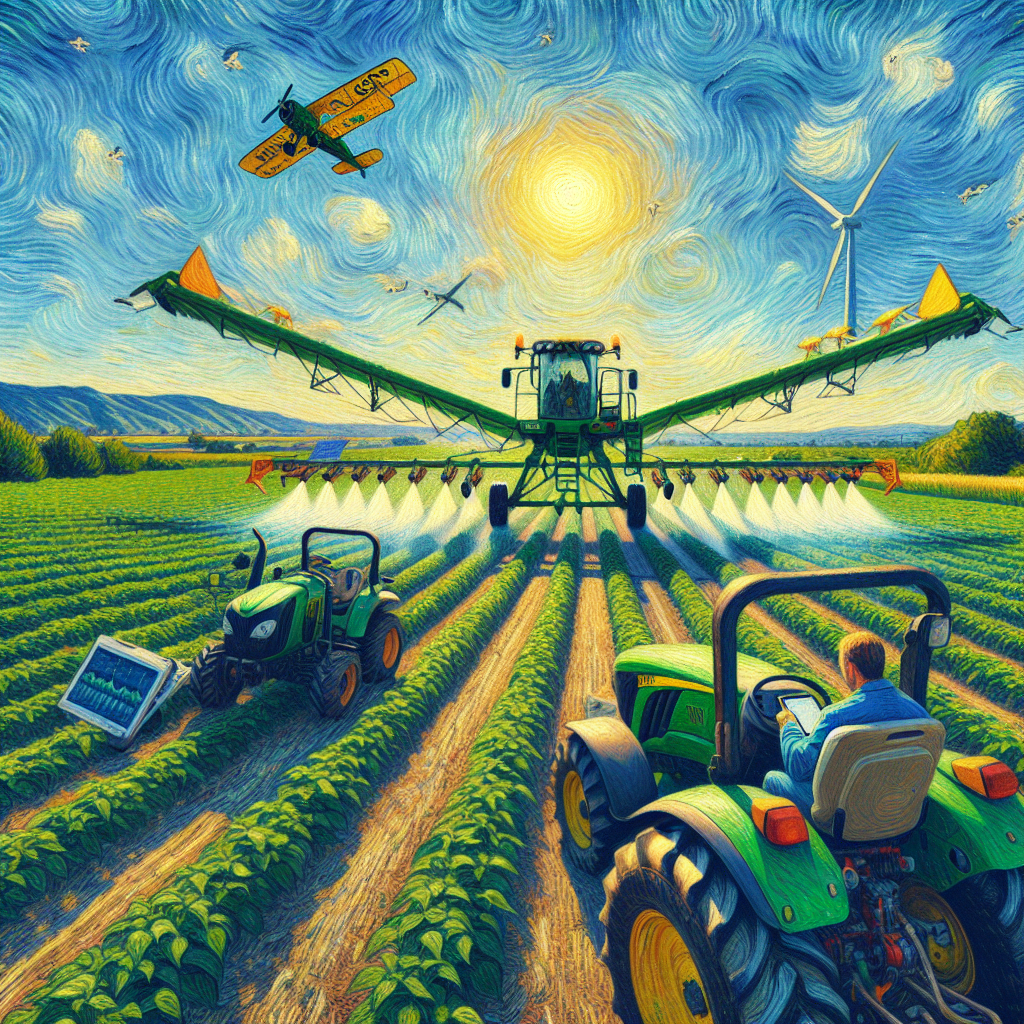
Restoring a classic tractor is more than just a mechanical endeavor; it’s a journey through the past, a connection to our roots, and a testament to perseverance. The challenges faced during this process mirror the struggles we encounter in life, making it all the more relatable and poignant.
Picture this: you stumble upon an old tractor, half-buried in weeds, paint peeling and rust creeping like memories fading from view. You feel a tug at your heart; this isn’t just machinery, it’s a piece of history—a relic of someone’s labor, a companion on their journey through fields of struggle and success. Yet, as you dive into restoration, you quickly realize it’s not for the faint-hearted. The first challenge is often the daunting task of sourcing parts. The original components might be hard to find or prohibitively expensive, leading you to explore aftermarket options or to improvise with your own solutions. This can test not only your ingenuity but also your resourcefulness; sometimes, restoring a classic tractor means becoming part mechanic and part historian.
As you work, the sweaty hours spent in a garage echo the labor of those who came before us. Each bolt you tighten, each layer of paint you apply, pulls you deeper into a narrative of resilience. You’ll encounter setbacks—a stubborn engine that won’t turn over, or a transmission that refuses to cooperate. These moments can fray your patience, but they serve a crucial purpose. You learn the value of grit, of the satisfaction that comes from overcoming adversity. This journey resonates deeply, hitting that gut sentiment that when you tackle the hard stuff, the reward is immeasurable.
Additionally, there’s an ethical realm worthy of contemplation. Restoring a classic tractor pays homage to the craftsmanship and dedication that fueled the agricultural advancements of the past. It’s a nod to sustainability—keeping functional machinery out of landfills and breathing new life into old iron. In a world that often values speed over craftsmanship, taking the time to restore something can inspire others to slow down, appreciate history, and engage with their own projects.
Ultimately, the challenges of restoring a classic tractor can feel overwhelming, yet the transformation of an old rig into a running piece of history instills a sense of achievement, fostering a deep emotional connection not just with the machine, but with the stories it tells. It’s about reviving not just a tractor, but a legacy—a vehicle through which we honor the past and pave the way for future generations.
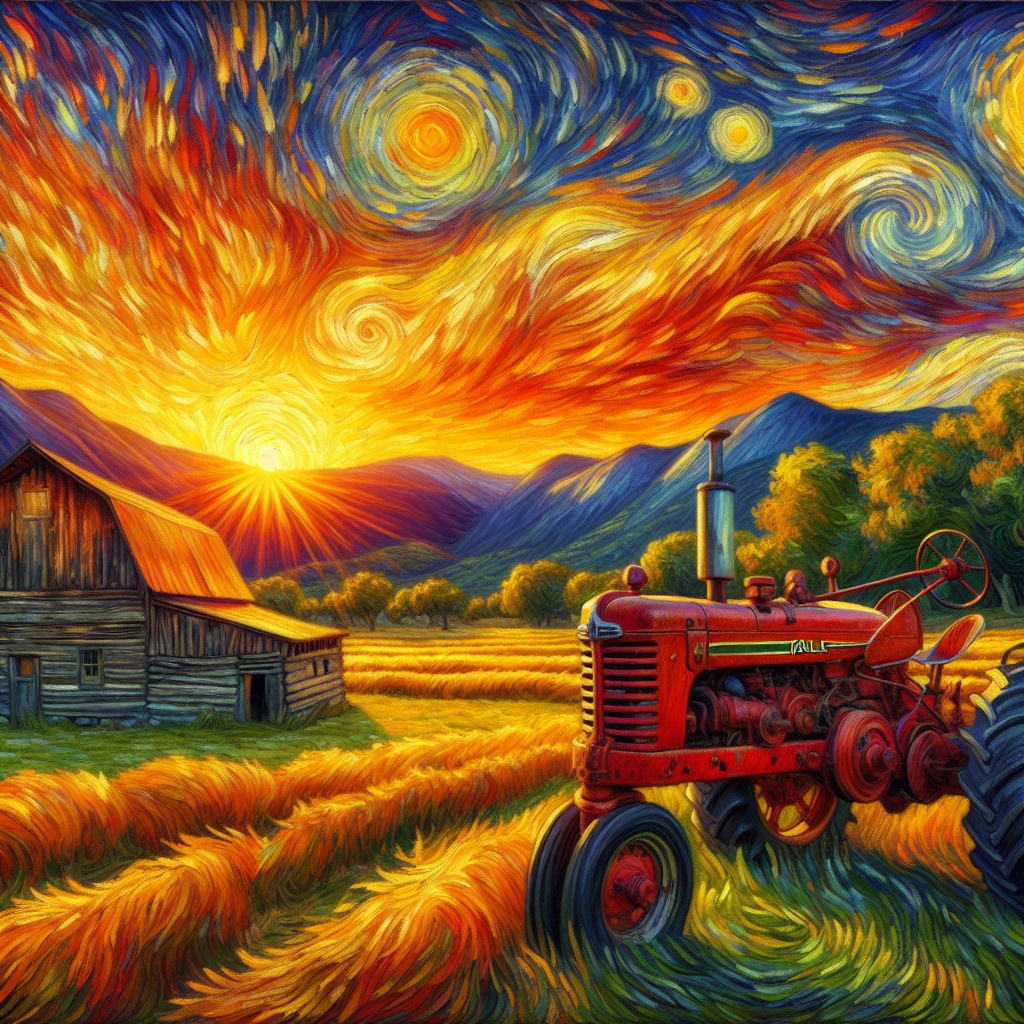
What Challenges Do You Face When Restoring a Classic Tractor?
What Challenges Do You Face When Restoring a Classic Tractor?
- Restoring a classic tractor connects individuals to history and personal roots.
- The process symbolizes perseverance and reflects life’s challenges.
- Restoration begins with sourcing parts, which can be difficult and costly.
- The work entails physical labor, echoing the efforts of those before us.
- Setbacks during restoration teach grit and the value of overcoming adversity.
- Restoration honors past craftsmanship and promotes sustainability by reducing waste.
- The journey fosters a deep emotional connection and revives a legacy for future generations.
What Challenges Do You Face When Restoring a Classic Tractor?
How Can Modern Technology Enhance Your Restoration Efforts?
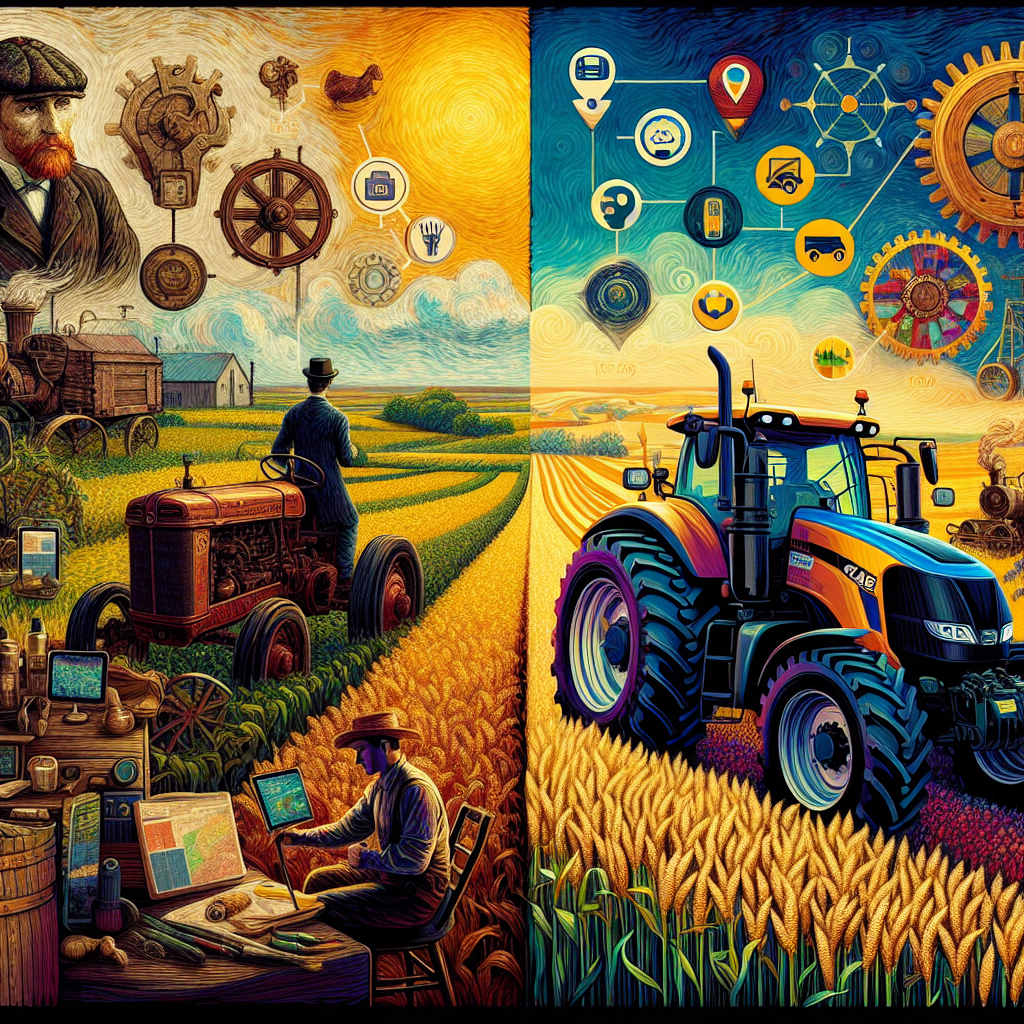
Modern technology has become an indispensable ally in restoration efforts, transforming the way we approach our projects with both efficiency and heart. Imagine standing alongside a vintage tractor, its rusted frame telling stories of hard work and determination. Restoration isn’t just about the physical; it’s a journey that taps into our emotions, our values, and our shared experiences.
Consider the impact of advanced imaging technology. A 3D scanner can capture every contour of that old tractor, ensuring not a single crack goes unnoticed, all while preserving its legacy. This technology speaks directly to the heart of restoration by honoring the history embedded in every scratch and dent. It tells the story of the past—the sacrifices of our grandparents—as we breathe new life into what once sat idle. Restoration, through this lens, becomes a bittersweet dance between nostalgia and innovation.
Yet, it’s not just about preserving the past. Modern software tools streamline our efforts, offering a rational foundation to our emotional journey. Project management apps and digital inventories help track progress, budgets, and resources, allowing for a more organized approach. Utilizing these tools means less time fumbling through paperwork or misplacing vital elements of your project. It frees mental bandwidth to focus on the details that matter most—like finding the right paint color that echoes the original scheme of that tractor, a decision that resonates on a personal level.
There’s an ethical layer here, too. As restorers and caretakers, we have a responsibility to the environment. Modern technology allows us to locate sustainable materials, minimizing waste and our carbon footprint. This conscientious approach aligns our restoration efforts with a collective commitment to preserving not just the items we restore but the world we live in. It reinforces a sense of community; we’re all in this together, sharing tips and triumphs as we navigate the challenges.
What truly sets this age apart, however, is the power of storytelling woven through social platforms. Imagine documenting the revival of that tractor and sharing the journey with a community of enthusiasts. You open a dialogue, sharing struggles, victories, and techniques, creating a network of support. The wisdom gleaned from this collective can ignite inspiration in someone just beginning their restoration journey, fostering a sense of connection.
In this blend of heart, head, and hands, modern technology doesn’t just enhance our restoration efforts; it transforms them into a shared human experience. Each tool, each method, and every story told fosters trust and fuels an undeniable drive to take action—restoring not just objects, but also our sense of purpose and connection to the past.
How Can Modern Technology Enhance Your Restoration Efforts?
How Can Modern Technology Enhance Your Restoration Efforts?
- Modern technology significantly enhances restoration efforts, merging efficiency with emotional depth.
- Advanced imaging technology, like 3D scanning, preserves the history of restored items while identifying critical details.
- Restoration is a journey that connects emotions, values, and personal experiences with physical objects.
- Software tools such as project management apps streamline organization, allowing focus on creative details like paint color.
- Technological advancements promote environmentally responsible restoration through the use of sustainable materials.
- Social media facilitates storytelling, creating a community for support and inspiration among restoration enthusiasts.
- This integration of technology and human experience fosters a deeper connection to the past and a shared sense of purpose.
How Can Modern Technology Enhance Your Restoration Efforts?
Conclusion
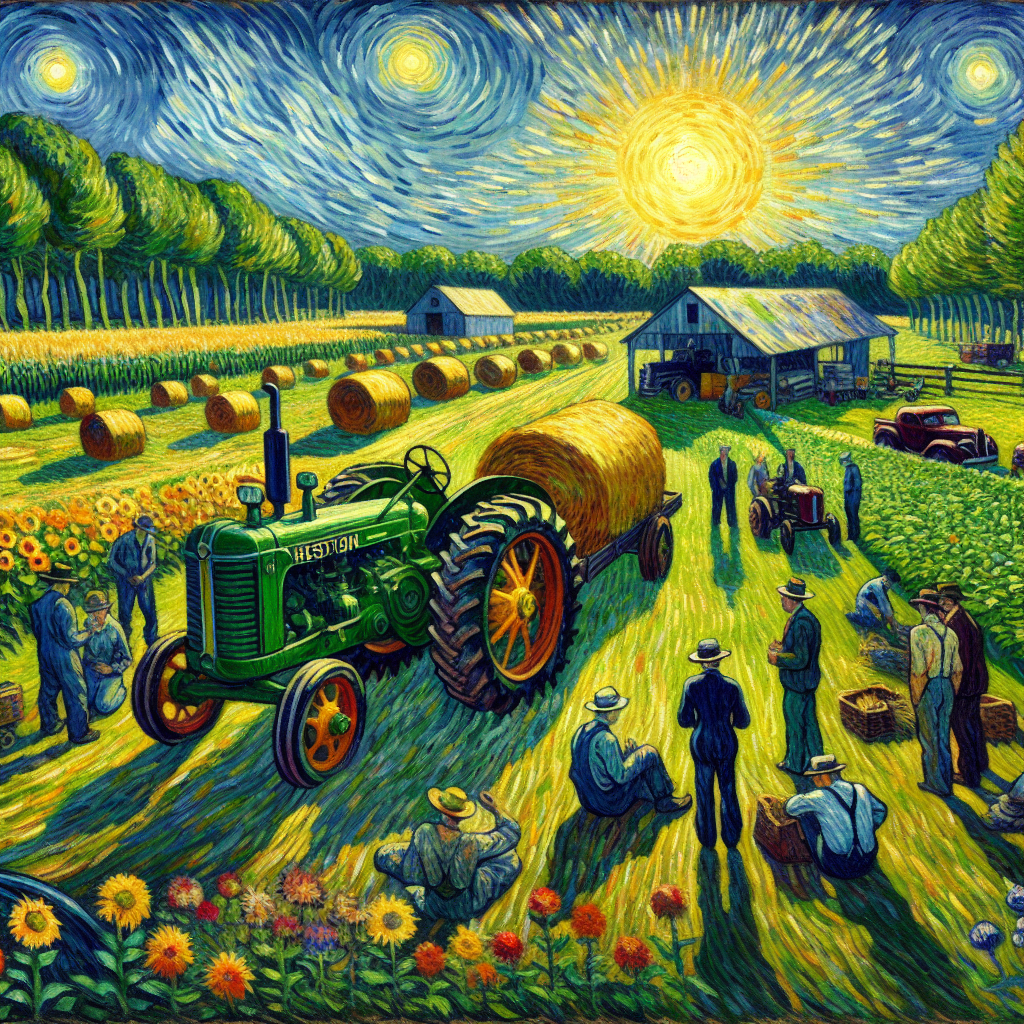
The future of tractor restoration is blossoming right in our garages, not in distant workshops. It beckons hands-on enthusiasts to breathe life into those aging machines, each carrying a legacy of hard work and family memories. Imagine stepping into that familiar space, greeted by the sight of a weathered tractor—the type that made countless family gatherings possible under the vast sky. Here, every scratch and dent tells a saga, a testament to labor and love—that old iron symbolizes the endurance and tenacity of generations past.
Restoration is more than a mechanical task; it’s an emotional journey. It invites each of us to reconnect with our roots, turning the act of cleaning and repainting into a ritual of respect for those who came before. As you tighten every bolt, you’re not only revitalizing a classic; you’re also cultivating a sense of triumph and accomplishment that transcends mere nostalgia. The satisfaction garnered from solving mechanical puzzles also builds confidence, reinforcing your identity as a steward of tradition. And as you invite friends into your project, the garage transforms into a vibrant hub of shared experiences—a vivid tapestry woven with laughter, grease-stained hands, and the joy of collaboration.
This undertaking is steeped in ethical significance, too. Each vintage tractor restored stands against the backdrop of disposable consumer culture, emphasizing sustainability and the art of craftsmanship. Investing effort into these machines means more than reviving machinery; you’re cherishing history while embedding values—like perseverance and ingenuity—into the lives of future generations. These tractors are not just relics; they symbolize a commitment to community, an anchor tethering us to our agricultural legacy.
When you take on the challenges of restoration—from tracking down elusive parts to tackling stubborn engines—it mirrors life’s struggles. Each setback teaches essential lessons about resilience and determination. Embracing these hitches along the way enriches the experience, crafting not just a restored tractor, but a narrative of personal growth.
Moreover, modern technology aids this journey, streamlining the process while ensuring every detail honors the original spirit of the machine. This blend of past and present is not just about restoring a tractor; it fosters a legacy that binds us to our community and our heritage. Truly, in every restored rig lies a heartbeat—a reminder of the hands that shaped it, the stories it holds, and the lives it has the potential to inspire. As we ignite passion in the next generation, we reaffirm that every twist of the wrench is a step toward cultivating not just fields, but relationships and values that will endure long into the future.
Conclusion
Conclusion:
- The future of tractor restoration is found in garages, inviting hands-on enthusiasts to revive aging machines.
- Restoration acts as an emotional journey, reconnecting individuals with their roots and family memories.
- Each restored tractor symbolizes perseverance and tenacity, celebrating the legacy of generations past.
- The process cultivates a sense of triumph and personal growth while reinforcing one’s identity as a steward of tradition.
- Restoration highlights sustainability and craftsmanship, standing against disposable consumer culture.
- Challenges in restoration mirror life’s struggles, teaching essential lessons about resilience and determination.
- Modern technology enhances the restoration process, preserving the original spirit and fostering community ties.
Conclusion
Other Resources
Other Resources
Here is a list of other resources you can review online to learn more:
- Thieman Harvester
- Antique Farm Equipment Museum
- Steyr
- Gibson
- Foton
- Orange County Farmers Museum
- Mitsubishi
- Suzue
- Heider
- Atlantic Farm Mechanization Show
- Centaur
- Valpadana
- Escorts
- Waterloo Boy
- Agria Hispania
- Big Bud
- Branson Auto & Farm Museum
- J & MManufacturing
Use This Prompt To Get More Resources With Your Favorite Online AI Tool: Please provide me with a list of online articles with their URLs in a bulleted list that I can read regarding The Future Of Tractor Restoration Is In Your Garage
Other Resources
Glossary Terms
The Future Of Tractor Restoration Is In Your Garage – Glossary Of Terms
1. Restoration — Returning a tractor to a specified previous condition by repairing, rebuilding, and refinishing mechanical, structural, and aesthetic components.
2. Preservation — Stabilizing a tractor to prevent further decay while retaining original materials, patina, and history rather than fully refurbishing.
3. Cosmetic restoration — Surface-focused work (paint, trim, badges, upholstery) to improve appearance without comprehensive mechanical overhaul.
4. Mechanical restoration — Rebuilding or repairing the engine, transmission, drivetrain, hydraulics, and other functional systems to factory or improved performance.
5. Nut-and-bolt restoration — Complete disassembly and reassembly where every component is inspected, repaired, replaced, or refinished.
6. Patina preservation — Intentionally retaining aged finishes and wear to preserve historical character while making the tractor mechanically sound.
7. OEM (Original Equipment Manufacturer) — Parts or specifications produced by the original tractor maker; often sought for authenticity.
8. NOS (New Old Stock) — Unused original parts manufactured with old tooling and specifications, valued for authenticity in restorations.
9. Aftermarket parts — Replacement components made by third parties that may offer improved performance, availability, or lower cost.
10. Reverse engineering — Analyzing existing parts to recreate accurate drawings or models for reproduction when originals are unavailable.
11. 3D scanning — Capturing precise digital geometry of parts or assemblies for replication, analysis, or modification.
12. 3D printing — Additive manufacturing used to produce complex, low-volume or discontinued parts, jigs, and prototypes in plastic, resin, or metal.
13. CAD (Computer-Aided Design) — Digital modeling software for designing, modifying, and preparing parts for CNC or 3D printing.
14. CNC machining — Computer-controlled subtractive manufacturing used to produce precise metal and plastic parts from CAD data.
15. Digital fabrication — Integrated workflow combining CAD, CAM, 3D printing, and CNC to produce parts and fixtures in a home garage.
16. Maker culture — Community-driven, open-source ethos that shares designs, techniques, and parts to accelerate home restoration projects.
17. Powder coating — Durable, factory-style finish applied as a dry powder then cured, offering corrosion resistance and authentic appearance.
18. Bead blasting — Abrasive cleaning that removes rust, paint, and scale to prepare metal surfaces for inspection and refinishing.
19. Electrolytic rust removal — Low-temperature electrochemical process to reverse rust on ferrous parts while preserving original shape and detail.
20. Rust converter — Chemical treatment that stabilizes surface rust by converting iron oxides into a paintable protective layer.
21. MIG welding — Gas-shielded, semi-automatic welding technique common in garage fabrication for joining sheet metal and structural components.
22. TIG welding — Precision welding process for clean, high-quality joints on thinner metals and critical components.
23. Brazing — Joining technique using a filler metal that melts below base metals; useful for repairing castings and delicate assemblies.
24. Engine rebuild — Disassembly, machining, and reassembly of an engine with new bearings, seals, pistons, and calibrated tolerances.
25. Carburetor rebuild — Restoring fuel delivery components by replacing jets, gaskets, and needles to return correct metering and idle behavior.
26. Electronic ignition conversion — Replacing points-based systems with electronic modules to improve reliability and starting in older engines.
27. Fuel injection retrofit — Upgrading carbureted engines with modern injection systems for efficiency, emissions reduction, and driveability.
28. Electric conversion (e-tractor) — Replacing internal-combustion powerplants with electric motors, controllers, and battery systems for quieter, cleaner operation.
29. Battery management system (BMS) — Electronics that monitor and protect battery packs during charging, discharging, and balancing in electric or hybrid conversions.
30. Restoration log (provenance documentation) — Detailed records, photos, and receipts documenting work, parts, and history to preserve value and guide future maintenance. Glossary Of Terms
Other Questions
The Future Of Tractor Restoration Is In Your Garage – Other Questions
If you wish to explore and discover more, consider looking for answers to these questions:
- How do I assess the overall condition and restoration feasibility of a tractor?
- What is the estimated cost to fully restore a vintage tractor?
- How long does a typical restoration project take?
- What level of restoration should I aim for—functional, cosmetic, or concours-quality?
- How do I identify the make, model, and year of an old tractor?
- Where can I find original manuals, schematics, and service literature?
- How and where can I source original or compatible replacement parts?
- When is it better to fabricate a part versus buying a reproduction?
- Which basic and specialized tools are essential for garage restoration?
- What skills (welding, machining, electrical, painting) should I learn or hire?
- How do I prioritize repairs when working with a limited budget?
- What are the common hidden issues to look for (frame cracks, seized components, contaminated fluids)?
- How do I safely remove and treat rust and corrosion?
- What are the best practices for engine rebuilding or refurbishment?
- How do I diagnose and repair transmission and clutch problems?
- What approach should I take for restoring hydraulic systems and seals?
- How do I restore or replace the electrical wiring and lighting systems?
- What should I know about carburetor, injection, or fuel system restoration for vintage tractors?
- How do I choose tires and wheels that match safety and authenticity requirements?
- What brake restoration steps are critical for safe operation?
- How do I match original paint colors, finishes, and decals?
- When should I preserve original patina versus fully repainting?
- What modern coatings (powder coat, clear coat) are appropriate for vintage parts?
- How can modern technology (3D scanning, printing, CAD) help reproduce obsolete parts?
- What software or apps help manage parts, budgets, and project timelines?
- How do I document provenance and keep restoration records for future value?
- What are the pros and cons of modernizing a tractor (electrical upgrades, safety features) versus keeping it original?
- Are there emissions or regulatory issues I should consider when restoring or operating an old tractor?
- How and where can I safely dispose of old fluids, batteries, and hazardous materials?
- What insurance, registration, or title issues apply to restored vintage tractors?
- How do I estimate the resale value or return on investment after restoration?
- Where can I display, show, or enter my restored tractor into events and competitions?
- How can I transport a non-running or restored tractor safely to shows or repair shops?
- What community resources, clubs, or online forums are best for advice and parts trading?
- Are there local workshops, courses, or mentorship programs for hands‑on restoration training?
- How can I involve family and teach younger generations about restoration and heritage?
- What common mistakes do first-time restorers make and how can I avoid them?
- How should I plan workspace, storage, and climate control for long-term preservation?
- What contingency planning should I include for unexpected costs or delays?
- How do I prepare a restored tractor for regular use versus display-only?
- Where and how should I market or sell a restored tractor if I choose to part with it?
- Are there grants, tax incentives, or funding opportunities for heritage restoration projects?
- How do I research the historical significance and original configuration of a specific tractor model?
- What legal considerations apply if I adapt a vintage tractor for modern farm work?
- How can I create a step‑by‑step restoration plan and checklist tailored to my tractor?
- What are reliable sources for replacement decals, badges, and cosmetic trim?
- How do I verify authenticity and provenance when buying a vintage tractor to restore?
- What maintenance schedule should I follow after restoration to protect my investment?
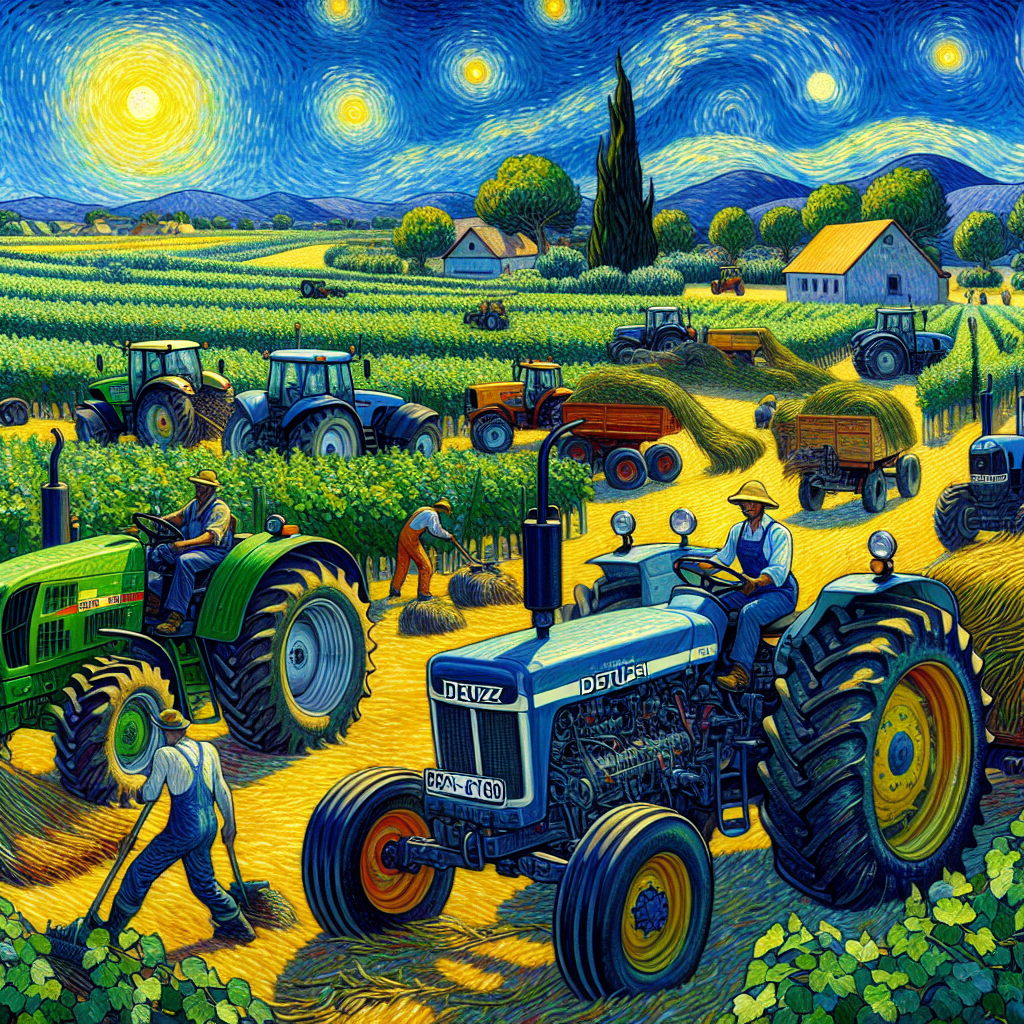
Other Questions
Haiku
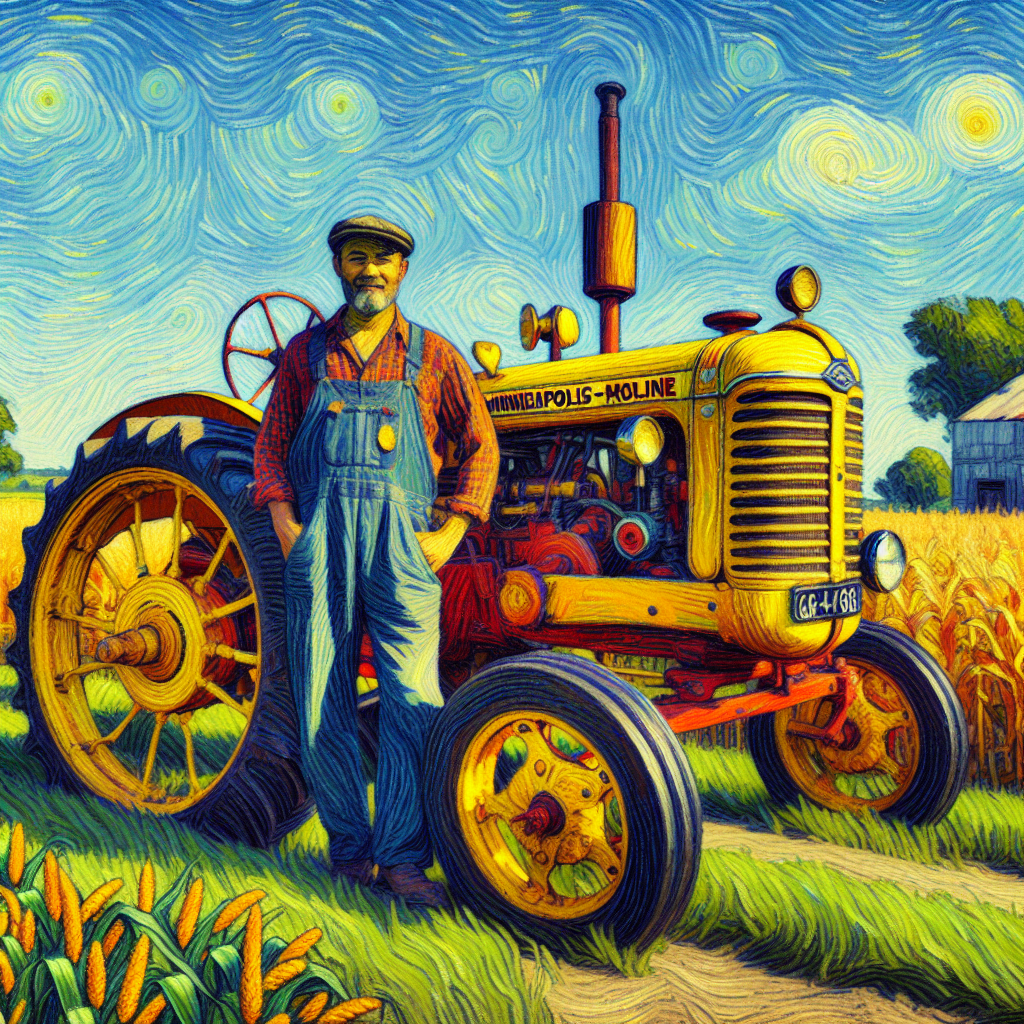
The Future Of Tractor Restoration Is In Your Garage – A Haiku
Rusty metal breathes life,
Echoes of toil, hands unite,
Roots grow through our hearts.
Haiku
Poem
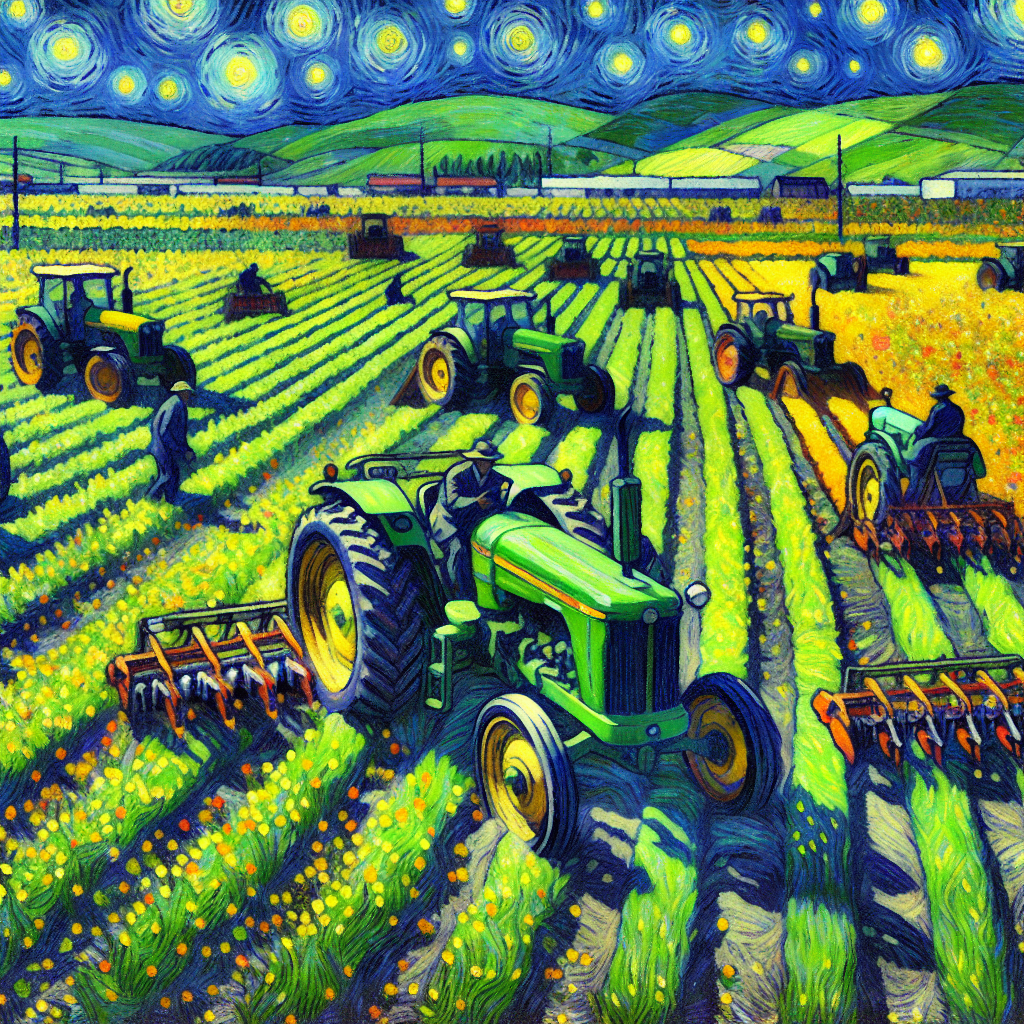
The Future Of Tractor Restoration Is In Your Garage – A Poem
In the heart of your garage, a dream lies in rust,
A tractors lost glory, where memories adjust.
Each dent and each scratch tells stories untold,
Of sweat on the brow and hands weathered, bold.
Imagine the fields where it once plowed with pride,
Bringing families together, side by side.
A roar of the engine, a durable friend,
Reviving the past as traditions transcend.
Craft with your heart, let nostalgia take hold,
Restoring the metal that witnessed the gold.
A legacy blooms from the toil of your hands,
Teaching lessons of patience, where hard work still stands.
Not just machinery, but a bond forged anew,
As laughter and grease paint the moments we drew.
In each twist of a wrench, a connection is forged,
With knowledge and community, visions enlarged.
Through triumphs and trials, as engines we mend,
Lifes challenges echo, yet we rise and transcend.
In this act of revival, our heritage grows,
A tapestry woven where the heart truly glows.
So gather your friends; let the stories ignite,
In the dance of restoration, the future shines bright.
A legacy built on the values we trust,
In the heart of your garage, revive the old rust.
Poem
Checklist
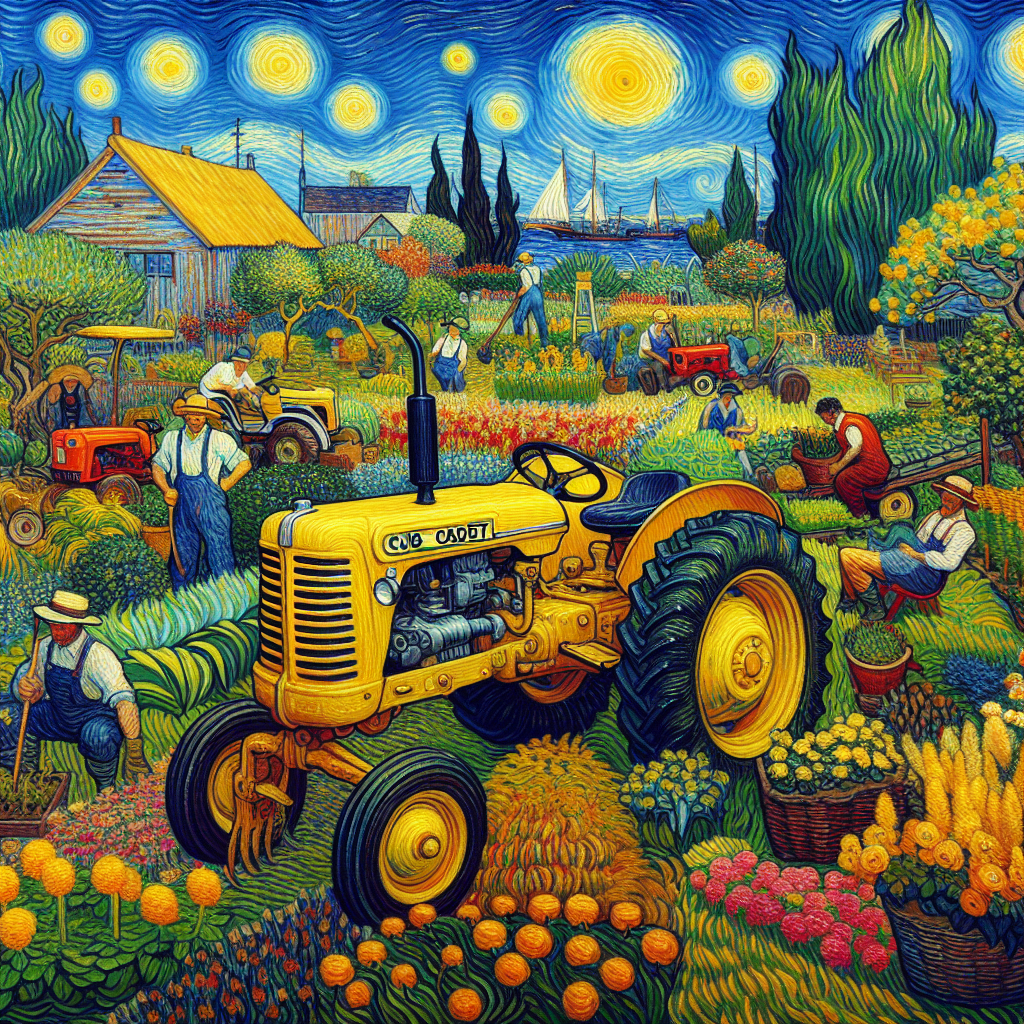
The Future Of Tractor Restoration Is In Your Garage – A Checklist
Emotional Appeals
✅______ Reflect on the personal stories attached to your family’s tractor.
✅______ Visualize the transformation from rusty relic to a running piece of history.
✅______ Invite family and friends to join the restoration process for shared memories.
Rational Appeals
✅______ Research the potential financial appreciation of restored vintage tractors.
✅______ Create a detailed project plan outlining parts needed and budget estimates.
✅______ Assess the condition of the tractor to identify necessary repairs prior to starting.
Ethical Appeals
✅______ Opt for sustainable materials and practices in your restoration efforts.
✅______ Honor craftsmanship by preserving the original aesthetics whenever possible.
✅______ Consider the environmental impact of restoration versus disposal.
Authority Appeals
✅______ Seek advice from local restoration experts or join tractor enthusiast communities.
✅______ Utilize reputable online resources and manuals for learning and guidance.
Narrative Appeals
✅______ Document the restoration process through photos and stories.
✅______ Share your journey on social media to inspire others and connect with fellow enthusiasts.
Social Appeals
✅______ Attend local tractor shows or restoration competitions to build connections.
✅______ Form or join a local club dedicated to vintage tractors for support and camaraderie.
✅______ Plan community events centered around tractor showcases to foster local engagement.
Checklist
At ClassicTractorNews, we help tractor lovers keep up with the latest news for classic and vintage tractors.
Please share this post with your friends, family, or business associates who may like old classic or vintage tractors.