

Unlocking The Hidden Power: Your Tractor’s Ecu Takes Control
By Tom Seest
At ClassicTractorNews, we help tractor lovers keep up with the latest news for classic and vintage tractors.
Please share this post with your friends, family, or business associates who may like old classic or vintage tractors.
The Ecu That Owns Your Tractor More Than You Do
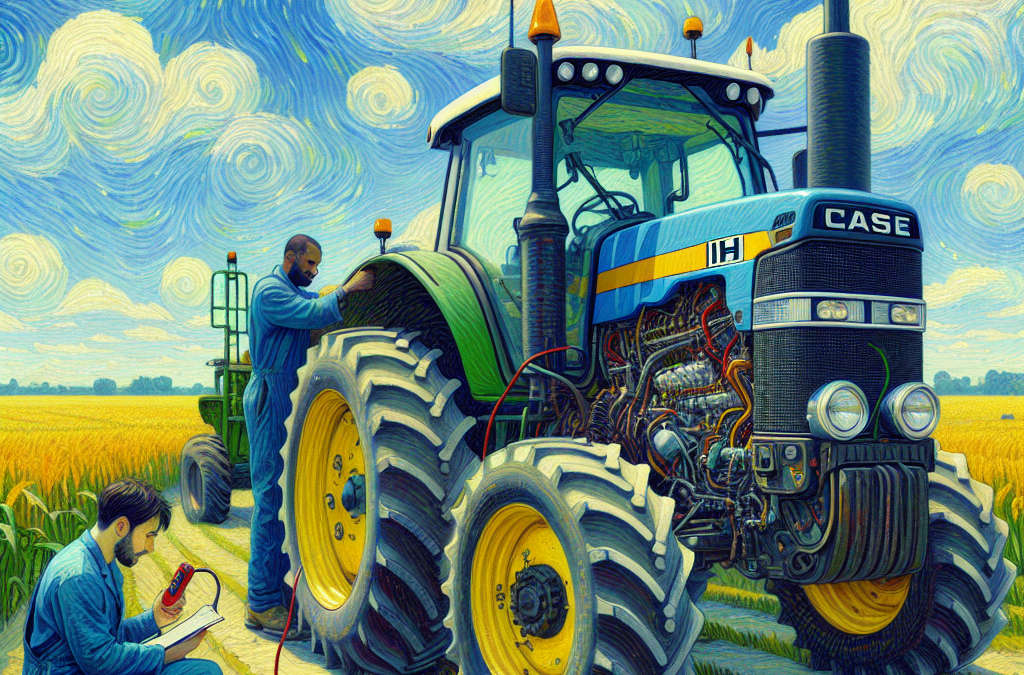
In a world where horsepower seems to conquer all, it’s easy to forget the heart behind that steel beast parked in your barn—your tractor. This isn’t just a piece of machinery; it’s a lifeline, a trusty partner that knows the rhythm of your fields better than you do. Yet, lurking beneath that familiar hood is the engine control unit (ECU)—an unseen force, managing everything with precise calculations and algorithms. It’s the silent overseer, the brain that dictates how your tractor performs, often more than you, the operator, understand.
Picture this: you pull up to your plot, the sun creeping over the horizon, eager to start the day’s work. You muscle down the ignition, the familiar growl ensues, yet it’s that little ECU that separates your Jean Deere from mere metal and rubber. It’s calculating fuel mix, throttle response, and emissions control, a tireless guardian overseeing every grunt and shudder. You may own the title, but the true ownership beckons—you’re merely the maestro, and that unit? The prodigy.
Let’s get personal. Some years back, I was knee-deep in mud, trying to wrestle my own stubborn tractor out of a swampy mess. Frustration rose as I fiddled with the engine controls. Suddenly, I remembered a fellow farmer who had walked this tightrope of man versus machine before. His revelation? Treat your tractor like a loyal friend, equipped with a mind of its own. I learned to listen—to understand the beeping alerts and flashing lights that signaled more than just frustration; they were a map guiding me through the modern complexities of farming.
The reality is, we’re living in an era where technology has crept into every nook and cranny of our lives. The ethical implications are enormous. Are we prepared to cede our intuition and connection to our work to a circuit board? By embracing the symbiosis between human know-how and the precision of the ECU, we shouldn’t fear losing our grip; instead, we should celebrate the partnership. With every passing season, our trust in this technology can translate into not just greater efficiency, but a richer bond with the land we cultivate.
As you mount that seat and grip the wheel, remember: you and your tractor, empowered by its ECU, are part of a broader narrative—a testament to resilience and adaptability. In this dance of man, machine, and nature, you’re not merely steering; you’re carving a legacy, a story on the soil that feeds us all. So next time you fire up that engine, acknowledge what truly drives it, and open your heart to the intersection of human experience and precision technology.
The Ecu That Owns Your Tractor More Than You Do
The Ecu That Owns Your Tractor More Than You Do
- The engine control unit (ECU) is essential for managing a tractor’s performance.
- The ECU calculates fuel mix, throttle response, and emissions control, making it crucial for efficiency.
- There is a growing symbiosis between human operators and ECU technology in modern farming.
- Operators should treat tractors as partners, understanding their alerts and signals.
- The integration of technology raises ethical questions about our connection to manual labor.
- Embracing technology can enhance our relationship with the land and increase efficiency.
- Every tractor operation contributes to a legacy of resilience in agriculture.
The Ecu That Owns Your Tractor More Than You Do
Table Of Contents
- The Ecu That Owns Your Tractor More Than You Do
- What Does Your Tractor Really Mean to Your Farming Life?
- What Happens to Your Farm If the Ecu Malfunctions?
- How Does the Ecu Impact Your Operational Costs Over Time?
- What Ethical Concerns Arise From Ecu-Controlled Tractors?
- How Do You Feel When Relying on Technology for Farming?
- Is Farming Innovation Outpacing Your Ability to Adapt?
- Conclusion
- Other Resources
- Glossary Of Terms
- Other Questions
- Haiku
- Poem
- Checklist
What Does Your Tractor Really Mean to Your Farming Life?
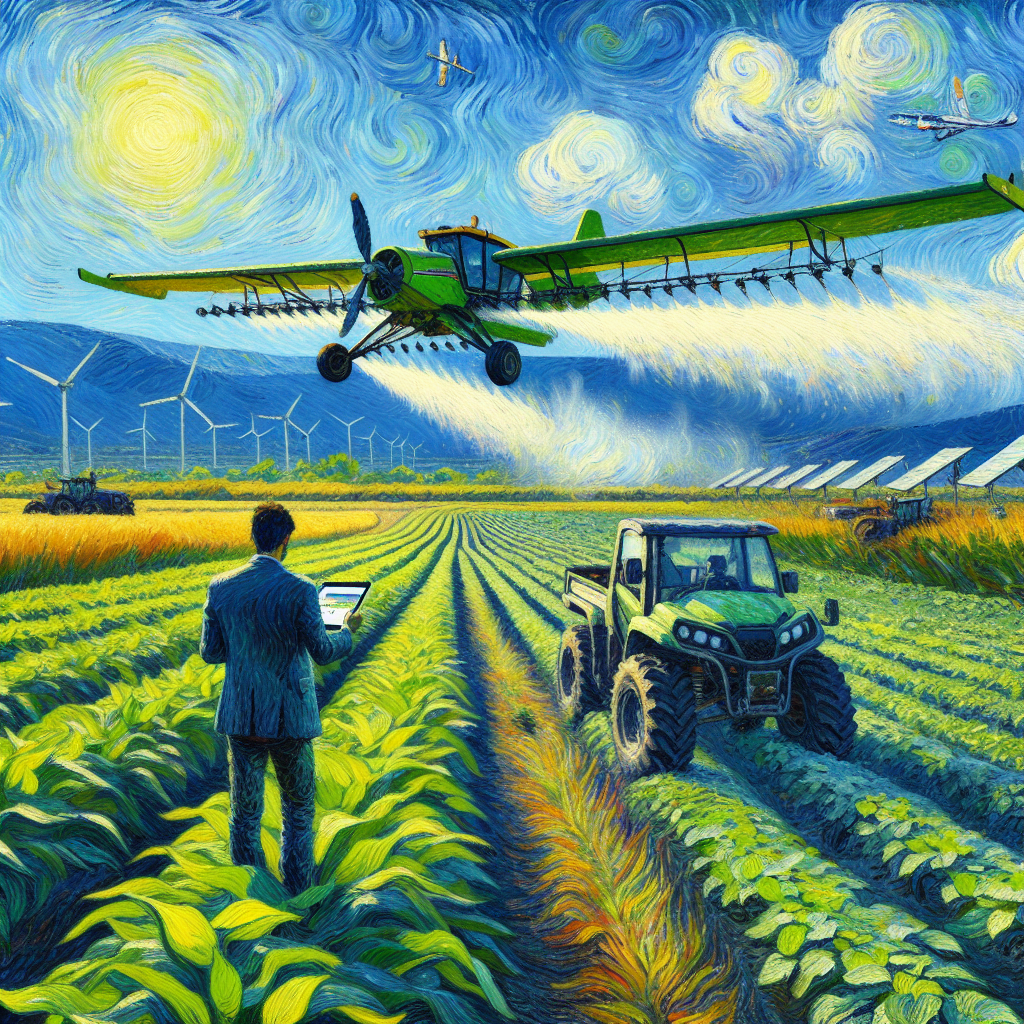
When you stand before your tractor, it’s about more than just metal and mechanics; it’s about everything it represents in your farming life. This mighty machine is the unsung hero of the field, essential to both the physical labor and emotional heart of farming. It embodies the promise of hard work, the sweat of early mornings, and the thrill of harvest. From the moment you climb into the seat, you connect with generations of farmers who have relied on these machines, carving out their futures and nurturing the land.
Thinking about your tractor might prompt memories of your father or grandfather, their hands calloused from years of toil. Each time you rev the engine, you feel their legacy and the weight of tradition. It’s a vessel of history, holding stories of challenges met and victories celebrated. This deep connection transcends mere functionality; it becomes an integral part of your identity. Your tractor does the heavy lifting, but it also carries the hopes and dreams of your family farm. Every furrow it plows is a testament to resilience, the fruits of labor that feed not just the family but the community.
Yet, your tractor is also a tool of efficiency, a rational investment in the prosperity of your operation. It allows you to tackle tasks that were once unimaginable, increasing productivity while also preserving the land. The right maintenance, a few upgrades, and a moment to understand its capabilities make it a partner in your success. This relationship inspires profound trust; you learn to rely on its power and precision, just as it learns the rhythms of your work.
Moreover, consider the communal aspect of farming. In small towns, everyone knows who rolls up in what make and model. Your tractor isn’t just for you—it’s part of a network of farmers, a social symbol of commitment and pride. When you gather at the local feed store or during harvest festivals, those conversations sparked by a shared admiration for machinery are proof that these beasts of burden are, at their core, about connection.
So next time you step onto the field, look beyond the engine and tires. Embrace the heartbeat of a community, the legacy of your ancestors, and the potential within that powerful machine. Your tractor is not just an asset; it’s a bridge between the past and the future, a promise that whatever crop you sow will be nurtured with care and dedication.
What Does Your Tractor Really Mean to Your Farming Life?
What Does Your Tractor Really Mean to Your Farming Life?
- The tractor symbolizes the essential role of farming, embodying hard work and tradition.
- It represents a legacy of labor passed down through generations, connecting farmers to their ancestors.
- This machine is more than functional; it carries the hopes and dreams of the family farm.
- Acts as a tool of efficiency, increasing productivity while preserving the land.
- Trust in the tractor develops through understanding its capabilities, fostering a partnership in work.
- The communal aspect of farming links tractors to local identity and pride within small towns.
- Serves as a bridge between the past and future, nurturing crops with dedication.
What Does Your Tractor Really Mean to Your Farming Life?
What Happens to Your Farm If the Ecu Malfunctions?
What Happens to Your Farm If the ECU Malfunctions?
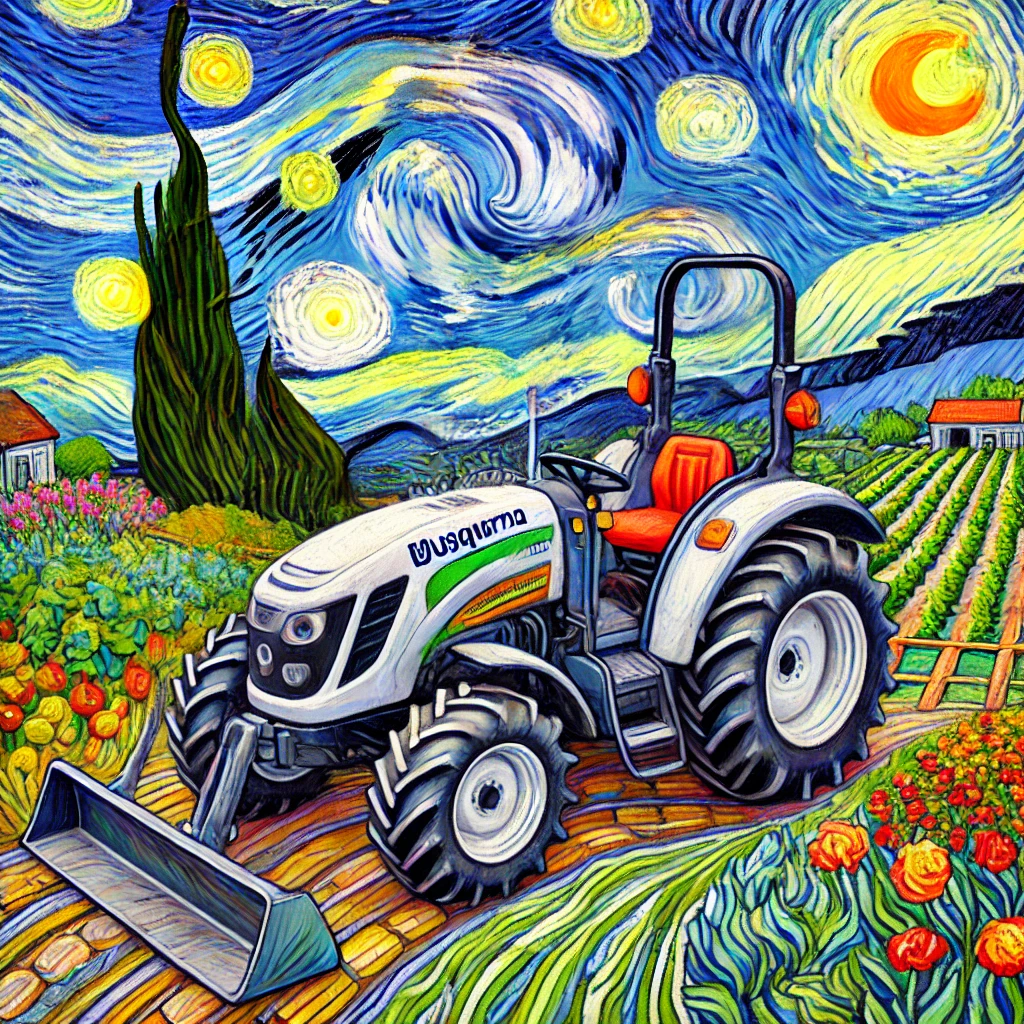
Imagine standing in your field, the sun rising over rows of healthy crops, a tractor idling quietly beside you, its engine humming like a heartbeat. Farming is not just a job; it’s a way of life—a connection to the land that runs deep in your veins. But when the ECU (Electronic Control Unit) malfunctions, that heartbeat can falter, and your world can quickly turn chaotic.
The ECU is the brain of your tractor, directing how it operates from fuel delivery to emissions. If it stumbles, you might find yourself facing a slew of unexpected consequences—your machinery sputtering and stalling, costly workdays lost, and harvests hanging in the balance. This isn’t just a mechanical failure; it’s an emotional gut punch. Farmers pour their hearts into nurturing crops and livestock, and when the lifeblood of your operation falters, the worries multiply like weeds.
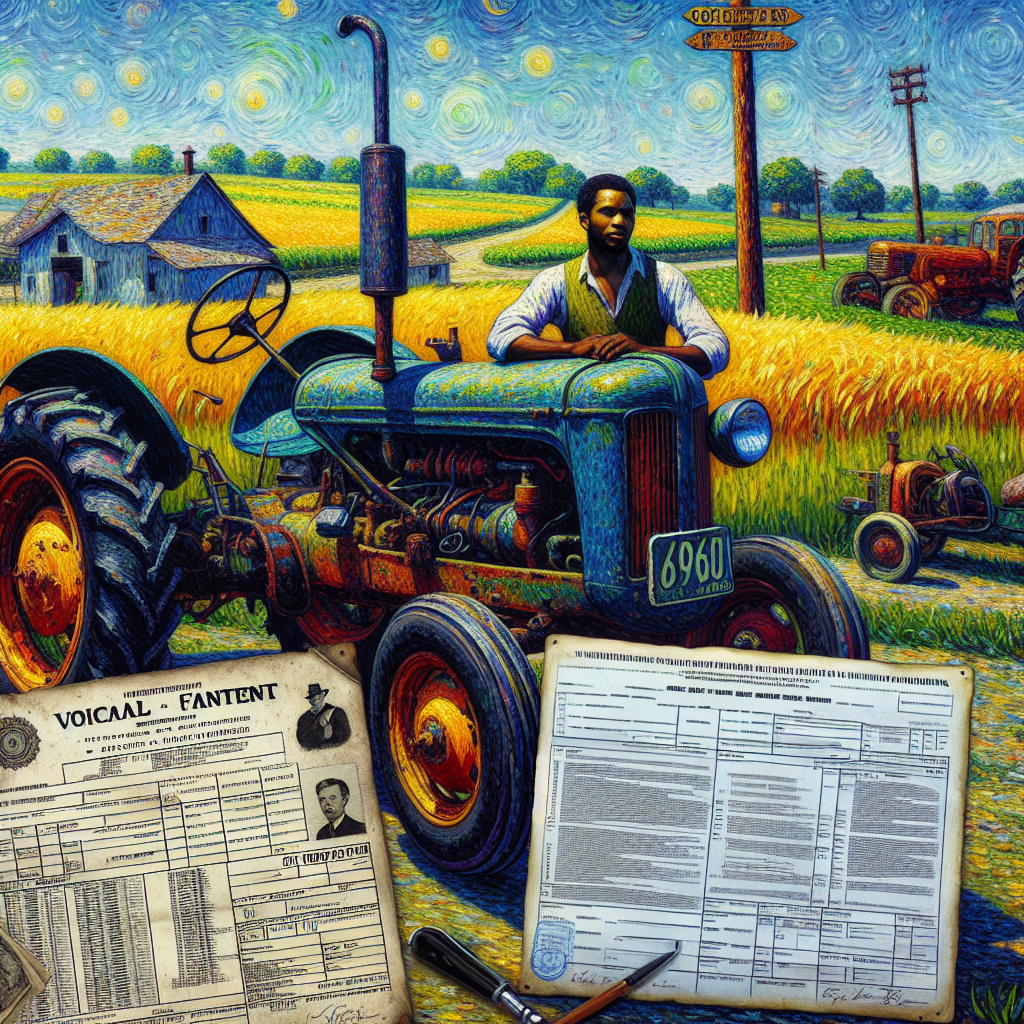
Think of a farmer, Mary, who loved her land through sun-soaked summers and harsh winters. One spring, her tractor refused to cooperate because of a faulty ECU. Days turned into weeks as she struggled to get it fixed, all while her crops began to wither under the relentless sun. The anxiety morphed into sleepless nights, as she wrestled with not just losing her yield but the very essence of her identity. Her story reflects the reality many face—the obsession with control in a profession where so much is unpredictable.
From a rational standpoint, a faulty ECU can disrupt not just equipment but financial stability. If you’re forced to rent replacement machinery or hire additional help, expenses escalate. It’s a weighty lesson in how crucial maintenance and attention to detail are.
Ethically, as stewards of the land, farmers bear a responsibility not just to their crops but to the community that relies on their produce. An ECM failure can ripple out, affecting local markets and economies, highlighting the interconnectedness of our agricultural fabric.
This is where connection becomes vital. As farmers, we rally together, sharing knowledge and support. When the ECU fails, it’s a reminder that we’re part of a larger community—one built on resilience and resourcefulness. It encourages conversations about innovations and the latest technology, fostering a spirit of collaboration that can drive us forward.
Next time you climb into your tractor, remember: the best defense against a malfunction isn’t just a good repair plan; it’s the community that stands behind you, ready to lift you up when the controls falter and the engines grow quiet. Together, we cultivate not just fields, but the roots of trust and understanding that truly sustain us all.
What Happens to Your Farm If the Ecu Malfunctions?
What Happens to Your Farm If the Ecu Malfunctions?
- The ECU (Electronic Control Unit) is essential for tractor operation, managing fuel delivery and emissions.
- A malfunctioning ECU can lead to equipment issues, lost workdays, and potential crop failures.
- The emotional impact on farmers can be significant, as they may face anxiety over their livelihood and identity.
- A faulty ECU can lead to increased financial burdens, such as renting replacement machinery or hiring extra help.
- Farmers have a responsibility to their crops and the community, as an ECU failure can affect local markets.
- Community support is vital, promoting resilience and collaboration among farmers during equipment failures.
- Maintaining strong connections within the agricultural community can serve as a defense against challenges like ECU malfunctions.
What Happens to Your Farm If the Ecu Malfunctions?
How Does the Ecu Impact Your Operational Costs Over Time?
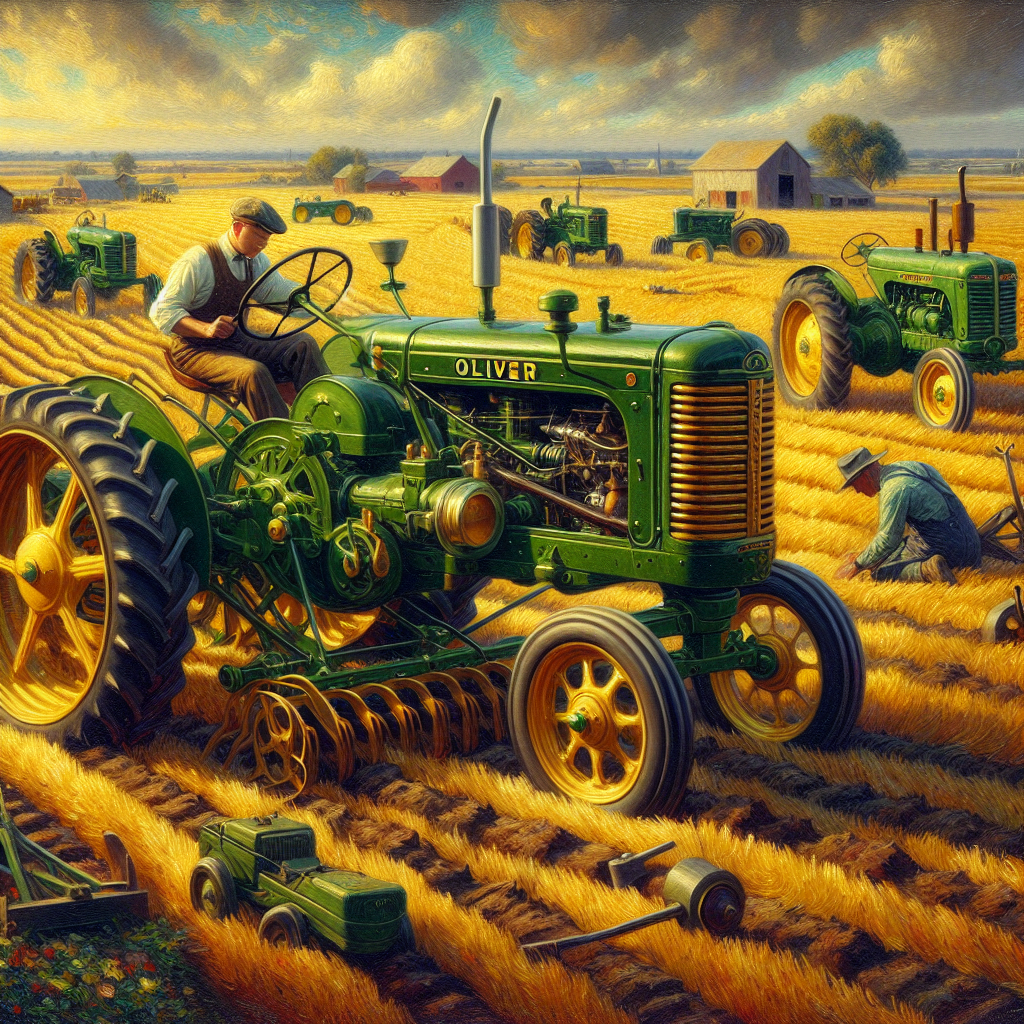
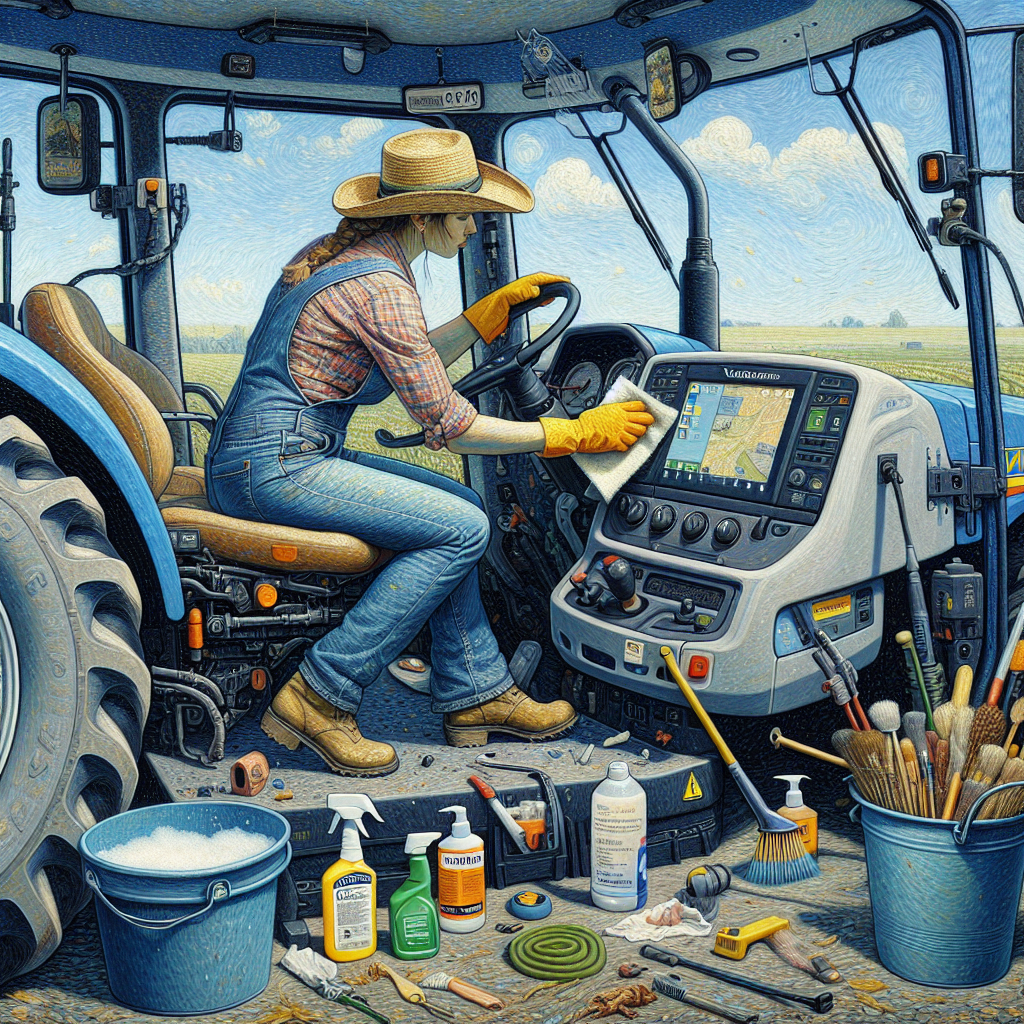
The Economic Control Unit (ECU) isn’t merely a component in your tractor; it’s the unsung hero of your operational costs, quietly influencing the very essence of what you spend over time. Imagine you’re on a vast expanse of farmland, the engine humming beneath you, guiding your every move. That harmonious balance relies on the ECU, which ensures your tractor runs not just efficiently, but effectively, keeping both your pocket and Mother Nature in check.
Think of the ECU as the brain of your tractor, making real-time decisions that can save you significant money long-term. Just like a skilled mechanic who knows how to get the most out of every part, the ECU optimizes fuel use, adjusting to conditions that throw a wrench in your day-to-day operations. One of my neighbors, a seasoned farmer, used to scoff at modern technology. Yet, after switching over to an ECU-regulated tractor, his fuel costs dropped by a staggering 20%. He shared with me how that savings allowed him to invest in an additional field, dramatically increasing his yield and ability to give back to the community.
This is where we dive deep—consider this: the ECU does more than save money; it cultivates sustainability. As you drive your tractor across the fields, you’re not just tending crops; you’re making an ethical choice to reduce emissions and conserve resources. Each drop of fuel saved translates to fewer pollutants in the air, an undeniable step towards preserving the land for future generations. It’s a mindset shift—you’re not just investing in machinery; you’re investing in a legacy.
Then there’s the social aspect. Think about the conversations around the coffee table or the barn after a long day’s work. When you tell fellow farmers about your use of an ECU, you’re sharing a story of innovation and responsibility. You’re showcasing how technology can intertwine with agriculture to create a responsive, adaptive farming community, where everyone benefits.
So, when assessing operational costs, consider not just the immediate expenses but the broader narrative at play. Your tractor, equipped with an advanced ECU, is more than a tool; it’s a partner in your journey toward economic viability, environmental responsibility, and community connection. When you learn to trust in that technology, you’re not just cutting costs; you’re planting the seeds for a more prosperous future.
How Does the Ecu Impact Your Operational Costs Over Time?
How Does the Ecu Impact Your Operational Costs Over Time?
- The Economic Control Unit (ECU) plays a crucial role in managing operational costs of tractors.
- It functions as the brain of the tractor, making real-time decisions to optimize fuel use.
- A farmer experienced a 20% reduction in fuel costs after switching to an ECU-regulated tractor.
- Fuel savings enabled investments in additional fields, increasing yield and community contributions.
- The ECU promotes sustainability by reducing emissions and conserving resources.
- Using an ECU creates a narrative of innovation and responsibility among farming communities.
- Investing in technology like the ECU supports economic viability, environmental responsibility, and community connections.
How Does the Ecu Impact Your Operational Costs Over Time?
What Ethical Concerns Arise From Ecu-Controlled Tractors?
What Ethical Concerns Arise From ECU-Controlled Tractors?
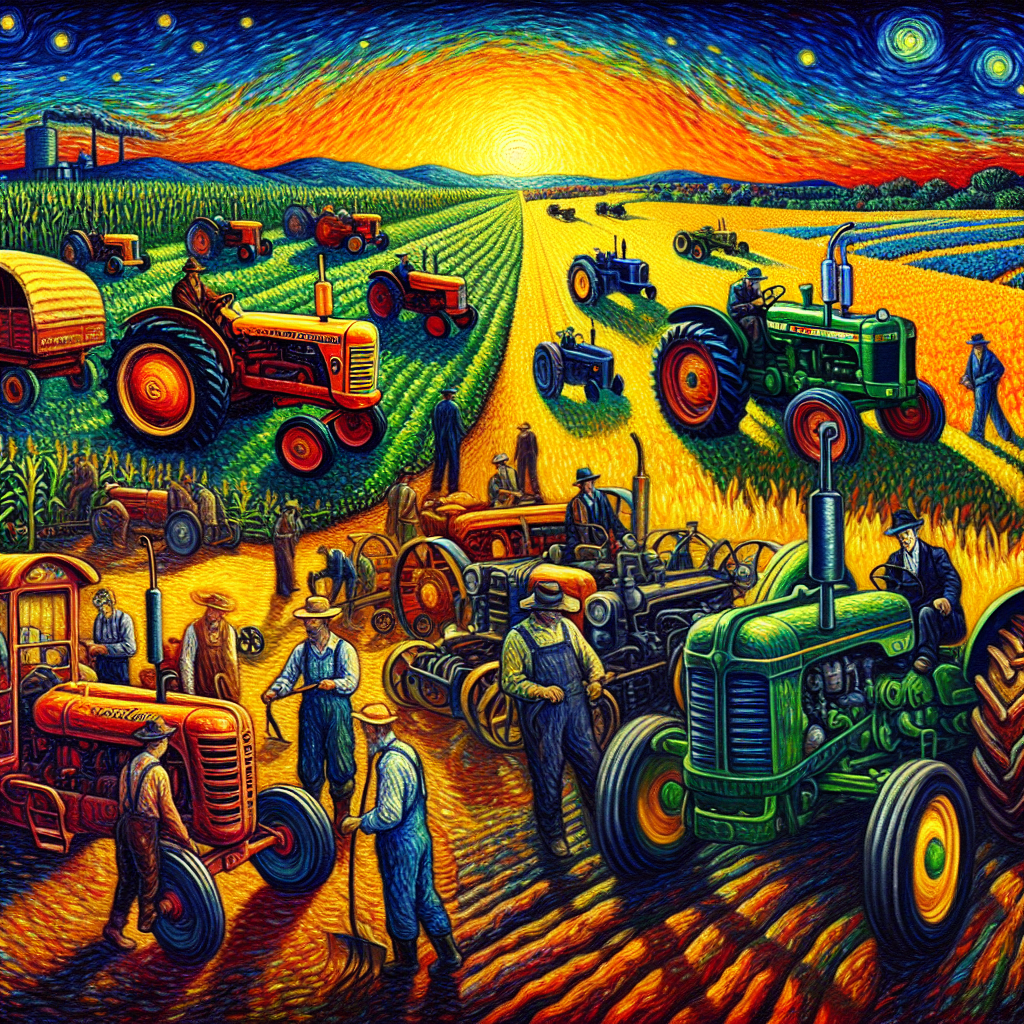
Imagine the sun rising over vast fields, where the sound of a working tractor echoes against the backdrop of a thriving farm. These machines have evolved from simple engines into electronically controlled units (ECUs) that optimize every aspect of their performance. Yet, with this advancement comes a slew of ethical concerns that aren’t just numbers on a spreadsheet; they’re the heartbeat of our agricultural network.
First, consider autonomy. A farmer relies on a tractor not only as a tool but as a partner in the journey of cultivation. When we introduce ECUs, we’ve handed over a power switch to algorithms that make decisions. Yes, these decisions might yield greater efficiency, but at what cost? Imagine a farmer, standing in the field, feeling a disconnect as a machine no longer takes cues from the land or the weather but from a pre-programmed brain. What happens to the relationship between the land and its steward? This emotional tug-of-war highlights a growing concern: as we embrace technology, do we risk losing that intimate connection with our roots?
Next comes the weight of accountability. When things go wrong—perhaps a malfunction leads to wasted resources or environmental impact—who takes the blame? Is it the farmer, the manufacturer, or the software developer? The blurred lines of responsibility can fracture trust within the community, raising moral questions about reliance on technology. Farmers have always taken pride in their craftsmanship and decision-making; an ECU undermines that narrative, making them feel like mere operators in a machine-driven narrative.
Furthermore, let’s examine the impact on local farming communities. These ECUs often come with a hefty price tag, creating a gap between large agribusinesses and smaller family farms. This economic divide can lead to a troubling trend: the consolidation of land and power into the hands of fewer individuals. As traditional practices fade away, so does the social fabric of agricultural life that has defined rural America for generations.
Consider a time when you or someone you know faced a similar dilemma; tradition versus progress. Reflect on the moments where you’ve stood up for your values in the face of rapid change. Embracing technology should not mean discarding our core values. By fostering dialogue around these ethical concerns, we can ensure that tractors—whether powered by human hands or computer algorithms—remain vessels of connection and care, cultivating not just crops, but community and conscience.

What Ethical Concerns Arise From Ecu-Controlled Tractors?
What Ethical Concerns Arise From Ecu-Controlled Tractors?
- ECUs in tractors enhance efficiency but raise ethical concerns about autonomy and relationships between farmers and technology.
- A disconnect may occur as machines rely on algorithms instead of direct environmental cues.
- Accountability for malfunctions is ambiguous, leading to questions about responsibility among farmers, manufacturers, and software developers.
- The reliance on technology may undermine farmers’ traditional craftsmanship and decision-making pride.
- High costs of ECUs widen the economic gap between large agribusinesses and small family farms.
- This economic divide risks consolidating land and power, affecting the social fabric of rural communities.
- Dialogue on ethical concerns is essential to maintain core values in agriculture while embracing technology.
What Ethical Concerns Arise From Ecu-Controlled Tractors?
How Do You Feel When Relying on Technology for Farming?
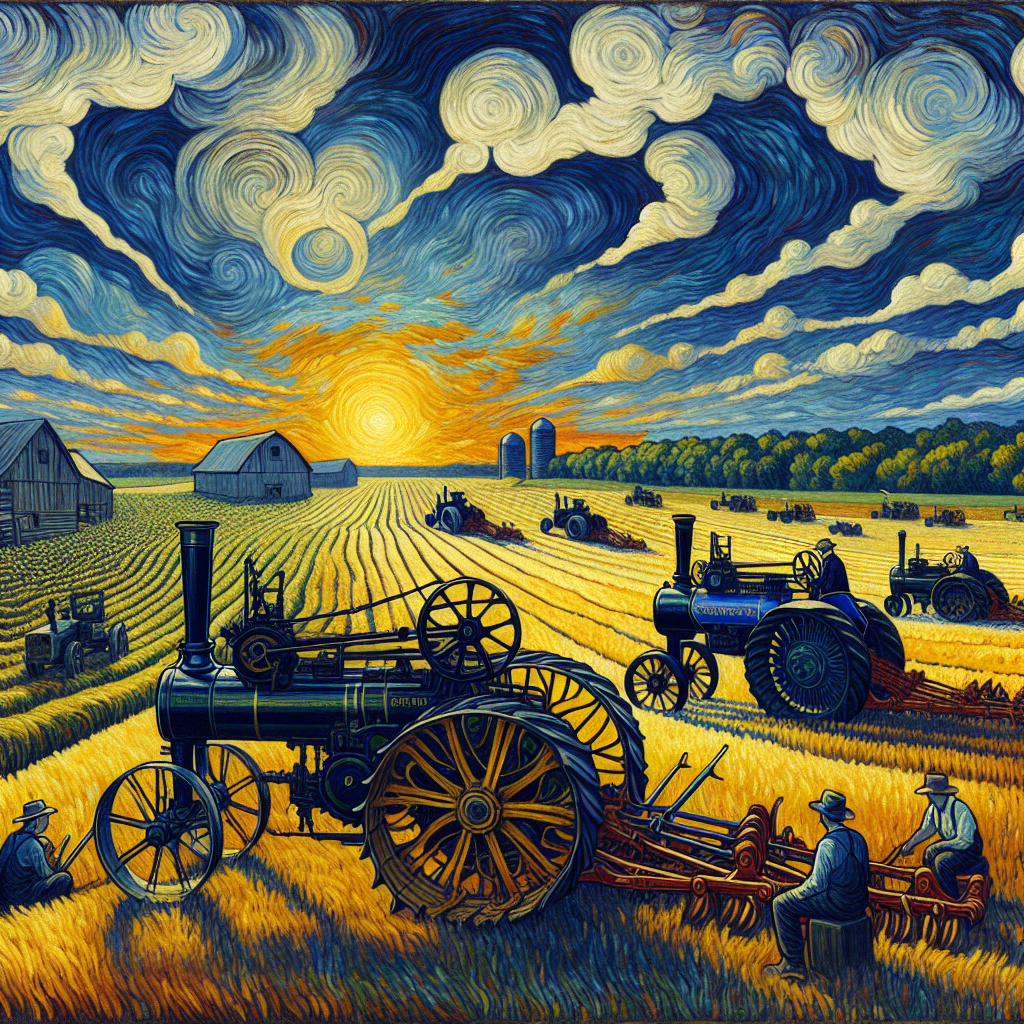
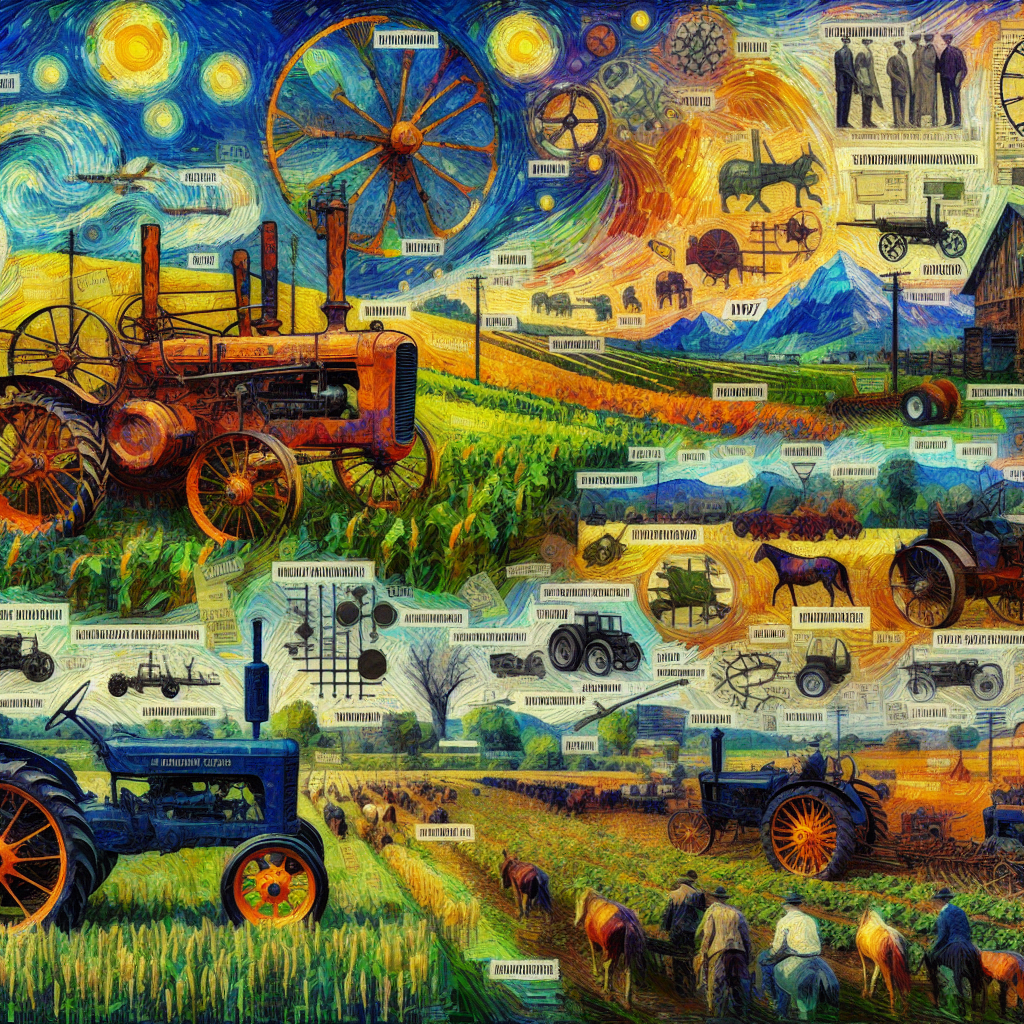
Relying on technology for farming feels a bit like sitting on a powerful tractor, equipped with the latest gadgets designed to make life easier, yet it also evokes a deep sense of unease. The roar of the engine signifies productivity and progress, but beneath that comforting rumble lies a complex relationship with the land. As farmers, we battle with the balance of embracing innovation while honoring age-old traditions that have shaped our connection to agriculture for generations.
Imagine driving down a sun-soaked field, a high-tech tractor guiding your hands as it plows the soil. There’s a thrill in the efficiency, the promise of higher yields, and the ease of monitoring crops from a smartphone—technology has transformed our fields into data-rich landscapes. Yet, amid the buzz of drones and sensors, there’s a whisper of doubt. Can we fully trust these machines to make the right decisions? When a crop drenched in AI analysis fails, it’s hard not to feel a pang in your gut—the raw vulnerability of putting faith in ones and zeroes instead of the intuitive knowledge passed down through the years.
Ethically, we’re at a crossroads. As stewards of the earth, our choices matter. The allure of precision farming encourages us to maximize profits and minimize labor, but at what cost to our connection with the land? Each decision carries weight, and the responsibility for sustainability rests firmly on our shoulders. It’s like the tug of war between tradition and innovation; both sides have valid points, yet the outcome impacts not just our wallets but also future generations.
Sharing stories from the fields deepens this conversation. Picture a family farm that switched to automated irrigation to cope with dwindling water supplies. Initially thrilled, they soon discovered that, despite the water savings, the lack of human oversight led to mishaps—too much or too little water, crops suffering where once there was abundance. In these moments, farmers learn the lesson of balance: technology can empower, but it cannot replace the intuition honed from years of experience.
In this evolving landscape, it’s crucial to foster connection. Whether through community meetings or online forums, sharing our experiences builds trust among farmers navigating this changing world. Ultimately, it’s about finding harmony—leveraging technology while ensuring that the ethos of farming remains rooted in the land, reinforcing our bond with it. This blend of heart and head, tradition and innovation, empowers us to move into a future that honors the ageless dance of humanity and the earth.
How Do You Feel When Relying on Technology for Farming?
How Do You Feel When Relying on Technology for Farming?
- Relying on technology in farming combines the thrill of innovation with a feeling of unease.
- Farmers face the challenge of balancing advanced tools and age-old traditions in agriculture.
- High-tech tractors and data-rich landscapes promise efficiency and higher yields.
- Doubts arise regarding the reliability of technology for making critical agricultural decisions.
- Ethical considerations of precision farming highlight the impact of choices on sustainability and tradition.
- Stories from farmers reveal the importance of human oversight to prevent mishaps in automated systems.
- Building connections through shared experiences is essential for navigating the evolving agricultural landscape.
How Do You Feel When Relying on Technology for Farming?
Is Farming Innovation Outpacing Your Ability to Adapt?
Farming today resembles a high-stakes race with technology at the helm. Picture the roar of a tractor cutting through fields, a timeless symbol of progress. Yet, with every new innovation—from precision agriculture to drone monitoring—there lies an unspoken question: Are we keeping pace or lagging behind?
Consider the small-town farmer, a humble steward of the land, who once relied on the sun, soil, and sweat to provide for his family. Let’s call him Joe. Joe’s grandfather tilled the earth with hand tools while his father embraced the first gas-powered tractors. Now, Joe sits in the cab of a machine more sophisticated than the Apollo lunar module, yet he’s overwhelmed by the barrage of data flashing on the screen. It’s a bittersweet evolution. The same hands that coax life from the earth now struggle to navigate the very innovations meant to enrich their livelihood.
Innovation can be a double-edged sword. It promises efficiency and growth but also demands rapid adaptation. Think of the old tractor—a symbol of hardworking dedication. While it serves its purpose, it hasn’t taken the farmer from point A to point B since it requires knowledge and skill. Now, a small shift towards a new model, rich with features but lacking user-friendly instructions, can leave even the most experienced farmer feeling isolated.
The ethical dimension of this transformation can’t be overlooked. As we embrace technology, we must ask whose interests are served. Is farming innovation truly democratizing success, or is it inadvertently favoring those with resources to adapt quickly? We have a responsibility to foster a culture of learning and inclusivity. It’s about more than just paddling in the technological river; it’s about ensuring that no one gets swept away.
What if we transformed this fear of obsolescence into opportunity? Imagine Joe not as a lone adopter of new technology but as part of a vibrant community of farmers sharing experiences, tools, and knowledge. It’s in that connection, that nurturing of relationships, that we can find our footing. The journey isn’t just about upgrading equipment; it’s about bridging the gap between tradition and innovation.
As we stand at this crossroads, remember: while the tractor of progress races forward, we must ensure we have the collective will and wisdom to steer it in a direction that uplifts us all. The reality is clear—adapting to change isn’t just necessary. It’s the essence of survival in agriculture. Embrace the challenge, nurture your network, and cultivate a future that honors both the blade of innovation and the hand that sows the seeds.
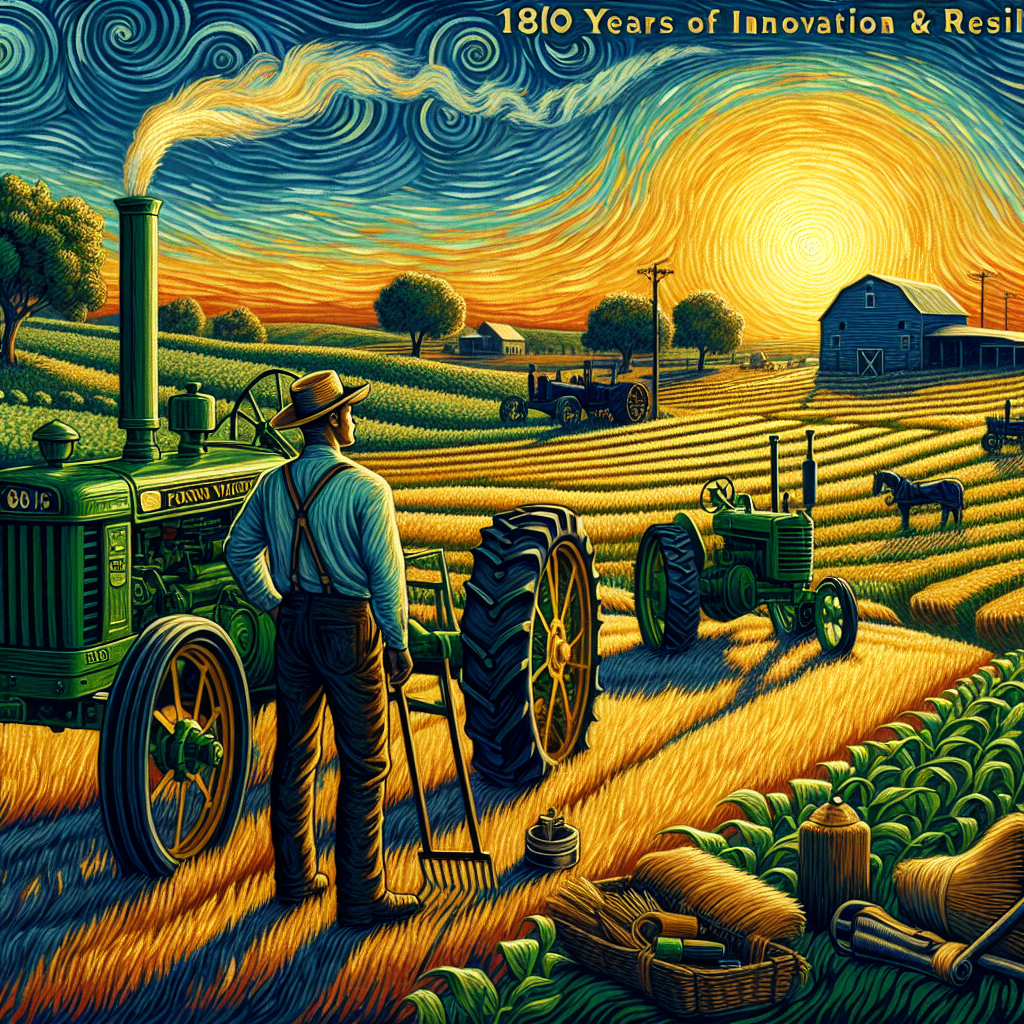
Is Farming Innovation Outpacing Your Ability to Adapt?
Is Farming Innovation Outpacing Your Ability to Adapt?
- Farming today is a high-stakes race driven by technology, raising concerns about adaptation.
- Small-town farmers, like Joe, face overwhelming technological advancements in agriculture.
- Innovations promise efficiency but require rapid adaptation, which can leave experienced farmers feeling isolated.
- The ethical implications of agricultural technology favoring those with resources must be addressed.
- There’s a need for a culture of inclusivity and learning in farming communities.
- Emphasizing collaboration can transform fear of technology into opportunities for growth.
- Adapting to change is essential for survival in agriculture, blending tradition with innovation.
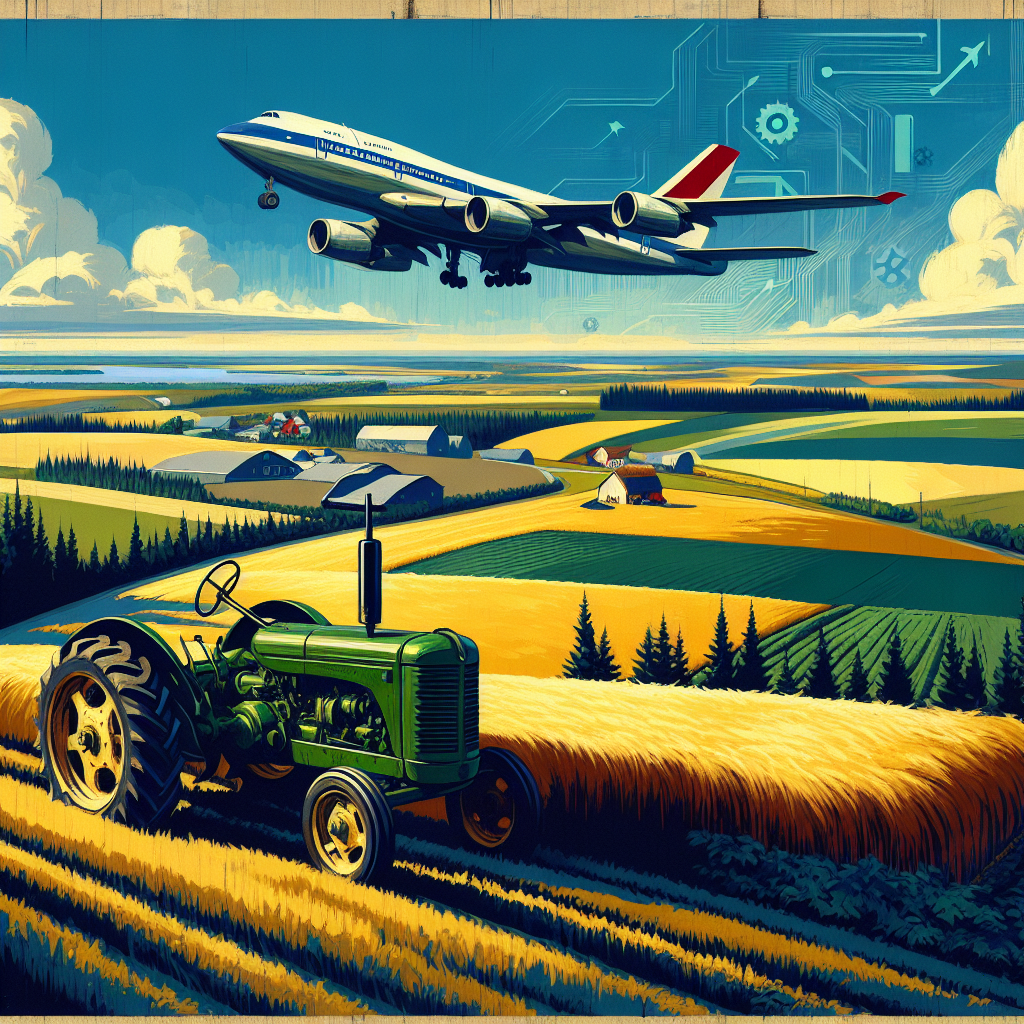
Is Farming Innovation Outpacing Your Ability to Adapt?
Conclusion
In the world of farming, there’s a machine that embodies not only grit and determination but also the pulse of innovation: the tractor. This iron giant epitomizes the hard work of generations, holding within its frame a story of resilience, nostalgia, and an ever-evolving partnership with technology. At the heart of this relationship lies the ECU, the electronic control unit, which manages your tractor with an unseen but powerful influence. While you might physically own this machinery, the ECU handles the intricacies of operation, determining efficiency and productivity. It’s the unsung hero in the field, quietly ensuring everything runs smoothly—fuel efficiency, throttle response, and emissions all fall under its watchful eye.
Consider what it feels like to climb into the cab, ready to tackle the day ahead. Each rumble of the engine stirs not just excitement, but deep-seated memories of those who came before you. Your father, grandfather, and the farming community represent more than mere history; they embody a legacy intertwined with the very essence of the land. Each time you engage with this machine, you’re not just operating a tractor; you’re nurturing a connection that spans generations.
However, this burgeoning reliance on technology isn’t without ethical dilemmas. The intrusion of ECUs brings forth questions of autonomy, accountability, and the essence of what farming truly means. Are we surrendering too much to algorithms, risking our intuitive understanding of the land? Malfunctions can disrupt not only productivity but the emotional heartbeat of farming itself, leading to chaos on the field. Reflecting on individual stories highlights the deeper significance of these machines; the neighbor who saved on fuel with an ECU now invests in sustainable practices, showcasing a commitment to environmental stewardship.
Buying into technology symbolizes a leap into the future, but it can also spark fear of losing touch with tradition. Are we adapting fast enough to keep our humanity in farming? It’s critical to foster connections within our community—sharing experiences, wisdom, and support as we navigate this new landscape together. Let technology serve as a bridge to progress, not a barrier isolating us from our roots.
Remember, each time you start that engine, you’re part of a legacy far greater than the machine itself. You’re crafting a narrative interwoven with history and innovation, ensuring that farming will not only adapt but thrive. In this modern agricultural dance, trust in both your abilities and your technology. Together, they create a future rooted in respect for the past, resilience, and a commitment to the land that sustains us all.
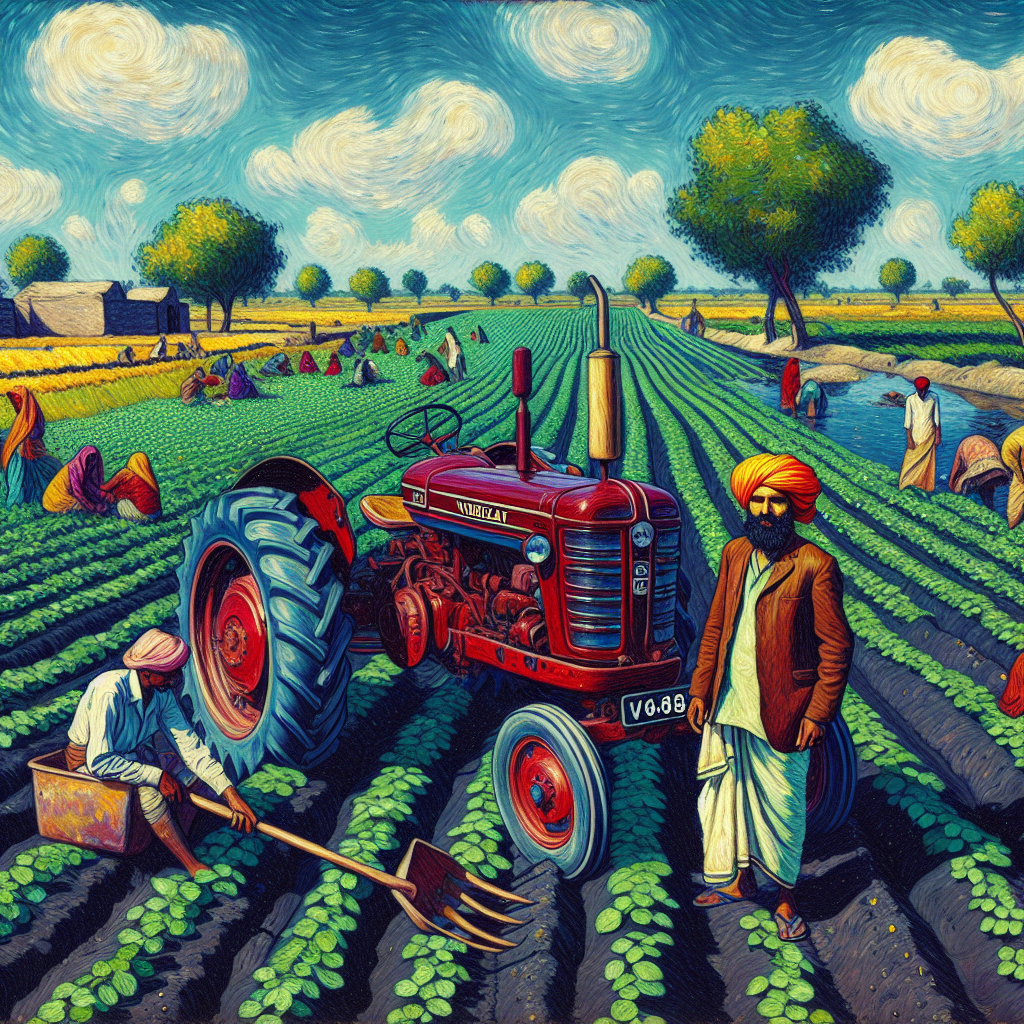
Conclusion
Conclusion:
- The tractor symbolizes grit, determination, and technological innovation in farming.
- At its core, the ECU (electronic control unit) manages tractor operations, influencing efficiency and productivity.
- Each tractor represents a legacy intertwined with the history of farming families and communities.
- The rise of technology in farming poses ethical questions regarding autonomy and the essence of farming.
- Technology can enhance productivity but may also disrupt traditional farming practices and emotional connections.
- Fostering community connections is essential as farming adapts to technological changes.
- Embracing technology and heritage together ensures a resilient future for agriculture.

Conclusion
Other Resources
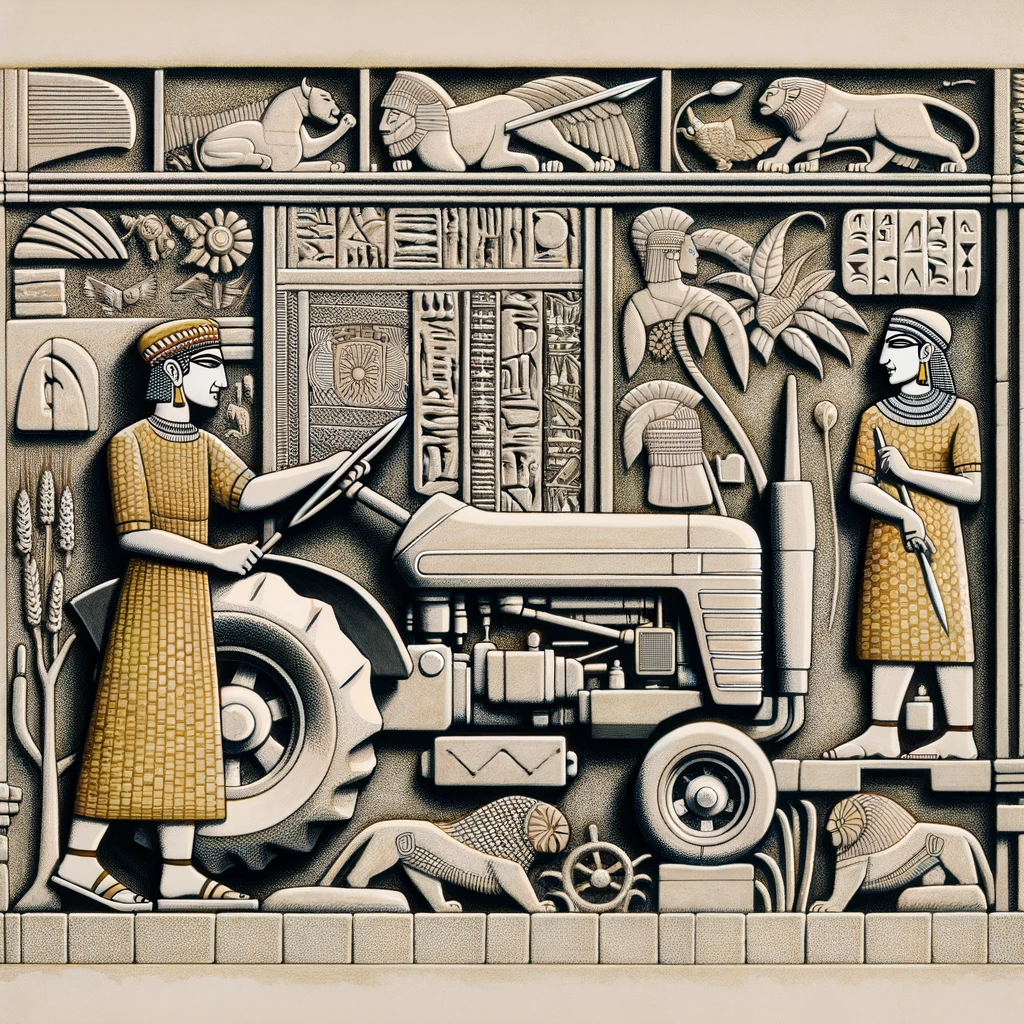
Other Resources
Here is a list of other resources you can review online to learn more:
- Louisville Tractor Pull
- Square Turn
- Agra Cat
- Fiat-Hesston
- Bombardier
- Haas
- Heider
- Atlantic Farm Mechanization Show
- South Dakota Tractor Museum
- Fahr
- Landini
- Ohio Crawford County Antique Farm Equipment Museum
- Jeep
- Happy Farmer
- Agria Hispania
- AGCO
- TYM
- Mitsubishi
- SAME Tractors
- Cameco
Use This Prompt To Get More Resources With Your Favorite Online AI Tool: Please provide me with a list of online articles with their URLs in a bulleted list that I can read regarding The Ecu That Owns Your Tractor More Than You Do
Other Resources
Glossary Terms
The Ecu That Owns Your Tractor More Than You Do – Glossary Of Terms
1. ECU — Electronic Control Unit: on-board computer that controls engine, transmission, and other tractor systems.
2. Firmware — Low-level software stored on the ECU that implements control logic, calibrations, and diagnostics.
3. Bootloader — Initial ECU program that verifies and loads firmware; gatekeeper for updates and recovery.
4. Flashing — Process of writing new firmware to the ECU’s nonvolatile memory.
5. Tuning — Deliberate modification of firmware or calibrations to change performance, fuel delivery, or limits.
6. Calibration — Parameter maps and tables in firmware that translate sensor inputs into actuator commands.
7. Code signing — Cryptographic signatures on firmware images used to authenticate vendor-approved updates.
8. Encryption — Cryptographic protection of firmware, diagnostics, or communication to prevent unauthorized access.
9. DRM — Digital restrictions embedded in ECU software to control authorized use, modification, or copying.
10. Immobilizer — Security subsystem that prevents engine start unless proper credentials or keys are present.
11. CAN bus — Controller Area Network: vehicle communication bus linking ECUs, sensors, and actuators.
12. J1939 — SAE standard protocol and message format used for heavy-duty vehicle CAN communications.
13. OBD — On-Board Diagnostics interface and protocol family for reading fault codes and live data.
14. Telematics — Remote data collection and transmission systems that report tractor status to vendors or fleets.
15. OTA — Over-the-air: wireless delivery of firmware or software updates to the ECU.
16. Remote diagnostics — Vendor or service access to ECU logs, telemetry, and configuration for troubleshooting.
17. Proprietary software — Manufacturer-owned code or tools that restrict how ECUs can be modified or serviced.
18. OEM — Original Equipment Manufacturer: company producing the tractor and often the ECU/software.
19. Aftermarket — Third-party hardware or software alternatives for repair, tuning, or feature changes.
20. Right-to-repair — Legal and policy movement advocating user access to parts, tools, and software for repairs.
21. Warranty void — Manufacturer condition that denies warranty coverage if unauthorized modifications are detected.
22. Reverse engineering — Analyzing ECU hardware, firmware, or communications to understand or replicate functionality.
23. Rooting — Gaining privileged or unrestricted access to an ECU’s operating environment to bypass restrictions.
24. Modchip — Hardware modification installed to override ECU protections or allow custom firmware.
25. CAN sniffing — Capturing and analyzing CAN messages to reveal protocols, controls, and sensor data.
26. Calibration file — External file used by tuning tools to load or alter ECU parameter maps.
27. Service tool — Authorized diagnostic software and hardware used by dealers to configure and repair ECUs.
28. Lockdown — Manufacturer-applied restrictions that limit user ability to read, write, or modify ECU data.
29. Data ownership — Legal and practical question of who controls the telemetry, logs, and configuration data generated by the tractor.
30. Backdoor — Hidden or undocumented access method in ECU firmware that can permit vendor or third-party entry.
Glossary Of Terms
Other Questions
The Ecu That Owns Your Tractor More Than You Do – Other Questions
If you wish to explore and discover more, consider looking for answers to these questions:
- What exactly is an ECU and how does it work in a tractor?
- Which functions of my tractor does the ECU control (fuel, throttle, emissions, transmission, PTO, etc.)?
- How can I tell if my tractor’s ECU is malfunctioning?
- What are the most common ECU failure symptoms and diagnostic error codes?
- What tools or devices do I need to read ECU fault codes and run diagnostics?
- Can an ECU be repaired, or does it usually require full replacement?
- How much does ECU diagnosis and repair typically cost?
- How long does an ECU repair or replacement usually take?
- Are aftermarket or third‑party ECUs safe and legal to install?
- Will modifying or remapping the ECU void my tractor’s warranty?
- What are the risks and benefits of ECU tuning for more power or better fuel economy?
- Do ECUs improve fuel efficiency enough to justify their cost over time?
- How does the ECU affect long‑term operational and maintenance costs?
- How do software updates for the ECU get delivered and who controls them?
- Can software updates “brick” my tractor or change performance in undesirable ways?
- Who is liable if an ECU malfunction causes crop loss, injury, or environmental damage?
- Does the ECU collect data about my tractor’s operation, and who owns or can access that data?
- What are the privacy implications of connected ECUs and telematics systems?
- How vulnerable are tractor ECUs to hacking or cyberattacks?
- What cybersecurity measures exist for agricultural ECUs and telematics?
- Can ECUs be overridden so a farmer can take full manual control?
- How easy is it to retrofit an ECU into an older tractor or to replace a legacy control system?
- Are there industry standards or protocols for tractor ECUs (communication, diagnostics, safety)?
- How do ECUs interact with other on‑board systems like GPS, autopilot, and implement electronics?
- What training or resources are available to help farmers learn ECU diagnostics and maintenance?
- Are there grants, subsidies, or programs to help small farms adopt and maintain ECU‑equipped equipment?
- How do ECUs influence tractor resale value and marketability?
- Do ECUs contribute to consolidation in agriculture by favoring larger farms with more resources?
- What ethical considerations should farmers weigh before adopting ECU‑driven automation?
- How do emissions regulations shape ECU design and updates?
- Can an ECU malfunction lead to increased emissions or environmental harm?
- What emergency procedures should operators follow if the ECU fails in the field?
- Are there insurance implications or changes to premiums related to ECU‑controlled tractors?
- How do different manufacturers’ ECUs compare in reliability, support, and openness?
- What steps can I take now to reduce the impact on my farm if an ECU fails during peak season?
Other Questions
Haiku
The Ecu That Owns Your Tractor More Than You Do – A Haiku
Silent hum of steel,
Heart and mind in soil’s embrace,
Tech and toil unite.
Haiku
Poem
The Ecu That Owns Your Tractor More Than You Do – A Poem
In fields where steel meets earth, the farmers toil,
Their hearts entwined with tractors—old friends on soil.
Beneath the hood, a silent force, the ECU reigns,
Managing power, setting rhythms in their veins.
A partner in the dance of plow and seed,
Its algorithms guide them through every need.
Yet questions loom in the shadows behind,
As reliance on machines blurs the ties that bind.
Memories of hands that carved with care,
A legacy of toil, as fresh as the air.
But with this leap into technology’s embrace,
Do we risk losing the soul amidst datas race?
When engines fail, the panic sets in deep,
Harvests at stake, sleepless nights with weeping.
Accountability wears lightly on the hushed,
Who bears the weight when the algorithms are crushed?
The balance teeters between farmer and code,
Preserving the roots as we navigate the road.
In towns where whispers of lineage reside,
The tractors hum is family, community, pride.
So as engines roar, let hearts remain aware,
This legacy we cultivate demands more than care.
At this crossroads of progress and timeless lore,
Together, let’s forge a future we can explore.
Harnessing power, yet honoring the past,
In harmony with nature, let this bond last.
For it’s not just the machinery that keeps us whole,
But the stories intertwined in the fields they patrol.
Poem
Checklist
The Ecu That Owns Your Tractor More Than You Do – A Checklist
Heart (Emotional Appeals)
✅______ Reflect on your personal connection to your tractor. What memories or stories does it evoke?
✅______ Consider the emotional impact of your farming journey. How does your tractor symbolize your family’s legacy and values?
✅______ Acknowledge the relationship between you and your equipment. Treat your tractor as a trusted partner.
Head (Rational Appeals)
✅______ Assess the operational efficiency that your tractor’s ECU provides. How does it optimize fuel use and reduce costs?
✅______ Evaluate the technological features of your tractor. Are you utilizing them to their full potential?
✅______ Think about the long-term benefits of regular ECU maintenance. Have you scheduled routine check-ups?
Gut (Ethical and Social Appeals)
✅______ Reflect on the ethical implications of relying on technology in agriculture. Are you comfortable with the level of dependence on your tractor’s ECU?
✅______ Consider the impact of ECU failures on your farming operations. How would it affect not only your crops but your community?
✅______ Engage with local farmers. Share experiences and seek support in navigating technological challenges.
Authority (Knowledge and Resources)
✅______ Educate yourself about the workings of your tractor’s ECU. What resources or manuals do you have on hand?
✅______ Connect with experts or other farmers who have successfully integrated ECUs into their operations. What insights can they provide?
Narrative (Storytelling)
✅______ Document your journey with your equipment. What challenges or triumphs have you faced together?
✅______ Share your story with the farming community. How have you adapted to technological changes and what lessons have you learned?
Social (Community Engagement)
✅______ Participate in local farming groups or online forums. How can collaboration enhance your understanding of ECUs?
✅______ Attend community events to discuss technology in agriculture. How does this foster a sense of belonging among farmers?

Checklist
At ClassicTractorNews, we help tractor lovers keep up with the latest news for classic and vintage tractors.
Please share this post with your friends, family, or business associates who may like old classic or vintage tractors.