

When Trust Is Tested: A Farmer’s Fight For Control And Hope
By Tom Seest
At ClassicTractorNews, we help tractor lovers keep up with the latest news for classic and vintage tractors.
Please share this post with your friends, family, or business associates who may like old classic or vintage tractors.
The Day His $300,000 Tractor Refused to Start Without Approval
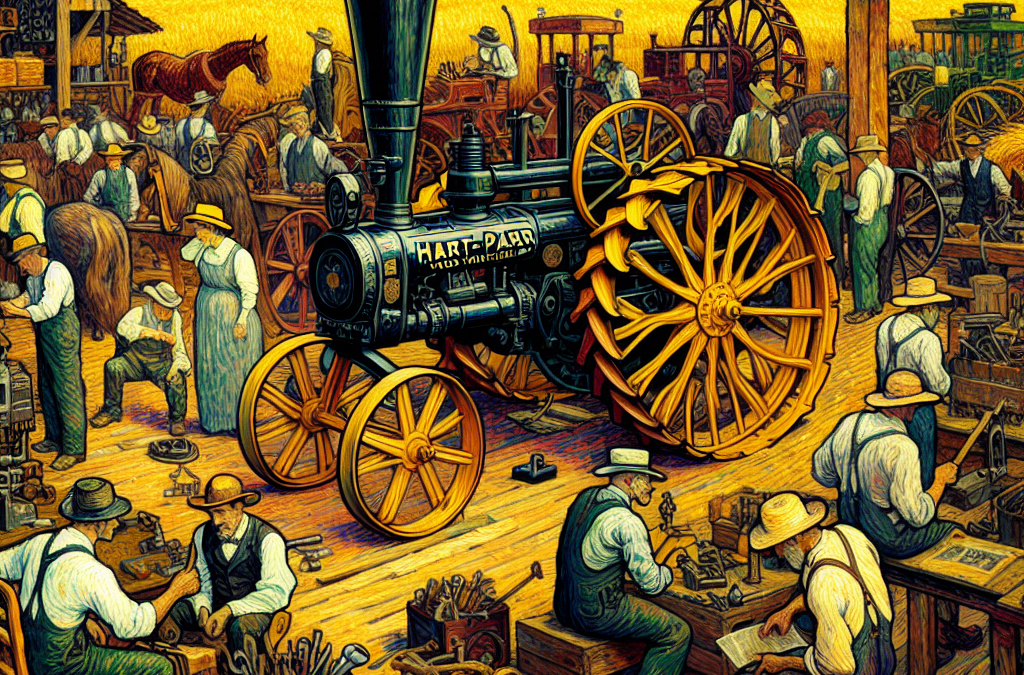
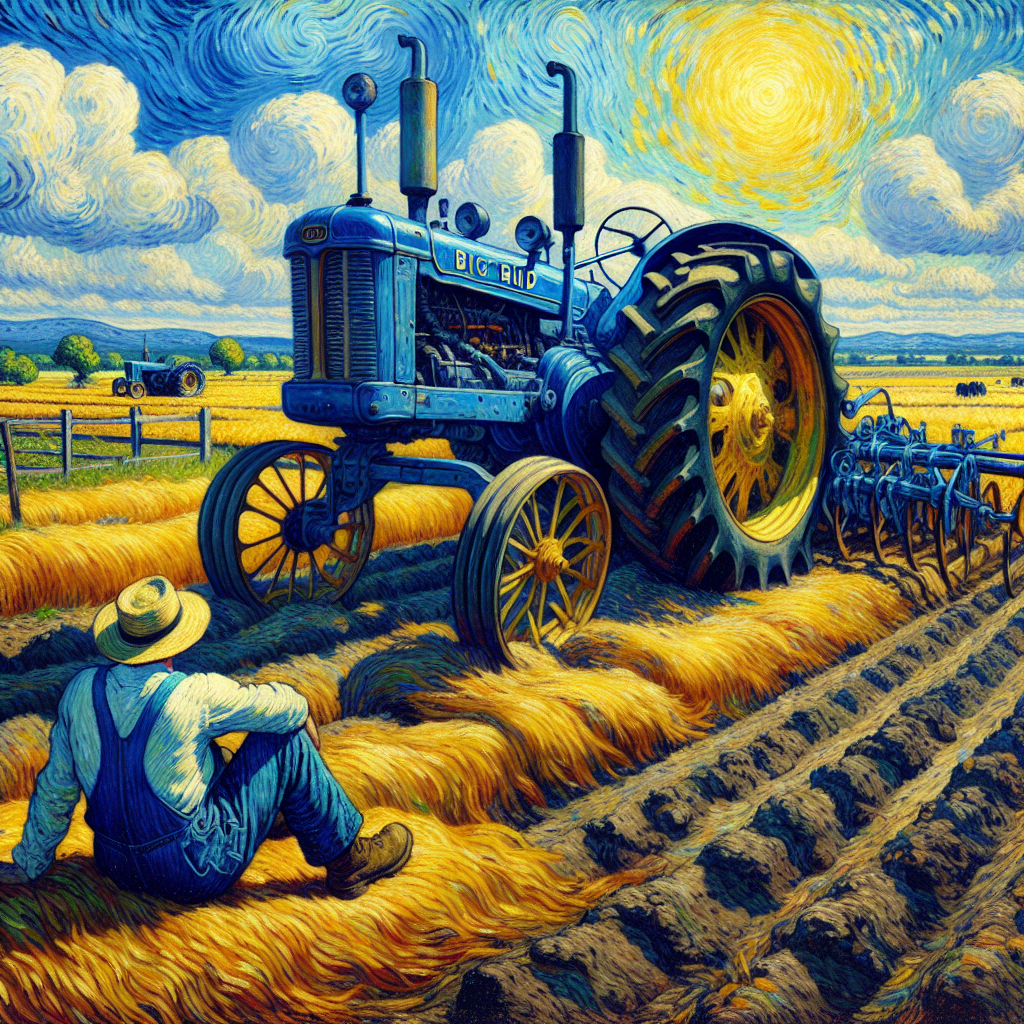
In a world where everything seems automated, it’s ironic when a $300,000 tractor refuses to start without a blessing from its onboard computer. Picture this: a weary farmer, boots caked in mud and hands roughened from years of toil, standing before this magnificent piece of machinery, anxiously tapping his fingers against the steering wheel. This isn’t just a machine; it’s the embodiment of his hard work, dreams, and resilience. Yet, on this day, it feels more like an adversary than an ally.
The tractor, with its gleaming paint and proud stance, stands as a symbol of modern innovation. It’s designed to make life easier, to replace backbreaking labor with the touch of a button. But when it draws the line at starting without a digital “OK,” the irony strikes hard. The farmer, a grounded man of the land, knows that some battles can’t be won through technology alone. It’s almost as if the tractor is demanding respect, a nod to the hand that steers it—a reminder that technology, while powerful, can’t replace the human spirit and ingenuity.
This moment is a microcosm of something larger—a struggle we all face in a world increasingly defined by tech. Have you ever been in a situation where it seems the machine is in control? Perhaps you’ve felt that tug of frustration when the simplest tasks get clouded by complex systems. We’re all looking for that seamless connection, that instinctive bond with our tools, whatever form they may take. When the tractor sits idle, it sparks a profound realization: it’s not just about horsepower; it’s about heartpower.
In a community often overlooked, the story of this farmer resonates deeply. He knows that every day in the field isn’t just about harvesting crops; it’s about harvesting hope, tradition, and trust in a craft passed down through generations. When he finally manages to coax the tractor to life, it’s not just a victory of mechanics, but a testament to the resilience that defines his life.
This experience urges us to reconnect with our roots, embracing the blend of technology and tradition. Sometimes, amidst all the noise, we need that stubborn tractor to remind us to stop, reflect, and earn the right to drive our dreams forward. Let’s take that lesson to heart: the most valuable connections aren’t programmed; they’re forged through sweat, struggle, and a pinch of humility.

The Day His $300,000 Tractor Refused to Start Without Approval
The Day His $300,000 Tractor Refused to Start Without Approval
- A $300,000 tractor symbolizes modern innovation and the farmer’s hard work.
- The tractor refuses to start without a digital “OK,” creating irony in a technology-driven world.
- The farmer embodies resilience and tradition, highlighting the human spirit’s importance in farming.
- This experience reflects broader struggles with technology’s control over simple tasks.
- Idle machinery prompts a realization: success relies on both horsepower and heartpower.
- The farmer’s journey emphasizes the importance of hope, tradition, and craftsmanship.
- It advocates for reconnecting with roots and balancing technology with human effort.
The Day His $300,000 Tractor Refused to Start Without Approval
Table Of Contents
- The Day His $300,000 Tractor Refused to Start Without Approval
- What Happens When Trust In Machinery Erodes?
- Can a Farmer Regain Control?
- How Does a Broken Tractor Affect Livelihood?
- What Are the Hidden Costs Of Reliance on Technology?
- Who Is Accountable When Machines Malfunction?
- How Can Farmers Cultivate Resilience In the Face Of Setbacks?
- Conclusion
- Other Resources
- Glossary Of Terms
- Other Questions
- Haiku
- Poem
- Checklist
What Happens When Trust In Machinery Erodes?
In a world increasingly dependent on technology, the erosion of trust in our machines can have profound consequences. Imagine a farmer, early in the morning, reaching for the throttle of his trusty tractor, the lifeblood of his operation. It’s not just steel and rubber; it’s an extension of his labor, dreams, and legacy. But one day, that tractor fails him—engine sputtering, wheels stuck in the muck. The heart sinks. This isn’t just about a mechanical breakdown; it’s about shattered confidence in the very tools that support livelihoods.
When trust in machines begins to erode, it’s not merely a technical problem; it becomes deeply personal. Recall the last time your smartphone crashed during a crucial moment. The frustration wasn’t just about lost time; it tapped into a more profound fear—the realization that something we relied upon, something that was supposed to simplify our lives, had let us down. In an age where we lean on technology for everything from communication to agriculture, such failures can feel like a betrayal, amplifying anxiety about relying on engineered reliability.
Rationing our emotional responses to these failures often leads us to rational thoughts about the efficacy of machines. It’s easy to think, “If this tractor can’t hold up, what about the automated systems in our hospitals or schools?” Each breakdown chips away at our confidence, sowing seeds of doubt. Ethically, we begin to wonder if our reliance on machines has taken us too far. Are we abdicating responsibility to the very technology we’ve created? This kind of reflection can inspire action, tempting us to return to simpler methods—maybe a hand-plowed field over a high-tech combine, driven not by automation, but by trust in our own hands.
Socially, as we gather together to share stories of failures—be it at the farm gate or family dinner table—we foster community connections built on shared experiences. These narratives create accountability and encourage collective resilience. When one person’s tractor breaks down, they may band together with neighbors, sharing tools, knowledge, and time, engendering a sense of camaraderie that transcends rubber and metal.
Ultimately, the erosion of trust in machinery charges us with a crucial choice: we can retreat into fear or grasp the opportunity to ensure that the bonds we forge with our machines—and each other—are renewed with integrity and faith. Just as a tractor relies on its engine, we must nurture our connections with the tools we create, ensuring that trust is not just an assumption but a steadfast promise.

What Happens When Trust In Machinery Erodes?
What Happens When Trust In Machinery Erodes?
- Technology’s growing dependence has led to a crisis of trust in machines.
- A farmer’s experience with a tractor breakdown symbolizes the personal impact of this erosion of trust.
- Failures in technology amplify anxiety and fear of reliance on devices meant to simplify our lives.
- Each machine failure raises doubts about the reliability of other automated systems, such as those in healthcare and education.
- This reflection on reliance encourages a reconsideration of simpler, hands-on methods versus high-tech solutions.
- Sharing experiences of failure fosters community bonds and collective resilience among individuals.
- The erosion of trust prompts a critical choice between retreating into fear or renewing connections with machines and each other with integrity.
What Happens When Trust In Machinery Erodes?
Can a Farmer Regain Control?
For many, the image of a farmer conjures up the relentless grind of life under an open sky, where sunrise and sunset dictate the rhythm of existence. It’s a story told through the roar of a tractor, cutting through the fields like a message of hope. Yet beneath that rugged exterior lies an unsettling reality: many farmers feel they’ve lost control of their destiny. But what if I told you that regaining control does not require an army of resources or a revolutionary overhaul?
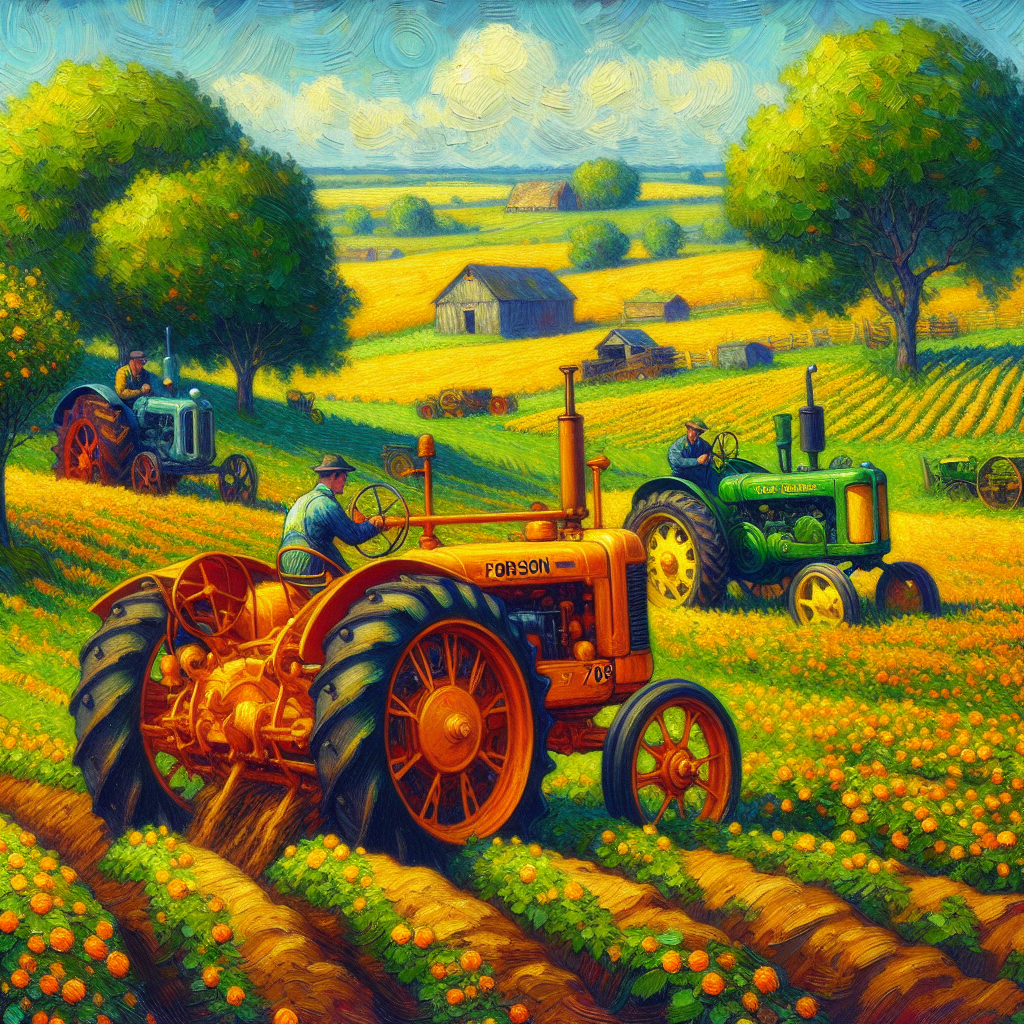
Imagine standing beside your tractor, not just as a machine but as a partner in the dance of agriculture. It’s a familiar sight, but think about it. That tractor is a liberator. It can empower you to take back the reins of your farm, driving you toward sustainable practices that not only nourish the land but also restore your confidence as a steward of the earth. This isn’t just about crops or profits; it’s an ethical commitment to preserve our shared future.
Consider the story of a local farmer, John, who, feeling overwhelmed by market pressures and unsustainable practices, decided to take a stand. He revisited his roots, focusing on regenerative agriculture. With every turn of his tractor, he was reminded of the land’s capacity to heal. John began to see how diversity in crops and respect for natural cycles could rejuvenate his farm. He shared this journey with fellow farmers, creating a network of support that was as powerful as any fertilizer—rich in camaraderie and shared purpose.
It’s a narrative that resonates, doesn’t it? Farmers nurturing not just the soil, but each other—rallying against a system that often feels indifferent. We’ve been taught to believe that our livelihoods are dictated by forces beyond our control. Yet the truth is, the heart of farming lies in community. It’s about gathering at the local diner, exchanging stories and strategies, and recognizing that while external pressures may loom large, the strength of unity can be a formidable force.
You, too, have the power to choose how you navigate this uncertainty. By leveraging local resources and embracing innovative techniques, you can reclaim agency in your work. Trust in your instincts and the bonds you’ve formed. The path may be winding, but with each decision—a sustainable crop, a shared moment at the farmer’s market—you draw closer to not just surviving, but thriving. Regaining control isn’t a solitary endeavor; it’s a journey you can take surrounded by those who understand the pulse of the land, as well as your own.
Can a Farmer Regain Control?
Can a Farmer Regain Control?
- Farmers face the challenge of maintaining control over their destinies amidst external pressures.
- The tractor symbolizes empowerment in agriculture, representing sustainable practices and stewardship of the land.
- Local farmer John exemplifies the shift toward regenerative agriculture, prioritizing land healing and diversity in crops.
- Community plays a crucial role in farming, fostering support and shared purpose among farmers.
- The narrative highlights the importance of gathering and sharing experiences to combat outside forces impacting livelihoods.
- Farmers can reclaim agency by utilizing local resources and innovative techniques.
- Regaining control is a collective journey, rooted in community and understanding the land’s needs.
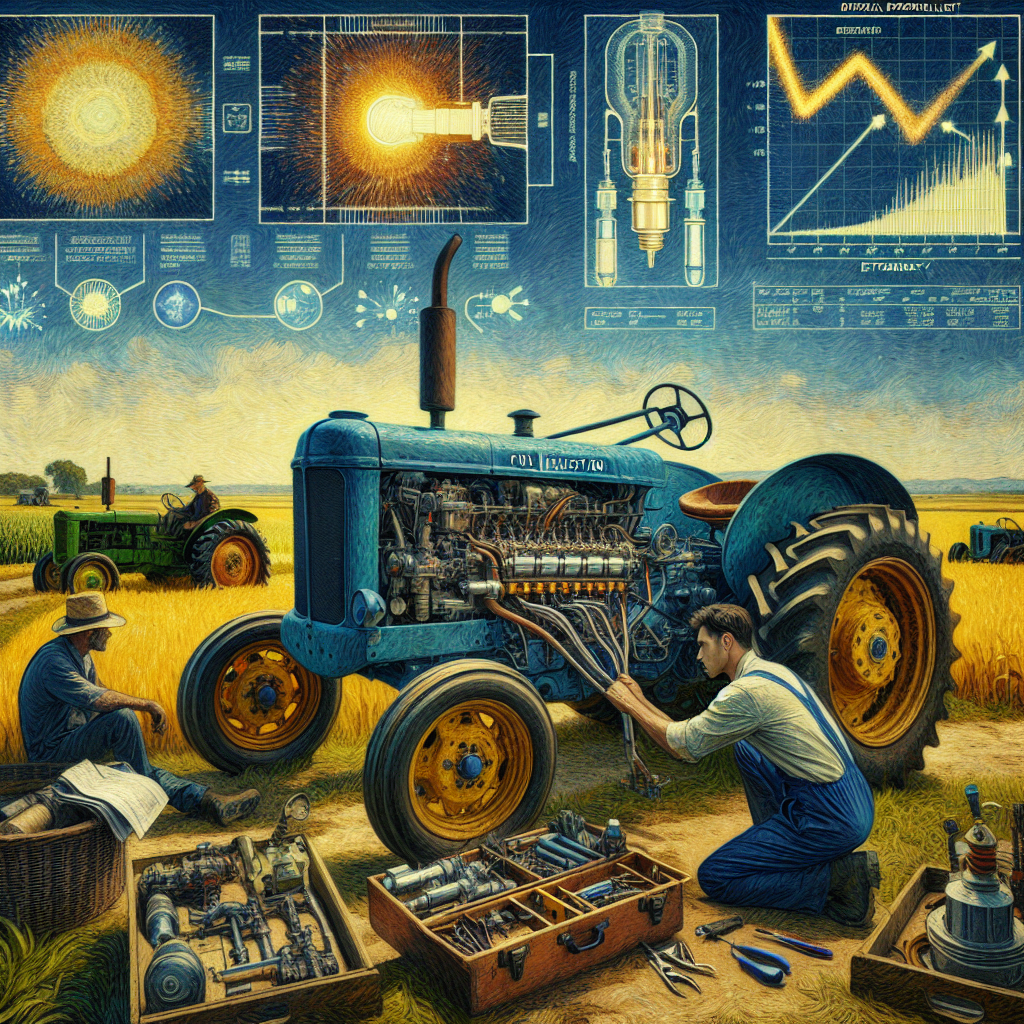
Can a Farmer Regain Control?
How Does a Broken Tractor Affect Livelihood?
When the engine of a tractor sputters and dies, it isn’t just a machine that falters; it’s a lifeline that goes silent. For farmers, the tractor represents more than iron and steel; it symbolizes hope, hard work, and a way of life. Picture a family gathering around the dinner table, laughter filling the air, dreams of a bountiful harvest painted vividly in their minds. Now imagine that picture shrouded in uncertainty because the very tool that fuels their dreams is immobilized. Suddenly, the heart of the household is threatened.
A broken tractor disrupts the rhythm of daily life. It’s not merely a setback; it’s a financial emergency. Crops that once stood tall and proud become vulnerable without the ability to till the soil or transport produce to market. The once-stable cash flow turns into an anxious countdown, with mounting bills and loans lingering over every meal. Those stories are all too real, shared in hushed tones among neighbors, reminding us that behind every tractor is a family’s sacrifice and resilience.
The connection between a farmer and their tractor is nearly sacred. Just as a musician feels an unspoken bond with their instrument, a farmer understands that every scrape, dent, and repaired bolt tells a story. It’s a way of betraying not just oneself, but the land entrusted to them, the family depending on the harvest, and the community that thrives on local farms. When that bond is broken, it’s like a captain losing his ship; the journey feels lost, and the horizon grows dim.
However, this isn’t just about survival; it’s about the ethical responsibility farmers feel toward their land and community. They often invest in sustainable practices and ensure that their harvest benefits not only their families but also feeds others. When a tractor breaks down, it’s more than just fixing a machine; it’s a call to action for support and solidarity from all who benefit from their labor.
In a society that often overlooks the grit behind agriculture, witnessing a farmer’s struggle offers a unique perspective on resilience and community. A minor inconvenience for many becomes a profound challenge for those who rely on their tractors as extensions of their identity. By understanding this vulnerability, we cultivate empathy and inspire action—whether through supporting local initiatives, sharing resources, or simply engaging with those who work tirelessly to put food on our tables. A broken tractor reflects not just broken machinery but a fractured connection to the roots that nurture us all.
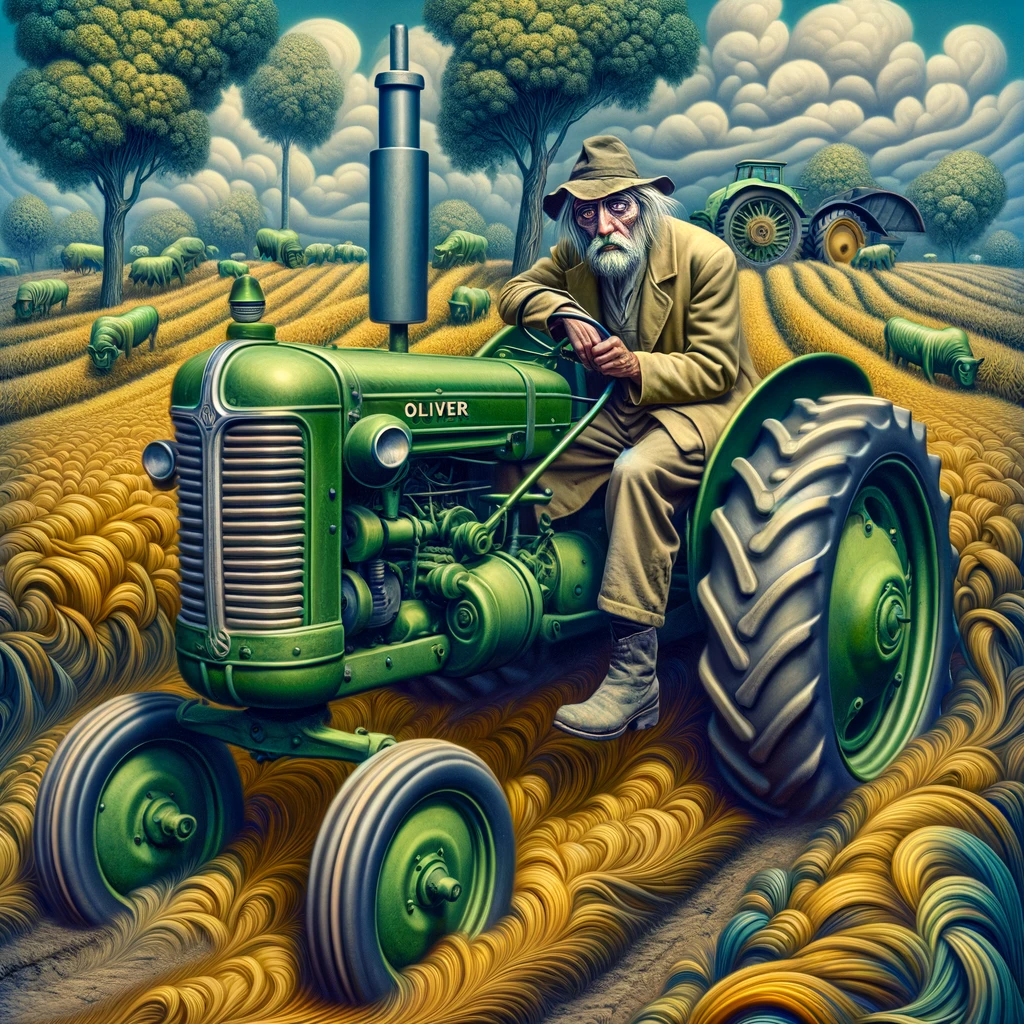
How Does a Broken Tractor Affect Livelihood?
How Does a Broken Tractor Affect Livelihood?
- A broken tractor symbolizes loss and disruption for farmers, representing their hopes and way of life.
- The malfunction of a tractor creates a financial emergency, jeopardizing crops and cash flow.
- Farmers share stories of sacrifice and resilience regarding their reliance on tractors.
- The bond between farmers and their tractors is sacred, reflecting their identity and connection to the land.
- Breaking this bond results in a feeling of loss, similar to a captain losing their ship.
- Farmers bear ethical responsibilities, often investing in sustainable practices for their communities.
- A broken tractor highlights the vulnerability of farmers and fosters empathy and action within society.
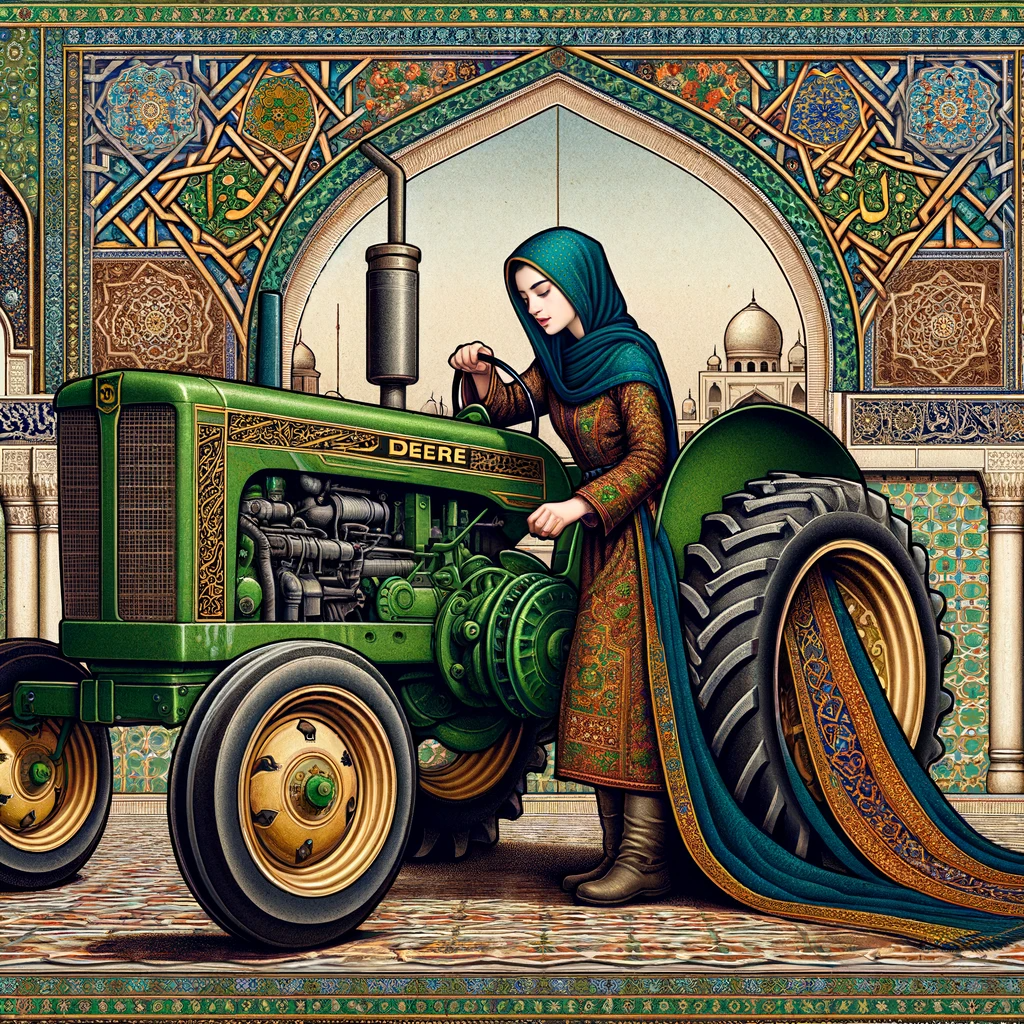
How Does a Broken Tractor Affect Livelihood?
What Are the Hidden Costs Of Reliance on Technology?
What Are the Hidden Costs of Reliance on Technology?
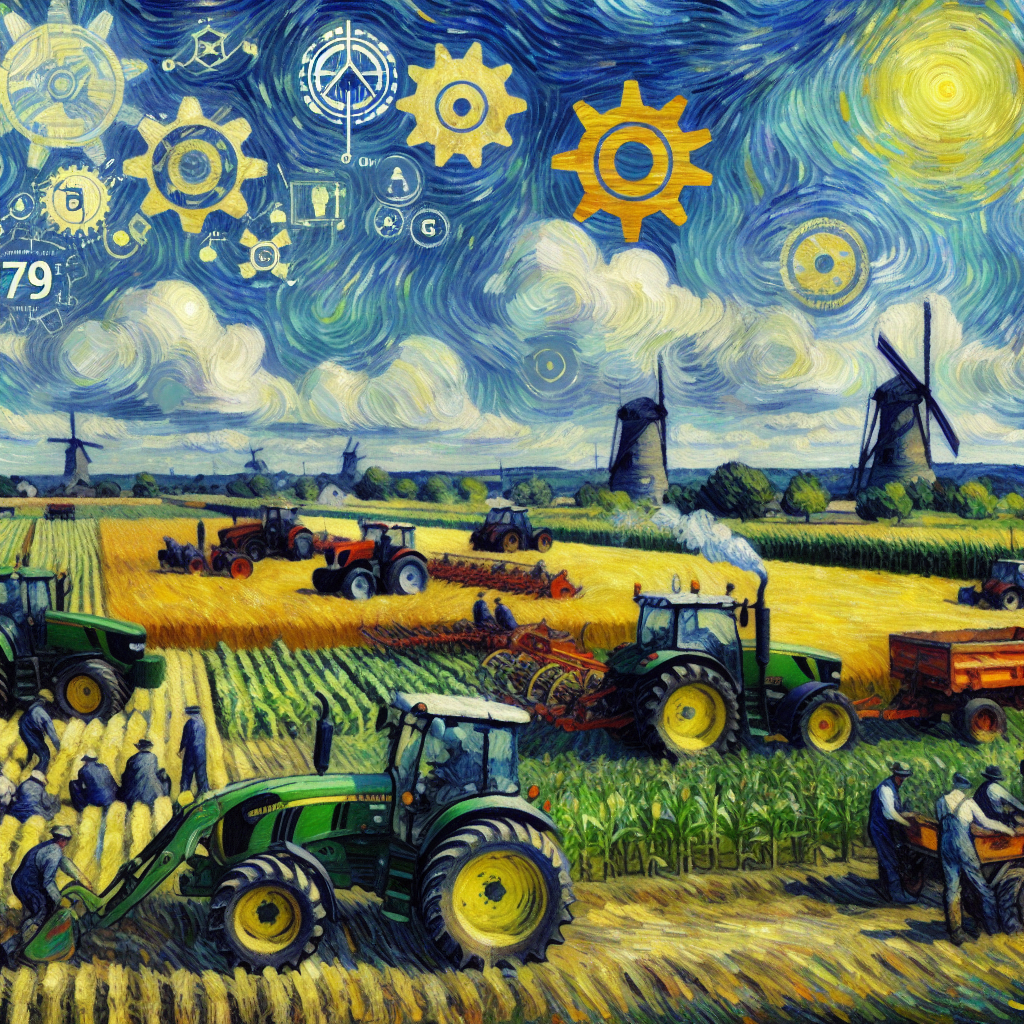
In our hyper-connected world, technology has become as essential as breathing—yet lurking beneath the surface lurk unseen costs that we often overlook. Picture a farmer on a tractor, driving across the fields, relying on GPS to guide every maneuver, yet with each digitized inch, there’s an inherent risk of detachment from the land. This reliance on technology may streamline operations and maximize yield, but it can also sever our deep-rooted connection with our craft, creating a chasm between the worker and the work itself.
As we march forward into an era where every task is dictated by screens and algorithms, let’s consider not just the benefits—but the intangible tolls we pay. It’s easy to get lost in the allure of efficiency and instant access, but what happens to our instincts, our intuition? A mechanic once told me that every time a new diagnostic tool is introduced, the chance for hands-on experience diminishes. He reminisced about the days when a mere sound would reveal an engine’s ailment. Now, many technicians rely solely on data, erasing the artistry of their trade and dulling their expertise.
The emotional cost is equally significant. A family dinner falls silent not due to disagreements but because everyone is glued to their screens, engaged with the virtual rather than the visceral. Our relationships suffer as we substitute genuine connection with notifications and likes. We crave engagement but often settle for the superficial—losing the essence of interpersonal intimacy, where laughter and shared experiences resonate more deeply than any pixelated image.
Moreover, there’s the ethical dimension; the more we lean on technology, the more we normalize a culture of convenience that can exploit laborers and erode job security. With autonomous vehicles on the horizon, we must ask: at what point do we sacrifice livelihoods for automation? Technology should enhance our lives, not replace our humanity.
Finally, consider the social implications of this dependency. The tractor may plow the fields, but it can’t sow the seeds of community. Dependency on tech may yield productivity, but it can also lead to isolation, as we trade face-to-face interactions for a barrage of messages devoid of warmth.
When we weigh the scales, we must remember that the hidden costs of reliance on technology extend far beyond dollars and cents. Trust your gut, reconnect with your roots, and recognize that while technology may make our lives easier, it’s those core human connections that truly enrich our existence.
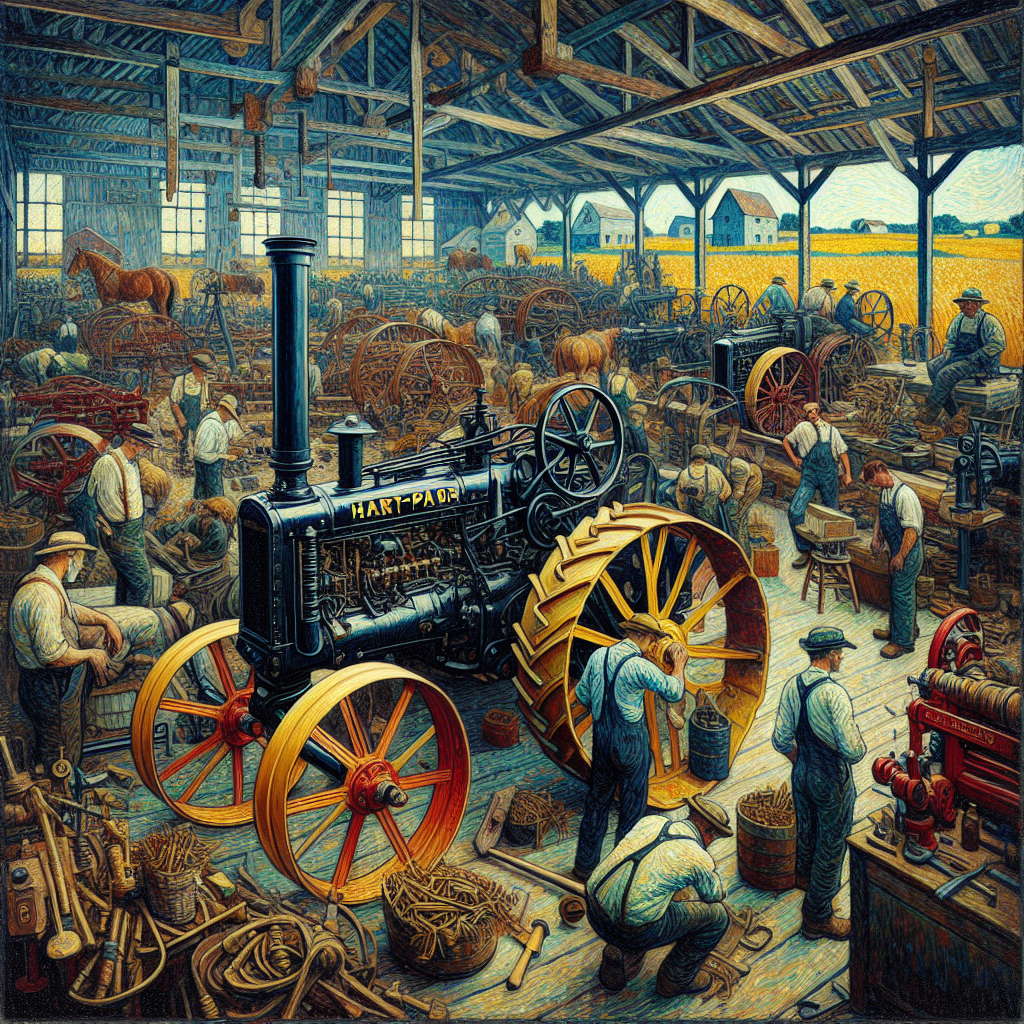
What Are the Hidden Costs Of Reliance on Technology?
What Are the Hidden Costs Of Reliance on Technology?
- Technology reliance can lead to detachment from hands-on work and craft.
- Efficiency and automation may diminish our instincts and intuition.
- Overreliance on diagnostic tools reduces practical experience for technicians.
- Digital communication can hinder genuine interpersonal relationships.
- Convenience culture risks exploitation of laborers and job security erosion.
- Increased technology use may result in social isolation and less community interaction.
- Hidden costs of technology extend beyond financial aspects, affecting emotional and social connections.
What Are the Hidden Costs Of Reliance on Technology?
Who Is Accountable When Machines Malfunction?
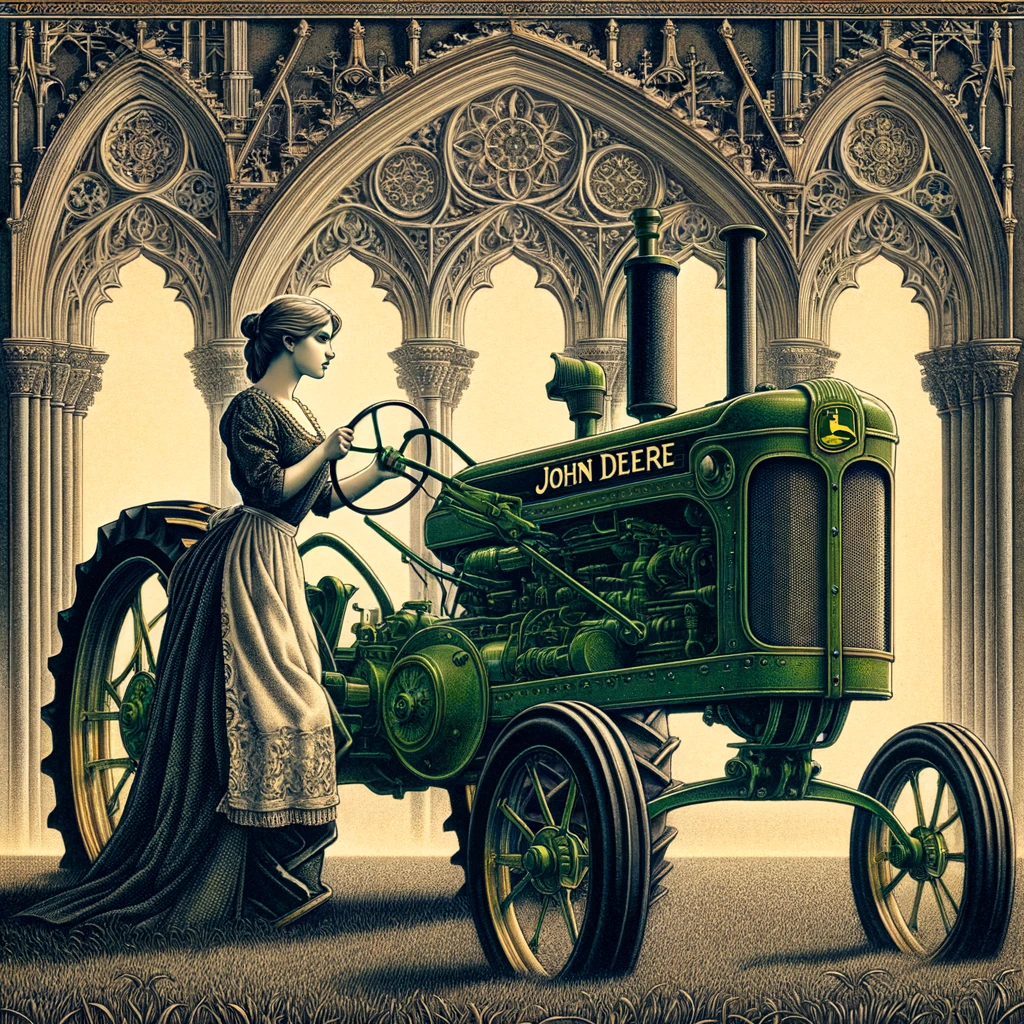
In a world increasingly dominated by technology, we often find ourselves asking, “Who’s really in the driver’s seat when machines malfunction?” Picture this: a farmer, rising with the sun, relying on a trusty old tractor to till the land. It’s not just a piece of machinery; it’s a lifeline. It represents years of hard work, blood, sweat, and, yes, a little bit of grit. But what happens when that tractor breaks down in the heat of harvest? Suddenly, it’s not just about fixing a machine—it’s about livelihoods, families, and the very essence of what we do. The question then becomes more profound: if that tractor fails, who bears the weight of its failure?
Accountability in the age of machinery isn’t straightforward. Sure, there are warranties and manufacturers whose names we know, but is that really where the responsibility starts and ends? When machines malfunction, it sparks a domino effect that impacts not just the operator but entire communities. Farmers depend on that equipment to feed families and sustain economies. When it falters, it’s a ripple that reaches far beyond a malfunctioning gearbox.
Let’s think about a real story. A hardworking farmer faced with a failing tractor during planting season lost not just crops but hope. The machine’s failure wasn’t just a lost day of work; it was lost income, and for a moment, the dream of sustaining his family seemed just that—a dream. Yet, in his struggle, he found camaraderie among other farmers facing similar challenges. They rallied, sharing tools, labor, and even advice, showcasing the power of community in adversity. It’s a narrative that stirs the heart and brings us back to the core of accountability.
Ethically, we must ask ourselves: when we place our trust in these machines—the very tools that drive our industries—should we not hold their creators accountable? As consumers, we wield a certain power. We can demand transparency, push for better standards, and ensure that those who produce our technology are held to a higher bar.
The truth is, as machines become more embedded in our lives, the stakes grow. Machines are crafted by humans, guided by intention and design. So, when they malfunction, it’s not just about fixing or replacing; it’s a moment to reflect. We’re called to a collective responsibility, where every failure invites us to scrutinize our systems, our choices, and our relationship with technology.
Accountability isn’t merely about a responsible party; it’s about forging a connection that understands the human experience behind every mechanical failure. Let’s embrace that vulnerability, fostering a community that not only expects accountability but also supports one another in overcoming the very challenges machines present.
Who Is Accountable When Machines Malfunction?
Who Is Accountable When Machines Malfunction?
- The reliance on technology raises questions about accountability when machines fail.
- A farmer’s old tractor symbolizes hard work and life necessities, impacting livelihoods when it breaks down.
- Machine failures create a domino effect, affecting entire communities, not just individual operators.
- Real-life stories illustrate the emotional and financial consequences of agricultural machinery malfunctions.
- Community support is crucial; farmers collaborate to overcome challenges posed by technology failures.
- Consumers have the power to demand accountability and better standards from manufacturers of technology.
- Every malfunction prompts reflection on our relationship with technology and collective responsibility.

Who Is Accountable When Machines Malfunction?
How Can Farmers Cultivate Resilience In the Face Of Setbacks?
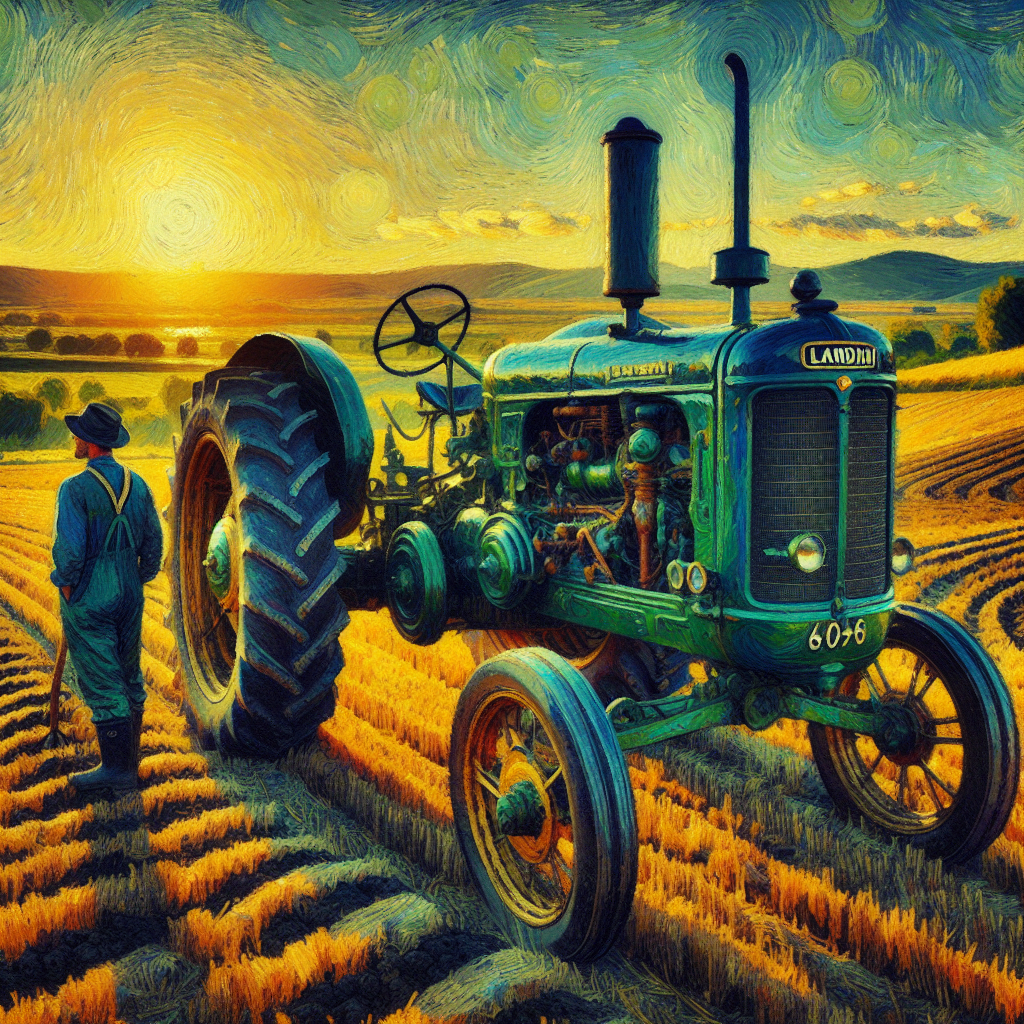
Farmers face a unique array of challenges, often resembling the unpredictable journey of navigating through a storm in a small boat. Just as a skilled sailor learns to read the winds and tides, farmers cultivate resilience by adapting to setbacks. Imagine this: it’s mid-summer, the sun is shining bright, and the fields are lush. Then, a sudden drought hits, transforming hope into despair almost overnight. How does one recover? The answer lies not just in the soil but deep within the spirit of the farmer.
First and foremost, fostering a robust support network is crucial. Farmers often work in isolation, yet the strongest foundations are built on connections. Think of the local farmer who learns from his neighbor who survived a similar drought. They exchange not just techniques but stories of grit and determination—a shared camaraderie that fortifies their resolve. It’s these connections that turn solitary battles into collective victories.
In the heart of every farmer lies a story laden with ups and downs. Take the tale of a family farm that endured a devastating hailstorm one year, obliterating their crops, leaving them with nothing but the memories of what could have been. Instead of succumbing to despair, they gathered their remaining strength and resources, reaching out for help from local organizations and pooling their knowledge. This resilience did not just restore their farm; it rebuilt their community, reinforcing the idea that together, they are more than the sum of their challenges.
Moreover, emotional strength is cultivated through reflection. Farmers must confront their losses and transform grief into motivation. This process resembles the steady rhythm of a tractor plowing through tough soil—a slow but relentless pursuit. For instance, a farmer who lost half his yield last season might plant a trial crop, experimenting with new techniques and varieties, driven by the desire to emerge stronger.
Financial literacy also plays a significant role in resilience. Understanding the ebb and flow of market demands empowers farmers to make informed decisions, ensuring they can weather the financial storms that may come. Investing in education, whether through workshops or online courses, is akin to upgrading a tractor; it enhances capability and prepares one for the unknown.
Ultimately, resilience isn’t just about enduring hardships; it’s about weaving the threads of community, personal growth, and knowledge into a robust tapestry that stands firm against the winds of change. Embracing setbacks as stepping stones rather than roadblocks creates a powerful narrative—one where farmers not only survive but thrive, proving that the heartland beats strongest when its guardians face adversity with unyielding resolve.

How Can Farmers Cultivate Resilience In the Face Of Setbacks?
How Can Farmers Cultivate Resilience In the Face Of Setbacks?
- Farmers face various challenges that require resilience, similar to navigating a storm.
- Building a robust support network is essential for overcoming isolation and fostering connections.
- Shared experiences among farmers strengthen their resolve and transform individual struggles into collective victories.
- Emotional strength is developed through reflection and confronting losses, turning grief into motivation.
- Financial literacy enables farmers to make informed decisions and withstand financial challenges.
- Continued education and experimentation with new techniques enhance farmers’ capabilities and preparedness.
- Resilience involves community, personal growth, and knowledge, allowing farmers to thrive despite adversity.
How Can Farmers Cultivate Resilience In the Face Of Setbacks?
Conclusion
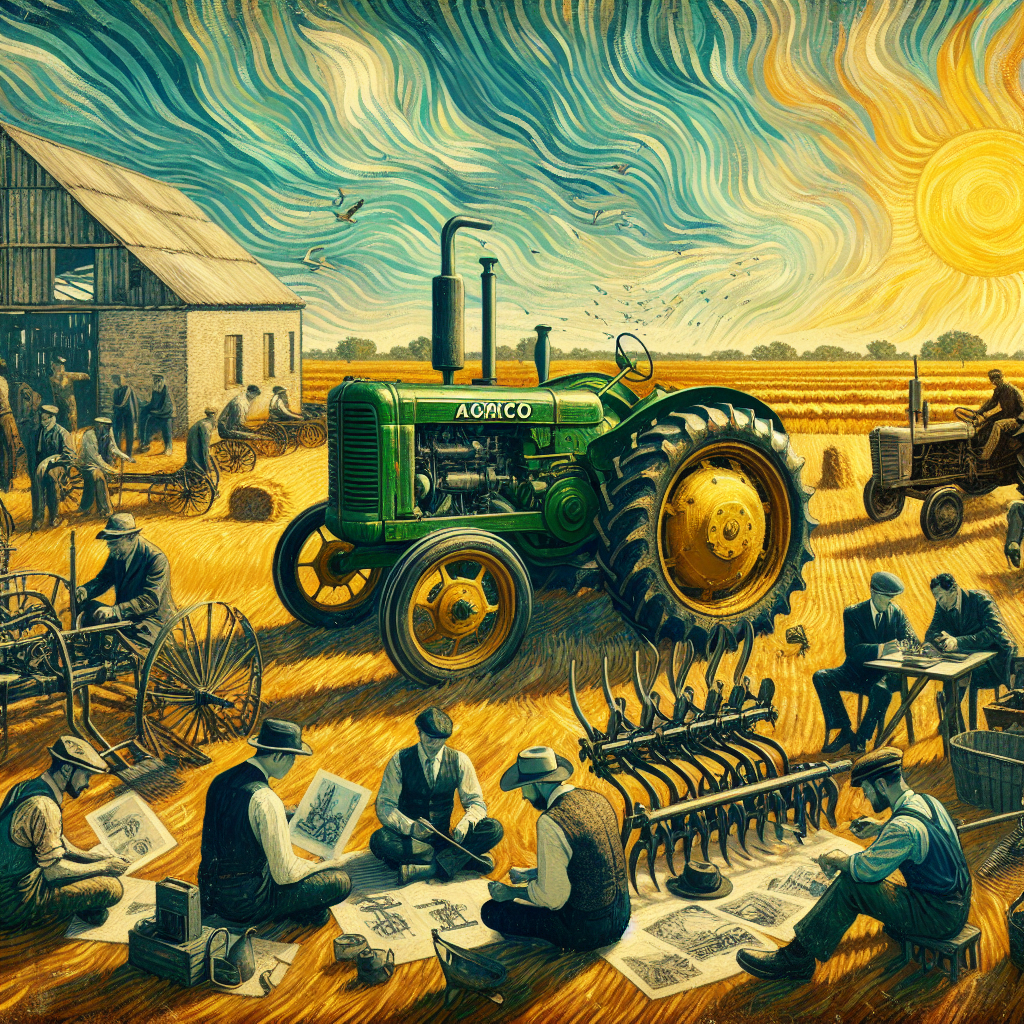
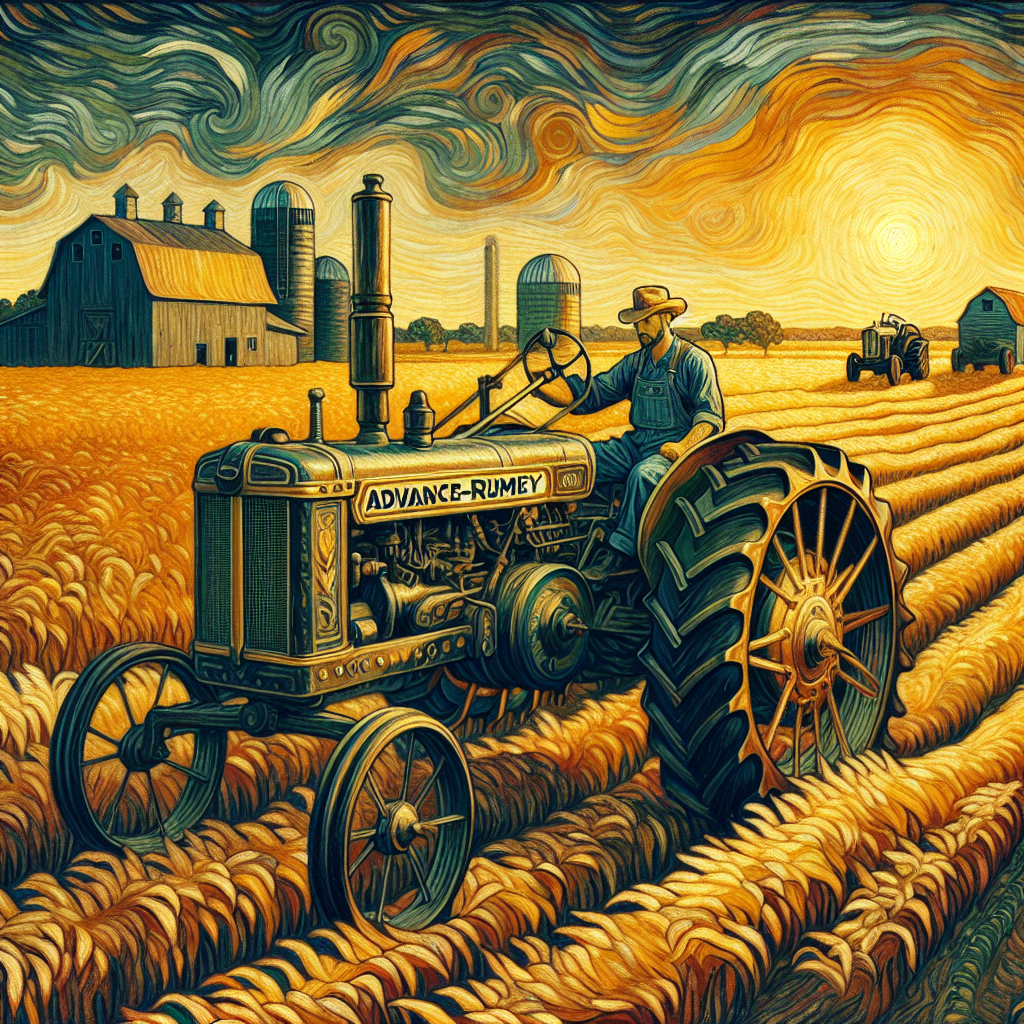
In a world increasingly dominated by technology, the story of a farmer confronting a stubborn $300,000 tractor becomes emblematic of a broader struggle between man and machine. This machine, an impressive product of modern innovation, is meant to symbolize progress and efficiency. Yet, when it sits idle, requiring a digital approval to start, it reflects a deeper irony: the erosion of trust between the farmer and his once-reliable partner. This farmer, with his mud-caked boots, embodies the essence of dedication and resilience, grappling with not just a mechanical setback but a personal confrontation with the limitations of technology.
The tractor’s failure is not merely a mechanical breakdown; it’s a stark reminder of our dependency on machines that sometimes fail us in our most vulnerable moments. It evokes memories of our own frustrations—like a smartphone glitch during an important call—highlighting how these breakdowns can unravel our confidence not just in technology, but in our ability to navigate a world increasingly governed by it. The emotional weight of this struggle reflects more than just inconvenience; it delves into the ethics of automation and the human responsibility that comes with advanced machinery.
As relationships with our tools become tangled in wires and codes, this farmer’s predicament urges us to reconnect with the tactile world around us. Community support emerges as a beacon of hope; when one farmer’s tractor struggles, it spurs on collective action. Neighbors rally together, reinforcing bonds built on shared experiences in the field, embodying the essence of resilience and the strength found in unity.
Regaining control isn’t about shunning technology but redefining our relationship with it. It requires a commitment to sustainable practices, a heartfelt pledge to respect the earth and each other. The farmer’s journey reaffirms that while innovation can enhance productivity, it cannot replace the intrinsic value of human connection and responsibility.
This narrative underscores a pivotal choice—we can either retreat into fear of machines or embrace the opportunity to instill integrity and trust back into these relationships. As we harvest crops, we must also cultivate community and empathy, nurturing a renewed understanding of technology that honors our roots and fortifies our resilience. The essence of farming lies not just in cultivating the land but in fostering the bonds that connect us all. It reminds us all that the heart of our existence flourishes through dedication, hope, and the indomitable spirit that connects us—farmer, machine, and community.
Conclusion
Conclusion:
- A farmer faces challenges with a $300,000 tractor, symbolizing a broader human-machine struggle.
- The tractor’s need for digital approval highlights a loss of trust between man and machine.
- The tractor’s failure reflects our dependency on technology and the frustrations it can cause.
- The narrative explores the ethics of automation and human responsibility in tech’s presence.
- Community support becomes crucial as neighboring farmers unite to address struggles together.
- Regaining control involves redefining our relationship with technology through sustainable practices.
- The essence of farming includes nurturing both the land and the bonds that connect individuals.
Conclusion
Other Resources
Other Resources
Here is a list of other resources you can review online to learn more:
- TAFE
- Wingin
- Minneapolis
- LeRoi
- Rutherford County Farm Museum
- Cecil County Farm Museum
- Mahindra Gujarat
- J & MManufacturing
- Classic Old Tractors
- Dutra
- Bobcat
- First State Antique Tractor Club
- Saunderson
- Eagle
- Bruce County Heritage Farm Show
- Waterloo Boy
- Leader
- Wetmore
- Woods Equipment
- McCormick
Use This Prompt To Get More Resources With Your Favorite Online AI Tool: Please provide me with a list of online articles with their URLs in a bulleted list that I can read regarding The Day His $300,000 Tractor Refused to Start Without Approval

Other Resources
Glossary Terms
The Day His $300,000 Tractor Refused to Start Without Approval – Glossary Of Terms
1. Authorization — Permission granted by a controlling party or system to enable operation or access to a vehicle or its functions.
2. Authentication — Process of verifying an identity or credential before granting access or control.
3. Remote immobilizer — A system component that prevents engine start until an authorized signal is received.
4. Telematics — Integration of telecommunications and informatics for remote monitoring, control, and data transmission from vehicles.
5. Over-the-air update (OTA) — Wireless delivery of software or firmware updates to vehicle systems.
6. Firmware — Low-level software that directly controls hardware behavior in vehicles and machinery.
7. CAN bus — In-vehicle networking standard (Controller Area Network) for communication between electronic control units.
8. API (Application Programming Interface) — Defined interfaces that allow software components or services to communicate and request actions.
9. Digital rights management (DRM) — Technical and contractual controls that restrict how digital functions and software are used.
10. Kill switch — A mechanism, physical or electronic, designed to immediately stop engine operation for safety or control.
11. Geofence — Virtual geographic boundary that can trigger actions or restrictions when a vehicle crosses it.
12. Fail-safe mode — A degraded operating state intended to protect equipment and people when normal operation is unavailable.
13. Manual override — Physical control or procedure that permits human intervention to bypass electronic controls (term only, not procedural detail).
14. End-user license agreement (EULA) — Contract between a user and provider that governs permitted use of software and services.
15. Service advisor — Authorized technician or representative who diagnoses issues and authorizes repairs or reactivation.
16. OEM (Original Equipment Manufacturer) — Company that designs and manufactures the equipment and is usually responsible for support and policy.
17. Telematics provider — Third-party service that manages telemetry data, remote access, and connectivity features for equipment.
18. Encryption — Method of encoding data to protect confidentiality and integrity during storage or transmission.
19. Credentials — Data items (passwords, tokens, certificates) used to prove identity to systems.
20. Two-factor authentication (2FA) — Security measure requiring two independent proofs of identity before granting access.
21. Chain of custody — Documentation of control, possession, or authorization events affecting an asset over time.
22. Liability — Legal responsibility for damages, losses, or failures associated with equipment use or control decisions.
23. Warranty — Manufacturer or seller promise to remedy defects within defined terms and conditions.
24. Recall — Formal action by a manufacturer or regulator to remedy a defect affecting safety, compliance, or performance.
25. Cyber-physical system — An integrated system where software and physical components interact tightly, such as connected tractors.
26. Firmware signing — Cryptographic method to verify that firmware originates from an authorized source before installation.
27. Remote diagnostics — The process of assessing equipment health and fault conditions via telemetry and connectivity.
28. Subscription model — Business arrangement where features or services are enabled through recurring payments or licensing.
29. User consent — Explicit approval from the owner or authorized operator to perform actions affecting the vehicle or its data.
30. Regulatory compliance — Conformance with laws, industry standards, and rules governing vehicle safety, emissions, telecommunications, and data.
Glossary Of Terms
Other Questions
The Day His $300,000 Tractor Refused to Start Without Approval – Other Questions
If you wish to explore and discover more, consider looking for answers to these questions:
- Why did the tractor refuse to start—was it a mechanical fault, software lock, or remote authorization requirement?
- Can manufacturers remotely disable or lock farm equipment, and under what circumstances?
- Does the tractor require a network connection or cloud approval to operate?
- Is there a manual override or emergency start procedure for when the onboard computer denies startup?
- Who is legally responsible when a farm machine’s software prevents operation—the owner, dealer, or manufacturer?
- What warranty or service protections exist if a software-related lock causes financial loss?
- How common are ownership-and-access restrictions in modern agricultural machinery?
- What are the repair and diagnostic options if the issue is software rather than traditional mechanical failure?
- Do farmers have “right to repair” access to the tractor’s diagnostics, software, and replacement parts?
- Could a software glitch or remote update permanently disable the tractor or reduce its resale value?
- What cybersecurity risks do connected tractors pose (hacking, unauthorized control, data theft)?
- What data do modern tractors collect, who owns that data, and how is it used or shared?
- Can leasing or financing agreements include terms that allow the lender or OEM to restrict usage?
- What insurance coverage exists for income loss caused by equipment being non-operational due to software/remote locks?
- Are there regulatory protections or consumer-rights laws that cover digital lockouts of agricultural equipment?
- How can farmers prepare contingency plans for critical seasons when equipment may fail or be locked?
- What are affordable backup options (older tractors, shared/co-op equipment, rental services)?
- How does reliance on technology affect farmers’ practical skills and local mechanic expertise over time?
- What training or certification should operators have to manage increasingly software-driven machinery?
- How do communities and local networks support farmers when a primary machine is unusable?
- What are the short- and long-term financial impacts of an immobilized tractor on a farm’s cash flow and loans?
- How can farmers negotiate stronger service, software, or ownership terms with dealers and manufacturers?
- Are there documented cases or class actions where farmers challenged manufacturers over lockouts or malfunctions?
- How do technological failures amplify ethical questions about automation versus human labor in agriculture?
- What policy changes could protect small farmers from dependence on proprietary, controllable machinery?
- How might regenerative or low-tech farming practices reduce vulnerability to digital failures?
- What maintenance routines or software-update strategies minimize the risk of being stranded by a tractor?
- How should farmers evaluate the trade-offs between buying high-tech equipment and maintaining autonomy?
- Where can farmers find legal, technical, or financial help quickly when equipment failure threatens a harvest?
Other Questions
Haiku
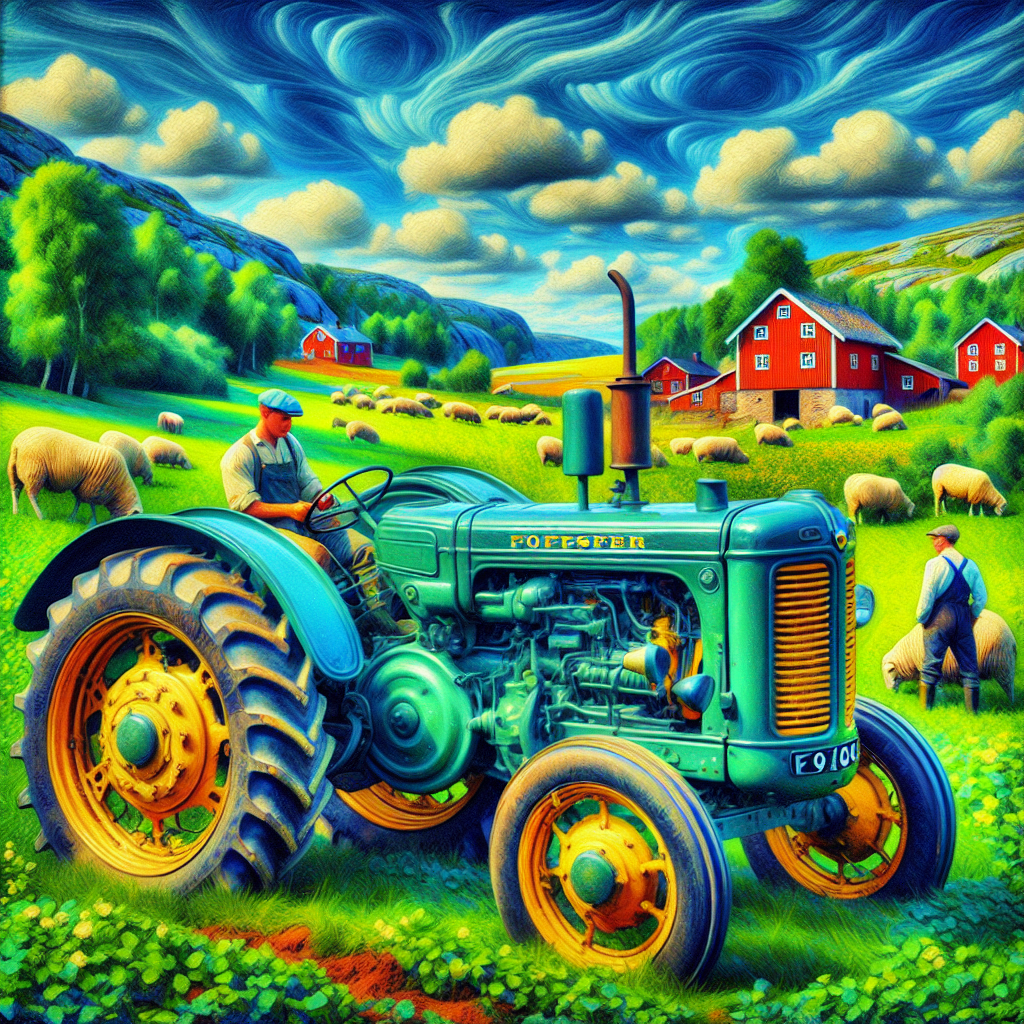
The Day His $300,000 Tractor Refused to Start Without Approval – A Haiku
Tractor won’t start now,
Hope tangled in iron dreams,
Machines can’t farm the soul.
Haiku
Poem
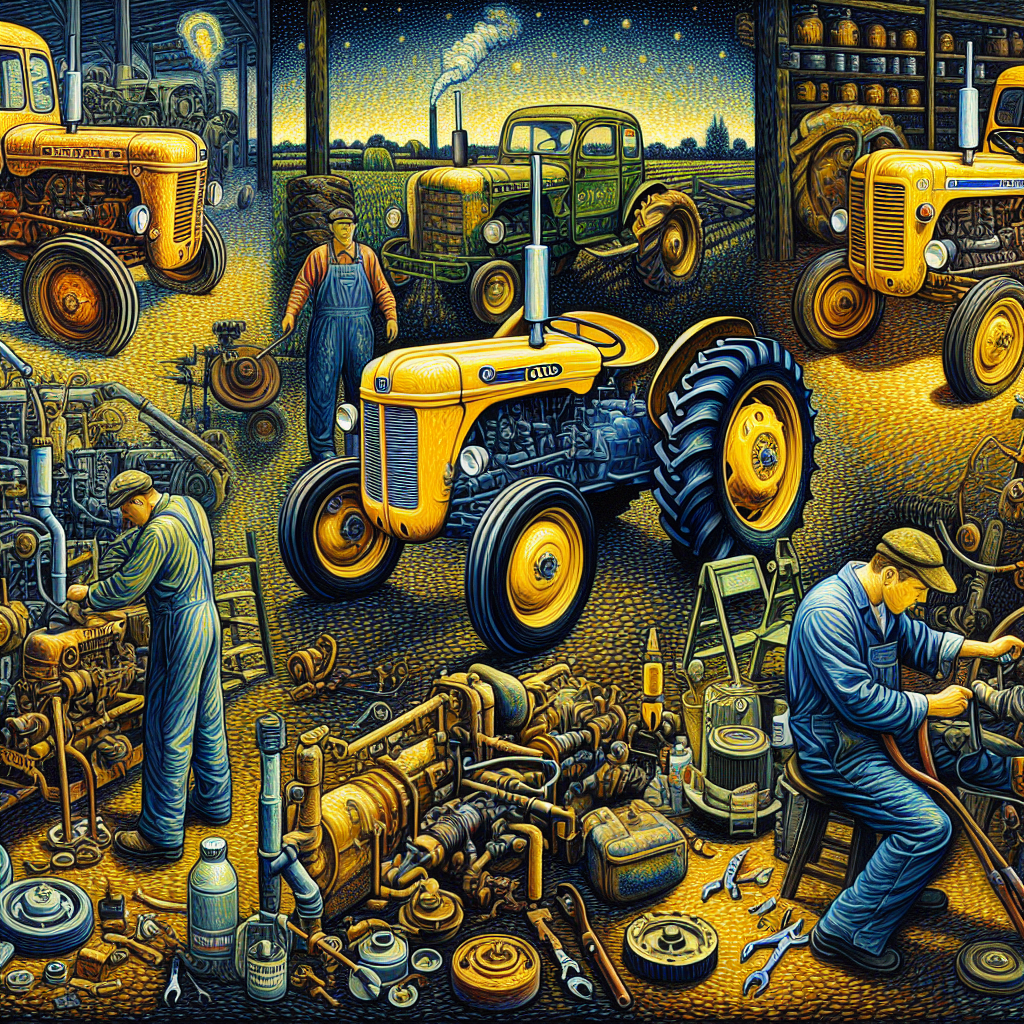
The Day His $300,000 Tractor Refused to Start Without Approval – A Poem
In fields where hopes and dreams collide,
A farmer stands, his heart open wide.
A $300,000 tractor gleams in pride,
Yet refuses to start—its trust denied.
Man and machine, a bond once tight,
Now frayed by reliance on digital light.
A reminder to seek the roots of the fight,
In the soil of tradition, true strength takes flight.
The weight of harvest, of land and of kin,
Farmers toil onward, through loss and through win.
When machines falter, a community spins,
Resilience blooms where connections begin.
Gathered round tables, they share tales of strife,
In laughter and failure, they breathe into life.
Each broken engine fuels not just plight,
But a shared understanding that nurtures their might.
Tech may shine bright, yet risks we must see,
In searching for ease, we forget who we be.
For beyond the screens, it’s the bonds that are key,
To reclaim our roots and restore our decree.
As tractors sit idle, their spirits distressed,
Farmers remember what truly is blessed.
Through sweat and through struggle, they fashion their quest,
In unity forged, they rise and invest.
So heed the call of the land and the heart,
For every setback can play a great part.
In cultivating strength, let us truly restart,
For with each turn of the soil, we rechart the art.
Poem
Checklist
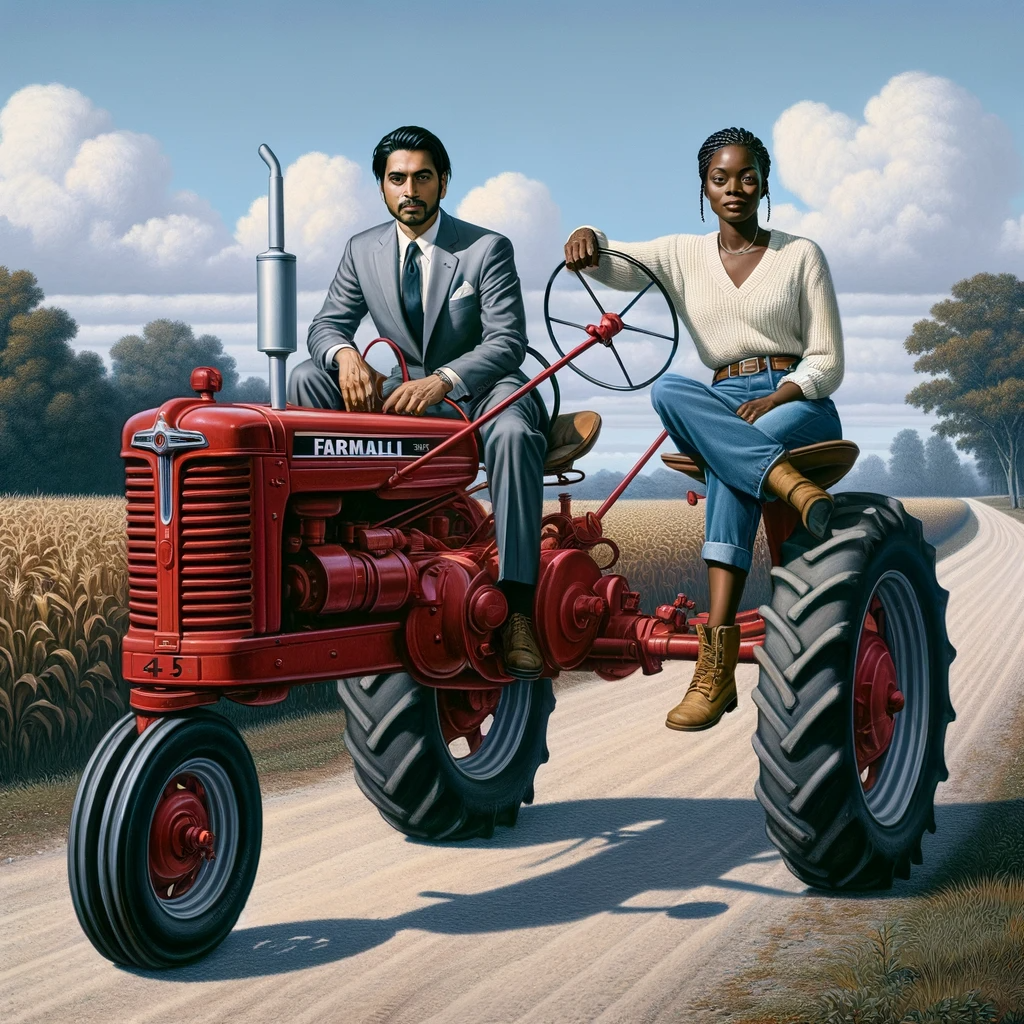
The Day His $300,000 Tractor Refused to Start Without Approval – A Checklist
Emotional Connection
✅______ Reflect on personal stories of struggle and triumph in farming.
✅______ Share experiences that highlight the bond between farmers and their machinery.
Rational Insight
✅______ Assess the reliability and performance of equipment before reliance.
✅______ Consider the financial implications of equipment failure and budget for contingencies.
Ethical Responsibility
✅______ Advocate for sustainable farming practices that respect the land and community.
✅______ Promote accountability among machinery manufacturers and seek transparency in technology.
Authority and Expertise
✅______ Engage with local agricultural experts and extension services for advice and support.
✅______ Share knowledge within the farming community to build collective resilience.
Narrative Building
✅______ Document and share journeys of local farmers overcoming challenges.
✅______ Create a community storybook that reflects shared experiences and lessons learned.
Social Support Network
✅______ Foster connections with neighboring farmers for tool-sharing and collaborative problem-solving.
✅______ Organize community gatherings to strengthen support systems and share resources.
Intuition and Instinct
✅______ Encourage farmers to tap into their instincts and traditional practices alongside modern technology.
✅______ Promote hands-on experience and troubleshooting skills to enhance farmer confidence.
Community Engagement
✅______ Host workshops to educate and empower farmers on sustainable practices and innovative techniques.
✅______ Involve local youth in farming initiatives to cultivate a future generation of farmers and community stewards.
Checklist
At ClassicTractorNews, we help tractor lovers keep up with the latest news for classic and vintage tractors.
Please share this post with your friends, family, or business associates who may like old classic or vintage tractors.