

Fighting For Tradition: How Justice Can Preserve Our Farming Heritage
By Tom Seest
At ClassicTractorNews, we help tractor lovers keep up with the latest news for classic and vintage tractors.
Please share this post with your friends, family, or business associates who may like old classic or vintage tractors.
The Court Cases That Could Save Vintage Tractors Forever
The heart of America beats steadily through its farmland, where the rhythmic hum of vintage tractors has long been a soundtrack of hard work, unity, and nostalgia. These machines are not just metal and gears; they embody stories of grit and resilience passed down through generations. Court cases arising today have the potential to protect and preserve these invaluable pieces of history, cultivating a deeper appreciation for the role they play in our cultural landscape.
Imagine a sun-drenched afternoon on a family farm, a young child observing their grandparent operating an old tractor, its wheels churning through tilled earth. This child isn’t just witnessing a task; they are experiencing a legacy. Every scratch on that tractor tells a tale of labor, love, and perseverance—each dent a badge of honor in the ongoing journey of sustainability. Yet, these cherished machines face an uncertain future due to legal complexities around modifications and restorations. The court cases emerging now could establish precedents that honor the integrity of these vintage marvels, ensuring future generations inherit not only the tangible relics but also the values they represent.
When we think about tractors, we can’t help but recall stories from our own lives—whether it was learning to drive from a determined father or watching a neighbor’s classic show at an annual fair. These tractors connect us to our roots, serving as reminders of who we are and where we come from. Legislation that embraces the preservation and ongoing use of these machines does more than protect; it fosters a community identity. It recognizes that we’re not just preserving metal; we’re valuing the history, craftsmanship, and family ties that these machines encapsulate.
The ethical argument is compelling. Protecting vintage tractors isn’t simply about preserving a hobby; it’s about safeguarding an essential part of our agricultural heritage. Just as we wouldn’t let historical sites crumble into oblivion, we must advocate for the preservation of machines that have nurtured our soil and supported our families. Courts have the power to affirm this ethical responsibility, ensuring that these machines remain vibrant symbols of our land’s heritage and labor.
Ultimately, these court cases represent more than legal proceedings; they are an invitation to unite in a common cause—preserving a piece of our collective identity. By protecting vintage tractors, we celebrate tradition and inspire future stewards to connect with their heritage, fostering a culture where the past is honored and the future is hopeful. Together, we can protect not only the tractors but the stories and values they represent.
The Court Cases That Could Save Vintage Tractors Forever
The Court Cases That Could Save Vintage Tractors Forever
- The heart of America is symbolized by vintage tractors, representing hard work and unity.
- These machines embody stories of resilience and are integral to cultural history.
- Current court cases could establish legal precedents for preserving these historical pieces.
- Tractors are more than machinery; they symbolize legacy, connecting families to their heritage.
- Legislation is essential for preserving not just tractors, but the craftsmanship and community identity they represent.
- Protecting vintage tractors safeguards agricultural heritage and ethical responsibility.
- Court cases serve as a call to unite in preserving our collective identity and inspiring future generations.
The Court Cases That Could Save Vintage Tractors Forever
Table Of Contents
- The Court Cases That Could Save Vintage Tractors Forever
- What Makes Vintage Tractors a Vital Part Of Our Agricultural Heritage?
- How Do Court Cases Impact the Future Of Vintage Tractor Preservation?
- What Emotional Stories Connect Us to Our Vintage Tractors?
- What Role Do Experts Play In Advocating for Vintage Tractor Rights?
- What Makes Vintage Tractors A Crucial Part Of Our Heritage?
- How Do Court Decisions Impact The Future Of Vintage Farming Equipment?
- Conclusion
- Other Resources
- Glossary Of Terms
- Other Questions
- Haiku
- Poem
- Checklist
What Makes Vintage Tractors a Vital Part Of Our Agricultural Heritage?
What Makes Vintage Tractors a Vital Part of Our Agricultural Heritage?
In the heart of America’s fields, vintage tractors stand as sentinel reminders of our agricultural heritage. These robust machines, often covered in a layer of grime from years of dedicated service, encapsulate stories of resilience, hard work, and community. Each tractor, with its rusted handles and faded paint, speaks volumes of the hands that guided it, the families it sustained, and the generational knowledge passed down like an heirloom.
Picture a farmer, weathered by the elements, standing beside a vintage tractor that has turned countless acres of soil. Each time he starts that engine, it roars to life, echoing the dreams of farmers before him. This isn’t just machinery; it’s a vessel of history. Every scratch on the chassis and dent in the hood tells a story—a tale of triumph over drought, floods, and equipment failures. It evokes an understanding that farming is an intricate dance with nature, one that requires not just brute strength, but also respect and reverence for the land.
Vintage tractors remind us of the values we often forget in our fast-paced world. They bring us back to a time when hard work was visible and every day had a tangible purpose. They invite us to slow down and appreciate the process behind our food—the sweat, the laughter, the community gatherings where neighbors would help each other, sharing a cold drink under a summer sun after a long day in the fields. It’s a glimpse into a collective heartbeat that ties us all together, reminding us that in every meal lies a legacy.
Moreover, these machines symbolize sustainability. As we grapple with modern agricultural practices that prioritize efficiency over tradition, vintage tractors stand as symbols of balance. They remind us that agriculture once thrived on harmony with the ecosystem, not merely output. They celebrate the ethos of reducing waste and honoring craftsmanship—values that are crucial as we seek to forge a more sustainable future.
Restoring these old tractors fosters community and connection. It’s a project that brings together young hands and old souls, all uniting over shared tools, grease-stained manuals, and the joy of creation. Each restoration is a lesson in dedication, teaching respect for machinery as well as the land it tills. As we keep these machines alive, we also breathe life into the narratives they hold—stories that inspire future farmers to honor the past while cultivating the future.
In an age where everything seems disposable, vintage tractors remind us that some things are worthy of preservation. They encapsulate not just the essence of farming, but also the strength of community, the power of resilience, and the importance of legacy—elements that are the very backbone of our agricultural heritage.
What Makes Vintage Tractors a Vital Part Of Our Agricultural Heritage?
What Makes Vintage Tractors a Vital Part Of Our Agricultural Heritage?
- Vintage tractors symbolize America’s agricultural heritage, embodying resilience and hard work.
- Each tractor tells a story of farming struggles and victories, reflecting a deep respect for the land.
- They remind us of the values of hard work and community in an increasingly fast-paced world.
- Vintage tractors represent sustainability, advocating for a harmonious relationship with the ecosystem.
- Restoration projects foster community connections and teach respect for machinery and land.
- These machines preserve important narratives that inspire future generations of farmers.
- Vintage tractors highlight the significance of legacy and the enduring strength of agricultural communities.
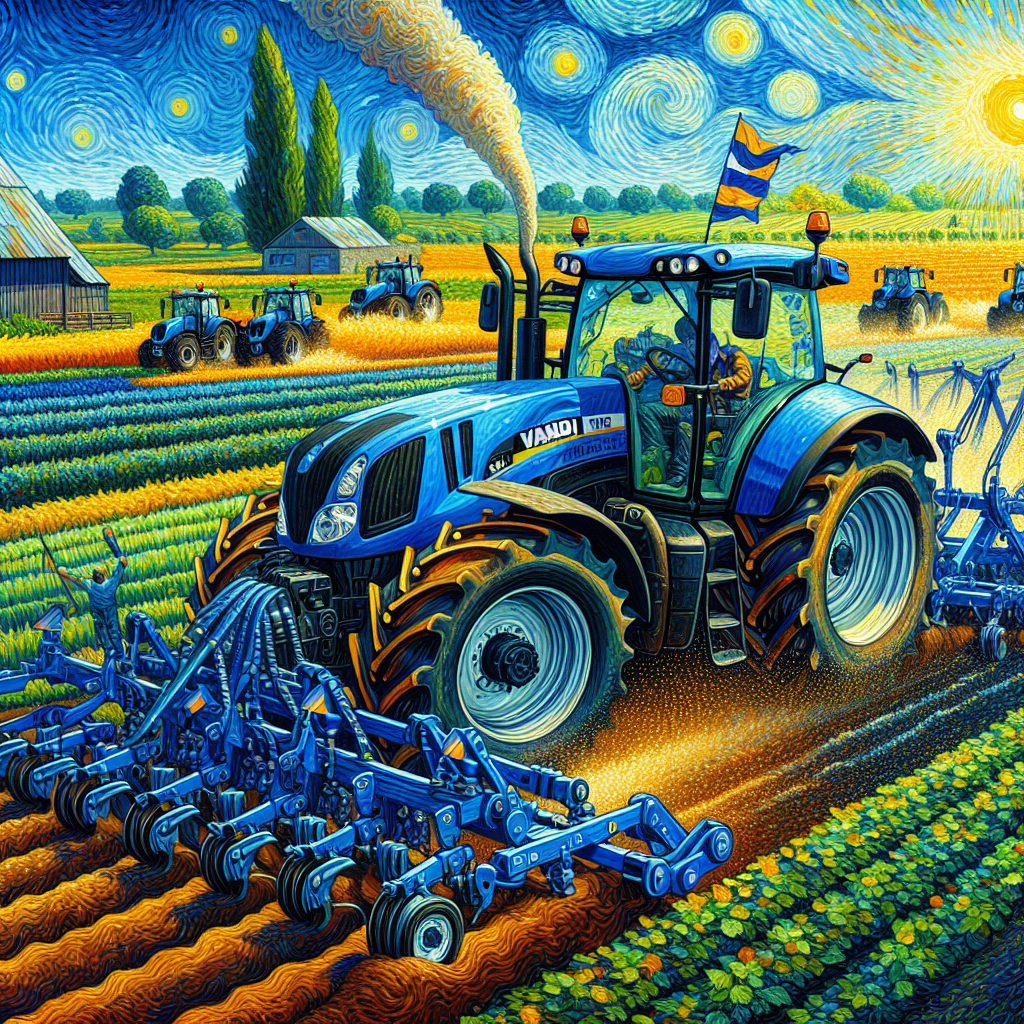
What Makes Vintage Tractors a Vital Part Of Our Agricultural Heritage?
How Do Court Cases Impact the Future Of Vintage Tractor Preservation?
How Do Court Cases Impact the Future of Vintage Tractor Preservation?
Court cases are often viewed as dry affairs, shrouded in legalese and best left to those in suits behind closed doors. Yet, when it comes to the preservation of vintage tractors, these legal battles reverberate far beyond the courtroom, interweaving with our hearts, communities, and the very fabric of agriculture history.
Imagine an old red tractor parked beneath a sprawling oak tree, its paint weathered but its spirit intact. This isn’t just a piece of machinery; it’s a relic of hard work, family legacies, and countless stories whispered among generations. Each tractor harbors a history that weaves through our agricultural identity, standing as testaments to innovation, perseverance, and the grit of our ancestors. However, as we advance, threats arise—diminishing spaces, evolving regulations, and competing interests. These challenges often find their way to legal disputes, influencing both preservation efforts and community connections.
When a court ruling favors a preservation group fighting against encroaching development, it sends ripples through the community. People rally around that old tractor—it’s not merely about preserving metal and wheels; it’s about standing firm for our shared heritage. Conversely, a ruling that favors commercial interests can feel like a gut punch, reminding us how fragile our connections to the past can be. These moments pose critical questions: What do we value as a society? Are we willing to fight for the stories and lessons embedded in our history, or will we allow them to fade away under new developments and modern conveniences?
Consider the case of a small farm that fought to keep its vintage tractors operational as part of its educational programs. Through impassioned legal battles, the farmers not only preserved their equipment but also engaged the community, teaching children about history, mechanics, and sustainability. The ruling recognized the value of education and heritage over mere profit, igniting a movement—one that turned mere spectators into advocates, igniting a wildfire of enthusiasm for vintage machinery.
These legal milestones serve as touchstones, guiding the trajectory of how communities view their past and the importance of preservation. By recognizing the worth of vintage tractors as cultural artifacts rather than outdated relics, we strengthen our communities and reinforce the ties that bind us. In doing so, we not only honor the past but invest in a future where these magnificent machines continue to inspire generations to come, reminding us that while technology evolves, the stories they tell remain timeless.
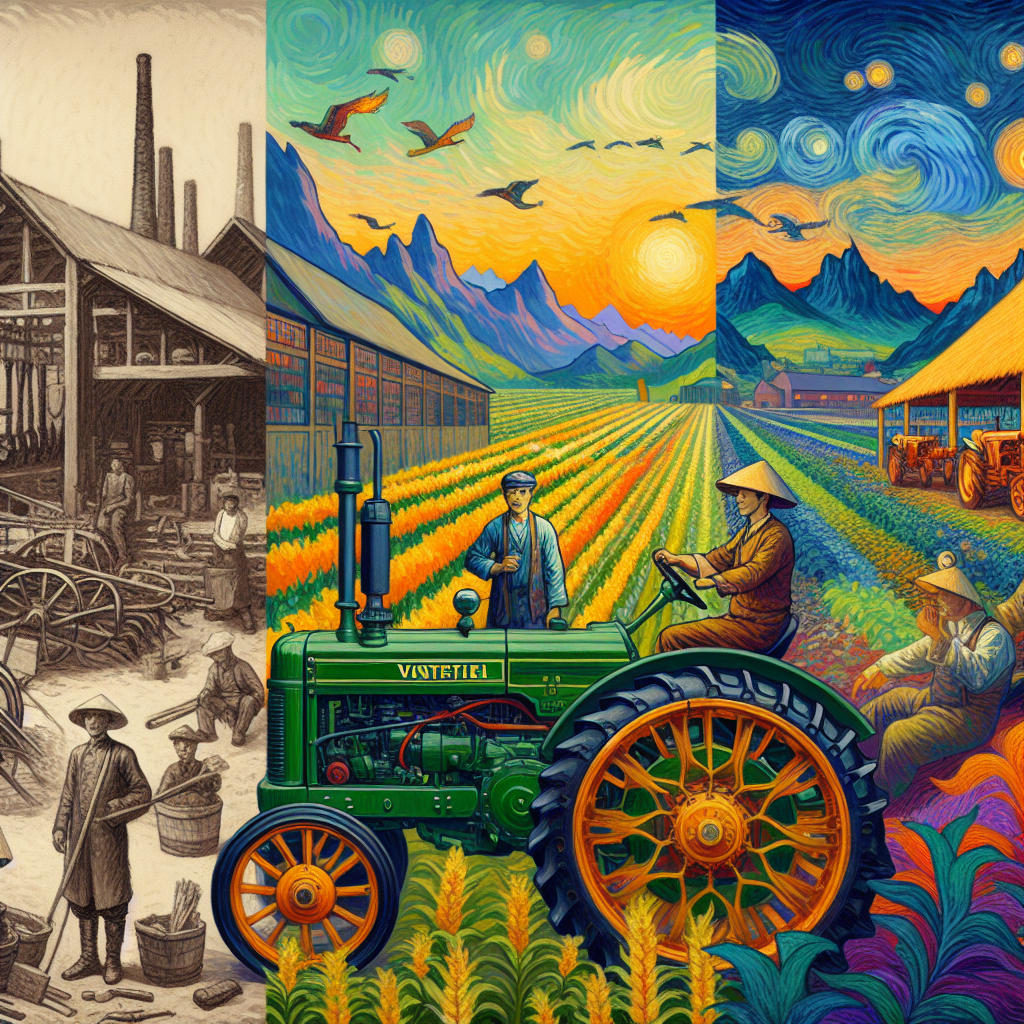
How Do Court Cases Impact the Future Of Vintage Tractor Preservation?
How Do Court Cases Impact the Future Of Vintage Tractor Preservation?
- Court cases significantly impact the preservation of vintage tractors, linking legal decisions to community heritage.
- Each vintage tractor embodies a legacy of hard work and agricultural identity, serving as a testament to innovation and perseverance.
- Legal disputes arise from threats such as diminishing spaces and evolving regulations, influencing preservation efforts.
- Rulings favoring preservation can unify communities, while those favoring commercial interests may undermine historical connections.
- The case of a small farm successfully illustrates the dual role of preservation and community education about history and mechanics.
- Legal milestones guide community perspectives on the importance of preserving cultural artifacts.
- Recognizing vintage tractors as valuable heritage fosters community ties and ensures the continuation of their stories for future generations.
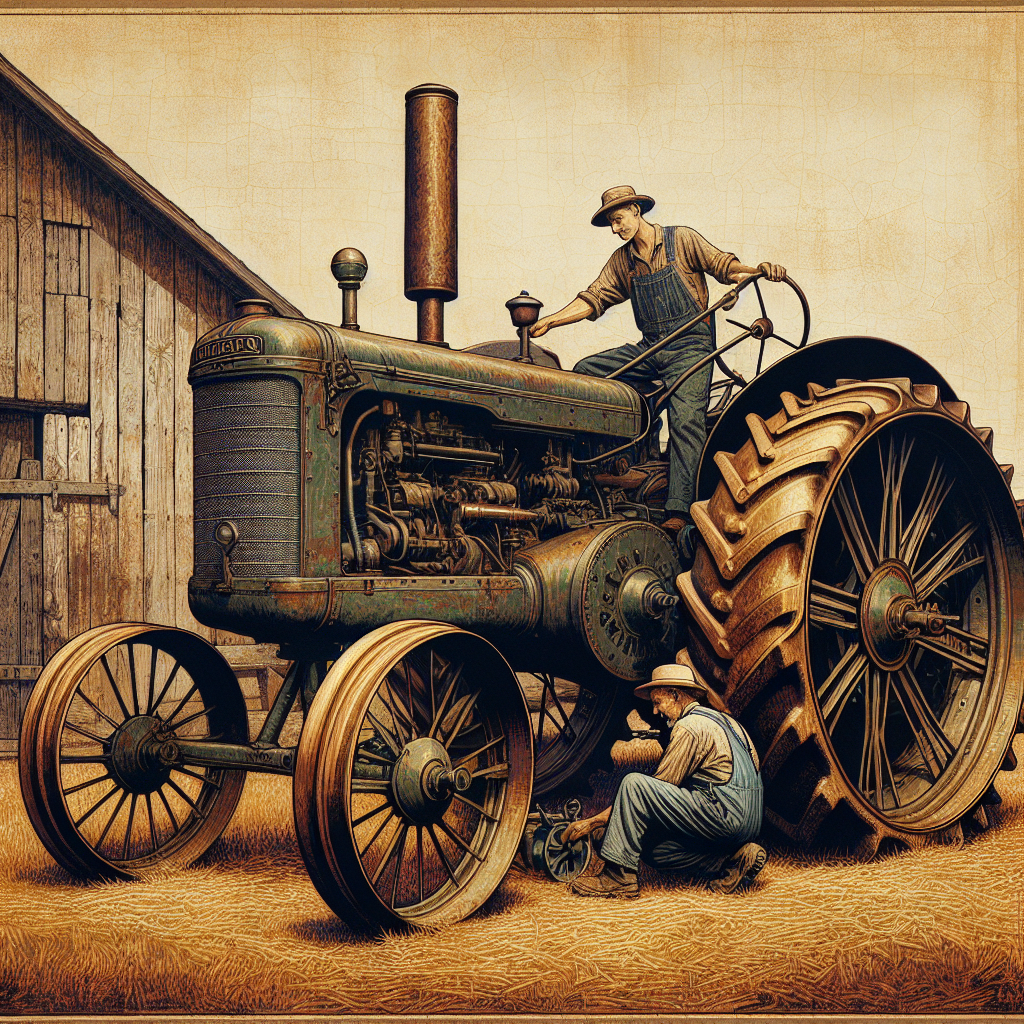
How Do Court Cases Impact the Future Of Vintage Tractor Preservation?
What Emotional Stories Connect Us to Our Vintage Tractors?
There’s something profound about vintage tractors that transcends mere machinery. They’re not just pieces of equipment; they embody history, hard work, and a connection to our roots. Each scratch on their surface and rusted bolt tells a story. Think about the early mornings, the sun barely creeping over the horizon, and the dust rising as we take these powerful machines to the fields. In those moments, we’re linked not only to the task at hand but to generations that have come before us.
Take a moment to reflect on a grandfather or great-grandfather toiling in the fields with an old tractor. Those machines were often the backbone of family farms, nurturing the crops that fed us. Each time we turn the key and feel that familiar rumble, we’re invoking memories—of laughter, of struggle, of perseverance in the face of adversity. They represent more than simple agriculture; they signify the sweat, determination, and bond that families forged over decades of labor.
The nostalgia tied to vintage tractors is palpable. They remind us of simpler times when life revolved around the land, and a day’s work was measured by the sun’s position in the sky rather than clock ticks. This connection often extends to community. Vintage tractor shows bring people together, fostering a sense of belonging that can often feel elusive in today’s fast-paced world. You see a fellow enthusiast scratch their head over a stubborn engine, and before you know it, you’re knee-deep in grease, sharing tips and stories of your own experiences.
On a deeper level, vintage tractors represent resilience. They serve as a reminder of the value of hard work and the rewards it can yield. Many of us grew up with tales of how these machines kept farms running through hardships, reminding us of our capacity to endure and innovate. In an era where technology often feels disconnected from our lives, these timeless tractors ground us, instilling confidence that if we care for our history, it can guide us toward a more sustainable future.
The stories connected to vintage tractors are as rich and varied as the land they toil. They inspire trust—not just in the machinery but in ourselves and our communities. When we tell these stories, we invite others to share their own reflections, creating a tapestry of experiences that unite us all. In that collective narrative, we find strength, purpose, and a heartfelt reminder of where we’ve been and where we’re headed.
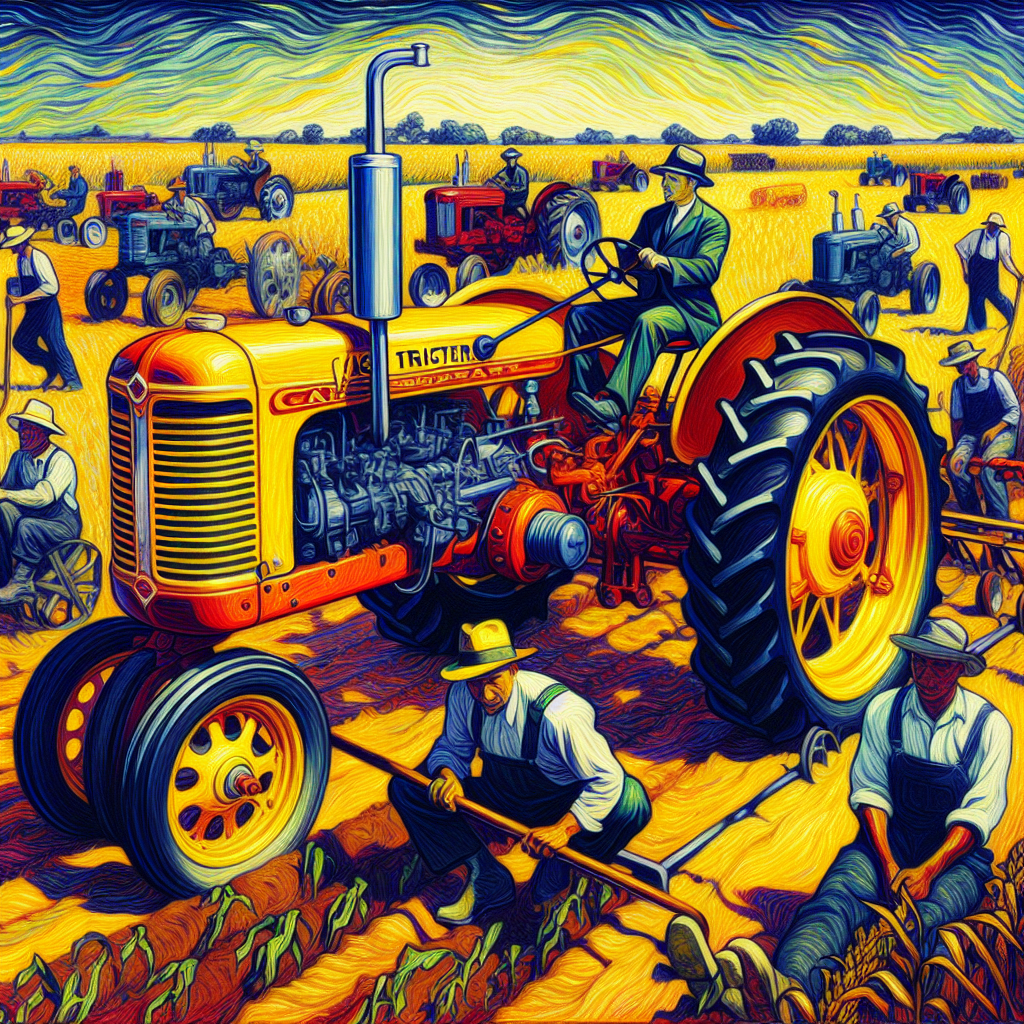
What Emotional Stories Connect Us to Our Vintage Tractors?
What Emotional Stories Connect Us to Our Vintage Tractors?
- Vintage tractors embody history, hard work, and a connection to our roots.
- Each scratch and rusted bolt tells a story of past labor and perseverance.
- They serve as a reminder of family ties and the agricultural backbone of communities.
- Nostalgia for simpler times contrasts with today’s fast-paced lifestyle.
- Tractor shows foster community and a sense of belonging among enthusiasts.
- They symbolize resilience and the enduring value of hard work.
- Their stories unite us, creating a tapestry of collective experiences.
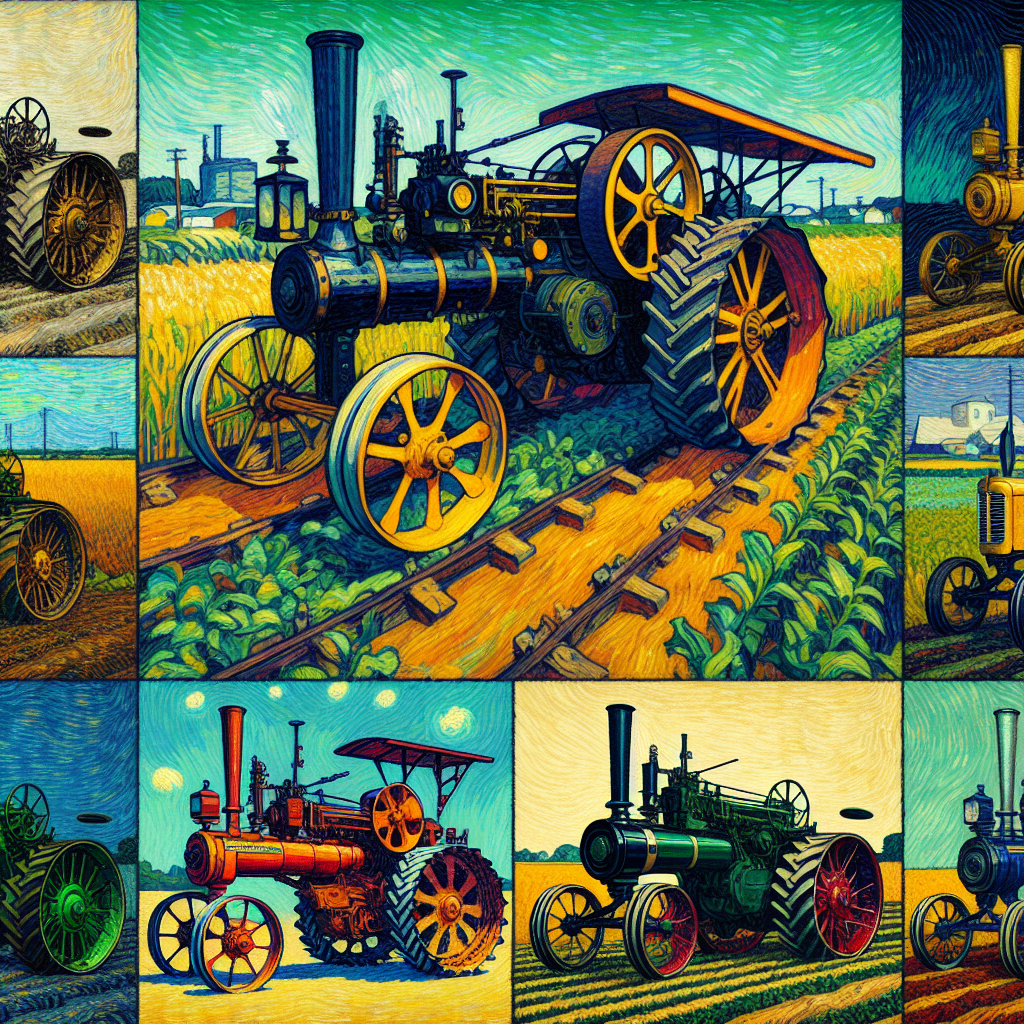
What Emotional Stories Connect Us to Our Vintage Tractors?
What Role Do Experts Play In Advocating for Vintage Tractor Rights?
In the ever-evolving landscape of agricultural heritage, vintage tractors stand as iron giants that embody the spirit of resilience and tradition. The role of experts in advocating for their rights is pivotal—not just in protecting a hobby but in preserving a way of life. Think about it: these machines represent the blood, sweat, and tears of countless farmers who’ve plowed, harvested, and toiled over the years. When experts step into this advocacy arena, they become the voice that screams in the face of ignorance and apathy, fighting for the rights of these mechanical marvels and the communities that cherish them.
Experts, often armed with layers of knowledge and a passionate love for vintage machinery, don’t just bring facts to the table; they infuse heart into their arguments. It’s not merely a matter of maintenance laws or licensing issues; it’s about storytelling. Each vintage tractor has a tale woven into the fabric of its existence. Experts can recount the stories of farmers who relied on their vintage machines to make ends meet during tough economic times or the celebrations that arose from a successful harvest. Every scratch and dent tells a story, and these advocates ensure those stories resonate within the broader narrative of agricultural life.
Emotions are vital when engaging the public and policymakers. Experts humanize the vintage tractor community, making it relatable. They will chronicle how these machines foster connections among generations, serving as the bridge between a farmer’s past and a child’s future. This connection fosters trust. When individuals see the genuine passion and expertise of advocates, it becomes harder to dismiss vintage tractors as mere relics of the past.
Rational appeals, too, play a crucial role. Experts can illustrate how the preservation of vintage tractors contributes to sustainable agriculture through practices that emphasize reuse and maintenance over disposability. This challenges the contemporary mindset of constant modernization, urging society to reflect on values—like resourcefulness and self-sufficiency—that these machines embody.
Ultimately, the expertise that advocates bring shines not only in their understanding of the mechanics but also in their commitment to the ethical treatment of these machines and their history. As champions for vintage tractor rights, they inspire farmers and enthusiasts alike to stand together, united in a cause that transcends the mechanics and touches the very essence of rural life. It’s not about nostalgia; it’s about preserving the lifeblood of agriculture, where each vintage tractor remains a testament to an enduring legacy worth celebrating.
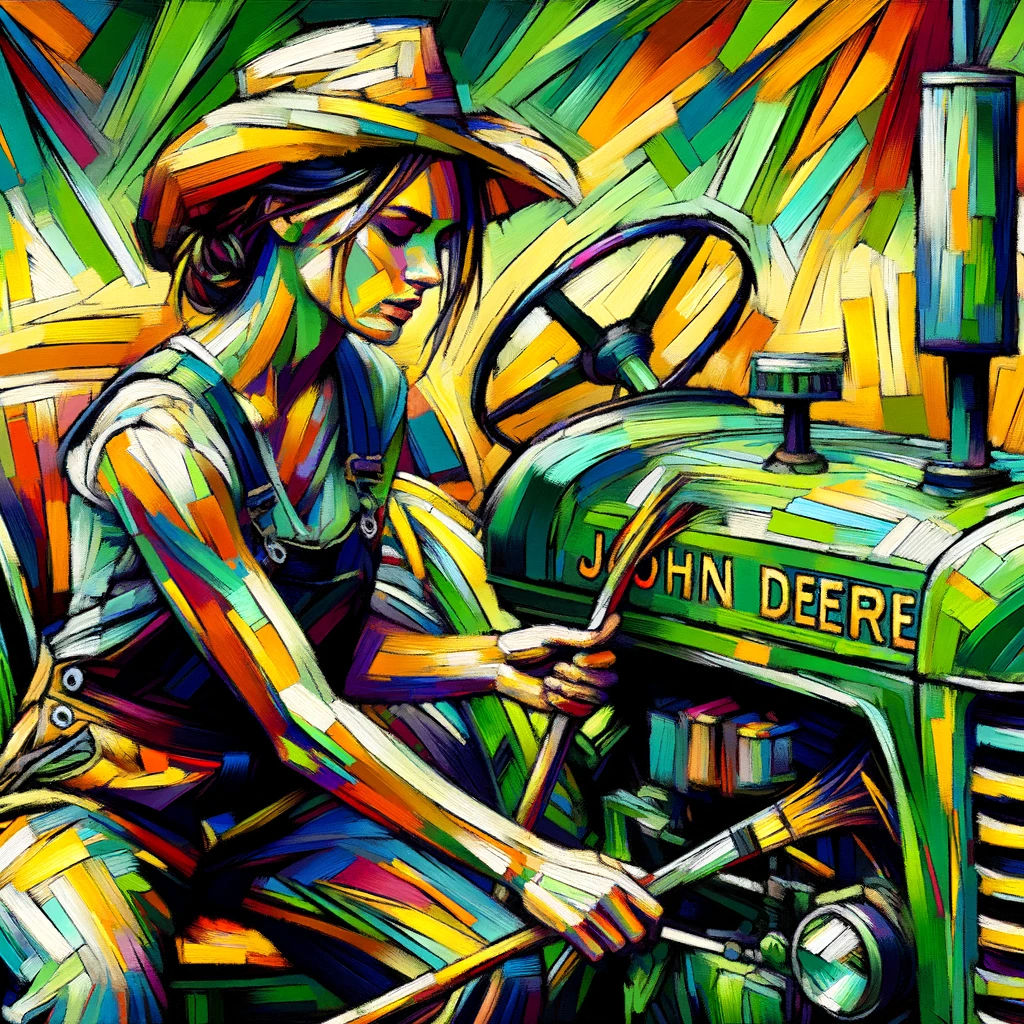
What Role Do Experts Play In Advocating for Vintage Tractor Rights?
What Role Do Experts Play In Advocating for Vintage Tractor Rights?
- Vintage tractors symbolize resilience and tradition in agriculture.
- Experts advocate for the rights of vintage tractors, protecting both a hobby and a way of life.
- Each vintage tractor tells a story about the hard work of farmers and agricultural history.
- Emotional engagement from experts humanizes the vintage tractor community and builds trust.
- Preservation of vintage tractors promotes sustainable agriculture through reuse and maintenance.
- Experts emphasize ethical treatment and the historical significance of these machines.
- The advocacy for vintage tractors connects the past with the future of rural life.
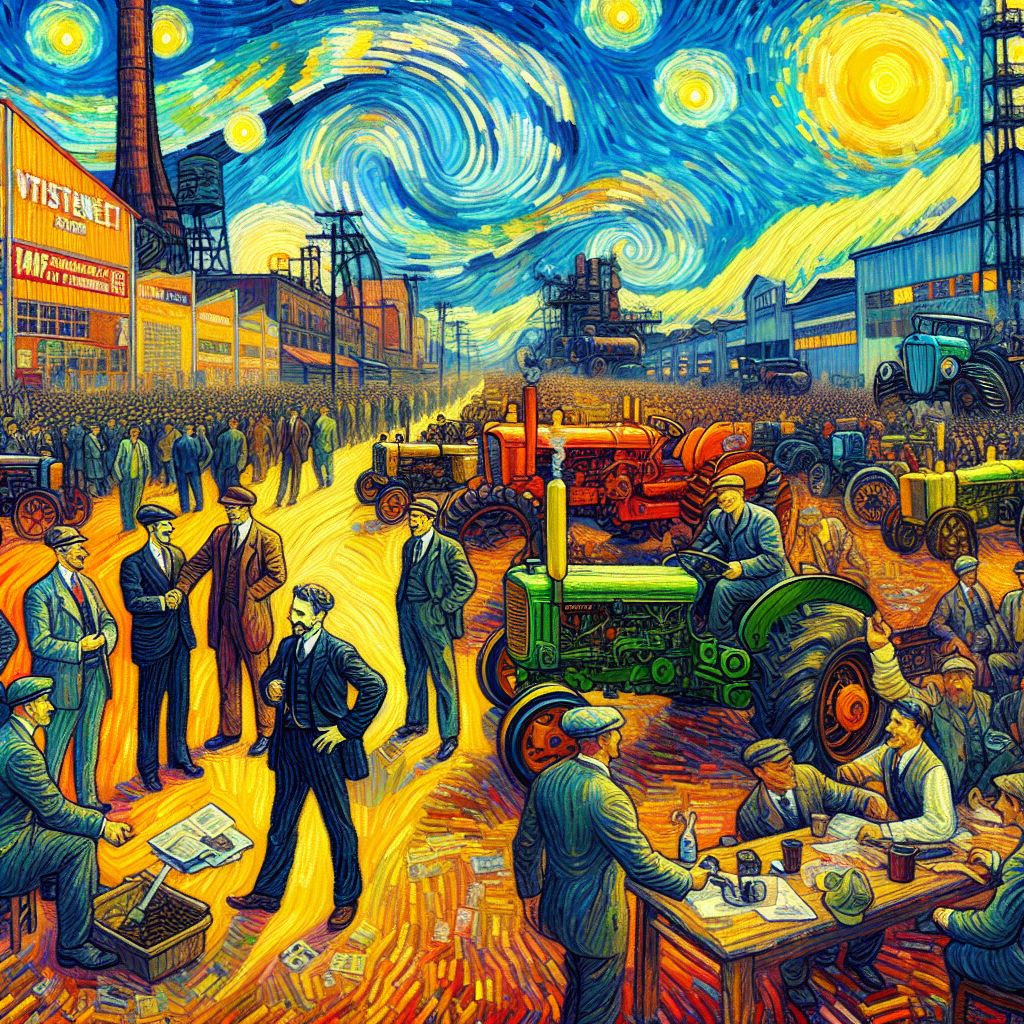
What Role Do Experts Play In Advocating for Vintage Tractor Rights?
What Makes Vintage Tractors A Crucial Part Of Our Heritage?
When we think of vintage tractors, we often picture rusted metal resting quietly in the corner of a field, yet these machines represent so much more than just remnants of the past. They are the very embodiment of hard work, ingenuity, and community; a testament to our agricultural roots and a reminder of the sweat and toil that have shaped our way of life. Every time I see a vintage tractor on the horizon, it evokes a story—one filled with the laughter of children watching a parent plow their first field, the smell of earth turned by strong, reliable machinery, and the shared gathering of neighbors working together to bring in the harvest.
Emotionally, vintage tractors resonate deeply within our souls. They remind us of simpler times, when families relied on the land and each other to thrive. These tractors were often more than tools; they were lifelines—vehicles of stability and perseverance. A grandparent might recall tales of how a trusty machine not only plowed the land but also drove community spirit, bringing folks together during harvest time, turning what might have been solitary work into collaborative joy.
Rationally, we understand the value of preserving these vintage machines. Each model represents a unique engineering design, a moment in technological evolution that reflects the problem-solving spirit of its era. They offer a tangible connection to the past, where every scratch marks a story of resilience and resourcefulness. In preserving them, we preserve not just history, but the lessons learned from it.
Ethically, maintaining vintage tractors honors the traditions of those who came before us. It highlights the importance of sustainability and respect for the craft of farming. In an age where so much can feel disposable, these machines remind us that there’s value in durability and permanence. They invite us to consider how we interact with our environment—encouraging us to reflect on the impact of modern choices on future generations.
Socially, vintage tractors foster connection, sparking conversations across generations. A child who climbs onto a vintage tractor can bridge the gap with their grandparents, learning stories and values that transcend time. They become conversation starters at fairs, gatherings, and rural events, uniting diverse groups through shared experiences.
Ultimately, vintage tractors are not merely relics; they symbolize resilience, community, and our collective journey. By embracing them as crucial parts of our heritage, we acknowledge the hands that shaped our agricultural identity and the heartbeats behind every harvest. In doing so, we ensure that their stories continue to inspire action and connection for generations to come.
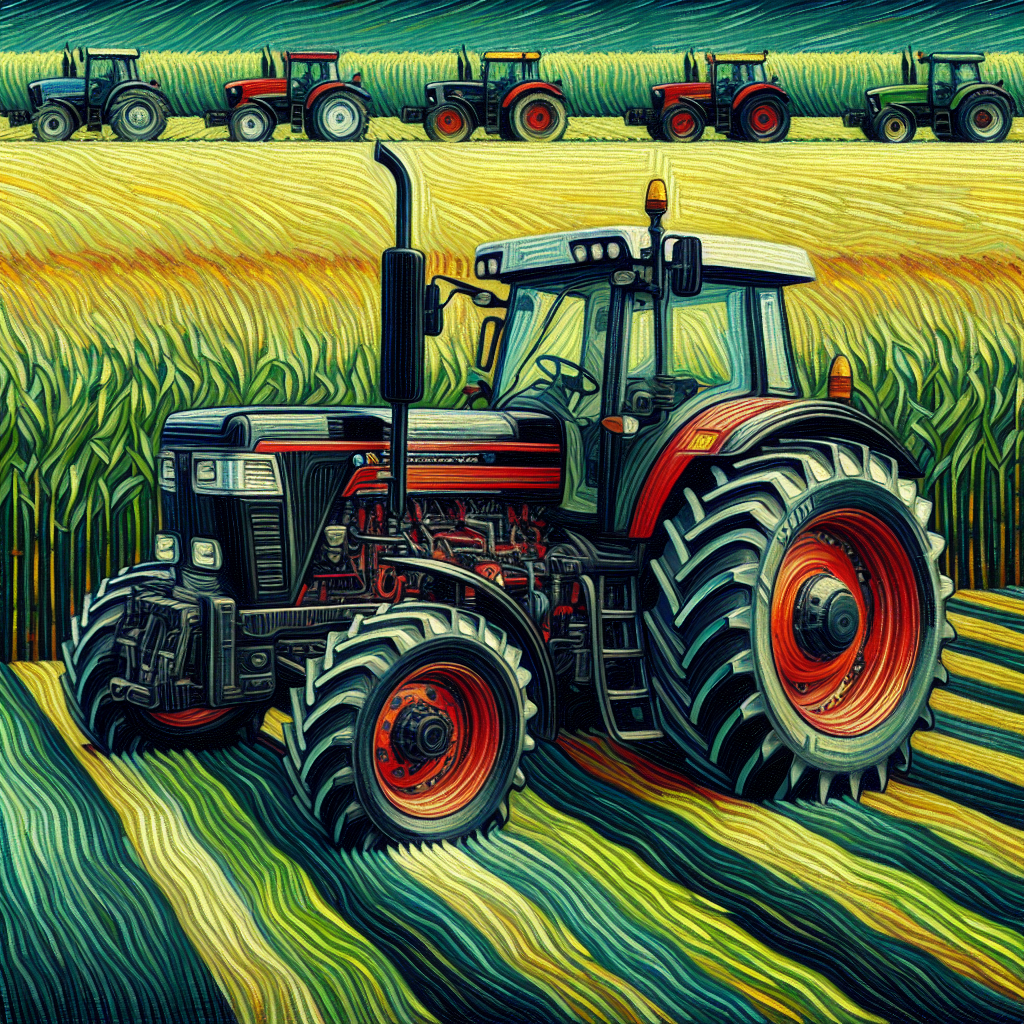
What Makes Vintage Tractors A Crucial Part Of Our Heritage?
What Makes Vintage Tractors A Crucial Part Of Our Heritage?
- Vintage tractors embody hard work, ingenuity, and community, reflecting our agricultural roots.
- They evoke emotional connections, reminding us of simpler times and the importance of family and collaboration.
- Each model represents unique engineering design and technological evolution, marking stories of resilience.
- Maintaining vintage tractors honors traditions, emphasizing sustainability and respect for farming craftsmanship.
- They encourage reflection on modern choices and their impact on future generations.
- Vintage tractors foster connections across generations, serving as conversation starters and uniting diverse groups.
- They symbolize resilience and community, ensuring their stories inspire future action and connection.
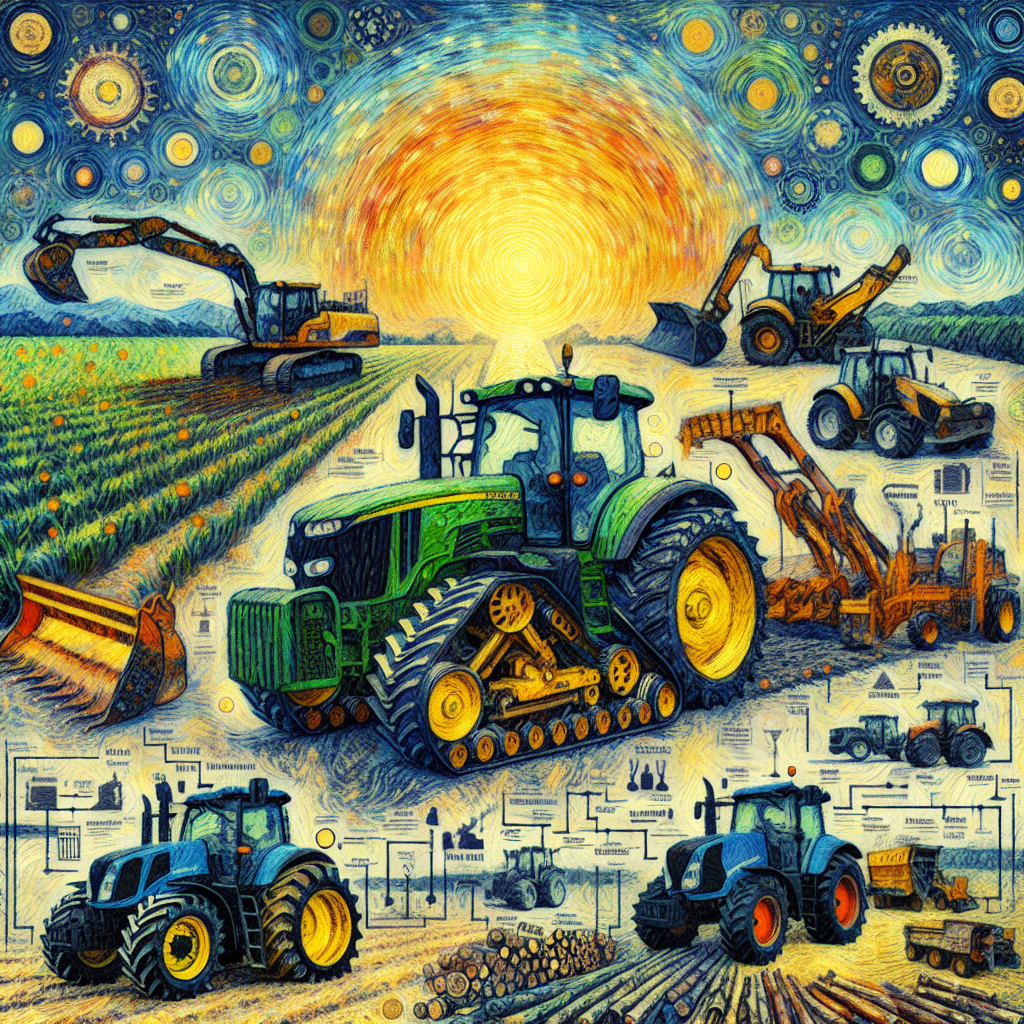
What Makes Vintage Tractors A Crucial Part Of Our Heritage?
How Do Court Decisions Impact The Future Of Vintage Farming Equipment?
Court decisions regarding vintage farming equipment have significant implications for both the preservation of agricultural history and the future of farming itself. Imagine a rusty old tractor, a relic of hard work and innovation, sitting quietly in a farmer’s field. It’s not just a piece of machinery; it’s a story waiting to be told—a chapter in the narrative of American agriculture that deserves to be respected and preserved.
Now picture a court ruling that could dictate whether such a tractor remains part of our cultural landscape or heads to the scrap yard forever. Such decisions don’t just affect collectors and enthusiasts; they resonate deeply within communities that revolve around agriculture. Farmers see themselves in those machines, understanding that every dent and scratch tells of labor, perseverance, and ingenuity. When courts weigh in, they wield a power that can uphold these legacies or erase them entirely.
The essence of vintage farming equipment extends beyond mere nostalgia. It represents a connection to the land, to the roots of our agricultural identity. A farmer might look at an old tractor and remember their father or grandfather, hands caked in soil, who relied on that very machine to cultivate the crop that fed a family. These decisions invite us to consider our responsibilities—not just to our past, but to future generations who will inherit these stories and machines. They evoke ethical considerations about who gets to decide what holds value in our society.
Moreover, as new farming technologies emerge, the clash between innovation and tradition becomes even more pronounced. Courts often find themselves at the intersection of these two worlds. By protecting vintage equipment, we acknowledge the importance of biodiversity in farming practices and the unique wisdom embedded in those outdated methods that modern technology cannot replicate.
One might think these rulings primarily engage the minds of policy wonks and lawmakers, but they stir something deeper. They touch on community pride and heritage, where each decision echoes the heartbeat of rural life. A decision that affirms the value of a vintage tractor can galvanize local farmers and reaffirm a collective identity in a world leaning heavily toward quick, disposable tech.
Court decisions help frame the conversation about what we value as a society. Keeping a vintage tractor in the light not only celebrates tradition but also fosters a sense of stewardship for the land. Embracing these machines is about more than machinery; it’s a commitment to honor our past while cultivating a future that respects the heart and soul of agriculture.
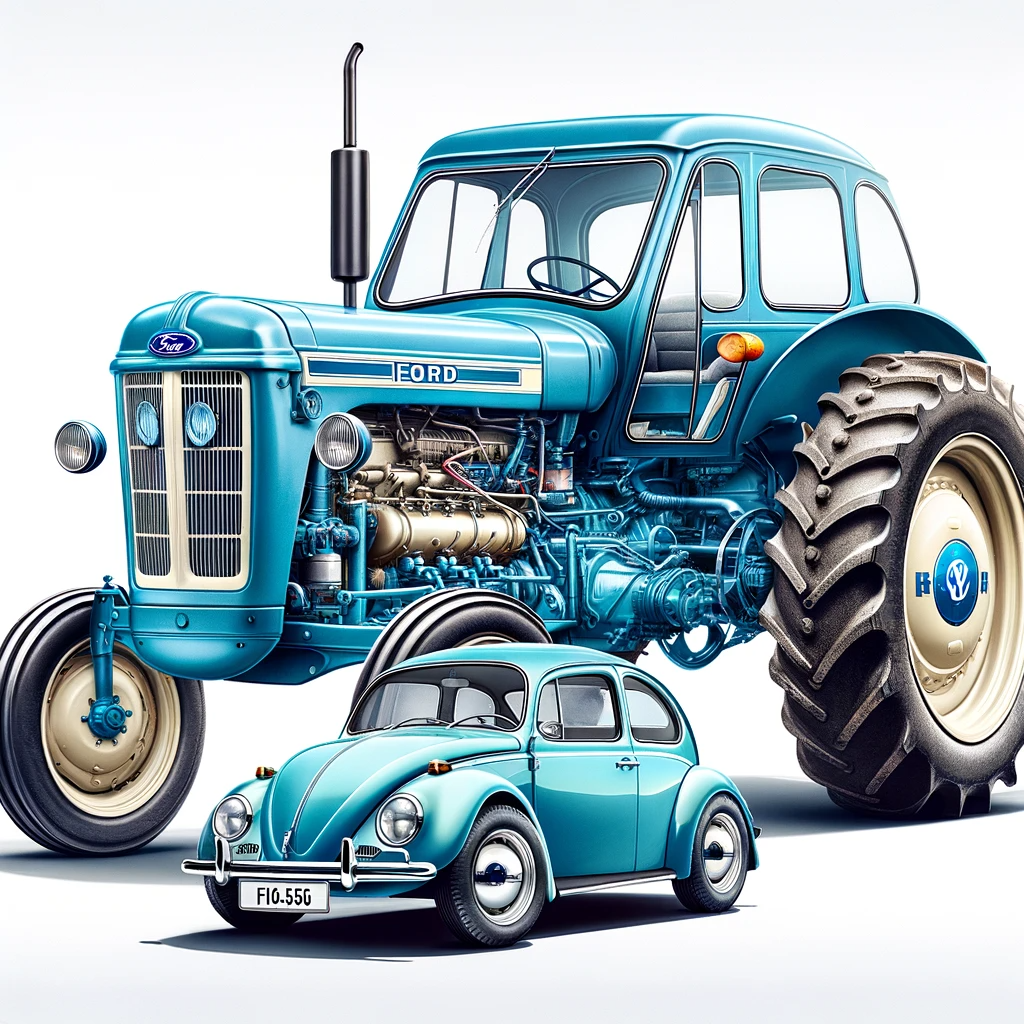
How Do Court Decisions Impact The Future Of Vintage Farming Equipment?
How Do Court Decisions Impact The Future Of Vintage Farming Equipment?
- Court decisions on vintage farming equipment impact preservation of agricultural history and future farming practices.
- Vintage tractors symbolize hard work and innovation, embodying the narrative of American agriculture.
- Rulings determine whether these relics remain part of cultural landscapes or face destruction.
- Such decisions resonate within agricultural communities, reflecting labor and perseverance.
- They evoke ethical considerations regarding societal values and responsibilities to future generations.
- Protection of vintage equipment acknowledges the significance of biodiversity and traditional farming wisdom.
- Affirming the value of these machines fosters community pride and a collective identity amidst rapid technological changes.
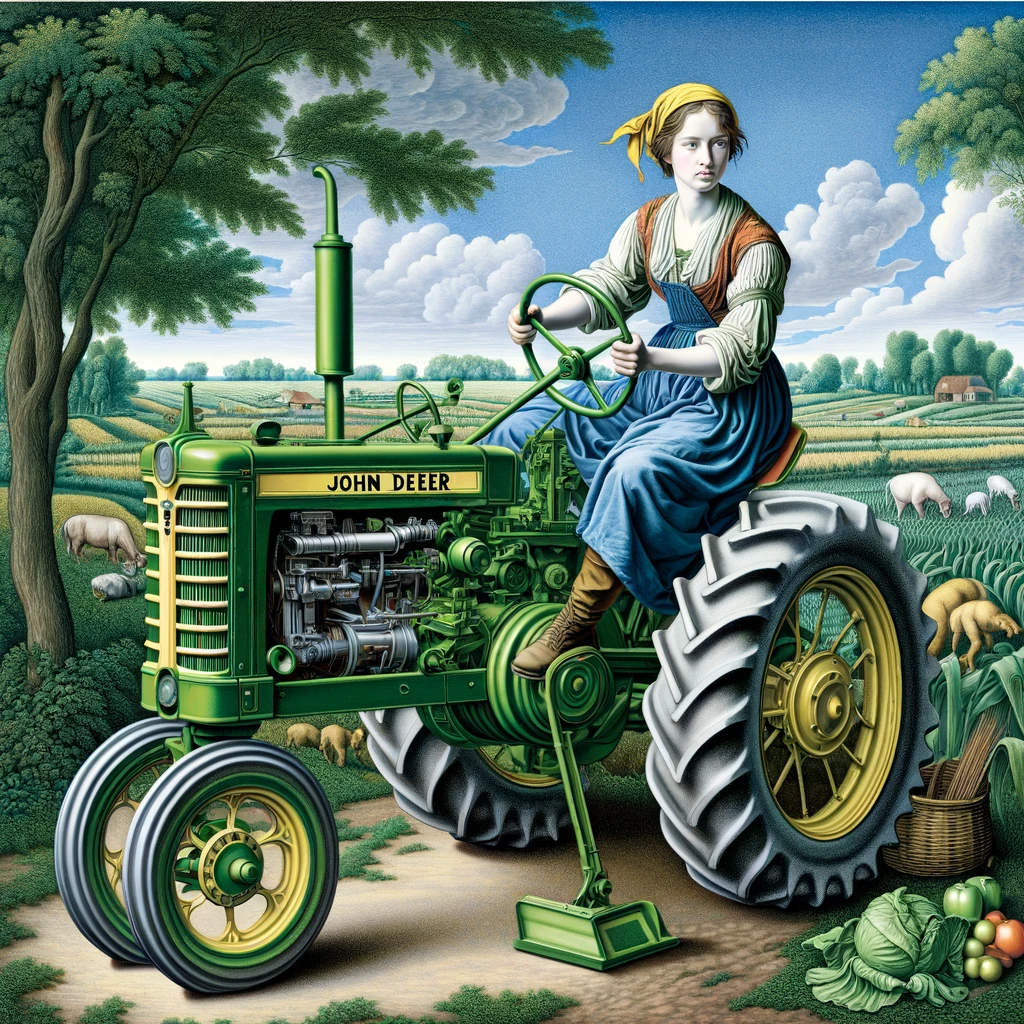
How Do Court Decisions Impact The Future Of Vintage Farming Equipment?
Conclusion
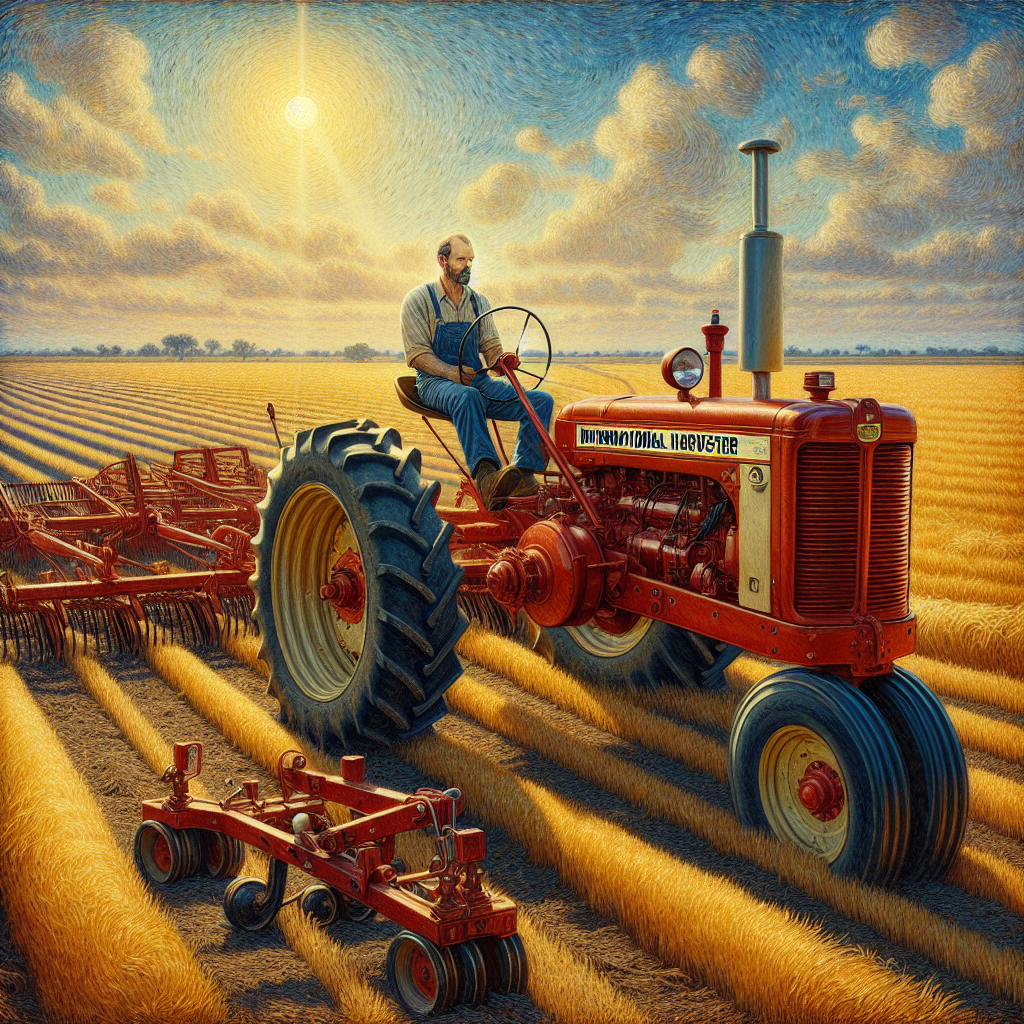
In the heart of America, vintage tractors symbolize the relentless spirit of our farming heritage, embodying stories of endurance and community woven through generations. These machines are more than mere equipment; they carry the echoes of hard work, laughter, and the sweat of those who toiled on the land. Court cases emerging today represent crucial moments, not just judicial decisions, but declarations of our commitment to preserving this rich legacy. As we face the challenge of navigating legal frameworks surrounding the restoration and modification of these iconic machines, we do so with an emotional imperative to honor their history.
Imagine a young child, watching their grandparent skillfully operate a vintage tractor, the sun casting golden rays on that timeworn metal. Here, in this moment, we see the passing of traditions—the whisper of legacy in every scratch, each dent a testament to a hardworking past that shaped our future. Preserving these relics is not merely about keeping machinery alive; it’s about sustaining an ethos that values hard work and community ties. The emotional stakes are high. Losing these tractors means losing a bond with our agrarian roots and the lessons learned from nurturing the land.
Legislation rooted in preservation highlights not only the worth of these machines but also an ethical obligation to safeguard our agricultural history. By advocating for these court cases, we stand at the nexus of nostalgia and responsibility, recognizing that these tractors are vessels of sustainability, embodying a balance with nature that modern methods often overlook. Each vintage tractor is a tangible piece of history, illustrating the humble ingenuity that has allowed our agricultural practices to thrive over decades.
These court cases invite us to reflect on what we hold dear. They are about more than just metal; they represent our collective identity and the love we carry for the land. Encouraging rulings that favor preservation fosters community spirit, igniting passions and engaging the next generation in the stories these machines tell. As communities rally to protect their agricultural heritage, we not only celebrate the past but also inspire future stewards to embrace their farming traditions with pride.
Ultimately, vintage tractors remind us that we can shape our narrative, embracing technology while honoring what came before. The fight for their preservation is not just a legal battle; it’s our chance to affirm that the history and legacy of farming are worth protecting, inviting all of us to become advocates for a future that respects and cherishes the heart of America’s agricultural landscape. Together, we cultivate a legacy that nourishes not only our fields but the very essence of who we are.
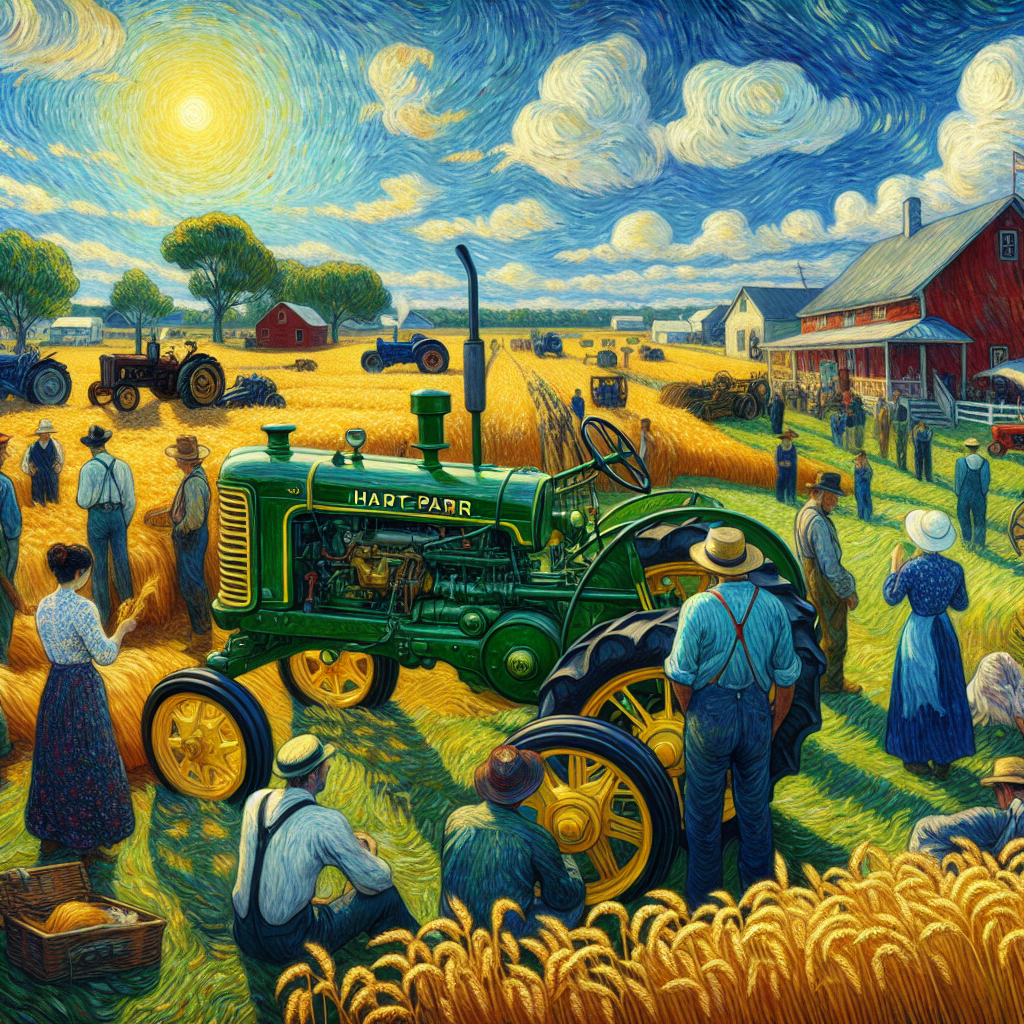
Conclusion
Conclusion:
- Vintage tractors symbolize America’s farming heritage, reflecting endurance and community across generations.
- These machines embody hard work, laughter, and the history of those who toiled the land.
- Current court cases are vital for preserving this legacy beyond mere legal decisions.
- The preservation of vintage tractors maintains an ethos of hard work and community connection.
- Legislation aimed at preservation acknowledges the importance of safeguarding agricultural history.
- These court cases encourage community spirit and involve future generations in agricultural traditions.
- The fight for preservation is a commitment to protecting the legacy of farming and the essence of America’s agricultural landscape.
Conclusion
Other Resources
Other Resources
Here is a list of other resources you can review online to learn more:
- Steyr
- Case
- GBT
- J.I.Case
- Rhino
- Louisville Tractor Pull
- Fate-Root-Heath
- Paquette Farmall Tractor Museum
- Park Rapids Antique Tractor & Engine Club
- Hefty
- Big Bud
- South Dakota Tractor Museum
- Schluter
- Simplicity
- Sheppard Diesel
- Gibson
- Monarch Tractor
- Barn Finds
- Louisville Tractor and Truck Pull
Use This Prompt To Get More Resources With Your Favorite Online AI Tool: Please provide me with a list of online articles with their URLs in a bulleted list that I can read regarding The Court Cases That Could Save Vintage Tractors Forever
Other Resources
Glossary Terms
The Court Cases That Could Save Vintage Tractors Forever – Glossary Of Terms
1. Antique tractor — A vehicle classified by age and historic significance, often eligible for special registrations and legal protections.
2. Vintage tractor — A generally older tractor valued for preservation and restoration though definitions vary by law and registry.
3. Historic vehicle designation — An official status (local, state, or federal) that can trigger exemptions, protections, or restrictions for preservation.
4. Right to Repair — Legal principle and legislative movement ensuring owners and independent shops can access parts, tools, and information to repair equipment.
5. First-sale doctrine — Copyright principle limiting a rightsholder’s control over a legally acquired physical item’s resale, use, or repair.
6. Patent exhaustion — Doctrine that a patent holder’s exclusive rights are exhausted after an authorized sale, constraining post-sale restrictions on use or repair.
7. Copyright — Intellectual property protection for original expressive works like operator manuals, schematics, and embedded software.
8. Fair use — Copyright exception allowing limited reuse (including for repair, documentation, or preservation) depending on purpose and effect.
9. Trademark — Legal protection for brand names, logos, and source-identifying marks that can affect reproduction of badges or branding on restored tractors.
10. Utility patent — Protection for functional inventions (engine components, mechanisms) that can bar unlicensed manufacture of patented parts.
11. Design patent — Protection for ornamental features of a product that can restrict reproduction of distinctive tractor styling.
12. Trade secret — Confidential manufacturing or repair information (formulas, processes) that, if leaked or lost, affects parts production and restoration.
13. DMCA (anti-circumvention provisions) — Laws that can criminalize bypassing technological protection measures on firmware or electronic controls relevant to modernized restorations.
14. Reverse engineering — The lawful process of analyzing a product to recreate parts or software, often central to making compatible replacements.
15. Interoperability — The ability of replacement parts or software to work with original systems, a key legal and technical concept in preservation litigation.
16. OEM (Original Equipment Manufacturer) — The original maker of a tractor or part; legal disputes often hinge on OEM control over parts and information.
17. Aftermarket parts — Non-OEM replacement components that can be contested on intellectual property, safety, or warranty grounds.
18. Orphan parts — Parts no longer produced and whose original manufacturer is defunct or unreachable, creating preservation and legal challenges.
19. Salvage title — A branded title for damaged or rebuilt vehicles that can affect registration and legal status for vintage tractors.
20. Historic preservation easement — A covenant that legally restricts alterations to protect a historic object or property, possibly applied to equipment of recognized significance.
21. National Register of Historic Places — Federal listing that can bolster preservation claims and access to incentives for historically significant machinery.
22. Eminent domain — Government power to take property, which can implicate vintage equipment if land or collections are seized for public use.
23. Regulatory preemption — The principle that federal law can override state/local rules, relevant where national safety or emissions rules intersect with preservation.
24. Clean Air Act nonroad engine rules — Emissions regulations governing tractor engines that can constrain restoration or require exemptions for historic machines.
25. Grandfathering/compliance exemption — Regulatory exceptions allowing older equipment to remain in use without meeting new standards, critical to keeping vintage tractors operable.
26. Injunction — Court order preventing or compelling actions (e. g. , blocking enforcement of restrictions that would destroy restoration markets).
27. Declaratory judgment — A judicial ruling that clarifies legal rights or statuses (such as the legality of repairing or reverse-engineering parts).
28. Class action — A collective lawsuit model permitting many vintage tractor owners to challenge manufacturers, regulators, or policies together.
29. Standing — The legal requirement that a plaintiff show concrete injury and a stake in the outcome to bring a preservation or repair lawsuit.
30. Ripeness — A doctrine ensuring courts only hear disputes ready for adjudication, important for timing lawsuits aimed at protecting vintage tractors.
Glossary Of Terms
Other Questions
The Court Cases That Could Save Vintage Tractors Forever – Other Questions
If you wish to explore and discover more, consider looking for answers to these questions:
- What specific court cases currently challenge regulations affecting vintage tractors?
- Which statutes, regulations, or local ordinances commonly impact restoration, modification, and operation of vintage tractors?
- How have past court rulings influenced preservation of historic farm equipment?
- What legal precedents could these current cases establish for cultural and mechanical preservation?
- Who are the plaintiffs, defendants, and interest groups involved in these lawsuits?
- What are the strongest legal arguments for protecting vintage tractors as cultural heritage?
- What counterarguments do regulators, developers, or commercial interests present?
- How will court outcomes affect farmers’ rights to repair, modify, and operate vintage tractors on public roads and private property?
- Could preservation rulings alter emissions, safety, or certification requirements for antique equipment?
- How do liability and insurance laws apply when restored tractors are used at public events or educational programs?
- What funding sources, grants, or tax incentives exist for restoration and preservation projects?
- How can communities, museums, and nonprofits legally protect and curate vintage tractor collections?
- What technical standards or authenticity guidelines govern “true” restorations versus modernized retrofits?
- Where can owners source correct replacement parts and skilled restorers for authentic restoration work?
- How do zoning, land-use, and development policies threaten historic farms and tractor collections?
- What role do oral histories, documentation, and provenance records play in legal protection?
- How can enthusiasts and small farmers get involved in litigation or advocacy without prohibitive costs?
- What best practices should owners follow to document and demonstrate a tractor’s historical significance?
- How might court decisions change rules for tractor shows, parades, fairs, and public demonstrations?
- Will rulings affect the legalities of transporting vintage tractors across state lines or on public highways?
- How do environmental and sustainability arguments influence judicial perspectives on keeping older machines in use?
- What are the economic impacts for rural communities of preserving tractors versus allowing redevelopment?
- How do restoration choices (original parts versus modern upgrades) influence legal and regulatory treatment?
- Are there international or comparative examples of laws that protect vintage agricultural equipment?
- How do manufacturers’ trademarks, design rights, or patents affect reproduction parts and restorations?
- What timelines, costs, and likely outcomes should owners expect if they pursue legal action to protect equipment?
- How can owners insure vintage tractors and protect them from seizure, condemnation, or mandatory scrapping?
- What types of evidence do courts consider when assessing cultural, historical, or educational value?
- How can educators and museums legally integrate vintage tractors into curricula and community outreach?
- What is the process and criteria for getting a tractor—or a site containing tractors—designated as historically significant at local, state, or national levels?
Other Questions
Haiku
The Court Cases That Could Save Vintage Tractors Forever – A Haiku
Tractors of the past,
Echoes of toil in the fields,
Roots of strength endure.
Haiku
Poem
The Court Cases That Could Save Vintage Tractors Forever – A Poem
In fields of gold where memories thrive,
Vintage tractors hum, their spirits alive.
Metal giants, stories engraved,
Whispers of labor, the roads they paved.
Children gaze, eyes full of wonder,
Grandparents teach, as time pulls asunder.
Each dent a tale, each rust a song,
Of unity forged where we all belong.
In courtrooms echo the cries for justice,
Protecting our past, our roots, a robust trust.
Heritage stands on the scales of law,
Preserving the heartbeat, the ancient draw.
Against modern haste and fleeting trends,
These relics remind us, tradition transcends.
They connect us to labor, to seasons that change,
Crafting a legacy, deep and vast in range.
Resilience shining beneath layers of grime,
Each tractor a keeper of stories and time.
In every ruling that honors their place,
We cherish the histories we dare to embrace.
Together we rally, in common cause,
To safeguard the past with ethical laws.
For in protecting these symbols, we nurture our fate,
Securing our future, our hearts resonate.
So let the tractors roam, let their engines roar,
A testament to strength, to the sweat that we pour.
United, we gather, in fields rich and wide,
Vintage tractors leading, with history as our guide.
Poem
Checklist
The Court Cases That Could Save Vintage Tractors Forever – A Checklist
Emotional Appeals
✅______ Share personal stories of family connections to vintage tractors ✅______ Organize community events or gatherings centered around vintage tractors ✅______ Create a platform for sharing and preserving stories related to vintage farming equipment
Rational Appeals
✅______ Highlight the historical significance of vintage tractors in agricultural development ✅______ Illustrate the benefits of restoring and maintaining vintage tractors for sustainable practices ✅______ Provide data on the economic impact of preserving vintage farming equipment
Ethical Appeals
✅______ Emphasize the responsibility of preserving agricultural heritage ✅______ Advocate for the ethical treatment of vintage tractors as cultural artifacts ✅______ Promote awareness of the sustainability values that vintage tractors represent
Authority Appeals
✅______ Include testimonials from experts in agriculture, history, and sustainability ✅______ Seek endorsements from local farming associations or agricultural historians ✅______ Collaborate with legal experts to inform communities about the implications of court decisions
Narrative Appeals
✅______ Share compelling narratives that illustrate the role of vintage tractors in shaping farming communities ✅______ Document restoration projects and the people behind them to create relatable content ✅______ Develop case studies highlighting successful preservation efforts and their impacts
Social Appeals
✅______ Encourage community involvement in restoration and preservation projects ✅______ Create social media campaigns to share progress and engage younger generations ✅______ Organize vintage tractor shows or fairs to foster a sense of community and pride
At ClassicTractorNews, we help tractor lovers keep up with the latest news for classic and vintage tractors.
Please share this post with your friends, family, or business associates who may like old classic or vintage tractors.