


Rediscovering Timeless Elegance: Where Heart Meets Tradition
By Tom Seest
At ClassicTractorNews, we help tractor lovers keep up with the latest news for classic and vintage tractors.
Please share this post with your friends, family, or business associates who may like old classic or vintage tractors.
The Comeback Of Classic Simplicity
In today’s world, where digital noise drowns out the simple joys of life, the resurgence of classic simplicity is like a breath of fresh air, a reminder of what truly matters. Picture an old tractor, rumbling through a sunlit field, its engine a steady heartbeat that connects us to the land and to our roots. This isn’t just machinery; it’s a symbol of hard work, craftsmanship, and the profound relationship between man and nature.
There was a time when life moved at a slower pace. We savored moments, whether it was the warmth of a handcrafted cup of coffee in the morning or the tactile comfort of a well-worn book. Today, we often chase the elusive promise of progress, forgetting the essence of living fully in the present. The comeback of classic simplicity urges us to pause and reflect on what has been lost. We long for genuine connections, the kind that can’t be forged through a screen.
Embracing simplicity means embracing authenticity. It’s about stripping away the unnecessary and finding beauty in the basics. Imagine gathering around a rustic table, sharing stories and laughter over a meal prepared with ingredients harvested from the backyard garden—so much richer than any takeout could ever be. This shift back to our roots is not merely a trend; it’s a moral imperative, an acknowledgment of the value of our shared humanity.
This return resonates deeply on a social level. As communities rediscover traditional skills—baking bread, woodworking, or even fixing the family tractor—the sense of belonging grows. We find ourselves in these acts, knitting together a tapestry of human experience. It’s in these moments that we are reminded that we are not alone; we are part of something larger.
Let’s not forget the lessons of those who came before us. Our grandparents, who toiled under the sun, understood the importance of simplicity and the satisfaction that comes from seeing the fruits of one’s labor. They didn’t have smartphones or social media, yet they thrived. Taking a page from their lives, we can rekindle that spirit of simplicity, finding solace and strength in the tactile, the deliberate, and the meaningful.
So, in this age of complexity, let’s champion the strength of simplicity. Let’s cultivate spaces—both physical and emotional—where we can reconnect with ourselves and each other. When we do, we might just find that the heart of life beats strongest in the quiet moments, where classic simplicity reigns supreme.

The Comeback Of Classic Simplicity
The Comeback Of Classic Simplicity
- Resurgence of classic simplicity offers a refreshing reminder of life’s true values amidst digital noise.
- Old tractors symbolize hard work and a deep connection between humanity and nature.
- Life’s slower pace allowed for savoring simple pleasures like handcrafted coffee and physical books.
- The return to simplicity encourages genuine connections and authenticity, moving away from digital interactions.
- Embracing simplicity involves appreciating basic joys, such as home-cooked meals and shared experiences.
- Communities rediscover traditional skills, fostering a sense of belonging and shared human experience.
- Lessons from past generations remind us of the value of simplicity, urging a reconnection with meaningful living.

The Comeback Of Classic Simplicity
Table Of Contents
- The Comeback Of Classic Simplicity
- Why Do We Crave the Comfort Of Classic Simplicity?
- How Can Embracing Simplicity Improve Our Lives?
- What Role Does Nostalgia Play In Our Appreciation Of the Past?
- How Do We Measure Authenticity In a World Full Of Choices?
- How Can Simplicity Foster Deeper Connections Among People?
- What Ethical Implications Arise From Minimalist Lifestyles?
- Conclusion
- Other Resources
- Glossary Of Terms
- Other Questions
- Haiku
- Poem
- Checklist
Why Do We Crave the Comfort Of Classic Simplicity?
In a world swirling with complexity—where algorithms dictate our lives and flashy distractions vie for our attention—there’s an undeniable pull towards the comfort of classic simplicity. We find ourselves yearning for the straightforward, the unadorned, like a well-worn tractor that plows the same fields year after year, its presence a reassuring constant amid chaos.
Consider a summer spent on my grandfather’s farm. The tractor wasn’t just a machine; it was a connection to the earth, a bridge linking generations through labor and love. It rumbled with an authority that promised productivity and progress, cutting through the noise and reminding us of life’s fundamentals: hard work, dedication, and the fruits of our labor. Just as that tractor had a singular purpose—to till the soil, to harvest the crop—so too do we seek clarity in our own lives.
It’s easy to be overwhelmed by sophistication. With every innovation, we’re bombarded with choices, often losing sight of what matters most. In rejecting the intricacies of modern life, we don’t abandon progress; rather, we rediscover the essential elements that ground us. Simplicity, unlike the noise of a high-tech gadget, calls to the heart—a reminder that meaningful moments are often stitched together by the threads of authenticity and tradition.
When we choose simple solutions, we connect not just with ourselves but with those around us. Think about gathering with friends over a home-cooked meal, the aroma of simmering stew filling the air. It’s in those moments, the laughter and shared stories, where trust is built and bonds are strengthened. Science confirms that our brains crave connection, reinforcing the idea that simplicity and emotionality are intertwined.
In essence, embracing simplicity is an ethical choice too. It allows space for mindfulness over mindlessness, promoting sustainability both in our lifestyles and our environments. Just like that trusted tractor—built to last and work hard—we find value in enduring solutions that ask for less but provide so much more.
So, let’s champion the beauty of classic simplicity. Let’s peel back the layers of modern complexity and revel in the straightforward pleasures—the old recipes, the warm gatherings, the laughter shared over less-than-perfect moments. In doing so, we cultivate a life that not only resonates with our hearts and heads but also nourishes our gut instincts. In a world racing towards the new, there’s unparalleled strength in honoring the timeless.

Why Do We Crave the Comfort Of Classic Simplicity?
Why Do We Crave the Comfort Of Classic Simplicity?
- Yearning for the comfort of classic simplicity amidst modern complexity.
- A tractor symbolizes connection to the earth and generations through hard work.
- Rejecting modern intricacies helps rediscover essential life elements.
- Simplicity fosters connections and meaningful moments with others.
- Embracing simplicity promotes mindfulness and sustainability.
- Championing classic simplicity enhances appreciation for traditional pleasures.
- Honoring timeless values provides strength in a fast-paced world.

Why Do We Crave the Comfort Of Classic Simplicity?
How Can Embracing Simplicity Improve Our Lives?
In a world buzzing with complexities, embracing simplicity can feel as refreshing as a deep breath of crisp air after a long day. Picture a farmer on a tractor, guiding his plow through rich, unadulterated soil. Each furrow he creates is a deliberate act, aimed at nourishing life rather than complicating it. This metaphorical journey into simplicity begins with a conscious choice to strip away the noise that clutters our daily existence.
Many of us fill our lives with endless distractions—mountains of commitments, overflowing inboxes, and a relentless stream of information. The result? Overwhelm. But what if we learned to say no? What if we made it a point to prioritize what truly matters? Simplifying our lives isn’t just about decluttering our physical space; it’s about making intentional choices that align with our values. It’s rediscovering the joy of meaningful relationships, nurturing our passions, and being present in the moment. When we simplify, we create room for deeper connections—both with ourselves and others.
Consider the story of a woman who decided to downsize her home. After years of accumulating belongings and stress, she moved into a smaller space filled only with things she loved. This shift transformed not just her living situation, but her entire outlook on life. She began to appreciate the everyday moments, like sipping coffee on her porch while listening to the chirping birds. These simple joys became the foundation of her happiness, proving that less truly can be more.
Rationally, studies show that simplicity can improve our mental well-being. When we eliminate the unnecessary, we reduce anxiety and increase our capacity for focus and creativity. Simplicity fosters clarity; it allows us to approach problems with a fresh perspective, leading to better decision-making and innovation.
Ethically, embracing simplicity aligns with a more sustainable way of living. By consuming less and valuing experiences over possessions, we contribute to a healthier planet. It’s not just about individual gain; simplicity encourages societal shifts towards gratitude and intentionality.
Ultimately, simplicity isn’t just a lifestyle choice; it’s a powerful tool for transformation. Just as that farmer on his tractor carefully tends to his land, we too can cultivate lives that reflect our deepest values and passions. By letting go of what weighs us down, we can harvest the rewards of a simpler, more fulfilling existence. Embrace simplicity, and watch life flourish in ways you never imagined.

How Can Embracing Simplicity Improve Our Lives?
How Can Embracing Simplicity Improve Our Lives?
- Embracing simplicity provides a refreshing perspective amidst life’s complexities.
- Simplifying life involves stripping away distractions and prioritizing what truly matters.
- Intentional choices lead to deeper connections and meaningful relationships.
- A woman’s experience of downsizing her home illustrates the joy of simplicity.
- Simplicity enhances mental well-being by reducing anxiety and fostering creativity.
- Adopting a simpler lifestyle promotes sustainability and encourages gratitude.
- Simplicity is a transformative tool that aligns with our deepest values and passions.

How Can Embracing Simplicity Improve Our Lives?
What Role Does Nostalgia Play In Our Appreciation Of the Past?
Nostalgia is a complex emotion, often seen as a mere longing for the past, but it plays a profound role in shaping how we appreciate our history. It’s not just a sentimental journey; it’s a bridge connecting our experiences to our identities. Think about those afternoons spent on a tractor, plowing fields under a sun that seemed to promise endless possibilities. That tractor wasn’t just a machine; it represented hard work, family traditions, and simple joys woven into the fabric of our lives.
When we look back fondly at those moments, we don’t just remember the sights and sounds; we also relive the lessons learned—the pride in a job well done, the teamwork with family, the respect for nature’s rhythms. This shared narrative resonates deeply, as it speaks to our roots and the values we hold dear. It allows us to reconnect not only with our past but with people who have shared those same experiences, fostering a sense of community.
Emotional connections to our past enhance our appreciation of history. The ethics of remembering those who came before us compel us to honor their struggles and achievements. They sacrificed, toiled, and dreamed so that we could stand on their shoulders. Recognizing this creates a sense of responsibility to carry their legacy forward, to teach the next generation about the significance of their contributions, much like that trusty tractor that has seen and done so much.
From a rational standpoint, nostalgia serves as a reminder of resilience and progression. It provides context to our current struggles and achievements, helping us understand that while challenges are inevitable, they are often surmountable. Each story of hardship followed by triumph adds depth to our appreciation of today’s comforts and conveniences.
Yet, there’s a unique twist in how nostalgia shapes our perspectives. It reframes our failures, transforming them into stepping stones rather than stumbling blocks. Just as that old tractor endured rough terrains and mechanical hiccups, our past failures become part of a larger narrative—one that illustrates perseverance. This new framing encourages us to embrace vulnerability, to face our challenges with an understanding that these experiences are not just setbacks, but opportunities for growth and connection.
In essence, nostalgia invites us to weave our stories into the greater tapestry of humanity, urging us to celebrate the past while moving forward with hope and purpose. It fosters a sense of trust not only in our personal stories but in the shared human experience, reminding us that we are never truly alone in our journeys.

What Role Does Nostalgia Play In Our Appreciation Of the Past?
What Role Does Nostalgia Play In Our Appreciation Of the Past?
- Nostalgia is a complex emotion that shapes our understanding of history.
- It connects personal experiences to identities, exemplified by the memories associated with a tractor.
- Reflecting on the past allows us to relive valuable lessons and reinforces our values.
- Emotional ties to history compel us to honor the contributions of those who came before us.
- Nostalgia provides context for current struggles, illustrating resilience and progression.
- It transforms past failures into opportunities for growth and connection.
- Nostalgia encourages us to weave our narratives into the collective human experience, fostering hope and purpose.

What Role Does Nostalgia Play In Our Appreciation Of the Past?
How Do We Measure Authenticity In a World Full Of Choices?
In a landscape saturated with choices, the quest for authenticity feels like navigating a winding country road on an old tractor. You know the one—the kind that rumbles along, steady and reliable, yet often overlooked in favor of flashier vehicles. Just as that tractor helps till the soil and cultivate the land, authenticity cultivates a deeper connection among us, anchoring our sense of self in a world that constantly beckons us in new directions.
Authenticity is more than just a buzzword; it’s a lifeline in a culture that often prioritizes noise over nuance. To measure authenticity, we first need to look inward. Reflect on what truly matters to you. Is it family, an honest day’s work, or a steadfast commitment to your values? For instance, I remember working alongside a local farmer whose joy came not from accolades but from seeing the fruits of his labor flourish. His hands bore the marks of honest toil, each scar a testament to resilience and dedication. This isn’t just an old-fashioned way of life; it’s the bedrock of authenticity.
Now, let’s shift our focus to choices. Every day, we face choices that can lead us astray, tempting us with convenience over substance. Think about those moments when you’re offered a quick fix over genuine effort. The allure of instant gratification can be strong, but the richness of experience—much like that tractor’s slow but steady pull through the field—creates a depth we often overlook. Embracing the long path allows us to craft narratives that resonate with our most fundamental values, empowering our connections with others.
From a rational viewpoint, we can assess authenticity by considering our intentions and the impact of our choices. Ethical decisions require integrity, which often ties back to those core values we discussed. When we act with intention, we can measure authenticity not just through our actions, but also how others perceive them—in essence, how they feel when they engage with us. Socially, authenticity manifests in relationships built on trust; when we present ourselves as genuine, we foster an environment where others feel safe to do the same.
In a world filled with distractions and superficial options, remember that authenticity can be your compass. Like that well-used tractor, instead of chasing after the latest shiny object, let your journey take you back to basics—honesty, transparency, and hard-earned connections that stand the test of time. In this new age of choice, authenticity isn’t just a measure; it’s a movement, inviting us all to plant seeds of trust and cultivate something meaningful together.

How Do We Measure Authenticity In a World Full Of Choices?
How Do We Measure Authenticity In a World Full Of Choices?
- The quest for authenticity resembles navigating an old tractor on a winding road, offering reliability amid a world of flashy choices.
- Authenticity fosters deeper connections and anchors our sense of self, serving as a lifeline in a culture focused on superficiality.
- Self-reflection is essential to measure authenticity, emphasizing personal values such as family and dedication.
- Choosing genuine effort over instant gratification enriches experiences and strengthens our commitments to core values.
- Authenticity is tied to ethical decisions and integrity, impacting both our actions and how they are perceived by others.
- Building relationships based on authenticity cultivates trust and creates safe environments for genuine expression.
- In a world of distractions, authenticity acts as a compass, guiding us back to fundamental values like honesty and transparency.
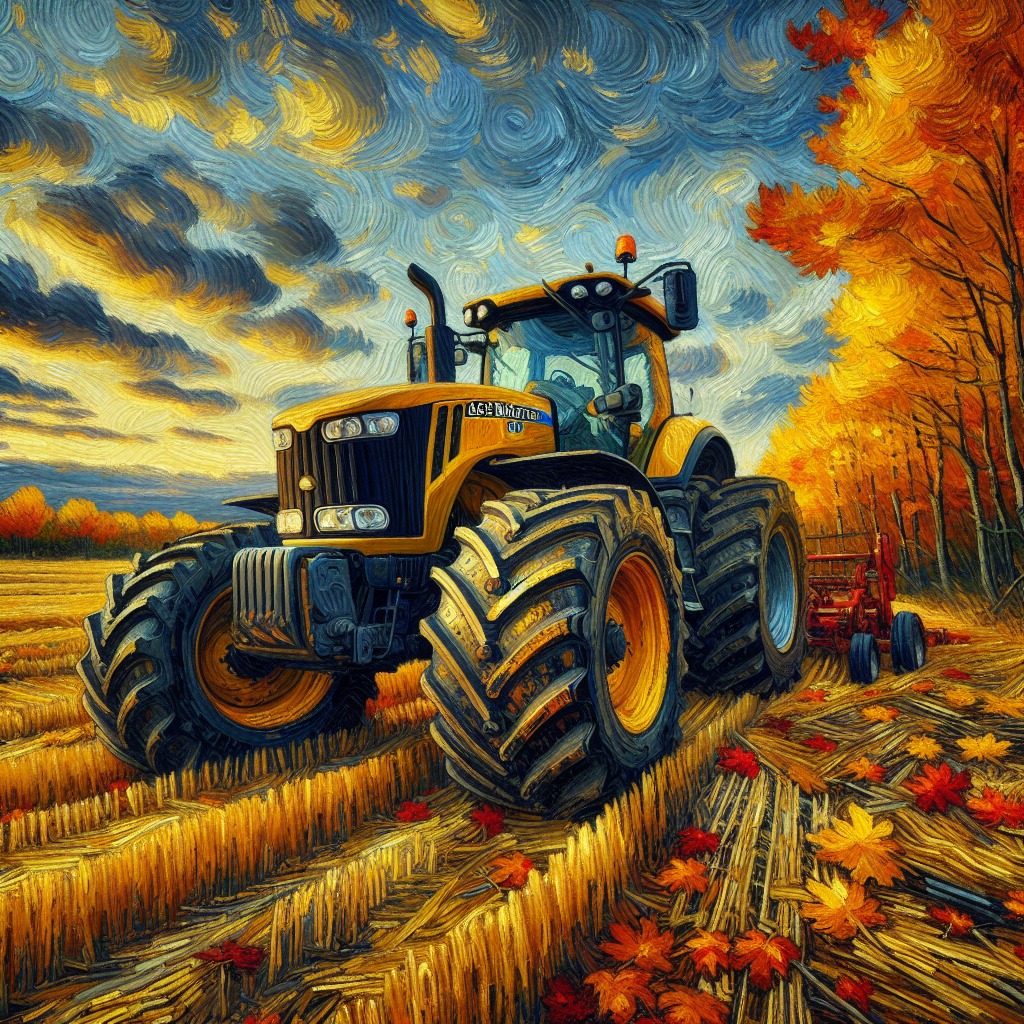
How Do We Measure Authenticity In a World Full Of Choices?
How Can Simplicity Foster Deeper Connections Among People?
Simplicity has a unique power to break down barriers and build bridges between people. Think about a tractor, the heart of countless farms, quietly working the land while its operators connect to the earth and each other. It’s an ordinary machine, yet it serves as a conduit for deeper relationships, a reminder that the uncomplicated can nurture something profound.
Picture a family gathered around a dinner table, sharing a meal made from ingredients grown just outside their window. They’re not discussing the latest trends or flashy gadgets but engaging in honest conversations, reconnecting through shared experiences. In those moments, stripped of distractions, they find common ground, forging connections that can endure life’s complexities.
The emotional appeal of simplicity lies in its authenticity. When we strip away the extravagance and focus on what truly matters, we reveal our genuine selves. People are drawn to vulnerability; when we shed pretenses, we invite others to do the same. This openness creates an atmosphere of trust, where connections can thrive. Consider the farmer who welcomes a neighbor to help harvest crops, sparking a friendship rooted in mutual support and respect. The simplicity of shared labor fosters bonds that often outweigh those built on superficial interactions.
Rationally, simplicity reduces noise. In a world clamoring for attention, the uncomplicated stands out. By focusing on meaningful conversations rather than mindless chatter, we can engage in discussions that matter. For instance, a community meeting centered on local issues allows residents to express concerns, brainstorm solutions, and collaborate on projects. This shared purpose enhances the social fabric, igniting a collective spirit that inspires action.
Ethically, simplicity champions equality. When we simplify our lives and interactions, we level the playing field. It’s not about status or wealth; it’s about willingness to listen and connect. This notion resonates in various contexts, from workplace dynamics to community involvement. An executive who takes the time to know their employees—learning their stories, aspirations, and challenges—demonstrates that leadership can thrive on humility.
Ultimately, simplicity isn’t just a lifestyle; it’s a philosophy that cultivates connection. Each shallow moment we dismiss in favor of deeper interactions contributes to a lasting legacy. Embrace the ease of shared experiences, like those of the farmer and tractor, and watch authentic relationships bloom. In a world that often complicates, let us champion simplicity, where true understanding and connection begin.

How Can Simplicity Foster Deeper Connections Among People?
How Can Simplicity Foster Deeper Connections Among People?
- Simplicity breaks down barriers and builds connections between people.
- A tractor symbolizes the deep relationships formed through simple, shared tasks.
- Family gatherings foster honest conversations and reconnect individuals through shared experiences.
- The authenticity of simplicity invites vulnerability and trust among people.
- Simplicity reduces noise, allowing for meaningful discussions and collaborative community efforts.
- Simplicity promotes equality by focusing on genuine interactions over status or wealth.
- Ultimately, simplicity fosters a philosophy of connection and authenticity in relationships.

How Can Simplicity Foster Deeper Connections Among People?
What Ethical Implications Arise From Minimalist Lifestyles?
Minimalism is often romanticized, but it’s more than just a trend; it’s a way of life that raises significant ethical questions. Picture this: a hardworking individual, like a farmer on a tractor, spends countless hours toiling the land, nurturing the environment. Yet, as we strip away the excess in our lives, we must consider not just what we discard, but who is affected by our choices.
At first glance, a minimalist lifestyle seems benign—the allure of decluttering our homes, ridding ourselves of the unnecessary, and focusing on what genuinely matters is enticing. However, this simplicity often masks the complexities of our consumption habits. The ethical dilemma lies in the realization that our pursuit of minimalist living may inadvertently fuel a cycle of consumerism among those who still cling to excess. By embracing minimalism, do we unintentionally cast judgment on those who aren’t able or willing to unclutter their lives?
Let’s connect this to something relatable: think of your grandmother’s attic, filled with trinkets and treasures that hold stories. Each item is a piece of history, a slice of her identity. When we advocate for a minimalist lifestyle, we may overlook the cultural and emotional significance of what is deemed “excess.” The heart of minimalism is not simply the reduction of items but a deeper understanding of what those items represent.
Consider the social implications—families, cultures, and communities often center their identities around shared possessions and experiences. To genuinely embrace minimalism, we must engage in a dialogue about resource allocation and inequality. Can we, for instance, declutter our lives while contributing to a community that thrives on shared resources, fostering connection rather than division?
There’s an original perspective to ponder: minimalism could serve as a vehicle for social responsibility. Rather than just a personal journey, it can ignite a larger conversation about environmental stewardship and ethical consumption. When we choose to live with less, we create an opportunity to invest in quality over quantity, rethinking where our money goes—supporting artisans, local farmers, and sustainable practices.
As you reflect on your own minimalist journey, ask yourself: How does your choice to simplify coexist with your responsibility to others? This isn’t just about living lighter; it’s about lifting others alongside us, creating a community rooted in shared values and ethical mindfulness. Embrace minimalism not just for less, but for more of what truly counts.

What Ethical Implications Arise From Minimalist Lifestyles?
What Ethical Implications Arise From Minimalist Lifestyles?
- Minimalism is more than a trend; it raises ethical questions about consumption and impact.
- The pursuit of minimalism may inadvertently encourage consumerism among those unable to declutter.
- Items often hold cultural and emotional significance, contributing to personal identity.
- Shared possessions can be central to family and community identity, highlighting the need for dialogue on resource allocation.
- Minimalism can promote social responsibility and environmental stewardship.
- Choosing to live with less allows for investment in quality and sustainable practices.
- Reflecting on minimalism includes considering one’s responsibility to others in the community.

What Ethical Implications Arise From Minimalist Lifestyles?
Conclusion
The resurgence of classic simplicity in today’s hectic world serves as a poignant reminder of what truly matters. It’s like the rumble of an old tractor in a sunlit field, a steady reminder connecting us to our roots, symbolizing hard work and the bond we share with nature. Life once held a slower tempo, allowing us to savor the warmth of a homemade cup of coffee or the comfort of a well-loved book. In our relentless pursuit of progress, we’ve often lost sight of the present’s richness, exchanging genuine connections for fleeting digital interactions.
This revival of simplicity isn’t simply a trend; it’s an ethical choice, acknowledging our shared humanity. It prompts us to embrace authenticity and appreciate the beauty in the ordinary. Imagine gathering with friends around a rustic table, relishing a meal made from ingredients harvested from the backyard—a richer experience than any takeout could offer. This return to our roots helps us nurture a sense of belonging as we rediscover traditional skills and take pride in craftsmanship.
Moreover, nostalgia plays a vital role in our appreciation for simplicity, connecting us with the past and lessons learned from those who came before us. Our grandparents, who labored under the sun without the distractions we face today, understood the value of hard work and the satisfaction derived from a job well done. By reflecting on their experiences, we are encouraged to rekindle that spirit of simplicity.
Embracing simplicity fosters deeper connections, enhancing our relationships and allowing us to share authentic moments devoid of distractions. It encourages mindfulness, helping us prioritize meaningful experiences over the noise of modern life. In every shared meal, whether at a kitchen table or a community gathering, we build trust and unity through shared stories and genuine interactions.
The ethical implications of minimalism remind us that our choices affect not just ourselves, but the larger community. It’s crucial to navigate the balance between decluttering our lives while fostering an inclusive environment that honors shared histories and cultural significance. By simplifying our lifestyles, we have the potential to advocate for sustainability and support local artisans, thereby enriching our communities.
Ultimately, the comeback of classic simplicity invites us to cultivate lives rich in authenticity and connection. In this age of complexity, let’s embrace the timeless beauty of simplicity. By doing so, we may discover that the heart of life beats most vibrantly in its uncomplicated moments, where joy, connection, and purpose reside.

Conclusion
Conclusion:
- The resurgence of classic simplicity highlights the importance of connecting with our roots and nature.
- Modern life often sacrifices meaningful interactions for fleeting digital connections.
- This revival is an ethical choice that encourages authenticity and appreciation for the ordinary.
- Nostalgia enhances our understanding of simplicity and values learned from past generations.
- Embracing simplicity fosters deeper relationships and promotes mindfulness in daily experiences.
- Minimalism reminds us of our social responsibility and the impact of our choices on the community.
- The comeback of simplicity invites us to find joy and purpose in life’s uncomplicated moments.

Conclusion
Other Resources

Other Resources
Here is a list of other resources you can review online to learn more:
- Chery
- Montgomery Ward
- Case IH
- Eicher
- South Dakota Tractor Museum
- Racine County Fair Antique Tractors
- FARMSHOW Magazine
- Just Farm Kids Tractor Show
- Cecil County Farm Museum
- Allis Chalmers
- Mahindra Gujarat
- Tractor Data
- MX
- Antique Engine & Tractor Association
- Wisconsin Tractor
- Turner-Simplicity
- Farm Collector Show Directory
- Schluter
- Kioti Tractors
Use This Prompt To Get More Resources With Your Favorite Online AI Tool: Please provide me with a list of online articles with their URLs in a bulleted list that I can read regarding The Comeback Of Classic Simplicity

Other Resources
Glossary Terms
The Comeback Of Classic Simplicity – Glossary Of Terms
1. Minimalism: Design and lifestyle principle that strips objects and spaces to essential elements, emphasizing function, clarity, and absence of excess.
2. Classic: A design or object whose form and appeal endure across eras, valued for proportion, balance, and recognizability.
3. Timelessness: Quality of remaining relevant and attractive despite changing trends, achieved through proportion, restraint, and universal function.
4. Retro: Revival or reinterpretation of styles from a recent past, often updated for contemporary use while retaining recognizable features.
5. Vintage: Genuine objects or styles from a previous era appreciated for authenticity, patina, and original craftsmanship.
6. Nostalgia: Emotional longing for past aesthetics or experiences that motivates renewed interest in simpler forms and traditional practices.
7. Revival: Intentional reintroduction of older styles, techniques, or values into modern contexts to recapture perceived virtues of simplicity.
8. Craftsmanship: Skilled handwork and attention to detail that prioritize durability, finish, and human touch over mass-produced sameness.
9. Artisanal: Small-batch, handcrafted production methods that emphasize individuality, material knowledge, and slower processes.
10. Heirloom: Objects made to last generations, designed with durability and enduring aesthetic value rather than disposability.
11. Slow Design: Counterpoint to fast, trend-driven production; emphasizes thoughtful processes, longevity, and reduced environmental impact.
12. Functionalism: Design philosophy that places utility and practical performance at the forefront of form decisions.
13. Less-is-more: Principle advocating reduction of elements to enhance clarity, usability, and visual calm.
14. Restraint: Deliberate limitation of decoration, color, or complexity to achieve focus and elegance.
15. Neutral Palette: Color strategy favoring muted, natural tones to create calm, adaptable environments and emphasize form.
16. Monochrome: Use of a single color range to simplify visual language and highlight texture and silhouette.
17. Natural Materials: Preference for wood, stone, leather, and linen for their tactile warmth, longevity, and timeless appeal.
18. Patina: Surface changes that develop over time, valued as evidence of use, age, and authenticity.
19. Sustainability: Environmental and ethical commitment reflected in long-lasting design, repairability, and responsible material choices.
20. Localism: Reliance on regional materials, makers, and traditions to foster authenticity, shorter supply chains, and cultural continuity.
21. Functional Aesthetics: The belief that beauty arises from how well an object performs, merging utility with pleasing proportions.
22. Economy of Means: Efficient use of resources and design elements to achieve maximum effect with minimal input.
23. Quiet Luxury: Understated, high-quality goods that signal refinement through material and proportion rather than overt branding.
24. Capsule Wardrobe: Small curated clothing collection of versatile, well-made pieces that reduces clutter and simplifies choices.
25. Preservation: Conservation and adaptive reuse of buildings, objects, and techniques to sustain heritage and reduce waste.
26. Heritage Branding: Marketing approach that highlights origin stories, traditional methods, and longevity to convey trust and value.
27. Structural Honesty: Design approach where construction and materials are presented truthfully rather than concealed by ornament.
28. Mid-Century Modern: 20th-century design movement characterized by clean lines, organic shapes, and functional simplicity resurging in popularity.
29. Bauhaus Influence: Modernist legacy emphasizing unity of art, craft, and technology with minimal form guided by function.
30. Repair Culture: Attitude and practice of maintaining and mending possessions to extend lifespan, reinforce attachment, and oppose disposability.

Glossary Of Terms
Other Questions
The Comeback Of Classic Simplicity – Other Questions
If you wish to explore and discover more, consider looking for answers to these questions:
- What practical steps can I take today to simplify my life?
- How do I balance modern technology with a simpler lifestyle?
- What are the measurable mental-health benefits of embracing simplicity?
- How can simplicity be practiced in urban or apartment living?
- Which simple daily rituals produce the biggest effect on wellbeing?
- How do I avoid romanticizing the past or falling into nostalgia bias?
- What are common pitfalls when attempting to live more simply?
- How can families with different habits and needs adopt simplicity together?
- What criteria should I use to decide what to keep and what to let go?
- How does minimalism intersect with socioeconomic inequality?
- Can embracing simplicity be exclusionary or culturally insensitive?
- What policies or community programs support simpler, local living?
- How can workplaces encourage simplicity without sacrificing productivity?
- What skills from the past are most valuable to revive today (e.g., baking, woodworking)?
- How do we preserve craftsmanship and traditional skills for future generations?
- What ethical responsibilities accompany choosing a minimalist lifestyle?
- How does reducing consumption impact global supply chains and labor?
- How can I support local artisans and farmers while simplifying purchases?
- What role does education play in fostering appreciation for simplicity?
- How do you measure authenticity in relationships and institutions?
- What are practical ways to cultivate authentic connections in a digital age?
- How can communities rebuild social ties around shared labor and skill-sharing?
- What evidence links simpler living to increased creativity or focus?
- How should we reconcile technological progress with preserving meaningful traditions?
- What is the environmental impact of choosing durability over disposability?
- How can people with limited time or resources still participate in simplicity practices?
- What are examples of successful community initiatives that embraced classic simplicity?
- How do generational perspectives differ on the value of simplicity and tradition?
- How can we document and transmit family stories, tools, and practices without commodifying them?

Other Questions
Haiku
The Comeback Of Classic Simplicity – A Haiku
Old tractor rolls on,
Through sunlit fields we gather,
Roots of life connect.

Haiku
Poem
The Comeback Of Classic Simplicity – A Poem
In fields where tractors hum with years of toil,
A call to hearts arises from the soil.
In simplicity, we seek what’s true,
The warmth of connection, the old and the new.
Amid digital chaos, a tranquil refrain,
Reminds us of joy found in sun, not in pain.
Gathered around tables, our stories unfold,
In laughter shared, our spirits grow bold.
With hands worn from labor, wisdom we find,
Echoes of ancestors, their lessons entwined.
Embrace the authentic, the pure, and the right,
For in quiet moments, our lives take flight.
As we cultivate kindness, we nurture our peace,
In acts of simplicity, our burdens release.
Let’s honor the past, while we shape what’s to be,
For in classic simplicity, we set our hearts free.
So let go of the clutter, embrace what is real,
In choosing the honest, we deepen our feel.
With each honest gesture, each heartfelt return,
In the garden of life, genuine connections we yearn.

Poem
Checklist
The Comeback Of Classic Simplicity – A Checklist
Heart Appeals
✅______ Engage in meaningful conversations over home-cooked meals.
✅______ Share stories that connect you with family traditions and memories.
✅______ Reflect on personal experiences that define your authentic self.
Head Appeals
✅______ Identify and prioritize what truly matters in your life.
✅______ Simplify decision-making by eliminating unnecessary choices.
✅______ Assess how simplifying your surroundings can boost mental clarity and creativity.
Gut Appeals
✅______ Make intentional choices that resonate with your core values.
✅______ Foster relationships through shared experiences and collective efforts.
✅______ Recognize the importance of vulnerability in building trust and deeper connections.
Emotional Appeals
✅______ Cultivate nostalgia by honoring the past and its lessons.
✅______ Embrace vulnerability to foster authenticity in relationships.
✅______ Create traditions that celebrate simplicity and connection.
Rational Appeals
✅______ Analyze how simplicity can reduce anxiety and enhance well-being.
✅______ Explore the cognitive benefits of a decluttered environment.
✅______ Justify minimalist choices in terms of mental and physical health.
Ethical Appeals
✅______ Consider the impact of your consumption on the environment and society.
✅______ Engage in discussions that challenge the ethics of consumer culture.
✅______ Choose to support local artisans and sustainable practices.
Authority Appeals
✅______ Reflect on the wisdom of older generations regarding simplicity and authenticity.
✅______ Trust studies that highlight the benefits of a simplified lifestyle.
✅______ Draw inspiration from community leaders who promote sustainable and ethical living.
Narrative Appeals
✅______ Share personal stories that illustrate the joy of simple living.
✅______ Highlight examples of communities thriving through simplicity and connection.
✅______ Encourage narratives that celebrate hard work and traditional practices.
Social Appeals
✅______ Participate in community gatherings that emphasize shared experiences.
✅______ Build connections with others through collaborative projects.
✅______ Encourage a culture of appreciation for the simple joys of life.

Checklist
At ClassicTractorNews, we help tractor lovers keep up with the latest news for classic and vintage tractors.
Please share this post with your friends, family, or business associates who may like old classic or vintage tractors.