

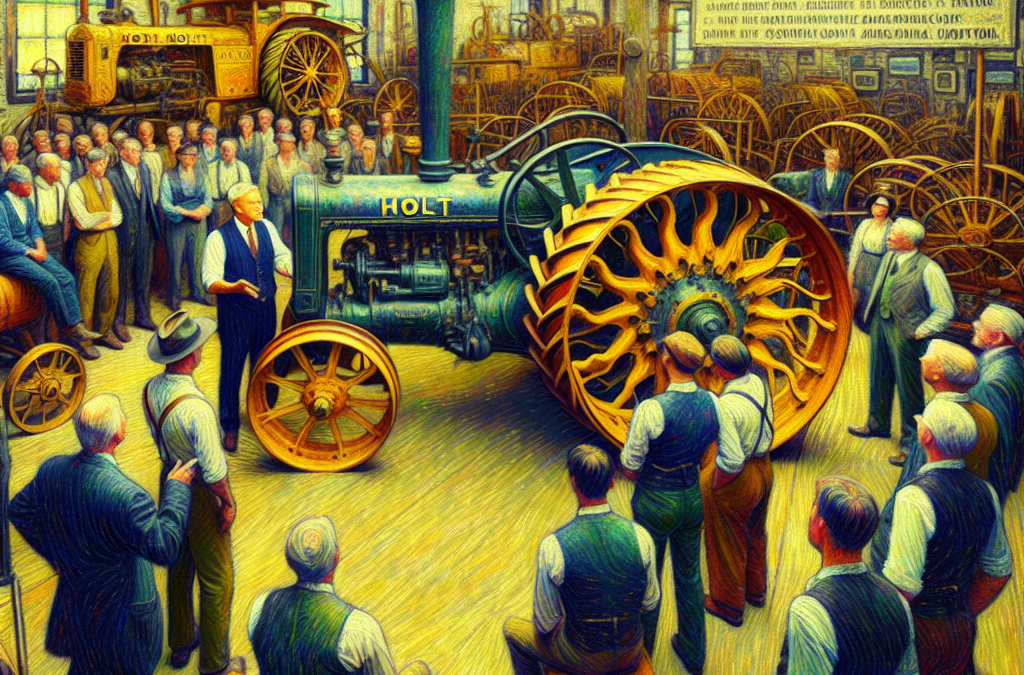
Unmasking Dealer Greed: The Shocking Truth Behind Overpriced Parts
By Tom Seest
At ClassicTractorNews, we help tractor lovers keep up with the latest news for classic and vintage tractors.
Please share this post with your friends, family, or business associates who may like old classic or vintage tractors.
The $15,000 Part That Should Cost $800 – Dealer Greed Revealed
The $15,000 Part That Should Cost $800 – Dealer Greed Revealed
We’ve all felt it: the ache in our gut when we face down an unexpected bill, particularly when it’s tied to something as fundamental as our livelihoods. Take, for instance, that overly inflated $15,000 price tag for a tractor part that should realistically cost no more than $800. It’s not just about machinery; it’s about our ability to thrive, to work hard and earn an honest day’s living. The irony here is stark—what was once a tool for our success has become a source of frustration, driven by an industry more interested in profit margins than in people.
I’ve spent countless hours observing the hardworking men and women who rely on those tractors to keep their farms running. They wake up before dawn, driven by a passion for their work and a family legacy that deserves to uphold its values. Yet, when it comes time to repair that essential machinery, the very tool that empowers them turns into a financial albatross. The feeling is universal; it hits close to home when your trusted dealer hands you an invoice that reads more like a ransom note than a legitimate transaction.
This disconnection between the true cost of a part and what dealers often charge isn’t just about dollars and cents—it’s about trust. When faced with such blatant price gouging, it begs the question: Where are our values? There’s a critical difference between commerce and greed. We should all feel a sense of responsibility to support each other, especially in communities grounded in hard work and commitment. When dealerships inflate prices unjustly, they not only harm the financial stability of families but also the very fabric of trust that holds communities together.
To flip the script, we can champion transparency and fairness. Imagine a world where local dealers honor the sweat equity put into every piece of that machinery rather than exploiting it. A simple notion, yet profoundly revolutionary. By standing up to this rampant dealer greed, the narrative shifts—it transforms from one of despair to one of empowerment. We don’t just deserve fair prices; we owe it to ourselves and our neighbors to cultivate an honest marketplace.
It’s about more than tractors and parts; it’s about our dignity and our ability to support our families. Recognizing this fight against unjust pricing not only connects us but ignites a spark to advocate for what’s right. It’s time to reclaim our narrative and make sure the tools of our trade serve us—not the other way around.
The $15,000 Part That Should Cost $800 – Dealer Greed Revealed
The $15,000 Part That Should Cost $800 – Dealer Greed Revealed
- High price of a tractor part: $15,000 instead of a reasonable $800.
- Lack of transparency in the pricing leads to feelings of frustration among hardworking individuals.
- Dealers prioritize profit over the needs of the community and the livelihoods of farmers.
- This disconnection harms trust within communities and financial stability for families.
- Advocating for fair pricing can empower individuals and strengthen communal values.
- Encourages a shift towards transparency and respect for the work put into agriculture.
- Reclaiming fairness in the marketplace preserves dignity and supports family livelihoods.
The $15,000 Part That Should Cost $800 – Dealer Greed Revealed
Table Of Contents
- The $15,000 Part That Should Cost $800 – Dealer Greed Revealed
- What Drives the Inflated Prices Of Essential Car Parts?
- How Can We Hold Dealerships Accountable for Pricing?
- What Emotions Arise When Faced with Shocking Repair Costs?
- Are We Sacrificing Quality for Profit In Auto Repairs?
- How Do Hidden Fees Affect Our Trust In Auto Service Providers?
- What Stories Reveal the Impact Of Dealer Greed on Families?
- Conclusion
- Other Resources
- Glossary Of Terms
- Other Questions
- Haiku
- Poem
- Checklist
What Drives the Inflated Prices Of Essential Car Parts?
Every car part tells a story, a narrative woven into the fabric of our daily lives. Just like the tractor that plows through fields, laboring tirelessly under the weight of the sun, the essential components of our vehicles are the unsung heroes of our journeys. Yet, the prices we see for these parts often feel inflated, as if they carry the burden of more than just their fundamental purpose.
At the heart of this inflation lies a complex network of supply and demand, with echoes that resonate through the economy. Think about it: when a storm wreaks havoc, the roads become treacherous, and the demand for replacement parts skyrockets. This surge can send prices spiraling, but it’s not merely the weather driving this uptick. It is also the intricate play between manufacturers and suppliers, many of whom are dealing with their own rising costs—raw materials, labor, logistics—all of which trickle down to us at the checkout counter.
But the story doesn’t stop there. Our emotional connection to our vehicles makes these inflated prices sting a little more. After all, a car is not just a metal box on wheels; it’s a vessel of memories. Think of the family trips, the late-night drives, the moments that solidified friendships. When that trusty vehicle starts to falter, it feels personal. And when faced with exorbitant repair costs, that sense of attachment collides with financial reality.
There’s an ethical dimension here, too. We find ourselves questioning the fairness of it all. Why should the price of a simple part, like a brake pad or a filter, be influenced by the whims of market fluctuations or corporate greed? It’s a dilemma that makes us feel like we’re being taken for a ride, especially when we recognize that not everyone can afford to keep their vehicles roadworthy. This gap creates a social responsibility to ensure equitable prices for essential parts.
Yet, amidst all the complexities, there lies an opportunity for connection. Local mechanics and family-run shops often step in when big chains raise prices, fostering a sense of community. They not only provide affordable options but also share stories of their trade, giving life to the mechanics of our machines. By supporting these local heroes, we can cultivate trust and confidence not just in their skills, but in the idea that together, we can navigate the bumpy roads ahead—both literally and figuratively.
Understanding why car parts are priced the way they are can empower us to make informed choices, whether we’re repairing that steadfast tractor or a first car. It invites us into a larger conversation about value, integrity, and the significance of keeping our lives moving forward.

What Drives the Inflated Prices Of Essential Car Parts?
What Drives the Inflated Prices Of Essential Car Parts?
- Every car part embodies a narrative integral to daily life and experiences.
- Inflated prices stem from a complex supply and demand dynamic influenced by various economic factors.
- Weather events can significantly spike the demand for replacement parts, affecting costs.
- Emotional attachment to vehicles complicates the perception of repair costs, making them feel more personal.
- Ethical concerns arise regarding fairness in pricing, creating social responsibility for equitable rates on essential parts.
- Local mechanics and family-run shops provide affordable alternatives, fostering community support and trust.
- Understanding pricing structures empowers consumers to make informed choices regarding vehicle repairs.
What Drives the Inflated Prices Of Essential Car Parts?
How Can We Hold Dealerships Accountable for Pricing?
In the world of car dealerships, where shiny new models sit under fluorescent lights like jewels in a crown, the struggle for fair pricing often feels like David taking on Goliath. Picture this: a hardworking individual or family, eyes set on that new tractor they’ve dreamt of for years, ready to invest their hard-earned money. Yet, lurking beneath the polished exterior is a complex web of pricing tactics that can leave consumers bewildered and frustrated.
Let’s talk about the gut-wrenching moment when you realize your dream tractor comes with strings attached—a series of hidden fees and inflated costs that can turn your excitement into disillusionment. This isn’t just about numbers on a contract; it’s about trust. You’re not merely buying a machine; you’re investing in a piece of your future, a tool that can empower your work and even your legacy. Dealerships need to understand that this connection goes both ways. When they impose prices that feel arbitrary, they risk alienating the very customers who keep them in business.
Now, consider the ethical responsibility that comes with selling. Dealerships hold authority in the marketplace, and with it comes the obligation to practice transparency. Imagine a world where pricing is clear, where each fee is justified, and where customers feel respected. This isn’t just good business; it’s the right thing to do. It creates a ripple effect of trust, fostering customer loyalty and building a community centered around respect and integrity.
We have to hold dealerships accountable, not just for ourselves but for the next generation of buyers. Reflect on the stories of those who have been misled. Perhaps there’s a farmer looking to upgrade their tractor, only to find themselves drowning in unexpected costs. This is more than a financial issue; it strikes at the heart of their livelihood. By sharing these narratives, we inspire others to speak up, to demand clearer pricing structures.
Ultimately, we need to create an ecosystem where consumers feel empowered to ask tough questions and voice concerns. Engaging with dealerships not as adversaries but as partners in a shared goal should be the norm. Together, we can cultivate an environment where fairness reigns and fair pricing becomes a hallmark of not just one dealership, but the entire industry. The real victory lies in transforming transactions into relationships, building a community where every tractor, farm, and dream is respected.

How Can We Hold Dealerships Accountable for Pricing?
How Can We Hold Dealerships Accountable for Pricing?
- Car dealerships often create misleading pricing tactics that confuse consumers.
- Hidden fees and inflated costs can turn excitement into disillusionment during vehicle purchases.
- Purchasing a tractor is about trust and future investment, not just a financial transaction.
- Dealerships have an ethical responsibility to practice transparency in pricing.
- Clear pricing fosters trust, customer loyalty, and a respectful community.
- Accountability is crucial for dealerships to ensure fair practices for future buyers.
- Collaboration between consumers and dealerships can promote fairness and build lasting relationships.
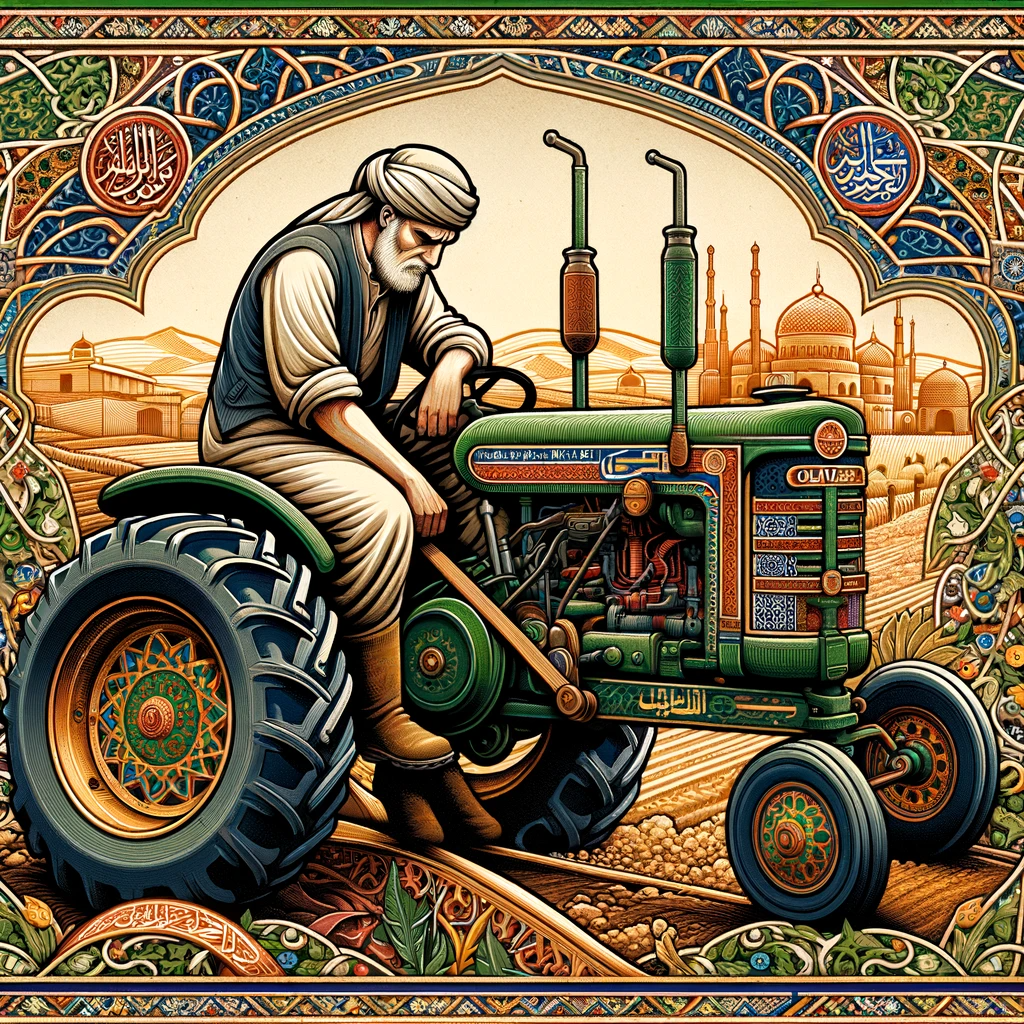
How Can We Hold Dealerships Accountable for Pricing?
What Emotions Arise When Faced with Shocking Repair Costs?
Imagine standing in your driveway, staring at your tractor, that trusted piece of machinery that has helped you sow seeds and cultivate your dreams. Suddenly, it breaks down, and the mechanic hands you a repair bill that feels more like a mortgage payment than a simple fix. It’s an all-too-familiar scenario, one that stirs a cocktail of emotions—shock, frustration, and even anger. These repair costs can feel like an unexpected punch to the gut, especially when they seem to come at the most inopportune times, such as the start of planting season or during harvest.
First comes the shock—a moment when the world seems to freeze, and your mind races to comprehend how that number on the paper translates to your plans and aspirations. You think about the work that lies ahead, the seasons that demand attention, and the financial strain of paying for something you never anticipated. This jolt not only challenges your wallet but also confronts your sense of reliability. After all, machinery is meant to serve you, not drain your resources.
Then, as reality sets in, frustration bubbles to the surface. It’s not just about the costs; it’s about the delicate balance of maintaining equipment while trying to keep your operation afloat. The feeling is akin to standing in a downpour without an umbrella, drenched and feeling vulnerable. You might ask yourself, was this worth it? Was the investment in this piece of machinery sound? This internal dialogue can spiral, covering everything from self-doubt to questions of strategy.
However, lurking beneath the anger and frustration lies a powerful question about stewardship and responsibility. You can either let these repair costs beat you down, or you can view them as a guidepost. Each repair is a reminder of the wear and tear of life—both on machines and on ourselves. It’s a chance to reflect on your choices and connections. Perhaps it’s time for a community chat, sharing your experiences with fellow farmers. Supporting one another through these trials creates a sense of belonging, transforming individual burdens into shared victories.
And while the emotions swell, the story doesn’t end with the bill. Remember that every repair story has the potential to teach resilience. It can inspire you to calibrate your priorities, foster resourcefulness, and even spark conversations about creating a financial cushion for the unexpected. Engaging with the tough reality of these costs encourages action—a new plan, maybe a savings strategy, or simply the strengthening of ties within your community. After all, if there’s anything a tractor teaches us, it’s that no field worth planting is without its challenges.
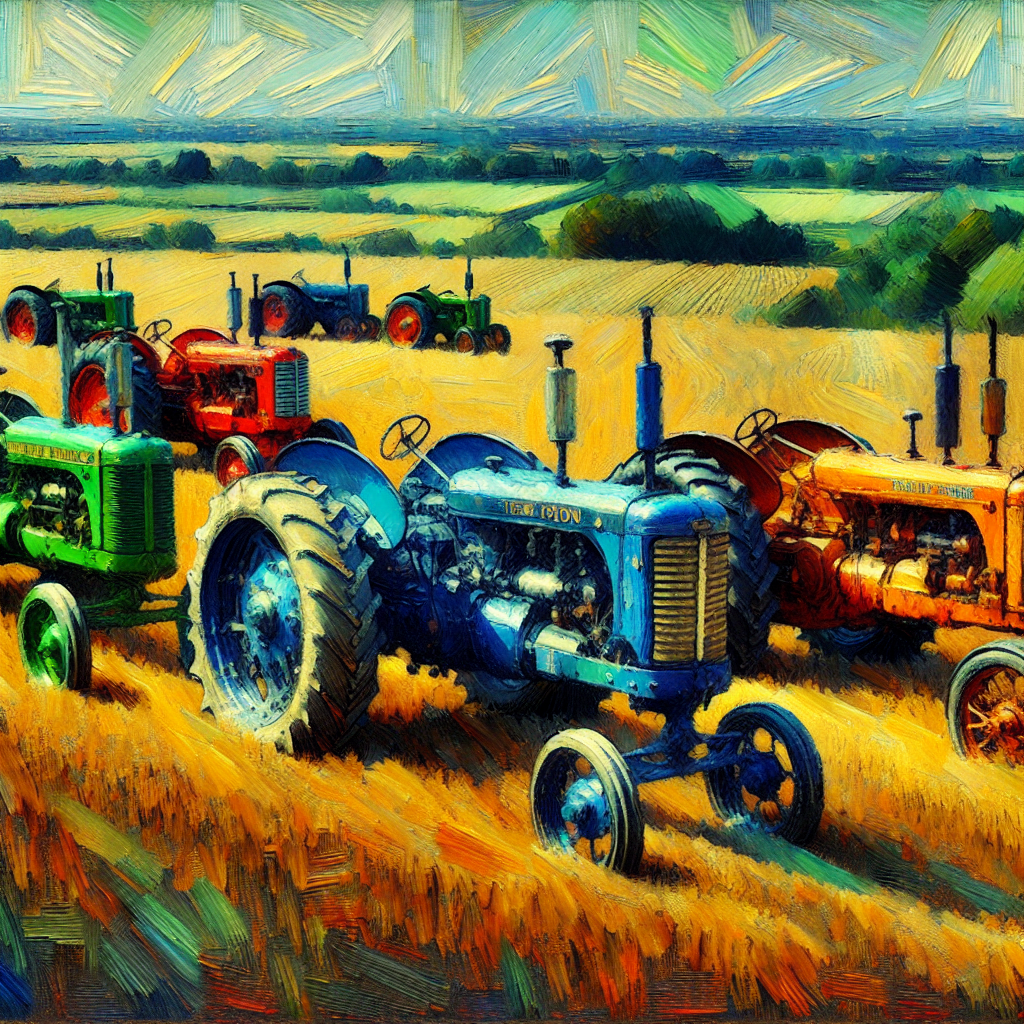
What Emotions Arise When Faced with Shocking Repair Costs?
What Emotions Arise When Faced with Shocking Repair Costs?
- Standing in the driveway, facing unexpected tractor repair costs can evoke emotions like shock, frustration, and anger.
- Repair bills can feel overwhelming, especially when they arrive during critical times, such as planting or harvest season.
- The immediate reaction often involves grappling with financial implications and the reliability of machinery.
- Frustration arises from balancing maintenance costs with operational needs, leading to self-reflection on the investment’s worth.
- Repair costs can serve as reminders of life’s wear and tear, prompting thoughts on stewardship and community support.
- Sharing experiences with fellow farmers can foster a sense of belonging and transform individual challenges into collective victories.
- Every repair can inspire resilience, encourage financial planning, and strengthen community ties, highlighting that challenges are inherent to valuable endeavors.
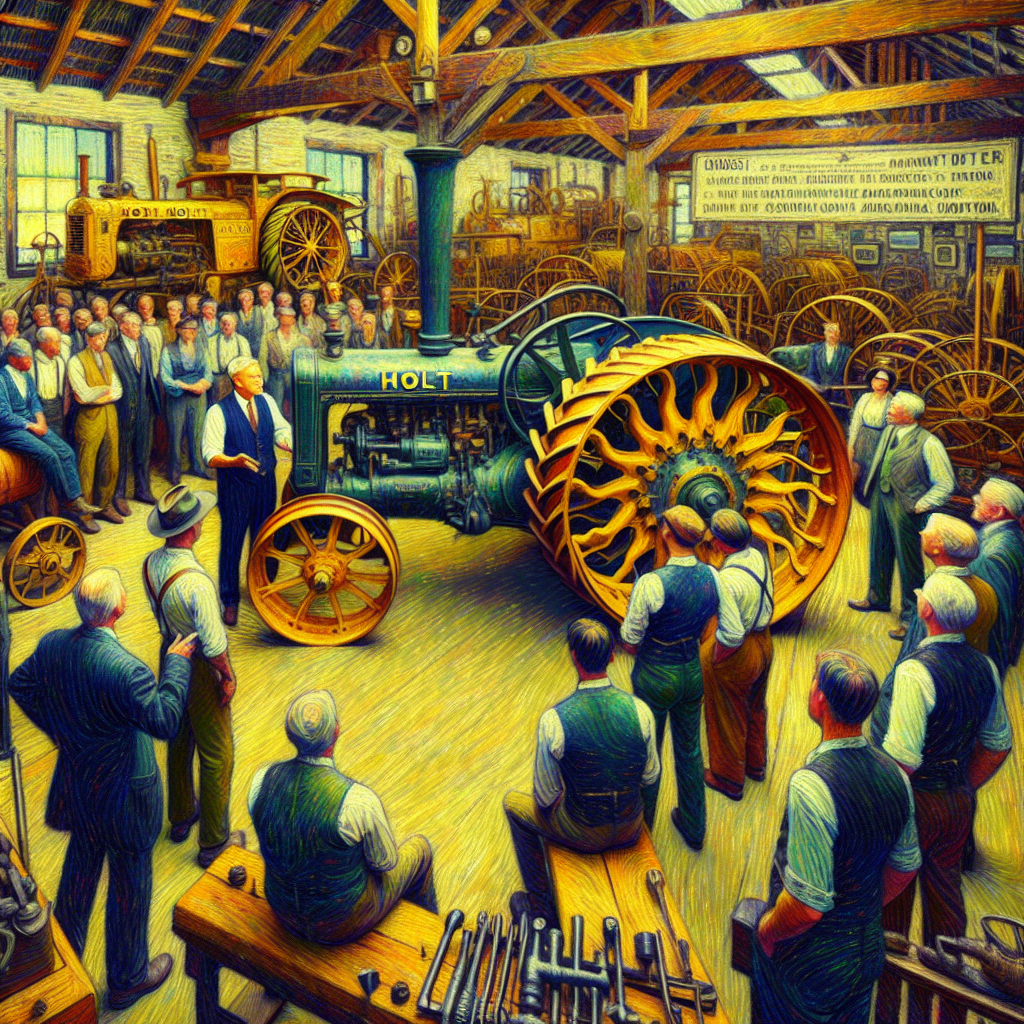
What Emotions Arise When Faced with Shocking Repair Costs?
Are We Sacrificing Quality for Profit In Auto Repairs?
Imagine a hardworking farmer, early mornings spent in the fields, his trusty tractor an extension of himself. It’s not just machinery; it’s the backbone of his livelihood. When that tractor breaks down, he doesn’t just see metal and grease. He sees lost yield, delayed harvests, and the frantic weight of financial stress pressing down. Now, picture him driving that tractor to the local repair shop, but instead of the comfort of expertise, he feels the gnawing worry: Are they out to fix it, or just to cash in?
This is the crossroads many consumers face today. In the era of growing corporate interests, the balance between quality and profit has tilted alarmingly. It’s not merely about replacing parts; it’s about a relationship built on trust. When auto repair shops prioritize the bottom line, they risk undermining the very foundation of service—honesty, craftsmanship, and care. We’re not just talking about engines and spark plugs; we’re talking about the sense of security that comes from knowing that the people working on your vehicle care about it as much as you do.
Consider an analogy: it’s like taking your old family heirloom clock to a craftsman who values speed over precision. He might fix it quickly, but the authenticity and long-lasting quality—what truly made it special—might get lost in the process. Just like that clock, a car is not only a mode of transportation; it’s a vessel of memories, family road trips, late-night adventures, and the freedom of the open road. There’s an emotional connection here that shouldn’t be overshadowed by profit margins.
In the midst of this dilemma, communities should seek out shops that remain steadfast in their commitment to quality. These are the places where relationships matter, where a mechanic takes the time to explain a problem or provide a transparent estimate. Such establishments don’t merely repair vehicles; they restore trust.
Finding that mechanic is like uncovering a hidden gem among the ordinary—one who demonstrates that it’s possible to honor tradition while embracing innovation. When we hold these shops accountable, we create a ripple effect that challenges industry norms. Together, we can champion a world where quality reigns supreme over the allure of profit, ensuring that every service, whether on a family car or a hardworking tractor, reflects a commitment to integrity and excellence.
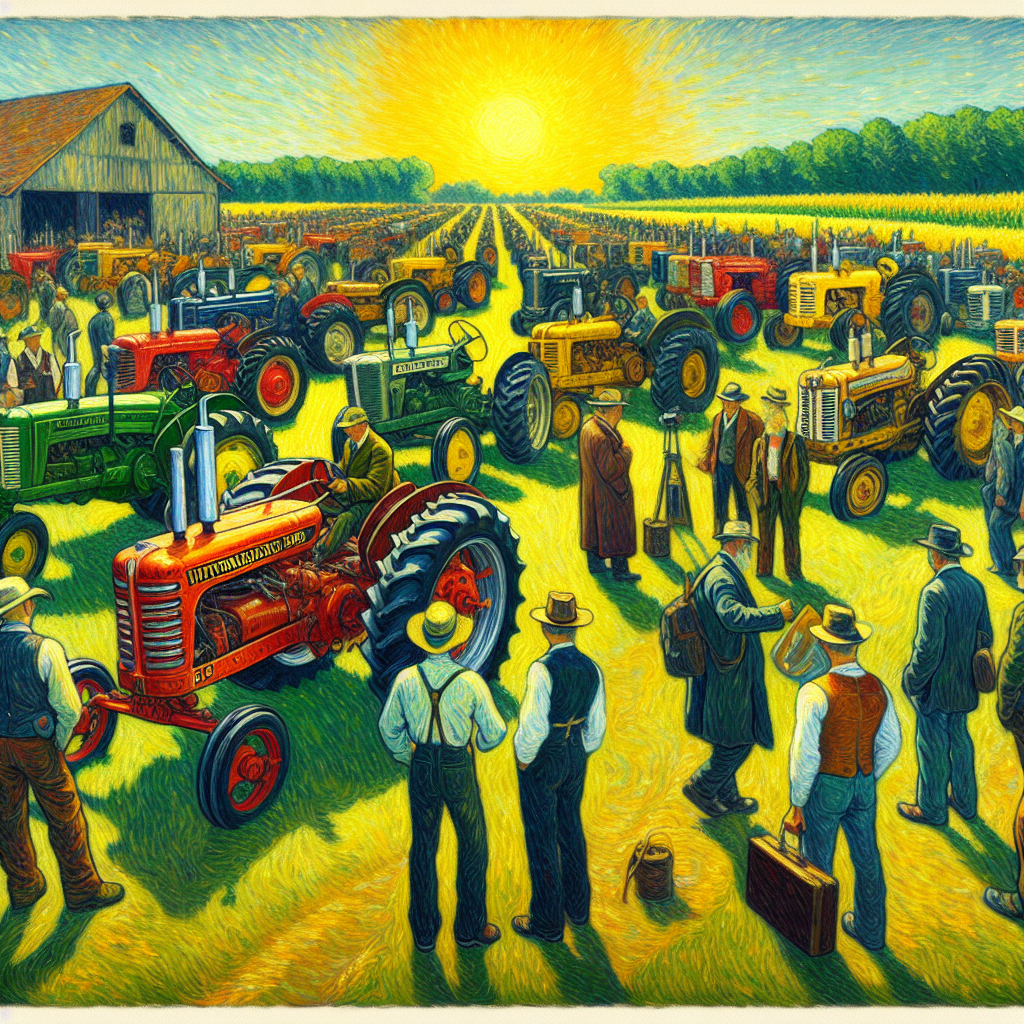
Are We Sacrificing Quality for Profit In Auto Repairs?
Are We Sacrificing Quality for Profit In Auto Repairs?
- A hardworking farmer relies on his tractor as a vital part of his livelihood.
- A broken tractor represents lost yield and financial stress for the farmer.
- Consumers face mistrust in repair services due to corporate interests prioritizing profit over quality.
- Trust is essential in auto repair, emphasizing honesty and craftsmanship.
- A car symbolizes more than transportation; it carries emotional memories and connections.
- Communities should support repair shops committed to quality and transparent service.
- Accountability in the industry can promote a culture of integrity over profit motives.

Are We Sacrificing Quality for Profit In Auto Repairs?
How Do Hidden Fees Affect Our Trust In Auto Service Providers?
When you drop your car off at an auto service center, you expect honesty. You trust that the mechanic will give it a thorough inspection and provide the needed repairs, right? However, the shadowy world of hidden fees can turn this seemingly straightforward transaction into a minefield of frustration. Picture this: you’re in the shop, surrounded by the aroma of motor oil, and the mechanic, all grease-stained and knowledgeable, delivers a glowing report about your vehicle—until they mention the bill. Just when you thought you were getting a fair deal, an avalanche of hidden fees tumbles down: service charges, disposal fees, and who knows what else.
This isn’t just about dollars and cents; it cuts deeper. Each hidden fee feels like a scratch on the surface of trust. When customers feel taken advantage of, that trust erodes quickly, much like the rust creeping over an unprotected fender. I remember a time when my aging tractor needed serious repairs. I brought it in, ready for an honest assessment. The mechanic assured me that everything would be transparent. But when I picked it up, the bill had more add-ons than a buffet menu. I felt deceived, betrayed even—the emotional toll of that experience lingered like the sound of an engine sputtering in the distance.
The average car owner isn’t a mechanic, just like the average tractor operator isn’t an automotive engineer. We don’t have the expertise to question every line item. This disconnect creates a vulnerability, allowing auto service providers to exploit hidden fees. Imagine a world where transparency reigned; customers would walk in confidently, armed with the knowledge that they’re not just another number on a ledger.
Think about your own experiences. Have you ever paid for services where you felt the details were less than clear? That gut feeling of betrayal is universal; it’s the visceral reminder that relationships—especially those based on trust—can falter.
It’s time for auto service providers to consider that concealed charges can undo years of hard-earned reputation. Just like a trusted old tractor breaking down in the field, putting faith in these providers hinges on reliability and honesty. The call to action is simple: let’s prioritize transparency in the automotive industry. Let’s build a world where every consumer feels valued—supported by clear communications—so that when they drive away, they do so with not just a repaired vehicle but a renewed sense of trust.

How Do Hidden Fees Affect Our Trust In Auto Service Providers?
How Do Hidden Fees Affect Our Trust In Auto Service Providers?
- Customers expect honesty and transparency when dropping off their vehicles at auto service centers.
- Hidden fees (service charges, disposal fees) can undermine trust in the mechanic’s assessment.
- Each hidden fee contributes to a feeling of betrayal and emotional distress for the customer.
- The average car owner lacks the expertise to question every detail on the bill, creating a vulnerability.
- There is a need for increased transparency in the automotive industry to rebuild trust with consumers.
- Concealed charges can damage service providers’ reputations, similar to an old tractor breaking down.
- The industry must prioritize clear communication to ensure customers feel valued and confident..

How Do Hidden Fees Affect Our Trust In Auto Service Providers?
What Stories Reveal the Impact Of Dealer Greed on Families?
What Stories Reveal the Impact of Dealer Greed on Families?
There’s a powerful story lurking in the echoes of a tractor’s engine, a sound associated with hard work and the promise of a better tomorrow. Imagine a family, living on a modest piece of land, eagerly saving pennies for years to buy that very tractor. It’s easy to see the gleam in the children’s eyes as their parents finally drive it home, a symbol of both hope and opportunity. But this dream can quickly morph into a nightmare when dealer greed punctures the moment.
Take the case of the Johnsons, who believed they were investing in their family’s future when they purchased a new tractor. The glossy brochure promised efficiency, longevity, and an endless harvest. Yet, buried in the fine print were hidden fees, inflated interest rates, and maintenance costs that stretched far beyond their budget. As the tractor sat idle in their barn, the reality of monthly payments loomed over them like an overcast sky. Their dreams of running a successful farm began to wilt.
It’s not just about dollars and cents; it’s about the stitches of family life that are unraveling. When a dealer prioritizes profit over people, families like the Johnsons can be left fighting for stability. The emotions are profound. Parents shift from celebrating a long-awaited purchase to grappling with anxiety and regret, while children witness their dreams of farm-fresh adventures being replaced by the harsh reality of financial strain.
A tractor can represent freedom, but when tainted by unethical business practices, it becomes a weight. It’s a visceral reminder of how greed can infiltrate the most innocent of aspirations. Families don’t just bear the financial burden; they carry the emotional scars of feeling trapped and deceived.
Reflect on this: a tractor should be a tool for growth, not a source of stress. Yet, in a marketplace where dreams come with hidden costs, it’s my belief that ethical practices must reign supreme. There’s a collective responsibility to demand transparency, to hold dealers accountable—not just because it’s right, but because it offers a lifeline to families desperate to reclaim their dreams and find financial freedom.
Moving forward, let’s champion stories like the Johnsons’ to raise awareness. They serve as a rallying cry for transparency in transactions, inviting everyone to consider not just the financial impact, but the emotional tapestry woven into each decision made in the dealer’s office. A tractor should empower, not ensnare.

What Stories Reveal the Impact Of Dealer Greed on Families?
What Stories Reveal the Impact Of Dealer Greed on Families?
- A family’s dream of owning a tractor symbolizes hope and opportunity but can become a nightmare due to dealer greed.
- The Johnsons faced hidden fees, inflated interest rates, and excessive maintenance costs which strained their budget.
- A dealer prioritizing profit over families leads to financial instability and emotional distress.
- Parents experience anxiety and regret, while children’s dreams shift to harsh financial realities.
- Unethical practices turn a symbol of freedom into a burden for families, causing emotional scars.
- Ethical business practices and transparency are essential to prevent families from feeling trapped.
- Raising awareness of stories like the Johnsons’ is crucial for advocating accountability in dealer transactions.

What Stories Reveal the Impact Of Dealer Greed on Families?
Conclusion
In navigating the murky waters of dealer greed, we’re faced with a stark reality: the cost of essential equipment isn’t just a line item; it’s a reflection of our values and priorities. When a $15,000 part that should cost a mere $800 becomes a reality, it transcends mere economics—it strikes at the heart of our livelihoods, dreams, and families. This isn’t merely a tale of overpricing; it’s a testament to the deeper relationship we forge with our tools. Our machinery is not simply metal and rubber; it’s an integral part of our heritage, our work ethic, and our aspirations.
The farmers and laborers who rise before dawn do so with an unyielding spirit, yet that spirit can easily be dampened by the suffocating weight of inflated bills. We are left questioning not just the price, but the ethics of an industry that seems to prioritize profit over integrity. When a long-awaited investment morphs into a burden of debt, the bonds of trust fray, and we are left with a visceral sense of betrayal. This disconnection isn’t just financial; it threatens the social fabric of our communities, where hard work should be rewarded, not exploited.
The narratives of families like the Johnsons remind us that these high costs can turn dreams into nightmares, everyday goals into sources of anxiety. Their struggle reflects a shared experience that resonates deeply within us all—it’s a wake-up call to stand against a system that thrives on unjust pricing, casting aside values of fairness and transparency. By advocating for ethical practices, we can reclaim our narrative, demanding a marketplace where honesty prevails.
Let’s envision a reality where our dealers honor the hard work behind every dollar we spend. It’s about fostering relationships built on mutual respect, ensuring that our investments yield both financial and emotional returns. This isn’t just a battle for better prices; it’s a movement for dignity, community, and empowerment.
The road ahead requires more than just awareness; it demands action and accountability. We must hold our dealers accountable, demand clearer pricing structures, and champion the local businesses that embody integrity amidst the chaos. By amplifying our voices, sharing stories, and supporting one another, we can transform this narrative from one of despair into one of hope—a community united in the pursuit of fairness and justice. If a tractor is to be a vessel for our dreams, let’s ensure it moves us forward, not weighs us down. Together, we can cultivate a market that serves us all.
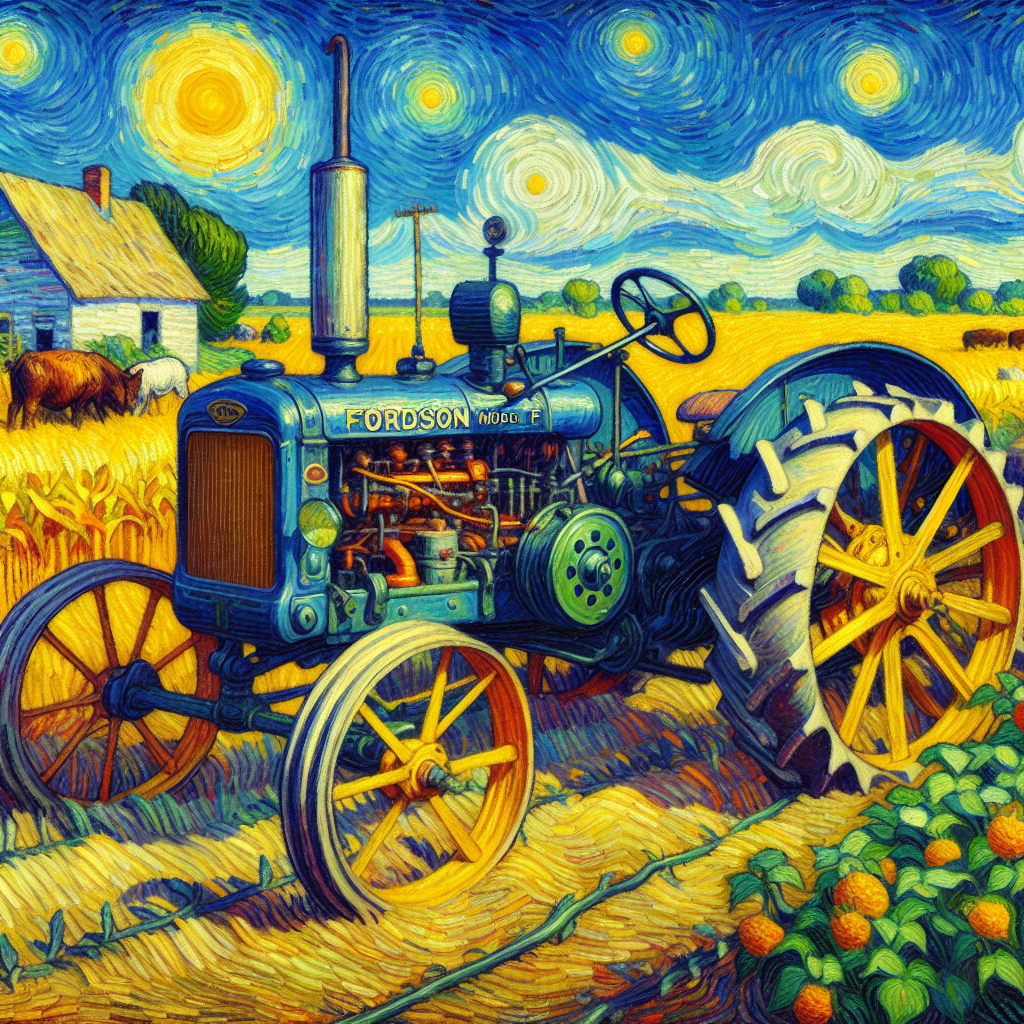
Conclusion
Conclusion:
- The cost of essential equipment reflects our values and priorities.
- Overpricing impacts livelihoods, dreams, and families, highlighting ethical concerns in the industry.
- High costs can turn dreams into nightmares and create anxiety for families.
- This issue threatens the social fabric of communities, where hard work should be rewarded.
- Advocating for ethical practices can reclaim the narrative for fairness and transparency.
- We must hold dealers accountable and support local businesses that embody integrity.
- By uniting in this cause, we can cultivate a market that serves everyone fairly.

Conclusion
Other Resources
Other Resources
Here is a list of other resources you can review online to learn more:
- Woods & Copeland
- Agra Cat
- Fendt International
- Creekside Farm & Market Tractor Show
- J & MManufacturing
- Farm Collector
- Minnesota Machinery Museum
- Keck-Gonnerman
- Steyr
- Samson
- IngersollRand
- CBT
- Vintage Tractor Digest
- Steiner Tractor
- SAME Tractors
- Ranch Hand
- Huber
- AgTrac
- Saukville
Use This Prompt To Get More Resources With Your Favorite Online AI Tool: Please provide me with a list of online articles with their URLs in a bulleted list that I can read regarding The $15,000 Part That Should Cost $800 – Dealer Greed Revealed

Other Resources
Glossary Terms
The $15,000 Part That Should Cost $800 – Dealer Greed Revealed – Glossary Of Terms
1. MSRP — Manufacturer’s Suggested Retail Price; the recommended selling price for vehicles or parts set by the manufacturer.
2. Invoice price — The amount the dealer is billed by the manufacturer before incentives or holdbacks.
3. Dealer markup — The amount added to a part or service above the dealer’s cost to produce profit.
4. Parts markup — The specific markup applied to replacement parts sold through the dealer.
5. Labor rate — The hourly charge the dealer bills for technician work.
6. Flat-rate labor — Billing method that charges a fixed time for a job based on a labor guide, not actual clocked hours.
7. Labor guide — Industry-standard reference (e. g. , Mitchell, Alldata) listing estimated hours for repairs used to compute flat-rate charges.
8. OEM part — Original Equipment Manufacturer component produced to the vehicle maker’s specifications.
9. Aftermarket part — Non-OEM replacement part made by third-party manufacturers, often cheaper.
10. Remanufactured part — A used part restored to working condition and often sold at a lower price than new.
11. Core charge — Refundable deposit collected when a remanufactured part is sold; returned when the old part (core) is supplied.
12. Buy rate — The dealer’s net acquisition cost after rebates, incentives, or dealer holdbacks.
13. Retail price — The final price presented to the customer, including parts, labor, and fees.
14. Quote — A written or verbal estimated price for parts and services before work begins.
15. Estimate padding (quote inflation) — Intentional or accidental overestimation of work or parts to increase the final bill.
16. Upsell — Offering higher-priced parts or additional services beyond what is necessary.
17. Add-on — Extra accessory or service added to a repair order that increases revenue.
18. Diagnostic fee — Charge to identify a vehicle problem; sometimes credited to final repair cost if approved.
19. Sublet — Work or parts outsourced by the dealer to a third-party vendor or specialist.
20. Administrative fee (shop supplies fee) — Small flat charge added to service invoices for consumables and paperwork.
21. Warranty — Contract terms under which repairs or parts are covered at no cost within a specified period.
22. Extended warranty — Optional, paid coverage that extends protection beyond the manufacturer’s warranty.
23. Goodwill adjustment — Partial or full reimbursement offered by a dealer or manufacturer to amicably resolve a customer complaint.
24. Manufacturer Technical Service Bulletin (TSB) — Official guidance issued to dealers for diagnosing or repairing known issues.
25. Recall — Mandatory manufacturer notice and free repair for safety-related defects.
26. Price transparency — The degree to which parts costs, labor times, and markups are disclosed to the customer.
27. Market-based pricing — Setting prices according to local demand and competition rather than strictly by cost.
28. Price gouging — Excessive pricing perceived as unfair, especially during emergencies or when alternatives exist.
29. Right-to-repair — Legal and policy efforts that give independent shops and owners access to parts, tools, and data for repairs.
30. Chargeback / Warranty claim denial — When a manufacturer refuses or reduces reimbursement to the dealer for a warranty-covered repair, potentially shifting cost to the customer. Glossary Of Terms
Other Questions
The $15,000 Part That Should Cost $800 – Dealer Greed Revealed – Other Questions
If you wish to explore and discover more, consider looking for answers to these questions:
- Is a $15,000 price for this part ever legitimate, or is it clearly an excessive markup?
- How can I determine the fair market price for a specific tractor or car part?
- What factors (materials, labor, supply chain, brand) legitimately drive part costs up?
- What is the difference in price and quality between OEM, dealer, and aftermarket parts?
- How can I verify that the part a dealer installs is authentic and not a counterfeit?
- Are dealers allowed to withhold parts or force customers to buy through them exclusively?
- What consumer protection laws regulate dealer pricing and hidden fees where I live?
- How do I dispute, negotiate, or contest an inflated invoice from a dealer?
- Should I get multiple written quotes before authorizing expensive repairs, and how do I compare them?
- What documentation and itemized breakdown should I demand on every repair bill?
- How much of a repair bill is typically labor versus parts, and how can I check labor-hour rates?
- Are online parts retailers or salvage/reconditioned parts safe, legal, and cost-effective alternatives?
- Can warranties, service contracts, or insurance cover high-cost parts and repairs?
- When is it more economical to repair a machine versus replacing it outright?
- How do supply chain disruptions, tariffs, or manufacturer pricing policies affect dealer part prices?
- What are common hidden fees (disposal, environmental, diagnostic, shop supplies) and how can I avoid them?
- How can I find and vet trustworthy independent mechanics or community-recommended shops?
- What steps should I take immediately if faced with a surprise repair bill during a critical season?
- Are there local, state, or federal agencies where I can report price gouging or deceptive practices?
- How common are predatory financing, inflated interest rates, or roll-up fees on equipment purchases?
- What community, cooperative, or buying-group options exist to reduce parts and service costs?
- How can small farmers or families access emergency financial assistance or grants for essential repairs?
- Are there industry transparency tools, price databases, or apps that let consumers compare part costs?
- Can I legally take a dealer to small claims court or pursue a class-action lawsuit over systematic overcharging?
- What maintenance routines and preventative measures most effectively reduce the risk of catastrophic, costly failures?
- How do recall notices, service bulletins, or manufacturer goodwill programs affect repair costs?
- What taxes, duties, or environmental compliance costs are typically passed on in parts pricing?
- How widespread is dealer overpricing—is this localized to certain regions, brands, or types of equipment?
- What real-life case studies or data demonstrate the financial impact of dealer greed on family farms and small businesses?
Other Questions
Haiku
The $15,000 Part That Should Cost $800 – Dealer Greed Revealed – A Haiku
Price tags inflated,
Trust erodes, dreams turn to dust.
Fairness must prevail.

Haiku
Poem
The $15,000 Part That Should Cost $800 – Dealer Greed Revealed – A Poem
In fields of toil beneath the skys embrace,
Where dreams are sown, and labor finds its place,
A trusted tractor, symbol of our plight,
Becomes a burden cloaked in hidden fright.
Fifteen thousand for a part that’s worth just eight,
A price inflation fueled by greed, not fate.
Where once it turned the soil, now it strains our peace,
A vital tool transformed, our hopes it could decrease.
Beneath the shock of bills, emotions swell,
Frustration and anger weave a harrowing tale to tell.
Families saved to buy that dream, now trapped in chains,
As dealer greed invades their lives like unrelenting rains.
Trust erodes as hidden fees take hold,
Each unexpected charge a story left untold.
Where’s integrity in commerce, where’s the common good?
When profit reigns supreme, our values misunderstood.
Yet within this shadow, communities can rise,
With local hands that offer truths unmasked, no lies.
Together, we demand a marketplace refined,
Where fairness roots itself, and trust is redefined.
So let’s reclaim the narrative, uphold our dignity,
Stand against the tide of unethical affinity.
For tractors, parts, and dreams are ours to own,
In unity, we’ll forge a path toward seeds we’ve sown.

Poem
Checklist
The $15,000 Part That Should Cost $800 – Dealer Greed Revealed – A Checklist
Emotional Appeals
✅______ Reflect on your connection to the machinery you rely on daily ✅______ Share personal stories of how inflated repair costs have affected your livelihood ✅______ Discuss the emotional impact of unexpected bills on families and communities
Rational Appeals
✅______ Research and compare prices from different dealers for essential parts ✅______ Understand the factors influencing prices, including supply chain dynamics ✅______ Calculate the long-term cost implications of inflated prices versus fair pricing
Ethical Appeals
✅______ Advocate for transparent pricing structures in dealerships ✅______ Hold dealers accountable for ethical business practices ✅______ Support legislation promoting fairness in pricing in the automotive industry
Authority Appeals
✅______ Follow reputable organizations or experts that support fair pricing practices ✅______ Seek out testimonials from satisfied customers of transparent dealerships ✅______ Engage with community leaders advocating for consumer rights in the automotive sector
Narrative Appeals
✅______ Share success stories of individuals or families who overcame dealer greed through advocacy ✅______ Promote community discussions about experiences with local dealerships ✅______ Document narratives highlighting the importance of ethical business in building trust
Social Appeals
✅______ Encourage community support for local businesses committed to fair pricing ✅______ Organize or join local groups focused on consumer rights and ethical practices ✅______ Promote sharing of experiences on social media to raise awareness

Checklist
At ClassicTractorNews, we help tractor lovers keep up with the latest news for classic and vintage tractors.
Please share this post with your friends, family, or business associates who may like old classic or vintage tractors.